Climate change is a change in the climate or environment of the planet . it is not a natural process ,but an outcome of human activities and interference with nature. Climate change is not an issue of today or yesterday. It’s been started for a very long time. Transformation or variation in nature has been started in nature since the age of industrialization. climate change is the biggest threat for humanity .It is making our earth inhabitable. . Human civilization was developing at the cost of nature. And after that we all have followed their footprints for getting luxurious lifestyle, comfort, easiness .
development is required , but should not be done at the cost of nature.
Climate change is most worriment issue of today’s world. but the point is whether all countries are equally serious about it. Solemnity about this global issue varies from country to country , because economical condition of countries, lifestyle of their people, education level, women’s condition in countries are not same . That is why it is obvious to have difference in their awareness and actions. the more people will aware the more they will take action. Awareness relies on the economical, political and educational level of the country . climate change is such a issue that is difficult to understand .the . having knowledge is worthless if proper actions are not being made and implemented. All the countries are accountable for this global issue ,however their contribution is unlike . the hazardous impact of climate change will not be as per of countries contribution . the planet is affected by this.
Climate change increase flood risk. The global average surface temperature has increased 2 degree since the pre – industrial era . Every upcoming year is becoming warmest year ,breaking the record of previous years. incidents of wild fires have become more apparent of become more apparent ,extinction of wild species ,demolition of ozone layer ,shrinking glaciers , increasing sea level and intensity of tornados, avalanches , new epidemics , water ,air ,soil pollution and heat waves . it more likely to face adverse effect in forthcoming days.
India is the 4th largest emitter of greenhouse gas after china , united state and EU . For country like india , it is not possible to pay more attention on this global issue , when they have major issue like corruption , poverty, population, unemployment, education system, basic sanitation, healthcare system, women’s safety, infrastructure, agriculture distress etc. The germanwatch institute presented the result of the global climate risk index 2020.India is also in the top 10 countries. India’s climate risk index is 18.17 and is the major victim of extreme heat ,flood and sand storm among other divesting natural events . Global disasters are making headlines everyday .for instance California wildfire ,Uttarakhand wildfires, Australian bushfires, tycoon and floods etc. Human civilization has put itself in a great hazard by its activities.
India is a developing country and is not responsible much for it as compared to other countries. Two third of people in india are living in poverty,: they lack a basic need. Middle class aim to have decent well paid job, hope to own a house of their own, seek to have a secure retirement and want to secure the healthcare and educational need of their family. Affluent section are busy in their luxurious life. In India citizens are tackling with more sever issue such as food security ,shelter, employment ,lack of good education and politics is concern with other things .
In Indian politics climate change is not a major issue. Indian politics revolves more around religion , faith, party system ,temple, cast etc. Good education makes people aware and it leads the country toward new innovations and breakthroughs ,which will ultimately help us in fight with climate change .In agriculture sector we need new crop seed with climate resilient feature because our land will have to face more flood ,droughts and extreme heat. We need new innovation in renewable energy sector ,people will only switch their energy source when they find renewable energy source as cheap as traditional one. Although many major automobile companies have launched electric vehicle ,electric cycle but they are so expensive that middle class can’t afford to buy. Research and development in this sector will help them to reduce the price while improving its functionality .one main thing we need to ensure that these electric vehicles must use renewable energy for their charging.
People’s participation is crucial in any anti climate action plan proposed by government .There is lot of examples of individual endeavours such as Greta Thunburg, Devaki Amma from Kerela state of India who alone grew a forest and Anupam Mishra know for the conservation of rivers and water sources. So everyone has a place in fight with climate change .
Lack of coordination at both national and international level. countries have made many agreements , protocols, pacts and organization to combat the climate issue like IPCC ,UNFCC,RIO SUMMIT ,PARIS PACT,MONTIAL PROTOCOL ,COP SUMMIT but we can clearly see the lack of seriousness in world politics. Their words are more than action. Like all developing countries, India’s concern about economic development and poverty alleviation is justified. And must be fully respected in any global climate regime, As virtually stated explicitely in the UNFCCC (United Nations Framework Convention on Climate Change).
At world level, the largest polluter or carbon emitter –US walked out of the global agreement. However , later US rejoin the paris agreement United state has produced 6.6 billion matric tons of carbon dioxide in 2019,the second largest emitter in the world after china. india is the third largest emitter of greenhouse gases. For the first time The Paris Agreement has brought together entire countries with a common goal of limiting global warming to below 2 degree Celsius . To attain this long term temperature goal, countries motive to reach global peaking of greenhouse gas emissions as soon as possible to achieve a climate neutral world by mid century.
WHO is bringing the world’s scientists and global health professionals together to accelerate the research and development process, and develop new norms and standards to contain the spread of the coronavirus pandemic and help care for those affected.
The R&D Blueprint has been activated to accelerate diagnostics, vaccines and therapeutics for this novel coronavirus.
The solidarity of all countries will be essential to ensure equitable access to COVID-19 health products.
Global research database
WHO is gathering the latest international multilingual scientific findings and knowledge on COVID-19. The global literature cited in the WHO COVID-19 database is updated daily (Monday through Friday) from searches of bibliographic databases, hand searching, and the addition of other expert-referred scientific articles. This database represents a comprehensive multilingual source of current literature on the topic. While it may not be exhaustive, new research is added regularly.
The WHO evidence retrieval sub-group has begun collaboration with key partners to enrich the citations and build a more comprehensive database with inclusion of other content. The database is built by BIREME, the Specialized Center of PAHO/AMRO and part of the Regional Office’s Department of Evidence and Intelligence for Action in Health.
For further information or questions, please contact the WHO Library via email.
Disclaimer: the designations employed and the presentation of the material in publications listed in this database does not imply the expression of any opinion whatsoever on the part of WHO concerning the legal status of any country, territory, city or area or of its authorities, or concerning the delimitation of its frontiers or boundaries. Dotted and dashed lines on maps represent approximate border lines for which there may not yet be full agreement.
The mention of specific companies or of certain manufacturers’ products in publications listed in the database does not imply that they are endorsed or recommended by WHO in preference to others of a similar nature that are not mentioned. Errors and omissions excepted, the names of proprietary products are distinguished by initial capital letters.
By listing publications in this database and providing links to external sites does not mean that WHO endorses or recommends those publications or sites, or has verified the content contained within them. The database has been compiled without warranty of any kind, either expressed or implied. The responsibility for the interpretation and use of publications included in this database lies with the reader. In no event shall WHO be liable for damages arising from its use.
“Music is the language of the spirit. It opens the secret of life bringing peace, abolishing strife.”
Kahlil Gibran
“Music is the moonlight in the gloomy night of life”
John Paul Friedrich Richter
“Music is the universal language of mankind”
Henry Wadsworth Longfellow
Introduction
These quotes on music give us a little idea about what music is to people and how it makes them feel. Music is defined as vocal or instrumental sounds or both combined in such a way as to produce beauty of form, harmony, and expression of emotion. Music is an art and so it is usually influenced by culture and it becomes an important part of all cultures. Music does not only have to be professional, even a mother singing a lullaby for her baby is music.
History of Music
The history of music is almost as old as humanity. Archaeologists have found a primitive flute made of bone and ivory which can be dated back to almost 43,000 years old. A lot of musical styles could have been oral and so there is not much evidence on that. The oldest song by man is known to be the “Hurrian Hymn No. 6” which was an ode to the goddess Nikkal composed in cuneiform by ancient Hurrians around 14th century B.C. But the earliest piece of music was found on a 4000-year-old Sumerian clay tablet which had instructions on how to play the hymn in honour of the ruler Lipit-Ishtar. The oldest musical composition to have survived is known to be from the first century A.D., a Greek tune called the “Seikilos Epitaph”. This song was found engraved on an ancient marble.
Types of Music
The world is filled with several music genres and music styles. Some of the common music genres with examples are:
Classical – Moonlight by Ludwig Van Beethoven
Country – You should be here by Cole Swindell
Electronic Dance Music (EDM) – Fade by NCIS
Hip Hop – Gangsters Paradise by Coolio
Indie Rock – Heaven Knows I’m Miserable Now by The Smiths
Jazz – A Kiss to Build a Dream on by Louis Armstrong
K-pop – Butter by BTS
Metal – Diary of Jane by Breaking Benjamin
Pop – Shape of You by Ed Sheeran
Rap – These Guys by Blay Vision
Rhythm & Blues (R&B) – You Got it Bad by usher
Rock – Stairway to Heaven by Led Zeppelin
Blues – Sultans of Swing by Dire Straits
Benefits of Music
Research shows that music helps in keeping your heart healthy. Blood flows more easily when music is played, heart rate gets reduced, blood pressure lowers, it also decreased cortisol levels which is the stress hormone and it increases serotonin and endorphin in blood.
Music boosts the brain’s production of dopamine which helps in relieving anxiety and depression.
Music triggers some biochemical stress reducers which then help in reducing stress.
People going through depression are recommended to listen to music and it is supposed to help.
Music therapy is used for people suffering from Alzheimer’s or dementia. This music therapy relaxes the patients.
Music therapy also helps in managing the pain, it reduces the perceived intensity of pain.
Music is supposed to increase the workout endurance one might have.
For some people, music helps in concentration and minimizes the chances of getting distracted.
Music helps in regulating and understanding your emotions.
Conclusion
Music has existed for a very long time and that too in many forms. Most of us listen to different kinds of music just because we feel like it, without realizing the benefits it has. So, music isn’t just some sound with some instrument, it indeed is the moonlight in the gloomy night of light.
“We are, all of us, growing volcanoes that approach the hour of their eruption, but how near or distant that is, nobody knows- not even God.”
~ Friedrich Nietzsche
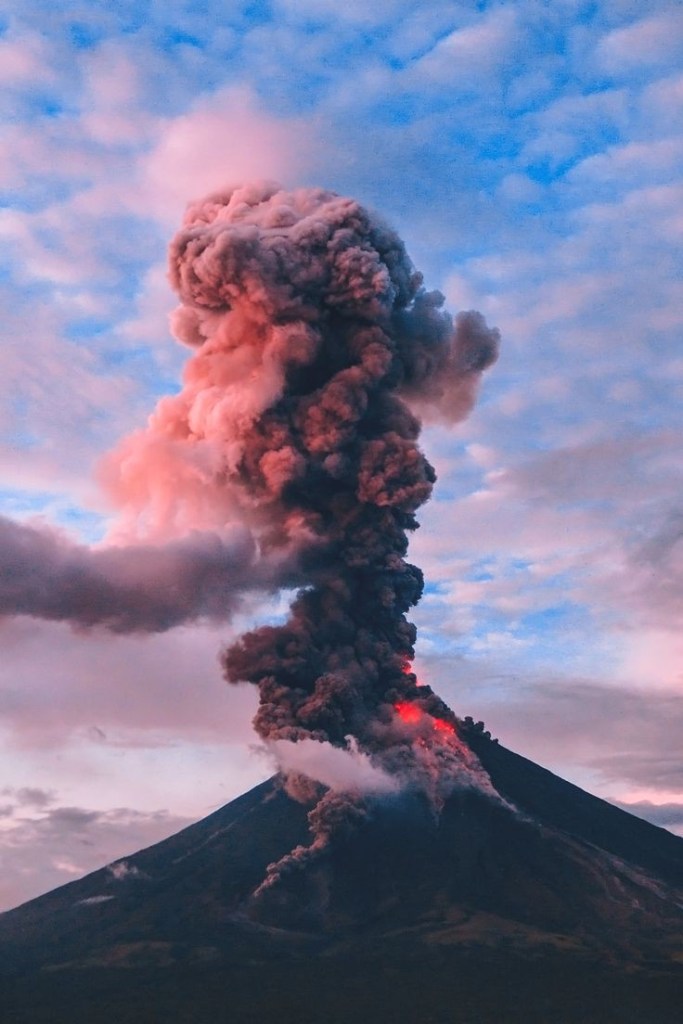
We always talk about , what it would be like to see volcano eruption in front of your eyes ?
How amazing it would be like to find out , how the volcano erupt ?
There are many things that we don’t know exist in our earth 🌍. Do you want to know about it . If yes , than read the editorial .
Introduction
A volcano is a rupture in the crust of a planetary-mass object, such as Earth, that allows hot lava, volcanic ash, and gases to escape from a magma chamber below the surface.
On Earth, volcanoes are most often found where tectonic plates are diverging or converging, and most are found underwater.
The word volcano is derived from the name of Vulcano, a volcanic island in the Aeolian Islands of Italy whose name in turn comes from Vulcan, the god of fire in Roman mythology.
Many ancient accounts ascribe volcanic eruptions to supernatural causes, such as the actions of gods or demigods. To the ancient Greeks, volcanoes’ capricious power could only be explained as acts of the gods, while 16th/17th-century German astronomer Johannes Kepler believed they were ducts for the Earth’s tears.[87] One early idea counter to this was proposed by Jesuit Athanasius Kircher (1602–1680), who witnessed eruptions of Mount Etna and Stromboli, then visited the crater of Vesuvius and published his view of an Earth with a central fire connected to numerous others caused by the burning of sulfur, bitumen and coal.
Types of eruptions
Hydrothermal eruption. An eruption driven by the heat in a hydrothermal systems.
Phreatic eruption. An eruption driven by the heat from magma interacting with water.
Phreatomagmatic eruption.
Lava.
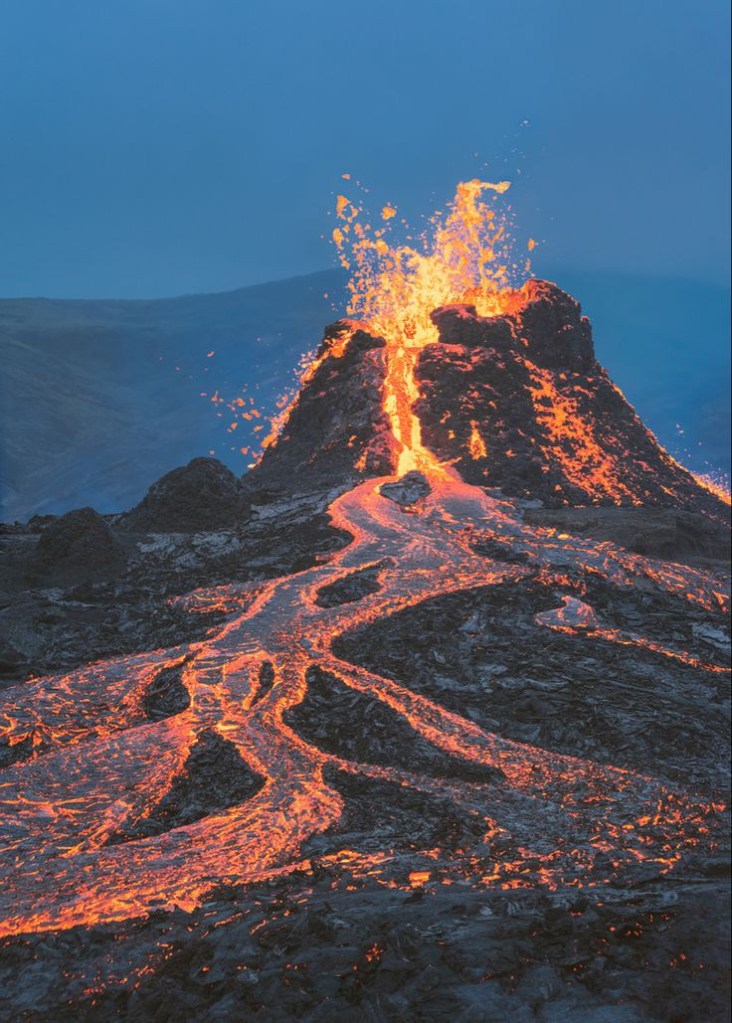
Strombolian and Hawaiian eruptions.
Vulcanian eruptions.
Subplinian and Plinian eruptions.
How do volcanoes erupt?
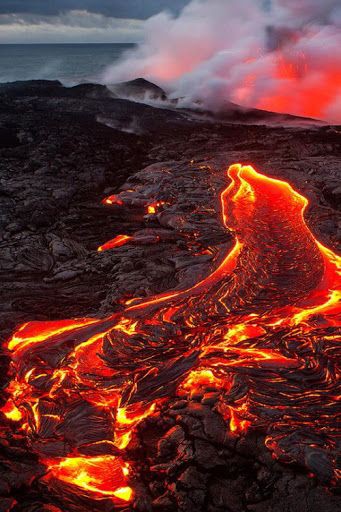
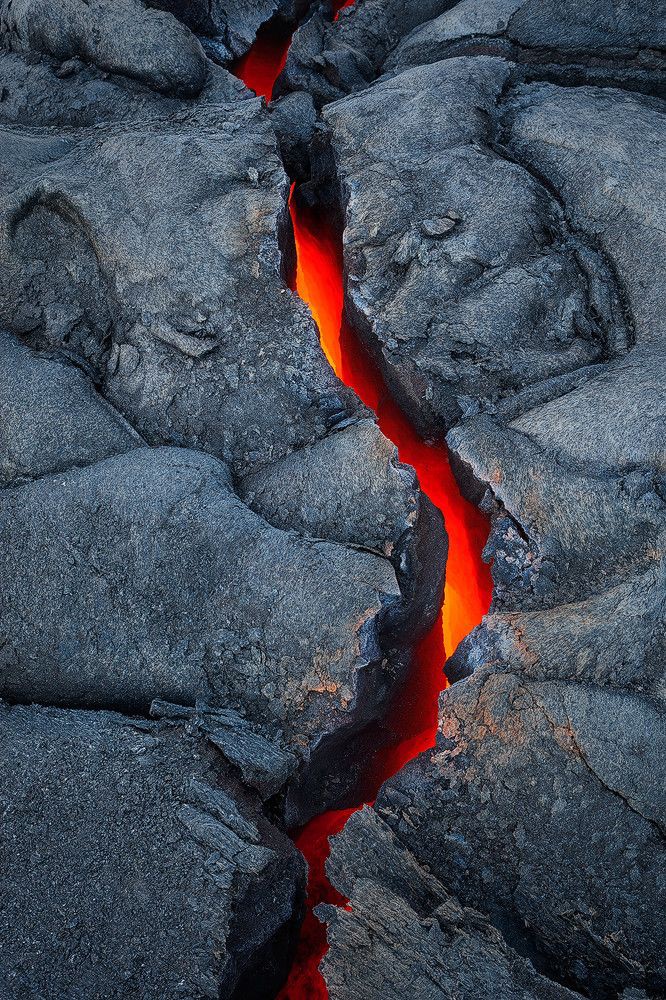
Deep within the Earth it is so hot that some rocks slowly melt and become a thick flowing substance called magma. Since it is lighter than the solid rock around it, magma rises and collects in magma chambers. Eventually, some of the magma pushes through vents and fissures to the Earth’s surface. Magma that has erupted is called lava.
The explosivity of an eruption depends on the composition of the magma. If magma is thin and runny, gases can escape easily from it. Explosive volcanic eruptions can be dangerous and deadly.
Humans and volcanoes
Volcanic eruptions pose a significant threat to human civilization. However, volcanic activity has also provided humans with important resources.
Although volcanic eruptions pose considerable hazards to humans, past volcanic activity has created important economic resources.
Volcanic ash and weathered basalt produce some of the most fertile soil in the world, rich in nutrients such as iron, magnesium, potassium, calcium, and phosphorus.
Volcanic activity is responsible for emplacing valuable mineral resources, such as metal ores.
The paradox of volcanoes was that they were symbols of destruction but also life. Once the lava slows and cools, it solidifies and then breaks down over time to become soil – rich, fertile soil. She wasn’t a black hole, she decided. She was a volcano. And like a volcano she couldn’t run away from herself. She’d have to stay there and tend to that wasteland. She could plant a forest inside herself.
Today, July 7, will be a very sad day for Indian Cinema as it lost one of the most popular actors in its history, Dilip Kumar. The 98 year old actor took his last breath in Hinduja Hospital, Mumbai.
Photo Credits: Republic World.
Mr. Dilip Kumar was born in Peshawar, Pakistan (at the time British India) and was one of the twelve children of his parents. Their family later shifted to Indian state of Maharashtra. Let us remember some of this memorable happenings from his life and pay a tribute to him for his extraordinary work for Indian Cinema.
1) Dilip Kumar and his Peshawar Home.
The ancestral home of Dilip Kumar in Peshawar. (Photo Credits: Dilip Kumar/Twitter)
Dilip Kumar in his old interviews has revealed how his ancestral home in Peshawar was always special to him. On a visit to Pakistan, years after the India-Pakistan partition, Dilip Kumar reportedly fell to his feet and kissed the floor of this childhood home. He also remembered how he used to play and mingle with other friends and family at his home.
2) Joining Bollywood.
Photo Credits: Bombay Talkies.
Dilip Kumar debuted in Hindi Cinema with the movie Jwar Bhata in 1944. After a string of failures in Indian Cinema, he gained popularity with his film Jugnu in 1947 alongside Noor Jehan which was also his first box office success. He became even popular with films like Shaheed and Mela in 1948.
3) Receiving the title “The Tragedy King”.
Dilip Kumar with Raj Kapoor and Nargis in Hindi film Andaaz in 1949.
1950s was completely a decade meant for Dilip Kumar in Hindi Cinema. His films such as Deedar, Hulchul, Naya Daur, Devdas, Paigham, Madhumati established his image as “Tragedy King” as these films has a tragic or mournful plot. Dilip Kumar also suffered from depression due to portraying many tragic roles and as a result his psychiatrist suggested him to take up light roles as well.
Dilip Kumar has received several awards and recognitions in his life. He received Padma Bhushan and Padma Vibhushan, the third highest and second highest civilian honours of India in the years 1994 and 2015 respectively. He also received Nishan-e-Imtiaz, the highest civilian honour of Pakistan in 1998. He’s the one of the few actors with highest number of Filmfare awards with about 8 Filmfare awards. He also received Dada Saheb Phalke award in 1994.
Although Mr. Dilip Kumar passed away leaving all of us with a heavy heart, he’ll forever remain immortal in all hearts. Very few have been able to achieve what he has achieved in his life and that’s what we should be remembering always!
Yes, lockdown was bad for mental health but, If national lockdowns hadn’t been implemented, many more people would have been infected with the virus – which would mean many more people living with the mental health consequences of the disease.
These can be difficult times for all of us as we hear about spread of COVID-19 from all over the world, through television, social media, newspapers, family and friends and other sources. The most common emotion faced by all is Fear. It makes us anxious, panicky and can even possibly make us think, say or do things that we might not consider appropriate under normal circumstances.
Owing to several days of isolation and confinement in houses due to the pandemic-induced lockdown, many are increasingly addicted to long screen time. Apart from spending time on mobile phone or laptops for office work or attending virtual classes, experts believe, people are becoming habituated to spending more time on screen either browsing random things, playing games or watching videos on OTT platforms.
Dr Balhara said that if the screen time is increased because of education or work-related issues, it does not impact the mental well-being but if there is increase in engagement with sedentary screen, which means watching videos, reading news, just looking at social media and responding to it, then the mental well-being goes down. “Excessive screen time weakens the brain’s ability to process information and control thoughts. According to a new research led by investigators at the Saint James School of Medicine, an increase in screen time among young adults during covid 19 pandemic can be correlated with a rise in pandemic-related distress.
Anxiety, depression, sleep disturbances and irritability can be attributed to increased screen time. In addition, isolation and lower threshold of patience are other behavioural changes noted among people,” stated Dr Sandeep Vohra
What is the ideal duration to spend on screen?
For professional use, regular interval breaks of 15-20 mins
Non-professional use should not be more than 2-3 hours per day
What complications can Arise with excessive use of mobile phones?
Headaches, several eye problems, muscle aches, decreased attention, shortness of temper, sleep disorders and depression. Long-term effects of increased screen time can include neurological problems
How to deal with such complications?
Planning a schedule for screen time as well as physical activities separately
Ensuring that the overhead lighting is not very bright, to avoid any glare on the screen harming the eyes
Ensure to take breaks every 15-20 minutes
Keep the screen 20 to 24 inches from your eye level and adjust the display settings of your device to reduce eye strain and fatigue
Audacity is free and open-source software that is available for Linux, Windows, macOS, and other UNIX operating systems. The project was started by Dominic Mazzoni and Roger Dannenberg in the fall of 1999 at Carnegie Mellon University, Pennsylvania. The software was officially released on May 28, 2000. It is a digital audio and recording application. It is one of the most popular free and open-source software with over 100 million downloads.
In July 2021, the software was acquired by the Muse Group. The acquisition has brought several changes in the privacy policy of the software. Audacity is very popular software in the audio editing space and is being used by beginner podcasters and musicians to professionals. The recent changes in the privacy policy under the new ownership have led to accusations that it is spyware now. The new policy states that alongside collecting user data for “app analytics” and “improving our app”, which is not unusual. But further in the policy statement, it’s mentioned that the data collected will also be used for “Legal enforcement”.
The policy is a little unclear and it states:
“It may share personal data with “any competent law enforcement body, regulatory, the government agency, court, or other third parties where we believe disclosure is necessary.”
The language used quite vague but roughly it can be interpreted that Audacity will share data if requested by the law enforcement or court order. But they can also transfer more data if there is a potential buyer or merger in the future.
Another concerning change is the banning of under 13 years old users which was not a case earlier. This also violates the license under which the software is currently distributed.
It has been a concern for many users of the program. But this also raises a bigger question about data collection. This also hints at the intention of the purchase. The software already has a user base of millions and the potential of data collection is rather high. The policy to further distribute the data to third parties is a decision that is being bet with the most criticism. Another thing to understand is that Audacity is a small lightweight piece of open-source standalone software. But with this new policy, the software might no longer remain offline software. But these are still speculations.
Some years back similar instance occurred when Oracle Corporation had acquired a very popular office suite: Open Office. As users and contributors were not happy with the changes under the new ownership of Open Office, a new fork of Open Office was created. Contribution for this new Open Office alternative, Libre Office had increased in a very short period of time and it emerged as a viable successor of Open Office. Soon Libre Office also replaced Open Office in most of the future Linux distributions. There is already a new fork of Audacity and it is being actively worked on.
But we can also interpret it as a case of incorrectly drafted writing. There can be a possibility that the language used in the new policy changes was understood differently and things got overblown.
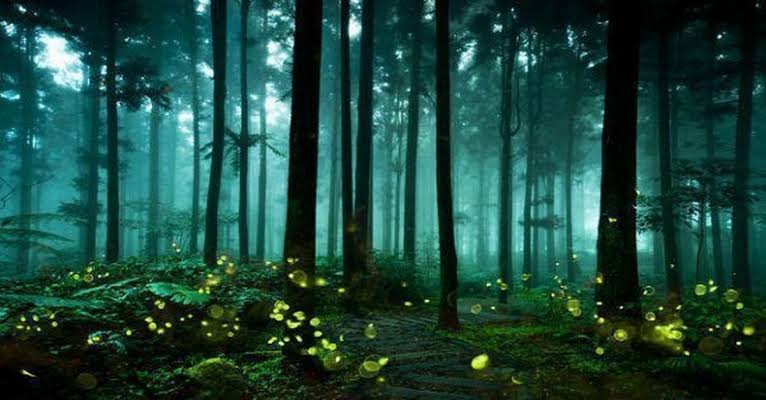
Hello guys!!You guys may have heard of the term “forest” but have you ever heard of “Glowing forest”.
Yes! The forest that literally GLOWS at night.
Source: unknown
I am always awestruck by the art of nature,nature for me will always be a mystery.The things which we can never imagine in our life takes place in this huge world.
If you ever see a glowing forest you might think that lights from the city travelled all the way to the forest haha.But reality is far more impressive than any imagination you might have right now of a “glowing forest”.
Unexpected things that we come across in our life adds spice in our lives. Those unknown variables gives us these exciting experiences.
Learning about something and gaining knowledge should always be welcomed if they knock on our door of life.
Jumping right in to the topic.
How do you think these forests glow ?Got any idea about it.
Yes. I am using the word “forests” because they exist in various places all over the world.
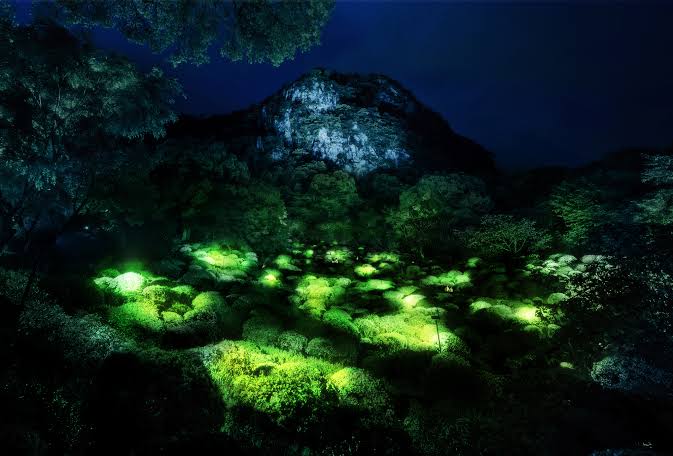
So for today I am going to write about the enchanting and captivating forest that lies in Shikoku,Japan . At night time, the floor lights up in bright green due to the glowing mushrooms that create a luminescent ambiance as if we are in a fantasy .
During the rainy season these bioluminescent mushrooms emerge in the forest lighting up the whole forest creating a dream land.
Many hikers,travellers visit this place to experience the unknown world . Especially they visit at night because the forest’s speciality is glowing at night time .
There are various types of brightening mushrooms all over the world.
From vice
Guys don’t get discouraged thinking that you will not be able to visit that place because it’s very far. We have glowing forest in India tooo.
The bioluminescent fungus that grows on the barks and twigs of the tropical forest floors when exposed to rain this phenomena takes place.There should be certain humidity and moisture conditions for this type of fungi to grow .
Source:unkown
The fungi in the Western Ghats, on the other hand, belong to the Mycena genus, a group of tiny mushrooms that almost look like moss.
Even in Mhadei Wildlife Sanctuary situated in Swapnagandha Valley of Goa, Chorla Ghat near Panjim is another place where you can find the cool glow. Belgaum in Karnataka is another place to find these light up mushrooms.
Source :unknown
We got to know how these forest are glowing but the reason what causes the luminescent nature of the fungi is still unknown.
Everyone knows at least one perfectionist. They’re hyper-critical of their own work, almost to a fault. And according to a growing body of research, there’s a good chance they also suffer from an anxiety disorder. The very nature of a perfectionist makes them particularly susceptible to the illness.
Here’s what can be done about it: –
🔺on the surface, perfectionism doesn’t seem like such a bad thing. It keeps you focused and motivated. It also helps you consistently produce work of the highest quality.
🔺on the other hand, it also has the potential to wear significantly on one’s psyche. The impossibly-high standards perfectionists set for themselves can lead to a distorted sense of self-worth, in addition to high levels of stress. And that, in turn, can easily spiral into an anxiety disorder.
🔺It’s not just anxiety, either. Perfectionism has been linked to numerous other mental illnesses in medical research, including bipolar disorder, severe depression, and even suicidal ideation. In other words, if you’re a perfectionist and let your tendencies control you, they can literally kill you.
Worse still, there’s evidence that being a perfectionist doesn’t even afford you a significant advantage over non-perfectionists in the workplace. Per the Harvard Business Review:
“Our results showed that performance and perfectionism were not related to each other – perfectionists are not better or worse performers than non-perfectionists. Even employees high in excellence-seeking perfectionism were not better performers…taken as a whole, our results indicate that perfectionism is likely, not constructive at work.”
Scaling back on toxic perfectionism and setting healthy boundaries for yourself starts with understanding the source of your behaviour. As noted in health publication medical news today – which itself cited a landmark psychological work published several decades ago – there are three primary sources of perfectionism. These are:
1◾Self-oriented. You hold unrealistic expectations for yourself and are extremely critical of your own work. This could be caused by a negative experience at some point in your life, or simply a series of habits developed over time and linked to mental illness. 2◾ Socially-prescribed. You believe that your peers are extremely critical and that you must be perfect in order to gain their approval. 3◾Other-oriented. You set impossibly high standards for the people around you. This form of perfectionism isn’t exactly relevant to our discussion here, though it can occasionally overlap with one of the other two. 🔹Positive self-talk is the second step in overcoming toxic perfectionism. Understanding how your own tendencies manifest will help you structure it in the right way. Whenever a toxic belief or thought manifests in your mind, counter it with a positive one. In other words, be compassionate towards yourself. Understand that your self-worth is not tied to your performance in the workplace or your ability to turn out flawless work. You have value as a person beyond your output. And if self-talk alone isn’t enough to help you, know that there’s no shame in seeking help from a trained professional. Everyone could use therapy now and then.
Journalism and mass communication graduates work nationwide and worldwide at newspapers and magazines and in advertising, branding, broadcast news, social media, marketing, media research, photojournalism, publication design, public relations, radio, and other areas
Journalism:-
Journalism is the activity of gathering, assessing, creating, and presenting news and information. It is also the product of these activities.Journalism can be distinguished from other activities and products by certain identifiable characteristics and practices. These elements not only separate journalism from other forms of communication, they are what make it indispensable to democratic societies. History reveals that the more democratic a society, the more news and information it tends to have.
JOURNALISM ESSENTIALS
What is journalism?
What makes journalism different than other forms of communication?
What is the purpose of journalism?
The elements of journalism
What does a journalist do?
The journalist as a ‘committed observer’
The theory of the interlocking public
Bias and objectivity
The lost meaning of ‘objectivity’
Understanding bias
1.What is journalism?
Journalism is the activity of gathering, assessing, creating, and presenting news and information. … Journalism can be distinguished from other activities and products by certain identifiable characteristics and practices.
2. What makes journalism different than other forms of communication?
The vast majority of this communication, however, is not news and especially not journalism. Almost 70 percent of email traffic is spam, according to web security company Symantec. In 2012, there were an average of 175 million tweets each day. But almost all – 99% — consisted of “pointless babble,” according to researchers at Carnegie Mellon University.
3. What is the purpose of journalism?
“The purpose of journalism,” write Bill Kovach and Tom Rosenstiel in The Elements of Journalism, “is not defined by technology, nor by journalists or the techniques they employ.” Rather, “the principles and purpose of journalism are defined by something more basic: the function news plays in the lives of people.”
4. The elements of journalism?
In their book The Elements of Journalism, Bill Kovach and Tom Rosenstiel identify the essential principles and practices of journalism. Here are 10 elements common to good journalism, drawn from the book.
5. What does a journalist do?
Asking who is a journalist is the wrong question, because journalism can be produced by anyone.At the same time, merely engaging in journalistic-like activity – snapping a cell-phone picture at the scene of a fire or creating a blog site for news and comment – does not by itself produce a journalistic product. Though it can and sometimes does, there is a distinction between the act of journalism and the end result.
6. The journalist as a ‘committed observer’
Gil Thelen, the former publisher and president of The Tampa Tribune, believes the journalist has a very specific role in society. He calls it the “committed observer.” What he means by that, Thelen explains, is that the journalist is not removed from community, though at times may stand apart from others so as to view things from a different perspective.
7. The theory of the interlocking public
The splintering of mass media audiences and the migration of information consumers to tens of thousands of niche web sites is further evidence that everyone is interested, and expert, in something. The diversity and magnitude of the public, in fact, is its strength. A mix of publics is usually much wiser than a public comprised of just the elite or one segment of special interest.
8. Bias and objectivity
Journalism attempts to be fair and accurate. It does this through objective methods and managing bias. The guides in this section help you understand and navigate those processes.
9. The lost meaning of ‘objectivity’
One of the great confusions about journalism, write Bill Kovach and Tom Rosenstiel in The Elements of Journalism, is the concept of objectivity. When the concept originally evolved, it was not meant to imply that journalists were free of bias. Quite the contrary. The term began to appear as part of journalism after the turn of the 20th century, particularly in the 1920s, out of a growing recognition that journalists were full of bias, often unconsciously. Objectivity called for journalists to develop a consistent method of testing information – a transparent approach to evidence – precisely so that personal and cultural biases would not undermine the accuracy of their work.
10. Understanding bias
For a time, “bias” was the term of choice to describe anything people hated about journalism, whether the power and influence of corporate news organizations to the choices reporters made in writing individual stories. In 2001, in fact, a book about media unfairness entitled “Bias” was number one on the New York Times bestseller list. In recent years the public seems to have adopted a more nuanced view of bias. Perhaps this is because many critics have found their voice online – where studies confirm that half the blogs contain just the author’s opinion – or that one-sidedness has become a successful business model, as Fox News Channel and MSNBC have demonstrated.
What Is Mass Media?
INTRODUCTION:-
Mass media is communication that is to a large group, or groups, of people in a short time (Mass Media, 2013, p. … This can be written, spoken or broadcast communication. Some of the most popular forms of mass media are newspapers, magazines, radio, advertisements, social media, television, Internet, and films/movies.
Mass Media:-
Think about this for a second: whenever you want to hear your favorite song, watch your favorite show, or see the latest current events, where do you go? You more than likely turn on your television, radio, or computer. The source that the majority of the general public uses to get their news and information from is considered mass media.Mass media means technology that is intended to reach a mass audience. It is the primary means of communication used to reach the vast majority of the general public. The most common platforms for mass media are newspapers, magazines, radio, television, and the Internet. The general public typically relies on the mass media to provide information regarding political issues, social issues, entertainment, and news in pop culture.
There are 6 main types of Mass Media:
Traditional Media
Print Media
Electronic/Broadcasting Media
Outdoor Media or Out of Home Media (OOH)
Transit Media
Digital Media/New Media/Internet
1. Traditional Media:-
People have developed different ways of communication depending upon their local language and culture. Traditional media is one of the oldest types of mass media to transfer traditions and culture over generations. The tools of communication have been developed from beliefs, customs, rituals, and practices of society. Traditional media imparts indigenous ways of communication for ages. Further, this type of mass media varied as per each culture and society as every culture has their own mediums to communicate to their mass audience. Thus, the traditional media can be folk songs, dances, folktales and folklore as well as paintings, sculptures, stupas, statues and fairs, festivals, rural or community radio and announcement mediums like nagada, etc.
Forms of Traditional Media
Folk Dances
Folk Songs and Music
Theatre, Drama, and Folktales
Painting, Sculptures, Inscriptions, Statues, and Stupas
Motifs and Symbols
Announcements made by beating drums or ‘nagada’
Shadow Puppetry and String Puppetry
Storytelling
Nautanki
Fairs and Festivals
Rural Radio
2. Print Media
In simple words, Print Media is all about the printed form of information and news. Before the invention of the printing press, printed materials had to be hand-written that made mass distribution almost impossible. Print media is one of the basic types of mass media tools making it very popular and convenient to reach a wider audience. Newspapers are considered as the oldest forms of mass media after the traditional mass media as for a long period of time, the general public relied on newspapers to know the latest happenings in their local areas as well as from around the world. Thus, print media originally refers to newspapers and then expanded towards magazines, tabloids, promotional brochures, journals, books, novels and comics.
Forms of Print Media
Newspapers (broadsheet and tabloid)
Periodicals, Newsletters, and Magazines (general or specific interest)
Brochures, Leaflets and Pamphlets
Journals
Books, Novels and Comics
3. Electronic/Broadcasting Media
Broadcasting is simply a distribution of audio and video content to a dispersed audience using the electronic broadcasting medium. Originally the term ‘broadcasting’ referred to the sowing of seeds on farms by scattering them over the large field. Broadcast media allows ease of news dissemination to even an illiterate person because it appeals to both the auditory and visual senses making it one of the most lucrative types of mass media. Centuries later after the newspapers were used as the original mass media, the advent of radio and television happened. Radio was the primary medium of news for the general public during wars as well as for sports and entertainment. When television was invented, it became the most effective type of mass media as it was primarily used for news dissemination and then for TV shows, live events and other entertainment purposes.
Forms of Broadcasting Media
Television
Radio (AM, FM, Pirate Radio, Terrestrial Radio, and Satellite)
Traditional Telephone
Film/Movie/Motion Picture
Video Games
Audio Recording and Reproduction
4. Outdoor Media or Out of Home Media (OOH)
This is also known as OOH or Out-of-Home Media and is focussed on transmitting information and news when the public is outside their home. Outdoor media gives importance to display advertising and attracting individuals towards new products, some social cause or any development or change in the society. These are prominent in brand promotion seen on buildings, streets, electric polls, roadside, vehicles, screens, kiosks, etc. This is one of the most prominent types of mass media used for commercial as well as public welfare advertising and mainly includes billboards, banners, posters, brochure distribution, ComPark Advertising, Wallscape, amongst others!
Forms of Outdoor Media
Billboards or Bulletins
Inflatable Billboards
Mobile Billboards
Banner
Lamppost Banners
Posters
Signs and Placards
Blimps, Skywriting
Brochure distribution
ComPark Advertising
Wallscape
5. Transit Media
Transit Media revolves around the concept of advertising and information dissemination when consumers are “on the go” in public places or in transit. These include display advertising on vehicles and transportation. With the aim “driving home a message” transit media is significantly used for massive brand promotion to millions of people who travel the country’s streets and highways every day.Some people might think that this type of mass media is outdated or ineffective, yet it is widely visible on the sides of buses, in subway cars, at transit stations where passengers enter or disembark from public transportation.
Forms of Transit Media
Bus Advertising
Railway Advertising
Taxi Advertising
Transit Shelter Advertising
6. Digital Media/New Media/Internet
Since the invention of the World Wide Web by English scientist Tim Berners-Lee in 1989, the Internet has drastically taken over all the types of mass media because of faster dissemination speed and higher digital technology. New Media is an interactive two-way communication with users being the active producers of content and information. The Internet is considered as a highly interactive mass medium and can be simply defined as the “network of networks”. It has quickly transformed as the centre of the mass media as it has marvellously integrated all the prominent types of mass media. Now, you can see news websites, broadcasted TV shows as well as listen to online radio using the internet and this is also called as the convergence of mass media!New Media is normally a re-conceptualization of the existing media. This is a rapidly growing mass media with the ease of accessibility with a computer and an Internet connection (broadband or WiFi). From Story Writing and Graphic Designing to Multimedia and Animation, pursuing a career in this field can be highly advantageous.
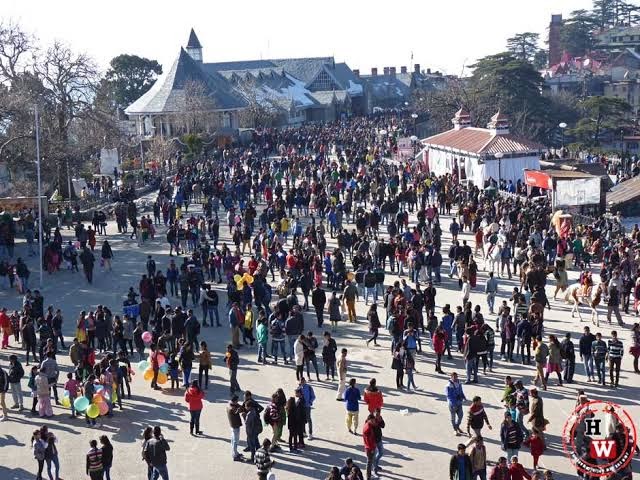
Inspite of third wave warning lakhs of tourists have thronged Himachal Pradesh in less than a month.Videos emerging from Manali and Shimla show that social distancing norms put in place to contain the coronavirus pandemic have gone for a toss.Highways choked, hotels fully booked after the Himachal Pradesh government relaxed Covid-19 related restrictions.Hotel occupancy in major tourist spots, including Shimla, Manali and Dharamshala, is almost full and tourists have been heading to less popular tourist spots in a bid to find accommodation and in guest houses.
mob of tourist arrived in manali inspite of third wave warning
Even though the governments, health experts have been warning against large crowds, a sea of tourists was seen in Manali town in Kullu district as the Himachal Pradesh government eased COVID restrictions.the increase in the number of tourists has posed a challenge for the authorities who are struggling to ensure implementation of Covid protocols amid fears of an impending third wave of coronavirus infections.
#WATCH | Tourists throng Manali town in Kullu district as Himachal Pradesh government eases COVID restrictions pic.twitter.com/snIiwfcIo5
The prime reason is that the Himachal administration has withdrawn the mandatory need of a negative RTPCR report and e-Covid pass to enter the hill state.
Another reason, behind the rush of tourists, is the ongoing heatwave in North India.
while the third reason is that some people fear that lockdown-like restrictions may be imposed if the third wave of coronavirus strikes the nation. So many have decided to use this opportunity to visit some places
Twitterati reaction
Social media was abuzz with pictures of crowded Manali markets and tourist spots. While some were concerned over the violation of Covid protocols by the tourists, others shared memes and took taunt at the carelessness of the public.
Pics from #Manali, where beds are running out in hotels. If we go on like this, soon there will be another episode of "No beds in Hospital" will hit the reality soon!
I know it's hard not to go out and all, but people this pandemic is a real nightmare. Please be responsible 🤦🏻♀️ pic.twitter.com/174HoHG48F
— 𝐒𝐮𝐜𝐡𝐢𝐭𝐡𝐫𝐚 𝐒𝐞𝐞𝐭𝐡𝐚𝐫𝐚𝐦𝐚𝐧 (@suchisoundlover) July 4, 2021
Game Of Thrones is an American television series created for HBO by David Benioff and D.B. Weiss released in 2011. This series is based on a novel ‘A Song of Ice and Fire’, a series of fantasy novels by George R.R. Martin. The show got popularity soon after it is released. This show is shot in UK, Canada, Croatia, Malta, Morocco and Spain. It was released as TV show but now available in online at HBO website. The show is full of fantasy, and best for viewers to imagine and feel the fantasy world.
There are total 10 episodes of approximately 55 minutes. HBO had ordered a television pilot in November 2008; filming began the following year. However, it was deemed unsatisfactory and later reshot with some roles recast. In March 2010, HBO ordered the first season, which began filming in July 2010, primarily inBelfast, Northern Ireland, with additional filming in Malta.
There are total 10 episodes of approximately 55 minutes. HBO had ordered a television pilot in November 2008; filming began the following year. However, it was deemed unsatisfactory and later reshot with some roles recast. In March 2010, HBO ordered the first season, which began filming in July 2010, primarily inBelfast, Northern Ireland, with additional filming in Malta.
The story is primarily upon continent Westeros, with one storyline occurring on another continent to the east, Essos. Like the novel, the story focuses on Nobleman Eddard Stark also called Ned, the Warden of North and ruler of Winterfell. He asked to be ‘Hand’ of the King of Seven Kingdoms Robert Baretheon, also he was his best friend. They won many battles together before Robert became King, and only one Robert trusts is Ned. Later on Ned seeks to find the mystery behind the murder of his predecessor Jon Arryn. He also finds out that the son of Robert is not actually his. He uncovers the dark secret of Lannister family, which includes Robert’s queen, Cersei, that his predecessor died trying to expose. Ned fooling tells this to Cersei(Robert’s wife), and this leads to the murder of Robert. But Robert before dying orders a letter to make Ned the king of Seven Kingdoms till his son(Robert’s) come to a proper age. Ned is killed at the order of Cersei’s tyrannical teenage son, King Joffrey Baratheon.
Meanwhile, in Essos, the exiled Viserys Targaryen, son of the former king, forces his sister Daenerys to marry a Dothraki warlord in exchange for an army to pursue his claim to the Iron Throne. The season ends with Viserys dead and Daenerys becoming the Mother of Dragons.
The story is not only this much, I have given a very very brief from all 10 episodes. There is more to find out by seeing this show. Game of Thrones features a large ensemble cast. Critics praised the show’s production values and cast.
The first season won two of the thirteen Emmy Awards for which it was nominated: Outstanding Supporting Actor in a Drama Series (Dinklage) and Outstanding Main Title Design. It was also nominated for Outstanding Drama Series. U.S. viewership rose by approximately 33% over the course of the season, from 2.2 million to over 3 million by the finale.
However this show is also criticized for its foul language, nudity, high violence and sexual violence. So this is show is highly recommended for adults and one who can see violence. Here violence is not only killing, but it is like to see a surgeon operation. These have showed organs after being cutted by swords, what a head will look if one cuts into half. So I recommend not to watch if you start screaming just seeing blood as there is lot more than just blood.
But this show is must watch. For its locations, natural beauty, fantasy beauty and more.
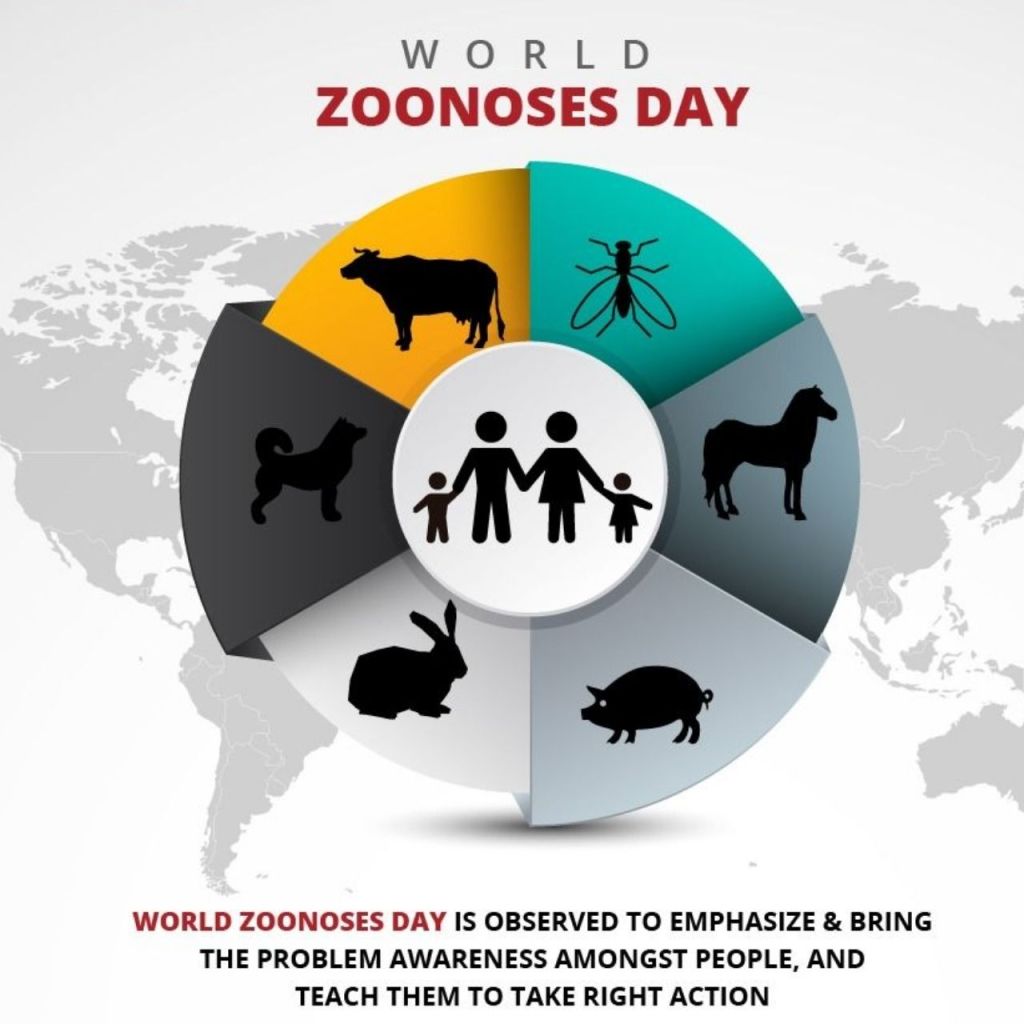
The World Health Organization (WHO) defines zoonosis as an infectious disease that has jumped from a non-human animal to humans. These zoonotic pathogens can be bacterial, viral, or parasitic and they can be spread to humans through direct contact or food, water, or the environment. World Zoonoses Day was first celebrated on July 6, 1885, in honour of the French biologist Louis Pasteur who managed to administer the first vaccination against a zoonotic disease on the very day, this vaccine was for rabies. The theme for World Zoonoses Day 2021 is “Let’s Break the Chain of Zoonotic Transmission” and it holds more importance in light of COVID-19.
About Louis Pasteur
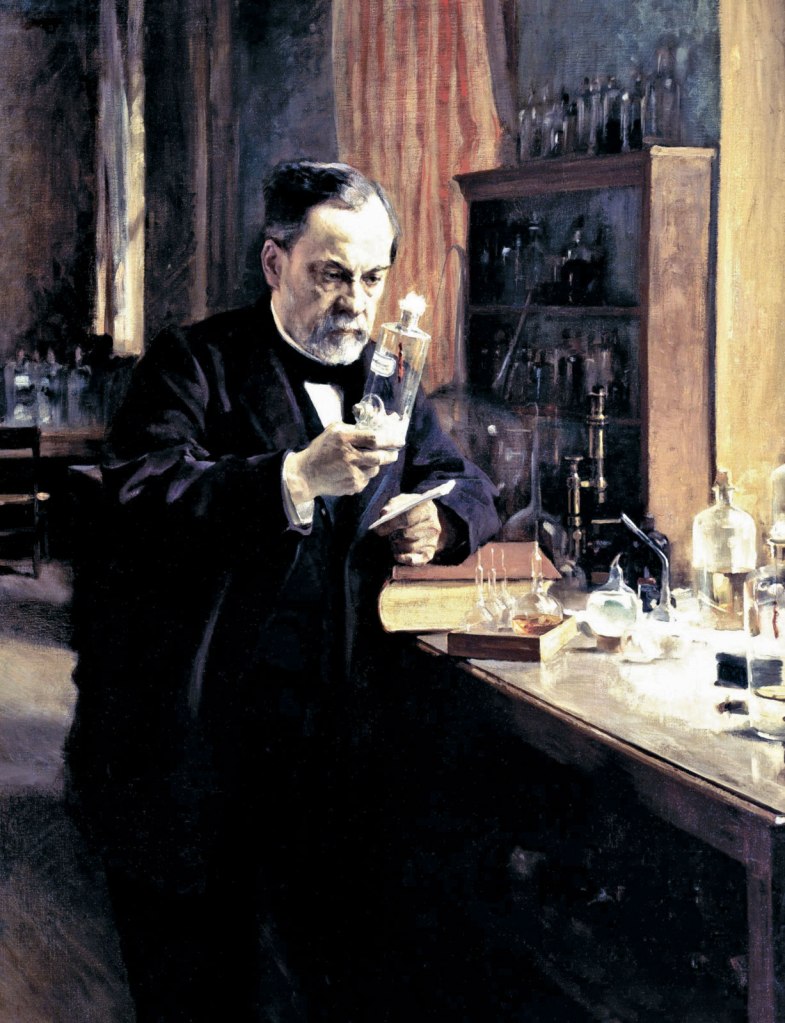
Scientific Identity, Portrait of Louis Pasteur
Louis Pasteur was born on 27th December 1822 in France and died on 28th September 1895. He was a French chemist and microbiologist who is known to be one of the most important founders of medical microbiology. He introduced the study of molecular asymmetry; originated the process of pasteurization; discovered that microorganisms cause fermentation and disease; saved the beer, wine, and silk industries in France; and developed vaccines against anthrax and rabies. He earned France’s highest award of the Legion of Honour. He was also gifted in drawing and painting. He had a bachelor in arts degree and a bachelor in science degree from the Royal College of Besancon.
Vaccine Development
Pasteur’s first discovery in the study of vaccination was in 1879 which was for the disease named chicken cholera. He then started working on anthrax in 1879 also because of the anthrax epidemic in France at that time. Pasteur had also unknowingly created a second class of vaccines known as an inactivated vaccine by accidentally creating a neutralized version of rabies. On July 6, 1885, he vaccinated a nine-year-old boy named Joseph Meister who was bit by a rabid dog and the vaccine was a huge success.
Relevance Today
This day should raise more awareness now as it is said that COVID-19 originated from the bats and then entered the human circle through the wet markets of Wuhan, China. The Center for Disease Control and Prevention (CDC) says that almost 75% of new zoonotic diseases originate from animals that can be transmitted to humans by the act of consuming meat or even by coming in contact with the animal which is affected. WHO has said that poultry farmers, meat sellers, and the people living near the forest region have a higher chance of risk of being affected by these diseases. Some of such diseases are HIV (started as zoonosis but later mutated into a human-only strain), Ebola virus, salmonellosis. Some of these zoonoses have the potential of causing recurring disease outbreaks like Ebola and as we have seen, different waves of COVID-19.
Prevention
The method of prevention for zoonotic diseases differs for different pathogens. But some general practices are seen as effective. A safe and appropriate guideline for animal care in the agricultural sector would help in reducing foodborne zoonotic disease outbreak through meat, eggs, dairy, and vegetables. There should be a set standard for drinking water and waste removal. Education campaigns should be promoted all across the world related to awareness of the diseases and handwashing after coming in contact with an animal.
Conclusion
It is important to learn the history of zoonotic diseases and learning the precautions for them and how to prevent them. With the recent developments of the COVID-19, we know more about how bad the impact of these diseases can be, and it is now more important than ever to learn more about it.
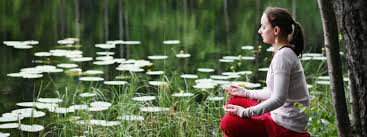
Stress is unavoidable in the current scenario, where the entire world is facing the Corona virus pandemic. With the toll of deaths and positive cases of Corona virus on rise, every person in this world is under stress and anxiety. Higher levels of stress adversely affect the physical as well as psychological health of the individuals concerned. Therefore, it becomes highly essential to manage stress at initial stages, so as to avoid severe consequences of high stress on health. The present article focuses on the management of stress through a unique form of meditation, i.e, ‘Sahaja Yoga’. Sahaja Yoga is a scientifically proven technique of meditation which involves the awakening of the dormant primordial energy- the Kundalini, and integrating it with the all-pervading cosmic energy. Regular practice of Sahaja Yoga meditation leads to the inner transformation of an individual, whereby one becomes more moral, integrated, balanced and healthy.
What is Stress?
Stress refers both to the circumstances that place physical or psychological demands on an individual and to the emotional reactions experienced in these situations. It leads to severe effects on the physical as well as psychological health of the individuals concerned such as frequent headaches, heart disease, myocardial infarction, cardiovascular disease, musculoskeletal disorders, diabetes, high anxiety, depression, post-traumatic stress disorder and so on. Since, stress is a psychological phenomenon, its management can be best realised by treatment focused at the mental level. Thus, the present article aims at spreading awareness about the stress management technique called ‘Sahaja Yoga’ and highlighting its significance in the improvement of overall health, especially, psychological health. Sahaja Yoga Meditation
What is Sahaja Yoga?
The word ‘Sahaja’ means ‘spontaneous’ and ‘Yoga’ means ‘union with the self’ Sahaja Yoga was founded in 1970 by Mrs. Nirmala Srivastava, more widely known as ‘Shri Mataji Nirmala Devi’. Shri Mataji was spiritually enlightened since birth and granted en-masse realisation to people free of any materialistic consideration. For 40 years since 1970, she travelled tirelessly across the globe to teach Sahaja Yoga meditation world-wide at her own expenses
Human Subtle System
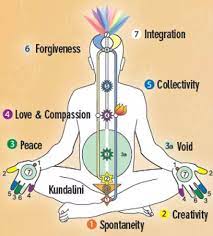
The process of Sahaja Yoga meditation works through the subtle system which comprises of three energy channels (nadis) and seven energy centres (chakras). At the root of this system lies a protective power – Kundalini. Amongst the three channels (Nadis), the left channel called Ida Nadi represents our desires (Ichha shakti); the right channel called Pingla Nadi represents our working ability (Kriya shakti); and the central channel called Sushumna Nadi represents our assent. The seven energy centres in the body correspond to the seven nerve plexuses: the pelvic plexus (Mooladhara Chakra), the aortic plexus (Swadhistana Chakra), the solar plexus (Nabhi Chakra), the cardiac plexus (Heart Chakra), the cervical plexus (Vishuddhi Chakra), the optic chiasma (Agnya Chakra) and the limbic area of the brain (Sahasrara Chakra). These energy centres are responsible for maintaining their surrounding physical organs in the body. When Kundalini rises it crosses all the six energy centres and emits from the seventh centre (Sahasrara Chakra) and unites the individual consciousness with universal consciousness. An individual rise above the three channels of the subtle system and reaches a timeless state beyond the past, present and future – a state of thoughtless awareness. This process is referred to as Self-realisation. As an evidence of self-realisation, an individual feels cool breeze of vibrations on the head and palms of hands .
How Sahaja Yoga Meditation Helps in Stress Management?
It is imperative to understand how stress arises and how is it managed through Sahaja Yoga meditation. The central channel (Sushumna Nadi) is the path of rising Kundalini and a channel of balance. An individual having too many desires and always thinking about the past deviates from the central channel and puts his left channel under pressure. On the other hand a workaholic person, always working and planning for the future puts his right channel under pressure. The left-sided individuals become highly emotional, conditioned and day dreamers while right-sided people become highly egoistic and harsh on others. Stress is the result of such an imbalance between the two energy channels and deviation from the central channel. Therefore, one should always keep his attention on the central channel and remain in the balanced state in order to be stress-free. Thus, Sahaja Yoga helps in managing stress effectively by attaining and maintaining the balanced state through regular meditation, since by focussing on the central channel one remains in present rather than thinking about past or future events.
Sahaja Yoga in the present Coronavirus Scenario
As many as 200,000 people across 60 countries have attended online meditation sessions since 16 March 2020 with the commencement of lockdown, according to the information published nation-wide from H.H. Shri Mataji Nirmala Devi Sahaja Yoga Trust (National Trust). The Youtube channel – Pratisthan, Pune of the Trust has seen around 2 million views with 7.31 lakh watch hours and over 13.2 million impressions in the lockdown period. Each viewer attended an average of 8.6 session and spent average of 23 minutes per visit, which is substantial as people look towards meditation to overcome anxiety during COVID19 lockdown.
Conclusion
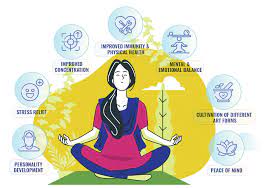
Sahaja Yoga meditation activates and nourishes the parasympathetic nervous system which relaxes both body functions and the brain by reducing thinking functions Thus, regular meditation everyday cleanses the subtle system, relaxes body and mind, and gradually one starts experiencing physical, mental and emotional benefits also, apart from gaining stress relief Thus, the Indian government should focus on building resilient citizens which can adjust with the pressures of the present stressful scenario.




































 Eduindex
You must be logged in to post a comment.