Feeling demotivated , restless and anxious is not pleasant. It can make it more difficult for you to work , to be creative and to feel better.
Sometimes, our lack of motivation has a clear root. Identifying it can help us address it and reduce the feelings of restlessness. Here are few strategies that will help you overcome this and create a optimistic and productive mindset.
TAKE A BREAK
Sometimes, restlessness comes from too much work or too much routine. Our brain needs a bit of rest and novelty. Take a break without worrying too much about problems and you will come back energized and ready to take on the situation
DO HANDS-ON WORK
Often, we tend to get too stuck on our digital devices or too caught up in our heads. Instead, go and do something that involves interacting with real world. Clean a room, Organize your desk, water the plants or do some gardening.
SCHEDULE SOMETHING FUN
A common reason for the lack if motivation us the feeling that our day is going to be dull and unpleasant. You can address it by scheduling something fun for later. Once you’re done with work, you will know that there is something truly enjoyable waiting for you and this can help you focus more on work and not on procrastination and give your day a sense of meaning.
SELF-CARE
Check to make sure you have eaten or grab a snack. Drink enough. Take a nap or lie down, if possible. Move your body. Do something that helps you feel good, even if it’s just writing for few minutes, having a favorite snack or meditating for a while. Check with your body and see what you need at the moment.
SET A DEADLINE
Work and chores tend to occupy as much time as we give them. If you have a whole day to finish a task, it might take you a whole day. If you have two hours, you will finish in those two hours. A good tip to reduce restlessness is set a deadline that will push you to start acting now. It will help you get into action right away. However, to respect the deadline you set for yourself and stop working when you said you would.
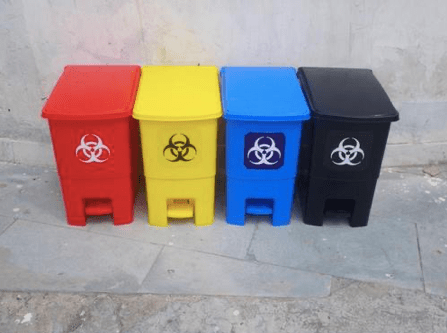
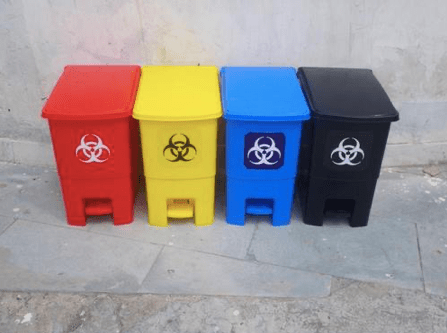
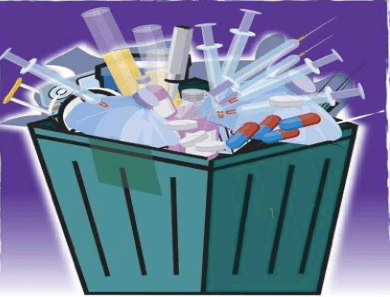
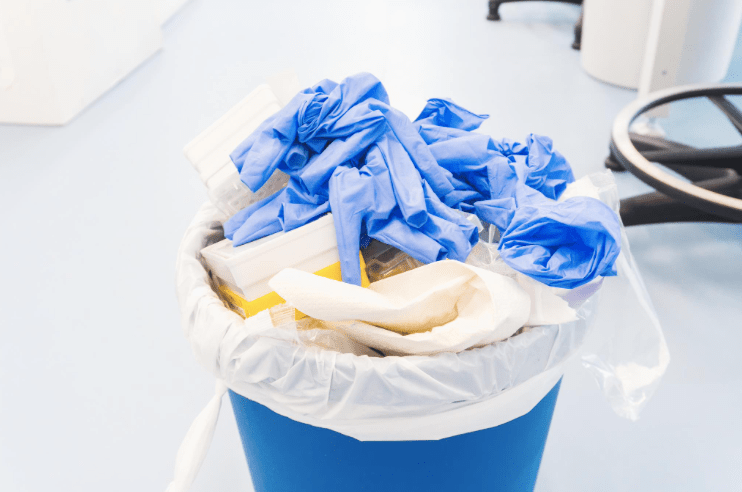
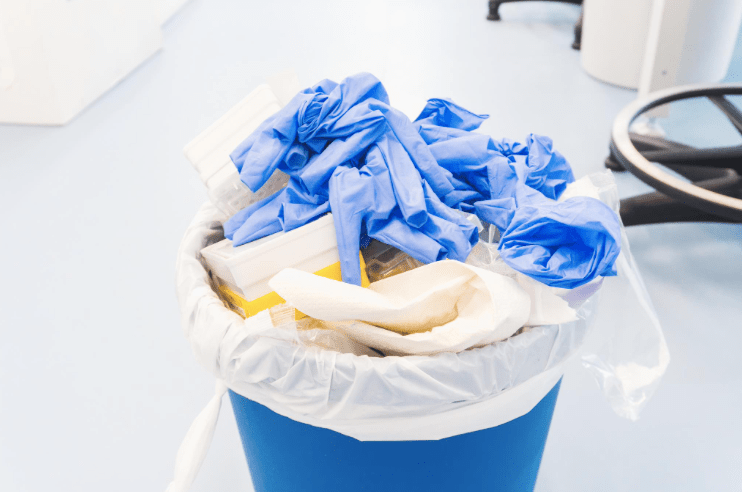
According to the latest guidelines for segregation and management of biomedical waste and its disposal is through colour coding:
Yellow Bag: it consists of the hospital wastes like the used dressings, bandages and cotton swabs with body fluids and blood, blood bags, human anatomical waste or the category 1 waste, body parts or organs.
Red Bag: it costs of all category 4 wastes which the sharp things used like needles, syringes, also consists of used or soiled gloves, IV tubes and these are later incinerated.
Cardboard box with blue marking: This consists of ampules, glass vials and other glass ware are discarded in cardboard boxes.
White puncture proof container: These are consisting of needles, sharps, blades and these are disposed in white translucent puncture proof container.
Black Bags: These are to be used for non-bio-medical waste. In a hospital setup, this includes stationary, vegetable and fruit peels, leftovers, packaging including that from medicines, disposable caps, disposable masks, disposable shoe-covers, disposable tea cups, cartons, sweeping dust, kitchen waste etc.
The goals of Bio-medical waste treatment are to cut back or eliminate the waste’s hazards, and frequently to form the waste unrecognisable. Treatment ought to render the waste safe for subsequent handling and disposal. There are many treatment ways which will accomplish these goals. These are some most commonly used disposal techniques:
Incineration: Most of the Biomedical waste is incinerated. It basically destroys the pathogens and sharps. Most of the materials become unrecognisable because they become as. Alternatives to this can be thermal treatment which results in pathogen destruction.
Autoclaving: Actoclaving is a techniques often used in laboratories mainly to sterilize the objects or materials used in laboratory to make sure it is free from any bacteria. It basically uses steam and pressure to sterilise the waste or reduce its microbiological load to a level at which it may be safely disposed of. Many healthcare facilities routinely use an autoclave to sterilize medical supplies. If the same autoclave is used to sterilize supplies and treat biomedical waste, administrative controls must be used to prevent the waste operations from contaminating the supplies. Effective administrative controls include operator training, strict procedures, and separate times and space for processing biomedical waste.
Microwaving: Microwave medical care may use for treatment of medical specialty wastes. Microwave irradiation may be a style of non-contact heating technologies for medical care. Microwave chemistry is predicated on economical heating of materials by microwave effects. Microwave medical care may be a recently developed technology that provides advantage over recent existing technologies of autoclaves as microwave based mostly medical care has less cycle time, power consumption and it needs least usage of water and consumables as compared to autoclaves.
REGULATION AND MANAGEMENT IN INDIA
The Bio-medical Waste (Management and Handling) Rules, 1998 and additional amendments were passed for the regulation of bio-medical waste management. Every state’s Pollution panel or Pollution management Committee are chargeable for implementing the new legislation. New laws have an effect on the distribution of medical waste by medical professionals into their correct recepticals. In India, there area unit variety of various disposal ways, the case is purposeless and most area unit harmful instead of useful. If body fluids are present, the materials must be incinerated or place into autoclave. Though this can be the correct technique, most medical facilities fail to follow the laws. It’s typically found that medical specialty waste is drop into the ocean, wherever it eventually washes up on shore, or in landfills because of improper sorting or negligence once within the medical facility. Improper disposal will result in several diseases in animals furthermore as humans. For example, animals, like cows in Pondicherry, are consuming the infected waste and eventually, these infections may be transported to humans World Health Organization consume their meat or milk. Sizable amount of unregistered clinics and establishments additionally generate bio-medical waste that isn’t controlled. The waste is not disposed accurately because most the people in the profession are not aware of the fact that these bio-medical the waste from the hospitals can transmit diseases and have different side effects on the environment as well.
Biomedical waste is defined as any waste, which is generated during the diagnosis, treatment or immunisation of human beings or animals, or in research activities pertaining thereto, or in the production or testing of biologicals.
There are almost 10 broad categories of biomedical waste and they have different ways of disposal as well. The categories of biomedical are disposed in different ways according to the needs so that it does not harm any living organism or human mainly.
CATEGORY
WASTE CATEGORY
TREATMENT/ DISPOSAL
1)
Human Anatomical waste consisting of human tissues, organs and body parts.
Deep burial or incineration
2)
Animal waste which consists of animal tissues, organs, body parts, bleeding parts, fluid, blood, experimental animals used in research, discharge from hospitals.
Deep burial or incineration
3)
Microbiological and biotechnological waste which consists of wastes from laboratory cultures, stocks or specimens of microbes they maybe live or attenuated, human or animal cell culture used for research in laboratories, toxins, waste from production of biological products, devices used to transfer the cultures.
Incineration, autoclaving, microwaving
4)
Waste sharps include needles, syringes, scalpels, blades, glasses etc that may cause puncture or cuts. They consists of both used and unused.
Disinfection which include chemical treatment, autoclaving, microwaving etc.
5)
Discarded Medicines or cytotoxic drugs which include waste comprising of outdated, contaminated and discarded medicines.
Destruction or drug disposal in landfills and incineration
6)
Solid Waste (I) are the items which include items contaminated with blood and body fluids including cotton, dressings, solid plaster casts, lines, beddings and anything contaminated with blood.
Autoclaving or incineration
7)
Solid Waste (II) are the item or wastes generated from disposable items other than the waste sharps such as tubings, intracenous sets etc.
Disinfection by chemical treatment, autoclaving, microwaving and shredding
8)
Liquid Waste consisting of waste generated from laboratory and washing, cleaning, house-keeping and disinfecting activities.
First disinfection by chemical treatment and then discharge into drains
9)
Incineration Ash which is the ash from the incineration of any biomedical waste.
Disposal in municipal landfill
10)
Chemical Waste are the chemicals used in production of biologicals, chemicals used in disinfection as insecticides etc.
Chemical discharge into drains for liquids and secured landfill for solids
Biomedical waste should be safely and efficiently identified, segregated, stored, transported and disposed after appropriate treatment. Its effective implementation in our community is of prime importance to protect public health and environment. With a growing population, biomedical waste is also growing in quantity in our country. Management of this waste is a rising concern in India. Segregation of Bio-Medical Waste at its origin is the key to the efficiency of waste management. Following regulations and scientifically managing Bio- Medical Waste is in the best interest of the public as well as the environment. It is really important to completely destroy the waste and it should be destroyed by following the norms so that it cannot transmit infection to anyone or harm anyone especially in present situation.
Biohazard also known as biological hazard, is basically a biological substance that poses a threat to the health of living organisms, primarily humans. They include the micro- organisms, virus or toxins that may adversely have an effect on human health. A biohazard might even be a substance harmful to alternative animals. Biohazard and its symbol are usually used as a warning, in order that those probably exposed to the substances can grasp to require precautions. Sources of biological hazards include microorganism, viruses, insects, plants, birds, animals, and humans. These sources will cause a range of health effects starting from skin irritation and allergies to infections, cancer. Biohazards are the biological materials like plats, micro-organisms, or their by-products that pose as a threat to the other living organisms. It basically is the negative impact of biological pathogens of different levels and origins which cause harm to different spheres like medical, agricultural, domestic etc.
Biomedical waste is defined as any waste, which is generated during the diagnosis, treatment or immunisation of human beings or animals, or in research activities pertaining thereto, or in the production or testing of biologicals.
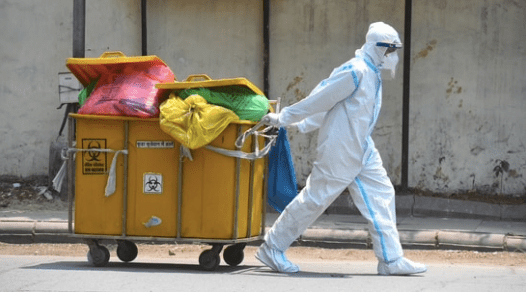
Medical care and hospitals are basic need for good life, well-being and health. But with this they generate a lot of waste which can be hazardous, toxic and lethal for humans and other living beings because it can be a main reason for transmission of diseases. Since beginning, the hospitals are known for the treatment of sick persons but we are unaware about the adverse effects of the garbage and filth generated by them on human body and environment. Now it is a well established fact that hospital waste is a potential health hazard to the health care workers, public and flora and fauna of the area. The medical waste contains infectious, biomedical as well as sharps like injections, knives and now there is a addition to the medical waste which are PPE kits which a doctor wears while treating a corona positive patient or there are used masks, used tissues, cottons etc. in todays conditions it is very important to dump the biomedical waste according to the norms so that it cannot transmit any kind of infection, especially for the waste related to corona virus because the cases are increasing day by day. If the waste is not properly treated or dispose or is allowed to get mixed with the municipal waste then it can surely transmit infection. The subject of biomedical waste management and handling has been assuming increasing significance for the past few years. The responsibility of medical administrators as regards proper handling and disposal of this category of waste has now become a statutory requirement. The rag pickers are typically worst affected, as a result of inadvertently or inadvertently, they rummage through all types of toxic material whereas attempting to salvage things that they’ll sell for recycle. At identical time, this sort of banned and unethical recycle are often very dangerous and even fatal. Diseases like Asiatic cholera, plague, T.B., infectious disease, AIDS (HIV), contagious disease etc. in either epidemic or perhaps endemic kind, create grave public health risks. And now in addition to these disease there is corona virus infection which is currently the reason for most deaths.
About the rules and Regulations the act passed by the Ministry of Environment and Forests in 1986 and notified the Bio Medical Waste (Management and Handling) Rules in July 1998, it is the duty of every “occupier”, i.e. a person who has the control over the institution or its premises, to take all steps to ensure that waste generated is handled without any adverse effect to human health and environment. The provisions are equally applicable to our service hospitals. The quantity of biomedical waste generated per bed per day will vary depending upon the type of health problems, the type of care provided and the hospital waste management practices. It varies from 1 to 2 kg in developing countries to 4.5 kg in developed countries such as USA. 10 to 15% of the waste is infectious in developed countries whereas it varies from 45.5 to 50% in India, requiring special handling.
Everyone feels a little unsure at times. As humans, we constantly think, and some of our thoughts can be filled with doubt. This can lead to thoughts of insecurity. Too much insecurity can lead to other problems — in relationships and in your everyday life. However, there are ways you can work through your insecure thoughts and live life more confidently.
What Is Insecurity?
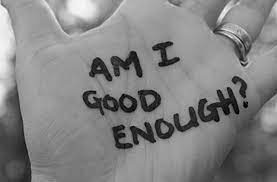
Insecurity is a feeling of inadequacy (not being good enough) and uncertainty. It produces anxiety about your goals, relationships, and ability to handle certain situations. Everybody deals with insecurity from time to time. It can appear in all areas of life and come from a variety of causes. It might stem from a traumatic event, patterns of previous experience, social conditioning (learning rules by observing others), or local environments such as school, work, or home. It can also stem from general instability. People who experience unpredictable upsets in daily life are more likely to feel insecure about ordinary resources and routines.On the other hand, insecurity can have no definite, external cause. Instead, it can appear as a quirk of personality or brain chemistry. Understanding the nature of insecurities can help you manage your own and offer others the support they need.
Types of Insecurity:
There are almost limitless areas of potential insecurity. Moreover, insecurity often bleeds over from one area of life into another. However, there are some types of insecurity that appear frequently.
Relationship Insecurity: One of the most common kinds of insecurity concerns relationships or “attachments.” Attachment theory originated out of a desire to connect the attachment patterns of early childhood to later relationship patterns and expectations. When a child’s “attachment figures”, often parents or guardians, aren’t reliably available and supportive, the child often feels insecure, forms a negative self-image and relationship models, and experiences greater emotional distress and maladjustment later in life. Relationship or attachment insecurities don’t need to begin in early childhood. They can arise wherever previous experience or personal insecurity undermines someone’s security in their closest relationships.
Job Insecurity: Job insecurity occurs when you are anxious about your continued employment or about the continuation of certain benefits attached to your employment. It can be triggered by anxiety over your own job performance or anxiety over factors beyond your control, such as the economy, industry trends, workplace conflict, or the danger of company restructuring or failure. High rates of unemployment and temporary work increase job insecurity on a national scale and contribute to widespread mental health problems.
Body Image Insecurity : A common source of insecurity is body image. Many people feel insecure about the way they look and question whether they measure up to an imposed ideal. There is no necessary connection between actual body health or appearance and body insecurity. People of all body types can experience this type of insecurity.
Social Insecurity/Anxiety : Another common type of insecurity surrounds the way we are perceived by our peers and the ease with which we interact with them. This insecurity can be a recurring, low-level problem or can blossom into full-blown social anxiety disorder or social phobia.
Signs of Insecurity:
Signs of insecurity are as variable as the condition itself, but there are some common tendencies you can look out for.
Low or Superficial Self-Esteem : One sign of insecurity is low self-esteem or negative self-image, particularly when that image seems to be inconsistent with external observation. Low self-esteem means you think badly about yourself or your abilities. It can lead to other problems, especially concerning mental health. Talk to a doctor if your self-esteem is very low.Because the measurement of self-esteem generally relies on self-report, insecurity can lead to superficial self-esteem. People with insecurity often want to appear secure, and their explicit comments may be at odds with their automatic responses to certain stimuli. Deliberate self-misrepresentation or false behavior/information on social media can also be a sign of social anxiety. The act of faking then reinforces the social insecurity.
Perfectionism : The inability to be satisfied with progress and need to control and refine projects until they’re perfect can be a sign of insecurity. It stems from the sensation that you or your performance is never enough. It can appear as a manifestation of insecurity in any area of life but is frequently found in cases of job insecurity and body insecurity. Eating disorders, for example, often appear along with both harmful perfectionism and attachment insecurities.
Self-Isolation : Social insecurity can lead people to avoid social interactions, isolating themselves. Sometimes these people prefer to interact virtually in internet situations they feel they can control.
Anxious or Avoidant Attachment Styles : Attachment insecurities often result in problematic attachment styles, or dysfunctional approaches to relationships. The two most common are anxious or avoidant attachments. Anxious attachment styles are characterized by emotional dependence (relying on someone else for your emotional well-being), a fear of being alone, and fantasies of perfect relationships that can never be fulfilled. Avoidant attachment styles also stem from insecurity but go in the other direction. People with this style tend to keep relationships superficial and disengage from more intimate connections.
Poor Job Performance : Job insecurity (not having a stable job) can work to motivate some people, but it more often results in poorer performances. It can lead to absenteeism (avoiding work), turnover intention (wanting to change jobs soon after starting), disengagement from colleagues and in group projects, and poor work attitudes.
Depression or Anxiety : All types of insecurity can lead to decreased mental wellness. Depressive or anxious behavior or thinking is often an effect of insecurity, particularly when that insecurity produces (or is accompanied by) erroneous beliefs and patterns of thought.
Dealing with Insecurity :
Occasional insecurity is a natural part of life. For deeper and more longer-lasting feelings of insecurity, however, professional therapists can help you sort through your emotions and develop strategies for everyday life. In dealing with insecurity, there are a couple of helpful tips to keep in mind.
Social Networks Matter : Broad and meaningful social networks — frinedships, relationships with coworkers, and more — help to lessen both insecurity and its negative effects. There’s an inverse correlation between healthy social networks and insecure attachment styles. Having a wide circle of friends and many close connections allows you to develop the tools and confidence to engage in deeper adult relationships.Developing good friendships both in and out of the workplace also has a proven record of success as a coping strategy that helps prevent job insecurity, depression, and general anxiety. People who disengage from colleagues in response to job insecurity more frequently suffer in their mental health and job performance.
Trust Takes Practice : While having an overly trusting behavior creates its own problems, ask yourself if you have any reason to distrust expressions of affection or liking from others. People with insecurities sometimes express doubt and perceive rejection in everything from partner relationships to new acquaintances. These expressions can be self-fulfilling. Practice taking displays of interest at face value, something that can be easier in more casual relationships. You can build up the confidence to accept deeper affection and intimacy.
Education is taught in a classroom environment in schools all over the world. Students are conditioned from ages to this traditional form of teaching. With the onset of the Covid-19 pandemic throughout the world, the entire scenario has been changed. Although the decision of online classes was shocking to everyone, students were a bit happy as they don’t want to go to their schools and on the other hand, they were sad, as they will miss their friends. With the emergence of online classes, parents were forced to get mobile phones or other gadgets for their children even if they didn’t wish that from their hearts. Children went on cloud nine as they were given a separate pc or mobile in which they could play, chat, enter social media, etc. Nobody knows what they do with their smartphones. Even if the parent questions the children, they had a witty answer that they are listening to classes or doing their assignments. No matter how strict their parents are or how hard they try to spy, the children started breaking all these by using the term ‘privacy’. Let us see how this situation affects a child’s mental and physical state.
MENTAL HEALTH
As we know, students are more likely to get distracted even by small things. In that state, they have to sit inside their homes and listen to the monotonous classes online. The classroom environment can never be brought to home as they have to share space with the family members. In this case, they tend to lose concentration very often as everyone in the house is engaged with some tasks. This brings no difference however hard they try to focus rather makes the student stressed out.
Kids start their social life only from school. They start to mingle with others only from that time. This important phase of life is missed out by them and they grow in a reserved manner. It becomes difficult for them to gel with society and others as they were homebound all these days. Again, this brings in mental stress for the introverts. However, Extroverts will cope with the situation better than introverts.
Studies from experts also reveal that kids are prone to develop anxiety and depression from being confined in a single place. They come across many things that are irrelevant to their age in social media and begin to watch unnecessary bad things out of curiosity. This stimulates the child’s mental state to do the wrong. Moreover, they increased the video games playtime and got addicted to games such as PUBG and free fire which also affects the mental stability directly.
PHYSICAL HEALTH
Apart from affecting mental well-being, online classes also affect physical health. Using mobile phones and PCs for a long time affects the eyesight and give rise to headache as well as fatigue. The rays from the gadgets cause eye pain and irritation. Children use the mobiles even after class time as they cannot go out and play with others. They use this technology as time pass. As a result, they lack physical activities like outdoor games. If they go to school, they had a separate hour for playtime during which they run and play on the ground. Also, when they return home from school, they enjoy playing games and cycling with their friends in the surroundings. This increases stamina and makes the physical body strong.
Learning is not only about gaining knowledge but also about physical, mental, social, and emotional well-being. So, the emergence of online classes has created unwanted stress and irritation in budding lives. All these are not realized by the children as they lack enough maturity. Escaping from exams and other troublesome things, students continue to prefer online classes to get some lame advantages without knowing that they cannot escape from life exams. This would be realized one day or the other by everyone and that day they would regret the ‘lifeless life’ they led without spending time in the outside world.
The global yearly temperature has risen by a little more than 1 degree Celsius, or roughly 2 degrees Fahrenheit, during the Industrial Revolution. It increased by 0.07 degrees Celsius (0.13 degrees Fahrenheit) every ten years between 1880 and 1980, when accurate recordkeeping began. However, the pace of rise has more than doubled since 1981: The worldwide yearly temperature has risen by 0.18 degrees Celsius (0.32 degrees Fahrenheit) every decade during the previous 40 years.
The world has never been hotter. After 1880, nine of the ten warmest years have occurred since 2005, with the five warmest years on record all occurring since 2015. Climate change doubters claim that rising global temperatures have slowed or stopped, however multiple studies, including one published in the journal Environmental Research Letters in 2018, have refuted this claim
Climate scientists have now concluded that we must limit global warming to 1.5 degrees Celsius by 2040 if we are to avoid a future in which the worst, most devastating effects of climate change: extreme droughts, wildfires, floods, tropical storms, and other disasters that we collectively refer to as climate change, will be part of everyday life around the world.
These effects are felt by all people in one way or another but are experienced by the underprivileged, the economically marginalized, and people of color, for whom climate change is often a key driver of poverty, displacement, hunger, and social unrest.
When carbon dioxide (CO2) and other air pollutants accumulate in the atmosphere, they absorb sunlight and solar radiation that has bounced off the earth’s surface, causing global warming. Normally, this radiation would escape into space, but these contaminants, which may persist in the atmosphere for years to centuries, trap the heat and cause the earth to warm.
Greenhouse gases are heat-trapping pollutants such as carbon dioxide, methane, nitrous oxide, water vapor, and synthetic fluorinated gases, and their impact is known as the greenhouse effect.
Though natural cycles and fluctuations have caused the earth’s climate to change several times over the last 800,000 years, our current era of global warming is due to human activity—specifically, our burning of fossil fuels like coal, oil, gasoline, and natural gas, which results in the greenhouse effect.
Transportation accounts for 29% of greenhouse gas emissions in the United States, followed by power production (28%), and industrial activities (28%). (22 percent).
To avert disastrous climate change, drastic reductions in emissions are required, as well as the widespread usage of alternatives to fossil fuels. The good news is that, as part of the 2015 Paris Climate Agreement, governments around the world have publicly pledged to reduce their emissions by setting new targets and developing new policies to meet or even exceed those standards.
The bad news is that we aren’t working quickly enough. According to scientists, we need to cut global carbon emissions by up to 40% by 2030 to prevent the worst effects of climate change. To achieve this, the international community must take quick and tangible efforts to decarbonize electricity generation by fairly transitioning from fossil fuel to renewable energy production.
Warming temperatures are generating longer and hotter heat waves, more frequent droughts, more rains, and more intense hurricanes, according to scientists.
The earth’s ocean temperatures are also rising, allowing tropical storms to pick up more energy. To put it another way, global warming has the potential to transform a category 3 storm into a more dangerous category 4. In reality, scientists have discovered that the frequency of North Atlantic hurricanes, as well as the number of storms that reach classifications 4 and 5, has increased since the early 1980s.
Communities are suffering and death tolls are rising as heat waves, droughts, and floods linked to climate change grow more common and intense. Scientists think that if we don’t lower our emissions, climate change would kill over 250,000 people per year and push 100 million people into poverty by 2030.
Climate change affects everyone, yet not everyone is affected equally. Indigenous peoples, people of color, and those on the margins of society are often the hardest hit.
Even while these communities have done the least to contribute to climate change, inequities built into our housing, health-care, and labor systems render them more exposed to its worst effects.
As a major contributor to global warming, the US has a responsibility to assist the world in moving toward a cleaner, safer, and more equal future. Other countries care about our duty, and we should care about it as well.
If there’s one dessert that every person on this planet loves, it’s an ice cream! But one Mumbai-based label is giving every ice cream company a run for its money. Naturals Ice Cream company, which started with an investment of Rs 2 lakh, now has a turnover of Rs 300 crore.
Renowned for its cafe-like ice cream parlors, Naturals has129 stores in all major cities of India, including Mumbai, Bengaluru, Hyderabad,and Delhi.
“You don’t have to wait for the ‘big idea’. It is important to start and build upon the small ideas to create the biggest wins,” very well said by Raghunandan Kamath, the Founder of Naturals Ice Cream, hails from Mangaluru. The boy of a fruit vendor, Raghunandan learnt to distinguish good fruits early on. Shortly, his eldest brother came to Mumbai to make it big. He unveiled a cafe in Santa Cruz, and put Raghunandan in charge of the ice cream counter.
Raghunandan soon understood thatice cream was a unique and exotic dessert that grabbed the fancy of the working class, and was a symbol of elitism.
In 1983, after getting married, he decided to start something of his own, and thus, Naturals Ice Cream came into existence in 1984.
Today, Raghunandan’s sons, Srinivas Kamath and Siddhant Kamath, are assisting him operate the enterprise across India.
While ice cream comes across as the ultimate sweet-tooth experience, production it is not very tough. For the past 37 years, Kamath has been leveraging small ideas to build his empire.
At a time when ice creams were a rare, albeit prized possession and only aristocratic families had access to them, Kamath sold Pav Bhaji with ice cream. This pioneering brand also refrained their brand from artificial colours, flavours and preservatives that its competitors were using.
Kamath keenly observed his surroundings to make ‘Naturals’ a household name — whether it was learning to pick quality fruits like his father, using his mother’s traditional hacks or taking customer feedback seriously.
Today, his wife, Annapurna and sons, Siddhant and Srinivas also serve on the management board. Their staff of 125 members produce close to 20 tonnes of ice creams daily.
Originally from Puttur taluka of Mangalore in Karnataka, Kamath was the youngest of seven siblings. His mother was a homemaker and his father was a fruit vendor. The family of eight also cultivated some fruits on their one-acre land but their monthly earnings were as low as Rs 100.
The prospect of education looked insubstantial. Students of Classes 1 to 5 in Kamath’s school were taught together and despite failing in his exams, he was promoted. However, it was the lessons outside the classroom that Kamath liked the most.
The COVID-19 pandemic saw a dip in sales for the brand’s business, but Siddhant, his brother, and their father are not new to challenges. In 1993, an income tax query on the business turned out to be a big blow for the company. “We incurred several losses because my father was not aware of several taxation policies,” Siddhant adds.
However, the family started on its road to recovery by giving out five franchises of the business.
Similarly, in 1991, when the economy had just opened, allowing foreign companies to open a business in India, ice cream companies like Baskin Robbins and Haagen Dazs posed a lot of difficulties for Naturals.
There were no ‘MBA-level’ tactics used by this courageous businessman who simply wanted to sell fruit-flavoured ice cream. By moving into a niche segment like the ice cream market, which was largely overshadowed by a handful of brands, Kamath took a huge risk and his courage paid off !
We spend around one-third of our lifetimes sleeping. Sleeping is as crucial to our bodies as having to eat, drink, and breath, and it is critical for sustaining excellent mental and physiological wellness Sleep allows us to recuperate from both mental and physical effort.
Sleep and health are inextricably linked; sleep deprivation increases the likelihood of poor health, and poor health makes it more difficult to sleep. Sleep problems are also one of the earliest symptoms of a health issue. Anxiety and depression, for example, are common mental health issues that are frequently underlying sleep disorders.
Anxiety might lead your mind to rush, making it difficult to sleep. Oversleeping can result from depression, which might cause you to sleep late or sleep a lot throughout the day. If you have disturbing thoughts, it might also induce sleeplessness. Nightmares and night terrors can be caused by post-traumatic stress disorder (PTSD).
These may cause you to wake up and/or make you apprehensive about going asleep. Mania might cause you to feel exhilarated or energised, and you may not feel exhausted or desire to sleep. You may also experience obsessive thoughts that make it difficult to sleep. Medication might cause adverse effects such as sleeplessness, nightmares, and excessive sleep. Sleep issues might also occur after you stop taking your medicine.
We can all gain from bettering our sleeping habits. For most of us, it may simply be a matter of adopting little lifestyle or mindset changes to aid us sleep better. Insomnia (loss of sleep or poor quality sleep) or other sleep issues affect up to one-third of the population.These can have an impact on our mood, energy, and concentration levels, as well as our capacity to stay awake and perform at work during the day.
What factors might contribute to sleep issues?
There are several factors that might influence our sleep. They are as follows:
tension or anxiety
a change in the sound levels or temperature of your bedroom
a changed schedule, for instance, due to jet lag
excessive drinking of coffee or alcohol
consecutive shifts
medical or psychiatric issues
adverse effects of medications
How to get better sleep?
Often, simple practises might help you sleep better. If they don’t help, talk to your doctor about additional options, especially because sleep disorders might be an indicator of other health concerns.
There are four basic things to think about if you want to recover from a spell of bad sleep:
Health
We know that bad health has an impact on sleep and vice versa. Sleep issues are frequently associated with mental health issues such as sadness and anxiety. It is critical to treat any health problems, for both physical symptoms as well as for any anxieties that may keep you up.
Environment
It is vital to sleep in a comfortable environment, and the bedroom and bed should be the primary areas you connect with sleep. Viewing TV shows playing on your smartphones or other devices, and snacking in bed, especially, all can have an impact on the nature of our sleep. Temperature, excessive noise, and lighting all have an impact on our sleep.
Attitude
It is easy to fall asleep when we can relax and let go of our worries. We’ve all experienced nights wherein we stayed awake and worried. We should attempt to unwind, be less stressed, and calm before going to bed. This might be more difficult than ever these days, but breathing exercises, a hot bath, or meditation can help.
Lifestyle
What you consume might have an impact on your sleep. Caffeine and other stimulants can make it difficult to sleep, and a large or heavy meal close to night can make sleep unpleasant. While alcohol may appear to help you fall asleep, it really lowers the quality of your sleep later on. Exercising during the day is also beneficial to sleep, but because it generates adrenaline, exercising in the evening, however, may be less beneficial.
In Psychological Disorders Part 4, Eating Disorders were discussed. It is very important to consult a psychologist if you are facing any of the eating disorders as they can be life-threatening. This article will discuss Sleep Disorders.
Sleep Disorders
These disorders involve interruptions in the sleeping pattern which leads to distress and affects the daytime functioning of the person.
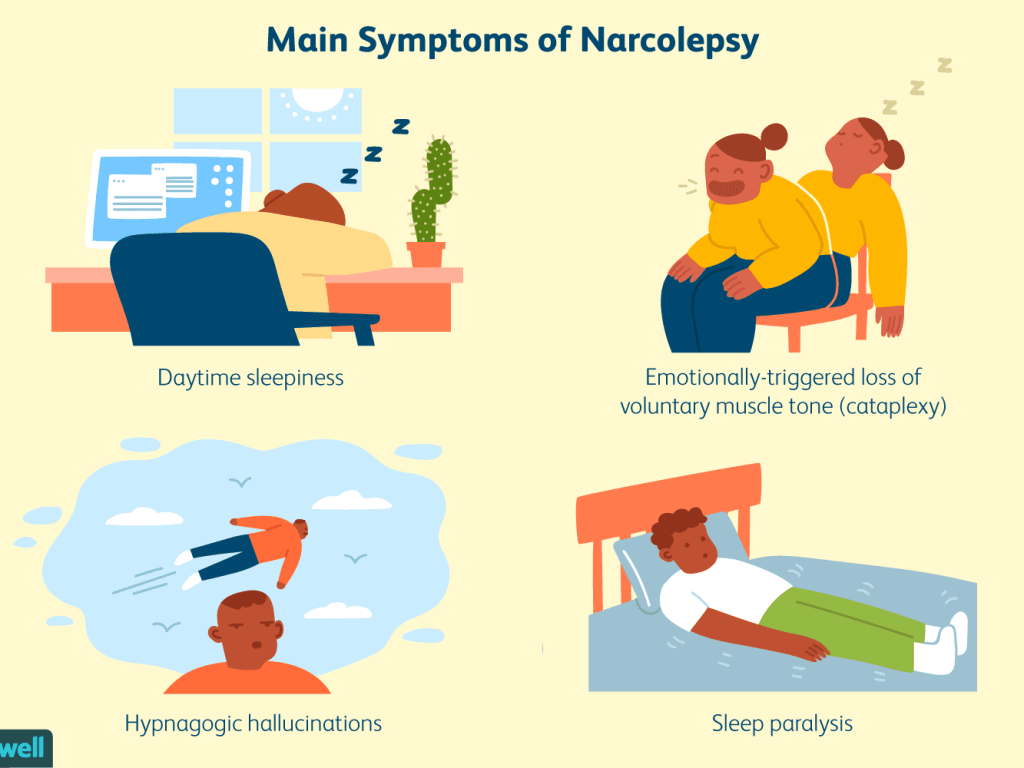
Narcolepsy is a chronic sleep disorder in which the person has overwhelming daytime drowsiness and sudden attacks of sleep. People with this disorder find it difficult to stay awake for long periods and this can cause excessive disruptions in their daily routine. There are two types of narcolepsies, one that is accompanied by a sudden loss of muscle tone, called cataplexy, this is type 1 narcolepsy and type 2 is without cataplexy. The symptoms for this are excessive daytime sleepiness, decreased alertness, sudden loss of muscle tone which can cause slurred speech, sleep paralysis, changes in REM sleep, and hallucinations. This is a chronic disorder so there is no cure for it but it can be managed with medication and some changes in the lifestyle. The cause for this is unknown but it is observed that in type 1, people have low levels of the chemical hypocretin which is important for the regulation of wakefulness and REM sleep.
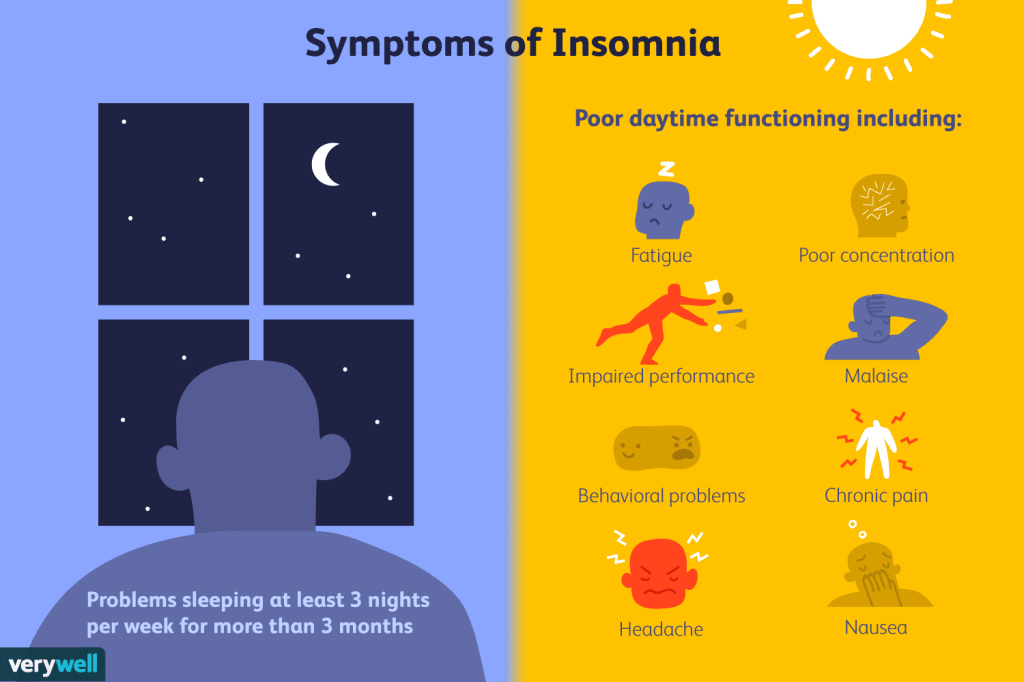
Insomnia Disorder is a disorder in which a person has trouble falling or staying asleep, it can be acute or chronic. There are two types of insomnia, primary and secondary. In the case of primary insomnia, the sleep problems are not related to any other health problem, whereas, in the case of secondary insomnia, the trouble in sleeping is because of another health condition. The causes for primary insomnia can be stress, noise, light, temperature, jet lag. Symptoms of insomnia are sleepiness during the day, grumpiness, problems with concentration and memory, and fatigue. You are more likely at risk of insomnia if you are a woman because of the hormonal shifts.
Hypersomnolence is when a person suffers from excessive sleepiness despite having slept enough. Symptoms for this are falling asleep several times during the day, taking naps to deal with the sleepiness but still not waking up refreshed, sleeping more than 9 hours but still not feeling rested, feeling confused when waking up, having difficulty waking up. This can cause problems at work, school, or other daily routines.
Sleep Apnea is a serious sleep disorder in which breathing continuously stops and starts. There are three main types of sleep apnea; firstly, Obstructive sleep apnea is when the throat muscles relax; secondly, Central sleep apnea is when the brain fails to send proper signals to the muscles which are responsible for controlling breathing; lastly, Complex sleep apnea syndrome is when someone is suffering from the combination of the first and second type of sleep apnea. Symptoms are gasping for air during sleep, loud snoring, episodes in which you stop breathing, morning headache, awakening with dry mouth, hypersomnia, difficulty staying asleep, irritability, and difficulty paying attention while awake.
Parasomnia involves unusual and undesirable physical which disrupt sleep. It includes abnormal movements, talk, or other unusual things during sleep. There are two types of parasomnias, Non-REM and REM, this distinction is based on the stage of sleep in which they happen. Parasomnias during Non-REM include sleep terrors, sleepwalking, and sleep-related eating disorders. Parasomnias during REM include nightmare disorder, recurrent isolated sleep paralysis, and REM sleep behaviour disorder. Symptoms are waking up confused or disoriented, being tired during the day, difficulty sleeping through the night, and finding cuts and bruises which you do not remember.
Restless Legs Syndrome causes an uncontrollable urge to move your legs because of an uncomfortable sensation. Symptoms are sensations that begin after rest, relief with movement, worsening of symptoms in the evening, and nighttime twitching.
Conclusion
These sleep disorders are very serious. As we know sleep is very important for our health, it is important to sleep properly for the health of your body and if you think you have any of these sleep disorders, please consult a psychologist who can help you regulate your sleep.
In Japan, saffron is encapsulated and used in the treatment of Parkinson’s disease, memory loss and inflammation.
Saffron and its components have also been suggested to be useful for cancer prevention.
saffron supplementation could help improve symptoms of depression in adults dealing with major depressive disorder (insomnia).
A study shows the possibility of the potential efficacy of saffron in accelerating wound healing in burn injuries.
A study done on healthy men showed that daily use of saffron (about 100 mg) could have enhance immunity without any adverse reactions .
Saffron helps reduce the risk of heart disease by strengthening the circulatory system.
Some research suggests that saffron could be useful for patients dealing with liver metastasis.
saffron could be used as a natural UV-absorbing agent. It contains flavonoid compounds like kaempherol and quercetin which is useful for UV absorbtion.
saffron has shown certain complexion promotion effects which may enhance skin whitening.
Caution: Even though it is a herbal plant it is recommended to use it at very minimum level .As we say too much of good is not good – yes, It has some side effects too .
Saffron Dosage And Side Effects:
Some research states that 10.5 grams of saffron a day can cause toxic side effects. These include headache, dizziness, and loss of appetite, weakness and in extreme cases may also be harmful to the lungs and kidneys.
For pregnant women, the daily upper limit for saffron, as per some sources is 5 grams .Taking saffron orally in large amounts during pregnancy can cause problems – it can lead to contractions of the uterus and miscarriage.
Recommended dosage: less than 5 grams or 5 grams .
Art and music are basic human functions. Humankind and art cannot function without one another.
Modern society is teeming with stress. Given the extensive demands on both our personal and professional lives, this probably comes as no surprise. music therapy, which has been gaining increasing popularity as an effective way to combat stress. Using music to improve health has been well-documented.
Sound healing therapy uses aspects of music to improve physical and emotional health and well-being. Healing with sound is believed to date back to ancient Greece, when music was used in an attempt to cure mental disorders. More recently, research has linked music to a number of health benefits, from boosting immune function and lowering stress levels to improving the health of premature babies.
The various musical elements of rhythm, melody, harmony, and tempo stimulate a cognitive and emotional response that comprises the affective component of pain, which helps to positively affect mood and results in improved healing.
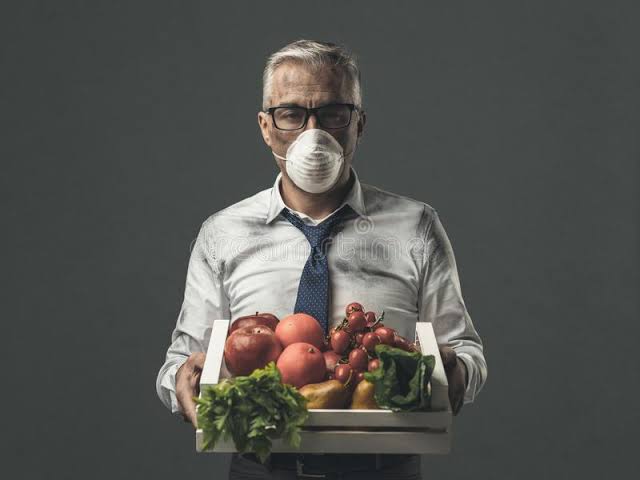
We, human beings are vulnerable to various types of pollution. And Food is one of the most significant things we need to survive in this world. So, if the food we consume becomes polluted then what are the chances for us to stay healthy? Food Pollution over time has become a topic of concern, so let’s have look at it.
What is Food Pollution?
Food Pollution is defined as the presence of toxic chemicals (elements or compounds) or biological contaminants which are not naturally present in food or are above their natural background level (for those chemicals which are naturally found in some foods).
What are the effects of Food Pollution?
Food Pollution can affect us by causing mild to moderate to severe food illness and it can also cause various health issues like hormonal and metabolic imbalance, and even various types of cancer. Certain pesticides present in the food can also cause Nervous System problems. Further, in few cases, highly polluted food can cause immediate food poisoning or even death. Approximately, more than 70 million cases of food-borne diseases occur alone in the U.S. every year, resulting in 5,000 deaths per year.
What are the causes of Food Pollution?
There are several causes of Food Pollution. Practically, any pollutant has the potential to pollute food just by coming in contact with it. And vegetables can get polluted by bacterial problems which can only be destroyed by processing the contaminated food at high temperatures. Let’s have a look at situations where toxic chemicals can get into the food:-
★ consumption of polluted water and/or food by fish or other animals;
★ food processing, packaging, and handling;
★ propagation and concentration of pollutants through the food chain;
★ growing of food (e.g. crops, fruits, vegetables) in polluted soils, solid wastes (e.g. mine tailings), or areas with polluted groundwater;
★ irrigation of grown food (e.g. vegetables, fruits, crops) with polluted water;
★ growing of food (e.g. crops, fruits, vegetables) in areas with polluted air;
★ agricultural treatments with pesticides, insecticides, and/or herbicides;
★ agricultural application of sewage sludge and/or polluted fertilizers (which contain ash from power plants).
Safe Food Alternative
Japan has come up with an alternative for producing safe food, according to which vegetables should be grown in factories that terminate the unpredictable effect of environmental pollution, unpredictable weather, or pests. Also, the process would be all computerized that would control various factors affecting growth. This idea of a safe food alternative was given by OZU cooperation in Tokyo. Can this be the way of future agriculture? Well, this we’ll see.
Hazards of Food Pollution are everywhere and all can be done on an individual level is; by informing ourselves and taking action.
In Psychological Disorders Part 3, Dissociative and Somatic Symptom Disorders were discussed. These are the fewer known disorders yet very interesting to know about. (Trigger Warning: this article talks about eating disorders)
Eating Disorders
These disorders arise because of obsessive concern over weight which results in a disruptive eating pattern that then affects the person’s physical and mental health.
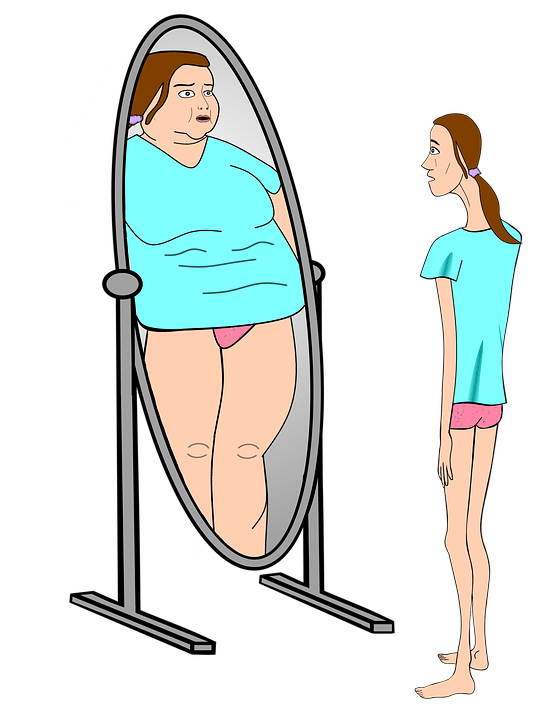
Anorexia Nervosa is also commonly known as anorexia which is an eating disorder wherein the person has an abnormally low body weight accompanied by an intense fear of gaining weight and a distorted perception of their weight. People with this disorder tend to take extreme measures to control their weight such as restricting their food consumption. The distorted image of the body can be a result of depression, anxiety, or emotional trauma. The physical symptoms are severe weight loss, dehydration, insomnia, weakness, dizziness, constipation, breaking hair, dry skin, bluish tinge to fingers, absence of menstruation, irregular heartbeat, and inability to tolerate cold. Some behavioural symptoms are eating only low-calorie food, trying to hide their body with baggy and loose clothes, skipping meals, avoiding situations where they have to eat, avoiding situations where they might have to show their body, and extreme exercising. Some emotional symptoms are poor self-esteem, agitation, depression, social isolation, and anxiety.
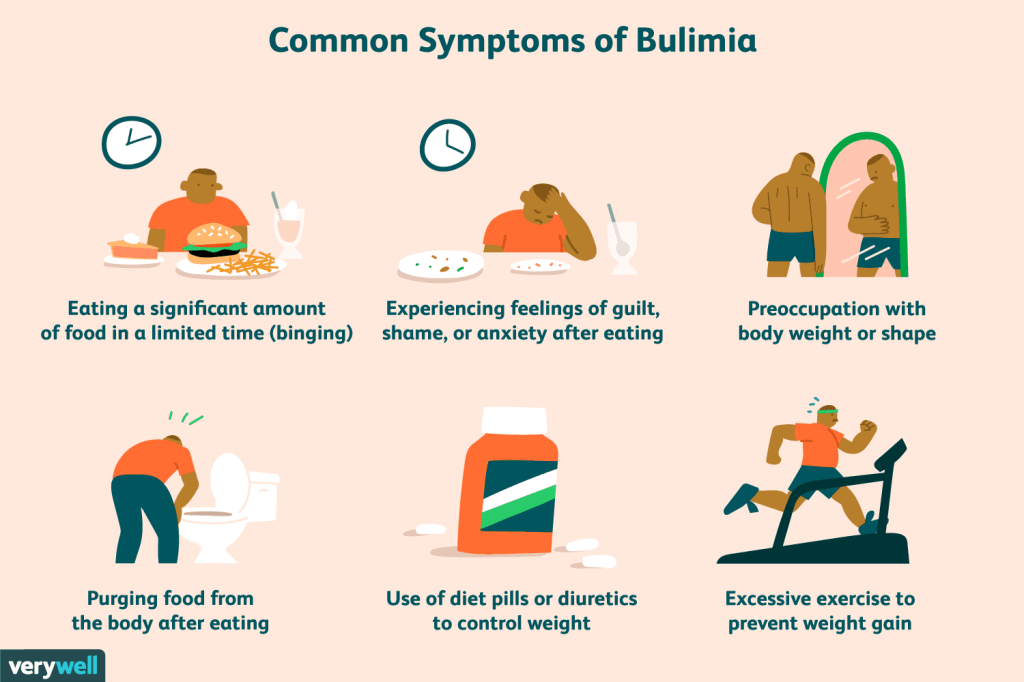
Bulimia Nervosa is also commonly known as bulimia is a serious and life-threatening eating disorder. People with this disorder secretly binge eat large amounts of food without any control over how much they are eating, then they panic and purge to get rid of those extra calories. There are two types of bulimia, purging and non-purging bulimia. To get rid of these extra calories, they use different methods such as self-induced vomiting, misuse of laxatives, weight-loss supplements, people with purging bulimia use these methods whereas people with non-purging bulimia follow strict dieting or excessive exercise. The physical symptoms can be life-threatening, some of these symptoms are weight fluctuation of 2 to 10 kgs in a week, bloodshot eyes which means eyes with busted blood vessels, chapped lips because of dehydration, scars on the knuckles from inducing vomiting, swollen lymph nodes, and mouth sensitivity because of receding gums and eroding tooth enamel. Some behavioural symptoms are consistent worry about weight and appearance, going to the bathroom right after eating, eating till it is uncomfortable, excessive exercising, not eating in front of others and restricting calories. The emotional symptoms of bulimia are the same as for anorexia.
The DSM-5 has moved the eating disorder of infants and children to the same category. Rumination Disorder is also known as rumination syndrome and it usually occurs in babies and people with developmental disabilities. Children and adults who have high levels of stress have a greater risk of having this disorder. This is a feeding and eating disorder in which the undigested food comes back up from the person’s stomach to their mouth. The symptoms for this are regurgitating on a regular basis, dental problems, chapped lips, weight loss, and digestive problems.
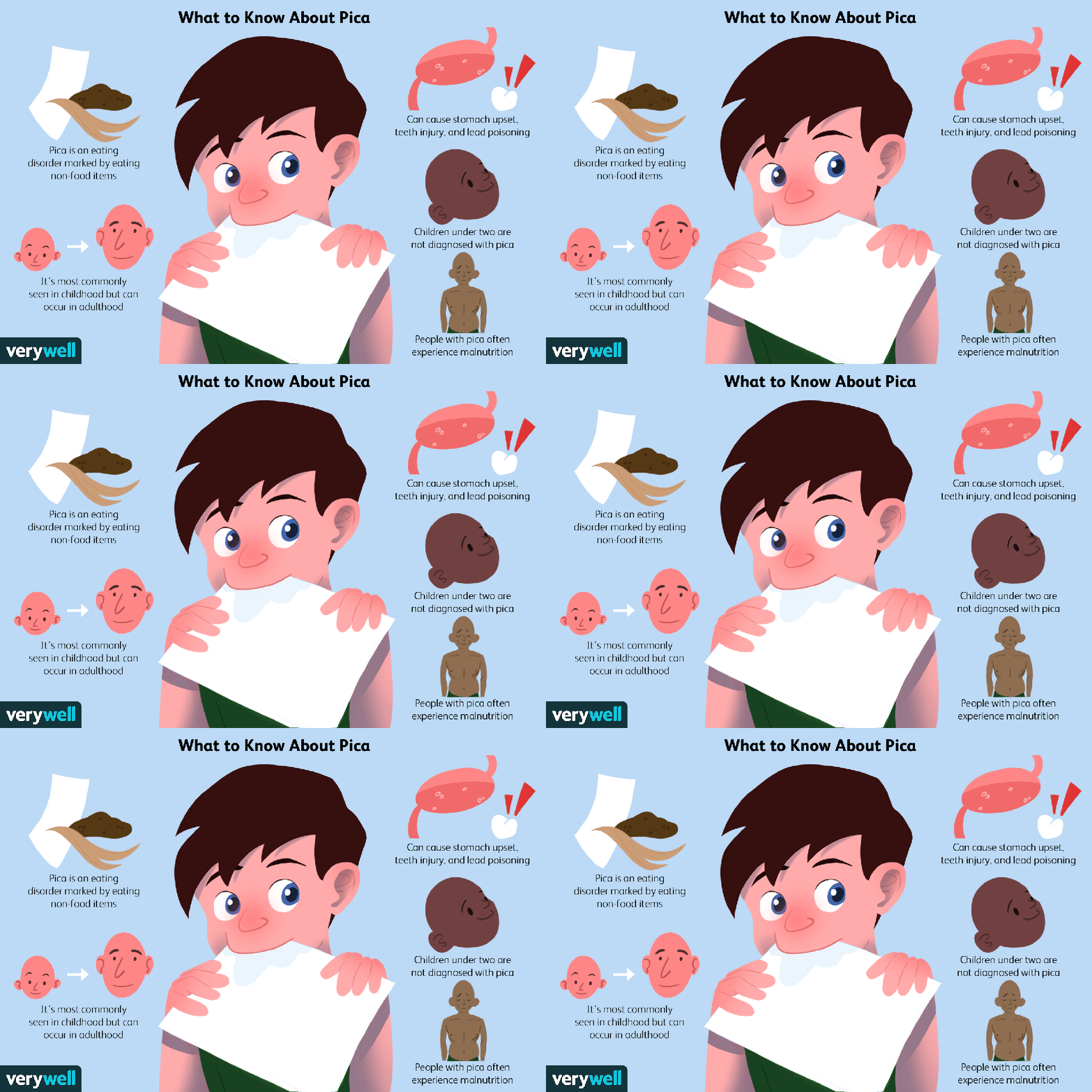
Pica is an eating disorder in which people eat non-food items like clay, dirt, and flaking paint. This disorder is more common in children but can also occur in adults with intellectual and developmental disabilities. The symptoms for this are upset stomach, bowel problems like constipation or diarrhea, stomach pain, and blood in the stool. If the consumption of non-food items continues, symptoms like lead poisoning, injuries to teeth, infections, and intestinal blockage can occur.
Binge-Eating Disorder (BED) is a feeding and eating disorder in which people eat a large amount of food in a short amount of time even if they might not be hungry. This can be triggered by emotional stress. The person may feel a sense of relief during the binge but will feel shame afterward. The symptoms are eating to a point that is uncomfortably full, eating more rapidly than normal, feeling of disgust with oneself, eating large amounts without feeling hungry, and eating alone because of feeling embarrassed.
Conclusion
It is difficult to figure out what causes these eating disorders but medical experts believe it is a combination of biological, psychological, and environmental factors. Genetics plays a role, if you have a family member who suffers from one, you are more likely to be diagnosed with the same. Emotional well-being plays a huge role, people who have experienced trauma or other mental health conditions are more likely to develop one. And finally, societal pressure plays another big role, the western ideal of body image has equated thinness with success and so people try to achieve thinness. If you have any eating disorder, it is important to know it is not your fault and you need to consult a psychologist immediately to get better.












 Eduindex
You must be logged in to post a comment.