Why Indians are Shorter on Average

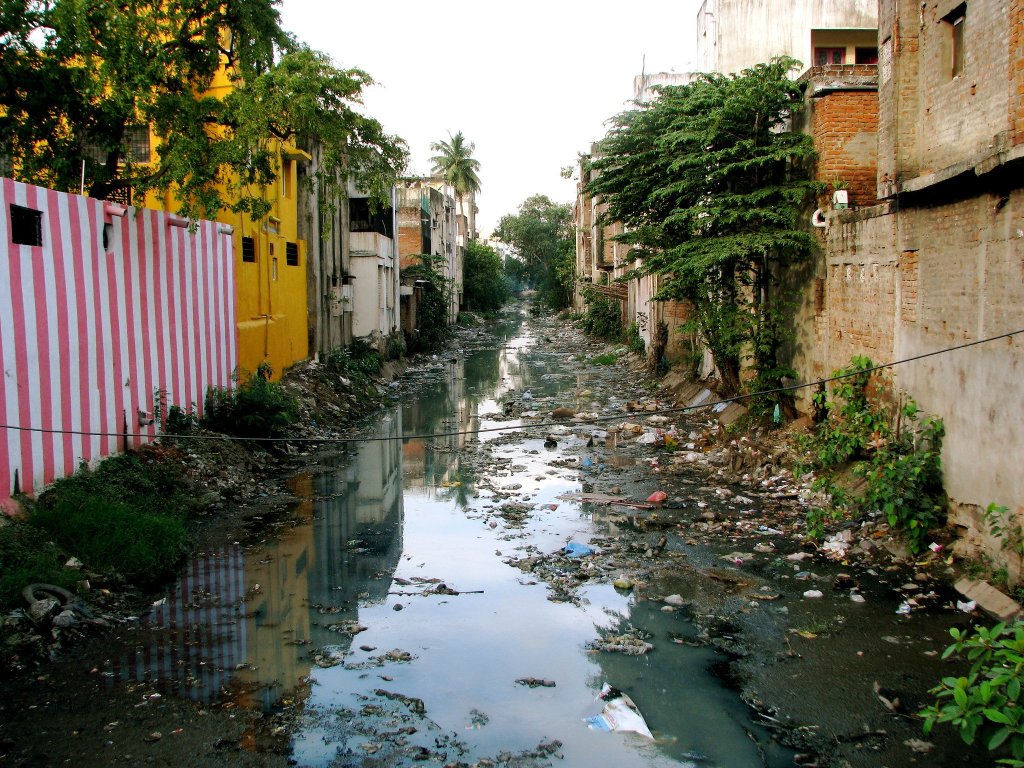
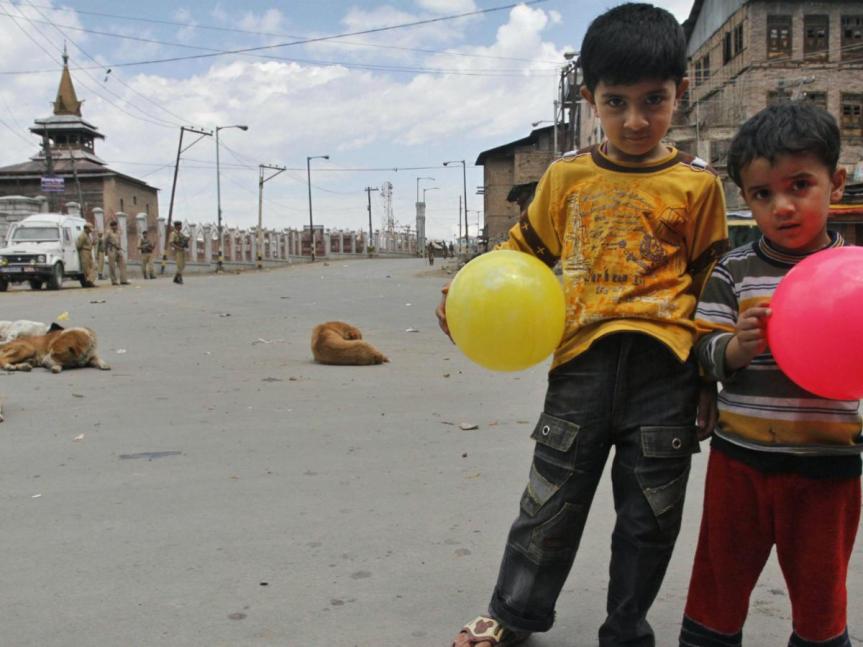
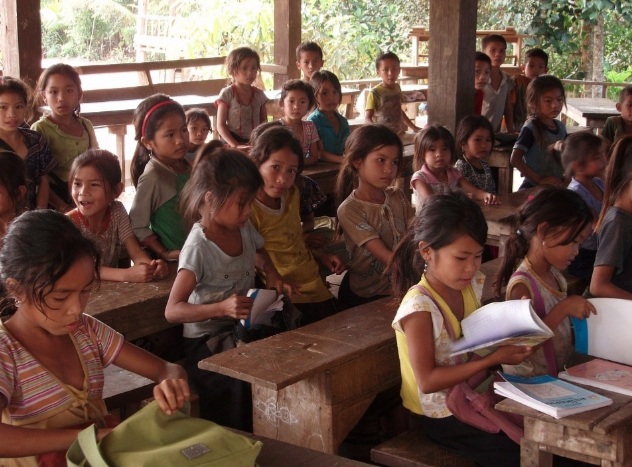
Indians are among the shortest people in the world on average. Despite impressive rates of economic growth in India over the past decade or two, India remains one of the worst performing countries worldwide in terms of height, among both children and adults. This is unusual because data and research has shown that over time people become progressively taller as living standards improve. There has, however, been an increase in average height in India itself as the standards of living have increased. Between 1914 and 2014, the average height of Indian men increased by about 3cm to become 165 cm, while women grew taller by about 5cm to become 153 cm. Also, it seems that children in India today are much taller than their parents were at their age, according to studies conducted into the matter. But why are Indians still shorter than the global average while Most countries have shown an increase in height over the past century or so?

Some Factors

Genes contribute to only a small portion of a person’s height, and so most scholars around the world have disregarded the hypothesis that genetic factors are of prime importance in explaining the small stature among Indians relative to international standards. Instead, it has been identified that environmental factors such as the mother’s health, infant and child nutrition, sanitation and environmental pollution are the major reasons for smaller heights in India. Nutrition here not only implies that there is malnutrition in the country, but also the fact that India has a very large vegetarian population. This means that many people are not gaining nutrition from a very good source: meat. Protein obtained through meat is great for growing height. Though vegetarians can get protein from dal or soybean, they are not nearly as good sources of protein, and the best quality of protein comes from animal sources. Apart from this, the low status of women in Indian society, high rates of gastro-intestinal infections spread by the widespread practice of open defecation (especially in rural areas), and certain eating habits are said to contribute to height.

Furthermore, research has shown that forward caste men are the tallest in India, and scheduled caste and scheduled tribe men are the shortest. This is proof of the fact that better living conditions and nutrition helps in height growth. Thus, there is decreased importance of genetic factors in explaining the disappointing growth performance of Indians, and it is more of the socioeconomic and environmental factors prevailing in India. This is evidenced by the fact that ethnic Indian adults in England are much taller than in India, because of their standard of living and environment.

Conclusion

Today in India, children are definitely much healthier and better-fed than they used to be, and adults are gradually getting taller than their previous generation. However, Indians are still much shorter than Americans or Europeans, and it is estimated that the height difference will take around 250 years to eliminate at the British growth rate. And the reason behind all this is not Indian genetics, but rather things like malnutrition and poverty in the country. Today, nearly 40 percent of Indian kids today are short enough to be classed as stunted by international standards. Furthermore, it is mostly Indian men that we see gradually growing in height to meet the international average, while women are growing taller at less than a third of the rate at which Indian men are growing taller. This matches the pattern of discrimination that we often see in India, which is a mostly patriarchal country. Hence, we will only be able to increase in average height if we are able to raise the standard of living for everyone in the country and aim for equitable treatment of all.

WHAT CAUSES DANDRUFF?

Dandruff is a common condition that causes the skin on the scalp to flake. It isn’t contagious or serious. But it can be embarrassing at times and difficult to treat and get rid of permanently. Mild dandruff can be treated with a gentle daily shampoo.

Dandruff is considered to be a mild form of Seborrheic dermatitis. It is a common skin condition that mainly affects the scalp and causes scaly patches, red skin and stubborn dandruff. It can also affect oily areas of the body such as face, sides of the nose, eyebrows, ears, eyelids and chest. In babies, Seborrheic dermatitis is called Cradle Cap. This condition is more common in infants within the first three months after they are born. In adults, between 1% and 10% people are affected. Males are more often affected than female. The cause of Seborrheic dermatitis has not been fully clarified. The condition is thought to be due to a local inflammatory response to over-colonization by Malassezia fungi species in sebum-producing skin areas including the scalp, face, chest, back, underarms and groin.

CAUSES OF DANDRUFF:-

Dandruff may have several causes including:-

  • irritated, oily skin.
  • not using shampoo frequently.
  • an yeast-like fungus Malassezia that feeds on oils on the scalps of most adults.
  • dry skin.
  • sensitivity to hair care products.
  • other skin conditions such as psoriasis and eczema.

WHAT IS MALASSEZIA?

In about half of the human population, it’s activity causes dandruff. Our skin hosts billions of microbes. Malassezia yeasts make themselves at home on our skin shortly after we are born. Follicles, the tiny cavities that grow hairs all over our body, make for especially popular living quarters for these. Malassezia are found in these follicles because they contain glands that secrete an oil called sebum, that’s thought to lubricate and strengthen our hair. Malassezia evolved to consume our skin’s proteins and oils and because of it’s many sebum-secreting follicles our scalp is one of the oiliest places on our body and consequently one of the yeastiest.

As these fungi feast on our scalp’s oils, dandruff may form. This is because sebum is composed of both saturated and unsaturated fatty acids. Saturated fats perfectly pack together whereas unsaturated fats contain double bonds that create an irregular twist or curl in their structure. Malassezia eat sebum by secreting an enzyme that releases all of the oil’s fatty acids but they only consume the saturated fats, leaving the unsaturated ones behind. These unsaturated fats(irregularly shaped) soak into the skin and pry it’s barrier open allowing water to escape. The body detects these breaches and responds defensively causing the inflammation that gives dandruff it’s itch. It also makes the skin cells proliferate to repair the damaged barrier.

TREATMENT:-

Usually our skin’s outer surface, or epidermis completely renews itself every two to three weeks. Epidermal cells divide, move outwards, die and form the skin’s tough outer layer which gradually sheds off in single cells far too small to see. But with dandruff cells churn out quickly to correct the broken barrier, meaning they don’t mature and differentiate properly. Instead they form large, greasy clumps around the hair follicle that are shed as visible flakes. Currently the most effective way to get rid of dandruff is by using Antifungal shampoos or as recommended by the Dermatologist.

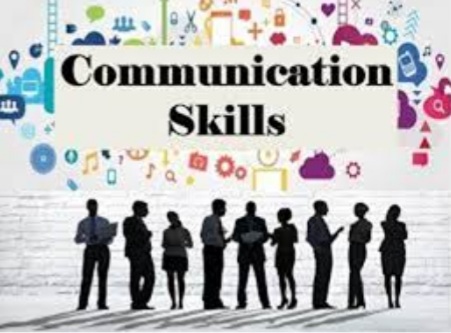
Communication skills

Good communication is very important to convey what is there in the mind. Whatever language, communicating in a understandable way is very important. communication today is very important both in the business world and in private life.

Even though the person is good at skills and is capable of doing things better, lack of communication degrades the skills and brings a negative mark on the person which is a bad thing for the individual.

Top 5 communication skills and How to improve them

Developing strong communication skills is essential when it comes to building a successful careee. Communication skills play a key role in your private life too. These 5 skills are absolutely necessary for sucessful commuincation in the workplace or private life.

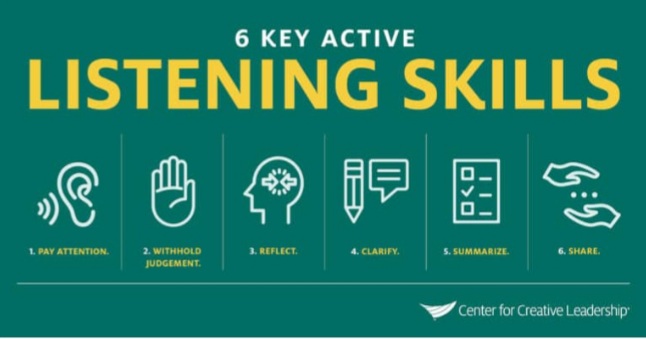
1. Listening :

Listening is one of the most important aspects of communication. Successful listening is not just and understanding of spoken or written information, but also an understanding of how the speaker feels during communication. If a speaker can see and feel that someone is listening and understanding that can help build a stronger, deeper realtionship between interlocutors.

Careful listening can also create an environment in which everyone feels safe to express ideas, opinions and feelings, or plan and solve problems in a creative way.

2. Straight talking :

Conversation is the basis of communication, and one must not neglect its importanc. Even a simple, friendly conversation with colleafues can build mutual trust and even detect problems before they become serious. A healthy does of chatting with and unknown person can lead to a business opportunity . Be accessible and friendly because then you will be able to talk to almost anymore.

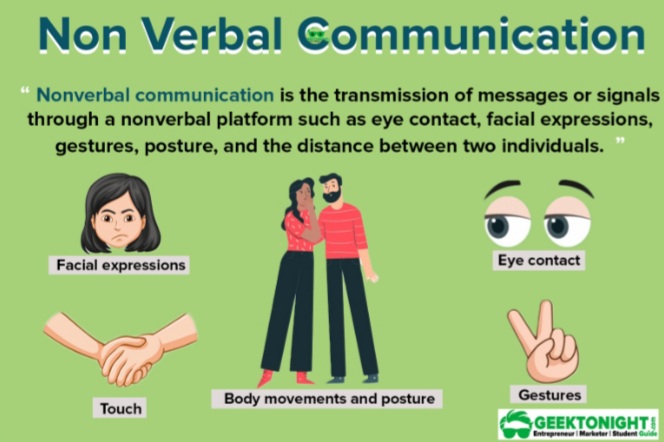
3. Non- verbal communication :

When we talk about things that matter to us then we send a lot of nonverbal messages. Non verbal signals are wordless communication, body position, facial experssion, hand movements, gestures, eye contact, attitude and tone of your voice, muscle tension and the way you breathe. The way you look, listen create, react, gesture , speaks far more about feelings than words will ever be able to.

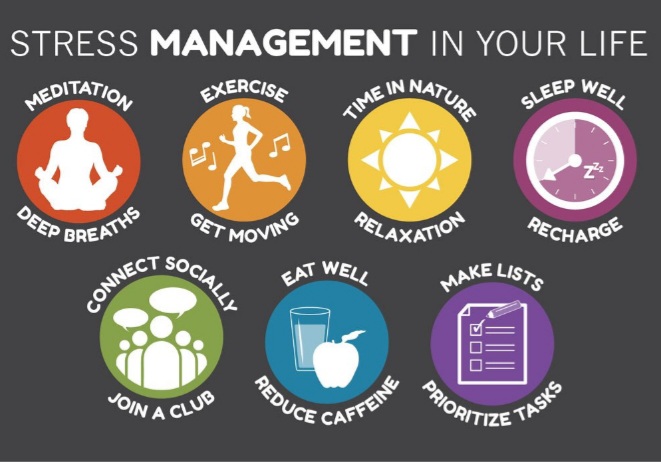
4. Stress Management :

In small quantities, stress can be very useful and encouraging for work . However, when the stress becomes constant and completely begins to take effect, it can affect communication, clarity of opinion and appropriate behavior and action. When you are under stress you may misunderstand other people, send confusing nonverbal signals, and use funny patterns of behavior.

5. Emotion control :

In communication, feelings play an important role. Making decisions more often affects the way you feel than the way you think. Gudided by emotions, your nonverbal behavior affects the understanding of other people and how others understand and perceive you. Control of emotions provides you with tools to understand others, yourself and the messages you send. Though recognizing feelings makes it simple, many people have strong feeling like anger, sorrow, or fear being pushed under the carpet.

Importance of communication :

Communication thus helps understand people better removing misunderstanding and creating clarity of thoughts and expression. The communication brings people together, closer to each other. The communication is an important management function closely associated with all other managerial functions.

Everybody has their own way of communicating. It is influenced by cultural background, the way someone was raised, their gender, their temperament, and much more. At that point true communication may become utterly impossible. Sometimes we may have a difficult time understanding anothers feelings , needs and habits.

* communication serves four major functions with a group of organization :

* control

* Motivational

* Emotional expression

* Information

* communication serves five major purposes :

* to inform

* to express feelings

* to imagine

* to influence and

* to meet social expectations

For example:

For instance, if an individual is going to an interview with great confidence. An individual who is good at different kinds of skills, and also good at executing them and he is lack of communication skills. As the person is not a good communicator, the person faces difficulty in explaining the things to the other person which is known to him. Instantly, this brings a bad impression on the person and a negative mark will be marked on him. The negative mark has a lot to do with. The negative mark can also lead to the rejection of the person in the interview.

Being knowledgeable is very important to achieve certain goals in life, attaining good communication skills and being a good communicator is also equally important to achieve high in the life. Being a good communicator is not A big deal. It is so easy as the lifestyle. Any individual can be good communicator if he communicates all the time with other people in the possible way.

Abortion : Life or Choice?

Introduction:
Abortion is ending of the pregnancy by killing the embryo. This could take place for many reasons, the mother may not be ready to take responsibility of the child yet or it could be due to the sex of the child or it could be as there may be abnormalities in the child.

Pro-life v/s Pro choice :
People who choose not to end the pregnancy by getting an abortion are pro-life. People who choose to end their pregnancy for a number of reasons, valid or not, are pro-choice. Free will is definitely a factor in both of these choices. For many reasons, it could be considered ethically and morally wrong but there are equal number of reasons why it should not be a judge of character and there should be an understanding as to why it is done.
Abortion could take place due to a medical issue. There are two ways of aborting a child, namely, non-surgical and surgical methods. Non-surgical methods include abortion pills and morning after pills. Some people may not find this morally right as according to them a life holds a lot of importance. But, what they don’t understand is sometimes it is necessary to get an abortion so that the mothers life is not In danger and everything cannot be morally correct.
Selective abortion sometimes takes place when the parents find out the gender of the child. Sex selective abortion, even though, illegal is still practiced in many places due to the preference for the male child.
Many a times, a child is aborted as it poses a threat to the mothers life. Sometimes, parents don’t want to have a child with an abnormality as it might affect the child later in life and they might have problems coping with it. People argue that it is better to at least give them a chance to shape their life instead of just ending their life.
Sometimes, pregnancy is unintentional and the woman might be using contraception but it may have failed as a measure. When this happens, the parents cannot be blamed for the abortion as they never wanted the child in the first place.
Ethically, people still believe that if the parents weren’t ready for a child then maybe they shouldn’t have been having sexual relations.
The mother could get an abortion as it might affect their lifestyle. The child could be an obstacle for achieving their dream or it was very sudden and it doesn’t exactly work out with what they have planned for their future. Though, people argue that the child has rights of its own and it had the right to live and it should at least be given a chance to have their own life, it still depends on the parents.
Some people think that abortion is a way to punish the man but it is not a fact at all. The mother could be having her own problems or complications with the pregnancy and the man just doesn’t want to accept that as for some men, family means everything. If people think it doesn’t affect the woman at all, they are absolutely wrong. It affects her mentally and physically. So, we just cannot blame the woman without getting to know the root of the problem.
Sometimes, a woman gets an abortion as she mislead the father about the fact that she actually wanted a child or wanted a family. Usually, the man is blamed but in some cases, it isn’t true.

Conclusion:
Personally, I support abortion. Pro-choice is what I believe in. There are many reasons a woman would want to abort a child and it should be up to her to make that decision as free will plays an important role in my life and therefore, I would like to know that every other person, at least, has the choice of their own. People usually look down on women who get an abortion but that shouldn’t be the situation at all. We need to understand their needs and think about all the reasons why they wouldn’t want the child and we should also respect their decision and support them.

Learning at the school garden

India Requires All Schools to Have Kitchen Gardens
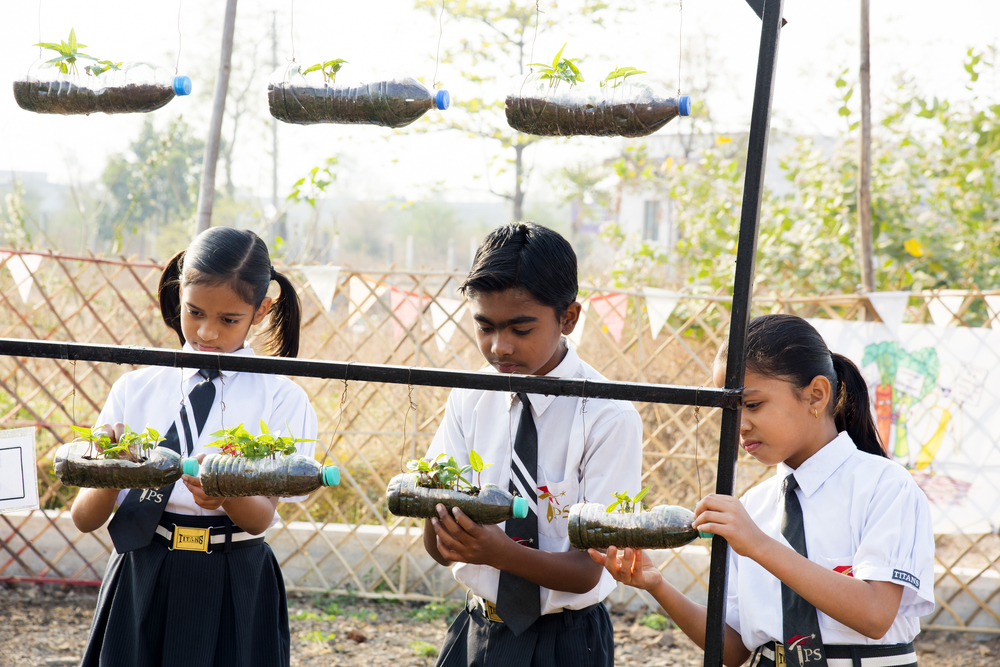
  • A one of its kind initiative, Edible Schools has been launched by MS Swaminathan Research Foundation (MSSRF) in Kalpetta, Kerala in association with Botanical Garden Conservation International (BGCI) to familiarize school children with food crops and family farming. 
  • The aim of this program is to engage the children in food production and farming activities under the guidance of trained and caring leaders, who lead the children into discovery and exploration of soil, water, biodiversity and the science of agriculture production and consumption.

Teaching gardening in schools

  • This project was launched in 2 schools of Waynad – Hill Blooms School, Mananthavady and Government High School, Thrikaipetta, in January, 2021 and it is a huge success till date. The programme was initiated by developing a nutrition garden and fruit garden at both schools following COVID 19 protocols. 
  • These gardens were designed on approximately 870Sq.ft land and fruit trees were planted as part of the campus greening. The nutrition garden has been cultivated with mostly leafy greens such as Amaranthus, Spinach, Curry leaves and Moringa and the commonly consumed vegetables such as Brinjal, Okra, Beans and Cow peas as well as medicinal plants , fruit trees, wild food plants and larval hosts have also been planted. 
  • The first harvesting from the nutrition gardens at the edible schools was done by the students and they were guided by their leaders. They were very excited to see their produce as well as fruit garden saplings of Guava, Custard Apple and Mango seeds growing into healthy trees. 

Although during pandemic the students couldn’t visit the school campuses much, the nutrition gardens have been extended to their homesteads. Training was given to the students for the collection and multiplication of the seeds of wild native trees like Venga, Njaval, Athi etc.  The seedlings planted by the students will be handed over to MSSRF and hence, the students will be a part of the reforestation programme

reference-https://content.ces.ncsu.edu/teaching-from-the-garden-creating-transformative-learning-landscapes-at-schools

https://rodaleinstitute.org/education/school-gardening-curriculum/

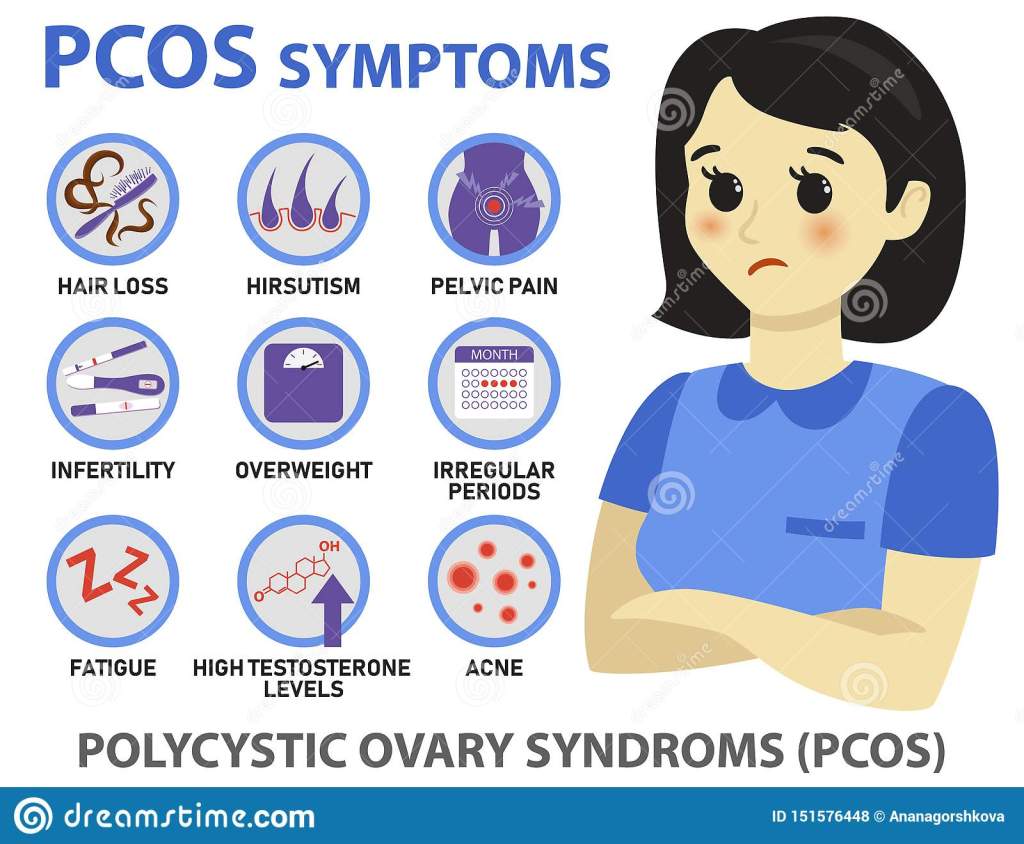
POLYCYSTIC OVARY SYNDROME(PCOS)

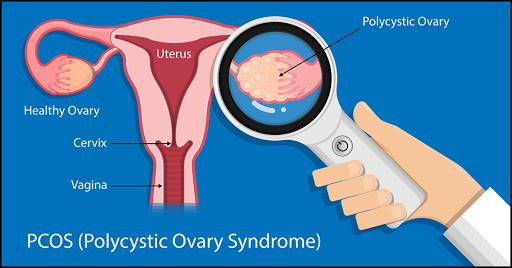
Polycystic ovary syndrome or PCOS, is the most common endocrine disorder in women of reproductive age. It is a condition that affects a woman’s hormone levels. The syndrome is named after the characteristic cysts which may form on the ovaries, though it is not the only symptom that is seen. Women with PCOS produce higher than normal amounts of male hormones. This hormone imbalance causes their body to skip menstrual periods and makes it harder for them to get pregnant in future. PCOS also causes hair growth on the face and body and baldness. It can also contribute to long term health problems like diabetes and heart disease.

The condition was first described in 1935 by American Gynecologists Irving F. Stein, Sr. and Michael L. Leventhal from whom it’s original name of “Stein- Leventhal Syndrome” is taken. The earliest published description of a person with what is now recognized as PCOS was in 1721 in Italy. Cyst- related changes to the ovaries were described in 1844. PCOS is a problem with hormones that affects women during their childbearing years(age between 15 to 44). Between 2.2 and 26.7 percent of women in this age group have PCOS. Many women have PCOS but don’t know it. In one study up to 70% of women with PCOS hadn’t been diagnosed. PCOS affects a woman’s ovaries, the reproductive organs that produce estrogen and progesterone– hormones that regulate the menstrual cycle. The ovaries also produce a small amount of male hormone called androgen. The ovaries release eggs to be fertilized by a man’s sperm. The release of an egg each month is called ovulation.

Follicle-stimulating hormone(FSH) and Luteinizing hormone(LH), which are produced in the pituitary gland, control ovulation. FSH stimulates the ovary to produce a follicle- a sac that contains an egg and then LH triggers the ovary to release a mature egg. PCOS is a syndrome or group of symptoms that affects the ovaries and ovulation It has three main features:-

  • cysts in the ovaries.
  • high levels of male hormones.
  • irregular or skipped periods.

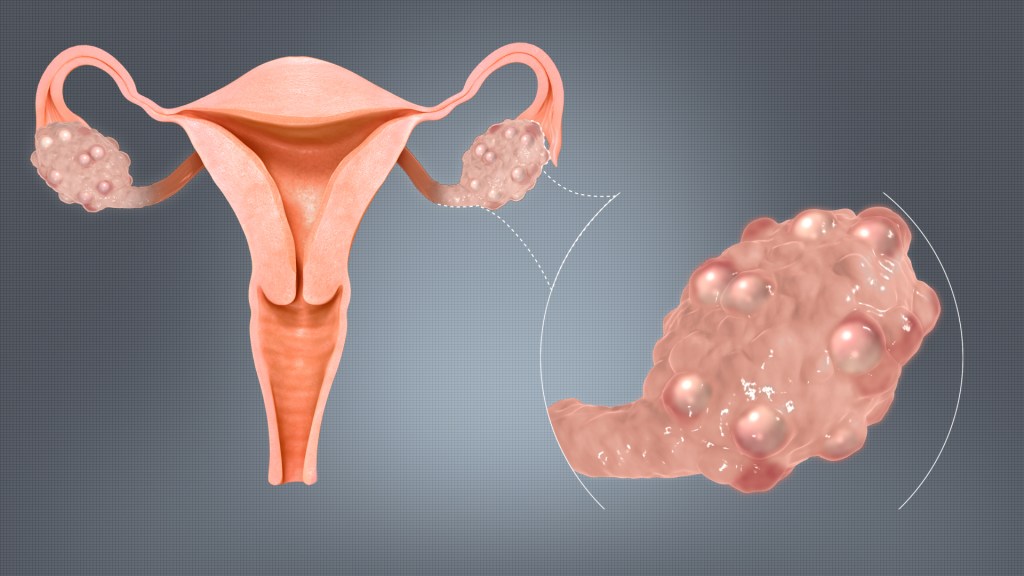
In PCOS, many small, fluid-filled sacs grow inside the ovaries. The word ‘polycystic’ means ‘many cysts’. These sacs are actually follicles, each one containing an immature egg that never mature enough to trigger ovulation. The lack of ovulation alters levels of estrogen, progesterone, FSH and LH. Progesterone levels lower than usual while androgen levels are higher than usual. Extra male hormones disrupt the menstrual cycle.

CAUSES OF PCOS:-

  1. High levels of male hormone prevents the ovaries from producing hormones and making eggs normally.
  2. genes may contribute to the condition.
  3. Insulin Resistance- when cells can’t use insulin properly, the body’s demand for insulin increases. The pancreas make more insulin to compensate. Extra insulin triggers the ovaries to produce more male hormone.
  4. Inflammation- women with PCOS often have increased levels of inflammation in their body.

COMMON SYMPTOMS OF PCOS:-

  • Irregular periods- a lack of ovulation prevents the uterine lining from shedding every month.
  • heavy bleeding- the uterine lining builds up for a longer period of time, so when it sheds causes heavy flow of blood.
  • hair growth- hair growth on face and body including back, belly and chest. Excess hair growth is called Hirsutism.
  • acne- production of more male hormone makes the skin oilier.
  • weight gain
  • male pattern baldness

TREATMENT:-

  • Visit a good gynecologist for proper medications.
  • take control of the diet.
  • exercise regularly.

Chakras

Have you ever attended a yoga session before? Have you ever heard about these chakras? 

If yes, that’s great. If not, that’s fine we are going to cover it in this article.

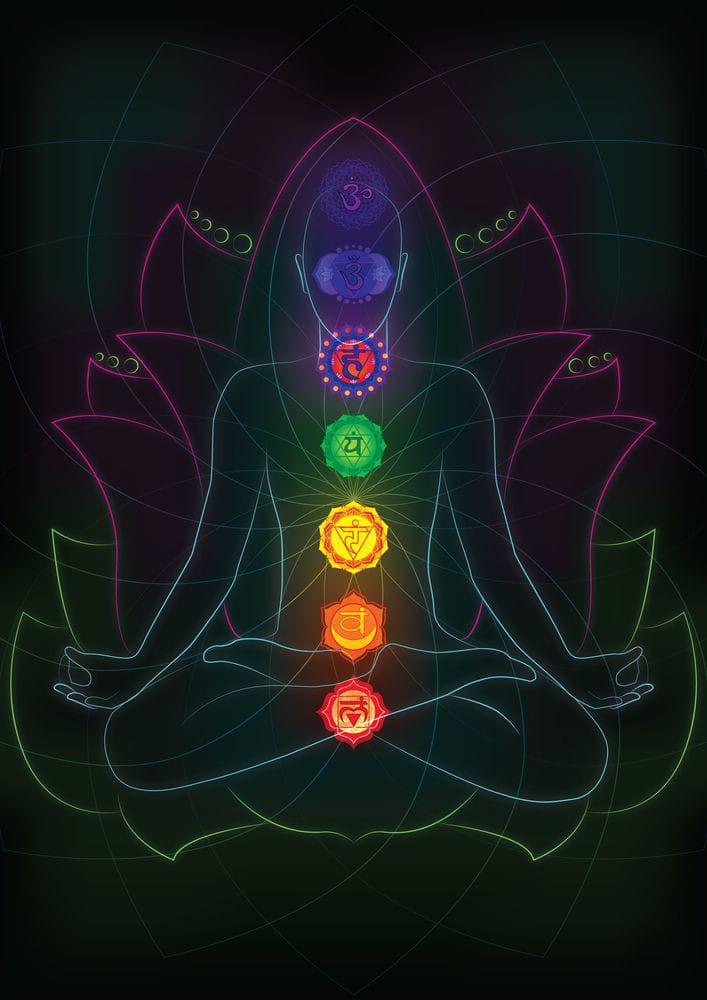
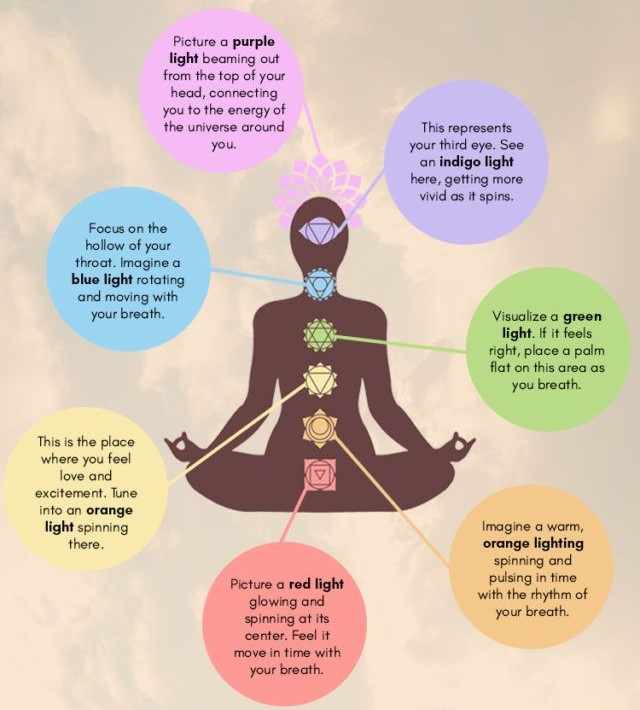
Chakra is a word that comes from Sanskrit, meaning wheel. There are seven wheels or chakras in a human body. Each is located in sequential order along our spinal cord. 

Activating these chakras are important to have a physical and emotional balance. If any of them is imbalanced it means that your chakras are blocked and there is a need to activate them.

But how do we do that? Before answering that question let’s learn about the position and significance of each chakra.

Okay, let’s start from the bottom.

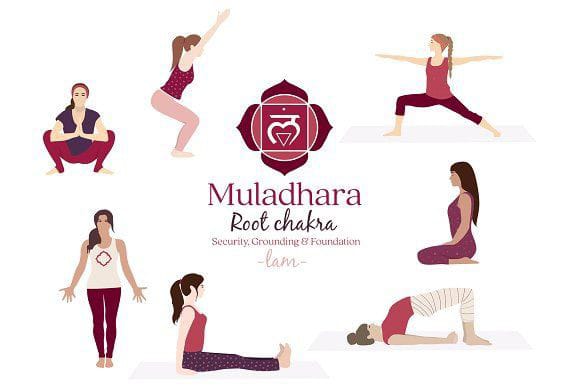
1. Root chakra- Muladhara: 

Color– Red

Represents– the Earth

It is located at the bottom of the spine. It provides a foundation for your life. Gives a sense of commitment, energy, vitality, and independence in life. Helps you to stay grounded. 

If this chakra is blocked. The consequences may be like this- anger, possessiveness, insecurity, fear, low self-esteem, etc.

How to activate/balance this chakra?

You can activate this chakra by performing yoga or meditation.

Hand Mudra
yoga poses

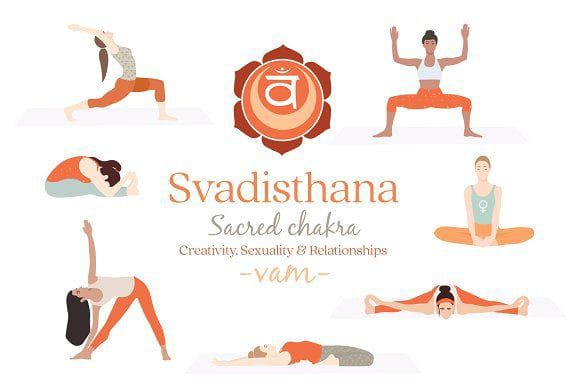
2. Sacral Chakra- Swadhisthana:

Color– Orange

Represents– Water

Located below the belly button.

This chakra deals with one’s creativity, emotional identity, desires, and pleasure. Gives a feeling of compassion, a good sense of humor, intuition, sense of belonging. 

If this chakra is blocked it gives a sense of shyness, guilt, irritation, lack of creativity, etc.

How to activate this chakra?

By following the mudras mentioned below you can balance the chakra.

Hand Mudra
yoga poses

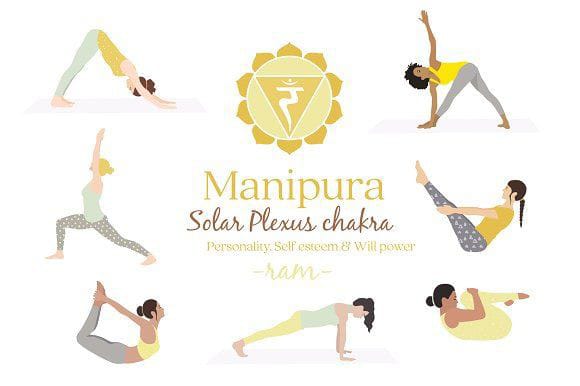
3. Solar plexus chakra- Manipura:

Color– yellow

Represents– Fire

Located in the stomach area. This chakra deals with the sense of belonging and mental understanding of emotions. This makes you feel energetic, confident, intelligent, focused, good digestion, and productive.

If this chakra is blocked you feel timid, depressed, judgmental, angry, and fear of rejection.

By following the mudras mentioned below you can balance the chakra

Hand Mudra
yoga poses

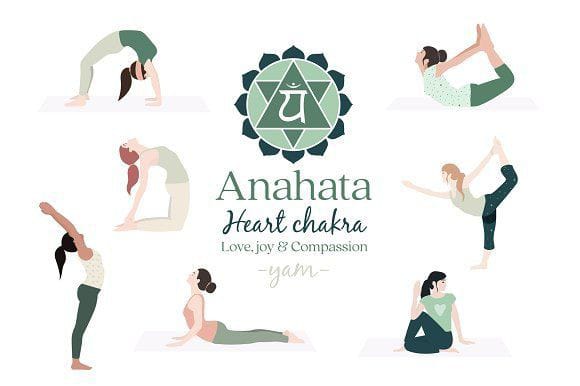
4. Heart Chakra- Anahata:

Color– green

Represents– Air

Located at the center of the chest. It reflects a person’s social identity and affection like love, trust, forgiveness, and wisdom. Makes you motivated, compassionate, emphasized, sense of completeness, friendliness, etc.

If this chakra is blocked you might feel difficulty in love, lack of hope and compassion, mood fluctuations, and feeling low.

By following the mudras mentioned below you can balance the chakra

Hand Mudra
yoga poses

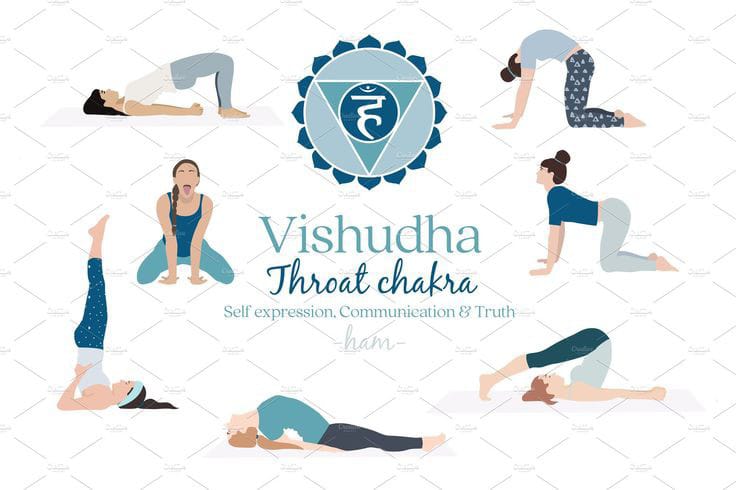
5. Throat chakra- Vishuddha: 

Color– Blue

Represents– Sound

It is located in your throat. Deals with creativity, effective communication skills, faith, expression, listening skills, and all.

If this chakra is blocked it may cause indecisiveness, weakening of willpower, lack of expressiveness, low level of creativity, and proneness to addiction.  

By following the mudras mentioned below you can balance the chakra

Hand Mudra
yoga poses

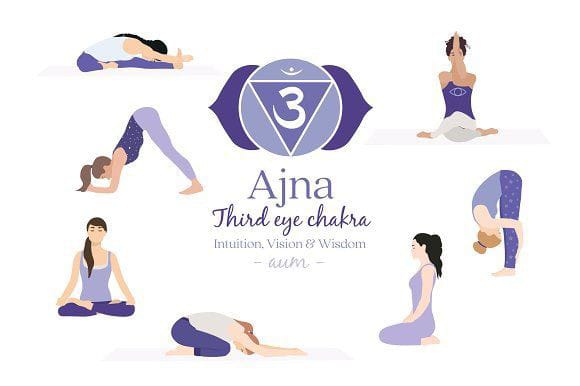
6. Third eye chakra- Ajna:

Color– Indigo

Represents– light

Located between the eyes. It is responsible for intuition, imagination, wisdom, self-awareness, insight, understanding, and reasoning. It gives clear thinking, a healthy imagination, strong intuition power, good concentration, and focus.

If this chakra is blocked it results in poor judgment, confusion, fear of truth, poor concentration, and addictions.

By following the mudras mentioned below you can balance the chakra

Hand Mudra
yoga poses

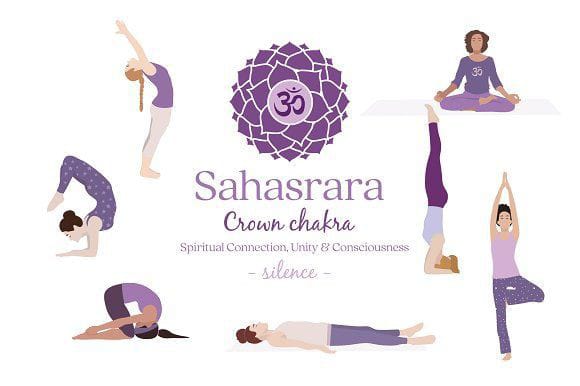
7. Crown chakra- sahasrara:

Color– Violet/white

Represents– Conscience

Located at the top of the body, the crown chakra is to maintain a spiritual connection and consciousness. Gives a feeling of oneness, open-mindedness, thoughtfulness, etc. 

If this chakra is blocked you feel a sense of fear, lack of purpose, lack of inspiration, disbelief in spiritual and devotional practices.

By following the mudras mentioned below you can balance the chakra

Hand Mudra
yoga poses

credits to the right owners of the pictures used.

sources: pinterest

Education in the present

Education is very important in every individual’s life as it is very important for the living. The person who is educated will be well treated by the society and will you have good potential wherever he or she goes. Education as the extra energy to the individual’s life and a moles the individuals character into a good one. It is very important to be educated as the competition in the world is comparatively very high.

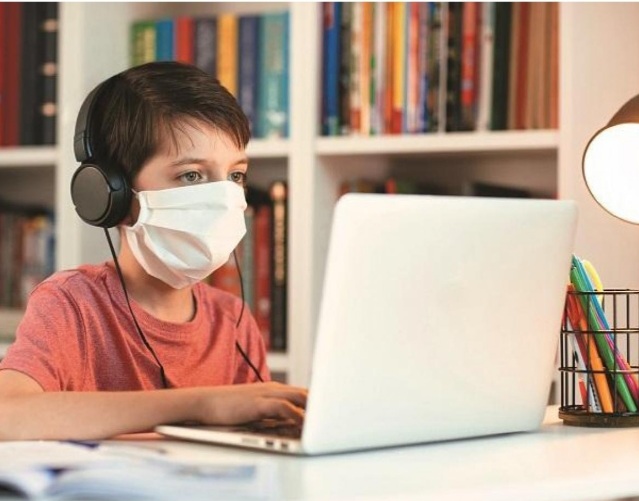
Online classes are the greatest and the biggest task to all the students. It is so difficult for all the students to understand the topics in a detailed manner. Even though the students try their level best to understand the topics during the online class, it is only the 50% of learning but the topics are not understood properly but the students and face lots of difficulties.

It is also equal difficult to conduct exams to all mine because it’s exams are connected through online then there is a chance formal practices. Basically, students commit malpractices during exams in a view to get good marks but not about the knowledge. So,many of the students commit malpractices.

Ways to improve the education system

* skill – based learning :

As of now , the education system is such that everyone is forced to study science and math. If this system can be revamped to identify the strengths of a student, then they can be given appropriate training in the chosen field. This will ensure that the child shines in that particular field.

* Rural Education :

As the sad thing about the Indian education system is the fact that its focus is only on urban clusters. There are hardly any decent centres of learning in the rural areas. This is especially true in terms of higher education. If a country has to actually develop, urban and rural development have to go hand in hand.

* Gender Neutral Education :

The education system has always favoured men over the fairer sex. The major change that must be brought about is to involve women in the same. Particularly subjects that are now considered to be the strength of men alone ( like carpentry, engineering, etc). Should be made more accessible to women. Pioneer women in these fileds should be given due encouragement and appreciation.

* Teacher Training :

India has a very good quality of dedicated teachers. However, the sad fact here is the fact that after they join this service, they receive little or no training. In such a situation, giving them periodic training will not just ensure that they are updated with the changing times, but will also improve the entire education scene of the country by leaps and bounds.

* Infrastructure :

As in every other sector, the indian education sector is one that suffers from the acute death of infrastructure. Most of the government schools do not even have proper chairs, tables, restrooms, let alone a playground, libraries and laboratories. Thus ,the first step in revamping the education scene in the country should begin with improving the infrastructure so that the students are given an evironment where they can learn to the best of their abilities.

* subsidising professional courses :

It is a sad reality that many meritorious students are not able to afford professional corses because of the sheer expense involved in the same. This is all the way truer in case of students from the general category who do not have access to many scholarships. In such a situation subsidising the cost professional education will ensure that the same is within the reach of deserving students from the lower and lower middle class strata of the Indian society.

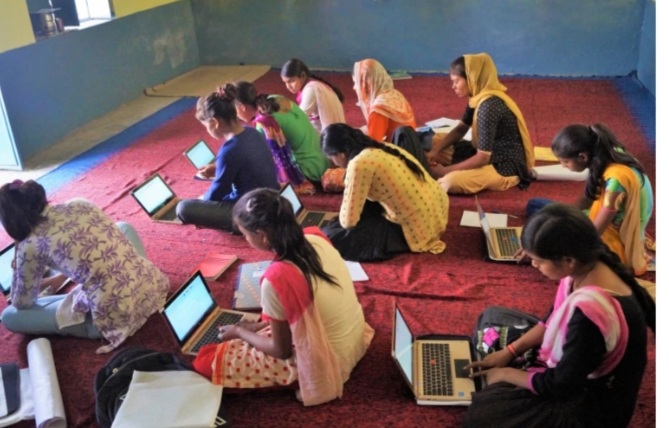
* Basic computing In Rural Areas :

On one hand , India is a land of IT giants; on the other, rural India is completely digitally ill- equipped, in a sitiation like this, the first change that the education system must bring forward is to start free computing classes for skill development in rural areas. Only then will rural Indian move in the same pace as that of the urban Digital India and the country embark on the journey of development.

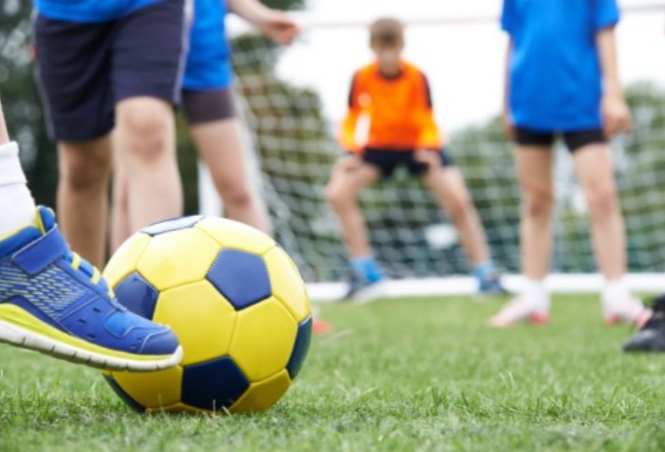
* Make sports compulsory :

One of the main reasons for the alarming rise in suicide amongst students in the country is the fact that they cannot handle stress. That in turn is because they are subjected to too much mental pressure. By making sports compusory it can be ensured that all the students indulge in some sort of some physical activity. This will lead to their mind performance better and enable them to grasp their theory lessons well.

* Educate parents :

Most of the times it is seen that the children’s woes centre atound that of their parents. In the Indian scenerio, parents are the ones who force their wards into a career they do not like. As a result students do not excel and upon failing to meet their parents expectations, they suffer from a number of mental health issues. To prevent such a thing from happening, the first step that must be taken is to educate the parents about the different carrer options that are available to the students and the possible scope of future in them.

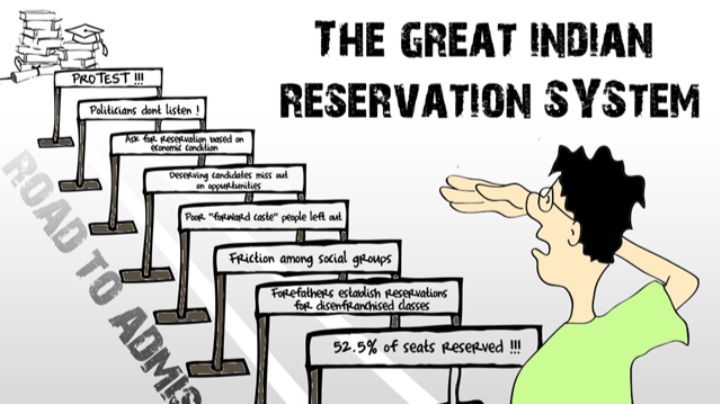
* Remove The Reservation system :

The reservation system in India has been so obsessed with providing the best of opportunities to the reserved that it misses out on many opportunities for the ones who actually deserve the same. This results in not just personal loss for certain people but also brain drain for the entire country and fosters a massive loss to the nation’s economy.

Today’s education system may be good to score marks, but fails to retain the knowledge once students have completed their examinations. This leads to young minds being stifled at an age when they should be asking questions, learning and gaining knowledge, and developing a thirst for more knowledge.

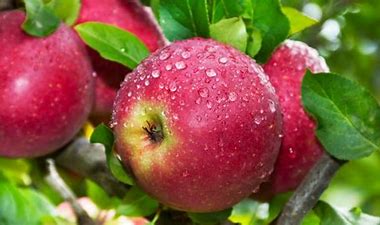
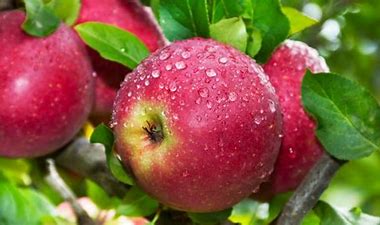
Does An Apple A Day Keeps The Doctor Away?

Ever since our childhood we have been growing up with the say ‘ An apple a day keeps the doctor away.’ But is the say accurate or we have been fallen in the trap?  The phrase was first coined in 1913, it was based on a Pembrokeshire proverb that originated in 1866. The initial adage was “Eat an apple on going to bed, and you’ll keep the doctor from earning his bread.”

A 100 gram of an apple contains 52 calories with 0.3 gram protein, 13.8 grams carbohydrates, 10.4 grams of sugar and 0.2 grams of fats. It is composed of 86% of water. Although their carb and sugar contents are high, their glycemic index (GI which is a measure of how food affects the rise in blood sugar levels after eating) is low, ranging 29–44. The fiber that an apple contains is very beneficial as it has many health benefits such as improved digestion. It is also rich in various antioxidant plant compounds such as Quercetin, Catechin and Chlorogenic acid.

Apples are rich in Vitamin C and Potassium. One of the researches revealed that people who eat more apples have comparatively reduced risks of cancer. There is also a reduced risk of diabetes 2. It also leads to less acid secretion and as a result there will be less calcium loss. There is also reduction of coronary heart disease. There is reduced risks of strokes.

According to one of the study  39.0% of apple-eaters avoided more than one yearly doctor visit, compared with 33.9% of non-apple eaters.

So we can say that though the adage is not entirely true because a person eating apples may catch a disease, it is apt to say that people eating apples have reduced risks of getting diseases as compared to people who do not eat apples.

DOPING

To continue the fight against doping - Fondazione Gianni Benzi Onlus

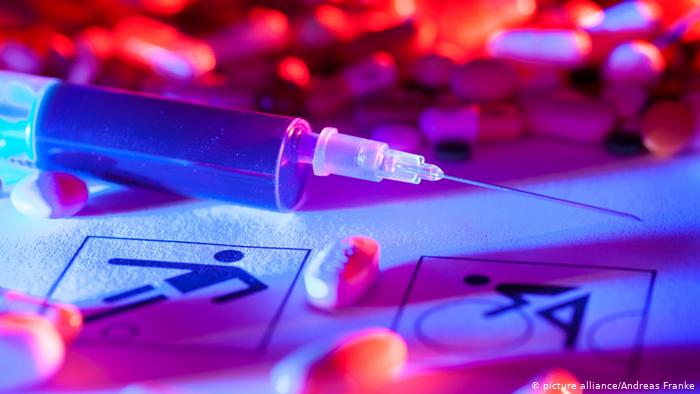
Doping is not new to the people . In ancient Greece, there were specialists who used to offer athletes nutritional ingredients in order to enhance their physical performance. Those specialists may be compared to the current sports medicine specialists . During the Olympic Games in the third century BC, the athletes tried to increase their sports performance by taking mushrooms and opium . In the Ist centaury AD, the Greek runners used to drink a herbal beverage to increase their strength and become capable to run long distance races. Gladiators are also reported to use various substances for enhancing strength . In the modern era , the use of performance enhancing substances and techniques by the top sportspersons across the world has been a presistent issue in the world of sports for nearly four decades. Since the beginning of the 21st century, many athletes have been engaged in taking such substances. Some of them have been tested positive such as Tim Montgomery, Marion Jones, swimmer Phelps, etc.

Concept of Doping

‘Doping’ is the word, which is used in the field of sports, to refer to the situation when athletes use prohibited substances or methods to unfairly improve their sporting performance. In general terms, doping is the use of performance enhancing substances or methods by athletes to gain an advantage over their competitors . In fact , some athletes take illegal substances to enhance their performance . This activity is known as ‘doping’ . Doping in sports is the deliberate or inadvertent use by an athlete of a substance or method banned by the International Olympic Committee. In fact, the ban or prohibition on such substances is necessary to protect the athletes from the unfair advantage which may be gained by those athletes who use prohibited substances or methods to enhance their performance and also from the possible harmful side effects which these substances or methods can produce. The following definitions of doping may help in understanding its exact meaning:

According to International Olympic Committee, ‘‘Doping is the use of any method or substance that might harm the athlete, in a quest to gain an unfair advantage, over his/her fellow competitors”. In fact, doping is the use of prohibited substances or methods designed to enhance an athlete’s physical or mental abilities or to mask the use of such substances or methods during preparation for or participation in a sports competition .

According to World Anti-Doping Agency (WADA) ,” Doping is defined as the occurrence of one or more of the anti-doping rule violations set forth in Article 2.1 through Article 2.8 of the code.”

Dreams: Our own fantasy world

When we are asleep in this world ,we are awake in another .

What is a dream.

Dreams are stories and images that our minds create while we sleep. They can be entertaining, fun, romantic, disturbing, frightening, and sometimes bizarre.

Phases of sleep.

Dreams most likely happen
Dreams feel real while we’re in them. It’s only when we wake up that we realize something was actually strange

There are five phases of sleep in a sleep cycle:

Stage 1: Light sleep, slow eye movement, and reduced muscle activity. This stage forms 4 to 5 percent of total sleep.

Stage 2: Eye movement stops and brain waves become slower, with occasional bursts of rapid waves called sleep spindles. This stage forms 45 to 55 percent of total sleep.

Stage 3: Extremely slow brain waves called delta waves begin to appear, interspersed with smaller, faster waves. This accounts for 4 to 6 percent of total sleep.

Stage 4: The brain produces delta waves almost exclusively. It is difficult to wake someone during stages 3 and 4, which together are called “deep sleep.” There is no eye movement or muscle activity. People awakened while in deep sleep do not adjust immediately and often feel disoriented for several minutes after waking up. This forms 12 to 15 percent of total sleep.

Stage 5: This stage is known as rapid eye movement (REM). Breathing becomes more rapid, irregular, and shallow, eyes jerk rapidly in various directions, and limb muscles become temporarily paralyzed. Heart rate increases, blood pressure  rises, and males develop penile erections. When people awaken during REM sleep, they often describe bizarre and illogical tales. These are dreams. This stage accounts for 20 to 25 percent of total sleep time.

Some interesting facts about dreams.

1. You Forget 90% of Your Dreams.

Within 5 minutes of waking half of your dream is forgotten. Within 10, 90% is gone.

2. Blind People also Dream

People who became blind after birth can see images in their dreams. People who are born blind do not see any visuals, but have dreams equally vivid involving their other senses of sound, smell, touch and emotion

3. In Our Dreams, We Only See Faces That We Already Know

Our mind is not inventing faces – in our dream, we see real faces of real people that we have seen during our life but may not know or remember. We have all seen hundreds of thousands of faces throughout our lives, so we have an endless supply of characters for our brain to utilize during our dreams.

4. Not Everybody Dreams in Color.

A full 12% of sighted people dream exclusively in black and white. The remaining number have full color dreams. Studies from 1915 through to the 1950s maintained that the majority of dreams were in black and white, but these results began to change in the 1960s. Today only 4.4% of the dreams of under-25 year-olds are in black and white. Recent research has suggested that those changing results may be linked to the switch from black-and-white film and TV to color media.

5. Emotions

The most common emotion experienced in dreams is anxiety Negative emotions are more common than positive ones.

even though we have stressful days with alot of failures, but at night in our dreams we can live a life filled with happiness , we also can do things we want to do and can be the way we want us to be …..

What Happened When I quit Social Media for a week!

Photo by Tracy Le Blanc on Pexels.com

As technology gets advanced, we as humans also get advanced and updated with all the latest techniques which we implement in our daily lives. In particular, the era in which we are all living is also known as: “The Era of Pandemic”, or  “The New Normal” or famously known as the “Tech World”.

It’s a fundamental phenomenon as a Human being since civilization that, we tend to find positivity and relieves from our stress when we are in any sort of social activity. Profoundly our youngsters who usually had “Friday nights enjoying with friends” or maybe going on a long drive with loved ones or maybe just chilling around in a beach with their homies is always their favorite part. Unfortunately, the world got standstill and the world collapsed out from the deadliest pandemic ever which changed all our lives.

Living in a situation where we are restricted to go out of the house, we find social media as the best way to be socially active with our friends and loved ones who are far away from us, and in this scenario, the meetups are done through face call, Chats, video calls which are little relief in these days.

According to my personal experience: when lockdown started, then my usage for social media increased and this growth of interest for social media became my addiction in the end. Imagining a life without social media made me felt anxious and depressing whenever I got this notion. This Notion was a state of perplex and also was a phase of my life when I was frightened of my addiction.

Technology brought both Bliss and discontent into our lives, which is also a major part of concern if we look into the darker side of how it is affecting every human, especially at the time when everyone is bounded to be inside their homes.

The secret of Detoxing My Social Media Addiction :

Out of wonder, I tried an experiment of myself which brought an unexpected but successful result for controlling my Social Media addiction.

To control addiction is never an easy job, but all we can do is to strive upon ourselves and one must be having faith in themselves only then they can accomplish their goals.

Things happened with me when I quit social media for a week, here are my accomplishments :

  • Sometimes Fewer Interactions are good for an Individual: Living in the world of social media, every individual feels like being active to gain a lot of attention and become popular among their friends and communities. But it is always not necessary to interact with people, sometimes not using social media and less interaction is essential as an individual should spend some time with themselves and forget the glittering life of social media. As it is a form of self-care which will help us to understand ourselves by introspecting the inner us.
  • You are less Anxious and Live a happy life: When a person becomes an addict of SM ( social media)world they tend to feel SM as the “Second Home”, which ultimately put them into a pit of anxiety and lowers their self-confidence, Watching other people who are glorious with all types of luxurious life and wearing a fancy dress makes them feel unwanted and people try to imitate their idols by watching their profile. Sometimes people find themselves useless in front of the bigger celebs who are having all sorts of materialistic things and compare their lives with the celebs.

This itself is a sign when people belittle themselves and there comes anxiety in their minds. When we are using less SM than we live a happy life because all we are focused on is with ourselves and we won’t compare our lifestyles with others. Especially the youngsters should keep this in mind that their lives are not meant for comparing,  as everyone has their own life which is beautiful in their ways.

  • Detoxing is a way for self-care/ self-love: As we can look that the people who usually spend more time on social media are often depressed and sad by scrolling things that are not available in their situation and environment. There are several contents which show us the negative side which provides a negative feeling to the people.

Cutting off social Media also helps to focus on yourself as it is a way of caring for yourself and caring for your health. Being addicted to anything destroys our sanity and deteriorates our health. So it’s better to avoid SM as much as possible.

Instead, explore yourself and find things that you love about yourself. “Before knowing the world, one must know about themselves as knowing the inner self is a way of understanding the world”.

  • We come out of the unrealistic / counterfeited world: Social Media is a world where everyone is living a fake life. There is no reality, everyone tries to show how perfect they are, but in reality, they are not even confident about themselves. So, it is better to avoid social media and switch on to the real world and live an adventurous life where the world is real and your experiences are real.
  • It helped me to find my real self: After Removing my social media for a week I realized one thing that I felt confident about myself as no one was there to judging me and no one passed comments, rather living in a real-world where I was the critic of my own life and explored my real self.

The time which I used to spend on SM for hours, were now invested in growing my inner self and keeping my body healthy by some workout and meditation, this helped me to focus on my personal growth.

This was the time when I explored myself and found my passion and hobbies which were realistic.

Social Media is not a bad place, but one must always remember that everything we do should be within limits. As social media is not the real world and we should know the difference between the real world and the unrealistic world.

Applications of Artificial Intelligence-II

In part-I, we have discussed the meaning, scope, stages of AI, few applications, and benefits/uses of AI in society. in this article, we are going to see about the transportation and medical applications of AI.

AI in Social Problems:

Litterati

It is a crowdsourced litter clean-up app and a global database for litter. Identifies litter type, distribution, and location and helps to find more sustainable solutions.  

In 2017, 1.1 billion cigarettes were found all over the world.

AI in Road Transportation:

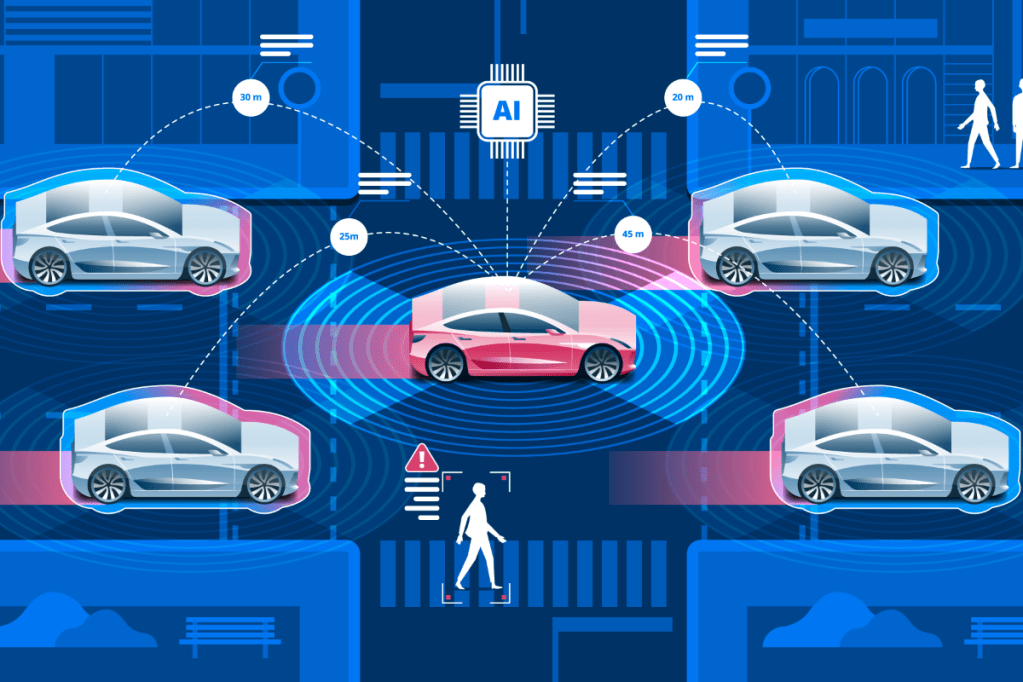
Road transport is a major sector where AI can be applied more prominently. AI can make transportation modes much safer, cleaner, smarter, and more efficient. 

Self-driving cars

Self-driving cars are a combination of sensors, cameras, radar, and AI technologies like machine learning and neural networks. Developers use a large amount of data from image recognition systems. Neural networks identify the pattern in data i.e., images from the cameras and sensors. It identifies the traffic signs and signals, boundaries, trees, pedestrian walks..etc.

One such technology developed by Google is Google Waymo Vehicle

Google Waymo Vehicle

It is an example of self-driven cars. It is almost an autonomous vehicle but still needs a human to perform certain functionalities but can drive in ideal conditions. 

Levels of Autonomous Cars

LEVEL 0: No Advanced Driver Assistant System(ADAS) is used. The human driver should drive.

LEVEL 1: ADAS assists the driver by its alert systems by its rear-view cameras, but the driver should take care of the steering, brakes, and acceleration

LEVEL 2: Human presence is important even though ADAS will take care of the steering, brakes, or acceleration.

LEVEL 3: ADAS can take driving tasks and parking can be performed under certain conditions. But still, human is the main driver here and need to take care of the circumstances.

LEVEL 4: The driver need not pay much attention as ADAS can take over the driving.

LEVEL 5: No human help is required. ADAS can drive the vehicle under any circumstances.

Truck platooning

Truck platooning is also an example of Artificial intelligence. It is a heavy coupling of trucks. The first truck is occupied by the human driver and the rest are fully automated. They maintain a minimal distance between them and accelerates at the same rates. It might be a risk during traffic and unexpected accidents might occur. In the future, the risk factor is expected to be less.

AI in Medical Sector:

AI helps health professionals to diagnose the patient faster and more accurately. 

AI is developing innovative drugs and treatments by reducing medical and diagnosis errors by predicting adverse reactions. Lowers the cost of healthcare work providers and patients.

Problems at the healthcare centers

Due to more number of patients, general practitioners and primary care surgeons are over-burdened because of which there are extremely long waiting at the hospitals.

Solution  

Your.MD

Your.MD aka Healthily is the world’s first AI-based health assistant which provides personalized advice about their medical complaints. This app records the symptoms and, maps them with the clinical data compiled from public sources. Engages about thirty doctors to research illness.

Research

It creates a pre-primary care market and eases the burden of medical staff and helps improve their work through digital screening of non-accurate conditions.

Google Launchpad Studio

Creates an ecosystem of applied Machine Learning startups and focuses on healthcare.

BYTEFLIES is the first company to use this studio.

Supervises Learning for Telemedicine 

Technology can be used for good and bad so there is a need to be vigilant. The latest technologies are typically applied to the wealthy. 

But,

“AI has the potential to extend knowledge and understanding to a broader population. Image-based AI diagnoses of medical conditions could allow for a more comprehensive deployment of the telemedicine”. 

Google deep mind

Google deep mind can diagnose diabetic retinopathy like a highly trained ophthalmologist via telemedicine.

‘BETTER DIAGNOSE WITH LESS HUMAN EFFORT’

It uses a portable fundus camera which is deployed in the screening site and transmits images securely to the cloud software platform for analysis and automatically generates a report which facilitates compliance with follow-up examinations.

credits to the right owners of the images used.

Basics of Vaccines

Latin word Variolae vaccinae is the origin of the word vaccine. In 1798 for the first time Edward Jenner developed first vaccine to prevent smallpox. Now vaccine is a biological preparation. It is produced from living organisms. And it will help to induce immunity or sometimes cure the disease. Vaccines can be administered orally or by injection or by nasal routes. Mostly vaccines are in liquid form.

there are types in vaccines
  1. LIVE-ATTENUATED VACCINE: In this type, vaccine is prepared using the living microbes which cause the disease. In laboratories a culture of these organisms is grown and the isolated organisms are weakened or disabled. Even though the microbe is alive, it will loose the capacity to cause harm. The organisms can be disabled by culturing them in sub optimal conditions. These are relatively safe and produce strong response and create long memory. But these are very expensive to produce.
  2. INACTIVATED VACCINE: Here the disease causing microbe is killed or we can say inactivated through various means. Treating with chemical agents or thermal treatment. These inactivated microbes are purified and formulated into vaccine. This type of vaccine are very safe but the memory created will be comparatively of shorter duration.
  3. RECOMBINANT SUB-UNIT VACCINE: Here the microbe is genetically modified and their potential to cause harm is reduced or removed. Some of the components of the microbe can be prepared separately by genetic recombination. Like only a part of protein or DNA can be synthesized and formulated into vaccine.
  4. TOXOID VACCINE: If the disease causing microbe is affecting because of the toxic substance that produces, the toxin can be isolated and purified through cultures of the microbe. And then this toxin can be treated chemically so that it will not cause any harm but will be enough to cause the immune reaction in the body. The inactivated toxin is formulated into the vaccine. This type of vaccine is easy to produce and is very safe. But these will also have shorter memory.
what dose a vaccine contains?

The vaccine is not only composed of the antigen in bulk. It contains some additional fluid also. They contain preservatives to have a good shelf life and to ensure sterility and check contamination. These preservatives will not be toxic at the concentration used. The may sometimes have saline or water. Vaccine may also contain adjuvants. An adjuvant is a substance which helps the vaccine to generate stronger immune response. You can say they make vaccines work better. Aluminum salt is a common example for adjuvant.

working of vaccines:

If you get infected, the body will show defense against the foreign substance and immune reaction would have been initiated and the person will get sick. The vaccine is the mimic of the disease causing microbe and will generate immune response without making the person sick. The mimics trigger the antibodies production in the body. Antibodies bind to these mimics and destroy them with the help of immune cells. This helps the immune system to quickly recognize the enemy if they enter again.

Vaccines have great impact on public health. They help to reduce human mortality. They prevent the entire population from the risk of infectious diseases. Many diseases were due to vaccination programs. Polio is an example to that. So everybody should get vaccinated to conquer the pandemic that we are currently facing.

Types Of Diets

A diet is best described as a fixed plan of eating and drinking where the type and amount of food are planned out in order to achieve weight loss or follow a particular lifestyle. There are thousands of diets. Some are for losing weight, while others are for gaining weight, lowering cholesterol, living a long and healthful life, and many other reasons.

Ketogenic Diet

The ketogenic diet has been utilized for quite a long time as a treatment for epilepsy and is likewise being investigated for different employments. It includes decreasing starch admission and increasing fat admission. It sounds in opposition to good judgment, however it permits the body to consume fat as a fuel, instead of sugars.
Solid fats, for example, those in avocados, coconuts, Brazil nuts, seeds, slick fish, and olive oil are generously added to the eating routine to keep up a general accentuation on fat.
The eating regimen causes the separate of fat stores for fuel and makes substances called ketones through a cycle called ketosis. This eating regimen has hazards incorporating ketoacidosis for individuals with type 1 diabetes, be that as it may, and may bring about diabetic trance state and demise. Albeit most investigations are 2 years or less, there is some encouraging exploration according to diabetes the executives, metabolic wellbeing, weight reduction, and body sythesis change.

Vegetarian Diet

There are various types of vegetarian: lacto vegetarian, fruitarian vegetarian, lacto-ovo vegetarian, living food diet vegetarian, ovo vegetarian, pesco vegetarian, and semi vegetarian. The majority of vegetarians are lacto-ovo vegetarians, in other words, they do not eat animal-based foods, except for eggs, dairy, and honey. Studies over the last few years have shown that vegetarians have a lower body weight, suffer less from diseases, and typically have a longer life expectancy than people who eat meat.

Raw Food Diet

The crude food/Raw food diet, or crude foodism, includes burning-through nourishments and beverages that are not handled, are totally plant-based, and preferably natural. Raw foodists accept that in any event 75% of an individual’s food admission should comprise of uncooked food. A critical number of crude foodists are additionally vegetarians and don’t eat or drink whatever is creature based. There are four fundamental sorts of crude foodists: Raw veggie lovers, Raw vegetarians, Raw omnivores, and Raw carnivores.

Zone Diet

The Zone diet aims for a nutritional balance of 40 percent carbohydrates, 30 percent fats, and 30 percent protein in each meal. The focus is also on controlling insulin levels, which may result in more successful weight loss and body weight control than other approaches. The Zone diet encourages the consumption of high-quality carbohydrates – unrefined carbohydrates, and fats, such as olive oil, avocado, and nuts.

Vegan Diet

Veganism is to a greater degree a lifestyle and a way of thinking than an eating regimen. A veggie lover doesn’t eat whatever is creature based, including eggs, dairy, and nectar. Vegetarians don’t ordinarily embrace veganism only for wellbeing reasons, yet additionally for ecological, moral, and ethical reasons.

Vegans accept that cutting edge concentrated cultivating techniques are awful for our current circumstance and impractical in the long haul. If everyone ate plant-based food, the climate would profit, creatures would endure less, more food would be delivered, and individuals would for the most part appreciate better physical and psychological well-being.

Mediterranean Diet

The Mediterranean eating routine is Southern European, and all the more explicitly centers around the wholesome propensities for the individuals of Crete, Greece, and southern Italy. These days, Spain, southern France, and Portugal are likewise included, despite the fact that Portugal doesn’t contact the Mediterranean Sea. The accentuation is on bunches of plant nourishments, new natural products as pastry, beans, nuts, entire grains, seeds, olive oil as the primary wellspring of dietary fats. Cheddar and yogurts are the fundamental dairy nourishments. The eating routine additionally incorporates moderate measures of fish and poultry, up to around four eggs for each week, limited quantities of red meat, and low to direct measures of wine. Up to 33% of the Mediterranean eating regimen comprises of fat, with immersed fats not surpassing 8 percent of calorie consumption. The Mediterranean eating routine is the most widely contemplated diet to date, with dependable examination supporting its utilization for improving an individual’s personal satisfaction and bringing down illness hazard.