Jivaka Komarabhacca was a renowned legendary physician of ancient Indian and the personal physician of lord Buddha. Jivaka was lived in Rajagrha of the Magadha empire in 5th century BCE. He was the son of king Bimbisara and half brother of king Ajatasatru. Some sources say that jivaka was born for a courtesan who was called as amrapali but she discarded unwanted newborn baby in garbage dump outside the city of Ratnagiri in the kingdom of magadha. Fortunately, king bimbisara found the new born baby as live even in the harsh circumstences and named him as “JIVAKA” which means life.
Once as a teenager jivaka got to know about his birth secret and he felt ashamed of himself, later he decided to make money independently to repay for his adoptive father for his upbringing. The ayurveda medication forms has fascinated him a lot and he went to the greatest university of those times “TAKSASILA” to learn traditional medicine. He proved his excellence under the great guru of that time Atreya punarvasu. After completing his education jivaka became as a court physician to serve the king bimbisara of the magadha dynasty.
Jivaka was the most celebrated physician in India during the buddha time. Including king bimbisra himself sought for help from jivaka to cure his fistula problem and in some texts he is also depicted as a great surgeonist who performed many complex surgeries like brain surgery and surgery for volvulus etc… When buddha’s foot was injured because of the rock splinter, Jivaka helped him as a physician to cure the injury.
Later, he felt great pleasure to be as a physician to lord buddha and as he influenced by the teachings of buddha he showed interest in building monasteries for the monks. There is a saying that buddha did not accepted him as a monk but he accepted him as his lay disciple because buddha want him to remain free to help the sick people.
Even todays Thai massage therapy was also developed by Jivaka. His all medical techniques were stored in the form of jivaka sutras. Jivaka was an early physician than Bodhi dharma. His texts were even now stored in the chinese old buddhist libraries. Thailand people used to call him as father of doctors. He is also known as shivago kompara in Thailand.
CONCLUSION:
Jivaka is such a great Indian physician and a great surgeonist but he is not that much well known to our Indians when compared with Thailand people and chinese. Thailand citizens constructed a gaint statue of jivaka for his traditional medication techniques but we as Indians, we forgotted about our great ancient personalties and today we are in a situation to seek help from abroad countries for small problems also. Finally, Jivaka always believed that prevention is more important than directly going for treatment.
” THE MORE YOU LEARN FROM THE PAST THE BETTER YOU CAN PREPARE FOR THE FUTURE”
Sports be it soccer, cricket or baseball or any other has some or the other time played a role in some of our lives. But sometimes we just overlook those who make our sports look more spicy and enthusiastic before us.
Significance:
In 1994, International Sports Press Association established July 2 as “World Sports Journalist Day” as the organisation was found on July 2, 1924 and this was an effort made to honour sports journalists all over the world.
Sports Journalists do a lot of work before, dyeing and after sports matches, all of which are often overlooked. They’ve always played an integral part in transferring the information pertaining to sports to their ever loving audiences.
History of Sports Journalism.
Sports Journalism started in early 1800s when sports was beginning to get itself presented as a separate section in Western Newspapers. In early 1800s only elites could afford newspapers and as a result information relating to sports were restricted to horse riding or boxing , that is, the sports that were typically meant for elites.
In 20th century, New York Herald and New York World were two of the world’s first newspapers to cover sports journalism separately and have a complete full time sports department.
Slowly, the need and love for sports started to increase among the masses and that is why there was the demand for all together separate sports channels in television like ESPN and sports magazines like Sports Illustrated.
Digital Era and Sports Journalism.
Online Sports Journalism started when ESPN created its first ever sports website in the world in 1995. During initial years, only broad topics relating to sports were covered in Digital Sports but as internet expanded all over the world, many big and small bloggers, internet channels, web portals began covering all single and minutest topics relating to sports.
A majority of big and small websites are completely dedicated to sports and they also at times charge subscription fee from their readers. Search Engines like Google or Bing also provide information relating to sports during those days which are important for a particular sport.
Issues faced by Sports Journalists.
1) Deadline Pressures:
Sports journalists face deadline pressures than any other beat reporters as sports matches generally happen in late noon or in the evening and as a result reporters who’re covering sports or writers who’re into sports have to manage completion of work in shortest time possible.
2) Political Pressures
There has been an interlinking of sports and politics in the past. And if this is so, how can the media be kept away? Sports Journalists face lots of threats by certain sports associations that expect the journalists to cover sport matches in their own way and they also expect journalists to shape the public opinion.
3) Accusations of low objectivity:
Sports Journalists have also been accused of favouring or promoting their own favourite teams or players in the past. Some have also been accused of giving more preference to their home teams and this is one more challenge they face in the sports world.
In any way, Sports Journalists do a lot for their audiences to make the sport matches more interesting and entertainment their viewers or readers throughout and even after the matches. It’s important for us to celebrate them and honour them genuinely.
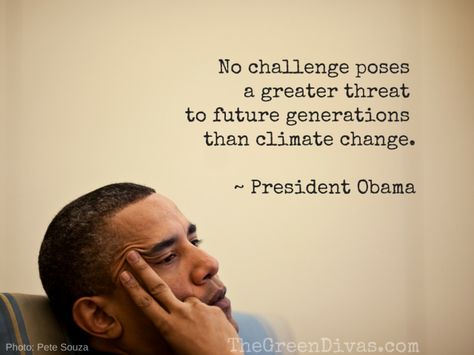
When prevention of climate change is uncertain, preparation is necessary .
CLIMATE CHANGE
Climate change continues to cause unusual and unpredictable weather around the world. Longer drought, flooding, major stroke, snowfall, temperature extreme will increase earth’s temp upto 3-4 ‘C.
Rising CO² level and warmer earth means plant will grow bigger (more surface area of leaves) and thus plant consume more water. Thus, we face water scarcity.
Smog contain Ozone particles and causes various problems – asthma, heart disease, skin cancer etc.
Plant sciences is the study of plants in all their forms and interactions using a scientific approach.
California’s Almond Orchard:-
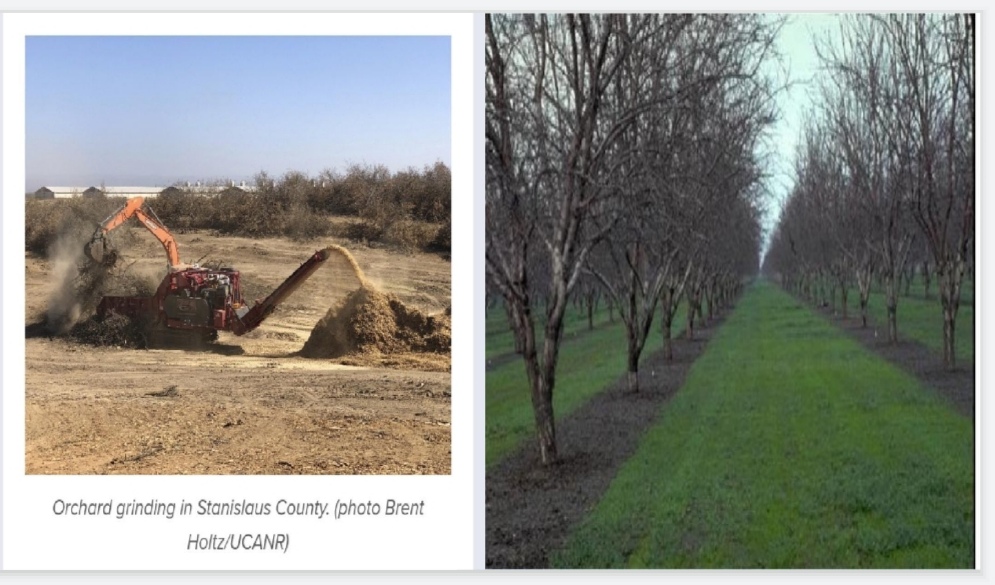
In the past, for removing and disposing of the old trees we burn them in the field. But now Old trees are ground, chipped and turned back into soil before New almond tress are planted. It help almond orchard to be more sustainable and resilient to drought and also increasing carbon content in soil.
Whole orchard recycling result compare to burned treatment : 1) Sequester 5 tons of carbon per hectare. 2) Increase water-use efficiency by 20 percent. 3) Increase crop yields by 19 percent.
scientists from the BBSRC managed to breed a new fast-growing broccoli that no longer relies on a period of cold weather to flower, and goes from seed to harvest in only 8-10 weeks. This discovery is especially relevant for broccoli, as it is flower buds that we eat.
Many terrestrial, freshwater, and marine species have shifted their geographic ranges, seasonal activities, migration patterns, abundances, and species interactions in response to ongoing climate change.
Increased carbon dioxide tends to suppress photo-respiration in plants.
C⁴ plant adapt better for high CO² Concentration and photorespiration.
It make 4 C sugar (OAA) thus fix more CO² and produce high amount of energy.
It suited for hot dry climate.
C4 plants include such low-latitude crops as maize, sorghum, sugar-cane, and millet, plus many pasture and forage grasses.
Better adapt for photo oxidation. Prevent photooxidation due to kranz anatomy.
THE CLIMATE CRISIS HAS ALREADY BEEN SOLVED. WE ALREADY HAVE A FACTS AND SOLUTIONS . ALL WE HAVE TO DO IS WAKE-UP AND CHANGE – Greta Thunburg
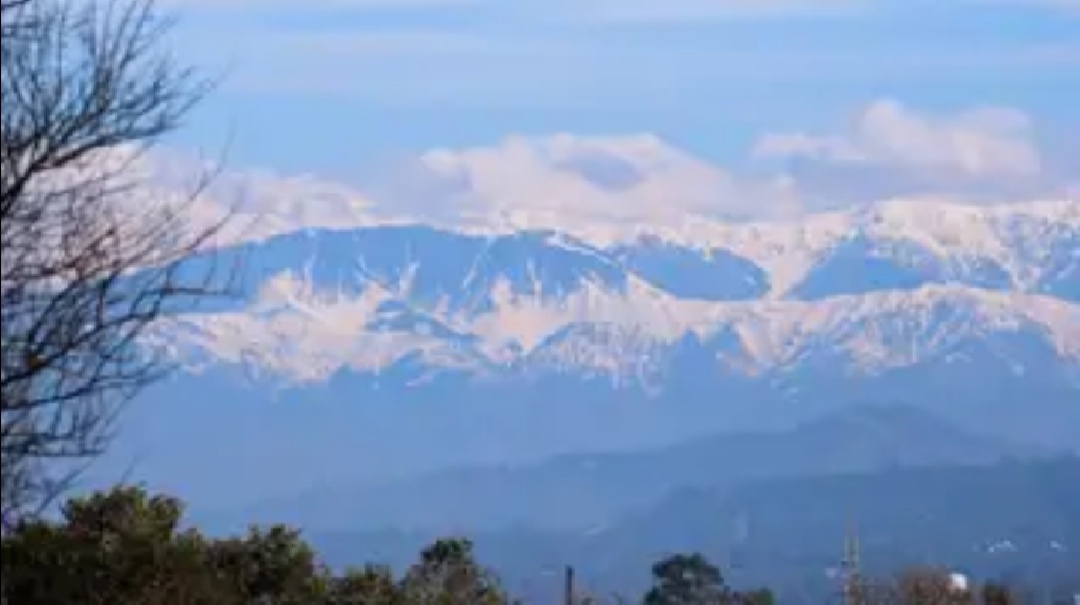
Peoples in India can see the Himalayas with naked eyes for the first time in ‘decades
The unprecedented global disruption caused by the coronavirus pandemic is likely causing a sharp, brief drop in carbon emissions.
Due to global lockdown ‘s impact on transport, demand for oil has fallen at an unprecedented scale.
Gas demand falls less than oil or coal.
The country’s CO² emission fell down by 15% during March and fell 30%in April.
According to Daily data from the national grid. Coal – fired power generation fell 15% in March and 31% in April.
Renewable energy generation increased by 6.4% in March.
Due to reduced power generation, Industrial activity and transport volume. Thus, it has reduced fossil – related and cement – induced CO² emission.
China is the first country where the virus’s impact on carbon emissions became visible
Carbon dioxide emission in China
According to China Emissions Accounts and Datasets(CEADs) :
Reduction of 257.7 Mt. (11%) over Q1 2019
Secondary industry contributed 186.8Mt.(72.5%) CO² to the total reduction (largely due to lower coal consumption and cement production).
Hubei contributed 40.6Mt. reduction (due to decrease of 48.2%in secondary industry).
Transportation significantly contributes 65.1Mt. With a change of – 22.3% in freight transport and – 59.1% in passenger transport compared with Q1 2019.
Globally :
Aviation decreased by 75%.
Surface Transport by 50%.
Power generation by 15%.
Industry – uncertain but~35%.
Small increase in residential buildings of 5%.
Fossil Fuel:
Drop 8% in 3 month and peak drop 17% unprecedented
Emissions in individual countries decreased by ~27%.
Emission from surface transport accounted for 43% of decrease, industry and power together accounted 43% and aviation.
Drop in CO² Emissions had no detectable impact on atmospheric CO² or Climate change
It is extremely small compared to the emission accumulated.
Carbon dioxide emissions in India
As lower power demand growth and competition from renewables weakened the demand for thermal power generation through the last 1 year.
CO² emission fell by an estimated 15% during March and 30% in April.
The fiscal year ending March, coal sales by main coal producer Coal India Ltd. Fell by 4.3%.
Coal import increased by3.2%
Total coal delivery fell by 2%
In March, coal output increased 6.5%.
Oil Demand :
Oil consumption slow down since early 2019.
During national lockdown, oil consumption fell 18% on March 2020.
Crude oil production in India decrease 5.9% compared to last financial year.
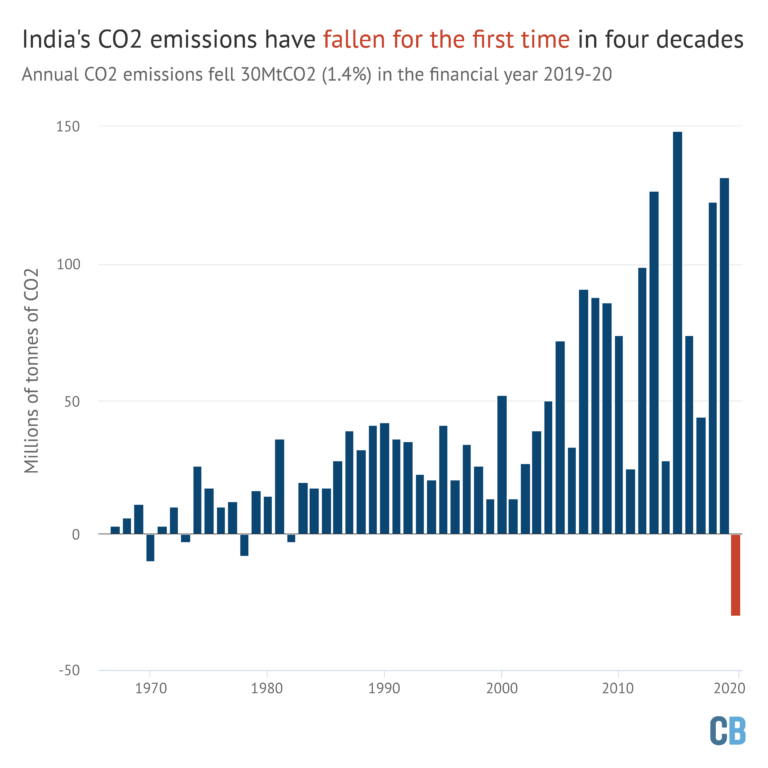
Thus, CO² emissions fell by 30mt.(1.4%) in fiscal year ending March.
Environmental health due to Carbon Emission during Global lockdown
The positive effect of lockdown is to decrease the CO2 emission by −17% (−11 to −25%) by 7th April 2020 with respect to the mean level of emission in 2019.
Air quality index (AQI) is the assessment of air quality. The lower the AQI value, the better is the air. The normal air quality index range is (100−200) and presently it is in the satisfactory range (50–100) category as reported by Gurfam being a scientist at SAFAR.
Zambrano-Monserrate et al. (2020) reported that the air quality index (AQI) has decreased by 44%, 33%, 29%, 15% and 32% in north, south, east, central and western India respectively.
The same study also shows that from March 16th to April 14th, 2020, 22 cities of India show the reduction of PM10 (Particulate matter), PM2.5, CO, NO2, by 43, 31, 10 and 18%. During the quarantine period in COVID-19, the amount of NO2 was decreased by 22.8 μg/m3 and 12.9 μg/m3 in Wuhan and China respectively.
In 367 cities, the PM2.5 fell by 18.9 μg/m3. As per the report of CAMS 2020 reduction of 20–30% of PM2.5 is observed in a wide area of China.
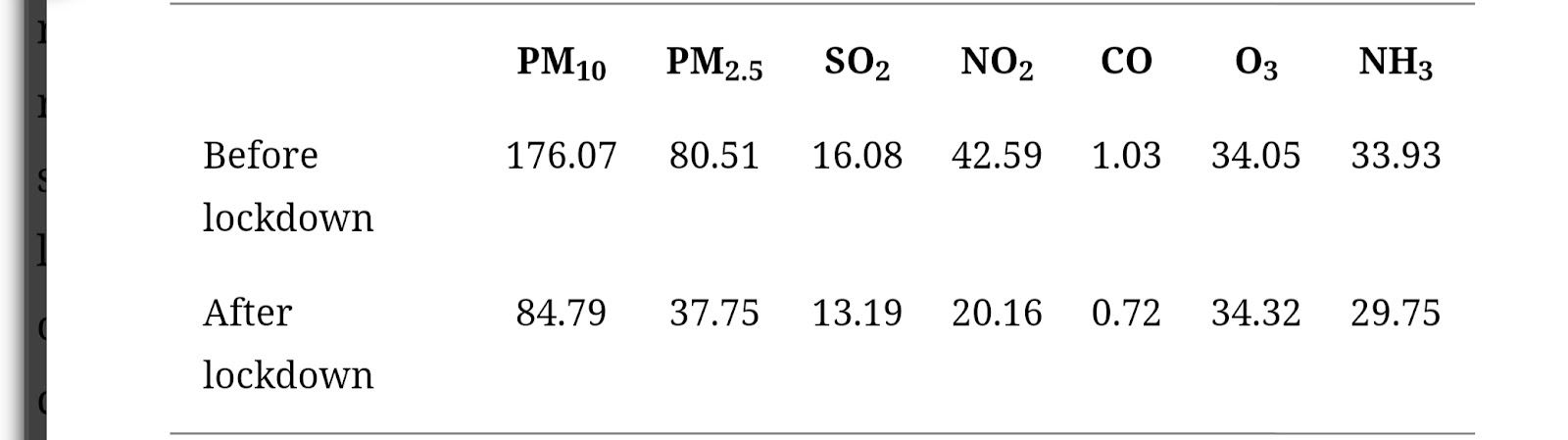
Mahato et al.investigated that after three weeks of lockdown period from 24th March 2020, pollution of the Delhi, India, has experienced a noticeable reduction of different air pollution causing materials in the following Table
Comparison between different pollutants present in air before and after lockdown.
Reduction in carbon emission also lead to Ozone layer recovery over Antarctica:
The ozone layer is found in the upper atmosphere called the stratosphere between 10 and 50 km from the earth.
The ozone layer acts as a natural sunscreen and plays a very important function by absorbing the harmful U—V rays from the sun.
Ozone-depleting substances (ODS) are gases such as chlorine and/or bromine which breaks the ozone layer in the stratosphere. Various ODS are present in the environment are chlorofluorocarbon (CFCs), hydrochlorofluorocarbon (HCFCs), Methyl chloride and various halones.
By the reaction with UV sunlight, these gases form chlorine and bromine and they are responsible for the depletion of the ozone layer.
The international community signed the Montreal Protocol on substances about the depletion of the ozone layer, 30 years ago.
According to the protocol, the consumption and production of ozone-depleting compounds should be regulated.
By banning chlorine-containing synthetic compounds the rate of depletion declined and scientists expect to recover back to the 1980 level up to 2070.
As per the scientific data of 2018, the stratosphere recovered at the rate of 1–3% per decade since 2000.
After the lockdown began on Jan 23, the particulate matter pollution decreased by an average of 35% and NO2 decreased by an average of 60%.
At the same period, scientists found the average surface ozone concentration increased by a factor of 1.5–2.
Emission of ozone-depleting substances is also natural or man-made.
All man-made emission is controlled because of lockdown during COVID-19.
Production and consumption of ODS are also reduced. The World meteorological Organization (WMO) states that economic activity has been limited during COVID-19 which results in a decline in CO2 emission.
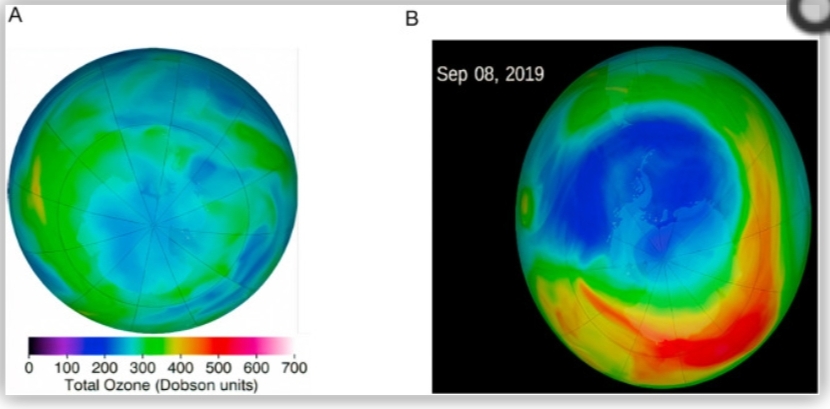
In 2019, As per NASA and NOAA reported that the south pole region of Antarctica has warm temperature in the upper atmosphere which caused a small ozone hole since it was first seen in 1982 .
On 23rd April 2020 Copernicus, atmospheric monitoring services (CAMS) announced that the largest hole was ever seen in the ozone layer over the arctic has been closed.
Although lockdown is surely showing the prominent sign of nature, balance restoration of the ozone layer .
The map of holes in the ozone layer over Antarctica (a) 23rd May, 2020 (b) September 08, 2019
Impact of COVID 19 on Energy resources
The breakout of the Coronavirus Disease (COVID-19) toward the end of 2019 and its culminating transformation into a global pandemic sent shockwaves across the nations. Not only people lost their lives to it, but also numerous industries and governments as a whole succumbed to its impacts. To prevent the spread of the disease, many countries have resorted to observing country-wide lockdowns, damaging the normalcy of their economy. The world economy has seen new lows by trillions of dollars during this period, giving rise to times of constant anxiety about the future. The renewable energy sector, which has always been one of the leading areas to promote sustainability in terms of the environment, too is not spared from being affected by the pandemic. An amalgamation of the effects of the pandemic on the global economy and fluctuating oil prices resulting from country-wide lockdowns across the world further triggered its impact on the renewable energy industry. This work highlights the extensive impacts of COVID-19 on the renewable energy sector of India, a country that has proved itself to be proactive and progressive when it comes to solutions toward sustainable development. It showcases the present impacts of the pandemic on the sector and highlights future projections of the way it may continue to affect this sector as the world continues to struggle with the pandemic. The authors have brought up a set of their opined regulations that the administration and policymakers of the renewable energy sector of India can adopt to avert or reduce the extensivity of the impact of COVID-19 on their sector.
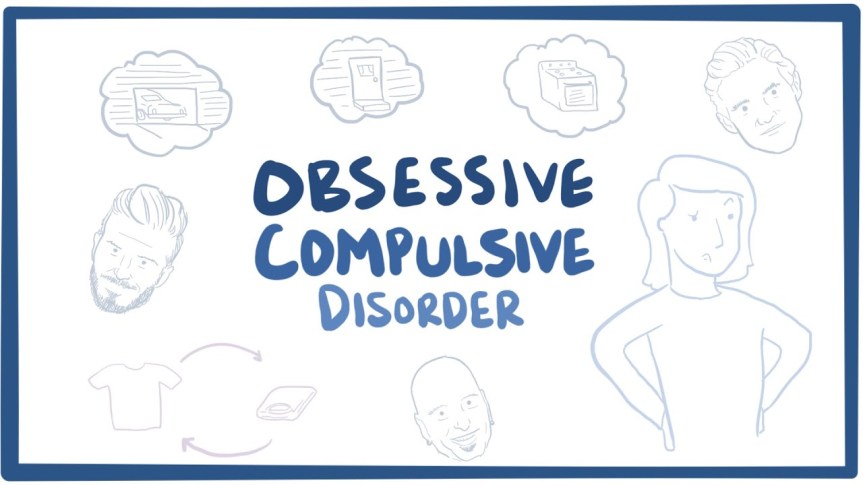
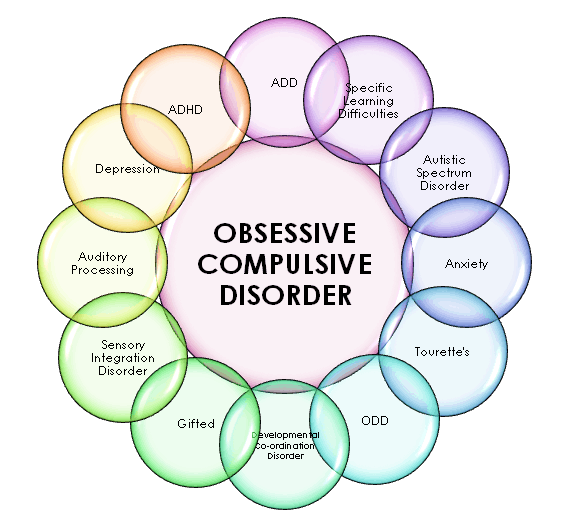
Obsessive compulsive disorder is a mental health disorder that affects people of all ages and walks of life . It occurs when an individual gets caught in a cycle of obsessions and compulsions . It can be said that person with OCD are plagued by constant thoughts of fears that cause them to perform rituals or routines . The disturbing thoughts are called obsessions and rituals are called compulsions .
In simple words , OCD is a type of mental of disorder that causes repeated unwanted thoughts . To get rid of the unwanted thoughts , he/she performs the same task/activity again and again . For example, a person may fear that everything he/she touches has germs on it . So , to get rid of that fear he/she washes his/her hands again and again . Persons suffering from OCD might understand that their obsessions are unreasonable , but trying to stop or ignore them causes anxiety and stress . There are some symptoms of OCD , which may range from mild to severe . Some of the obsession and compulsions are mentioned below.
Main obsessions
A fear of harm to yourself or loved one .
A fear of contamination by germs .
A forceful or driving need to perform things perfectly or correctly .
Having excessive doubt on any individual .
A fear of being embarrassed .
A fear of getting dirty .
A fear of making mistakes.
Main compulsions
Repeating things or always moving items to keep them in exact order .
Bathing or washing hands several times.
Checking things over and over again.
Repeating specific words.
Hoarding .
Constant praying.
Causes of OCD
The exact cause of obsessive compulsive disorder is still unknown . Research studies suggest that there may be a problem with the way one part of the brain sends information to another part . Serotonin is the chemical in the brain that sends messages from one part to another . Insufficiency of serotonin may help in causing OCD . Stress and anxiety do not cause OCD but they may worsen the symptoms of OCD.
Recent studies have indicated that there may be considerable genetic basis for OCD. Depression is also thought to be the cause of OCD but the experts’ opinion is split .
“The Principle of Public Finance means the fundamental rule by which the financial policy of the state is determined. This fundamental rule of principle of public finance is called “The Principle of Maximum Social Advantage “
The credit for the implementation of this principle goes to Prof. Pigou and Prof. Dalton . Just like an individual seeks to maximize his satisfaction or welfare by the use of his resources ,the state ought to maximize social advantages or benefit from the resources at its command .
According to Dalton , principle lies “at the root of public finance “. The principles of maximum social advantage are applied to determine whether the tax or the expenditure has proved to be the optimum benefit .
He stated “The best system of public finance is that which secures the maximum social advantage from the operation which it conducts “ This principle is also called as ” Principle of Maximum Social Benefits “
Prof Pigou called this principle ” The Principle of Maximum Aggregate Welfare “
Significance of the principle :-
Public revenue and public finance are two important financial operations of the state. These operations should be performed on fundamental principles so as to obtain maximum social benefit .
Prof. Hugh Dalton and Prof. Pigou were two famous economists who implemented the principle of Maximum Social Advantage to give the fundamental basis of the function performed by the state to earn revenue and to spend the revenue in the best possible way to Maximum benefit incrementation in the welfare of the public .
Prof. Dalton has expressed it in these words , “As a result of operations of public finance ,the nature and quantity of money produced and between the categories and different persons there are many changes in the distribution of that money . The question is do these changes ; leave a profitable impact on society ? If it is so then it will be considered that the operations of public finance are justified , otherwise not .The best system of public finance is that can obtain maximum social profit by the operation organised by them .”
Therefore , the Principle of Maximum Social Advantage is the principle that guides the operation of financial activities of the government to obtain economic welfare of the society .
According to Dalton , attainment of the principle requires :-
• Public expenditure and taxation should be carried out up to certain limits i.e where marginal utility received by the Government expenditure must be equal to marginal disutility due to taxation ( government income ).
• Public expenditure should be utilised among the various uses in an optimum manner
• The different sources of taxation should be so trapped that the aggregate sacrifice entailed is the minimum .
Assumptions :-
• The public revenue consists of only taxes ( and not gifts , loans , fees ,etc.,) and the state has no surplus or deficit budgets.
•Public expenditure is subject to diminishing marginal social benefits and the taxes are subject to increasing marginal cost or disutility .
Principle Of Maximum Social Advantage:-
The Principle states that :-
“The state should collect revenue and spend the money so as to maximize the welfare of the people. When the state imposes taxes, some disutility is created. On the On the other hand, when the state spends some money, there is a gain in utility. The state should so adjust revenue and expenditure that surplus of utility is maximised and disutility is minimised.”
According to Dalton , “ maximum social advantage is at a point where the Marginal Social Sacrifice of Taxation ( MSS) and Marginal Social Benefit ( MSB) are equal . The point of equality between MSS and MSB is referred to as the point of maximum social advantage or least aggregate social sacrifice .
• Maximum social sacrifice of taxation :-
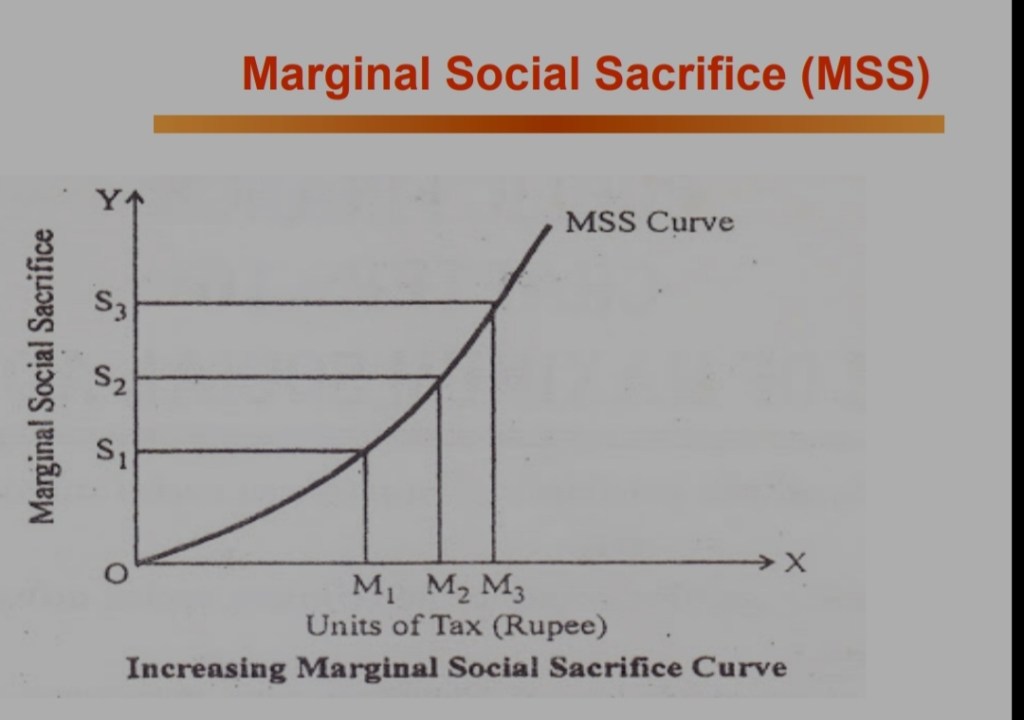
The amount of social sacrifice undergone by the public due to the imposition of an additional unit of tax is called Maximum Social Sacrifice of taxation . Every unit of tax imposed by the government taxes result in loss of utility.
According to Dalton , “The additional burden (marginal sacrifice) resulting from additional units of taxation goes on increasing. Every additional unit of taxation creates greater amount of sacrifice on the society”
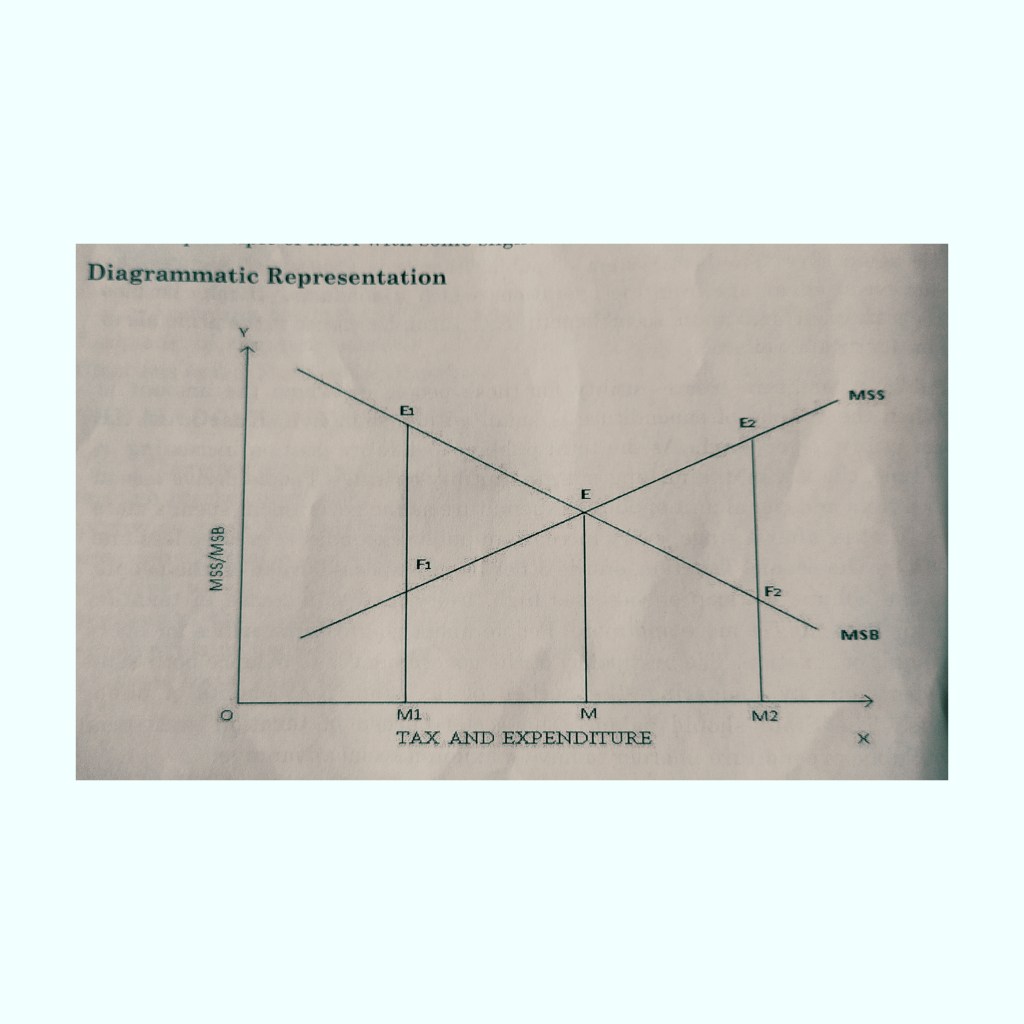
The Marginal Social Sacrifice (MSS) curve rises upwards from left to right. This indicates that with each additional unit of taxation, the level of sacrifice also increases.
•. Marginal Social Benefit :–
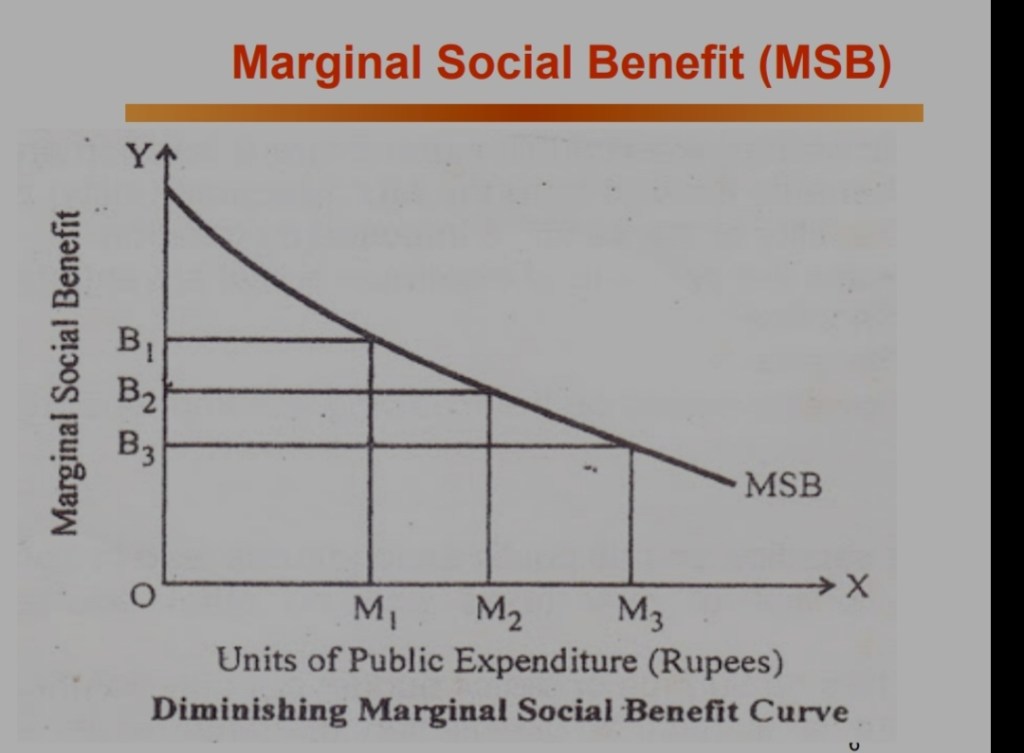
The benefit conferred on the society, by an additional unit of public expenditure is called the Marginal Social Benefit curve .
The social benefit from each additional unit of public expenditure declines as more and more units of public expenditure are spent. The marginal utility from commodity to a consumer declines as more and more units of the commodity are made available to him .
MSB curve slopes downward from left to right. This indicates that the social benefit derived out of public expenditure is reducing at a diminishing rate.
Maximum social welfare can be understood by the following example :-
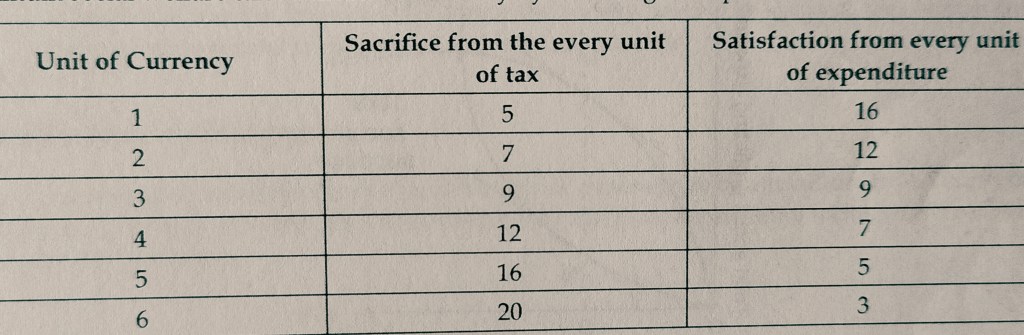
Table
It can be seen in the above table that marginal sacrifice is increasing due to the increase in every unit weight of tax on society. Inversely , from every additional unit of Government expenditure ,its utilities diminish .
On the third unit of currency , marginal social sacrifice is equal to marginal social advantage ( 9 units ) . At this point the tax and public expenditure will be fixed .
In the above given figure , MSS represent marginal social sacrifice of the taxation curve , slopes upward since taxation increases resulting in Increasing of MSS,. and MSB represents the marginal social benefit of the public expenditure curve , slopes downwards showing that public benefit goes on declining with every unit increase in public expenditure.
The point E where the MSS curve intersects MSB curve , is the ideal point of financial operations where the government collects OM taxation from the society and uses it for public expenditure .
According to Dalton , “Public expenditure in every direction should be carried just so far that the advantage to the community of a further small increase in any direction is just counterbalanced by the disadvantage of a corresponding increase in taxation or in receipts from any other source of public income . This gives the ideal public expenditure and income.”
Musgrave’s View :-
The Principle of maximum social advantage can be explained using total sacrifice and total benefit curve as well .
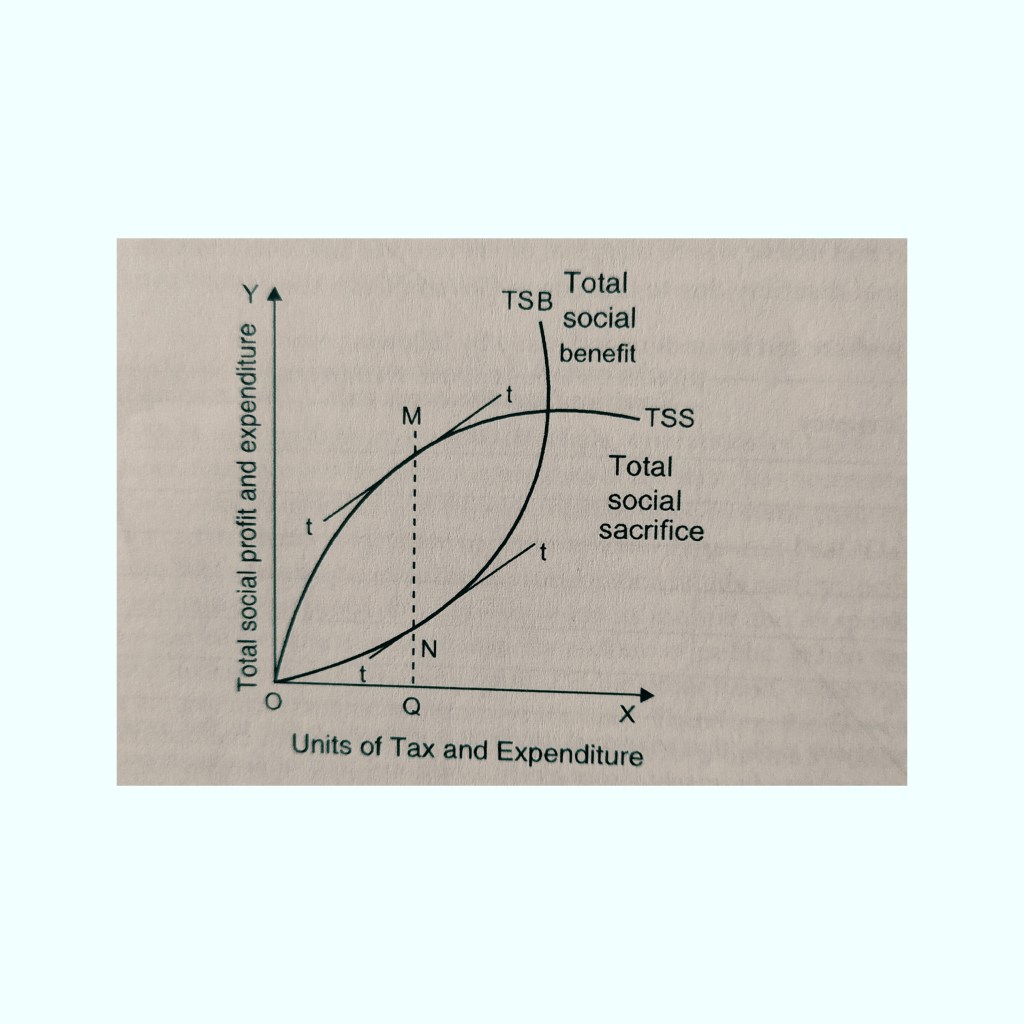
Musgrave called Dalton ‘s principle as “Maximum Welfare Principle Of Budget Determination “ According to him , the difference between total social benefit and total social sacrifice is the net social benefit where maximum social benefit is obtainable .
The TSB curve represents total social benefit received from public expenditure which slopes upward but decreases after some time , showing that as public expenditure increases total social benefit increases . The TSS curve represents total social sacrifice produced due to tax showing that as total social sacrifice increases with increase in amount of tax but rapidly .
Maximum social benefit will be achieved at a point where the difference between total social benefit and total social sacrifice is maximum . MN denotes the difference between TSB and TSS showing net social benefit.
Objective Tests Of Social Advantage :-
Dalton has given the following three objective Tests which can lead to Maximum Social Advantage :-
• To preserve the Community :- According to Dalton , the first test is the need to preserve the community against internal disorders and external attacks. The financial operations of the state to preserve the society in this manner leads to maximum social advantage .
• To increase Economic Welfare :- Increasing the economic welfare of the community leads to maximum social advantage . According to Dalton ,this can be achieved by improvements in production and improvements in the distribution of national product ( or income ) through state’s financial operations .
• To provide for Future Generation :- According to Dalton , the financial operations of the state should provide for the future generation . The state should prefer a larger social advantage in the future to a smaller one in the present .
Limitations of Maximum Social Advantage :-
In spite being guiding principle of financial operations of the state , the principle of maximum social advantage possesses the following limitations :-
• Vague and Abstract :- The terms “benefit ” and “sacrifice ” are vague and abstract concepts. It is not possible to quantify them and find out their exact implications.
• Different Areas :- It is not possible to compare the marginal benefits accruing to people in one area from a given public expenditure with marginal sacrifice undergone by persons who are taxed in some other areas .
• Lack of Divisibility :- In order to equate the marginal benefit from public expenditure with the marginal sacrifice from taxation , the resources are required to be divided into smaller units . But it is not possible because of the lack of Divisibility of public expenditure and taxes in small units .
• Ignores Non- Tax Revenues:– This principle takes into consideration the sacrifice on the part of direct tax payers and ignores Non- tax revenues like fines , fees ,market borrowing , profits of public undertaking ,etc., are equally important sources of revenue and in the effects on social benefit are as important as those of taxes.
• Maintaining Balance :- It is a difficult task for the state to maintain balance between disutility and utility produced due to imposing tax and utility obtained by people from the Government expenditure as the government is not a single person but different servants at different places in different departments .
• Simultaneous Calculation not Possible :- This principle requires simultaneous calculations and equating marginal social benefits from public expenditure and sacrifices from taxation which is not easy . As put by Prof. Buchana , ” To match them is a function for the’ fiscal brain ”and ‘computers ‘. “
According it Dalton , despite these limitations ,the principle of maximum social advantage is “the best system of public finance “.
• India has a very rich tradition of diverse food practices in different parts.
• AYUSH compilation of recipes- exploration of traditional systems of eating for health and nourishment.
• Encompasses cooking methods of some selected traditional food items.
Patrode (Colocasia Leaf Rolls)
• A delicacy made with colocasia leaves.
• Popular in Malnad and coastal Karnataka; prepared in Maharashtra, Goa, Himachal Pradesh, Gujarat, and NE region.
Malnad region
• A region of Karnataka.
• covers the western and eastern slopes of the Western Ghats – 100 km in width.
• A hilly terrain under the heavy rain fall belt – annual rainfall of 1000 to 3800 mm.
• Agumbe, Shivamogga: receives highest rainfall in Karnataka (10000 mm).
• Known as Karnataka’s Cherrapunji.
Health benefits of Patrode
• Easily digestible; rich in dietary fibres- help in easy bowel movement.
• Iron rich colocasia leaves- improving the hemoglobin.
• Colocasia leaves contain phenols, tannins, flavonoids, glycosides and sterols. Help in reducing chronic inflammation- rheumatoid arthritis.
• Colocasia leaves have significant amounts of vitamin C and beta carotene.
• Contraindications: Using too much of oil- unsuitable for cardiac patients, diabetics, obese etc. Too much spice is not recommended in acid peptic diseases.
There are very few books in your life that you will read and think “Wow, this was life-changing”. You may enjoy reading books, and may even be a fan of a certain series of books like Harry Potter or Game of Thrones. However, these are generally limited to serving entertainment purposes only and are not the kind of books that will give you deep insights into life or help you reflect on yourself. Having said all this, I do believe the book “Atomic Habits’ that I am going to discuss in this article is the type of self-help book that will change or give you a new perspective on habits and lifestyle choices in general.
General Idea
The general idea of the book is this: small changes or habits you incorporate in your life will compound into much greater results in the long-run. Hence the use of the word ‘atomic’. The author is trying to explain that even small habits materialize into major results if we keep at them. This is a fairly new idea being introduced in this book, as we are often told if we want to change our lives, we have to take drastic steps like moving to a new place or quitting our jobs. This book replaces this notion with a new and improved one: change can occur even through miniscule habits and can provide life-altering results. You do not have to take drastic steps to create change, in fact you are probably better off starting at something very small and sticking with that. The process of building and sustaining these tiny habits, while also stopping or breaking free from bad ones, will help create the positive change we require.
Key Insights
The 1% rule – This relates to ‘compounding’ as mentioned before. It works in a similar way to compound interest. As we leave something to develop for a long period of time, eventually the net growth is massive. In this way, if we try to better our lives by even just 1% everyday, then we will be a 37% better version of ourselves after a year. The author provides a very insightful quote “Habits are the compound interest of self-improvement”. We should be careful though, as it also works the other way and even bad habits can compound to make us worse. So, we should focus on the self-beneficial ones while trying to limit or remove the harmful ones.
Focus on ‘Systems’ not ‘Goals’ – An important idea stressed upon in the book is on building ‘habits’ and not focusing on ‘goals.’ Our behavior should be such that it becomes repetitive and compelling, and not completely goal-oriented. If we become goal-oriented, we may become disappointed if we don’t meet our goals, but if our sole focus is on building a habit which we will maintain for the rest of our lives, there will be a much greater positive impact. For example, if your goal is to lose 5 kgs in one month, you will become disappointed if you don’t. Even if you do, it is only a temporary achievement and you may gain weight again after that. Instead, you should build the habit of exercising routinely to sustainably lose weight and stay fit.
Identity is the north star of habit change – This basically means that we should not solve problems based on their outcomes and results, as this means we only solve them temporarily. To solve problems for the long-term, we need to change our identity itself. This ties into the previous point in essence. For example, instead of saying you want to eat less junk food to lose weight, you should change your identity to a person who likes eating healthy and wants to build a good diet. To quote the book; “The ultimate form of intrinsic motivation is when habits become part of our identity.”
How to build a habit – There is a basic 4 step process for building habits: cue, craving, response, reward. Cue triggers the brain to perform an action, Craving provides the motivational force to perform it, Response is the habit/action that we perform and Reward is the end result. So, we should build habits that we want to incorporate into our lives through this process, by making the habit obvious, attractive, easy to perform and satisfying. In case all these are adhered to, the process of habit formation becomes rather easy.
Conclusion
As mentioned earlier, the book really is life-changing for anyone struggling to build a habit or break an old one. The aim should be to build long-lasting and sustainable habits (systems), however small, and to not focus on achieving some set goals in life. It is hard for many of us, in this world of instant gratification, to stick to habits that will show outcomes only after a long time and through a process of compounding, However, this book helps us with this and guides us on how we can build habits in and easy and efficient manner, and also explains the benefit this may have on our lives if we are just able to stay discipled and stick to them. Tiny changes, remarkable results.
As we all know Youtube is the biggest video-sharing platform in the world. YouTube has over 50 million creators and billions of content consumers. And it is also not hidden that one can earn a good amount of money by uploading content-loaded videos. Many of the youngsters nowadays are somewhere thinking about starting a youtube channel or they already are making videos on the platform.
But the real question is, can YouTube be a career option?
Well, seeing the growth of the platform, YouTube does have potential as a career. And there are lots of categories under which one can create content and earn. But, is it that easy? No, it’s surely not because the most required thing to earn money from Youtube is by getting views on your videos. And in every minute around 300 hours of videos are being uploaded to Youtube. So, you can now imagine how difficult it’ll be for viewers to find yours. And if you are aiming for the stars you would require decent gear. And a decent gear itself will cost you a fortune. And in need to produce top-quality content, you need costly gear. Moreover, you need to hire scriptwriters, video editors, a manager, etc. But, if you have financial support. And if you are passionate about it and can maintain consistency of good/original content with a consistent uploading streak then in no time you’ll gain viewers as well as you can earn money.
Then comes another question. Should I choose Youtube over my studies?
Well, Youtube is a two-sided coin and the choice depends on you if you’re prepared for the hard work with a lot of patience or would like a steady paycheck.
Conclusion
Of course, it takes money to make impressive high-quality videos and also comes with no shortage of haters and trolls. But what you really need is; belief and vision. Are you sure you have that talent that will attract viewers? How much confidence do you have in your content? Will it set a bar above standards? Do you enjoy not having a regular pack check, editing, and writing scripts? If yes, then Youtube is your game.
The three main Himalayan rivers are the Indus, the Ganga and the Brahmaputra. The river Ganga starts from the glacier called Gangothri Glacier, which is in Uttarakhand. At its birthplace, it is known as the Bhagirathi. the Brahmaputra also originates from a glacier, the Angsi glacier in Tibet. Indus originates from the Tibetan plateau near Lake Manasarovar and enters India in Ladakh.
THE GANGA
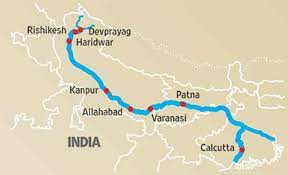
The mighty Ganga isn’t confined to one country. Its valleys stretch across India and Bangladesh. In fact its basin covers parts of China and Nepal too. Born in the lofty peaks of Himalayas, in the Gangotri glacier, it begins its journey as Bhagirathi. The Bhagirathi rushes down to meet the Mandakini, and then the Alaknanda at Dev Prayag. From then on, the river is known as Ganga. After cutting through the Himalayas, the Ganga breaks out of the foothills at Haridwar, and flows across the vast Gangetic plain. Midway in its course, near Allahabad, it is joined by one of its chief tributaries, the Yamuna river. The Ganga is one of the greatest rivers. The 2525 km long journey finally ends at Bay of Bengal. Thus it is called a river without boundaries.
Tributaries of the Ganga
Rivers have headstreams, tributaries and distributaries. A headstream is a stream that is a source of a river. The Ganga’s headstreams are the Alaknanda, DhauliGanga, Nandakini, Pindar, Mandakini, and Bhagirathi rivers. A tributary is a freshwater stream that joins a larger river. Most large rivers are formed from many tributaries and the Ganga has more than a dozen. Among them are the Ghagara, Yamuna, Koshi, Ramganga, Gomti, Gandaki, Burhi Gandak, Mahananda, Tamsa, Son, Punpun. the Ghaghara is the largest tributary of the river Ganga followed by Yamuna and Koshi. Though Yamuna is a separate river system in itself it is a tributary of the Ganga. A distributary is a branch of rivers that flows away from it. The Hooghly is a distributary of the Ganga that provides water for irrigation for west Bengal. It leaves Ganga just before the river enters the Bangladesh.
Rivers that join the Ganga
The river Ganga actually begins at Dev Prayag, the meeting place of two of its headstreams- the Bhagirathi and Alaknanda. After merging from the mountains of Rishikesh, the Ganga is joined by Ramganga. Later, it joins the Allahabad. The Hindus believe that the mythical river Saraswati too joins here. Hence the name Triveni Sangam, means the meeting place of three rivers. Next the Ganga flows east to meet the river Tamsa, later on, the river Gomti joins it. The next river to join the Ganga is the Ghaghara. Further downstream, the river Son joins the Ganga from the south, the river Koshi from the north. By the time the Ganga reaches the bay of Bengal, its waters have mingled with those of several other rivers, making it mystically representative of a soul of India itself.
Why is the Ganga important to Bangladesh?
The Ganga’s river basin is one of the most fertile and densely populated in the world. It covers an area of1000000 sq.km. For most 150 km, the Ganga forms the boundary between India and Bangladesh. When it enters Bangladesh, it is known as the Padma. The upper Padma flows southeastward to receive the mighty Brahmaputra river. The Brahmaputra is known as the Jamuna river in Bangladesh. The Padma joins the Meghna river, before it empties into the bay of Bengal. The Padma river is known for the frequent erosion of its banks, and sandbars that continually emerge in its course. The river is a busy waterway, and fishing is an important industry along its banks. A number of fast developing urban centres have also come up along its banks.
Yamuna
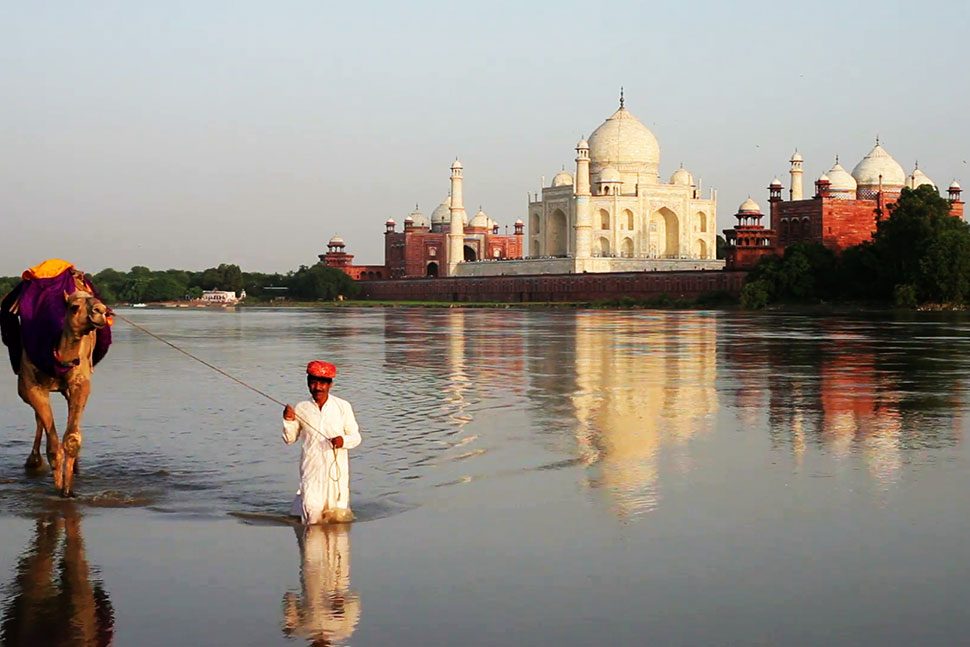
The river Yamuna is the most famous and greatest tributary of Ganga. One of the country’s most sacred rivers, its birthplace is the Yamunotri glacier, high up in the Himalayas in Uttarakhand. It flows through the foothills of the Himalayas into the Indo-Gangetic plain, flowing through Uttar Pradesh, Himachal Pradesh, Haryana, Rajasthan, Madhya Pradesh and Delhi. After 1376 km, the Yamuna meets the Ganga at Allahabad. Their confluence is well known. The important tributaries of the Yamuna river are Tons, Chambal, Hindon, Betwa and Ken. Other small tributaries of the Yamuna river include the Giri, Sind, Uttangan, Sengar and the rind. Thus, though the Yamuna is a tributary of the Ganga, it has many tributaries of its own as well. Therefore, the Yamuna is considered to be a river system in itself.
Ghaghara
The Ghaghara is the largest tributary of the Ganga. It is a river that crosses many countries in the journey. Born in Himalayas in Tibet, it flows southeast through Nepal. Later it splits into two branches that rejoin south of Indian border. The Ghaghara flows through Uttar Pradesh and Bihar, and then joins the Ganga. Its major tributaries – the Kuvana, the Rapti and the little Gandak rivers – all flow into the Ghaghara from the mountains to the north. The river’s flow is influenced by both the glacial melt and the monsoon together with the Ganges and its tributaries, the Ghaghara has helped to form the vast, fertile, alluvial plain of northern Uttar Pradesh.
Gomti
The river Gomti, a tributary of the Ganga, has great mythological significance. Most Hindus believe that a ritual dip in its waters will purify a person from all sins. According to legend, the river the daughter of sage Vasishta, who brought the river from heaven to earth. The river is also associated with the epic Ramayana. Lord Rama is believed to have taken a dip in the river on the advice of sage Vasishta. Lakshmana, the younger brother of lord Rama, is believed to have Lakshman Teela – part of present day Lucknow on the banks of river Gomti. Some even trace the name of Lucknow city to Lakshmana. The Gomti rises in northern Uttar Pradesh, and flows through the state, draining an area of 18750 sq. km. It is joined by one of its own tributaries before flowing into Ganga.
Gandak
The river Gandak is formed by the union of two rivers that have their own source in the Himalayas in Nepal. These rivers are the Kali and the Trisuli, and once they merge, the river is known as the Narayani in Nepal. The river then flows southwards into India. It is joined at the Indo – Nepalese border by two other rivers from Nepal – the Panchnad and Sohna. Once it enters India, the river is known as the Gandak. After winding its way through 765 km, it merges with the Ganga opposite the Patna. The Gandak is one of the major rivers in Nepal and India. It is distinguished for the deep gorge across which it flows, and for a large hydroelectric facility in Nepal. This river also provides water for a major irrigation and hydroelectric power facility at the Indo Nepal border at Valmikinagar.
Koshi
The Koshi river also called the Kosi – is an important tributary of the Ganga. It flows through Tibet and Nepal, before entering India from the Himalayas. The river is joined by major tributaries, approximately 48 km north of the Indo Nepal border, breaking into more than 12 distinct channels. These channels shift during flooding and so, the river shifts course frequently. The river basin is surrounded by the ridges separating it from the Brahmaputra in the north, the Gandaki in the west, the Mahananda in the east, and by the Ganga in the south. The river, along with its tributaries, drains a total area of 69300 sq.km up to its confluence with the Ganga in India.
Tamsa
The Tamsa river flows through Madhya Pradesh and Uttar Pradesh. A tributary of the Ganga, its origin is at Tamakund in Kaimur range. The Tamsa is 264 km long. It is famous for the many waterfalls through which it tumbles during its journey to meet the Ganga. The river has great significance for Hindus for their belief that lord Rama spent his first night during 14 years of forest exile on the banks of Tamsa. There is also a belief that the rare and elusive Fwindoju fish lives in this river. The ashrams of the sage Valmiki and Bharatwaj are also believed to have been located on the banks of the Tamsa.
Son
The Son, a tributary of the Ganga, is one of the largest rivers in India. It starts near Amarkantak in Madhya Pradesh and has a total length of 784 km. The Son’s main tributaries are the Rihand and the North Koel. It flows through Uttar Pradesh, Jharkhand, and Bihar to join the Ganga just above Patna. When fed by the monsoons, it becomes a roaring force. However, during the summer, it dries up in places, leaving large pools of water along its course. The Indrapuri barrage is located on the Son. It is one of the longest dams of India and it irrigates vast areas of agricultural land.
1. The product manufacturing unit in a factory is referred to as the shop floor. It is that place where production tasks are performed in a continuous flow while manufacturing a product.
The efficiency is determined by the amount of work done by a person as well as the machine in a particular time frame.
Shop floor automation is the integration of manufacturing hardware with software. Human pace cannot match with a machine’s speed, hence shop floor automation proves to be a great breakthrough for industrial advancement. As we all know the Industrial Revolution 4.0 is mainly about integrating new technology to a very great extent in the industries, or the manufacturing sector, hence making way for automated machines to do precise jobs can be helpful.
A manufacturing task requires high precision. So, if a person is considered, it is his skill, speed and accuracy that determines the quality of a product and that too, for every single piece.
Compare this to a machine that is programmed to do a particular task. It reuses the code and hence only the code mainly determines the quality of the product.
Automation saves time, reduces wastage and increases productivity. Hence large industries can apply this
2. IoT can help us send information regarding delivery insufficiencies and this void can be filled with the help of drones for small products for faster delivery in a specific radius.
3. We know that India has a large potential for utilizing its human resource, but the problem is illiteracy, lack of digital resources etc.
If these people are given proper training in small skills such as hardware and software development and maintenance, it would prove helpful in the proper utilization of human resources in the digital domain. More importantly, with a large digital setup in the whole country, more technical problems would arise. With these skilled people in the picture, problems can be resolved in a much quicker manner and efficiently.
As we all know that there is that more and more startups are coming up these days. For this technological revolution among people, startups and youth having basic knowledge of software can help to make technology available for all. Startups do not have many liabilities as compared to tech giants. Hence, they can be more helpful at the ground-zero level. Doing this can also bring startups to the attention of many techies, and it would be an innovational breakthrough.
4. Securing the Network Against Cyber Threats- This applies to companies currently having a large digital base. Although rare, a cyberattack could be devastating to your organization’s reputation and bottom line. Whether it’s ransomware or a targeted, zero-day attack, these incidents can be detected and prevented with the right plan in place. First, your organization must have an up-to-date inventory of its digital assets to develop an understanding of its network to pinpoint any existing vulnerabilities within it. Second, you need to have authentication processes in place to guard your digital and physical assets. Third, your organization needs to have the ability to detect anomalous activity. The most effective way to achieve this is to deploy a continuous monitoring solution. Finally, your organization should have a contingency plan in place to quickly respond and recover from a potential cyberattack.
5. It is estimated that by 2023, industry 4.0 and cyber-physical systems will be at a much larger level as compared to today. With changing scenarios of technology, the current technology will not be sufficient. The nature of jobs will change. Hence, keeping that in mind, upcoming techies and also the current techies in the market should be given the knowledge of A.I., machine learning, big data analytics and IoT to efficiently adapt to the changing nature of work.
CONCLUSION–
“Industry 4.0 is opening significant opportunities for organizations,” says Stankard. “From re-evaluating business models to new data-driven revenue streams, the sky is the limit and we’ve only begun to see the possibilities.“ But on the other side of the coin, there is going to be a significant incremental risk, likely posed by cyber and the immense – and growing –the amount of connectivity. There is a risk reduction element here as well. With such levels of connectivity, Industry 4.0 is likely to isolate and improve quality issues and enhance the overall customer experience. Rising to these challenges is going to be key if we are to fully take advantage of the amazing new opportunities the fourth industrial revolution will offer.”
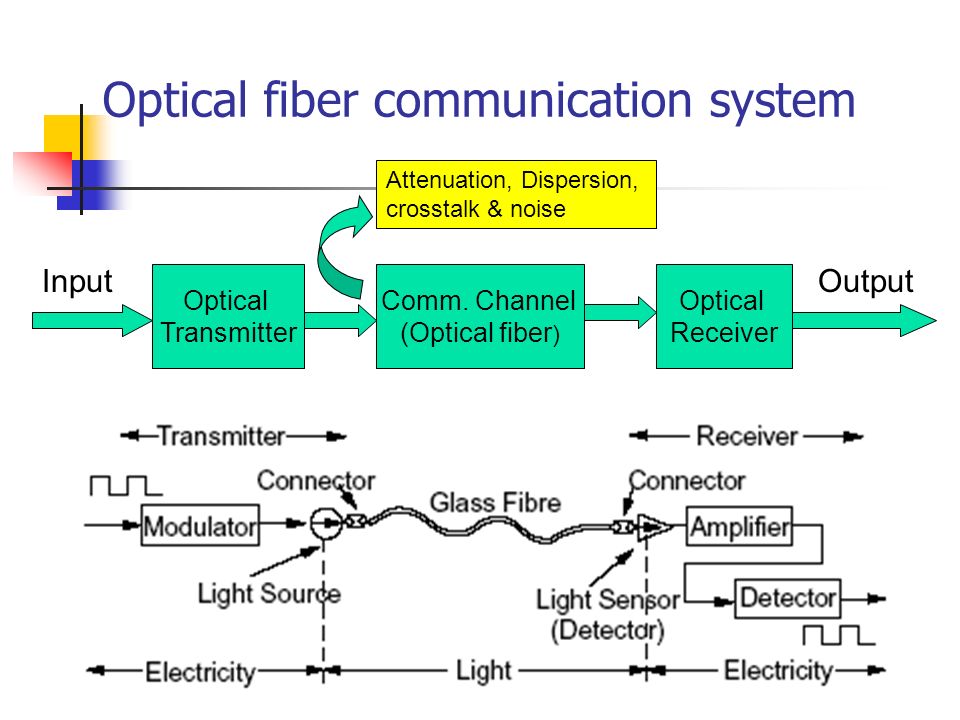
It is thin strands of pure glass which carry data over long distances. At very high speeds. The Fiber can be bent or twisted. Fibers are used instead of metal wires because signals travel without loss. Also, fibers are immune to the electromagnetic interference.
In an general optic fiber there is a core which is surrounded by cladding material which has lower refraction index than core.
Communication Systems
Basic Blocks
Transmitter : transmitter is one of the key elements of any fiber optic communications system and the choice of the correct one will depend upon the particular application that is envisaged.
Communication channel (medium) : A fiber-optic link (or fiber channel) is usually a part of an optical fiber communications system which provides a data connection between two points.
Communication channel
Wired
Wireless Glass
Destinations and Receiver : Fiber optic receivers convert light signals into electrical signals for use by equipment such as computer networks.
A commercial bank is that financial institution which accepts deposits from the people and offers loans for the purpose of consumption or investment.
The rate if interest charged by the commercial banks(for the loans the offer) is higher the the rate of interest paid by them (for the deposits the accept ).The difference between two rates is called ‘spread’, which is the source of profit for the banks.
BASIC FUNCTION OF COMMERCIAL BANKS
Commercial banks perform two basic function:
1.Aceepting deposits
2. Advancing loans.
CREDIT CREATION PROCESS OF COMMERCIAL BANKS
Commercial banks create credit on the basics of their cash reserve .
Let assume all banks in the economy receive cash deposit of RS.10000. The banks are guided by their historical experience that all the depositors never withdraw their deposits at a single time. Thus, the bank find it safe to keep cash reserve of only 10% of their demand deposit. That is RS. 10000.
Now , the banks can safely advance loans of RS.9000 and earned profit. The banks never offer loan on cash so the loan amount again returned back to banking system of an economy. Now the total deposit of bank is RS.10000+RS.9000= RS.19000.
By keeping 10%of secondary deposit that is RS.9000 of 9000 he again lend RS.8100 and this process is going to continue until all cash balance are not going to exhaust.
With the help of credit multiplier a bank can know maximum of credit creation .
In Indian culture, marriage is very important to raise a generation.It is believed that the only goal of girls is to be married to someone .Girls only know one thing that they have to go to someones home after getting married thought to be a good wife, good daughter in law. Just want their daughter to be good in their homes so that they should feel proud of them.Generally girls learn household work just only because one day they have to go to someones home as a wife and they have to do all those who work there
I think this thing is very wrong here if they have to learn household work then they have to learn for themselves then it is good. The first thinking of Gender inequality comes here in woman’s mind that the parents always forced them to do all these things just because they were female,. Why don’t they teach boys to do all those things?
It is changed in todays world but somewhere it is also the same as before.If boys just serve their own meal then a large argument starts in homes that why does their son serve their own meal. They have two sisters already.It is their job to serve everyone.
Just because of male dominance or patriarchal society. Women are not allowed to do what they like. Women are not allowed for studies just because parents think that if they study their expectations increases and parents faces many difficulties to discover a guy who is good for her.If women wants to go out of town for further studies they are not allowed just because of families in security or societal pressure at what if their daughters get attracted towards someone but why this is only for women? Men are always allowed to do what they want whether it’s a choice whether it’s the studies or whatever they want.It is all just due to thinking of everybody that girls have to do everything or they have to sacrifice their dreams, hobbies, likes and dislike just because they are female they have to go to someones home as a wife after marriage.
Just take an example – mom woke up early in the morning and from that time till late night they are busy in household work and It become daily routine because of this they forget how to enjoy their life.They sacrifice their dreams, hobbies, life for family. They don’t do anything for themselves because there has a lot of guilt attached with taking care of themselves, doing things for themselves. And we don’t even thinks about it. If we ask anyone Does your Mom eat something? Not only children her family members don’t know whether she take her meal or not.Just because we don’t notice this. why don’t we notice? It is just because of what we see from childhood.
In our culture, parents choose a guy for their daughters.How can two strangers live their whole life without knowing each other?
WEDDING MEANS LOVE, LAUGHTER AND HAPPILY EVER AFTER….
How can a normal marriage be?
All the proposal come through someone or other who tells the man’s family about lady or vice versa, then the man’s family would contact girl’s family or vice versa and then they ask for time and day to meet. Then match making occurs and then parents or family decide that both men and lady are made for each other.
Right???
Or what happens when this doesn’t work?
Women went through matrimonial hell. To meet random strangers and matchmakers, face a lot of judgements and criticism that leads to clinical depression and anxiety for them. They have to go through lots of rejection for just human beings.
How can anyone be judged by skin colour, body structure, body weight, height, & education?
And after all these women aren’t allowed to reject someone.If a guy is chosen by her family than women have to marry whether she wanted or not.
Everyone says women also have the right to choose their life partner, they are allowed to do what they want to do in their life. But in reality, just opposite is happening because we obey what parents want because this is what we see from our childhood.
It is not about matrimonial / marriage. It is about the Rights, wishes, likes and dislikes of a Woman who is been suppressed by either family or society. Just because of thinking…
Marriage is a very beautiful journey in everyone’s life. Just because of something we hate it or women thought that after marriage their life is going to hell. some women take it as a Golden cage or some take it as a most beautiful dream .so it depends upon how they think about it
Kilimanjaro is a snow – covered mountain that is 19,710 feet high and is said to be the highest mountain of Africa ……. close to the western summit there is the dried and frozen carcass of a leopard . No one has explained what the leopard was seeking at the altitude.
– Ernest Hemingway
In the above passage , two points draw the attention of the reader . First, the behaviour of the leopard was purposive – that he was trying to find out something by climbing on the snow -covered peak . Second, to understand the leapord’s behaviour , we would have to understand his purpose – what he was seeking . But one thing is sure that there was some force of motivation behind such action . Motivation is the main determinant of an individual’s behavior . The term ‘Motivation’ is derived from the word ‘Motive’ . Motive is a combination of of thought , feeling or condition that causes one to act . Motive can be for a short period or can be for a long longer one . If a child takes a colourful ball , he plays with the ball but if , in the meantime , he is attracted towards the other colourful ball , or toy, then we say that his motive for the first ball was a short period . But if a player wants to win gold medal at the international level and he/ she works hard for years to get the medal , we say that his/her motive is for longer period .
Human behavior is controlled , directed and modified through certain motives . When a person feels hungry and searches for food , we say that he/she is motivated by his/her drive , i.e. biological drive . When he/she gets food and is satisfied , we say that his/her drive for food has been fulfilled .
Motivation is one of the main psychological factors which affects performance . Motivation means to be inspired to do something . The definition of motivation is to give reason , enthusiasm or interest that causes a specific action or certain behaviour . Motivation is present in every function of life .
The following definitions may clarify the meaning of motivation more explicitly .
According to Crooks and Stein,“ Any condition , that might energies and direct our actions” is called motivation.
According to Sage,“ The drive to strive ” is called motivation .
According to Alderman,“ Motivation is the general level of arousal to action in an individual .”
“Motivation is the inclination to persue and persist in activities related to one’s sports .”












 Eduindex
You must be logged in to post a comment.