SEO for E-Commerce websites

 SEO for E-Commerce websites

what is an E-Commerce website? it simply refers to those websites which are built for doing business online like buying or selling products as already around 20 million e-commerce are present over the internet and there is an anticipation that this number will increase by more than 90% in the next couple of years if we talk about today market leader in e-commerce website then there are end no of players among them amazon, Flipkart has captured almost entire e-commerce business. Day by day people are now shifting to online shopping so its demands are flourishing which is generating opportunities for everyone but the work is not finished till the website makes the works starts here because there is no usage of developing a website until it is not appearing on SERP so today we will discuss some strategy of SEO for e-commerce websites.

SEO works differently for every website as often we try to rank our website on a particular keyword for generating traffic but in the case of e-commerce, it is quite difficult as people do search for a product so it’s highly important when the users search for any products your website should appear on the result page otherwise its a wastage of time, money and efforts.

How to do SEO for an E-Commerce website:

  • Keyword Research 

It is the first and foremost thing that any digital business owner needs to do when they start an online business it simply means you need to do really well research about keywords that the people searching for and then optimize the website as per the result basically it is known as on-page SEO which means optimize meta title, description, title tag, alt tag as it will help the google bots to read your website easily so there will be a higher chance of rankings of a website in SERP.

  • Blog post

the purpose of SEO is to get a ranking of your website in search engines so here blog can help into that for driving traffic to the website you can write blogs on the keywords on which you want to rank your website and additionally it will help in building new customers as nowadays people prefer reading blogs so you should start posting blogs and optimize it properly as per google bots.

  • backlink 

the backing is also a technique of SEO for driving traffic from another website into ours but it is only beneficial when the sites from where you take links for your website are not spammed otherwise it will fall down your website ranking on SERP so be beware when choosing any site for link building.

important key points:

  • use good quality words
  • use more long-tail keywords
  • don’t do keyword stuffing
  • give a good product description 
  • use long articles for traffic generation

Arpita Agrahari

 Articles written by Arpita Agrahari

Sourabh Jain

 Articles written by – Sourabh Jain


http://track2training.com/2022/07/07/end-of-the-revolutionary-morgan-era-and-the-future-of-england-team/


http://track2training.com/2022/07/08/decoding-kenyas-police-brutality-and-the-core-reasons-behind-it/


http://track2training.com/2022/07/09/evolution-of-indian-cinema/


http://track2training.com/2022/07/10/extra-fly/


http://track2training.com/2022/07/11/exciting-films-and-shows-to-come-out-this-year/


http://track2training.com/2022/07/12/trying-to-make-sense-of-virats-lacklustre-form/


http://track2training.com/2022/07/13/psychedelics-substances-and-their-magic/


http://track2training.com/2022/07/14/the-night-of-another-show-where-riz-ahmed-shows-his-quality-as-an-actor/


http://track2training.com/2022/07/15/importance-of-seeking-a-spiritual-experience/


http://track2training.com/2022/07/16/micro-learning/


http://track2training.com/2022/07/17/taoism-finding-your-own-way/


http://track2training.com/2022/07/19/the-christianmuslim-conundrum/


http://track2training.com/2022/07/20/as-frank-as-the-ocean/


http://track2training.com/2022/07/21/inculcating-stoicism-in-your-life/


http://track2training.com/2022/07/22/the-pre-socratic-era-origins-of-western-philosophy/


http://track2training.com/2022/07/23/plato-and-his-allegory-of-the-cave/


http://track2training.com/2022/07/24/citizenship-journalism/


http://track2training.com/2022/07/26/stating-the-importance-of-fundamental-rights/


http://track2training.com/2022/07/27/existentialism-philosophy-of-human-experience/


http://track2training.com/2022/07/28/aristotle-the-peripatetic-thought/


http://track2training.com/2022/07/30/the-imbalance-in-crickets-ecosystem/


http://track2training.com/2022/08/01/ship-of-theseus-what-makes-you/


http://track2training.com/2022/08/02/infidelity/


http://track2training.com/2022/08/03/how-the-lamestream-media-perceives-gaming/


http://track2training.com/2022/08/04/marital-rape/


http://track2training.com/2022/08/06/development-of-rural-women-in-vidarbha-region-maharashtra/


http://track2training.com/2022/08/06/its-tough-being-a-dalit/


http://track2training.com/2022/08/08/air-pollution-a-global-issue/


http://track2training.com/2022/08/12/the-cow-in-the-field/


http://track2training.com/2022/08/26/property-frauds-and-how-to-stop-them/


GEMMOLOGY

 GEMMOLOGY

Gemmology is the scientific study of gemstones. Identifying gemstones, testing methods, cutting and polishing synthetically manufactured gems, grading and uprising. Gemmologist study the quality characteristics and value of gemstones, jewellery do the handiwork required to produce a piece of jewellery . In jewellery identification is the key element of the business. 

Candidates who have qualified 10+2 or equivalent from a recognized educational institution can apply for degree or diploma or certificate course in gemmology. The qualifications for research in the field are degrees in geology , chemistry and physics. The NIFT( National Institute of Fashion Technology) offers intensive diploma program in accessory designing that include jewellery designing. Indian Institute of Gemmology (IIG, Delhi) offers various courses in gemmology. Gemmology and Jewellery design is a profession with immense potential.


GENETIC ENGINEERING

 GENETIC ENGINEERING 

Through Genetic engineering one can modify the characters of an organism by manipulation of its genetic material. It comes under the broad heading of biotechnology. Genetic engineering involve extracting the DNA out of one organism, changing it using chemicals or radiation and subsequently putting it back into the same or different organism. One can also study how traits and characteristics are transmitted through the generations and how genetic disorders are caused. The research in the field involves inquiring into the cause and discovering potential remedies. Genetic engineering in plants and animals is to improve certain natural characteristics of value, to increase resistance to disease or damage, to develop new characteristics etc. It is used to change the color, size, texture etc of plants also known as( Genetically Modified ) GM foods. Genetic engineering in humans can correct severe hereditary defects. 

To become a Genetic engineer, one must have a graduate or postgraduate degree in genetics or related fields like biotechnology, molecular biology, microbiology, biochemistry or PhD from recognized university. Research in modern medicine and medical technology requires more trained personnel in biotechnology and genetic engineering. Genetic engineers are mainly employed in medical and pharmaceutical industries, agricultural sector, teachers, research and development departments of the government and private sectors. 

Know all about Mutual funds

 Mutual fund is a pool of money managed by a professional Fund Manager. It is a trust that collects money from a number of investors who share a common investment objective and invests the same in equities, bonds, money market instruments and/or other securities. 

The combined holdings of the mutual fund are known as its portfolio. Investors buy shares in mutual funds. Each share represents an investor’s part ownership in the fund and the income it generates.

And the income / gains generated from this collective investment is distributed proportionately amongst the investors after deducting applicable expenses and levies, by calculating a scheme’s “Net Asset Value” or NAV. 

What is “Net Asset Value” or NAV. Just like an equity share has a traded price, a mutual fund unit has Net Asset Value per Unit. The NAV is the combined market value of the shares, bonds and securities held by a fund on any particular day (as reduced by permitted expenses and charges). NAV per Unit represents the market value of all the Units in a mutual fund scheme on a given day, net of all expenses and liabilities plus income accrued, divided by the outstanding number of Units in the scheme.

Mutual funds are ideal for investors who either lack large sums for investment, or for those who neither have the inclination nor the time to research the market, yet want to grow their wealth. The money collected in mutual funds is invested by professional fund managers in line with the scheme’s stated objective. In return, the fund house charges a small fee which is deducted from the investment. The fees charged by mutual funds are regulated and are subject to certain limits specified by the Securities and Exchange Board of India (SEBI).

Mutual funds offer multiple product choices for investment across the financial spectrum. As investment goals vary – post-retirement expenses, money for children’s education or marriage, house purchase, etc. – the products required to achieve these goals vary too. The Indian mutual fund industry offers a plethora of schemes and caters to all types of investor needs.

Mutual funds offer an excellent avenue for retail investors to participate and benefit from the uptrends in capital markets. While investing in mutual funds can be beneficial, selecting the right fund can be challenging. Hence, investors should do proper due diligence of the fund and take into consideration the risk-return trade-off and time horizon or consult a professional investment adviser. Further, in order to reap maximum benefit from mutual fund investments, it is important for investors to diversify across different categories of funds. 

While investors of all categories can invest in securities market on their own, a mutual fund is a better choice for the only reason that all benefits come in a package.

TYPE OF MUTUAL FUND SCHEMES

Mutual Fund schemes could be ‘open ended’ or close-ended’ and actively managed or passively managed.

OPEN-ENDED AND CLOSED-END FUNDS

An open-end fund is a mutual fund scheme that is available for subscription and redemption on every business throughout the year, (akin to a savings bank account, wherein one may deposit and withdraw money every day). An open-ended scheme is perpetual and does not have any maturity date.

A closed-end fund is open for subscription only during the initial offer period and has a specified tenor and fixed maturity date (akin to a fixed term deposit). Units of Closed-end funds can be redeemed only on maturity (i.e., pre-mature redemption is not permitted). Hence, the Units of a closed-end fund are compulsorily listed on a stock exchange after the new fund offer, and are traded on the stock exchange just like other stocks, so that investors seeking to exit the scheme before maturity may sell their Units on the exchange.

ACTIVELY MANAGED AND PASSIVELY MANAGED FUNDS

An actively managed fund is a mutual fund scheme in which the fund manager “actively” manages the portfolio and continuously monitors the fund’s portfolio, deciding on which stocks to buy/sell/hold and when, using his professional judgement, backed by analytical research. In an active fund, the fund manager’s aim is to generate maximum returns and out-perform the scheme’s bench mark.

A passively managed fund, contrast, simply follows a market index, i.e., in a passive fund, the fund manager remains inactive or passive inasmuch as, she does not use her judgement or discretion to decide as to which stocks to buy/sell/hold, but simply replicates / tracks the scheme’s benchmark index in exactly the same proportion. Examples of Index funds are an Index Fund and all Exchange Traded Funds. In a passive fund, the fund manager’s task is to simply replicate the scheme’s benchmark index i.e., generate the same returns as the index, and not to out-perform the schemes benchmark.


 Mutual funds can be further classified as ;

1.money market funds, have relatively low risks. By law, they can invest only in certain high-quality, short-term investments issued by U.S. corporations, and federal, state and local governments.

2.Bond funds, have higher risks than money market funds because they typically aim to produce higher returns. Because there are many different types of bonds, the risks and rewards of bond funds can vary dramatically.

3.Stock funds, invest in corporate stocks. Not all stock funds are the same.

4. Target date funds hold a mix of stocks, bonds, and other investments. Over time, the mix gradually shifts according to the fund’s strategy. Target date funds, sometimes known as lifecycle funds, are designed for individuals with particular retirement dates in mind.


Mutual Funds are then further categorised depending on the investment goal the fund is trying to fulfil. While some investors seek capital protection and safe returns, others have a strong risk appetite and look for high returns.

Growth funds or capital protection funds

Income funds – These schemes aim to provide income for the investors.

Liquid funds – These funds invest in fixed-income securities such as bonds and government securities.

Balanced funds – These funds invest both in equity as well as fixed-income securities to provide returns while trying to keep the risks to a minimum.

Mutual Funds based on geography

Domestic funds – These invest in securities traded within the country.

International or foreign funds

Global funds Examples: Emerging market funds, regional funds

These funds are further classified based on the investments made.

1 Equity funds

2 Large-cap / Mid-cap / Small-cap funds

3 Aggressive / growth funds

4 Value funds

5 Dividend-yield funds

6 Index funds

7 Diversified equity funds

8 Sectoral funds

9 Debt funds / Fixed-income funds

10 Income funds

11 Gilt funds

12 Dynamic bond funds

Money market funds or liquid funds

Ultra-short-term funds or treasury management funds

Floating-rate funds Short-term / Medium-term income funds corporate bond funds Fixed Maturity Plans (FMPs) (they are close-ended) Hybrid funds / Balanced funds Monthly Income Plans (MIPs)Capital Protection Funds (these are close-ended)

Other categories include

Tax-saving funds Pension funds Fund of funds Exchange Traded Funds (ETFs)Leverage funds


Why do people buy mutual funds?


Mutual funds are a popular choice among investors because they generally offer the following features:

1 Professional Management. The fund managers do the research for you. They select the securities and monitor the performance.

2 Diversification or “Don’t put all your eggs in one basket.” Mutual funds typically invest in a range of companies and industries. This helps to lower your risk if one company fails.

3 Affordability. Most mutual funds set a relatively low dollar amount for initial investment and subsequent purchases.

4 Liquidity. Mutual fund investors can easily redeem their shares at any time, for the current net asset value (NAV) plus any redemption fees.

What are the benefits of mutual funds?

Mutual funds offer professional investment management and potential diversification. They also offer three ways to earn money:

Dividend Payments. A fund may earn income from dividends on stock or interest on bonds. The fund then pays the shareholders nearly all the income, less expenses.

Capital Gains Distributions. The price of the securities in a fund may increase. When a fund sells a security that has increased in price, the fund has a capital gain. At the end of the year, the fund distributes these capital gains, minus any capital losses, to investors.

Increased NAV. If the market value of a fund’s portfolio increases, after deducting expenses, then the value of the fund and its shares increases. The higher NAV reflects the higher value of your investment.

Risk involved with Mutual Funds

 All funds carry some level of risk. With mutual funds, you may lose some or all of the money you invest because the securities held by a fund can go down in value. Dividends or interest payments may also change as market conditions change.


A fund’s past performance is not as important as you might think because past performance does not predict future returns. But past performance can tell you how volatile or stable a fund has been over a period of time. The more volatile the fund, the higher the investment risk.

Structure of a Mutual Fund

Mutual Funds in India are created as trusts. The parties involved are:

Sponsor – This is the one who sets up the Mutual Fund or trust. A sponsor is similar to a promoter of a company. The sponsor of a Mutual Fund appoints / sets up the board of trustees, the asset management company or fund house and appoints the custodian.

Board of trustees – The role of the trustees is to ensure that the interests of Mutual Fund holders are protected. The board of trustees also needs to ensure that the fund house complies with all the rules laid down by the Securities Exchange Board of India (SEBI). The board needs to have at least four independent directors. The trustees act according to the Trust Deed executed by the sponsor. The board sees to it that the fund house has established the required infrastructure and ensures that processes are in place to operate and manage the fund effectively. The board appoints the main members of the fund house including the board of directors and fund managers (scheme-wise). They also devise the fund house’s internal control and audit processes including the rules for enrolling and dealing with brokers / agents.

Asset Management Company (AMC)/Fund house – An AMC or fund house will act as the investment manager for the trust. It will be responsible for the day-to-day operations. This means that it is be taking care of all the money put in by investors. The AMC or fund house is appointed by the sponsor or the board of trustees. SEBI approval is required for setting up the AMC. 40% of its net worth should be contributed by the sponsor.

Custodian – A custodian is one who has custody of all the shares and securities invested in by the AMC. The custodian is responsible for the investment account of a fund house.




Savita

 Articles written by Savita

1.     https://www.eindex.org/2022/08/importance-and-type-of-insurance.html

2.     https://www.eindex.org/2022/08/the-challenges-and-prospects-of-women.html

3.     https://www.eindex.org/2022/08/print-media-as-oldest-mean-of.html

4.     https://www.eindex.org/2022/08/academic-degree-and-its-types.html

5.     https://www.eindex.org/2022/08/adoption-under-hindu-law.html

6.     https://www.eindex.org/2022/08/amritsar-holy-city.html

7.     https://www.eindex.org/2022/08/business-software-and-its-types.html

8.     https://www.eindex.org/2022/08/indias-performance-in-commonwealth-game.html

9.     https://www.eindex.org/2022/08/different-aspects-of-journalism.html

10.  https://www.eindex.org/2022/08/different-ways-to-do-advertisement.html

11.  https://www.eindex.org/2022/08/e-learning-platforms.html

12.  https://www.eindex.org/2022/08/electronic-media-change-tradition-of.html

13.  https://www.eindex.org/2022/08/entrepreneurship.html

14.  https://www.eindex.org/2022/08/glimpse-of-new-education-policy.html

15.  https://www.eindex.org/2022/08/kashmir-heaven-on-earth.html

16.  https://www.eindex.org/2022/08/key-skills-for-professionals.html

17.  https://www.eindex.org/2022/08/and-its-type-loan-is-amount-of-money.html

18.  https://www.eindex.org/2022/08/make-in-india-great-initiative.html

19.  https://www.eindex.org/2022/08/media-as-fourth-pillar-of-democracy.html

20.  https://www.eindex.org/2022/08/online-banking.html

21.  https://www.eindex.org/2022/08/online-courses-by-swayam.html

22.  https://www.eindex.org/2022/08/photography-and-its-types.html

23.  https://www.eindex.org/2022/08/quality-education-part-of-sustainable.html

24.  https://www.eindex.org/2022/08/everything-you-need-to-know-about-real.html

25.  https://www.eindex.org/2022/08/role-of-branding-and-marketing-in.html

26.  https://www.eindex.org/2022/08/role-of-ngos-in-india.html

27.  https://www.eindex.org/2022/08/rural-development-for-better-nation.html

28.  https://www.eindex.org/2022/08/social-media-and-marketing.html

29.  https://www.eindex.org/2022/08/the-real-heroes.html

30.  https://www.eindex.org/2022/08/top-10-engineering-collage-in-india.html


10 travel destinations in india

India is home to some of the most stunning natural attractions and historical sites in the world. With so many places to visit and things to do, it’s hard to know where to start. But if you want something off-the-beaten path, these 10 destinations are sure to satisfy your wanderlust.

1. Goa

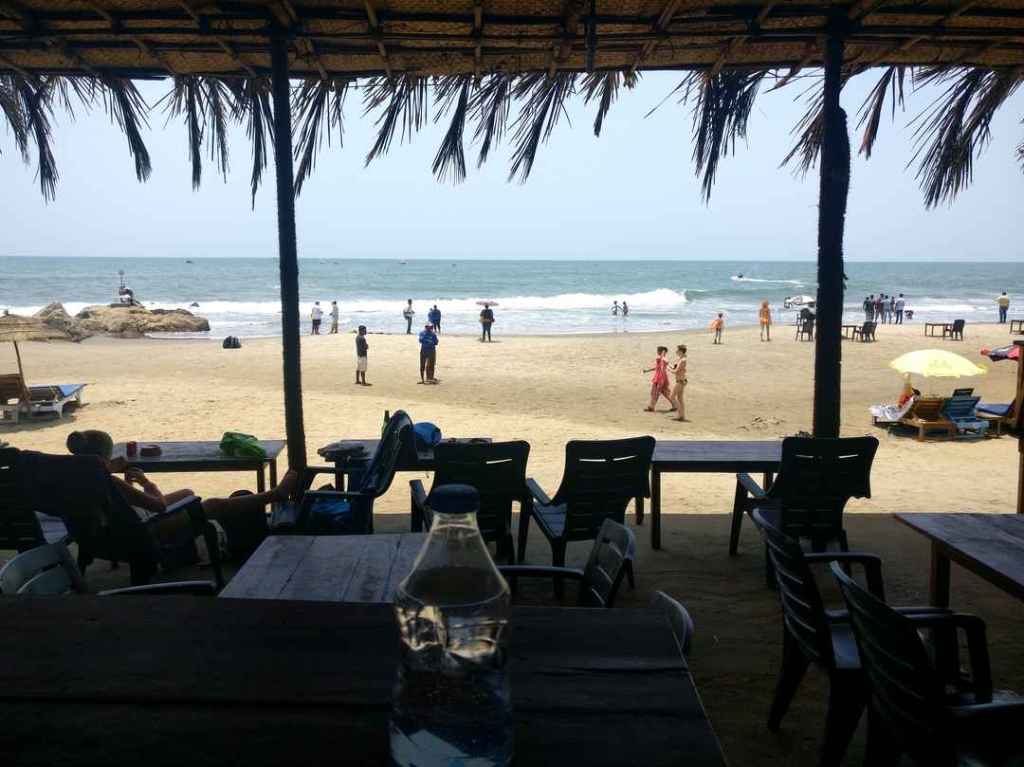
Vagator Beach, Goa

Goa is a popular tourist destination in India and has been attracting visitors for years. It’s known for its beaches, which are clean and have plenty of space to relax on them.

Goa also has great food, music and culture. The best way to experience all this is by staying at an airbnb or other bed & breakfast type place that hosts travelers from around the world!

2. Kerala

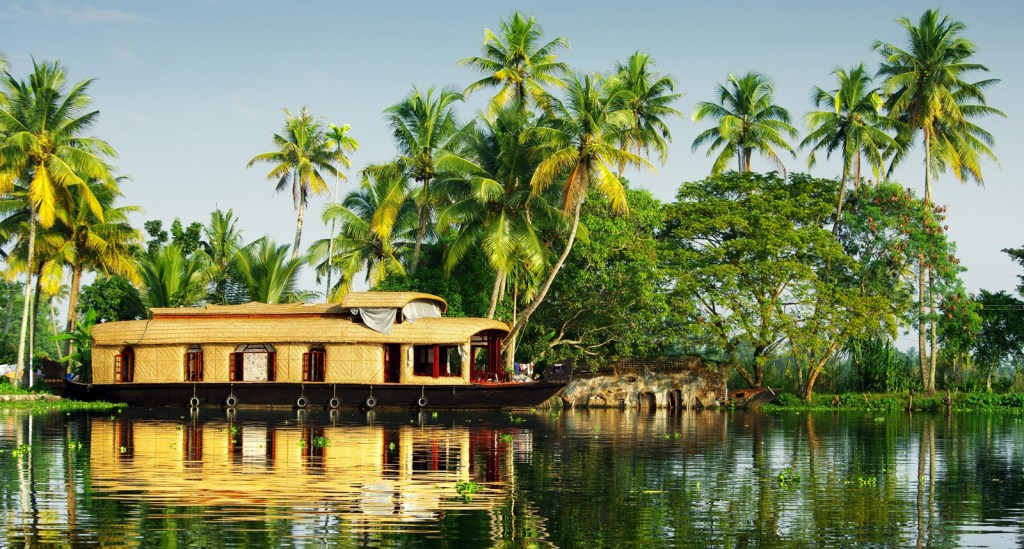
Kumarakom, Kerala

Kerala is a beautiful place to visit in India. It has many beaches, backwaters and historical sites. One of its most famous attractions is the backwaters of Alleppey that are home to some interesting wildlife sanctuaries. The state also has many temples which are a must-see during your trip here.

3. Andaman and Nicobar Islands

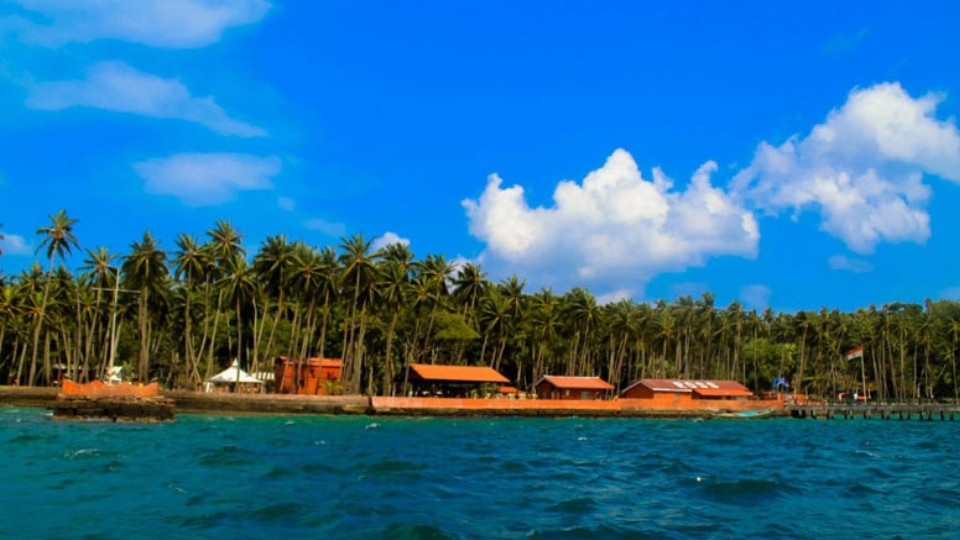
Andaman

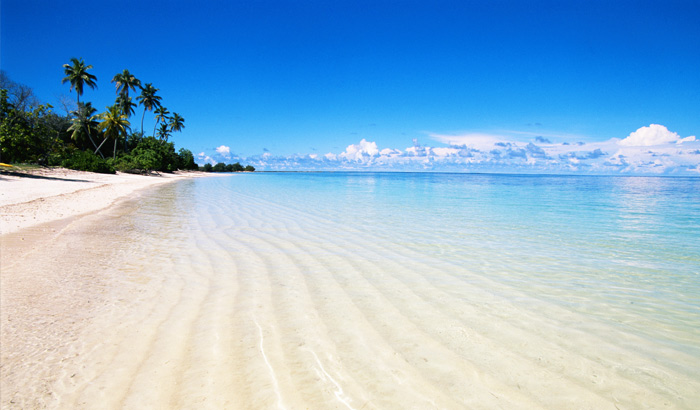
The Andaman and Nicobar Islands are located in the Bay of Bengal, just off India’s coast. These islands are a part of India and home to many different tribes. The islands have a great climate for relaxation, as well as beaches with white sand.

4. Pondicherry

Serenity beach, Pondicherry

Pondicherry is a city in the union territory of Puducherry. It was formerly known as Pondicherry and it is located on the Coromandel Coast, India’s east coast, which is known for its beaches and resorts. The city has an old-world feel to it with buildings that date back to French rule over India during the 19th century.

Pondicherry has many beaches where you can go swimming or just relax on your day off from work.

5. Leh Ladakh

Nubra Valley, Ladakh

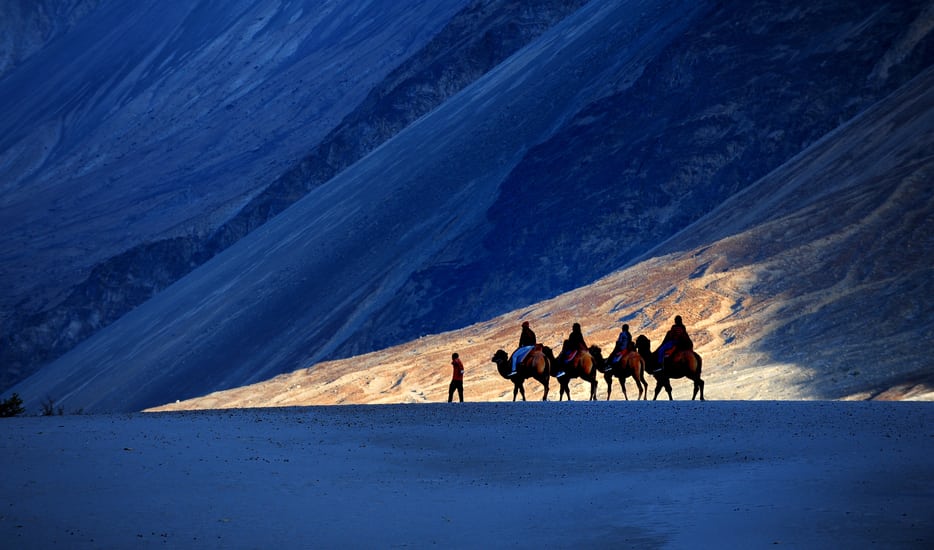
Leh Ladakh is a cold desert in the Himalayas, close to the Chinese border. It’s a great place to visit if you want to see the mountains and enjoy some hiking or trekking. There are many places where you can go for this activity, but one of them is called “Nubra Valley”. In this valley there are many different things that you can do: horseback riding (on horses), skiing down from a mountain peak or just walking around looking at all those beautiful views.

6. Rajasthan

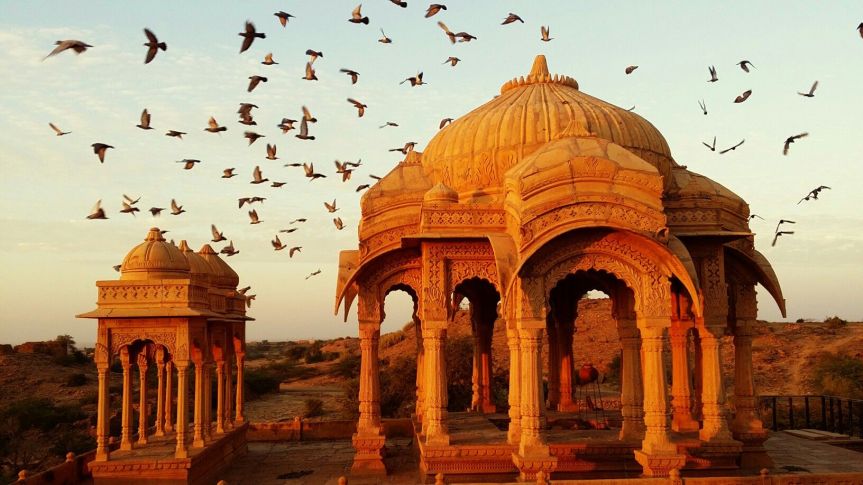
Amer fort, jaipur

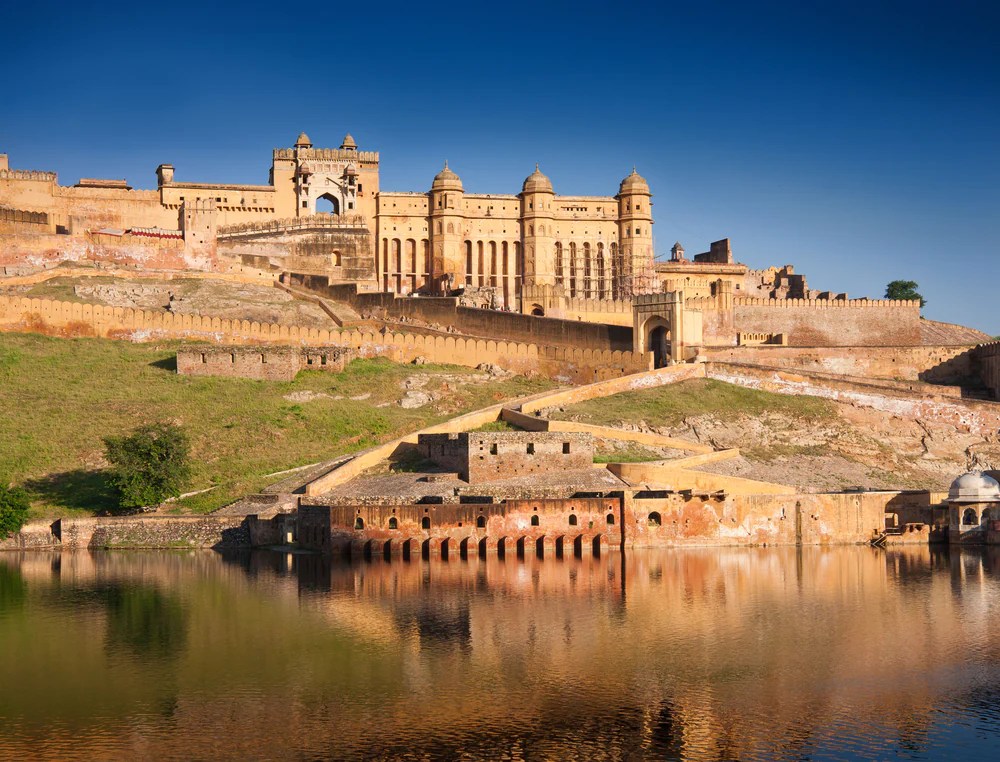
Rajasthan is a state in northern India. It has a desert climate, but it’s also known for its palaces and forts. The city of Jaipur is home to several of these attractions, including the Amber Fort and Jantar Mantar Observatory. It also has many lakes, some famous (Lake Pichola) and some not so much (Kumbhalgarh). Some people visit these lakes during wintertime because they’re warm then; others go there in summer because it looks like an ice skating rink. There are plenty of temples as well: we’re talking about hundreds of them.

7. Darjeeling

The Kanchenjunga

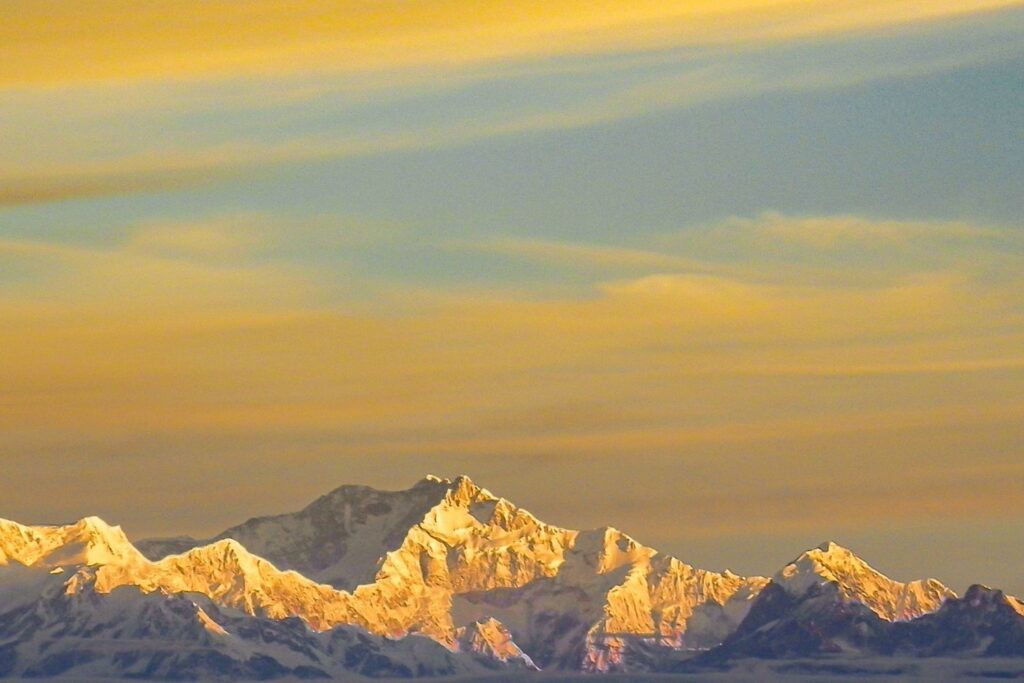
Darjeeling is a hill station in West Bengal. The city is located on the foothills of the Himalayas and offers panoramic views of the plains below.

The town has been known for its tea plantations since 1834 when it was first discovered by British colonists. It’s also a popular destination for trekkers, who can choose from several trails to explore this beautiful area along with its rich history and natural beauty.

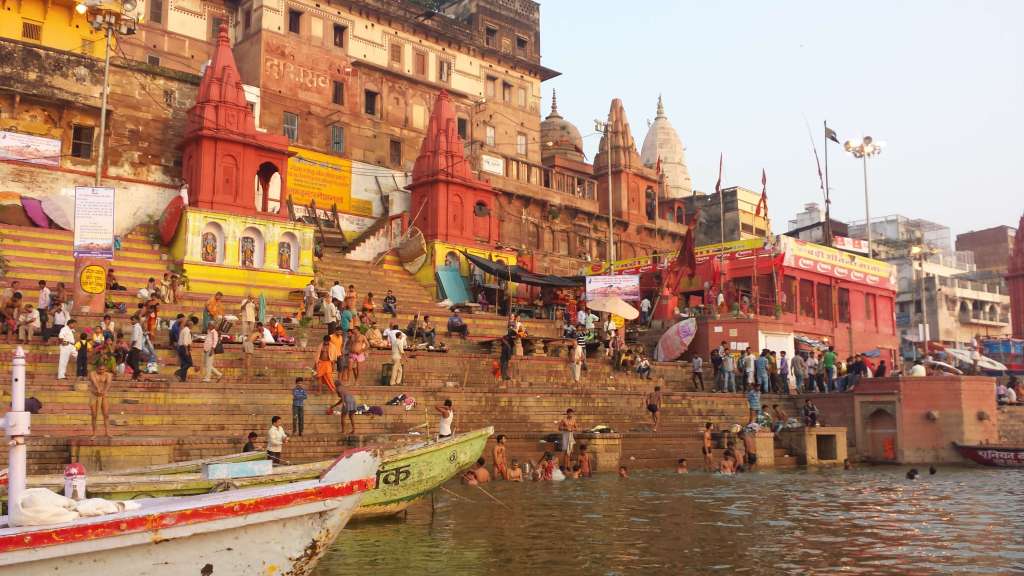
8. Varanasi

A ghat in varanasi

Varanasi is a religious, cultural and historical city located on the banks of River Ganges. It has been called one of the most sacred places in India as it’s believed that Lord Shiva resided here for some time before passing away.

The city is known for its ghats (steps leading down to the river), temples and food which are all part of its rich history. Varanasi offers tourists everything they need during their stay – from budget accommodation options to luxury hotels & resorts offering everything from pampering spa treatments to yoga classes at sunrise. Not only this but there are plenty of things to do when you visit Varanasi including visiting one or more ghat sites where pilgrims perform rituals during monsoon season when temperatures rise up high enough so visitors can bathe in freezing waters without getting cold feet.

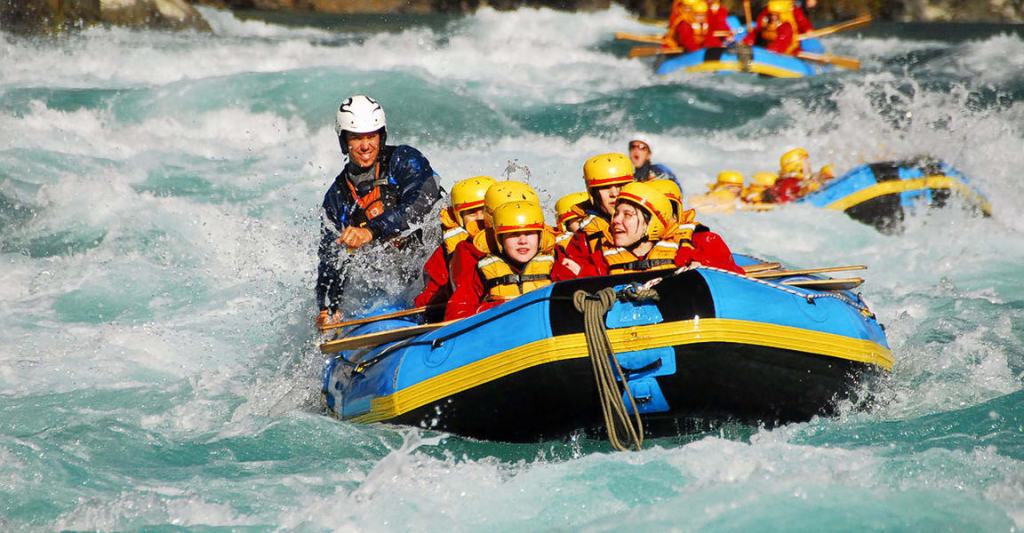
9. Rishikesh

Rafting in Rishikesh

Rishikesh is full of amazing sights—from its spectacular natural surroundings to its historic temples and churches. Other sights include Lakshman Jhula Bridge built between 1822–1823 across River Ganges near Yamuna Sagar Lake during British rule; Vishwanath Temple dedicated specifically because he was considered Hindu god Vishnu’s favorite son; Kedarnath Temple built by King Bhagwan Nand Lal in memory of his father who died while building this temple during his lifetime. River rafting and other fun activities are organised here.

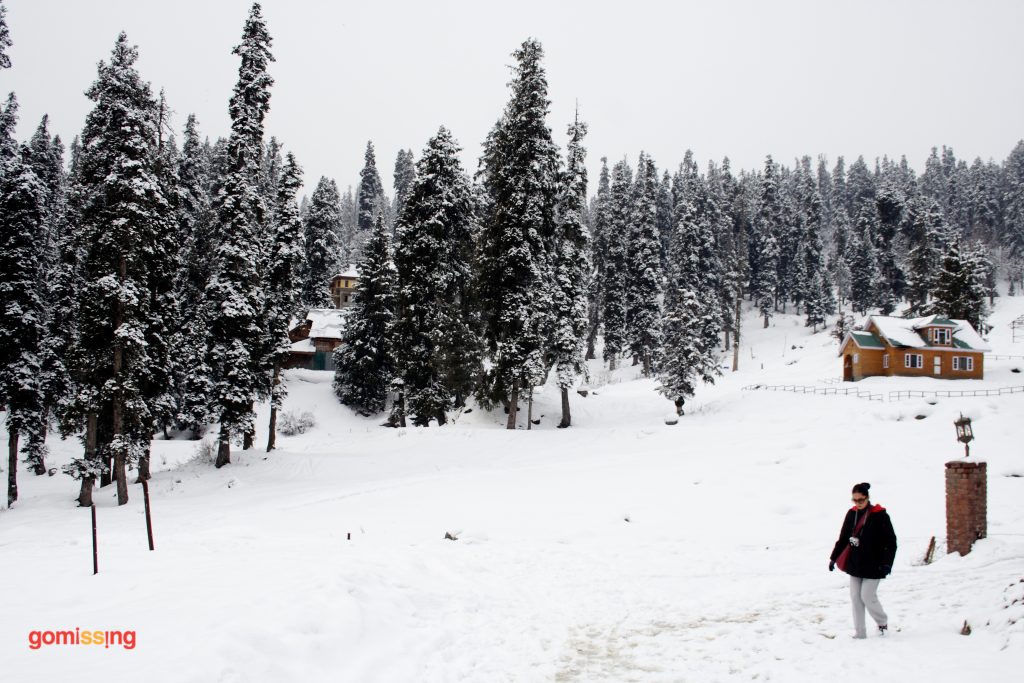
10. Gulmarg, Jammu and Kashmir

Gulmarg Golf Club area

Gulmarg is a ski resort in Kashmir, located at an altitude of 11,500 feet. It is one of the oldest and most popular tourist destinations in Jammu and Kashmir. The area has 300 km of pistes that can be reached by cable cars or snowshoes. Gulmarg also hosts many other activities like skiing, heli-skiing, snowboarding and more.

These are just a few of the travel destinations in India that you can experience and enjoy.

10 travel destinations in india

India is home to some of the most stunning natural attractions and historical sites in the world. With so many places to visit and things to do, it’s hard to know where to start. But if you want something off-the-beaten path, these 10 destinations are sure to satisfy your wanderlust.

1. Goa

Vagator Beach, Goa

Goa is a popular tourist destination in India and has been attracting visitors for years. It’s known for its beaches, which are clean and have plenty of space to relax on them.

Goa also has great food, music and culture. The best way to experience all this is by staying at an airbnb or other bed & breakfast type place that hosts travelers from around the world!

2. Kerala

Kumarakom, Kerala

Kerala is a beautiful place to visit in India. It has many beaches, backwaters and historical sites. One of its most famous attractions is the backwaters of Alleppey that are home to some interesting wildlife sanctuaries. The state also has many temples which are a must-see during your trip here.

3. Andaman and Nicobar Islands

Andaman

The Andaman and Nicobar Islands are located in the Bay of Bengal, just off India’s coast. These islands are a part of India and home to many different tribes. The islands have a great climate for relaxation, as well as beaches with white sand.

4. Pondicherry

Serenity beach, Pondicherry

Pondicherry is a city in the union territory of Puducherry. It was formerly known as Pondicherry and it is located on the Coromandel Coast, India’s east coast, which is known for its beaches and resorts. The city has an old-world feel to it with buildings that date back to French rule over India during the 19th century.

Pondicherry has many beaches where you can go swimming or just relax on your day off from work.

5. Leh Ladakh

Nubra Valley, Ladakh

Leh Ladakh is a cold desert in the Himalayas, close to the Chinese border. It’s a great place to visit if you want to see the mountains and enjoy some hiking or trekking. There are many places where you can go for this activity, but one of them is called “Nubra Valley”. In this valley there are many different things that you can do: horseback riding (on horses), skiing down from a mountain peak or just walking around looking at all those beautiful views.

6. Rajasthan

Amer fort, jaipur

Rajasthan is a state in northern India. It has a desert climate, but it’s also known for its palaces and forts. The city of Jaipur is home to several of these attractions, including the Amber Fort and Jantar Mantar Observatory. It also has many lakes, some famous (Lake Pichola) and some not so much (Kumbhalgarh). Some people visit these lakes during wintertime because they’re warm then; others go there in summer because it looks like an ice skating rink. There are plenty of temples as well: we’re talking about hundreds of them.

7. Darjeeling

The Kanchenjunga

Darjeeling is a hill station in West Bengal. The city is located on the foothills of the Himalayas and offers panoramic views of the plains below.

The town has been known for its tea plantations since 1834 when it was first discovered by British colonists. It’s also a popular destination for trekkers, who can choose from several trails to explore this beautiful area along with its rich history and natural beauty.

8. Varanasi

A ghat in varanasi

Varanasi is a religious, cultural and historical city located on the banks of River Ganges. It has been called one of the most sacred places in India as it’s believed that Lord Shiva resided here for some time before passing away.

The city is known for its ghats (steps leading down to the river), temples and food which are all part of its rich history. Varanasi offers tourists everything they need during their stay – from budget accommodation options to luxury hotels & resorts offering everything from pampering spa treatments to yoga classes at sunrise. Not only this but there are plenty of things to do when you visit Varanasi including visiting one or more ghat sites where pilgrims perform rituals during monsoon season when temperatures rise up high enough so visitors can bathe in freezing waters without getting cold feet.

9. Rishikesh

Rafting in Rishikesh

Rishikesh is full of amazing sights—from its spectacular natural surroundings to its historic temples and churches. Other sights include Lakshman Jhula Bridge built between 1822–1823 across River Ganges near Yamuna Sagar Lake during British rule; Vishwanath Temple dedicated specifically because he was considered Hindu god Vishnu’s favorite son; Kedarnath Temple built by King Bhagwan Nand Lal in memory of his father who died while building this temple during his lifetime. River rafting and other fun activities are organised here.

10. Gulmarg, Jammu and Kashmir

Gulmarg Golf Club area

Gulmarg is a ski resort in Kashmir, located at an altitude of 11,500 feet. It is one of the oldest and most popular tourist destinations in Jammu and Kashmir. The area has 300 km of pistes that can be reached by cable cars or snowshoes. Gulmarg also hosts many other activities like skiing, heli-skiing, snowboarding and more.

These are just a few of the travel destinations in India that you can experience and enjoy.

Government Initiated Educational Policies

Government Initiated Educational Policies That Are Modifying The Education Sector

Major changes have been made to India’s educational system.
Over the years, the Indian government has implemented a number of initiatives to support skill development and education. Private institutions can adopt these policies’ concepts and use them to increase their revenues.
Here are a few of the key educational policies that have lately been established.
Digital Payment
Prakash Javadekar, the Union HRD minister, promoted the advantages of digital payment by implementing cashless payment across all centrally-aided institutions.
No Detention Policy
For all students in grades 5th to 8th, the HRD Ministry amended the previous rule to allow for promotion to the following class. The new policy makes passing every exam necessary in order to advance to the following class.
Male Students can also file for sexual harassment
The number of incidents of sexual harassment against male students has significantly increased. Male students may now report instances of sexual harassment thanks to new rules established by the UGC.
Gender Education Must Be Required
Telangana’s government mandated gender education as a requirement for graduation. Along with doing so, it was the first state in India to do so, and it also brought in multilingual textbooks.
Yoga classes 
Yoga sessions are now required in all ICSE and ISC institutions, according the Council for the Indian School Certificate Examinations (CISCE).
Free higher education for students with disabilities
The government of Guwahati has established a programme that will provide these kids with free education from Class 9 to the university level in all government-run institutions of higher learning.

No homework for students of class 1st and 2nd
No homework may soon become reality. Prakash Javade, the minister of human resource development (HRD), suggested that students in grades 1 and 2 might no longer have homework.
New guidelines for girls’ education
A “modern education policy” is something the government wants to implement. The new education policy’s (NEP) main emphasis will be on females’ education. It intends to eliminate educational inequity.
Eklavya schools 
By 2022, Scheduled Caste (SC) and Schedule Tribe (ST) students will have access to Eklavya schools, which will be modelled after Navodaya schools. It will offer athletic instruction and skill development. Additionally, it will contain unique spaces for conserving regional art and culture.
Diksha scheme 
The Indian government will soon introduce the integrated B.Ed programme and develop the learning portal “DIKSHA” to improve teaching abilities.
Sports Education
The government of India is proposing to make sports education a component of the Fundamental Rights and to promote it countrywide.
Reducing the bag’s weight
For lower primary classes, the Department of Primary and Secondary Education intends to implement ideas like “no bag day” and a lighter bag requirement.

Government Initiated Educational  Policies 

Government Initiated Educational  Policies That Are Modifying The Education Sector

Major changes have been made to India’s educational system.
Over the years, the Indian government has implemented a number of initiatives to support skill development and education. Private institutions can adopt these policies’ concepts and use them to increase their revenues.
Here are a few of the key educational policies that have lately been established.
Digital Payment
Prakash Javadekar, the Union HRD minister, promoted the advantages of digital payment by implementing cashless payment across all centrally-aided institutions.
No Detention Policy
For all students in grades 5th to 8th, the HRD Ministry amended the previous rule to allow for promotion to the following class. The new policy makes passing every exam necessary in order to advance to the following class.
Male Students can also file for sexual harassment
The number of incidents of sexual harassment against male students has significantly increased. Male students may now report instances of sexual harassment thanks to new rules established by the UGC.
Gender Education Must Be Required
Telangana’s government mandated gender education as a requirement for graduation. Along with doing so, it was the first state in India to do so, and it also brought in multilingual textbooks.
Yoga classes 
Yoga sessions are now required in all ICSE and ISC institutions, according the Council for the Indian School Certificate Examinations (CISCE).
Free higher education for students with disabilities
The government of Guwahati has established a programme that will provide these kids with free education from Class 9 to the university level in all government-run institutions of higher learning.
No homework for students of class 1st and 2nd
No homework may soon become reality. Prakash Javade, the minister of human resource development (HRD), suggested that students in grades 1 and 2 might no longer have homework.
New guidelines for girls’ education
A “modern education policy” is something the government wants to implement. The new education policy’s (NEP) main emphasis will be on females’ education. It intends to eliminate educational inequity.
Eklavya schools 
By 2022, Scheduled Caste (SC) and Schedule Tribe (ST) students will have access to Eklavya schools, which will be modelled after Navodaya schools. It will offer athletic instruction and skill development. Additionally, it will contain unique spaces for conserving regional art and culture.
Diksha scheme 
The Indian government will soon introduce the integrated B.Ed programme and develop the learning portal “DIKSHA” to improve teaching abilities.
Sports Education
The government of India is proposing to make sports education a component of the Fundamental Rights and to promote it countrywide.
 Reducing the bag’s weight
For lower primary classes, the Department of Primary and Secondary Education intends to implement ideas like “no bag day” and a lighter bag requirement.

ARGENTINA

 ARGENTINA

Argentina also known as Argentine Republic. The capital of Argentina is Buenos Aires. Other large cities are : Cordoba, Rosario, La Plata, Mendoza. The languages spoken are Italian and Spanish. Currency of Argentina is Peso. Argentina got independence on 9th July 1816. Type of government ruling is Republic.Argentina is the second largest state in South America. Argentina abounds in deposits of coal, lead, copper,zinc,gold,silver, sulphur and oil. Meat packing is the chief industry, with flour milling coming second. Others are chemicals, textiles, machinery, motor vehicles, paper and consumer durables. Agriculture and animal husbandry form important segments of the economy. Chief crops are : grains, maize, grapes, linseed, sugar, tobacco, rice, livestock products. Argentina is the world’s largest source of tannin. Argentina is famous for its mate culture, soccer and love for Tango. It is bounded by Atlantic Ocean in the East. Border countries are Chile, Bolivia, Paraguay, Brazil, Uruguay. It is the 8th largest country in the world.

Video Jockey

 Video Jockey

With the advent of different music channels on television, video jockey is becoming an exciting career option for music crazy generation. The job of video jockey(VJ) is to introduce music videos and host music related shows on television. VJ’s area of work is very competitive and one have to introduce videos, host games to travel shows and youth forums, chat with public, do interview with artists and music celebrities etc. Jockeys generally involved in 3 areas: Video jockeys they present shows on T.V, Radio Jockeys (RJs) they do shows on Radio and Disc Jockeys(DJs) present live shows in clubs, restaurants, music stores etc.

A background in mass communication, visual communication or performing arts and command over language is very important as they have to talk a lot. Some voice training would help VJs they need clear voice, pleasant and strong. One should answer promptly within seconds and should be energetic and should have a wonderful sense of humor to make the show interesting. With the increasing music channels and introduction of commercial FM radios have increased demand of jockeys enormously.

THE UNITED NATIONS


The United Nations

The names ‘United Nations’ was devised by US President Franklin D. Roosevelt and was first used in the Declaration by the United Nations of Jan 1, 1942 during second World War. It is an association of states which have pledged themselves to maintain international peace and security and cooperate in solving international political, economic, social, cultural and humanitarian problems. The United Nations officially came into existence on 24th October 1945. United Nations day is celebrated on 24th October each year. New member states are admitted by the General Assembly on the recommendation of the Security Council. Official languages of UN are : Arabic, Chinese, English, French, Russian and Spanish. The UN has a post office originating its own stamps. The headquarters New York city, USA. Principal organs of the UN are : General Assembly, Secretariat, Security Council, Trusteeship Council, Economic and Social Council and International Court of Justice. 

The General Assembly consist of the representatives of all the member states. Each state has one vote. The General Assembly meets atheist once in a year. It elects its own President and Vice president every year.

Trusteeship Council – The Charter provides for an international trusteeship system to safeguard the interest of the inhabitants of territories which are not yet fully self governing and which may be placed under by individual trusteeship agreements. These are called trust territories. 

International Court – The International Court of Justice was created by an international treaty, the Statute of the Court which forms the integral part of the United Nations Charter. The headquarters located The Peace Palace, Netherlands. The Court has its seat at The Hague, but may sit elsewhere whenever it considers desirable. The expenses of the Court are borne by the UN. The languages are English and French.

KYOTO PROTOCOL

 Kyoto Protocol

The amendment to the treaty on United Nations Framework Convention on Climate change called Kyoto Protocol. It aims at cutting global emissions of Green House Gases(GHG). The main objectives of Kyoto protocol are : it is intended to assign mandatory targets for the reduction of global emissions of greenhouse gas to signatory nations. The objective is the “stabilization of greenhouse gas concentrations in the atmosphere at a level that would prevent dangerous anthropogenic interference with the climate system.”

“Kyoto is underwritten by governments and is governed by global legislation enacted under UN aegis.” Governments are separated into two general categories: developed countries referred to as Annex 1 countries who have accepted strict GHG emission reduction obligations. Any Annex 1 entity failing to meet its Kyoto targets is subject to a fine and further penalized by having its reduction targets increased by 30%. Developing countries referred to as Non Annex 1 countries who have no GHG emission reduction obligations. “Kyoto includes linking mechanisms ”which allow Annex 1 economies to meet their GHG targets by purchasing GHG emission reductions from elsewhere. The treaty was negotiated in Kyoto, Japan in December 1997, opened signature on March 16, 1998 and closed on March 15, 1999. As of July 2006, a total of 164 countries have ratified the agreement. According to terms of the protocol, conditions for entry into force required 55 parties and at least 55% reduction of the total carbon dioxide emission.