Cybersecurity means protecting data, networks, programs, and other information from unauthorized or unattended access, destruction, or change. In this era where the use of computers has become commonplace, cybersecurity is a major concern. The rapid development of technology and the availability of the internet to most of the public, has become commonplace, cybersecurity is a major concern. The rapid development of technology and the availability of the internet to most of the public, has broadened the pathway of cybercrime.
There is a different form of Cyberattacks like viruses, Malware, spyware, phishing, ransomware, fraud, etc. Clicking infected web pages, malicious websites, links or unintentionally downloading a dangerous program also allows hackers to gain illegal access to other computer systems. According to a report, India Steel ranks higher than Global peers as there are 54% Malware and ransomware attracts in India as compared to 47% globally. Yahoo also acknowledges that in India 3 billion accounts were breached in 2013.
Cybersecurity is equally important for local, state, and central governments as these organizations maintain a huge amount of confidential data and records concerning the country and its citizens. Yet several government organizations face difficulty in protecting data because of inadequate secured infrastructure, limited funding, and lack of security awareness. Stealing of confidential data or sensitive information, digital by terrorists from government organizations, as well as digital spying can lead to serious threats on a country. For this reason, cybersecurity is of paramount importance for government organizations also and is a vital asset to the nation
Cybersecurity offers a variety of career paths depending on the level of experience you have and your area of expertise. You can be an analyst/engineer, network administrator, programmer, or data analyst and many more other positions available depending on your area of interest and experience. Some jobs a required while others are possible as long as it relates to your field in the security field such as computer science or finance. If you’re looking for a career that will pay well, then cybersecurity is the right choice for you because it’s relatively new and will only continue to grow.
Animal cruelty includes a range of dangerous behaviors for animals, from neglect to brutal slaughter. Much of the brutality investigated by humanitarian officials is unintentional neglect that can be solved through education.
Intentional cruelty can trigger a game by deliberately depriving the animal of food, water, shelter, contact, or pet care to the point of cruel, degrading, degrading or killing of an animal.
Why is it important?
All animal cruelty is troubling because it is wrong to inflict suffering on any living creature. Intentional cruelty is a matter of concern because it is a symptom of depression and often indicates that a person may have been a victim of violence or may have been prone to violent acts.
Why can man be cruel to animals?
There could be many reasons. Animal cruelty, like any other form of violence, is often perpetrated by someone who feels powerless, ignored, or even controlled by others. The motive can be to intimidate, intimidate, intimidate or irritate others or to show a rejection of community rules. Some cruelty to animals copied actions that they saw or heard. Some view harming the animal as a safe way to take revenge – or threaten – someone who cares about that animal.
How does it cause animal suffering?
The pain of an animal living with incurable disease or wounds, with or without food or shelter, can be very severe – sometimes even greater than those who have been directly affected by the violence, because their suffering lasts longer. Hungry dying animals experience a host of painful symptoms at each stage of their physical decline. The initial decrease in body fat is followed by muscle loss and atrophy and, finally, weight loss. In chronic hunger, liver damage, heart changes, anemia and skin lesions.
An animal that is not in the right place can be easily hit by extreme heat or cold. During extreme cold or hot weather, it is not uncommon for zookeepers to find their pets – often chained dogs – frozen on the ground or dead on the ground due to a lack of adequate shelter due to the weather. Usually these animals die only on foot away from the homes where their caregivers live.
Dogs that are constantly chained are also the reckless victims, even though they may be illegal in that particular jurisdiction. Because dogs are socially pack animals, isolating themselves at the end of the series causes grief that can lead to aggression, neuroses, and self-destructive behavior. Dogs in chains are also more likely to be victims of starvation, since their incarceration makes them powerless to defend themselves.
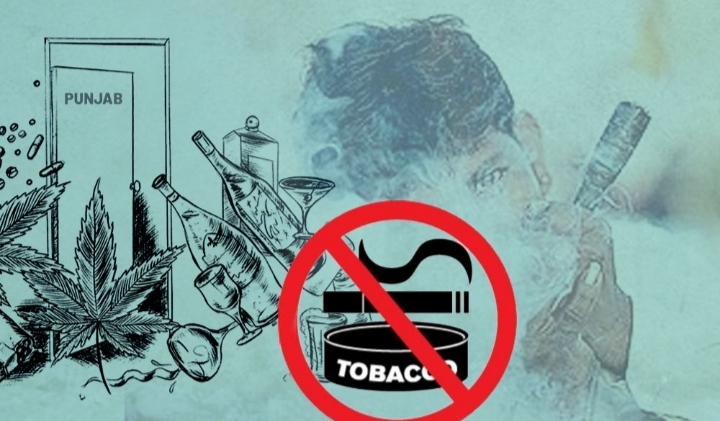
Tobacco is obtained from the tobacco plant Nicotiana tobaccum and Nicotiana rustica. The dried and cured leaves of its young branches make the commercial tobacco used worldwide. Addiction to tobacco is due to ‘Nicotine’ an alkaloid present in it. Nicotine is a stimulant, highly harmful and poisonous substance.
Tobacco is used for smoking, chewing and snuffing. Inhaling tobacco smoke from cigars, cigarettes, bidis, pipes, hukka is called smoking. Tobacco in powder form is chewed with Pan. When powdered tobacco is taken through nose, it is called snuffing.
Smoking Hazards and Effects of Tobacco
When smoke is inhaled, the chemicals get absorbed by the tissues and cause the following harmful effects
Benzopyrene and polycyclic hydrocarbons present in tobacco smoke is carcinogenic causing lung cancer.
Causes inflammation of throat and bronchi leading to conditions like bronchitis and pulmonary tuberculosis.
Inflammation of lung alveoli, decrease surface area for gas exchange and cause emphysema.
Carbon monoxide of tobacco smoke binds to haemoglobin of RBC and decreases its oxygen carrying capacity causing hypoxia in body tissues.
Increased blood pressure caused by smoking leads to increased risk of heart disease.
Causes increased gastric secretion which leads to gastric and duodenal ulcers.
Tobacco chewing causes oral cancer (mouth Cancer).
Prevention of Smoking
Knowing the dangers of smoking and chewing tobacco adolescents and the old people need to avoid these habits. Proper counseling and medical assistance can help an addict to give up the habit of smoking
Puri, located in Odisha, became the first Indian city with 24×7 clean drinking water from tap facility. The “Drink from Tap Project” was inaugurated on 2nd August 2021. The drink from tap facility has been initiated by the Water Corporation of Odisha under the “Sujal” scheme. While inaugurating the project the CM of Odisha claimed that this project will enable the people of Puri to collect water directly from the tap and it would not be necessary to store or filter it further for the purpose of drinking.
Drink-from-Tap Project
Under the Sujal scheme, the water is taken from the Bhargavi river and then it is channelised to a reservoir. The water is then sent to Samang for water treatment procedures like purification and chlorination.
Sujal scheme aims to provide clean drinking water from taps to nearly 1.5 million people in 15 towns of Odisha by 2023. Puri’s water requirement is around 32-34 million litres per day and the plants have been claimed to purify around 42 million litres of water each day.
The “Drink from Tap” project is said to benefit the 2.5 lakh residents of Puri. As Puri is known as the holy town of Odisha, it would also benefit the 2 crore tourists who visit Puri. Another impact is that it can reduce the number of plastic bottles bought, mostly by tourists. It can drastically reduce the disposal of plastic waste. People can directly consume the water from the 400 fountains installed in the city.
But it is also important to maintain stringent rules on the quality of water supplied. Contaminated water can pave the way to a number of diseases. Constant monitoring of the water quality is essential. The scheme is in its initial stage and it is imperative to maintain the availability and purity of water in the long run.
Clean drinking water in India
According to the UNICEF reports, less than half of the people in India have access to safe drinking water. Harmful chemicals such as Arsenic and Fluoride are found in 1.96 million dwellings. The report also indicates another major concern, that is unavailability of water in many areas.
School attendance decreases in the areas where children are sent to collect water. They spend hours collecting water which affects their education. In the drought hit states, a 22% rise in school drop out rates was recorded.
Therefore it is important to ensure the availability of clean drinking water to the people. Safe drinking water is a fundamental aspect of public health.
The transition to college can be stressful, no matter how prepared you are. As a student, you have many decisions to make, like what to major in, which classes to take, and how to get involved on campus.
Add in the responsibility of paying for school, keeping up with a part-time or full-time job, and a steady load of coursework, and it’s easy to become overwhelmed and financially overextended. As a college student, I learned the hard way what happens when you procrastinate and overspend.
Here are a few tips you can use to save time and money in college, so you can worry less—and feel confident about your future.
How to Make the Most of the Time You Have
Learning to manage your time is an essential skill to being successful in college (and in your future career). While the best approach to time management may look different from one person to the next, here are a few ideas to get started.
Once you’ve picked your classes and have your course syllabi for the semester, buy or create a calendar. From here, outline the semester, highlighting essential dates for midterms, papers, presentations, and other assignments. You can colour-code it and get as creative as you like—the point is to see every deadline coming your way. Once you have this completed, try these things:
1.Plan by week
Schedule out your week in a daily planner, whether on paper or on your phone. If you’re like me and like to schedule everything, record when you’ll go to the gym, break for meals, spend time with friends, study, and pursue other activities. If you prefer a rough outline of your schedule, jot in any significant deadlines for a given week. This technique will keep you on track and help you avoid pulling all-nighters, which can mess with your schedule and, potentially, your grades and mental health.
2.Start with the simple to-dos
Completing easy tasks immediately after class—or as soon as you can—are an easy way to cross off your to-do list without worrying about anything on it falling to the wayside. One of my undergraduate classes required self-reflection pieces each week. I always completed them right after class because the material was fresh in my head, which made the writing process quicker and in a way, more genuine.
For a larger writing assignment, calculate how much time you have to complete it and divide that by the minimum number of pages you’re required to write. For instance, if you’re assigned a 20-page paper and you have 12 weeks to complete it, you’ll need to write about 1.66 pages per week to get it done. It seems much more manageable when you look at it this way.
3.Back up your work
Technology is a beautiful thing, but when it fails us, it can have catastrophic effects. Ever have a 15-page paper due the next morning, and your hard drive dies? Your professor may or may not be understanding, and I would guess that you’d prefer to do without the frustration (and extra work) that a similar incident could cause.
So be sure to email yourself a copy of the writing assignment you were working on and save a copy on a USB. This way, if your computer died, I had two options for getting it back. You can also use Google docs to save your work. It never hurts to have multiple copies of your work.
4.Keep distractions at bay
I can’t stress this enough; there is no more significant time waster than setting aside time to get work done and getting distracted by friends, your cat, the weather, the TV, anything. If you know that you are easily distracted at home, then seek out time at the library or in a study room. If you struggle to focus, set aside an hour to study, take a break, and repeat.
Let’s Talk About Money Management
Money is probably one of the most significant stressors facing college students, thanks in part to growing tuition and fees, additional academic expenses like textbooks, and the limited time to devote to earning money. Here are some ideas on how to maximize your budget.
1.Change up your grocery shopping habits
Want to save money on food? Know that thinking cheap doesn’t have to mean scrimping on quality. Most towns and cities have a farmer’s market that offers seasonal produce and other goods at a severely discounted price. If there isn’t a farmer’s market in your area, consider splitting a membership to a warehouse store like spencer’s or Walmart with a few friends or roommates. Planning for regular shopping trips may be enough to let you opt-out of your campus meal plan—and save a fortune on food.
2.Skip the restaurant
As great as not having to cook is, in many cases, what you order at a given restaurant can almost always be made at home for less. For those who see heading out for a meal as a time to catch up and socialize with friends, consider inviting a group over for a communal meal. Not only will you save money, but you’ll also have leftovers and the added fun of making a meal together.
3.Look for freebies
As the old saying goes, “the best things in life are free.” This sentiment rings especially true as a college student. In my experience, most of the outings with friends, guest lectures, and concerts I attended were free and found through local paper, word of mouth, and social media. I made such a routine of it that my the second year, I had barely paid anything for entertainment and other events. The best part was, my friends, became so curious about my adventures that they all started tagging along—and saving money too.
Have you ever been curious
regarding something mysterious or extraordinary? Do you like to wander into the
woods, or a place which has its own unexplainable aura? Have you ever wanted to
explore the place where you could actually experience Sherlock Holmes in real
life?
If yes, then here are the most 4 interesting and
mysterious places that you would love to visit which could quench your thirst
for curiosity, adventure and can awaken your inner detective as well!
1. Chamoli: The lake of skeletons
Roopkund Lake is located in Uttarakhand. This lake
represents tragedy , melancholy and despair. About 300-600 skeletons can be
seen beneath this frozen lake every year when the ice melts. According to
, the radiocarbon tests and forensics results state that the corpses date back
to 15th century!
The residents believe that the corpses might be of the
king and queen of Kanauj, who were on their way to pilgrimage but they died in
this lake because of the heavy hailstorm.
2. ” No Door village”: Houses of
Shani Shingnapur
Shani Shignapur is a small village in Maharashtra
located 35 km away from Ahmednagar. In this place, no building, houses, schools
and shops have doors! The mysterious fact about this village is that in spite
of doors not being there, no single crime or theft has occurred or committed!
People residing in the village believe Lord Shani from
the core of their heart and they also believe that it is due to his blessings
that there is zero crime rate in the village!
3. ” Cursed Rock” at Shivapur
The Hazrat Qamar
Shrine is listed among the extraordinary places in India as well. It is
famous for its special rock that weighs 70 kg and can only be carried via
single method.
Eleven people are
required to gather around the rock and they have to chant the name of the saint
loudly who cursed the rock and then the rock rises up in the air magically. The
rock could not be lifted by any other methods no matter how effective those methods
were!
4.
Malappuram Mystery!
Malappuram
village is known for its large number of twin births . As soon as one
enters in to the village, one can see twins or triplets everywhere! According to Travel Triangle, The
village is currently home to over 200 pair of twins and two
sets of triplets! Moreover, the women who marry a person outside the
village bear twins or triplets too!
According to
doctors, the possible reason behind this mysterious situation might be due to
the chemicals present in the water in that village. The village is also known
as Kodinhi.
We have some kind of fear which we probably state with the term phobia, we heard of many types of phobia, but there are some kind which we rarely thought would exist by which some people around the world is facing from
Here are some :
Algophobia – Fear of pain
Amaxophobia – Fear of riding a car
Androphobia – Fear of men
Anthropophobia – Fear of flowers
Anthropophobia – Fear of people or society
Aphenphosmphobia – Fear of being touched
Arachibutyrophobia – Fear of peanut butter
Arithmophobia – Fear of numbers
Ataxophobia – Fear of disorder or untidiness
Automatonophobia – Fear of Human-Like Figures
Barophobia – Fear of gravity
Bibliophobia – Fear of books
Botanophobia – Fear of plants
Catoptrophobia – Fear of mirrors
Chionophobia – Fear of snow
Chromophobia – Fear of colors
Chronomentrophobia – Fear of clocks
Chronophobia – Fear of Time
Claustrophobia – Fear of confined spaces
Gynophobia – Fear of women
Haphephobia – Fear of touch
Heliophobia – Fear of the sun
Hemophobia – Fear of blood
Hippopotomonstrosesquipedaliophobia – Fear of long words
Iatrophobia – Fear of doctors
Insectophobia – Fear of insects
Koumpounophobia – Fear of buttons
Leukophobia – Fear of the color white
Octophobia – Fear of figure 8
Ombrophobia – Fear of rain
Papyrophobia – Fear of paper
Philematophobia – Fear of Kissing
Philophobia – Fear of love
Porphyrophobia – Fear of the color purple
Selenophobia – Fear of the moon.
Somniphobia – Fear of sleep
Venustraphobia – Fear of beautiful women
Those sounds silly but those may be a reason for someone’s frustration. If till some ar of fear of something but there are not sure about it that they are suffering from which need a cure .If there is a sign the consulting with a doctor would be much better.
There may not be a single Indian who doesn’t love ‘Lay’s’. It is everyone’s favorite potato chips to snack on. But not many know how it began. It all started with this man.
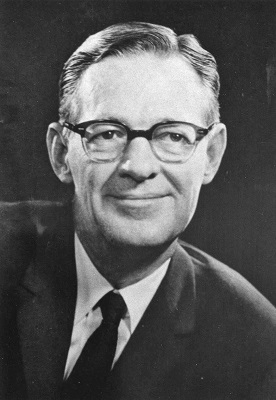
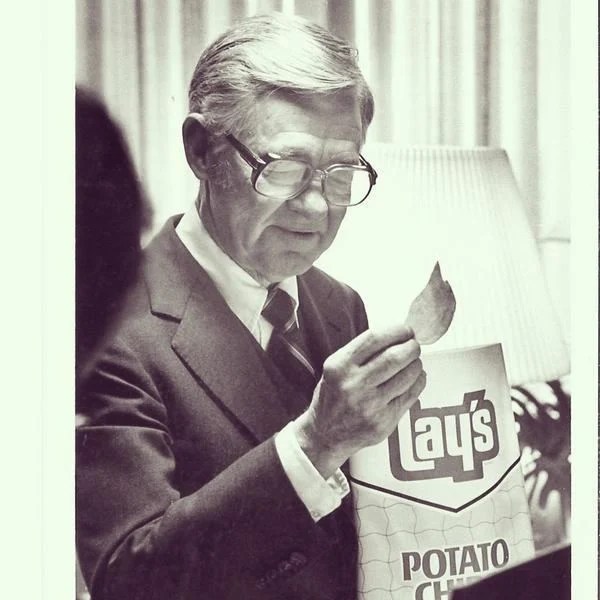
Herman Lay
Herman Lay, a salesperson in Nashville, Tennessee, was the first to sell Lay’s on behalf of Barrett Food Products Company in 1932. (U.S.). During the Great Depression, he was a traveling salesman, selling his chips from the back of his automobile on the roadway. “He believed in giving the most affordable prices and the highest quality products at an arm’s reach of every consumer,”
After six years, when Barrett fell on hard times, Herman bought the firm and renamed it H. W. Lay & Company. H.W. Lay & Company was the company’s original name until 1944 when Herman chose to condense it to the ICONIC Lay’s Potato Chips.
Lay’s Tennessee Valley Popcorn, not potato chips, was the company’s initial product, released in 1938. H.W. Lay & Company didn’t begin making Lay’s chips until 1944. People rapidly grew enamored with the chips. Lay’s had grossed $16 million in revenue by 1957, making it the largest potato chip and snack food manufacturer in the United States.
It became the first snack food brand to advertise on television, with an animated mascot dubbed Oscar-The Happy Potato.
Around the same time, C.E. Doolin was purchasing the recipe for yet another American staple: Frito corn chips. Doolin began preparing them in his mother’s kitchen. In 1961, the two of them partnered up to form Frito-Lay.
In 1962, Lay’s potato chips first crossed the border into Canada. By 1997, Lay’s potato chips had established itself as a popular choice among Canadians, and they remain the country’s favorite potato chip brand to this day. In 1965, PepsiCo acquired the Lay’s brand. Frito Lays, a PepsiCo subsidiary, manufacture Lays.
Fritos, Doritos, Ruffles, Cheetos, Rold Gold pretzels, Munchos, Funyuns, and Sun Chips are all Frito-Lay products. Lay’s, formerly known as Hostess in Canada until 1996, is also known as Walkers in the United Kingdom and Ireland, Smith’s in Australia, Chipsy in Egypt, Poca in Vietnam, Tapuchips in Israel, Margarita in Colombia, Katkoot in Kuwait, and Sabritas in Mexico. Lay’s flavors vary by region: North America, Europe, Australia, Asia, and Africa.
LAY’S DEBUT IN INDIA
Lay’s debuted in India in 1995 and quickly rose to become one of the Before Lays, Uncle Chips dominated the Indian market. In barely five years, Lay’s positioned itself as the principal rival of ‘Uncle Chips’ and grew to become the largest chip manufacturer in India.
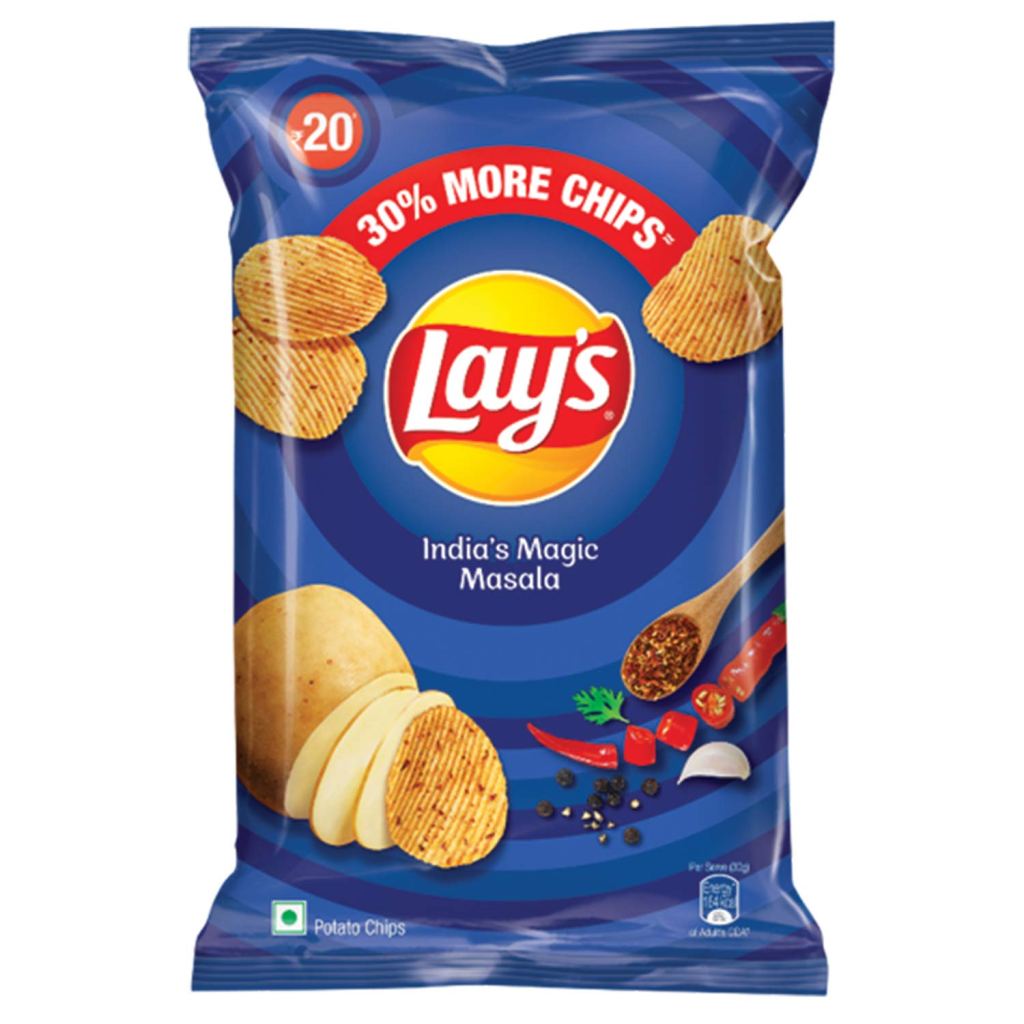
Economical chips packets ranging from Rs.5, Rs.10, Rs.20, and Rs.25 were launched to attract customers & According to a study, more than 72 % of residents felt the cost adequate. In 2016, Lay’s had a 50 percent market share in potato chips in India, according to Statista.
Lay’s are prepared with the finest potatoes, cooked in edible vegetable oils, and flavored with wonderful seasonings. Extensive quality control and production techniques are used. It has ISO 14000 HACCP (Hazard Analysis and Critical Control Point) certification, USA; TQCSI (Australia) accreditation from the American Institute of Baking (USA), and OHSAS 18001 (Occupational Health and Safety Assessment Series) certification, USA.
Lay’s chips come in over 200 different flavors. The chips come in a variety of flavors, like salt & vinegar and barbeque, as well as cappuccino, vegetable soup, and Beer ‘n Brats.
It introduced a variety of Indian and Western flavors, like Classic Salted, American Style Cream & Onion, Chat Chaska, Magic Masala, Tangy Tomato, and Astana Mango, to appeal to both urban and rural markets in India. To attract the health-conscious clientele Frito-Lay potato chips now have zero trans-fats and no added MSG.
Definition of maturity defers from person to person some thought someone who has physically reached adulthood or become old are mature, some says it is ability to listen and expressing your thoughts in best possible way but maturity is moreover than these statements.
Maturity is the ability to respond to problem, environmental issues, being aware of right time, quick and sound decision making. Maturity is define as how persons controls their emotions and know how to react to challenges. Maturity emphasizes a clear comprehension of life’s purpose, directedness.
Maturity doesn’t comes with age nor with puberty. Maturity comes when you realizes your financial problems, health issue, care about studies etc. It comes when you realizes that only you can fix your life problems and make life more valuable. When you know that you’ve responsibility and work hard to carry on.
As we all know, motivation is the key to success and that’s why we need to stay motivated to succeed in life. Often, people confuse motivation with productivity but motivation has nothing to do with it. Being motivated means doing your work without considering it as a headache and not for just the sake of accomplishing the goal. And to stay motivated, you need to find a reason to love your life and to love what you do. Achieving purpose should not always be considered as a priority rather finding happiness in your life should be the goal. Because if you’re not happy in your life, not even a single thing will satisfy you and you will end up being frustrated and feel the pressure of your work or day to day life that is detrimental to health. So for that matter, we need to seek prosperity and it will just come up with the idea of being passionate about what you’re doing.
That is why it is necessary to take leisure in between so that you can do things for yourself. Even if you’re not doing something that suits your personality that is completely fine, you just need to take a gap in between so that you can fill that time with the things you love to do. Like for instance, if you’re someone who works in the IT sector, but your inclination is more towards nature or gardening then try to take a break from your work and can do gardening side by side, can water your plants or can go through some research article about anything that makes you happy.
Set your priorities and goal that is the foremost thing that will help you in the long run. When most people create goals, they write them down, stow them away, and promptly forget about them. They let the urgency of day-to-day operations distract them from dynamic growth and, before they know it, six motivation-less months have passed.
Your long-term goals should be so visible they’re consistently on the top of your mind. If they’re not, they won’t be completed; it’s as simple as that.
There are thousands of reasons to stay happy, and they ultimately enhance your motivation level. All we need to do is just introspect so that we can know ourselves better and find that purpose in life.
Hey Everyone, I am sharing some inspirational quotes that I wrote to inspire you all. Below are some of the quotes written by me. Please do like if you are inspired by them…
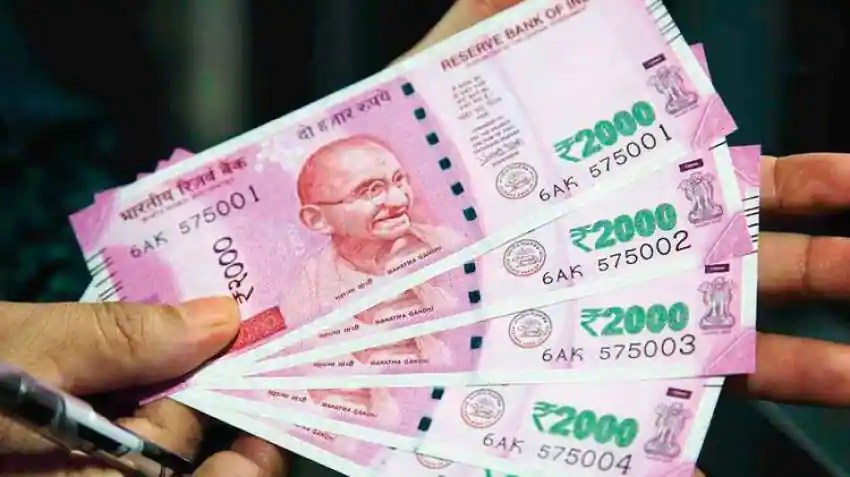
Money is not life but it's an important part of life, to survive, to give yourself good facilities, and to live in a good condition with two meals a day. Money may not be a power, also it's not like one cannot live without money, but without it one has to struggle to survive, and has to face scarcity in his life.
As per the slave theory of Aristotle, society cannot be of people with equal living standards. Hence, the entire society especially in the context of Indian society is divided into 3 social classes: Rich people, middle class people and poor people.
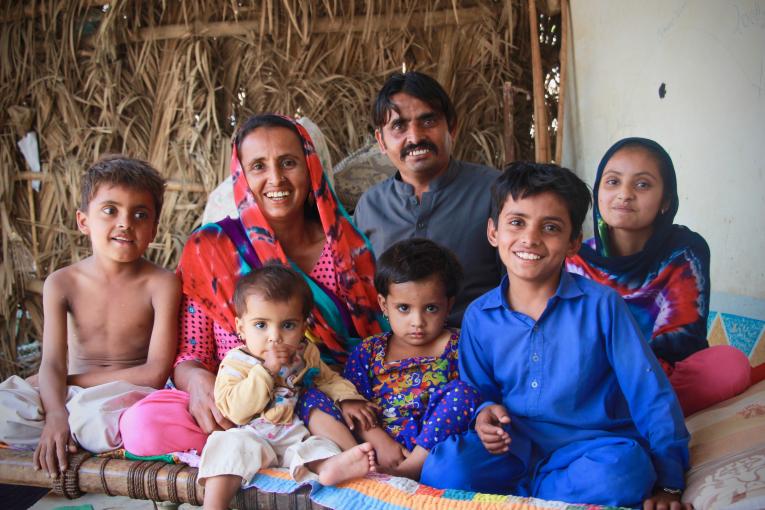
What does this division depict about the people of each class? On what basis these classes are formed? It's on the basis of money, people who are rich, have large amounts of money, they had a good living. Middle class people are the one who are neither rich nor poor, they can make money to live a normal life and can fulfill essential necessities of eating and education easily. Poor class people have to struggle even for the meals, they don't have shelters over their head, they cannot afford education for their children.
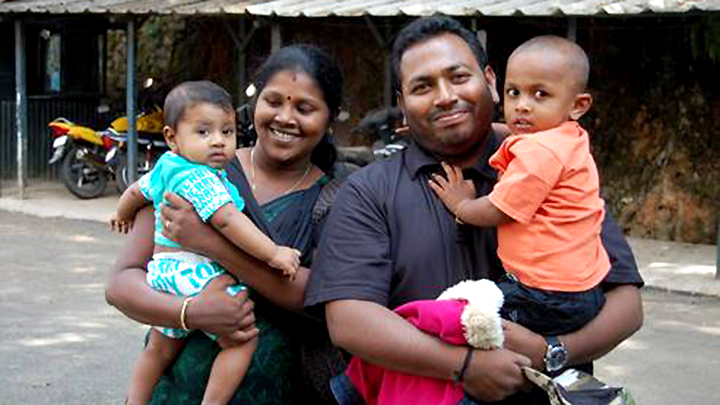
It's said that home is the first school of a child, he learns whatever he sees or feels in his home environment, whatever his parents teach him, he accepts it as their reality.
A child of a rich class knows that he has money and can make more money in the future, as he is given good education by his parents, he has money in his hand so maybe he knows how to manage it.
A person of poor class will teach his child about money what? Few among them can barely afford money to give education, he could just say "study and work hard". He himself never had so much money, what will he teach about Money Management to his children.
In this democratic India where everybody has an equal right to get education, hardly there would be any school who discriminate children on the basis of financial status. The concept of money is taught to children in the home itself, here's where he sees that whether I am poor or I am rich.
A child of rich parents knows nothing that whatever facilities he is given is because they have enough money and other classes exist in this world who cannot afford it. A child of poor class doesn't know that he is lacking somewhere, he doesn't know that there are people who have all the facilities that he doesn't have. All these things he learns from his parents and the type of environment he understands as he grows up.
Sometimes even if a child of poor family studies hard and passes with the high grade, the financial conditions and mentality will be same, that he is poor, he can for sure eat well and live well, but he never tries to change himself, to explore himself, except few, all those who have came out of poverty, tries to earn more and more money, firstly for themselves and then for their children.
The above mentioned things sometimes go wrong because there are many cases, when a person has a good family background, he is born with Silver spoon in his mouth, but a time comes when he is grown up or after several years he is left with nothing and has to face poverty.
Whereas sometimes a child from a poor section comes up with great talent, determination and struggle and he doesn't face any scarcity of money which he faced earlier.
So, why these drastic changes occur in the life of people? It is because of the management of money. The amount of money a person handles to fulfill his most important needs, makes life easy and smooth. Money management is a talent, which not everyone has.
Money management is, how you tackle all your financial aspects, from making a budget and where every penny is being spent, along with saving money for the future. If a person lacks in money management even the crores or any amount of money proves to be less to him because desires are never ending.
Under money management one has to learn to say 'NO' to any unnecessary purchasing and 'YES' to the thing which is far more important for the individual. Differentiation between what is unnecessary and what is necessary is also a work of wise human. When one has desire in mind for anything, he cannot resist himself from buying or doing unnecessary spending.
Money management starts with what assets you are having in your hand, assets like bank balance and property, one has to subtract it from all your debts or liabilities or from the money you have to spend on your essentials. The net amount which is left decides whether you have proper money management or not? If the amount of liabilities is more than assets, it puts your financial conditions in dilemma.
For proper money management the first and foremost step one should take is setting goal, this helps you to give clarity about which expenses are necessary, and which one can be cut down. Let's say if a car is your necessity or goal, in order to buy it you have to cut out the expenses of movies, dinners, hiring taxis, buying expensive clothes etc.
No matter, if sometimes your budget goes up, you should not change your budget and the expenses on different items, this will help you to keep more money as savings and will limit your expenses. Budget should be changed or should be made of higher expenses if you have increment, or consistently the amount of your money is increasing after sufficient savings.
People get easily influenced by the magic of market, when one goes to supermarket he/she buys many things which may not be necessary. The marketers and business man plays with the psychology of buyers, they keep goods on offer, give the scheme of buy 1 get 1 free and use many other marketing tricks and there people get stuck in the web of market's beauty.
When a person lives a student life he gets pocket money from the parents and that becomes the first step of money management, from there a child builds up the quality of money management, and that's the reason parents should leave their children in the world with small amount of money, doesn't matter if he belongs to a rich family.
Money is something which cannot buy happiness or can give happiness. It's just for fulfilling basic necessities and some hobbies, but yes money makes life easy and comfortable. It can give you a good living and it can motivate you to move ahead. Money is just the necessary evil.
While we are suffering a great pandemic, with a hope of getting the news of this pandemic to get over, just like that it is a phase of suffocating people to death, but there was a time when people died where not for any but been dancing.
The dancing epidemic occurred in Alsace from July 1518 to September 1518. It started suddenly when a woman began the dance in a street in Strasbourg, around 50 to 400 people took to dance for days. It last long until it took the attention of Strasbourg magistrate and bishop, they appointed doctors for the cure.
It is considered to be controversial, as some sources claim that the plague killed around 15 people per day or some didn’t mention the number of deaths. Mainly claimed their theory of this epidemic, food poisoning, the dancing been brought due to food poisoning caused by toxic chemicals of ergot fungi which generally grow s on grains, used to make bread. Or it may be because of Stress-induced mass hysteria, what does that term depict the involvement of individuals suddenly exhibiting the same behavior.
The time the women had made their first Olympic apperance was at the 1980 games in Moscow. The second Olympic appearance was at the 2016 Olympics in Rio de Janeiro.
The Indian Women’s hockey team had created history after they had entered the semi-finals of the big tournament. While they lost against Argentina, they will now play for the bronze in their maiden Olympic podium clash at Oi Hockey Stadium against Great Britain tomorrow (6th August,2021) at 7 AM.
































You must be logged in to post a comment.