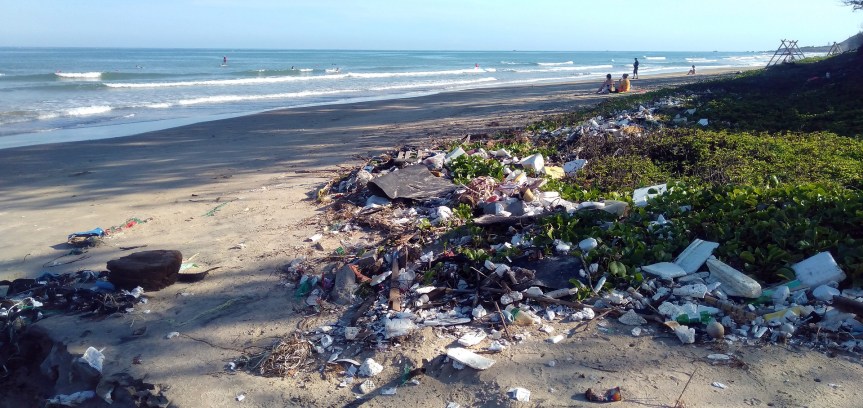
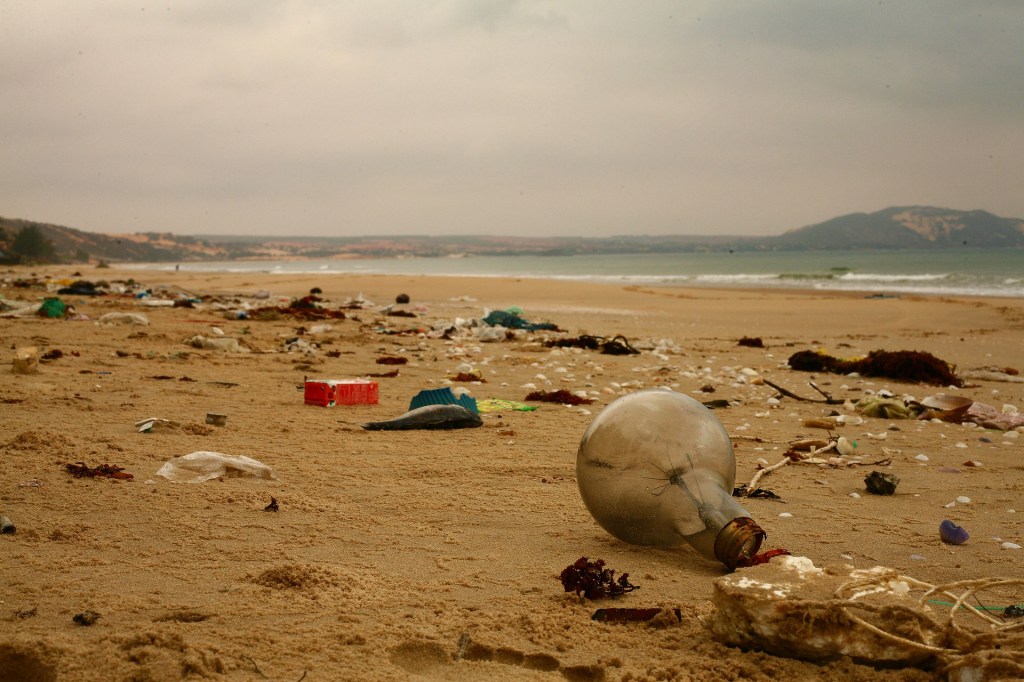
Pollution from plastics have always ranked in the top for being a global problem. Now microplastic pollution is joining the club. Microplastics, as the name suggests are the minute particles of plastic. The size of a particle is less than 5mm. They occur from the larger plastics which degrades into small pieces as expected, they are also added as exfoliants to beauty and health products. Microbeads which are intentionally designed to be small can be added to this list of sources. Microplastic fragments are also found in single use plastic bottles and everyday usage plastic products like containers also one of the sources. As the macroplastic waste is omnipresent but prominent in marine bodies, microplastic also is a major pollutant of the oceans and large lakes. They get accumulated in soil as well.
Microplastics is a quite new to the pollutants list. But they are a serious threat as they can not be removed by water filtration systems. Aquatic life and birds will feed this microplastics mistaking them as food. There is no complete information available about the pollution because of less research in the area. But slowly the research is increasing in the field.
hazards of microplastics
Microplastics are made of polypropylene, polystyrene and polyethylene. UV light fragments large plastic litter into micro and nanoparticles of plastic. As mentioned above, the capacity of the to microplastics escape the filtration process poses a serious threat. We all know plastic can not be digested. If these microparticles enter the body they may get accumulated. Because of their small size they might posses the capacity to pass through cells and tissues. Their segregation in aquatic animals will be a threat indirectly to humans because we feed on them. It is estimated that humans consume 11,000 microplastic particles per annum.
If these microplastics enter cells, they may cause irritation as they are foreign bodies. They are chemically toxic to the body as well. But it is the biggest threat to marine animals. They affect the reproducing capacity of the marine animals. The number of larvae were less and size of the offspring was small. They got physical inabilities, problems in swimming. They block gastrointestinal tracts of the animals.
some solutions to reduce microplastic pollution
The main solution is the 3R, reuse reduce and recycle. Any pollution related to plastic can be reduced if we reduce the usage of the plastic. Mainly the single usage plastics should be reduced. Products containing microbeads should be avoided. people should be aware about the problems and should support bans on plastic. Conducting beach cleanups will reduce the amount of plastic that reaches the ocean. Ocean cleanup projects will also do maximum help. Finding the major sources of the problem and starting to solve the problem at its origin. People should try to have zero waste life, at least mini waste life so that there will be less contributions towards pollution. Taking the help of technologies to check the pollution and developing perfect filter systems which will filter off 100% microplastics.
Looking Glass, a producer of holographic displays, has announced the development of two variants of their second-generation holographic display. Looking Glass has a video on its website demonstrating the capabilities that consumers may anticipate from the two new devices, the 4K Gen2 and the 8K Gen2, which are both powered by the company’s unique light-field technology.
The term “Through the Looking-Glass, and What Alice Found There” is derived from another word for a mirror, which was made popular by Lewis Carroll’s “Through the Looking-Glass, and What Alice Found There.” In reality, they resemble the shoebox dioramas made by elementary school children, albeit the images in the box are computer-generated in this case.
Looking Glass Portrait, the company’s first-generation holographic display, will be updated with the new goods. These were available for as cheap as $249 through a Kickstarter campaign. The second-generation gadgets are significantly more expensive, costing $3,000 for the 4K model and $17,500 for the 8K model.
The second-generation versions are a size and quality increase rather than a technological upgrade. The Portrait’s display is 7.9 inches, while the 4K version is 15.6 inches, and the 8K version is 32 inches. The two new models are both smaller and lighter, with ways for reducing ambient reflections.
All three of the company’s gadgets can transform and display images taken with a smartphone (through the Looking Glass app) into 3D pictures or movies that appear to be taken by a moving camera. The gadget may also be used to make and display 3D items; in the introduction video, they are seen designing and displaying a new shoe. In an animation, the screens may also be utilized to build and show 3D characters. All three devices run the HoloPlay Studio software from Looking Glass.
The devices operate with 3D applications such as Unity, Unreal Engine, and Blender, allowing users to generate a wide range of content. Users can also share their material with other Looking Glass users. The Looking Glass website now sells both of the new second-generation gadgets directly.
The firm sees the Portrait as a type of ambassador for its technology, especially given how difficult it was to get the systems in front of potential consumers last year. I’ve seen a few of Looking Glass’ earlier systems in person, and I can tell you that the impact isn’t quite the same over Zoom. As it strives to meet demand and overcome global supply chain difficulties, Looking Glass claims to have sold 11,000 devices and is delivering “thousands” each month.
“I think of it as their first chance to acquire their holographic display without having to gain consent from their boss,” says CEO Shawn Frayne. “Someone is interested in it, so they order it, and it meets or surpasses their expectations, and they proceed from there. The Portrait has a very high-quality level, and the larger pieces are a larger format variation of that quality.”
The new models will succeed their predecessors, which were essentially development units rather than mass-market goods (though the company will continue to offer support). In addition to being less expensive, the second-generation devices are lighter and have better visual quality than their predecessors, especially at the edges, where holographic displays often have problems.
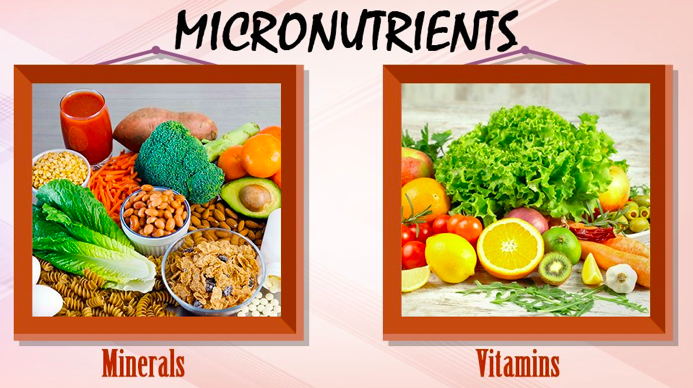
‘Micro’ means small, as their name specifies micronutrients are substances which individuals need in their eating routine in just limited quantities. These incorporate minerals and nutrients. Although most nourishments are combinations of nutrients, huge numbers of them contain a great deal of one nutrient and a little bit of different supplements. Nourishments are regularly gathered by the supplement that they contain in abundance.
Vitamins
Aside from Vitamin D, vitamins are fundamental nutrients, important in the eating regimen for good wellbeing. Vitamin D can be combined in the skin within the sight of UVB radiation. Many animal species can synthesize vitamin C, but humans cannot. Certain vitamin like mixes that are suggested in the eating routine, for example, carnitine, are thought helpful for endurance and wellbeing, yet these are not “basic” dietary supplements on the grounds that the human body has some ability to deliver them from different mixes. Also, a huge number of various phytochemicals have as of late been found in food (especially in new vegetables), which may have attractive properties including cell reinforcement movement. Test showing has been interesting yet uncertain. Other fundamental supplements not classed as nutrients incorporate basic amino acids, basic unsaturated fats, and the minerals talked about in the first area. Nutrient inadequacies may bring about illness conditions: goiter, scurvy, osteoporosis, impeded resistant framework, problems of cell digestion, certain types of disease, manifestations of untimely maturing, and poor mental wellbeing (counting dietary issues), among numerous others. Abundance levels of certain nutrients are likewise hazardous to wellbeing. The vitamins are conveniently divided into two major groups, those that are fat soluble and those that are water soluble. Fat-soluble vitamins are A, D, E, and K. Their absorption by the body depends on the normal absorption of fat from the diet. Water-soluble vitamins include vitamin C and the several members of the vitamin B complex.
Some fruits rich in vitamins.
Minerals
Dietary minerals are inorganic substance components needed by living animals, other than the four components carbon, hydrogen, nitrogen, and oxygen that are available in essentially all the natural atoms. Some have parts as cofactors, while others are electrolytes. The expression “mineral” is age-old, since the aim is to depict essentially the more uncommon components in the eating regimen. Some are heavier than the four just referenced – including a few metals, which regularly happen as particles in the body. A few dietitians suggest that these be provided from nourishments where they happen normally, or if nothing else as mind boggling mixes, or in some cases even from common inorganic sources, (for example, calcium carbonate from ground clam shells). Some are ingested significantly more promptly in the ionic structures found in such sources. Then again, minerals are frequently falsely added to the eating regimen as enhancements; the most notable is likely iodine in iodized salt which forestalls goiter.
If we destroy the earth, we destroy the chance of life.
Earth is our mother as we born here,we grow here,we eat ,play and our whole life cycle take place on earth. Earth provide everything that we use today whether it is directly or indirectly.
Life existed on earth is as it is suitable for having an atmosphere, suitable temperature and water is present in its liquid form on Earth due to the position of Earth on solar system.
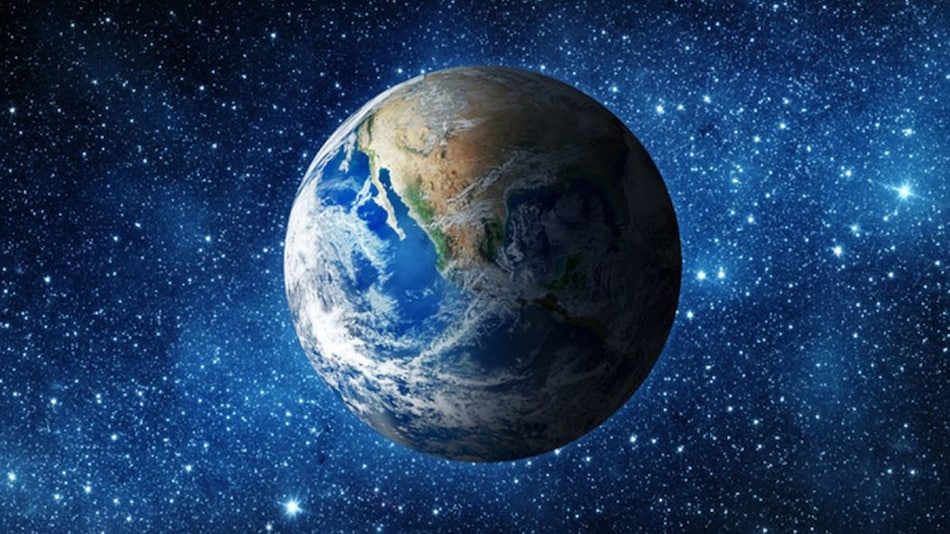
Earth is the third planet from the Sun at a distance of about 93 million miles (150 million km).
We called Mother earth because Earth provide everything to us like a mother. Our existence become possible only due to earth. Everything that we needed to survive and thrive is only due to our mother earth it provide us food, shelter, home , water, air, medicine , suitable temperature and everything that we need for our existence. But we affect our mother Earth in various ways only for the sake of our greed.
Due to our greedy behaviour natural environment of Earth get changes.
Earth provides enough to satisfy Every man’s needs but not Every man’s greed
– Mahatma Gandhi
Earth day is celebrated on 22 April.
Thus ,there is a need to save our mother Earth.
The optimal temperature of earth rises ,the glaciers are melting and every type of pollution like air pollution water pollution ,soil pollution ,noise pollution every thing are going on its peak and that’s why why every living organism get affected by this.
Due to this anthropogenic action every single living organism get affected even when they don’t take part in this destructive action.
Anthropogenic action is referred to as the action which is done by humans.
Impact of anthropogenic activities on earth First of all the major impact is due to overpopulation – ● Due to overpopulation the overconsumption of resources are at its peak . Even after the implementation of various sustainable act but it doesn’t make any major changes on environment. ● To fulfill the requirements of population we need more food supplies that’s why there is increase in uses of fertilizers and various chemicals to increase the food production. ■ And it will leads to lack of nutrients in grains ,soil infertility or or it may leads to desertification. ● To fulfill the requirements of people there is need to increase the land area so it has been observed that it leads to deforestation. ● Anthropogenic activities are responsible for an intensive emission of greenhouse gases to the atmosphere, leads to an increase of 35% of carbon dioxide (CO2, greenhouse gases) emissions between 1990 and 2010. ● Emission of large amount of carbon dioxide and other greenhouse gases leads to rise in temperature of Earth, increase pollution and it causes various type of disease also. ● For affordable price and easy to use the production of plastic also increases.
These all are the the main factors that affect the ecosystems too.
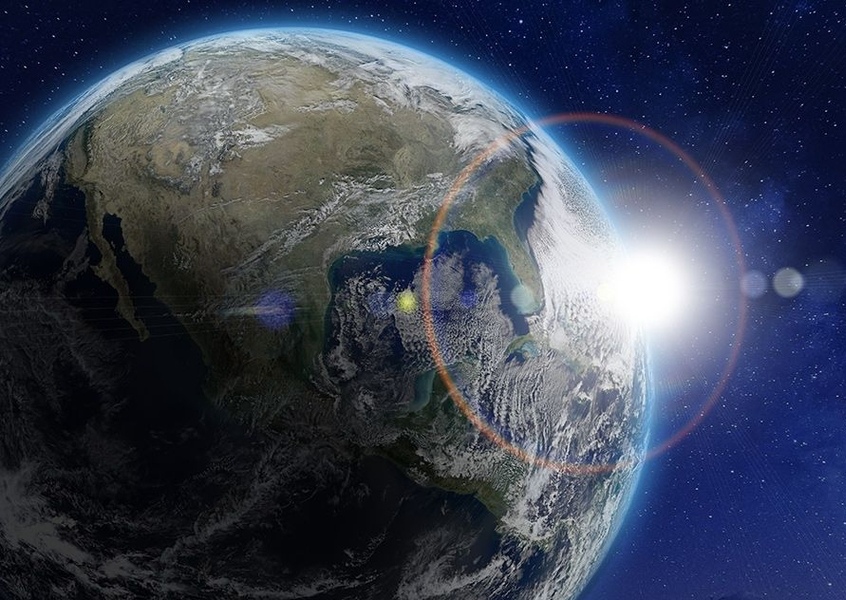
Earth from space
Measures taken to save mother earth:-
Reduce, reuse and recycle
Choose sustainable development
Volunteer for clean up our environment
Choose long lasting light bulbs
Try to use renewable resource more than non-renewable resources
Save water
Plant more trees
Use public transport system
Try to avoid plastic use
Try to minimise pollution at individual level
Use reusable shopping bags
Educate others about anthropogenic activities or the impact of anthropogenic actions on our environment and what can we do to prevent its bad effects
Nuclear power is the use of nuclear reactions to produce electricity. Nuclear power can be obtained from nuclear fission, nuclear decay and nuclear fusion reactions. Presently, the vast majority of electricity from nuclear power is produced by nuclear fission of uranium and plutonium in nuclear power plants. Nuclear power is a clean and efficient way of boiling water to make steam, which turns turbines to produce electricity. Nuclear power plants use low-enriched uranium fuel to produce electricity through a process called fission—the splitting of uranium atoms in a nuclear reactor.
Nuclear power has one of the lowest levels of fatalities per unit of energy generated compared to other energy sources. Coal, petroleum, natural gas and hydroelectricity each have caused more fatalities per unit of energy due to air pollution and accidents. Since its commercialization in the 1970s, nuclear power has prevented about 1.84 million air pollution-related deaths and the emission of about 64 billion tonnes of carbon dioxide equivalent that would have otherwise resulted from the burning of fossil fuels. Accidents in nuclear power plants include the Chernobyl disaster in the Soviet Union in 1986, the Fukushima Daiichi nuclear disaster in Japan in 2011, and the more contained Three Mile Island accident in the United States in 1979.
Origins
The discovery of nuclear fission occurred in 1938 following over four decades of work on the science of radioactivity and the elaboration of new nuclear physics that described the components of atoms. Soon after the discovery of the fission process, it was realized that a fissioning nucleus can induce further nucleus fissions, thus inducing a self-sustaining chain reaction. Once this was experimentally confirmed in 1939, scientists in many countries petitioned their governments for support of nuclear fission research, just on the cusp of World War II, for the development of a nuclear weapon.
First power generation
The first organization to develop practical nuclear power was the U.S. Navy, with the S1W reactor for the purpose of propelling submarines and aircraft carriers. The first nuclear-powered submarine, USS Nautilus, was put to sea in January 1954. The S1W reactor was a Pressurized Water Reactor. This design was chosen because it was simpler, more compact, and easier to operate compared to alternative designs, thus more suitable to be used in submarines. This decision would result in the PWR being the reactor of choice also for power generation, thus having a lasting impact on the civilian electricity market in the years to come.
On June 27, 1954, the Obninsk Nuclear Power Plant in the USSR became the world’s first nuclear power plant to generate electricity for a power grid, producing around 5 megawatts of electric power. The world’s first commercial nuclear power station, Calder Hall at Windscale, England was connected to the national power grid on 27 August 1956. In common with a number of other generation I reactors, the plant had the dual purpose of producing electricity and plutonium-239, the latter for the nascent nuclear weapons program in Britain.
Nuclear waste
The normal operation of nuclear power plants and facilities produce radioactive waste, or nuclear waste. This type of waste is also produced during plant decommissioning. There are two broad categories of nuclear waste: low-level waste and high-level waste. The first has low radioactivity and includes contaminated items such as clothing, which poses limited threat. High-level waste is mainly the spent fuel from nuclear reactors, which is very radioactive and must be cooled and then safely disposed of or reprocessed.
Waste disposal
Disposal of nuclear waste is often considered the most politically divisive aspect in the lifecycle of a nuclear power facility. With the lack of movement of nuclear waste in the 2 billion year old natural nuclear fission reactors in Oklo, Gabon being cited as “a source of essential information today”. Experts suggest that centralized underground repositories which are well-managed, guarded, and monitored, would be a vast improvement There is an “international consensus on the advisability of storing nuclear waste in deep geological repositories”. With the advent of new technologies, other methods including horizontal drillhole disposal into geologically inactive areas have been proposed.
Safety
Nuclear power plants have three unique characteristics that affect their safety, as compared to other power plants. Firstly, intensely radioactive materials are present in a nuclear reactor. Their release to the environment could be hazardous. Secondly, the fission products, which make up most of the intensely radioactive substances in the reactor, continue to generate a significant amount of decay heat even after the fission chain reaction has stopped. If the heat cannot be removed from the reactor, the fuel rods may overheat and release radioactive materials. Thirdly, a criticality accident (a rapid increase of the reactor power) is possible in certain reactor designs if the chain reaction cannot be controlled. These three characteristics have to be taken into account when designing nuclear reactors.
With a death rate of 0.07 per TWh, nuclear power is the safest energy source per unit of energy generated. Energy produced by coal, petroleum, natural gas and hydropower has caused more deaths per unit of energy generated due to air pollution and energy accidents. This is found when comparing the immediate deaths from other energy sources to both the immediate and the latent, or predicted, indirect cancer deaths from nuclear energy accidents. When the direct and indirect fatalities (including fatalities resulting from the mining and air pollution) from nuclear power and fossil fuels are compared, the use of nuclear power has been calculated to have prevented about 1.8 million deaths between 1971 and 2009, by reducing the proportion of energy that would otherwise have been generated by fossil fuels. Following the 2011 Fukushima nuclear disaster, it has been estimated that if Japan had never adopted nuclear power, accidents and pollution from coal or gas plants would have caused more lost years of life.
Serious impacts of nuclear accidents are often not directly attributable to radiation exposure, but rather social and psychological effects. Evacuation and long-term displacement of affected populations created problems for many people, especially the elderly and hospital patients. Forced evacuation from a nuclear accident may lead to social isolation, anxiety, depression, psychosomatic medical problems, reckless behavior, and suicide. A comprehensive 2005 study on the aftermath of the Chernobyl disaster concluded that the mental health impact is the largest public health problem caused by the accident.Frank N. von Hippel, an American scientist, commented that a disproportionate fear of ionizing radiation (radiophobia) could have long-term psychological effects on the population of contaminated areas following the Fukushima disaster. In January 2015, the number of Fukushima evacuees was around 119,000, compared with a peak of around 164,000 in June 2012.
‘Macro’ signifies enormous or large, as their name proposes these are nutrients which individuals need to eat routinely and in a genuinely huge sum. They incorporate starches, fats, proteins, fiber and water. These substances are required for the flexibly of energy and development, for digestion and other body functions. Metabolism implies the cycle associated with the age of energy and all the ‘building squares’ needed to keep up the body and its capacities. Macronutrients give a great deal of calories however the measure of calories gave fluctuates, contingent upon the food source.
Every gram of starch or protein gives four calories, while fat gives nine calories to every gram.
Carbohydrates
Carbohydrates might be delegated monosaccharides, disaccharides or polysaccharides relying upon the quantity of monomer (sugar) units they contain. They are an assorted gathering of substances, with a scope of synthetic, physical and physiological properties. They make up a huge piece of nourishments, for example, rice, noodles, bread, and other grain-based items, yet they are not a basic nutrient, which means a human doesn’t have to eat sugars. The brain is the biggest shopper of sugars in the human body, and uses especially a lot of glucose, representing 20% of all out body glucose utilization. The brain utilises generally glucose for energy; if glucose is inadequate not withstanding, it changes to utilising fats. Monosaccharides contain one sugar unit, disaccharides two, and polysaccharides at least three. Monosaccharides incorporate glucose, fructose and galactose. Disaccharides incorporate sucrose, lactose, and maltose; cleaned sucrose, for example, is utilised as table sugar. Polysaccharides, which incorporate starch and glycogen, are regularly alluded to as ‘intricate’ starches since they are ordinarily long different stretched chains of sugar units.
some food items rich in carbohydrates.
Proteins
Proteins are the basis of numerous creature body structures (for example muscles, skin, and hair) and structure the compounds that control synthetic responses all through the body. Every protein particle is made out of amino acids which contain nitrogen and once in a while sulfur (these segments are answerable for the particular smell of consuming protein, for example, the keratin in hair). The body requires amino acids to deliver new proteins (protein maintenance) and to supplant harmed proteins. Amino acids are dissolvable in the stomach related juices inside the small digestive tract, where they are consumed into the blood. When ingested, they can’t be put away in the body, so they are either utilized as required or discharged in the urine. Proteins comprise of amino acids in various extents. The main angle and characterising normal for protein from a healthful viewpoint is its amino acid synthesis. For all animals, some amino acids are basic (can’t deliver them inside so they should be eaten) and some are trivial (can create them from other nitrogen-containing mixes). Around twenty amino acids are found in the human body, and around ten of these are fundamental. The combination of some amino acids can be restricted under uncommon pathophysiological conditions, for example, rashness in the newborn child or people in serious catabolic pain, and those are called restrictively fundamental. An eating routine that contains satisfactory measures of amino acids (particularly those that are basic) is especially significant in certain circumstances: during early turn of events and development, pregnancy, lactation, or injury (a consume, for example). A total protein source contains all the basic amino acids; a fragmented protein source needs at least one of the fundamental amino acids. It is conceivable with protein mixes of two inadequate protein sources (e.g., rice and beans) to make a total protein source, and trademark blends are the premise of unmistakable social cooking conventions. In any case, integral wellsprings of protein don’t should be eaten at a similar supper to be utilized together by the body. Abundance amino acids from protein can be changed over into glucose and utilised for fuel through a cycle called gluconeogenesis.
some food items rich in proteins.
Fats and Oils
A particle of dietary fat ordinarily comprises of a few unsaturated fats (containing long chains of carbon and hydrogen atoms), clung to a glycerol. They are commonly found as fatty oils (three unsaturated fats appended to one glycerol spine). Fats might be delegated immersed or unsaturated relying upon the substance structure of the unsaturated fats included. Immersed fats have the entirety of the carbon atoms in their unsaturated fat chains attached to hydrogen particles, though unsaturated fats have a portion of these carbon molecules twofold reinforced, so their atoms have moderately less hydrogen molecules than a soaked unsaturated fat of a similar length. Unsaturated fats might be additionally delegated monounsaturated (one twofold security) or polyunsaturated (some twofold securities). Besides, contingent upon the area of the twofold security in the unsaturated fat chain, unsaturated fats are named omega-3 or omega-6 unsaturated fats. Trans fats are a sort of unsaturated fat with trans-isomer securities; these are uncommon in nature and in nourishments from normal sources; they are regularly made in a modern cycle called (halfway) hydrogenation. There are nine kilocalories in every gram of fat. Unsaturated fats, for example, formed linoleic corrosive, catalpic corrosive, eleostearic corrosive and punicic corrosive, notwithstanding giving energy, speak to strong insusceptible modulatory particles. Immersed fats (ordinarily from creature sources) have been a staple in numerous world societies for centuries. Unsaturated fats (e. g., vegetable oil) are viewed as more advantageous, while trans fats are to be kept away from. Immersed and some trans fats are regularly strong at room temperature, (for example, spread or fat), while unsaturated fats are normally fluids, (for example, olive oil or flaxseed oil). Trans fats are extremely uncommon in nature, and have been demonstrated to be exceptionally unfavorable to human wellbeing, yet have properties helpful in the food handling industry, for example, rancidity opposition.
some food items rich in healthy fats.
Water
Water is the significant constituent of the human body. The body can’t deliver enough water by digestion or acquire enough water by food ingestion to satisfy its requirements. As an outcome, we need to focus on what we drink for the duration of the day to guarantee that we are meeting our day by day water needs, as not doing so may have negative wellbeing impacts. Water is discharged from the body in numerous structures; including pee and defecation, perspiring, and by water fume in the breathed-out breath. In this manner, it is important to satisfactorily rehydrate to supplant lost liquids. Early proposals for the amount of water needed for upkeep of good wellbeing recommended that 6–8 glasses of water day by day is the base to keep up legitimate hydration. The idea that an individual ought to burn-through eight glasses of water for each day can’t be followed to a trustworthy logical source. Water is the primary constituent of cells, tissues and organs and is essential forever. Regardless of its entrenched significance, water is frequently failed to remember in dietary suggestions, and the significance of sufficient hydration isn’t referenced. As a result, wellbeing experts and nutritionists are here and there confounded and question the need of drinking water consistently, what amount should we drink, and how to know if patients are very much hydrated.
FibRE
Dietary fiber is a carbohydrate, explicitly a polysaccharide, which is not completely assimilated in people and in certain animals. Like all sugars, when it is processed, it can create four Calories (kilocalories) of energy per gram, however much of the time, it represents not as much as that on account of its restricted retention and absorbability. Entire grains, beans, and different vegetables, organic products (particularly plums, prunes, and figs), and vegetables are acceptable wellsprings of dietary fiber. Fibre is imperative to stomach related wellbeing and is thought to diminish the danger of colon malignant growth. Fiber can help in mitigating both blockage and loose bowels by expanding the weight and size of stool and mellowing it. Fiber gives mass to the intestinal substance, and insoluble fiber particularly invigorates peristalsis – the cadenced strong constrictions of the digestive organs which move digesta along the stomach related lot. Some dissolvable strands produce an answer of high thickness; this is basically a gel, which eases back the development of food through the digestive organs. By easing back the retention of sugar, fiber may assist lower with blooding glucose levels, diminishing insulin spikes and lessening the danger of type 2 diabetes.
Anything that changes any natural process is considered to be bad. Supplements used to increase body metabolism by artificial processes are also not good for health, but not all.
What are supplements ?
Supplements include vitamins, minerals, enzymes, amino acids and herbs. They are marketed in many different forms like in tablets, capsules, pills or other forms.
It is a less known fact that there is no safety testing of the supplements by FDA. There is no such rule that the potential adverse effects be mentioned on the supplements.
Many people using supplements since decades, don’t even know about the harmful effects of supplements. They just use in the hope of maybe curing some allergies or minor diseases. But supplements are not always safe and beneficial.
Some multivitamins are not known to cause health risks but it’s better to be cautious. Many supplements contain some ingredients that may cause severe biological effects. They may complicate your health any lead to harmful effects.
Things to know before using supplements
Although some supplements come from natural sources, that doesn’t mean they are safe to use.
Some supplements may contain many contaminants like drugs or chemicals that make them of poor quality.
Do not at any cost combine any supplements.
It is also advised to not take supplements along with medicines.
Do not substitute supplements for the prescribed medicines.
Do not consume supplements in a large quantity.
Always speak with your healthcare provider before taking any supplements.
Nutrition is the science that deciphers the supplements and different substances in food corresponding to support, development, multiplication, wellbeing and infection of a living being. It incorporates ingestion, retention, absorption, biosynthesis, catabolism and discharge. The eating regimen of a living being is the thing that it eats, which is to a great extent controlled by the accessibility and acceptability of nourishments. For people, a solid eating routine incorporates readiness of food and capacity strategies that protect supplements from oxidation, warmth or draining, and that lessens danger of food-borne ailments.
In people, an undesirable eating regimen can cause deficiency related infections, for example, visual impairment, pallor, scurvy, preterm birth, stillbirth and cretinism, or supplement overabundance health compromising conditions, for example, weight and metabolic disorder; and such normal ongoing foundational illnesses as cardiovascular sickness, diabetes, and osteoporosis. Undernutrition can lead to wasting in acute cases, and the stunting of marasmus in chronic cases of malnutrition.
The seven significant classes of human supplements are sugars, fats, fiber, minerals, proteins, nutrients, and water. Supplements can be assembled as either macronutrients or micronutrients (required in little amounts).
Human nourishment manages the arrangement of basic supplements in food that are important to help human existence and great wellbeing. Helpless nourishment is a persistent issue regularly connected to neediness, food security or a less comprehension of sustenance and dietary practices and poor information about supplements needed by the body at different phases of life to forestall insufficiency of supplements in body which can effect-sly affect body. Lack of healthy nutrients and its results are huge supporters of passings, actual deaths and physical illness around the world. Great sustenance is really important for kids to develop physically and intellectually, and for typical human organic turn of events. The human body contains synthetic mixes, for example, water, starches, amino acids (found in proteins), unsaturated fats (found in lipids), and nucleic acids (DNA and RNA). These mixes are made out of components, for example, carbon, hydrogen, oxygen, nitrogen, and phosphorus. Any investigation done to decide healthful status must consider the condition of the body when tests, just as the compound piece of the entire eating regimen and of the multitude of materials discharged and eliminated from the body.
WHAT ARE NUTRIENTS?
A nutrient is a substance utilized by a creature to endure, develop, and recreate. The necessity for dietary supplement admission applies to creatures, plants, growths, fungi, and protists. Supplements can be joined into cells for metabolic purposes or discharged by cells to make non- cell structures, for example, hair, scales, plumes, or exoskeletons. A few supplements can be metabolically changed over to more modest atoms during the time spent delivering energy, for example, for starches, lipids, proteins, and aging items (ethanol or vinegar), prompting final results of water and carbon dioxide. All creatures require water. Fundamental supplements for creatures are the fuel sources, a portion of the amino acids that are joined to make proteins, a subset of unsaturated fats, nutrients and certain minerals. Plants require more assorted minerals retained through roots, in addition to carbon dioxide and oxygen assimilated through leaves. Parasites live on dead or living natural issue and address supplement issues from their host. Nutrients might be natural or inorganic: natural mixes incorporate most mixes containing carbon, while all different synthetic substances are inorganic. Inorganic supplements incorporate supplements, for example, iron, selenium, and zinc, while natural supplements incorporate, among numerous others, energy-giving mixes and nutrients.
“An apple a day, keeps the doctor away.” Everyone must have heard this. But is it true for guinea pigs ? Can guinea pigs eat apples ? Are apples safe for them ? Allow us to enlighten you on the fact that guinea pigs can in fact eat apples but with some restrictions. If you pet a guinea pig and are curious to know about their diet then you have come to the right place. Come on, let’s have a look.
Can Guinea Pigs Eat Apples ?
Yes, guinea pigs can eat apples. But listen guinea pig owners, this is for you. You certainly can give your pet apples. But first you just have to take care of the conditions which come with feeding apples to your guinea pig. Here we will tell you all about guinea pigs and apples. This is the perfect guide for your pet regarding apples.
Yes, apples are safe for guinea pigs but only in moderation. Apples contain a high sugar content which is not considered appropriate for guinea pigs. Here are some listed conditions to take care of before serving apples to guinea pigs.
Apples are safe for guinea pigs but the stem and the seeds of the apple can have a damaging effect on their health. The seeds contain enough cyanide to have an adverse effect on their health but not enough to kill them. The main reason to not feed apple seeds to guinea pigs is that they might choke on them.
Guinea pigs can have apples in a small quantity. Excessive feeding can lead to various problems like diarrhoea and other health issues.
Apple skin contains most of the nutrients which are good for guinea pigs. They can eat apples with their skin on and enjoy the crunchiness of the fruit. Apple skin or peel contains fibre which is good for their health. Unwashed for waxed skin may damage their health.
Guinea pigs do like apples, but ensure that you feed them as a treat and not include them in their daily diet.
In addition to the crunchy fruit you can also feed them apple leaves. Apples contain calcium which is good for guinea pigs.
Unripe, sore or rotten apples can also damage guinea pigs’ health.
Guinea pigs enjoy the hard fibrous core of the apples, but make sure they are seed free and not so sour to eat.
What happens if a guinea pig eats too much Apple ?
If your pet ate too much apple, it’s nothing to worry about. It may have a bit of diarrhoea, but it will be fine. Don’t worry about taking it to the vet because there will not be any long-term problems.
Consider feeding them small apple chunks. Since apples are high in sugar content you may want to restrict their diet of apples to once a day or maybe only 2-3 a week.
Too much of an apple to guinea pig may lead to bloating. You may also want to know that Vitamin C is the most important ingredient in a guinea pigs’ diet. And apples have a higher Vitamin C content than most fruits. Apples are considered to be safe and enjoyable for Guinea pigs but they are not the best diet for them.
Till now we have made sure that you know the answer to the main question, which is, “Can Guinea Pigs eat apples ?” Now coming on to the types of apples they can consume and how you should feed them.
Which Type of Apples can Guinea Pigs Eat ?
Apples are the most diverse fruit. It comes in many types, about 2500 different varieties. Let us have a look on which type of apples your furry pet would like to munch on.
Guinea pigs can eat both red and green apples. But as green apples are much more sour than the red ones, your pet may not like them.
Apples come in many varieties, textures and flavours, so you might want to know the preference of your pet before feeding them.
How Much Apple Should a Guinea Pig be Given ?
Guinea pigs can eat apples, but that doesn’t mean they can eat a whole one of them. You should not give your pet a whole apple to eat, maybe not even a half. Guinea pigs like to be served with small chunks of apples for them. Giving anything in excess to them is a health hazard. And as well as apples are not an essential part of a guinea pigs’ diet.
Guinea pigs can also be fed different snacks of apples like apple sticks, apple leaves and many more for your pet. So now, are you sure about your answer to the question, “can guinea pigs eat apples ?’
Most guinea pigs like eating this crunchy food but as we humans, these furry animals are also moody and some of them may not like apples. But it is certain that yes, guinea pigs can absolutely enjoy apples.
In the present time technology is the basis of human civilization . Moreover, if you are an engineering student then you should be aware of the current technologies .If you are an engineering student you also should learn some Technologies for future perspectives . Civil engineering students also have to learn some Technologies . Some of the must learn technologies are listed below .
Drawing in AutoCAD
AutoCAD ~~ It is a ‘Computer Aided Design’ or CAD and a drafting software which was first launched in December in the year of 1982 .Autodesk is the developer company of this software . AutoCAD is free of charge for students from all over the world . It is used by civil engineers, Architects , graphic designers, project planners and other professional professionals . It is used for making designs of any part which will be constructed . It is used in the sector of automobile ship construction, aeromodelling architecture etc.AutoCAD can be 2D (2 Dimension) Or 3D (3 Dimension) .
STAAD Pro
2. STAAD Pro ~~ This software was built by Research Engineers International in the year of 1997 and now it is under Bentley systems . It is an analytic software .This software is used for analysis and design works in the structural field . It is used for analysis of the Steel Timber concrete which are the important elements to build a construction .This software is supportive for almost 90 International design codes .
3DS Max
3. 3DS Max ~~ it is a ‘3D Computer Graphics Program’ software . It is also known as ‘3D Studio Max’ . It is software from Autodesk . It was first released by Autodesk in April of the year of 1996 . It is mostly used by developers for video games , architects for visualizing and interior studios for commercial purposes .
Drawing in Revit
4. Revit ~~ It first appeared on April 5th in the year of 2000 . It was invented by the Autodesk company .It is a ‘Building information Modelling’ type of software .It is used in the field of structural engineering, electrical engineering, mechanical engineering , architecture etc. It is used to design the structure of a building with details in 3D .
Microsoft Excel
Microsoft Excel ~~ It was first released in 1987 by the Microsoft company . It is a spreadsheet application . It has so many features like graphic tools , various tables ‘Visual Resic of Application’ programming language , and calculation .It is used for collecting data and arranging it in a systematic way and reserves it . It is used in every engineering sector and is a very important and useful application of Microsoft Windows operating system .
Microsoft Project
6. Microsoft Project ~~ It was first released in 1984 by Microsoft .It is a ‘Project Management’ type software . It works only in Windows .It is used for tracking the progress ,collecting datas ,and analyzing it in a better & systematic way . It is usually used by project Managers but As an engineering student it is beneficial to know this application .
These are not the only technologies a civil engineering student should learn . Apart from them there are some more like Primavera ,Maya ,ArcGIS ,Solid Works , IoT (Internet of Things) ,3D Printing ,BIM (Building Information Modelling) etc.
The different types of organisms found in an area is known as biodiversity or you can define it in a more accurately as ” the totality of genes, species, and ecosystems of a region”.
Biodiversity differ from place to place and dependence of human population has been enormously increased on biodiversity for their necessities.
The known and described number of species of all organisms on the earth is between 1.7 and 1.8 million which is fewer than 15 percent of the actual number. The predicted number of total species varies from 5 to 50 million averages at 14 million. About 61 per cent of the known species are insects. A large number of plant species and vertebrates are known. There are many more species that have not been described.
Biological diversity includes three hierarchical levels :
1. Genetic diversity
We know that each species, varying from bacteria to higher plants and animals, stores an immense amount of genetic information.
Genetic diversity refers to the variation of genes within species. The genetic diversity enables a population to adapt to its environment and to respond to natural selection. If a species has more genetic diversity, it can adapt better to the changed environmental conditions.
2. Species diversity
Species are distinct units of diversity, each play specific role in an ecosystem.
Species diversity refers to the variety of species within a region. Simplest measure of species diversity is species richness, I.e., the number of species per unit area. The no. Of species increases with the area of the site. Generally, greater the species richness, greater is the species diversity
3. Community and Ecosystem Diversity
Diversity at the level of. community and ecosystem has three perspectives. :-
◆ Alpha diversity ( within community diversity). Refers to the diversity of organism sharing the same habitat.
◆ Beta diversity ( between community diversity). Refers to species composition of community along environmental gradient.
◆ Gamma diversity (diversity of the habitats over the total landscape or geographical area) Greater the dissimilarity between communities, higher is the beta diversity
USES OF BIODIVERSITY
● source of food and Improved Varieties. ● Drugs and Medicines. ● Aesthetic and cultural Benefits. ● Ecosystem service
THREATS TO BIODIVERSITY
● Habitat loss and fragmentation. ● Disturbance and pollution. ● Introduction of exotic Species. ● Extinction of species.
CONVERSATION OF BIODIVERSITY
Conversation of biodiversity is now important for us. We know that ecosystem are undergoing change due to pollution, invasive species, over exploitation by humans, and climate change.
Most people are beginning to recognise that diversity at all levels – gene pool, species and biotic community is important and need conservation.
There are two basic strategies of biodiversity conservation, institute (on site) and exsitu ( off site).
° Insitu conservation strategies
The in situ strategies emphasis protection of total ecosystems. The in situ approach includes protection of a group of typical ecosystem through a network of protected areas.
Protected Areas
These are areas of land and sea, especially dedicated to the protection and maintenance of biological diversity. Examples are National parks and wildlife sanctuaries.
Biosphere Reserves
It is special category of protected areas of land and coastal environment where people are integral components of the system. There are 13 biospheres in india.
Sacred forests and sacred lakes
These are forest patches of varying dimensions protected by tribal community due to religious factors.
° Exsitu conversation strategies
Cryopreservation
In vitro conservation especially in liquid nitrogen at a temperature of -196℃. It is a storage of vegetatively propagated crops like potato.
Most people know that you can use Aloevera to soothe sunburns. However, this versatile plant has several other medicinal properties, making it one of nature’s best herbal remedies. Its vitamins, minerals, and phytonutrients make it ananti-inflammatory powerhouse. We can find Aloevera plant in everything from skin and hair care products to ointments, drinks.
There are 500 species of aloe vera, but Aloe barbadensis Miller, native to the Arabian peninsula, is the most widely available and most popular one. You can buy a small plant from farmers markets or small local growers, and let it grow, or buy a large plant and divide it as it gets even bigger.
Aloe vera needs a minimum of six hours of daily sunlight, so it’ll grow best in bright spots indoors (especially in the winter) or in a sheltered, sunny part of the garden. It can handle full sun, but it doesn’t need it. You can move the plant outside during summer, just make sure it receives the proper amount of light.
Aloe vera leaves are long and slightly curved with ragged edges. Inside, you’ll find a clear gel.
Use sharp, clean kitchen scissors or a knife, and cut a bottom leaf from the base of the plant. Place the cut aloe leaf into a small cup or glass, cut end down. You’ll notice a yellow sap seeping out—allow it to drain for 10 minutes before discarding it.
While not toxic in small quantities, this sap is bitter, has laxative properties, and can cause intestinal discomfort.
Once you get rid of the sap, it’s time to extract the aloe vera gel. Using a clean, sharp knife, trim the fleshy leaf’s top, bottom, and sides, then slice it horizontally, like filleting a fish. With a clean large spoon or a dull knife, gently scrape the mucilaginous gel into a container.
Aloe vera gel is known for its anti-inflammatory, skin protection, antibacterial, antiviral, antiseptic, and wound healing properties.
Science is a systematic way which involves observation and experimentation in order to get knowledge and improve skill; whereas, technology is the practical application of science which helps in improving the quality of life.
New inventions in the field of science and technology play great role in the daily lives of people and making their life style advance. In order to keep students up-do-date and check their general knowledge about new inventions, they are given this topic to write essay on science and technology. Here we have provided some simple science and technology essay to help students to do better in their essay writing competition.
Science and technology are important parts of our day to day life. We get up in the morning from the ringing of our alarm clocks and go to bed at night after switching our lights off. All these luxuries that we are able to afford are a resultant of science and technology. Most importantly, how we can do all this in a short time are because of the advancement of science and technology only. It is hard to imagine our life now without science and technology. Indeed our existence itself depends on it now. Every day new technologies are coming up which are making human life easier and more comfortable. Thus, we live in an era of science and technology.
Essentially, Science and Technology have introduced us to the establishment of modern civilization. This development contributes greatly to almost every aspect of our daily life. Hence, people get the chance to enjoy these results, which make our lives more relaxed and pleasurable.
Benefits of Science and TechnologyIf we think about it, there are numerous benefits of science and technology. They range from the little things to the big ones. For instance, the morning paper which we read that delivers us reliable information is a result of scientific progress. In addition, the electrical devices without which life is hard to imagine like a refrigerator, AC, microwave and more are a result of technological advancement.Furthermore, if we look at the transport scenario, we notice how science and technology play a major role here as well.
We can quickly reach the other part of the earth within hours, all thanks to advancing technology.In addition, science and technology have enabled man to look further than our planet. The discovery of new planets and the establishment of satellites in space is because of the very same science and technology.Similarly, science and technology have also made an impact on the medical and agricultural fields. The various cures being discovered for diseases have saved millions of lives through science. Moreover, technology has enhanced the production of different crops benefitting the farmers largely.
India and Science and TechnologyEver since British rule, India has been in talks all over the world. After gaining independence, it is science and technology which helped India advance through times. Now, it has become an essential source of creative and foundational scientific developments all over the world. In other words, all the incredible scientific and technological advancements of our country have enhanced the Indian economy.Subsequently, science and technology have assisted in advancing various fields including Mathematics, Astrophysics, Space technology, Nuclear energy and more. Some fine examples of these developments are the railway system, smartphones, the metro system, and many more.
If you work in local SEO, you know that dealing with spam on Google My Business is going to be a constant battle. This is especially true if you work in industries like:
Legal
Health
Home services
We need to understand why Google My Business spam is so rampant.
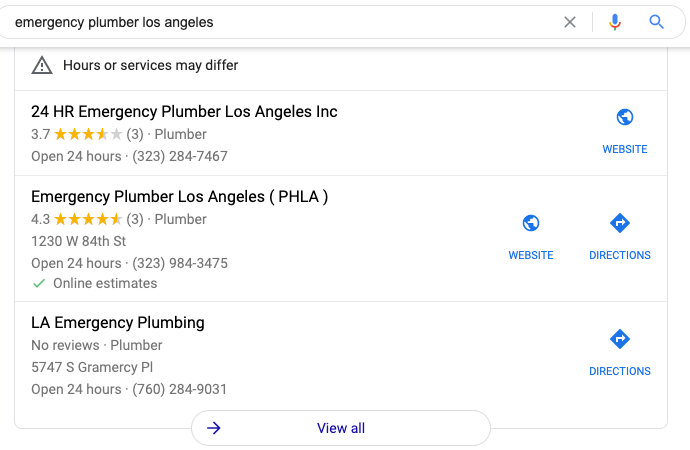
Unfortunately, having keywords in your business name is a massive ranking factor. As an example, I performed a search for “emergency plumber Los Angeles” and here are the top three Google My Business listings ranking in the map pack:
The first result (24 HR Emergency Plumber Los Angeles Inc) is a lead generation website, which is against Google My Business Guidelines. The second result appears to be a lead generation website, too. The third result? You guessed it, it’s another lead generation listing, they don’t even list a website!
These companies sell leads to real plumbers at a hefty price. Clicking through View all to see all listings, you don’t find a real plumber until the 10th result! Outside of completely fake listings that need to be removed, sometimes competitors will keyword stuff their Google My Business name.
Our Google My Business Spam Checklists
There are two checklists: one for identifying potential listings violating Google My Business guidelines and the other is a reporting checklist.
The first checklist doesn’t need to be done frequently, but it would be beneficial to do it at least once. If your rank tracking is set up correctly for Google Maps, you will likely just need to pay attention to your map rankings. If you drop a position on a major keyword, what listing is outranking you now? If it’s a new listing, head to checklist no.2.
Checklist No.1:
On google.com/maps, make sure you’re in the area you want to find spammers
Use the search operator intitle:”keyword” to surface listings with the keyword in the business title
Any listing that has the primary keyword is a Yellow flag
Any listing that is ONLY named the keyword is a Yellow flag
Any listing that has a modifier (-) is a Yellow flag
Any listing that has no website is a Yellow flag
On a Google Sheet, add the business name, address, phone number, website, and link to Google My Business listing for each Yellow flag listing
Repeat this process for each major keyword (topic) that you/your client covers
For good measure, perform a few raw searches in Maps as if you were a customer looking for the particular service, including the city name
This checklist enables you to find potential listings relatively quickly. These listings may be fake or could be completely legit. The second checklist will help us go through each listing, one-by-one, to build a case for the listing to be corrected or completely removed.
Checklist No.2:
Tip: (A “no” response on any checklist item will require documentation)
Use the state’s business name lookup. Is there a business registered at the address?
From the listing, click on photos and then go to Street View and 360º.
Is there signage for the business?
Is it a personal residence?
In a new tab, do a search of the exact address/is the listing the only one at that address?
Visit the website. Is the branding/logo the same as the business name?
Does the site have an about page with real people or company history?
Is the content heavily ‘SEO’d’ and generic?
Is the content focused on connecting users to someone else (lead gen)?
For industries that require a license, is one listed? If yes, is it a valid license?
This checklist should be used on each listing that has a Yellow flag.
Documenting Your Evidence
As you’re going through the checklist, you need to document all of your findings, this will be used when we submit the Business Redressal Form.
Open a Google Doc, name it appropriately, and let your documentation live there. Each listing should have it’s own Google Doc. The more detail you can provide in the document, the better. Some suggestions for added detail could include adding screenshots, external links with descriptions, etc.
Suggest an Edit or the Redressal Form?
If you are reporting a competitor that is just keyword stuffing their business name and the location is legitimate, you may want to consider simply suggesting an edit first.
Pro tip: Do not use an email address that is associated with Google My Business listings. This can cause your other listings to be suspended. (h/t to my friend, Jason Brown).
If and/or when your suggested edit does not stick, then submit the redressal form. If the listing is fake, go straight to the Business Redressal Form.
Filling Out the Redressal Form
Follow the Business Redressal Form instructions and fill out the sections. When you get to the last section that allows you to explain why you’re requesting a redress, this is where your Google Doc is going to come in handy.
In this field, you can’t add photos, but you are able to include a link to your Google Doc. When grabbing the Google Doc link, make sure it is viewable by anyone with the link. If it’s not, Google Support will not be able to see the contents. Don’t just drop the link and submit, provide some context, and then place the Google Doc link. Submit.
Repeat the process for each and every listing that you believe needs to be removed. Google recommends:
“If you have many URLs to report, we recommend submitting 10-100 at a time for a faster processing time. You can submit multiple URLs by clicking the ‘Add additional’ link or by uploading a spreadsheet with all the URLs.”
Now the hardest part begins, waiting.
In your original spreadsheet, add a date column and add the date that the redressal form was submitted. Timelines can vary depending on multiple factors but if nothing has happened after 10 weeks, then you’ll need to reassess the redressal and look for further evidence.
Having to deal with spam on Google My Business is frustrating and can be time-consuming, but if done correctly, can help protect users from spammers and help real small businesses. For more tips, check out SEMrush’s post about their Google My Business checklist.
Windows 11 is arriving to deliver you the best experience that Microsoft has designed this year. The new operating system is promised to start rolling out as a free upgrade to Windows 10 users later this year. But if you can’t wait and are looking for a way to download Windows 11 right away, you can certainly take a short route and download the Insider Preview build of the latest operating system on your system today. This will let you experience Windows 11 ahead of its public debut.
Microsoft has not given any exact timeline on when we will get Windows 11 as an upgrade on our Windows 10 machines. Nonetheless, the Redmond, Washington-based company is expected to roll it out by as early as October. This means that you would be able to get the new Windows version on your machine sometime later this year — or next year — depending on the rollout process.
How to download Windows 11 on your PC
Before beginning with the steps on how you can download Windows 11 Insider Preview on your PC, it is important to note that Insider Preview builds are specifically designed for testing purposes and are not meant to be installed on your primary PC. You would also experience some bugs and errors, and some of the features that Microsoft showcased last month are not a part of the Insider build. Still eager to get started?
You can follow the steps below.
Sign up for the Windows Insider Program by going to Settings > Update & Security > Windows Insider Program. And then, press Register and Sign Up. If you’re already a part of the Windows Insider community, you can sign in to your account and click Start flighting.
Review the Privacy Statement and terms appearing on your screen and click Submit.
Select Dev Channel from the Insider settings to download and install the current Windows 11 build meant for Windows Insider Preview and hit the Confirm button.
Your machine will now ask you to Read the Microsoft Insider Privacy Statement and Agreement. Once you have reviewed the statement and terms, click on Confirm.
Now, press Restart Now to restart your machine to get the Insider Preview build.
After restarting, make sure you are connected to an active Internet connection. You can then go to Settings > Update & Security > Windows Update and click the Check for updates button.
Your PC will start downloading the latest build from a Microsoft server.
Notably, Windows 11 has certain minimum hardware requirements that must be met to download the Insider Preview build. You can check out those requirements from the Microsoft website.


























 Eduindex
You must be logged in to post a comment.