Can working long hour affects our heart ?

“Working long hours is a major risk factor for heart-related ailments, almost equivalent to having diabetes and hypertension together,” said a doctor



In May 2021, the World Health Organization (WHO) found that long working hours have been increasing deaths from heart disease and stroke. In the pandemic, this has become a more pressing issue, as working from home has caused people to spend long hours in front of their computer screens. The report by WHO and ILO found that this work-related burden is particularly significant in men.  According to Dr Kumar Narayanan, consultant cardiac electrophysiologist at Medicover Hospitals Hyderabad, the link between mental stress and heart disease is well established. “Nowadays, not only are working hours excessively long, but stress at work has escalated exponentially. Work timings are also often unhealthy, extending into odd hours as people work across time zones in a globally-linked world. All this leads to harmful stress responses in the body, along with unhealthy diet, sedentariness, smoking and inadequate sleep.”
Weighing his thoughts on this, Dr P C Mondal, a senior consultant intervention cardiologist and HOD at Kolkata’s Apollo-Gleneagles Hospital said while patients with pre-existing cardiovascular diseases (especially heart failure) and those with coronary risk factors (diabetes, obesity) are at an increased risk of severe disease and mortality from COVID-19(especially older patients), there may also be the development of new cardiovascular implications (including cardiomyopathy/myocarditis/Acute Coronary Syndromes) in patients without pre-existing cardiovascular diseases.
 
What are the things that one needs to know –

1. Avoiding a diet rich in fats, salt, low fiber, junk and fast foods.
2. Exercising more.
3. Lowering the consumption of tobacco, or completely stopping it.
 
“Psychosocial stress includes job-related stress due to long working hours, persistent stress, high work demands, and job insecurity,” he said, adding: “All these factors over a period of 25 years lead to the same level of risk of heart attacks as people who smoke and do not exercise.”
Summing it up, Dr Ulhas M Pandurangi, chief of division of cardiac electrophysiology and pacing at Arrhythmia-Heart Failure Academy, Chennai, noted: “Stress can tax the heart dearly. It is clear — working long hours is a major risk factor for heart-related ailments, almost equivalent to having diabetes and hypertension together.”


Foods which are good for a healthy heart –
 
1. Eat fish high in omega-3s such as salmon, tuna etc
2. Healthy nuts like almonds or walnuts
3. Berries containing phytonutrients such as blueberries, strawberries etc
4. Oats are the comfort food nutrient powerhouse.
5. Fruits like orange and papaya.
6.  Dark chocolates
7. Legumes
8. Vegetables like spinach, broccoli etc. 
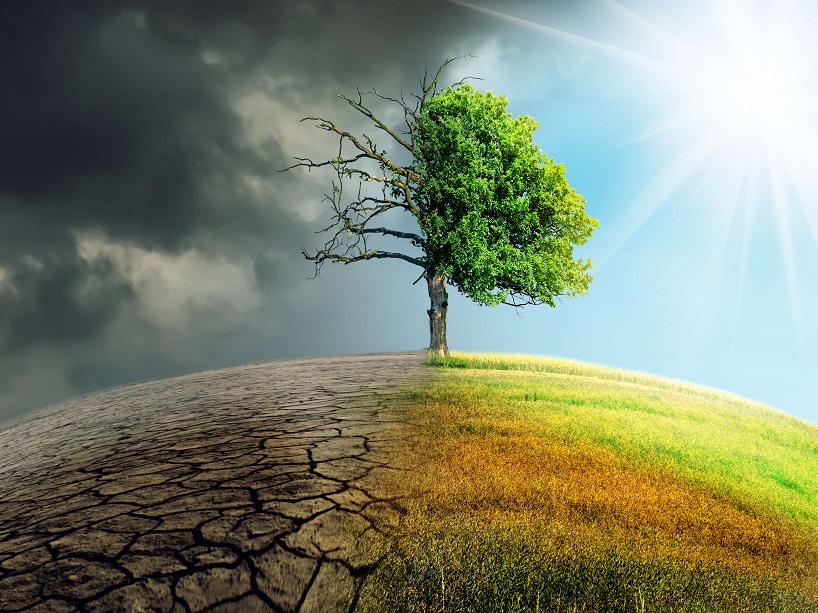
CLIMATE CHANGE AND PLANT SCIENCE

When prevention of climate change is uncertain, preparation is necessary .

CLIMATE CHANGE

Climate change continues to cause unusual and unpredictable weather around the world.
Longer drought, flooding, major stroke, snowfall, temperature extreme will increase earth’s temp upto 3-4 ‘C.

Rising CO² level and warmer earth means plant will grow bigger (more surface area of leaves) and thus plant consume more water.
Thus, we face water scarcity.

Smog contain Ozone particles and causes various problems – asthma, heart disease, skin cancer etc.

Plant sciences is the study of plants in all their forms and interactions using a scientific approach.

California’s Almond Orchard:-

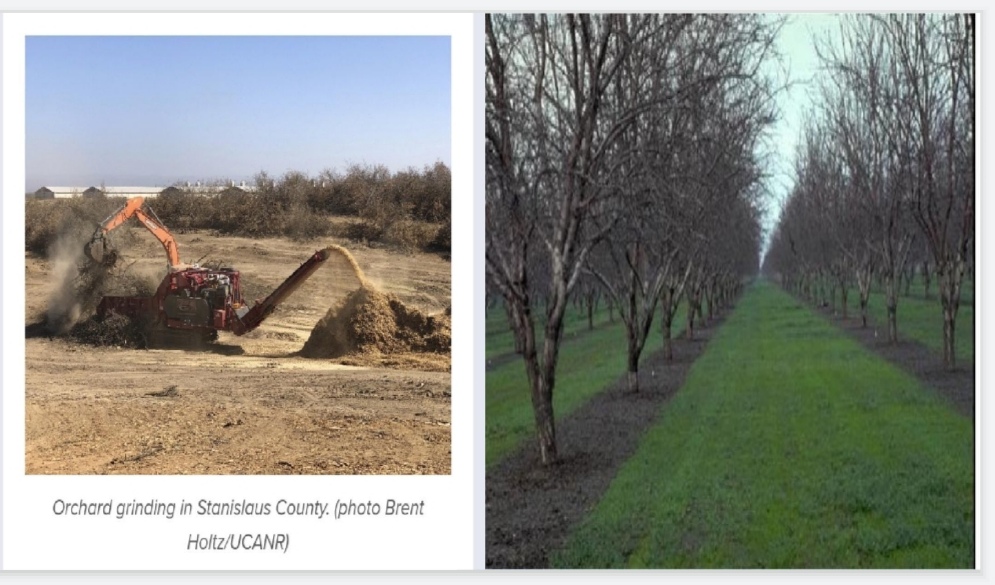
In the past, for removing and disposing of the old trees we burn them in the field. But now Old trees are ground, chipped and turned back into soil before New almond tress are planted.
It help almond orchard to be more sustainable and resilient to drought and also increasing carbon content in soil.

Whole orchard recycling result compare to burned treatment :
1) Sequester 5 tons of carbon per hectare.
2) Increase water-use efficiency by 20 percent.
3) Increase crop yields by 19 percent.

scientists from the BBSRC managed to breed a new fast-growing broccoli that no longer relies on a period of cold weather to flower, and goes from seed to harvest in only 8-10 weeks. This discovery is especially relevant for broccoli, as it is flower buds that we eat.

Many terrestrial, freshwater, and marine species have shifted their geographic ranges, seasonal activities, migration patterns, abundances, and species interactions in response to ongo­ing climate change.

Increased carbon dioxide tends to suppress photo-respiration in plants. 

  • C⁴ plant adapt better for high CO² Concentration and photorespiration. 
  • It make 4 C sugar (OAA) thus fix more CO² and produce high amount of energy. 
  • It suited for hot dry climate.
  • C4 plants include such low-latitude crops as maize, sorghum, sugar-cane, and millet, plus many pasture and forage grasses. 
  •  Better adapt for photo oxidation. Prevent photooxidation due to kranz anatomy.

THE CLIMATE CRISIS HAS ALREADY BEEN SOLVED. WE ALREADY HAVE A FACTS AND SOLUTIONS . ALL WE HAVE TO DO IS WAKE-UP AND CHANGE                     – Greta Thunburg

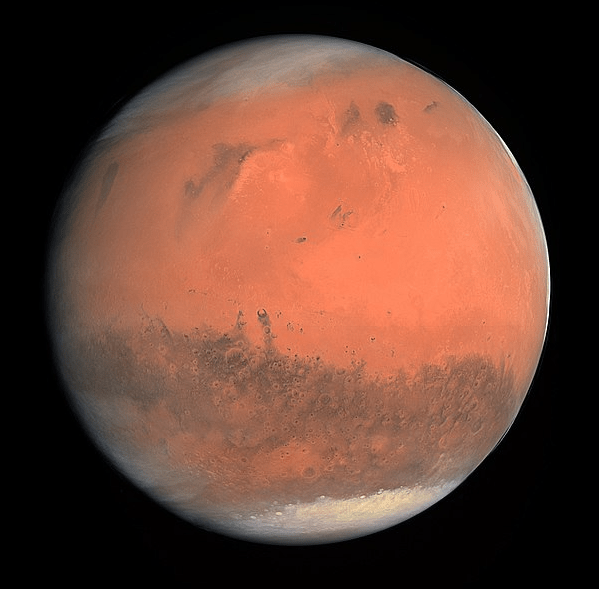
Mars- The Red Planet

Mars is the fourth planet from the Sun and the second-smallest planet in the Solar System, being larger than only Mercury. Mars is often referred to as the “Red Planet ”, which refers to the effect of the iron oxide prevalent on Mars’s surface, which gives it a reddish appearance distinctive among the objects visible to the naked eye.Its apparent magnitude reaches −2.94, which is surpassed only by Venus, the Moon and the Sun.

Some facts about Mars

Diameter-  6,780km

Orbital period-  1.88yrs

Length of a Day-   24hr, 37min

Axis tilt-  25 degrees

Distance from the Sun- 228 million kilometer ( 1.52AU )

Moons- Phobos and deimos

Special features

 Mars is a terrestrial planet with a thin atmosphere, with surface features reminiscent of the impact craters of the Moon and the valleys, deserts and polar ice caps of Earth. The days and seasons are comparable to those of Earth, because the rotational period as well as the tilt of the rotational axis relative to the ecliptic plane are similar. Mars is the site of Olympus Mons, the largest volcano and highest known mountain on any planet in the Solar System, and of Valles Marineris, one of the largest canyons in the Solar System. The smooth Borealis basin in the Northern Hemisphere covers 40% of the planet and may be a giant impact feature. Mars has two moons, Phobos and Deimos, which are small and irregularly shaped. 

Exploration

Mars has been explored by several uncrewed spacecraft. Mariner 4 was the first spacecraft to visit Mars; launched by NASA on 28 November 1964, it made its closest approach to the planet on 15 July 1965. The Soviet Mars 3 mission included a lander, which achieved a soft landing in December 1971; however, contact was lost seconds after touchdown. On 20 July 1976, Viking 1 performed the first successful landing on the Martian surface. On 4 July 1997, the Mars Pathfinder spacecraft landed on Mars and on 5 July released its rover, Sojourner, the first robotic rover to operate on Mars. The Mars Express orbiter, the first European Space Agency (ESA) spacecraft to visit Mars, arrived in orbit on 25 December 2003. In January 2004, NASA’s Mars Exploration Rovers, named Spirit and Opportunity, both landed on Mars. NASA landed its Curiosity rover on August 6, 2012, as a part of its Mars Science Laboratory (MSL) mission to investigate Martian climate and geology. On 24 September 2014, the Indian Space Research Organisation (ISRO) became the fourth space agency to visit Mars when its maiden interplanetary mission, the Mars Orbiter Mission spacecraft, arrived in orbit.  China National Space Administration (CNSA)’s Tianwen-1 spacecraft arrived in Martian orbit on 10 February 2021. NASA’s Perseverance rover and Ingenuity helicopter successfully landed on Mars on 18 February 2021. On 14 May 2021, CNSA’s Tianwen-1 lander and Zhurong rover successfully landed on Mars. The Zhurong rover was successfully deployed on 22 May 2021, which makes China the second country to successfully deploy a rover on Mars, after the United States. 

Phobos and Deimos

Phobos has a diameter of 22.2 km (13.8 mi) and a mass of 1.08×10¹⁶ kg, while Deimos measures 12.6 km (7.8 mi) across, with a mass of 2.0×10¹⁵ kg. Phobos orbits closer to Mars, with a semi-major axis of 9,377 km (5,827 mi) and an orbital period of 7.66 hours; the semi-major axis of Deimos’s orbit is 23,460 km (14,580 mi), with an orbital period of 30.35 hours.

Atmosphere

Mars lost its magnetosphere 4 billion years ago, possibly because of numerous asteroid strikes, so the solar wind interacts directly with the Martian ionosphere, lowering the atmospheric density by stripping away atoms from the outer layer. The atmosphere of Mars consists of about 96% carbon dioxide, 1.93% argon and 1.89% nitrogen along with traces of oxygen and water. The atmosphere is quite dusty, containing particulates about 1.5 µm in diameter which give the Martian sky a tawny color when seen from the surface. It may take on a pink hue due to iron oxide particles suspended in it.

See the source image

Structure

Mars has a dense core at its center between 930 and 1,300 miles (1,500 to 2,100 kilometers) in radius. It’s made of iron, nickel, and sulfur. Surrounding the core is a rocky mantle between 770 and 1,170 miles (1,240 to 1,880 kilometers) thick, and above that, a crust made of iron, magnesium, aluminum, calcium, and potassium.

Mars – Wikipedia
In Depth | Mars – NASA Solar System Exploration

OBSESSIVE COMPULSIVE DISORDER(OCD)

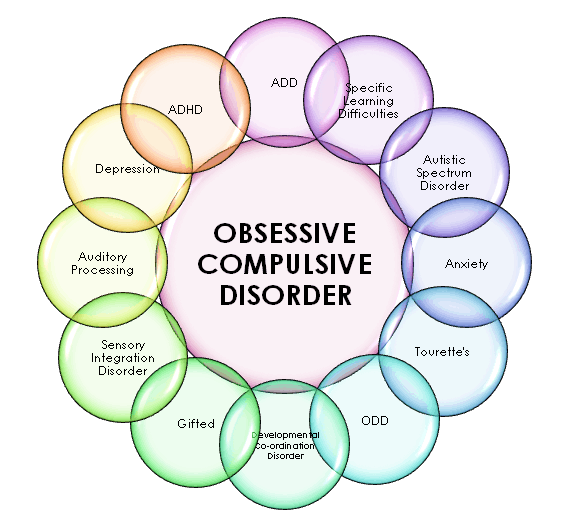
Diagram chart of Obsessive Compulsive Disorder .

Obsessive compulsive disorder is a mental health disorder that affects people of all ages and walks of life . It occurs when an individual gets caught in a cycle of obsessions and compulsions . It can be said that person with OCD are plagued by constant thoughts of fears that cause them to perform rituals or routines . The disturbing thoughts are called obsessions and rituals are called compulsions .

In simple words , OCD is a type of mental of disorder that causes repeated unwanted thoughts . To get rid of the unwanted thoughts , he/she performs the same task/activity again and again . For example, a person may fear that everything he/she touches has germs on it . So , to get rid of that fear he/she washes his/her hands again and again . Persons suffering from OCD might understand that their obsessions are unreasonable , but trying to stop or ignore them causes anxiety and stress . There are some symptoms of OCD , which may range from mild to severe . Some of the obsession and compulsions are mentioned below.

Main obsessions

  • A fear of harm to yourself or loved one .
  • A fear of contamination by germs .
  • A forceful or driving need to perform things perfectly or correctly .
  • Having excessive doubt on any individual .
  • A fear of being embarrassed .
  • A fear of getting dirty .
  • A fear of making mistakes.

Main compulsions

  • Repeating things or always moving items to keep them in exact order .
  • Bathing or washing hands several times.
  • Checking things over and over again.
  • Repeating specific words.
  • Hoarding .
  • Constant praying.

Causes of OCD

The exact cause of obsessive compulsive disorder is still unknown . Research studies suggest that there may be a problem with the way one part of the brain sends information to another part . Serotonin is the chemical in the brain that sends messages from one part to another . Insufficiency of serotonin may help in causing OCD . Stress and anxiety do not cause OCD but they may worsen the symptoms of OCD.

Recent studies have indicated that there may be considerable genetic basis for OCD. Depression is also thought to be the cause of OCD but the experts’ opinion is split .

Earth- Sweet Home

11]Earth- Sweet Home 

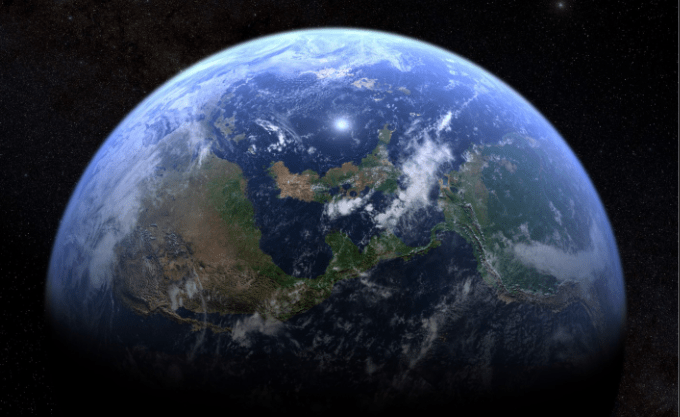
Earth is the third planet from the Sun. We have learnt about Earth since childhood. Here I will cover some facts and provide quick glances at the basic information which everyone must know about our home planet.

Some facts about Earth:

Diameter- 12,742 km

Orbital period-  365.25 days

Day-   23 hours, 56 minutes, and 4 seconds

Axis tilt- 23.5 degrees

Distance from sun- 1AU

 Hydrosphere:

Earth is the only object known to harbor and support life in the universe so far.  About 29.2% of Earth’s surface is land consisting of continents and islands. The remaining 70.8% is covered with water, mostly by oceans, seas,  lakes, rivers, and other water bodies, which together constitute the hydrosphere.  Much of Earth’s polar regions are covered in ice and many glaciers are present. 

Lithosphere and Structure of Earth

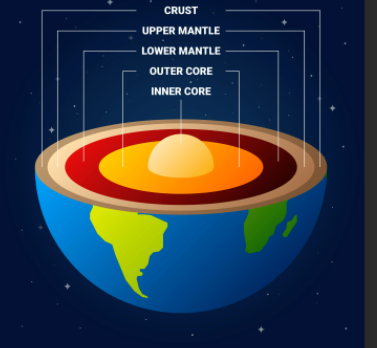
Earth is the densest planet in the Solar System and the largest and most massive of the four rocky planets. Earth’s outer layer is divided into several rigid tectonic plates that migrate across the surface over many millions of years, while its interior remains active with a solid iron inner core, a liquid outer core that generates Earth’s magnetic field, and a convective mantle that drives plate tectonics.  The Earth’s crust ranges from 5–70 kilometres (3.1–43.5 mi) in depth and is the outermost layer. Earth’s mantle extends to a depth of 2,890 km, making it the planet’s thickest layer.

See the source image

Atmosphere

Earth’s atmosphere consists of various gases which are (by volume) -78.09% nitrogen, 20.95% oxygen, 0.93% argon, 0.04% carbon dioxide, and small amounts of other gases. The atmosphere has various layers. From highest to lowest, the five main layers are:

  • Exosphere: 700 to 10,000 km (440 to 6,200 miles)
  • Thermosphere: 80 to 700 km (50 to 440 miles)
  • Mesosphere: 50 to 80 km (31 to 50 miles)
  • Stratosphere: 12 to 50 km (7 to 31 miles)
  • Troposphere: 0 to 12 km (0 to 7 miles)

Gravity and Orbit

The gravitational acceleration on Earth’s surface is considered to be 9.8 ms-2 . Earth’s gravity interacts with other objects in space, especially the Moon, which is Earth’s only natural satellite. Earth orbits around the Sun in about 365.25 days. Earth’s axis of rotation is tilted with respect to its orbital plane, producing seasons on Earth. The gravitational interaction between Earth and the Moon causes tides, stabilizes Earth’s orientation on its axis, and gradually slows its rotation. 

History of Earth and Life

According to radiometric dating estimation and other evidence, Earth formed over 4.5 billion years ago. Within the first billion years of Earth’s history, life appeared in the oceans and began to affect Earth’s atmosphere and surface, leading to the proliferation of anaerobic and, later, aerobic organisms. Some geological evidence indicates that life may have arisen as early as 4.1 billion years ago. Since then, the combination of Earth’s distance from the Sun, physical properties, and geological history have allowed life to evolve and thrive. In the history of life on Earth, biodiversity has gone through long periods of expansion, occasionally punctuated by mass extinctions. Over 99% of all species that ever lived on Earth are extinct. Almost 8 billion humans live on Earth and depend on its biosphere and natural resources for their survival. Humans increasingly impact Earth’s surface, hydrology, atmospheric processes, and other life.

Our responsibility

Recently, Earth has been facing many problems due to human activities. It is the responsibility of humans to fix these problems- Global warming and climate change. Carbon emissions and overpopulation is leading to the creation of many environmental as well as social problems. We must stand up for our Earth and contribute as much as we can, since every step matters.

Structure of Earth – Wikipedia
https://www.nasa.gov/topics/earth/index.html
https://en.wikipedia.org/wiki/Earth

Science and technology related

INTRODUCTION:-

The evolution of science is like a boon to the world, as human beings come to know a lot about the world they are living in including the activities they indulge into. Furthermore, the development of technology along with the advancement in Science helps to bring in a revolution in various fields such as medicine, agriculture, education, information and technology, and many more.In the present world, if we think of any sort of development, then the presence of science and technology cannot be ignored.

What is Science?

Science fundamentally is the systematic study of the structure and behavior of the natural and physical world through observations and experiments.
Study of science evolved with the civilization of human beings.

What is Technology?

Technology (which is basically derived from the Greek word ‘technologia’) is an art, skill or ability, which is used to create and develop products and acquire knowledge.
Scientists used their knowledge to develop technology and then used technology to develop Science; so, because of this reason science and technology are an integrated term in today’s world.
Consider the following points to understand the relationship between Science and Technology −
  • Contribution of Science to Technology
  • Contribution of Technology to Science
Let us discuss these points in brief.

Contribution of Science to Technology

Let us now understand how Science has contributed to Technology −

Science as a direct source of new technological ideas

For example, innovation and development medical instruments; nuclear technology, radar system, etc.
Contribution of Science

Science as a source of engineering

Most of the technical knowledge used in the designing and development of tools and techniques is actually an outcome of ‘engineering science’.
Engineering Science
Science has also helped in the development of human skills. This is one of the fundamental contributions of Science.

Contribution of Technology to Science

Consider the following points to understand the contribution of Technology to Science −

Technology as a source of scientific challenges

The development in the field of technology paves way for research and development in the field of Science. For example, space science is one of them. Technological development likewise indirectly stimulates basic research in the field of science.

Instrumentation and measurement techniques

Development of advanced instruments facilitated scientists to measure the distance between sun and earth, the intensity of sun’s rays, the revolution of celestial bodies, internal problems of human beings, life of a bridge, etc.

Connection between science and technology:-

Science is the study of the natural world by scientific method i.e. collecting data through a systematic process. And technology is where we apply science to create devices that can solve problems and perform different tasks. Technology is literally the application of science. So, it is really impossible to separate the two.
Science, innovation, and technology each represent a successively larger category of activities that are highly interdependent from each other but distinct. Science contributes to technology generally in six ways:
  • New knowledge which serves as a direct source of ideas for new technological innovations.
  • Source of tools and techniques for more efficient engineering designs and a knowledge base for evaluation of the feasibility of different new designs.
  • Research instrumentation and laboratory techniques used in research eventually find their way into the design or industrial practices, through different methods in different areas.
  • The practice of research as a source for the development and assimilation of new human skills and capabilities useful for different innovative technologies.
  • Creating a knowledge that becomes increasingly important in the assessment of technology in terms of its wider social and environmental impacts.
  • Develops knowledge that enables more efficient strategies of applied research, development, and refinement of new technologies.
The confer impact of technology on science is of equal importance as a source of unavailable instrumentation and techniques needed to address difficult scientific questions more efficiently.

Reference Links:-

https://www.tutorialspoint.com/fundamentals_of_science_and_technology/fundamentals_of_science_and_technology_introduction.htm
https://timesofindia.indiatimes.com/readersblog/tech-freek/connection-between-science-and-technology-23913/

INDIA AND INDUSTRIAL REVOLUTION 4.0 Part-3

This article is in continuation with the previous part INDIA AND INDUSTRIAL REVOLUTION 4.0 Part-2.

Solutions-

1. The product manufacturing unit in a factory is referred to as the shop floor. It is that place where production tasks are performed in a continuous flow while manufacturing a product.

The efficiency is determined by the amount of work done by a person as well as the machine in a particular time frame.

Shop floor automation is the integration of manufacturing hardware with software. Human pace cannot match with a machine’s speed, hence shop floor automation proves to be a great breakthrough for industrial advancement. As we all know the Industrial Revolution 4.0 is mainly about integrating new technology to a very great extent in the industries, or the manufacturing sector, hence making way for automated machines to do precise jobs can be helpful.

A manufacturing task requires high precision. So, if a person is considered, it is his skill, speed and accuracy that determines the quality of a product and that too, for every single piece.

Compare this to a machine that is programmed to do a particular task. It reuses the code and hence only the code mainly determines the quality of the product.

Automation saves time, reduces wastage and increases productivity. Hence large industries can apply this

2. IoT can help us send information regarding delivery insufficiencies and this void can be filled with the help of drones for small products for faster delivery in a specific radius.

3. We know that India has a large potential for utilizing its human resource, but the problem is illiteracy, lack of digital resources etc.

If these people are given proper training in small skills such as hardware and software development and maintenance, it would prove helpful in the proper utilization of human resources in the digital domain. More importantly, with a large digital setup in the whole country, more technical problems would arise. With these skilled people in the picture, problems can be resolved in a much quicker manner and efficiently.

As we all know that there is that more and more startups are coming up these days. For this technological revolution among people, startups and youth having basic knowledge of software can help to make technology available for all. Startups do not have many liabilities as compared to tech giants. Hence, they can be more helpful at the ground-zero level. Doing this can also bring startups to the attention of many techies, and it would be an innovational breakthrough.

4. Securing the Network Against Cyber Threats- This applies to companies currently having a large digital base. Although rare, a cyberattack could be devastating to your organization’s reputation and bottom line. Whether it’s ransomware or a targeted, zero-day attack, these incidents can be detected and prevented with the right plan in place. First, your organization must have an up-to-date inventory of its digital assets to develop an understanding of its network to pinpoint any existing vulnerabilities within it. Second, you need to have authentication processes in place to guard your digital and physical assets. Third, your organization needs to have the ability to detect anomalous activity. The most effective way to achieve this is to deploy a continuous monitoring solution. Finally, your organization should have a contingency plan in place to quickly respond and recover from a potential cyberattack.

5. It is estimated that by 2023, industry 4.0 and cyber-physical systems will be at a much larger level as compared to today. With changing scenarios of technology, the current technology will not be sufficient. The nature of jobs will change. Hence, keeping that in mind, upcoming techies and also the current techies in the market should be given the knowledge of A.I., machine learning, big data analytics and IoT to efficiently adapt to the changing nature of work.

CONCLUSION

“Industry 4.0 is opening significant opportunities for organizations,” says Stankard. “From re-evaluating business models to new data-driven revenue streams, the sky is the limit and we’ve only begun to see the possibilities.“ But on the other side of the coin, there is going to be a significant incremental risk, likely posed by cyber and the immense – and growing –the amount of connectivity. There is a risk reduction element here as well. With such levels of connectivity, Industry 4.0 is likely to isolate and improve quality issues and enhance the overall customer experience. Rising to these challenges is going to be key if we are to fully take advantage of the amazing new opportunities the fourth industrial revolution will offer.”

Optic Fibers in Communication

What are optical fibers ?

It is thin strands of pure glass which carry data over long distances. At very high speeds. The Fiber can be bent or twisted. Fibers are used instead of metal wires because signals travel without loss. Also, fibers are immune to the electromagnetic interference.

In an general optic fiber there is a core which is surrounded by cladding material which has lower refraction index than core.

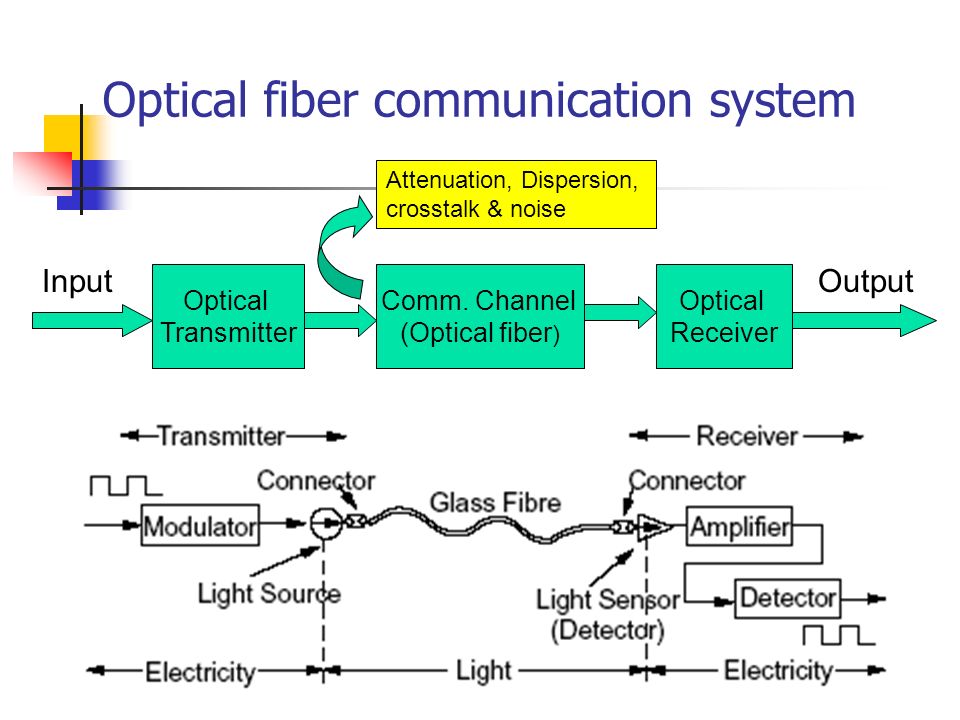
Communication Systems

Basic Blocks

  • Transmitter : transmitter is one of the key elements of any fiber optic communications system and the choice of the correct one will depend upon the particular application that is envisaged.
  • Communication channel (medium) :fiber-optic link (or fiber channel) is usually a part of an optical fiber communications system which provides a data connection between two points.

Communication channel

  1. Wired
  2. Wireless Glass
  • Destinations and Receiver : Fiber optic receivers convert light signals into electrical signals for use by equipment such as computer networks.

Advantages of optical fibers

  • Can carry much more information
  • Easily available & cheaper
  • Much longer distances than co-axial cables
  • Immune to electromagnetic noise
  • Light in weight
  • Unaffected by atmospheric agents
  • Longer life Not hazardous

Disadvantages of Optical fibers

  • Expensive to install
  • They have to be installed by specialists
  • More costly to repair
  • Can only be used on ground
  • The distance between transmitter and
  • Receiver should keep short

The fragile ecology of the Himalayas

On 7 February 2021 Uttarakhand’s Chamoli district experienced a disaster in the form of an avalanche when a small portion of the Nanda Devi glacier broke off. The sudden deluge caused considerable damage to NTPC’s Tapovan-Vishnugad hydel project and the Rishi Ganga Hydel Project. At least 72 people were confirmed to have been killed in the disaster. But this is not a new phenomenon and every year there are many reports of sudden deluge all across the Himalayan region.

The Himalayas has maintained the climate of the Indian subcontinent. Himalayas act as a barrier by diverting the monsoons to pour the rain in the fertile northern pains rather than to drift away to further north. Similarly, the mountain range also blocks the cold northern winds to reach the Indian subcontinent. The Himalayas all the way from Afghanistan to Myanmar with 110 peaks over 24,000 feet. They are also very rich in biodiversity and are the source of numerous perennial rivers and water bodies. Rivers like Indus, Ganges, and Brahmaputra that originate in the Himalayas are the lifelines of millions of people in the subcontinent.  

But in recent years, the Himalayan region has seen a drastic transformation with increasing population and deforestation. The Himalayas are still a very young mountain range and this means the region is not as stable as older mountain ranges. This is also the reason for the high number of earthquakes. There are many exploitative projects and resource extractions initiatives have are going throughout the region. The increasing influx of tourists in the Ladakh region which is increasing the pressure in the already sensitive region or the limestone extraction near Mussoorie which has transformed the surrounding lush mountain region barren and unstable are just some of the instances.  The cities located in the periphery of the Himalayas have started are also facing the same degradation problems in the plain region. Due to ever-increasing population growth, the size of cities is also increasing and this means overflowing garbage and drains. Unplanned growth of new settlements and uncontrolled tourism has only exacerbated this issue.

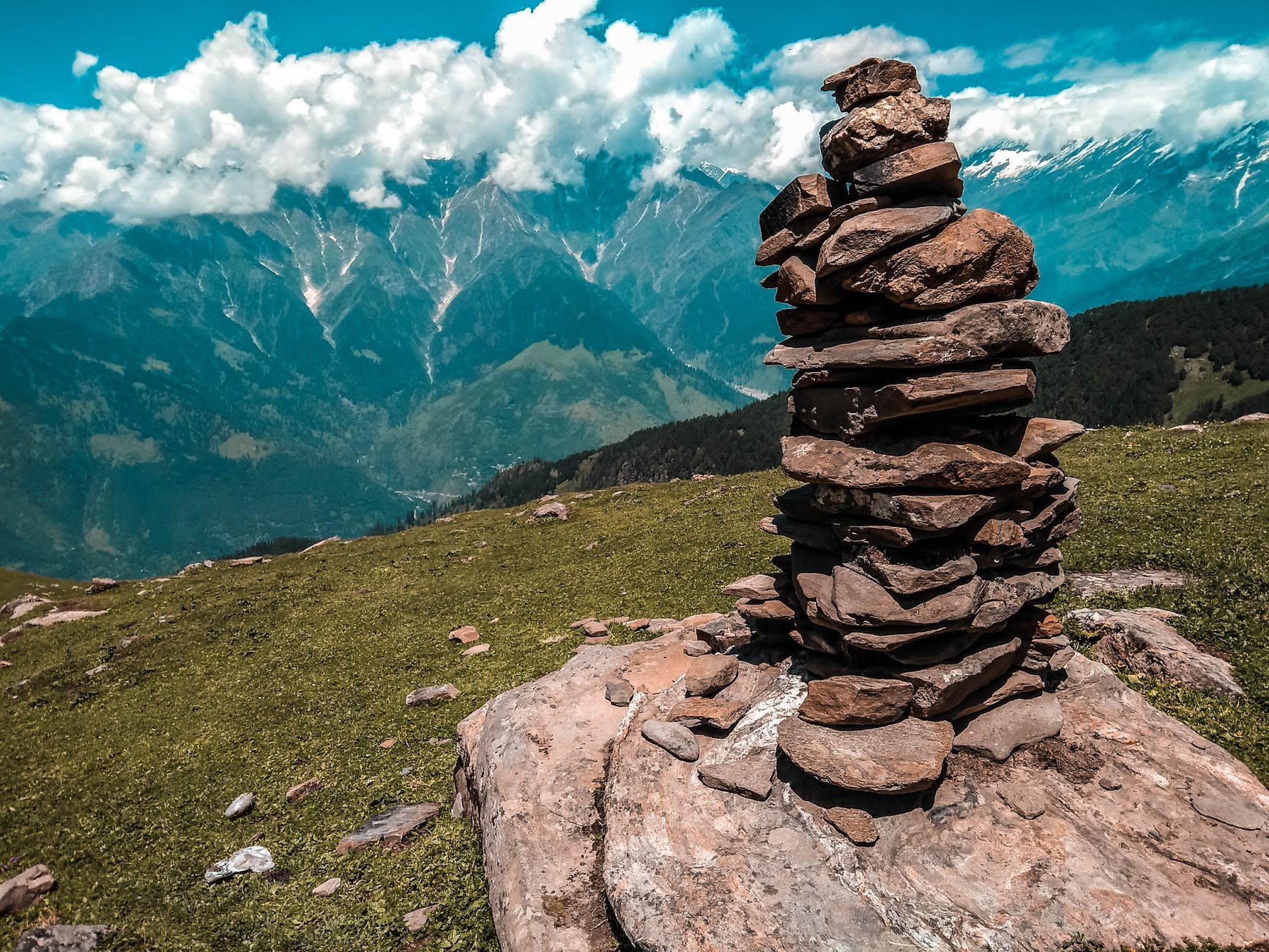
Photo by rasik on Pexels.com

Steps to safeguard the region

There is a need for safeguards on a national level that would help in preserving the fragile ecology of this region. First, it needs to be ensured that there is sustainable urbanization in the mountain habitats by town planning and adoption of architectural norms. Due to the sensitivity in this region, it is imperative that we have to control the growth of new settlements in the region and the existing settlements should be developed with all the basic urban facilities. Solid waste management is another area that needs to be the focus. Plastic bags use should be banned in all the towns and villages in the Himalayan region. Some states like Himachal Pradesh and Sikkim have enforced this rule but there are still many other states that have not fully implemented this rule. Pilgrimage is an important part of the tourism sector in the Himalayan region. Sustainable pilgrimage needs to be promoted and the inflow of pilgrims has to be determined according to the ecological capacity of that site. Roads are an essential node for the connectivity and development of a region but the construction of the roads and highways needs to take into account the sensitivity and fragility of the region as well. Environmental impact assessment should be compulsory before the construction of roads. Finally, environmental awareness needs to be propagated so that every individual can be empathetic and mindful of the dangers of environmental degradation. A coordinated effort will be essential between local cultures, local people, unions, and state governments to make this happen.

References:

http://www.ipcs.org/comm_select.php?articleNo=582

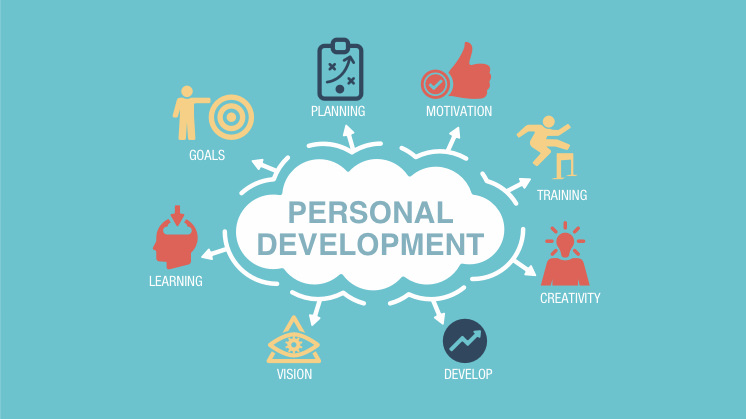
Self-help and personality development

Self help and personality development is a weapon for us

The spirit of self help creates many good qualities in a person. … These people work more harder than a person who is reliable on others for their work. This leads to help them obtain strong will- power and determination.

Self-help or self-improvement is a self-guided improvement—economically, intellectually, or emotionally—often with a substantial psychological basis. … Many different self-help group programs exist, each with its own focus, techniques, associated beliefs, proponents and in some cases, leaders

The following are common examples of self-improvement.

  • Self-Awareness. A process of introspection to understand your own character, behavior, fears and ambitions.
  • Awareness. A process of extrospection to understand the world around you.
  • Health. …
  • Physical Fitness. …
  • Time Management. …
  • Productivity. …
  • Performance. …
  • Know-How

Here’s a look at some ways to build self-improvement into your daily routine and let go of negative thoughts about yourself.

  • Cultivate gratitude. …
  • Greet everyone you meet. …
  • Try a digital detox. …
  • Use positive self-talk. …
  • Practice random acts of kindness. …
  • Eat at least one meal mindfully. …
  • Get enough sleep. …
  • Breathe consciously.

Personality development refers to how the organized patterns of behavior that make up each person’s unique personality emerge over time. Many factors go into influencing personality, including genetics, environment, parenting, and societal variables.

Personality development helps you gain recognition and acceptance from the society as well as people around. Personality development plays an essential role not only in an individual’s professional but also personal lives. It makes an individual disciplined, punctual and an asset for his/her organization.

Here are  great ways to improve your personality:

  • Be a better listener. …
  • Read more and expand your interests. …
  • Be a good conversationalist. …
  • Have an Opinion. …
  • Meet New People. …
  • Be yourself. …
  • Have a positive outlook and attitude. …
  • Be fun and see the humorous side of life.

The four personality types are: Driver, Expressive, Amiable, and Analytical. There are two variables to identify any personality: Are they better at facts & data or relationships? And are they introverted or extroverted. Note: Most people will have major and minor type.

How To Make Your System And Network Safe?

Network security management is the process of managing a network in such a manner that it is capable of dealing with all types of network threats and virus issues and solving them.

The following are the most important criteria to consider while ensuring the security of your system:

  1. Use Strong Passwords & Passphrases: To safeguard your system or network from malicious threats, create a strong password for login and access that includes a variety of letters, symbols, and numbers. Birthdays should not be used as a password since hackers may quickly crack them.
  2. Establish a Firewall: To secure your networking system from unauthorized access and other dangers, always establish a powerful firewall.
  3. Antivirus Protection: Antivirus software should always be installed on your computer and laptop. The antivirus program will scan, detect, and filter infected files, as well as resolve any issues that emerge as a result of viruses.
  4. Update Software: It’s important to keep your system and network up to date with the newest antivirus software and to install the latest patches and scripts for the system as needed. Virus threats will be less likely, and the network will be more secure as a result.
  5. Secure Mobile Devices: Mobile devices such as laptops, smartphones, and tablets are vulnerable to network attacks. To keep these gadgets safe, use a strong password to access their different resources. To gain access to smart devices, it is preferable to utilize a biometric fingerprint password.
  6. On-Time Backups: Files, documents, and other essential data on our system or hard drive should be backed up on a regular basis and saved to a centralised server or another secure location. This must be completed without fail. This will assist with the rapid restoration of the system in the event of an emergency.
  7. Smart Surfing on Websites: Before downloading or visiting any website on the Internet, we should keep in mind that a single incorrect click might invite a slew of viruses onto our network. As a result, always download material from trustworthy and secure sources, and stay away from unfamiliar links and websites. Also, whenever you connect to the Internet, avoid clicking on ads and offers that are regularly shown on online pages.
  8. Filter and Delete Spam Emails: Hacker-created phishing emails are designed to lure you to read them and click on exciting offers or links. Spam filters have come a long way and should be used to their full potential. Even yet, spam emails may get through, especially if a hacker is impersonating someone you know, such as a professional colleague or a firm with whom you do business.
  9. Encrypt Your Files: Using software particularly intended to disguise your IP address, encryption may safeguard critical data on Windows or macOS. Look for “HTTPS” in the URL bar, along with a padlock icon, to see if a website has been secured using encryption.
  10. Secure Configuration: The setup of devices such as routers, smart devices, and any other device that contains sensitive data must be very secure. Operating systems must be appropriately hardened. Passwords that are set by default must be updated.
  11. Removable Media Control: When introducing removable devices into the system, such as pen drives, dongles, and data cards, they should always be scanned. Removable gadgets should be used cautiously.
  12. Shut Down Computers When Not in Use: If your computer is linked to your company’s network and sits idle overnight, it becomes more visible and vulnerable to hackers. You’re restricting their access to your network by shutting off your PC. You’re also breaking their connection if they’ve already gotten access.

All you need to know about Modena vaccine

Moderna will be the fourth vaccine to be used for the vaccination drive in the country. The other three vaccines that are being used in India are Covishield, manufactured by the Serum Institute of India, Bharat Biotech’s Covaxin and the Russian vaccine, Sputnik V.

Drugs Controller General of India (DCGI) has approved Cipla, a Mumbai-based pharmaceutical company, to import Moderna vaccine for restricted emergency use in the country, VK Paul, member of NITI Aayog announced on Tuesday. “New drug permission has been granted to Moderna, the first internationally developed vaccine. This new drug permission is for restricted use,” Paul also said in the press briefing.
The Moderna vaccine has been manufactured by the American pharmaceutical company with the same name. Here is all you need to know about the international vaccine:

How many shots are required?

The Moderna vaccine is a two-dose regimen at an interval of 28 days. In India as well, it will be administered in two doses, Paul confirmed in the briefing. However, the interval between the two doses in India is yet to be announced.

Is it WHO approved?

The Moderna vaccine is approved by the World Health Organisation (WHO). The world health body approved on April 30 on the basis of the recommendations of its strategic advisory group of experts (SAGE).

How effective is the vaccine?

The Moderna vaccine has been shown to have an efficacy of approximately 94.1% in protecting against Covid-19. The immunity starts to develop after 14 days of the first dose, WHO mentions on its site.

Does it work against new variants?

According to the studies done so far, the Moderna vaccine is effective against the new variants of SARS-CoV-2, including the Alpha variant and the Beta variant. However, researchers are still testing the vaccine’s efficacy against the new variants.

How many countries have approved the Moderna vaccine?

So far, the vaccine has been approved in more than 40 countries including Canada, the United States, Germany, France, United Kingdom, Italy, Israel, Japan and South Korea.

Any side effects?

The Moderna vaccine has no major side effects. However, after a person is administered with the dose there may feel slight fever, soreness in the arm, chills. The after effects include body ache, nausea and fatigue.

Age groups that it is safe for?

The WHO has approved the vaccine for all above the age of 18-years. Recently Modenra filed a request with the European Medicines Agency seeking authorisation for use in adolescents in the 12-17 age group. The US Food and Drug Administration (FDA) is also reviewing its medical trial data for emergency use authorisation of its vaccine in kids 12 and up.

National Doctors Day: Are we doing enough to protect our life savers?

Typically, in an Indian household when a child grows up, Indian parents expect them to be doctors or engineers. But do we respect and love the same children when they actually become our life savers?

July 1, every year, is celebrated as National Doctors Day in India as this date marks both birth and death anniversary of prominent Doctor Bidhan Chandra Roy who was also the Chief Minister of West Bengal in early years of post independent India.

In 1991, Government of India established National Doctor’s Day to recognise the contributions of Dr. Bidhan Chandra Roy and also honour the Doctors nationwide.

Currently, the doctor-patient ratio in India is 1:1445 which is lower than WHO’s prescribed ratio of 1:1000. Doctors work day and night for their patients’ well being and this even increased since March 2020 due to COVID-19. But how much we as citizens give them in return?

India has suffered because of acute shortage of Doctors since the beginning as they never got the remuneration they deserve. This has always led to brain-drain in India as Doctors shift to other developed countries for better career prospects as they receive better salary and opportunities there.

Since the beginning of COVID-19, the only hope to get out of this deadly pandemic were Doctors and health care workers. Whenever our loved ones contract the virus, we immediately look towards our doctors with a helpless eyes, and Doctors without caring about themselves tirelessly give their life and time for us.

Some incidents in the recent past haven’t been so fruitful though. Doctors and other healthcare workers were brutally assaulted during the entire first and second wave and this is another downfall our country has witnessed.

Even on eve of Doctors day, two doctors were assaulted in Delhi yesterday after having a heated argument with two fellows. From an assault in June 2020 in Hyderabad to several such incidents in all parts of the country like Madhya Pradesh, Maharashtra, Assam and many more shows that we as citizens have failed our doctors.

Citizens have to understand by doing such acts of violence, their loves ones whom they lost won’t return. Yes, if any citizen feels their loved ones faced hospital casualties, they’ve a right to protest and they can take the legal procedures but they must not come into emotions and act violently.

Indian Medical Association has held several protests to voice for the rights of doctors. Nearly, 3000 Doctors resigned last month in Madhya Pradesh after High Court declared their strike as “illegal”. Several more prominent as well as junior Doctors in the country have vowed to not serve India as they feel citizens do not treat them with dignity.

If this goes on, India would have a vast decline in doctors per thousand people ratio and all the lives of Indian citizens will be at stake because private hospitals charge a lot and most Indians won’t be able to afford them due to mediocre and low income.

India would face a dangerous phase just like it faced in the second wave of pandemic if things continue like this till the upcoming third wave which will probably hit India by the end of 2021 as predicted by health experts. Stricter parliamentary laws against anyone who assaults doctors and moral policing of citizens can improve the doctor-citizen relationships however.

HOW DISRUPTIVE TECHNOLOGY WILL BE TAKING OVER OUR LIVES

Disruptive Technology is recognized to be an innovation that creates a new market for consumers industries or businesses to operate in an efficient and progressive direction. This technology sweeps away the standard system of habits and replaces with ways that are superior. The reason why it’s important to inculcate disruptive technology is because it increases growth opportunities to companies, provides better and cheaper products to the consumers and helps to adapt new trends in the current world There are new forms of disruptive technology which are being discovered daily. Some examples -:

Artificial Intelligence–   It is an area of computer science that mainly emphasizes in the building of smart and intelligent machines which have the capability of doing tasks which are usually done by humans.

  • Examples–   Siri (Apple), Alexa (Amazon), Cortana (Microsoft), Google Now and so on.
  • 3D Printing – it is a process of creating three dimensional solid objects. This particular type of printing is done by creating layer by layers on an object to obtain the result. 
  • Examples- Homes, Prosthetic limbs and other body parts, edible 3D printing, Manufacturing.
  • Advanced Virtual Reality it is a stimulation which is computer generated in which a person can interact within the artificial three-dimensional environment which creates a virtual reality and can be experienced by using electronic devices.
  • Examples- flight stimulators, games, geographical studies, surgeries.
  • Drone Technology- Originally designed for the defence and aerospace industry, drones have made their way into the mainstream because of the increased degree of protection and performance they offer. Drones include a navigation system, GPS, sensors, high quality cameras, programmable controllers, and tools for autonomous drones.

Disruptive technology is considered to be an innovation that significantly make an effort to alter the way that consumers, industries, or businesses operate in the world today. Disruptive technology attempts to sweep away the systems or the habits which have been a part of the world since a long time and it replaces because it has attributes that are recognizably superior to conventional systems.

We tend to think that there is still time for Disruptive technology to take over the world but it has already started to make a huge place in human lives in the simplest things which exists in the current world which we forget like facial recognition, voice assistants, smartphones, maps and directions. Therefore, there is a possibility that disruptive technology will be taking over lives.

ISRO

• Dr Vikram Sarabhai – Indian National Committee
for Space Research (INCOSPAR)

• INCOSPAR renamed as ISRO (Indian Space Research organization).

• Department of Space.

• Vision of ISRO – Harness space technology for
national development, pursuing space science
research and planetary exploration.

Achievements

Aryabhata – India’s first satellite .

Rohini – first satellite to be placed into orbit – Indian-made launch vehicle SLV-3.

Chandrayaan -1 – unmanned lunar orbiter, success.
• Mars orbiter Mission (MOM)
 India first nation to succeed on maiden attempt to Mars.
 ISRO – Fourth space agency in the world
 First space agency in Asia.

• Astro-Sat


 launched on September 28, 2015, by PSLV-C30
 Space observatory
 First dedicated Indian astronomy mission to studying celestial
sources in X-ray, optical and UV spectral bands simultaneously.

• ISRO launched 104 satellites – single rocket
(PSLV-C37).

• ‘Chandrayaan-2’ – Partial success, Orbiter successfully launched .

Chandraayan 3 – in pipe line.

IRNSS/ NAVIC
 To meet the user requirements of the
positioning, navigation and timing services based on the indigenous system
 Navigation details in the Indian Ocean
regions.

• Upcoming mission – Gaganyaan : Indias
manned space mission