READING IN THREE KEYS: How to Write a READING RESPONSE

Active reading involves looking at the text in more than one way.  For your reading responses write using these three “keys,” or methods, of analyzing what you have read: 

Reading responses in this class generally vary from 250 – 400 words. The length required will be specified on the assignment.


 Sometimes you will be asked to post your reading response to the Discussion Board and then follow-up with a response to one of your classmate’s postings. You may respond in any of the three “keys.”  A sample response building on a previous posting might start off with a sentence like this: “I agree with David that advertising objectifies women by portraying them as dehumanized objects, but I wonder whether women benefit from that objectification in any way?”  You can build your ideas on comments others have made.  And feel free to keep chatting with each other.

How Should You Write Your READING RESPONSE?


Why Do It?

The reading response gives you an avenue to invite yourself into the written text and to make a connection with it. In many college courses you will be assigned to write papers about subjects with which you have no personal interest. Reading responses help to generate connections between the reader and text.


How?

The key to writing a compelling academic paper for any college course is being able to forge a personal connection on some level with your subject. You must care in some way about your subject, or else your writing will be lifeless, and your instructor, a human being, will have read a re-hashing of the facts of his/her course a million times before. Or, forget about writing for a college course. What about writing a report in the workplace?  What about proposing a new idea to your boss?  Such careful awareness of audience and tailoring your writing to a specific audience is an aspect of successful writing we’ll work on in this course.  However, you can’t even get to the point of getting someone else to care about what you are writing if you don’t care yourself.


That doesn’t mean you should only write about subjects that interest you.  On the contrary, half of the battle in writing a successful paper is coming up with an idea on a topic which is usually of little interest to you—finding an angle or connection through which you can approach or examine the text. What does it remind you of? Why do you respond emotionally? Or why do you not respond? Ask questions to find avenues into a piece of writing.  The creativity involved in continually forging such difficult connections will help you develop into a writer who can grab a reader’s attention by approaching a topic or subject through your own unique personal lens, that is, by looking at something through an angle no one else can see. 


Through active responding to reading, and examining your responses, you can learn to practice new approaches of interpretation to common themes.  Many of the ideas you generate in the reading responses will prove useful when you sit down to write the short essays (or maybe even your research paper).

KodiSoftware Download For Free | Top sites


Let’s start with knowing that what is Kodi software and why one should have it.

What is Kodi software?

Initially released in 2002 [as Xbox media play], in 2003 [as Xbox media centre]. Kodi software application is developed by the XBMC Foundation, Kodi is a free and open-source media player software application, it’s a non-profit technology consortium. It’s a 10-foot user interface with television and remote controls.

With a view of most streaming media such as podcasts, music, videos and views from the internet, one can access all Common digital media. These are some of its platform PowerPC, IA-36, ARM and x64(x84-64). Available in 12[75 including incomplete translations] language. HTPC it’s is a multi-platform home-theater PC application. Kodi is highly customizable so allow it’s users to stream media content via online services such as Crackle, Amazon Prime Internet Videos, Pandora Internet Radio, Spotify and Youtube.

The later version of kodi has a (PVR) graphic front and end. All these available advantages make Kodi a great software to be utilized.

 Let’s now dive into how to download Kodi for free.

Already millions of people are enjoying this great software for free. Kodi is running on the most common processer architectures, iOS, Android, MOS X and Windows operating systems.

How to download : select your platform

As Kodi supports a large range of devices and operating systems, it is multi flavour. Simply select your platform in which you want to install Kodi on and enjoy Kodi.


9 best vegan Omega-3 Supplements (2021) per Dietitians.

If you don’t have fish on your meal menu doesn’t mean you can’t get all the benefits of omega-3.

Omega-3 is also found in many plant foods, like chia and hemp seeds, in algal oil too. But mostly it is found in fish oil in significant levels.

For your vegan friends, there are plenty of options who wants to intake omega-3 and all of EPA, ALA L AND DHA.

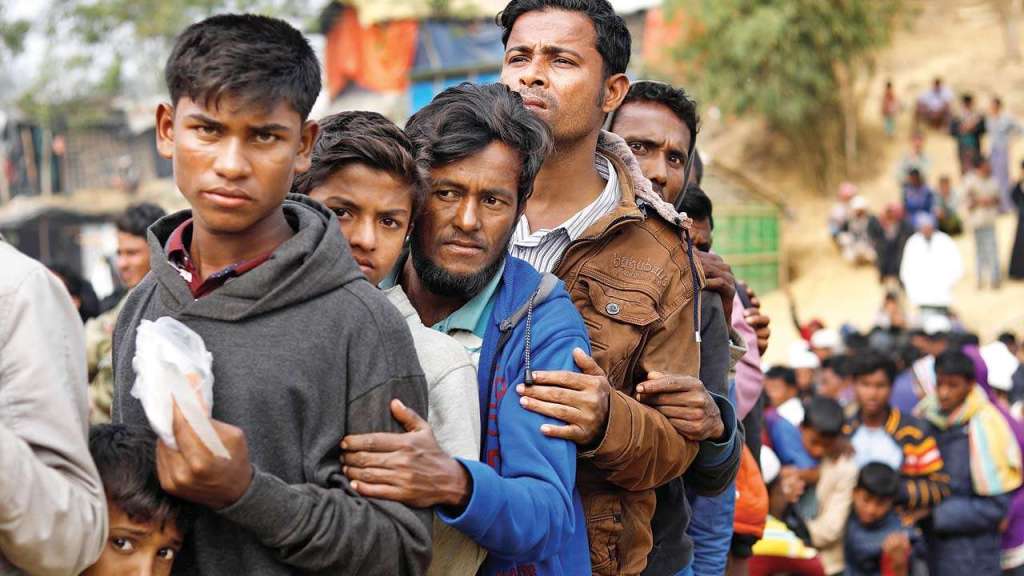
The Refugees

“Taking Mum’s hand, I whispered ‘Are we really safe, here?’ ”

Alwyn Evans (Walk in my Shoes)

Everyone has a right to make his/ her life happy and fruitful but the refugees have to pay a high price for this quality life. The refugees are the most affected people, in today’s globalised world. Refugees are people who are outside their home country because of their race, religion, nationality, membership of a particular social group or political opinion. Displacement is a long, lasting reality for most refugees. We need to bring them out of the situation which they face at borders of different countries. We all know that refugees deserve much better treatment on the borders of the countries than they are able to get. Migration has long been part of our human history, but the current Afghan crisis has shown that countries must accept refugees into their sovereign states. Although we all know the countries with refugees have special security but still we are not ready to take responsibility of human. All the countries know the process to bring refugees or displaced people to a stable life in their country. But still one fact is that we are not ready for this responsibility. Why? No one knows, but what all we should know is the way to make refugees’ life stable as readily as possible. Countries have potential to make life better and even best for refugees but the problem is that we are not taking refugees a collective responsibility. But still there are some super ways to help refugees collectively (by different countries).

All the countries should investigate trafficking gangs who exploit refuges and migrants, and put people’s safety above all. Governments also need to stop blaming refugees and migrants for economic and social problems. Even if governments allow refugees to enter their country, they should not treat them as worthless creatures as they are intruders. Opening up safe routes for refugees is one important solution to the problem. When people are assured about their security, they too start feeling safe though they have a lot of crisis in their country related to their country related to their health and housing, yet they have faith in those country members who by giving equal rights and opportunities assure them that they will definitely be able to live comfortable and happy life. Resettlement is vital solution for the most refugees. And whether they travel by land, or by sea, they should be allowed to cross borders, with or without travel documents. Though countries are not forced to make refugees a part of them, still if they allow some of them to enter, they would definitely be one of the countries who appreciate their courage to come out of drastic situations just to ensure good future on their own basis but what all they want is some support of the country and its permission to enter that particular country.

As we all know women are essential part of a family and a nation. The condition of migrant and displayed women has become the worst. Refugee women, who lose their homes, families, husbands, have to face some very devastating situations during migration. They have to go through different critical situations of rape, sexual and physical harassment and violence. Even the girls of five to twelve years of age have to face such unfortunate incidents which haunt them throughout their lives. Women are more required to migrate than men as they have to face more violence than men. Single parent with her children needs to be concerned more. When females try to cross the borders of the other countries, they are locked with men who are unknown to them, which make the situation worse than ever.

All these incidents of misfortune, violence and harassment can be stopped if we all take a collective step against them countries should accept women as their part of the nation. They should make efforts to make women safe, and secure from these kinds of situations. All the countries should make more migration policies for women and children. For women and children, different routes for migration should be made. If their cases are pending, they should be allowed to live in quarters but not with men of other families. If women refugees are being oppressed, their cases should be recognized and they should be given justice. For children, policies like keeping them away from gang exploiters should be formed. Children who get separated from their parents should be kept in safe places. Special security forces should be there to safeguard children and women. So it is not important that whatever we do alone could gain better results, things done collectively are more beneficial for people who are real heroes, who leave their home and nation for betterment, who we call victims of misfortune, “THE REFUGEES”.

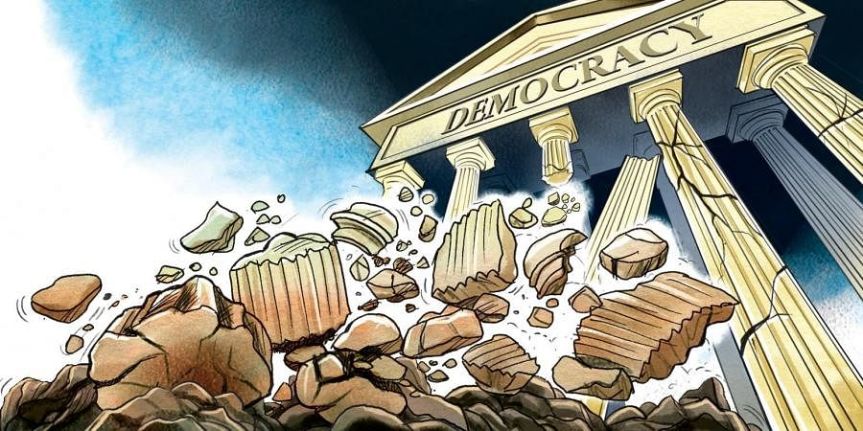
Has Democracy Expired?

Democracy, or rule by the people, has always been a complex concept. There have been freedom struggles, revolutions, and even wars to protect it. But nothing is permanent. Humankind has often taken democracy for granted and overestimated its permanence. As J.S Mill put it, “The fatal tendency of mankind to leave off thinking about a thing when it is no longer doubtful, is the cause of half their errors”. It wouldn’t be the first time an ostensibly powerful institution ended after years of dominance. When thinking about the end of a monarchy, guillotines and cake are few images that come to mind. 

Critiques of democracy note that voter ignorance and slow decision making often cause problems in a democracy. Furthermore, A democratically elected government earns its legitimacy because a majority of people, not all people, vote for it. Thus, it reflects the will of the majority and not everybody. This creates the possibility of the “tyranny of the majority”. Plato went so far as to assert that democracy is the science of manipulating people and it leads to the rule of tyrants. 

India’s “democratic experiment”, which began after we gained independence, has been anything but a smooth journey. Nevertheless, despite attacks on our democracy, such as the National Emergency of 1975, democracy has always protected our people. But now, democracy itself is in danger. 

We often make the mistake of ennobling free and fair elections as the only necessary criteria for a successful democracy. This is far from the truth. This article is not an attempt to undermine the fact that the current government was democratically elected, instead, it intends to showcase the harm a government elected by 38% of the population and a rising resentment of democracy amongst the people can cause. As we shall see, India’s democratic nature has been conspicuously declining for a while. 

Freedom House, an American Think Tank, gave India a score of 67/100 in its 2021 report and characterized India as a “partly free” country. A score of 34/40 in the political rights section confirms the purity 0f our elections. However, a score of 33/60 in the civil liberties section emblazons the potency of this government’s attack on democracy. According to the report, events such as the violence during the CAA protests, the misuse of sedition laws, the significant hardships that migrant workers had to endure during the lockdown, the baseless scapegoating of Muslims as super-spreaders of Covid-19, and the Babri Masjid Verdict contributed to this score. India was considered a “free” country as recently as 2020, with a score of 71/100. The 2021 score is also lower than those of 2019 (75/100) and 2018 (77/100), showing that the strength of our democracy is depleting. The last time the Freedom House considered India as partly free was in 1997, possibly because of the instability in Parliament at that time. 

Another report by the V-Dem Institute in Sweden described India as an “electoral autocracy”. According to the report, India belonged to the “EA+” category, signifying that it could also belong to the “closed autocracy” category. The reasons for this score include the curtailment of freedom of media, academia, and civil society; an increase in censorship; the misuse of sedition, defamation, and counter-terrorism laws, especially the Unlawful Activities Prevention Act (UAPA) to harass, intimidate, and imprison critics and opponents; the Citizenship Amendment Act (CAA); and the use the Foreign Contributions Regulation Act (FCRA) to restrict the entry, exit and functioning of Civil Society Organisations (CSO) and constrain the use of foreign contributions to NGOs within India. The V-Dem Institute reports have described India as an “electoral democracy” in the 2020, 2019, and 2018 reports. 

Sadly, the government’s response to these reports has been vituperative. They decided to deny the validity of these reports instead of countering their assertions. This approach to criticism and dissidence is not limited to foreign entities. Indian dissenters, whether they are farmers, students, members of opposition parties, or even ordinary citizens, are punitively called “anti-nationals” and even terrorists for criticizing the government. In an increasingly globalized world, it is accepted that opinions may be formed on issues beyond one’s national borders. The government’s disrespect and disregard for reputable news agencies, such as The New York Times and The Australian, is appalling. The government prefers listening to fraudulent news agencies, such as The Daily Guardian and The Australia Today, that were made by staunch sycophants. The government must remember that “You measure a democracy by the freedom it gives its dissidents, not the freedom it gives its assimilated conformists.” (Abbie Hoffman)

The symbol of our democracy, the parliament, has also witnessed numerous attempts to undermine our democracy. The Question Hour, which is a tool used to hold the ruling party accountable, was removed for the Monsoon session of Parliament. Considering that this was the first session of parliament since the pandemic began, the removal of this accountability mechanism is untenable. The ruling party used this session to push through the contentious farm bills. If these bills were truly what the entire nation needed, the government should have adhered to the democratic process and allowed a division vote when members of the opposition repeatedly requested for one. A voice vote may be quicker, but it undermines the voice of the opposition, which is a pillar of democracy. 

These farm bills join a larger list of controversial bills, including the bill that abrogated Jammu and Kashmir’s special status, the Citizenship Amendment Bill, and amendments to the Unlawful Activities (Prevention) Act, that did not pass motions to be sent to select committees for further parliamentary scrutiny. These committees provide a forum for feedback from various stakeholders and act as a consensus-building platform across political parties. In the 16th Lok Sabha (2014-19), 25% of the Bills were referred to these committees, which was much lower than the 71% and 60% during the UPA II and UPA I regimes respectively. Since 2020 began, out of the 44 bills introduced in parliament, no bill has been referred to the select committee. Unlike the GST Council, these standing committees weren’t allowed to meet virtually during the pandemic, despite numerous requests from opposition parties. 

From the exploitation of anti-defection laws; the misuse of ordinances; the creation of the opaque PM-CARES Fund; the oligarchical capture of democratic institutions such as the Central Information Commission, Reserve Bank of India, and even the Election Commission and finally to the recent Information Technology (Intermediary Guidelines and Digital Media Ethics Code) Rules, 2021 that could undermine free expression and privacy for internet users in India, the recent attacks to our democracy have been terrifying. Criticism, accountability, and independent institutions have all been seriously diminished. The Covid-19 pandemic appears to have derailed all democratic processes, except elections. 

At this time we must ask ourselves, do we still value our democracy? And most importantly, are we willing to fight for it together? I fear that the answer to both these questions is no and it has been for a long time. 

In 2017, two well-reputed political science scholars, Roberto Foa and Yascha Mounk published a paper titled “The Signs of Deconsolidation” that showed that over 70% of Indian respondents wished for a “strong leader who does not have to bother with elections”. This is a higher percentage than that of the USA (30%), Nigeria (45%), Turkey (58%), and even Pakistan (62%). This indicates that Indians are more willing to express support for authoritarian alternatives to democracy. 

This preference for the undemocratisation of India is further highlighted by recent studies conducted by the Pew Research Centre. Their 2017 report on democracy showed that 55% of Indian respondents felt that “a system in which a strong leader can make decisions without interference from parliament or the courts” would be a “totally good” way of governing this country. Conversely, only 17% of respondents felt that this would be “very bad” and 28% of them felt that this would be “totally bad”. Moreover, their 2020 report showed that 70% of Indian respondents were satisfied with the way that democracy worked in India. This is a significant rise compared to the 54% of respondents that were satisfied with it as per the 2019 report. The 2020 report also showed that 26% were dissatisfied with it, which is lower than the 33% in 2019. 

Undoubtedly, concluding that democracy has no place in our future would be incongruously prescient, but a growing intolerance for democracy is indubitable. People prefer quick decision making over the slow democratic process that requires consensus and deliberation. People would rather see tangible changes made by decree than wait for the democratic process. While the subversion of the democratic process may seem harmless to the current ruling party and those who espouse their ideology, permanent harm to our democracy ought to be denounced. The ubiquity of democracy should not depend on any political party’s ideology. The end of democracy would bring about the epoch of a procrustean India and end the plurality, secularism, and diversity that we have considered primordial for decades. At the rate our democracy is eroding, impassivity could mean that we’re the last generation of Indians to live in a true liberal democracy. 

The next opportunity for voters to actively resist this attack on our democracy may seem too far away. However, the 2024 general elections are preceded by elections in 16 states. My hope is that the control, division, and hatred promulgated by our current leaders, will ultimately consume them. Any reduction in their mandate will benefit our democracy. And if there is one thing that authoritarians cannot handle, it is the feeling of losing control. 

Democracy is not a plant that grows everywhere but hopefully, it can re-grow in our great nation. 

Maladaptive Daydreaming

Daydreaming is our break from reality. We all have our own imaginary situations going on in our mind. Who doesn’t like to wander and take a break from reality. But, what If you were unable to live in the reality due to your daydreaming? What If your escape found no route back to the real world? That is what Maladaptive Daydreaming is all about.

What is Maladaptive Daydreaming?

Maladaptive Daydreaming is a condition where the person is unable to touch his feet to the ground(reality) due to his feet touching a consolidated and intense imaginary ground.
The common observable symptoms are as follows:

•Escaping the reality by making up an alternate world and living in it for hours.
•Well structured plots with defined storyline and settings
•Lasts for several minutes to several hours.
•Withdrawal from social activities and relationships due to the extensive and intense daydreaming.
•Trouble while focusing in everyday tasks.
•Trouble sleeping
•Daydreaming becomes an addiction where you no longer have control on it and feel empty If not engaging in it. It becomes the top priority of the day
•Talking to yourself and making faces.

What triggers the daydreams?

•Real life events
•conversation topic
•movie
•noise or smell

Why some people may resort to it unknowingly?

Intense daydreaming may act as a coping strategy. A person who is tired of his daily mundane lifestyle, traumatic past or present, may find daydreaming as a comfort zone rather than a mere temporary escape.
During Covid 19 lockdown many people experienced something similar due to the elimination of interactions and activities from their lives.

How Is it different from daydreaming?

•Daydreaming acts as an temporary escape. It is rather a pleasant experience whenever the reality goes harsh on us.
Maladaptive Daydreaming is rather creating one’s own comfort zone in an imaginative alternate reality and withdrawing from reality

• Daydreams are usually about pleasant scenarios or our imaginary future.
Maladaptive Daydreaming can be pleasant too. However, it also involves well defined plots about control,power,sex,rescue.

•Daydreams start and end in our minds. It just makes us feel happy.
Maladaptive Daydreaming may be accompanied by movements, talking to oneself and facial expressions. The person gets deeply involved in his alternate reality.

Is Maladaptive Daydreaming considered as a disorder?

Maladaptive Daydreaming was first defined in 2002 and is not yet recognized in the Diagnostic and Statistical Manual of Mental Disorders (DSM-5).

Does Maladaptive Daydreaming has a treatment?

There is no official treatment method for Maladaptive Daydreaming. There is no method to diagnose it either. However,Somer developed the Maladaptive Daydreaming Scale (MDS) which helps to determine if a person is experiencing Maladaptive Daydreaming.
Maladaptive Daydreaming is often diagnosed as Schizophrenia in which a person is unable to differentiate fantasy from reality.

What are the effects of Maladaptive Daydreaming?

Though a person indulges in extensive fantasizing to protect himself from anxiety, trauma, depression or obsessive compulsive disorder, however,it may lead to negative effects on one’s emotions, social life and mental well being. Some of the effects are as follows:

•Emotional Distress. After daydreaming so extensively one may feel emotionally worse due to their energy and concentration being highly invested in a reality which yields nothing and is above all, imaginary.

•It is common among people suffered from Attention Deficit Hyperactivity Disorder (ADHD) and may lead the person to suffer from anxiety, restlessness and attention deficiency.

•A person may spend 4.5 hours of his day engaging in intense daydreaming. Therefore, withdrawing from social activities, interactions and an active lifestyle.

• The person is unable to focus on what is going on and fails to grasp responsibilities,tasks,and studies. They may find it tiring and draining.

However,It can be managed through living an active lifestyle, engaging in interactions and meditating to keep the urge and the anxiety at bay. The human mind is indeed a world of its own. Sometimes,we alone cannot control it. Consulting a psychologist and talking about it may give us more insight into the condition.Withdrawal and Isolation may end up making the condition worse.

Taliban to ‘temporarily’ adopt 1964 monarchy Constitution

The Taliban said on Tuesday they will temporarily adopt 1964 Constitution that granted women the right to vote, but eliminate any elements they disagree with. The Taliban’s Acting Justice Minister issued a statement saying the Islamists planned to introduce Constitution used during Afghanistan’s shot lived golden age of democracy, but only briefly and with amendments. “The Islamic Emirate will adopt the Constitution of the former king Mohammad Zahir Shah’s time for temporary period,” Mawlavi Abdul Hakeem Sharaee said. But anything in the text to be in conflict with the Sharia law and principles of the Islamic Emirate would be discarded, he added.

Nearly six decades ago, before the world’s super-powers intervened in the country, Afghanistan enjoyed a brief period of constitutional monarchy during the reign of King Mohammad Zahir Khan. The king ratified the Constitution a year after coming to power in 1963, ushering in nearly a decade of parliamentary democracy before he was overthrown in 1973. The 1964 Constitution, which gave women the right to vote for the first time and opened the doors for their increased participation in politics, would appear an awkward fit with the Taliban’s hardline views. The group, which took over power in mid-August, has vowed a softer and more inclusive approach than during their brutal 1996 to 2001 rule. But when they presented their caretaker government earlier this month, all the top positions went to hardliners and now women were included.

ALCOHOLISM IN INDIA

One of the most important products of global addiction demand is an alcoholic beverage. In developing countries like India, alcohol consumption tends to be a major problem because of the various socio-cultural practices across the nation, different alcohol policies and practices across the various states, lack of awareness of alcohol-related problems among the community, false mass media propaganda about alcohol use, various alcohol drinking patterns among the alcohol consumers and the emergence of social drinking as a habit because of the widespread urbanisation across the country. 

Social consequences of alcohol use

Alcohol consumption not only affects the individuals but also his family members get affected in one way or the other. The person in an intoxicated state may indulge in domestic violence with his family members; may exhaust the savings of the family, which can negatively affect the education of his children, and the children of alcoholic fathers will have strained relationship with their family members, which can affect their psychological wellbeing.

Road traffic accidents

One of the major problem of alcohol consumption are road traffic accidents which occur due to driving vehicles under the influence of alcoholic beverages. Both developing and developed countries report high rates of road traffic accidents because of alcohol consumption.

Primary care intervention for alcohol-related problems

In developing countries like India, primary care physicians are the first contact of patients with the healthcare system. primary care management of alcohol-related problems include three core steps, namely, counselling the patient on the ill-effects of alcohol and, if necessary, prescribing medications like disulfiram and connecting with the patients by organizing treatment programs and forming support groups. If necessary, they have to refer the patient to higher centres for further care and management.

BUT WHAT ABOUT PEOPLE WHO CAN’T AFFORD THESE TREATMENT AND SUFFERES FROM ITS CONSEQUENCES

In many countries AA Meetings are held for being a support emotionally and spiritually to an alcoholic person with no financial support and most of all countries it being held have not only they have accepted this but hole heartedly supported it some for their family members or some for their friends suffering from alcoholism.

What is AA?

Alcoholics Anonymous is a fellowship of men and women who share their experience, strength and hope with each other that they may solve their common problem and help others to recover from alcoholism.

The only requirement for membership is a desire to stop drinking. There are no dues or fees for AA membership; we are self-supporting through our own contributions. AA is not allied with any sect, denomination, politics, organization or institution; does not wish to engage in any controversy; neither endorses nor opposes any causes. Our primary purpose is to stay sober and help other alcoholics to achieve sobriety.

AA is nonprofessional – it doesn’t have clinics, doctors, counsellors or psychologists. All members are themselves recovering from alcoholism. There is no central authority controlling how AA groups operate. It is up to the members of each group to decide what they do. However, the AA program of recovery has proved to be so successful that almost every group follows it in very similar ways.

WHAT DOES A.A. DO?

  1. A.A. members share their experience with anyone seeking help with a drinking problem; they give person-to-person service or “sponsorship” to the alcoholic coming to A.A. from any source.
  2. The A.A. programme, set forth in our Twelve Steps, offers the alcoholic a way to develop a satisfying life without alcohol.

HISTORY OF AA IN INDIA

Here is an account of how AA came to India and it’s growth in the subsequent years. Though there are no accurate records from the early days, what is definitely clear is that Harold M., a school teacher by profession, was the first person in India, to stop drinking and gain lasting sobriety through the spiritual principles of Alcoholics Anonymous. He stopped drinking on 5th May 1957, and hence that date is nationally acknowledged as the “Founders Day” in India.

On 5th May 2021, AA completed 64 years of its service in India. Looking back, the results are heart-warming. The wide support and awareness generated by the groups in India and its members inspires immense hope for the future.

AWARENESS OF AA

In India, AA meeting is a program which mostly seen by people through foreign movies and shows not through advertisement or medical portals as its necessity seems nonsensical by people especially in India because of their traditional values about alcohol where some drinks it as a medicine and some as men for showing their authority and masculinity over others, stupid norms like that make bad habit like drinking into ADDICTION.

Major geopolitical developments and it’s impact on India

Over the past several weeks, a number of important developments have taken place which may appear disconnected at a glance but in fact add up to a significant shift in regional and global geopolitics.

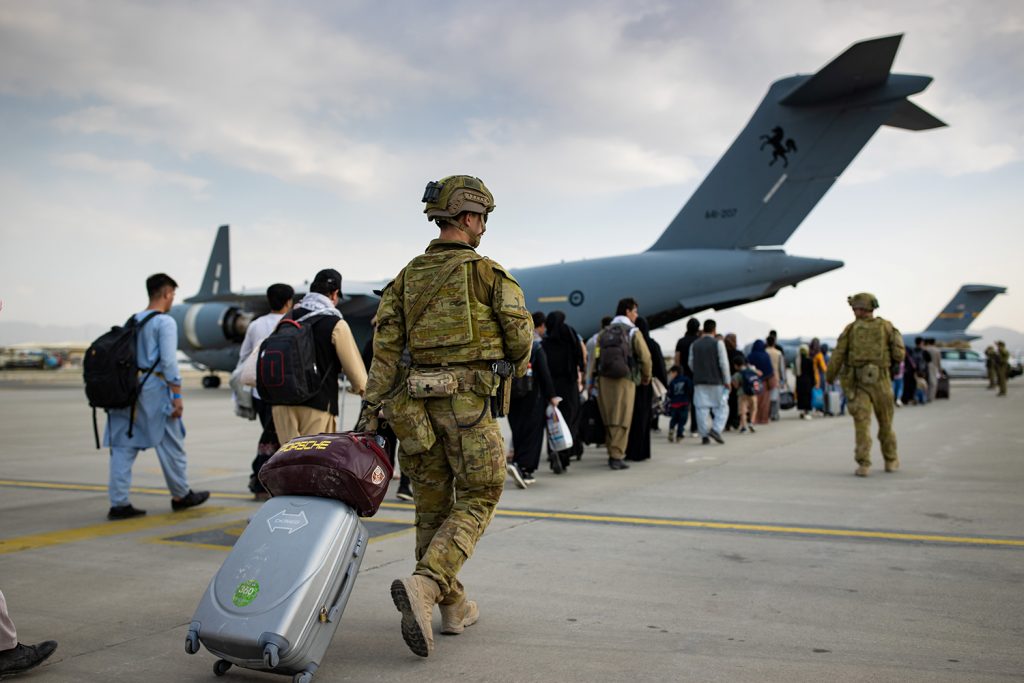
ONE, the withdrawal of US and NATO forces from Afghanistan and the complete takeover of the country by the Taliban. This resulted in chaos and overall disruption of the semblance of peace the country earlier possessed. With the Taliban claiming the residents of the country are happy with their takeover and the disrupted president on the run, the future of the country appears in shambles.

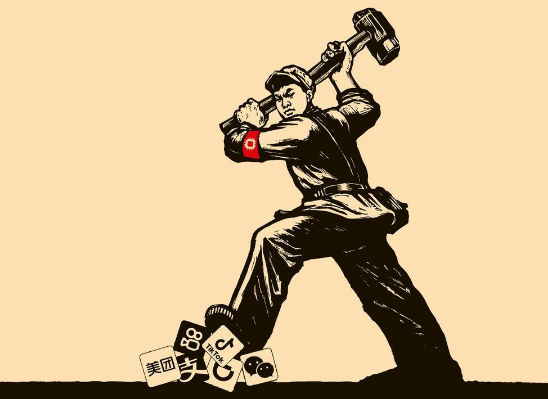
TWO, significant domestic political changes in the People’s Republic Of China. This includes the ideological and regulatory assault against its dynamic private high-tech companies and now recently, its real estate companies. As a result, it has a heightened risk perception among international business and industries which had seen China as a huge commercial opportunity until now. While the economical affairs of the country are entirely their own to manage and govern, there will be a lasting impact on the general job opportunities.

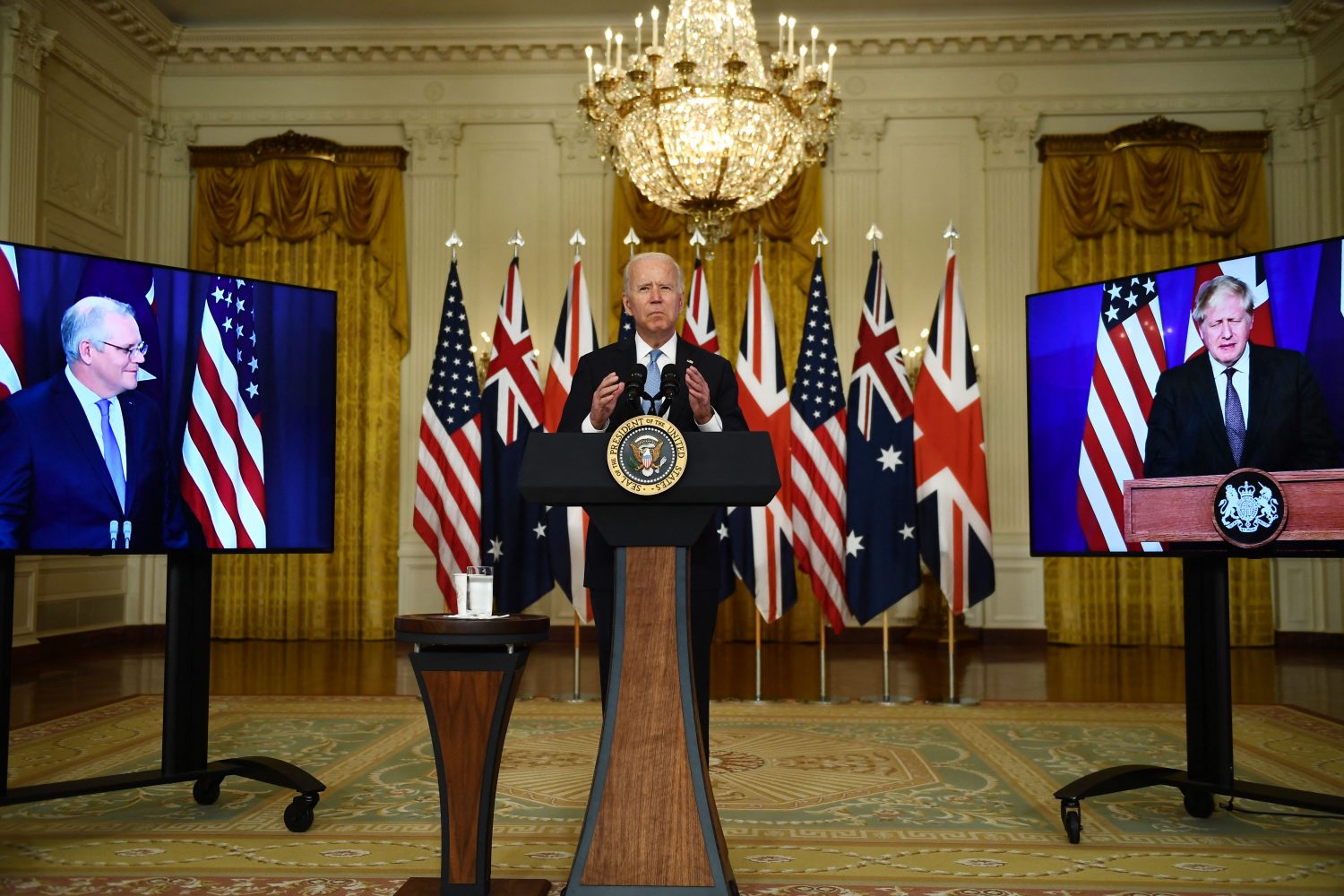
THREE, the announcement of the Australia-UK and US (AUKUS) alliance which represents a major departure in US strategy by its commitment to enable Australia to join a handful of countries with nuclear submarines. The alliance clearly portraits Australia’s strategic choice to firmly support USA despite its considerable economic and commercial equation in China.

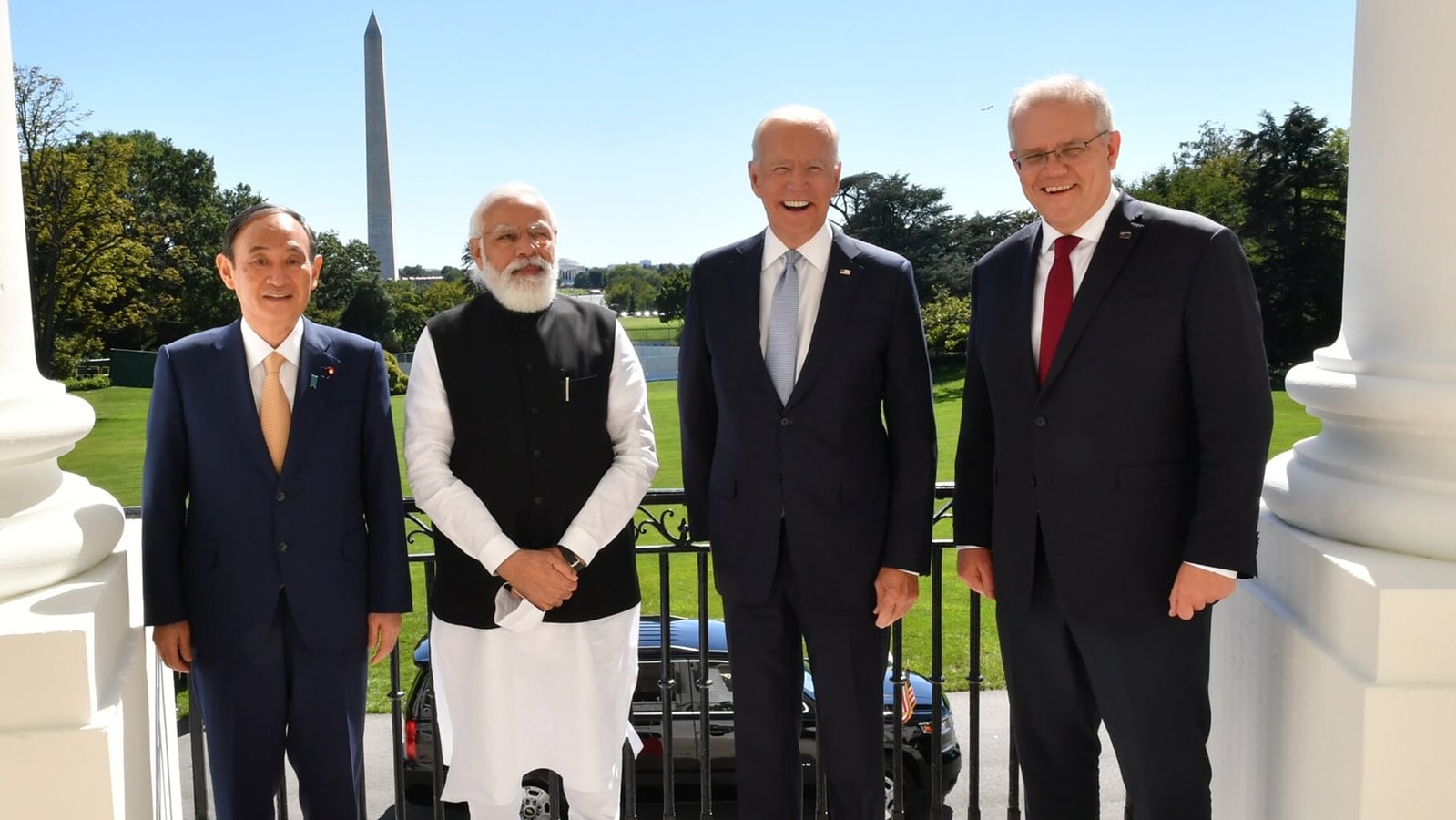
FOUR, the convening of the four nation Quad physical summit (India, Australia, Japan and the US) IN Washington. This reflected a major step towards its formalization as an influential grouping in the Indo-Pacific going beyond boundaries and into a personal level of safeguarding.

These four developments together present India with both risks and opportunities. While the latter outweighs the risks henceforth. It would indeed be fitting to say a future of uncertainties awaits the entire world. Are these measurements a preparation of the unseen future or simply precautions is something only time will reveal.

Written by : Ananya Kaushal

Global Warming a Global Threat

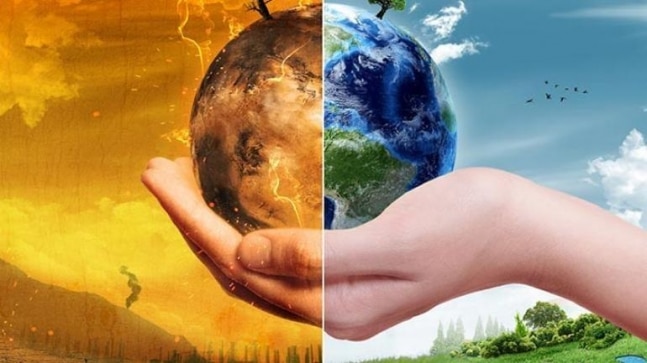
“Global warming, a global threat”. We have heard a lot about global warming in the news debates general discussion and international discussions too. But are we really serious about it, we just hear it and leave it we never try to understand the seriousness of it. It has just turn to be a debate topic for us.

The temperature of the Earth is increasing drastically, even in Antarctica whoes normal temperature remain +10°C in summer experience 18.3 degree Celsius record temperature which is an alarm in one. Even Canada is facing about 50 degree celsius temperature which is the record highest in the history of Canada.

Cause of global warming is the CFC gases which are released by the AC, refrigerators and cars that we use. The clearing of forests that leads to deforestation is another cause of global warming as carbon dioxide is not been able to use by the trees. Global warming leads to melting of glaciers which ultimately leads to increase in sea level which is the main cause of tsunamis and other problems.

We always hear that action speaks Louder Than words and this is the real problem to take action upon. There are many steps taken internationally for this cause but we should contribute from our side too.

We can contribute by planting a tree or any small plant or by reducing the use of ACs, refrigerators and cars. Just think about it it might be a very small step from your side but will cause a great difference to this earth. Just bring the first step forward and other get inspired by you and will ultimately E result in reduction of the Global temperature.

Car Market in India during Pandemic Covid-19

The impact of pandemic covid-19 in India has been vastly disruptive in terms of loss of life and economic movement.
Almost every sector has been adversely affected by the pandemic. Production cut due to decline in demand of cars during covid-19 also impacted employment growth negatively.


As the domestic demand and export stopped with some notable exceptions. Pandemic with the lockdown derived in shutting down of production in automobile industries and impacted car marketing in India. In addition, the reduction in the consumer demand for cars is also increased. The car market during covid-19 in India had the hardest hit.

With the statement of automobiles Manufacturers society, the car market registers a negative growth in sales. But that’s not equally true for all. Still, luxury car manufacture said they are seeing a boom in the demand despite the pandemic. While studying the car market trends during covid-19. Profits are been made on the kind of car being sold during pandemic covid-19. Overall car sales were down compared with the previous year. As lockdown is giving ease in some cities hence people are electing to buy cars rather then using public transport. The reason being behind is people are afraid of using public transport while concerning about their safety.
The main Impact that the car market during covid-19 submitted is the slowdown in the demand for new cars and increase in demand for used cars. Because Used cars are budget-friendly and the supply of new cars is slow. Nowadays, The supply and demand all are delivered online. The available option is more.


The picture is improving however, the manufacturers must start the production after relief from the second wave of the covid-19. Confirming the protection of its employees and customers. Following the social distancing and vaccination. In addition, the government has decided to support The car market during covid19 by its policies, such as decreasing the cost of raw material required and cutting down the tax rates on automobiles. All such measures can help the market to recover sooner and tougher.

REGARDING CORRECT CERTIFICATE FROM EDUINDEX

From few days I am writing emails to give me certificate of date 16 june to 16 july. since month of july i am doing so but AGAIN and AGAIN I am rcieving wrong certificate. I need to prepare summer internship report. i cant attach wrong certificate. This is my last option to write here. I am in a complusion otherwise I would have not written here.

Its my humble request to everyone who is reading it please like . So that it can come in front of the team.

And if team you are reading this please prepare a certificate from the 16 june to 16 july. In my offer letter too you have mentioned same date. COMMENT ME IF YOU HAVE PREPARED. I WILL SEND U DETAILS.

I am quite depressed with such an unlawful behaviour.

WHY MENSTRUATION A TABOO IN INDIA?

Menstruation is a phenomenon unique to girls. Menstruation is the natural part of the reproductive cycle in which blood from the uterus exits through the vagina. It is a natural process that first occurs in girls usually between the age of 11 and 14 years and is one of the indicators of the onset of puberty among them.

Taboos surrounding menstruation exclude women and girls from many aspects of social and cultural life. Some of these are helpful, but others have potentially harmful implications.

In India especially, I found it extremely ironic for it to be still a taboo in this time and era, even before I don’t understand why it was called a taboo and the reason for that I guess was, India where a girl child recognised as boon ( as GODDESS LAKSHMI when born) and giving birth is also considered boon given only to women despite that this unique process that make it possible for a women to have a child is considered a TABOO. Even with many scientific clarification of the process of this unique phenomenon, even though being this 21st century there still continuous myth regarding this adapted within the society.

SOME OF THEM ARE:

  • Women who menstruate have long been taught to keep silent about their periods. Young girls are taught from a young age that they have to manage it privately and discreetly.
  •  In Indian households including the literate ones, women are constantly reminded of the old-age traditions where “you are not allowed to touch anything holy, visit temples, cook or touch pickle.”
  • The taboo is so ingrained that women often have the “walk of shame” while carrying their sanitary pads wrapped in black plastic bags in their hands. 
  • Strangely enough, in some cultures, celebrations are held on the commencement of menstruation. And in the same cultures, the already menstruating women are looked down upon as impure and filthy.
  • It is not uncommon for boys to giggle and laugh during biology class when the topic of menstruation comes up.
  • BUT NOT IN EVERY CULTURE IT OCCURS- In Kashmiri Hindu culture, menstruating women are given special care considering the belief that they become weak due to blood loss. They do not consider them to be impure and rules like, a woman on her period can’t visit temples or can’t work don’t apply.

#BREAKTHEBLOODYTABOO

It’s high time that we normalize menstruation as just a healthy and positive part of the female life cycle. Menstrual periods are nothing to be ashamed of. Just like digestion, blood circulation and respiration are considered as natural and biological processes, both men and women should work towards making menstruation an important topic to talk about openly. This is the only way to combat its silence and break the stigma.

some changes I notice toward breaking this taboo for women in this society

  • The greatest changed I noticed was for the changed working environment toward women as the sanitary environment facilities given to them as employment care like washroom provided with sanitary pads and tampons etc.
  • knowledge about the first period to young girls now given at their school is compulsory not only to girls but to boys too given knowledge for it be known as normal topic and not as a taboo topic.
  • Advertisement about sanitary pads and tampons starts to make this topic to talk openly about.
  • Men buying the sanitary pads and tampons make it comfortable for women during their periods so that they can express their thoughts, sorrows, angers, happiness with them.

Child Marriage

The Beginning

God resides in the heart of a child. Child is as pure as water. When dirt enters in water it becomes impure. When a child is married the child loses the inner purity. To fulfill some “so called” rituals and respect their tradition people get ready to tie their children’s knot with someone even before the appropriate age. To prove our traditions, to respect them do we really need sin like child marriage? On one hand we talk about children and on the other hand we talk about marriage, how come we are living with this contradiction? We are living in a society where a separate section of society feels marrying their children after 18 is as dangerous as nuclear bomb. The actual nuclear bomb is child marriage. Because of this many children have died or let me say they have martyred. And here we are crying over GST; high price of tomatoes. This is the culture we are living with, this is the nation we are residing in.

The Middle

What actually child marriage is? Child marriage is a human rights violation. Despite laws against it, the practice remains widespread, in part because of persistent poverty and gender inequality. In developing countries, one in every three girls is married before reaching age 18. Child marriage is related to child espousal and court approved early marriages after teenage pregnancy. In many cases, only one marriage-partner is a child, usually the female. Child marriages were common throughout history for a variety of reasons, including poverty, insecurity, as well as for political and financial reasons. Today, child marriage is still fairly widespread in developing countries, such as parts of Africa, South Asia and Latin America. The incidence of child marriage has been falling in most parts of the world. Somewhere child marriage has given rise to teenage pregnancy. In poor countries, early pregnancy limits or can even eliminate their education options. This affects their economic independence. This makes girls more vulnerable to persistent poverty if their spouses die, abandon, or divorce them. Girls in child marriages are more likely to suffer from domestic violence, child sexual abuse, and marital rape.

Picture Credit: http://shorturl.at/afpCZ


The United Nations, through a series of conventions has declared child marriage a violation of human rights. Child marriages violates a range of women’s interconnected rights such as equality on grounds of sex and age, to receive the highest attainable standard of health, access to education and freedom from violence. The society is interlinked with each other. If one factor gets effected the whole system is disturbed. Then in which world we thought that child marriage would not create any change in our surroundings? Or the objects encircling us wouldn’t have any effect on child marriage? Factors that impact child marriage include poverty, gender inequality, protecting family honor; tradition and culture; and insecurity, particularly during war, famine or epidemics. Other factors include family ties in which marriage is a means of consolidating powerful relations between families. Why have we made marriage a form of business? Why always dowry has to be included in marriage? Why bride’s price is to be paid? Providing a girl with a dowry at her marriage is an ancient practice which continues in some parts of the world. These difficulties pressed families to betroth their girl, irrespective of her age, as soon as they had the resources to pay the dowry. A bride price is the amount paid by the groom to the parents of a bride for them to consent to him marrying their daughter. In some countries, the younger the bride, the higher the price she may fetch. Hence, the rise of the menace like child has become so popular all around the globe.

The End

Some of these marriages could have been stopped, in fact they should have been prevented only if people were well aware? No, only if we were all aware. We as a society need to come together to stop this gruesome crime. We need to stand against such traditional practices that endanger the lives of young kids, which lead to the creation of a dark cloud over these kids’ future. We just don’t need an end to this practice but we need an end to the thought process that lead people to think crimes like this to be okay in the name of traditions, we need an end to this totally aggravated legacy of ruining children’s life.