Delhi is not only the capital of India but also lies in the heart of the country. It is filled with joyful and hard working people who always merry on hangouts around the city. Each place is special and offers something one of a kind in Delhi. People from various regions visit here to gain sale of their innovative and beautiful products. This has also led to emergence of various known markets in the place. Here are some of the favouritehangout places of ‘Delhiites’.
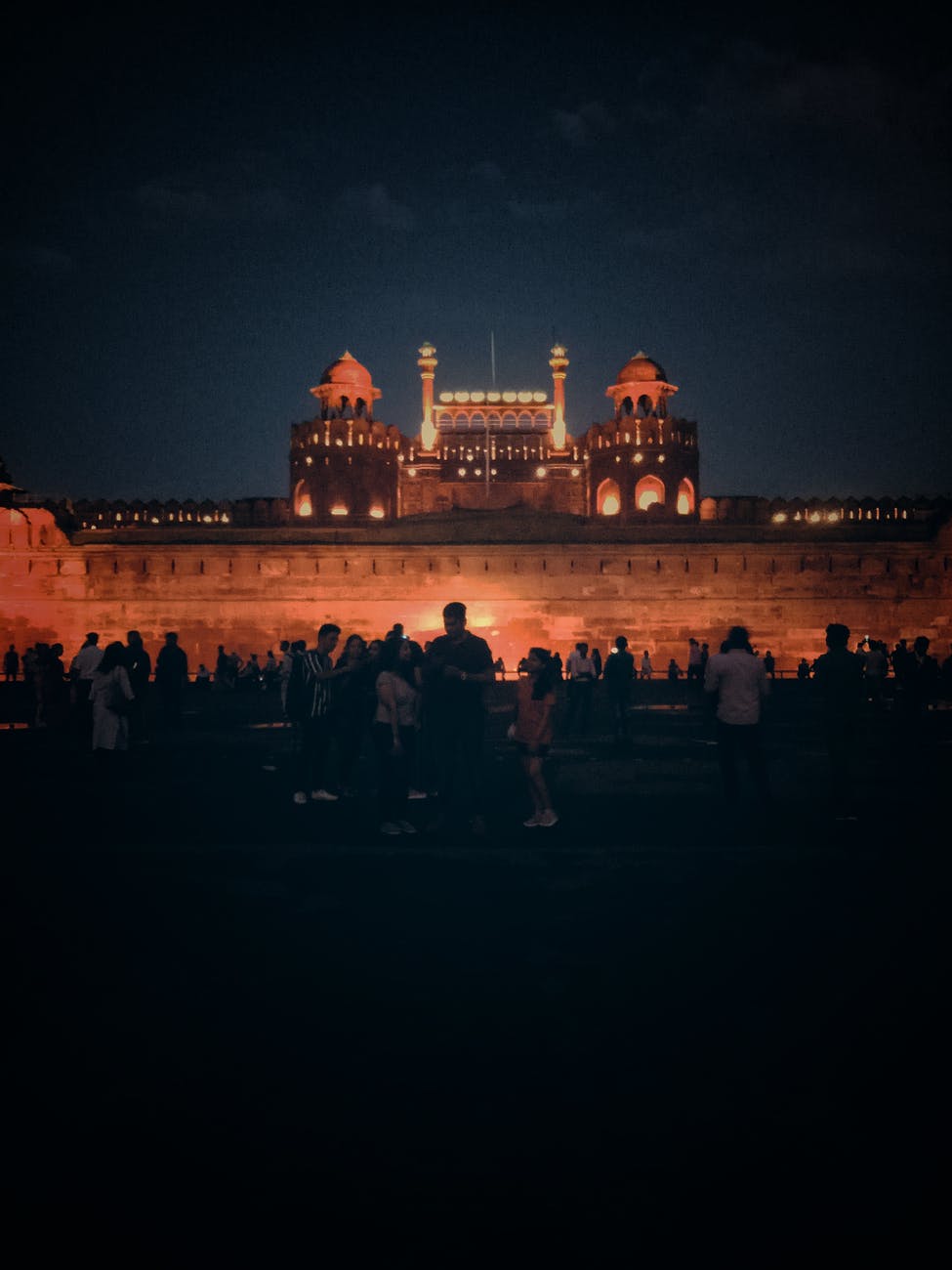
It is a very famous market in old Delhi for spices, sarees, religious places and many more. What is more famous is the Paranthe wali Gali. The variety and deliciousness of their Paranthas are unmatched since 19th century, the period of their start-up. There’s always a crowd at the place. The Chandni Chowk market is also famous for variety in clothing and tasty food. There are over hundreds of delicacies to wet your tongue ranging from sweet to spicy, the street food in Chandni chowk always attracts visitors. There are religious places- temples, church, Gurudwara and masjid set up in the same row where people come from distant places to worship. Nearby is the Red Fort, the historical monument established by the Mughal emperor-Shahjahan. The crowded streets never end here. The market has a lot to offer to general public as well as tourists. There are popular shops of sweets and local food vendors, you can also find shops selling trophies, and other items such as bells and wooden statues, handicrafts, etc. Chandni chowk has also witnessed shooting of many Bollywood movies. Fair are also organised close to the place during festivals, bringing larger crowd to the market.
It is a go-to place especially when it comes to youngsters. It covers a wide area built with many commercial buildings and hangout spots for people to enjoy food and luxury. The Hanuman temple is also a reason behind the crowd at the place. Connaught place of Delhi also holds many cultural events at its central park. The Georgian style architecture of the place brings the difference out from other places. The market is built with big showrooms offering branded products and good services.
3. Lodhi Garden I Khan Market
The Lodhi Garden is a beautiful city park spread out in a vast area and is one of the old green places in Delhi holding historical significance. Located in Lodhi estate, it is a prime area to calm down and relax in between the nature, just aligned to the main roads. The architectural heritage here is an attraction to tourists as well as the locals. The serenity provided by sweet chirpings of the birds and clean water of the lake is magical and relaxing. The garden has tombs and other architecture.
Nearby is the Khan Market to shop luxurious items from foods to branded clothing. It is a tourist place situated on the main road of the Lodhi estate, well-fenced with structured walls. It is not much crowded and quite close to the metro station.
It is a commercial as well as residential place located in Central Delhi. It has busy shopping streets and tasty street food serving the crowd around. This place has also served as shooting site in pop culture. There is direct metro connectivity to Karol Bagh. Branded as well as non branded and inexpensive items are available in the market adjoining the metro station with less crowded streets to offer a mindful shopping experience.
It has come to my surprise that most people do not identify themselves as feminists. I have no idea what some people think feminism is. So, here is the dictionary meaning of the word feminism.
Feminism is defined as the belief in social, political, and economic equality of sexes.
I would like to emphasise the word equality. Feminism does not support sexism.Feminists do not put men down, nor do we support the women who put them down. Feminism is the belief in equality and not female superiority.
I was surprised to see some of the women not identifying themselves as feminists. I have come across women saying things like:
I don’t face gender discrimination, so why should I support feminism.
To all the women who have similar beliefs, it is the FEMINISTS that got you to a place where you can say sentences like these.
Do you really think that without voices being raised, you got to a place where you are?
Women did not even have the right to vote, study, or work. Back in the old days, men did not even consider women. So, we have come a long way from women-only staying in the households to now becoming presidents.
Secondly, there are still so many issues happening against women, and we must raise voices. If you have the privilege to face no gender discrimination, that is good for you. But do you not want that for every single girl out there?
To all the people who think that feminism is unnecessary, I would like to show some of the achievements done by feminists.
Right to vote
Gain access to birth control
Bought women out of household
Calling out on rape culture
Fought for legal discrimination
Making the workplace a little more equal
These were just a few of the things done because of feminists. So, the next time you think feminism is not needed and that we are already in an equal world.
Well, open your eyes. There is still a long way to go.
Saudi Arabia gave women the right to drive in 2018.
Each minute 28 girls are married before they are ready
One in three women have experienced physical or sexual violence
62 million girls are denied an education all over the world
4 out of 5 victims of human trafficking are girls
These were just a few facts out of 100 more issues that women face today. This data is for people who think we already have achieved gender equality. We have not and, we still need feminism.
If you are one of those people who does not like being labeled but believes in equality of both sexes. What are you afraid of? It is just a label for the betterment of our society. If you think people are going to judge you for it. Those are the people who did not do their research on what feminism is.
I am a proud feminist and, I am here to fight against the injustice that women go through. If you are with me, I hope you all identify yourself as a feminist.
If you are not convinced and, women with strong opinions on achieving equality bother you. Well, you can contribute to the world of misogyny.
Internet addiction is a social enslavement where an individual becomes reliant upon utilization of the Internet, or other online gadgets, as a maladaptive method of adapting to life’s anxieties. Web fixation is turning out to be broadly perceived and recognized, especially in nations where it is influencing enormous quantities of individuals, like South Korea, where it has been proclaimed a public wellbeing problem.1 Much of the momentum research regarding the matter of Internet habit has been completed in Asia. It’s anything but a developing worry in created countries in North America and Europe.
Web dependence is especially unsettling for youngsters and adolescents. Youngsters come up short on the information and attention to appropriately deal with their own PC utilize and have no clue about the potential damages that the Internet can free them up to. Most of children approach a PC, and it has gotten typical for youngsters and teenagers to convey cellphones.
While this may promise guardians that they can have two-way contact with their youngster in a crisis, there are genuine dangers that this steady admittance to the Internet can open them to.
Youngsters have gotten progressively familiar with extensive timeframes associated with the Internet, disengaging them from the encompassing scene.
Kids who own a PC and have favored online access have an expanded danger of inclusion in cyberbullying, both as a casualty and as a perpetrator.8
Kids who participate in tricky web use are bound to utilize their cellphone for cybersex, especially through sexting, or access applications which might actually build the danger of sex compulsion and online sexual damages, like Tinder.9
Also, kids who mess around online regularly face peer strain to play for expanded timeframes to help the gathering they are playing with or to keep their abilities sharp. This absence of limits can make kids powerless against creating computer game addiction.10 This can likewise be problematic to the improvement of solid social connections and can prompt seclusion and exploitation.
In the event that you perceive the manifestations of Internet dependence in yourself or somebody in your consideration, converse with your PCP about finding support. Just as having the option to give references to Internet enslavement centers, analysts, and different specialists, your PCP can recommend prescriptions or treatment to treat a hidden issue in the event that you have one, for example, gloom or social tension disorder.11
Web dependence can likewise cover with other social addictions, for example, work enslavement, TV habit, and cell phone fixation.
Technology is evolving rapidly. The enhancement in technologies has made it possible for various establishments over the world. It connects the whole world and has made our communication better and feasible through several digital platforms and social medias. It has developed and promoted many new and innovative approaches. We are into an era where the technologies has got over our lives. The social medias though help us for a better connectivity it also carries along with it some of the undeniable pitfalls which at times ruins an individuals’ life. One of the snags that it holds is the cyber bullying.
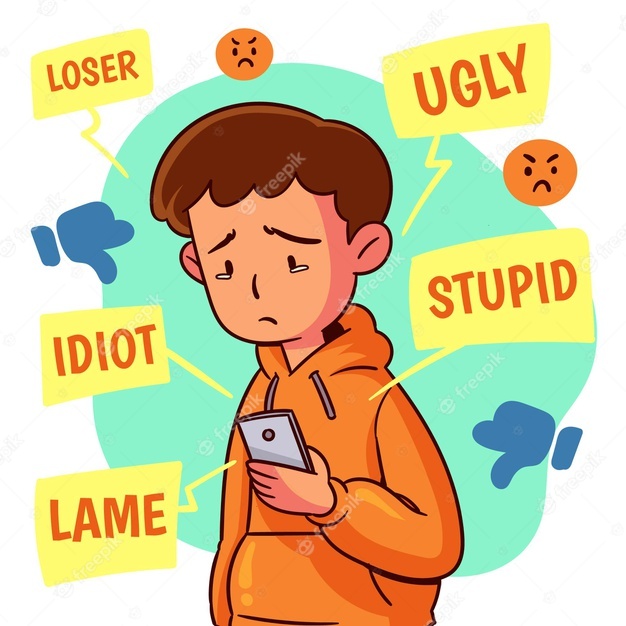
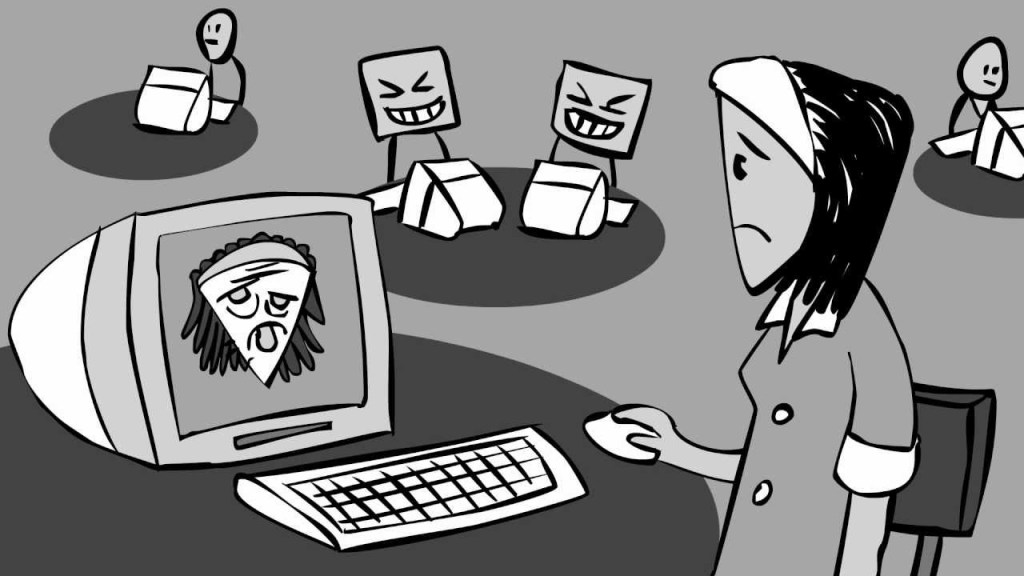
Cyber bullying also known as cyber harassment is a way of bullying / harassment through digital spaces or media. It creates a situation, which includes threats, humiliations, blackmail, or sexual bullying and the victim is ridiculed. It is less physical than the other traditional categories of bullying but it has very impactful and influential effects on individuals. Cyber bullying has become very common these days and has been increasing, especially among the teenagers who are exposed more to the social platforms because the young people are mostly influenced by internet usage more than ever due to the increased screen time. It comes in various forms. It doesn’t necessarily mean hacking anyone’s profile or posing to be someone else. It includes the pessimistic comments by the usage of abusive or derogatory words passed on someone for defamation or other reasons. It tarnishes the reputation/image of an individual that they have built over the years.
The false rumors could even destroys the people’s lives. Nowadays everybody owns an account in the various social lines and this makes it very easy for anyone to misuse this access. Cyber bullying portrays the unpleasant side of the internet. These hostile actions are seriously damaging and can affect anyone easily and gravely. A cyberbullying may not necessarily be a stranger, it may also be someone we know. It is dangerous as it affects the mental peace of a person and takes a toll on the person’s mental health. It shakes the self esteem of a person and makes them feel inferior and at times the stress or depressions developed may also lead to some physical health issues. The internet provides incognito and the chance to create a profile with a hidden identity. Most of the times cyberbully work in groups because in that way they feel strongly united. Cyber bullying can result in detrimental effects on both the bully and bullied. More than 1 in 3 young people have experienced cyber threats online. Over 25% of adolescents and teens have been bullied repeatedly through their cell phones or the internet. Well half of the young people do not even tell their parents when cyber bullying occurs.
Prevention
Section 507 IPC – The section states that if anyone receives criminal intimidation by way of an anonymous communication then the person giving threats shall be punished with imprisonment for up to two years. Cyber bullying prevention is the need of the hour. It has to be monitored sincerely. We can implement them at authoritative levels as well and arrive to effective solutions. From a personal standard one can refrain oneself from posting explicit photos in the social medias and avoid sharing personal information online or to unknow persons. When children expose themselves on the social media, their juvenile nature can make them as a prey to cyber bullies and fall at the wrong hands. So parents should have continuous monitorization over their children. Cyber bullying must be reported immediately when countered without any delay. There are helpline numbers, mail id’s and websites where we can report such crimes. This can prevent further incidents from taking place. We should create awareness about the forms of cyber bullying and its consequences.
India adopted its nuclear Doctrine in 2003 the salient features of this Doctrine are as follows:
Building and maintaining a credible minimum deterrence.
A posture of no first use nuclear weapons will only be used in retaliation against the nuclear attack on Indian Territory or on Indian forces anywhere.
Nuclear retaliation to a first strike will be massive and designed to inflict unacceptable damage.
Nuclear retaliatory attacks can only be authorised by a civilian political leadership through nuclear command authority.
Non use of nuclear weapons against non nuclear weapon States.
However, in the event of a major attack against India or Indian forces anywhere by biological or chemical weapons India will retain the option of retaliating with nuclear weapons.
A continuance of strict controls on export of nuclear and missile related materials and technologies participation in fissile material cutoff Treaty negotiations and continued observance of the moratorium on nuclear test.
Continued commitment to the goal of a nuclear-weapon-free world through global, verifiable and non-discriminatory nuclear disarmament.
Humanity hit a new low when an Indian origin American girl was heavily trolled by netizens just because of her faith. NASA, in order to invite new interns tweeted an application showcasing the diverse nature of the organization. An Indian girl also featured in the tweet with Hindu idols in the background of her picture.
An innumerable number of trolls targeted the girl criticizing NASA for including such a “stereotypical” image of Indians according them. But is it okay to bash someone merely because they follow a particular faith or religion? The girl undoubtedly secured a place through her efforts and a futile, good for nothing crowd directly mocked her as a fake science-lover only because she believes in her Gods. If atheism was a criterion to get selected in any scientific organization then people should also nullify the work and contributions of Einstein, Newton and Darwin.
It is so shameful to read the tweets and realize how much hatred and Hinduphobia is prevalent in society. Some of the tweets read ‘She missed Lord Ganesha and 33 million other Gods’, ‘NASA and gods don’t mix. The Indian kid seems to have some kind of obsession with Gods’. Other tweets are too vile to read.
Another user very accurately pointed out “All those mocking her: Hijab, polygamy, child marriages, Niqab, prayers on road, etc. are supposed to be respected under the concept of ‘choice’ and ‘pluralism’ but a Hindu lady practicing her faith has to be ridiculed. Carry on! Your bigotry will make her faith stronger.”
It is indeed true that the case would have been very contrasting only if the girl was wearing either hijab or had a Christ portrait in the background. However, irrespective of any religion or faith, no one should be criticked or targeted just because they are proud of their roots.
Injuries to areas of the body that is usually protected /covered.
Delay in seeking medical attention for a child
Is violent to animals or other children
Tries to hide bruises or other injuries
May be extremely withdrawn or extremely aggressive
Is wary of adults or of a particular individual
Cannot recall how the injuries occurred or gives inconsistent explanations
Emotional Abuse
It occurs when a child’s emotional, psychological or social well-being and sense of worth is continually battered. It can include a pattern of criticizing, rejecting, discriminating, degrading, ignoring, isolating, corrupting, exploiting and terrorizing a child.
Indicator in child
Bed-wetting or bed soiling that has no medical cause
Frequent Headaches, nausea, abdominal pains
Has not attained significant developmental milestones
Displays attention seeking behaviours or displays extreme inhibition in play
When at play, behaviour may model or copy negative behaviour and language used at home
Suffers from severe developmental gaps
Indicator in adults
Constantly labels the child or publicly humiliates the child
Continually threatens the child with physical harm or forces the child to witness physical harm inflicted on a loved one
Has unrealistic expectations of the child
Sexual Abuse
Sexual abuse includes acts where an adult uses a child for a sexual purpose. While it may involve a stranger.
Indicator in child
Torn, stained or bloody underclothing
Bruises, lacerations, redness, swelling or bleeding in genital, vaginal or anal area
Blood in urine or faeces
Unusual or excessive itching or pain in the genital or anal area
Difficulty in sitting and/or walking
Signs of sexually transmitted disease Indicators in a child’s behaviour
Outburst of anger
Self-harm (cutting, burning or other harmful activities)
Age-inappropriate sexual play with toys, self, others
Sophisticated or unusual sexual knowledge
Nightmares, sleeping problems
Becoming withdrawn or very clingy
Becoming unusually secretive
Sudden unexplained personality changes, mood swings and seeming insecure
Regressing to younger behaviours, e.g. bedwetting
Fear of certain places or persons e.g. bedroom or bathroom, friend-uncle
Indicators in adult behaviour
Insist on physical affection such as kissing, hugging or wrestling even when the child clearly does not want it.
Insist on time alone with a child with no interruptions.
Spend most of their spare time with children and have little interest in spending time with people their own age.
Frequently walk in on children/ teenagers in the bathroom.
Treat a particular child as a favourite, making them feel ‘special’ compared with others in the family.
Regularly offer to baby-sit children for free or take children on overnight outings alone.
Buy children expensive gifts or give them money for no apparent reason.
What to do??
Learn to recognize the signs
Provide a listening ear
Offer help
Give helpful information
Explain that violence is not OK
Look for community systemic support for the family
Can contact Childline (1098) to talk over your concerns confidentially with a trained social worker.
Take following steps on Emergency
Step-1: Immediately contact parents if child is not abused by parents and if child can give information of his/her parents.
Step-2: Contact any one of the following agencies to provide required support to parents and child: DCPU, SJPU, Childline, CPCs, Police or CWC. You can also take help from credible NGOs working on Child Rights in your area.
Step-3: Provide emergency support such as medical aid, clothing, food and transportation to safe places. Make sure that you handover this child to responsible adults from above mentioned list only.
Step-4: Help authorities with whatever information and evidence you have as regards abuse of the child to make sure that the abuser is punished. If possible give written information.
Step-5: Maintain privacy to ensure that the name of the child is not disclosed to media or public in any ways.
Prevention
Create Safe places for children in community, neighbourhood and society.
Create Structures and Systems where children can express their feelings and emotions freely without any inhibitions.
Create Structures and Systems to ensure safety and to ensure that children are supervised.
Educate children about safety measures. Provide information about the emergency contact numbers.
Create awareness: About child protection systems and networks. Keep this information handy.
Build network of concern individuals and groups to help children. Develop support systems for children.
The urbanization level of cities is increasing and with this the population and critical infrastructures in the city also increases, thereby increasing the exposure and vulnerability of cities to acute stresses and long terms shocks like cyclones, floods, pandemics etc. Currently the cities are battling with the greatest challenge to mankind since second world war and most dangerous health calamity, i.e. COVID 19. Cities are the areas having maximum concentration of population and are the nodes of development, hence there’s a need to combat the effects of COVID – 19 and it is important to find a way by which the cities can be developed more sustainably, with more resilience and livability.
WHAT IS COVID 19 ?
The name COVID – 19, originates from ‘Corona’ for CO, ‘ VI’ for Virus and ‘D’ for Disease and ’19’ represents t=its year of occurrence. The pandemic started from the Wuhan city of City in December 19 and within couple of months it became the global health emergency. The pandemic has not only affected the public health but also demobilized the global economy, impacts on environment and governance as well.
Image showing the different modes by which COVID 19 can be transmitted
WHAT IS RESILIENCE ?
Generally, Resilience is defined as the capability to recover from difficulties. In context of city, Resilience can be defined as the ability of an city to Prepare for, Respond to and Recover from any acute stress or long term shock. While dealing with the resilience of a city, the opportunities and threats provided by the difficulty is analyzed and initiatives are taken accordingly. In order to reduce the vulnerability of cities from getting affected by the disaster or hazard, pandemics or any other threat, the city’s capability to resist and recover from these risks is mandatory.
NEED OF RESILIENCE
For ensuring and increasing the safety and well being of the citizens and the environment, cities need to be made more resilient and prepared for addressing shocks and stresses.
There are many ways by which the resilience of cities can be enhanced and these w2ays can be determined by comparing the COVID 19 with other such health risks and various ways in which problems were caused can be determined. With the help of this the different interventions and recommendations pertaining to specific ways can be decided and the resilience can be enhanced.
Resilience plays a major role in shaping governance as well because it provides way for trustworthy leadership, responsive community organizations and also neighborhood design which can facilitate social connections. Resilience enhances physical and social infrastructures that helps the people to protect themselves and the society.
CONCLUSION
Resilience is all about learning from previous experiences and generalizing them those lessons to solve new problems. COVID 19 has provided many experiences for the people by altering the entire living schedule of humans and the experiences learned from this pandemic can be used while preparing for the future pandemics and other health, social and economic threats. In some way or other, COVID 19 has been following the previous pandemics and hence required months of restrictions in travel and isolations, which created and is still creating numerous social, economic and domestic problems for citizens, households, businesses and communities. To answer all these issues and to combat such pandemics the cities need to be resilient. To improve resilience, the communities need to be aware before hand , emergency response programs are required and proper initiatives for contagion control is also a mandatory step. Along with such measures, adequate housing for all citizens and physical and mental support to the sufferers and isolated people is also necessary. In case of designing aspect, the homes and quarantine centers can be designed in such a way that they could reduce the stress with the help of adequate space and proper lighting and ventilation. Along with all such initiative, global threats are needed to tackled with proper international cooperation and by learning from the best practices and approaches for handling such situations.
I have realized that i’m living in a world ,where : rivers are filled with pollutants , air is filled up with toxic gases , soil is polluted with waste materials , and humans are habituated to turn a blind eye upon these by the name of technology and development, expect for some people.
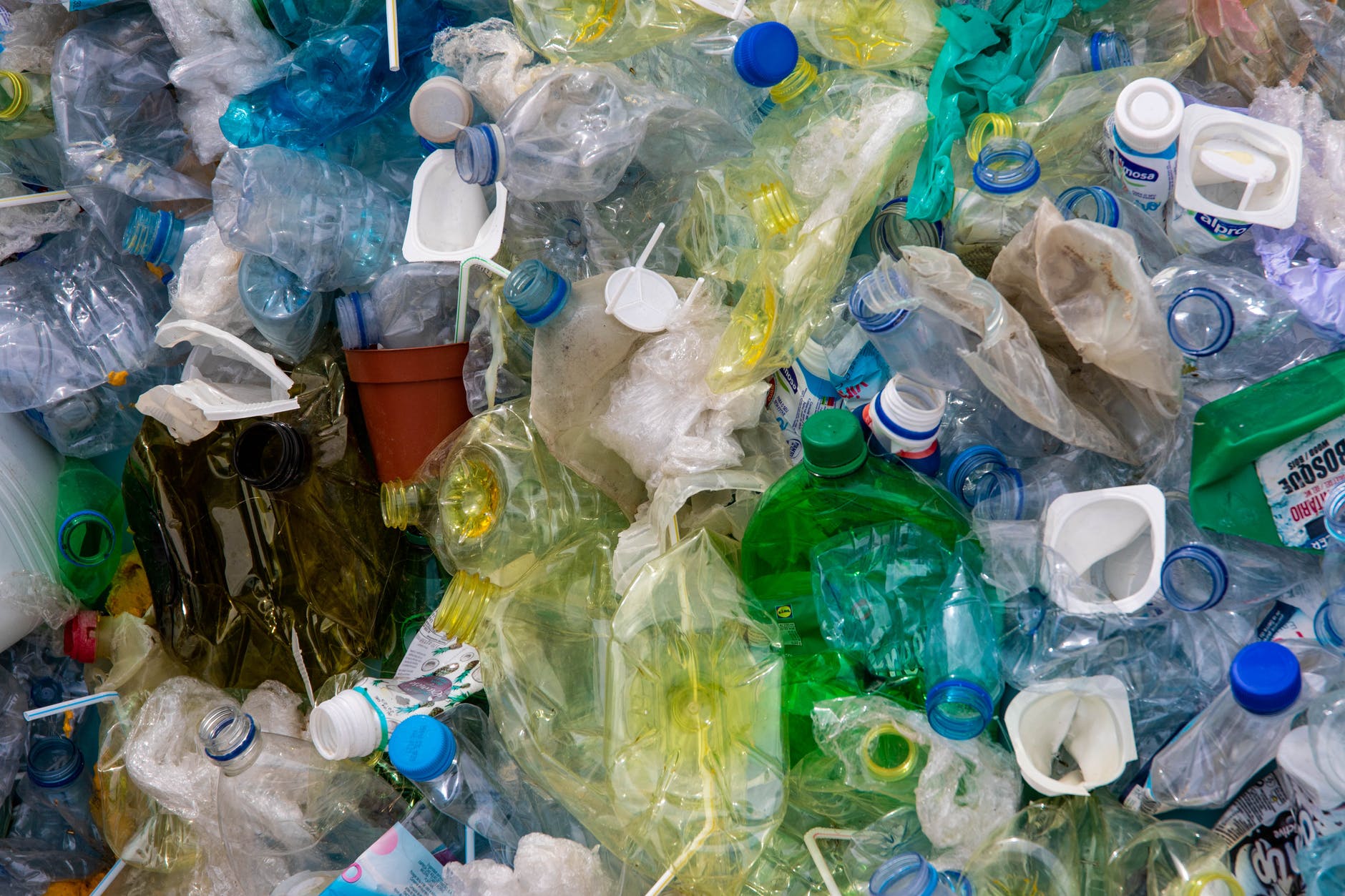
The major factor of this pollution is plastic , Do you know : More than 99% of plastics are produced from chemicals derived from oil,natural gas and coal -all of which are non-renewable resources. only 9%of all plastic waste ever produced has been recycled , About 12% incinerated & the rest 79% used in land fills ,dumps etc,. so , please understand the seriousness of this and start using eco-friendly items.
plastic: the common factor for all pollutions.
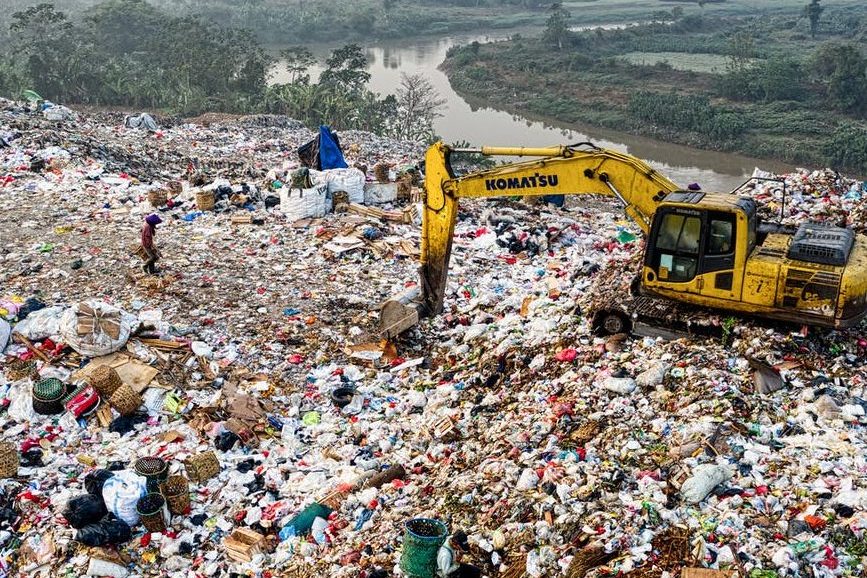
Plastic waste is something which is not eco-friendly , non-renewable particles . Plastic pollution is nothing but a harmful accumulation of synthetic plastic production in the environment. Basically , plastic pollution is nothing but pollution caused by the plastic in different kinds of ways . Alot of plastic waste is dumped in the dumping areas not only causing the soil pollution but also making the land non-usable .
-> This land can be used for the poor people from slum areas . India consists 2,216,533 of population who are living in slums . By decreasing the usage of plastic makes the land useful by providing the people to get a place to live.
-> Plastic waste also makes the land infertile and makes the land useful for farming which decreases the production of crops.
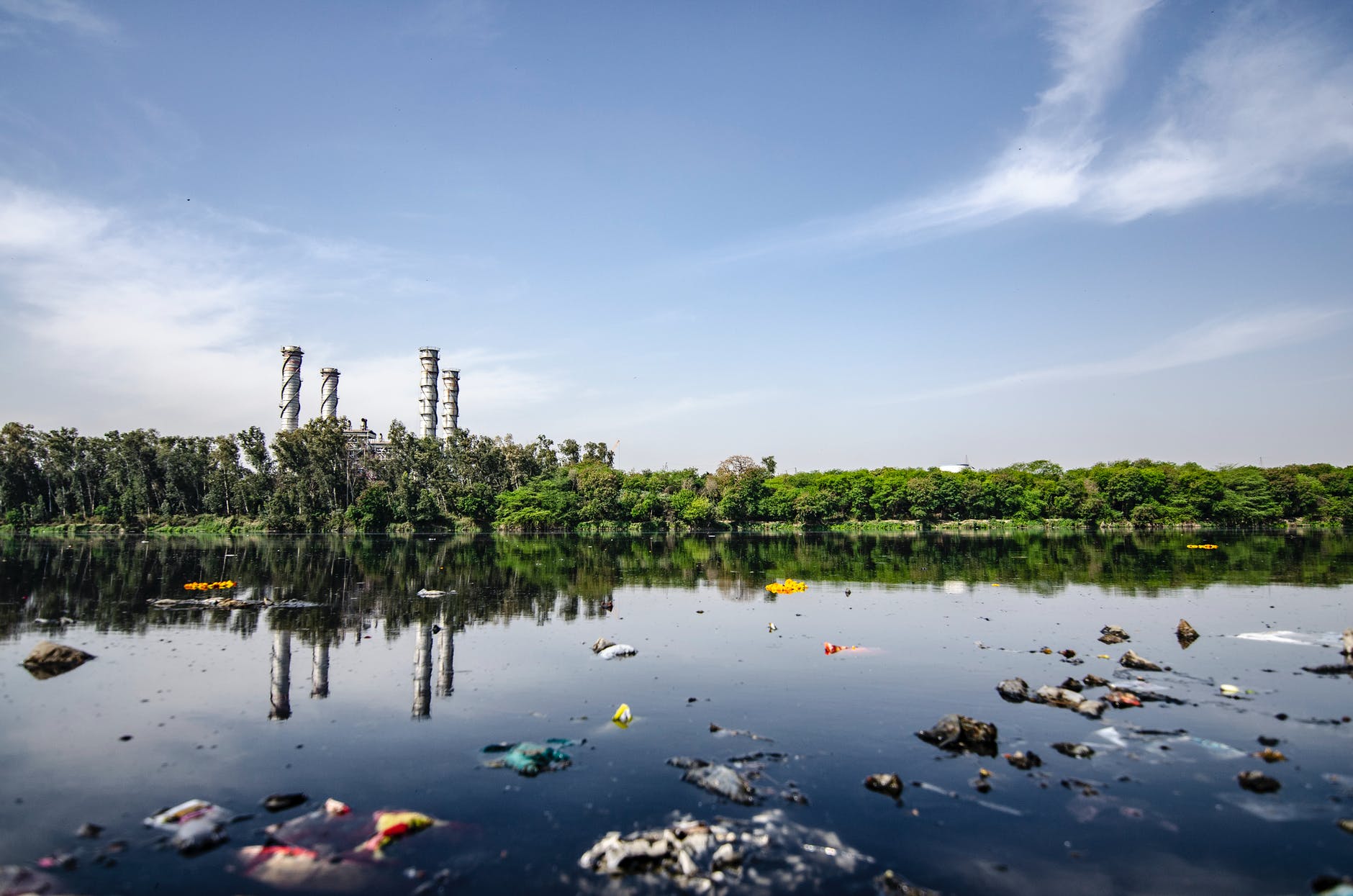
-> By dumping the plastic waste in oceans and rivers creates water pollution . It even causes a problem for the livelihood of marine animals . 100 million marine animals die each year from plastic waste in oceans. “This is only in the records , out of the records don’t even know”. and 100,000 marine animals die from getting entangled in plastic waste.
-> Coming to the water pollution , Chlorinated plastic can release harmful chemicals into the surrounding soil, which can then seep into groundwater or other surrounding water sources, and also the ecosystem. The long stay of plastic in water can stimulate the plastic and combine some of its nature into water which makes water unreliable to drink and use .
->By burning the plastic , the toxic gases get released causing air pollution . The chemicals which get released ,pollute the air and affect the surrounding areas by making the air un-breathable . The smoke which comes is so hazardous ,it remains in air for longer time and causing the damage for ozone layer : which is protecting us from the direct hit of sunlight . The direct hit of sunlight can shatter the livelihood of humans cause we cannot bare the heat it produces. Though there are many other initials where poisonous gases are producing which causes air pollution. one of the main cause is plastic.
summary
so , guys its high time . so many people changed their way about using plastic in their lives .We also need to change and make earth a better place to live . Lets struggle at first to enjoy the tang of better planet . Don’t you guys want to feel the smell of fresh air where pollution is not present anywhere ,see the stars where the sky can create mysteries with the insane nature it has . I hope one day we can see plastic free world.
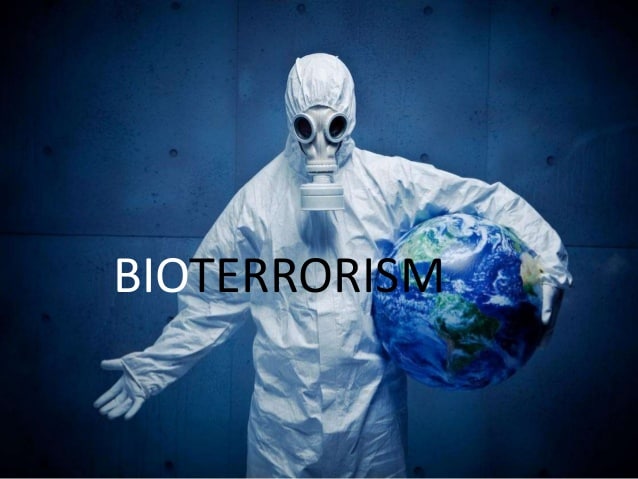
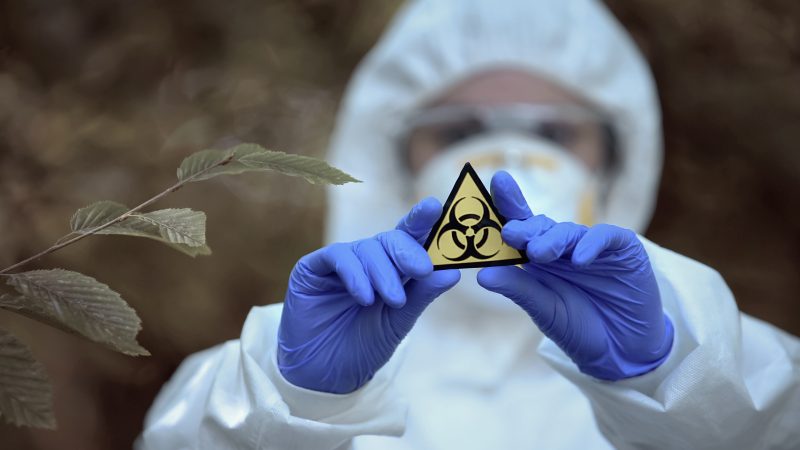
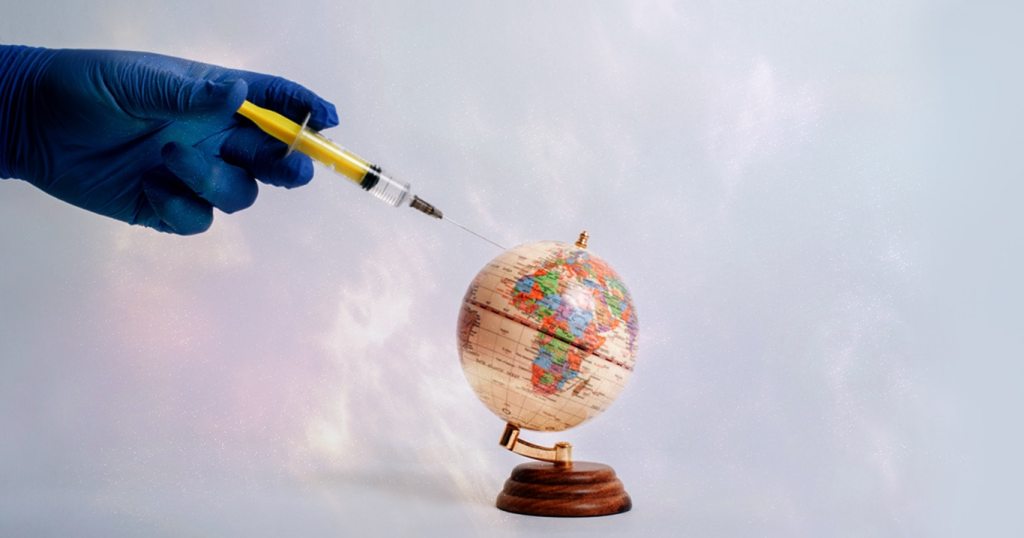
From the past two decades , it is stated that the threat of biological warfare is not a myth but a harsh reality of the world . Due to the outbreak , we can recognise the high risk and consequences of bioterrorism.
This editorial provides you the overview of bioterrorism , it’s symptoms , causes , measures and impact on humans in present scenario .
Introduction
A bioterrorism attack is the deliberate release of viruses, bacteria, or other germs to cause illness or death. These germs are often found in nature. But they can sometimes be made more harmful by increasing their ability to cause disease, spread, or resist medical treatment.
Biological agents spread through the air, water, or in food. Some can also spread from person to person. They can be very hard to detect. They don’t cause illness for several hours or days. Scientists worry that anthrax, botulism, Ebola and other hemorrhagic fever viruses, plague, or smallpox could be used as biological agents.
Despite patchy intelligence, France started its own biological weapons programme in the early 1920s. It was headed by Auguste Trillat, an inventive German-educated chemist who envisioned and tested the sustained virulence of airborne pathogens.
The goal of bioterrorism is usually to create fear and/or intimidate governments or societies for the purpose of gaining political, religious, or ideological goals. Bioterrorism may have a different effect on societies than would weapons such as explosives.
Symptoms
The symptoms of exposure to a biological agent might include sore throat, fever, double or blurred vision, rash or skin blisters, exhaustion, difficulty talking, confusion, descending muscle weakness, nausea, abdominal pain, vomiting, diarrhea, and coughing.
History
Historically, biological weapons have been a threat to humans for many centuries. At those times, very crude methods such as fecal matter, animal carcasses, etc. were used to contaminate water sources, but now the concentrated forms of biological agents such as dried spores and genetically modified organisms are available, which are fatal even in minute quantity.
During the Indo-Pakistan war of 1965, a scrub typhus outbreak in north-eastern India came under suspicion. India’s defense and intelligence outfits were alert to the outbreak of pneumonic plague – well known in biological warfare – in Surat and Bubonic plague in Beed in 1994, which caused several deaths and sizeable economic loss.
Prevention
There are some points that you need to consider during the outbreak :
If you become aware of a suspicious substance, quickly get away.
Cover your mouth and nose with layers of fabric that can filter the air but still allow breathing. Examples include two to three layers of cotton such as a t-shirt, handkerchief or towel.
Depending on the situation, wear a face mask to reduce inhaling or spreading germs.
If you have been exposed to a biological agent, remove and bag your clothes and personal items.
Follow official instructions for disposal of contaminated items.
Wash yourself with soap and water and put on clean clothes.
Contact authorities and seek medical assistance. You may be advised to stay away from others or even to quarantine.
If your symptoms match those described and you are in the group considered at risk, immediately seek emergency medical attention.
Follow the instructions of doctors and other public health officials. Avoid crowds.
As of now July 2021, there are 7.9 billion people in this world. Day by day, the population of humans in this earth is increasing rapidly, especially in countries like China and India. Excess of everything is big problem. Like that excess of population is also a big problem. There many problems with overpopulation. Especially in India, day by day the population is expanding rapidly. In this blog, we are going to discuss what is overpopulation? Why population of India is high? Overpopulation problems in India? How to control overpopulation?
WHAT IS OVERPOPULATION?
Overpopulation is the state at which population becomes so excessive that people must be managed to live. When overpopulation occurs the available resources will become limited or exploited. This makes the population hard to survive. As of now China is the world’s most populated country followed by India.
WHY POPULATION OF INDIA IS HIGH?
Birth rate and death rate are the two aspects that determine the population. If the birth rate is higher than death rate then the population will increase. If the death rate is higher than birth rate than the population will decrease. In India the birth rate is much higher than death rate. India was able to control death rate but it failed to control the birth rate. That’s why India’s population is high. Child marriages is also a reason for overpopulation, even though the law states that the marriageable age for the girls is 18 and boys is 21 years. But in some places the practice is continuing. Old culture norms is also one of the reason in India’s overpopulation. Parents of newly married couple often forces them to have a child. In order to have a male child, couples have more children.
OVERPOPULATION PROBLEMSIN INDIA
The population of India is 1.3 billion alone. India is the second most populated country in the world after china. Experts suggest that India will overtake china in 10 to 15 years. Due to high population there is more competition for everything in India, whether it is a job, college admission etc. Overpopulation generates huge unemployment causing poverty. There will be more unemployed people in India. Which slows down the development of the country. With high population, the resources like land, water and forests will be exploited. With high population, the food prices will rise because there is limited food. Inflation is the major consequence of overpopulation. Overpopulation will cause unequal distribution of money, which widens the difference between rich and poor. In an survey the population density of India in about to be 454 inhabitants live per square kilometre. India ranks 7 position with land.
HOW TO CONTROL OVERPOPULATION?
Government should aware people the consequences of over population. Government should make a population policy regarding the growing population. Increasing the awareness of use of contraceptive devices and free distribution of condoms among the poor. Government should spread the awareness of sex education and family planning. They should encourage people not to specify the birth of the child. Women empowerment should also be encouraged. Organizing campaigns to spread awareness about overpopulation. All these methods will help to control the population of India.
Warning! Spoilers ahead for The Flash season 7 episode 16, “P.O.W.”
The Flashseason 7 is barreling towards its two-part finale and Iris West-Allen’s latest storyline could bring back the Arrowverse’s multiverse following its collapse in Crisis on Infinite Earths. Time and interdimensional travel have been heavily utilized in the shared universe ever since The Flash unlocked the titular character’s abilities to move backwards and forwards in time. The team’s trip to Earth-2 opened up yet another gateway to traversing the multiverse. While Crisis on Infinite Earths changed that for good, Iris’ situation could unlock the multiverse once again.
Iris has been noticeably absent from two episodes of The Flash. In season 7’s episode 15, Barry revealed she wasn’t feeling well and was recovering from a bout of illness at home. In the following episode, however, Iris confirmed what she was experiencing was far more than a regular cold; when she sneezed, her eyes briefly and startlingly flashed green before returning to their normal color afterward. Why the illness is affecting Iris in this way remains unclear, but her symptoms have led her molecules to become unstable, inducing headaches and time displacement.
At the end of the episode, Nora West-Allen confirms that Iris will be okay, but there’s no telling when her symptoms will clear up or what will happen before they do. That said, it’s possible Iris moving in and out of the timeline could play a crucial role in the future of the multiverse and the reason for her predicament may be hiding in plain sight.
Iris Is Phasing In & Out Of The Timeline
Iris’ absence from The Flash season 7’s episode 15 was suspicious, especially since it involved a possible pregnancy storyline that was happening without her. In the following episode, however, fans learned why Iris has been absent. As it turns out, her cold wasn’t a normal one and it was somehow causing her to phase in and out of the timeline. It got so bad apparently that Deon, the Still Force, swooped in to protect Iris by using his abilities to stabilize her from phasing through various temporal planes, moving her to “pure temporal strains” to keep her alive. If it wasn’t for Deon, Iris would have fractured through time itself, which doesn’t sound very pleasant and could have unprecedented repercussions.
This subplot creates an interesting twist considering everything happening on The Flash right now. Between what’s going on with Iris, the Godspeed clones, August Heart — who originated as Godspeed in 2049 pre-Crisis on Infinite Earths — coming into the picture, and Barry dreaming about Nora telling him there seems to be something wrong in the future, Iris’ timeline instability may be the one thing connecting each of these separate storylines. That said, the reason why she’s suddenly phasing in and out of the timeline has yet to be confirmed on the show, but all roads seem to be leading back to one cause.
Iris Being Pregnant Is Causing Her To Be Unstuck From Time
Barry and Iris have been trying to conceive for a few episodes now. After Barry dreamed about Nora the first time, he assumed Iris was pregnant only for the results of the test to come back negative. However, this could have been a false negative. Considering that Iris’ presence in the timeline has been unstable, it’s possible that she is already pregnant and doesn’t realize it. What’s more, being pregnant with speedster babies won’t follow the same patterns of a normal pregnancy and it’s possible that Iris carrying metahumans is causing her to be unstuck from time. Her phasing in and out of the timeline could be The Flash’s equivalent to morning sickness.
This could also explain why she will be able to regain her speedster powers in the season 7 finale. In the comics, Iris phases back and forth in time because it’s revealed she is actually from the future and was sent back to the 20th century by her birth parents. The Flashshowrunner Eric Wallace has teased this storyline coming into play, but like with all things that make their way onto the show, it will probably be a loose adaptation from the comics storyline it’s based on. Traveling between timelines because of a pregnancy might be the closest the series gets to this particular comics arc in this instance.
Jay Garrick’s The Flash Return Hints At Alternate Earths Connection
Jay Garrick (aka, The Flash of Earth-3) was last seen prior to Crisis on Infinite Earths, warning Barry of the impending doom facing the multiverse. However, the speedster didn’t participate in the crossover, nor was he confirmed to be alive in the aftermath that saw the multiverse rebooted and Earth-1 merge with others (including Supergirl’s Earth-38) to become Earth-Prime. Jay will be appearing in The Flash’s two-part season 7 finale to aid in the Godspeed clone war. How his reappearance will be explained remains to be seen, but it’s possible he will show up courtesy of Iris’ temporal phasing. Jay originally hails from Earth-3 and his return to The Flash coinciding with Iris being able to phase through time (and maybe dimensions) could be connected. Iris may be acting as the bridge between Earth-Prime and Jay’s world without even realizing, and the superhero series might confirm that he is now from Stargirl’s Earth-2 instead.
Theory: Iris’ Temporal Phasing Brings Back The Multiverse
In The Flash season 6, Nash Wells detected particles of Eternium, an interdimensional (and multiversal) element, on Iris prior to the events of Crisis on Infinite Earths. At the time, nothing much came of it, just another tease that seemed to lead nowhere. However, this could come back into play now that Iris is phasing through temporal planes in season 7. It’s possible the combination of Eternium and her moving in and out of time now allows her to connect to not only different time periods on Earth-Prime, but alternate universes as well. Perhaps before she is finally stabilized, Iris will indeed fracture through time and that’s what breaks the barrier separating Earth-Prime from the rest of the multiverse, which has remained a secret post-Crisis.
Namely, Iris’ temporal instability could alert her and The Flash to the fact there are still other worlds out there despite the collapse of the multiverse during Crisis. After all, Stargirl exists on the rebooted Earth-2 and it’s been confirmed that Jay Garrick will make an appearance on the series in its sophomore season. And so Iris’ temporal imbalance could open the gateway to interdimensional travel once more, reestablishing the connection between Earth-Prime and other earths. There has to be a reason for why Nash detected Eternium on her. All of this could also be setting up The Flash’s five-episode crossover event in the fall. Whatever the reasons behind Iris’ phasing in and out of time, the introduction of this storyline for her could finally tie together so many loose plot threads for The Flash and the Arrowverse at large.
As far as we currently know, there is a single expanding blob of spacetime speckled with trillions of galaxies – that’s our Universe. If there are others, we have no compelling evidence for their existence.
That said, theories of cosmology, quantum physics, and the very philosophy of science have a few problems that could be solved if our blob of ‘everything’ wasn’t, well, everything.
That doesn’t mean other universes must exist. But what if they do?
What is a universe?
It should be a simple question to answer. But different areas of science will have subtly different takes on what a universe even is.
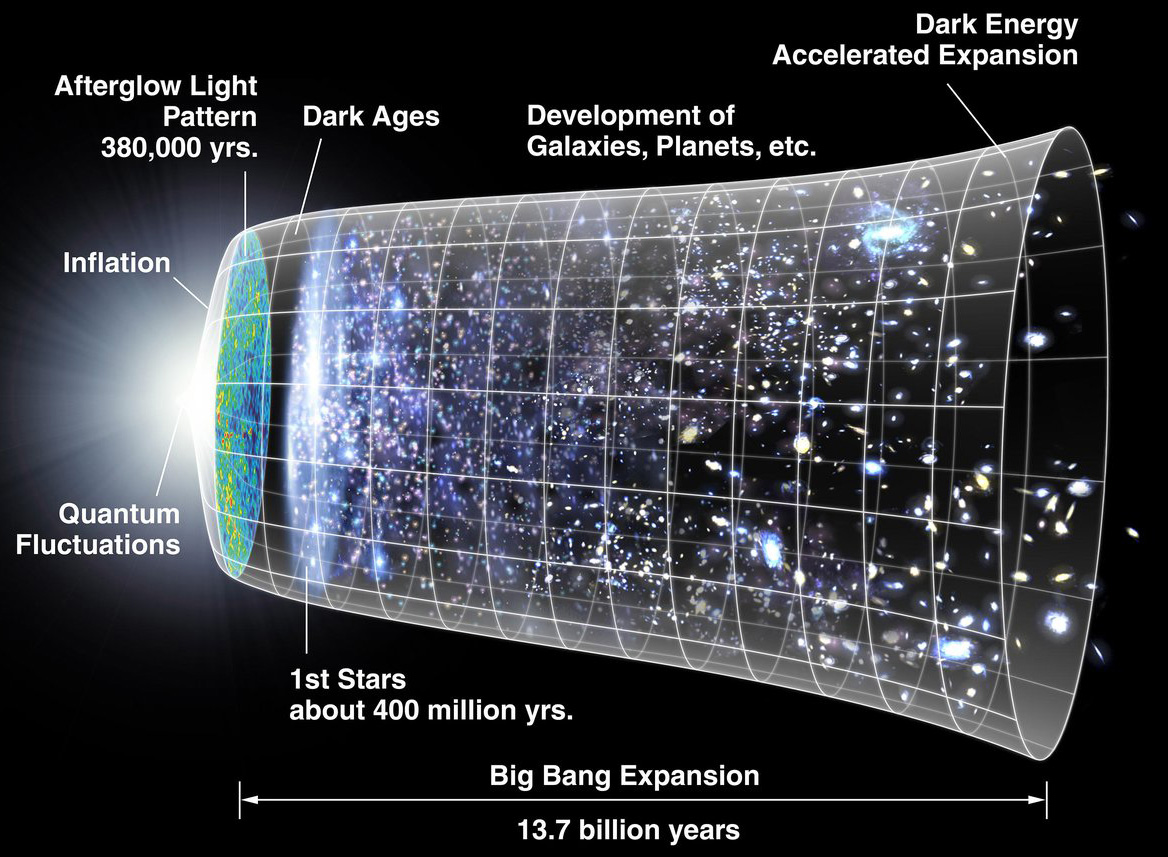
Cosmologists might say it describes the total mass of stuff (and the space in between) that has been slowly expanding from a highly concentrated volume over the past 13.77 billion years, becoming increasingly disordered with age.
It now stretches 93 billion light years from edge to edge, at least based on all of the visible (and invisible) stuff we can detect in some way. Beyond that limit, there are either things we can’t see, an infinite expanse of nothingness, or – in the unlikely scenario that all of space bends back around on itself – a round-trip back to the start across a hyperspherical universe.
If we’re talking quantum physics, though, a universe might refer to all fields and their particles, and their combined influences over one another. As a general rule, a universe (like ours, at least) is a closed system, meaning it can’t suddenly lose or gain a significant sum of energy.
Philosophically speaking, a universe might be a discrete set of fundamental laws that governs the behavior of everything we observe. A universe would be defined by its own rules that set its unique speed for light, tell particles how to push or pull, or space how it should expand.
What is a multiverse in cosmology?
A century of astronomical observations has told us a lot about the age, size, and evolution of galaxies, stars, matter and the four dimensions we sum up as spacetime.
We can theoretically squeeze all of the matter of the Universe down to a point where the concentration of energy reduces atoms to a soup of simpler particles and forces combine until we can’t tell them apart. Any smaller than that? Big shrugs.
If we go with what’s known as a cyclic model of cosmology, the parent universe preceded ours in some way. It might even be a lot like this one, only running in reverse compared with ours, shrinking over time into a concentrated point only to bounce back out for some reason. Played out for eternity, we might imagine the respective universes bounce back and forth in an endless yo-yo effect of growing and collapsing.
Or, if we go with what’s known as a conformal cyclic model, universes expand over trillions upon trillions of years until their cold, point-like particles are so spread out, for all mathematical purposes everything looks and acts like a brand new universe.
If you don’t like those, there’s a chance our Universe is a white hole – the hypothetical back end of a black hole from another universe. Which, logically, just might mean the black holes in our Universe could all be parents, pinching off new universes like cosmic amoebae.
What is a multiverse in quantum physics?
Early last century, physicists found theories that described matter as tiny objects only told half of the story. The other half was that matter behaved as if it also had characteristics of a wave.
Exactly what this dual nature of reality means is still a matter of debate, but from a mathematical perspective, that wave describes the rise and fall of a game of chance. Probability, you see, is built into the very machinery that makes up the gears of a universe like ours.
Of course, this isn’t our daily experience as vast collections of atoms. When we send a bucket of molecules called a rocket to the Moon as it zooms past 300,000 kilometres away, we’re not rolling dice. Classical old physics is as reliable as tomorrow’s sunrise.
But the closer we zoom in on a region of space or time, the more we need to take into account the possible range of measurements we might find.
This randomness isn’t the result of things we don’t know – it’s because the Universe itself is yet to make up its mind. There’s nothing in quantum mechanics explaining this transition either, leaving us to imagine what it all means. https://www.youtube.com/embed/dzKWfw68M5U?ab_channel=PBSSpaceTime
In his 1957 doctoral dissertation, American physicist Hugh Everett suggested the range of possibilities are all as real as one another, representing actual realities – separate universes, if you like – just like the one we’re all familiar with.
What makes any one universe in this many worlds interpretation distinct is how each wave correlates with a specific measurement taken of other waves, a phenomenon we call entanglement.
What ‘we’ means, and why ‘we’ experience one entangled set over waves over another, isn’t clear, and in some ways presents an even bigger problem to solve.
What is a multiverse in philosophy?
One of science’s most fundamental starting assumptions is that in spite of what your mother tells you, you’re not special. Nor is any other human, or our planet, or – by extension – our Universe.
While rare events occur from time to time, we don’t answer The Big Questions with ‘it just happened that way’.
So why does our Universe seem to have just the right tug-of-war of forces that allow not just particles to appear, but to congeal for long enough periods into atoms that can undergo complex chemistry to produce thinking minds like ours?
Philosophically speaking, the anthropic principle (or principles, since there are many different ways to spin the idea) suggests we might have it backwards. Without these conditions, no minds would have arisen to consider the amazing turn of events.
If just a single universe ‘just happened that way’ early one spring morning, it’d be one big coincidence. Too big really.
But if there were infinite universes, with infinite combinations of forces pushing and pulling, some would inevitably give rise to minds that just might ask ‘are we part of a multiverse?’
Will we ever discover other universes?
Given the very definition of a universe relies on some kind of physical fence keeping influencing factors apart, it’s hard to imagine ways we might ever observe the existence of a sibling for our universe. If we did, we might as well see it as an extension of our own Universe anyway.
That said, there could be some cheats that could give us a glimpse.
Any experiment to find one would have to rely on that ‘fence’ having some holes in it that allow particles or energy to leak across, either into ours, or away from it. Or, in the case of universes existing in our past, monumental events that left enough of a scar that not even a rebirth could erase.
For now, we still have no good reason to think our blob of everything is anything but unique. Given we’re still learning how our own Universe works, the current gaps in physics could yet be plugged without any need to imagine a reality other than ours.
In countless other versions of this article scattered throughout the multiverse, however, the question of whether we are alone just might have a different answer.
Soft skills… Every one of us has heard this phrase. Also, you might have heard from employees, grad students, millennials, school students, or young people complaining that they lack certain soft skills.
There is a wide range of skills that falls under the term “Soft Skills”. These skills are also known as “transferable skills”.
A definition of Soft Skills:-
Soft skills are certain sets of traits and interpersonal skills that don’t depend on the acquired knowledge. Soft skills include common sense, the ability to deal with people, a positive flexible attitude, or how you approach life and work.
The good news is one can learn and enhance their soft skills over some time. Though it is often hard to do so. Like Hard skills, one can work on their Soft skills and can make themselves capable of using them. One can’t measure Soft skills by any exam, the only way to measure the development of one’s Soft skills is by knowing how one manages relationships around them.
What are the most important Soft Skills?
Well, there are a lot of Soft skills. But, mentioned below are five skills that you need to learn/enhance:-
★ Communication Skills
The most essential skills include Communication skills. People with good communication skills can maintain/build good relationships around them. Also, they are likely to avoid misunderstandings and can make any workplace better.
★ Decision Making
Being able to make decisions is a crucial part of life. Everyone one of us has to make decisions in our day-to-day life from what we want to eat to what we should wear. But sometimes the actual decision doesn’t seem to matter; what matters is that you have made one and moved on.
★ Time management
Time management can help you finish any work within the deadline. Time management is sometimes described as having a ‘good work ethic’. Also, it is very useful for organizing family or team.
★ Leadership skills
These skills are needed to take the lead when necessary. These skills include the ability to manage and motivate others, and to commissioner work. One can learn leadership skills by enrolling in many leadership training courses.
★ Creativity and problem-solving skills
These skills are as highly valued as leadership skills because they are hard to develop. Although it is being believed that creative thinkers are born not made. But like any other skill, these skills can also be developed.
The skills mentioned above along with other Soft skills are required in every field whether you are a student, an employee/employer, a business owner, etc. You can reach to various programs to develop and enhance your soft skills.
Intergovernmental organisations (IGOs) have always played a very important role in the global economy . These groups are generally created through the enactment of a treaty and are composed of a group with member states . The goal of individual IGOs depends on their genre of function and membership . Some of the most common and widely known IGOs include the United Nations , the World Bank and International Monetary Fund ( IMF)
International Monetary Fund () IMF also called The Fund , based in Washington ,D.C. is an international monetary institution established by 44 nations under the Bretton Woods Agreement of July 1994.
The IMF was established to promote economic and financial cooperation among its members in order to facilitate the expansion and balanced growth of world trade . It started functioning from March 1,1947 , the Fund has currently 189 member countries each of which has representation on the IMF ‘s executive board in proportion to its financial importance .
IMF is an international organisation that promotes global economic growth and financial stability, encourages international trade and reduces poverty Quotas of member countries .
IMF ‘s mission is
“To foster global Monetary cooperation ,secure financial stability , facilitate international trade , promote high employment and sustainable economic growth and reduce poverty around the world.”
Origin :-
IMF was originally created in 1945 ,as part of the Bretton Woods Agreement, which attempted to encourage international which attempted to encourage international financial cooperation .
The principal aim was to avoid the economic mistakes of the 1920s and 1930s . The attempts of many countries to return to the old gold system after the First World War failed miserably.
The World Depression of the thirties forced every country to abandon the gold standard .This led to adoption of nationalist policies which marked decline in world trade and extension of depression.
44 nations assembled at the United Nations Monetary and Financial Conference at Bretton Woods, New Hampshire from July 1 to July 22,1944 and established The International Monetary Fund .
The Article of Agreement of the IMF provided the basis of the international monetary system .
Structure of The Fund
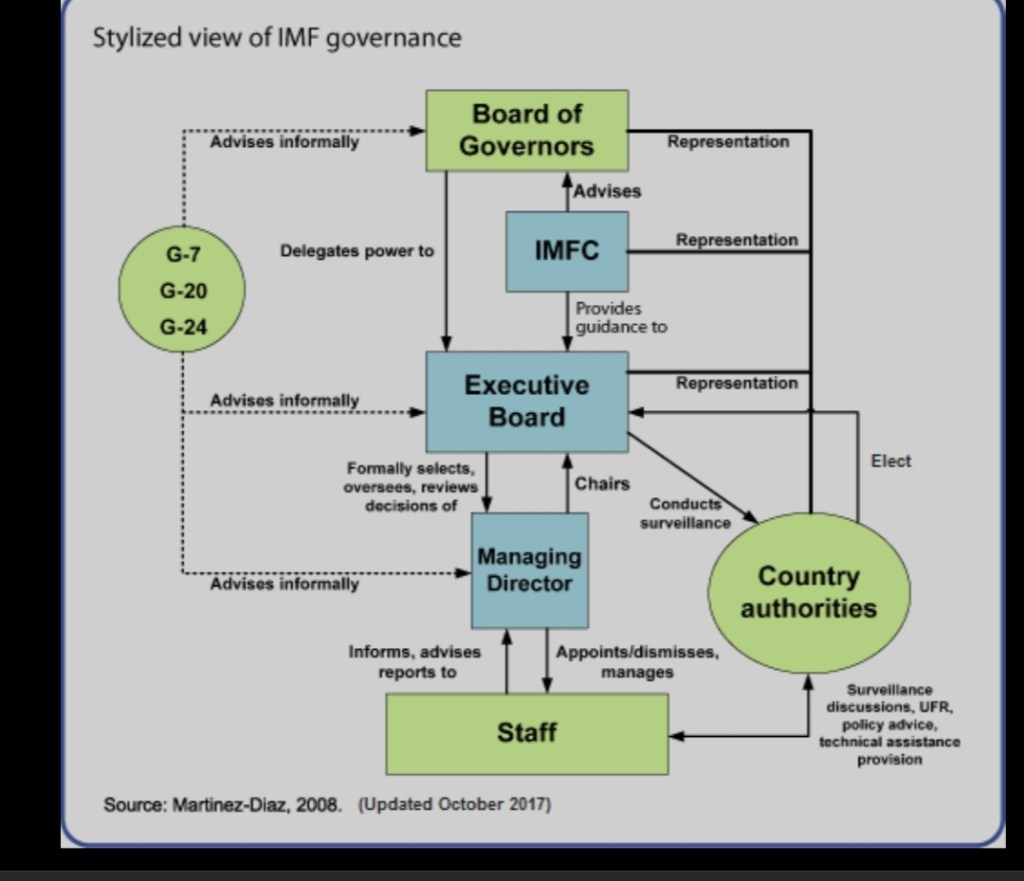
The structure of The Fund consists of a Board of Governors , an Executive Board , A Managing Director, a Council and a staff with its headquarters in Washington DC, USA.
The Board of Governors is the top in the structure of The Fund . They are decision making organs of the Fund..They exercise power and make decisions that are binding on members and the Fund .
The board of the Governors, which now has 24 members ,meets annually in which details of the Fund activities for the previous year are presented.
Other members include :-
The Executive Board , which has 21 members at present . Five Executive Directors are appointed by the five members ( USA , UK , Germany., France and Japan ) having longest quotas .
The Managing Director is elected by the Executive Directors .He is usually political or any other international official.
The Interim Committee (now IMFC ) , is established to advise the Board of Governors on supervising the management and adoption of international monetary policy .
The Development Committee advises and reports to the Board of Governors on all aspects of the transfer of real resources to developing countries .
Objectives :-
The fundamental purposes and objectives of the Fund had been laid down in Article 1 of the original Articles of Agreement . The major six objectives of IMF are :-
1: To promote international monetary cooperation through a permanent Institution which provides the machinery for consumption and collaboration in international monetary problems.
2: To facilitate the expansion and balanced growth of international trade, and to contribute thereby to the promotion and maintenance of high levels of employment and real income and to the development of the productive resources of all members as primary objective of economic policy.
3: To promote exchange stability, to maintain orderly exchange arrangements among members, and to avoid competitive exchange depreciation.
4: To assist in the establishment of a multilateral system of payments in respect of current transactions between members and in the elimination of foreign exchange restrictions which hamper the growth of world trade.
5: To give confidence to members by making the general resources of the Fund temporarily available to them under adequate safeguards, thus providing them with the opportunity to correct maladjustments in their balance of payments, without resorting to measure destruction of national or international prosperity.
6: In accordance with the above, to shorten the duration and lessen the degree of dis – equilibrium in the international balance of payments of members. ___________________________________________
Functions of IMF
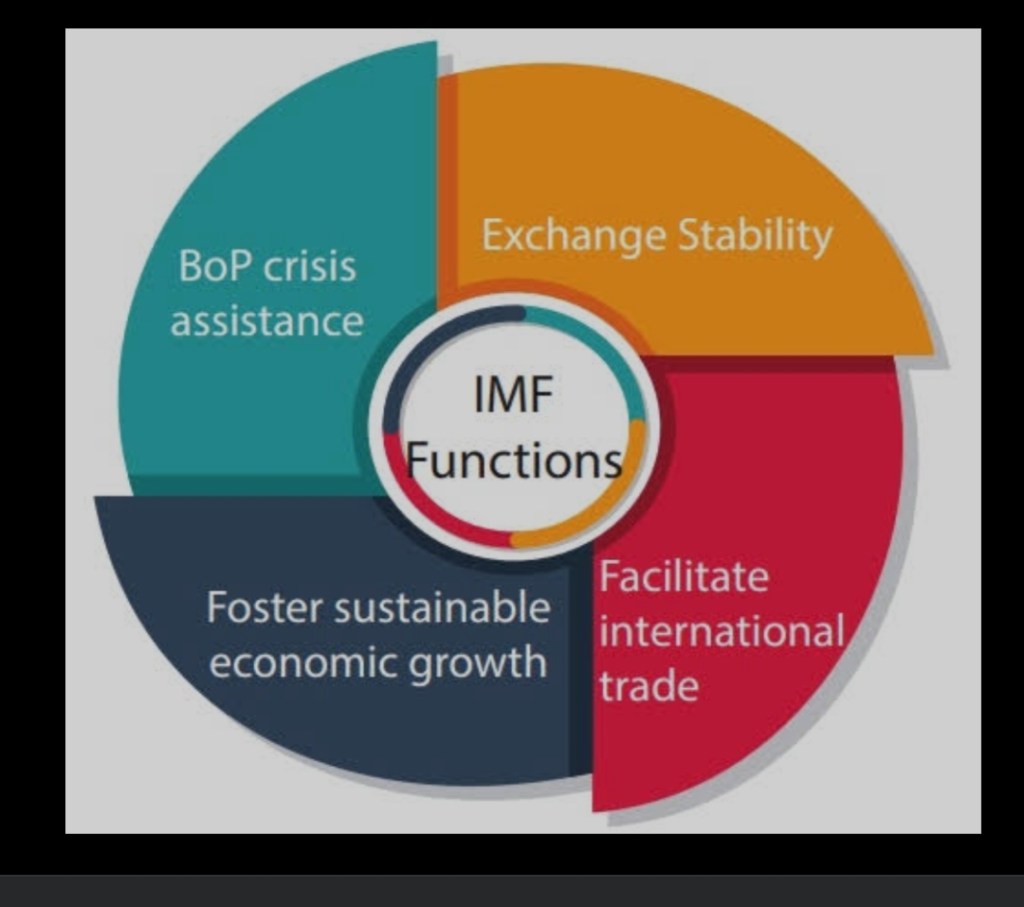
The principal function of the IMF is to supervise the international monetary system. Several other functions performed by the IMF . Three major functions of IMF are :-
Surveillance over Members Economic Policies :-
The IMF closely monitors each member’s country’s economic and financial development . The IMF holds a conference with member countries on a regular basis Usually once each year to assess its economic conditions with a view to providing policy recommendations .
Financial Assistance :-
IMF functions as an agency of providing resources to meet short term and medium term . It lends to its member countries facing BOP disequilibrium .
IMF loan is usually provided under an “arrangement ” requiring a borrowing country to undertake the specific policies and measures to resolve it’s balance of payments problem as specified in a “Letter of Intent ” . Most IMF loans are primarily financed by its member countries through payment of quotas .
Consultative Function:
It functions as a centre for international cooperation and a source of counsel and technical assistance to its members.IMF provides technical assistance to help member countries strengthen their capacity to design and implement effective policies in four areas :- monetary and Financial policy ; fiscal policy; statistics ; and economic and financial legislation.
Other functions :-
• Stabilizing Economics • Maintaining Balance between demand and supply of member countries. • Maintenance of Liquidity . • Reducing tariffs. • General watch . ___________________________________________
Financial Resources of The Fund :-
The bulk of financial assistance performed by the IMF has its financial resources from two sources .
(i) Subscription or quota of the member nations :-
Each member country is required to subscribe to an amount equivalent to its quota. It is the quota on which payment obligations, credit facilities, and voting right of members are determined. As soon as a country joins the Fund, it is assigned a quota which is expressed in Special Drawing Rights (SDRs).
(ii) Borrowings :-
The Fund is authorised to borrow in special circumstances if its own resources prove to be insufficient. It sells gold to member countries to replenish currency holdings. It is entitled to borrow even from the international capital market. Though the Articles of Agreement permits the Fund to borrow from the private capital market.
The IMF has two accounts of operation—the General Account and the Special Drawing Account. The Fund burrows under the General Arrangements to Borrow in order to forestall or cope with an impairment of the international monetary system. __________________________________________
Credit Tranches :-
To meet the severe BOP disequilibrium , the Fund has been gradually raising the limit of borrowing by its members under the credit tranche. Since the 1960s , the Fund has created several credit facilities for its members.
Some borrowing facility provided by the Fund are :-
(i) Stand-by Arrangements: The term “stand-by” here means that, subject to conditionality, a member has a right to draw the money made available, if needed. This method of borrowing has become the most normal form of assistance by the Fund. Under this form of borrowing, a member state obtains the assurance of the Fund that, usually over 12-18 months, requests for drawings of foreign exchange (i.e., to meet short- term BOP problems) up to a certain amount will be allowed if the country concerned wishes. However, the stand-by arrangements can be extended up to 3 years while repayments are required to be made within 3-5 years of each drawing.
(ii) Extended Fund Facility (EFF): Stand-by arrangements to stabilise a member’s BOP run usually for a period of 12-18 months. Developing countries suffer from chronic BOP problems which could not be remedied in the short run. EFF provides credit upto a period of 10 years and loan upto 300 percent of a member’s Quotas are allowed.
(iii) Compensatory Financing Facility (CFF): Apart from the ordinary drawing rights, there are some ‘special finances’ windows to assist the developing countries to tide over BOP difficulties. CFF, introduced in 1963, is one such special drawing provision. It can now draw up to 45 p.c. Since the mid- 1990s, this has been the least-used facility.
(iv) Structural Adjustment Facility (SAF) and the Enhanced SAF (ESAF): In 1986 a new facility—the SAF—was introduced for the benefit of low income countries. Under it, credit facilities for economic reform programmes are available at a low interest rate of 0.5 p. c compared to 6 p.c. for most Fund facilities. Loans are for 10 years with a grace period of five and a half years. SAF provides to undertake medium-term structural adjustment programmes to foster economic growth and improve BOP conditions The ESAF has been replaced by a new facility, called Poverty Reduction and Growth Facility in 1999.
(v) Poverty Reduction and Growth Facility (PRGF): The PRGF that replaced the ESAF in November 1999 provides concessional lending to help the poorest member countries with the aim of making poverty reduction and economic growth —the central objectives of policy programmes.
(vi) Supplemental Reserve Facility (SRF): This instrument provides additional short-term financing to member countries facing exceptional BOP difficulties because of a sudden and disruptive loss of market confidence reflected in capital outflows of countries concerned. Consequent upon the After the eruption of the East Asian financial crisis, the SRF was introduced in 1997.
___________________________________________
India And The IMF
India is one of the founder members of the IMF . It signed the Fund Agreement on 27 December , 1945 . Till 1970 India ‘s Quotas in the Fund was the fifth and it had the power to appoint permanent Executive Directors.
With increase in the Fund Quotas of other countries like Canada , Italy , Japan etc . India ceased to hold a permanent position as Executive Directors . With the Eleventh Review of Quotas , India’s quota in the IMF declined from 2.09 per cent . As a result , India’s position in the Fund quota came down to 13th .
The current IMF data shows India’s position at seventh .
India has been benefited in certain ways by the IMF by receiving loans to meet the deficit in its balance payment in several years .India has been getting advisory help from the Fund under the Fund surveillance conditionality . Hence , as a member India has gained much help from the IMF to have an economically stable system.













 (
(



 Eduindex
You must be logged in to post a comment.