Roadways in India

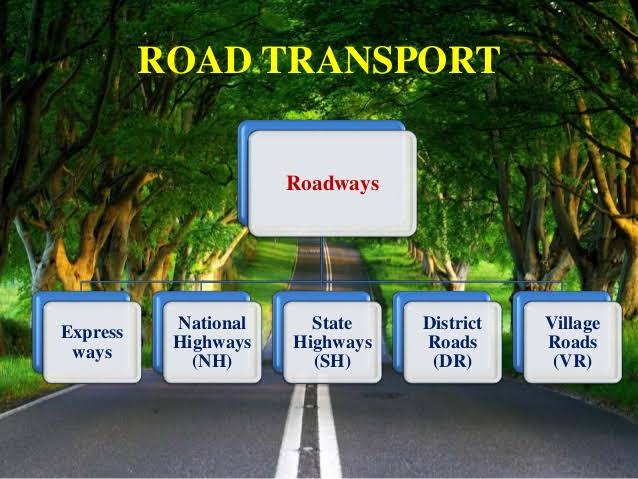
National Highway (NH)🚧🛣 :
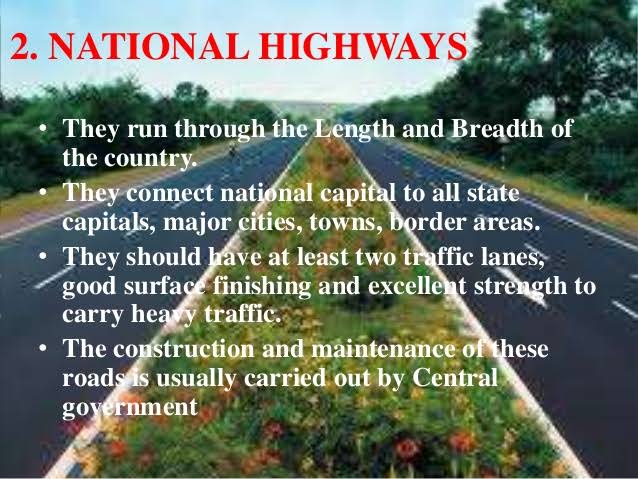
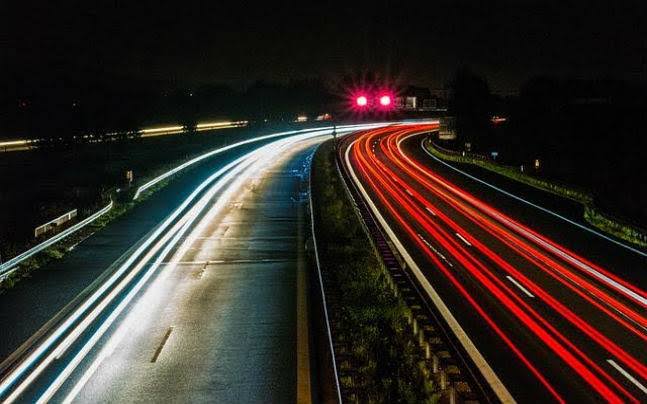
🌟National Highway form the most important system of road transportation in India.
🌟These Highway are running through length and breadth of the country connecting capitals of states, major ports,raji junctions, industrial and tourist centers.
🌟Ministry of Rosd Transport and Highway of India, is responsible for the development and maintenance.
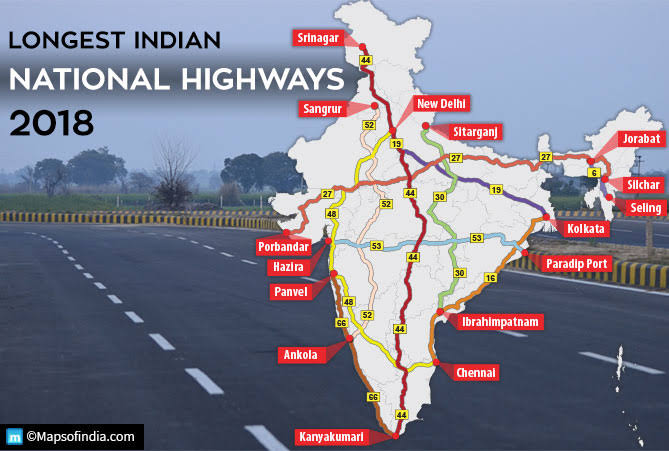
🌟The total length of the National Highway (NHs) in India is 1,01,011 km.
🌟The longest National Highway is NH-7 which runs from Varanasi in Uttar Pradesh to Kanyakumari in Tamil Nadu covering a distance of 2369 km.
🌟The shortest national Highway is NH-47 ,which runs from Ernakulam to Kochi port (Willington Island) covering a distance of 6 km.
State Highway🛣🚧 :

🌟The state Highway are usually roads that link important cities, towns and district headquarters within the state and connect them with National Highways or Highways of neighbouring states.
🌟These roads are administrated and financed by state governments .
🌟It runs to the length of 1,76,166 km as of 2016.
District Roads 🚧🛣:

🌟District Roads provide connectivity between the District and taluk headquarters with the state Highway and national Highway .
🌟 They are contracted and maintained by the Public Works Department of the states.
🌟The total length of the roads of his category is 5,61,940 km (16.80%) in 2016.
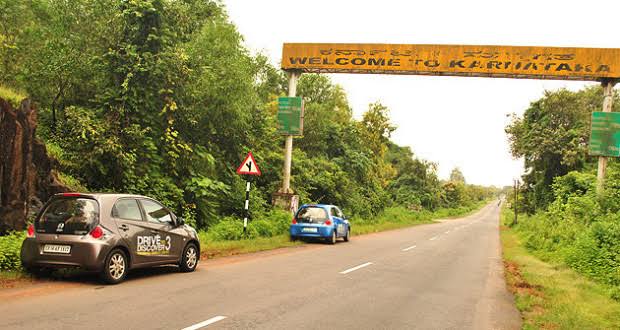
Rural Roads (Village Roads) 🛣🚧:

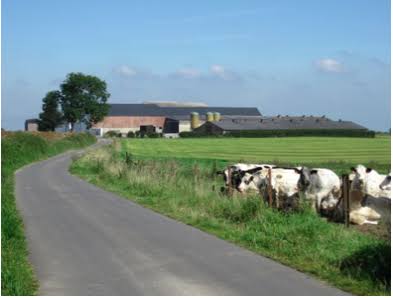
🌟These Roads are vital providing links in the Rural areas.
🌟They are maintained by the Village Panchayats .
🌟 The total length of Rural roads in India is 39,35,337 km as of 2016.
🌟Rural roads consist of Panchayat roads, of the pradhan Mantri Gram Sadak Yojana (PMGSY) and those constructed by the states PWDs.
Border Roads🚧🛣 :

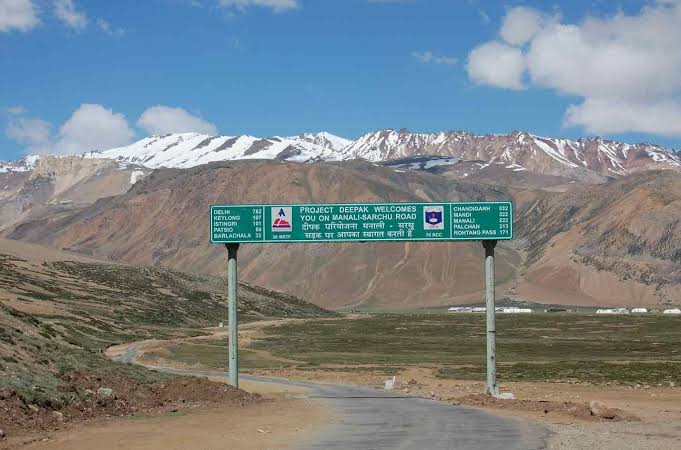
🌟These are the roads of strategic importance in Border areas. They are constructed and maintained by Border Roads of Organization.
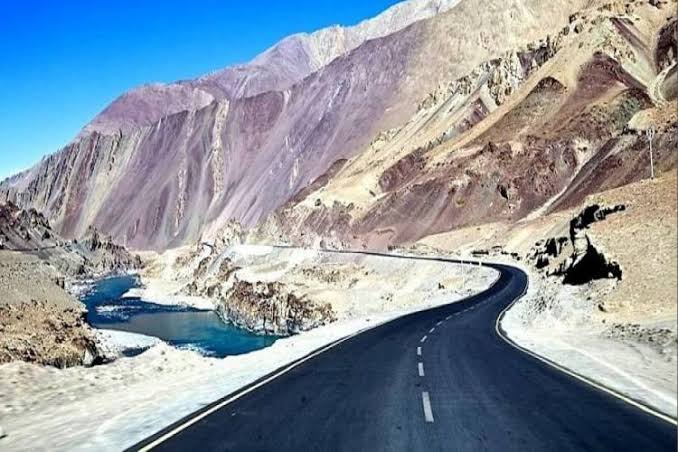
🌟Border Roads Organization are constructed world’s highest roads joining Chandigarh and Leh in Ladakh .This road runs at an average altitude of 4,270 meters.

Golden Quadrilateral 🛣🚧:

🌟5,846 km long road 4/6 lanes connecting, India’s four metropolitan cities: Delhi-Kolkatha-Chennai-mumbai-Delhi.
🌟This project was launched in 1999.

North-South and East-West corridors 🚧🛣:

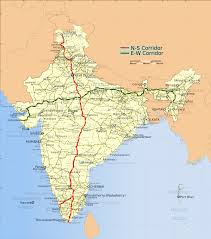
🌟North-South corridors aims at connecting srinagar in Jammu and Kashmir with Kaniyakumari in Tamilnadu (including kochi-Salem Spur) with 4,076 km long road.
🌟The East – West corridor has been planned to connect silchar in Assam with the port Town of Porbandar in Gujarat with 3,640 km of road length.
🌟The two corridors intersect at Jhansi.

Expressways 🛣🚧:

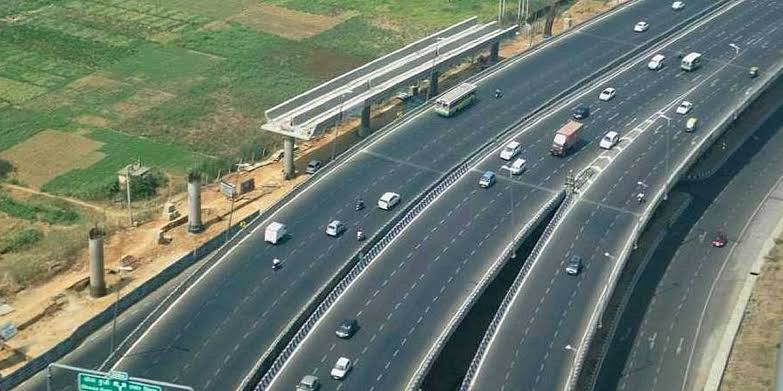
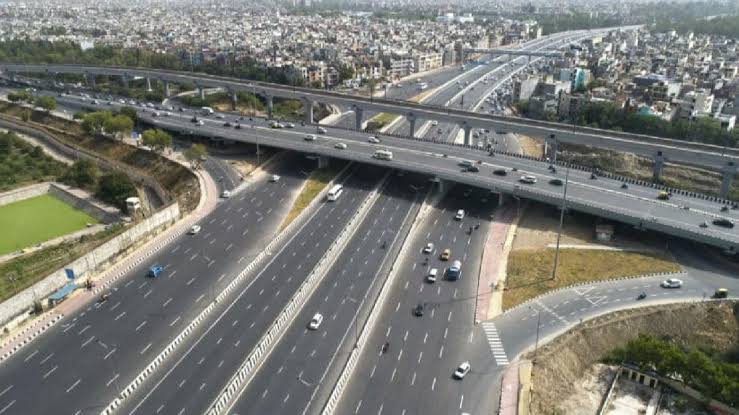
These are multi – lane good quality Highway for high speed traffic. Some of the important expressways are;

  • Mumbai – Pune road
  • Kolkata – Dumdum Airport road
  • Durgapu – Kolkata road
  • Yamuna expressways between Delhi and Agra.
  • International Highway🚧🛣:

🌟These are the roads that link India with neighbouring countries for promoting harmonious relationship with them.
🌟These Highway have been constructed with an aid from world Bank under an agreement with the Economic and Social Commission for Asia-Pacific (ESCAP).
🌟These roads connect important Highway of India with those of the neighbouring countries such as Pakistan, Nepal, Bhutan, Bangladesh and Myanmar.

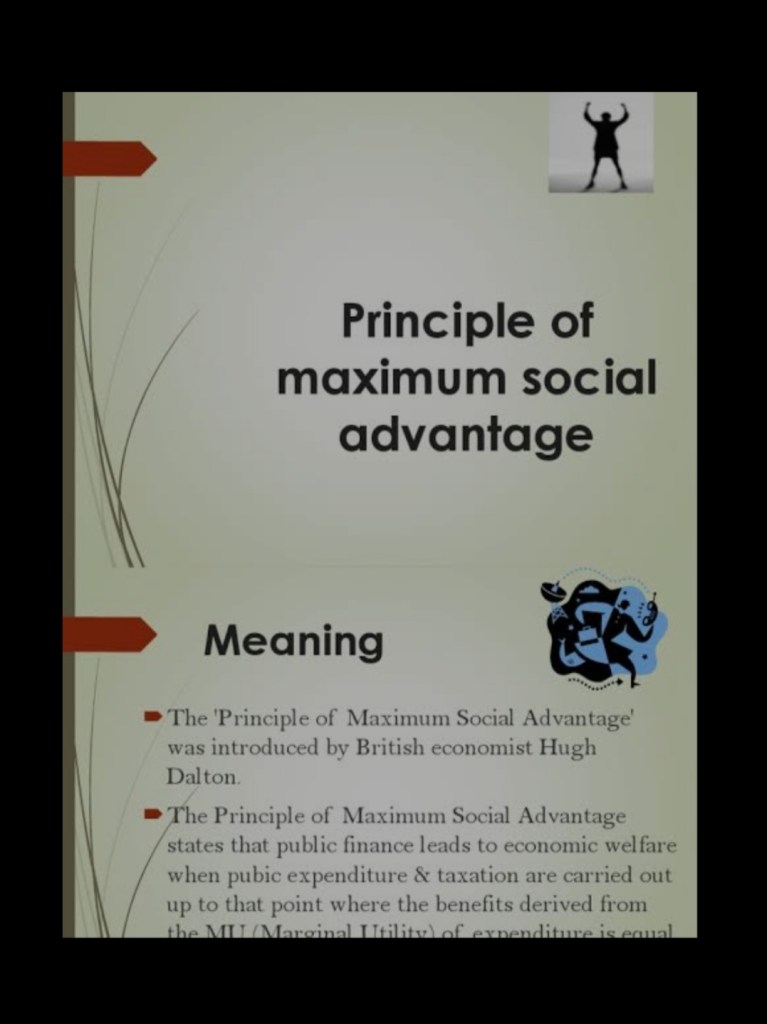
The Principle Of Maximum Social Advantage. ( Meaning , Assumptions , Explanation , Theories , Limitations )


“The Principle of Public Finance means the fundamental rule by which the financial policy of the state is determined.
This fundamental rule of principle of public finance is called “The Principle of Maximum Social Advantage “

The credit for the implementation of this principle goes to Prof. Pigou and Prof. Dalton .
Just like an individual seeks to maximize his satisfaction or welfare by the use of his resources ,the state ought to maximize social advantages or benefit from the resources at its command .

According to Dalton , principle lies “at the root of public finance “.
The principles of maximum social advantage are applied to determine whether the tax or the expenditure has proved to be the optimum benefit .

He stated “The best system of public finance is that which secures the maximum social advantage from the operation which it conducts “
This principle is also called as ” Principle of Maximum Social Benefits “

Prof Pigou called this principle ” The Principle of Maximum Aggregate Welfare


Significance of the principle :-

Public revenue and public finance are two important financial operations of the state. These operations should be performed on fundamental principles so as to obtain maximum social benefit .

Prof. Hugh Dalton and Prof. Pigou were two famous economists who implemented the principle of Maximum Social Advantage to give the fundamental basis of the function performed by the state to earn revenue and to spend the revenue in the best possible way to Maximum benefit incrementation in the welfare of the public .


Prof. Dalton has expressed it in these words ,
As a result of operations of public finance ,the nature and quantity of money produced and between the categories and different persons there are many changes in the distribution of that money . The question is do these changes ; leave a profitable impact on society ? If it is so then it will be considered that the operations of public finance are justified , otherwise not .The best system of public finance is that can obtain maximum social profit by the operation organised by them .”

Therefore , the Principle of Maximum Social Advantage is the principle that guides the operation of financial activities of the government to obtain economic welfare of the society .

According to Dalton , attainment of the principle requires :-

• Public expenditure and taxation should be carried out up to certain limits i.e where marginal utility received by the Government expenditure must be equal to marginal disutility due to taxation ( government income ).

• Public expenditure should be utilised among the various uses in an optimum manner

• The different sources of taxation should be so trapped that the aggregate sacrifice entailed is the minimum .


Assumptions :-

• The public revenue consists of only taxes ( and not gifts , loans , fees ,etc.,) and the state has no surplus or deficit budgets.

•Public expenditure is subject to diminishing marginal social benefits and the taxes are subject to increasing marginal cost or disutility .


Principle Of Maximum Social Advantage:-

The Principle states that :-

The state should collect revenue and spend the money so as to maximize the welfare of the people. When the state imposes taxes, some disutility is created. On the
On the other hand, when the state spends some money, there is a gain in utility. The state should so adjust revenue and
expenditure that surplus of utility is maximised and disutility is minimised.”

According to Dalton , “ maximum social advantage is at a point where the Marginal Social Sacrifice of Taxation ( MSS) and Marginal Social Benefit ( MSB) are equal .
The point of equality between MSS and MSB is referred to as the point of maximum social advantage or least aggregate social sacrifice .


Maximum social sacrifice of taxation :-

The amount of social sacrifice undergone by the public due to the imposition of an additional unit of tax is called Maximum Social Sacrifice of taxation .
Every unit of tax imposed by the government taxes result in loss of utility.

According to Dalton ,
“The additional burden (marginal sacrifice) resulting from additional units of taxation goes on increasing. Every additional unit of taxation creates greater amount of sacrifice on the society”


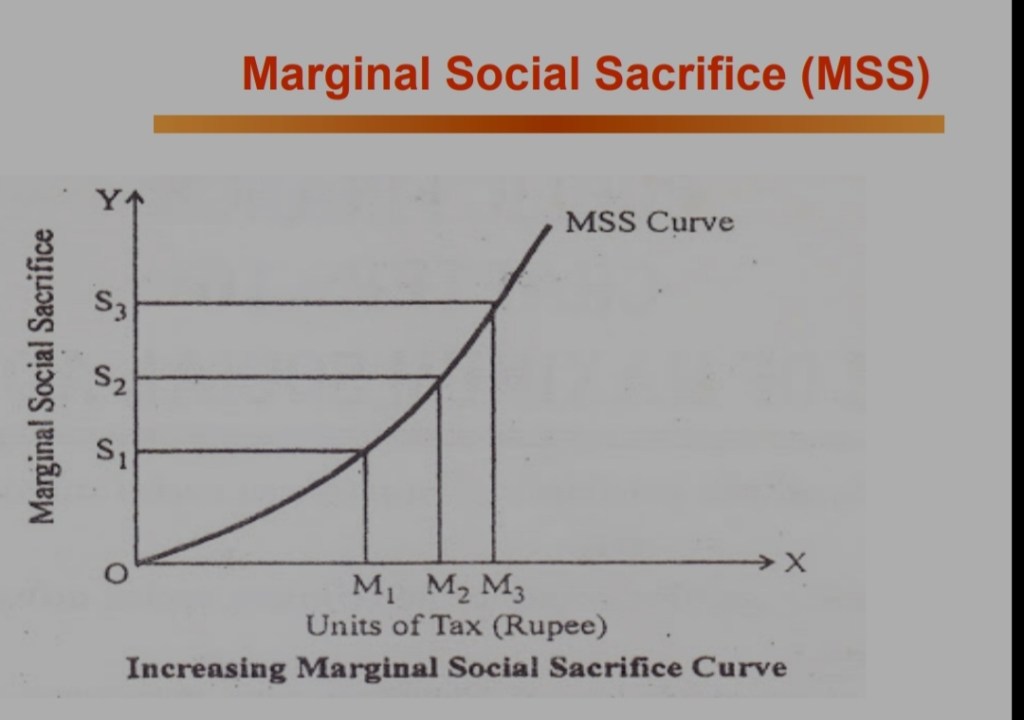
The Marginal Social Sacrifice (MSS) curve rises upwards from left to right. This indicates that with each additional unit of taxation, the level of sacrifice also increases.


•. Marginal Social Benefit :

The benefit conferred on the society, by an additional unit of public expenditure is called the Marginal Social Benefit curve .

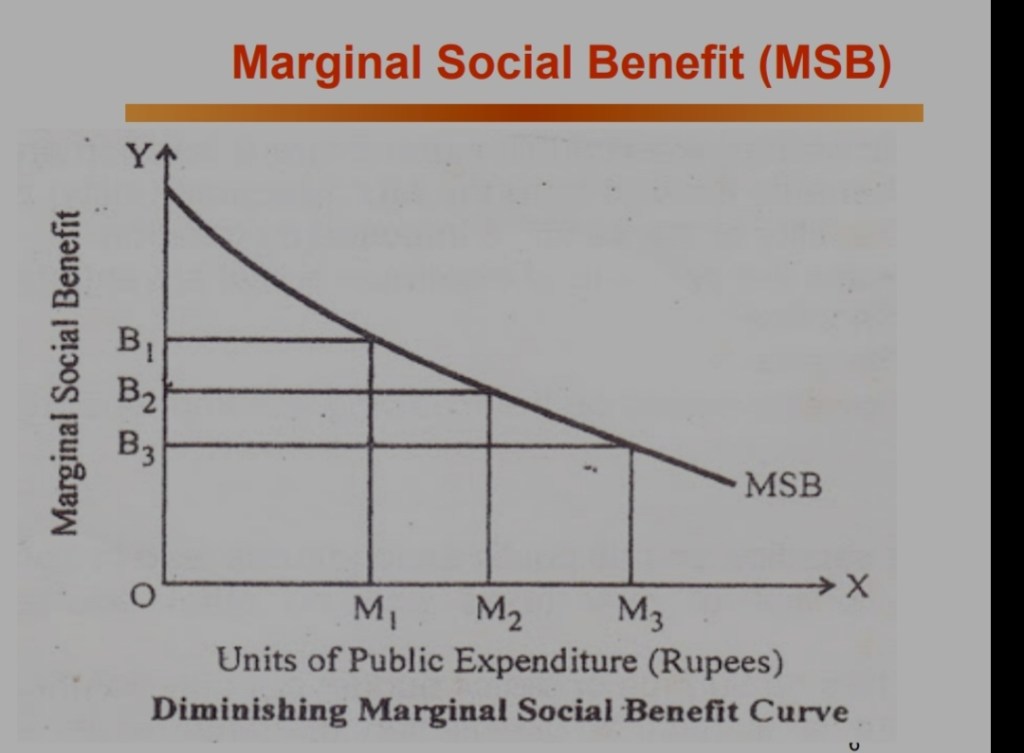
The social benefit from each additional unit of public expenditure declines as more and more units of public expenditure are spent. The marginal utility from commodity to a consumer declines as more and more units of the commodity are made available to him .


MSB curve slopes downward from left to right. This indicates that the social benefit derived out of public expenditure is reducing at a diminishing rate.


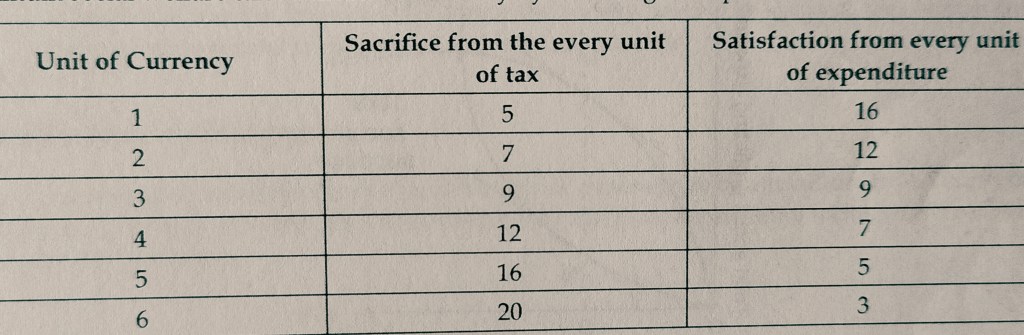
Maximum social welfare can be understood by the following example :-


Table

It can be seen in the above table that marginal sacrifice is increasing due to the increase in every unit weight of tax on society.
Inversely , from every additional unit of Government expenditure ,its utilities diminish .

On the third unit of currency , marginal social sacrifice is equal to marginal social advantage ( 9 units ) . At this point the tax and public expenditure will be fixed .

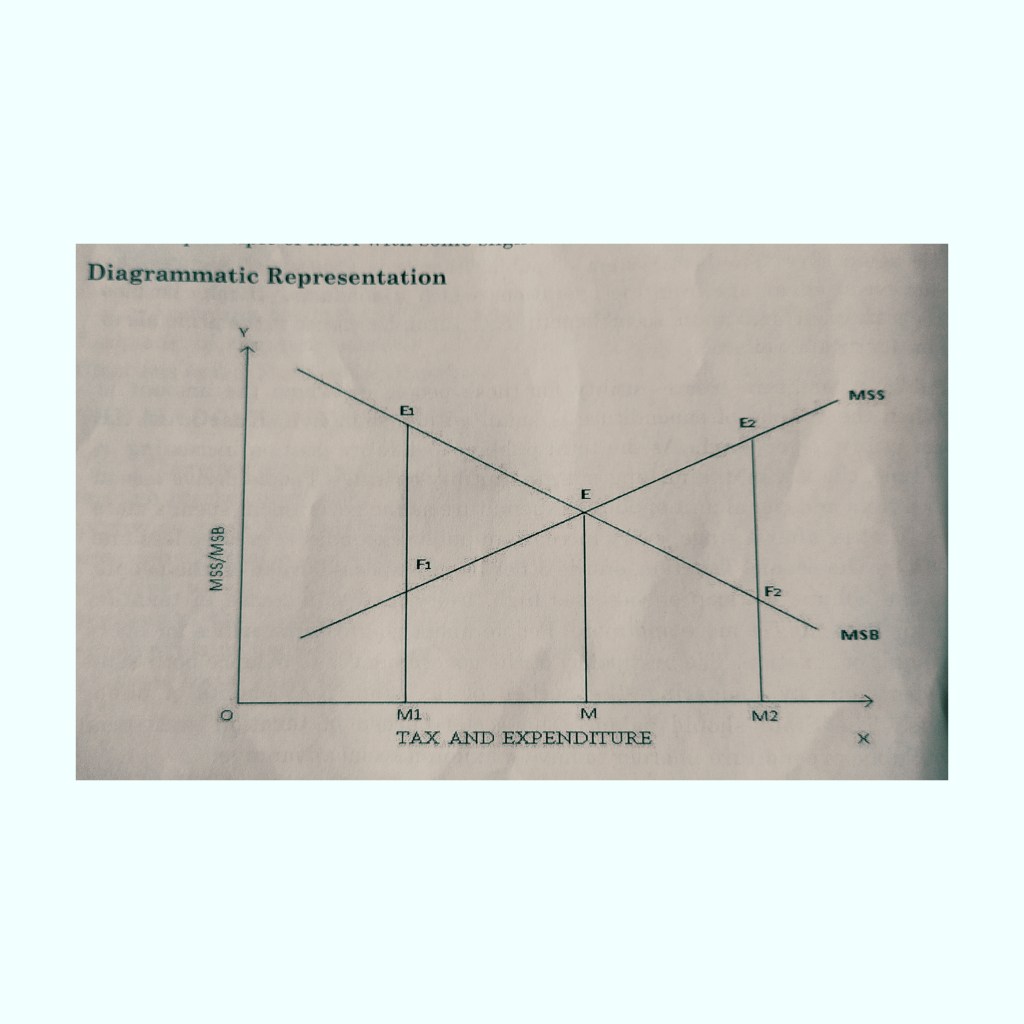
In the above given figure ,
MSS represent marginal social sacrifice of the taxation curve , slopes upward since taxation increases resulting in Increasing of MSS,.
and MSB represents the marginal social benefit of the public expenditure curve , slopes downwards showing that public benefit goes on declining with every unit increase in public expenditure.

The point E where the MSS curve intersects MSB curve , is the ideal point of financial operations where the government collects OM taxation from the society and uses it for public expenditure .


According to Dalton ,
“Public expenditure in every direction should be carried just so far that the advantage to the community of a further small increase in any direction is just counterbalanced by the disadvantage of a corresponding increase in taxation or in receipts from any other source of public income . This gives the ideal public expenditure and income.”


Musgrave’s View :-

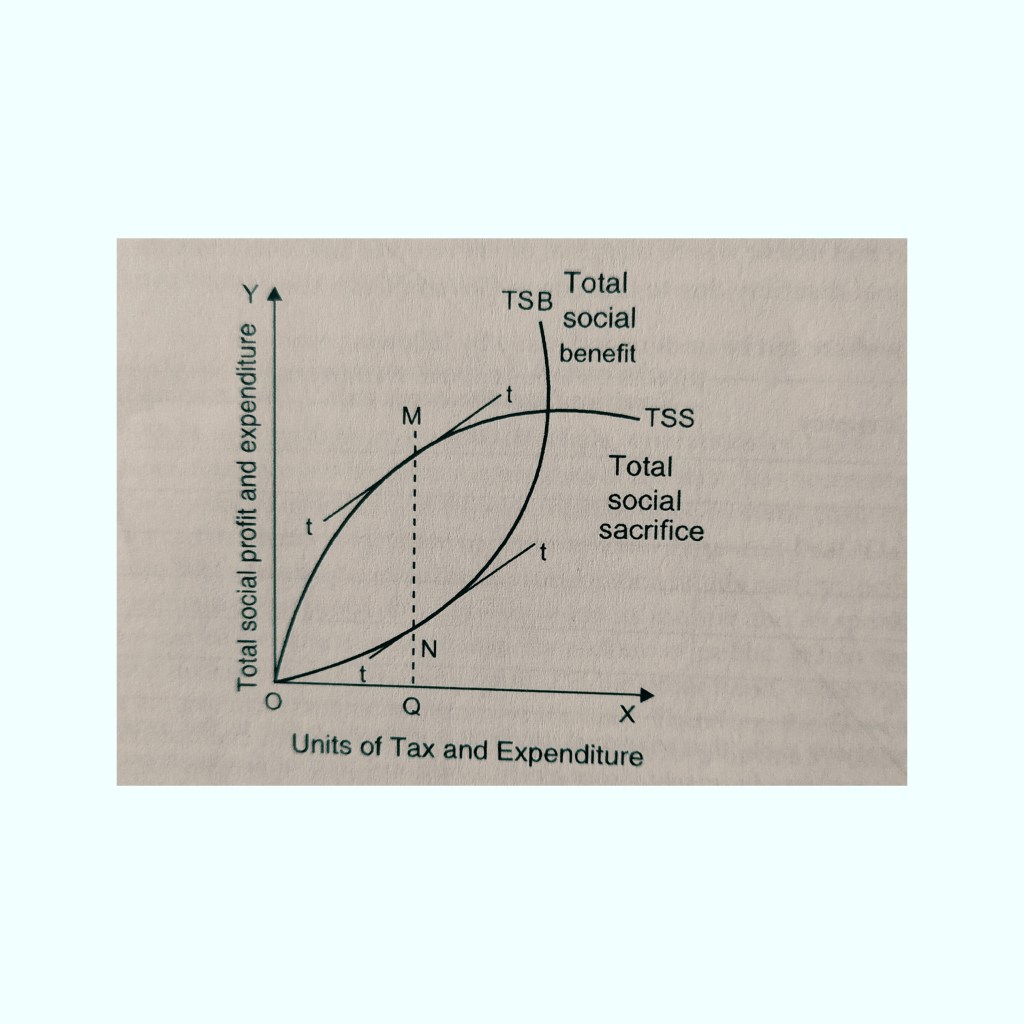
The Principle of maximum social advantage can be explained using total sacrifice and total benefit curve as well .

Musgrave called Dalton ‘s principle as
“Maximum Welfare Principle Of Budget Determination “
According to him , the difference between total social benefit and total social sacrifice is the net social benefit where maximum social benefit is obtainable .

The TSB curve represents total social benefit received from public expenditure which slopes upward but decreases after some time , showing that as public expenditure increases total social benefit increases .
The TSS curve represents total social sacrifice produced due to tax showing that as total social sacrifice increases with increase in amount of tax but rapidly .

Maximum social benefit will be achieved at a point where the difference between total social benefit and total social sacrifice is maximum .
MN denotes the difference between TSB and TSS showing net social benefit.


Objective Tests Of Social Advantage :-

Dalton has given the following three objective Tests which can lead to Maximum Social Advantage :-

• To preserve the Community :-
According to Dalton , the first test is the need to preserve the community against internal disorders and external attacks. The financial operations of the state to preserve the society in this manner leads to maximum social advantage .

• To increase Economic Welfare :-
Increasing the economic welfare of the community leads to maximum social advantage . According to Dalton ,this can be achieved by improvements in production and improvements in the distribution of national product ( or income ) through state’s financial operations .

• To provide for Future Generation :-
According to Dalton , the financial operations of the state should provide for the future generation . The state should prefer a larger social advantage in the future to a smaller one in the present .


Limitations of Maximum Social Advantage :-

In spite being guiding principle of financial operations of the state , the principle of maximum social advantage possesses the following limitations :-

Vague and Abstract :- The terms “benefit ” and “sacrifice ” are vague and abstract concepts. It is not possible to quantify them and find out their exact implications.


Different Areas :-
It is not possible to compare the marginal benefits accruing to people in one area from a given public expenditure with marginal sacrifice undergone by persons who are taxed in some other areas .

Lack of Divisibility :-
In order to equate the marginal benefit from public expenditure with the marginal sacrifice from taxation , the resources are required to be divided into smaller units . But it is not possible because of the lack of Divisibility of public expenditure and taxes in small units .

Ignores Non- Tax Revenues:
This principle takes into consideration the sacrifice on the part of direct tax payers and ignores Non- tax revenues like fines , fees ,market borrowing , profits of public undertaking ,etc., are equally important sources of revenue and in the effects on social benefit are as important as those of taxes.

Maintaining Balance :-
It is a difficult task for the state to maintain balance between disutility and utility produced due to imposing tax and utility obtained by people from the Government expenditure as the government is not a single person but different servants at different places in different departments .

Simultaneous Calculation not Possible :-
This principle requires simultaneous calculations and equating marginal social benefits from public expenditure and sacrifices from taxation which is not easy .
As put by Prof. Buchana , ” To match them is a function for the’ fiscal brain ”and ‘computers ‘. “

According it Dalton , despite these limitations ,the principle of maximum social advantage is “the best system of public finance “.

THE ANDAMAN AND NICOBAR ISLANDS – FAIR OF NATURE AND VIEWS 

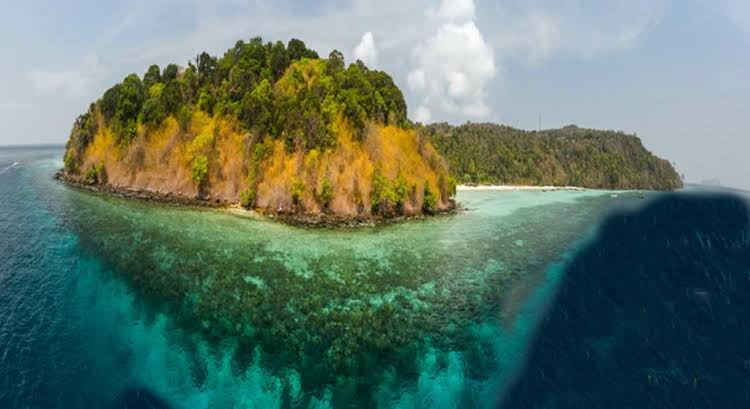
Andaman and Nicobar Island is a union territory of India which consists of 572 islands and 38 of them are inhabited. It is at the junction of the Bay of Bengal and the Andaman Sea. Port Blair is the capital and largest city.

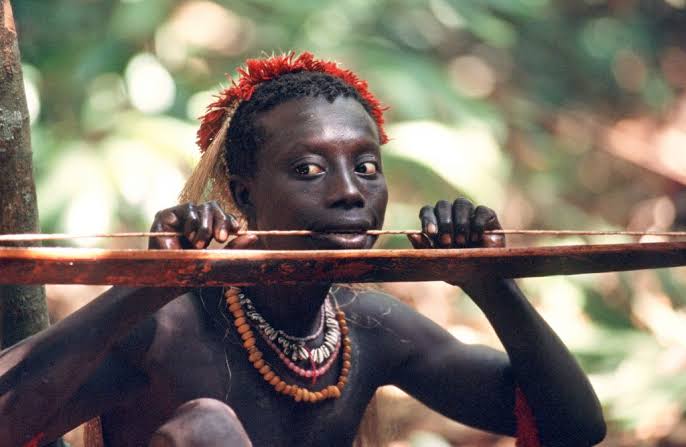
The territory is about three districts- the Nicobar District and its capital is Car Nicobar as its capital, the South Andaman district with Port Blair as its capital and the North and Middle Andaman district with Mayabunder as its capital.There are the Sentinelese, also known as the Sentinel, who are uncontacted tribe. 

NOW LET’S TAKE A TOUR OF THIS ISLAND BY MY ARTICLE-

The Sentinel

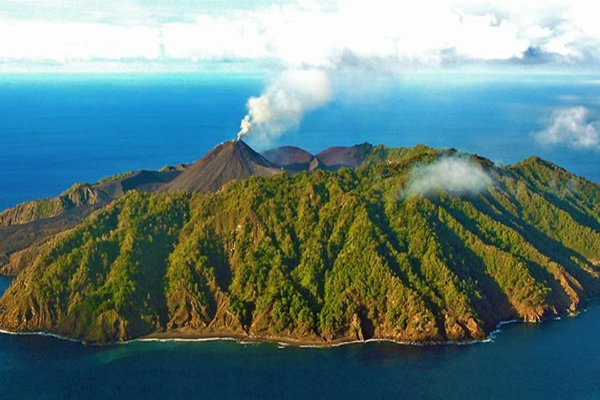
It is the place where India’s only one active volcano , Barren Island, is located, which had  last erupted in 2017. There is also a mud volcano situated in Baratang Island . In December 2018, Prime Minister Narendra Modi, renamed three of the islands as a tribute to Subhas Chandra Bose, Ross Island was renamed as Netaji Subhash Chandra Bose Islan, Neil Island as Shaheed Island, and Havelock Island as Swaraj Island.

THE TOURIST SPOTS –

There are many places to visit like – 

Andaman Nicobar Island

Havelock Island, Neil island, North Bay Island, Baratang Island, Viper Island, Ross and Smith Island, Cinque Island, Rutland Island, Mount Harriet National Park,Chidiya,Tapu,Rangat,Mayabunder,Diglipur,Aamkunj Beach,Dhaninallah Mangrove Nature Walkway/Walk,Panchavati Waterfalls,Cuthbert Beach,Cuthbert Bay Wildlife Sanctuary,Long island,Guitar Island,Merk Bay Beach,North Passage Island,Button islands,Lalaji Beach,Elephant Beach,Kalapathar,Jolly Buoy Island,Corbyn’s Cove Beach,Lamiya Bay Beach, Diglipur,Kalipur Beach,Ramnagar Beach, Neil Island,Ramnagar Beach, Diglipur,Pathi Level Beach,Alfred Caves,Little Andaman,Butler Bay Beach,Netaji Nagar Beach,Waterfalls at Little Andaman,White Surf and Whisper Wave,Little Andaman, Oil Palm Plantation,Stewart Island Beach,Rajiv Gandhi Water Sports Complex,Chatham Saw Mill,Anthropological Museum,Katchal Island,Karmatang Beach,Interview Island,Avis Island,Vijaynagar Beach,Limestone Caves of Baratang Island,Mud Volcanoes of Diglipur,The Parrot Island,Barren Island.

MOST VISITED PLACES- 

Port Blair
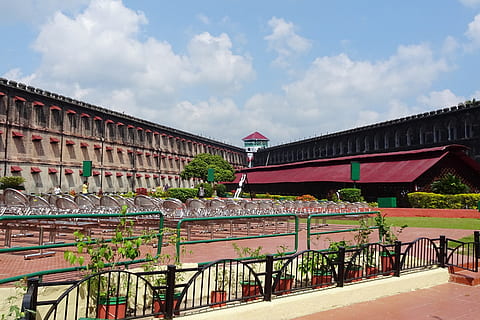
  • Port Blair- Port Blair serves as the entry point for visiting the Andaman and Nicobar Islands.The Cellular jail here is perhaps one of the most infamous remnants of India’s struggle for independence.
Havelock Island
  • Havelock Island-Havelock Island, officially Swaraj Island, is one of the largest islands.The island belongs to the Ritchie’s Archipelago and is located between Peel Island and Neill Island.
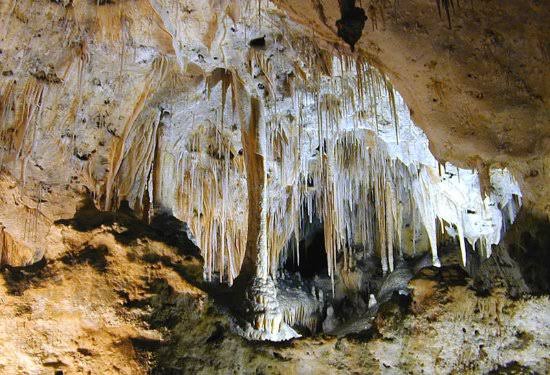
  • Baratang Island- It belongs to the North and Middle Andaman administrative district,The boat ride is covered with a canopy of the forest which is also a home to the indigenous ‘Jarawa’ tribe.The Limestone caves here will immediately gather your attention as the erosion have formed some unique shapes.
Batarang Island
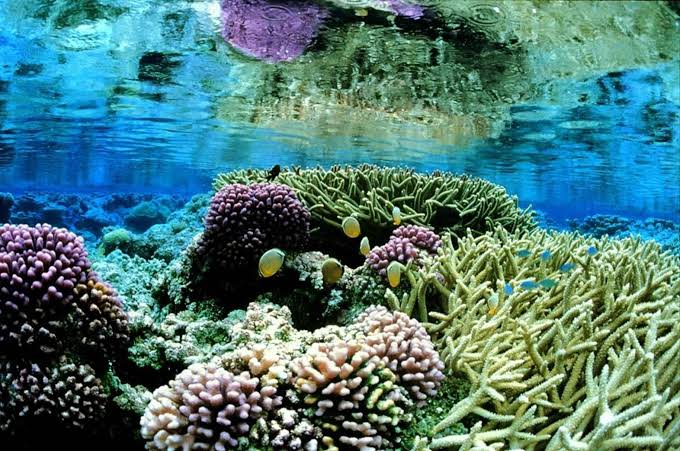
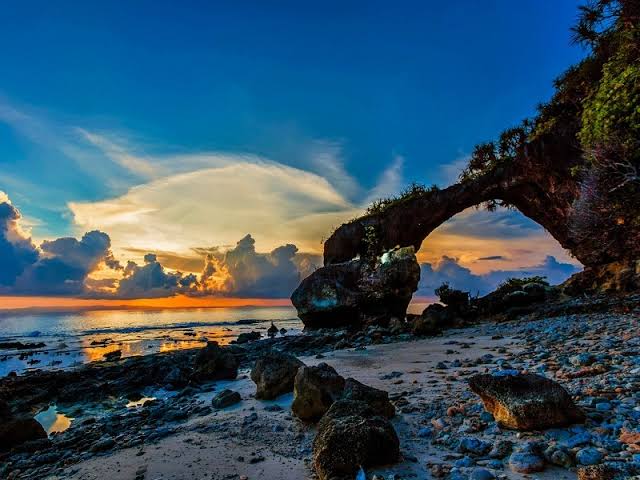
  • Neil Island- Neil Island is also known as the vegetable bowl of Andaman Islands.Because of the beauty of the reefs located here, Neil islands are often termed as the coral capital of Andaman.
Neil Island
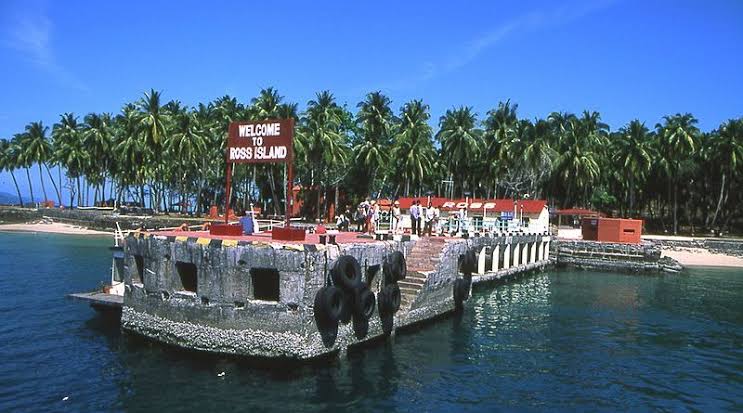
  • Ross Island- Netaji Subhas Chandra Bose Island, formerly known as Ross Island.Ross islands are famous for the ruins of Penal colony that precedes the cellular jail or the Kala pani.
Ross Island
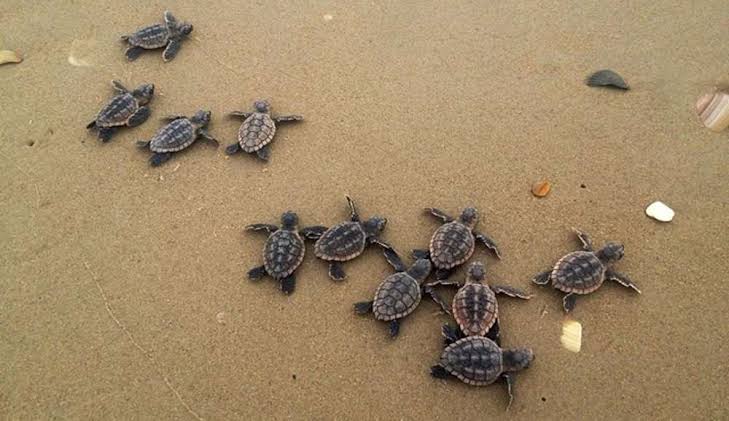
  • Rangat- It is  a town which is located on the Middle Andaman Island,The scenic beauty of Rangat is perfect for flora and fauna lovers.famous for Cuthbert Bay Beach, which is the breeding ground for turtles. These include olive ridley turtles, green sea turtles, hawksbill and leatherback turtles.
Rangat
  • The Great Nicobar Island- Great Nicobar is the southernmost and largest of the Nicobar Islands of India. It is famous for its ecological hotspot, wildlife, and nature. Main attractions are Great Nicobar Biosphere Reserve, Indira Point.
The Great Nicobar

Now it is your turn which place will be your favorite !!! 

Traditional food

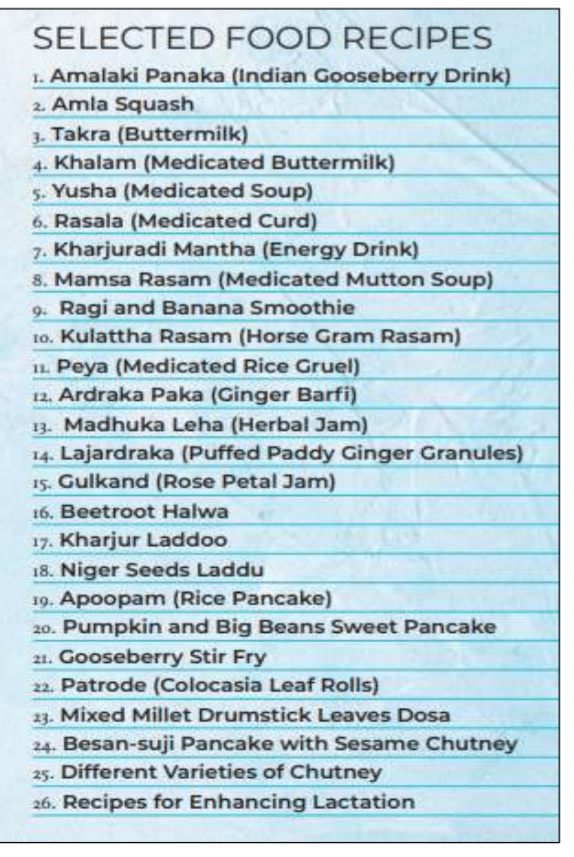
Traditional food recipes from the AYUSH system of
medicine

Source: https://ayushportal.nic.in/

• India has a very rich tradition of diverse food
practices in different parts.

• AYUSH compilation of recipes- exploration of
traditional systems of eating for health and
nourishment.

• Encompasses cooking methods of some selected
traditional food items.

Patrode (Colocasia Leaf Rolls)

• A delicacy made with colocasia leaves.

• Popular in Malnad and coastal Karnataka;
prepared in Maharashtra, Goa, Himachal Pradesh,
Gujarat, and NE region.

Malnad region

• A region of Karnataka.

• covers the western and eastern slopes of the Western Ghats – 100 km in width.

• A hilly terrain under the heavy rain fall belt – annual rainfall of 1000 to 3800 mm.

• Agumbe, Shivamogga: receives highest rainfall in Karnataka (10000 mm).

• Known as Karnataka’s
Cherrapunji.

Health benefits of Patrode

• Easily digestible; rich in dietary fibres- help in easy bowel movement.

• Iron rich colocasia leaves- improving the hemoglobin.

• Colocasia leaves contain phenols, tannins, flavonoids, glycosides and sterols.
 Help in reducing chronic inflammation- rheumatoid arthritis.

• Colocasia leaves have significant amounts of vitamin C and beta carotene.

Contraindications:
 Using too much of oil- unsuitable for cardiac patients, diabetics, obese etc.
 Too much spice is not recommended in acid peptic diseases.

Book-Review

I too had a love story which is the debut novel of Ravinder Singh, which was first published in 2008 by Srishti Publishers and republished by penguin publications in the year 2012.

I just completed reading and living to this novel last week. I wanted to experience the moments with the main characters of this novel myself from the moment I thought of reading this book and all the precious reviews of peoples about this books that motivated me even more to just go start reading this book and live in this book. The day when I was just sitting alone why not go grab that book and started reading it? I went straight into my bookshelf took the book “I too had a love story by Ravinder Singh”. The first thing is that I got attractive by the book cover its so mesmerizing that even motivated me more to read that book.

THE SECOND THING IS THAT I started reading it, and it went like ’Smooth like Butter’ yeah, it is just so true.

It is about of the love story One of the best love story well every love story is special, it is a story about Ravin and Khushi, the story started with a plot which is Ravin is working in an Multinational company (MNC) for about a time he is interested in Punjabi vibes he is into Punjabi music and so on. He has few friends which were close to him, so they decided to hold a reunion with those friends only. When they met, they discussed about many things and one such thing is marriage. After the reunion got over, they all went to their respective occupation or workplace. When Ravin was just sitting there in his office he created his account in the matrimonial site and started searching for suitable brie or girl for him. After going through various calls, messages from various girls from the matrimonial site. And one day he got a message from a girl name Khushi she suited all his requirements after booking each other’s they started talking to each other. The started calling each other very often says daily every. It was the call which always ended when to call another time.

They calls went forward like talking to each other family members. After talking on calls for months. Ravin went to Delhi where Khushi lived, he must abroad for which he has to board from Delhi airport. He went there one day before so that he can spend his time with Khushi, to see her for the first time (they could not talk to each other on video calls because they were not invented back them). They meet each other along with Khushi family members. There relationship took more step forward and they were about to get engaged before engagement day Khushi meet with an accident and unfortunately after fighting really hard she died. Ravin his family members and Khushi family were both upset from this tragic loss. The end of the story is about Ravin again went to his work and informed that Khushi died in an car accident.

It was a loving heart touching story. Go read this if you haven’t read it.

https://www.flipkart.com/too-had-love-story/p/itmfc7gykqjvg84g?pid=9780143418764&lid=LSTBOK9780143418764X0CLRE&marketplace=FLIPKART&cmpid=content_book_8003060057_u_8965229628_gmc_pla&tgi=sem,1,G,11214002,u,,,395332127672,,,,c,,,,,,,&ef_id=Cj0KCQjw8vqGBhC_ARIsADMSd1A_RwFVlp0ruMaMttHzGthq5AVS22qpc2IfHytn7G2ajh6z1DBuc3UaAnS7EALw_wcB:G:s&s_kwcid=AL!739!3!395332127672!!!u!295092701166!&gclid=Cj0KCQjw8vqGBhC_ARIsADMSd1A_RwFVlp0ruMaMttHzGthq5AVS22qpc2IfHytn7G2ajh6z1DBuc3UaAnS7EALw_wcB&gclsrc=aw.ds

5 Must have plants at home

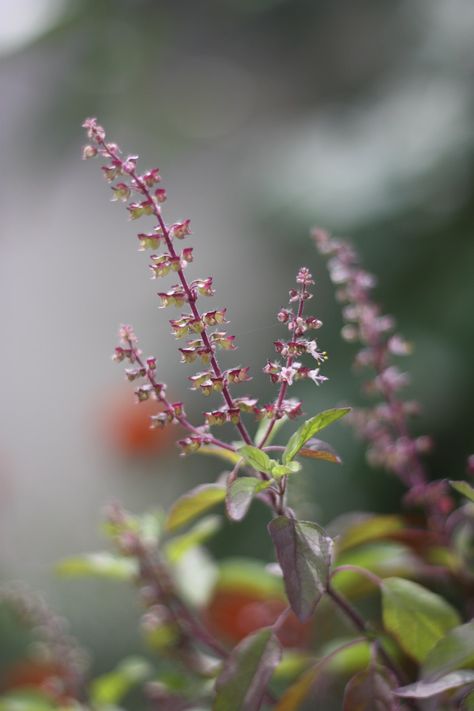
1. Tulsi

Scientific name of Tulsi is Ocimum Tenuiflorum, generally known as Basil. Tulsi contains vitamin c, vitamin k, zinc . It has anti-bacterial, anti-fungal and anti-bacterial properties. It is rich source of anti-oxidant.

Benefits :-

  • Immunity booster.
  • Reduces stress.
  • Good for skin.
  • Reduces hair fall.
  • Useful in cold and cough.

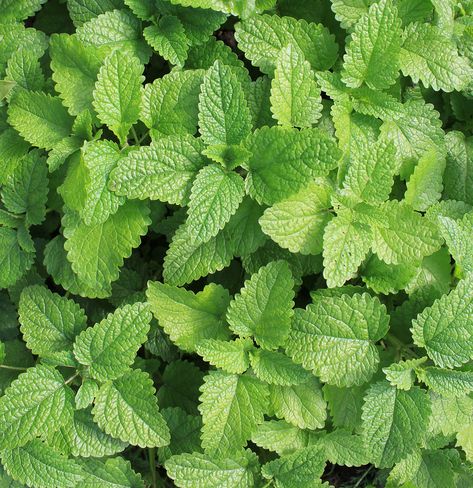
2. Mint :-

Its scientific name is Mentha and belongs to Lamiales family. It contains potassium, magnesium, calcium, iron, etc.

Benefits :-

  • Prevents Skin disease.
  • Provides relief in pain.
  • Beneficial in oral health.
  • Boost immunity.
  • Treat indigestion.

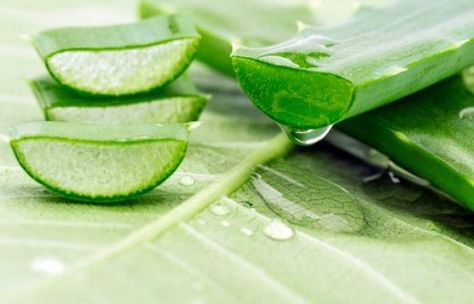
3. Alovera :-

Alovera belongs to Asphodelacea family. It contains vitamin A, C and E, anti-oxidants, salicylic acid, amino acid etc.

Benefits :-

  • Treat dandruff.
  • Treat minor burns.
  • Act as pain reliever.
  • Useful in diabetes.
  • Weight loss.

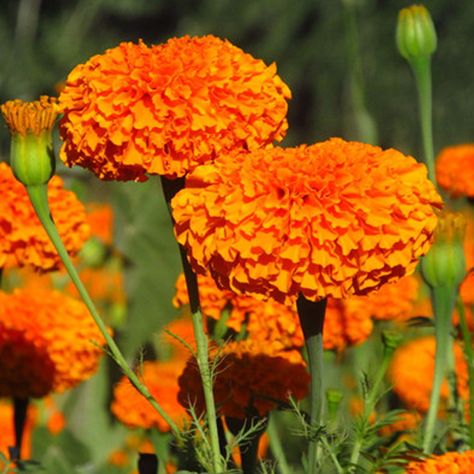
4. Marigold :-

Scientific name for Marigold is Tagetes belongs to family Asteraceae. Marigold is antipyretic, antiseptic, anti-oxidant and anti-bacterial.

Benefits :-

  • Heals skin wounds and burns.
  • Reduces eczema.
  • Good for digestion.
  • Helps in detoxification.
  • Treats ear infections.

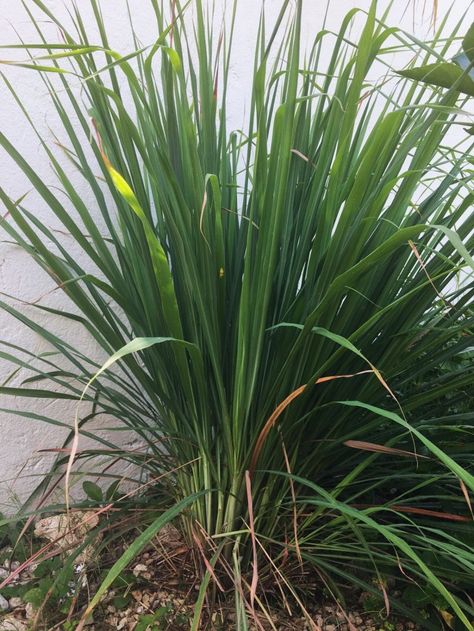
5. Lemongrass :-

Cymbopogon is scientific name for lemongrass. It belongs to Poaceae family. It contains potassium, manganese and iron. It is source of vitamin A and vitamin C.

Benefits :-

  • Relieving anxiety.
  • Prevents infection.
  • Reduces stress.
  • Lowers Cholesterol.
  • Helps in weight loss.

Liberalization

• A relaxation of government restrictions in the areas of social, political and economic policies.

• Economic policy – lessening of government regulations and restrictions for greater
participation by private entities in order to encourage economic development.

Economic liberalization

• Initiated in 1991 .

• Goal – making the economy more market-oriented.

• Aim – Expanding the role of private and foreign investment in a manner that ensured an adequate flow of benefits to the poor .

Situation – Prior Reforms.

• Control system in the Indian Economy – rigid
and restricted entrepreneurship.
 Private sector was not allowed to invest in a number of sectors
 Imports were more strictly controlled
 Import of technology was controlled and Foreign Direct Investment was discouraged.

• 1991 reforms – P.V. Narasimha Rao-Manmohan
Singh duo Evolution of the economy .

• Full benefits took time to materialize – the final results were striking.

• Example:
 GDP growth averaged 7% – 1992 to 2017
 Average of 5% in the preceding ten years
 4% in the preceding 20 years.

• Increase in economic growth – poverty gradually began to decline.
• In-adequate recognition – Sectors like health, education and environmental concerns • Pending reforms – Areas such as labour and land.

• India’s decision – Regional Comprehensive
Economic Partnership.
 Need to enhance its competitiveness.
 Unfair competition from China – imposing
anti-dumping duties on China instead of
raising import duties across the board
 Geopolitics – reducing their dependence on
China.
 India can expect to become a major
player in non-China-dominated supply
chains.
 RCEP membership – Reassuring partners that
trade policy will not be arbitrarily changed.
• Free trade agreements – agreements with
important groups bilaterally • Requires – more give and take policy

Pandemic – collapse in employment.

• National Income – GDP contracted by 7.3% in
2020-21.

• Priority – vaccination coverage expanded as
soon as possible
 Creates conditions conducive to a return to
normalcy.

• Achieving the 2019-20 level economic recovery.

• India’s decision – Regional Comprehensive Economic Partnership.
 Need to enhance its competitiveness.
 Unfair competition from China – imposing anti-dumping duties on China instead of raising import duties across the board
 Geopolitics – reducing their dependence on China.
 India can expect to become a major player in non-China-dominated supply chains.
 RCEP membership – Reassuring partners that
trade policy will not be arbitrarily changed.
• Free trade agreements – agreements with important groups bilaterally .

• Requires – more give and take policy Pandemic – collapse in employment.

• National Income – GDP contracted by 7.3% in
2020-21.

• Priority – vaccination coverage expanded as
soon as possible
 Creates conditions conducive to a return to
normalcy.

• Achieving the 2019-20 level economic recovery.

• Analyse the grounds that caused the slowdown before the pandemic.

• Mutually supportive policies – higher growth
and higher employment with a target for post-pandemic growth.

Mark Cuban: A Biography

Mark Cuban was born on July 31st 1958 in Pittsburgh, Pennsylvania to a Jewish working-class family. From the early age of 12, he began showing entrepreneurial skills. He used to sell garbage bags going door to door to pay for shoes and clothes. In high school he earned extra money by selling stamps and old coins. To pay for his college tuition, he even started giving dance lessons.

He graduated from Indiana University in 1981 and moved to Dallas, Texas where he started his first company MicroSolutions, a computer consulting business. For 8 years, he grew MicroSolutions to become an expert in computer networking. In 1990, he sold the company for $6 million. This was also the time when the internet was gaining traction. Sensing that it was going to become the next big thing, he and his friend Todd Wagner started the internet company Broadcast.com. Broadcast.com let people across the globe listen to basketball games. The comapny was a huge success and was soon sold to Yahoo for $5.6 billion.

Cuban always wanted to be a part of professional sports. So, in 2000 he bought the NBA team, Dallas Mavericks for about $300 million. The Mavericks however, were not really a winning team. Cuban planned to turn this around. He sacked many of the old staff, built a new stadium and always supported his players. He sat courtside for many games and cheered for his team, which was rare for a team owner to do. In 2011, the Mavericks finally won their first NBA championship thanks to their star player Dirk Nowitzki.

In 2011 he also appeared in the reality TV show Shark Tank and has invested in over a hundered companies as of 2020. His net worth today is a whopping $4.5 billion and has made the Forbes list of Top billionaires of the world. He currently resides in Dallas with his wife and 3 children.

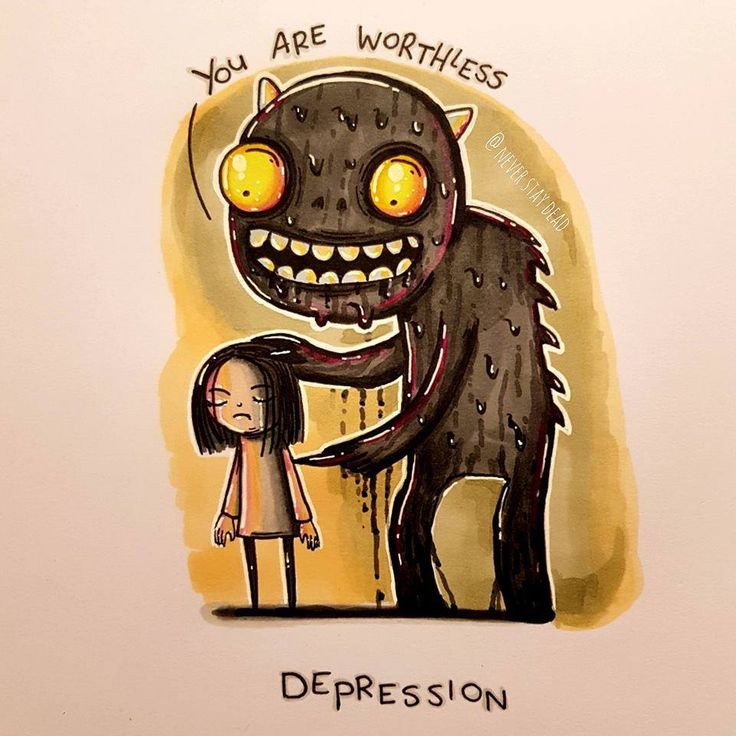
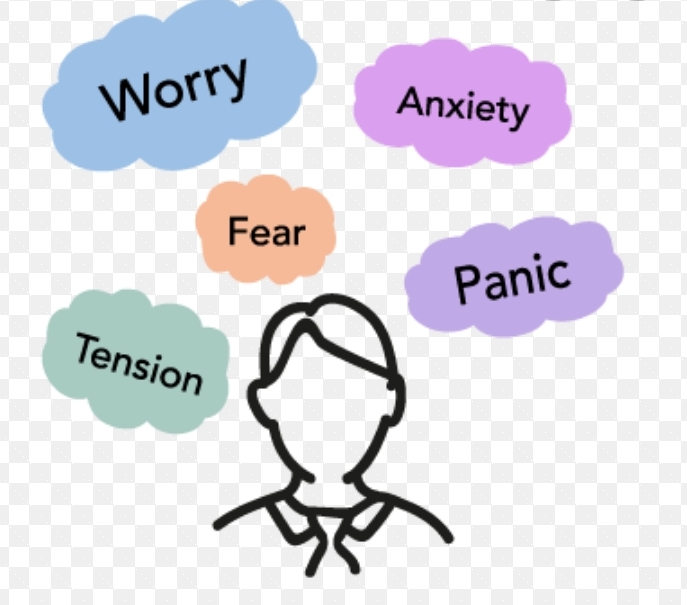
Is it your anxiety .

“Your mind will answer most questions if you learn to relax and wait for the answer.”

—William S. Burroughs

Am I losing my mind or its just my mind playing tricks ?

In the world , where people are ready to fight against their competitor . What will happen when you loose ?

Or didn’t get what you desire the most ?

Would you accept the reality or choose to mourn for your loss.

Introduction

Do you ever feel anxious about going to the new place or meeting with new people ?

Do you ever feel the numbness in your body when you lost something or someone ?

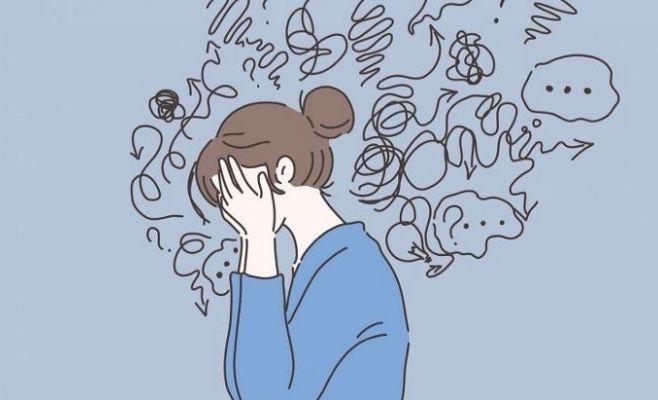
Have you ever get overwhelmed by your fears ?

So what do you call it .

Is it an anxiety disorder?

Well hold your horses because it’s not . Like really we all feel anxious , hesitation , numbness , fear in our life . But if you think it’s an anxiety disorder . It’s a big NO .

If you want to know what is anxiety disorder and how to differentiate it from normal anxiety . You have to ask me .

SO . ASK . ME .

Well if you don’t ask me then also I will tell you .

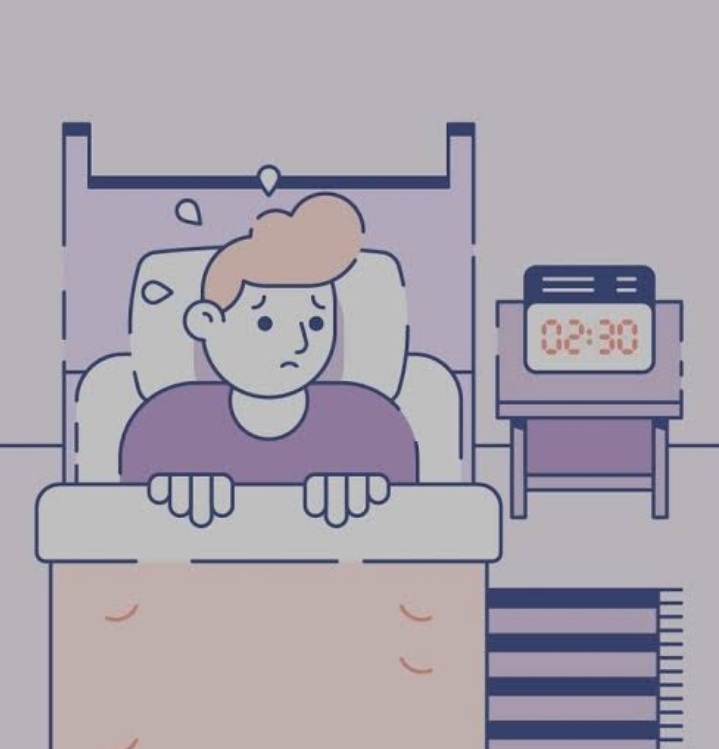
When we feel something is crawling on our leg but didn’t find a thing . Instead of sleeping peacefully , we think of possible aspects that will make our night hell .

Well it happened with me and guess what , I always wake up middle of the night and try to find the invisible ghost ( is it only me who thinks about these weird things or it happened with you as well .)

Anxiety is when these types of situations happened only single time , maybe 2 or 3 times. But when these kind of situations happened every time whenever you sleep than maybe you have Anxiety Disorder.

What is Anxiety Disorder?

Let’s get to know about the Father before we get to know about the Son .

Anxiety is a feeling that comes and goes, but does not interfere with your everyday life.This type of anxiety is unpleasant, but it may motivate you to work harder and to do a better job.

But what about Anxiety Disorder . Well I am explaining just have some patience . You know patience is the virtue of life .

Yes , we were talking about the Son . I mean Anxiety Disorder . It is the feeling of fear may be with you all the time. It is intense and sometimes debilitating. These type of anxiety can cause more damage than you think about.

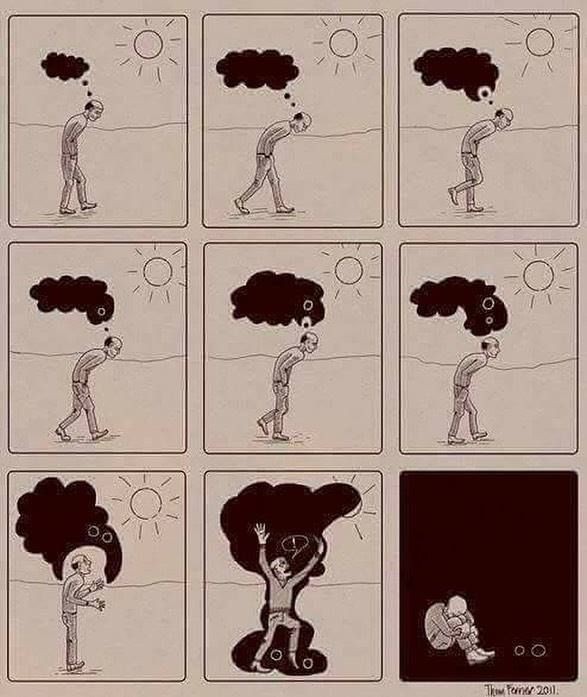
You will stop enjoy everything . In extreme cases you stop socialising with other and if it left untreated, it may be worse like you will kill yourself.

According to the APA ( American Psychiatric Association) , women are more likely than men to be diagnosed with an anxiety disorder.

Types of Anxiety Disorder

  • Panic Disorder .
  • Phobia .
  • Social Anxiety Disorder.
  • Separation Anxiety Disorder.
  • PTSD (Post Traumatic Stress Disorder.)
  • Illness Anxiety Disorder .

In present world , PTSD is most likely to be found in the women rather than men. It happens when a person goes through some traumatic experience.

Symptoms:

  • Increased heart rate.
  • Rapid breathing.
  • Restlessness.
  • Trouble concentrating.
  • Difficulty falling asleep.
  • Stop trusting.
  • Worried about small things .

Remedies :

  • Getting enough sleep.
  • Meditating.
  • Staying active and exercising.
  • Eating a healthy diet.
  • Staying active and working out.
  • Avoiding alcohol.
  • Avoiding caffeine.
  • Quitting smoking cigarettes.

Conclusion :

Anxiety Disorder can be found in anyone from 5 year old boy to 80 year old woman or from 15 year old girl to 50 year old man. It may be cured , only if it treated properly . If not , it can cause some serious issue .

What lies behind us and what lies before us are tiny matters compared to what lies within us.

—Henry Stanley Haskins

Link

Body positivity

I have thighs that giggle a little when I run. So what?

I like it that way.

When I adorn myself in a new black dress some tell that it adds on to my darkness. So what?

I like it that way.

People presume that I may have any syndrome as I appear very thin. So what?

I like it that way.

You would be shocked to know that 20% of adults feel shamed and depressed of their body weight. Adults say that the images used in magazines and advertisements have caused them to worry about their body weight. 64% of teenage boys and 94% of teenage girls are being body shamed for the way their body looks. A doctor says that she sees patients as young as six years old with body image issues. Anorexia Nervosa is an earing disorder causing people to obsess about their body weight with an unwarranted fear of being overweight. It is the most lethal of all psychiatric conditions. It is the leading cause of death of many teenage girls.

Is being plus body sized, dusky, dark complexed or being very thin becomes a stigma or an an insecurity or does it mean that a person isn’t beautiful enough?

Body positivity renders a great response to all of these alike questions. Body is neither an object of shame nor an entitlement. Body positivity is a social movement initially laid to empower and popularize overweight women and men, while also challenging the ways in which the society presents and views a physical body. The movement advocates the acceptance of all physical bodies irrespective of size, race, appearance or physical ability. It asserts that all people over here deserve to have a positive body image, regardless of how others view them. It also recognizes that judgements are often made based on race, gender, shape, and appearance.

What do we mean by being beautiful? Is it being fair, slim, tall, chubby cheeks and rosy lips? The definition of beauty is being switched over randomly by people in line with their marketing of products. A Hair product adverts that silky and smooth hair is beauty. A skin product adverts that the soap and creams they vend makes you more beautiful. A diet product adverts that the food they provide you, turns you to size zero. All of these beauties just end up being a fantasy. What actually beauty means? It is possessing the quality that gives pleasure or satisfaction to see hear and think about. It is about being genuine, authentic and real, being yourself. Dimple chin or double chin doesn’t matter, DARE TO BE YOURSELF.

By whom are these are these beauty standards being framed ? Day in and day out people are being influenced by several factors like advertisements, brands, magazines and influencers who device body image problems and then exploit them. When we were young we would have had a great craze for barbie dolls which dictated the definition of beauty( fair, slim and tall). According to a study done the barbie dolls does have a huge effect on a younger and older girls’ self esteem because if a child is raised with dolls such as barbie wouldn’t their idea of perfect body image come from their experience by playing with their perfect barbie dolls. When we grow up beauty brands define perfect skin, fair and spotless. Images used in magazines, televisions and newspapers influence the concept of an ideal body weight of nearly 70% adolescent girls. In this world where beauty care is an investment people are expecting the providers of said products to deliver results. There are still products who actually do what they claim and invest on the actual research of products. However in this world where persuasion is done by emotion a lot of beauty care brands invest in advertisements rather than on the real products. If we think in depth beauty brands use hashtags like #loveyourself and #beyourself but are they really encouraging us to do so? They obliquely delude us that we aren’t beautiful enough and impose their selling of products on us. By using our ignorance the cosmetic industry climbs up and up the ladder.

Be aware of the business behind the products you use. Get rid of the unreal things happening around you. Body positivity is the only weapon to overcome these unreal beauty facts created by random people and stop getting influenced. It is the idea that one should be proud, happy and comfortable of ourselves regardless of the size and looks. Body positivity movement has flooded the timeline for years now. There are some who say that it promotes unhealthy lifestyle and encourages obesity, but the movement is all about self acceptance and not letting your physical appearance let you down. Don’t try hard to stick to the stereotypical order that someone has created. KNOW YOUR WORTH AND DEFINE YOUR OWN BEAUTY. There are many ways to motivate you to lose or gain weight but if you dont wish to do so gain enough confidence lose your timidness and confront others valiantly.

DONT TRY TO IMPRESS PEOPLE BY BECOMING FAIR OR SLIM , INSPIRE THEM BY BEING YOURSELF!!!

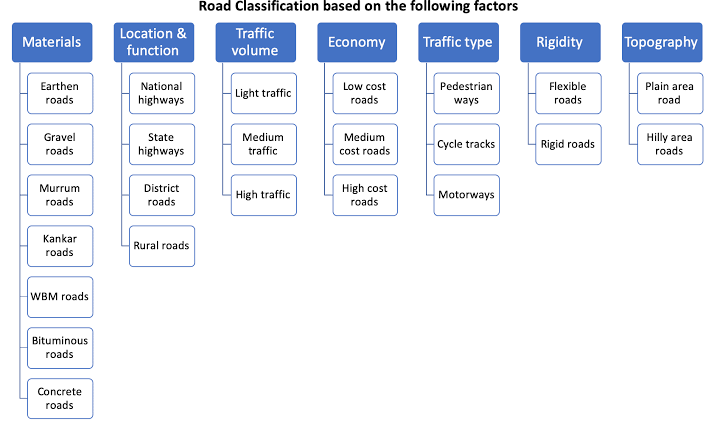
National Highway in India

National Highway (NH):

  • National Highway form the most important system of road transportation in India.
  • These Highway are running through length and breadth of the country connecting capitals of states, major ports,raji junctions, industrial and tourist centers.
  • Ministry of Rosd Transport and Highway of India, is responsible for the development and maintenance.
  • The total length of the National Highway (NHs) in India is 1,01,011 km.
  • The longest National Highway is NH-7 which runs from Varanasi in Uttar Pradesh to Kanyakumari in Tamil Nadu covering a distance of 2369 km.
  • The shortest national Highway is NH-47 ,which runs from Ernakulam to Kochi port (Willington Island) covering a distance of 6 km.
Photo by Aleksejs Bergmanis on Pexels.com
  • State Highway:
  • The state Highway are usually roads that link important cities, towns and district headquarters within the state and connect them with National Highways or Highways of neighbouring states.
  • These roads are administrated and financed by state governments .
  • It runs to the length of 1,76,166 km as of 2016. District Roads:
  • District Roads provide connectivity between the District and taluk headquarters with the state Highway and national Highway .
  • They are contracted and maintained by the Public Works Department of the states.
  • The total length of the roads of his category is 5,61,940 km (16.80%) in 2016.
  • Rural Roads (Village Roads):

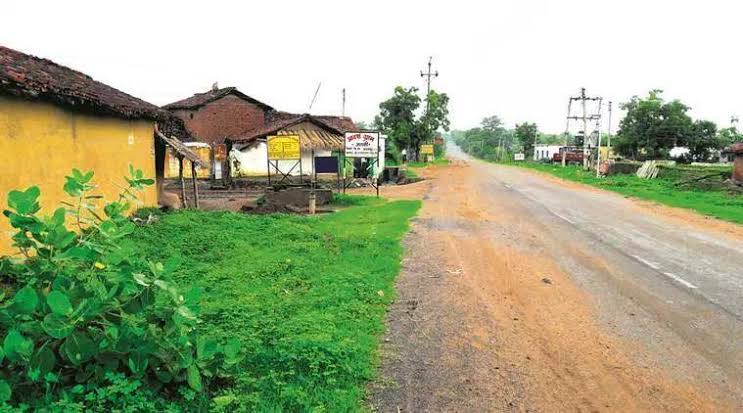
1.These Roads are vital providing links in the Rural areas.

  1. They are maintained by the Village Panchayats .
  2. The total length of Rural roads in India is 39,35,337 km as of 2016.
  3. Rural roads consist of Panchayat roads, of the pradhan Mantri Gram Sadak Yojana (PMGSY) and those constructed by the states PWDs. Border Roads:
  4. These are the roads of strategic importance in Border areas. They are constructed and maintained by Border Roads of Organization.
  5. Border Roads Organization are constructed world’s highest roads joining Chandigarh and Leh in Ladakh .This road runs at an average altitude of 4,270 meters. Golden Quadrilateral:
  6. 5,846 km long road 4/6 lanes connecting, India’s four metropolitan cities: Delhi-Kolkatha-Chennai-mumbai-Delhi.
  7. This project was launched in 1999. North-South and East-West corridors:
  8. North-South corridors aims at connecting srinagar in Jammu and Kashmir with Kaniyakumari in Tamilnadu (including kochi-Salem Spur) with 4,076 km long road.
  9. The East – West corridor has been planned to connect silchar in Assam with the port Town of Porbandar in Gujarat with 3,640 km of road length.
  10. The two corridors intersect at Jhansi. Expressways:

These are multi – lane good quality Highway for high speed traffic. Some of the important expressways are;

  1. Mumbai – Pune road
  2. Kolkata – Dumdum Airport road
  3. Durgapu – Kolkata road
  4. Yamuna expressways between Delhi and Agra. International Highway:
  5. These are the roads that link India with neighbouring countries for promoting harmonious relationship with them.
  6. These Highway have been constructed with an aid from world Bank under an agreement with the Economic and Social Commission for Asia-Pacific (ESCAP).
  7. These roads connect important Highway of India with those of the neighbouring countries such as Pakistan, Nepal, Bhutan, Bangladesh and Myanmar.
The Proliferation of Undertrials in Indian Jails

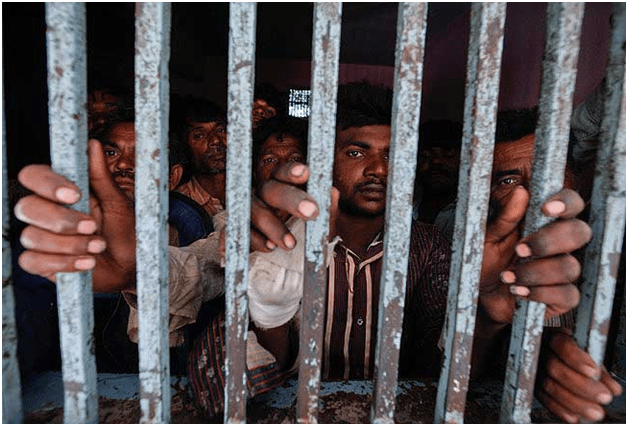
The Indian prisons are overcrowded with prisoners. But does that means the rate of crimes committed in India is also increasing? The answer is no. The crime rate is not yet a major concern in the country unlike India’s judicial system. The majority of the inmates who languish in Indian prisons are not convicted of any crime or offence by any judicial court. In fact they are yet to be convicted and are under trial. The population of undertrials exceed the number of convicted prisoners in Indian jails.

It is against the laws of the constitution to detain an individual for long periods of time without trial. Free legal aid and speedy delivery of justice are the fundamental rights of all the citizens of India. However, most of the undertrial prisoners in Indian jails are unaware of their fundamental rights as they are poor and illiterate. The reports by National Crime Record Bureau (NCRB) says that the majority of the undertrials are from socio-economic backward classes of the society. Most of them belong to the SC, ST and OBC categories. They are so poor that they could not even afford their bail fees.

The hiking number of undertrial prisoners depicts the flaws of the Indian judicial system. An accused spend years in judicial custodies before their cases are heard in any judicial court. Their case remains pending and goes on for a period which often exceeds their period of imprisonment when they are convicted by law. It also happens that an accused is proven innocent by a court after being kept in imprisonment for years before their hearing commences.

People coming from socio-economically weaker sections of the society had to suffer for the slow and lethargic justice delivery system of India because they could neither afford their bail fees nor a good lawyer. Most of them are also young and falls in the age group of 18-20 years. They ruin some valuable years of their life in prison for minor offences or sometime without committing any offence. The damage to their life, career and reputation are irrevocable. The Indian legal and judicial system should be accountable and compensate these unfortunate specimen of humankind who are mere victims of India’s slow justice delivery system.

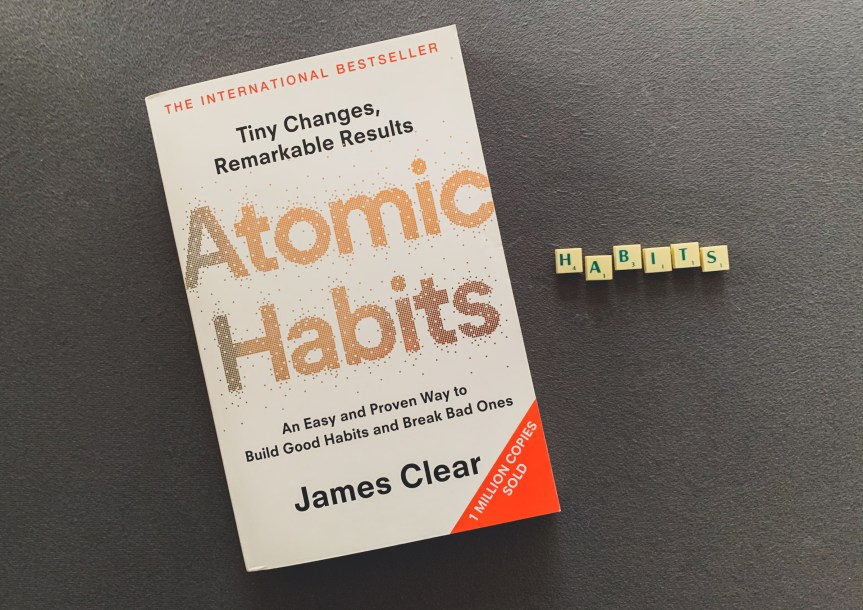
Book Review: Atomic Habits by James Clear

There are very few books in your life that you will read and think “Wow, this was life-changing”. You may enjoy reading books, and may even be a fan of a certain series of books like Harry Potter or Game of Thrones. However, these are generally limited to serving entertainment purposes only and are not the kind of books that will give you deep insights into life or help you reflect on yourself. Having said all this, I do believe the book “Atomic Habits’ that I am going to discuss in this article is the type of self-help book that will change or give you a new perspective on habits and lifestyle choices in general.

General Idea

The general idea of the book is this: small changes or habits you incorporate in your life will compound into much greater results in the long-run. Hence the use of the word ‘atomic’. The author is trying to explain that even small habits materialize into major results if we keep at them. This is a fairly new idea being introduced in this book, as we are often told if we want to change our lives, we have to take drastic steps like moving to a new place or quitting our jobs. This book replaces this notion with a new and improved one: change can occur even through miniscule habits and can provide life-altering results. You do not have to take drastic steps to create change, in fact you are probably better off starting at something very small and sticking with that. The process of building and sustaining these tiny habits, while also stopping or breaking free from bad ones, will help create the positive change we require.

Key Insights

  • The 1% rule – This relates to ‘compounding’ as mentioned before. It works in a similar way to compound interest. As we leave something to develop for a long period of time, eventually the net growth is massive. In this way, if we try to better our lives by even just 1% everyday, then we will be a 37% better version of ourselves after a year. The author provides a very insightful quote “Habits are the compound interest of self-improvement”. We should be careful though, as it also works the other way and even bad habits can compound to make us worse. So, we should focus on the self-beneficial ones while trying to limit or remove the harmful ones.
  • Focus on ‘Systems’ not ‘Goals’ – An important idea stressed upon in the book is on building ‘habits’ and not focusing on ‘goals.’ Our behavior should be such that it becomes repetitive and compelling, and not completely goal-oriented. If we become goal-oriented, we may become disappointed if we don’t meet our goals, but if our sole focus is on building a habit which we will maintain for the rest of our lives, there will be a much greater positive impact. For example, if your goal is to lose 5 kgs in one month, you will become disappointed if you don’t. Even if you do, it is only a temporary achievement and you may gain weight again after that. Instead, you should build the habit of exercising routinely to sustainably lose weight and stay fit.
  • Identity is the north star of habit change – This basically means that we should not solve problems based on their outcomes and results, as this means we only solve them temporarily. To solve problems for the long-term, we need to change our identity itself. This ties into the previous point in essence. For example, instead of saying you want to eat less junk food to lose weight, you should change your identity to a person who likes eating healthy and wants to build a good diet. To quote the book; “The ultimate form of intrinsic motivation is when habits become part of our identity.”
  • How to build a habit – There is a basic 4 step process for building habits: cue, craving, response, reward. Cue triggers the brain to perform an action, Craving provides the motivational force to perform it, Response is the habit/action that we perform and Reward is the end result. So, we should build habits that we want to incorporate into our lives through this process, by making the habit obvious, attractive, easy to perform and satisfying. In case all these are adhered to, the process of habit formation becomes rather easy.

Conclusion

As mentioned earlier, the book really is life-changing for anyone struggling to build a habit or break an old one. The aim should be to build long-lasting and sustainable habits (systems), however small, and to not focus on achieving some set goals in life. It is hard for many of us, in this world of instant gratification, to stick to habits that will show outcomes only after a long time and through a process of compounding, However, this book helps us with this and guides us on how we can build habits in and easy and efficient manner, and also explains the benefit this may have on our lives if we are just able to stay discipled and stick to them. Tiny changes, remarkable results.

MAPS – On the basis of Content

MAPS

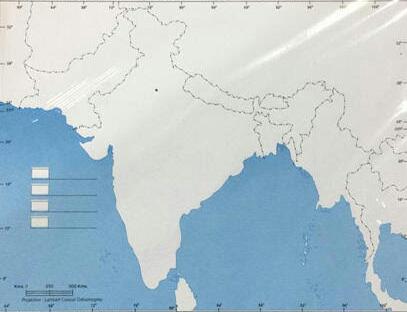
A map is an essential tool of a geographer. Map is a representation of the earth as a whole or a part of the earth drawn on a flat surface according to a given scale. It can show continents, countries, cities and even a local area are drawn with specific details.


TYPES OF MAPS

As each map is unique in its design, content and construction. On the basis of certain common features maps can be classified into several types.

✓On the basis of Scale

✓On the basis of Content

Each divided into two types

On the basis of Scale
✓Large Scale
✓Small Scale

On the basis of Content
✓Physical
✓Cultural

Maps on the basis of content

Physical maps are divided into four types. They are

✓Relief maps
✓Geological maps
✓Climatic maps
✓Soil maps

Cultural maps are divided into five types. They are

✓Political maps
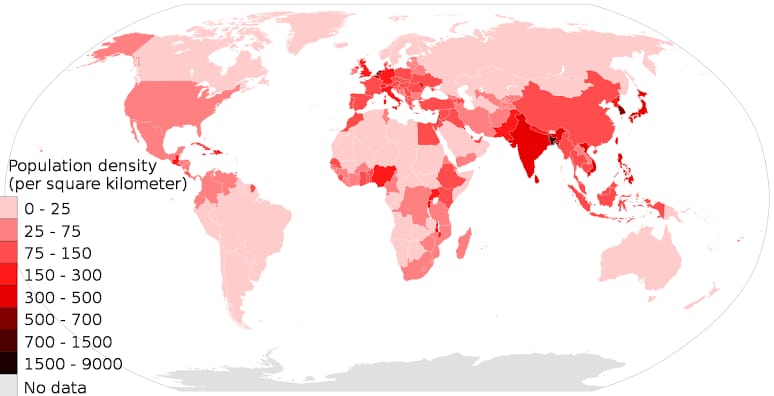
✓Population maps
✓Economic maps
✓Transportation maps
✓Thematic maps

Physical maps

Physical maps show natural features such as relief, geology, soils, drainage, elements weather and vegetation.

Physical maps

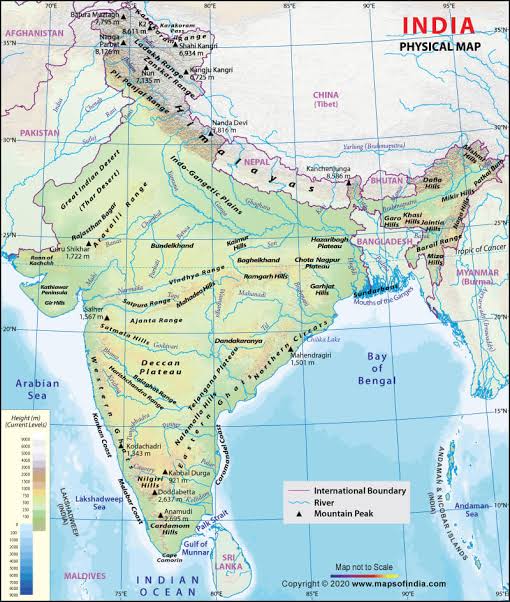
Relief maps

Relief maps show general topography like mountains valleys, plains, plateaus and rivers.

Relief maps

Geological maps

Geological maps are drawn to show geological structures, rocks and minerals.

Geological maps

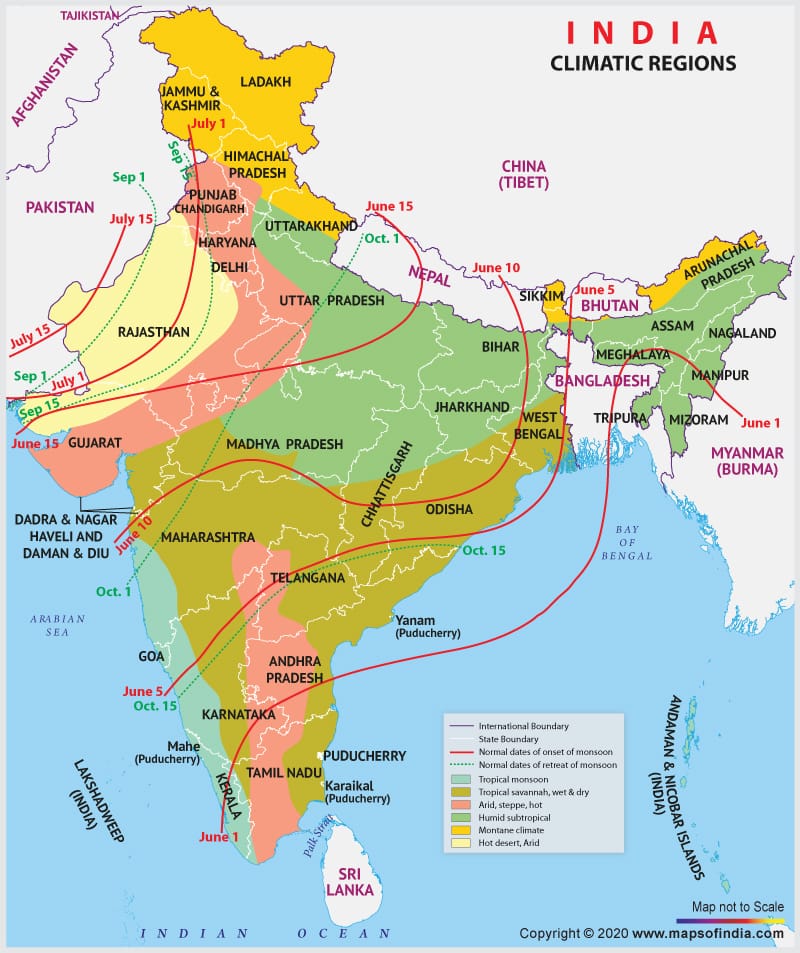
Climatic maps

Climatic maps show the distribution of temperature, rainfall, clouds, relative humidity, direction and velocity of winds and other elements of weather.

Climatic maps

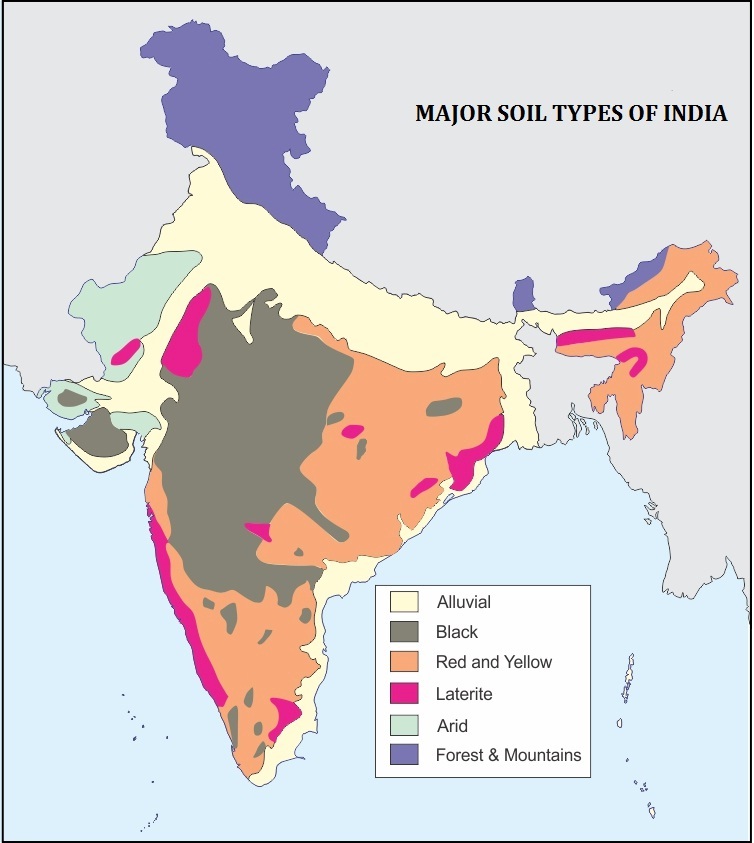
Soil maps

Soil maps which are drawn to show the distribution of different types of soil and their properties.

Soil maps

Cultural maps

Cultural maps which shows the man-made features are called cultural maps.

Cultural maps

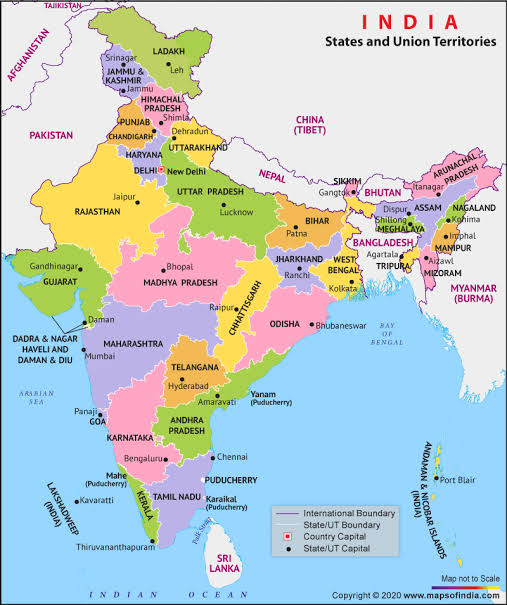
Political maps

Political maps show the administrative divisions of a country, state or district. These maps facilitate the administration in planning and management of the concerned administrative units.

Political maps

Population maps

Population maps show the distribution, density and growth of population, occupation structure and literacy.

Population maps

Economic maps

Economic maps depict the production and distribution of different types of crops and minerals, location of industries, trade routes and flow of commodities.

Economic maps

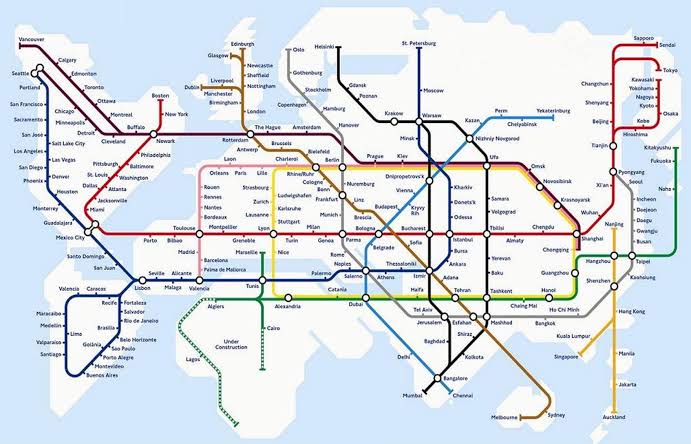
Transportation maps

Transportation maps show roads, railway lines and the location of railway station, airports and seaports, etc.,

Transportation maps

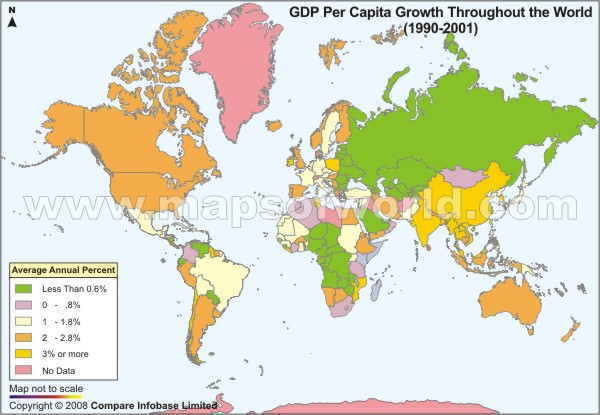
Thematic maps

Thematic maps represent the distribution of a particular feature or theme and its spatial variation.

Thematic maps

Prices are ever on the increase.

A rise in prices, economists say, is a sing of development and prosperity. But during the last two decades, prices of almost all the essential commodities have been increasing at an alarming rate. These soaring prices have caused great unrest and frustration among the people. The people belonging to the middle class and the salaried people are hit hard. All the more, the soaring prices have become a big threat and an open challenge to the government. It has shaken the faith of the people in the government. There is no let-up in the situation. Life has become very hard.

29,539 Petrol pump Images - Free & Royalty-free Stock Petrol pump Photos &  Pictures | Depositphotos
people are facing problems due to rise of prices of petrol.
            Not to speak of rising prices, things of daily use are sometimes not available in the market.  Big businessmen hoard things and sell these in black.  Adulteration of eatables is a big health hazard.  Sometimes, there is no sugar, no kerosene oil, no cooking gas, nothing.  The prices of petrol, cooking gas, kerosene oil and several other items of daily use are increasing every year.  Not only that, the railway fares, air fares and bus and taxi charges are also increasing regularly.  The rich make a display of their wealth while the poor find it difficult to make both their ends meet.  Life has lost its charm for the average bread-winner.  The indiscriminate rise in prices of essential commodities has left many a people tense and helpless.  No one can foresee what is in store for the common people.

            There are many causes of the unprecedented rise in prices.  Inflation, black marketing, hoaring, faulty credit system, over population and improper system of distribution are some of the major causes of hike in prices.   The standard of living of the people has improved.  People need more things than they needed earlier.  The increasing demand leads to hike in prices.  Sometimes, natural factors like flood and drought also contribute to rise in prices.  Much food is being wasted in the parties and marriages.  Production of food is not in proportion with the increase in population.  Social evils also tax the common people badly.  With the breaking of joint-family system, the cost of living has gone up.  The purchasing power of the rupee is continuously falling.

            It is now being increasingly felt that large scale corruption by some political leaders in power and some senior officers in the government  is also the cause of constant rise in prices.  In the recent past, several scams have come to light that involve big amount said to have ben pocketed by the big-wigs of the country without any shame or remorse.  Several cases are pending in the courts.  It is, however, feared that influential and moneyed people have the power to so circumvent the legal process in their favor that they go scot free.  These huge amounts of black money produce a very bad effect on the economy of the country and lead to a rise in prices.

            It is  the duty of the government to bring down the prices of the essential commodities at least.  Price line is the life line of a nation.  Black marketers, hoarders and profiteers must be brought to book.  Family Planning programes should be stepped up to check over-population. More fair-price shop should be opened in different localities.  There should be an equitable distribution through the fair price shops. Shopkeepers should be directed to display the stock of essential commodities along with their prices.  Those people who buy things in the black market should be punished.  Production of food should be increased.  Sincere efforts should be made to stabilize prices of essential commodities. Evils of corruption, bribery, smuggling and illegal gratification deep-rooted in the society must be rooted out.

            Let us hope that the government will be able to bring down the soaring prices.  What is needed is the right intention and the force of will.  The government has, in recent  past, taken some steps to control the prices and revamp the economy of the country.  The government efforts have met a partial success and inflation has been controlled to some extent.