How AI is transforming our lives

Artificial Intelligence has found an important place in our day to day lives. We might not realise it but it has surrounded and transformed almost all aspects of our lives. AI is a branch in computer science that deals with the intelligent behaviour of machines. It is an ingeniously simulated ability of a machine to imitate human behaviour and our conventional response patterns. This is made possible with specific algorithms that make the AI function in a specified scope of activities. This means that with AI, many of our everyday activities can now be carried out effectively by programmed machine technology.

Microsoft’s chief envisioner David Coplin saysAI will change how we relate to each other. I would argue that it will even change how we perceive what it means to be human.

Real-life examples

The use of AI in organizations, governments, security frameworks, energy and natural resource management, etc., is drastically on the rise. For example, artificial intelligence has been pointed at to possess the potential for more accurate medical practices. Thus, you can be sure of a more accurate surgical procedure using this framework than what is currently available.

Another example would be the most commonly used AI-oriented app nowadays- Google maps. Google maps uses AI to detect traffic and its causes, time taken to travel to the destination, calculate speed of the vehicle and display estimated time accordingly, suggest fastest route alternatives. It is a very helpful tool and everyone uses it during travel.

Similarly, apps like Uber and Ola also use AI to connect you to the closest driver, display estimated wait and travel time, calculate prices according to the time of the day, traffic and other factors etc.

It is also used in food delivery apps to assign the closest outlet of the restaurant you want to order from and to assign the closest delivery person, calculate estimated time of arrival of the food, keep track of the timely preparation and delivery of the food etc.

Another most commonly used example would be voice assistants like Siri, Cortana, Alexa and Google assistant. These are AI powered assistants that can perform any tasks given to them with the help of AI.

Another example would be AI used by entertainment channels like Netflix, Prime video and even YouTube to keep track of the content consumed by every user to determine their liked genres and taste in order to give recommendations to every user according to their taste and preferences.

Google Translate uses AI to help you translate text from a source language to the target one. The company has a lot of contributors across the globe, which means that any person in the world can contribute to Google Translate by entering some words like synonyms or anything else related to languages.

Most importantly, it is used by businesses for providing valuable insights. Using AI supplies them with information about customer behaviour, their preferences, and the history of their interactions with a company. Moreover, AI can be a real game-changer in how marketing and ads campaigns are being run today. For instance, personalized advertisements are a hit with various companies. Corporate giants as Facebook, Google, YouTube, have already been using ads powered by AI for targeting specific audiences.
WHAT DOES THE THE COLOUR SAY

Our lives are full of colours. Every person has a favorite colour and colour preference for their things. It helps us identifying and recognizing various objects. Colours are not just for a pleasant visual experience. Each colour has its meaning. Every colour tells something about human behaviour.

It is exciting to know how human behaviour can be studied through various elements. One such element is colour. Colours can not only impact how food tastes but can also tell a lot about a person’s nature and behaviour. Ascertaining human behaviour through colour study is known as colour psychology.

Every colour has an emotion associated with it. People respond to different colours in different ways. Some colours like red and orange act as stimulants.

Impact of Colours

Colour influences the way people perceive and understand things. The colour even impacts the appetite. You must have noticed most of the restaurants or food outlets use red and yellow colours in their menus, logos, and table clothes because the colours like red and yellow stimulate hunger like Pizza Hut, McDonald’s, Domino’s, and more.

You must have also noticed the chocolate flavoured products feel more chocolaty if they are brown in colour than any other colour. If any food item is pale, white, or dull coloured, it is usually perceived as plain or spice-less food.

The colour for product packaging is chosen according to the need and personality of the product as well as customers. Like, the kinder joy chocolate makes its packaging containing toys for girls in pink, and in blue for packaging having toys for boys. This is because the colour pink is usually associated with femininity and blue with masculinity. Even the products that claim to be natural and organic have their packaging mostly in green, as green is the colour of plants and trees (natural).

The red colour is associated with danger and evokes alertness or fear, and hence, it is used for signboards that have any sort of warning written on it. The railway crossing has stop signs board in red. You must have noticed that the computer displays warning or error signs if any website or file poses any threat to the computer security, the warning sign that pops up is also usually red.

Some colours and meanings and emotions associated with it:

  • White signifies purity and peace. On the other hand, it also plain and tasteless when it comes to food.
  • Red is associated with danger and fear. But it is also said to be the colour of love and passion and that’s why mostly red coloured roses are given to someone you love.
  • The green colour soothes the mind and signifies eco-friendly nature, while it is also the colour of jealousy and envy.
  • Yellow radiates happy vibes and energy. On the flip side, it means cowardice and irresponsible.
  • On one hand, the blue colour stimulates calmness of mind, and on the other hand, it depicts the lack of emotions.

A single colour can have multiple meanings and emotions associated with it according to the thing it is related to.

Through colour mapping, human behaviour can also be studied. This also helps in identifying and psychological disorders.

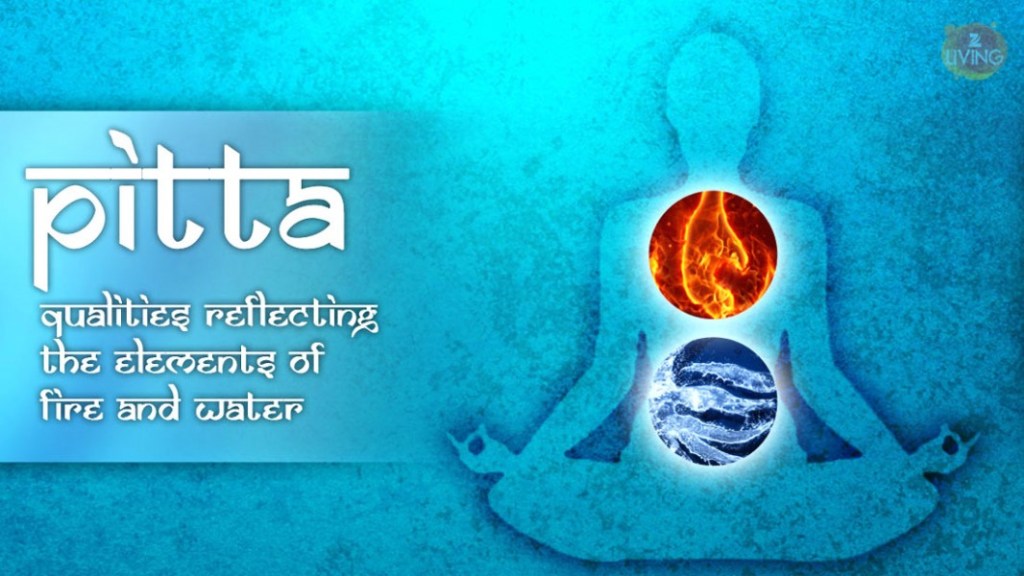
What is Pitta Dosha ?

What is Pitta Dosh, What are the side-effects of Pitta Dosh and how can you stop its imbalance in your body especially during summers? Here’s all you need to know.
According to Ayurveda, Pitta is the combination of Agni and Jalam, that is fire and water. Pitta mainly possesses characters like hot, oily, and light. Pitta Dosh can be called the access of Pitta in our body leading to a Pitta imbalance in our body.

The understanding of our daily nutrients and diet strategy becomes even more significant when we are at war with the Covid-19 pandemic. While it has become the need of the hour to pick and fight our battles like low immunity, improper digestion, and poor health in general, all this might just not be enough. There’s a need to look beyond. It’s essential to choose nourishing food over tasteful junk, eating a balanced diet, and exercising but despite our best efforts at these, all of these might not be the only things we have to keep a check on. Maintaining good digestive health is also one of the prime concerns because it’s only then all these vital nutrients be absorbed by our cells, tissues and will be converted to energy so that we can carry out our daily errands without getting tired. Now, this process is also called metabolism, and this metabolism is driven by three principal directive forces, the Pitta Dosha, being the dominant in many, followed by Vata and Kapha.


What is Pitta Dosh?

According to Ayurveda, a natural state of existence is called its ‘Prakriti’, and the three doshas – Pitta, Vata, and Kapha – are the determinants of what type of personality the individual represents. Pitta is the combination of Agni and Jalam, that is fire and water. Pitta mainly possesses characters like hot, oily, and light. Pitta Dosh can be called the access of Pitta in our body leading to a Pitta imbalance in our body.

What does Pitta imbalance in a body lead to?

Pitta is responsible for the key attributes of our personality like a fit body, increased sweat, optimal sleep, rational thinking, high intelligence quotient, and good memory, Fluent speaking, etc. A Dosh is an imbalance of the Pitta, leading to anger and anxiety issues, skin with blemishes, acne, darkness, and thick hair, etc.

What are the side effects of Pitta Dosh?

Summer Season is also known as the ‘Season of Pitta Dosh’ as it can aggravate the heat in the body. A few adverse effects of Pitta in our body can be:

Augment hunger and thirst.

Acid Reflux, gas, and Indigestion related problems.

Nausea, diarrhea, constipation, and other stomach issues.
Excessive hair fall

Hormonal imbalance in women, extreme pain and heavy flow of blood during menstruation.

Postural issues like Vertigo and migraine.

Hot flashesBad breath and body odor

Anxiety and stress issues, like feelings of repentance, disappointment, anger, or frustration.

Insomnia or other sleeping disorders.

How to balance Pitta Dosh through diet?

Though Yoga is a significant cure for Pitta Dosh, as it promotes calm, empathy in an individual, it is important to make changes to your food habits to balance Pitta Dosh. Any food item that is heavy for the stomach should be avoided like soy sauce, salted butter, sour cream tomatoes, wine, chocolate, etc. Avoid spices that make you experience burns and inflammations in your body.

Incredible india

– by Moni sai

India is a home to the finest architectural attractions and rich reserves of multicultural experiences.History of india dive deeper culture and heritage.incerdibility hold’s the art,spirituality,nature,food and cuisine along with adventures.Every place holds its popularity with its food and culture.Art includes the classical melodies ,handlooms,dance forms and fascinating festivals.”Colours of Culture” is fond of Dance forms,Music,Painting,Textiles.

The Popular Art in India:

Art is a form of Expression which depicts beauty and history.india blessed with billons of artists and art forms. It includes weaverings ,handicrafts and sculptures of various historical monuments.

Nature and land scapes:

From Himalayas Mountain Ranges in North to the Kanyakumari Coast in the south have made travellers to explore these landscapes.It also covers mountain ranges to sea Coasts,Deserts to Plateaus.

Himalayan Mountain Ranges:

The Himalayas are a Mountain Range In south Asia.The main ranges includes Mount Everest,Annapurna and Nanga parbat.Mount everest is the highest mountain peak on the earth at 8849 mts.The vast size huge altitude Range complex topography of the Himalayas are meant to experience wide range of climate

Land of Deserts:

The Thar Desert also Known as the “Great Indian Desert” is a large region that covers an area of 2,00,000kms and forms a natural boundary between india and pakistan.It is also Known as the world’s 9th largest hot subtropical desert.

Food and Cuisine:

Indian Cuisine consists of a variety of Regional and traditional recipes.This cuisines vary substantially and use of local spices ,herbs , vegetables and fruits.indian food is also influenced by religions.for Ex, Mughals introduced dishes like samosa ,pilaf.indian home cuisines includes various flavors of common spices as chilli peppers,mustard seeds, cumin,fennel,cardamom,cinnamon,coriander,Tumeric,fenugreek,Ghee.

some coomon combination of food’s at various destinations :

New Delhi: streetfood might be chats or samosa with masala falvours

south India: South indian cuisine features more coconut milk based falvours ,herbs like lemon grass, curry leaves and native foods . we find more Rice ,lentils and steamed food.

kerala:

kerala recipes are very found of banana fritters and sweet dumplings.flora and Fauna of kerala provides more nutrious food from surroundings.

Mumbai:

The food in Mumbai is as famous as the city .it is famous for it’s market Hawkers and cultural street food.Food is avaiable in form of stall features and mobile recipes all over the city.

Spirituality in india:

India is considered as one of the best Spiritual destination. world’s Several religions were born in India .Hinduism,sikhism,buddhism and jainism.There are various worshipping places like mandirs,Mosques,gurudwaras and churches.This is the reason for india’s unity in Diversity.

Yoga is mentioned in the Rigveda that is mostly studied around 5th and 6th centuries BCE.ancient indian ascetic includes Physical yoga,meditation and spirituality. it is method of focussing the mind on Particular object,thought or activity to train attention and awareness.meditation reduces stress ,anxiety,depression and pain to attain and enchance peace.

PLUM – ALOO BUKHARA

A plum is a small sweet fruit with a smooth red or yellow skin and a stone in the middle

It boasts of carotenoid zeaxanthin and improves one’s vision.

It protects an individual from harmful ultraviolet rays. Additionally, aloo-bukhara aids in developing cardiovascular movements in the body.

It possesses iron and that subsequently plays a part in the evolution of more red blood corpuscles.

Plums and prunes are rich in antioxidants, which are helpful for reducing inflammation and protecting your cells from damage by free radicals. They are particularly high in polyphenol antioxidants, which have positive effects on bone health and may help reduce the risk of heart disease and diabetis.

Plums contain a high amount of vitamin C, which is why it is considered beneficial to treat dark spots, skin discoloration as well as age spots. Also plum can improve blood flow in the skin, which also helps in minimizing the appearances of marks and scars.

It helps the skin to heal faster and replace damaged skin with new skin. Consuming plums also improve skin texture and elasticity. It also reduces the appearance of dark spots, freckles and treats other skin conditions.

Plums are chock full of fiber, which helps slow down a blood sugar spike after you eat carbs. They can also boost your body’s production of adiponectin, a hormone that helps regulate your blood sugar levels. Bone health. Research on animals shows prunes (dried plums) may help reduce bone loss, and may even reverse it.

Aloo Bukhara or plum is a pulpy fruit that has a number of health benefits if consumed as a part of a balanced healthy diet. Eating Aloo Bukhara helps to maintain body weight and combats diabetes and obesity. It lowers cholesterol, improves blood circulation and quality, and helps to maintain proper heart health. It also improves vision, helps to maintain proper digestive health, and helps to keep a healthy glowing, and vibrant skin. Aloo Bukhara can also combat cancer due to a large number of antioxidants present.


Meenumutty Waterfalls

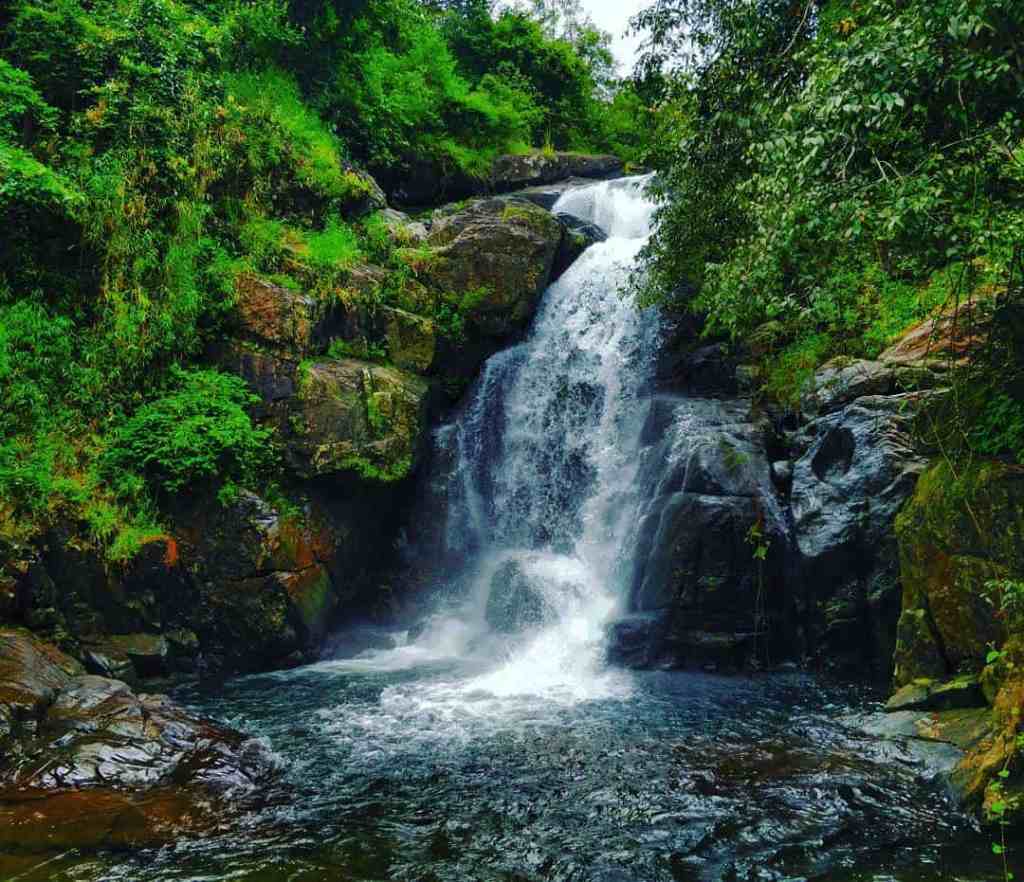
Meenumutty Falls

Meenmutty Falls is located 29 km from Kalpetta in Wayanad District in the state of Kerala, India. Meenmutty Waterfalls is the second highest waterfall in Kerala. Meenumutty is a combination of Malayalam words Meen (fish) and Mutty (blocked). Falls can be accessed from Mananthavady – Kuttiady road.

Falling from a height of 984 feet, The waterfall is a divided into three tires, each measuring a length of 300 feet. Meenumutty falls is surrounded by Lush green tea plantations making the hike to the falls a memorable experience to the tourists.

Like other waterfalls of the region, Meenmutty waterfalls offer a perfect backdrop for the trekkers to indulge in hiking activity. Most of the time waterfall remains closed, it’s better to coordinate with the authority for the timing before seeing this prime location.

Meenmutty Falls gives a glimpse of natural beauty surrounded by the mountain ranges of Western Ghats.The waterfall is located upriver the Neyyar reservoir area and travellers, have to trek through the dense forests to reach the falls. 

Meenmutty offers a splendid view and can be reached by an exciting 2 km jungles trek. This stunning fall is cuddled up in the verdant Mepadi forest range and makes up as one of the prime attractions for adventure seekers. 

It is also one of the most thrilling and beautiful natural attractions in Wayanad. Nestled away in the lap of a jungle trek, the cascading waterfall of Meenmutty makes up for a dazzling view. The experience of climbing through the rocks to reach this enchanting destination is one of a kind and makes this place a prevalent tourist location.

Meenmutty offers a splendid view and can be reached by an exciting 2 km jungles trek. This stunning fall is cuddled up in the verdant Mepadi forest range and makes up as one of the prime attractions for adventure seekers.

THE BEST TIME TO VISIT MEENUMUTTY FALLS

The best time to visit is from October to May as the summers in the region can be quite hot and humid that might spoil your fun and the monsoon can be dangerous because of high inflow of water and slippery rocks. Thus, it’s best to visit Meenmutty Falls during the winter and the spring months.

Fear of failure

The word fear is what comes between us and our dreams. It stops us from reaching our potential. It makes us think about questions like what will happen if we don’t succeed or what if I end up making a fool out of myself?

Think about the number of times you did not do things because of the fear of failure.

It stops you from doing simple tasks like giving an answer in class because you are afraid of the answer being wrong. You are afraid of what the teacher and the students will think. Well, the teacher must have appreciated the efforts of trying and would have corrected you and the students don’t care. Do we care if people give the wrong answer? No right

Here is the thing about people, they simply don’t care about us. They are way too involved in their own lives. People sometimes do try to bring us down but, they are just transferring their fear in our lives. So, we don’t have to listen to them nor care about how they are going to react.

“Life begins at the end of your comfort zone,” rightly said by Neale Donald Walsch. I can tell you by my experience the best decisions that I took in my life were after overcoming my fear. I wanted to start a YouTube channel ever since I was 14. Now at the age of 19, I actually started it. It took me a long time to start it simply because, I was unsure of how people around me would react. But, recently enough I stopped caring about what people have to say. I uploaded the video for my happiness without thinking about people or the number of likes or views I will get. My video did get a lot of support and appreciation from people. I succeeded and got a good response but, even if I hadn’t I wouldn’t have stopped I would keep trying without letting fear take over me.

Failing is totally fine. We learn so many new lessons from our failures. We get more knowledge from failure than we ever would get from succeeding the first time.

Our life is all about trying new things so stop sticking to your comfort zone. Stepping out of the comfort zone is a big step in itself. It gives us more courage and confidence. So, keep trying even if it comes with the cost of failure.  

We need to stop thinking of failure as a big thing. We need to start treating it as a step towards success. Even the most successful people faced failure and that’s how they got on top.

So, keep challenging yourself to come out of your comfort zone and try things you want. Give yourself regular tasks which you don’t do because of fear. Go volunteer to speak in front of people, even if you mess it up it is okay. Next time you will be way more confident. The only way to grow in life is through failure.

“One day you’ll leave this world behind, So, live a life you will remember” a great line from a song by Avicii, and to live the life you will remember you need to stop fearing things. 

The Private-Public Distinction: Through a Feminist Lens:

From the beginning to this day, women have always been oppressed be it by men in their family or by the state that was and is still highly patriarchal. Earlier, the private (households) and the public (political, business world) were strictly kept separate. State had no roles in what was happening in the private sphere. And the major factor of this separation was that public was controlled by males and private appeared to be in control of females.

The separation between private (home) and public (work) made a significant difference in the lives of males and females, and of course, it was negative for women. For example, males were expected to work out and hence they dominated the outside world while females were expected to stay at home and decide the household decisions and thus they happened to be the controllers of the households.

However, the above situation was far away from reality. In most cases, as public was controlled by males it used to have a direct influence on the private sphere. And therefore, the then feminists and scholars labelled this distinction as baseless and started demanding for political rights of females like voting rights, reproductive rights and like. It was through the second wave of feminism in 1960s, feminists began to bring up more such marginalised communities and issues into the picture.

Earlier only a “white heterosexual male” normative was followed in the world and especially in western civilisations.
Feminists have rejected the public-private boundary as an acceptable rationale for legal action or inaction. A feminist argument is that such a separation disadvantages women of their rights and advantages privileged groups like white heterosexual males.

Three major arguments that were brought by feminists which aimed to challenge the public-private distinction are, first,
politics and society, both had ignored the domestic sphere, second, public-private distinction is deeply gendered and
sexist as its assigns roles to people based on their biological characteristics and because of this women become the most affected underprivileged group, third, calling “family” a
private sphere was an attempt to hide domination and abuse in the relationships in families from legal discourse.

To put an end to all of this ignorance, women activists fought against the injustices and demanded the states to intervene in household matters like laws against domestic violence, divorce rights to women, abortion rights and other rights to choose. Along with these domestic protection rights, many other rights on the public sphere were also demanded.

Feminists from the second feminist wave asked for equal representation in politics, law-making and other decision making procedures which were of both public and private significance.

Examples:

1) Paid Work:

Even though working environment has
changed nowadays as compared to earlier times, females suffer from hard labour but less payment. From corporate houses to films and television everywhere females are paid less than their male counterparts even though all of them do the same work. At times, female actors do more work as they have dance sequences in addition in the movies but still get paid less for the work. This has witnessed a change in recent times where female actors have begun to charge lump sum amount.

2) Patriarchal State:

States can be extremely patriarchal to
women in terms of legal and political rights. This can happen in two ways- one by creating patriarchal and misogynist laws for women, two by not doing anything progressive for women (because not interfering into women’s rights is also equal to creating misogynist laws for women). Over the past few decades, this has also witnessed a change where we have seen governments making women friendly laws like reservations and special commissions for women or anti dowry and anti-domestic violence rights.

3) Male Violence:

This can mean anything that happens both in public and private sphere. Sexual harassment at workplaces is at peak all over the world. Thanks to social activists and NGOs in India who all fought for implementation of sexual harassment act back in 1990s when a social worker was brutally sexually assaulted for stopping a child marriage in the Indian state of Rajasthan.

At the end, we all as a society collectively need to understand that opposite of patriarchy is gender equality, that is, feminism, nothing else.

Discrimination – Still a social issue

 Discrimination is such a social issue that is prevalent in India from a long time. Though Indian Law describes discrimination as punishable crime, we often see many cases of it. Why is this so?? Why even after so many years of evolution and development we see such social issues?? All the answers to these questions lies in our foundation and environment that we grow in. 

From the very start of growth many children are not taught the difference between “leg pulling” and discrimination. Many young as well as elderly people discriminate people and remark it as a “joke.” For instance calling someone “black” just for fun seems funny but in reality it is a huge social drawback. This shows how much we lack education. Recent incident of “youtuber Paras Singh calling Arunachal Pradesh a Chinese Territory” proves the fact. Though he apologized and realized his mistakes , no one can neglect the fact that this incident would not have occurred if we were more cautious and educated. 

There is a huge hole in our mindset and its needed to be filled before it eat us all. A discriminated person faces huge mental trauma and may have a severe impact. We need to be more sensitive while dealing with such topics. Educating children from the young age  as well as educating ourselves on such topic may bring a huge change in near future. It is well known that discrimination have a long history and it will not eradicate instantly. But taking small steps today will bring major change in near future

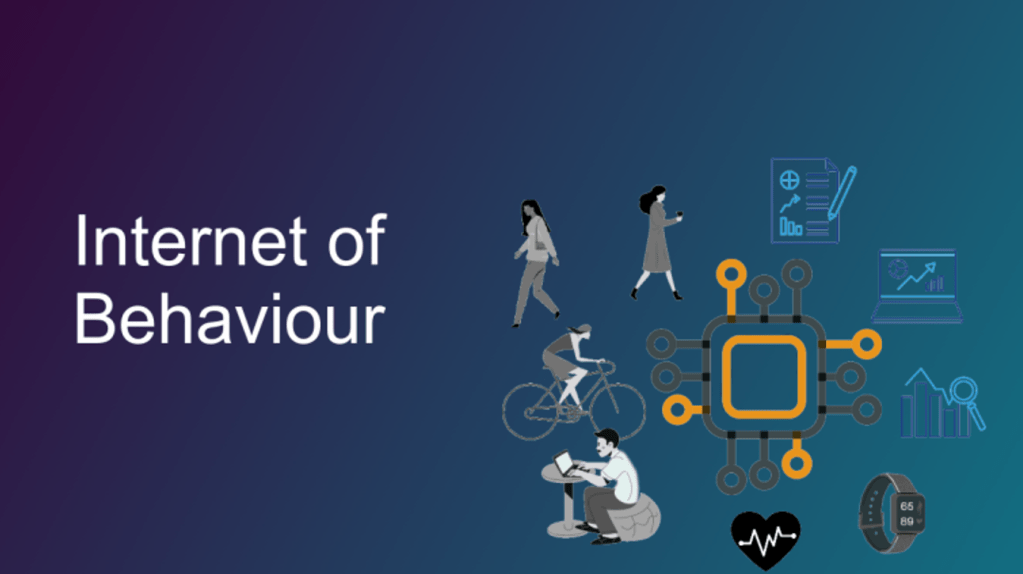
Internet of Behaviors (IoB)

Definition

The collection and use of data to drive behaviors is called the Internet of Behaviors (IoB)

An example of it is industrial sites having employed computer vision to determine if employees were complying with mask protocol and then collecting this behavioral data to be analyzed by the organizations to influence people to follow government protocols at work.

What does the IoB mean ?

The purpose of the IoB is to capture, analyze, understand and respond to all types of human behaviors. In a way that allows tracking and interpreting those behaviors of people using emerging technological innovations and developments in machine learning algorithms. People’s behaviors are monitored and incentives or disincentives are applied to influence them to perform towards a desired set of operational parameters. Data collection (BI, Big Data, CDPs, etc.) provides valuable information about customer behaviors, interests and preferences, and this has been referred to as the Internet of Behavior (IoB). The IoB attempts to understand the data collected from users’ online activity from a behavioral psychology perspective. It seeks to address the question of how to understand the data, and how to apply that understanding to create and market new products, all from a human psychology perspective.

The IoB influences consumer choice, but it also redesigns the value chain. For companies, this means being able to change their image, market products more effectively to their customers or improve the Customer Experience (CX) of a product or service. Hypothetically, information can be collected on all facets of a user’s life, with the ultimate goal of improving efficiency and quality.

What does the IoB contribute?

Firstly, before the creation of the application, it is important to imagine the user’s interaction patterns and touch points. Involve them in the creation process, understand their needs, keep the app experience unified and cohesive, make navigation simple and meaningful so that the app is relevant and useful. Once the app is up and running, convey its purpose, create a user guide and reward by gamifying the CX in the app. Strong user engagement is required.

Secondly, solid tools are required such as multi-format support platforms (XML, JSON, PHP, CVS, HTML, etc.) That can connect to any API, that can upload data to the cloud, i.e. the fundamental features of platforms such as Google or Facebook. Platforms should allow for multi-channel personalization, centralized updates that are replicated, sending unique notifications that turn users into contributors to the personalization of the app, allow for social media integration and maintain an interactive interface.

Finally, it is the data captured through the app that serves to model user behavior. And in turn, this is the actionable data that can be sent in the form of pop-ups and notifications to the customer to encourage and incentivise them to adhere to a desired behavior. Analytics are necessary so that essential information can be extracted from all the data.

Benefits of IoB

uAnalyse customer buying habits across all platforms. uStudy previously unattainable data on how users interact with devices and products. uObtain more detailed information about where a customer is in the buying process. uProvide real-time POS notifications and targeting. uResolve problems quickly to close sales and keep customers happy. uCitizen data processed by public-sector uCommercial customer data uGovernment agencies uSocial media uPublic domain uLocation tracking.

Problem with IoB

The problem that can occur with this technology is not of a technical nature. The IoB is confronted with the adversity of how data is collected, stored and used. Its level of access is difficult to control and therefore all companies need to be aware of the liability of IoB use. Google, Facebook or Amazon continue to acquire software that potentially brings the user from a single app to their entire online ecosystem, without their permission. This presents significant legal and security risks to privacy rights, which also vary between jurisdictions around the world

Behavioral data can allow cybercriminals to access sensitive data that reveals customer patterns, collect and sell property access codes, delivery routes and even banking codes. These cybercriminals could take phishing to another level by generating more advanced scams, tailored to the habits of individual users, and thus maximizing the likelihood that users will be scammed. uIt is therefore important to have a secure platform, storage and execution of data with the use of tools such as Confidential Computing, E2E encryption or SDP tools.

Frankenstein, Or, The Modern Prometheus by Mary Shelly

“Frankenstein Or, The Modern Prometheus” (1818) was written by an eighteen-year old Mary Shelley. The way it came into being is a tale as good as the novel itself. Once Lord Byron suggested his friends that each write a ghost story. Shelley’s attempt brought into the world of literature a true masterpiece indeed. It tells the story of a monster created by a scientist and explores the themes of death and man versus nature. Frankenstein’s monster is by instinct good, but the violent rejection by humans make him ruthless, carrying the message that it is through the upbringing and socialisation, humans become monstrous and full of prejudice towards others different to themselves. The theme of loneliness and struggle depicted in Shelly’s Frankenstein through the life of a monster may be on a personal level as her life was a tragedy. She lost her mother at a very young age and grew up under the constant pressure of making her father proud. Shelly was highly educated. She is best known for the widely acclaimed gothic novel “Frankenstein, Or The Modern Prometheus”(1818), which considered the first true science fiction story.

Shelley’s beautifully written novel begins at the bleak of North Pole on a ship, Captain Robert Walton writing to his sister Margaret Saville. He later meets Victor Frankenstein in an emaciated form. Then on Victor narrates the story of his life and his creation which forms the major crux of this novel. Victor Frankenstein was deep into science and philosophy and had created a monster out of the dead.

“I saw the dull yellow eye of the creature open; it breathed hard, and a convulsive motion agitated its limbs.”

Chapter 5, Frankenstein

There born the most important monster in all of literature. One with an amazing speed and strength and eight feet tall. As the story further takes pace, the monster takes over the narration and narrates his life to Victor. This novel is basically a story within a story. The monster was never even given a name. Victor called him from demon to ogre to wretch. He was shunned and despised by the society and was left alone. The loneliness in him built up anger for his creator, he was never to be blamed as he never wished to be born. Victor being the creator of the monster was a failure. He brought him into life but was incapable of taking care of him. He managed to somehow get literate through books. There’s a reference to the book ‘Paradise Lost’ through which he gains knowledge of what and who a creator is and realises how Victor Frankenstein had failed as a creator. He demands him of a female companion as a solution to his loneliness to which Victor initially agrees and later disagrees. The monster then starts to take revenge for all that he was suffering. Towards the end of the novel, the narration returns to where the novel had begun, to Walton writing to his sister. He mentions that Victor dis dead and for the one last time, the monster comes to see him.

The monster’s last visit to his creator.

“He is dead who called me into being; and when I shall be no more, the very remembrance of us both will speedily vanish.”

He bids farewell and was never seen again. There ends the tale of both the creator and the creation.

“He was soon borne away by the waves and lost in darkness and distance.”

Chapter 24, Frankenstein

Victor Frankenstein’s obsession with science and knowledge cost him the lives of his dear ones. Too much knowledge not always brings up good. Not everybody can become God, He is called so for a reason.

I like the way Shelley carries away her readers to sympathize with the monster. We indeed get carried away by her choice of words and style. Something that she nowhere clears out is that how far should we go with knowledge? This novel gained almost 200 years long victory. The world has shivered and quaked under the nightmares of an imaginative 18 years old. Mary Shelley’s monster just may be immortal. It is one among the best classics to be read.

CHARACTERS IN THE EPIC RAMAYANA

Characters of Ramayana

This section provides some characters of Ramayana like Rama,Sita,Ravana,Lakshmana,Hanuman,,Dasaratha,Bharatha,,Luv and kush,Mandodari,Jatayu,Indrajit,Sugriva and more.

Rama

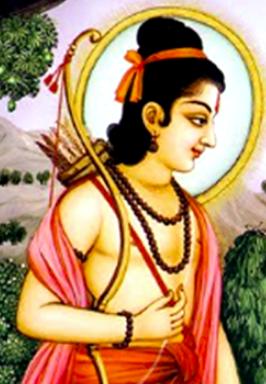
Rama,the hero of Ramayana is the prince of Ayodhya.He is the son of king Dasaratha and the queen kousalya.He is an avatara of Vishnu,the blue God.He is married to Sita and he has a strong bond with his brother Lakshmana.

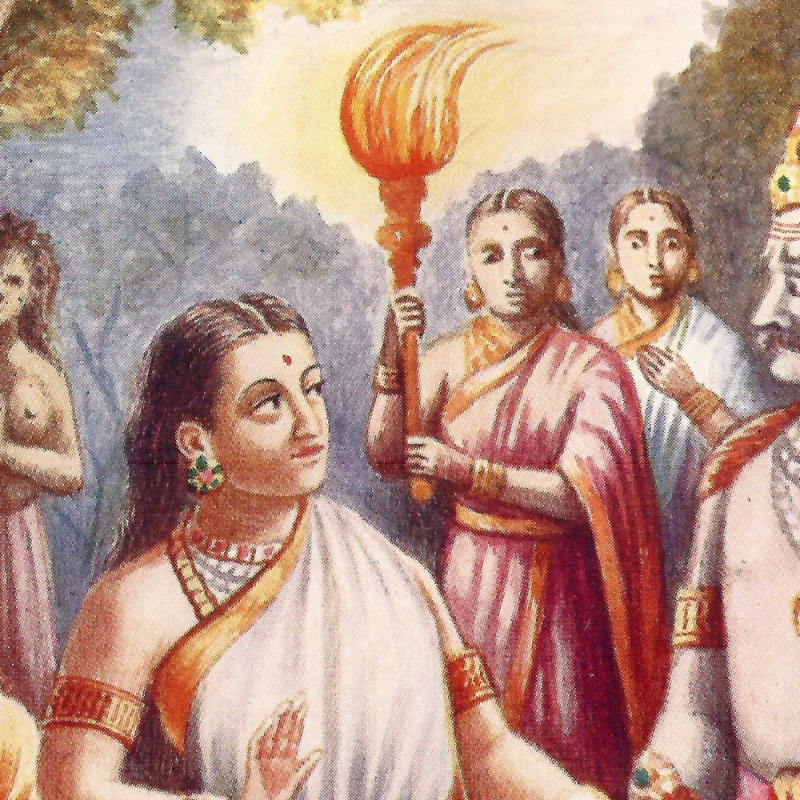
Sita

Sita,an avatar of goddess Lakshmi,is the wife of Rama.She is the daughter of king Janaka of Videha and his wife Sunaina.She is also called as Boomija,janaki.

Ravana

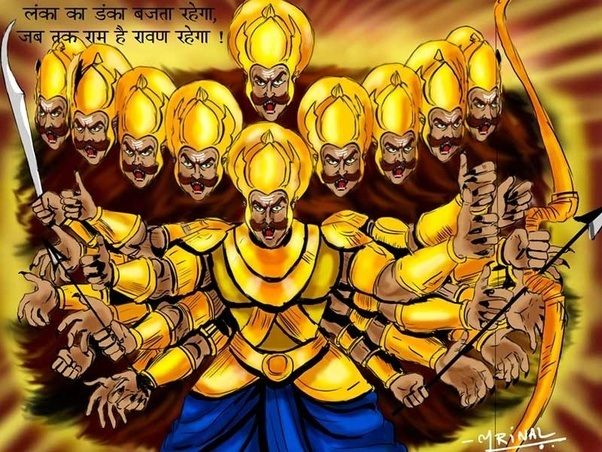
Ravana,the villain of Ramayana,is a rakshasa done a penance for the god Siva for many years.He was the demon king of Srilanka.He is the eldest son of Vishrava and kaikeshi.He is described as having 10 heads and 20 arms.

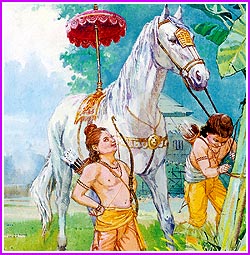
Lakshmana

Lakshmana,is the son of Dasaratha by Sumitra.He is the younger brother of Rama.He is also known as Gudakesh.Lakshmana’s love and devotion for Rama is endless.Lord Rama too loved him immensely.

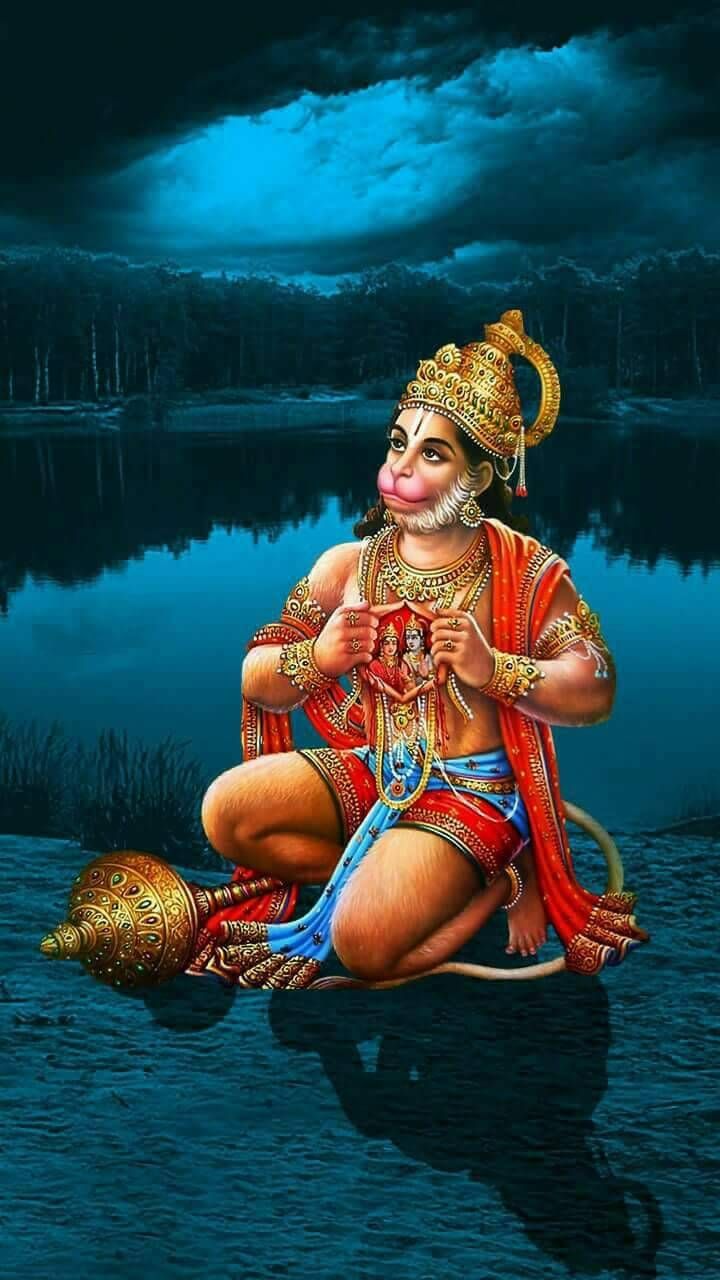
Hanuman

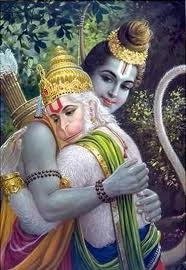
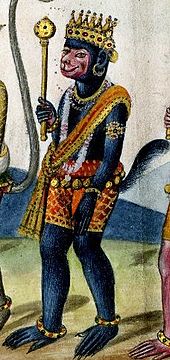
Hanuman also called as Anjaneya and Maruti is a great devotee of Rama.He is the symbol of strength and energy.He can change himself too small and become huge as touching the sky.

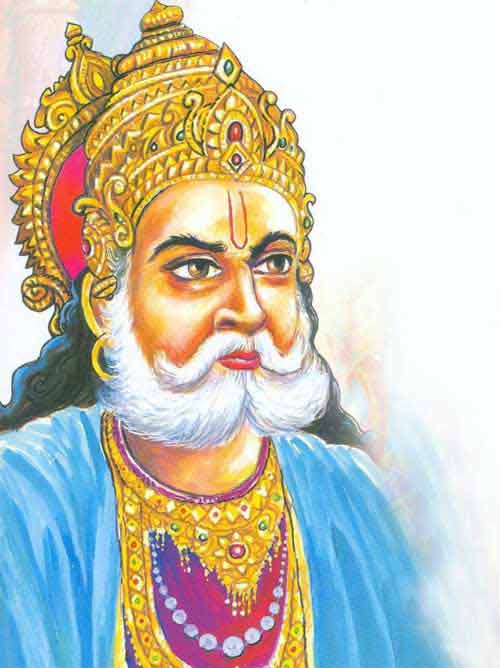
Dasaratha

Dasaratha is the father of Rama and the king of kosala.He had three wives called kausalya,kaikeyi and Sumitra.Rama,Bharata,Shatrugna and Lakshmana were the sons of Dasaratha.He is a perfect ruler.

Bharata

Bharata is the son of Dasaratha by kaikeyi and the second brother of Rama.He was married to the Mandavi ,daughter of kusadhvaja.He is a skilled warrior and exceptionally thoughtful.

Luv and Kush

Luv and kush are the sons of Rama and Sita.They were born at the ashram and were well skilled and trained under the tutelage of valmiki. These two supported their mother Sita during her exile from Ayodhya and has gone into so many adventures.

Mandodari

Mandodari is the wife of Ravana and the mother of Mandodari is very beautiful and righteous.She advices Ravana repeatedly to return Sita to Rama.

Jatayu

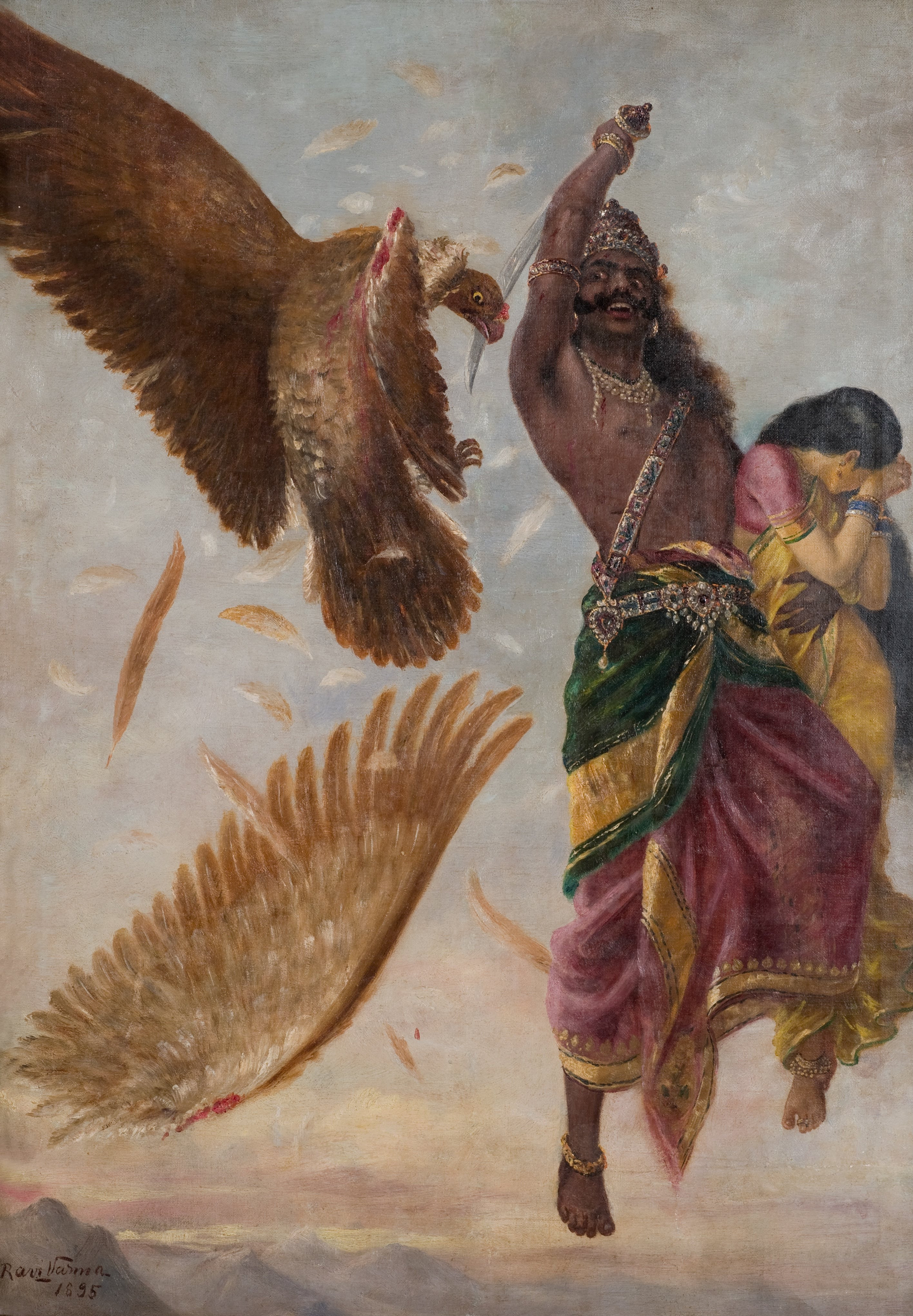
Jatayu is the eagle friend of Dasaratha and the brother of Sampati.He is believed to be the nephew of Garuda.He was the first to fight with Ravana to save sita.He tried to rescue Sita from Ravana.He taught valiantly to save Sita but he was severely injured.

Indrajit

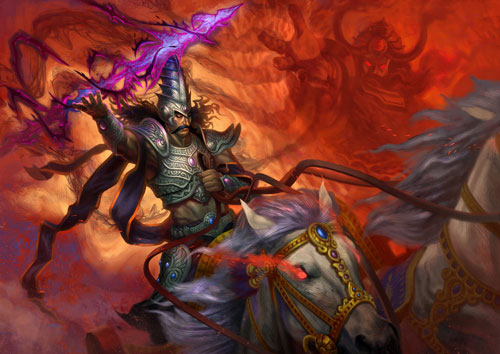
Indrajit is the first son of Ravana.He is the most powerful warrior.He was named Meghanada as his birth cry sounded like thunder.When he born Ravana wished that no one in the world could defeat his son.

Sugreeva

Sugreeva was the brother of Vali and the friend of Rama.He is a monkey from Kiskinda.He became one of most Rama’s greatest and most loyal allies in the fight against Ravana.

Kumbhakarna

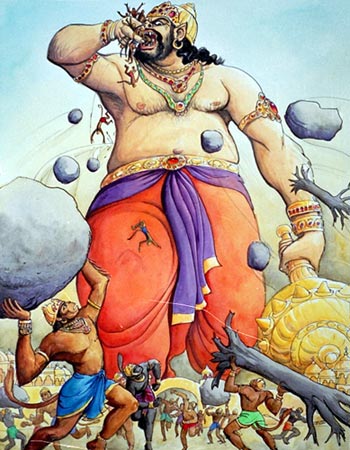
Kumbhakarna is a well known rakshasa and the younger brother of Ravana.He was given to long spells of sleep.He had two sons named kumbha and Nikumbha.He had an uncontrollable temper which was feared by many.He is with 44 feet height and 144 feet long huge.

Neela

Neela is the commander of the monkey army.He is a vanara chieftain in the army of Ravana.In Ramayana,Nila is described as the child of the god of the fire,Agni.

Surpanakha

Surpanakha is the sister of Ravana.She contacted Rama and sowed the seed of destruction.Nashik is the place where Lakshman,brother of Lord Rama cut off the demon Surpanakh’s nose.

SOME ATTRACTIONS OF ISTANBUL-TURKEY

The incredible Istanbul

Istanbul is the main attraction of Turkey. Istanbul is the center of this country for its culture,economic status and history. Also Istanbul is the capital city. According to history , in 657 BCE , Istanbul was founded as Byzantion by Megarian colonists. Later it became Istanbul .

Galata tower

Istanbul is a country which is covered by empires across the centuries and stands in both Europe and Asia. It is one of the most popular travel spots in the World. Some popular and attractive tourist spots are- Aya Sophia, Topkapi Palace, Basilica Cistern, Blue Mosque,Istanbul Archaeology Museum, Hippodrome,Süleymaniye Mosque,Grand Bazaar,Spice Bazaar,Chora Church,Dolmabahçe Palace,Little Aya Sofya,Museum of Turkish and Islamic Arts,Rüstem Pasa Mosque,Yedikule Fortress,Galata Tower,Carpet Museum,Fatih Mosque,Pera Museum,Istiklal Caddesi and Taksim,Üsküdar and most popular Cappadocia hot balloon.

Let’s be introduce with some of them-

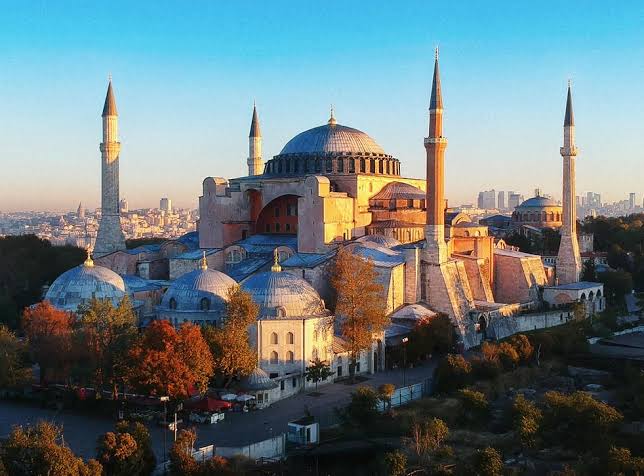
Aya Sofya or Hagia Sophia

Aya Sofya or Hagia Sophia

According to history in AD 536, for the 1st time  when the Byzantine Emperor Justinian entered his finished church, he cried out “Glory to God that I have been judged worthy of such a work. Oh Solomon, I have outdone you!” Aya Sofya or Hagia Sophia means ‘holy wisdom’. It is a domed monument of Constantinople (6th century AD). It was the emperor’s swaggering statement to the world of the wealth and technical ability of his empire. Tradition maintained that the area surrounding the emperor’s throne within the church was the official center of the world.

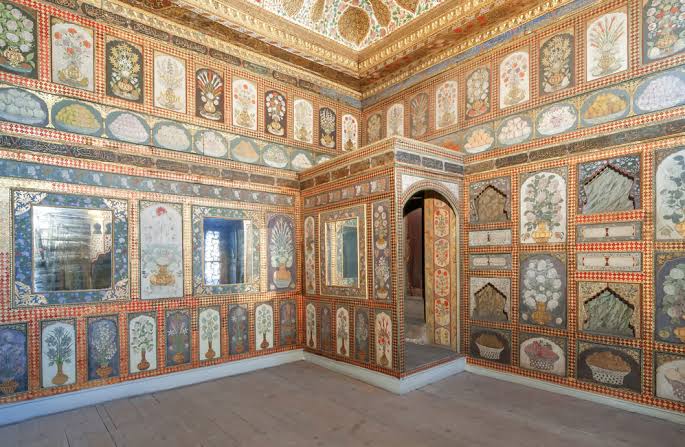
 Topkapi Palace 

The Topkapi Palace is a large museum in the east of the Fatih district of Istanbul in Turkey, there are the imperial collections of the Ottoman Empire and maintains an extensive collection of books and manuscripts in its library.

Topkapi Palace

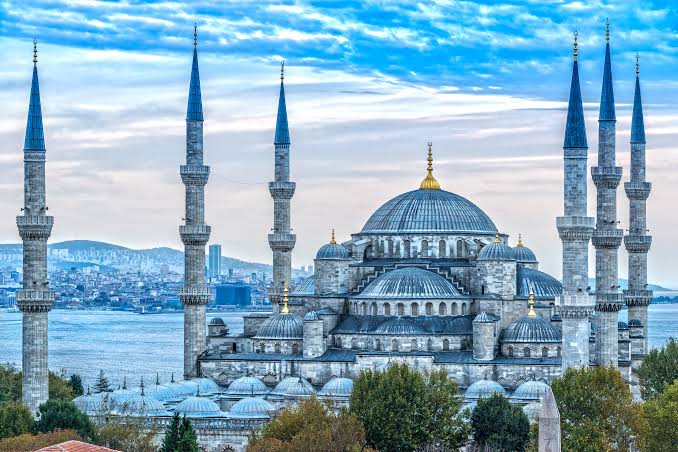
The Blue Mosquewhich

The Blue Mosquewhich

The Blue Mosquewhich is called Sultanahmet Camii in Turkish is an historical mosque in Istanbul .For the blue tiles surrounding the wall  it is known as Blue Mosque. It was situated between 1609 and 1616 years, like many other mosques, it also comprises a tomb of the founder, a madrasa and a hospice.

The Basilica Cistern

The Basilica Cistern

The Basilica Cistern is the largest among the ancient cisterns beneath the city which provided a water filtration system for the nearby buildings. This underground chamber measures approximately 138 meters (453 ft) by 64.6 meters (212 ft) and is capable of holding 80,000 cubic meters (2,800,000 cu ft) of water. The ceiling is supported by 336 marble columns.

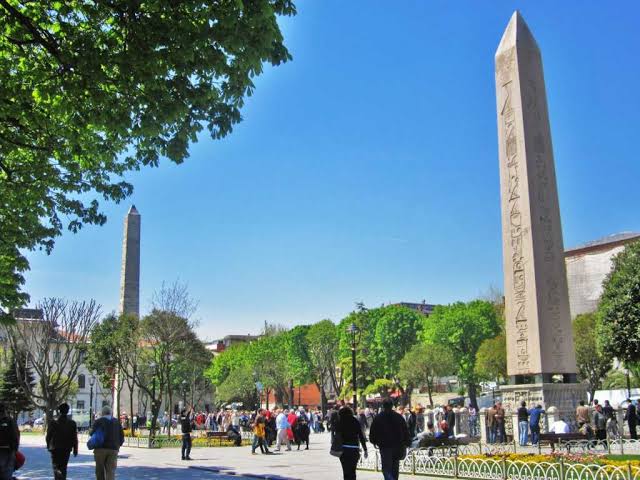
The Hippodrome

The Hippodrome

The Hippodrome’s name comes from Greek word hippos(horse) and dromos(course). It was an ancient Greek stadium for horse racing and chariot racing. But in present day  there isn’t much of the Hippodrome left to see, except for a small section of the gallery walls on the southern side, but the At Meydani (park), which now stands on the site, is home to a variety of monuments.

Archaeology Museum

Archaeology Museum

The Istanbul Archaeology Museums are a group of three archaeological museums which are  located in the Eminönü quarter of Istanbul, Turkey, near Gülhane Park and Topkapı Palace. The three museums are- in the main building the Archaeological museum, Museums of the Ancient Orient and Museum of Islamic Art.

Grand Bazaar

Grand Bazaar

In Istanbul, the Grand Bazaar is one of the largest and oldest covered markets in the world. It has a total area of 30,700 m2. There are 61 covered streets and over 4,000 shops attracting between 250,000 and 400,000 visitors daily.

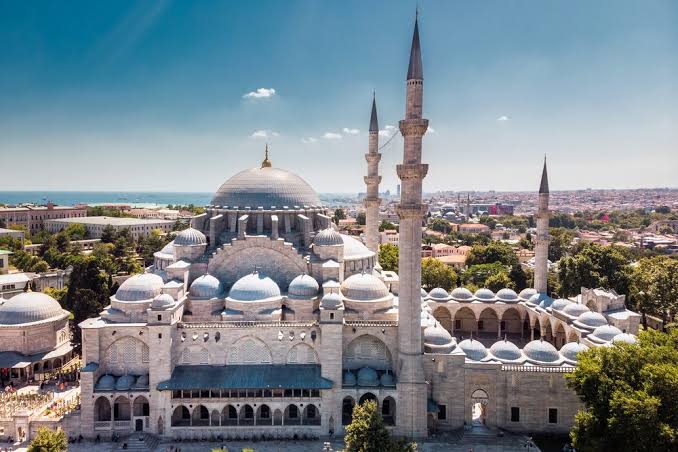
The Süleymaniye Camii 

The Süleymaniye Camii

The Süleymaniye Camii (Suleymaniye Mosque) is one of its most distinctive features with its truly staggering size which was built by the legendary architect, Mimar Sinan, it is one of his masterpieces and his largest design. It is not only the inspiring size that is impressive (the central dome stands 47m high), but also the elegantly decorated interior.  The sense of space and light is emphasized by the supporting semi-domes to the northwest and southeast and the monumental arched spaces to the southwest and northeast.

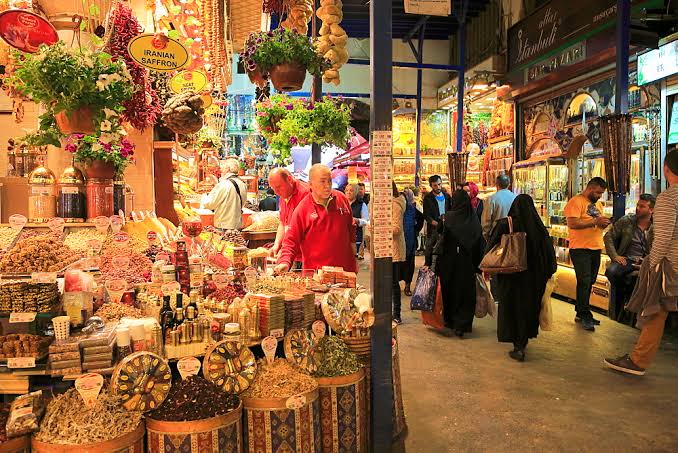
The Spice Bazaar 

The Spice Bazaar 

The Spice Bazaar  is one of the largest bazaars in this city. Located in the Eminönü quarter of the Fatih district, it is the most famous covered shopping complex after the Grand Bazaar.

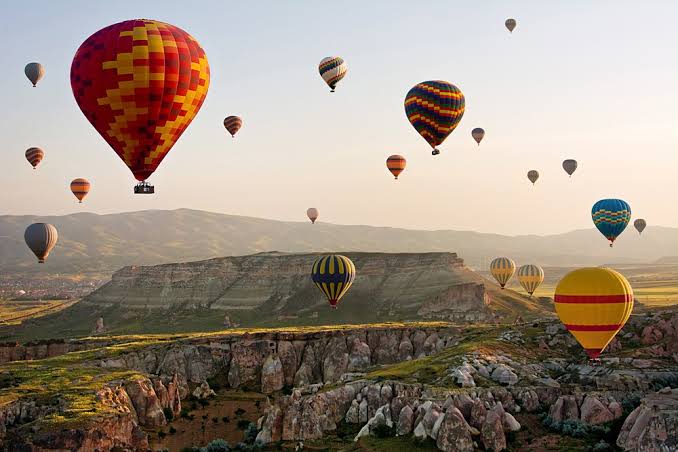
Cappadocia

Cappadocia the hot balloons

Cappadocia is  in central Anatolia, in the heartland of what is now Turkey.The area is popular for the hot balloon ride. As it has many areas with unique geological, historic, and cultural features.Hot-air ballooning is very popular in Cappadocia and is available in Göreme. Trekking is enjoyed in Ihlara Valley, Monastery Valley (Guzelyurt), Ürgüp and Göreme.

So we must say Istanbul is incredible.

IMPACTS OF SOCIAL MEDIA IN OUR LIFE

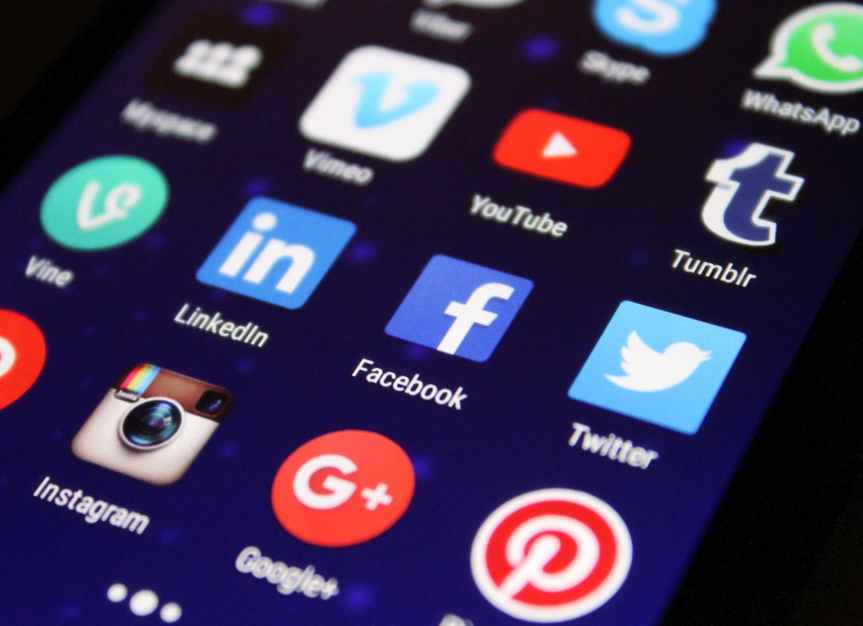
There are so many things that have advantages and disadvantages in life. More than pros and cons, these things leave an impact in our life either good or bad. One such thing is social media. Every one of us uses social media knowingly and unknowingly. Our day starts with and ends in social media. Social media doesn’t only include WhatsApp, Facebook, Instagram, or Twitter. It covers all that provide us information through the internet and keeps the world connected. Such media which influence our day-to-day life has both advantages and disadvantages. Let’s explore that in this article.

ADVANTAGES

Starting with the advantages we have many to cite as an example. Social media is a platform used to portray ourselves to the outside world. Here, we share content and get to other’s content which keeps us bound. It enables us to engage in social networking. It is widespread across the globe and allows us to create a community. It connects us and makes our communication easy and accessible. Through this, we could build our relationships stronger. Social media supports education through different learning platforms. This provides knowledge to every single part of the world. It develops the students’ interests to explore more and more. Social media also helps in building customer relationships through digital marketing. It makes customers fall for your services and give their feedback. Information spreads faster than wildfire in social media. This helps to get emergency helps like finding the missing persons. During this second wave of the pandemic, social media helped out to get blood donors, oxygen cylinders, and some rare dugs. It lets us share our achievements and also lets us know others’ accomplishments which motivates us to do a lot more. It provides support and encouragement through our community. It gives us a way to connect with our distant friends and relations. Also, social media is used for relaxing and getting relief from work stress.

DISADVANTAGES

After going through a lot of advantages, let us see some disadvantages of social media. When coming to disadvantages the first thing that comes to our mind is privacy problems. Sharing some content or posts may seem inappropriate for others and problems can arise from it. Also, sharing our personal and professional info can cost us sometimes due to hacking and other threats. Some people may try to bully us by knowing our details. This is a very bad disadvantage of social media. Another, we get influenced by others so much that we start changing our lifestyles. Scrolling for long hours will have a very bad effect on our body and health. We change our sleep cycles due to this unending scrolling and ruin our eyes and sleep. Although social media connects people, there is a lack of emotional connection between them. Due to these social media, we end up sending messages even for important issues and lost the habit of speaking over the phone. When we speak over the phone, the emotions are also conveyed along with the messages. In chatting, only our messages are sent and not the emotions. So, anybody in the conversation cannot sense that feel. We engage ourselves most of the time in social media and fail to spend time with family which is the most essential one. Finally overusing will lead us to get addicted to it and it becomes very difficult to get over the addiction.

This conflict between advantages and disadvantages continues to grow. Nothing can be perfect in life. It is our efforts that help us lead a perfect flawless life. We have to ensure that whether we are making good use of social media. If we feel that we are getting addicted to social media, just try to come out of that routine. Everything lies in our hand’s control and nothing can go out of it until we don’t allow it.

360 WANDER WRITER

Welcome to

Techie world

THE GREAT GROWLING ENGINE OF CHANGE _ TECHNOLOGY

ALVIN TOFFLER

COLLABORATIVE PLATFORMS

Maybe this lockdown have made us people isolated and home ridden, but the normal life is still sustained through various means .The future generation is still working on their dreams and chasing their passion.

So today let us see about a COLLABORATIVE PLATFORMS where students can socialize with their their co- mates via internet.

While doing their works and projects ,students can use these collaborative platforms to join together and work in a single space. With these platforms they can communicate with one another and achieve the best results on their process and fin solutions to difficulties they face during their work.

It also gives a atmosphere of reality of nearness. One such platform is COLAB. Colab is a free jupyter notebook environment that runs entirely on cloud. Most importantly ,it does not require a setup . The notebooks that you create can be simultaneously edited by your team members- just the same as the way you edit documents in Google Docs.

Colab supports many popular machine learning libraries which can be easily loaded in your notebook. Other platforms like Deepnote, Visual studio Live share and Code Colab.

TO KNOW ABOUT MORE PLATFORMS AND USES