T.V., mobiles , computers and the Suffering childhood

Photo by Jean van der Meulen on Pexels.com

Ever since the onset of the pandemic and the beginning of online classes, mobiles and computers have played a significant role in education and mobile, televisions and laptops are the source of entertainment to kids and relaxation to the parents. Since the advent and accessibility of technology to children, its ability to entice the mind of children has grown exponentially. Programs and advertisements meant specifically for kids , it increases the overall effect technology has on the mind of children.

Though the technology today is important for education, its negative effects on the minds and body of children plays a significant role. It affects the cognitive development of child’s mental faculties, and lowers their concentration level ,with them switching to various modes of entertainment in between their studies. t also , very severely might I add, degrades health and physicality of a growing child, caused due to increased exposure to radiations and lack of physical activities. Children are exposed to sensitive and violent content that later reflects in their behaviors. Children really are growing far quickly than their ages. All these reasons being mentioned, children are leading themselves to paths of self destruction. Online people are exposed to certain degrees of online harassments (eg.- phishing). Adults can protect themselves, having gained knowledge and awareness, but what about kids? We all agree as to how the presence of any digital device in close vicinity is more than enough to keep us up for hours. Grown up and all , this is our level of self restraint. So let us think about kids. Unsupervised, what restraint will those kids show?

The children have, due to years of access, grown a certain fondness over their gadgets as well as over those lethargic activities they call games . As a result, younger children are having issues with face-to-face social interactions. Many of them (well, even us adults sometimes) seem to prefer to text or talk on social media as opposed to talking to each other in-person. Even when children spend time together, they may spend more time texting or on their phones than actually being together, engaging in group activities and games. Well, group activities now refer to chat rooms and online games.  

Though, we can’t disagree, the important role technology has in the overall development of a child’s personality. Access to world class education, unlimited resources and that too without any geographic or economic barrier (well, not not any but definitely reduced barriers). But it is important that it is carefully regulated, especially for the children in the teen or pre-teen age group.

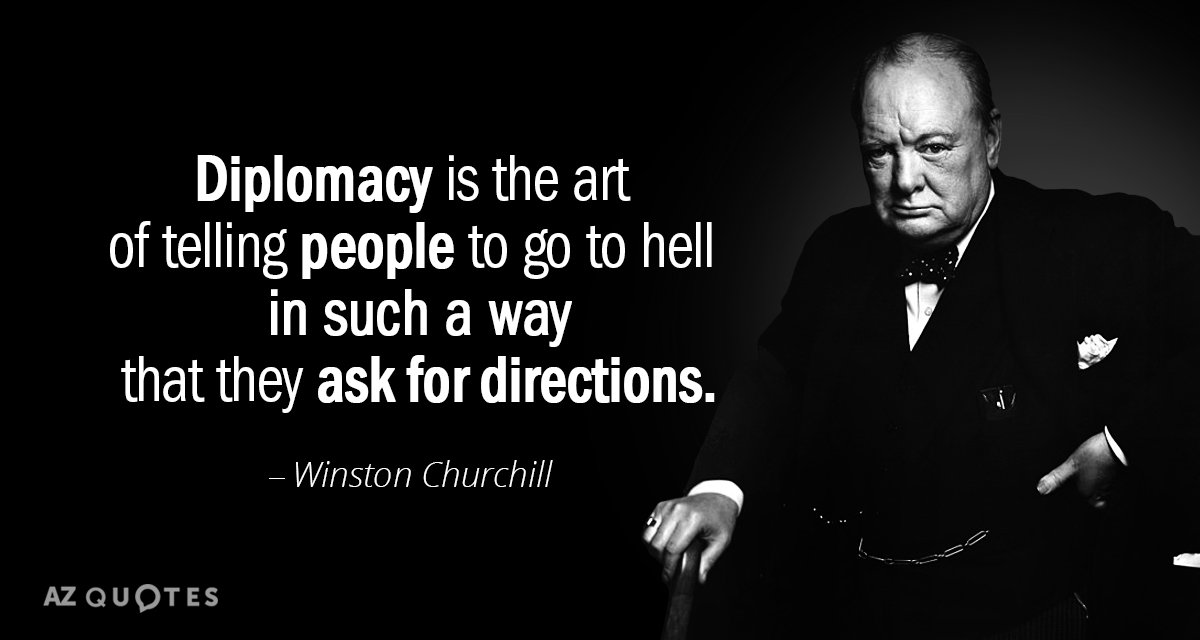
Winston Churchill: The greatest hero of World War II who saved the whole world from Hitler

This is about the second world war. There was a great uproar in Britain only the second day after Germany attacked Poland. Prime Minister Neville Chamberlin succumbed to pressure and appointed Winston Churchill as First Lord of the Admiralty. In today’s context, this appointment can be called like Defense Secretary. Churchill was given the same position that he had in the First World War. Then he was removed from this post due to the failure of a military action.
” WINNIE IS BACK ” : 
Churchill had said long ago that not only Europe, but the whole world is in danger from Hitler. And on September 1, 1939, as soon as Poland was attacked, his claim proved to be true. When the war came to the shores of Britain, the talk of the First World War was forgotten and the 64-year-old Churchill was given the command of the war. 
Although Lord Mountbatten confirms this, historian John Perry doubts the claim that the message of ‘Winnie is Back’ was sent to Britain’s fleets spread around the world as soon as Churchill was appointed. Whatever it is. At that time there was no one in the British Parliament who was as knowledgeable on German issues as Churchill had. He spent many wonderful years of his life in understanding Germany.
Churchill also did not disappoint Britain, Europe, the world, history and above all, time. Without Churchill, England might have lost the war. He is given the status of wartime prime minister. From Gumnani to becoming the First Lord of Admiralty and then the Wartime Prime Minister, this story of his is very thrilling.
Churchill’s impudence :
Two days after the attack, on September 3, Churchill gave a speech in the House of Commons explaining the rationale for England’s entry into the war. He said, ‘The road to war will be very long and difficult, but the victory will ultimately be for England because the truth is with England. This is a matter of highest morality. Not only morality, it is also a matter of practicality.’ He further said, ‘We will fight to save the world from the Nazis. We will fight together and hence we will win’.
Churchill approached the people of England with honesty and frankness. He recognized that Britain was inferior to Germany in military power, that people’s lives were going to be difficult, sacrifices were needed and it would not go in vain. In his speeches, he said that the great cities of Europe, which were being taken by Hitler’s armies, would one day be liberated. People were believing his words. Although Chamberlin was then Prime Minister of England, Churchill became the hope and voice of the people.
Churchill’s ‘Lakshagriha’ :
The battle was being fought on every front i.e., air and sea. Britain’s naval power was stopping Germany. Nazi troops were heavy on the ground. To save the European country of Norway from Germany, the army of England had to take a fierce fight. The effect of victory and defeat on Norway would have been on England. Seeing things not working out, people started doubting Chamberlin’s ability. Voices started rising against him.
A no-confidence motion was passed against him in Parliament and he had to resign. Chamberlin offered to the King of England to make Foreign Secretary Lord Halifax the next prime minister. Rejecting this, the King appointed Churchill as Wartime Prime Minister of England on 10 May 1940. England did not have a better option than him. 
The command was now in the hands of Churchill. The moment for which he had waited so long had come, even in what difficult situation? Ramdhari Singh Dinkar has written in ‘Rashmirathi’, ‘Those who burn in Lakshagriha, the same surma emerges’. Churchill was to become Surma. Many believed that Churchill was not the right choice for this task. But within two weeks things changed.
Churchill’s Three memorable speeches : 
Few people would know that Churchill had some difficulty in speaking. Despite this, he was a very motivational speaker. More than speaking well, he also did a great job. His first speech on becoming Prime Minister was: 
I have nothing but to give hard work, sweat, tears and blood. We have the most difficult task of this era before us. Many months of struggle and torture are before us. You may ask what is our policy? All I would say is that we will fight – on land, in air and in water. We will fight with as much strength as God has given us. You may ask, what is our goal? I would say, Vijay. Victory at all costs. No matter how much fear, no matter how difficult it may be, no matter how long the road has to go. You will not survive without living. Taking this task in hand with Harsh, I seek everyone’s cooperation. Let us move forward with all our might.’
Although Britain was defeated in the ‘Dunkirk operation’, but by saving several lakhs of its soldiers, the government kept the morale of the soldiers and people high. Even while accepting this defeat, Churchill said in his speech, ‘We will fight till the end. We will fight at sea. Fight in the ocean. We will fight bravely. Whatever we have to do, we will fight for our country. We will fight in the air. We will fight on the shores. We will fall on the ground. We will fight in the fields. We will fight in the streets. We will fight in the mountains but will never surrender.’
When France was conquered by Germany and its top leadership pleaded with Hitler for mercy, it was as if darkness fell in Europe. Churchill understood that war was now inevitable. On 18 June 1940, he delivered what can be called one of the greatest speeches in the world. They said:
‘After the French war is over, now (Germany) will go to war with England. The burden of Christian civilization rests on this battle (decision). The life of Britain (the British people), its institutions and the empire depends on it. The force and anger of the enemy will now be on our side. Hitler knows we must defeat him to win. If we win, then Europe will be free, life in the whole world will progress towards progress. If we lose, the whole world including America will be lost in darkness. So, let us move towards our duty and think, if our empire and this Commonwealth survive for thousands of years, then remembering this day people will say – that was the best moment of their life!’ 
Churchill’s Tough Decisions and Diplomacy :

Hitler had greatly expanded his military capabilities as soon as he gained power in Germany. As soon as he became Prime Minister, Churchill appealed to the people to reduce their expenditure and talked about saving money for military preparations. On the other hand, France refused to hand over its ships standing in the port of Algeria to England. Churchill feared that after the defeat, French power would hand over the ships to Germany at the behest of Hitler. Churchill destroyed these warships without wasting time.
At the same time, when it came to joining hands with Russia, Churchill said, ‘If it is a question of choosing between a monster and a communist, I will choose the communist.’ After winning the war, he ironed out the opacity of Stalin’s communist regime. Said like a screen. 
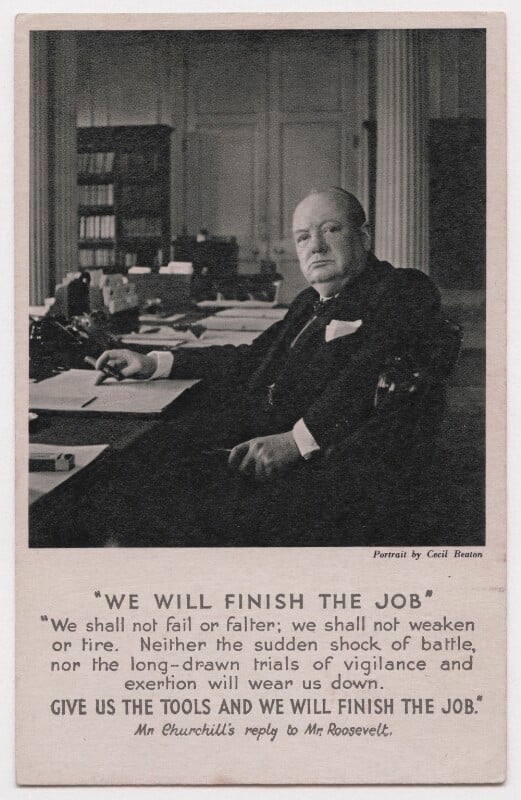
To increase the strategic power of England, Churchill appealed to America for help. He told the American people, ‘Give us your blessings and support. We will neither lose nor fall. We are neither afraid of the horrors of war, nor will we get tired. Give us weapons, we will not let you down. 
Won the war, but lost the elections :

The war was not over yet, but its result was already visible. Then came the elections in England. The popularity of Churchill, who converted England’s sure defeat into victory in World War I, was at its peak. But to everyone’s surprise, the citizens of England threw Churchill out of power. As if in the eyes of the people of England, their importance was only till the war. People no longer wanted ‘War Prime Minister’. Churchill said with restraint that ‘this is the victory of democracy’ in 1951, he won the election again and became Prime Minister again. 
Some interesting aspects of Churchill’s personality :

Churchill’s mother was American. Churchill was born premature. He never went to college. His wife’s name was Clementine Churchill, who was very similar to Clement Attlee, from whom he was elected. It was said that the number of hats he has, even his wife does not have. The fact behind his being a good speaker is also the fact that he used to have difficulty in speaking, so he used to speak very thoughtfully. He is the only Prime Minister to receive the Nobel Prize for Literature. He is the only Prime Minister of England whose residence, 10 Downing Street, was attended by the British royal family for a meal. When he died, the royal family attended his funeral. This also happened for the first time.
Yes, Churchill’s view of India was quite pessimistic. In his eyes, Indians were stupid and cowardly. They did not want India to be given independence. He would probably be the only head of state in the world who wished for Mahatma Gandhi to die.

Gen Alpha

The successors of Gen Z (1997-2012), the youngest adults currently, the gen Alpha were welcomed to the earth about a decade ago. The gen Alpha (or the gen A) comprises of all the people born after 2012 to maybe, around 2025. These people are the future of the world and though currently, all those reading this article might belong to Gen Z or Gen Y, (or millennials as you all like to call yourselves), knowing about our successors won’t hurt.

Photo by cottonbro on Pexels.com

Let us first begin with why are the generations named after alphabets.

It all started post World War-2. Americans at that time enjoyed a new found prosperity which resulted in a lot of children being born. The children in this era came to be known as ‘baby boomers’. Well, the name here is self explanatory though, so no issue. The children born after this era, didn’t have any special cultural identifier that made them different. And so here, the name ‘Gen X’ originated, illustrating the diminishes characteristics that would later be known. The generations next was by default known as ‘Gen-y’, though they later adopted a new name- ‘the Millennials’, when the impending turn of the millennium began to feature heavily in the cultural consciousness.

It is now assumed, though, that both the ‘gen-Z’ and the ‘gen-A’, will later adopt a new name that suits their interests. Some potential names for ‘gen-z’ include Gen Tech, post-Millennials, iGeneration, Gen Y-Fi, and Zoomers.

Gen-A is the first generation to be born completely in the 21st century and most off them are the children of millennials. Generation Alpha is expected to reach two billion by 2025. Many members of Generation Alpha have and will grow up using smartphones and tablets as part of their childhood entertainment as well as education with many being exposed to devices as a soothing distraction or educational aids, especially now with the global pandemic. Generation Alpha have also been surrounded by adult Internet use from the beginning of their lives, much more even when compared to gen-x (whose parents are primarily gen-x). Their parents, primarily Millennials, are heavy social media users and rely heavily on gadgets for work and even entertainment (Alexaaa!). Broadcast television viewing among children has declined during the early lives of Generation Alpha. Statistics from the United States suggested that viewing of children’s cable networks among American 2- to 11-year-olds were falling sharply in early 2020 and continued to do so even after them being at home due to pandemic(source: Wikipedia). After some time, we might not even see cartoon channels in the wake of the children belonging entirely to Gen-Alpha or Gen-Beta .

The first wave of Generation Alpha will venture into adulthoods in 2030s. By that time, the human population is estimated to be just under nine billion, and the world will have the highest ever proportion of people aged over 60. Gen Alpha has a huge burden waiting for them.

Banking Products “SBI VS ICICI”

Products offered

By SBI and ICICI

Like any other bank these two banks offer similar products :

  • Deposit account – savings and current account
  • Loan                   –  various specialized loan
  • Investment         – Fixed and Recurring deposits
  • Cards                 – Debit and Credit cards
  • Banking              – Net/Mobile Banking

Analysis(SBI VS ICICI)

  1. Deposit account :-As per the site clients with Rs 1 lakh or more in their bank account procures a premium of 3.25 percent. Be that as it may, clients with a store not as much as Rs 1 lakh get a loan fee of 3.5 percent. With this record, an essential RuPayDebit card is given to the clients, that as well, liberated from cost and no upkeep charge is applied. The receipt or credit of cash through electronic installment channels, for example, NEFT and RTGS is free too. There are no charges on actuation of broken records and on account conclusion. It might, in any case, be noticed that in the event that the client as of now has a Savings Bank Account, the equivalent must be shut inside 30 days of opening a Basic Savings Bank Deposit Account. Anyway ICICI offers a loan cost of 3.5 percent on the record equilibrium of underneath Rs 50 Lakh and 4 percent on Rs 50 lakh above. It offers a free Rupay card, money store or withdrawal and passbook office. It takes no charges for non-support of MAB, money withdrawals in accounts at base branch, money withdrawal at non-base branches inside the base city, exchange at non-ICICI Bank ATM. There are no yearly expenses on charge cards and a worth added SMS ready office.
  2. Loan :-

its own pros and cons that have to be evaluated before choosing the best offer. Some of the key results of the comparison between the two banks are:

  • Lowest Interest rate of SBI Personal Loan is 9.60%, which is lower than the lowest interest rate of ICICI Bank at 10.75%. Hence, SBI is offering a cheaper loan option.
  • When compared to other Personal Loan charges such as processing fees, SBI charges a processing fee of 1.00% while ICICI Bank charges a processing fees of Up To 2.25% of Loan Amount.
  • ICICI Bank offers Personal Loan upto an amount of ₹ 30 Lakh while SBI offer Personal Loan upto an amount of ₹ 15 Lakh. ICICI Bank can be a better option if you are looking for a high value amount.
  • One feature that makes Personal Loan a better option is foreclosure facility. ICICI Bank and SBI gives the option to close the loan after 6 months at 5% and 3%. This makes ICICI Bank a better option for Personal Loan.
  • ICICI Bank has an average customer ratings of 4.5, while SBI has an average customer rating of 3.6, based on which it is clear that ICICI Bank has a high customer service focus, an easy Personal Loan process and a quick turnaround.
  • (source: myloancare)
BankSBIICICI BANK
Parameters  
Interest Rate9.60% – 16.40%10.75% – 22.00%
Processing Fees1.00%Upto 2.25% of Loan Amount
Loan Amount₹ 50,000 to ₹ 15 Lakh₹ 50,000 to ₹ 30 Lakh
Loan Tenure6 to 72 Months12 to 60 Months
Lowest EMI Per Lakh₹ 1,832₹ 2,162
Part Payment ChargesNot AllowedNot Allowed
Foreclosure ChargesAllowed after 6 months at 3%Allowed after 6 months at 5%
Borrower’s Age21 to 58 Years23 to 58 Years
Minimum Income₹ 24,000₹ 25,000
Current Work Experience12 Months12 Months
  1. Investments :- 

ICICI

SBI

TenureFD Interest RatesSenior Citizen FD Interest Rates
7 days to 45 days2.90%3.40%
46 days to 179 days3.90%4.40%
180 days to 210 days4.40%4.90%
211 days to 364 days4.40%4.90%
1 year to 1 year 364 days4.90%5.50%
2 years to 2 years 364 days5.10%5.60%
3 years to 4 years 364 days5.30%5.80%
5 years to 10 years5.40%6.20%

SBI

The interest rates on RD offered by SBI are the same as offered in term deposits. At SBI, a five year or more recurring deposit account, will help you earn 6.25% interest. In the case of senior citizen, it is 6.75%.

ICICI Bank: 

This bank has launched a flexible recurring deposit scheme called as iWish.  At ICICI Bank, for a recurring deposit for upto 5 years and above, you can earn interest at 7%. For senior citizens, the interest rate is 7.50%.

5 top places to visit in Bhubaneshwar

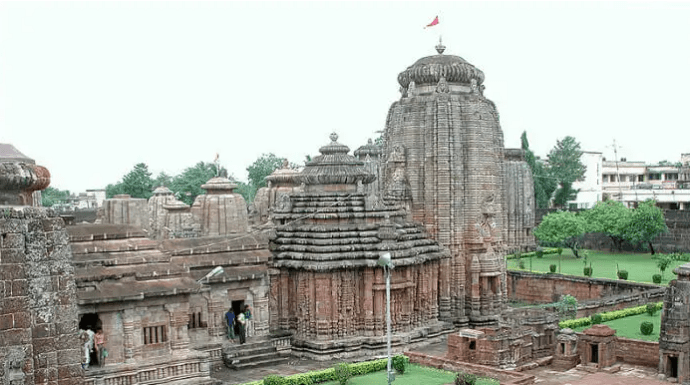
Lingaraja Temple

The 54m-high Lingaraj Mandir dedicated to Shiva dates from 1090 to 1104 – though some parts are more than 1400 years old–and is surrounded by several smaller temples and shrines. The granite block within, representing Tribhubaneswar (Lord of Three Worlds), is bathed daily with water, milk and bhang (marijuana). The main gate, guarded by two mustachioed yellow lions, is a spectacle in itself as lines of pilgrims approach with offerings in hand. The temple is closed to non-Hindus.

Given the high compound wall, foreigners can view the temple’s interiors only from a viewing platform (this may also include Hindu foreigners). Face the main entrance, walk right, then follow the wall around to the left and find the viewing platform on your left, just before you reach Chitrakarini Temple. There is occasional aggressive hassling for ‘donations’ at the viewing platform. The money will not go to the temple, so stand your ground and do not pay.

Location: Lingaraj Road, Old Town Bhubaneswar, Odisha
Timings: 5:00 AM to 9:00 PM
Entry Fees: No entry fee

Nandankanan Zoological Park

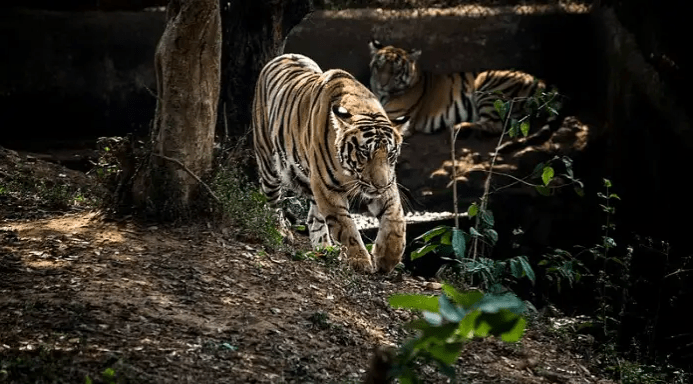
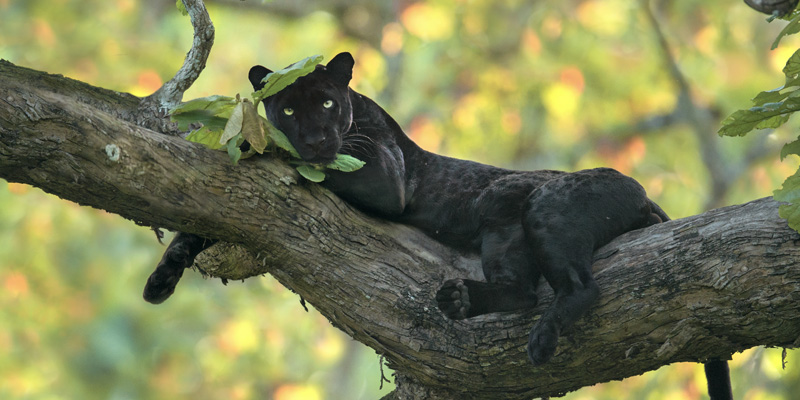
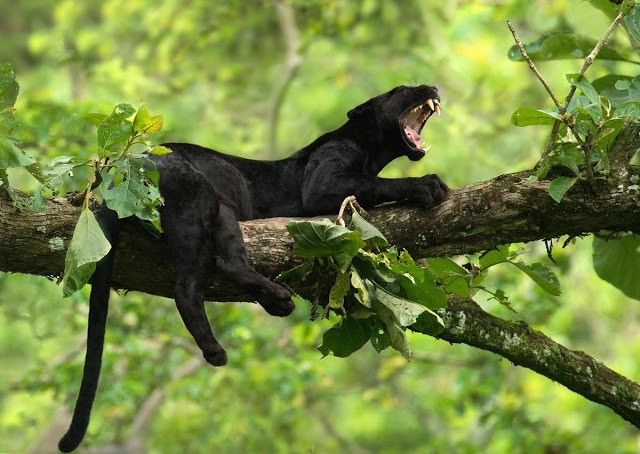
Spread over 400 hectares in the Chandaka forest lies the impressive Nandankanan Zoological Park. Located on the banks of Kanjia Lake, this zoo is home to over 67 kinds of mammals, 81 species of birds and 18 varieties of reptiles. It was the first zoo in India to join the World Association of Zoos and Aquariums (WAZA) and also houses a botanical garden. Visitors can see black panthers, white tigers, gharial crocodiles and many other animals, birds and reptiles in an attempt to maintain the natural balance of nature against the growing urbanisation of Bhubaneswar.

Price: Budget

Opening hours: 7.30am-5.30pm (April–September), 8am-5pm (October–March); Closed Monday.

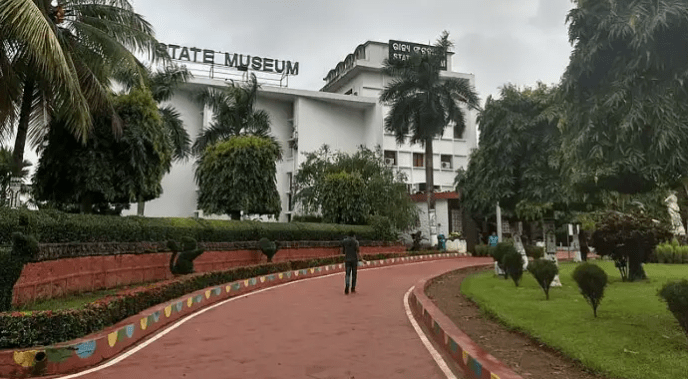
Odisha State Museum

Wondering what to do in Bhubaneswar? Visit Odisha State Museum, which houses a treasure trove of artifacts emphasizing the magnificent history of the state and the families which ruled it for centuries. The museum, established in the year 1948, houses the best collection of erratic palm-leaf manuscripts, scroll paintings, folk musical instruments, and Bronze Age tools.

Location: Near Lewis Road, Kalpana Square, BJB Nagar Bhubaneswar, Odisha
Timings: 10 AM to 5.00 PM
Entry Fees: INR 10 for Indians and INR 50 for foreigners

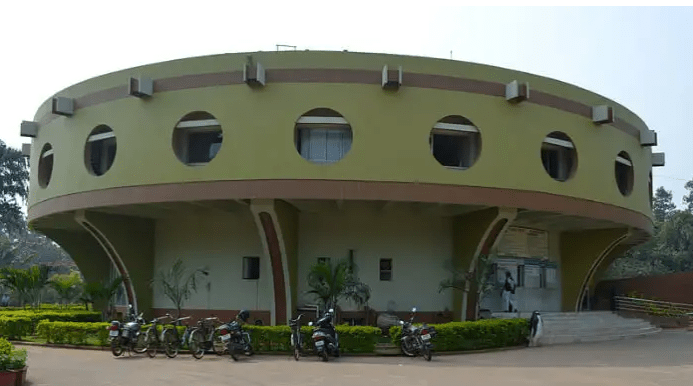
Pathani Samanta Planetarium 

The Pathani Samanta Planetarium was recognized to create awareness of astrophysics, astronomy, and space science. Multiple shows, workshops, regular conferences about outer space are organized here. There is an extensive library with an impressive number of books from the field of astronomy, science and technology are there.

Location: Sachivalaya Marg Acharya Vihar, Bhubaneswar, Odisha
Timings: 1.00 PM to 5:45 PM
Entry Fees: INR 30

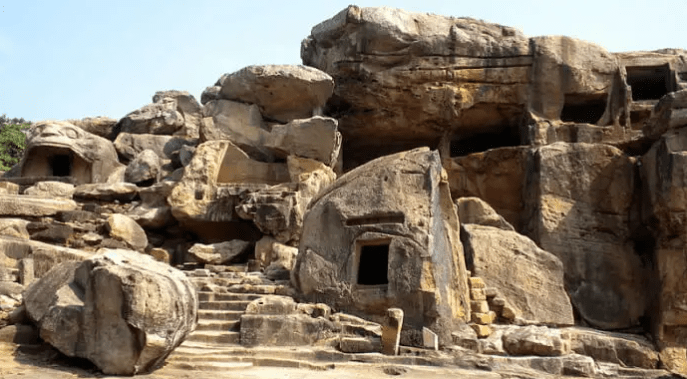
Udayagiri & Khandagiri Caves

Udayagiri and Khandagiri caves are located six kilometres to the west of Bhubaneswar. These caves offer a brief look into the history of Jain religion and Kalinga Empire. The names of these caves were derived from the hills on which they are located. The caves have been numbered according to the Archaeological Survey of India, Hatigumpha, and Ganesha Gumpha are the most popular in the area. Cave 1 is decked out by sculptural wall painting with carved figures of athletes, women, elephants, and geese carrying flowers.

Location: Khandagiri, Bhubaneswar, Odisha
Timings: 9.00 AM to 6.00 PM
Entry Fees: INR 15 for Indians and INR 200 for foreigners

Rain Water Harvesting

It is a scientific fact that living things on earth exist only because of water and air. If rainwater is not stored, the earth will soon face a drought. Only if rainwater is stored will water be available from the ground whenever needed. Let’s see a little bit about rain water harvesting here.

Rainwater Harvesting?

We need drinking water. Drinking water is available only from rain water. But, rainwater is not always available. So man is storing rainwater and injecting it into the ground and using the groundwater for drinking purposes.

Rainwater Harvesting During the Monarchy  

The work of all the kings who ruled the earth was to cut the rivers and create ponds and lakes. They created ponds, puddles, and lakes in low-lying areas to prevent water from flowing into the sea during the rainy season, and rivers were connected to each other to protect them from extinction. They raised the quality of groundwater. They always made water available for agriculture.

If Rainwater is Not Stored

U.S. scientists are announcing that “Southern India could become a desert in twenty years” if rainwater were not absorbed from the ground as it is today.” Due to the monsoon in the last few years, Tamil Nadu has experienced a severe drought. Famine and starvation will be rampant without water for agriculture. Crops and livestock are prone to disaster when it does not rain. The trees wither and the onslaught of heat without air is very cruel. 

By saving rainwater

1. The quality and quantity of groundwater will increase.

2. The plant, the vine, the trees will sprout. 

3. Agriculture will prosper.

4. There will be no flooding or drought.

5. All kinds of businesses will grow. 

Modern Rainwater Harvesting System

There is no substitute for the fact that rainwater is very clean, tasty and healthy. But it gets dirty and polluted. So the unpolluted rainwater that falls on the roofs of buildings can be collected in a water tank through a pipe. Modern and simple rainwater harvesting is then done by simply pouring it through peat, sediment, baked bricks and filtering it into open outdoor wells or deep wells. In addition, the best way to collect rainwater is to dig, deepen and clean the lakes and ponds on behalf of the government, rather than trading them for residential areas.

We will all save rainwater by realizing that water is essential for living things to survive in the world. We will enrich life. We will act by realizing that the raindrop of the sky is the drop of life in the soil.

INDIA’S OBSESSION WITH LONG HAIR

INTRODUCTION

In India, long hair and femininity are synonymous with each other. The television and film industries are the trendsetters in our country. Their activities play a significant role in the trending fashion from clothes to hairstyles to everything. Unfortunately, these role models are still stuck up in the conventional long hair fashion. Sadly, they haven’t made many efforts to broaden this understanding of femininity. The fashion collections of famous designers usually feature women in long, demure hairstyles. This cements the obsession for long hair harder.

A LOOK AT THE STEREOTYPES

Society has a wide range of stereotypes associated with hair. These stereotypes are prevalent across the countries. Since ancient times goddesses are always portrayed with extra-long hair. Bengali culture has many references to feminine beauty ideals in literature, song, and poetry. Long hair has been hyped up so much as if it is a certification of femininity. Curly brides seldom wear their natural hair at their weddings. They are forced to adhere to a stereotypical beauty standard of long straight hair. The brides often have to adhere to the; mainstream bridal fashions that simply don’t factor in curls. All of this highlights a cultural obsession with long, straight, “proper” hair.

Society often tends to have a really narrow view of beauty. Fair skin, tall height, and long hair are often seen as the yardsticks of beauty. People usually link femininity to having long hair and beauty. Surprisingly women themselves are quick to judge other women based on hair stereotypes. A bizarre assumption in society is that you will not take your work seriously if your hair is fun. Another funny assumption is that you’re aggressive, butch, unfeminine if you have short hair. Besides curly or short hair, colored hair hurt society’s eyes even more. Coloring hair is often seen as the characteristic of an irresponsible or selfish girl. Surprisingly a girl still has to seek permission from her parents or her husband to color her hair. Colored hair is looked upon as highly unprofessional. Especially when women have short colored hair, they often fall victim to the judgmental behavior of society. Sadly this behavior often comes from their own family and friends. Other women themselves are the forerunners in this series of comments and judgments.

WHY DO THE STEREOTYPES GET STRONGER?

The television and film industry tends to stick to them and make them even more prevalent. Advertisements, movies, and daily soaps further cement these stereotypes. Short-haired women are cinematized as mouthy tomboys, athletes, or staunch careerists. They are never picturized as affectionate mothers or wives. Short or colored hair is stereotyped as a shrill, cold archetype devoid of softness and femininity. Long straight hair is shown as the typical main lead thing. Big banner movies and commercials usually feature the heroine with super long hair. They rarely feature curly-haired leads. 

In hair oil or shampoo advertisements, super long straight hair is always glorified. These advertisements mislead us that long straight hair is a beauty standard or that every girl wants them. Even songs celebrate long hair only. We can never think of a song that praises a woman’s short hair, but we can remember hundreds that do this for long hair. The obsession is deeply rooted in the country, especially in the visual profession. Visual professions like modeling or acting expect people to adhere to their usual beauty standards, long hair being one of them. 

Sadly workplaces aren’t hair-inclusive. Surprisingly many companies have a policy about the types of colors allowed on women’s hair. Straight long hair that is not frizzy or colored is considered professional. A majority of Indian corporations believe buzz cuts as unprofessional.

THE CURRENT SCENARIO

Women are trying to free themselves of these suffocating beauty standards. But sadly, due to this, they often face trolling and lose comments from society. From being compared to noodles or broom, their hair often becomes a subject of words. Some women have even decided to go bald. Although we very conveniently say that “bald is beautiful,” but we fail to believe that. If a woman goes bald, she is assumed to be diseased or mourning for someone’s death. Society must stop weaponizing hair to judge women. 

The scenario is undoubtedly changing. Women have become more accepting of themselves. They are making efforts to free themselves of the societal shackles associated with beauty and femininity. We have Indian actors like Kangana Ranaut and Tapsee Pannu, breaking stereotypes related to curly hair. Change is visible in animated children’s heroines as well. Earlier, we had Disney princesses with super long hair. But now we have famous characters like Merida and Moana with curly hair. Women must have the right to decide how they want to look. This decision is a matter of personal choice. It should not be a consequence of societal pressure or stereotypes. Beauty is indeed not derived from skin or hair. There is no benchmark for beauty as “Beauty lies in the eyes of the beholder.”

SLEEPLESS NIGHTS


Are you getting an adequate amount of sleep these days? If not, then what is the reason behind this. Have you ever given a thought to it? Recently I was asked this great although very common question. I was completely puzzled out. I went blank. How strange is this? Isn’t it? A simple and common question like this left me pondering over many things which I have never thought about or you can say I never considered it important to think about.

What keeps me awake at night?

To find the answer to this question I started making an endless list in my mind. What can be the reason which is not letting myself have peaceful sleep at night? Many thoughts started popping into my head. I even googled to check what are the things which can keep a student like me awake at night. I found many articles but one was clashing with the other. So, I ended up with this list.

·       Stress – Yes this could be one such reason which I might take to bed with me. Study looms large in people’s minds, and I am not Einstein to not get affected by it. Stress-related to studies, job, career, parent’s and society’s expectations all these thoughts suddenly started crashing into my head. And then I realized that this could be the potential reason.

·       Insomnia – This might be the problem that maybe I am a born insomniac. Tossing and turning on the bed, failing to fall asleep. This can also be a problem.

·       Racing Thoughts – One can have control over his/her feelings but one can’t control his thoughts. It is said that you can stop someone from coming after you but how can you stop someone from thinking about you. I am the kind of person who loves being lost in her imagination. You can call me a mess of chaos. Sometimes I keep trying to make them stop, but nothing works. It is very hard for me to control my thoughts.

·       Depression– Maybe I am suffering from depression. If you sometimes start crying without any reason, then what will you call it. What will you call it when you don’t even know the reason why you are crying? I seem to cry more often when I try sleeping. But even at other times of the day when I am not crying, I often feel sad about something. And the worst part is that I don’t know the reason, or maybe I know but just don’t want to accept it.

      I started thinking about what else could be the reason which is keeping me awake at night. Then it came to me, that I should think about that one time when I slept peacefully without any thought racing around in my mind. Suddenly something hit me strikingly from within. Everything went doomed. All of the list which I have made up in my mind disappeared and only thoughts started lingering in my mind. I started feeling chills without fever. Tears started shedding from my eyes and I felt the same pain that I have been trying to hide vigorously for the past many years.

      What happens to a dream deferred? For me, it just explodes. He was my dream. His picture radiated happiness for me. He is the one whom I cannot have. You might not believe in one true love, but I do. For me, he is the only one. Even after he left me alone, he will forever be the one. I often used to think about people who used to get move on quickly. Even my friends suggested me the same but I failed and I failed terribly. Call me a loser if you want but for me, you can fall in love many a time but with just that one person whom you consider your eternal love.

      His memory was a pounding headache or a stiff back which is the reason why I have sleepless nights. Not being able to sleep is perhaps a common occurrence after a breakup. I guess it has affected me badly. Mostly because my mind is so busy running through the events that happened in the past. Even sometimes when I manage to fall asleep, I wake up more frequently. This all is due to my restless mind and my broken heart. Maybe I haven’t accepted the truth yet. Maybe I’m still stuck in the past, in his thoughts, and his memories.

      Little does my mind know that remembering those vibrant memories will likely inflict more pain and aggravate my situation further. And needless to say, he has started living in my mind persistently, even more than he used to when we were together. I used to tell him, “My happiness lies in your happiness.” He is now happy even without me then why do I have to face sleepless nights? Why do his thoughts keep me awake at night? I’ll tell you why I had to.

      ·       They say you realize the value of something when it is lost. But I had always valued him. And maybe that’s why I lost my sleep. I valued him beyond everything and when I wasn’t reciprocated, I lost my sleep.

      ·       I lost my sleep because I couldn’t get over the thought that he can even be happier without me.

      ·       His smile used to radiate happiness in my life. Thinking about the thought that it’s reflecting upon someone else’s life has made me lose my sleep.

      ·       I have lost my sleep because somewhere in the corner of my heart I knew that he will come back to me, but that desire for us to be back together is still unfulfilled.

     You might consider me a lunatic but I guess I am happy this way, lost in my unfathomable thoughts, lost in the memory of that last tranquil night when I was in his arms lost in our world together. I am now used to of these sleepless nights where I am awake with his thoughts subconsciously protracting in my mind. While I am writing this, I can feel that same pain running through me. Memories are sneaking out of my eyes and rolling down my cheeks. Something which was endured within my heart for so long has suddenly busted out. I finally got the answer to my question. His memories are the one which makes me awake at night. Maybe I will have these sleepless nights forever.

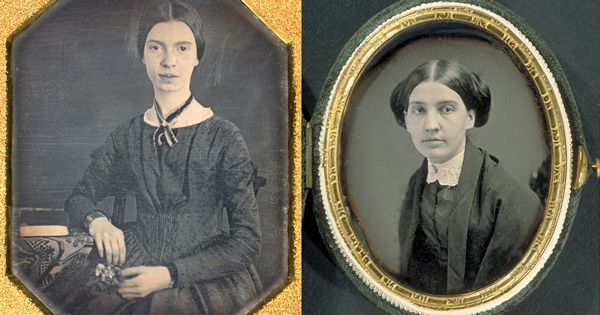
Emily Dickinson – An intellectually Rebellious and the most memorable poet of all time.

About Emily Dickinson, her writing style, favorite works and Amazing facts about her. Dickinson Series- Apple TV

Emily DIckinson

Birth, inspirations, and how her works were saved.

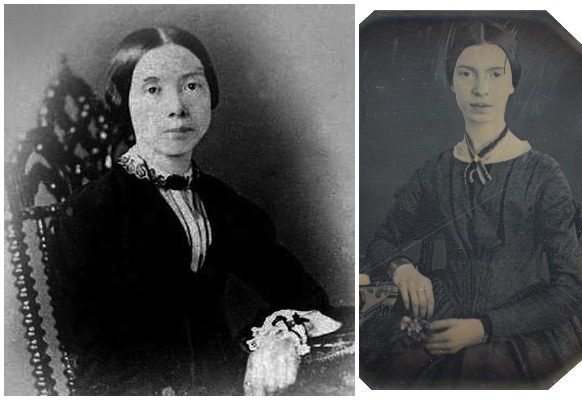
Emily Dickinson was born on December 10, 1830, in Amherst, Massachusetts. She attended Mount Holyoke Female Seminary in South Hadley for one year. Dickinson’s poetry was influenced by the Metaphysical poets of seventeenth-century England. She also read Book of Revelation, admired the poetry of Robert and Elizabeth Barrett Browning, and John Keats. She was dissuaded from reading the verses of Walt Whitman (Due to his daring writeups). Yet Walt Whitman and Emily Dickinson ending up being two of the most famous poets from the time period who revolutionized both the subject and style of American poetry. The first volume of her work was published posthumously in 1890 and the last in 1955. She died in Amherst in 1886. Dickinson’s family found forty volumes of nearly 1,800 poems (or “fascicles”).

Dickinson assembled these booklets by folding and sewing five or six sheets of stationery paper, what seem to be final versions of poems. The original order of the poems was not restored until 1981, when Ralph W. Franklin used the physical evidence of the paper itself to restore her intended order. He relied on smudge marks, needle punctures, and other clues to reassemble the packets.

The Manuscript Books of Emily Dickinson (Belknap Press, 1981) is the only volume that keeps the order intact.

Her Writing Style:

Her features were of verse forms suggesting hymns and ballads, with lines of three or four stresses. Her unusual off-rhymes have been seen as influenced by the 18th-century hymnist Isaac Watts. The intellectual content of her work amazed many and her writings were exceptionally and beautifully bold and original. Her verses has distinct quality by their epigrammatic compression, haunting personal voice, enigmatic brilliance, and lack of high polish.

Her major themes include nature, law, music, commerce, medicine, fashion, finding oneself, death and immortality, and love. She had a unique usage of Capitalization. She is best known for her use of slant rhyme.

Facts:

  • Unconventional approach to poetry, she interspersed her writing with many dashes of varying lengths and orientations (horizontal and vertical)
  • She could play piano.
  • She called herself a pagan.
  • She had an older brother named William Austin and a younger sister called Lavinia.
  • She wrote about the benefits of science over religion.
  • She lived with her family throughout her life. She shared her poems via letters to Susan, her alleged love interest. Who became her sister-in-law later.
  • She sent 250 poems.
  • Dickinson was a fan of the book ‘Jane Eyre’.
  • Her sister and Mabel Loomis Todd (An alleged mistress) published her works after Dickinson’s death.
  • Her second Tombstone reads “Called Back”, reference to an 1880 novel by Hugh Conway called “Called Back” that Dickinson enjoyed loved. This was the idea of Martha Dickinson Bianchi, her niece. The reason could be that she wrote a letter to her cousins before her death to her cousins which had only “Called Back” written.

Emily Dickinson’s well-known must-reads!!

  1. I’m Nobody! Who are you?
  2. Because I could not stop for Death
  3. Success is Counted sweetest
  4. Wild nights – Wild nights!
  5. I taste a liquor never brewed
  6. I Felt a Funeral, in my Brain
  7. Hope” is the thing with feather
  8. Tell all the truth but tell it slant
  9. My Life had stood – a Loaded Gun
  10. ‘Hope’ is the thing with feathers

Emily Dickinson and Susan Gilbert

Ps… Dickinson is believed to have a lifelong love affair with her childhood friend Susan Gilbert, who agonizingly became her sister-in-law. Emily had written many letters to Susan till the end. The letters are believed to be indirect confession and expression of love. Austin’s mistress Mabel Loomis Todd -Editor and publisher- erased references to Susan from Emily’s letter, but the fact that the Mysterious “Master” poem – letters (Alleged love interest of Emily) were sent to Susan, doesn’t hide much. But, well historians will still call them “Best Friends”, right?

There’s a book called “Emily Dickinson’s Intimate Letters to Susan Huntington Dickinson”

Summary: For the first time, selections from Emily Dickinson’s thirty-six year correspondence to her neighbor and sister-in-law, Susan Huntington Dickinson, are compiled in a single volume. Open Me Carefully invites a dramatic new understanding of Emily Dickinson’s life and work, overcoming a century of censorship and misinterpretation.

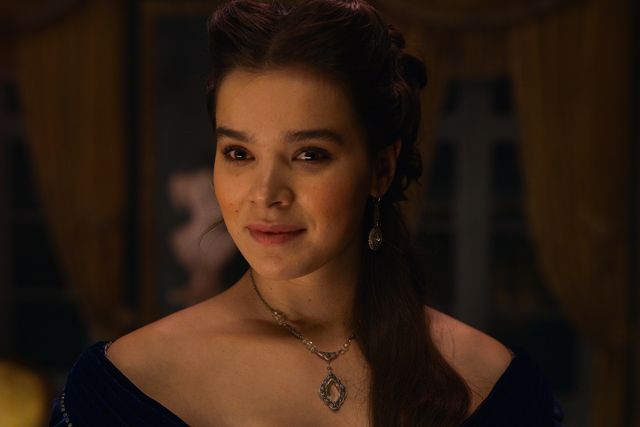
MY FOREVER FAVOURITE FAVOURITE POTRAYAL OF EMILY DICKINSON.

Dickinson (2019) : SEASON 1 AND 2!!

An American comedy streaming television series about Emily Dickinson, created by Alena Smith and produced for Apple TV+.

Hailee Steinfeld as Emily Dickinson and Ella Hunt as Susan and many more !! Their acting is top-notch and the series will hold you till the end and leave you wanting for more.

It is a must-watch.

References:

https://poets.org/poet/emily-dickinson

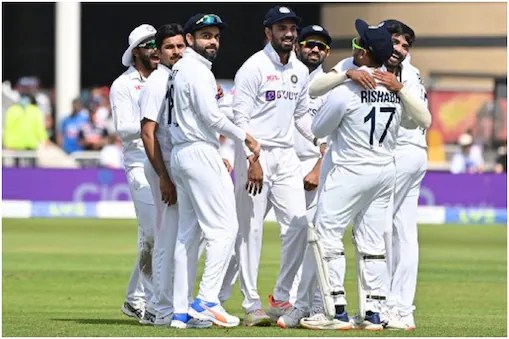
England vs India 2nd test match preview

England and India will be locking horns on Thursday in 2nd test match of the series in an iconic venue of lords. Both teams are coming here after a disappointing draw in Nottingham, but the good news is that weather is expected to be clear during the next 5 days of the test match but you never know and cannot exactly predict the weather of England.it should be a fascinating test match between two quality teams.

Both , India and England are having some injury issues before going to the test match. Stuart Broad is already out from an injury and he is even ruled out for the entire test series against India. while in Indian team , shardul thakur may also miss the second test due to an injury.

First test match of the series was a very good test match although India dominated the major part of it. Jasprit Bumrah was back in the form with an impressive figures of 9 – 110 .For England , their captain joe root was a big positive , Root made runs in both innings including a wonderful hundred in second test match with the help of which England made a comeback in the test match, interesting ending of the test match was sure but rain came at the last day when India was needing 157 runs with 9 wickets in hand but unfortunately we were not able to get a result, thanks to rain. India were favourites to win that match.

Team news

England

England have some serious issues to solve before the start of test match . Stuart broad is already out because of injury, even James Anderson is set to miss second test match due to a tight quad. This will be a huge blow for the home side as they both are most experienced test bowlers of England team. Mark Wood is set to come back into the team. Moen Ali has been recalled for the second test match and it is very likely that he will play the second test as a lone spinner.

India

India has only one problem that Shardul Thakur is expected to miss the second test due to strain in hamstring. It will be interesting to see who will come in place of Thakur , it could be spinner R Ashwin if India wants to play 2 spinners but recent matches in lords, pitch is helping fast bowlers rather than spinners. And the second option is to play a fast bowler in Ishant Sharma or Umesh Yadav , but it will weaken batting in lower order. Except this , India is much balanced and confident than England. openers are making runs , bowlers are taking wickets though middle order is a problem , but we except them to perform better in lords.

Weather forecast and pitch condition :-

The first test match was affected due to rain but the weather in 2nd test match is good and whole 5 days of cricket is expected although there is little bit rain On Sunday. The lord ‘s pitch should be a very good pitch , offering a good contest between bat and ball. little bit of grass is expected to be there in pitch. last time India played in lords they were bundled out for just 107 in first Innings.it should be a mouth watering contest in lords . (source : cricbuzz)

Art and Mental Health

 In our daily life filled with stress and tension, art can be a great source of comfort to our minds. “Creative Therapy” has the power to heal the mind and has a positive impact on mental health. Any form of art, especially drawing, painting and sculpting is considered to be a therapeutic practice. Its benefits on mental well-being can be traced from the psychological theories by Adrian Hill, Edward Adamson, and Donald Winnicott.

“Art as Healing”

Artist Edward Adamson, also known as the father of art therapy in Britain, has written the book “Art as Healing”. It highlights his findings on the positive impact of art in healing the patients suffering from mental illnesses. He worked on his idea of “art therapy” in the psychiatric hospital in Netherne and with the patients in his studio in West London. He collected the artworks produced in these sessions, which is known as the Adamson Collection. 

 According to him, art is not simply a form of occupation or art therapy to distract or absorb, but a dynamic and unique aid to the patient’s recovery. He believes that mental illness is a breakdown of personality and art is one of the expressions of a human being’s personality. The patient can achieve harmony through the art forms. 

Art is a way of expressing ideas of a personality. There are three major benefits of using art as the healing process for those suffering from mental illness. Firstly, the patient feels relief when their ideas are expressed through art. Secondly, they can externalise and examine their ideas. Thirdly, the doctor gets a permanent record of the state of mind of the patient at that moment. The patient’s subconscious mind gets displayed through the painting.  


Art for mental well-being

Involving in any form of art brings peace and joy to the mind. It acts as the “food for our soul”. Another benefit of art is that it has the capability to calm our mind. It helps us to cope up with the day-to- day stress. It can be a fun as well as productive activity to do in leisure time or to take a break from work and a busy schedule. 

Participating in any form of art gives us a sense of purpose and achievement. It helps immensely to boost self esteem. Not only does art calm the mind, but it also helps us to grow it creatively. Art improves the skills of the brain like learning, focusing, memorising, problem solving, patience and concentration. While painting, the obstacles faced are tackled by finding creative solutions. It enhances the creative thinking skills of our brain. 

As a child, most of the people are involved in some form of art, be it drawing, painting, sculpture or anything else. But gradually as we grow old we tend to leave it behind, ignoring the numerous psychological benefits and mental positivity it offers. Art is a great exercise that can strengthen,  calm and heal our mind. 


Book Review – You can win

Winners don’t do different things; they do things differently.”

YOU CAN WIN - SHIV KHERA Reviews, Summary, Story, Price, Online, Fiction,  Nonfiction

You Can Winis authored by Shiv Khera and was released in 1998. Since then, it has become an international bestseller. This book has been translated into sixteen languages and sold more than two million copies around the world. This book has a title in Hindi Jeet Aapki. The writer is well known as a motivational speaker, educator, activist, business consultant, entrepreneur, etc.

Both you and I want to win. This is a fact, as well as everyone’s heartfelt wish. The new revised edition of the book, titled ‘You Can Win,’ emphasises of winning and focuses on what it takes to succeed. The book presents inspiring examples to follow, allowing one to create a triumphant, meaningful, and satisfying life. The book provides the appropriate orientation and adds ingredients for the suitable formulas needed for success in life. There are eleven chapters in this book.

The author provides the reader with a good attitude and sends the reader on the proper paths in life right from the start of the first chapter. In reality, the author aspires to have a positive outlook on life that will enable him or her to win and thrive. An optimistic outlook on life can aid in overcoming all obstacles in one’s path to achievement. He also suggests to the reader to achieve one’s goal in life, one must embark off on an effective action plan, too.

The author encourages the reader to develop confidence by practising positive thinking in their daily lives. A cheerful outlook on life has the same effect as medicine. It heals and motivates one to continue on with one’s life. The remaining chapters focus on adopting a good attitude toward life, regardless of what obstacles may arise or what walks of life one may belong to. Self-esteem must be developed. This can be beneficial in a variety of situations. This can assist one in dealing with life’s obstacles. Personal growth, according to the author, is a critical component of life achievement. As a result, a few chapters in this book reflect on and emphasise personality traits, interpersonal skills, positive thinking, habits, and choosing appropriate life objectives.

To make it more fascinating, the writer incorporates moral stories and anecdotes into his works and explains them to the best of his ability. The morals of novels do indeed convince the reader that nothing is truly impossible in life. The most important thing in life is to develop the proper mindset and formula for success.

The author also underlines the importance of being proactive in order to control, rather than be governed by, events in life. He encourages the reader to transform their weaknesses into strengths by cultivating positive outlooks on life, applying positive strokes to oneself and others, and developing positive habits and character. The author also instructs the reader on how to develop mutual respect and loyal relationships with each other.

STUNNING NATIONAL PARKS OF INDIA

Beyond India’s booming metropolis, wildlife enthusiasts can discover idyllic sanctuaries teeming with life. India’s national parks, numbering in the hundreds, cover around 15,600 square kilometers of protected land. Discover and appreciate all that nature has to offer by visiting these gorgeous wildlife National Parks. Enjoy breathtaking panoramas, adrenaline-pumping jeep safaris, and sightings of rare and ferocious creatures.

 Kaziranga National Park, Assam

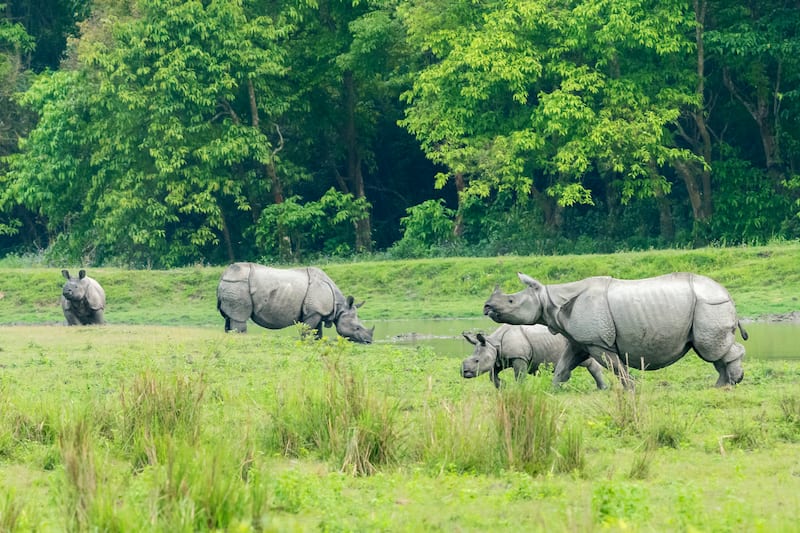
On the floodplains of the Brahmaputra River, Kaziranga National Park lies partly in Golaghat District and partly in Nagaon District of Assam. Established in 1905 as a forest preserve to save the greater one-horned rhinoceros from extinction, it is Assam’s oldest park, encompassing 430 square kilometers. It’s among the few untouched natural places in India’s north-eastern region. 

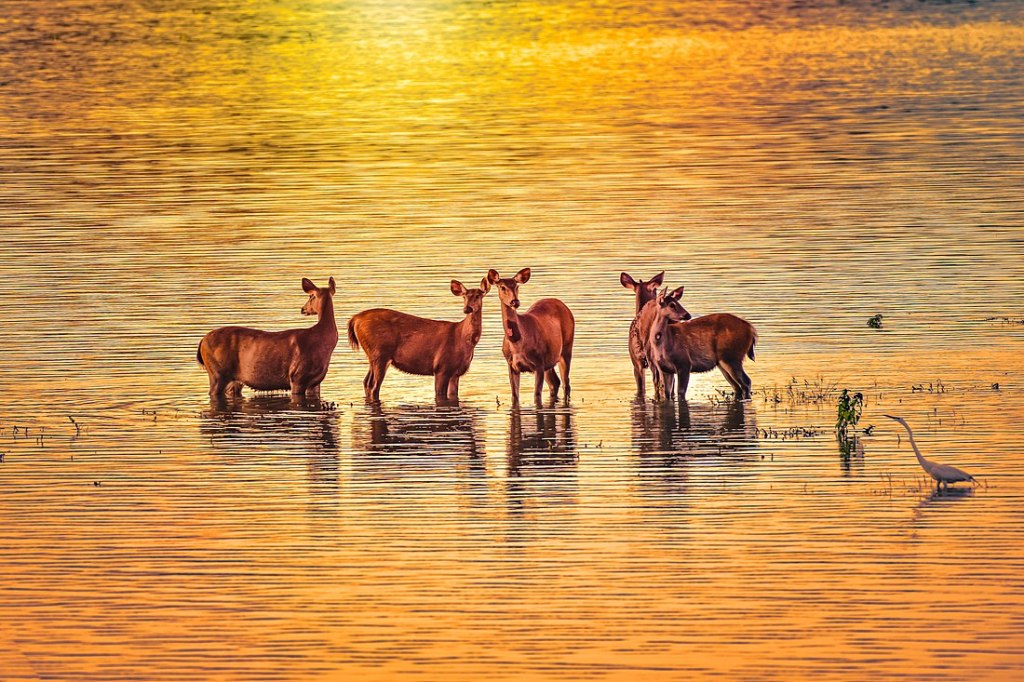
With its elephant-grass meadows, swampy lagoons, rugged reeds, marshes, shallow waters, and dense woods, Kaziranga National Park is one of India’s most popular wildlife tourist hotspots. Over 2200 Great Indian one-horned rhinoceros call it home, accounting for roughly two-thirds of the world’s total. Tigers can also be sighted here, camouflaged among the elephant grass and lush forest. There are also buffalo, rare swamp deer, and river dolphins to witness. In 1985, it was declared as a UNESCO World Heritage Site. The park is open all year, however, during monsoon season in July and August, it may close owing to flooding.

Nagarhole National Park, Karnataka

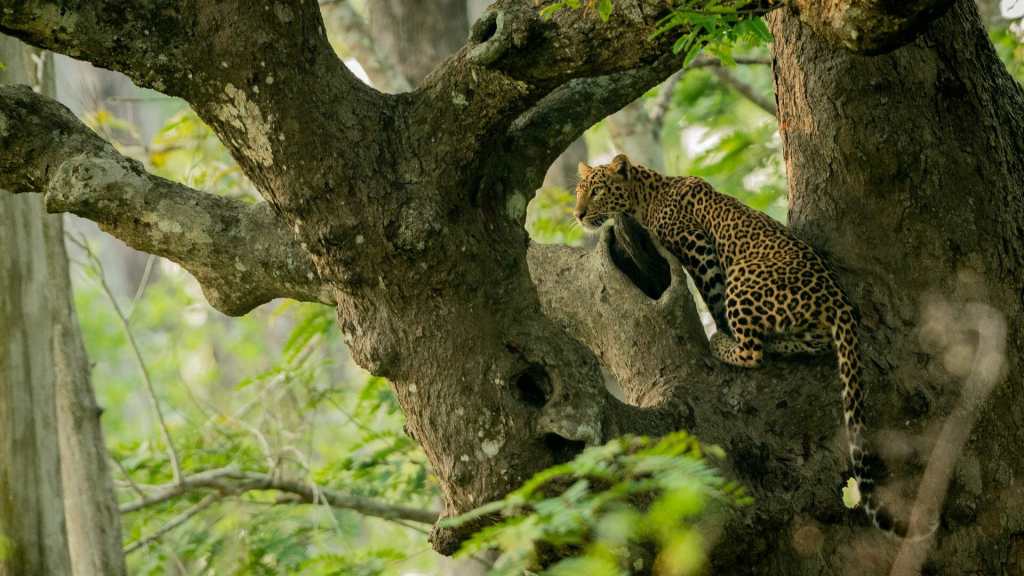
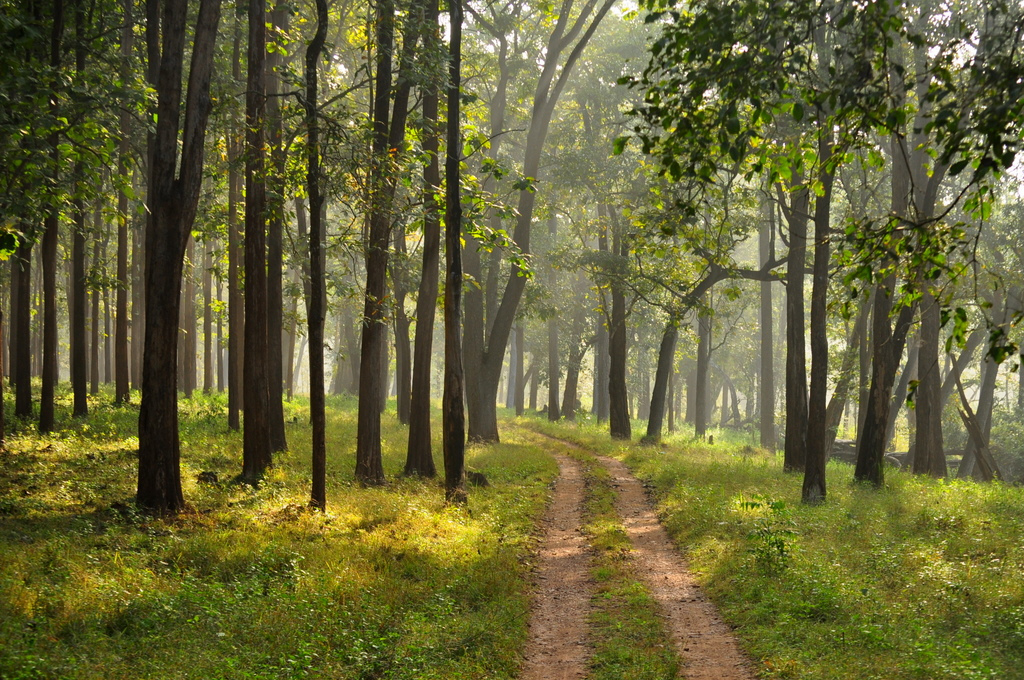
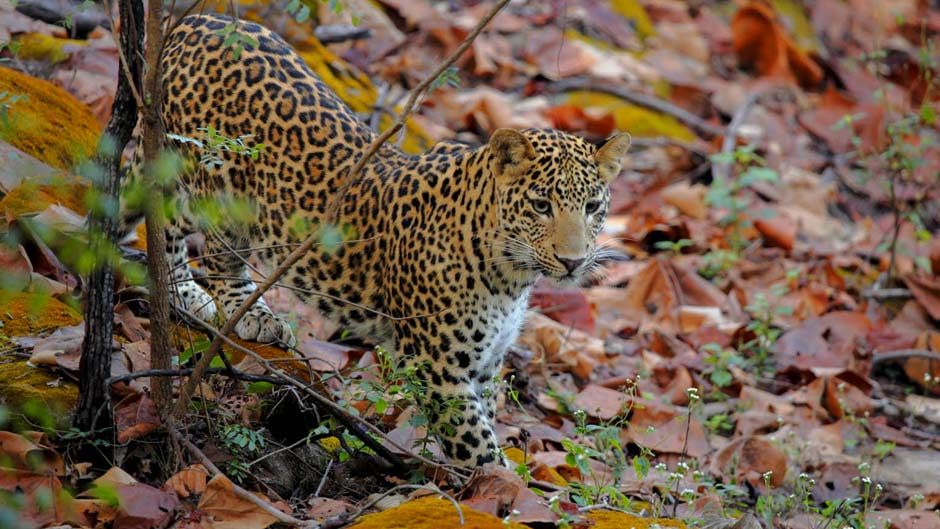
Nagarhole National Park, also known as Rajiv Gandhi National Park, is the enchanting 247 square-mile-long wild reserve located in Kodagu and Mysore district. It is one of the best places in the world to see leopards. It was designated as India’s thirty-seventh Tiger Reserve. UNESCO has designated it as a World Heritage Site. The park, ringed by the Western Ghats, is abode to aromatic sandalwood and teak trees, dense bamboo groves, and myriads of streams, including the Lakshmmantirtha River, Sarati Hole, Nagar Hole, BalleHalla, Kabini River, four perennial streams, 47 monsoonal rivulets, four small perennial lakes, 41 manmade tanks, several swamps, Taraka Dam, and the Kabini reservoir.

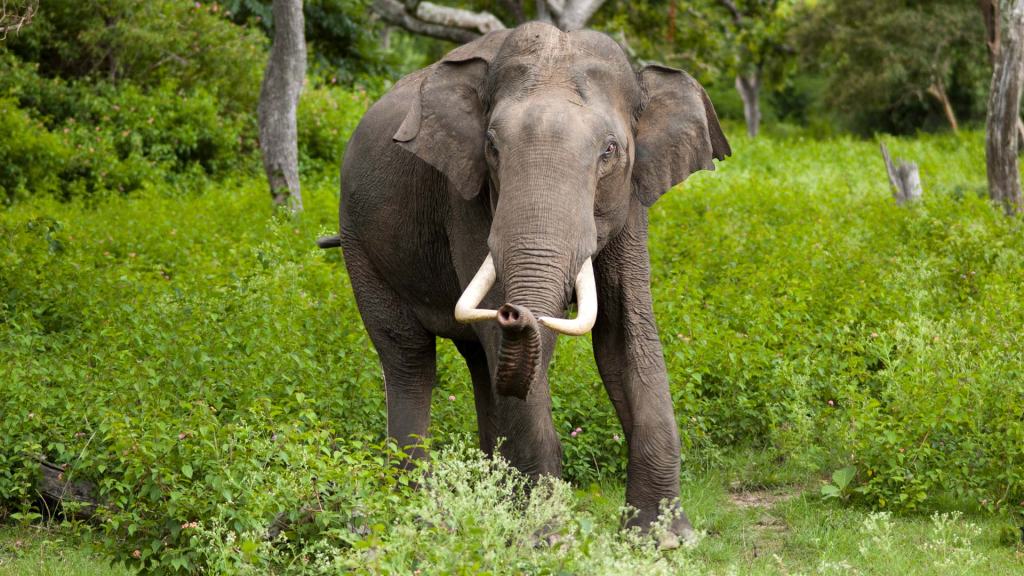
It houses ferocious predators like Bengal tigers, leopards, wild dogs, sloth bears, and hyenas. Many herbivores like spotted deer, sambar, barking deer, four-horned antelope, Bosgaurus, wild boar, and elephant, dwell in the girded region. The Bonnet macaque, jungle cat, slender Loris, common langur, civet cat, leopard-cat, mongoose, common otter, giant flying squirrel, porcupine, jackal, mouse-deer, hare, and pangolin, can also be spotted. Around 250 bird species can be spotted in the Nagarhole area, including the blue-bearded bee-eater, scarlet minivet, and Malabar whistling thrush, as well as ospreys, herons, and ducks.

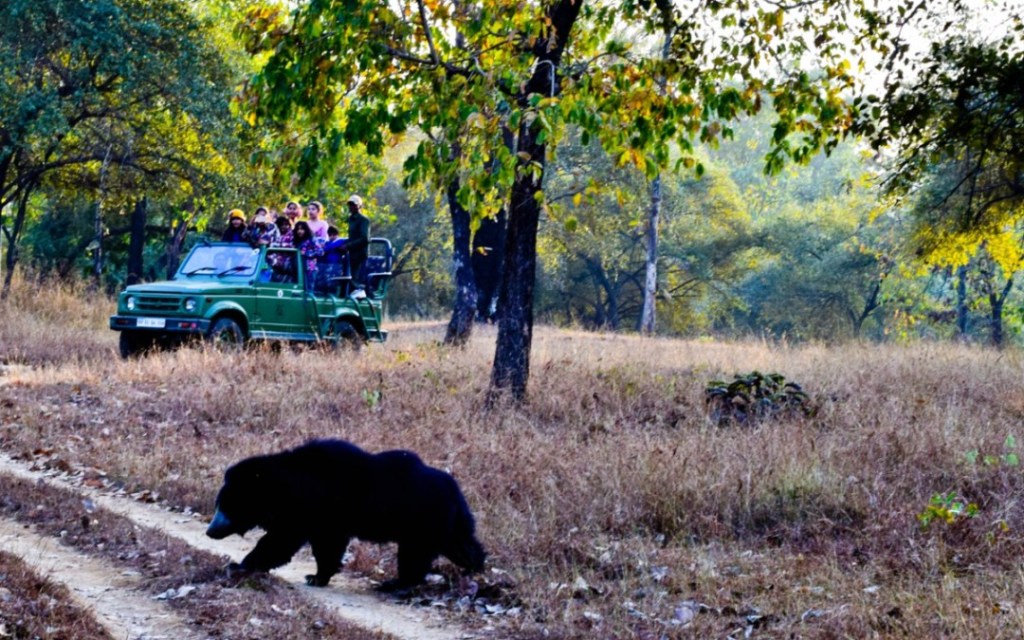
The marsh crocodile, monitor lizard, rock python, and plenty more species are the most abundant reptiles in the vicinity. Marine and terrestrial tortoises, frogs, toads, and tree frogs, as well as a plethora of insects, including some very vibrantly colored butterflies, dwell in this lush southern Indian forest. A jeep expedition is the finest way to see big cats, whereas a leisurely cruise across the Kabini River in a coracle (a small circular boat) provides splendid views of aquatic birds, crocodiles, and Indian elephants.

Mahatma Gandhi Marine National Park, Andaman Islands

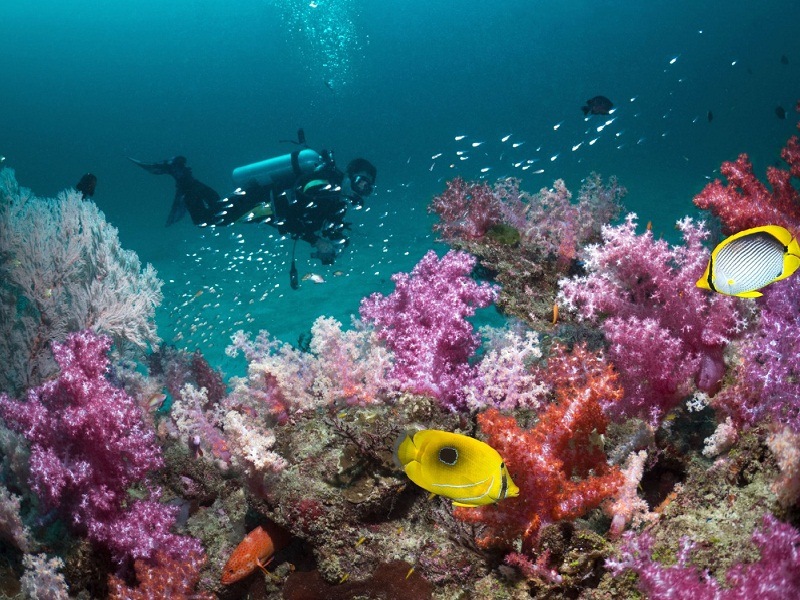
The Mahatma Gandhi Marine National Park is located 29 kilometers west of Port Blair and occupies an area of 281.5 sq. km. There are open seas, waterways, and 15 small and big islands in this vicinity. Rare corals and underwater aquatic life can be seen from glass-bottom boats. Tourists can also enjoy scuba diving and snorkeling. Guided excursions of the Mahatma Gandhi Marine National Park are available through private ferry operators. As part of the guided tours, visitors are also allowed to spend two and a half hours on Jolly Buoy Island or Red Skin Island. It was founded to safeguard marine life, notably sea turtles and coral reefs.

Hemis National Park, Jammu & Kashmir

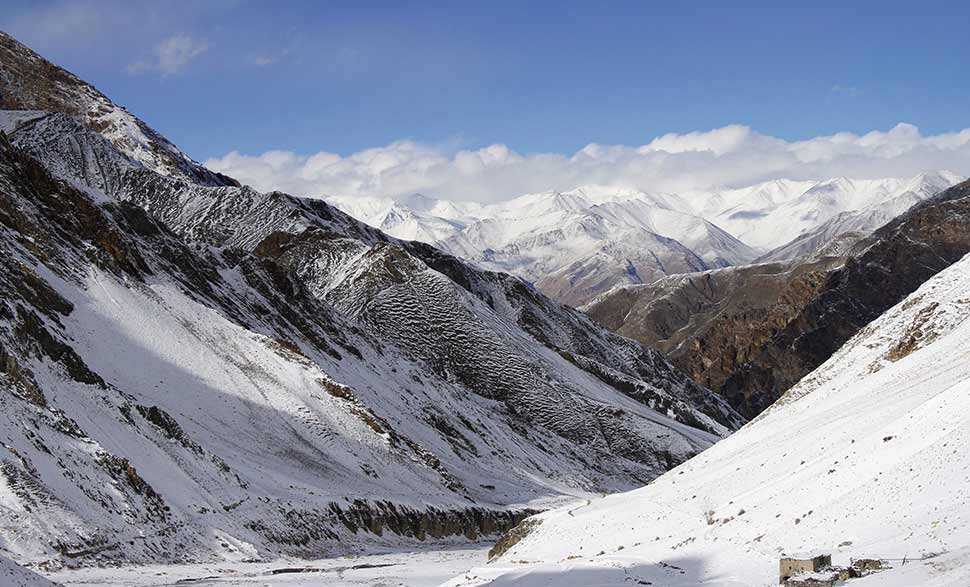
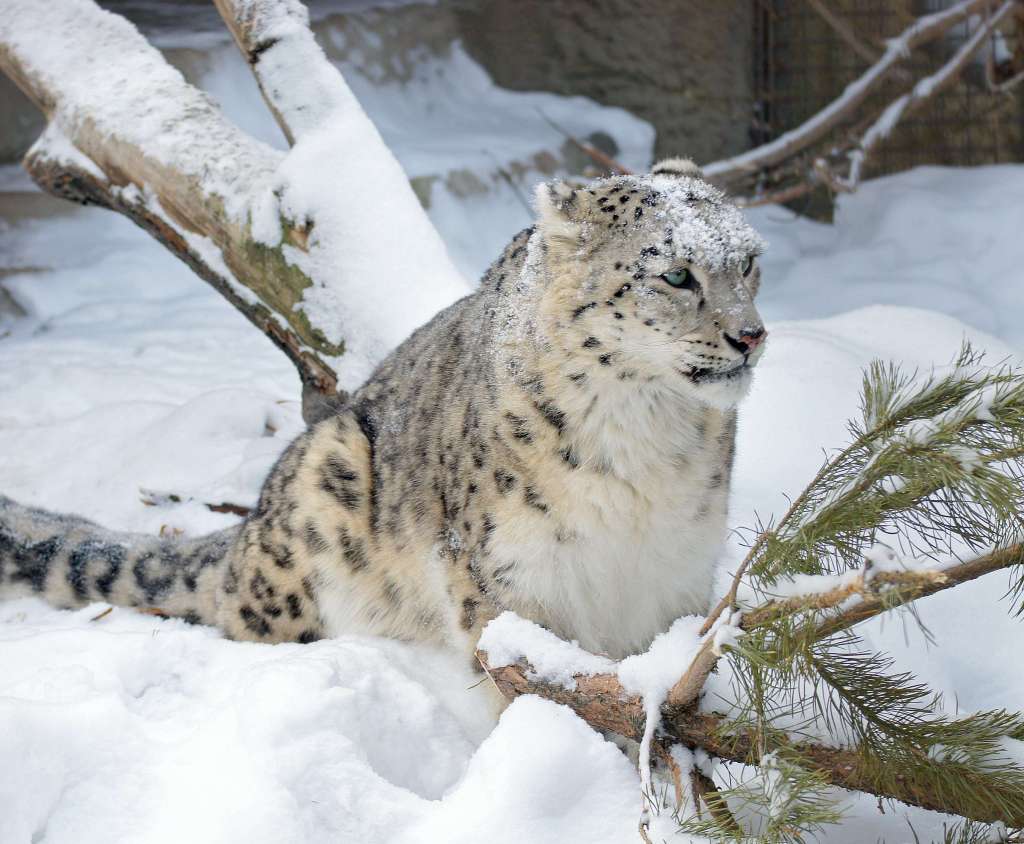
Hemis National Park, the largest national park in South Asia,  is situated in the eastern section of the Ladakh district in Jammu and Kashmir, India. The park is host to 17 mammal species and 73 bird species. Leopards, Asiatic ibex, Tibetan wolf, Eurasian brown bear, and red fox are among the area’s endangered fauna. It also plays host to 200 leopards and is India’s sole Ladakhi Urial habitat. Small creatures such as the Himalayan marmot, mountain weasel, and Himalayan mouse hare call it home.

It’s an excellent spot for bird watchers. Brown Accentor, Robin Accentor, Tickell’s Leaf Warbler, Streaked Rosefinch, Tibetan Snowfinch, Chukar, Fork-tailed Swift, Red-billed Chough, Himalayan Snowcock, Fire-fronted Serin, golden eagle, Lammergeier vulture, and Himalayan griffon vulture can all be spotted here. The picturesque splendor of the national park is very well-known. It’s a visual feast, with lofty mountains and alpine juniper and subalpine dry birch forests. The Stok Kangri summit can be seen from the park. The park’s boundary is the confluence of the Indus and Zanskar rivers, which is a beautiful sight.

Satpura National Park, Madhya Pradesh

Satpura National Park, located in the Hoshangabad district of Madhya Pradesh, is a magnificent wildlife park with a total area of 524 square kilometers. It is home to 52 mammal species, 31 reptile species, and 300 bird species, 14 of which are endangered.

For animal enthusiasts, it is a stunning jungle paradise. Leopards, tigers, chitals, nilgais, four-horned antelopes, bhedkis, rhesus monkeys, wild boars, deer, foxes, flying squirrels, and Indian joint squirrels are just a few of the wildlife that may be discovered here. Satpura Park’s biodiversity is impressive, with over 1300 species of flora, notably teak, sal, tendu, mahua, bel, bamboos, grasses, bushes, and other medicinal plants possessing therapeutic and medicinal effects. Besides, there are several bird species like the Malabar pried hornbills, crested hawk eagles, honey buzzards, paradise flycatchers, thrushes, pheasants, and peafowl. One can enjoy the Jungle Safari by Jeep, boat, or elephant.

Story – Attitude is everything

Moral Stories For Kids | Bedtime Stories | Stories for kids in english -  YouTube

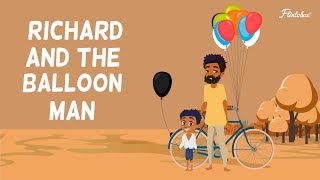
There was a man who made his living selling balloons at a fair. He had balloons of many colors, including red, yellow, blue and green. Whenever business was slow, he would release a helium-filled balloon into the air. When the children saw the balloon go up, they all wanted one. They would come up to him, buy a balloon and his sales would go up. All day, he continued to release a balloon whenever sales were slow. One day, the balloon man felt someone tugging at his jacket. He turned around and a little boy asked, “If you release a black balloon, will that also fly?” Moved by the boy’s concern, the man replied gently, “Son, it is not the color of the balloon, it is what’s inside that makes it go up.”

THE same principle applies to our lives: It’s what’s inside that counts and what’s inside of us that makes us go up is our attitude.

Many of you might have read/ heard this story before; Richard and the balloon man. But despite of the above conclusion, there’s more to the story. The story also focuses on colour discrimination. Everyone human being, right from their birth, are taught to consider fair, white people as beautiful whereas the dark ones are considered being ugly. Who categorized humans based on their appearance and not what they own inside them. No outer appearance decides the altitudes a person might reach, it’s the attitude they hold that paves their way towards success.

William James of Harvard University said, “The greatest discovery of my generation is that human beings can alter their lives by altering their attitudes of mind.”

Indian museum

A VIRTUAL TOUR 

Let go on a virtual tour of the Indian museum which is situated in Kolkata. Due to pandemic, it is not possible to go there for a visit. The Indian museum was founded in 1814 at the Kolkata. Indian museum is the earliest and largest multipurpose museum not only in the Indian subcontinent but also in Asia-Pacific region of the world. With the foundation of the Indian museum in 1814, the museum movement started roiling in India and through the years from then got a new fillip and great momentum.

The history of the origin and the growth of the Indian Museum is one of the remarkable events towards the development of heritages and culture of India.

The museum has rare collection of antiques, armour and ornaments, fossils, skeleton, mummies and Mughal painting.

Lamp tradition in India 

Lamp tradition is an important part of Indian tradition. It is identified as the Deepam in southern and diya in north. The Indian museum consist different types of lamps which belongs to different region, culture, tradition and countries. The lamp could be made up of clay, metal, glass, brass, gold and other material. Their designs varies and each lamp had own signature size, pattern and shapes.

Bhudha early life stages, mediation and the last stage of his life

The museum is also consists the masterpieces of the Bhuddhist Art from different part of the Indian sub-continent. The exhibition traveled different countries such as japan, china, Singapore and New Delhi and had a great success. The objects showed in the exhibition are related to life of the Bhuddha early stage. The museum had stupas or pillars of the Bhuddha’s early life. The whole scenes depicted on the pillars by the carving methods. The pillars showed how was devi  Maya gives birth to Bhudha with the help of sala tree. The people around are craved. The sculpture is a fine specimen of the late Gandhara art and a superbly graphic representation of the legend. During the mediation different mudras are beautifully craved with the name and introduction.
The bhudha is seated in the attiude of the meditation. There is a prominent urnaon his forehead and a large nimbus behind. The person who made this masterpiece might be had very fine skills about hid art. It worked over each and every sense of art. 

In the last stage of his life Bhudha spend his time in u.p and it is last sculpture of the bhudh where he is surrounded by the five people. This masterpiece is known as the Mahaparinirvana. 

Virtual exhibition 

Saktirupena- It is an exposition on mother goddess in Indian art. This art showed the value of women in the Indian culture. I thought the exhibition showed the different form of the women somewhere they are fully covered and on other they are without clothes (yakishs). They also craved and draw goddess with lotus and killing asuras. The sculpture made up of metal (gold, silver), wooden, brass, and rocks. They are mainly craved over the materials. They have different types of coins with the expression on goddess which made up by the different king at their ruling times. Faces & Masks of Devi Durga, bhudhhist  goddess (Tara), figures of jamuna, Anupurana, gajalakshmi and many more godsess. 

Textile traditions in India: North Eastern Region

Here we learnt about the different group and their textile of the north eastern region.  Their motifs, methods of weaving, materials and design are related to the culture, belifes and the environment.  Wrapper, coat, moona bag, pani gamcha, headdress, kakat-Bandha, phalli, reshwa and others are the products which is the made up by them. The colors they mostly used their creation are black, white, red, yellow, green and blue.

Ananya 

It was celebration on the occasion of the women day. It is significant the role of women in various fields from the remote past. Coinage was the one of medium of propagating the ruling authority example kumaradevi coinage. The sync show that how the powerful women rules their dynasties and position or the love of her husband to her example – nurjahnan with jhangir. Painting is another field where women artist also owned their position such as mrs. Sunayani devi.  Their painting are always had relevance with the epic or religious book because they read that books and they might be not allowed to go outside so they paint what they known. The bronze busts are also included in this collection. The busts are related to different women who worked for the society at their regions or the ladies who belong to different places.

The virtual tour was quite interesting and learning bases. We learnt many of the things. It would be help us in developing our pedagogy skills. I wish to visit manually in the museum.