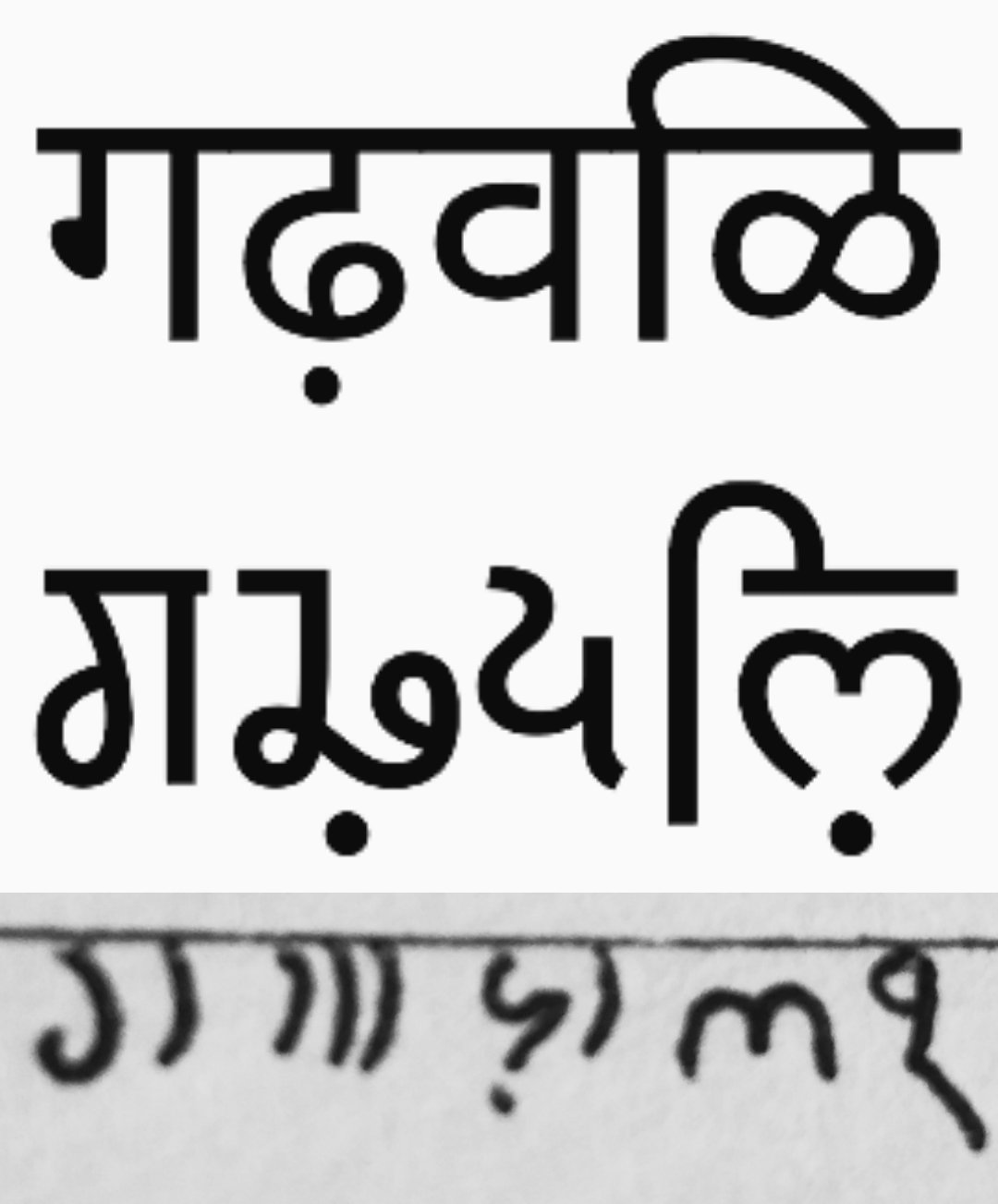
Garhwali Language it’s time to save it from getting fade.

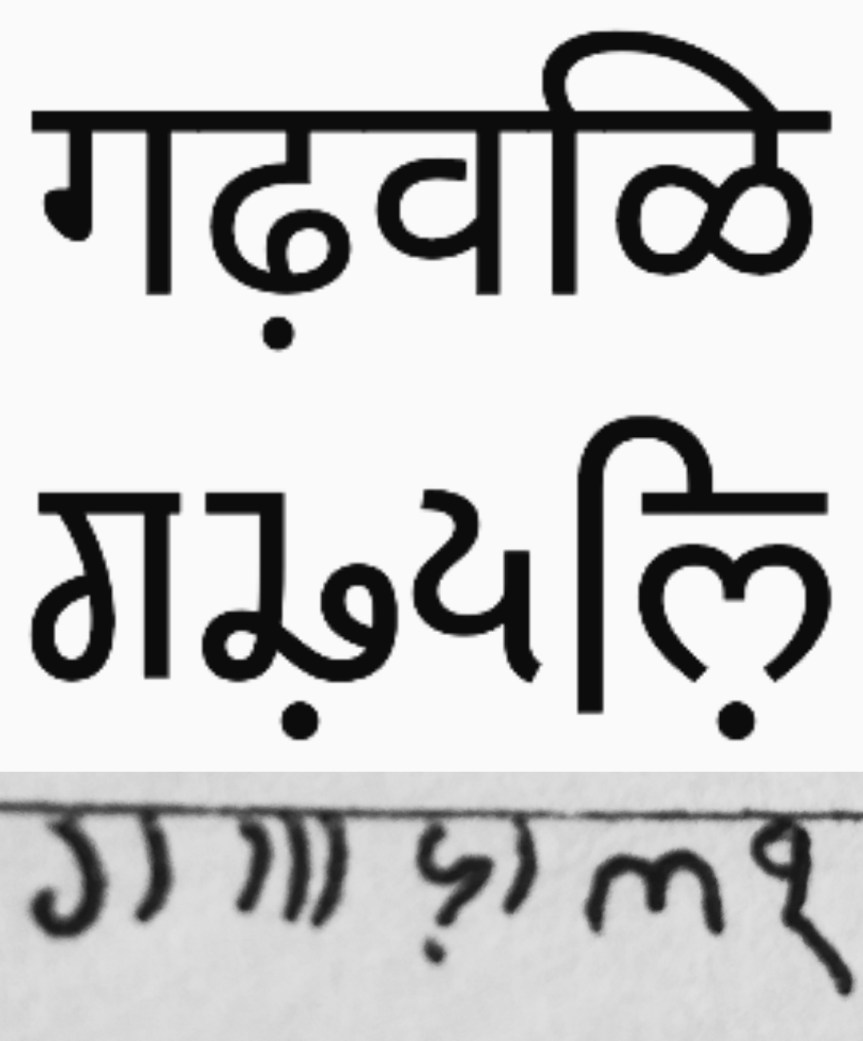
Garhwali is the Indo-Aryan language of the Central Pahari Region which is mainly spoken by more than 2.5 million people in the Garhwal region of Uttarakhand, northern India, in the Himalayas of India, Uttarakhand. Garhwali is also spoken by Garhwali people living in other parts of India, such as Himachal Pradesh, Delhi, Hariyana, Punjab and Uttar Pradesh. According to various estimates, at least 3.5 million Garhwali migrants live in Delhi and other cities.


HISTORY
During the Middle Indo-Aryan era, there were various languages called Prakrit. Of which, Khas Prakrit language is believed to be the source of Garhwali language.The earliest forms of Garhwali can be traced back to the 10th century and can be found in temple stones, including numismatics, royal seals, copper plate inscriptions, royal orders and grants. An example is the inscription of King Jagatpal’s Temple Grant in Dev Prayag in 1335 AD. Most Garhwali literature survives in vernacular form and is transmitted verbally. But since the 18th century, Garhwali has developed a literary tradition.


LITERETURE & WRITERS
Among the famous Garhwali writers in hiastory of literature are Sudarsan Shah, Kumdanand Bahguna, Hari Dutt Sharma (Nautiyal), Hari Krishna Daurga Dutti Rudra, Urvi Dutt Shastri ,Mahidhar Dangwal, etc. , Satyasaran Raturi, Atma Ram Gairola, Devendra Dutt Raturi, Suradutt Saklani and more. Among historians are Mola Ram, Miya Prem Singh, Hari Dutt Shastri, Hari Krishna Raturi and Vijaya Ram Raturi.
Garhwali literature is thriving despite the ignorance of the government. Today, newspapers like Uttarakhand Khabarsar and Rant Raibaar are published entirely in Garhwali. Magazines such as Baduli, Hilaans, Chitti-patri and Dhaad have contributed to the development of GarhwaliGarhwali language.

Some Notable works of Gharwali writers:
•)Abodh Bandhu Bahuguna – (1927–2004) Garhwali writer. Some nitable writings include Gaad, Myateki Ganga, and Bhumyal.
•)Bachan Singh Negi – “Garhwali translation of Mahabharata and Ramayana”.
•)Lalit Mohan Thapalyal – “Achhryun ku taal”
•)Leeladhar Jagudi – (1944) Writer and novelist. PadmaShri
•)Lokesh Nawani – “Phanchi”
•)Madan Mohan Duklaan – “Aandi-jaandi saans”
•)Chandramohan Raturi – “Phyunli”
•)Chinmay Sayar – “Aunar”
•)Dr. Narendra Gauniyal – “Dheet”
•)Durga Prasad Ghildiyal – “Bwari”, “Mwari” and “Gaari”
•)Gireesh Juyal ‘Kutaj’ – “Khigtaat”.
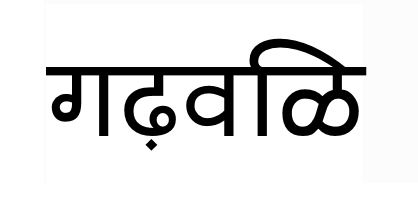
Struggle of Official RecogItion:
Since the establishment of Uttarakhand in 2000, the state governments have made slow progress in promoting and developing the regional language of Uttarakhand. Like other languages in Uttarakhand, Garhwali, the most widely spoken language, is not officially recognized. In 2010, Hindi became the official language and Sanskrit became the second official language of Uttarakhand. In 2014, after making Garhwali the official language of Uttarakhand and demanding that it be taught at schools and universities for many years, the Uttarakhand State Government established Kumaoni and Garhwali departments at Kumaoni and Garhwali universities, respectively, to study the regional languages. At the national level, Garhwali is always required to be included in the 8th schedule of the Indian Constitution in order to be one of India’s schedule languages. In July 2010, Parliamentary member Satpal Maharaj of Pauli Garhwal submitted a legislative bill to Lok Sabha to include the languages of Garhwali and Kumaoni in the eighth schedule of the Constitution. Like most private citizen bills, the bill has not been discussed in Parliament and has since expired.


Korean wave in India.

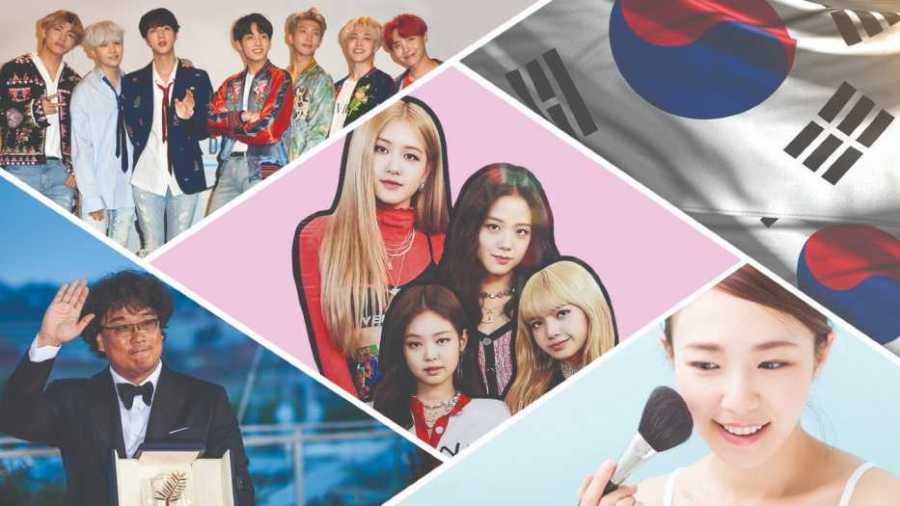
The  Korean wave has certainly seen a significant  rise in India during the pandemic, and K-Drama and K-Pop are seeing massive demand from fans and new followers as well. In response to the growing popularity of the Korean wave in the country, many  online and offline events are held to show people  what they are consuming online. And these extend not only  to K-Drama and K-Pop, but also  to food, beauty and culture in general.
Korean singer PSY’s 2012 viral hit “Gangnam Style” may have started the Korean wave in India, but it certainly wasn’t the origin. The existence of K-POP in India dates back to the late 90’s when in Northeastern part  in Manipur Bollywood films were not allowed to watch because law imposed by the Separatist group Revolutionary Peoples Front to make Manipur independent.Not so much offered, the locals turned to Korean content and it got it’s popularity from their on.

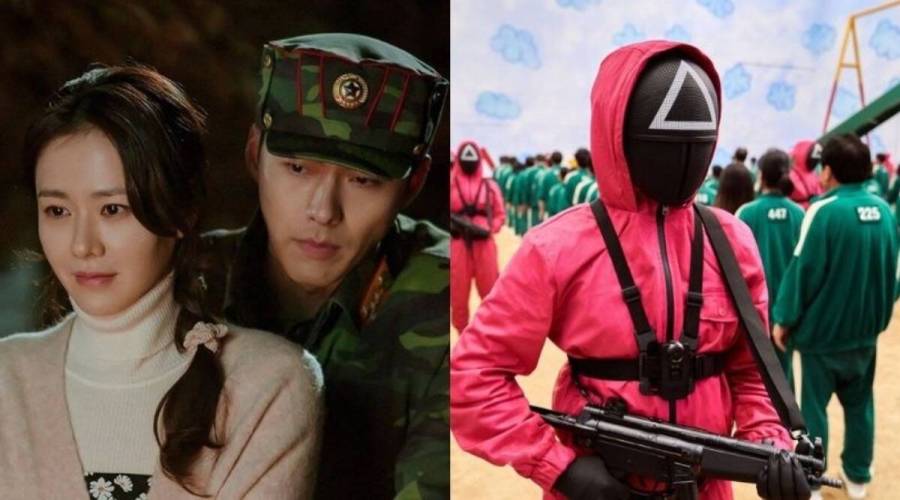
Increasing demand for Korean content is fueling competition between India’s Amazon Prime Video and Netflix. Amazon Prime Video is the first company to launch Parasite and Minari in the country. Hotstar, MX Player, Viki and Viu are also involved in the Korean wave effect. Discovery + launched the “Star vs Food” series featuring the Korea Tourism Organization (KTO) and K-POP idols to introduce Korean food to India. Some prominent dramas are: Crash Landing on You, Squid Games, Descendants of the Sun and many more more , the reason of these Korean content popularity is that as an audiance, Indian’s  find Korean content relatable to them.

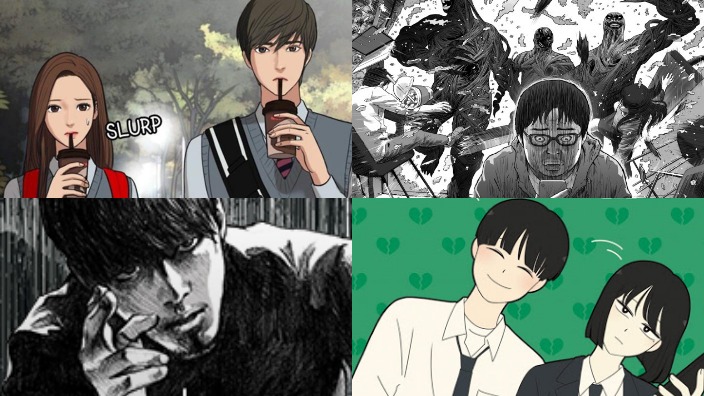
According to Hyun Woo, Kross Komix co-founder, president and CEO Thomas Kim predicts that South Korea’s webtoon, or digital comics, will be the next big thing.Kross Komics is India’s only webtoon platform  launched in December 2019. In just about 1.5 years of operation, the app has been downloaded more than 4.5 million times, about half of which are women. “With the numerous webtoons in the romance / romantic comedy category and the world’s best-selling stories, this new format of content has become a very interesting alternative to the dramas and movies”.

“In 2020, the blockade caused by Covid-19 is said to be one of the reason to the popularity and acceptance of Korean culture in India through dramas available on multiple video streaming platforms and the different Korean music band whose craze is extraordinary. South Korea’s food exports hit a record high,  boosted by social media posts from Asian celebrities and the popularity of the movie like “Parasite” and drama like”Crash Landing on You”. The widespread  of k-pop, k-movies, and k-drama has evolved into a  fan culture, especially among the  urban youth of the country. Following k-pop music and movies, K-Food and cooking have undergone a major makeover to reach the larger Indian market. K-cuisine is all the rage, especially on social media, in the form of food challenges like Mukbang, “said Hwang Il-young, director of the Korean Culture Center India .

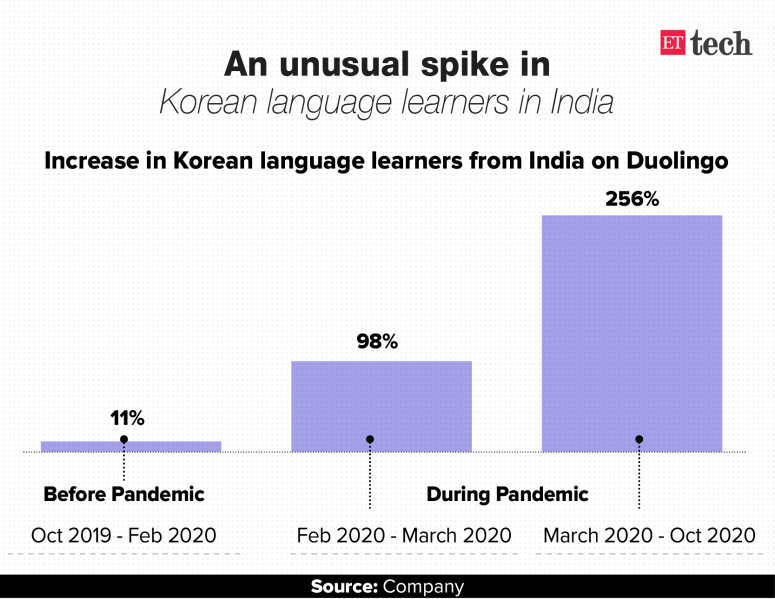
The Korean wave,  the growing global popularity of  Korean culture, swept India a few years ago, but  exploded during a pandemic. Supported by the OTT platform, which has a large investment in Korean programs, the number of people who started watching K-Drama and listening to K-Pop has skyrocketed. Recently, the language learning app Duolingo surveyed 1,013 people in 10  cities in India and found that Korean is  the fastest growing language in India. It was the 7th most popular language for Indians in 2020, but it has risen to the 5th in 2021 and will  continue to rise. Duolingo’s 2021 audio report attributed this primarily to the release of Squid Game in 2021.

The 4 phases in Bollywood Cinema

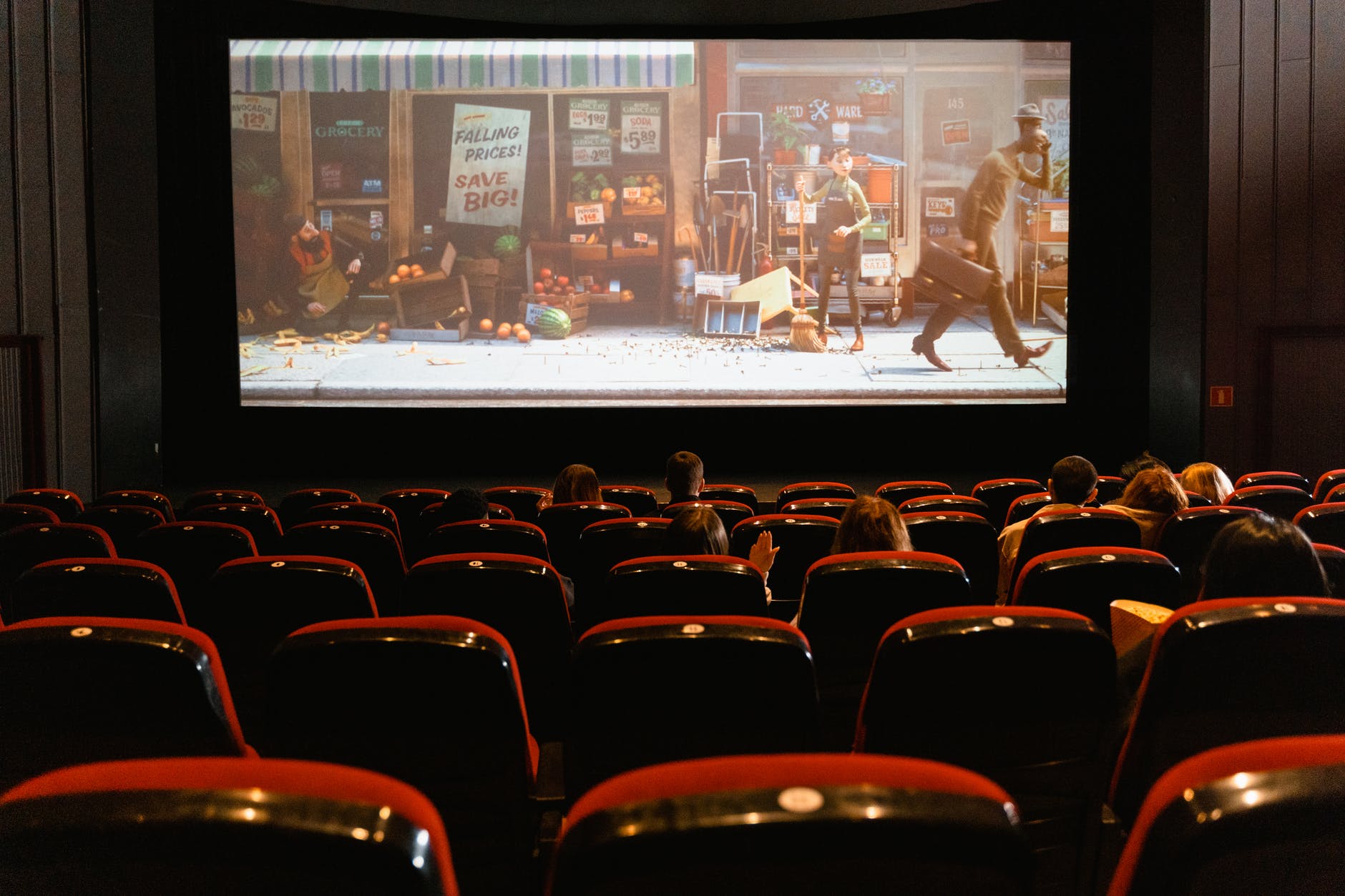
Photo by Tima Miroshnichenko on Pexels.com

Bollywood, or the Hindi film industry of India which produces almost 1000 films every year is the world’s largest film industry. From the time the first Indian sound film, Alam Ara was produced in 1931 till the present decade, this industry has a remarkably rich history of producing a variety of movies, showcasing different spheres of Indian life, in myriad themes, be it comedy, romance, thriller, horror or drama. However, there has been a changing trend in the representation of Indian films through the years. The way movies were made in the 1950s is completely different from the way it is done in the twenty first century.
In this presentation I would like to share the changes that the Indian film industry has seen over the decades.

In order to understand the trends better let us divide it into 4 phases!
The first phase would consist of the movies made from the 1940s till the early 1960s. This phase is called the “Golden Era of the India cinema” where critically acclaimed movies like Awaara(1951), Shree 420(1955) and Mother India(1957) to name a few were made. These movies revolved around the common man, who faced various struggles in life, which the audience could relate to and would finally come out as a man with the right morals. These stories showed the protagonist to be poor who even though wavered from his path (mainly due to greed and success) would finally realize his mistakes and be a better person in the end and overcome his troubles in a just manner.

The second phase is the phase from late 1960s to the early 1980s. This phase saw a distinctive shift in the general storyline of the movies. Movies like Aradhana( 1969) , Anand (1970) , Bobby (1973) and Sholay(1975) mark this period.  These movies were more action based and romantic in nature. Violence became an integral part of the movies, and a lot of emphasis was given on villains, who were basically underworld mafias. The image of the “angry young man” was introduced here, a brooding hero who was very good at delivering his punches and kicks, would destroy the villains and win the lady’s heart in the end. A lot of films during this time revolved around this basic theme.

The third phase is from the late 1980s till early 2000s. This phase saw the most diverse shifts in the movie-making procedure in India. Advanced technology was introduced in the country. The first Indian sci-fi movie Mr. India was released in 1987 which was a runaway hit. Romance was still the main theme. Romance films have been popular with the masses in India. The target audience in the romance genre is youth. As urban populations grew in the 80s, the number of youth-centric romantic comedies increased considerably.The new wave of romance movies had situational comedy that became a hit with audiences. 
A lot of movies were shot abroad in this phase. Some of the best Bollywood romance movies and romantic comedies from late 1980s to early 2000s are – Qayamat Se Qayamat Tak- 1988, Andaz Apna Apna- 1994  Dilwale Dulhania Le Jayenge- 1995, Jab we met (2007) , Dostana(2008) and others.

The last and the ongoing phase started in late 2000s. This phase introduced a lot of technical advancements in the ways movies are made. From Koi Mil Gaya(2003) Ra.One(2011) to Mission Mangal (2019) movies put a greater emphasis on the visual effects rather than the story. A lot of movies have been shot abroad, with only the mention of India.

Dhamaka’ movie review: Sound of social implosion

The disturbing thoughts swim in the conscience as one could clearly hear the sound of social implosion in Ram Madhvani’s compelling thriller, lined with commentary on media ethics


In the week of big public apology, comes a film where a common man seeks repentance from a powerful minister for not being able to do his duty. A gutsy idea that fills you with nervous energy, the film is an official remake of a Korean flick but, closer home, it reminds you of the angry common man of ‘A Wednesday’.

In the Neeraj Pandey film, the desperate everyman threatened to bomb Mumbai, here the despairing migrant crosses the line. The film makes you wonder what has changed in the last decade. Perhaps, the trust of the marginalised has been breached. Perhaps, it was reflected during the mass exodus from big cities to villages during the pandemic. It is not that the last man standing in the row was getting attention earlier but he was not being fed hope by a section of rapacious media. His trust was not being played with 24×7.

What seems like a ‘usual’ terror attack/ hostage situation to him that he intends to milk, quickly turns personal as his estranged wife (Mrunal Thakur) is reporting from ground zero. Even as the threat lurks into the newsroom, the remnant of journalism left in his system is smoked out by a hard-nosed producer Ankita Malaskar (Amruta Subhash). For her, truth and news are two different things.

In the ensuing moral battle, it becomes increasingly clear who is the bigger villain of the piece. But, at the same time, the narrative also becomes increasingly predictable. As the taut thriller starts getting flaccid, you start picking up faults in the plot. When a film takes a high moral ground, the margin to slip also reduces. When a film that seeks to expose the artifice of prime-time news starts looking staged, it pains.


The set design and cinematography are top-notch but the functioning of the newsroom, the motivations of the ‘villain’, and the actions of the officer of the anti-terror unit (Vikas Kumar) leave you unsated. After taking you to the edge of the seat, the climax is a tad disappointing. A few more drafts, a little more sharpness would have helped. No such issue with Amruta who excels in a minutely observed character that exemplifies the state of a section of electronic news media.


Karthik has been astutely cast in the role of the hollow television anchor fattened by opportunism, teleprompter, and TRPs. Like in ‘Love Aaj Kal’, he plays the ‘straying’ part well but when it comes to the transformation, he fumbles. Thankfully, that portion is short here.

Dhamaka is currently streaming on Netflix.

Objectification of Women through Item Songs

Objectification of women is quite self-explanatory, is it not? In a very simple term, it explains how women are treated as objects rather than breathing, living human beings. This subject has been discussed before, article have been written on the same, petition has been filled for the same. However, I sit to write about it again, for when I discussed about this to an acquaintance, I was asked why am I so hung up on these almost feminist issues, why not I write about ‘pressing issues’ such as poverty and other such issues. I agree that these are important issues but the subject in hand is no less important. The fact that people consider it to be of less importance is really disturbing and bothersome How are we to bring a change when we don’t deem it significant enough to look after.

For a very long time, women have been referred to as ‘weaker sex’, a source of entertainment. This notion has only been promoted in various ways. Bollywood movies have been a very strong medium for the same. The article throws light on one of the aspects in Bollywood movies which in not-so-subtle ways objectify women – ‘Item Songs’. Interestingly, the term ‘item’ refers only to women, specifically very curvaceous women. Moreover, the ‘songs’, the lyrical content of all these item songs unabashedly objectify women. Let’s take for instance, ‘tandoori chicken’ (Fevicol), ‘Chikni Chameli’; ‘Ab Karunga tere saath Gandi Baat’. Oh! The list is endless. The new so called pop songs are not giving it a break. What do songs like ‘Genda Phool’; ‘Chocolate’ among many others are trying to portray?

Yes! Entertainment is always welcomed but not at the cost of women being objectified, being compared to all the objects that one can think of. It affects the mindset of people; it adds to the not so progressive mindset. It in a way says that ‘it is okay if we refer women as such, she has no complaints, look at the way she smiles among all the leering, lustful, predatory eyes.’ However, we all know that it is not okay. In any given real-life situations, no one would love the idea of being cat-called, being called names or whatsoever. Media has somehow come dictate the ways people think, their perspective, their actions. If people can enjoy the actors and actresses enjoying all these in a ‘T.V. screen’, who says it won’t be enjoyable outside the screen, right!

We need to realize that this is unacceptable, not everyone way of entertainment is ‘not’ harmful. The portrait of women as being skinny has somehow fed into the mind of every other person that only acceptable body-shape is being skinny, lean and not otherwise. In other words, body-shaming becomes prominent.

It is important for such discussion to take place more, for more involvement of people in this direction, for raising voice. Moreover, as Sabhana Azmi suggested that it is important for actresses to have a say in the lyrical content. All such lyrics are written by a man – describing a woman through a male gaze. It is very disturbing that people with mighty pen in their swords would resort to writing such lines which can influence a lot of audience. Not one person is to blame, the mind-set of people will take years to change, you cannot expect women to carry knife while always moving around. However, it somewhere needs to start. A little initiative needs to be taken. Somewhere, someone. A conversation about this cannot be ignored. Media can always be important instrument in bringing the wind of change.

Image Credit: Google

No Boundaries

Today, as soon as the sun comes up the only hot topic that people could pick from the news sections that could give some respite to the evil, gossip loving person inside them is the update about humans living in the b-town. Right from the first cup of tea of the day, people want their dose of rumors, some true other false about the celebrities working in the movie industry of India specifically and others in general, to the last meal of the day, all these gossip sharing beings care about is the latest scandal that happened even a second ago. Indians have been so passionate about the tiniest of the details about every big or small event taking place in the lives of the actors specially working in the Hindi film industry that they sometimes even take offence when an actor is not that public about their personal lives. They become so indulged the lives of the bollywood stars that they hardly have any track of their own lives.

With the new paparazzi culture developing ever so fast in India, the curiosity of next move of these stars have risen to another level. With paparazzi capturing them in the local city just as they move, it has become easier for people to track them and go all gala over them. Each passing day the craze for the knowledge about the movie actors increase. Every new project of their favorite celebrity works like an energy drink for their gossip loving minds. A slightest of fire of affair of two celebrities is enough to burn the house of reality to ashes and believe the rumor. The information about whose dating whom, whose getting married to whom, who is having kids with whom, who is getting most approval on their auditions, whose been rejected most often, who is into drugs and who follows which god or religion, serves as the chilly-flakes on their freshly ordered pizza only to burn their tongues later.

This toxic behavior of following every detail in their beloved celebrity life which eventually turns into obsession is harmful for both the celebrity and the people obsessed with them. These followers become so involved into the lives of these big town stars that they are affected to the extreme levels when they learn the reality about one or other of these actors which is definitely different from what they had expected it to be. They literally worship these actors to the extent that they even become ready to give up their lives just so to have a selfie with them. With the deaths of some famous and really admired stars this year the deaths of their fans in their remembrance has lead to the shocking and unexpected toxicity that this following to the nook culture has developed. People need to back out from this over involvement, fascination, passion for the celebrity they follow so as to give them and themselves the space for breathing into the healthy culture of loving and admiring someone but not getting so engrossed that they turn into some maniac follower who knows no boundaries.

Picture Credits: https://bit.ly/2ZbrY4j

Is Bollywood distracting Indian Youth

what is the first thing that comes to your mind when you hear the word Bollywood? An Item number or a random song which is having no meaning. Nowadays most of the Bollywood movies are just filled with item number, a lot of songs with no specific meaning and a repeating storyline. To just be specific, I am not talking about all the movies, I am taking about most of the movies. There are meaningful movies too like Dangal, Neerja, Hichki, Mary Kom etc, that makes sense and gives motivation to the youth for good things.

The Bollywood is actually started decreasing the quality of story, they are just focusing on the songs and weird sense. Without even thinking that what message do they give to the youth who are following them. Most of the movies that are being made now are love story with actually giving no meaning or motivation to the youth.

the youth after watching such movies gets distracted as they feel that they should follow their idols. The actors for the producers should realise their responsibility as they are the role model for many who are following them. They should make movies which have good impact on the youth and increases them to do hard work to achieve their goals.

And the youth too should understand and know to whom to follow and what to watch and not randomly follow anybody. So pick up everything very carefully with the what to watch and whom to follow.

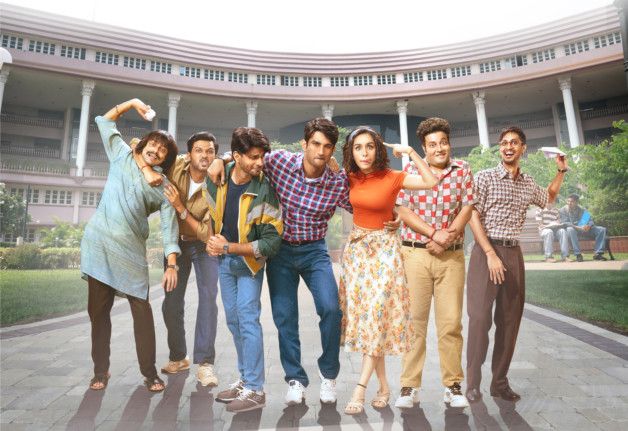
CHHICHHORE

THE MOVIE WITH BEST MESSAGE : NEVER QUIT

Chhichhore, the movie which taught us that, suicide is not right option, movies which taught us “ NEVER GIVE UP”, we just have to keep going, doing our best just keep going and enjoy your life cause these moments are never gonna come back.

In life things we love the most always disappears quickly and its life.

The film tells the story of Aniruddha “Anni” Pathak, a middle-aged divorcee whose son Raghav tries to commit suicide but survives, though he is in a critical condition for his unwillingness to live out of fear he would be called a “loser”. Desperate, he goes against the wishes of his former girlfriend turned ex-wife Maya’s wishes to recount his own journey in 1992 as a “loser” in a gang of six; as he continues along to convince Raghav, the other five receive news of the tragedy and decide to join their friend in his pain to complete a story they never fail to cherish as a lesson in their life.

Since childhood we are listening this, from our parents, family members and relatives, if you win this competition, I’ll buy you your fav dress or I’ll buy you motorcycle, if you get first rank in your school or college test, I’ll buy you smartphone, if you got selected or if you pass the test I’ll give you this or that or whatever you want I’ll give you, blab blah. But no one told us that if you didn’t won or if you got second rank or if you failed the test, it’s okay, it’s completely okay, atleast you have tried and worked very hard for this. What’s big deal if you didn’t got selected, the most important thing is, you tried and didn’t give up easily. Life is all about second change for them who don’t give up easily and try until they give their best. Let’s say that, it wasn’t your best and promise yourself that you will try very hard to give your best and trust yourself, if you think you can do it then you definitely can and one day you will definitely became successful and will achieve your dream.

Its human nature that we got disappointed very soon, we think like we did so much hard work for this and after all this what we got is failure.

Its life and in life things always don’t go as we planned, just trust yourself and try harder, you may struggle but it won’t matter anymore. If you feel like quitting, think about the reason why you started.

NEVER QUIT. NEVER GIVE UP. FLY IT TO THE END.

Here are some memorable dialogues from Chhichore we will always remember

1. “Tumhara result decide nahi karta hai ki tum loser ho ki nahi… Tumhari koshish decide karti hai!”

2. “Success ke baad ka plan sabke paas hai… lekin agar, galti se fail ho gaye… toh failure se kaise deal karna hai… Koi baat hi nahi karna chahta.”

3. “Hum haar jeet, success failure mein itna ulajh gaye hai… ki, zindagi jeena bhool gaye hai… Zindagi mein agar kuch sabse zyada important hai… toh woh hai khud ZINDAGI.”

4. “Doosron se haarke loser kehlane se kahin zyada bura hai…khud se haarke loser kehlana.”

5. “I am a failure, mera kuchh nhi ho sakta… But we forgot success doesn’t come at once.”

6. “Dost jinke sath hum haste hai, rote hai Par zindagi jeena sikhte hai.”

Must Watch Indian Movies

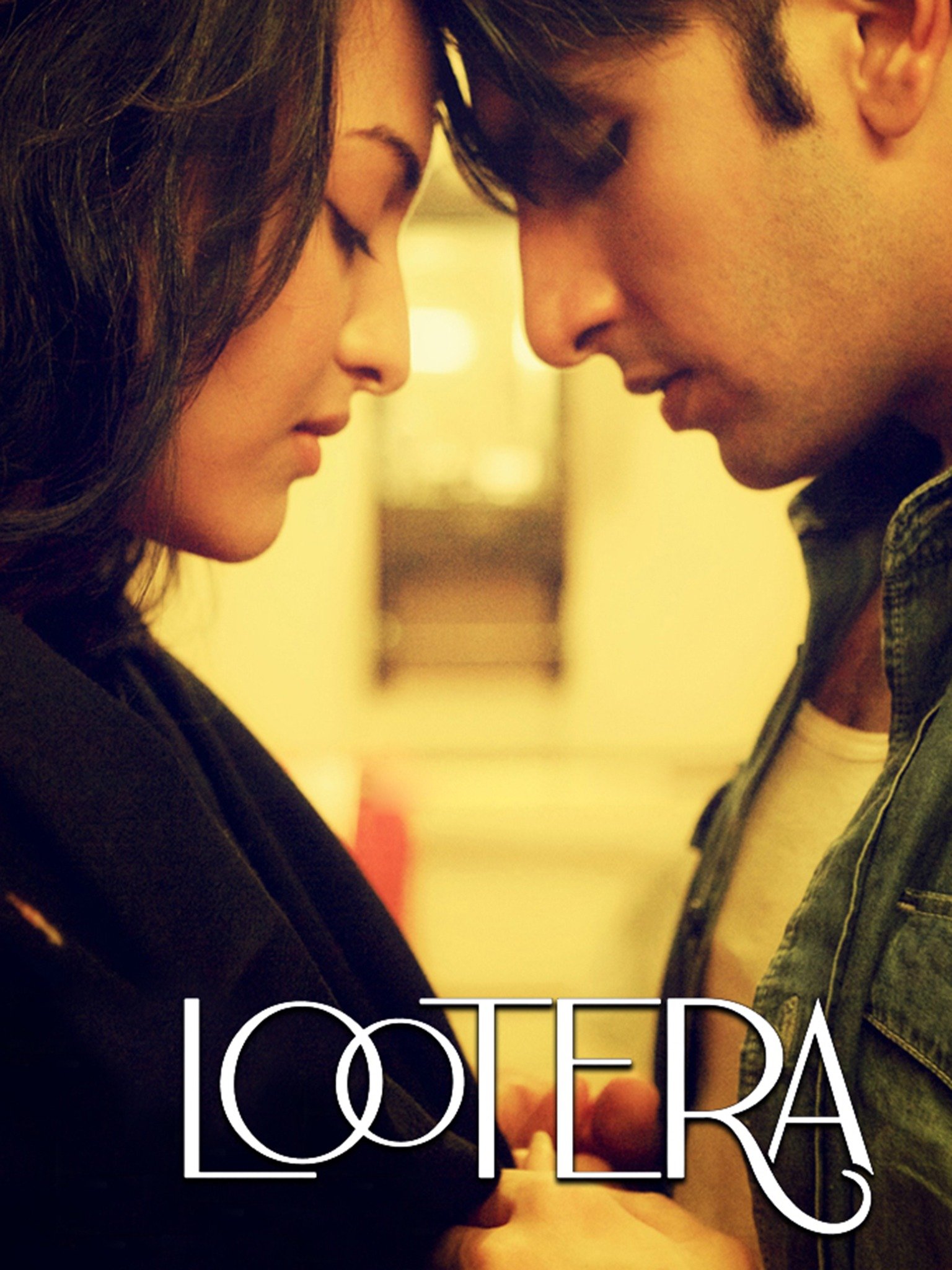
Lootera

Vikramaditya Motwane’s realistic filmography was visibly seen in his first project, ‘Udaan’. Following his own footsteps, he replicated it in ‘Lootera’. The colour-grading, as well as the panning of the camera, opens with a leisurely warmth in the first half. However, it moves to an edgier and colder grading as the sadness overwhelms the narrative in the later part of the movie.


Motwane’s 2013 period drama, ‘Lootera’, follows the love story of an archaeologist and a literary-minded daughter of a wealthy landlord. The director sets the story against the backdrop of the abolition of the zamindari system. The movie is visibly demarcated into two halves set in rural Bengal and Dalhousie, respectively.

The shift in the color palette influences the viewer’s experience to understand and feel the emotions more closely. The sunny days of West Bengal appear overwhelmingly warm and secure when put against the snowy, lifeless and cold snapshots at the end of the film. In an interview, Motwane spoke about the brilliance of the aesthetics of the cinema of the 50s. His attempts to use the atmosphere to convey things is an attempt to achieve a similar feat.

Zindagi Na Milegi Dobara

Zoya Akhtar’s ‘Zindagi Na Milegi Dobara’ is a visual delight with a breathtaking landscape of the Spanish countryside and an equally eye-pleasing cast. Akhtar, quite often, allows the audience to admire and fancy these people and these locations by keeping the camera still at them for long durations. Carlos Catalan, who was the cinematographer for the film, invested a great deal of time to create such sights. The creators have frequently relied upon three of the primary colors, namely red, blue and green, to convey emotions, ambience and thoughts that overwhelm our characters. Akhtar has juxtaposed the pensive and thoughtful moments with the delightful ones.


In contrast, the former are subdued with un-illuminated shades, the latter pop out with blazing colors to signify brighter emotions. At the start of the movie, we see the three protagonists in their natural habitat, away from each other. Each one’s environment is shown to be devoid of colors, especially Arjun and Kabir. Arjun, in particular, is surrounded by dark and gloomy colors. These colors often compliment his formal and detached personality. Kabir, on the other hand, can be seen surrounded by a colorless environment of white and gold that reeks of sophistication and riches.

However, as the movie progresses and we witness them coming to life, many visuals, in the latter half, contain wider shots to incorporate more colors from the environment. Farhan Akhtar, in an interview, talked about the need for shooting in Spain. He said, “the screenplay of Zindagi Na Milegi Dobara called for a vibrant setting” to convey the vibrancy of the trio together.

Bollywood v/s Tollywood

Do you find Tollywood funny because of it’s hilarious fighting scenes? and Do you choose Bollywood over Tollywood? If, yes! Then there are some things you need to know about these both well known film industries. Bollywood is basically a Hindi language movie industry and Tollywood belongs to South India. Tollywood releases movies in various south indian languages such as Telugu, Malayalam, Tamil, etc.

Bollywood is too overrated because of the number of movies it releases every year and also due to some actors who are famous world wide.

But, we all have noticed in past few years, that, the South – Indian movies (Tollywood) makes better movies than Bollywood. The story line given in Tollywood makes more sense than that of the Bollywood. Infact, Bollywood has adapted various stories from Tollywood and made some good remakes, for example, Rowdy Rathore starring Akshay Kumar is adapted from a Telugu movie, Vikramarkudu, Kabir Singh is a remake of Telugu movie, Arjun Reddy, Wanted is also a remake of a Telugu film, Pokiri.
So, now you know, that these hit Bollywood movies have come from Tollywood.

We usually tend to compare Bollywood actors with Tollywood actors on the basis of their looks, looks and looks. And we focus on this aspect so much that we forget about the talent, acting skills, and passion seen in them. Tollywood actors are as talented and passionate about their work as Bollywood actors. 
It is seen that the selection of actors in Tollywood is done more on the basis of their skills rather than their looks.

Tollywood has also produced some of the best actors like the Superstar Rajnikant, Chiranjeevi,
Nagarjuna, Mahesh Babu, and many more.

Tollywood movies are getting more recognition than bollywood movies in India like Bahubali and many more which have also got appreciated in international film industry too.
Every industry has its own pros and cons.So,its not right to debate on which one is better, both are doing exceptionally great.As to know whether which one is better, it completely depends on the viewer’s preference. The spectators are the one who give the final judgment for all the movies.

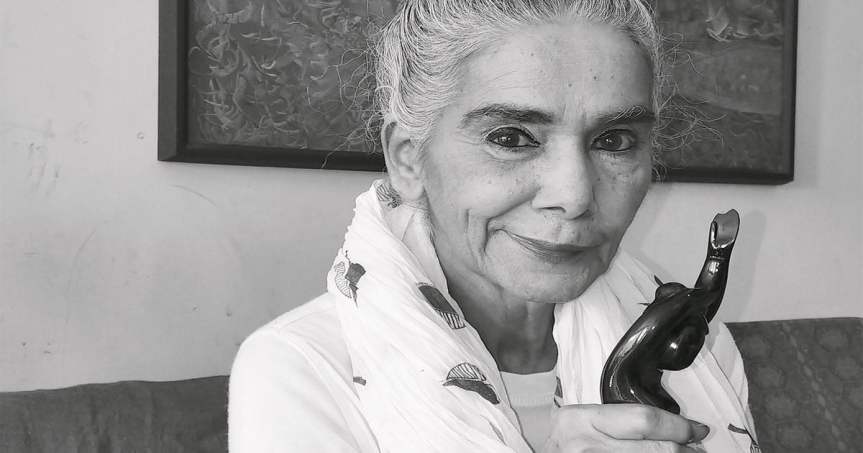
Who Is Surekha Sikri?

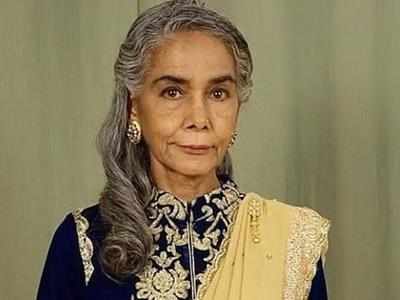
Actress Surekha Sikri

The veteran actor who passed away at the age of 75 of a cardiac arrest has starred in about 29 films and 19 Indian television shows and has been honoured with three National film awards for Best supporting actress (highest than any other actress in this category) and also is a recipient of a Filmfare award, a Screen Award, Sangeet Natak Akademi Award and six Indian Television Academy awards.

                  She was born in New Delhi , 1945 and attended Aligarh Muslim University and graduated from National School of Drama in 1971 and later went on to work with NSD Repertory company for a decade and then moved to Mumbai. Her notable works include playing the characters of ‘Durga Devi kaushik’ in the movie Badhaai Ho (2018) , ‘Kalyani Devi Singh’ (aka ‘dadisa’) in the prime-time soap opera Balika vadhu ( 2008-2016), Fayyazi in Mammo (1994) and ‘Rajo’ in Tamas (1986).

                   The news of her death has saddened her fans and colleagues. Her co-actors Ayushmann Khurrana, Avika Gor, Shashank Vyas and Avinash Mukherjee paid a heartfelt tribute to her by penning down their memories while working with the actress. She was humble, grounded, hardworking and was devoted to work. Her impeccable performances on screen has always left the audience in an awe, her demise has certainly left a void in the film and television industry but she will be cherished and remembered for the legacy she left behind. May her soul rest in peace.

A Flamboyant Thriller That Grips You From Start To End

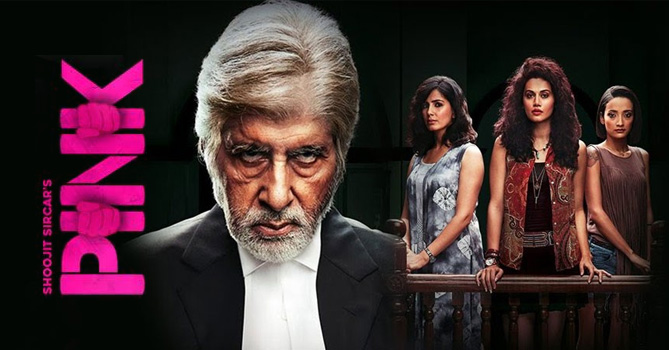
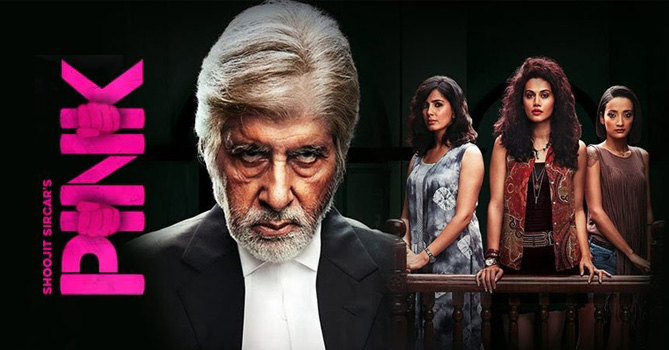
Pink Movie Review, Ratings, Star Cast, Story, Songs, Actors - Movies
Image Source: google.com

FILM: PINK
LANGUAGE: HINDI
GENRE: THRILLER/DRAMA
REALEASE DATE: 16 SEPTEMBER 2016
DIRECTOR: ANIRUDDHA ROY CHOWDHURY
SCREENPLAY: ANIRUDDHA ROY
CHOWDHURY, SHOOJIT SIRCAR, RITESH SHAH
CINEMATOGRAPHY: ABHIK MUKHOPADHYAY
CASTS: AMITABH BACHCHAN, TAPSEE PANNU,
KIRTI KULHARI, ANDRIA TARIANG, ANGAD
BEDI, VIJAY VARMA

Pink is a powerful, socially relevant, mainstream film that is bound to make you think about the society we are living in. It challenges the orthodox mindset of people regarding woman in our country. Narrated in a linearly, it brings forward the concept of ‘sexual consent’. No means No , no matter what. This film talks about patriarchy, gender discrimination, double standards etc & keeps viewers glued to the screen from the very beginning with its killer performance and fearsome dialogue delivery. This is Anirudhdha Chopra’s first try on Bollywood, and what a debut it is.

Synopsis

The story is about three independent girls Minal Arora (Tapsee Pannu), Falak Ali (Kirti Kulhari), & Andrea Tariang (Andrea Tariang) living within the outskirts of Delhi who are friends and flatmates. After a rock concert, they meet Rajveer (Angad Bedi) nephew of a very influential political person, and his friends. Minal and friends accept dinner invitations at a resort from them.

Rajeev tries to molest and seduce Minal to which she smashes his head with a bottle for self-defense. Rajeev is seriously injured and plans to take revenge on her with the assistance of his friends.
Minal along with her friend files an FIR against them. Rajveer with his political influence get Minal arrested for an attempt to murder with Minal’s case being handled by Deepak Saigal (Amitabh Bachchan). The film revolves around how Deepak Saigal fights the case against these influential boys.

Direction

Aniruddha Chaudhary has directed the film in such a way that the soul of the film isn’t lost in any scene. Also, the courtroom scenes are not shown as how a typical Bollywood film does so.

Performance

Amitabh Bachchan with his thunderous performance will leave the audience in awe. The performances of Tapsee Pannu and Kirti Kulhari are highly commendable and laudable, especially the scenes within the court room. Andrea Tariang is extremely natural and lives within the character. She is fine in her role as debutant actress. Angad Bedi delivers remarkable performance and makes the foremost of his limited screen time.

Screenplay & Dialogue

The movie is written realistically and does not deviate from the core theme. Screenplay & dialogues are undoubtedly the backbone of this film. Court room scenes are written in such a way that it creates suspense to the audience. The dialogues are powerful and energetic conveying socially relevant messages without beating around the bush. There are many interesting and fantastic scenes in the film.

Music

It is unarguably one of the best part in the movie. The song ‘Kaari Kaari’ is well placed in the film as it creates the mood in delivering the message to the audience. Incredibly emotional, this song gives massive goosebumps every time you listen to it. The background score also works as an additional key element to the movie.
Pink is a mixture of various emotions. This film gives a tight slap to people who think woman’s social friendliness and gestures are an invitation to men for sleeping with them. A woman has the complete right to wear short skirts, to drink, party hard, comes home late at night and so on without any doubt. Exposing India’s real face, this film is truly a landmark in Indian Cinema. In short, Pink is bloody brilliant and deserves a watch.

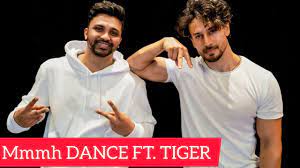
Tiger Shroff does another dance cover of a K-pop song

K-pop as usual is loved by a lot of people all around the world and recently there are many Indian celebrities that have come out about their love for k pop. All if these one is Tiger Shroff. Previously when most popular k-pop group BTS released their first full English song it was loved by fans all over the world and also sat up some new records. The band also got nominated for Grammys for dynamite.

Tiger Shroff did a dance cover to the song and it was appreciated by many fans of BTS.

And once again Tiger Shroff has done a dance cover of “Mmmh” BY kAI of the popular boy band EXO. The song was released a month ago and was a big hit.

where many fans are appreciatibng the fact that K pop is getting the recognisation it deserve there are some of the fans who are accusing the actor to grab attention by coverng the songs all of sudden. Acoording to them as Kpop is getting popular worldwide people are just getting around it for clout.

So, WHAT DO YOU THINK OF THIS. DON’T FORGET TO TELL YOUR THOUGHTS IN THE COMMENTS ABOUT DO YOU THIN THAT TIGER SHROFF IS DOING JUST CAUSE HE LIKES TO DO OR TO GRAB THE CLOUT ONLY??

Health Education

A sound mind lives in a sound body’.

Introduction

Health education is a profession of educating people about health. Areas within this profession encompass environmental health, physical health, social health, emotional health, intellectual health, and spiritual health, as well as sexual and reproductive health education.

Health education teaches about physical, mental, emotional and social health. It motivates students to improve and maintain their health, prevent disease, and reduce risky behaviours. It also focuses on emotional, mental and social health too. Educating students on the importance of health builds their motivation.

Health education is one strategy for implementing health promotion and disease prevention programs. Health education provides learning experiences on health topics. Health education strategies are tailored for their target population. Health education presents information to target populations on particular health topics, including the health benefits/threats they face, and provides tools to build capacity and support behavior change in an appropriate setting.

History

From the late nineteenth to the mid-twentieth century, the aim of public health was controlling the harm from infectious diseases, which were largely under control by the 1950s. By the mid 1970s it was clear that reducing illness, death, and rising health care costs could best be achieved through a focus on health promotion and disease prevention. At the heart of the new approach was the role of a health educator.

Code of ethics

The Health Education Code of Ethics has been a work in progress since approximately 1976, begun by the Society for Public Health Education (SOPHE).

“The Code of Ethics that has evolved from this long and arduous process is not seen as a completed project. Rather, it is envisioned as a living document that will continue to evolve as the practice of Health Education changes to meet the challenges of the new millennium.”

Importance of Health Education .

Health education builds student’s knowledge, skills, and positive attitudes about health. Health education teaches about physical, mental, emotional and social health. It motivates students to improve and maintain their health, prevent disease, and reduce risky behaviours.

Health education curricula and instruction help students to learn skills so that they will use to make healthy choices throughout their lifetime.

Health education teaches people of all ages about how diet and exercise contribute to a healthy lifestyle. It also encourages positive changes in behaviour and lowers the risk of addiction to drugs, alcohol and unsafe sexual practices. The majority of schools around the country have courses aimed at teaching health education to students. These courses often revolve around the body, healthy eating, sex and exercising. Some students are taught basic health and physical fitness early on. More in-depth courses are designed for middle and high school students.

Health education encourages a person to make healthy choices. They are instructed to avoid unhealthy habits. ‘A sound mind lives in a sound body’. Rabindranath Tagore and C.V. Raman, if they were confined to sick bed, could not have won the Nobel Prize. In fact, a sickly student with all his talents and abilities lags behind in the race of life.

Health education also teaches about the emotional and mental health of the student. A healthy person is the happiest person in the world.

Link

Water

Water is the basic needs of the individual for the Survival. Some of the things like oxygen, water, food are very essential for the individual to live. After the oxygen, water is very much important for the individual survival and for the whole environment as well. Water is used in the daily basis for many of the activities like drinking, cleaning, watering, and also for some of the electric purposes etc.

There are plenty of water in the seas but there is no use of them. Because, all the seawater are salty and not food for drinking purpose. They can be made for drinking by some of the beautification methods which takes lots of processes and also the time. Scarcity of the water is not only the India’s problem but also the global problem.

If the wasteage of water is continued in the same way, there will be a day where no water can be found for drinking purposes and for some of the utility purposes. Most of the people waste water without any need. Using water for the purposes are all good but Wasting the water without any reason is a bad habit that an individual must not develop. It is very easy to waste water rather than saving the drop.

The main sources of water are surface water, ground water and rain water.

Importance of water :

Water is very important to the human body. Every one of your cells,organs and tissues use water to help with temperature regulation, keeping hydrated and maintaining bodily functions. In addition, water acts as a lubricant and cushions your joints. Driniking water is great for your overall health. Because your body loses water through breathing, sweating, and digestion, it’s important to rehydrate by drinking fluids and eating foods that contain water.

Water delivers important nutrients to all of our cells,especially muscle cells, postponing muscle fatigue. Water helps weight loss. Water helps you feel full longer,without adding any additional calories.

Benefits of Drinking water :

* Increases Energy & Relieves Fatigue. Since your brain is mostly water, drinking it helps you think, focus and concentrate better and be more alert.

* promotes weight loss.

* Flushes out Toxins.

* Improves skin complexion

* Maintains Regularity.

Best source of water :

1. Watermelon – water content : 92%

2. Strawberries – water content : 91%

3.cantaloupe – water content : 90%

4.peaches – water content : 89%

5.oranges – water content : 88%

6. Skim Milk – water content : 91%

7. Cucumber – water content : 95%

8. Lettuce – water content : 96%

9. Broths and soups – water content : 92%

10. Zucchini – water content : 94%

11. Celery – water content : 95%

12. Plain yogurt – water content: 88%

13. Tomatoes – water content : 94%

14. Bell peppers – water content : 92%

15.cauliflower – water content : 92%

16. Cabbage – water content : 92%

17. Grape fruit – water content : 88%

18. Coconut water- water content : 95%

19. Cottage cheese – water content: 80%

Disadvantages of water :

It is said that too much consumption of water can lead to fluid overload in the body and imbalance in the body. Excess water can lead it lower sodium levels in the body, which may further lead to nause, vomthing, cramps, fatigue. This condition is known as hyponatremia.

The best method to save water is to use in limited amounts. That is, to limit the water without wasting much water.