Third Wave of Coronavirus – Delta Plus Variant in India

 Hello everyone,  Talking about Coronavirus, there is an uproar in the world because of the Delta variant. America and European countries are worried that the Delta variant will cause the next wave of Covid. On the other hand, people in India are worried that there might be a third wave because of the Delta Plus variant. What is this Delta Plus variant? And when can this third wave happen? Come, let’s try to find out in today’s video. Friends, what’s special about the mutations is that it happens in every living being. Whether it’s a human, animal, plant, tree, or even a virus. 

Mutations accompany reproduction. A person’s DNA, when you have children, and the DNA is transferred, then from one generation to the next, on average there are 100-200 mutations in the DNA. Most of the mutations are harmless, can’t be seen and neither can their effects be felt. Same with viruses. Thousands of mutations take place in the Covid virus. Most of them do not bother us. But at times there are such mutations that make the virus more transmissible. So that the virus can spread easier. And at times there are such mutations that make the virus more deadly. 

WHO or the World Health Organization keeps a track of the dangerous mutations of Coronavirus. WHO has classified these mutations into two categories. The first category is ‘Variants of Interest’. And the second category is ‘Variants of Concern’. Broadly speaking, Variants of Interest will include those coronavirus variants that have been detected in multiple countries. And which have high transmissibility. Meaning that they spread easily. As compared to the original virus. On the other hand, the variants of concern include those coronavirus variants that has not only high transmissibility not only do they spread more easily, but the disease caused by them is much more severe. And the effectiveness of the vaccines on these variants is lesser than compared to the original virus. Currently, WHO has put four variants in the Variant of Concern category. Alpha, Beta, Gamma and Delta. The Alpha variant was called the UK variant initially. Because it was first found in the UK. Similarly, the Beta variant was found in South Africa. Gamma in Brazil. And the Delta variant was first discovered in India. That’s why it was also called the Indian variant initially. 

Later, people protested as to why they were named after countries. When the original virus came from China, we did not name it the Wuhan virus or the China virus. So why are the names of the variants based on the countries they’re found in? So WHO reacted to this. And then WHO decided to rename them to Alpha, Beta, Gamma and Delta. The strain of the Delta variant was first found in October 2020 in India. This was the cause of the second wave in India. Today, the Delta variant has spread to over 80 countries. Its transmissibility is extremely high. Meaning it spreads really easily. Before moving forward, I should clarify one thing. Discovering a variant in a country is merely a matter of chance. No country can be blamed for anything. 
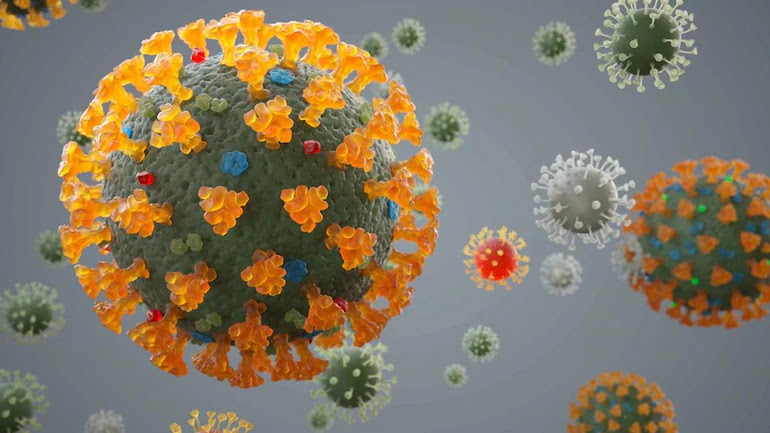
Because as I said, the virus is going through thousands of mutations. Which mutation will turn out to be more dangerous or more transmissible is all up to chance. Including where the mutation will be found. In extremely mathematical terms, studies have shown that the Delta variant is 60% more transmissible than the Alpha variant. And the Alpha variant was 50% more transmissible than the original strain found in Wuhan in 2019. So you can imagine how much more infectious it is than the original. Generally, when viruses mutate and become more transmissible, they become less deadly as well. I explained it in detail using this chart in a previous video. But there can be some rare cases where the virus becomes more transmissible and more deadly after the mutation. 

But at the same time, I’d like to say that there has been no conclusive research yet that shows that the Delta variant is, for sure, more deadly or more dangerous. A study conducted in the UK has said that because of the Delta variant, the risk of hospitalization doubles. As compared to the Alpha variant. But does getting hospitalised mean that it is more deadly? It cannot be conclusively said yet. It may also happen that this variant is not more deadly. But because it is so highly transmissible, it spread among so many people in such little time. So the death rate peaked a lot in that short time. 

As compared to the same number of deaths in a longer time period. Do you understand what I’m trying to say here? If transmissibility is so high, it becomes more difficult to ascertain if it is really more deadly or not. Many factors need to be considered here. Another interesting thing to know is that the symptoms of the Delta variant are a little different than the original Covid-19 symptoms. Originally, a runny nose was not made out to be one of the major symptoms. But recently, a study has been conducted in the UK when people self-reported their symptoms. It was found that among the symptoms of the Delta variant, runny nose features prominently in the list of symptoms. Headache, runny nose, cold, sore throat, were the top symptoms. So the symptoms of the Delta variant are very similar to the symptoms of the common cold. Loss of smell. 

Not being able to smell things properly. Was a major symptom in the original strain of Covid-19. But for the Delta variant, it ranked 9th in the UK study. The good news regarding the vaccines is that according to the data available till now, almost all the vaccines are definitely effective against the Delta variant. Pfizer vaccine, AstraZeneca’s Covishield vaccine and the others have shown that they are more than 90% effective in preventing hospitalization and death. If you catch the Delta Variant after taking both doses. The only trouble here, though marginal, is that the effectiveness of the vaccines in preventing symptoms has reduced. Like AstraZeneca’s Covishield’s effectivity in preventing symptoms against the Delta variant remains at only 60% after taking both doses.

 Though Pfizer’s vaccine is still showing an effectiveness of 88% in it too. Now, the Delta variant is no longer a major concern for India. But now we get to hear about a mutation named Delta Plus in the news. The Indian government has declared the Delta variant as a Variant of Concern. And some people believe that there will a third wave in India because of the Delta Plus variant. The limited research conducted till now regarding it has found that the Delta Plus variant is 60% more transmissible than the Delta variant. And it is highly resistant against some drugs. But the reality is that friends, we don’t honestly know much about it. It is important to note that the World Health Organization has not declared it a Variant of Concern yet. 

Even though the Indian government has done so. Indian Council of Medical Research ICMR says that it is too soon to tell if there will be a third wave because of the Delta Plus variant. So it seems a bit unlikely that that there will be a third wave because of the Delta Plus variant. But still, the experts believe that there is a very high chance that there will be a third wave in India. The gap between two waves is said to be generally of 15-16 weeks in an epidemic. 

A Reuters poll of 40 medical experts was conducted with the conclusion that the experts said that a third wave is inevitable. There will definitely be a third wave. And they believe that the third wave will come around October of this year. On the other hand, AIIMS Director Randeep Guleria says that the third wave may come in the next 6 to 8 weeks. If people stop wearing masks and stop following social distancing. But there are some experts like Dr N.K. Arora Dr N.K. Arora is the Chief of the Centre’s Covid-19 Working Group, he says that the third wave of Coronavirus will not happen before December of this year. So there are estimations from October to December by the doctors and experts. 

This is just the time. But if we’re to talk about the severity, How dangerous can the third wave be? A report of the Tata Institute of Fundamental Research has stated that it is very likely that the third wave will not be as severe as the second wave was. It may be less disastrous than that. But does that mean that we can relax because there’s nothing to worry about? No, it doesn’t mean this. Because take an example of South Africa. The first wave in South Africa was because of the original Coronavirus. Look at this chart. And then the second wave happened because of the Beta variant that was found in South Africa. And now the third wave is happening because of the Delta variant. And the third and second waves seem equally dangerous. And they’ve spread so rapidly. Experts believe that their government is to be blamed for not planning things properly and because of the inefficient vaccine rollout.

 As of today, less than 5% of people have been vaccinated in their country. Had more people been vaccinated, then the Delta variant wouldn’t have caused havoc. Take Israel’s example. 60% of its population has been vaccinated. When the Delta variant reached Israel, the government definitely took some measures. Some people were infected. But hospitalization and deaths are still negligible in Israel. Friends, the good news is that in recent times, the vaccination rate in India has increased very well. Recently, India broke the record of vaccinating more than 8 million people in a day. 

That’s an amazing feat. The sooner the vaccinations are administered, the sooner people are vaccinated, we will have a better chance of beating the third wave. But the unfortunate thing is that this speed of vaccination may still not be enough. To completely avoid the third wave. The government aims that by the end of the year, the entire adult population of India will be vaccinated. But on this graph, you can see that we are, unfortunately, not on the track to achieve this. At an individual level, there is only one sure-shot, long-term solution of being protected from the third wave. And that is to get vaccinated as soon as you get the chance to. 
Today, as a matter of fact, I got my vaccine. I got the chance to get it today. Because it’s possible that the Delta Plus variant does not cause the third wave. But remember, there are thousands of mutations in this virus every day. Someday, a mutation may crop up, that is more transmissible and more deadly and can bring forth the third wave. That’s why the vaccine is the best chance we have to be safe from it. I hope you found this video informative. Thank you very much.


THE MOST TERRIBLE VARIANT TILL TODAY- THE DELTA PLUS VARIANT OF COVID-19

With the decrease in the number of the corona cases in India, we the people of India started to experience that the devastation has finally came to an end. But sadly, the moment we started to go out again, the new variant of virus had emerged – the Delta Plus Variant, which gave another shock to the people of India.

The muted variety of Delta Variant- Delta Plus Variant has spread widely across the country, Indian.

THE SPREAD

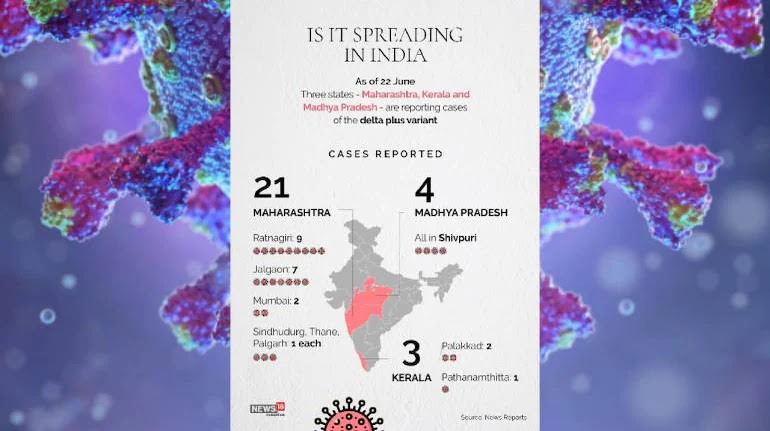
49 cases of Delta+ variant had been recorded by 12 states of India till date. Maharashtra been one of the states again got hit badly with highest number of cases.

The Delta+ variant has already broadened in 85 countries around the world and South Africa is the reason behind the spread of this infection.

REASON TO BE CONCERN ABOUT DELTA+ VARIANT

Delta+ variant a.k.a AY.1, it is 60% more infectious when compared to previous version. Considerably it is more threatening for the lungs of patients who are already facing problems with their lungs.

The Indian Council of Medical Research (ICMR) declared that these mutations have raised the capacity of transmission and with this the spread from one person to other has become easy. This mutation made the virus job easy to get into the cells of the patients.

The reason to be concern about the variant is that the specialist of epidemiology and communicable diseases stated that Delta+ variant is dangerous variation of corona virus till date.

HOW TO TRACE

The Delta+ variant shows both the symptoms of delta variant as well as beta variant. And the symptoms are:

Headache, Chest pain, Fever, Cough, Skin rash, Shortness of breath and Diarrhoea.

PREVENTION

The World Health Organization (WHO) has already warned that the Delta variant of corona virus is one of the reasons to be extra caution about it. Maintain social distancing is one of the essential while going out.

And other measures to be taken are:

Going out when it is really an emergency, wearing of mask every time you out, maintain 6 feet distance in crowd, use of sanitizer is a must, wash hands every time you come back home and the last but most important get yourself vaccinate as soon as possible.

TREATMENT

Till now there is no such way to treat the Delta Plus variant infection. Antibodies are the only way till now to treat this as per doctors. Get vaccine to ensure the safety of your as well as your family. Till now there is no such treatment found by doctors or scientist to cure this variant as of now.

TAKEAWAY

With is spread of Delta+ variant across India, again have to face the uncomfortable situation where we again got to lock up ourselves in 2 walled room, facing lockdown for months again and the worst was the shortage of beds at hospitals, oxygen cylinder and lifesaving medication. If we do not want to get in this trouble again lets, follow the instructions and protocol established by the government. Let’s pledge will not show our careless behaviour and ensure the safety of ourselves and others.

Why physical activity is important in this pandemic

Pandemic has changed our lifestyles , made us stuck in our phones & laptops , & left us with no physical activity .

The COVID-19 pandemic is an unprecedented time all across the world. Worldwide, extensive social distancing policies are put into place, restricting people’s daily activities and worldwide pleas from governments asking people to stay safe and stay at home. This of course means that most people will spend much of their time (if not all) at home.

These social distancing measures mean that people have far fewer opportunities to be physically active, especially if activities such as walking or cycling as transportation, or taking part in a leisurely activity (e.g. jogging, walking the dog, going to the gym) are being restricted. Furthermore, these drastic measures also make it so much easier to be sedentary at home for long periods of time. The impact of this physical inactivity may very likely be seen in many areas such as health and social care and the mental well-being of people all across the globe Though this social distancing is the need of now , but physical activities are also the need of now.

In light of the current situation worldwide, certain benefits of physical activity may be specifically pertinent to the COVID-19 Pandemic. These benefits are:

  • Physical activity enhances immune function and reduces inflammation therefore it could reduce the severity of infections which will automatically leads to good health.
  • Physical activity improves common chronic conditions that increase the risk for severe COVID-19 (i.e. Cardiovascular Disease, Diabetes) , but taking these physical activities in your daily lives , risk of death due to corona virus will reduce .
  • Physical activity is a great stress management tool by reducing symptoms of anxiety and depression.
  • Physical activity helps bring cortisol levels in balance. Stress and distress (such as during a pandemic) creates an imbalance in cortisol levels and this negatively influences immune function and inflammation.
  • Instead of always keeping an eye on your phone & laptops keeping an eye on your physical activities will leads to rest for your eyes, neck, & back.

We all know that this pandemic will stay with us for a long go , even if you are save with no corona virus symptoms , poor physical health will lead you to major heath issues . Instead of surrounding yourself with heath problems , indulge yourself into physical exercise, like yoga , meditation , exercise ,etc. ” STAK HOME , STAY SAFE , INDULGE YOUR SELF WITH INDOOR PHYSICAL ACTIVITES & HENCE SATY FIT”.

No new fatalities were found in Delhi for the first time

The national capital had reached a milestone on new fatalities were recorded for the first time since March 2 this year. State government records show that single day fatalities peaked on May 3 as the fourth wave of coronavirus in the city.

The positivity rate in the national capital now stands at 0.06 percent after 59,410 tests were conducted. This marks a slight decrease from the 0.07 percent recorded on Sunday, after 51cases were reported.

As Covid-19 cases in the national capital witness a sharp decline since the past few weeks, Delhi on Sunday reported no new virus related deaths in the last 24 hours, according to the daily health bulletin, keeping the death toll since the pandemic outbreak at 25,027. Recoveries reached 14,09,910 with 80 more patients recovering in the 24 hour period.

Active cases in Delhi are at 592

Earlier this week, Chief Minister Arvind Kejriwal had said that governments should take every step to prevent the spread of COVID-19.

3 Athletes Test Positive, 2 staying at Olympic Village

Three athletes have tested positive for COVID-19, two of them South African football players staying at the Olympic Village. Organising Committee announced on Sunday adding to the scepticism that surrounds the troubled event slated to open on July 23. It is the first case of athletes staying at the village catching the infection. Their identities were not yet revealed by the organizers but the South African Football Association issued a statement to make that information clear.

“Three members from Team SA’s men’s under 23 football team have produced positive tests for Covid-19 and are in isolation in the Tokyo 2020 isolation facility,” the South African Football Association (SAFA) stated.

“The three members are players Thabiso Monyane and Kamohelo Mahlatsi and video analyst Mario Masha, who produced a positive result in the latest round of daily sputum (saliva) testing,” South African Football Association (SAFA) stated.

The third infected athlete is staying at a designated Games hotel and his/her identity is not yet known.

“A fourth Team SA member, Sevens rugby coach Neil Powell, has also produced a positive result and has been admitted to an isolation facility in Kagashimo where the Sevens squad are currently in at a pre-

Games training camp,” SAFA stated.

The total number of Games-related COVID cases have now risen to 55 as per the OC records. “When there is a positive COVID-19 case- it means action. There is a clear procedure to identify close contacts. A case is not just data in a spread sheet but leads to action, including follow-up testing,” International Olympic Committee’s (IOC) Games Executive Director Christrophe Dubi stated.

A total of 10 cases were detected on the day, including five “Games concerned personnel”, one contractor and a journalist according to the COVID-19 positive list uploaded by the OC.

The Olympic Village on Tokyo Bay will house 11,000 athletes and thousands of support staff.

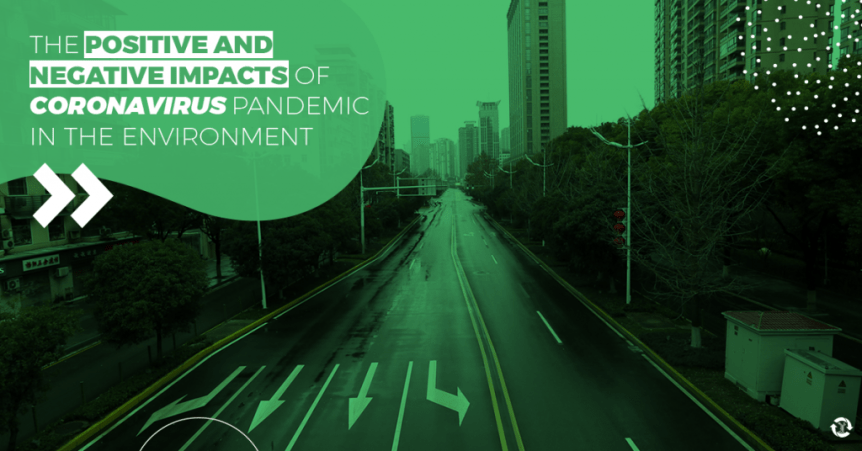
Positive and Negative impact of COVID-19 on environment

As Work from Home becomes the new norm, 23% of carbon emissions have dropped globally just because of a decrease in transportation.

Here are few positive as well as negative impacts the COVID-19 pandemic has brought to the environment.

  • Positive impact of the pandemic on the environment
  • There is more freshwater available

As the majority of industries have reduced activities, the water consumption of the industrial sector has decreased to about 20-30%. The hotels and health clubs are not functioning to full capacity either, hence a decrease in water consumption has been observed. It has also been noted that people tend to be more efficient with water at home than hotels and resorts.

  • The vegetation is growing better

Due to less human interference, plants are exposed to better air quality and clean water. The amount of oxygen and other nutrients required for their growth are not polluted and hence allow plants to grow.

  • Reduction of air pollution

A drop of 25% in carbon dioxide emissions along with 40% in nitrogen oxide emissions was

observed in Italy during the self-isolation period. Energy-related CO2 emissions in India is on track with value 1.8 as per SDG report 2020. Air quality improved because of a reduction in road traffic, air traffic, and factory emissions of carbon dioxide, Nitrogen oxide and particular matter formation.

  • Decreasing demand for oil

Due to the decrease in fuel demands for factories and travel, there has been a sharp decline by 435,000 barrels a day in the first quarter of 2020, due to the pandemic. Oil pollution also harms animals and insects, disrupts the food chain, and prevents photosynthesis in plants. Oil contamination can make water unsuitable for irrigation and damage irrigation plants.

  • Negative impacts of the pandemic on the environment
  • Increasing organic waste

Due to a sharp decline in the cargo transportation services, the export and import of various essential commodities have come to a standstill.

  • Waste management is getting difficult

Garbage contaminated with Medical waste has increased. There has been no evidence related to human contact of waste leading to the transmission of the virus. Many local waste recycling centers have suspended their activities

over the fear of virus circulation in the recycling centres.

Increasing non-recyclable waste

With increasing home deliveries during the lockdown, meals and online shopping surged which requires a lot of plastic packaging. Production and disposal of surgical masks, gloves, protective equipment and body bags have increased due to the COVID-19 crisis but all the waste generated ends up adding on the landfills and the environment.

Ecosystem at risk – Illegal deforestation, fishing and wildlife

Environment protection workers at national parks, land, marine conservation zones were required to stay at home during lockdown resulting in leaving these areas unmonitored. The decline in ecotourism activity has led to an increase in unemployment in the regions frequented by tourists.

LIFE LESSONS THAT CORONA VIRUS TAUGHT US

India has learned a number of hard lessons as a result of the Covid-19 pandemic. The first is that we can no longer continue to exploit nature ruthlessly. Climate change, irregular weather patterns, and pollution of the air, land, and sea have driven the country, and the planet, to a precipice. Unless this is rapidly corrected, we will be in serious difficulty by the end of the century. It’s incredible that the lockdown has resulted in nature regenerating. After decades of pollution, we saw blue sky again, and various animal, bird, and insect species made a comeback. We must strive to keep these positive trends going so that we do not relapse to the old normal, but instead adopt a new normal. 

“COVID-19 has taught us that health is extremely important in our lives, as healthy people are better able to combat the coronavirus. “The environment has a direct impact on our health”. The COVID-19 pandemic has taught us a lot of valuable lessons and shifted our life priorities. Most of us wouldn’t have comprehended terms like social distancing or flattening the curve a year ago, and the concept of wearing fabric masks in public or being unable to walk out in public would have looked ridiculous. When we fast forward to early 2020, everything has altered. While COVID-19 has brought with it new problems and uncertainty, it has also taught us some important lessons. 

Covid-19 has taught us Lessons of Life:

1.Family and friends come first: Many of us may have taken human interaction for granted until the coronavirus took over our life. However, spending time with our close loved ones has now taken precedence. Despite the natural frustrations that everyday confinement might bring, it’s crucial to consider what our family and friends mean to us. But grab the day and remember that there are more good times with family and friends today, and we are receiving care and love that was long overdue and really needed somewhere. We appreciate it! 

2. Hobbies are therapeutic: During the lockdown, most of us have either honed our culinary skills or started cooking from scratch. Except for those who have been away from home due to job or studies, those of us who have been dependent on our mothers/fathers or a chef for our favorite meals have recently experienced the effort and time it takes in the kitchen. Our renewed excitement for hobbies, such as cooking and knitting, as well as painting and learning a new language, has helped us recharge our health batteries while also strengthening our bonds with our families. 

3. Less Pollution, Clear Blue Skies: Cities choking on toxic gases emitted during festivals, as well as from vehicular and factory operations, are nothing new to us. However, we haven’t seen clear blue skies in a long time since lockdown was implemented, roughly from mid-March onwards. Not only that, but the AQI improved dramatically for months, and for the first time in a long time, we breathed clean, pollution-free air! We had almost forgotten how blue skies looked and how fresh air felt until we experienced them during this period! 

4. Life is valuable: Recognize and appreciate what we have. With over 225 thousand lives lost in the United States (and over 1.1 million worldwide) as a result of the epidemic, I’ve had to reconsider my priorities and recall how valuable life is. It’s served as a reminder to enjoy the little things in life, which I often overlook. With so many people dying every day, I am grateful for my family and friends, even if it means video chats and text messages when we can’t see each other face to face. Given how many others are sick, I am thankful for my good health. With so many people losing their jobs and becoming homeless, I am thankful for the food in my refrigerator and a safe place to call home. This pandemic has caused me to re-evaluate my life and prioritize my priorities, as well as act as a reminder of how valuable life is and how much I value the little things in life.

Why we still need to be careful.

The world has suffered from Corona virus from last year and it’s still recovering from it. Where many countries have came up with the vaccination and are trying their best to vaccinate the citizens many are still suffering from the virus and its different variants.

Among these only India also stands fighting the virus with all that the country can do. Where the government is trying to keep up with the vaccination process, at the same time at many places vaccines are still not available. On coming to registering for the vaccination, it becomes a hard task for common people to do that as the site comes as server down or there are no slots available for vaccination.

This all is happening when India still hasn’t came out of the impact of the second wave of corona that the country  faced. The  lockdown has just been lifted and there are claims about having a third wave around October as well.  While there are claims also made that it will be better control  this time but the pandemic will still be a public health threat for another year.

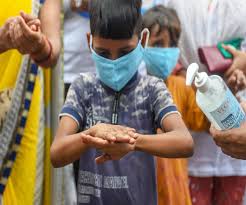
kid telling tourist to wear mask in viral video

The vaccination may provide some measure of immunity but according to different sources India has vaccinated only 5% of its total population, But experts have claimed that the vaccination will pick up speed and we will be able to provide vaccination to everyone.

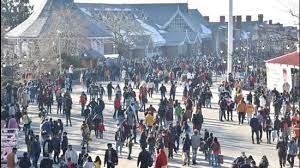
Most of the states have took up the restrictions and have started preparing for the third wave. But there has been alarm raising things going on as the huge crowd can be seen in different states on different occasion.  There has been pictures of markets, parks and hill stations where crowd can be seen and people are enjoying the places without following the appropriate guidelines.

At the peak of its second wave India reported over 400000 new cases daily along with shortage of vaccine, hospital beds, medicines, oxygen. Over 380000 people have been reported dead due to corona so far.

Due to consistence news of corona variants that have been reported all over the world are also a subject of concern. The delta variant of the corona virus which was first identified  in India, is fast becoming the dominant variant globally due to its increased transmissibility.

We all need to be aware of the situation and need to follow the guidelines for sure. people need to get vaccination and be aware of the fact that it does not harm to people and it for our own good.

 Thank you for reading.

stay healthy, stay safe.

UNEMPLOYMENT IN INDIA

New job creation is a critical endeavour that has a significant economic impact. For most countries, the economic crisis has morphed into a social crisis, resulting in a high rate of unemployment. Unemployment is a condition in which people have the aptitude and ability to work and earn money but are unable to do so due to a lack of suitable employment opportunities. It is also known as “involuntary inactivity.” Unemployment does not imply that there isn’t any work available. It literally means ‘lack of work.’ Unemployment can be characterized as a situation in which a substantial number of able-bodied people of working age are willing to work but are unable to do so at the present wage rate.
The number of persons who are unable to acquire work in relation to the available people in the labor market measures the rate of unemployment in a given country.
Seasonal, Frictional, Cyclical, and Structural unemployment are the most common types of unemployment. In terms of population density, India is the world’s second largest country. The country’s unemployment rate is quite high, owing to the large number of people who are unable to find work.

TYPES OF UNEMPLOYMENT IN INDIA :

Rural Unemployment in India: India’s rural population accounts for around 70% of the total population. However, there is insufficient employment in rural areas for everyone. This can result in two types of unemployment. Unemployment and underemployment are problems that exist in the rural economy at the same time.

Frictional Unemployment: It occurs when people are unemployed for a brief period of time while looking for a new job or changing occupations. The time gap between jobs is known as frictional unemployment, also known as Search Unemployment. Frictional unemployment is referred to as voluntary unemployment because the source of unemployment is not a lack of jobs, but rather the workers’ own decision to leave in search of better chances. It exists because people move from places, jobs, and sectors where their productivity is low to places where their productivity is high, and they should be encouraged to do so.

Disguised Unemployment: This refers to the large number of rural people who are employed in agriculture in excess of what is required due to increased pressure on land. Uncovering hidden unemployment is most common in the unorganized sector or in agriculture.

Seasonal Unemployment: This word is self-explanatory. Seasonal unemployment is common in industries including construction, agriculture, canning, and tourism, where the weather or the calendar dictates when production can be carried out or demand levels. It is common to utilize seasonally adjusted unemployment figures for measuring the business cycle and the strength of demand in the labor market.
Underemployment is a word that can be used to describe this situation. That state of unemployment in which people are unemployed for part of the year, such as in India, where laborers are rarely employed all year.

Structural Unemployment: When a country’s economic structure changes dramatically, structural unemployment occurs. Normally, these changes have an impact on the demand for or supply of a production factor. In other words, structural unemployment is a result of global technological and economic development in every field. This type of unemployment occurs when a worker’s abilities do not meet the market’s job availability. Many people in India do not acquire occupations that match their talents or do not get positions owing to a lack of essential skills, and because of their low education level, it is critical to offer them with relevant training.

Technological Unemployment: Technological unemployment develops as a result of specific changes in production procedures that do not necessitate a large amount of manual labor. Modern technology has overtaken the need for and significance of physical labor in recent years, resulting in technical unemployment. According to World Bank data from 2016, the proportion of jobs in India threatened by automation increased by 69 percent year over year.

Causes of Unemployment in India:

  • The Joint Family System
  • Specialization in the Workplace
  • Low Rates of Economic Growth
  • Mobility of the workforce
  • Norms of Conduct
  • Cottage and small-scale industries are on the decline.
  • Population growth and technological advancements
  • A Scarcity of physical capital

India’s first Covid patient again tested positive

She was a student from Kerala’s Thrissur enrolled at a medical college in China, who was the first Indian to test positive for Covid-19 in January 2020 after returning to India following the outbreak of the pandemic, has been infected again, a health official said on Tuesday.

Thrissur district medical officer K J Reena said” she has been she tested positive and under quarantine at her home. None of the family members have tested positive so far”.

The student was found to have been reinfected after she was retested as she planned to travel to Delhi. Her family said she is showing no visible symptoms and that she has also been administered the first Covid-19 vaccine dose.

The student, who has been unable to return to China as Beijing is yet to allow Indian students back into the country because of the pandemic, spent almost a month in hospital while undergoing treatment for Covid-19 in 2020. Her friends also tested positive who was travelled with her from Wuhan.

She spent 24 days at an isolated ward from January 27 to February 20, wearing personal protective equipment. She said her medical background helped her overcome the trauma.

Bioterrorism

From the past two decades , it is stated that the threat of biological warfare is not a myth but a harsh reality of the world . Due to the outbreak , we can recognise the high risk and consequences of bioterrorism.

This editorial provides you the overview of bioterrorism , it’s symptoms , causes , measures and impact on humans in present scenario .

Introduction

A bioterrorism attack is the deliberate release of viruses, bacteria, or other germs to cause illness or death. These germs are often found in nature. But they can sometimes be made more harmful by increasing their ability to cause disease, spread, or resist medical treatment.

Biological agents spread through the air, water, or in food. Some can also spread from person to person. They can be very hard to detect. They don’t cause illness for several hours or days. Scientists worry that anthrax, botulism, Ebola and other hemorrhagic fever viruses, plague, or smallpox could be used as biological agents.

Despite patchy intelligence, France started its own biological weapons programme in the early 1920s. It was headed by Auguste Trillat, an inventive German-educated chemist who envisioned and tested the sustained virulence of airborne pathogens.

The goal of bioterrorism is usually to create fear and/or intimidate governments or societies for the purpose of gaining political, religious, or ideological goals. Bioterrorism may have a different effect on societies than would weapons such as explosives.

Symptoms

The symptoms of exposure to a biological agent might include sore throat, fever, double or blurred vision, rash or skin blisters, exhaustion, difficulty talking, confusion, descending muscle weakness, nausea, abdominal pain, vomiting, diarrhea, and coughing.

History

Historically, biological weapons have been a threat to humans for many centuries. At those times, very crude methods such as fecal matter, animal carcasses, etc. were used to contaminate water sources, but now the concentrated forms of biological agents such as dried spores and genetically modified organisms are available, which are fatal even in minute quantity.

During the Indo-Pakistan war of 1965, a scrub typhus outbreak in north-eastern India came under suspicion. India’s defense and intelligence outfits were alert to the outbreak of pneumonic plague – well known in biological warfare – in Surat and Bubonic plague in Beed in 1994, which caused several deaths and sizeable economic loss.

Prevention

There are some points that you need to consider during the outbreak :

  • If you become aware of a suspicious substance, quickly get away.
  • Cover your mouth and nose with layers of fabric that can filter the air but still allow breathing. Examples include two to three layers of cotton such as a t-shirt, handkerchief or towel.
  • Depending on the situation, wear a face mask to reduce inhaling or spreading germs.
  • If you have been exposed to a biological agent, remove and bag your clothes and personal items.
  • Follow official instructions for disposal of contaminated items.
  • Wash yourself with soap and water and put on clean clothes.
  • Contact authorities and seek medical assistance. You may be advised to stay away from others or even to quarantine.
  • If your symptoms match those described and you are in the group considered at risk, immediately seek emergency medical attention.
  • Follow the instructions of doctors and other public health officials.
    Avoid crowds.
  • Wash your hands with soap and water frequently.
  • Do not share food or utensils.

Link

CORONAVIRUS AND ITS IMPACT ON EDUCATION

The COVID-19 was first identified in Wuhan, China in December 2019. The global outbreak of COVID-19 is still ongoing.

The current coronavirus pandemic is having a perplexing impact, not only on people’s health, but also on how they learn and work. The pandemic has introduced uncertainty into major aspects of society, including the education sector. Thousands of schools, colleges and other educational institutions are closed nationwide. This situation challenged the education system across the globe and forced institutions to shift to an online mode of teaching.

Photo by Ann Nekr on Pexels.com

Challenges of Online education

Schools and colleges have been impacted significantly by the rapid spread of the COVID-19 outbreak. Closures have pushed countries towards a modernized, digital style of teaching. However, this solution comes with its own unique set of challenges. Among the most important challenges created by the coronavirus is how to adapt to a system of online education.

There are various technological devices available for online education but sometimes they create a lot of problems. These difficulties and problems associated with modern technology range from downloading errors, installation issues , login problems, poor connectivity, etc. Sometimes student also finds online teaching to be boring. Students want face to face interaction which is not possible with online mode of learning

Universities across the globe have adjusted their courses in response to the spread of the coronavirus. Moving all the educational programs online may prove very challenging. While some universities or schools may already have strong online systems, smaller universities may struggle with the technology. Some students also don’t have reliable internet access or technology and they struggle to participate in online learning. This gap is seen across countries and between income brackets within countries.

Photo by Ann Nekr on Pexels.com

Advantages of Online Learning

  • More flexible than offline classes.
  • Saves time by avoiding transportation.

Disadvantages of Online Learning

  • Loss of interest
  • Small children have low concentration power, and they don’t want to sit for a longer time in front of the blue screen.
  • The availability of internet to students living in rural areas.
  • Speed and cost of internet.
  • Spending long time in online learning makes the students lose their motivation to participate.
  • Lots of poor students do not have access to laptops, computers, tablets, cell phones, etc.
  • Less interactive.

Conclusion

The COVID-19 pandemic lockdown has affected the academic performance of most of the students with varying degrees. Online education helps the students with an opportunity for self-study. However many subjects need practical classes; therefore, it is not easy to understand all the subjects online. The learning process cannot reach its full potential until students practice what they learn. This may impact their career in the future.

Two markets shut in karol bagh due to violation of coronavirus protocol

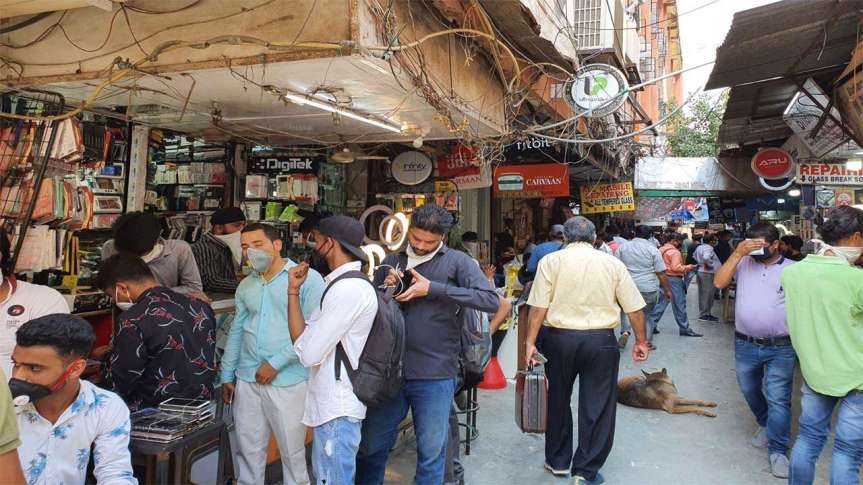
Due to violation of coronavirus protocols Gaffar Market and Naiwala Market of Karol Bagh will remain closed from 10pm today till 10pm on 11 july.

“market shopkeepers, thiyawallahs/vendors, and general public in Gaffar market and Naiwala, Karol Bagh are not following the Covid-appropriate behavior. Due to large footfall, market association and shopkeepers are not able to ensure Covid protocols in the markets in last three days.

“The guidelines/directions of Covid Protocol are being contravened in the Gaffar Market and Naiwala market which may cause super spreading of the coronavirus,” the order said.

The order also stated that the market welfare association of Gaffar Market and Naiwala Market have “failed to ensure the strict compliance of the guidelines of COVID-19”.

The order for closure of markets in Karol Bagh also noted that it is “necessary to take an immediate and stringent action to curtail the spread of the virus and not to let develop any such place as super spreader in larger interest of public”.

Due to flouting Covid norms, Lajpat Nagar, Laxmi Nagar market, Kamla Nagar, Sarojini Nagar and parts of Sadar Bazar were among those shut in recent weeks by the

Delhi Disaster Management Authority(DDMA).

The infection rate, which had reached to 36 percent in the last week of April, has come down to below 0.15 percent now.

Despite fall in daily cases in the last several days, Kejriwal had recently cautioned that the chances of the third wave of COVID-19 pandemic were quite real, while he asserted that his government was preparing on a “war-footing” to combat it.

However, the number of cases have shown a downward trend and the positivity rate too has been shrinking in the last several days. The number of deaths per day, has also been showing a decline in the last couple of days.

Kejriwal earlier said “that the virus is reducing in Delhi slowly and steadily, and I hope it diminishes completely and does not rise again. However, we are not going to become negligent in anyway”, while sounding a tone of caution.

Universal destruction

How could it be possible that when the time gets worse we often ignore the vulnerable?

Nikhil Meshram

We are living in the world , where no one can intrude . A life , where you can’t touch the one you want . A life, where one has to stay away from his own . A life , where no one can go in one’s home . Yes , it’s a life we are living ‘ A life of a LOG’ .

Coronavirus , I believe it’s not a new word in your dictionary . This eleven letter word creating a massive destruction all over the world . I know you are well aware but the real question is , are you following the protocols properly?

Firstly let’s get some knowledge about coronavirus.

The origin .

The recent outbreak began in Wuhan, a city in the Hubei province of China. Reports of the first COVID-19 cases started in December 2019.

Coronaviruses are common in certain species of animals, such as cattle and camels. Although the transmission of coronaviruses from animals to humans is rareTrusted Source, this new strain likely came from bats, though one study suggests pangolins may be the origin.

However, it remains unclear exactly how the virus first spread to humans.

Some reports trace the earliest cases back to a seafood and animal market in Wuhan. It may have been from here that SARS-CoV-2 started to spread to humans.

Coronaviruses are a group of viruses that can cause disease in both animals and humans. The severe acute respiratory syndrome (SARS) virus strain known as SARS-CoV is an example of a coronavirus. SARS spread rapidly in 2002–2003.

The new strain of coronavirus is called severe acute respiratory syndrome coronavirus 2 (SARS-CoV-2). The virus causes coronavirus disease 19 (COVID-19).


Around 80%Trusted Source of people with COVID-19 recover without specialist treatment. These people may experience mild, flu-like symptoms. However, 1 in 6 peopleTrusted Source may experience severe symptoms, such as trouble breathing.

The new coronavirus has spread rapidly in many parts of the world. On March 11, 2020, the World Health Organization (WHO)Trusted Source declared COVID-19 a pandemic. A pandemic occurs when a disease that people are not immune to spreads across large regions.

It’s okay take a deep breath . Yes, it’s a lot to take in but we all know how china played with the whole world .

The protocols.

  • Wear masks ,
  • Wash hands ,
  • Use sanitizers ,
  • Social distancing , etc,.

Is it important to follow protocols ?

You say NO , I say ‘if you want to die you can easily ignore the protocols ’ . Well I don’t want to die , I have my whole 20s , 30s and so on…… .

According to the survey, people have been moving around freely, meeting different social groups and attending gatherings, going to malls and markets. This indicates that a pandemic fatigue has set in after after a year of restrictions on movement, social distancing and strict mask wearing norms.

Well , if you are saying this is what following protocols is than I am happy to stay home rather than chilling around like a monkey . Like really , a monkey also has a common sense that when to do chilling and when to fight for himself . What we are doing is putting masks in our pocket to showcase the world that I have one . Haha it’s kinda funny .

We long to return to normal, but **normal led to this**. To avert the future pandemics we know are coming, we MUST grapple with all the ways normal failed us. We have to build something better. I hope this piece, in showing what went wrong, helps.

Link :

Manali flooded with tourist amid third wave warning; covid protocols getting ignored.

Inspite of third wave warning lakhs of tourists have thronged Himachal Pradesh in less than a month.Videos emerging from Manali and Shimla show that social distancing norms put in place to contain the coronavirus pandemic have gone for a toss.Highways choked, hotels fully booked after the Himachal Pradesh government relaxed Covid-19 related restrictions.Hotel occupancy in major tourist spots, including Shimla, Manali and Dharamshala, is almost full and tourists have been heading to less popular tourist spots in a bid to find accommodation and in guest houses.

Even though the governments, health experts have been warning against large crowds, a sea of tourists was seen in Manali town in Kullu district as the Himachal Pradesh government eased COVID restrictions.the increase in the number of tourists has posed a challenge for the authorities who are struggling to ensure implementation of Covid protocols amid fears of an impending third wave of coronavirus infections.

Reason behind this huge influx of tourist

  1. The prime reason is that the Himachal administration has withdrawn the mandatory need of a negative RTPCR report and e-Covid pass to enter the hill state.
  2. Another reason, behind the rush of tourists, is the ongoing heatwave in North India.
  3. while the third reason is that some people fear that lockdown-like restrictions may be imposed if the third wave of coronavirus strikes the nation. So many have decided to use this opportunity to visit some places

Twitterati reaction

Social media was abuzz with pictures of crowded Manali markets and tourist spots. While some were concerned over the violation of Covid protocols by the tourists, others shared memes and took taunt at the carelessness of the public.

for more news related to covid vist the link👇

https://www.timesnownews.com/india/article/tourism-with-a-vengeance-in-himachal-pradesh-shimla-manali-jampacked-covid-protocols-thrown-to-wind/780836

https://news.google.com/covid19/map