Education in the present

Education is very important in every individual’s life as it is very important for the living. The person who is educated will be well treated by the society and will you have good potential wherever he or she goes. Education as the extra energy to the individual’s life and a moles the individuals character into a good one. It is very important to be educated as the competition in the world is comparatively very high.

Online classes are the greatest and the biggest task to all the students. It is so difficult for all the students to understand the topics in a detailed manner. Even though the students try their level best to understand the topics during the online class, it is only the 50% of learning but the topics are not understood properly but the students and face lots of difficulties.

It is also equal difficult to conduct exams to all mine because it’s exams are connected through online then there is a chance formal practices. Basically, students commit malpractices during exams in a view to get good marks but not about the knowledge. So,many of the students commit malpractices.

Ways to improve the education system

* skill – based learning :

As of now , the education system is such that everyone is forced to study science and math. If this system can be revamped to identify the strengths of a student, then they can be given appropriate training in the chosen field. This will ensure that the child shines in that particular field.

* Rural Education :
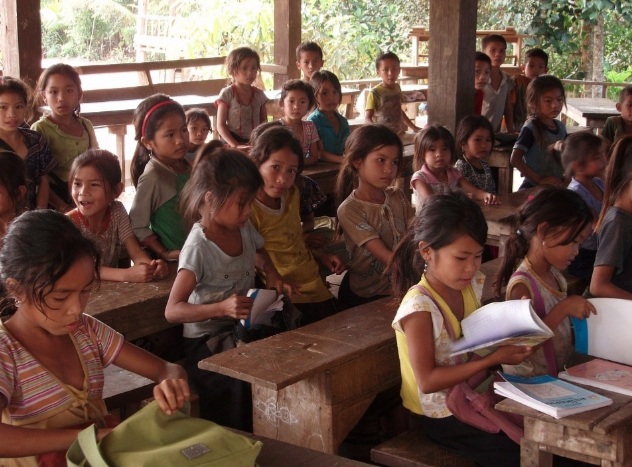
As the sad thing about the Indian education system is the fact that its focus is only on urban clusters. There are hardly any decent centres of learning in the rural areas. This is especially true in terms of higher education. If a country has to actually develop, urban and rural development have to go hand in hand.

* Gender Neutral Education :

The education system has always favoured men over the fairer sex. The major change that must be brought about is to involve women in the same. Particularly subjects that are now considered to be the strength of men alone ( like carpentry, engineering, etc). Should be made more accessible to women. Pioneer women in these fileds should be given due encouragement and appreciation.

* Teacher Training :

India has a very good quality of dedicated teachers. However, the sad fact here is the fact that after they join this service, they receive little or no training. In such a situation, giving them periodic training will not just ensure that they are updated with the changing times, but will also improve the entire education scene of the country by leaps and bounds.

* Infrastructure :

As in every other sector, the indian education sector is one that suffers from the acute death of infrastructure. Most of the government schools do not even have proper chairs, tables, restrooms, let alone a playground, libraries and laboratories. Thus ,the first step in revamping the education scene in the country should begin with improving the infrastructure so that the students are given an evironment where they can learn to the best of their abilities.

* subsidising professional courses :

It is a sad reality that many meritorious students are not able to afford professional corses because of the sheer expense involved in the same. This is all the way truer in case of students from the general category who do not have access to many scholarships. In such a situation subsidising the cost professional education will ensure that the same is within the reach of deserving students from the lower and lower middle class strata of the Indian society.

* Basic computing In Rural Areas :
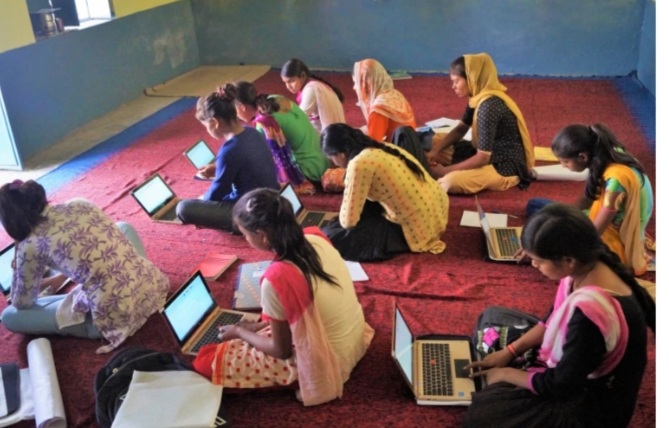
On one hand , India is a land of IT giants; on the other, rural India is completely digitally ill- equipped, in a sitiation like this, the first change that the education system must bring forward is to start free computing classes for skill development in rural areas. Only then will rural Indian move in the same pace as that of the urban Digital India and the country embark on the journey of development.

* Make sports compulsory :

One of the main reasons for the alarming rise in suicide amongst students in the country is the fact that they cannot handle stress. That in turn is because they are subjected to too much mental pressure. By making sports compusory it can be ensured that all the students indulge in some sort of some physical activity. This will lead to their mind performance better and enable them to grasp their theory lessons well.

* Educate parents :

Most of the times it is seen that the children’s woes centre atound that of their parents. In the Indian scenerio, parents are the ones who force their wards into a career they do not like. As a result students do not excel and upon failing to meet their parents expectations, they suffer from a number of mental health issues. To prevent such a thing from happening, the first step that must be taken is to educate the parents about the different carrer options that are available to the students and the possible scope of future in them.

* Remove The Reservation system :
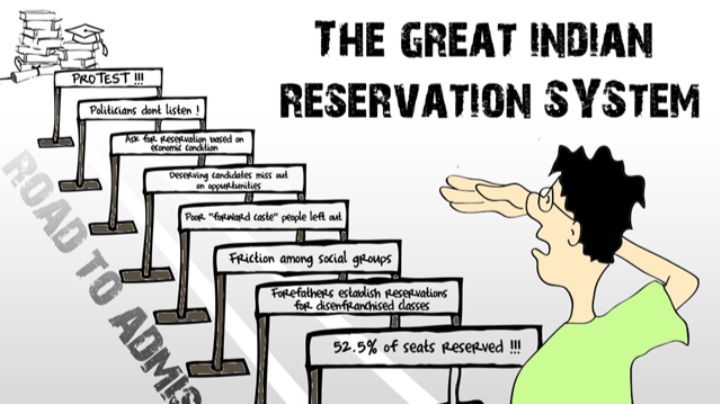
The reservation system in India has been so obsessed with providing the best of opportunities to the reserved that it misses out on many opportunities for the ones who actually deserve the same. This results in not just personal loss for certain people but also brain drain for the entire country and fosters a massive loss to the nation’s economy.

Today’s education system may be good to score marks, but fails to retain the knowledge once students have completed their examinations. This leads to young minds being stifled at an age when they should be asking questions, learning and gaining knowledge, and developing a thirst for more knowledge.
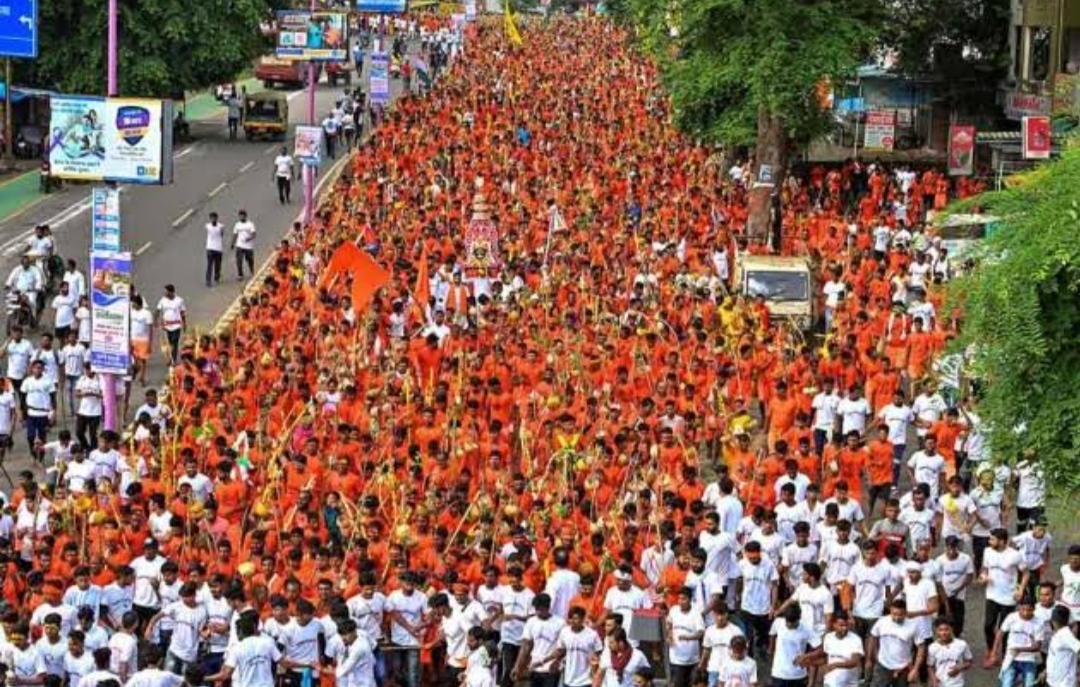
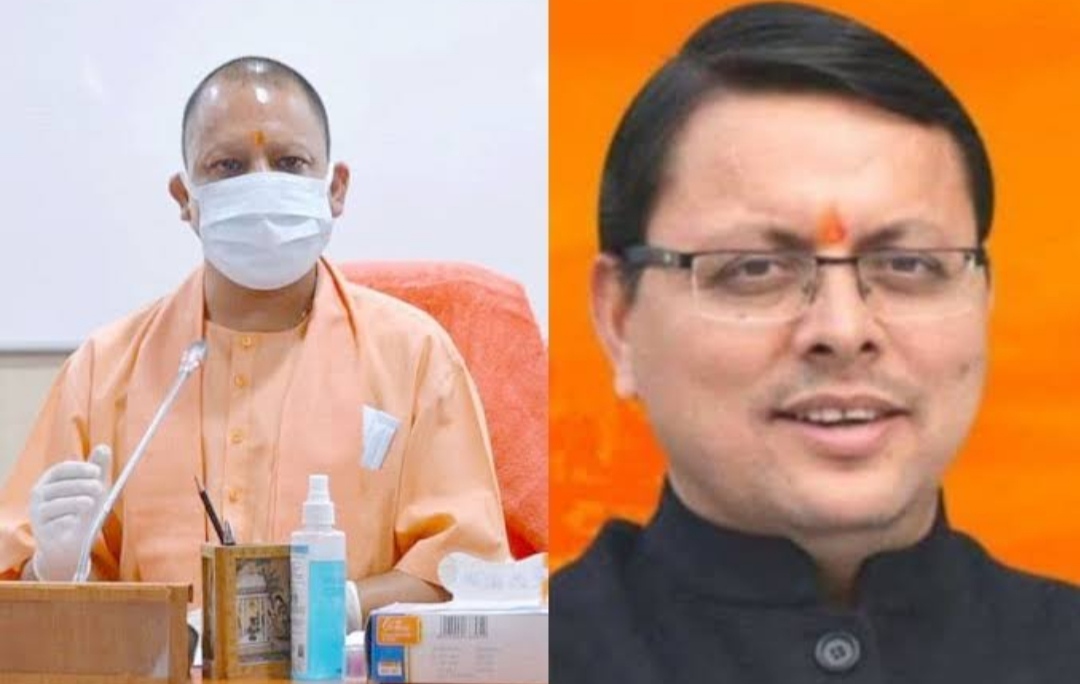
Kanwar Yatra

The Kanwar Yatra is the annual pilgrimage of the devotees of Shiva known as Kanvaria; to Hindu pilgrimage places like Haridwar, Gaumukh and Gangotri in Uttarakhand and Sultanganj in Bihar to fetch the holy waters of the Ganges River to pour it on various Shiva temples in India.

Kanwar Yatra: UP CM requests Uttarakhand govt to allow entry into Haridwar for some devotees.

UP CM Adityanath has requested his counterpart in Uttarakhand, Pushkar Singh Dhami, to allow some devotees from UP to travel to Haridwar for the Kanwar Yatra.

The Uttarakhand government has decided to call off the annual Kanwar Yatra for the second year in a row in view of the Covid-19 pandemic. This decision was taken by CM Pushkar Singh Dhami on Tuesday.

At the same time, the Uttar Pradesh government decided to go ahead with the pilgrimage with strict curbs. CM Yogi Adityanath directed officials to ensure that devotees are allowed to take part in the Kanwar Yatra only after they attain a negative RT-PCR test report.

UP CM Adityanath was requested by Uttarakhand CM to allow a limited number of devotees from the state to visit Haridwar for the Kanwar Yatra.

Evolution of Panchayati Raj System in India.

Since the beginning of India’s foundation, Panchayats have been the pillar of Indian rural set up. According to Mahatma Gandhi, development and governance in India should not be in big cities and towns but in rural areas and small villages because majority of Indian population resides in villages.

A Panchayati Raj meeting in India. Picture Credits: India Today.

The Panchayati Raj system in India derives its existence from Indian Constitution under Part IX under the head The Panchayats. When power is taken away from Central and State Governments and given to local government, it is called decentralisation.

Most of our Indian states like Uttar Pradesh, Maharashtra are internally very diverse. There is thus a need for power sharing within these states. Federal power sharing in India needs another tier of government, below that of the State governments. This is the rationale for decentralisation of power. Thus, this resulted in a third-tier of government, called local government. People have better knowledge of problems in their localities.

The need for decentralisation was recognised in our constitution. Since then there have been several attempts to decentralise power to the level of villages and towns. Panchayats in villages were set up in all states. An independent institution called the State Election Commission has been created in each state to conduct Panchayat elections.

A major step towards decentralisation was taken in 1992. The Constitution was amended to make the third-tier of democracy more powerful and effective. Now it is constitutionally mandatory to hold regular elections to local government bodies.

Now it is constitutionally mandatory to hold regular elections to local government bodies. Seats are reserved in the elected bodies and the executive heads of these institutions for the Scheduled Castes, Scheduled Tribes and Other Backward Classes. At least one-third of all positions are reserved for women. The State governments are required to share some powers and revenue with local government bodies. The nature of sharing varies from State to State.

Rural Local Governments is popularly known by the name panchayati raj. Each village or a group of villages in some states have a gram panchayat. This is a council consisting of several ward members often called panch, and a president or sarpanch. They are directly elected by all the adult population living in that ward or village. It is the decision making body of the entire village. The Panchayat works under the overall supervision of the gram sabha. All the voters in the village are its members. It has to meet at least twice or thrice in a year to approve the annual budget of the gram panchayat and to review the performance of the gram panchayat.
The local government structure goes right up to the district level. A few gram panchayats are grouped together to form what we call as a panchayat samiti or block or mandal. The members of this representative body are elected by all the panchayat members in that area. All the panchayat samitis in a district together constitute the zilla parishad.

Despite of the many flaws, Panchayats have contributed a lot maintaining the rule of law inside villages and educating the rural population about various different matters pertaining to their interests.

Hinduism | Origin, Deities, Beliefs & some other basic things people should know about.

Hinduism is now the third largest religious community with more than 1 Billion followers around the world. After the British rule, the Hindu Religion came to known as Hinduism, but before that Hindu was termed as Sanatana Dharma, Which means the eternal Duty of life, No matter any caste, gender or race. Every Hindu People used to practice the Sanatana Dharam through their whole life. In texts, Sanatana Dharma Was written as a way of living a healthy Life with honesty, Purity, Goodwill, Mercy, & Patience. According to some Scholars, along with Hindu devotees and priests, beliefs that the Hinduism is the oldest religion and has always existed in this world. Around 90% of the total Hindu population lives in India (also Hindustan or Bharat) with different beliefs and culture. India is well known for their mix culture, traditions and the believe in their deities. In Fact, Buddhism and Jainism were also originated in India.

Hinduism Beliefs

As this religion has no specific founder, nobody knows that when and how it was originated, but as per the Hindu priests and many scholars had specified it as an oldest religion. Hindu believes in karma (law of cause and effect). They Worships a single god with a believe in the existence of the other gods or goddess. They believe in soul (Atman) and a pure & gentler way to live. Hindu believes that people should live together without harming any other religion or People in the name of God or as any part of their worshiping. They believe in Moksha (also called as Mukti) which is an Indian Philosophy & Religion, that means release from the cycle of Rebirth. Their Goal of Life is to live with their Dharma in the very proper way the Dharma asks their devotees to live. There many other Interesting beliefs of Hinudusim, one would know if they explore more about it.

Hindu Deities

Devas and Devis are called as the God and Goddess of Hinduism. Hinduism itself is very wide and have different traditions to worship their Deities and that’s the Beauty of this religion. People with different Traditions are united by Hinduism and they live together. Some of the Deities are:-

  • Lord Brahma
  • Lord Vishnu
  • Goddess Saraswati
  • Lord Shiva
  • Lord Krishna
  • Goddess Lakshmi

Many other religions have also adopted the Hindu Deities and the traditions outside the India. In the medieval era the texts of Hinduism describe the Human Body as Temple and the soul as the deities residing it.

The Yugs (Era)

There are 4 different Yugs (Era) Every Yuga is Shorter than the preceding one and in each Yuga the humanity will be found less than the Old Yugas. The 4 Yugs are:

  • Satya Yug
  • Treta Yug
  • Dvapara Yug
  • Kali Yug

Kali Yug Lasts for 4,320,000 years (12,000 divine years). The Kali Yug (Present Era) is Believed that started around 3102 BCE. In the ancient texts of Purans it was also written that the Kali Yug will be dominated by Hatred, intolerance, lust, and corruption.

Hinduism Origin

The Vedic Period where Vedas Were written was lasted around 1500 BC to 500 BC. At that period rituals Used to make sacrifices, chants, and many other mystical practices of that periodic time. It was really hard to be found the exact time period that when did the Hindu religion was actually originated. As per scholars the birth of Hinduism was found in the Indus River Valley, which runs through Northwest India to Pakistan. It was originated around 4500-5000 BCE. The Indus River Valley was diminished around 1800 BC cause of climatic conditions. It was also named as Sindhu as, a Sanskrit Word. It’s location created a lot of problems because of the Iranian plateau. Around 712 AD, Muslims invaded the The Indus Valley.

Around the 7th century, Muslim Arabs began Invading Areas in India. In 1200 to 1757, Islamic ruler prevented Hindus worshipping their Deities. Some of the Hindu Temples were also destroyed around 1757 to 1947, under British Control. Some Christaniers were also found to convert & westernize the Hindu people, which is still happening around the Country.

Hinduism Holy Books

The Vedas were written around 1500 BC. That Book was filled with prayers and verses written by the Hindu Saints in Sanskrit letters and it includes:

  • The Rig Veda
  • The Samaveda
  • Yajurveda
  • Atharvaveda

Hindu Festivals

Hindu festivals are well known for the way of believing & celebrating it, with full of Joy and worshipping Hindu deities, Devotees enjoy their festival days. Some Of the Hindu festivals Are:

  • Diwali
  • Holi
  • Janmashtami
  • Raksha Bandhan
  • Maha Shivratri
  • Navratri
  • Ganesh Chaturti
Photo by Yogendra Singh on Pexels.com

Hindu Culture is filled with joy, teaches a better way of living, Unites the people, Gives freedom to worship the god that their devotees believe, and always wanted people to live in a better place with their family and to enjoy the worshipping.

Sources And Links:

https://www.history.com/

https://www.britannica.com/topic/Hinduism

Modern Trends in Indian Art

Modern art refers to the artistic work produced during the period of 1860s to the 1970s and represents the styles and philosophies of the art produced during that era. The term is usually pertains to the art in which the traditions of the past have been thrown aside in a spirit of experimentation. In India, the modern art movement began in the early 1900s. During 1900-1925, Bengal School dominated the Indian art.
Bengal school of painting represented the first art movement in the country. Artists like Abindranath Tagore, Nandal Bose, Raja Ravi Verma, Jamini Roy were some of the pioneers of Bengal school. It was the rebirth of Indian art. Bengal school witnessed the departure of traditional painting methods like tempera. Chinese cloth painting and Japanese wash technique were used. The Japanese water colour technique called wash became the hallmark of Bengal school. This technique diluted the impact of the colours used giving the paintings a mystic sense of space and atmosphere. The these of the paintings included religious, social and historical events. Paintings of landscapes, birds and animals were also done.
After 1925, artists refused to imitate the mannerisms of the art of the past. They argued that such imitation bounds the imagination and creativity of the artists. The contemporary artists stressed on liberating the imagination from the shackles of past. The art after 1925, was therefore very different from the previous Indian arts. There was variety in the techniques used and artworks were different from each other having more or less similarity.
Technique like cubism was used by the artist Gaganendranath. Cubism is a European style of art which aims to show all of the possible viewpoints of a person or an object all at once. Cubistic artworks look like they are made out of cubes and other geometrical shapes. Chiaroscuro, which is a characteristic of the European Renaissance was used in his famous painting ‘Magician’. Chiaroscuro is the use of strong contrasts between light and dark, usually bold contrasts affecting a whole composition.
The soft wash technique was discarded and oil painting started getting more recognition. These paintings had bold and contrasting colour scheme in comparison to the light wash technique of the Bengal school. The credit for popularising oil painting in India goes to Amrita Sher Gil.
Graphic Prints stated getting popular as well. Artist Krishna Reddy used techniques like intaglio and kaleidoscopic effects in his graphic prints. Intaglio is a printmaking technique in which the image is incised into a surface and the incised line or sunken area holds the ink. It is a process of print on engraved design. In his painting ‘Whirlpool’ which is a intaglio on paper, Krishna Reddy has also used the method of viscosity printing. Viscosity printing is a multi-colour printmaking technique which is uses the viscosity of the paint or ink.
Etching and aquatint was also used in contemporary print making. Etching is an intaglio printmaking process in which lines or areas are incised using acid into a metal plate in order to hold the ink. Aquatint is also an intaglio printmaking technique, a variant of etching that produces areas of tone rather than lines. Both of these techniques were used together to create contemporary prints. ‘The Children’ by Somnath Hore, ‘TheDevi’ by Jyoti Bhatt and ‘ Man, Women and Tree’ by K. Laxman Goud are some of the famous prints which have been made using these techniques.

https://www.jagranjosh.com/general-knowledge/bengal-school-of-art-1345270637-1

https://www.flexiprep.com/NIOS-Notes/Secondary/Painting/NIOS-Class-10-Painting-Chapter-9-Contemporary-Indian-Art-Part-1.html

The Bishnois of Rajasthan

Formation of the Bishnoi sect— India’s original environmentalists

Bishnoism originated in the 1485AD by Saint Guru Jambheshwar in theThar Desert of Rajasthan, India. Long before the world came to know about the environmental crises, Bishnois have been cognizant of man’s relationship with nature and the importance to maintain its delicate balance. It is remarkable that these issues were considered, half a century ago by Bishnoi visionaries. No other secthas given this level of importance to environment value, protection and care.


Not many of us know that the concept of Tree Huggers and Tree-Hugging, have roots within the Bishnoi community. The famous ‘Chipko Movement’ was inspired by a true story of a brave lady called Amrita Devi Bishnoi who refused to let the kingsmen cut the trees and sacrificed her life to save the trees.

Sundarlal Bahuguna

This sacrifice not only inspired the “Chipco Andoloan” by Sunder Lal Bahuguna but also the Indian government. The “Amrita Devi Bishnoi Smrithi Paryavaran Award” for contributing to environment conservation is given to those who have significantly contributed for environment conservation.  

The Bishnois are one of the first organized communities that have collectively sought for eco-conservation, wildlife protection, and green living. The ideals and tenets of the bishnois and bishnoism mentioned in the 29 religious tenets are very crucial and relevant to our ever evolving world.

The social concern, in medieval Rajasthan, manifested itself in various forms. To unite the people for a common cause, Guru Jambheswar Ji advised 29 principles to become a Bishnoi. The word ‘Bishnoi’ stands for ‘bish’ which means 20 and ‘noi’ which means 9; derived from these 29 principles out of which 6 principles are dedicated to environmental protection and compassion for all living beings.

 Of the 6 tenets that focus on protecting nature, the two most profound ones are:

Jeev Daya Palani – Be compassionate to all living beings.

Runkh Lila Nahi Ghave – Do not cut green trees.

Though these rules date back centuries, they still hold the morals and the beliefs for which the bishnois stand and are more than relevant to the environmental problems faced in today’s world.

Conservation as a practical necessity

In the arid and semi-arid regions of western Rajasthan, Bishnoism as a sect has over the ages has not only proposed, but also internalised their practices in an effort to usher in new practices of conservation ethics in Rajasthan. A majority of the Bishnoi rules suggested maintenance of harmony with the environment, like the prohibition on cutting green trees and animal slaughter. One plausible explanation is that the economy was primarily sustained by animal rearing. Hence, any slaughter, even during droughts, would have affected their means of livelihood.

Similarly, the cutting of green trees was prohibited, as it would scale back the availability of green fodder for the cattle, especially in the dry region where natural vegetation was very thin and sparse. Jambhoji’s teachings, which were in line with the interests of the folk, became immensely popular primarily in the arid regions of Bikaner and Jodhpur. The number of his followers increased manifold in these regions. His principles became so influential that the rulers of these states were forced to respect his teachings and sermons. The Bishnois have since long proposed for placing restrictions and punishments for cutting trees.

Rajasthan’s landscape demands dependence on agricultural and cattle-rearing practices. The conservation of natural vegetation of the region helped sustain superior breeds of cattle for export to other regions, exports such as sheep for wool, and camels for transport proved beneficial. Trade and commerce were also an important component of these economies as is evident in the nature of taxation where non-agricultural production was also taxed extensively (Kumar 2005).

Protection of wildlife and animals

The Bishnois consider the blackbucks as pavitra, or sacred. They follow what is perhaps the only environment-friendly religion in the world and recognise the rights of all kinds of birds, animals and trees and believe in living with peace and harmony with them. Reports show that in 2016, over 1,700 people who were involved in wildlife crimes in Rajasthan were arrested owing to the tireless efforts of the bishnoi community.

Some of their commandments mention to “provide shelters for abandoned animals to avoid them from being slaughtered in abattoirs,” making clear the Bishnoi’s reverence of all life on the planet.

The Khejarli massacre

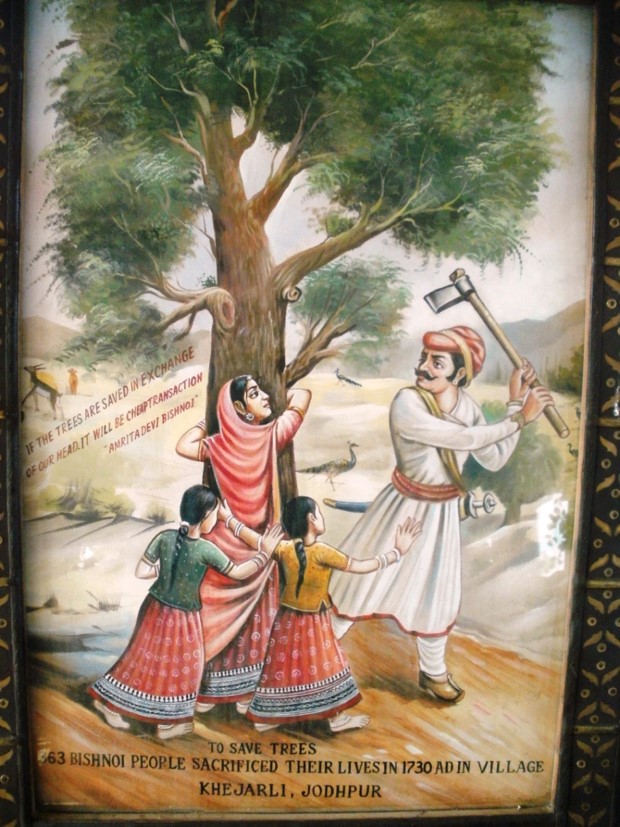
Khejarli or Khejadli is a village situated in Jodhpur district of Rajasthan, just 26 km southeast of the main city of Jodhpur. The name of the town is derived from khejri trees, which were in abundance in the village. In the year 1730 AD (Vardhan 2014), the king of Jodhpur sent-out his army to cut trees in order to build his palace. When his army started to cut down and log a Bishnoi forest, the bishnois organised a non-violent protest, offering their bodies as shields for the trees. The soldiers had warned that anyone intending to stand in their way would share the fate of Amrita (or Imarta/Imarti as she is often also referred to by the locals) and her three daughters who had taken the bold step of hugging trees following their mother’s action, and had been killed by the soldiers. Men, women and children from 83 different villages stepped forward, embraced the trees and sacrificed themselves one after the other.

The army’s axes had already slain 363 people, when the king, Maharaja Abhay Singh, hearing the whole incident and their perseverance and courage, halted the logging and declared the Khejarli region a preserve, issued a royal decree engraved on a tambra patra (a letter engraved on a copper plate), prohibiting the felling of trees and hunting in the Bishnoi areas. The Bishnois as well as non-Bishnois consider the tambra-patra declaration as a victory of the communities efforts at conservation.

Till date, the Bishnoi community commemorates and celebrates this collective sacrifice as a symbolic victory in Khejarli by maintaining the place as a heritage site. An annual fair is organised at the village near Jodhpur, which also maintains a functional temple. In 1988, the Government of India commemorated the massacre formally, by naming the Khejarli village as the first National Environmental Memorial (Clarke 1991). A cenotaph now stands at the site as a memorial to the Bishnoi lives lost at the massacre site, which is collectively maintained through community funding as well as by private donations.

Incidentally, Imarta Devi, the first woman who died in defence of the khejri trees during the 1730 Khejarli massacre, uttered her last words as follows: Sar sāntey rūkh rahe to bhī sasto jān (even if one were to get their head severed to save a tree, still it is a cheap bargain).

Water

Water is the basic needs of the individual for the Survival. Some of the things like oxygen, water, food are very essential for the individual to live. After the oxygen, water is very much important for the individual survival and for the whole environment as well. Water is used in the daily basis for many of the activities like drinking, cleaning, watering, and also for some of the electric purposes etc.

There are plenty of water in the seas but there is no use of them. Because, all the seawater are salty and not food for drinking purpose. They can be made for drinking by some of the beautification methods which takes lots of processes and also the time. Scarcity of the water is not only the India’s problem but also the global problem.

If the wasteage of water is continued in the same way, there will be a day where no water can be found for drinking purposes and for some of the utility purposes. Most of the people waste water without any need. Using water for the purposes are all good but Wasting the water without any reason is a bad habit that an individual must not develop. It is very easy to waste water rather than saving the drop.

The main sources of water are surface water, ground water and rain water.

Importance of water :

Water is very important to the human body. Every one of your cells,organs and tissues use water to help with temperature regulation, keeping hydrated and maintaining bodily functions. In addition, water acts as a lubricant and cushions your joints. Driniking water is great for your overall health. Because your body loses water through breathing, sweating, and digestion, it’s important to rehydrate by drinking fluids and eating foods that contain water.

Water delivers important nutrients to all of our cells,especially muscle cells, postponing muscle fatigue. Water helps weight loss. Water helps you feel full longer,without adding any additional calories.

Benefits of Drinking water :

* Increases Energy & Relieves Fatigue. Since your brain is mostly water, drinking it helps you think, focus and concentrate better and be more alert.

* promotes weight loss.

* Flushes out Toxins.

* Improves skin complexion

* Maintains Regularity.

Best source of water :

1. Watermelon – water content : 92%

2. Strawberries – water content : 91%

3.cantaloupe – water content : 90%

4.peaches – water content : 89%

5.oranges – water content : 88%

6. Skim Milk – water content : 91%

7. Cucumber – water content : 95%

8. Lettuce – water content : 96%

9. Broths and soups – water content : 92%

10. Zucchini – water content : 94%

11. Celery – water content : 95%

12. Plain yogurt – water content: 88%

13. Tomatoes – water content : 94%

14. Bell peppers – water content : 92%

15.cauliflower – water content : 92%

16. Cabbage – water content : 92%

17. Grape fruit – water content : 88%

18. Coconut water- water content : 95%

19. Cottage cheese – water content: 80%

Disadvantages of water :

It is said that too much consumption of water can lead to fluid overload in the body and imbalance in the body. Excess water can lead it lower sodium levels in the body, which may further lead to nause, vomthing, cramps, fatigue. This condition is known as hyponatremia.

The best method to save water is to use in limited amounts. That is, to limit the water without wasting much water.

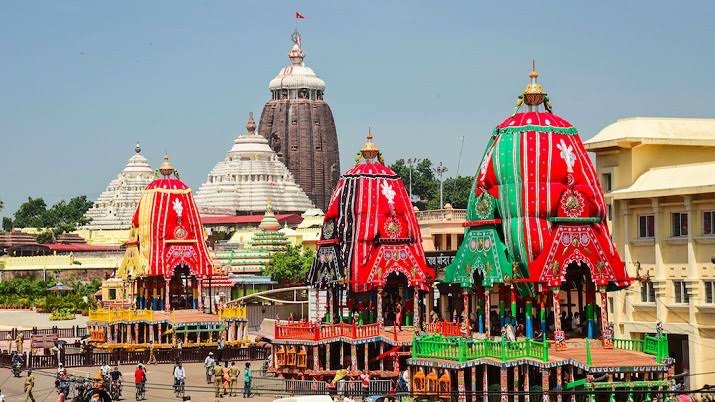
Jagannath Puri Rath Yatra: 5 Fast Facts about the temple.

One of India’s biggest festivals, Rath Yatra begins today, July 12 and that is celebrated all across the world by millions of Indians. The festival has its primary significance in Indian states like Odisha, Jharkhand, West Bengal and Assam.

Picture Credits: India TV. Location: Puri Jagannath Temple.

As everyone has their eyes on Puri Jagannath Temple’s grand celebration for this festival, let us know some of the important facts about the temple.

1) Formation of Temple.

The temple was first built by the Ganga Dynasty ruler Anantavarman Chodaganga in 12 Century CE and was further developed by several other kings including that of the Ganga Dynasty as well as the Suryvamshi Dynasty.

2) Deities Worshipped

Lord Jagannath, Lord Balabhadra and Goddess Subhadra are worshipped inside the temple. The deities are adorned with different jewelleries and accessories according to different seasons.

3) Structure of the Temple.

The Temple has four distinct structures:

a) Deula, Vimana or Garba Griha where the triad deities are kept on the ratnavedi, the throne of pearls, in Deula Style.

b) Mukhashala, the frontal porch

c) Nata Mandir, Natamandapa which is known as Jagmohan, the audience hall or the dancing hall.

d) Bhoga Mandapa, the offerings hall.

The main temple is a curvilinear temple and crowning the top is the Srichakra, an eight spoked wheel of Lord Vishnu. It is also known as Nilachakra which is made out of Ashtdhatu and is considered sacrosanct.

4) The Food Offerings:

The food is offered to the Lord six times a day. The breakfast that is offered early morning is called Gopala Vallabha Bhog, the next offering at about 10 am is known as Sakala Bhog and another offering after some time is called the Sankhudi Bhoga which consists of Pakhala with curd and Kanji Payas.

The noon offering is known as Madhyanha Dhupa and that is followed by evening food at 8 pm known as Sandhya Dhupa. The last offering to Lord is called the Bada Simhara Bhoga.

5) Rosaighara- Temple’s Kitchen.

The temple’s kitchen is considered to be the largest in the world. About 56 varieties of food are produced which are purely vegetarian and prepared without the use of onions, garlic or chilies as prescribed by some Hindu Texts. Cooking is done only by using earthen pots with some water that comes from two nearby tube-wells known as Ganga and Yamuna. The most awaited food offering is known as Kotho Bhoga, offered during Mid-Day. After being offered to Lord Jagannath and other deities, the food is sold in a nearby market.

Afforestation

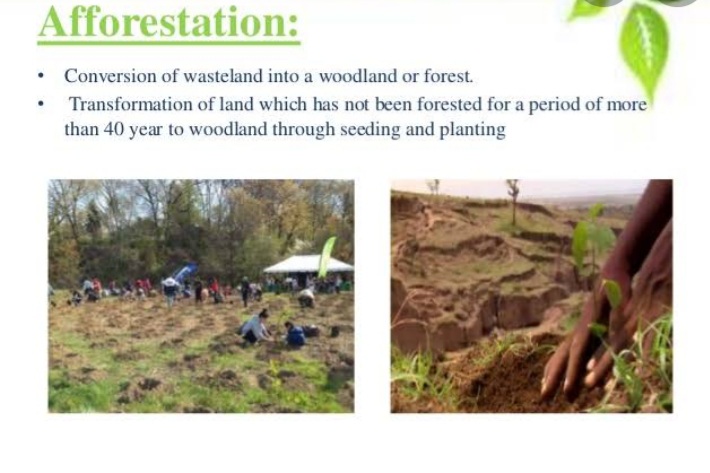
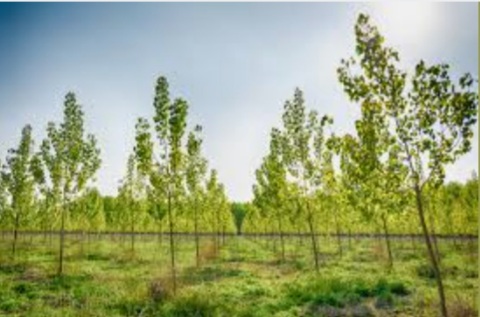
Afforestation is very useful to prevent and maintain the oxygen levels. Due to the deforestation, many of the trees are being cut and the oxygen supply has been reduced very drastically. Afforestation will help to maintain the oxygen levels in the atmosphere and helps the individual and the world to be healthy all the time. Oxygen is the minimum need for the individual to survive on the earth. If there is no oxygen, then which will cannot live or survive. When there is no o2, It is equally difficult for the animals to survive.

It also helps to maintain good forests. Deforestation, that is cutting of the trees makes the land abandoned and trees life less. When an individual takes a step forward to plant trees that is afforestation, good number of trees will be grown and the forests will be developed.

The most important thing for the animal’s survival is trees that give shelter and plants for the food. When the trees are being cut, some of the animals find no shelter and sometimes no food to eat. When afforestation takes place animals will find good shelter and also good food to eat.

Importance of Afforestation :

Afforestation helps to addess all the issues of soil erosion and barren land at the same time. Tress acts as wind barriers thereby weakening the speed of the wind and reducing its impact and ability to carry big soil particles.

The impacts of afforestation is occuring in many parts of world, can modify the nature and transformations of soil organic carbon and associated soil prevents, which in turn can affect plant diversity and ecosystem function. Afforestation also decreased soil bulk density and pH, and increased soil water content.

Types of Afforestation :

Afforestation materials are mainly divided into three categories: seed,seedling,and cutting. The choice of these three types of afforestation materials and methods is related to site conditions, tree species and age.

Various causes of Afforestation :

* Afforestation is highly fundamental in creating an alternative source pool of nature resource.

* Afforestation aids in tackling global warming and stabilizing global temperatures.

* protection of sensitive areas, biodiversity, and natural cycles.

* Afforestation can support wildlif.

* Afforestation creates employment and can provide a source of livelihood.

Advantages of Afforestation :

* A constant supply of forest products.

* prevents soil erosion.

* stabilizes the climate.

* Has the potential of reversing global warming and climate change.

* Better quality air.

* Improve watershed.

* preservation of wildlife.

* provision of employment and economic opportunities.

Disadvantages of Afforestation :

If not properly managed, afforestation can result in a reduction of local biodiversity, the modification of particular biomes, the intriduction of non – native and potentially invasive species, reduced stream flow and lost revenue from agricultural.

The Origin of Buddhism .

We are what we think. All that we are arises with our thoughts. With our thoughts, we make the world.
Peace comes from within. Do not seek it without.

Lord Buddha

Introduction.

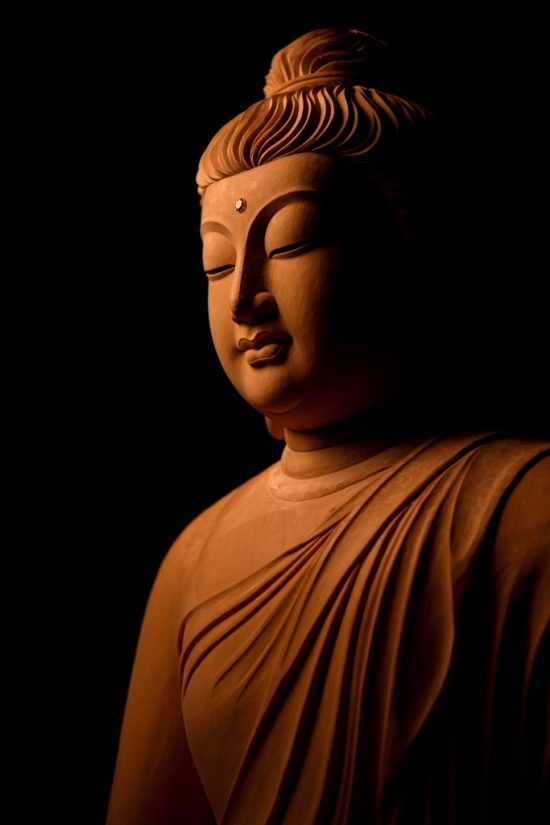
He was a spiritual personality . An ancient teacher and enlightened many . A founder of world religion Buddhism . He was popularly known as Gautama Buddha (also known as Siddhattha Gotama or Siddhārtha Gautama or Buddha Shakyamuni ) .

The Enlightened One who rediscovered an ancient path to release clinging and craving and escape the cycle of birth and rebirth. He taught for around 45 years and built a large following, both monastic and lay. His teaching is based on his insight into the arising of duḥkha (the unsatisfactoriness of clinging to impermanent states and things) and the ending of duhkha—the state called Nibbāna or Nirvana (extinguishing of the three fires).

Buddhism

Buddhism, one of the major religions and philosophical systems of southern and eastern Asia and of the world. Buddha is one of the many epithets of a teacher who lived in northern India sometime between the 6th and the 4th century before the Common Era.

The title buddha was used by a number of religious groups in ancient India and had a range of meanings, but it came to be associated most strongly with the tradition of Buddhism and to mean an enlightened being, one who has awakened from the sleep of ignorance and achieved freedom from suffering.

According to the various traditions of Buddhism, there have been buddhas in the past and there will be buddhas in the future. Some forms of Buddhism hold that there is only one buddha for each historical age; others hold that all beings will eventually become buddhas because they possess the buddha nature (tathagatagarbha).

According to Buddhist doctrine, the universe is the product of karma, the law of the cause and effect of actions, according to which virtuous actions create pleasure in the future and nonvirtuous actions create pain.

Your work is to discover your world and then with all your heart give yourself to it.

Lord Buddha

History

Gautama Buddha ( born c. 6th–4th century BCE, Lumbini, near Kapilavastu, Shakya republic, Kosala kingdom [now in Nepal]—died, Kusinara, Malla republic, Magadha kingdom [now Kasia, India]).

Buddha is one of the many epithets of a teacher who lived in northern India sometime between the 6th and the 4th century before the Common Era.

Learnings from Gautama Buddha.

1. “Three things cannot be hidden: the sun, the moon and the truth.”

2. “You will not be punished for your anger; you will be punished by your anger.”

3. “You can search throughout the entire universe for someone who is more deserving of your love and affection than you are yourself, and that person is not to be found anywhere. You, yourself, as much as anybody in the entire universe, deserve your love and affection.”

4. “We are shaped by our thoughts; we become what we think. When the mind is pure, joy follows like a shadow that never leaves.”

5. “Believe nothing, no matter where you read it, or who said it, no matter if I have said it, unless it agrees with your own reason and your own common sense.”

Link

Indian Miniature Paintings

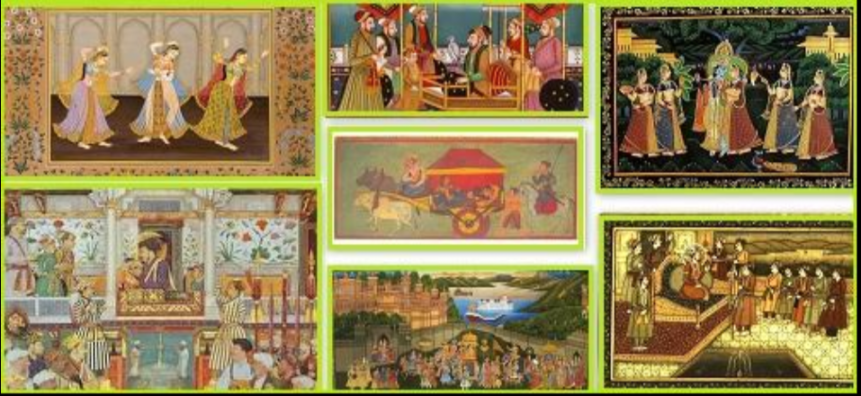
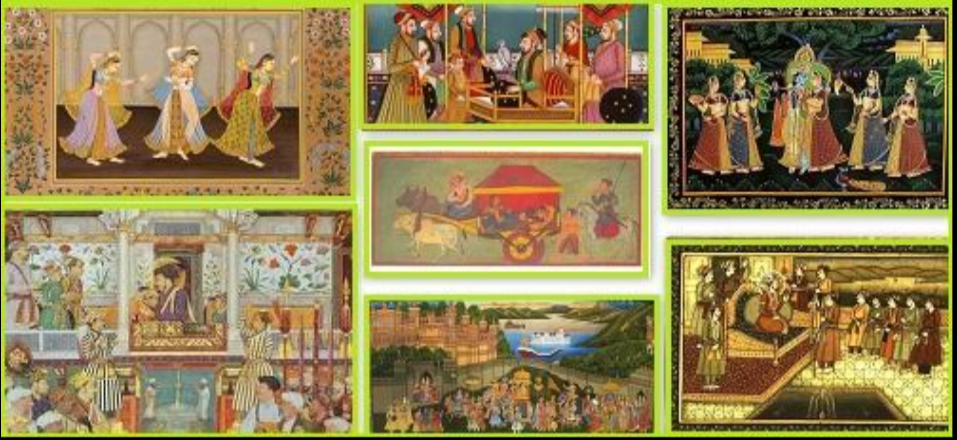
Miniature Art refers to paintings, sculptures, engravings etc. That have small dimensions. Though they are small, they are well detailed. The origin of miniature paintings dates back to the prehistoric times and is profoundly influenced by Indian literature. A miniature painting is generally less than 25 square inches or 100 square centimetres. The subjects in the painting are one -sixth of their actual sizes. Miniature paintings were generally done on materials like cloth, paper, leaves etc. which are quite perishable. These paintings are handmade and very delicate.
Miniature paintings are considered as an ancient art in India and there were many schools for the same, including those of the Rajput’s, Deccan’s and the Mughals. These paintings give an insight into the life of the royals and the common man, the beauty of their womenfolk and the inspirations and devotions of the artists themselves. These paintings are often associated with the Ragas i.e. the melodies of Indian classical music.
Rajasthani School of Miniature Paintings:
This school developed around the areas of Rajasthan, Bundelkhand and Punjab regions. The Rajasthani paintings were greatly influenced by Tulsidas and Kabir. The main theme observed in the illustrations of this school is love in all of its form. Main emphasis is given on the love between human soul and god. This might have been influenced by the Bhakti cult which originated in those days. Paintings are left to the imagination and emotion of the viewers for interpretation.
Features:
Compositions are clear and simple. All figures are in same dimensions. The figure of a woman are duplicated for other women. This is painted as a symbol of femininity. Colours are used harmoniously and are bright with each colour having it’s own specific meaning. The medium mostly used was water colour in tempera hand made paper. The colour scheme is flat and paintings are two dimentional.
Some of the famous Rajasthani miniature paintings:
‘Radha Bani Thani’by Nihal Chand
‘Maru Ragini’ by Sahibdin
‘Chaugan Players’ by Dana

Mughal School of Miniature Painting:
With the advent of Mughal, the Indian miniature paintings shifted to the portraits and richness of colour effects with the unique Persian flavour. During this period, the art specialises in Court and Palace scenes. Themes from Indian epics such as Ramayana, Mahabharata, Bhagvata Purana etc. Are also included. The Indian Miniature painting was at it’s prime time during the period of Mughal Emperor Shah Jahan because he was a great patron of miniature painting. But after his regime, paintings lost their charm and started to decline in the 18th century.
Features:
Mughal paintings denoted the habits of the ruling class. Portraiture was done. Figures were drawn in profile or quarter profile. A decorative border called hasiah was also used. Calligraphy was also done in the paintings. The paintings were male dominated. Portraits of women were drawn from imagination. The medium generally used was water colour in tempera handmade paper.
Some of the famous Mughal Miniature Paintings:
‘Kabir and Raidas’ by Ustad Faquirullah Khan
‘Falcon on a Bird Rest’ by Ustad Mansoor
‘Babur Crossing River Sone’ by Jagannath

https://m.jagranjosh.com/general-knowledge/do-you-know-that-how-indian-art-of-miniature-painting-evolves-1532003322-1

https://artsandculture.google.com/exhibit/indian-miniature-paintings-the-rajasthan-school-academy-of-fine-arts-and-literature/PgLSknKVv0F_JQ?hl=en

Renewable resources .

Replacing traditional sources of energy completely with renewable energy is going to be a challenging task. However, by adding renewable energy to the grid and gradually increasing its contribution, we can realistically expect a future that is powered completely by green energy.

– Tulsi Tanti

A way to live a new life . Without any destruction , without worrying about the future . Live a life where we can grow together , develop a life with renewable resources.

Introduction

A renewable resource, also known as a flow resource, is a natural resource which will replenish to replace the portion depleted by usage and consumption, either through natural reproduction or other recurring processes in a finite amount of time in a human time scale.

When such recovery rate of resources is unlikely to ever exceed a human time scale, these are called perpetual resources. Renewable resources are a part of Earth’s natural environment and the largest components of its ecosphere. A positive life-cycle assessment is a key indicator of a resource’s sustainability.

Renewable resources are an energy source that cannot be depleted and are able to supply a continuous source of clean energy.

Renewable resources also produce clean energy, meaning less pollution and greenhouse gas emissions, which contribute to climate change.

Examples of renewable resources.

  • Biomass .
  • Biogas.
  • Tidal Energy.
  • Wind Energy.
  • Geothermal Energy.
  • Radiant Energy.
  • Hydro Electricity.
  • Compressed Natural Gas.

Types of renewable resources.

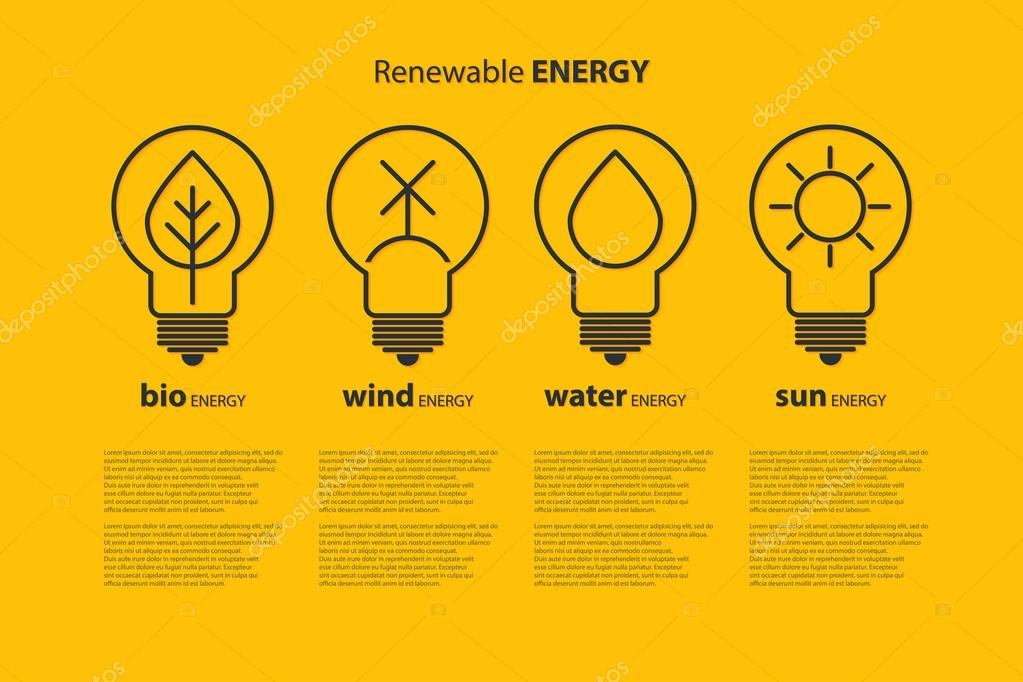
1) Solar energy. Sunlight is one of our planet’s most abundant and freely available energy resources. 2) Wind energy. Wind is a plentiful source of clean energy. 3) Hydro energy.
4) Tidal energy.
5) Geothermal energy. 6) Biomass Energy.

Impact of renewable resources.

Environmental impact

Renewable energy projects have also contributed in improving environmental impacts such as reduction of carbon dioxide gas, awakening community about the climate change. The study observed very small impacts on the people living in a particular area, tourism, cost of energy supply, and educational impacts. Significant impacts were observed in improvement of life standard, social bonds creation, and community development. They also observed that the renewable energy projects are complex to install and are local environmental and condition sensitive. Their forecasting, execution, and planning require more consideration and knowledge as compared to other projects.

Social impact

These resources also provide social benefits like improvement of health, according to choice of consumer, advancement in technologies, and opportunities for the work, but some basic considerations should be taken for the benefit of humans, for example, climate conditions, level of education and standard of living, and region whether urban or rural from agricultural point of view. Social aspects are the basic considerations for the development of any country. The following social benefits can be achieved by renewable energy systems: local employment, better health, job opportunities, and consumer choice.

Advantages of renewable resources.

  • Renewable energy won’t run out.
  • Maintenance requirements are lower.
  • Renewables save money.
  • Renewable energy has numerous health and environmental benefits.
  • Renewables lower reliance on foreign energy sources.
  • Higher upfront cost.
  • Intermittency.
  • Storage capabilities.

Conclusion

Renewable energy is becoming an important resource in all over the world . I do agree that people might exploit the resources for there own benefit . But the government is working on that aspect and trying to provide resources that can help our future households .

There are a lot of different ways of building a prosperous society, and some of them use much less energy than others. And it is possible and more practical to talk about rebuilding systems to use much less energy than it is to think about trying to meet greater demands of energy through clean energy alone.

– Alex Steffen

Link

Keezhadi Nanotechnology

If you believe that if I say Tamil people developed Nanotechnology 2600 years ago. Yes, it is true. Researches say that the pots which the tamil people used then, was coated using Nanotechnology. This blog is going to be about the carbon nanostructures that were found in Keezhadi. Scientists found the 2600 years old earthenwares in Keezhadi coated with carbon nanotubes. Carbon nanotubes have high thermal and electrical conductivity and very high mechanical strength and also very light in weight.

Many may have heard about Keezhadi, the archeological site which portrays the rich civilization of Tamil people in the sixth century BC. Many steps of excavation was made in Keezhadi. Huge remains of pottery were found. When scientists experimented on the pot remains, they found a unique black coating over it. They also discovered that Carbon Nanotubes were in the black coating. These were the oldest known nanostructures on the Earth right now.

In the modern era, Carbon Nanotubes was developed in 1991 which is called CNT. From 1991 to 2006, in America, more than 4500 applications for getting patent rights for Nanotubes have been submitted. This data is from a Scientific paper.

A graphite consists of layers of Graphene laid one over the other. If a single layer Graphene is taken and folded cylindrically/ round, then it is called Carbon Nanotubes. These Carbon Nanotubes and Graphene comes under SP2 bond type. Diamond cones under SP3 bond type. So Carbon Nanotubes and Graphene are tougher than diamonds. So Carbon Nanotubes and Graphene are called as “Wonder Material” by the scientists. Nanotube is used in the Bullet proof vests.

How many types does the Carbon Nanotubes consist of?
Carbon Nanotube has three typpes – Armchair CNT, Zigzag CNT and Choral CNT. The direction in which they are shaped will determine the type. After they have completed a Nanotube it is called Single-Walled Carbon Nanotubes (SWCNT). If there are layers of these, then it is called Multi-Walled Carbon Nanotube (MWCNT).

Can these SWCNT or MWCNT created naturally?

There are scientific papers released in 2008 and 2017. In any of those, there is no proof that they occured naturally. So according to science, the possibility for Nanotubes to occur naturally is very low. So one should have helped the process in the ancient era. An external force in specific level is required for its formation. A paper in 2008 says that from 2020 to 2025, the carbon nanotubes would be a billion dollars business. Such a precious material is found in Keezhadi now. But no one is ready to talk about it. But we should know about our history.

Gravity is science. But it existed for billions of years. When a person named it as “Gravity” it was changed into a Scientific term but still it is a Natural Occurance. That is the Reality. The Tamils in Ancient times were dependent on nature. Their way of using Nature to their will was unique. They thought about how to use it to improve their lifestyle. The Tamils were one step ahead of research. So the Tamils in the ancient times knew that Carbon Nanotubes and Graphene were the toughest materials which were very high electrical and heat conductors. Take only the toughness property. So Tamil people who lived 2600 years ago, needed the toughest material available on Earth. Tamils had metals. But they had clay in large quantities. The Tamils wanted to toughen up the clay. So they built aypots but it broke soon. So they discovered that to toughen up the claypots, they should heat them. These heated pots were not so tough. Now they wanted a coating to be done upon the pots. So through trial and error method they did a coating in the claypots. They would have spent many years to complete the research. After many trials with many materials which resulted in failures, the Tamils would have developed the carbon nanotubes.

How many degrees Celsius was required?

Nearly 1100° to 1400° Celsius. In these extreme conditions only, they could have created the Carbon Nanotubes. The Scientists of today say that the materials used for coating may be Carbon rich materials. So when we say Carbon rich materials, it could be Vegetable oil or any other material. When it is combined with the claypots under extreme heat, the carbon nanotubes may be created. The claypots would consist of Iron content. So iron and carbon together may produced Carbon Nanotubes, a material which is 200 times tougher than steel. So through this method, the ancient Tamils would have created Carbon Coated claypots which lasted for many years. Due to the toughness of carbon nanotube, the claypots has been discovered as Archaeological remains in Keezhadi.

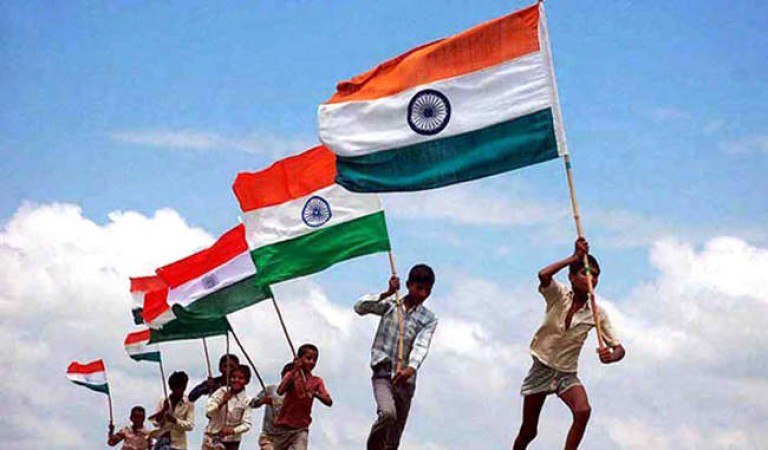
“INDEPENDENCE DAY”

India’s Independence Day reminds the country’s citizens of all the sacrifices the freedom fighters have made to secure the country’s future. Since its independence, India has made stellar progress in every field, including education, military and space programmes.

History of Our Independence Day

For almost two centuries the Britishers ruled over us. And the citizen of the country suffered a lot due to these oppressors. British officials treat us like slaves until we manage to fight back against them.

We struggled for our independence but work tirelessly and selflessly under the guidance of our leaders Jawahar Lal Nehru, Subhash Chandra Bose, Mahatma Gandhi, Chandra Shekhar Azad, and Bhagat Singh. Some of these leaders choose the path of violence while some choose non-violence. But the ultimate aim of these was to drive out the Britishers from the country. And on 15th August 1947, the long-awaited dream come true.

Why We Celebrate Independence Day?

To relive the moment and to enjoy the spirit of freedom and independence we celebrate Independence Day. Another reason is to remember the sacrifices and lives we have lost in this struggle. Besides, we celebrated it to remind us that this freedom that we enjoy is earned the hard way.

Apart from that, the celebration wakes up the patriot inside us. Along with celebration, the young generation is acquainted with the struggles of the people who lived at that time.

Activities on Independence Day

Although it’s a national holiday the people of the country celebrate it with great enthusiasm. Schools, offices, societies, and colleges celebrate this day by organizing various small and big events.

Every year at Red Fort the Prime Minister of India host the national flag. In the honor of the occasion, 21 gunshots are fired. This is the begging of the main event. This event is later on followed by an army parade.

The school and colleges organize cultural events, fancy dress competitions, speech, debate, and quiz competition.

Importance of Independence Day

Every Indian holds a different viewpoint about Indian Independence. For some, it’s a reminder of the long struggle while for youngsters it stands for the glory and honor of the country. Above all, we can see the feeling of patriotism across the country.

The Indian’s celebrate Independence Day with a feeling of nationalism and patriotism across the country. On this day every citizen echoes with festive feeling and pride in the diversity  and unity of the people. It’s not only a celebration of Independence but also of the unity in diversity of the country.

The Amazon

The forest is a peculiar organism of unlimited kindness and benevolence that makes no demands for its sustenance and extends generously the products of its life activity; it affords protection to all beings, offering shade even to the axe-man who destroys it.

– Gautama Buddha

Today , let’s feel the presence of fresh air , waterfall , trees , flora and fauna . Being a citizen of a country , which is well known for its resources , different species, mixed economy and different cultures. It is important for us to see the world of flora and fauna.

Well you get to know by the heading , today we are gonna talk about THE AMAZON’S which is well known for its vast species .

Introduction .


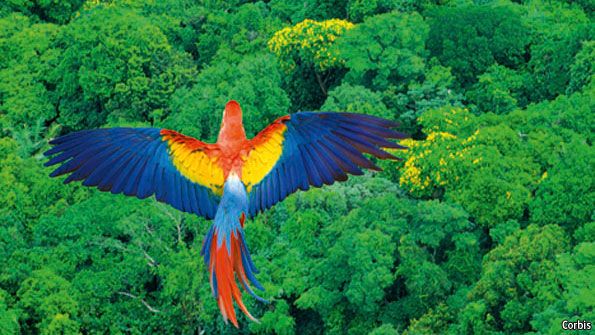
The Amazon jungle or Amazonia, is a moist broadleaf tropical rainforest in the Amazon biome that covers most of the Amazon basin of South America. This basin encompasses 7,000,000 km2 (2,700,000 sq mi), of which 5,500,000 km2 (2,100,000 sq mi) are covered by the rainforest. This region includes territory belonging to nine nations and 3,344 formally acknowledged indigenous territories.

The majority of the forest is contained within Brazil, with 60% of the rainforest, followed by Peru with 13%, Colombia with 10%, and with minor amounts in Bolivia, Ecuador, French Guiana, Guyana, Suriname, and Venezuela. Four nations have “Amazonas” as the name of one of their first-level administrative regions, and France uses the name “Guiana Amazonian Park” for its rainforest protected area. The Amazon represents over half of the planet’s remaining rainforests, and comprises the largest and most biodiverse tract of tropical rainforest in the world, with an estimated 390 billion individual trees divided into 16,000 species.

The name Amazon is said to arise from a war Francisco de Orellana fought with the Tapuyas and other tribes. The women of the tribe fought alongside the men, as was their custom. Orellana derived the name Amazonas from the Amazons of Greek mythology, described by Herodotus and Diodorus.

Flora and Fauna.

Wet tropical forests are the most species-rich biome, and tropical forests in the Americas are consistently more species rich than the wet forests in Africa and Asia.

This constitutes the largest collection of living plants and animal species in the world.

The region is home to about 2.5 million insect species, tens of thousands of plants, and some 2,000 birds and mammals. To date, at least 40,000 plant species, 2,200 fishes, 1,294 birds, 427 mammals, 428 amphibians, and 378 reptiles have been scientifically classified in the region.

The biodiversity of plant species is the highest on Earth with one 2001 study finding a quarter square kilometer (62 acres) of Ecuadorian rainforest supports more than 1,100 tree species.

Human impact on Amazon jungle.

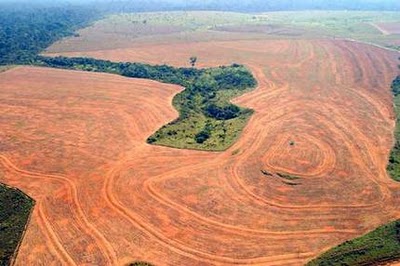
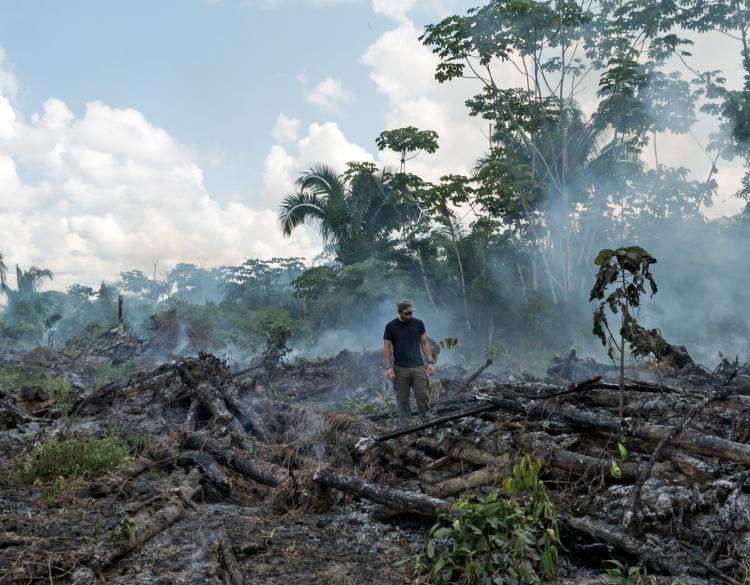
The human impact on the Amazon rainforest has been grossly underestimated according to an international team of researchers. … They found that selective logging and surface wildfires can result in an annual loss of 54 billion tonnes of carbon from the Brazilian Amazon, increasing greenhouse gas emissions.

Lead researcher Dr Erika Berenguer from Lancaster University said: “The impacts of fire and logging in tropical forests have always been largely overlooked by both the scientific community and policy makers who are primarily concerned with deforestation. Yet our results show how these disturbances can severely degrade the forest, with huge amounts of carbon being transferred from plant matter straight into the atmosphere.”

The second author, Dr Joice Ferreira from Embrapa in Brazil, said: “Our findings also draw attention to the necessity for Brazil to implement more effective policies for reducing the use of fire in agriculture, as fires can both devastate private property, and escape into surrounding forests causing widespread degradation. Bringing fire and illegal logging under control is key to reaching our national commitment to reducing carbon emissions.”

The forest is not a resource for us, it is life itself. It is the only place for us to live.

-Evaristo Nugkuag Ikanan

Link