Humans, since the age of their existence have invested money, efforts and ideas into developing new sources of energy generation. Which earlier focused on mostly focused manual work and manpower or animals usually has shifted to machines making the work more easily and efficiently done. The transition after the industrial revolution and drastic drift towards these technologies gave new origin to energy sources. While initially more of the non sustainable resources like coal were used as a source of energy, be it in trains, or for ironing of clothes or be it for warming oneself from the freezing cold environment. Cutting of woods for fire and cooking was also an opted source of energy in earlier times. But sooner the effects if these machines were seen and how they deteriorated our health, glaciers of the antarctic and most important lead to phenomenon called global warming which has nowadays led to climate change. The need for sustainable and eco-friendly sources of energy was a great demand in the early 40’s and then came the idea of “Nuclear Power Generation”.
As soon as the nuclear atomic bomb was used as a weapon, it came into the mind of people,that it has an enormous amount of energy in it and thus could be used so as to generate energy from it and utilize it in a better and peaceful way. It was thought to be a classic idea to fight back every problem , people warriors facing. Nuclear power generation meant the cost of electric utility to go down while it’s production to achieve height,shifting to this house would lead to less consumption of fossil fuel like coal and other sustainable resources like petrol as a source of energy to run vehicles, and thus the problem of global warming could drop. And many other factors which seemed to solve energy related problems for mankind.
But soon as most of the companies started investing in nuclear plants , it turned out to be totally different as it was assumed to be. The technicality and most important the cost to build it were more as they were right of. Complexities in the design and working were still unknown to many of the scientists. But still most of the counties thought of investing in these plants. The growth of nuclear plants significantly grows as soon as the oil prices hit the stock to highest amounts. Thus nuclear energy was thought of to be the best and better alternative. But it was soon seen that this nuclear power generation was too risky not only for the company but also for their country as well as the whole world, if not properly taken care of, since many accidents were observed in quick span .
But still various countries are using nuclear energy as a energy generation with almost covering 10% of total energy demand around the world while most of the power still depending on coal. But the main question which comes to mind is “Do we really need these nuclear plants knowing their harmful effect to humanity”. There have been many accidents which have led man to lose life and still it’s outcome are observed in the future genes. Nuclear energy has enormous power to destroy the population around the world if used in the other way. So “Why do we still focus on nuclear energy rather than investing in other sustainable energy resources easily available with almost the same setup cost”. Also the waste of these plants which are mostly chemicals is very dangerous and the smoke which comes out in the form of emissions is too toxic, which could lead to breathing problems in living beings and also add up to the pollution.
“The results show the how the disadvantages of these nuclear plants are way ahead of its positive outcomes as being positive being the fact that it leads to reducing of carbon dioxide emissions in the environment or be it providing more jobs as workers in construction and worker in the plant but still seen the bad side of these, it seems to be more dangerous and harmful for the humanity. We believe that it’s high time to think for nature and shift towards more better energy sources like sustainable energy sources which are present in enormous amounts and which do not harm nature , along with the fact of not risking life’s and finding alternatives at the cost of human life”.
It has been a long time since there is a debate, whether animals have been exploited for humans’ needs. However, More than 200 million animals are killed for food around the world every day – just on land. Including wild-caught and farmed fishes, we get a total closer to 3 billion animals killed daily. That comes out to 72 billion land animals and over 1.2 trillion aquatic animals killed for food around the world every year. In the United States alone, around 9 billion chickens hatch every year for the sole purpose of growing to an edible size and dying for human consumption. Animal suffering is the most direct consequence of consuming meat, but there are unintended consequences of eating animals, too.
All-around the globe, animals are used in a different way by humans to fulfill their need, they use it as food, making shoes, jewelry, irrigation, medical research, end experiments. Is it justified to use animals to human’s personals needs? not all animals grass-eaters, they also have to kill or hunt to fill their stomach, Video from the first large-scale investigation of intensive fish farming in Europe shows fish thoughtlessly scooped out of nets and thrown into plastic containers, where they slowly asphyxiated, Some of them miss the bin and flap to death on the floor. This video was disturbing, Some fish survive out of water for hours on their way to the slaughterhouse. If they’re still breathing when they get there, they die by a blow to the head. Nearly 300 wild sea animals are killed every year to feed one American, but that doesn’t include the fishing industry’s bycatch.
Considering the number of Americans that claim they only eat humane meat, it’s worth a quick math lesson. If 99% of farm animals in the U.S. are raised on factory farms, compared to about 90% globally, and 75% of Americans think they consume humane meat, the survey says that most of them don’t. Animals raised for food die by the millions in slaughterhouses around the world, and they do not think before eat. but the main thing is that animals also take revenge by spreading life threating viruses like swine flu and plague, even though human-made vaccines of these viruses, it had taken lots of human life.
If I talk about India, each and every day many animals have been killed by humans, even though the majority of the population is Hindu, and the coastal area also famous for fishing and fish farming, many famous franchises like K.F.C, Mc.donald, Subway, and Burger King provide chickens, beef, meats, poke, and many other animals eatable product. furthermore, in the fashion industry like L.V., Gucci, Prada, Zaara, and more, provide clothes and fashion accessories like a leather purse, belts, leather shoes, and jackets that are obtained from animal’s flesh.
On the other hand, if we talk about science and research, in that process animals always be preyed by the scientist, and in recent news, they narrated that “Tests of other fast-tracked vaccines show that they have prevented infections in the lungs of monkeys.” they are so mean to not test on human or own self, they also not have an idea that there are lots of difference between the skin and immune system. there are many alternatives to reduce the suffering causes of animals.
Additionally, in India, there are many N.G.O.s, which always stands for animals rights, People for Animals India does a great job by saving street dogs in COVID-19 situation by serving food, shelter, and medicines. however, not only N.G.O.s but all people around the world stand for mutated animals, and if you wont to do great help, join the nearby N.G.O.s and save animals.
Everyone is aware of the word of rebels, and ones in while many of you are also done in your life at school, colleges, or other public places for gatting rights according to your demands. However, in the past also people have done rebels to get political rights, Sardar Vallabh Bhai Patel, Mahatma Gandhi, Subhash Chandra Bose, Shahid Bhagat Singh, and more freedom fighter also have contributed for getting freedom from the British people. furthermore, a rebel is not the only way to get rights, instead, there is some legal process to do, which is made by the government of all counties.
The famous rebel incident happened between Indian solders and Kashmir’s citizens, this whole incident started from Kashmiri people, they started the attack by throwing stones on Indian soldiers and we all know that soldiers do not have rights to file at the time of the attack they have to wait for the order from the government, and then they can fire when the government gave the order to fire before that two or three soldiers had serious injuries, but when Indian army get the order then they did a great job by killing The 12-hour gunbattle ended with the killing of Junaid Ashraf Sehrai, a commander of Kashmir’s largest rebel group, Hizbul Mujahideen, and his aide. Junaid, son of senior separatist leader Mohammed Ashraf Sehrai, joined the rebel ranks in early 2018 after graduating in business management from the region’s main university.
However, in Bollywood, many people have done rebel against the nepotism but there some strong pillars, who don’t wont to do changes in the industry, they do not give chance to new people, many people wont to join the Bollywood and they give interviews and show their work buy doing the theater and making small and short films, but the big director and producer always support the famous personalities child-like Varun Dhawan, Ananya Pandey, and many more. But people like from small families and not wall background never chance to show them in front of society and what they can do for the community. celebrities like Pankaj Tripathi, Nawazuddin Siddiqui, Manoj Bajpai, Johny lever and Sushant Singh Rajput had done exceptional debut in Bollywood by doing small T.V. serials and theater, and look at how they become famous worldwide famous stars without showing their body or fighting skill, which is very common in nowadays movies, but this senior actor always wins our heart by delivering dialogues. people who do not have celebrity background they always have to struggle, and nowadays young personalities share messages they “they have struggled after sign 10 to 20 films and advertisement.” shame on them by spreading fake, abominable and detrimental rumors, we have proof, they said by their own word on a national television show like coffee with Karan, at the beginning of the carrier people say that I admire that person and i follow them, but after getting success they forget, by ignoring and do not talk about them.
if anyone wont to look perfect nepotism then look the last few film awards, where Ananya Panday aka miss.struggle received Zee cine Award for Best Debut Actress, Filmfare Awards for Best Debut Actress, and lately best fresh Talent of the year, moreover on another side Sushant Singh Rajput did not get any award even though, he has done grate lead role in chhichhore.
So, please guys don’t support fake people, instead of support upcoming and real struggle persons, who can motivate us by simply narrating their story, be a lone wolf do not depend on someone to make a clear way.
Stress name is enough to load stress on the human mind, however, every person in this world had passed through stress, but the beautiful thing is that how people can handle it and overcome from it, stress is a part of the human mind and Stress is a feeling of emotional or physical tension. It can come from any event or thought that makes you feel frustrated, angry, or nervous. Stress is your body’s reaction to a challenge or demand. In short bursts, stress can be positive, such as when it helps you avoid danger or meet a deadline, it totally depends on the human action on how we can handle positively or negatively by committing a crime or by suicide.
However, our whole life is full of stress, from birth to till death, like after having a birth people start taking decision regarding the future life, when we enter the school at the time teachers and faculty give homework and assignment to finish from home if we don’t complete it, have to face parents, so, we have this stress, further, 10th and 12th exam pass out stress, yet when we pass 12th anyhow, graduation and post-graduation stress, and latest job and marriage stress, at the end of the life stress of pain and diseases. But the major thing is that many people do not wait for old age they lost their life by suicide, their mind and heart are not enough strong to handle the load or not mentally prepare for further future.
In addition, our education system also have fault like they give dept education of History, science, maths, languages and many more, but they do not give lessons on how to handle depression, anxiety and stress, by organizing I.T. fair or science fair student only enjoy, it affects only a few hours. But organizing a stress relief program where students can understand how to handle any life turning modes. After completing the study, people try to find jobs or developing their business, but after a long struggle some get success or many get a failure, and that is the major turn of life if any person handles well, they get the real success in life.
Many famous celebrities are renown by their comeback from stress like famous cricketers Yuvraj Singh, and famous actor Akshay Kumar and Nawazuddin Siddiqui both belong to small and poor families but now every nook and corner people know them. However, in the year between 2009 to till date, around more than 100 celebrities commit suicide in that list include Stephanie Adams, Chester Bennington, David Berman, Joseph Brooks, David Buckel, Malik Bendjelloul and many more they all are from Hollywood, but recently a well-known actor Sushant Singh Rajput committed suicide it just bingeing of the journey and he did a great job by acting as lead actor in MS Dhoni the untold story, Kedarnath, Detective Byomkesh Bakshy!, and Chhichhore.
In Chhichhore, done a great job and he delivered a beautiful line “Hum haar jeet, success failure mein itna ulajh gaye hai … ki zindagi jeena bhool gaye hai … zindagi mein agar kuch sabse zyada important hai … toh woh hai khud zindagi” and by considering this line many failures get motivation and done grate thing in the life, but the lead actor committed suicide, which is not relevant, he has to share his problems with family or friends, he definitely gets a solution and he still present with us.
there are some exercise to overcome from it like, Yoga, Qigong, Walking, Gardening, Dancing, Circuit Training, play Tennis or do some boxing whit pillow on the wall, this all help to relieve stress. nowadays the best way to come out stress is by doing a party or hanging out with friends.
So, considering this all thing, give value to your life, and enjoy your life.
Plant Growth Promoting Rhizobacteria or PGPR is a group of bacteria that can be found in the rhizosphere or it can be said that bacteria that colonize the roots of the plants that enhance plant growth. It is observed that the rhizosphere is the zone of maximum microbial activity. It is the rhizosphere region of the plant from where most of the essential mico and macro- nutrients are extracted. The different species of Bacteria, Fungi, Actinomycetes, Protozoa, and Algae can be found in the rhizosphere region, Bacteria being the most abundant. The term PGPR was introduced by Kloepper and Schroth. They concluded that PGPR are not only associated with the roots to exert beneficial effects on plant development but also have positive effects on controlling phytopathogenic microbes. Therefore, PGPR is one of the active ingredients in biofertilizer. Based on the interactions , PGPRs are of 2 different types :
SYMBIOTIC or INTRACELLULAR BACTERIA (iPGPR) live inside plants and exchange metabolites directly by biofertilization, stimulation of plant growth, rhizoremediation, and plant stress control. While performing direct growth promotion, they behave as Biofertilizers.
FREE – LIVING or EXTRACELLULAR BACTERIA (ePGPR) live outside plant cells and indirectly increases plant growth by reducing the impact of disease, by Antibiosis, induction of systemic resistance, and competition for nutrients and niches. While performing indirect plant growth promotion, they behave as Biopesticide.
PGPR shows an important role in sustainable agriculture industry. Undoubtedly, there is an increased demand of crop production now-a-days and also a significant reduction of synthetic chemical pesticides and fertilizers which is a big challenge. So, the use of PGPR has been proven to be one of the best ways of increasing crop yields by facilitating plant growth. PGPR show synergistic and antagonistic interactions with microorganisms within the rhizosphere and in bulk soil, which indirectly boosts the plant growth rate. PGPR also works as a biofertilizer for agricultural sustainability. Agriculture is one of the human activities which leads to the increasing amount of chemical pollutants with the excessive and continuous use of chemical fertilizers and pesticides. This causes further environmental damage causing a serious risk for human health. For e.g. N2O is excessively released by continuous use of nitrogen fertilizers which causes Greenhouse effect and finally Global Warming. Farmers apply a high concentration of nitrogen fertilizers in the form of ammonium nitrate to increase crop yield but continuous use of nitrogen fertilizers decreases the Biological Nitrogen Fixation in soil.
For Sustainable Agriculture fulfillment, crops which are produced must be grown with disease resistance, salt tolerance, drought tolerance, heavy metal stress tolerance, and better nutritional value. Also, the use of soil microorganisms is the one possible way. Soil microbes increase the nutrient uptake capacity and water use efficiency in the soil. Among these soil microorganisms, PGPRs are mostly used which are capable of performing all the activities without environmental contamination. PGPR include the species of Pseudomonas, Bacillus, Enterobacter, Klebsiella, Azobacter, Variovorax, Azosprillum and Serratia. But it is found that agricultural industries worldwide still not use the concept of PGPRs. This is due to the inconsistent properties of inoculated PGPR which can greatly influence the crop production.
A PGPR must :
Possess its survival in soil by tolerating several environmental factors.
Be compatible with the crops on which it is inoculated.
Be interactive with the already existing microflora in soil.
Have a broad spectrum of action.
Be safe for the environment.
Enhance plant growth. Another challenge is that all Rhizobacteria do not possess the same mechanisms which is a major disadvantage for the environment therefore, PGPR still are not used as a biofertilizer in global agricultural productivity.
Ideas, commerce, science, culture, productivity thrive at cities. More than half of the world’s population lives in urban areas. By 2020 two thirds of the world’s population (6.5 billion) will be urban. The increasing shift of rural to urban population because of various factors like job opportunities is called as urbanization.[1] However the development of cities comes with its own share of challenges. Cities which occupy only 2-3 % of earths land accounts for earths land account for around 60 -80 percent of energy consumption. The increasing number of slums has become a significant feature of urbanization. Over 1 billion people currently live in slums, with the number of slum dwellers only expected to grow in the coming decades. The less developed countries or developing which have grater rates of urbanization are host to majority of the slums.[2] The growth rate of urban areas in the developing countries are 2 % while it is 0.5 % in the developing countries.[3] Most of these countries however has failed to develop adequate infrastructure for these growing urban population. The number of slum dwellers is projected to increase to 2 billion by 2030 and to 3 billion by 2050 if current trends persist (UN-Habitat, 2010).[4] The presence of slums has regional and global implications, impacting areas such as education, health and child mortality, and political and social exclusion, among many other things.[5] This necessitates efficient urban planning and management and culturally inspiring cities and inclusive green cities for future. There is a need for a rapid shift to a sustainable way in the process of creation of our urban spaces. Jobs and opportunities should be created without burdening available land and resources.
The UN explains:” The challenges cities face can be overcome in ways that allow them to continue to thrive and grow, while improving resource use and reducing pollution and poverty. The future we want includes cities of opportunities for all, with access to basic services, energy, housing, transportation and more.”
SDG 11 in Indian Context
India, which will be third largest economy just behind china and U.S.A by 2025 is one of the fastest growing economies of the world.[6] India has witnessed a very high increase in its urban population. According to 2011 census, the urban population in India is around 31 % while it was at 11% according to 1911 census. Various statistics points to the fact Indians urban population has increased by 91 million between 2001 and 2011. Most of the Indian cities like Delhi and Mumbai faces the problem of congestion. Also this goals holds great importance in Indian context as Mumbai is home to one the world’s largest slum, Dharavi which expands over an area of 2.1 square kilometers and has a population of about 700,000. 17% percent of urban population in India lives in slums, Delhi being the most polluted capital of the world again this year again and more alarmingly India is home to 21 of the of the 30 cities in the world, there are repeated instances of floods in Chennai .Further there are numerous cases of repeated prosecution of Bangladeshi immigrants in Kolkata.
Migrants who come to cities from villages looking for better jobs and opportunities end up homeless due to various reasons like financial problems, unemployment, natural calamities etc. They end up living in small huts made of straws, plastic, polythene etc. Majority of them live in very deplorable conditions without even basic necessities like toilet food and clothes.[7] 13 % percent of the urban households doesn’t even have basic sanitary toilets.[8]
Efficient management of slums is essential towards this SDG as growth of slums has harmful ramifications on both humans and environment which are interlinked and not severable. Slum dwellers are vulnerable to threats like natural calamities and manmade disaster and these have direct impact on them[9].Their weak economic status makes it nearly impossible or extremely difficult for them to recover from the natural calamities. On the other hand, slum residents themselves can impact their environment due to lack of basic services, which results in contaminated soil and polluted air and waterways. This results in a perpetuated cycle of decline for both slum dwellers and the environment.[10]
This can be ascribed to the fact that the capacity of slum dwellers to recover from disasters are very low compared to formal communities.[11] Hence, increase in number of slums can be a serious challenge to sustainable development and we need efficient urban governance to combat this.
Conclusion
The challenge and responsibilities of achieving the Sustainable Development Goal 11 are domineering in India. Urbanization must usher in a process of inclusive economic growth and counter the trends in inter and intra-urban inequalities that have grown at an alarming rate. It is expected that the Goal will be achieved through an urban development strategy, which allows all stakeholders, especially the currently marginalized and excluded sections to participate actively in social and economic life. Govt’s policies, programmes and schemes need to ensure that there is universal access to safe and affordable housing, basic amenities and open green spaces. The strategy must include components aimed at upgradation of slums, improvements in urban planning and management practices to make them participatory and inclusive, safeguarding the heritage and protecting the citizenry against natural disasters.
Despite the fact that India has done well on many sustainable development goals and climate goals, much is yet desired to achieve sustainable development in the real sense. First and foremost is the need for a clear road map to implement the policies to achieve with identified roles for the state governments, and a monitoring mechanism to measure progress. It also needs to draw up a quick plan to overcome the want for quality data. Public education and awareness are second to none in terms invoking agency of people in achievement of sustainable cities and communities. The goal is more complex than to be achieved by the policies and government programmes alone. We thus need to harness energy, understand and involve participation of all stakeholders including the NGOs to make sustainable development a reality.
[8] McGranahan, Gordon, and David Satterthwaite. Urbanisation Concepts and Trends. International Institute for Environment and Development, 2014, http://www.jstor.org/stable/resrep01297. Accessed 7 Apr. 2020.
Today, Environmental pollution is occurring on a vast and unprecedented scale around the globe. People are becoming increasingly aware of the threat posed by environmental pollution and government are enacting legislation to protect the environment.
Environment pollution is the introduction of pollutants into the natural environment, and causes adverse effects to the ecosystem. Today’s pollution is integrally related to economic production, modern technology, life-styles, the sizes of human and animal populations, and a host of other factors. This is the result of increased production of waste products, rapid urbanization, over consumption and over exploitation of natural resources, unplanned sewage and waste disposal from industries and cities etc.
Environmental Pollution may be of the following types : Air pollution , Noise pollution , Water pollution , Soil pollution , Thermal pollution and Radiation pollution. These affect both the living and non-living components of the environment bringing about drastic changes to the physical environment causing community wide problems by polluting the air, water, land , adversely affecting the health of human and animals and damaging plants and property.
Environmental stress on the human body increases with many medical experts fearing a terminal increase in infectious disorders because viruses and other organisms may increase through food processing plants or water treatment as the quality of water and food at the intake deteriorates. Also pollution has caused the deterioration of structural materials like marble and limestone along with having adverse effects on the atmospheric conditions as it is contributes to the depletion of the ozone layer, global warming, acid rain etc.
1.Growing and releasing large number of certain chemicals principally from burning fossil fuels that are now significantly altering the natural systems on a global scale.
2. Population growth is one of the prominent factors that affects the degradation of the environment. This is because as the people multiply and the space available to each individual becomes smaller day by day, so does the demand per person increases day by day along with the increase in amount of waste we throw away leading to an over consumption and over utilization of resources and hence posing a grave threat to the environment.
3.Steady increase in the use and release of toxic substances to the environment. Over the past couple of decades, many national and international projects and programs on river water quality management and assessment on the perspective of conservation were conducted as many lakes and rivers were found to highly polluted with fertilizers, organic wastes, radioactive substances and other chemicals.
Careless management of natural resources is disrupting the ecological process so much that the earth’s life supporting capacity is substantially threatened. Hence , a combined effort to control pollution has to be made by all government agencies, industrialists, agriculturalists, scientists and by every single individual. To address the serious pollution challenges of decades ahead, several large-scale social and technological transitions are needed. These transitions include shifting away from fossil fuels and waste-intensive technologies, bringing our most sophisticated science to bear, altering prices and other economic incentives and progressing to a stable world population.
When we think about environment and public health risks, we may skip oceans. However, the health of ocean is intertwined with our health. It is environment that has all the solutions to humankind. Ocean gives us food, help in the regulation of climate, and give rise to most of the oxygen that we breathe. But in spite of their importance, oceans are facing unparalleled threats because of various human activity.
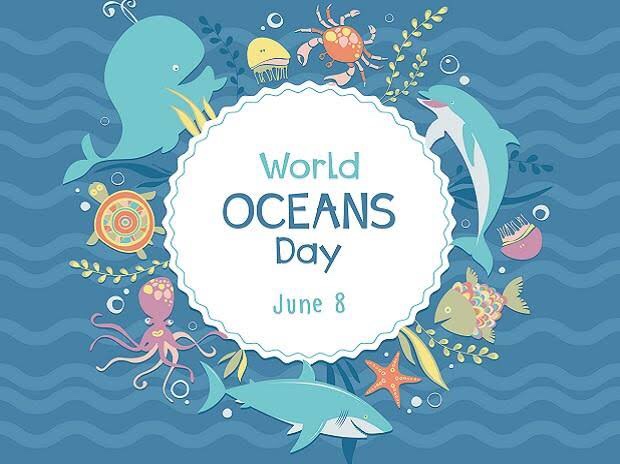
This is one of the various reasons why we should celebrate World Oceans Day. It is an international day that is celebrated on the 8th of June. It was first presented in by Canada’s International Centre for Ocean Development (ICOD) and the Ocean Institute of Canada (OIC) at the Earth Summit in Rio de Janeiro, Brazil in 1992. Later on, World Oceans Day was officially recognised by the United Nations in 2008.
It is celebrated to remind everyone of the vital role the oceans play in our everyday life. They act like the lungs of our planet as they generate most of the oxygen that we breathe. The intend behind celebrating this day is to aware the public about the impact of human actions on the ocean, Evolve a worldwide movement of people for the ocean, and unite the world’s population in order to bring out sustainable management of the world’s oceans.
What are Coral Reefs ?
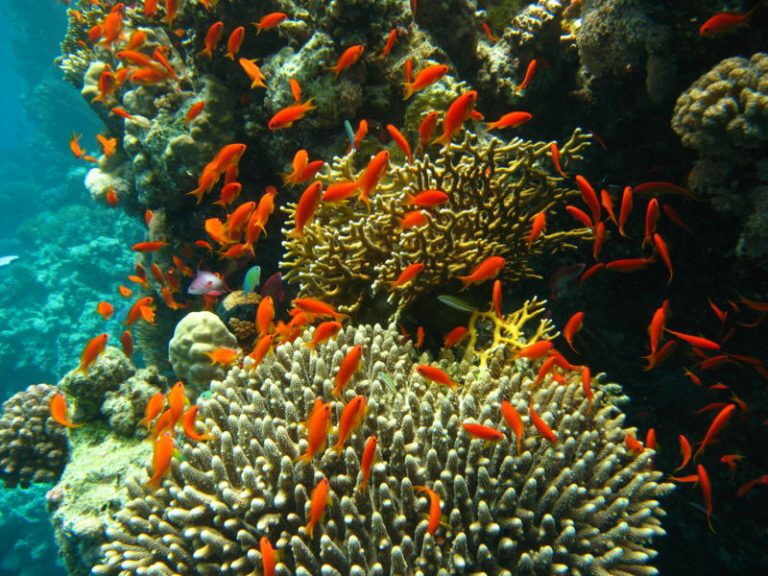
Coral reef in India, Lakshadweep
Oceans consist of coral reefs ecosystems which are diverse and intricate creatures that interact with each other and the physical environment. It is a class of w animal related to jellyfish, hydroids and sea anemones. They play a major role in maintaining the health of our oceans and our economy. But due to the impact of human actions on oceans and its ecosystem, coral reefs faced a huge decline and thus marine ecosystem has been tampered leading to loss of habitat and food for many species.
What can we do to protect Coral Reefs?
Even if we live far from coral reefs, we can have an impact on reef health and conservation. Here’s some things we can do in order to ensure conservation of reefs:
• conserve water: The first and foremost thing we can do is conserve water. The less water we use, the less wastewater and runoff finds it way back to the ocean.
• choose sustainable seafood: Fish populations are increasingly being depleted due to loss of habitat, demand, and unsustainable fishing practices. Choose seafood that is both healthy and sustainable.
• volunteer: volunteer in government projects if you can such a beach cleanups drive.
• Dispose off your trash properly: do not litter places which are near the beach. Don’t leave unwanted fishing nets in the water or on the beach.
• plant a tree: trees reduce runoff into the oceans. By planting a tree, we can contribute in reversing the warming of our planet and rising temperature of our water bodies.
• use organic fertiliser: even if we live far way from water bodies, these products flow into the oceans and rivers, pollute them and can harm the marine life.
• reduce pollution: reduce your carbon foot print and use bicycles, walk or ride the bus. Because emissions from vehicle could lead to ocean warming.
• And finally, stay informed and Spread the Word! Educate yourself about healthy coral reefs and its importance to fish, plants, animals and humankind. Your excitement would help in getting others involved.
As we all know that the whole earth is divided into two parts land and ocean, on earth around 70.9% of the water, and only 29.1% of the land. however, the ocean gives many things and it means a lot to us, it gives water, food, medicine, and the least goes on. the human also takes advantage of it.
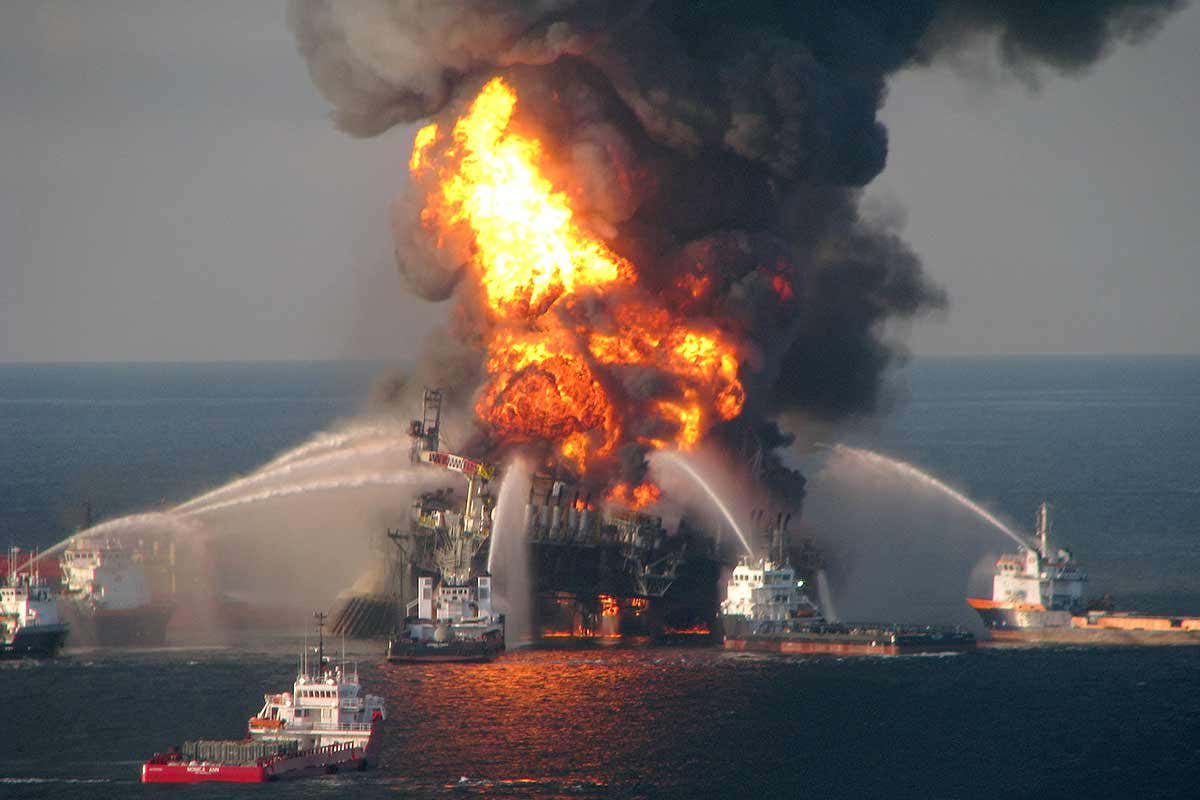
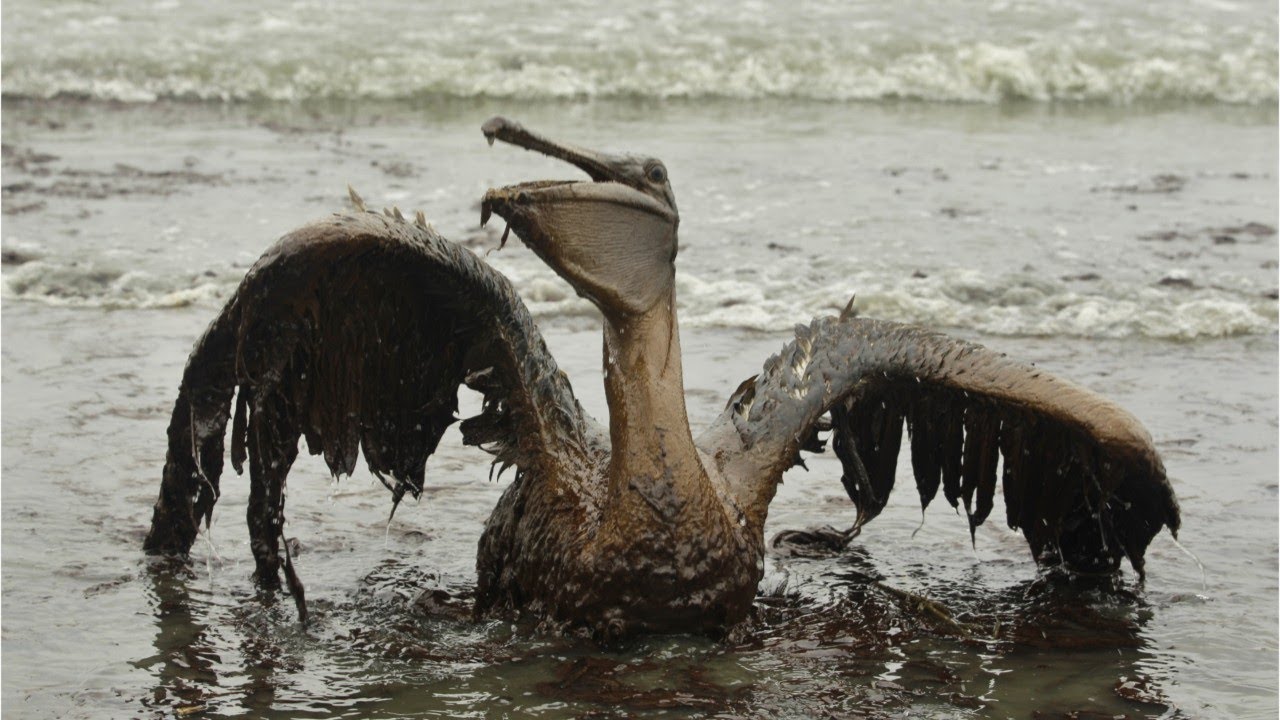
However, nowadays the ocean is in danger because of the pollution and human traffic in the water, big industry and factories also omit their chemicals and wast, due to these the marine life are in danger and some spices are in endanger and many times the oil ship crash in the middle of the ocean and because of the oil spill, the fishes and other creatures do not breath properly and lost there life. many oil industry also plant their plants in the middle of the ocean and because of carelessness these happened,
However, the prestige oil spill happened near the coastline of Galicia, Spain. this was caused by the sinking of the 26-year-old ship in November 2002, which was carried around 70,000 tons of heavy fuel and this accident happened because of heavy Strome. Due to this accident,
The area was totally covered with dead oil-coated coral reefs and many species of sharks and birds, and the fishing industry. but the government also took action to save the ocean and many organization also support and pay the fund to the government, within a two week the ocean was clean and look great as it was.
furthermore, we celebrate world oceans day every year on 8 June, what do you know about this day?
this concept of the day firstly proposed by Canada’s international center for oven development and the ocean institute of Canada in 1992 at the earth summit, and this conformance regarding environment and development held in Rio De Janeiro in Brazil. the day marked in a variety of ways, including launching new campaigns and initiatives, special events at aquariums, and 2005. On that day, people celebrate by cleaning water, beaches, and feeding food to the ocean animals, hence famous influencers and celebrities give a speech on social media and share short movies regarding ocean life on the silver screen, because of this people nowadays, are more aware compared to the past.
in years between 2002 to 2008 dozens of things happened like the first-ever website launched “www.worldoceanday.org”, to promote and give guidance to the people, who wont to do something to make ocean pollution-free and they also share the timeline and events happened around the world, and in 2004 the ocean project launched by the united nation to officially recognization 8 June as world ocean day, in 2008 united nation also made lows to reduce the pollution in the ocean.
we should take steps against those people who pollute the mother nature and we stop them or complain in government departments regarding their work and actions, and the government also take down those industries which spread chemicals in the water.
“There’s nothing more beautiful than the way the ocean refuses to stop kissing the shoreline, no matter how many times it’s sent away.”
Human and it’s bonding with nature has helped him to understand various aspects and secrets hidden in it. Nature has some how been more powerful than the abilities of man and has tested his patience at regular intervals. But our environment has most oftenly provided with the resources which has helped the dynasties to follow up. Human has been moving to places since ages in search of better good and cleaner water to drink. And water being one of the most essential item for the survival has not let itself down, instead has helped human in anyway it could be it as a thirst remover or helping out with food to eat.
On the occasion of “Ocean Day” Which is usually celebrated every year on “8th of June”, we will acknowledge how benefitted we are by these water resource, how are these getting affected day by day and what initial steps can we take to save it and help remain it clean.
Oceans and other water resources have often helped humans to survive either helping through drinking source or travelling or even providing food in hard times. But other than this:
1.These have been a greater source of oxygen generators and helping out in dumping the emissions of carbon dioxide. Thus helps in maintaining the adequate oxygen level for all living beings to live.
2.Moreover it also helps to maintain the temperature of the earth or in simple words it helps in regulating the climate conditions and helps in maintaining a balance of hot and cold environment around the globe.
3.But one of the greatest benefit to human is that oceans and areas near oceans or sea are a good place to enjoy holidays or weekends and trips. It not only freshes the mood of individuals but also gives them a close touch to nature and it’s essence of calmness. People usually perform various water activities, like jet skiing, under water Coral visit, sometimes even swimming also and alot more.
4.Other than all these, it is a good source of sea food generation and people widely invest in eating these cuisine. And many more benefits of it.
But in today’s era, we humans are not really taking care of these resources and rather are deteriorating the quality of these, which truely is affecting oceans, life in it and therefore ourselves also. So the major things which are deteriorating the quality are:
1.Throwing of plastic and things made of plastic in it.
2.Releasing out wastage of the cities or nearby areas into it.
3. Melting of glaciers , leading to rise of water levels and thus a major threat to cities around these oceans. This is due to increasing temperature of earth due to emissions of carbon content.
4.And a lot many things which are making these resources dangerous.
But what can be done and initials steps can be taken to protect these very important resources from getting degraded:
1. The prior is to limit the usage of plastic and things made of it.
2. Cleaning of beach, so that the waste around it does not get mixed up in the ocean when the waves come by.
3.Limit the carbon content being released in the atmosphere every day, by shifting to sustainable form of energy and reducing the use of energy sources emitting these harmful gases.
4.During having a tour around the ocean, never threw any waste out in these pure resources.
5. Understand the importance of marine life and also these oceans and thus aware yourself and others around you to protect these resources.
So the reason to celebrate Ocean day is to aware every one about the importance of these essential component of our earth and showcase how these resources play an essential role in our day to day life and this is surely a way to thank these and make sure to protect them from any kind of mistreatment.
But what people usually do on ocean day. The activities mainly include:
1.People conduct and connect with various awareness campaigns for protecting this resource.
2. Most people conduct clean up drives, which are mainly concentrated on collection of waste around the beaches and also in the oceans and make sure these remain cleaner.
3.Most people also prefer not to eat sea food on this day.
4.Spend times with their family in the evening discussing about the importance of this resources and key steps to help it remain cleaner.
So the key aspect of “Ocean Day” is to understand the importance of water, how it is an essential component for our survival and how can we help it remain clean and pollution free . But the key point to focus is, the care of oceans or any other water resource must not remain focused on these specific days only and rather much be worked on for each and every day in the calendar and thus protect our earth from
we all know that food is important to live life, and it is also a basic need of the human cycle. from the last two years from around the world, people celebrate the world food safety day on 7th Jun, this day was declared by The United Nation Organisation’s Food and Agriculture Association introduce it on 16th October in 1945. the moto to create world food safety day is to create awareness about the existing problems of obesity and malnutrition due to hunger. at an early age, in these only 150 members they have to organized activities and events in an effort to end hunger and promote a healthy lifestyle. When they get the proper results in their organization, they get help from businesses, governments, the media, NGOs and the general public to help those who cannot afford even one meal a day.
In recent 10 to 20 years, all around the globe government established food safety organizations to spread the awareness regarding the crisis of food and hunger, in India Food Safety and Standards Authority of India, established under the Food Safety and Standards Act, 2006, is the regulating body related to food safety and laying down of standards of food in India. this organization collects food from parties and wadding to provide slum people, who can not afford the food for a single time.
However, they not only provide food to poor people but also provide information regarding how to manufacture any product in factories, how Genetically modified foods works, Food additives, and many other services regarding food.
Food processing is the transformation of agricultural products into food, or of one form of food into other forms. Food processing includes many forms of processing foods, from grinding grain to make raw flour to home cooking to complex industrial methods used to make convenience foods. Primary food processing is necessary to make most foods edible, and secondary food processing turns the ingredients into familiar foods, such as bread. on many T.V. channels also telecasted many shows which are authorized by well-known food manufactories for farmers to grow healthy and good crops. from many times food processing has been criticized for promoting overnutrition and obesity, containing too much sugar and salt, too little fiber, and otherwise being unhealthful in the dietary needs of humans and farm animals. With the help of a food safety organization, the ration is going down slowly.
nowadays genetically modified food is also famous all around the world many countries scientist do research on how to grow genetically modified food and china get success in it and they made first-ever modified corn and they also do research on food which provide high vitamins and other essential things for the body.
they also run classes where they teach us how to read the label, Know your produce, Know your seller/market, Clean your food, Store right, Cook properly, and Eat raw but eat right.
The United Nation Organisation also run a campaign regarding the obesity, which we can see in present world in small and adult children, more than 603 million adults and 107 million children out of a global population of around 7.5 billion are obese. spreading the right information regarding it is very important and help full for the future a single child, otherwise, a child has to face problem regarding asthma, heart disease.
So, we have to support this organization and do not disobey the instructions which are provided.
“Clean was our environment and so were our surroundings,animals were happy and strong were the bondings. In the race to change our selves, we changed everything around, with scarcity of resources, and humanity deeply drowned”. In todays era, where work culture is mostly preferred, and least preferences are given to people, their feelings,emotions and most importantly to the nature. With increasing pollution and leading scarcity of resources all around, human has destroyed the purest form of living standards and shifted to the artificial ones. Man is using all sorts of natural resources available around him for his own benefits and is harming our health as well as nature indeed. But the Awareness and concern has been seen since last few years and people are getting aware about the bad affects of these and how it’s utilization is harming our health and nature and how few terms like “Global warming” and “Climate change” have come up. Most of the countries are working on this issue and trying best resources to counter the effects of these.
But the main thought which comes into mind is that ” Do we humans really care for our nature and thus saving it’s resources from getting replenish” or there is some more in addition to it, which may include the “Thought of utilizing these resources in future,when the other alternatives are not more effective”. And will this shift towards more cleaner resources or sustainable resources prove to be more effective and efficient.
But the major concern for the same is that do we really care for these non-sustainable resources and want them to be with us forever. Possible thoughts could be : 1. That yes, we do care for the natural and non sustainable resources and we want their presence with us for a longer duration of time so as to maintain a proper balance in our environment. 2. Most of the countries are shifting towards cleaner energy. But if they have a thought of saving these for future reserve, it’s still better, as these will remain with us, till further usage. 3. But the truth is that most people hardly care about these natural and non-sustainable resources and believe in just working as it’s going on without any change, which surely needs to be changed.
But the question still arises is that why should we shift to sustainable energy as a source of energy and stop using these resources which we know are less and are harming our nature. This may include- 1. Quantity of these resources is endless 2. These are Ecofriendly. 3. These are more cost effective and require just installation charges.
We have these alternatives and know about these, then why are we still not shifting to these new methods and still using the old traditional ones. The main points include: 1. Technological deficiency. 2. Basic information on how these resources can be brought into physical form and bring out maximum output. 3. Lack of interest of people, as most of them hardly care and others are afraid to shift to new things.
Having a glance around our surroundings, we can easily acknowledge that we have made our life’s horrible and also destroyed or nature. The need to shift to natural and clean source of energy is the prior requirement at present as well future so as to live in a clean environment . Saving our nature through the act of finding alternatives to the energy as a source generation can be the change we want and thus make our planet “Greener” and “Cleaner”
Mobile is the essential thing nowadays, we all know that food, clothes, and shelter these are the basic requirement of the human cycle, however, in this cycle human added mobile phone as a basic need, because of the advancement of the technology, furthermore, majority people on earth have own smartphone from old age people to a small child have it.
in modern times, no one can live without a cellphone, people forget to eat and take care of their child, but never lost or forget their phone. According to the article which was published by Global System for Mobile Communications, in that post, they declared the ratio of cellphone user around the globe, and the ratio is 5.13 billion people have owned a mobile phone, and the ratio is increasing day by day. from around the globe, many companies like GSMA have an eye on the users and what they surf on the cellphone and how much time people spent on it in the day.
As we all know that without the internet, mobile is like empty and codless phone, which our grandparents use at their young age, we can find each and everything on the internet, whenever we stuck any were in education or on the place at the time mobile phone help us, by finding the solution, google has all answer of the question, which we have in our mind, just we have to ask to google and it displays on the screen, and the speed is like no one can beat it.
Here are some advantages of using a smartphone:
1) Communication: with the help of a cellphone one can connect themselves with others ever living far distance with the help of audio as well as video call.
2) Social media: in the age of social media, the whole world is like a small global village, people can share a post, communicate by messaging, and displaying the timeline, many time people make their friends online, chat with them and enjoy the company and never get bored in free time.
3) Daily News: on the mobile phone there are many news applications, where we are connected to the things happening around the world, we can find news regarding sports, politician, current affairs, daily stories, and we also get pop-up notification daily morning and a whole day, so we do not have to turn on the television and change the channels.
4) Photography: with the help of mobile phone all youngster becomes the photographer, additionally, mobile companies also focus and endorse the features of the camera with high resolution, which capture the important and long life memories, whenever people see in future they can recognize well.
5) Online services: nowadays each and every item available online on our phone, by playing games on can earn money, on can maintain their financial balance, banking also be done online, shopping, booking a ticket for holidays, and ordering food. and these all things can be done by just tapping on the screen.
6) Education: Parents and children can learn many things online from anywhere and every ware at any place and the choices of times is according to us. in the situation like COVID-19 we can see that all classes held online even student who studied in 6th grade they also have online classes on that way it will help us.
If we consider the downside of mobile phone:
1) when people use a mobile high rate then they may be addicted to the cell phone they never left this addiction and it will affect the time and health like insomnia.
2) If people use a smartphone till late night, they will not gonna have proper sleep and rest, so,it will harm full for their eyesight
3) sometimes people use a phone for the whole day, they will miss the outdoor fun with friends, or if they are in the home, they will miss the quality time with there family, and it will lead to the communication gap between family members.
4) whenever we use the smartphone touch screen, there may behave millions of micro germs, and when we use those hands while eating, it will spread in the whole body and our body might be infected.
Every people, know the famous personality steve jobs, the owner of the Application company. in the year 2011, the new york times published the interview of the MR.steve and he told that “he prohibited his kids from using the newly launched IPad and other product” and he also limited the technology in his house. he also told, ” he knows that he made monster in the form of Apple product”. Furthermore, Bill Gates also said in the public press “he never allows their child to use the smartphone until the child becomes over 14 years old.
So, by taking motivation from those two legends parents should restrict the usage of mobile phone at their home.
The Union Ministry of Environment, Forest and Climate Change (MoEF&CC) has sent a show-cause notice to the company running the Okhla waste-to-energy (WTE) plant in southeast Delhi, asking it to explain “why its Environmental Clearance (EC) granted in 2007 should not be kept in abeyance”.
Introduction
The Okhla Waste-to-Energy (WtE) plant is one of the prominent waste management facilities in India, located in the Okhla area of South Delhi. As urbanization continues to grow in cities like Delhi, managing municipal solid waste (MSW) has become a significant challenge. The Okhla WtE plant plays a crucial role in addressing this challenge by converting waste into energy, thus reducing the environmental impact of waste disposal and contributing to sustainable urban development.
Background and Establishment
The Okhla Waste-to-Energy plant was commissioned in 2012 and is operated by the Jindal Ecopolis, a subsidiary of Jindal Steel and Power Ltd. The plant was established under a Public-Private Partnership (PPP) model with the Delhi government, the Municipal Corporation of Delhi (MCD), and Jindal Ecopolis as stakeholders. The facility was built to address the growing issue of waste accumulation in Delhi and to generate electricity from waste, a renewable energy source.
Capacity and Operations
The Okhla WtE plant has a processing capacity of approximately 2,000 metric tons of municipal solid waste per day. It generates around 16 megawatts (MW) of electricity, which is supplied to the local grid, providing power to thousands of households in the area.
The plant uses incineration technology to burn the waste, producing heat that is used to generate steam. The steam drives turbines to produce electricity. The facility primarily handles mixed municipal waste, including biodegradable and non-biodegradable materials.
Key Features of the Plant
Incineration Technology: The plant uses mass-burn incineration technology, where waste is burned at high temperatures in a controlled environment. This process significantly reduces the volume of waste, converting it into ash, flue gases, and heat energy. The heat energy is then used to generate electricity.
Environmental Controls: The Okhla WtE plant is equipped with various environmental control systems to minimize emissions and pollutants. These include flue gas cleaning systems, electrostatic precipitators, and continuous emission monitoring systems (CEMS) to ensure that emissions meet regulatory standards. The plant is also designed to handle hazardous waste, ensuring that harmful substances are properly treated.
Resource Recovery: In addition to generating electricity, the plant recovers materials like metals from the waste before incineration, contributing to resource conservation and reducing the need for raw materials.
Waste Diversion: By converting waste into energy, the Okhla WtE plant helps divert a significant amount of waste from landfills, reducing the burden on the city’s waste disposal infrastructure.
Environmental Impact and Concerns
While the Okhla WtE plant contributes to waste management and renewable energy generation, it has also been the subject of environmental and health concerns. Local residents and environmental groups have raised concerns about air pollution, especially emissions of particulate matter, dioxins, and furans, which are harmful to human health and the environment.
Air Quality Concerns: Critics argue that despite the plant’s emission control systems, it may still release pollutants that can contribute to air pollution in Delhi, a city already grappling with severe air quality issues. Studies and reports have highlighted the potential health risks associated with living near WtE plants, particularly for vulnerable populations.
Health Impacts: Local communities have reported respiratory problems, skin conditions, and other health issues that they believe are linked to the plant’s emissions. The proximity of the plant to residential areas and hospitals has intensified these concerns.
Regulatory Compliance: The plant has faced legal challenges and protests from environmental activists and local residents. In response, the operators have made efforts to improve emission controls and comply with environmental regulations. However, debates continue about whether the plant’s operations are fully aligned with the best practices for waste-to-energy technology.
Alternatives to Incineration: Environmentalists advocate for more sustainable waste management practices, such as recycling, composting, and reducing waste generation at the source, rather than relying on incineration. They argue that WtE plants may undermine efforts to promote waste reduction and recycling by prioritizing waste as a fuel source.
Economic and Social Impact
Economic Benefits: The Okhla WtE plant contributes to the local economy by generating electricity from waste, reducing dependence on fossil fuels, and creating jobs in waste management and plant operations. The PPP model has also encouraged private sector investment in waste management infrastructure.
Social Impact: The plant has generated both positive and negative social impacts. While it provides electricity and reduces waste accumulation, it has also sparked concerns among local communities about health and environmental justice. The plant’s location in a densely populated urban area has led to debates about the equitable distribution of environmental risks and benefits.
Public Awareness: The controversy surrounding the Okhla WtE plant has raised public awareness about waste management and environmental issues in Delhi. It has also sparked discussions about the need for more sustainable and community-friendly approaches to waste disposal.
Future Prospects and Sustainability
The future of the Okhla Waste-to-Energy plant lies in balancing the benefits of waste-to-energy technology with the need for environmental protection and public health. Potential improvements could include:
Upgrading Technology: Investing in advanced incineration technology and more effective emission controls to further reduce the environmental impact of the plant.
Promoting Waste Segregation: Encouraging better waste segregation at the source to improve the quality of waste fed into the plant and reduce the production of harmful emissions.
Community Engagement: Strengthening dialogue with local communities and addressing their concerns through transparent monitoring and reporting of emissions and health impacts.
Exploring Alternatives: Exploring alternative waste management strategies, such as anaerobic digestion, mechanical-biological treatment (MBT), and expanding recycling programs, to complement the WtE approach.
Conclusion
The Okhla Waste-to-Energy plant is a significant component of Delhi’s waste management strategy, providing a solution to the city’s growing waste disposal challenges while generating renewable energy. However, its environmental and health impacts have sparked ongoing debates about the best ways to manage urban waste sustainably. Balancing the plant’s benefits with the need for public health and environmental protection will be crucial in shaping the future of waste management in Delhi and other rapidly urbanizing cities.
The establishment of a solid waste compost plant in Model Town, Delhi, would be a significant step towards sustainable waste management and environmental conservation. Composting is an effective technique that converts organic waste into nutrient-rich compost, which can be used as a soil amendment in agriculture and horticulture. Here’s an overview of the potential benefits and considerations of setting up such a plant in Model Town.
Waste Management Solution: The compost plant would provide an efficient solution for managing organic waste generated in Model Town. Instead of sending this waste to landfills where it contributes to the production of harmful greenhouse gases, the plant would divert the organic waste for composting. This would significantly reduce the amount of waste being landfilled, thus minimizing the associated environmental and health hazards.
Resource Recovery and Circular Economy: The compost plant would facilitate resource recovery by converting organic waste into valuable compost. This compost can be utilized to enrich the soil, enhance agricultural productivity, and reduce the reliance on chemical fertilizers. By closing the loop on organic waste, the plant would contribute to the principles of a circular economy by promoting the reuse and regeneration of resources.
Environmental Benefits: The establishment of a compost plant in Model Town would yield several environmental benefits. Composting organic waste reduces the emission of methane, a potent greenhouse gas, from landfills. Moreover, compost acts as a natural soil conditioner, improving soil structure, water retention, and nutrient content. By utilizing compost, farmers can reduce their dependence on synthetic fertilizers, which can have adverse environmental impacts. Additionally, composting helps conserve water by improving soil’s water-holding capacity, leading to more sustainable agricultural practices.
Community Engagement and Employment Opportunities: The compost plant can serve as a community engagement platform, promoting waste management awareness and encouraging residents to participate in composting initiatives. Educational programs and workshops can be organized to educate residents about the benefits of composting and how to segregate organic waste at source. Moreover, the plant would create employment opportunities, both in terms of plant operations and outreach activities, contributing to the local economy.
Odor and Environmental Concerns: It is essential to address potential concerns related to odor and environmental impacts. Advanced composting techniques, such as aerobic composting or enclosed systems, can be implemented to minimize odor generation. Proper odor control measures, regular maintenance, and monitoring of the plant’s operations can help ensure that any potential negative impacts are mitigated.
Infrastructure and Regulatory Framework: Setting up a solid waste compost plant would require the necessary infrastructure, including composting units, shredders, curing areas, and quality control laboratories. Adequate space, proximity to waste generation sources, and proper waste collection and transportation systems would also be crucial considerations. Compliance with local environmental regulations and waste management policies would be essential to ensure the plant’s operations are in line with the required standards.
In conclusion, the establishment of a solid waste compost plant in Model Town, Delhi, would provide a sustainable waste management solution, contribute to resource recovery, and yield environmental benefits. It would require community engagement, proper infrastructure, and adherence to regulatory guidelines. By embracing composting as a waste management strategy, Model Town can move towards a more sustainable and environmentally conscious future.





 and they also do research on food which provide high vitamins and other essential things for the body.


 Eduindex
You must be logged in to post a comment.