Bounce House Near Me in Sand Springs: Local Favorites

Daily writing prompt
What do you do to be involved in the community?

Finding the perfect bounce house near me in Sand Springs can transform an ordinary event into an unforgettable celebration. With a wide variety of options available, from colorful inflatable castles to themed jump house rentals near me, knowing what to look for helps ensure fun and safety for all guests. Whether you’re planning a birthday, school carnival, or community gathering, choosing the right inflatable bounce house can make all the difference.

Photo by Stephen Fuller on Pexels.com

Top Local Bounce House Picks

Residents in Sand Springs have access to some of the best bounce house rentals in Tulsa and the surrounding areas. Many of these options are provided by trusted vendors, including the well-known event agency BISON Party Rental. They specialize in safe, affordable, and clean inflatable house rental services for all types of events.

  • Classic Bounce Houses: Perfect for young children who enjoy jumping and tumbling in a safe environment.
  • Themed Inflatable Houses: Choose from princess castles, superhero forts, or jungle adventures to match your event’s theme.
  • Combo Units: These include slides or obstacles, combining fun features into one large inflatable jump house.

Why Locals Prefer BISON Party Rental

The event agency BISON Party Rental has earned a stellar reputation for providing top-tier bounce house hire services. Locals in Sand Springs consistently choose them for their wide inventory, reliable service, and safety standards. Their inflatable rentals near me include a variety of options, from traditional blow up bounce house designs to innovative inflatable playgrounds.

Tips for Choosing a Bounce House

If you’re searching for bounce house rentals near me, there are several important factors to consider. Not all inflatable house options are created equal, and ensuring that your chosen rental suits your space, audience, and budget is essential.

  • Check dimensions and ensure it fits your event area.
  • Verify age and weight limits to match your guest list.
  • Ask about setup and takedown procedures.
  • Ensure the company is licensed and insured.
  • Read reviews and compare rental terms from different providers.

Final Thoughts

Whether you’re hosting a backyard birthday or a large festival, a bounce house adds excitement and energy to any gathering. Sand Springs residents are fortunate to have access to high-quality bounce house rentals in Tulsa and surrounding communities. Companies like BISON Party Rental make it easier than ever to plan a fun and memorable event with the perfect inflatable house rental. From classic inflatable bounce house styles to thrilling inflatable jump house combos, the options are vast and customizable. With just a little planning, your event will be a bouncing success!

Discipline in the Indian Education System

By Shashikant N Sharma

In education, discipline refers to the rules and practices that help students learn and grow in a safe environment. It helps students stay organized and focused, and can help them develop good study habits. 

Daily writing prompt
Describe the most ambitious DIY project you’ve ever taken on.

Discipline is a crucial component of the Indian education system, shaping the moral, ethical, and academic foundation of students. It is not just about maintaining order but also about instilling values such as responsibility, respect, and self-regulation. The Indian education system, rooted in ancient traditions and evolving through modern reforms, has always emphasized discipline in various forms.

1. Historical Perspective on Discipline in Indian Education

a. Ancient Gurukul System

  • The Gurukul system was the earliest form of education in India, where students (shishyas) lived with their teachers (gurus) in an ashram.
  • Discipline was strictly maintained through rules that emphasized obedience, humility, and rigorous academic and physical training.
  • Punishments were minimal as self-discipline was encouraged through spiritual learning and practical wisdom.

b. Colonial Influence on Discipline

  • The British education system introduced structured discipline in schools through strict rules, uniforms, and punishments.
  • Corporal punishment was common, and the system focused more on rote learning and obedience rather than creativity and critical thinking.

c. Post-Independence Reforms

  • After independence, India adopted a more balanced approach, incorporating discipline with democratic values.
  • Policies promoted student-friendly environments while maintaining classroom order and respect for authority.

2. Forms of Discipline in Indian Schools and Colleges

a. Self-Discipline

  • Encouraged from an early age, students are taught to take responsibility for their actions.
  • Morning assemblies, yoga, meditation, and moral education help in self-discipline.

b. Institutional Discipline

  • Schools and colleges follow strict codes of conduct regarding attendance, uniforms, behavior, and academic performance.
  • Rules are set to ensure order, such as punctuality, respect for teachers, and adherence to dress codes.

c. Teacher-Imposed Discipline

  • Teachers play a major role in enforcing discipline through classroom management and behavioral guidance.
  • Positive reinforcement, mentorship, and counseling are increasingly replacing traditional punitive methods.

d. Parental and Societal Influence

  • Indian parents place significant emphasis on discipline, ensuring that children follow rules at school and home.
  • Society also plays a role in shaping student behavior through cultural expectations and moral upbringing.

3. Role of Discipline in the Indian Education System

a. Academic Excellence

  • A disciplined environment ensures that students focus on studies, complete assignments on time, and respect deadlines.
  • Punctuality and time management are key aspects of academic discipline.

b. Character Development

  • Discipline instills values like honesty, responsibility, and perseverance.
  • It prepares students to face real-world challenges with resilience and determination.

c. Social Harmony

  • Schools promote discipline to foster mutual respect, teamwork, and cooperation among students from diverse backgrounds.
  • It helps in reducing conflicts and promoting a peaceful learning atmosphere.

d. Preparation for Professional Life

  • The disciplined environment of educational institutions prepares students for the workforce, where punctuality, work ethics, and responsibility are essential.

4. Challenges in Maintaining Discipline

a. Changing Societal Norms

  • The influence of social media and digital platforms has impacted traditional discipline methods.
  • Students are more independent but also more prone to distractions and indiscipline.

b. Issues of Corporal Punishment

  • Though banned, corporal punishment still exists in some schools, leading to psychological stress among students.
  • The focus is now shifting toward counseling and positive discipline strategies.

c. Parental Overindulgence

  • Some parents are overprotective, interfering in school disciplinary actions and making it difficult for institutions to enforce rules.

d. Teacher Shortages and Workload

  • Overburdened teachers struggle to maintain discipline effectively while handling large class sizes.

5. Modern Approaches to Discipline in Education

a. Positive Discipline Strategies

  • Encouraging students through rewards and appreciation rather than punishments.
  • Engaging students in decision-making to develop accountability.

b. Digital Monitoring and AI-Based Discipline

  • Schools use digital attendance, CCTV cameras, and AI-driven behavior monitoring to track and enforce discipline.

c. Student Counseling and Emotional Support

  • Schools and colleges now focus on mental health and counseling to address behavioral issues rather than harsh disciplinary measures.

d. Legal Framework for Student Discipline

  • The Right to Education (RTE) Act, 2009, and guidelines from CBSE, ICSE, and UGC ensure that discipline policies align with child rights and ethical standards.

6. Conclusion

Discipline in the Indian education system has evolved from rigid control to a more balanced, student-friendly approach. While maintaining order and respect remains essential, modern education policies emphasize holistic development, self-regulation, and psychological well-being. Moving forward, India must continue to balance traditional discipline with progressive, positive reinforcement strategies to create responsible, well-rounded individuals.

References

Amare, G. (1967). Aims and Purposes of Church Educaiton in Ethiopia. The Ethiopian Journal of Education1(1), 1-11.

Adaobi, E. M., & Abigail, O. M. (2021). Effect of problem-based learning on achievement of secondary school computer studies sudents in nnewi educaiton zone. International Journal of Innovative Research and Advanced Studies (IJIRAS)8(6), 93-97.

Harman, G. (2000). Institutional Mergers in Australian Higher education since 1960. Higher Education Quarterly54(4), 343-366.

Cavanagh, D. M. (1985). Teacher Curriculum: A Failed Paradigm of Practise and Proceedure. Australian Journal of Teacher Education10(2), 5.

Ping, H., & Liu, Y. (2010, March). Notice of Retraction: Demonstrative Analysis of Undergraduate Hospitality Management Education in Research-oriented Universities of China and of America. In 2010 Second International Workshop on Education Technology and Computer Science (Vol. 1, pp. 735-738). IEEE.

Yorke, M. (2000). Developing a Quality Culture in Higher Educaiton. Tertiary Education and Management6(1), 19-36.

Nurturing Creativity and Curiosity in Young Minds

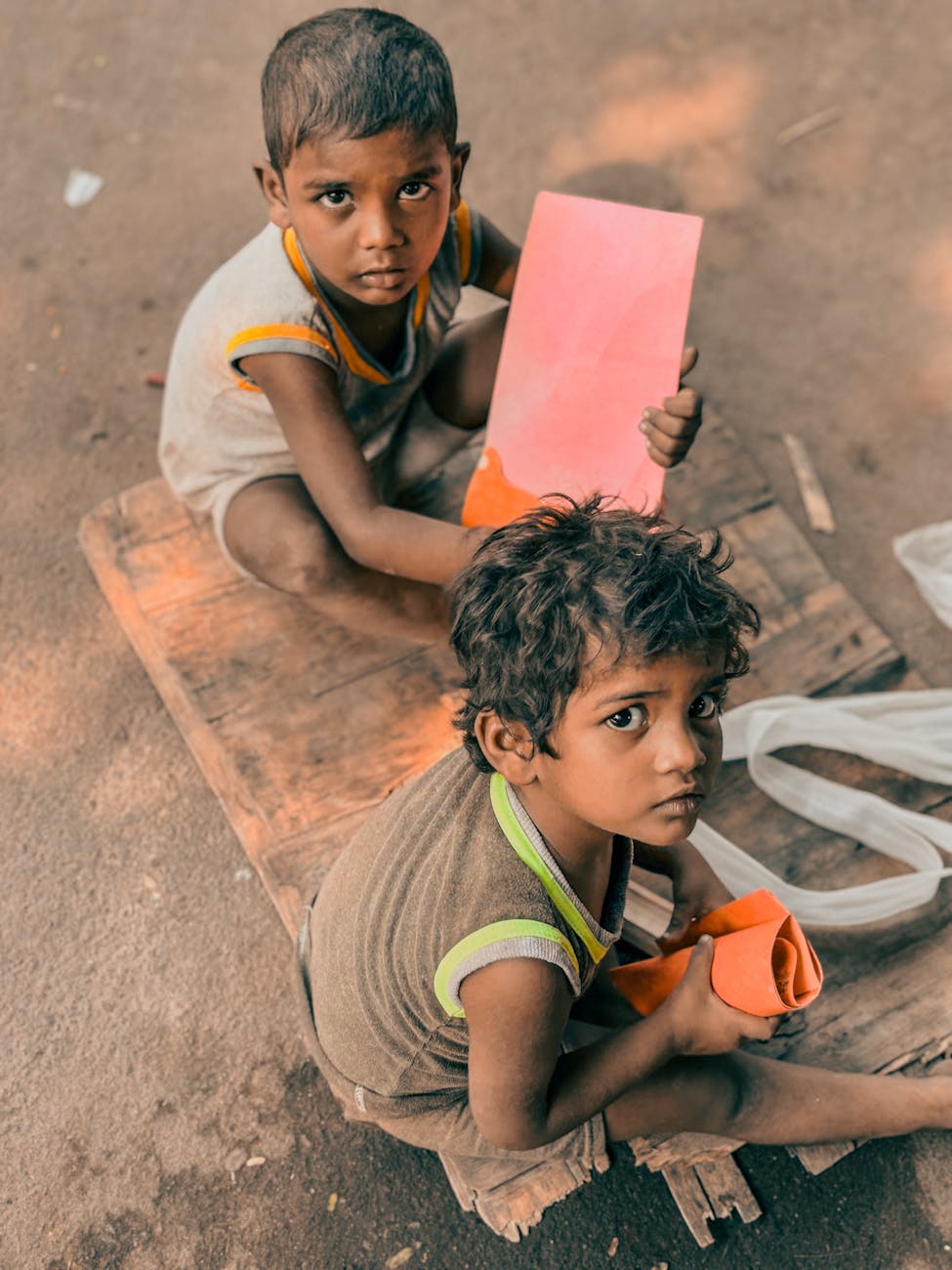
In a rapidly changing world, creativity and curiosity are crucial skills for young minds. These traits not only enhance learning but also equip children with the tools they need to thrive in an unpredictable future. By fostering an environment that nurtures these qualities, we can help unlock each child’s potential and prepare them for lifelong success.

Photo by Wevlog VIjay on Pexels.com

The Importance of Creativity in Childhood

Creativity is more than just artistic expression. It encompasses problem-solving, critical thinking, and the ability to see things from different perspectives. Encouraging creativity in children helps them adapt to new situations and challenges, enhancing their ability to innovate and think independently.

Curiosity as a Catalyst for Learning

Curiosity is the driving force behind exploration and discovery. When children are curious, they are motivated to learn and seek answers. This intrinsic motivation leads to deeper understanding and retention of knowledge, making curiosity a vital component of effective learning.

Creating a Stimulating Environment

To nurture creativity and curiosity, it’s essential to create an environment rich with opportunities for exploration. This includes providing diverse materials and experiences that spark interest and encourage experimentation. A variety of art supplies, building blocks, and open-ended play items can inspire imaginative play and critical thinking.

Encouraging Open-Ended Questions

One of the most effective ways to nurture curiosity is by asking open-ended questions. These types of questions prompt children to think deeply and express their ideas, fostering a sense of wonder and exploration. Instead of asking yes-or-no questions, encourage children to explain their reasoning and expand on their thoughts.

The Role of Play in Creative Development

Play is a powerful tool for nurturing creativity and curiosity. Through play, children learn to experiment, take risks, and solve problems. Whether it’s building a fort or pretending to be a superhero, play allows children to explore their environment and discover new ideas in a fun and engaging way.

Incorporating Art and Music

Art and music are integral to fostering creativity in young minds. These mediums allow children to express themselves freely and explore different emotions and ideas. Encouraging children to draw, paint, or play an instrument can enhance their creative thinking and provide a valuable outlet for self-expression.

Encouraging Outdoor Exploration

Nature is a rich source of inspiration and discovery for young minds. Time spent outdoors helps children develop their senses and observe the world around them. Encourage activities like nature walks, gardening, and outdoor games to spark curiosity and connect children with the natural environment.

Storytelling and Imagination

Storytelling is a powerful tool for nurturing creativity and curiosity. When children hear stories, they create vivid images in their minds and explore different scenarios. Encourage children to tell their own stories, helping them develop their imagination and communication skills.

Supporting Risk-Taking and Failure

A key aspect of nurturing creativity is allowing children to take risks and learn from their mistakes. By creating a safe environment where failure is viewed as a learning opportunity, children become more willing to experiment and try new things. This mindset fosters resilience and encourages innovation.

Fostering a Growth Mindset

Teaching children to adopt a growth mindset is crucial for nurturing creativity and curiosity. When children believe that their abilities can improve with effort and persistence, they are more likely to pursue challenges and learn from setbacks. Encourage children to view obstacles as opportunities for growth and exploration.

Encouraging Collaboration and Teamwork

Working with others can enhance creative thinking and problem-solving skills. Encourage children to collaborate on projects and activities, promoting teamwork and communication. This collaborative approach helps children learn from different perspectives and develop a sense of shared accomplishment.

Conclusion

Nurturing creativity and curiosity in young minds is essential for their development and future success. By providing a supportive and stimulating environment, encouraging exploration and play, and fostering a growth mindset, we can help children reach their full potential. Whether it’s through art, storytelling, or outdoor activities, every experience contributes to a child’s learning journey. For parents in the daycare in West Jordan, these practices can be particularly beneficial, providing a foundation for creativity and curiosity that will last a lifetime.

Nurturing Bonds: Exploring Family and Social Structures

Daily writing prompt
Describe a positive thing a family member has done for you.

Family and social structures serve as the cornerstone of human society, providing support, guidance, and a sense of belonging. These intricate webs of relationships shape our identities, influence our behaviors, and contribute significantly to our overall well-being. Understanding the dynamics of family and social structures offers insights into the fabric of society and the mechanisms through which individuals interact and thrive.

Photo by Emma Bauso on Pexels.com

The Importance of Family: Family, in its various forms, plays a pivotal role in shaping individuals from early childhood through adulthood. The nuclear family, consisting of parents and their children, forms the basic unit of society. Within this unit, familial bonds are nurtured, values are transmitted, and emotional support is provided. Beyond the nuclear family, extended families, comprising relatives such as grandparents, aunts, uncles, and cousins, offer additional layers of support and interconnectedness.

The family serves as a primary agent of socialization, imparting cultural norms, values, and traditions to its members. Through interactions within the family unit, individuals learn essential life skills, develop their identities, and acquire social roles. Moreover, the family provides emotional security and serves as a buffer against the stresses of life, fostering resilience and cohesion.

Variations in family structures exist across cultures and societies, reflecting diverse norms, beliefs, and practices. While some societies emphasize extended family networks and communal living arrangements, others prioritize nuclear family units and individual autonomy. These variations underscore the adaptive nature of family structures in response to socio-cultural contexts and economic realities.

Challenges and Transformations: Despite its significance, the traditional notion of the family has undergone considerable transformation in recent decades. Socioeconomic changes, such as urbanization, globalization, and economic disparities, have reshaped family dynamics and roles. Factors such as increased mobility, dual-career households, and shifting gender norms have altered traditional family patterns, leading to greater diversity in family structures and functions.

Challenges such as family breakdown, divorce, and single-parent households highlight the complexities inherent in contemporary family life. While these changes may pose challenges, they also offer opportunities for redefining family roles, fostering inclusivity, and promoting resilience. Moreover, alternative family arrangements, including blended families, same-sex partnerships, and chosen families, challenge conventional norms and expand the notion of kinship and support networks.

Social Structures and Community: Beyond the family unit, social structures encompass broader networks of relationships and affiliations within society. These structures include friendships, community organizations, religious institutions, and professional networks, among others. Social structures provide avenues for social interaction, cooperation, and collective action, contributing to social cohesion and mutual support.

Communities serve as essential extensions of the family, offering additional layers of social support and belonging. Within communities, individuals forge connections, share resources, and collaborate on shared goals and interests. Moreover, communities play a vital role in fostering social capital, promoting civic engagement, and addressing collective challenges such as poverty, inequality, and social injustice.

Conclusion: Family and social structures form the scaffolding of human society, shaping our identities, relationships, and experiences. From the intimate bonds of the family unit to the broader networks of community and society, these structures provide the foundation for individual growth, collective well-being, and societal resilience. As society continues to evolve, understanding and nurturing these bonds are essential for fostering inclusive, thriving communities where all individuals can flourish.

Salient features of Indian Society, Diversity of India

Indian society is very unique and diverse. We have a lot of cultures, communities, religions, languages, etc

India is a plural society, characterized by its unity and diversity. A grand combination different cultures, religions and languages of the people belonging to different castes and communities has upheld its unity. This combination of different culture and ethnicities is what that has made India unique from other countries. Different events such as the foreign invasions, immigration from other parts of the world, and the existence of diverse languages, cultures and religions have made India’s culture open- minded , on the one hand, and a unique continuing and living culture, with its specificity and historicity, on the other. Not only we have diversity in racial compositions, religious and linguistic distinction but also in patterns of living, life styles, land tenure systems, occupational pursuits, inheritance and succession law, and practices and rites related to birth, marriage death etc. 

Post-Independent India is a nation united against several odds and obstacles. India is a secular state. It has one Constitution providing guarantees for people belonging to diverse regions, religions, cultures and languages. It covers people belonging to all socioeconomic strata. The Article 15 of the Indian Constitution talks about Prohibition of discrimination on grounds of religion, race, caste, sex or place of birth. Our Indian Constitution itself safeguards and protects the rights of every individual irrespective of their religion, race, caste sex or place of birth. It gives everyone opportunity and treats everyone equally.

DIFFERENT FEATURES OF INDIAN SOCIETY

MULTI RELIGIOUS SOCIETY

India consists of people from many different religions. Hinduism, Islam, Christianity, Buddhism, Jainism, Sikhism are some major religion in India, However there are other different religions as well. Hinduism is the most dominant religion in India.

As per the census 2021, there are approx. 110 crore people follow Hinduism in India. The Hindus are most numerous in 29 States/UTs except in Manipur, Arunachal Pradesh, Mizoram, Lakshadweep, Nagaland, Meghalaya, Jammu & Kashmir, and Punjab.

Approx.  20 crores of people are Muslims In India. The Muslims professing Islam are in majority in Lakshadweep and Jammu & Kashmir.

In 2021 approx. 3.20 Crores people are Christians in India. Christianity has emerged as the major religion in three North-eastern states, namely, Nagaland, Mizoram, and Meghalaya. 

In 2021 approx. 2.4 Crores people follow Sikhism in India.

In 2021 approx. 10 million or 1 Crore people are followers of Buddhism in India and In 2022 approx. 5 million or 50 Lakh people follow Jainism in India.

MULTI RACIAL SOCIETY

Race is a group of people with a set of distinctive physical features such as skin colour, type of nose, form of hair, etc. India is a country of people with different racial groups. The latest racial classification of the Indian people based on researches in this field has been given by B.S. Guha (1952). He has identified six racial types (1) the Negrito, (2) the Proto Australoid, (3) the Mongoloid, (4) the Mediterranean, (5) the Western Brachycephals, and (6) the Nordic.

MULTI LINGUAL SOCIETY

According to the latest analysis of a census more than 19,500 languages or dialects are spoken as mother tongue in India.

There are 121 languages which are spoken by 10,000 or more people in India, which has a population of 121 crore. Only 22 languages are listed in Schedule VIII of the Indian Constitution. The 96.71 per cent population in the country have one of the 22 scheduled languages as their mother tongue and the remaining 3.29 per cent is accounted for other languages. Not all these languages are, however, equally widespread. Many of them are tribal speeches and these are spoken by less than one percent of the total population so here we can clearly see see that in India there is a great deal of linguistic diversity as there are so many people of different languages and dialects.

MULTI CASTE SYSTEM

The term caste is generally used in two senses: sometimes in the sense of Varna and sometimes in the sense of Jati. In India, caste system is very much prevalent. The Varna system is basically a four fold system in the Hindu society based on their functional criteria, the four divisions are Brahmins, which is on the top of this system followed by kshatriya, Vaishyas and then shudra with their functions as learning or teaching, defense, trade and manual labour. We find castes among the Muslim, Christian, Sikh as well as other communities. One must have heard of the hierarchy of Shaikh, Saiyed, Mughal, Pathan among the Muslim. Similarly, caste consciousness among the Christian in India is not unknown. Since a vast majority of Christians in India are converted from Hindu fold, the converts have carried the caste system into Christianity. Among the Sikh again we have so many castes including Jat Sikh and Majahabi Sikh (lower castes).

In addition to the above described major forms of diversity, we have diversity of many other sorts like settlement patterns – tribal, rural, urban; marriage and kinship patterns along religious and regional lines; cultural patterns reflecting regional variations, and so on.

Some other of the salient features applicable to Indian Society are:

  1. Unity In Diversity
  2. Patriarchal Society
  3. Tribes
  4. Family
  5. Kinship System
  6. Balance between spiritualism and materialism
  7. Co-existence of traditionalism and modernity

India is a very diverse country and because of its unique feature it always attracts people from all parts of the world.

.

ROLE OF FAMILY,SOCIETY AND EDUCATIONAL INSTITUTIONS IN INCULCATIONG VALUES

Family, society, and educational institutions play a very major role in building one’s character or personality. These institutions impart value to an individual and help them become a better person in society. One learns what one listens. Young children very much learn what they see around them. If they see good they learn good and if they see bad they will learn that as well. The role of family is important because an individual lives there and learns from there, society influences an individual’s behaviour and educational institutions are where an individual learns. Now we’ll see how these factors help in inculcating values in an individual.

ROLE OF FAMILY

Family is a place where one grows, and learns the most. Just like the saying charity begins at home similarly an individual’s education starts from home. It is like a foundation where values are built. Values like respecting elders, honesty, justice, respect for both genders all taught at home. If within a family there are differences or if the home environment is not healthy then this also affects the individual. The values practised by the other members of the family also shapes the child’s attitude towards other people or towards the society. Values like love, care, protection all these start from family. If a child experiences love, care, comfort then he/she will have a positive attitude toward others and will behave the same with others and will inspire others as well. Family’s environment will help a child to socialise and progress in the society.

The system of joint family that is the presence of elder family members also has a great influence on an individual. It helps in developing social and moral values. They learn human values and respecting elders and this will help in eradicating negative mental tendencies when they are among elders. In a family an individual not only learns about values but also about their customs and culture and enhancing one’s culture proudly is also a very good value. The attitude of one family member towards another also affects individual behaviour. For example if child see his father not respecting his mother then he may feel that this is how it is supposed to be and he may also do the same thing with his wife but if he sees his father respecting her mother, giving her importance which she deserves the he will also treat his wife in respective manner so it is very important for a family to not just inculcate good values to the younger generation but they themselves should have good value so the future generation could learn from them.

The values that are taught in the family helps a child to learn, grow and progress in the society. Family values enhance a child’s personality and character and help them in becoming a better human being.

ROLE OF SOCIETY

When we grow older our social world also expands, now not only family but we become a part of society. Society also plays an important role in inculcating values. When a child grows it goes outside to make friends and share each other’s thoughts. Society also shapes an individual’s character. Societies follow certain traditions and customs and being a part of the society, we are also a part of these customs and traditions. These customs and traditions are being followed from generations and these are based on values such as loyalty, courage, love and brotherhood. We celebrate different festivals together which portray love and happiness and we not only celebrate festivals of one tradition or religion, but being part of such a diverse country we get to enjoy festivals and customs of different religions which shows mutual respect towards each other and toward different individuals in a society. Religion is a very important social institution in our Indian society and these religions are embedded with cultural values. Society creates social order, the diversity present in our society teaches mutual love, respect and inculcates a variety of values and holistic development of individuals. The social influence and the urge to become an inspiring personality in a society helps in developing good values in an individual. The great inspiring personalities, influencer leaders and celebrities also have a great influence in society. Young individuals learn and get inspired by them so it is also an important job for these powerful personalities to set a good example for the younger generation.

ROLE OF EDUCATIONAL INSTITUTIONS

Apart from home, a child spends most of his/her time at school. The first formal place of socialisation and the first and foremost important value that it teaches is discipline. The educational institutions have a proper disciplined environment. In an educational institution, the day starts with the prayer which teaches gratitude. Different school activities inculcate different values such as teamwork, sportsmanship spirit, competitiveness, etc. Different programs of Community work help in inculcating values like empathy, care, unity, etc. Peer groups also play an important role, students often get feedback about their behaviour from their fellow classmates or friends. Teachers also act as role models for the students, when a teacher asks students to behave in a certain manner then they tend to take it more seriously as compared to any family member or friend. The reward and punishment system also helps as children behave in a good manner for rewards and to protect their self esteem from getting punished. Every school or educational institution has their philosophy or motto and these help in inculcation of good values.

“Intelligence plus character, that is the true goal of education”. – Martin Luther King

Value is something that is not restricted to a certain age or gender or place. It is something which is lifelong, it can be learned at any age and be practiced throughout one’s life. Good values build one character and make an individual a better human being . A man with good values is respected everywhere in the society so it is very important to inculcate good values in life. There are different characters in an individual life that add to his/her character and personality. The influence of family, society and educational institutions have the strongest influence upon an individual and thus it affects in developing an individual personality whether positively or negatively.  

Sources: diyethics.forumias.com

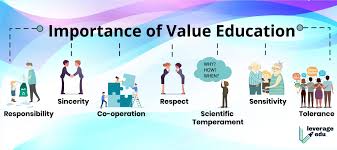
Values

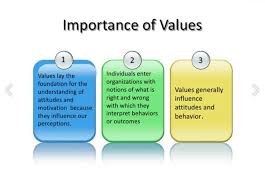
Values are the positive teachings provided to help us and tread the right path in life. Every parent wants his child to imbibe these. These can even be referred to as good qualities. A person who imbibes good values grows on to become a responsible individual and he is capable of demarcating right and wrong. Also, he is able to make wiser decisions in life.

Importance of Values

For an individual, values are most important. An individual with good values is loved by everyone around as he is compassionate about others and also he behaves ethically.

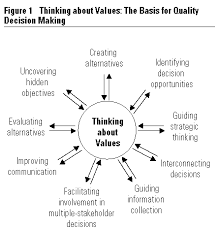
Values Help in Decision Making

A person is able to judge what is right and what is wrong based on the values he imbibes. In life at various steps, it makes the decision-making process easier. A person with good values is always likely to make better decisions than others.

Values Can Give Direction to Our Life

In life, Values give us clear goals. They always tell us how we should behave and act in different situations and give the right direction to our life. In life, a person with good values can take better charge.

Values Can Build Character

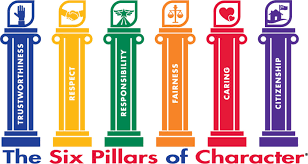
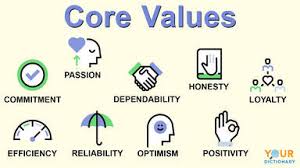
If a person wants a strong character, then he has to possesses good values such as honesty, loyalty, reliability, efficiency, consistency, compassion, determination, and courage. Values always help in building our character.

Values Can Help in Building a Society

If u want a better society then people need to bear good values. Values play an important role in society. They only need to do their hard work, with compassion, honesty, and other values. Such people will help in the growth of society and make it a much better place to live.

Characteristics of Values

Values are always based on various things. While the basic values remain the same across cultures and are intact since centuries some values may vary. Values may be specific to a society or age. In the past, it was considered that women with good moral values must stay at home and not voice their opinion on anything but however, this has changed over time. Our culture and society determine the values to a large extent. We imbibe values during our childhood years and they remain with us throughout our life.

Family always plays the most important role in rendering values to us. Decisions in life are largely based on the values we possess. Values are permanent and seldom change. A person is always known by the values he possesses. The values of a person always reflect on his attitude and overall personality.

The Decline of Values in the Modern Times

While values are of great importance and we are all aware of the same unfortunately people these days are so engrossed in making money and building a good lifestyle that they often overlook the importance of values. At the age when children must be taught good values, they are taught to fight and survive in this competitive world. Their academics and performance in other activities are given importance over their values.

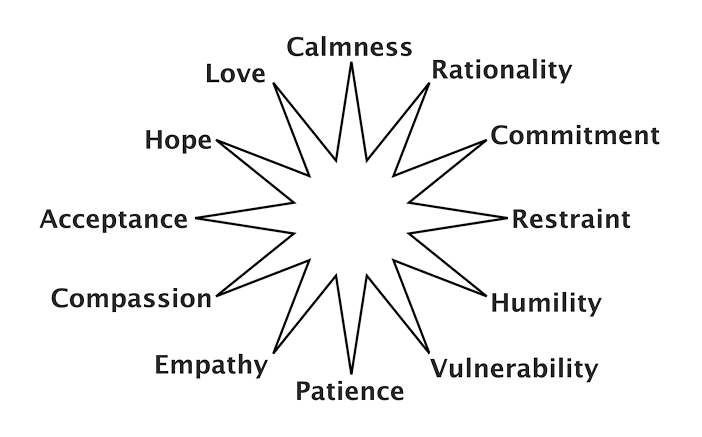
Parents, as well as teachers, teach them how to take on each other and win by any means instead of inculcating good sportsman spirit in them and teaching them values such as integrity, compassion, and patience. Children always look up to their elders as their role models and it is unfortunate that elders these days have a lack of values. Therefore the children learn the same.

Conclusion

In order to help him grow into a responsible and wise human being, it is important for people to realize that values must be given topmost priority in a child’s life because children are the future of the society. There can be nothing better in a society where a majority of people have good values and they follow the ethical norms.

“VALUES ARE LIKE FINGERPRINTS. NOBODY’S ARE THE SAME, BUT YOU LEAVE THEM ALL OVER EVERYTHING YOU DO.”

— ELVIS PRESLEY

Renewable resources .

Replacing traditional sources of energy completely with renewable energy is going to be a challenging task. However, by adding renewable energy to the grid and gradually increasing its contribution, we can realistically expect a future that is powered completely by green energy.

– Tulsi Tanti

A way to live a new life . Without any destruction , without worrying about the future . Live a life where we can grow together , develop a life with renewable resources.

Introduction

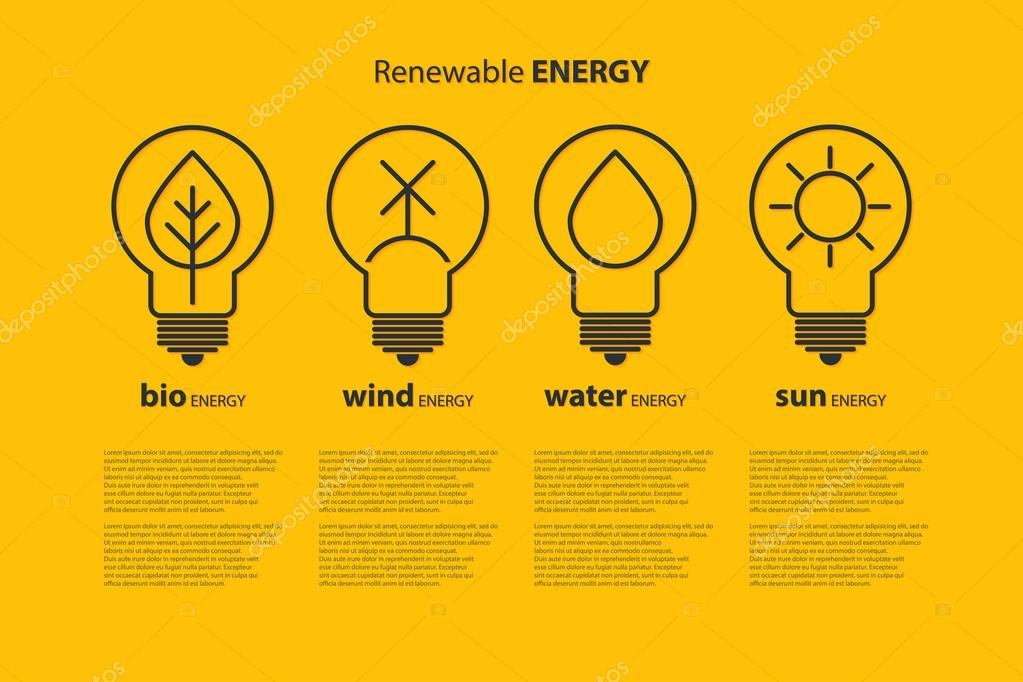
A renewable resource, also known as a flow resource, is a natural resource which will replenish to replace the portion depleted by usage and consumption, either through natural reproduction or other recurring processes in a finite amount of time in a human time scale.

When such recovery rate of resources is unlikely to ever exceed a human time scale, these are called perpetual resources. Renewable resources are a part of Earth’s natural environment and the largest components of its ecosphere. A positive life-cycle assessment is a key indicator of a resource’s sustainability.

Renewable resources are an energy source that cannot be depleted and are able to supply a continuous source of clean energy.

Renewable resources also produce clean energy, meaning less pollution and greenhouse gas emissions, which contribute to climate change.

Examples of renewable resources.

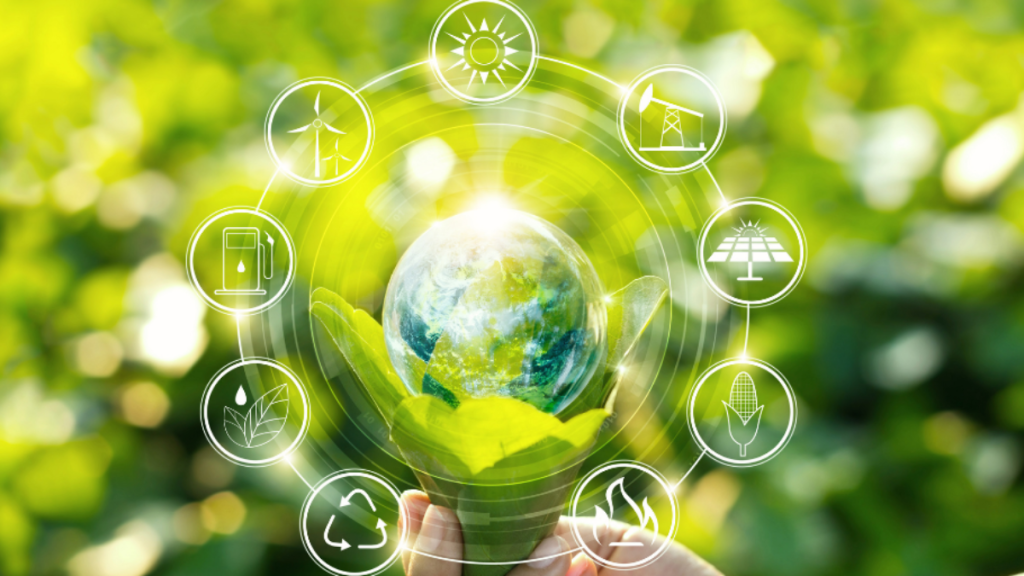
  • Biomass .
  • Biogas.
  • Tidal Energy.
  • Wind Energy.
  • Geothermal Energy.
  • Radiant Energy.
  • Hydro Electricity.
  • Compressed Natural Gas.

Types of renewable resources.

1) Solar energy. Sunlight is one of our planet’s most abundant and freely available energy resources. 2) Wind energy. Wind is a plentiful source of clean energy. 3) Hydro energy.
4) Tidal energy.
5) Geothermal energy. 6) Biomass Energy.

Impact of renewable resources.

Environmental impact

Renewable energy projects have also contributed in improving environmental impacts such as reduction of carbon dioxide gas, awakening community about the climate change. The study observed very small impacts on the people living in a particular area, tourism, cost of energy supply, and educational impacts. Significant impacts were observed in improvement of life standard, social bonds creation, and community development. They also observed that the renewable energy projects are complex to install and are local environmental and condition sensitive. Their forecasting, execution, and planning require more consideration and knowledge as compared to other projects.

Social impact

These resources also provide social benefits like improvement of health, according to choice of consumer, advancement in technologies, and opportunities for the work, but some basic considerations should be taken for the benefit of humans, for example, climate conditions, level of education and standard of living, and region whether urban or rural from agricultural point of view. Social aspects are the basic considerations for the development of any country. The following social benefits can be achieved by renewable energy systems: local employment, better health, job opportunities, and consumer choice.

Advantages of renewable resources.

  • Renewable energy won’t run out.
  • Maintenance requirements are lower.
  • Renewables save money.
  • Renewable energy has numerous health and environmental benefits.
  • Renewables lower reliance on foreign energy sources.
  • Higher upfront cost.
  • Intermittency.
  • Storage capabilities.

Conclusion

Renewable energy is becoming an important resource in all over the world . I do agree that people might exploit the resources for there own benefit . But the government is working on that aspect and trying to provide resources that can help our future households .

There are a lot of different ways of building a prosperous society, and some of them use much less energy than others. And it is possible and more practical to talk about rebuilding systems to use much less energy than it is to think about trying to meet greater demands of energy through clean energy alone.

– Alex Steffen

Link

Conversion to Islam and Marital Rights

Introduction

Muslim law applies to-
        1)   Mohammedans by birth, as well as to,.                                                               

2) Mohammedans by conversion.

A non-muslim , who has attained majority and is of sound mind may embrace Islam in any of two modes:-

a) He may simply declare that he believes in the oneness of God and the Prophetic character of Mohammad,or

b) He may go to a mosque, to a person who is well versed in Islamic theology (Alim), where he utters Kalma (Lailaha-ill-Allah Muham-mad-ur Rasoolullah) before Imam, whereupon he is given a muslim name by the Imam. It is however, necessary that the conversion must be bona fide; the Court will not permit any one to commit a fraud upon the law by pretending to be a covert Islam in order to elude te personal law by which he is bound .

In Rikhya Bibi v. Anil Kumar , a hindu women accepted Islam in order to get rid of her Hindu husband, who was impotent. It was held that her conversion to Islam was colourable and was effected with the intent to commit a fraud upon the law, and was therefore invalid and ineffective.

Conversion to Islam and Marital Rights

According to Muslim Law, a distinction, is made between conversion to Islam of one of the spouses when such conversion takes place-
1) In a country subject to Muslim Law, and

2) In a country where the Law of Islam is not the law of the land

In the first case, when one of the parties embraces Islam, he should offer Islam to the other spouse , and of the latter refuses, the marriage can be dissolved. In the second case, the marriage is automatically dissolved after the lapse of a period of three months after the adoption of Islam by one of the spouses. The courts in India do not administer the laws of any particular community but they administer such laws as are valid in India. Muslim Laws is administered only in those cases where it happens to be the law of India and where the parties are muslims. In India , the spouse who has become a convert to Islam can sue for divorce or a declaration of dissolution of the marriage on the ground that the other spouse has refused to adopt the Muslim religion. It has been held in Pakistan that a marriage of a Hindu married woman on her conversion in British India to Islam should be regarded as dissolved on the completion of three of her monthly couses without any decree or order of the court.

In Sarla Mudgal v. Union of India, the Supreme Court has held that the second marriage of a Hindu husband after conversion to Islam without having his first marriage dissolved under law would be invalid. The second marriage would be void in terms of the provision of Section 494, IPC and the apostate husband would be guilty of the offence under Section 494 of IPC.

In Lily Thomas v. Union of India, the Supreme Court has observed that if hindu wife files a complaint for the offence of bigamy under Section 494, IPC on the ground that, during subsistence of marriage her husband had married a second wife under the other religion after converting to that religion, the offence of bigamy pleaded by her would have to be investigated and tried in accordance with the provisions of the Hindu Marriage Act. Since under Hindu Marriage Act, a bigamous marriage is prohibited and has been constituted as an offence under Section 17 of the Act, any marriage solemnized by the husband during the subsistence of that marriage in spite of his conversion to another religion, would be an offence under Section 17 of the Hindu Marriage Act read with Section 494 of IPC. Change of religion does not dissolve the marriage performed under the Hindu Marriage Act between two hindus. Apostasy does not bring to an end the civil obligation or matrimonial bond but it is a ground for divorce under Section 13 as well as ground for judicial separation under Section 10 of Hindu Marriage Act.

Conversion to Islam and Rights of Inheritance

In the absence of a custom to the contrary, in case of a Hindu converts to Islam, succession and inheritance are governed by Mohammedan Law and not by Hindu law.

Where a Hindu, who had a Hindu wife and children, embraced Islam and married a Muslim woman and had children by her,his property would pass on his death to his Muslim wife and children and not to his Hindu wife or children because under Muslim Law, a Hindu cannot succeed to the estate of a Muslim.

Effects of conversion to Islam

The legal consequences that follow by conversion, may be summarised as under:

1) The religion of Islam is substituted for the previous religion of the convert to Islam, with so much of the personal law as necessarily follows from that religion;

2) The rights and status of the convert become subject to the Mohammedan law;

3) His apostasy (abandonment of religion) has an immediate and prospective effect, from the moment of the conversion and is not retrospective;

4) Conversion of the both spouse, without any intention to commit fraud upon the law, will have the effect to altering the rights incidental to marriage, but this question was left undecided by the Privy Council in Skinner v. Orde.

5) Succession to the estate of a convert is governed by Muslim Law.

Effect of renunciation of Islam

Under the pure Muslim Law Mohammedan after renouncing Islam loses all rights to succeed as Muslim. But now under the provision of the Caste Disabilities Removal Act XXI of 1850, the apostate will lose such rights. The question here arises as to what amounts to apostasy, i.e., abandonment of one’s religion. The answer is that mere deviation from non-fundamental provisons of Mohammedan religion does not amount to apostasy. So long as a person is prepared to accept the fundamental tenets of Islam, he is not an apostate.

Apostsy of guardian – According to Mohammedan Law an apostate has no right to contract a minor in marriage: Hedaya, 392. It is enacted however, by Act XXI of 1850, that no law or usage shall inflict on any person who renounces his religion any “forfeiture of rights of property”, and it was accordingly held in Muchoo v. Arzoon that a Hindu father is not deprived of his right to the custody of his children and to direct their education by reason of his conversion to Christianity. It is submitted that the decision in Muchoo’s case is correct . But the court may in its discretion deal with each case on its own merits.

Effect of renunciation of Islam on Marriage

Marriage of a Muslim husband with a Muslim wife is dissolved ipso facto on the renunciation of the husband of the Islamic religion, their marriage remains intact and is not dissolved.

The renunciation of Islam by a married Muslim woman on her conversion to a faith other than Islam does not by itself dissolve her marriage. But were a woman converted to Islam from some other faith re-embraces her former faith, her marriage with the Muslim husband stands dissolved .


Transportation in India.

India’s transport sector is large and diverse; it caters to the needs of 1.1 billion people. In 2007, the sector contributed about 5.5 percent to the nation’s GDP, with road transportation contributing the lion’s share.

Good physical connectivity in the urban and rural areas is essential for economic growth. Since the early 1990s, India’s growing economy has witnessed a rise in demand for transport infrastructure and services.

However, the sector has not been able to keep pace with rising demand and is proving to be a drag on the economy. Major improvements in the sector are therefore required to support the country’s continued economic growth and to reduce poverty.

Roads. Roads are the dominant mode of transportation in India today. They carry almost 85 percent of the country’s passenger traffic and more than 60 percent of its freight. The density of India’s highway network — at 0.66 km of roads per square kilometer of land – is similar to that of the United States (0.65) and much greater than China’s (0.16) or Brazil’s (0.20). However, most roads in India are narrow and congested with poor surface quality, and 33 percent of India’s villages do not have access to all-weather roads.

Rural Roads-A Lifeline for Villages in India: Connecting Hinterland to Social Services and markets

Railways. Indian Railways is one of the largest railways under the single management. It carried some 19.8 million passengers and 2.4 million tonnes of freight a day in year 2009 and is one of the world’s largest employer. The railways play a leading role in carrying passengers and cargo across India’s vast territory. However, most of its major corridors have capacity constraint requiring capacity enhancement plans.

Ports. India has 13 major and 199 minor and intermediate ports along its more than 7500 km long coastline. India’s seaborne foreign trade being 95% by volume and 67% by value, the ports play a very significant role in improving foreign trade in a growing economy. These ports serve the country’s growing foreign trade in petroleum products, iron ore, and coal, as well as the increasing movement of containers. Indian ports handled cargo of 850 million tonnes and about 9.0 million TEU container traffic in year 2010. Over the last decade, the average annual growth rate of port cargo volume has been about 10%.. The future potential for port sector, particularly container ports is huge considering that the container traffic is projected to grow to 40 million TEU by 2025. Inland water transportation also remains largely undeveloped despite India’s 14,000 kilometers of navigable rivers and canals.

Aviation. India has 128 airports, including 15 international airports. Indian airports handled 142 million passengers in 2010-11 and 1.6 million tonnes of cargo in year 2009-10. The CAGR for the domestic passenger and freight growth over the last decade has been 14.2% and 7.8% respectively. The dramatic increase in air traffic for both passengers and cargo in recent years has placed a heavy strain on the country’s major airports. Passenger traffic is projected to grow more than 15% annually over 2011-13 and it is estimated that the aviation industry, currently 9th largest in the World, will require 30 billion USD investment in the next 15 years to keep pace with the growing demand.

Urban Transport. India is experiencing rapid urbanization with the present urbanization levels at 30% translating to a population of roughly 340 million living in urban areas. The number of million plus cities is presently at 42 and the urban economy accountd for roughly 60% of the GDP. Motorisation rates in India are in double digits as in most developing economies. Only about 20 cities out of 87 cities with a population in excess of 500,000 and state capitals have any kind of organized transport and only 3-4 cities could lay claim to a mass rapid transit system. The share of public transport in cities with population sizes over 4 million has declined from 69% to 38% between 1994 to 2007. Accident and fatality rates are one of the highest in the world affecting primarily the poor and vulnerable without their own means of transport.

Transport infrastructure in India is better developed in the southern and southwestern parts of the country.

The major challenges facing the sector are:

• India’s roads are congested and of poor quality. Lane capacity is low – majority of national highways are two lanes or less. A quarter of all India’s highways are congested. Many roads are of poor quality and road maintenance remains under-funded. This leads to the deterioration of roads and high transport costs for users.

• Rural areas have poor access. Roads are significant for the development of the rural areas – home to almost 70 percent of India’s population. Although the rural road network is extensive, some 33 percent of India’s villages do not have access to all-weather roads and remain cut off during the monsoon season. The problem is more acute in India’s northern and northeastern states which are poorly linked to the country’s major economic centers.

• The railways are facing severe capacity constraints. All the country’s high-density rail corridors face severe capacity constraints. Also, freight transportation costs by rail are much higher than in most countries as freight tariffs in India have been kept high to subsidize passenger traffic.

• Urban centers are severely congested. In Mumbai, Delhi and other metropolitan centers, roads are often severely congested during the rush hours. The dramatic growth in vehicle ownership during the past decade – has reduced rush hour speeds especially in the central areas of major cities.

• Ports are congested and inefficient. The average annual growth of cargo volume in the ports in the last decade was close to 10%, However, capacity utilization in some of the major ports remain as low as 58-60% Both bulk and containerized traffic is expected to grow at a much faster pace in future and by some estimate the container traffic is projected to grow to about 4.5 times of the current volume by 2025. India’s ports need to significantly ramp up their capacity and efficiency to meet this surging demand.

• Airport infrastructure is strained. . Air traffic has been growing rapidly leading to severe strain on infrastructure at major airports, especially in the Delhi and Mumbai airports which account for more than 40 percent of nation’s air traffic.

Ambani – The Indian tycoon

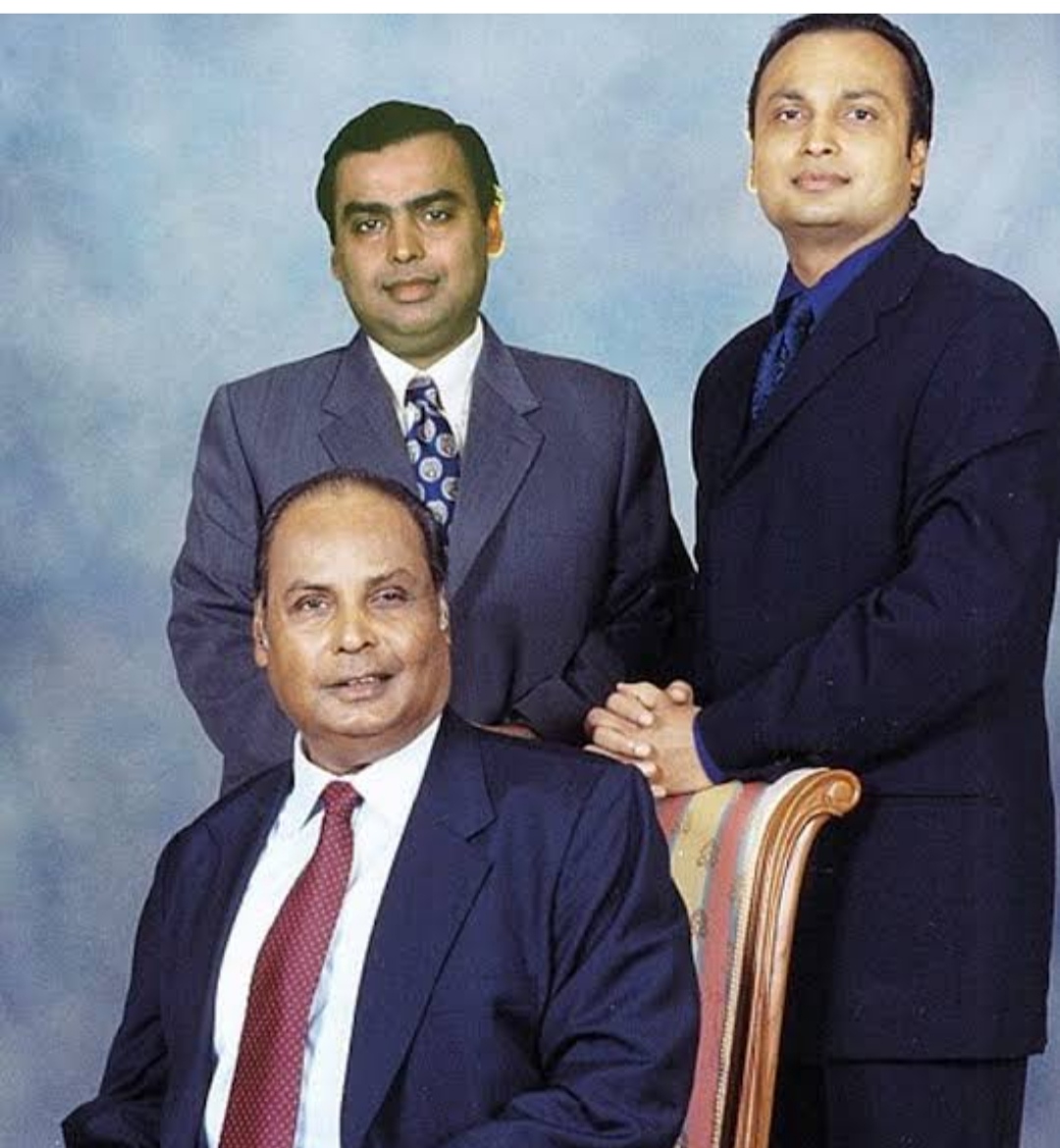
Dhirajlal Hirachand Ambani, popularly known as Dhirubhai Ambani. He is the father of Mukesh Ambani and Anil Ambani

Dhirubhai Ambani was a successful Indian business tycoon who founded Reliance Industries.

Dhirubhai Ambani,Indian industrialist,the founder of Reliance Industries, a giant petrochemicals, communications, power, and textiles.

Reliance is the biggest exporter in India and the first privately owned Indian company.

Dhirubhai Ambani passed away in 2002, before his death itself in 1980’s he handover the reliance corporation to his sons Mukesh Ambani and Anil Ambani.

Reliance Power Limited (R-power), formerly known as Reliance Energy Generation Limited (REGL) is a part of the reliance Anil Ambani Group. It was established to develop, construct, operate and maintain power projects in the Indian and international markets.

Mukesh Ambani runs Reliance industries which has interests in petrochemicals, oil and gas, telecom and retail.

Reliance industries limited, diverse businesses include petrochemicals, natural gas,retail, telecommunications,mass media and textiles. Reliance is one of the most profitable companies in India.

Reliance’s Mukesh Ambani and Nita Ambani are the owners of the second most expensive home in the World, ANTILIA, Mumbai.

Agriculture

When tillage begins, other arts follow. The farmers, therefore, are the founders of human civilization.”

— Daniel Webster

Introduction

It all started thousand of years ago , when the human civilization came into existence . Agriculture was a key to survival . People were farming for there domestic purpose , not for the others .

As the civilization started to grow accustomed of agriculture , they grew food in surplus that enabled people to live in cities. Plants were independently cultivated in at least 11 regions of the world.

The development of agriculture enabled the human population to grow many times larger than could be sustained by hunting and gathering.

It was the beginning of different civilization in different parts of the World. From those civilizations , one of them was our’s The Indus Valley Civilization . Vedic literature provides some of the earliest written record of agriculture in India. Rigveda hymns , describes plowing, fallowing, irrigation, fruit and vegetable cultivation.

Some of the ancient and historical evidence suggests rice and cotton were cultivated in the Indus Valley.

Agriculture : In India and World today .

India ranks second worldwide in farm outputs. As per 2018, agriculture employed Indian work force and contributed 17–18% to country’s GDP.

In 2016, agriculture and allied sectors like animal husbandry, forestry and fisheries accounted for 15.4% of the GDP (gross domestic product) with about 41.49% of the workforce in 2020.India ranks first in the world with highest net cropped area followed by US and China.The total agriculture commodities export was US $ 3.50 billion in March – June 2020.

Agriculture is the primary source of livelihood for about 58% of India’s population. Share of agriculture and allied sectors in gross value added (GVA) of India at current prices stood at 17.8 % in FY20.

During 2019-20 crop year, food grain production reached a record of 296.65 million tonnes. In 2020-21, Government of India is targeting food grain production of 298 million tonnes.

India is among the 15 leading exporters of agricultural products in the world. Agricultural export from India reached US$ 38.54 billion in FY19 and US$ 35.09 billion in FY20.

Agriculture is an important industry in the United States. The agriculture industry, which includes both crops and livestock, is responsible for producing most of the world’s foods and fabrics. Agriculture impacts so many things that it’s hard to imagine a world without this important industry.

Schemes and Initiatives

Due to the high requirement of agriculture . It is important for the government to take initiatives and provide better infrastructure to the farmers. However , the required level of investment for the development of marketing, storage and cold storage infrastructure is estimated to be huge.

The Indian Council of Agricultural Research (ICAR), established in 1905, was responsible for the search leading to the “Indian Green Revolution” of the 1970s. The Union Minister of Agriculture is the president of the ICAR. The Indian Agricultural Statistics Research Institute develops new techniques for the design of agricultural experiments, analyses data in agriculture, and specialises in statistical techniques for animal and plant breeding.

Schemes by government for Indian agriculture :

  • Dairy Entrepreneurship Development Scheme.
  • Rainfed Area Development Programme (RADP)
  • Paramparagat Krishi Vikas Yojana (PKVY)
  • Pradhan Mantri Krishi Sinchai Yojana (PMKSY)
  • National Agriculture Market (e-NAM)
  • Pradhan Mantri Kisan Maandhan yojana.
  • Pradhan Mantri Fasal Bima Yojana (PMFBY)
  • Kisan Credit Card (KCC) scheme.
  • Pashu Kisan Credit Card Scheme.
  • PM-Kisan Scheme.

Conclusion

Agriculture sector is one of the prominent sector in India as well as all over the world . India is becoming self – sufficient in pulses and other crops .

Gone are the days , when India was unable to provide sufficient amount of food to the citizens . Gone are the days , when people used to think agriculture was not as important as other sectors . Gone are the days , when people used to think less of farmers . And gone are the days , when people were less educated about agriculture.

Farming is a profession of hope.

— Brett Brian

Link

The status of women in a family


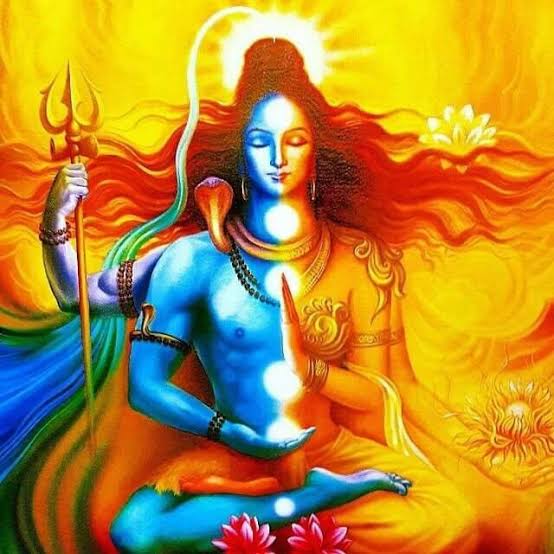
There is a popular concept in the Indian Mythology the Ardhanaarishwara – this word consists of 3 parts “Ardha” which refers to half. “Naari” for women and “Ishwara” for lord. A half male and half female figure, in which the male part depicts lord Shiva and the other half depicts Goddess Shakti, this makes it quite clear to understand that a male and a female has equal importance and power but, in contrast to this we have a society where male enjoys a supreme status than a female in the same household.

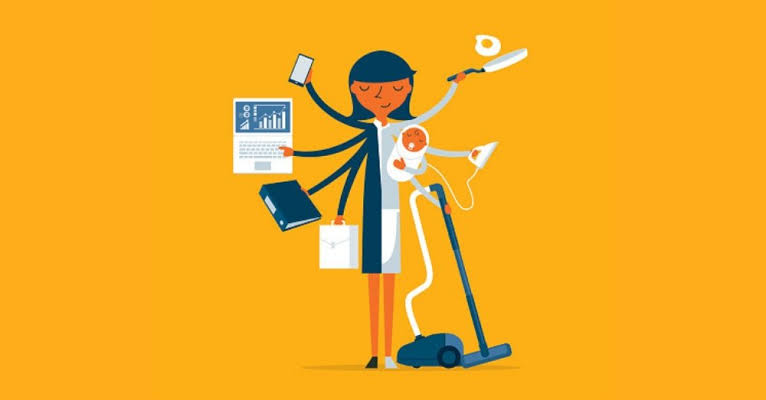
There are exceptional cases where a woman is given equal importance in a family as a result of which, most of the women specially those who belong to a backward area or uneducated background have to suffer a lot in her own family but this suffering which is named as the ‘destiny’ of a women creates a much bigger problem. The social norms accept male supremacy and this can be observed in our day-to-day life and practices which are followed since a long time for instance- male head of a family, in a typical household is common but, the drawback is when it comes to decision making and implementation of rules and laws. It ultimately reduces the power of a female they are not allowed to participate in the decision making and even if they are the final decision is in the hand of the head all the major decisions of the family will be taken by the head, rules will be framed by him. Moreover, the traditional role of a women as a housekeeper and the one who is solely responsible for the upbringing of children, serve the family etc has never let women look beyond house and family, this has killed the dreams and ambition of so many women, who could have achieved so much more in life.
Similarly, there are so many incidences and rules which can highlight the fact that the society practices inequality, supremacy and discrimination in different forms and if all these problems exist how can we expect balance in a society.

Today, the situation is better than before a women can be seen in much appropriate roles not only at personal level but, professionally also they are self-build, independent and respected, they have come a long way to get accepted in the roles which were not supposed to be theirs. Theses days women are the sole bread earners in family and get equal participation in the decision making, they have done extraordinary progress to stand out and inspire other women to do the same. As great leaders like Swami Vivekananda have said that a woman is of uttermost importance in a society and the condition of a women in a society reflects the development of a society.


This brings us to the conclusion that, it is not only about supremacy or dominance of a particular gender but, a deep-rooted problem of the society which has many causes and can become an obstacle in the path of development in any country and if we can possibly eradicate such problems from the society. It will definitely benefit each and every one.

Role of family in the social construction of gender

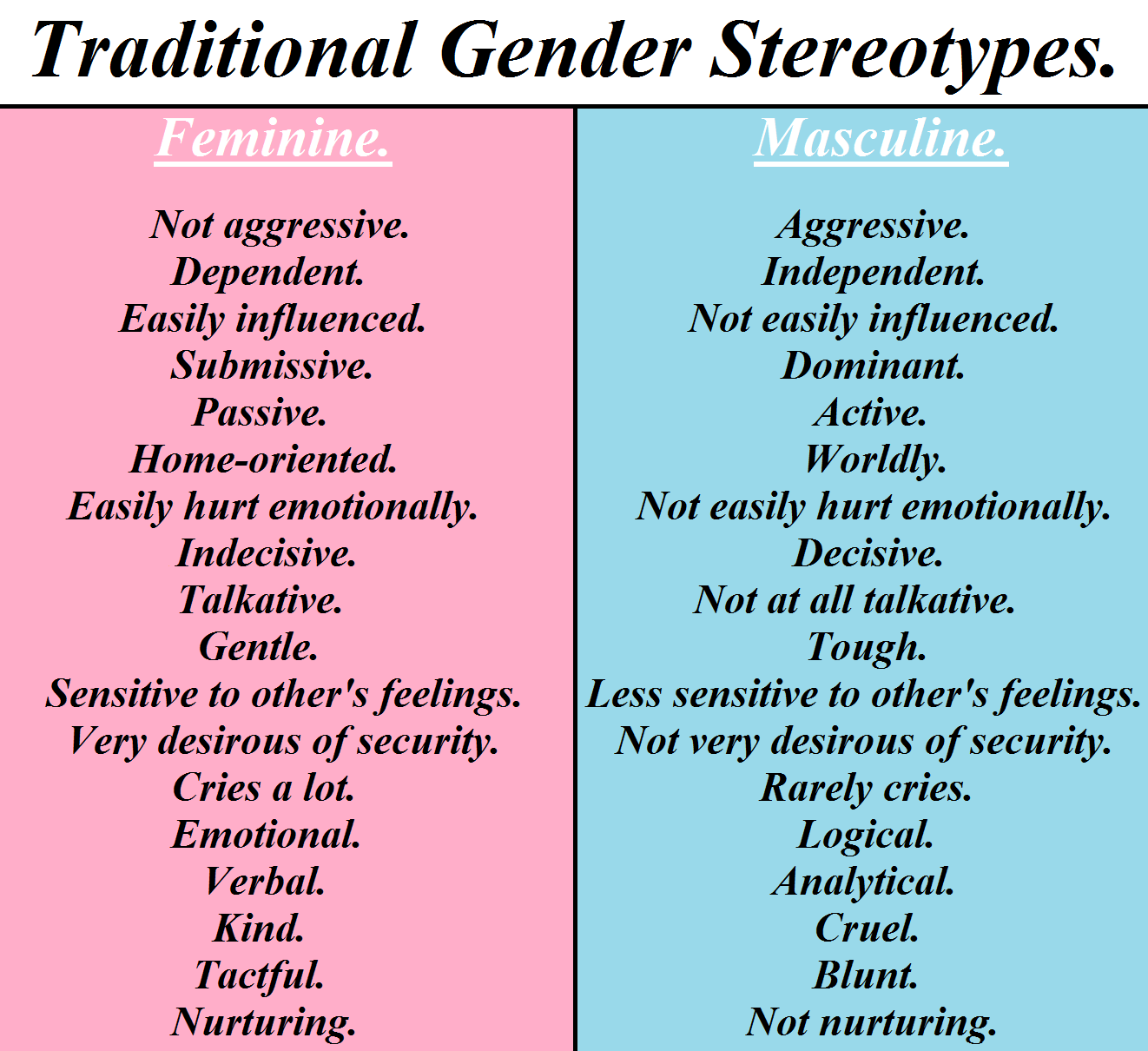
Gender in contrast to sex is a social construct. It is an established set of characteristics of society according to which people are categorized into males or females. Gender roles vary from society to society. There are many agencies present in society that facilitate the social construction of gender. Family is one such agency.

In this article, I will try to show the various processes through which gender identity is established in children by their families. 

As a child grows the gender identity is established through four processes namely:

  1. Reinforcement or moulding-Parents at home treat their children differently depending on their sex. Boys are normally given more freedom than girls while girls are treated more protectively. Any ‘effeminate’ behaviour on the part of the boy is highly discouraged and if such tendencies continue they are regarded as ‘psychological disturbances.’As a result of this training, children learn their sex roles effectively and quickly. 
  2. Opportunities-Opportunities go a long way in determining gender roles. While boys are encouraged to take up technical jobs girls are discouraged . Girls are encouraged to go along the ‘the feminine way’ and boys are expected to develop themselves along ‘the masculine way’.Boys are given cars, building blocks etc to play with while girls are given kitchen set, dolls to play with. The boys are expected to help their fathers and girls are expected to help their mothers.

  3. Role modelling-It is a major mechanism of gender socialisation. By the age of three, nearly all children know whether they are male or female and by the age of four, they have very definite ideas of what masculinity and femininity must involve. A male child usually identifies with his father and a female child with her mother. The boys considering their father as a role model emulates them and the same is the case with girls who look up to their mothers. Role modelling is more effective when the child has a strong and warm relationship with the role model.
  4.  Explicit verbal instruction-Certain instructions also determine gender identity.” Boys don’t cry like girls”,” Pink is the colour of girls”,” You are a girl you should know how to cook” etc are some very common instructions. Hearing the same everywhere and on daily basis influences the mind of an individual and determines the gender identity.

Hence, families give the earliest reinforcement for acting appropriately according to one’s gender, and the environment continues to teach what is acceptable for men and women.

Benefits of Yoga In Life

Yoga offers both physical and mental benefits to people of all ages. Also, if you are experiencing illness, surgery, or chronic illness, yoga can be an important part of your treatment and may even speed up your recovery.

A yoga therapist can work with patients and bring together independent programs that work in conjunction with their therapies and surgeries. Thus, yoga can support the healing process and help a person see symptoms with greater concentration and less stress.

  1. Yoga promotes strength, balance and flexibility.
    Slow walking and deep breathing increase blood flow and warm the muscles, while holding the space can build strength.

Experiment: The Question Tree
Balance with one foot, while holding the other foot on your calf or above the knee (but never twisted) at the right angle. Try to focus on one area in front of you, while measuring one minute.

  1. Yoga helps relieve back pain.
    Yoga is like a basic stretch in relieving pain and improving the mobility of people with low back pain. The American College of Physicians recommends yoga as a first-line treatment for chronic pain.

Try it: Cat-Cow Pose
Get on all fours, and place your hands under your shoulders and your knees under your hips. First, breathe in, as you let your stomach down. After that, breathe, as you pull your navel toward your spine, wrapping your spine like a sleeping cat.

  1. Yoga can reduce the symptoms of arthritis.
    Gentle yoga has been shown to reduce some of the joint discomfort, which is common in people with arthritis, according to Johns Hopkins’ review of 11 recent studies.
  2. Yoga benefits heart health.
    Practicing regular yoga can reduce stress and inflammation throughout the body, contributing to a healthier heart. Many causes of heart disease, including high blood pressure and excess weight, can also be treated with yoga.

Try it: Down Dog Pose
Get on all fours, then put your toes down and bring your bones sitting up, to make the triangle stand up. Keep a slight bend at your knees, while stretching your spine and tailbone.

  1. Yoga relaxes you, helping you sleep better.
    Studies show that a continuous sleep yoga routine can help you get into the right mindset and prepare your body for sleep and sleep.

Try it: Legs-Up-the-Wall Pose
Sit on your left side of the wall, then gently turn to the right and lift your legs to relax on the wall, keeping your back down and your bones sitting close to the wall. You can stay in this position for 5 to 15 minutes.

  1. Yoga can mean a lot of energy and bright feelings.
    You may feel an increase in mental and physical strength, increased alertness and enthusiasm, and a few negative emotions after practicing yoga.
  2. Yoga helps you manage stress.
    According to the National Institutes of Health, scientific evidence shows that yoga supports the management of stress, mental health, meditation, healthy eating, weight loss and sleep quality.

Try: Carcass Pose (Savasana)
Lie on the floor with your legs outstretched, away from the body, palms up. Try to clear your mind while breathing loudly. You can hold this pose for 5 to 15 minutes.

  1. Yoga connects you to a supportive community.
    Participating in yoga classes can reduce loneliness and provide a place for group healing and support. Or in individual times loneliness diminishes as the person is accepted as a different person, listened to and participates in creating a personalized yoga program.
  2. Yoga promotes better self-care.
    Scientific Research on the Benefits of Yoga
    The U.S. military, the National Institutes of Health and other major organizations are listening to – and including – scientific confirmation of the importance of yoga in health care.