HUMAN TRAFFICKING DURING PANDEMIC

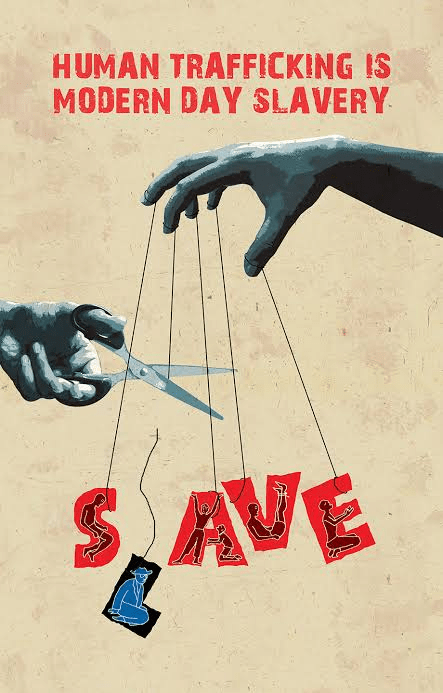
Human Trafficking is a major issue in India and Worldwide. Though, it has been there for ages, the reason for the need of immediate attention is the COVID – 19 Pandemic. The pandemic bought about various social and economical changes in India giving rise to human trafficking cases. The lockdown raised higher level of unemployment amongst daily wage earners. This further lead to effecting the economic background of such families, especially in the rural areas. Having no other source of income lead to desperation in people which made them promote human trafficking by selling their children, making them beg for money and sending their children for child labour. Moreover, the closure of schools increased human trafficking cases as there was no source of education for children. This gave the families and opportunity to use the children economically for labour and wed their girl child at an early age to save the future expenses. Absence of schools further increased the burden on families as many rural schools provided mid-day meal to their students. Absence of which made the children a further burden on the families and an additional stomach to feed. This made them give their children away in a hope for a better future for them and food for their children.


Along with such cases, many organ removal cases in the name of covid cases were found. Many physically fit people with weak financial backgrounds were falsely shown positive for corona virus and later declared dead because of the same. It was found that many traffickers removed organs from such bodies and declared them dead. Hence, this issue is important in the current times and require more attention than ever.
Yes, it’s difficult to step outside and help in this uncertain times but we individuals can start from our homes. The family domestic help, house help, workers, etc belong to rural and economically weak family backgrounds. Hence, talking to them and knowing about their lives can help us get a clear picture of their situation. We can educate them and spread awareness about the wrongs that they might be exposed to. This knowledge might help them be aware and spread the words to different people in their families and neighbourhood, that in turn might create a huge impact on the society as a whole.

Many a times people give into such situations where they willingly promote human trafficking, out of desperation and helplessness. As in case of a daily wage worker who has no other means to support his family economically might sell his child to survive. Hence, it is important to make them aware about various other way where they might get financial help without getting trapped into such rackets. There are government supports yojanas and schemes where they help such people, but in order to get help it is important to know about the availability of that help and that can only be done through awareness. It may not change the entire world scenario but one step by every citizen might make a huge impact altogether.
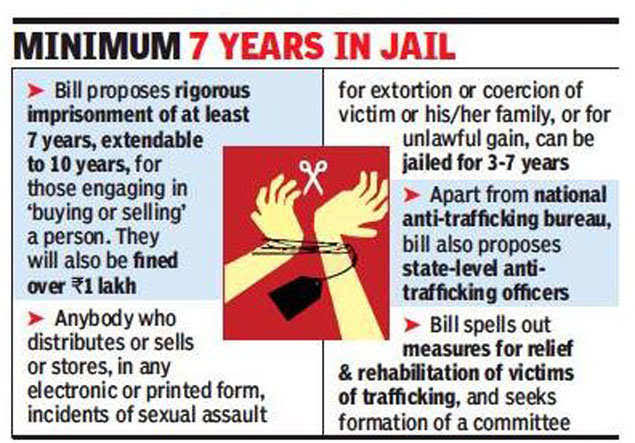
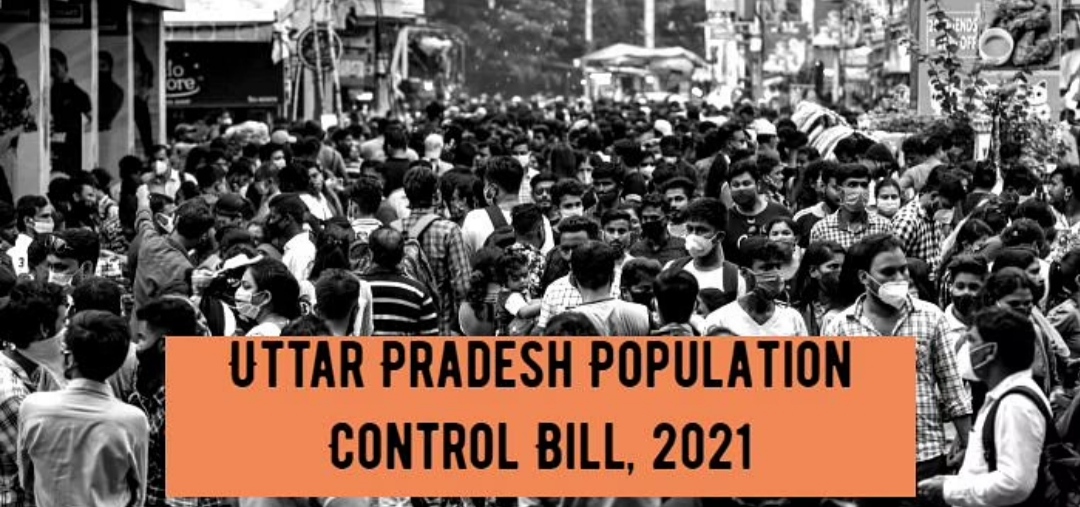
Population control bill in uttarpradesh

On World Population Day, Uttar Pradesh government announced a new population policy for 2021-2030 on Sunday. The new policy gives incentives to those who help in population control.

Chief Minister Yogi Adityanath wishes for a community-centric approach to be adopted for population control in uttarpradesh. So that better facilities can be made available to citizens and the state can be developed properly.

“Poverty and illiteracy are major factors for population expansion. There is also a lack of awareness about population in certain communities and we therefore need community-centric awareness efforts,” yogi Adityanath said in a statement.

Uttar Pradesh’s total fertility rate is 2.7 percent currently, it ideally should be less than 2.1 percent. Most states have achieved the ideal total fertility rate, except Uttar Pradesh and Bihar.

With this policy, the government has come up with different strategies to work towards a convergence of existing schemes for population control and improvement in health of citizens.

New population policy is to reduce the newborns’ and maternal mortality rate.Care of the elderly, and better management of education, health, and nutrition of adolescents between 11 to 19 years has also been ensured in the policy, according to the state government.

The Uttar Pradesh government will give promotions, increments, concessions in housing schemes and others perks to employees who adhere to population control norms, and have two or less children. If people won’t obey this policy then they will not get any benefits from government, like jobs,ration,etc.

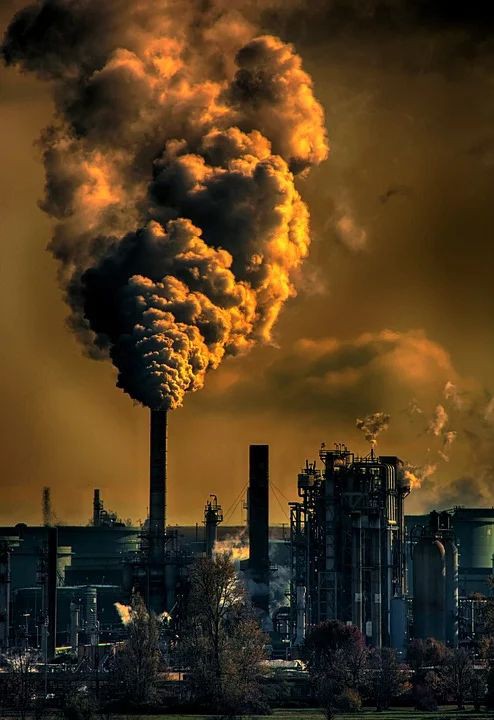
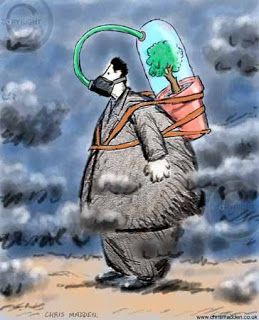
Environmental pollution

“Humankind has not woven the web of life. We are but one thread within it. Whatever we do to the web, we do to ourselves. All things are bound together. All things connect.”

~ Chief Seattle

What is environmental pollution ?

Is it degrading our lifestyle ?

How can we improve our environment ?

Let’s get through the topic .

Introduction

One of the greatest problems that the world is facing today is that of environmental pollution, which is causing grave and irreparable damage to the natural world and human society with about 40% of deaths worldwide being caused by water, air and soil pollution and coupled with human overpopulation has contributed to the malnutrition of 3.7 billion people worldwide, making them more susceptible to disease.

Environmental pollution is defined as “the contamination of the physical and biological components of the earth/atmosphere system to such an extent that normal environmental processes are adversely affected.”

From: Environmental Management, 2017

We all are well known about the word Environmental pollution . It is not some kind of new phenomenon , yet it is a greatest problem facing by our society . Still , people are avoiding the topic to its utmost.

Environmental pollution is one of the most serious global challenges. Wild-type organisms have a slower degradation rate of hazardous materials.

Both developed and developing nations share this burden together, though awareness and stricter laws in developed countries have contributed to a larger extent in protecting their environment.

Reasons behind environmental pollution

  • The Burning of Fossil Fuels. Industrial Emission.
  • Indoor Air Pollution.
  • Wildfires.
  • Microbial Decaying Process.
  • Transportation.
  • Open Burning of Garbage Waste.
  • Construction and Demolition.
  • Urbanization and industrialization. Since the era of industrial revolution, man has continued to introduce hazardous materials into the environment at an alarming rate.Mining and exploration.
  • Agricultural activities.
  • Particulate matter.
  • Plastics.
  • Energy production.
  • Deforestation.
  • Mining.
  • Over population.
  • Increase in global average temperature.

Effects of environmental pollution

Environmental pollution is an incurable disease . It can only be prevented.

Barry commoner

1. Effects on Humans. The effects of environmental pollution on humans are mainly physical, but can also turn into neuro-affections in the long term. The best-known troubles to us are respiratory, in the form of allergies, asthma, irritation of the eyes and nasal passages, or other forms of respiratory infections. Other rarer diseases include hepatitis, typhoid affections, diarrhea, and hormonal disruptions.

2. Effects on Animals . Environmental pollution mainly affects animals by causing harm to their living environment, making it toxic for them to live in.

3. Effects on plants . As for animals, plants, and especially trees, can be destroyed by acid rains (and this will also have a negative impact on animals as well, as their natural environment will be modified), ozone in the lower atmosphere block the plant respiration, and harmful pollutants can be absorbed from the water or soil.

Solutions for environmental pollution.

  • Evironment planning.
  • Shifting to eco-friendly transportation.
  • Air pollution must involve moving away from fossil fuels, replace them with sustainable fuels .
  • Solar power .
  • Wind power.
  • Go green.
  • Storage facilities for solid waste.
  • Environmental friendly products.
  • Policies implimentation for environmental pollution.
  • We also need to work on electromagnetic radiation (ER) reduction.
  • Awareness through mass media.
  • More green parks and areas.
  • Environmental education, etc,.

“We say we love flowers, yet we pluck them. We say we love trees, yet we cut them down. And people still wonder why some are afraid when told they are loved.”

~ Paul Morley

Link

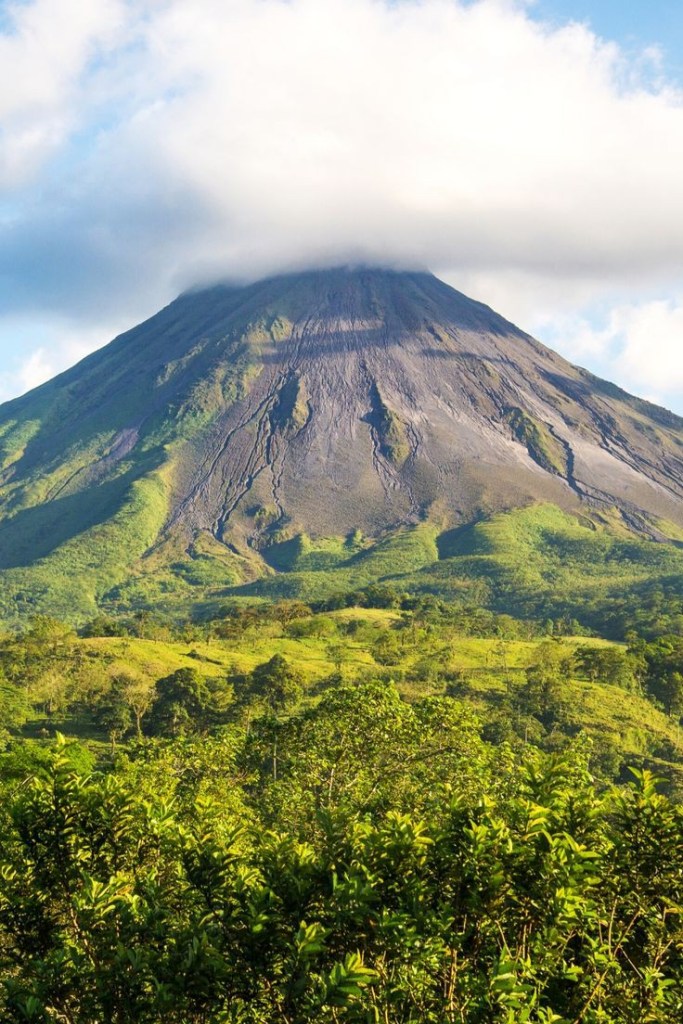
Volcano Eruption

“We are, all of us, growing volcanoes that approach the hour of their eruption, but how near or distant that is, nobody knows- not even God.”

~ Friedrich Nietzsche

We always talk about , what it would be like to see volcano eruption in front of your eyes ?

How amazing it would be like to find out , how the volcano erupt ?

There are many things that we don’t know exist in our earth 🌍. Do you want to know about it . If yes , than read the editorial .

Introduction

A volcano is a rupture in the crust of a planetary-mass object, such as Earth, that allows hot lava, volcanic ash, and gases to escape from a magma chamber below the surface.

On Earth, volcanoes are most often found where tectonic plates are diverging or converging, and most are found underwater.

The word volcano is derived from the name of Vulcano, a volcanic island in the Aeolian Islands of Italy whose name in turn comes from Vulcan, the god of fire in Roman mythology.

Many ancient accounts ascribe volcanic eruptions to supernatural causes, such as the actions of gods or demigods. To the ancient Greeks, volcanoes’ capricious power could only be explained as acts of the gods, while 16th/17th-century German astronomer Johannes Kepler believed they were ducts for the Earth’s tears.[87] One early idea counter to this was proposed by Jesuit Athanasius Kircher (1602–1680), who witnessed eruptions of Mount Etna and Stromboli, then visited the crater of Vesuvius and published his view of an Earth with a central fire connected to numerous others caused by the burning of sulfur, bitumen and coal.

Types of eruptions

  • Hydrothermal eruption. An eruption driven by the heat in a hydrothermal systems.
  • Phreatic eruption. An eruption driven by the heat from magma interacting with water.
  • Phreatomagmatic eruption.
  • Lava.
  • Strombolian and Hawaiian eruptions.
  • Vulcanian eruptions.
  • Subplinian and Plinian eruptions.

How do volcanoes erupt?

Deep within the Earth it is so hot that some rocks slowly melt and become a thick flowing substance called magma. Since it is lighter than the solid rock around it, magma rises and collects in magma chambers. Eventually, some of the magma pushes through vents and fissures to the Earth’s surface. Magma that has erupted is called lava.

The explosivity of an eruption depends on the composition of the magma. If magma is thin and runny, gases can escape easily from it.
Explosive volcanic eruptions can be dangerous and deadly.

Humans and volcanoes

Volcanic eruptions pose a significant threat to human civilization. However, volcanic activity has also provided humans with important resources.

Although volcanic eruptions pose considerable hazards to humans, past volcanic activity has created important economic resources.

Volcanic ash and weathered basalt produce some of the most fertile soil in the world, rich in nutrients such as iron, magnesium, potassium, calcium, and phosphorus.

Volcanic activity is responsible for emplacing valuable mineral resources, such as metal ores.

The paradox of volcanoes was that they were symbols of destruction but also life. Once the lava slows and cools, it solidifies and then breaks down over time to become soil – rich, fertile soil.
She wasn’t a black hole, she decided. She was a volcano. And like a volcano she couldn’t run away from herself. She’d have to stay there and tend to that wasteland.
She could plant a forest inside herself.

Matt Haig, The Midnight Library

Link

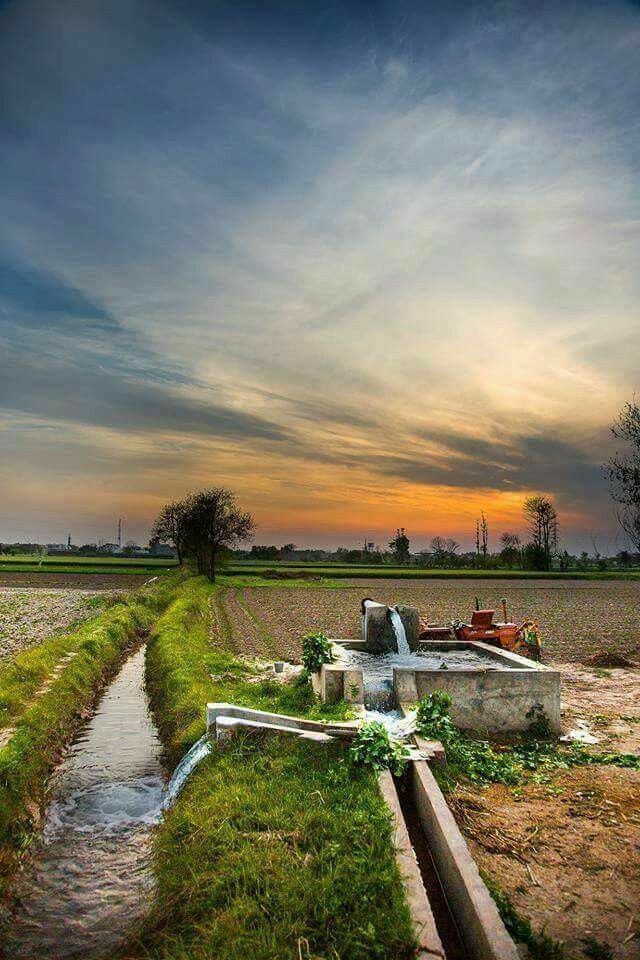
Agriculture

When tillage begins, other arts follow. The farmers, therefore, are the founders of human civilization.”

— Daniel Webster

Introduction

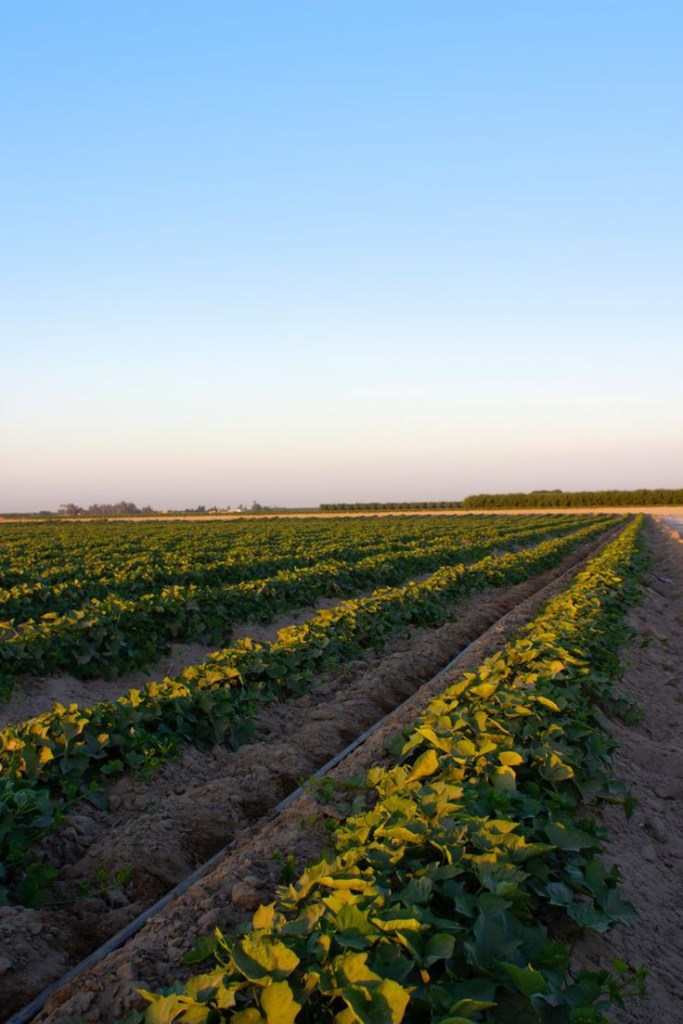
It all started thousand of years ago , when the human civilization came into existence . Agriculture was a key to survival . People were farming for there domestic purpose , not for the others .

As the civilization started to grow accustomed of agriculture , they grew food in surplus that enabled people to live in cities. Plants were independently cultivated in at least 11 regions of the world.

The development of agriculture enabled the human population to grow many times larger than could be sustained by hunting and gathering.

It was the beginning of different civilization in different parts of the World. From those civilizations , one of them was our’s The Indus Valley Civilization . Vedic literature provides some of the earliest written record of agriculture in India. Rigveda hymns , describes plowing, fallowing, irrigation, fruit and vegetable cultivation.

Some of the ancient and historical evidence suggests rice and cotton were cultivated in the Indus Valley.

Agriculture : In India and World today .

India ranks second worldwide in farm outputs. As per 2018, agriculture employed Indian work force and contributed 17–18% to country’s GDP.

In 2016, agriculture and allied sectors like animal husbandry, forestry and fisheries accounted for 15.4% of the GDP (gross domestic product) with about 41.49% of the workforce in 2020.India ranks first in the world with highest net cropped area followed by US and China.The total agriculture commodities export was US $ 3.50 billion in March – June 2020.

Agriculture is the primary source of livelihood for about 58% of India’s population. Share of agriculture and allied sectors in gross value added (GVA) of India at current prices stood at 17.8 % in FY20.

During 2019-20 crop year, food grain production reached a record of 296.65 million tonnes. In 2020-21, Government of India is targeting food grain production of 298 million tonnes.

India is among the 15 leading exporters of agricultural products in the world. Agricultural export from India reached US$ 38.54 billion in FY19 and US$ 35.09 billion in FY20.

Agriculture is an important industry in the United States. The agriculture industry, which includes both crops and livestock, is responsible for producing most of the world’s foods and fabrics. Agriculture impacts so many things that it’s hard to imagine a world without this important industry.

Schemes and Initiatives

Due to the high requirement of agriculture . It is important for the government to take initiatives and provide better infrastructure to the farmers. However , the required level of investment for the development of marketing, storage and cold storage infrastructure is estimated to be huge.

The Indian Council of Agricultural Research (ICAR), established in 1905, was responsible for the search leading to the “Indian Green Revolution” of the 1970s. The Union Minister of Agriculture is the president of the ICAR. The Indian Agricultural Statistics Research Institute develops new techniques for the design of agricultural experiments, analyses data in agriculture, and specialises in statistical techniques for animal and plant breeding.

Schemes by government for Indian agriculture :

  • Dairy Entrepreneurship Development Scheme.
  • Rainfed Area Development Programme (RADP)
  • Paramparagat Krishi Vikas Yojana (PKVY)
  • Pradhan Mantri Krishi Sinchai Yojana (PMKSY)
  • National Agriculture Market (e-NAM)
  • Pradhan Mantri Kisan Maandhan yojana.
  • Pradhan Mantri Fasal Bima Yojana (PMFBY)
  • Kisan Credit Card (KCC) scheme.
  • Pashu Kisan Credit Card Scheme.
  • PM-Kisan Scheme.

Conclusion

Agriculture sector is one of the prominent sector in India as well as all over the world . India is becoming self – sufficient in pulses and other crops .

Gone are the days , when India was unable to provide sufficient amount of food to the citizens . Gone are the days , when people used to think agriculture was not as important as other sectors . Gone are the days , when people used to think less of farmers . And gone are the days , when people were less educated about agriculture.

Farming is a profession of hope.

— Brett Brian

Link

Swayam Prabha

• Group of 34 DTH channels – telecasting high-quality educational programmes.

• 24.X.7 telecast using the GSAT-15 satellite.

• Channels are uplinked – Bhaskaracharya National Institute for Space Applications and Geo-informatics.

• Contents – provided by NPTEL, IITs, UGC,CEC, IGNOU, NCERT and NIOS.

• Web portal maintained by Information andLibrary Network Centre.

SWAYAM – The Study Webs of Active Learning for Young Aspiring Minds

• To achieve 3 Fundamental principles of Education
Policy – access, equity and quality.

• Objective – to take the best teaching learning resources to all, including disadvantaged sections.

• Courses hosted
 Video lecture
 Specially prepared reading material
 Self-assessment tests
 An online discussion forum.

• Seeks to bridge the digital divide for students.

National Digital Library of India (NDL)

• Virtual repository of learning resources.

• Provides host of services for the learner community.

• Filtered searching – to facilitate focused searching.

• Group-specific services – Examination Preparatory for School, College students and
job aspirants.

• Sponsored and mentored by the Ministry of Education through its National Mission on Education through Information and
Communication Technology (NMEICT).

DIKSHA (Digital Infrastructure for Knowledge
Sharing)

• National platform for school education.

• Initiated by National Council for Education
Research and Training.

• Developed on the core principles of open
architecture, open access, open licensing diversity and choice.

• Policies and tools – make education ecosystem
to participate, contribute and support a common platform. • Can be accessed by learners and teachers across the country.

• Supports 18+ languages and the various curricula of NCERT, CBSE and SCERTs across India.