CAQMrelaxes certain restrictions under Stage-III and Stage-IV of the Graded Response Action Plan (GRAP)

Daily writing prompt
Do you have a favorite place you have visited? Where is it?

Today, the Hon’ble Supreme Court vide its Order dated 25.11.2024 in WP (C) No. 13029 of 1985 titled as M. C. Mehta Vs. Union of India & Ors., inter alia, directed as under:

“…we direct the Commission to consider the grant of relaxation of actions in terms of clauses 5 and 8 of Stage IV measures (only in relation to educational institutions) as well as clause 11 of Stage III measures. The Commission may consider of grant of exemptions to certain classes from the aforesaid actions/measures. The Commission will have to consider the grant of relaxation/exemption as regards the actions under the aforesaid three clauses for various reasons, including the following:

  1. A large number of students are being deprived of the facility of Mid Day Meals as the schools and anganwadis are closed;
  2. A large number of students do not have the facilities to take benefit of online education. Many educational institutions do not have facilities to provide online education; and
  3. The residences of many students do not have air purifiers, and therefore, there may not be any difference between the children sitting at home and the children attending school.

…We also leave it to the Commission to decide on the continuation of the ban on conducting physical classes of X and XII standards on the same grounds.

Various options can be considered by the Commission. One can be of granting relaxation to those schools and educational institutions which do not have the facility of online education, and the other can be of granting relaxation to those students who do not have the facilities of attending online education at their respective homes. We make it clear that we are leaving it to the Commission to decide to what extent, if any, the measures relating to education which are otherwise applicable in Stages III and IV of the GRAP can be either relaxed or exceptions can be carved out. We expect that a decision shall be taken by the Commission during the course of the day or, at the latest, by tomorrow morning so that it can be implemented…”

Further, in respectful compliance of the above noted directives of the Hon’ble Supreme Court, the Commission further deliberated upon the related issues and has taken note of the following key factors:

  1. All the primary schools in the NCT of Delhi and also those in other areas of NCR do not have capabilities / access for conducting classes purely in an online mode;
  2. The adverse air quality scenario, primarily owing to highly unfavourable meteorological and climatic conditions, generally prevails for a long duration during winter months typically from November till January and going by the AQI trend in Delhi during such periods, GRAP Stages – III / IV are required to be invoked for considerable periods of time during these months. Such restrictions have an impact on the functioning of the educational system and the quality of education; 
  1. Students of classes X and XII and the associated school authorities are most impacted by the GRAP Stage – IV restrictions, considering the Board examinations facing them and the various competitive exams which follow. These students are required to attend classes in a physical mode considering the practical classes as also the practical examinations. Besides, the students are also required to attend to extra classes / tutorials for the Board examinations;
  2. The Commission also considered various representations relating to conduct of physical classes in schools during such restrictive GRAP stages.

Considering all the above noted aspects and in respectful compliance of the Hon’ble Supreme Court’s directives, the Commission, today has ordered the following with immediate effect and until further orders:

  • Clause 11 of GRAP Stage-III, Clause 5 of GRAP Stage-IV and Clause 8 of GRAP Stage-IV (to the extent it relates to colleges / educational institutions) are relaxed to the extent that State Govts. in the NCR and the GNCTD shall ensure that all classes upto 12th Standard in schools and those in colleges / educational institutions are conducted in a “Hybrid” mode i.e., both in “physical” and also in an “online” mode, wherever online mode is feasible, in the territorial jurisdiction of the NCT of Delhi and in the districts of Gurugram, Faridabad, Ghaziabad and Gautam Buddh Nagar in the NCR. The option to exercise online mode of education, wherever available, shall vest with the students and their guardians.
  • NCR State Governments may also consider conducting classes in a hybrid mode as above in all other areas in NCR.

                                                                            *****

How to cope with stress in your daily life

Stress is a natural part of life, and like many things, it’s important to learn how to manage it. If you’re suffering from stress, here are some helpful tips for coping:

Find a hobby

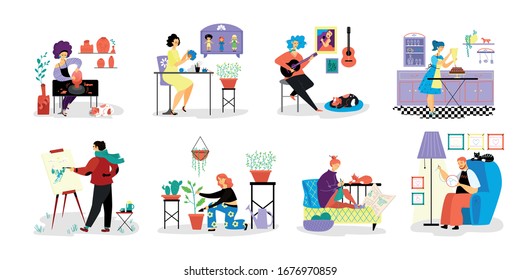
If you’re looking for a way to manage stress and unwind, a hobby can be an excellent option. It doesn’t have to be something specific or intense; you could simply enjoy doing something that inspires you every day.

Whatever it is that makes your heart race with excitement, there’s probably an outlet for it in your life—if not now then at some point in the future. Taking up knitting or painting might seem like an odd choice when you’re stressed out by midterms and finals, but these activities can become routine sources of relaxation as well as hobbies!

When we were kids growing up, many of us were fond of playing sports: football or baseball games were favorite pastimes at our houses during the summer months because they gave us something physical (and occasionally competitive) to do together after school hours were over. Nowadays however there are plenty other ways for parents and kids alike alike enjoy getting involved together outside on weekends – whether through volunteering with community organizations like Habitat For Humanity; going camping together on family camping trips; taking part in organized activities such as dance lessons where everyone learns new moves together while having fun at once too 🙂

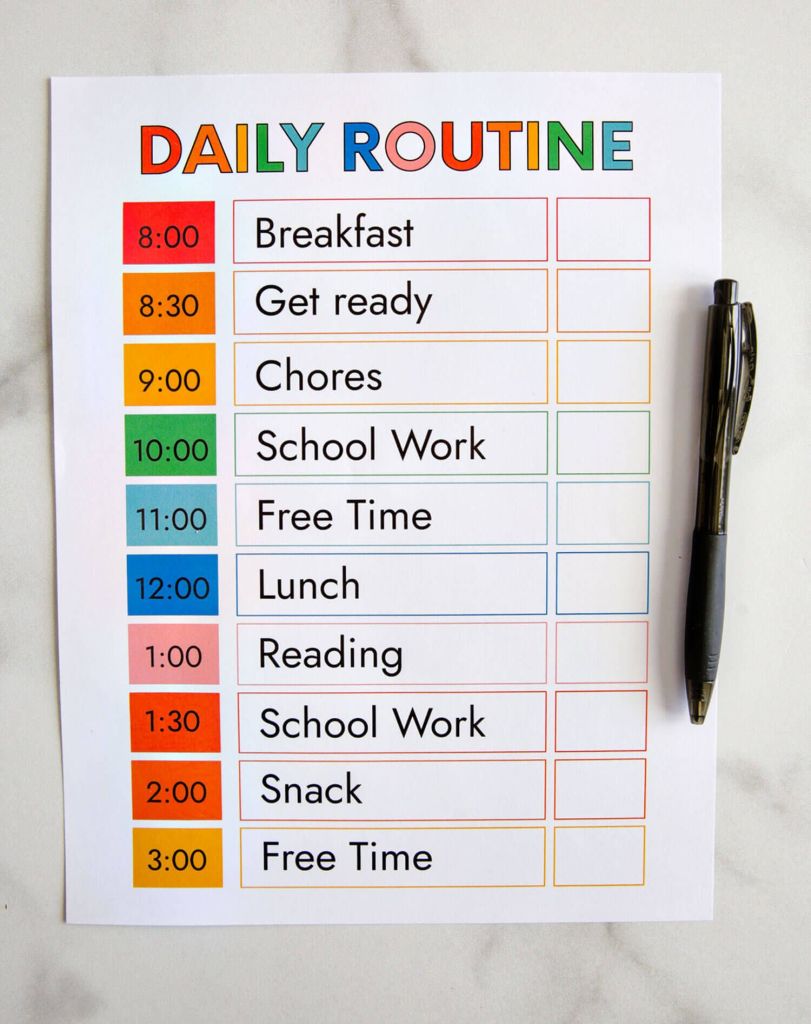
Build a daily routine

The first step to managing stress is building a daily routine. A morning routine, afternoon routine and evening routine are all good places to start.

Make sure you have your coffee (or tea) before 7:30 AM. This will help you get going in the morning and prevent late-night cram sessions later on in the day when you’re tired or distracted by something else that needs doing.

Get through at least one workout session per week—even if it’s just walking around campus for 30 minutes with friends or playing basketball with teammates after class! Exercise helps burn off energy so that mentally challenging tasks don’t seem insurmountable anymore; moreover, exercise has been shown to reduce anxiety levels as well as improve moods overall.* Go grocery shopping once per week rather than buying food from convenience stores because they tend to have higher prices than supermarkets do; however replacing fast food with healthy alternatives like salads instead of burgers will save money while still providing nutritious meals throughout each day.* Try not using social media sites like Facebook or Twitter too frequently either during lunch breaks at work because this causes users’ lives outside office hours become blurred together into one giant blur which makes everything seem more difficult than before since now there’s no separation between work life & personal life anymore.

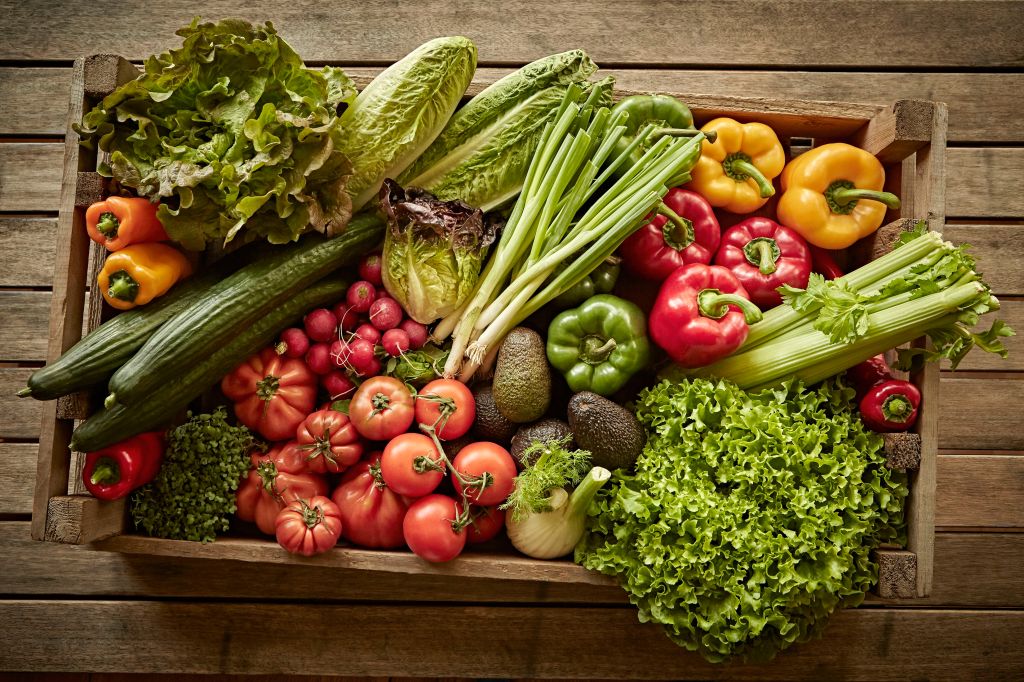
Eat healthy food

Eating a balanced diet is key to managing stress. It helps you feel more energized and less tired, which can help you avoid getting sick or stressed out by hunger pangs. If possible, eat a healthy breakfast every morning—this will give you the energy boost that makes it easier for you to get through your day!

If eating junk food is something that stresses out your stomach (and let’s be honest here: who doesn’t love pizza?), try finding healthier snacks like fruit salad bites or even granola bars instead of sugary ones. The key here is moderation; no one should ever eat too much junk food because this will only make them feel worse afterwards.

Get in touch with your family

Stress is a normal part of life and as such, it’s important to find ways to manage your stress. One way you can do this is by talking with your family about how they can help.

Family members are a great source of support when it comes to helping you manage stress—and they may not even realize how much they’re helping! If you have parents or siblings who live nearby, consider asking them if they’d like some help managing their own lives and those around them. You could even offer up some of your time (or money) in exchange for their assistance so that everyone benefits from their efforts together.

Get enough sleep

Sleep is important for learning and memory.

It’s also linked to stress reduction.

Getting enough sleep can help reduce your stress levels, which will make you more productive at school or work.

Go for a walk

You can get away from the stress of school by going for a walk.

Go for a walk alone or with friends if you’d like, but don’t worry about being seen—the point of walking is just to move your body, not impress others. Listen to music while you walk (or listen in silence), and try to take in some fresh air too. Take your dog for a long walk around the neighborhood; they’ll love it! If possible, try walking at least 10,000 steps each day—that’s equivalent to running one mile per hour continuously for 30 minutes straight! When I was younger and had more energy than I do now as an adult who’s trying everything she can think of not only stay healthy but also keep fit at age 55+.

Listen to music


Music is a great way to relax and de-stress. You can listen to any music you like, but try not to choose something that’s too hard or fast. Music can also help you focus on what’s important in your life, which will help keep things in perspective when they get overwhelming.

Music can also help with sleep! I recommend listening before bed because it helps calm your mind enough so that it doesn’t keep tossing and turning at night because of all the stressors going through your head during the day (or even week).

Meditate

Meditating is a great way to relax and unwind. It can help you deal with stress, anxiety and depression, improve your memory and creativity, even slow down the aging process.

If you’re new to meditation or have never tried it before there are plenty of ways that beginners can begin:

Sit comfortably in a comfortable position (sitting or lying down).

Close your eyes if possible – this might help you focus better on what you are doing (most people choose not to cover their eyes).

Start by breathing normally through both nostrils for one minute without counting the breaths or trying anything else at first; this will help clear any thoughts from your mind so that when they come back again later on during meditation they won’t distract us from our task at hand which is meditating.

Talk to someone about your stressors

Talking to someone about your stressors is an important part of managing them. You can talk to your friends and family, but it’s also helpful to talk about the stressors with a therapist or counselor. If you feel comfortable talking about this issue with a doctor, go for it! The same goes for religious leaders, coaches and mentors who have experience dealing with similar issues in their own lives. And if none of these people are available yet, teachers are usually willing to listen when students come seeking guidance from them (or even just want advice on how they should handle their own problems).

Few more steps to encounter stress

Stress can be caused by a variety of factors including work-related issues, relationships with friends and family members or even just having too much on your plate at once. In order to manage stress effectively there are some steps that you can take:

Start taking breaks from time to time during the day (even if only for 5 minutes). This will help you relax and recharge so that when you return back into work mode again; everything feels fresh again.

Try getting outdoors more often during the day so that there’s less time spent indoors where all these feelings tend to accumulate over time because there isn’t much else going on besides watching TV shows while eating pizza as opposed being outside enjoying nature around us all… You get what I mean? 🙂


I hope this article has given you some useful tips for managing your stress. Remember that the best way to deal with a stressful situation is to stay calm and take action. Use our tips above and find something that helps you relax, like giving yourself time away from your responsibilities or getting some exercise – anything will do.

10 healthy habits for a healthy lifestyle

10 healthy habits for a healthy lifestyle

All of us want a healthy and fit body or we can say we want a healthy lifestyle. A healthy lifestyle gives you a happy life, good mental peace and stable life but unfortunately, we end up with all the shortcuts we have because of the busy schedule we have all day.

Nowadays, it is very difficult to maintain a healthy lifestyle because of all our busy days.

We should maintain physically as well as mentally a good lifestyle.

So, here are some good habits for a healthy life : 

1. Regular exercise – We should exercise regularly to keep our bodies fit and healthy. Regular exercise keeps our muscles and bones more strong. 30 minutes of doing exercise every day can be helpful for our body. Something like walking or doing a warm-up for 30 minutes gives more energy to our body and adds some more healthy years to our life.

2. Eat breakfast – Daily having breakfast can help to give more energy and keep your stomach full for a long time. You should add vitamins, proteins, minerals and fewer fats and cabs to your breakfast. Eating eggs for a breakfast is very good for your body.

3. Avoid stress – Taking stress will affect your brain and organs. It is very dangerous for our mental and physical health. Stress can be a major factor for high blood pressure, pressure stroke, heart diseases and many more. Doing yoga and meditation will help to relieve stress.

4. Sleep more – Our body also needs rest. For younger and teenagers 7-8 hours of sleep is good for their body and for adults they should sleep 5-6 hours a day although they can sleep during the day if they want. Good sleep is very important for our good health. Good sleep will keep our minds energetic, fresh and cool. Lack of sleep will lead to lack of concentration, headache, and drowsiness. If you are having trouble getting sleep then listen to your favourite music, read books or you can consult a doctor

5. Stop smoking – Smoking is a bad habit and it is very dangerous to our bodies. Smoking affects our lungs so it is better to avoid.

6. Stop drinking alcohol – Consuming alcohol is very bad for our bodies. It can damage our system.

7. Drink more water – Drinking water is very important because it flushes toxins from our bodies and keeps us hydrated. Every day we should drink 3 – 4 litres of water. Whenever you are hungry and you don’t have anything to eat in your kitchen then make sure you drink water. It will keep you hydrated and your hunger remain to stop for some time.

8. Eat more vegetables and fruits – We should eat fruits in the morning snack or the evening. Fruits give us vitamins, minerals, potassium, and fibre. Example – apple, orange, avocado, banana, blueberries, dragon fruit etc. Eating more leafy vegetables is very good it contains all the essential nutrients we need in our body. At every meal take more vegetables and less rice. It will keep your stomach full for a longer time and you won’t feel heavy after having your meal.

9. Proper hygiene – Maintaining proper hygiene is necessary. Like brushing your teeth regularly and taking bath every day. It will improve your health and social life.

10. Always laugh more – Last but not least. Laughter is the best therapy. Whenever you get a chance to laugh please laugh as much as you can. Laughing is very good for the heart. It will improve our mental health also. There are many laughter clubs, and organisations available in your city. You can join them too.

Veganism in a Nutshell

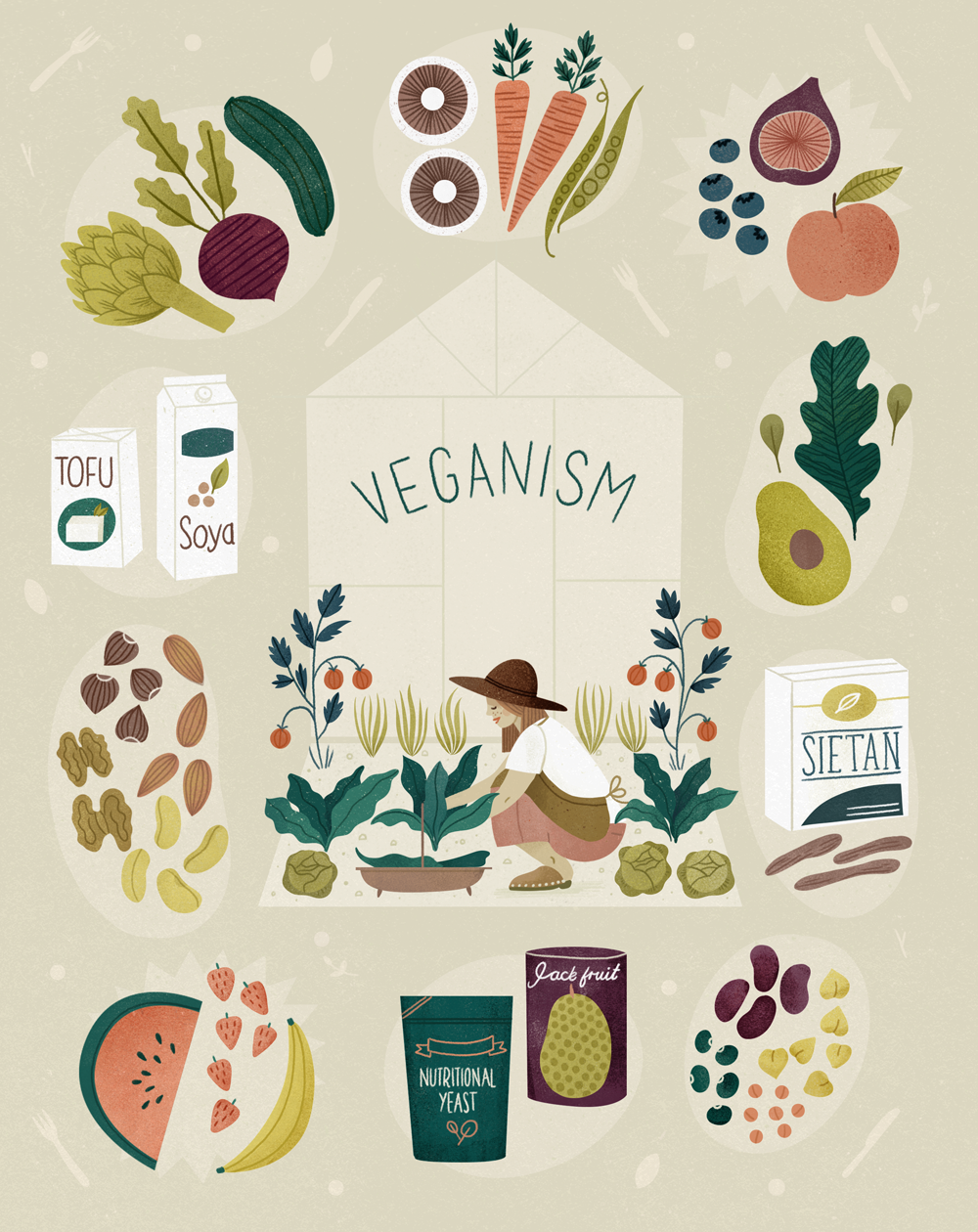
Once considered a niche diet, veganism has gone mainstream — so much so that the number of people following a vegan diet has increased by 350% in the last decade. By definition, veganism is a way of living in which people exclude, as much as possible, all forms of animal exploitation and cruelty.

At first glance, a vegan diet may seem complicated or overly restrictive. Many of my clients who are considering switching over to a vegan diet are initially worried about finding suitable vegan alternatives to their favourite meals. Yet, most find that once they get a few basics down, the transition is less difficult than they initially expected.

According to the Vegan Society, the term “vegan” was coined back in 1944 by a small group of vegetarians who broke away from the Leicester Vegetarian Society in England to form the Vegan Society. In addition to refraining from eating meat, they chose not to consume dairy, eggs, or any other products of animal origin The term “vegan” was chosen from the combination of the first and last letters of “vegetarian.” By 1949, the first definition of veganism had been born. It has changed slightly over the years to become what it is known as today. Many people use the term “vegan” to refer exclusively to diet. However, by this latest definition, veganism extends beyond eating a plant-based diet.

Those who identify as vegans typically aim to exclude animal exploitation or cruelty in all aspects of their lives, including the clothes they wear, the cosmetics they use, and the leisure activities they take part in .As a result, many vegans avoid purchasing wool coats, leather furniture, or down pillows and comforters. They may also opt to visit animal sanctuaries instead of going to zoos, the circus, or animal petting farms.

Reasons people go vegan

Health-Some people choose a vegan diet for its potential health benefits. Diets high in meat — especially red meat — have been linked to cancer, heart disease, and type 2 diabetes .On the other hand, plant-based diets have been linked to a lower risk of developing or prematurely dying from these diseases. Lowering your intake of animal products in favour of more plant-based options may also improve your digestion and reduce your risk of Alzheimer’s disease .A vegan diet can also help minimize the side effects linked to the antibiotics and hormones used in modern animal agriculture .Finally, vegan diets appear to be especially effective at helping people lose unwanted weight. Several studies link a vegan diet to a lower likelihood of obesity

Moral ideals-Ethical vegans strongly believe that all creatures have a right to life and freedom. They view all animals as conscious beings that, just like humans, wish to avoid pain and suffering .Because of this, ethical vegans are opposed to killing an animal in order to eat its flesh or wear its fur or skin. Vegans are also opposed to the psychological and physical stress that animals may endure as a result of modern farming practices — for instance, the small pens or cages that animals typically live in and rarely leave between their birth and slaughter.

Environment

People may also choose to avoid animal products in an attempt to limit their environmental impact. According to recent data, animal agriculture heavily contributes to greenhouse gas emissions (GHGEs), which cause climate change.Meat eaters are thought to be responsible for 2–2.5 times more GHGEs than people following a vegan diet. Ruminant animals, such as cattle, sheep, and goats, appear to emit the largest amount of greenhouse gases per gram of protein they deliver. Therefore, diets that reduce or totally eliminate dairy also produce significantly fewer GHGEs.

Foods that vegans eat

Avoiding animal products doesn’t restrict you to eating salads and tofu alone. There’s a wide variety of delicious foods you can eat on a vegan diet.

  • Beans, peas, and lentils: such as red, brown, or green lentils; chickpeas; split peas; black-eyed peas; black beans; white beans; and kidney beans
  • Soy products: such as fortified soy milk, soybeans, and products made from them, such as tofu, tempeh, and natto
  • Nuts: such as peanuts, almonds, cashews, and their butters
  • Seeds: such as sunflower seeds, sesame seeds, and their butters, as well as flaxseed, hemp seeds, and chia seeds
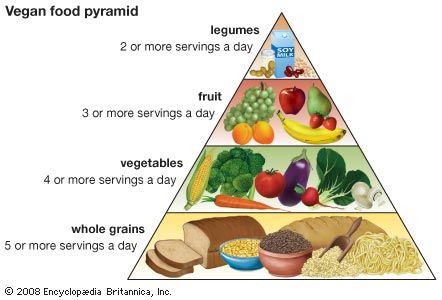
  • Whole grains: such as quinoa, whole wheat, whole oats, and whole grain brown or wild rice, as well as products made from these foods, such as whole grain bread, crackers, and pasta
  • Starchy vegetables: such as potatoes, sweet potatoes, corn, squash, beets, and turnips
  • Nonstarchy vegetables: such as broccoli, cabbage, asparagus, radishes, and leafy greens; these may be raw, frozen, canned, dried, or pureed
  • Fruit: such as apples, pears, bananas, berries, mango, pineapple, oranges, and tangerines; these may be purchased fresh, frozen, canned, dried, or pureed
  • Other plant-based foods: such as algae, nutritional yeast, fortified plant milks and yogurts, and maple syrup

There’s a good chance that many of the dishes you currently enjoy either already are vegan or can be made vegan with a few simple adjustments.For instance, you can swap meat-based main dishes for meals containing beans, peas, lentils, tofu, tempeh, nuts, or seeds.

Transitioning to a vegan diet is easier than most people think. That said, it does require a little additional nutrition knowledge.So if you’re interested in making the switch, consider seeking advice from a registered dietitian specializing in plant-based diets to make sure you’ve got your basics covered.Depending on your knowledge, budget, and culinary skills, you may also want to consider taking certain supplements to ensure you’re providing your body with all the nutrients it need

Veganism in a Nutshell

Once considered a niche diet, veganism has gone mainstream — so much so that the number of people following a vegan diet has increased by 350% in the last decade. By definition, veganism is a way of living in which people exclude, as much as possible, all forms of animal exploitation and cruelty.

At first glance, a vegan diet may seem complicated or overly restrictive. Many of my clients who are considering switching over to a vegan diet are initially worried about finding suitable vegan alternatives to their favourite meals. Yet, most find that once they get a few basics down, the transition is less difficult than they initially expected.

According to the Vegan Society, the term “vegan” was coined back in 1944 by a small group of vegetarians who broke away from the Leicester Vegetarian Society in England to form the Vegan Society. In addition to refraining from eating meat, they chose not to consume dairy, eggs, or any other products of animal origin The term “vegan” was chosen from the combination of the first and last letters of “vegetarian.” By 1949, the first definition of veganism had been born. It has changed slightly over the years to become what it is known as today. Many people use the term “vegan” to refer exclusively to diet. However, by this latest definition, veganism extends beyond eating a plant-based diet.

Those who identify as vegans typically aim to exclude animal exploitation or cruelty in all aspects of their lives, including the clothes they wear, the cosmetics they use, and the leisure activities they take part in .As a result, many vegans avoid purchasing wool coats, leather furniture, or down pillows and comforters. They may also opt to visit animal sanctuaries instead of going to zoos, the circus, or animal petting farms.

Reasons people go vegan

Health-Some people choose a vegan diet for its potential health benefits. Diets high in meat — especially red meat — have been linked to cancer, heart disease, and type 2 diabetes .On the other hand, plant-based diets have been linked to a lower risk of developing or prematurely dying from these diseases. Lowering your intake of animal products in favour of more plant-based options may also improve your digestion and reduce your risk of Alzheimer’s disease .A vegan diet can also help minimize the side effects linked to the antibiotics and hormones used in modern animal agriculture .Finally, vegan diets appear to be especially effective at helping people lose unwanted weight. Several studies link a vegan diet to a lower likelihood of obesity

Moral ideals-Ethical vegans strongly believe that all creatures have a right to life and freedom. They view all animals as conscious beings that, just like humans, wish to avoid pain and suffering .Because of this, ethical vegans are opposed to killing an animal in order to eat its flesh or wear its fur or skin. Vegans are also opposed to the psychological and physical stress that animals may endure as a result of modern farming practices — for instance, the small pens or cages that animals typically live in and rarely leave between their birth and slaughter.

Environment

People may also choose to avoid animal products in an attempt to limit their environmental impact. According to recent data, animal agriculture heavily contributes to greenhouse gas emissions (GHGEs), which cause climate change.Meat eaters are thought to be responsible for 2–2.5 times more GHGEs than people following a vegan diet. Ruminant animals, such as cattle, sheep, and goats, appear to emit the largest amount of greenhouse gases per gram of protein they deliver. Therefore, diets that reduce or totally eliminate dairy also produce significantly fewer GHGEs.

Foods that vegans eat

Avoiding animal products doesn’t restrict you to eating salads and tofu alone. There’s a wide variety of delicious foods you can eat on a vegan diet.

  • Beans, peas, and lentils: such as red, brown, or green lentils; chickpeas; split peas; black-eyed peas; black beans; white beans; and kidney beans
  • Soy products: such as fortified soy milk, soybeans, and products made from them, such as tofu, tempeh, and natto
  • Nuts: such as peanuts, almonds, cashews, and their butters
  • Seeds: such as sunflower seeds, sesame seeds, and their butters, as well as flaxseed, hemp seeds, and chia seeds
  • Whole grains: such as quinoa, whole wheat, whole oats, and whole grain brown or wild rice, as well as products made from these foods, such as whole grain bread, crackers, and pasta
  • Starchy vegetables: such as potatoes, sweet potatoes, corn, squash, beets, and turnips
  • Nonstarchy vegetables: such as broccoli, cabbage, asparagus, radishes, and leafy greens; these may be raw, frozen, canned, dried, or pureed
  • Fruit: such as apples, pears, bananas, berries, mango, pineapple, oranges, and tangerines; these may be purchased fresh, frozen, canned, dried, or pureed
  • Other plant-based foods: such as algae, nutritional yeast, fortified plant milks and yogurts, and maple syrup

There’s a good chance that many of the dishes you currently enjoy either already are vegan or can be made vegan with a few simple adjustments.For instance, you can swap meat-based main dishes for meals containing beans, peas, lentils, tofu, tempeh, nuts, or seeds.

Transitioning to a vegan diet is easier than most people think. That said, it does require a little additional nutrition knowledge.So if you’re interested in making the switch, consider seeking advice from a registered dietitian specializing in plant-based diets to make sure you’ve got your basics covered.Depending on your knowledge, budget, and culinary skills, you may also want to consider taking certain supplements to ensure you’re providing your body with all the nutrients it need

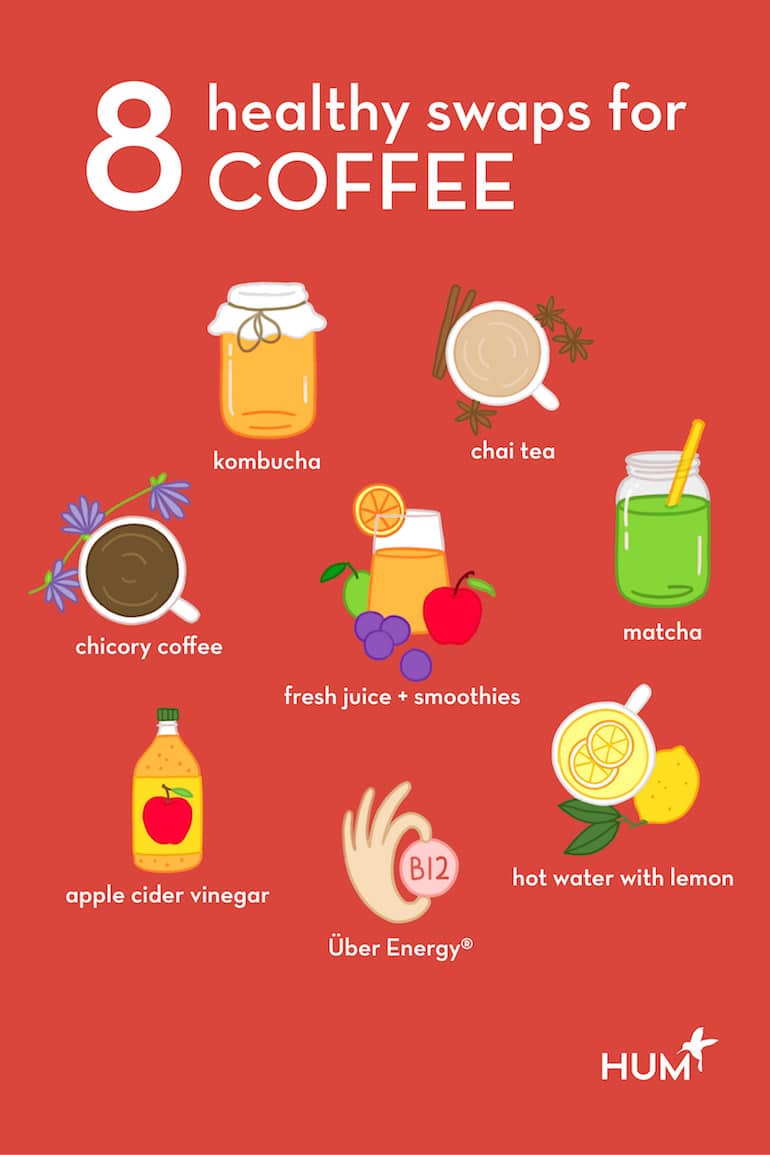
Healthy alternatives to coffee.

Golden milk

Made with several spices including ginger, cinnamon, turmeric and black pepper, this caffeine-free traditional Indian drink is a comforting yet invigorating concoction that’s sure to wake your senses in the morning. Cardamom, vanilla and honey can also be added to the mix.

Apple cider

Cider made with real apple cider vinegar is great for supporting digestion, since apple cider vinegar contains enzymes that can help balance blood sugar levels, control your appetite, and potentially ward off issues like heartburn and indigestion.

Coffee is the go-to morning beverage for many, while others choose not to drink it for a host of reasons.For some, the high amount of caffeine — 95 mg per serving — can cause nervousness and agitation, also known as “the jitters.” For others, coffee can cause digestive distress and headaches. Many simply don’t care for the bitter taste or are bored with their usual morning cup of Joe. Drinking too much coffee can be detrimental because of its high caffeine content. “Too much caffeine may pose a danger to your health,” the U.S. Food and Drug Administration warns. People are now are slowly dropping coffee from their daily diet and are looking for healthier beverages. This is a sign for you to rethink your caffeine intake. There are several other drinks that can help you stay awake in the morning aside from coffee. They are-


Hot cacao

Brewed cacao is a low caffeine drink that is rich in theobromine, a mild central nervous system stimulant. It offers all the “decadent flavors of dark chocolate, without any of the sugar and fat, and virtually no calories,” licensed dietitian/nutritionist Monica Reinagel wrote in an article for Food & Nutrition.

Lemon Water

 Lemon water is a great way to start your day. It’s calorie- and caffeine-free and provides an ample dose of vitamin C.As an antioxidant, vitamin C plays a role in your immune system and protects your skin from sun damage. It’s essential for creating collagen, a protein that provides the basic structure for your skin, tendons and ligaments.

You can also add other fruits and herbs for a variety of flavors — cucumbers, mint, watermelon and basil are some popular options.

Herbal tea

Herbal tea like rooibos ( from South Africa) and chai tea (from India )can be great healthy alternatives to caffeine. Most herbal teas are caffeine-free, although it depends on the exact kind.They may help to support your energy levels by keeping you calm and aiding in sleep quality, and by supporting digestive/gut health. Unlike coffee ,teas are  low in tannin antioxidants, which can be beneficial but also interfere with the absorption of iron. Despite a low tannin content it provides a substantial amount of other antioxidants .

Kombucha

Kombucha is made by fermenting black tea with bacteria, yeast and sugar.After fermentation, kombucha contains probiotics, acetic acid and antioxidants — all of which may have health benefits .kombucha may boost your immune system, improve cholesterol levels and blood glucose levels in people with diabetes

5 hobbies to develop this summer

Getting bored in the summer heat? Or you simply want to catch a break from a monotonous life? Well, its summer time and there is no better season to pick up some new hobbies and skills to add to the feathers in your cap. Here are 5 things you can do this summer to feel productive-

  1. Learn to swim

Swimming is a very handy skill and you are never too old to learn to swim. It’s great if you already know to swim too, take a dip in the pool and refine those strokes. Swimming keeps one physically fit, healthy and energised. It also tones your muscles and give you that tan you’ve been wanting.

2.Learn a foreign language

It could be the tongue native to a country you hope to visit someday or a language you’ve always wanted to learn just because you find it so beautiful. Learning the basics of a new language makes the world feel a little smaller, and numerous studies have indicated that being bilingual can give your brain a boost. There are so many free apps and videos that you can refer to at least get some basics of a language.

3.Make your own jewellery

Arts and crafts have always been at the tip-top of popular summer hobbies but have you tried making your own jewellery yet? Capture your own design aesthetic in wearable pieces that you can make from the comfort of your own home. Make them for yourself, gift them to a friend, sell them on Etsy… the possibilities are endless. There are some awesome kits, books, and Youtube videos (essential techniques, supplies to purchase, and of course, hacks) that will make getting started a whole lot easier. Redecorate your room with it or spruce up your collection of gems with some DIY jewellery making.

4. Develop a green thumb

 Summertime is the perfect time for gardening: there’s loads of sunlight and the right temperature to grow an entire range of vegetables like tomatoes and cucumbers, or even some herbs and flowers. Gardening can be a nice, rewarding hobby to take up in the summertime. Starting a garden can be an intimidating task but thankfully, there are plenty of resources out there to help you get your green thumb on.

5. Go Camping

Camping is a favourite pastime for many during the summer days and can also be very inexpensive . This is a fantastic low-cost hobby for adventure and nature lovers who want to disconnect from the Wi-Fi and real around a campfire. However, you shouldn’t set out without preparation, so go through this guide to make sure you’re well-prepared! It is a fun way to meet up for some outdoor time with friends and loved ones! It doesn’t have to been in the complete wilderness , just set a tent in your back yard and gaze at those stars.

Contemporary Fashion: The Minimalist’s Coverbook

Models walk the runway at the 3.1 Phillip Lim Fashion Show during Mercedes-Benz Fashion Week Fall 2015 at Skylight Clarkson SQ. on February 16, 2015 in the Brooklyn borough of New York City.

Introduction

The sense of fashion never goes out-of-date for a true fashionista. Among the Millions of fashion lingos in today’s market , one that often dominantly buzzes around, is the term “Contemporary Fashion”.Meant to describe labels with a designer aesthetic and more accessible price points and we use the term “accessible” loosely, with most pieces averaging out around $500 , the term means big bucks where the fashion industry’s concerned, having become one of the biggest areas people spend their money in the last few years.

What Contemporary Fashion Is

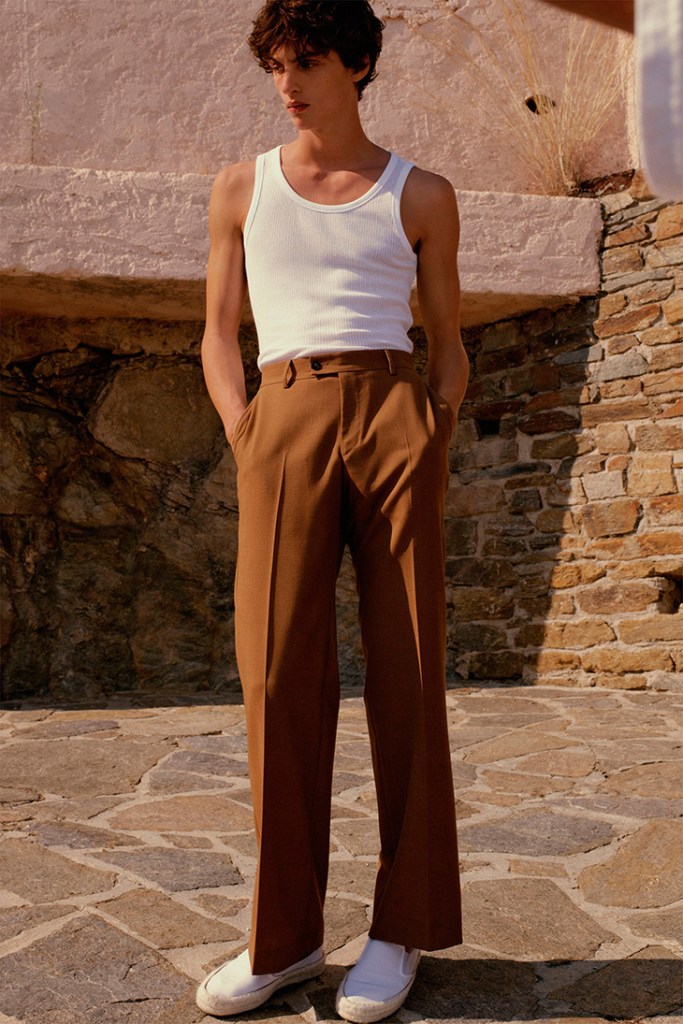
Contemporary apparel is clothing that is accessible, in price and in terms of the way people wear it. The contemporary category often contains more modern-style clothes compared to the higher end luxury market. The voice of the contemporary industry is a bit more modern and a tad younger. Contemporary brands appeal to both the luxury shopper and the new breed of aspirational shopper.  This tier has become a go-to for women who can no longer justify shelling out huge amounts of cash on designer garb. It is also appealing to people bored of regular fashion and who are prepared to spend that little bit extra for something that will last.

A great contemporary brand is one with a unique look and feel. Garments and accessories will have interesting construction details and a good-quality finish. The collections are in line with seasonal trends but also incorporate signature items that consumers immediately recognize and associate with the designer brand.

A Harpen Fashion Show

Is It Futurist: The Sustainability Question

In fashion, the term ‘futuristic’ is often used to describe avant-garde clothing designs. It could refer to several things, such as the clothing’s method of production, the materials used, or the garment’s design. Futurism can even refer to the 20th century Italian art movement, and indeed, this movement addressed the problem of designing fashion for the 20th century. We would learn much by examining Futurist fashions in order to understand its legacy in relation to contemporary fashion designers viewed as futuristic today. This paper will review this legacy by looking at five specific examples—Italian Futurists and their contribution to classless and genderless fashion; French designer Yves Saint Laurent’s iconic minidress inspired by the De Stijl art movement; fashion designed specifically for women with active lifestyles; technological advancement and space exploration seen in the designs of André Courrèges and Pierre Cardin; and advancements in textile manufacturing during the late 20th and early 21st century in relation to Karl Lagerfeld, Donatella Versace, and Hussein Chalayan. This leads to the primary analysis of Iris van Herpen and other contemporary designers including Noa Raviv and Neri Oxman. Their designs will be discussed in relation to the problem of labelling fashion as futuristic.

A Paris Georgia Apparel

Challenges of Contemporary Fashion

The contemporary brands fashion market is clearly brimming with a high level of competition. The up-and-coming contemporary designers are forced to continuously compete with older, established luxury brands in the targeting of the younger generation of consumers. The contemporary market began out of consumers’ need and want to own versatile clothing that could be worn on a daily basis.  Stylish consumers were hungry for locating a head-to-toe outfit that luxury brands create, but could be sold at a more reasonable tag.

Simone Racha Catwalk Show at London Fashion Week

Scopes of Contemporary Fashion

Due to the fact that contemporary brands appeal to several groups of consumers, this industry will continue to see global opportunities. Fashion editors and industry insiders agree that contemporary brands have stolen the limelight and are helping to bridge the gap between luxury brands and main street.

Not only will contemporary labels allow you to up your designer arsenal without forcing you to exist on an exclusively Kraft Dinner diet, but the pieces are also constructed with everyday wear in mind (no couture-like assembly required). Not to mention that contemporary lines still boast that oh-so-coveted designer aesthetic and quality craftsmanship—perfect if you’re looking to break away from the usual suspects in fast fashion retail.

Famous Contemporary Fashion Designers and Their Works

Carven: Founded in 1945 in Paris, Carven has enjoyed a resurgence since the hiring of designer Guillaume Henry in 2009, who transformed the house from old-school couturier into the cool girl’s label du jour.

Carven Spring 2014 ready-to-wear collection
Carven Fall-Winter 2015-16 collection

N°21:  Started in 2010 in Milan by designer Alessandro Dell’Acqua, the brand offers a smorgasbord of whimsical designs that can be effortless.

N°21 Spring- Summer 2018 collection
N°21 Spring-Summer 2021 collection

Jonathan Simkhai: Starting from NYC His first womenswear collection was shown in 2010, where Simkhai debuted his take on dressing for today’s cosmopolitan woman. A master at tailoring oversized pieces to flatter the female form, his designs run the gamut from exaggerated boxer shorts to basketball jerseys.

Simkhai Fall 2017 collection
Simkhai Fall 2020 ready-to-wear collection

Sandro : Launched by husband-and-wife duo Didier and Evelyne Chétrite, Sandro is a well-known and popular brand in the contemporary market.  Since its launch in 1984 (in the Marais district of Paris), the label has gathered a cult following with women charmed by its insouciant, season less separates and rock’n’roll aesthetic. Sandro has stores worldwide in places such as New York and Japan, and a flagship store based in Covent Garden, central London.

A Sandro Store
Sandro Spring-Summer 2021 Menswear Collection

Conclusion

Consumers want to feel like they own something special and unique. They want exclusive quality labels that are not mass produced, yet are still affordable.  It is important to keep in mind that this category is less expensive then higher tiers such as Haute Couture, but the prices are clearly higher than budget collections.The changing demographic of fashion consumers and the rise of contemporary brands. To stay in the game, luxury fashion marketers must compete on a global scale.

Gadgets that will make your life easier!

This is an image of gadgets that will make your life easier!


With rapid industrialisation and innovation making its way through centuries. People living through them benefit widely due to employment opportunities and hi-tech gadgets being produced. We cannot imagine our lives today without our phones and it is rendered useless without a good internet connection. With the continuation of experiments and innovations, the boundaries of possibilities are being pushed and new gadgets arrive in the market that vow to make our lives easier. 

We will be looking at such gadgets in the list below. Make sure to check them out!

1.Wireless earphones or earbuds

Nothing is more frustrating than grappling with tangled earphone wire when you need to listen to some music. Many tech giants have come with affordable solutions to this problem in the form of wireless earphones and earbuds. Yes, there are affordable options to choose from. You can also choose from a range of manufacturers to buy your wireless earphones as its a product competed for production by many popular brands. 

Click here to find some affordable wireless earbuds.

2. Powerbank

With a portable powerbank in hand, you no longer need to worry about losing all the charge in your phone. Or your wireless pods if you own a pair. However, you will have to remember to charge the power bank to use it for its intended purpose. Apon charging it, your powerbank can sustain long enough to power your mobile phones over long journeys. 

3. Streaming sticks

Streaming sticks are the modern solution for streaming video content on your television or computer using a Wifi or 4G internet connection. It comes with a remote as well to toggle through streaming services on your electronic devices. It works as an amazing alternative over set-top-boxes and cable TV connections. 

Google Chromecast or Amazon FireTV can be viable options to look for while purchasing a streaming stick.

4. Go Pro

GoPros are tinier versions of a traditional camera that allows you to capture photos and videos while you are on the run. GoPro is basically a US based brand that has widely become synonymous with compact and portable cameras. These compact cameras from GoPro are expensive. But if you don’t mind spending extra for a YouTube video or to simply capture a worthwhile experience, you can give this a go!

5. Selfie stick

Works every time when you lack a tall friend in your group. This selfie stick can be a portable extension for your arm while taking selfies. Or groupfies!

6. Fitness tracker

The rest of the world might not be interested in knowing the steps you covered. But you would want to keep tabs on it. Fitbit wrist bands can do the job by notifying you about the number of steps you have covered. There are more complex alternatives such as smartwatch that come with GPS connectivity and waterproofing as well. 

7. E- Reader

E-Readers don’t have the traditional glare you receive from your smartphones and computers. Thus, taking it easy on your eyes while you read your favorite book on one of them. You also have thousands of reading options to choose from on a single device. 

8. A lost-stuff finder

Here comes a hi-tech gadget that will help you find your important stuff. It’s a small chip-like structure that you can place inside your wallet or clip it to your keys. When you lose track of your items, you can trigger a sound on the chip from your smartphone to find your lost items. 

9. VR viewer

Get the experience of a virtual reality from Samsung gear VR or Google daydream view that can be operated from your smartphones. Because why not. There are tons of 360 degree videos and VR contents out there for you to witness. 

10. Wireless Charging pad

If your smartphone supports wireless charging, getting a wireless charging pad will be worth it. It will definitely make your life easier by not having to look for adaptors or cables anymore. It also looks cool!

So these are some of the tech-gadgets mentioned that can make your life

easier. 


References


Alex Fitzpatrick, the 20 tech accessories everyone should have, time.com


Finding the motivation to work harder.

Our society often requires us to work harder. Anything that we want to achieve needs our dedication towards it and hardwork. But we don’t often burn the midnight oil for the test that’s soon to be taken. Or we don’t give our best in the jobs we have. Leaving us dissatisfied and troubled for a while. We have all been there. Maybe now is the time to motivate yourself to work harder, and reap the fruits that you deserve. 

Motivating yourself to work harder shouldn’t be a short term boost that you experience after listening to some motivational speaker. It should be your lifestyle. 

Here are some of the ways you can motivate yourself to work harder. 

The task could be easier than you think.

An effective way of convincing yourself to work harder is to change your perception about the task. Maybe it is not that hard, after all. Shift your focus from the level of difficulty to the feeling of accomplishment you might feel upon finishing the task in hand. It isn’t really fun to have it easy in life. Facing challenges makes you feel better and feel more capable. 

You are way more in control than you think. 

Although you cannot control the circumstances. You can control what you choose to do with your time. With proper planning and adequate help from people, you can finish your tasks one by one. Leaving you with less guilt and stress by the end of the day and a sense of accomplishment

As they work harder, so do you. 

When you surround yourself with people who work hard, you will also be motivated to work hard. Wouldn’t it be wonderful if peer pressure influenced you to work hard on the important things in life? Join forces with people who influence you to work hard and help you during the process. 

No human is an island! We all need to be motivated and helped by people around us to work harder. 

Break your assignments into smaller fragments!

Writing an assignment with a word limit of 3,000 words does seem like a daunting task! But writing a few words everyday, way before the due date can ensure that you do a small portion of the task each day and still finish the assignment of 3,000 words on time. 

Never fail to celebrate your small victories while you prepare for the bigger success. Although the win may seem small, their accumulation results in bigger accomplishments. Bearing this in mind motivates you to work harder. 

Train to focus.

Focusing on a task, helps you to finish it more efficiently and faster. Thus, motivating you to work harder on the important things in life. Distractions can cause delay and lack of efficiency, which leads to lack of motivation and interest in completing your tasks. 

It is advisable to set a time period and distance yourself from everything else apart from the resources required to accomplish a task. Perhaps, you can set a time limit for the distracting elements or use it as a reward for your small wins!

Why are you doing what you are doing?

Since you are already doing what you are doing and you need the motivation to work harder on it. It is essential to remind yourself of why you are doing what you are doing. It could be because you are passionate about it, or you want to make a better future for yourself, or maybe even because you are bored and have nothing else to do. 

The ‘why’ behind the task you are doing, often acts as a driving force that motivates you to work harder on the same. 

Finally, bring in some positivity!

Although, positivity is a term that is already being used a tedious number of times. It must be reiterated once again because of its significance. One cannot carry on with a task in hand while having a negative attitude. We are faced with unfortunate circumstances sometimes or we become weary due to our responsibilities. It’s wiser to take a day or two off from your assignments and challenges during such occasions and do things that comfort you. 

Start again with a positive outlook over your life. You will indeed feel motivated to work harder. 

So there you go! These are some points covered that can motivate you to work harder. Do mention in the comment box if any technique inspired you or motivated you to work harder. 

Things to do at least once in your life.


This is an image about life.

Living every day, doing our daily chores, when we pause and think. We are often surprised at how fast time passes by as we might have already lived through 20, 30, or 40 years of our lifetime. Although a considerable amount of our lives have passed, when we look back, there are several things that are left unsaid. Several things that are left undone. So many dreams that are left unscathed. 

Maybe now is the time to do some of those things, to add more meaning and experiences to our lives. 

Here are some of the things that you should do at least once in your life.

1.Own a pet:

This an image of Own a pet.


There is nothing like being smothered by the unconditional love of an animal. Owning a pet can especially help improve your mood while having a particularly bad day. You can also practice being caring and compassionate as owning pets will require you to do so very often. What you can have as a pet is up to you. A transformation witnessed in you, in terms of loving and caring is guaranteed!

2. Live alone:

This is an image of Live alone.


To some it may sound daunting, to some it may sound exciting. Nevertheless it’s an experience one should have in their lives. Sometimes it also becomes the need of the hour to spend time alone at your place. Living alone brings in with it the sense of responsibility, adulthood and freedom unlike anything else. You can choose whatever you want to do without seeking permission from anyone. Unless you have a landlord. 

3. Buy something expensive:

This is an image for Buy something expensive.

How long would you keep criticising every newly launched I-Phone while intrinsically desiring to buy the same? Or anything expensive for that matter. Just go ahead and make that expensive purchase at least once in your life. Here’s a follow-up story that can encourage you to pursue the finer things in life. 

Ratan Tata, an Indian industrialist and the former chairman of Tata and sons, spoke about a friend who had the misfortune of losing his pens very often. He ended up buying and using cheap pens as a result of his worrying habit. Ratan Tata gave him the suggestion of buying the most expensive pen that he could afford and see what happens. 

His friend went on to buy a 22 carat gold cross pen. 6 months later when Ratan Tata met his friend again, he asked him about his habit of losing pens. His friend replied saying he is very cautious about his expensive pen and has managed to keep it with him till now. 

It was the value of the pen that made the difference and there was nothing wrong intrinsically with his friend. If this story doesn’t convince you to buy something expensive, nothing else can. 

4. Fall in love:

This is an image of fall in love.


It might not be possible to plan and pursue such feelings in life. But when you do fall in love with someone you have met, embrace this beautiful feeling. What to do after you fall in love is something beyond my league. But the cliched feeling of butterflies in the stomach while you are near them, or imagining spending a lifetime with them when you are away from them. Is a moment worth living and experiencing. 

5. Help a stranger:

This is an image of Help a stranger

There are a lot of people around us who are yearning for our help with something. Donate when an opportunity presents itselves. Reach out to the lone person in the group. Avoid bargaining over petty expenses with the vegetable or fruit vendors. Lend your seat on public transport to someone who has been standing for a while. Buy food for someone. There are plenty of ways we can help as every individual has so much to offer to society. 

Although the list ends here, let your spirit keep looking for more things to do at least once in your life. 

How to make friends as an adult.

Friendship is a beautiful relationship that sets sail towards wonderful experiences. Your friends are the ones who relieve you from your mundane routine and bring excitement in your lives. We bunk classes knowing that our friends have got our back. And if they are willing to be our partners in crime, then it’s an added blessing. We call them when depressed, knowing that our friends will allow us to vent out to them and will make us feel better. 

As we get older, lesser friends remain in touch. We may relocate to a new place, or begin our education at a new college. It then becomes necessary to pursue new friendships to keep our company. The older we get, the more challenging it becomes to make new friends. 


This is an image of How to make friends as an adult.


Why does making friends as an adult become challenging?

As an adult, it becomes difficult to deviate from the people we already know and pursue new relationships. We also find the people around us in different phases of lives from ours. Children are well connected with each other based on the some-what universal educational system and leisure outdoor or indoor games. Even though not every child’s interests and opinions match with the others, they are dynamic and willing to try different activities along with their peers. 

But as we grow up, our interests and opinions become rigid. Instead of being dynamic, we hope to find company in people with similar interests. We also become conditional regarding the kind of people we want to be friends with. Hence it becomes challenging to make friends as an adult. 

How to make friends as an adult?

1.Take the initiative:

This is an image for take an initiaitive


Picture this, you enter into a social setting and see people around you. This is the right moment, thrust your hand out and introduce yourself. Ask follow up questions such as what does the person do, where he or she is from, and also share some personal stuff about yourself. You have set the ball rolling on making the person your friend. Maintain consistency in talking to them thereafter and you have got yourself a friend. 

2. Join organizations or associations:

Usually in colleges, associations and groups are formed to conduct fun activities and refreshments. You can join any of these groups and associations based on your interests. This allows you to associate and coordinate with people sharing your interests. It can prove to be an ice-breaker between you and the others around you and put you at ease with your newly found friends. Thus making friends as an adult is much easier than it seems!

3. Be what you seek:

This is an image for Be what you seek.


What are the qualities you seek while making friends as an adult? Possibly kind, warm, consistent, and positive. Wouldn’t the other person also look for the same qualities in a friend? Be that kind, helpful, and warm person with whom you would like to be friends with. We can work on confidence, sense of humour, and a dynamic personality later on. 

4. Pursue friendships, not similarities:

The goal is to make friends. Don’t filter people out because they don’t stand in solidarity with your interests. Seek new friends and you may also seek new interests and hobbies.

5. Hear out!

This is an image for Hear out!


The best part about friendship is that we always have someone to hear us out. It could be our deepest desires, problems or even mundane everyday occurrences. Seeking friends as an adult, you also may have to lend your ears to what others have to say. It forms a great foundation for a long lasting friendship. 

Making friends as an adult is no rocket science. You just need to take some time to put yourself out there to seek new friendships. 

Diwali, our festival of joy!


Source: by Freepik

Days come and go, festivals pass by in a jiffy. But there’s something special about the festival of lights. It begins with a loud bang from the crackers, goes on with serial lights and rockets lighting up the skies, and ends with a sweet note in courtesy of the laddoss and chaklis made and shared among friends and families. 

This is Diwali for us! Diwali is celebrated with great pomp and harmony, usually in the states of Maharashtra, Goa, Karnataka, and Tamil Nadu in India. It falls between the months of October and November and becomes the reason for dressing up, eating traditional sweets, bursting crackers, and family gatherings. 

The origin of Diwali, the festival of lights.

As we celebrate, let us look at the origins of this beloved festival and learn what makes this an auspicious occasion. There aren’t any definite origins as there are several reasons behind celebration of this festival across different states of India. 

  • According to the epic Ramayana by Valmiki, Diwali is celebrated on the account of Lord Rama’s return to Ayodhya with his wife Seeta and brother Lakshmana after spending 14 years in exile and defeating the evil king Raavana. 

  • According to the most popular beliefs, Diwali marks the birth of Goddess Lakshmi from Samudra Manthan, the cosmic ocean of milk churned by gods and demons alike. Goddess Lakshmi had chosen Vishnu as her husband on the night of Diwali, forming an unbreakable bond. 

  • In the epic Mahabharata, the five pandava brothers were deceived into losing a bet while gambling and got banished by the Kauravas from Hastinapur for 12 years. According to the epic, Diwali is celebrated on the account of their return to Hastinapur during the Kartik Amavasya. 

  • In Sikhism, Diwali is celebrated on the account of Guru Hargobind being released by Mughal emperor Jehangir.  

  • In Jainism, the festival is celebrated as an anniversary of Mahavira’s soul finally seeking Nirvana. 

  • In many states of the western India, like Gujarath, Diwali is regarded as the beginning of a new year. 

  • In eastern India, comprising West Bengal, Diwali is celebrated in the honor of their Goddess Kali. Who is well known for her destructive rampage against the demons of the earth. 

How is Diwali celebrated?

With countless memes being reiterated regarding cleaning your household during this festive season. It becomes an important preparatory requirement for Diwali celebration. Dry fruits and sweetmeats are also exchanged ahead of the main Diwali celebrations. Outdoor and indoor parties as well as craft shows begin to create the ambiance for the forthcoming festival of lights. Gambling, as seen in Mahabharata being enacted by Pandavas and Kauravas, is a traditional festive game that is played during the week before Diwali alongside card games. 

Finally! the five days of Diwali

Let’s begin with Choti or little Diwali. It’s the day before the main event that is dedicated to preparations for the festival. We can’t be out buying crackers and sweets right in the middle of our Diwali right? There is fun and anticipation as we await the day of the main festival to be greeted with loud crackers and sweet smelling gulab jamuns, laddoos, and other delicious snacks. Oh, and also watch your step, because you might be the subject of someone’s wrath if you step on one of the painstakingly made rangolis


Source: By Unsplash


And now comes the main event, people greet the festival with a loud bang as the sun sets. Both the land and the skies are lit by fireworks. As usual, there begins an opposition against usage of firecrackers by environmentalists and naysayers. But they could never dampen the festive spirits of the true enthusiasts. By the end of the day, both the so-called environmentalists as well as the enthusiasts are united by festive delicacies. Thanks to the prior purchases, exchanges and preparations. 

The final days of the festive season witnesses sisters praying for the well being for their brothers and, hopefully receiving generous returns from their siblings. 

What should I do during Diwali?

Most probably you wouldn’t be having that question. But if your friends bailed out on you and you have no plans, then maybe you could write content like me. Just kidding! On a serious note, there will definitely be a movie releasing every Diwali which you can watch along with your family. If you are one of those naysayers to fireworks, you could take a trip to a nearby exotic location. You can use the holiday and the bonus to meet up with some old friends which you have been putting off for another day. 

Happy Diwali! May the festival bring lots of joy into your hearts! 

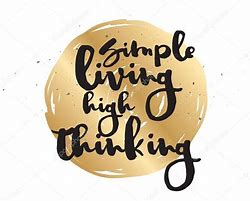
SIMPLE LIVING HIGH THINKING

Haven’t we all been a part of the mad rat race to acquire money? Humans keep running behind wealth throughout their lives and eventually when they reach old age, they realize the importance of peace in life. Not always, luxury is based on looks or garments. Real richness is reflected through a person’s values and mannerisms. Bringing positive changes in the lives of others shall be taken into consideration more than bringing materialistic changes in one’s lives. It is not money that is of utmost importance but generosity and the act of giving back to the society is important. Life resembles a steadily flowing stream of water and what we do while being a part of that flow of water will matter in the end. In our day to day living we may notice the amount of clutter that is spread on our study desks inspite of the fact that, the only commodity that we use daily might be a laptop or a book, at the dining table, many food items are often seen lying for days together which later on get disposed off, in our wardrobes, numerous clothes often remain unused. What does this tell us? We humans keep running in the blind race of materialism without even considering whether something is really needed by us or not.

Siddhartha Gautama better known as a Gautam Buddha, renounced his life as a wealthy prince and instead left his palace to seek inner peace as an ascetic. He gave up on his comforts because at the age of 29, he realized that mere wealth cannot bring home happiness. He also came across the sufferings of people, hence wanted to find out ways on how human suffering can be ended. According to Buddha, ‘Desire’ is the root cause of suffering. In today’s times, eliminating desires is not quite possible but limiting them certainly is. The Wisdom of Frugality, states how living a simple living leads to good virtues and ultimately good virtues lead to happiness. In simple words, if a person chooses to live life without any extravaganza, he may not have to take up a stressful job. When he does not experience stress and overtime at his workplace, he gets more time for leisure, which in turn generates happiness.

A minimalist lifestyle involves living with fewer resources whether in terms of a house or possession. Minimalist livers prefer to have a simple lifestyle and yet be satisfied in life. A minimalist lifestyle is by no means a radical lifestyle but rather an optimal one. Minimalistic living involves a high thinking. For instance, rather than buying an expensive television set, a phone or an air conditioner, buying a cheaper one and spending rest of the money on buying basic necessities for the underprivileged displays the real wealth that a man possesses. Pioneers such as A.P.J Abdul Kalam, Sudha Murty, Mahatma Gandhi and many more idolizing personalities have opted to live in a simple manner and possess a benevolent, generous and humane disposition.

8 Foods For Our Moods

Everything has a vibration. Whatever you do,say,eat and drink has an effect on you. It either builds you up or breaks you down without your knowledge. An unhealthy diet comprising of less vegetables and organic food can effect your mood drastically. Other than obesity, It also attracts sadness, frustration and negativity as a whole.

Having organic food and a balanced diet has a contrary effect.  It makes us feel energetic, refreshed, alive and happy. In simple words, it boosts our mood and lifts our vibes. It assists us in attracting what we desire . Good health and good mind are very closely related to each other. Let us look into some of these uplifting foods:


Green Leafy Vegetables: Leafy Vegetables are organic and the fresher they are, the better. Spinach, chard and other dark leafy vegetables contain magnesium which positively effects serotonin and boosts our mood. Lack of magnesium can cause a risk of anxiety and depression.

Beans: As protein packed foods, beans contribute to our mental health through the fibre present in them. Fibre helps regulate blood sugar which  in turn makes our mood better. Beans are also an excellent source of magnesium, iron, potassium and phosphorus.

Bananas: Bananas appear in every list of food concerning mood boosts. They are high in Vitamin B6 which synthesize feel good neurotransmitters like serotonin and dopamine. Bananas consist both sugar and fibre. Sugar, when paired with fibre, releases slowly into our bloodstream allowing for stable blood sugar levels which stabilizes our mood. Low blood sugar levels may lead to mood swings.

Bananas with a green coloured peel are a great source of probiotics which is a kind of fibre which helps feed healthy bacteria to our gut.

Berries: Berries are packed with a variety of antioxidants. Blueberries are rich in the antioxidant flavonoids which assist in activating brain pathways associated with reduced inflammation and risk of depression. Blueberries and strawberries contain a compound called polyphenolics which improves concentration, memory and attention span.


Salmon: Salmons are rich in omega-3, fatty acids. Especially DHA and EPA. Omega acids are anti inflammatory and are necessary for brain and nervous system development. EPA and DHA have shown to eliminate depression and they can effect our personality and impulse control. Salmons are also high in proteins, Vitamin B12 and D. Vitamin D is linked to better and stable mood. Vitamin B12 on the other hand works in cooperation with folate to help convert amino acids into neurotransmitters which are found in low levels among depression patients.

Almonds: Almonds are rich in protein  including tyrosine for neurotransmitter production It also contains Vitamin E, magnesium and fibre. As an antioxidant, Vitamin E can help fight radical damage in the brain and has shown to improve memory and cognition.Almonds and walnuts have calcium which can help offset hormonal imbalance in women and decrease the symptoms of depression, anxiety, irritability and impaired memory.

Cashews on the other hand, are rich in tryptophan, a neuro chemical which our body turns into serotonin. Vitamin B6 and magnesium present in cashews help to control mood swings. A handful of unsalted cashews are just enough to get the necessary nutrients.

However, not everytime one may feel like indulging in organic foods. In such cases, one may try chocolates! Dark chocolates, to be specific.  Rich in many mood boosting compounds, its sugar is a quick source of fuel to the brain which in return may improve our mood. It helps reducing anxiety and improves the conditions of clinical depression. Dark chocolates with large amounts of cacao can have positive effects on stress levels and even the immunity. It releases feel good compounds such as caffeine and N-acylethanolamine which is chemically similar to cannabinoids that is linked to an improved mood.

Coffee: For some of us, Coffee is a mood saver. Indeed it is. Its high level of caffeine and chlorogenic acid boosts our mood. The caffeine increases our attention by preventing adesnosine from attaching to the brain receptors that promote tiredness.The list of such food goes on. Some examples are oats,lentils,eggs,herbs,spices, fermented foods and tea.

The list of such food goes on. Some examples are oats,lentils,eggs,herbs,spices, fermented foods and tea.


There are  lists of healthy foods,habits,lifestyle,behaviour and practices . What makes them healthy is the vibes and energy which they carry. It is known amongst many that how a vegetarian diet can help to calm down a person. How exercises boosts our mood and how meditation helps us understand ourselves better.

All of these practices are healthy because they help to promote good vibes in us. When we come in contact with something which vibrates at a higher frequency, it improves our vibrations . When we inculcate activities with such  high frequency vibrations, we improve our own vibes. Thereby, attracting positivity.