Why current Generation are more vulnerable to Mental Illness than their predecessors?

Photo by Anete Lusina on Pexels.com

It is one of the inevitable topics of the millennial generation and that is, “Mental Illness”. It has become one of the terminal topics of all yet it’s high time to focus on our young minds!

So the question here is, why every fourth out of seven has a mental illness? Is it due to a new way of living life? Or is it the society? Well, we can’t blame society for every cause, right? Instead of living in a society, it is us who should be blamed.  Yes, the destruction is due to unawareness which we didn’t appreciate.

These young minds are an asset to our bright future, but what they are suffering from is the worst disease of all. Medically, there is a cure to all sorts of diseases but the question is, where is the essence of this disease? Why is this happening in excess amount to our young buds? Here are some of the elements which can be the reasons for the illness present in our young  minds :

  1. Giving more priority to the unrealistic world of social media: Teenagers are the most popular groups of all ages who dedicate most of their time to social media and thus, for them, it’s ‘The second home’. They dwell so much in these media platforms that the unrealistic world makes them feel like it is reality.

Specially they tend to create fake personalities in front of their friends and colleagues and when they are avoided or not popular then they think of themselves as ‘worthless’.  

It is highly observed that teenagers are dwelling so much into the ocean of social media life that; they start to judge themselves based on; number of likes they got, followers, and people’s comments. This makes them feel depressed and their minds start to break down in this fake world.

Many times, these youngsters are targeted and bullied on social media through certain comments and unknown threats that they don’t even communicate with their parents to provide no harm to their parents.

  • Fractured child-parent relationship: Contemporary parenting can be one of the elements which lead to their child to depression. Since parents are working 24/7, they don’t give much emphasis on their children and often there is a barrier of communication between the parent and child. Due to the unavailability of the parent’s presence, the child feels more ignorance and often lives in his/her thoughts which leads them to have a mental illness.  

We can also see that; these ignorant kids are often lured to follow the wrong path which leads them to devastation as a result.

  • Academic pressures and Moral dilemmas: Kids these days are often pressurised by their parents to score high marks, study in a decent university, and earn pounds which will raise their status in society.

Often, due to this academic pressure children don’t feel themselves and rather they are distracted and even take difficult steps at a tender age. As we can see those suicides are due to academic pressures is in high rates which are also one of the common factors on the mental health in millennials.

  • Pandemic – A Misery to the Millennial generation: This is one of the latest reasons why kids these days feel depressed about the new normal. The social interactions which made them feel positive are gone in the realms of social distancing and quarantine.

Attending online classes is one of the tiring jobs also several factors for them not being productive and lack in the concentration of academia. This leads to a very high amount of stress as we are humans and when we are clutched or burdened in result we act opposite to it, so the impact of online classes makes them vulnerable when they are facing so many pressures at the same time.

  • Addiction leads to depression among youngsters: It is very unfortunate but a fact that the present generation youngsters face different types of addiction in different platforms and therefore they tag themselves as ‘FREAKS’; notably, these addictions vary from one kid to another, some are addictive to social media, some with games, some mislead their minds to pornography world and some are highly addictive towards drugs and sedatives, etc.

There are endless reasons why kids are being addictive but one of the central reasons is due to the exposure to technology at a very tender age. Often, they are misled by their friends and colleagues and due to fewer interactions with elders, they indulge themselves in these forms of bad impact on themselves.

  • The cure to the sickness among youngsters:

Every disease has a cure at its end and to find this cure is that we should look into the core or the root of the disease. As rightly said, love and acceptance is a human need. The kids these days need parent’s support and guidance and a sense of belongingness so that they wouldn’t feel they are alone.

To bring them to their right place it is the elders who can try some old traditions to introduce among the young minds and let them know about the authenticity of their predecessors. As being together, loving each other and living in harmony can make youngsters feel accepted and so the cause of this disease can soon end.  

Youngsters on the other side can also sense their responsibility by being positive and having a good relationship with their family and creating kindness more instead of hatred.

Media, Disability & COVID-19

According to United Nations, about 1 billion people all over the world come under the category of “disabled” and that is 15% of the global population. Now, the question is, shall we as a society neglect 15% people in the world just because they happen to be in minority?

Media being one of the crucial facets of society has a major role to play when it comes to disseminating information and making people aware about significant and ignored issues. Now, let us go through what media has done to represent people with disabilities and their issue since the beginning of the pandemic.

1) Disability and Broadcast Media


A Look: Public Broadcasters of various countries

In 2020, the World Federation of the Deaf noted that 80 governments in the world have been providing sign language interpretations while Covid-19 press briefings.

For example, in order to curb Covid-19 pandemic, South Korean government aimed to strengthen the ways disabled people could be informed during the pandemic and other related disasters. The country’s public broadcaster KBS during the pandemic announced that it would work to expand the reach of information in its disaster countries. During the pandemic, the public radio in the country had continued to provide programmes dedicated to disabled community with daily news and health updates and general life advice.

When it comes to India’s public television broadcaster Doordarshan and public radio-All India Radio, very minimal representation of disabled community took place during the pandemic. Even though the objective of the these broadcasters is social welfare, disabled community was one of the most ignored ones as “no special programmes” were held for this community, nor was their issue highlighted specifically anywhere. News Bulletins with sign language were held for the disabled community though. More has to be done to ensure social inclusion of all communities including the disabled ones.

Private Broadcasters: nothing matters, but profits!

Media all over the world, including the Indian ones either portray disabled people as “nothing” or “everything” and both of them are dangerous. In 2019, Ministry of Information and Broadcasting in India directed the private channels to include special schemes for disabled community. Although some channels have started news bulletins for disable people but there was almost equal to zero representation of the disabled community during the pandemic.

There should be open space for the disabled community such as they should be invited for panel discussions and debates relating to different happenings in the world from politics to entertainment and like.

Digital Media: A hope in every way!

This is probably the best when it comes to serving and representing the disabled community during the pandemic. Digital and online media were the perfect mediums through which disabled people got proper spaces to talk about the issues they were facing during the pandemic.

One of the online apps called “News Hook” became increasingly popular among the disabled audience which used sign language specifically for the audience with hearing impairment. It covered headlines relating to technology, politics, entertainment, business and sports during the pandemic. It should also be noted that 65% of the staff here were from the disabled community.

Moreover, web portals of Indian Newspapers like The Indian Express and The Business Standards and many more gave enough of space to the disabled people so that they can talk freely about the issues they faced during the lockdowns.

The same above mentioned media channels also used platforms like YouTube to sensitise the audiences regarding the hindrances faced by the disabled community. Some reporters and even famous YouTube personalities covered the terrible times disabled people in India went through during the pandemic.

It should also be noted that online media was comfortable for disabled people as well as the medium is now more easily accessible with good quality content and also because of its low price rates.

Media, especially the mainstream media should be more responsible and sensitive in dealing with issues relating to the disabled community. More representation about the disabled community should take place in the mainstream media. Disabled people “aren’t incapable” and therefore they should be given proper employment in the media. They should be engaged and involved in live discussions and debates. Together, as society which includes the media we should create an environment which is inclusive, anti- discriminatory and diverse.

Importance of Personal Boundaries

Personal Boundaries are important because they set the basic guidelines on how you want to be treated. It is essential to have personal boundaries in order to have healthy relationships. A healthy personal boundary is when you’re confident enough to say no to others when it is necessary, but it also means that you’re comfortable enough to open up to someone you’re close with.

Listed below are a few types of important personal boundaries:

1. Material Boundaries

Material boundaries refer to setting limits on lending or borrowing material possessions like money, clothes and other personal belongings. Healthy Material Boundaries involves setting limits to what you will share and with whom.

Material boundaries look like:

  • Being careful of whom you lend money to
  • Limiting sharing personal hygiene items like lip balm, clothes, etc.
  • Not spending time with people who do not respect your time

Material boundaries are violated when:

  • your things are destroyed or stolen or when they are “borrowed” too frequently.
  • Another material violation is the use of materials to manipulate and control relationships.

2. Emotional Boundaries

Emotional boundaries deals with people’s feelings and energy. It refers to how much emotional energy you can take in at a moment. A healthy emotional boundary involves knowing when to share and not share personal information and feelings and limiting sharing it with people who respond poorly.

Emotional boundaries look like:

  • Needing time to cool off after an argument
  • Not allowing people to shame or belittle you
  • Being honest to others about your emotional state

Emotional boundaries are violated when:

  • Your feelings are dismissed and criticized
  • Not respecting your personal space
  • asking people to justify their feelings
  • emotionally dumping on people without their permission
  • Telling other people how they feel

3. Physical Boundaries

Personal physical boundaries refers to the area immediately surrounding the body. A healthy physical boundaries refers to an understanding of who is allowed to come near our personal space. Physical boundary ranges from public space, social space, personal space to intimate space where nobody should be allowed without your consent.

Physical boundaries look like:

  • Choosing your comfortable level of physical intimacy (hugging, shaking hands
  • Setting a boundary of space with the people you live with
  • Asking people to respect your privacy

Physical boundaries are violated when:

  • Strangers initiate physical contact
  • Not knocking your room before they enter
  • Ridicule you for setting your boundaries

4. Sexual Boundaries

Sexual boundaries are very important in one’s life and are constantly under the threat of being violated. A healthy sexual boundary can be set by understanding the difference between ‘good touch’ and ‘bad touch’. Violation of this boundary can gravely affect someone’s life.

Sexual boundaries look like:

  • Always ensuring that both parties consent to the act
  • understanding that it is okay to say ‘no’ at any given time
  • Knowing whom to share intimate personal information with

Sexual boundaries are violated when:

  • Someone forces themselves onto you without consent
  • asking intrusive questions about your sexuality
  • sharing your intimate information about you without your consent

5. Spiritual Boundaries

We live in a society where many different religions are beliefs are followed. Spiritual boundaries refer to understanding that everyone has right to choose and believe in a religion. A healthy spiritual boundary involves respecting each other’s beliefs and their methods of portraying it.

Spiritual Boundaries look like:

  • Choosing whom to share your beliefs with
  • Following your own teachings and traditions
  • Not allowing people to abuse you for your beliefs

Spiritual Boundaries are violated when:

  • Going to a place of worship against your consent
  • Being forced into someone else’s beliefs
  • Being ridiculed for your beliefs

Setting up personal boundaries should be a priority in our lives as it plays an important role in coexisting harmoniously within the society.

Reference Links:

Give yourself a break

In todays’ fast-paced world we tend to overwork ourselves because the environment is so competitive that we forget that our body and mind need rest sometimes. You must have found yourself tired and felt helpless at some point of time in your life, right? When you do too much work and when you finally take a rest you are not able to rest your mind, it may be a sign that you need a break. Similarly, if you feel devoid of energy to continue your work or you can’t sleep at night you need to take a break.

Burnout is the state of mind when it is exhausted and you feel physically exhausted too. At that point in time, you must consider being generous to yourself and take a break from everything that is going on. Many people feel that a break would leave them behind others but that is not the case, because everybody has their growth path, they grow at their own pace. Racing against time, overworking yourself will not help you in succeeding instead it will leave you exhausted. Sometimes a break in life is very important for a better comeback. If you feel stressed or you feel like you have tried your best but still the universe is conspiring against you, that is the indication to take a break.

Taking a break could be different things for different persons, for some it may be going back to your hobbies, for some it may be to take rest for a few weeks and do nothing. All of this me-time is valid, you don’t need to do anything productive in the meanwhile, you should not feel any pressure to do a task during your break. Giving yourself a break means giving your mind rest from all the whirling emotions that you have been feeling for a while.

Some people might say that you have given up, but you should not care what they say, everybody deserves a break from time to time. If you do not give yourself a break your mind will get exhausted and you might lose interest in all the activities in life.

There are many ways to give yourself some me-time:

  1. Book yourself a spa appointment and enjoy the massage.
  2. Read a book you’ve been wanting to read for some time but you couldn’t get time to do it.
  3. Go out for a morning jog, the fresh air would feel great.
  4. Go out for a swim or go out to play your favorite sport.
  5. Do nothing get in your bed and get a sound sleep.
  6. Take a hot water bath and then cook something for yourself and eat it. Self-made food tastes great and it gives you a sense of accomplishment.
  7. Meditate and exercise or do yoga.
  8. Get away from your screen and talk to someone you like to talk to.
  9. Watch a feel-good movie or any of your favorite movies while eating your favorite snacks.

Mental health and the social stigma around it

The Tabooed Ailment

Have you ever felt really happy? So happy that, it becomes impossible to imagine what normal feels like? Well, we all have such rare moments from which we can’t get back. A state of euphoric bliss experienced more in our childhood that depletes as we age. Do you know? Whenever you feel that joy, our body releases: dopamine that causes pleasure-seeking behavior, endorphin that reduces pain, Anandamide (derived from the Sanskrit word ‘Ananda’ meaning bliss) that maintains ecstasy and about a 100 more neurochemicals.

Happiness is wonderful! I know. Except, the dark side is – the same happens when one feels self-deflatingly depressed. One can’t get back to normal. One feels helpless; crushed; drained-out; anxious; and nihilistic. Such a person needs medicine, not philosophy.

I often find people using the word – ‘depressed’ casually whenever they feel dull, drunk, dumped, or drowsy. If you feel anything like that then you are just bummed out, ordinary- rather, a little extra-ordinary. These are all passive states of mind. Mental Illness is a negatively active state of mind. Symptoms of depression can have a wide range from trouble sleeping and eating, to persistent anxiety and sadness, recurring episodes of hopelessness, overeating, fatigue, a sudden switch from sadness to calmness, desperately pretending to be happy, taking risks, tying up loose ends, changing wills, and finally- death.

I once asked my brother about his friend who was diagnosed as clinically depressed, he recalled her sentences quite vividly – “It felt like I am living through the blank pages of my fate. Wish I had a way to erase it!”, she said. The most important thing that our society must be sensitive to is the fact that the cause of the behavior of a mentally ill person is rooted within him. Therefore, changing situations around him will not change anything significant.

Suicide is the leading cause of death in India among 15-29 years. This is not a mere statistic, but a statement to the world – “In our country, people kill themselves more than they get killed by others”, and we have the time to blame politicians. Yes, I know, we all want to do something about it, and that’s the extent of our concern. Here’s what I propose – How about being a little sensitive with people around? 1 in 7 people are mentally ill in our country. Well, it may not be your friend, but it might be you. Recognise mental health as an actual issue, instead of tossing it under the carpet, just because you are not ready to accept it. Don’t call someone lazy or unmotivated, they’re fighting their own battles that they can’t share. So, be kind to everyone, including yourself.

International Yoga Day

Since 2015, every year on 21st June Yoga Day has been celebrated, after it gained recognition in 2014, by the United Nations General Assembly. The idea of celebrating Yoda Day internationally and the date of 21st June was suggested by Indian Prime Minister, Narendra Modi on 27th September 2014, in his speech in United Nations General Assembly.

What is Yoga?

The term ‘yoga’ has been originated in the Sanskrit language, which means ‘union’. That’s what yoga does. It unites the body, mind, and soul. Yoga has its origin in ancient India. Yoga is a form of exercise consisting of various asanas (body postures) and breathing techniques.

The asanas make the body flexible and healthy while the breathing techniques help in the better working of the lungs and the respiratory system. Meditation is also a part of yoga. When all of these are collaborated along with the chants it is said to help in the spiritual awakening of an individual.

Why is Yoga Day Celebrated?

Yoga has its roots in ancient Indian culture. It has mentions in various Indian scriptures and Vedic texts like- Rigveda and Upanishads. India has always been a practitioner of yoga but now yoga has gained international recognition after the idea was proposed by Indian Prime Minister, Narendra Modi on 27th September 2014. Now yoga is performed and celebrated internationally. 

International Yoga Day is celebrated to mark the importance and benefits of yoga around the world. In the past years, more people have engaged in practicing yoga. On International Yoga Day, different nations celebrate it with major yoga events taking place. People in masses come together to perform yoga.

2021’s Theme for International Yoga Day

This year’s theme for International Yoga Day is- “Yoga for Wellness”. The theme has been aligned with the motive to overcome the current situation of the pandemic. This year Yoga Day is marked amidst the raging pandemic. The COVID-19 pandemic has not taken a toll on the physical health of the people but also has hampered their mental health to a great extent.

As the pandemic has imposed restrictions over commuting and lockdown been imposed, people have been inside their houses since then. As we all know human beings are ‘social animals’, which means they need social interaction.  But the pandemic has resulted in the inability of people to socialize with each other, and living in isolation has immensely impacted people psychologically. People have become patients of anxiety and depression.

To promote physical as well as mental health, yoga is the best way. Yoga helps in making you physically fit and flexible, as well as promotes mental peace. The pandemic has also sown a seed of fear in the minds of people. This fear has been the root cause of many physical and psychological issues. People are overly stressed as to take precautions and that they might not get infected with the coronavirus. Taking precautions is a must, but overly stressing about it would lead to psychological issues.

Yoga helps in the holistic healing of the body and mind. And to keep oneself calm and healthy it is advised to practice yoga regularly. And this is the approach that has been adopted by the United Nations General Assembly and resulted in 2021’s theme for International Yoga Day.

Every year events take place on this day where people in masses come along to do yoga. However, this year is not the same because of the pandemic as distancing needs to be followed.  

Things to do when you are feeling low

Do you have one of those days where you don’t feel like getting out of bed? Where you feel like everything is going against you and you feel sad or unaccomplished.

Well good for you, you are not alone.

We all have days where we don’t know what to do. Where we feel lost and unsatisfied. We want to change the way we feel but, there is no motivation to do so

Feeling low is quite normal. It is our brain’s way of telling us to take a break. Now there are two things people do when they feel low.

The first thing is they push themselves to work and forget about their emotions.

The second one is they let their emotions sit in, take a break and, then move forward with a fresh perspective.

Which approach sounds better? The second one right.

So, here are a few things to do when you are feeling low,

The first thing to do is acknowledge your emotions. Cry if you are feeling sad. A lot of people think that crying isn’t good or it shows that you are not strong enough. But, that’s not true. Crying is as normal as laughing when you find something funny.

Did you know that crying makes you feel better?

Crying releases endorphins, these feel-good emotions help you feel better.

Now that you have let your emotions out, give yourself a break so your body can recharge.

Have your favourite meal. You deserve that after going through so much. Forget about the calories and go grab a pizza if that will make you feel better.

Go outside and connect with nature. I am not asking you to go on a vacation. But even going outside to the park near your place can help. Being surrounded by nature will instantly make you feel calm. Nature has a calming effect on human beings. Even lying down under the night sky will help you feel calm and make you realise, how small of a part you are in this universe.

Do not go on social media. It is not the best idea to go on social media, where all you see is people having fun while your life is a mess. We tend to forget that people on social media also have bad days like us but they don’t show that online.

Talk to your trusted ones. Keeping things on your mind can be draining. So, talk to your friends, or family. If you are not comfortable sharing things with them, then you can always talk to your therapists or some trusted friends online. Talking things out and sharing your negative emotions with your trusted ones is profoundly healing.

Do an activity you enjoy. It can be as simple as painting, reading, or singing. You don’t have to be good at it. Do it to enjoy yourselves and to have fun.

We get so involved in our lives that we often don’t get time to do such things. So doing an activity you love would be very therapeutic.

Now that you are done with the break and are ready to go on with your life. Remember to take things slow.

One step at a time. Set small targets for yourself. Give your brain enough time to pick up with the pace.

Doing these activities will help your brain recover and give you a fresh perspective on life. It is always okay to not be okay and, to let our emotions take over. It is okay to take a break and rest for a day or two. Even successful people have bad days. So, don’t be so hard on yourselves for feeling low instead, give yourself time to rejuvenate.

Dementia in elderly people

Senior citizens face various issues in their day-to-day life. With the growing age, a weak body and weak cognition make almost every task difficult for them to perform. Getting older is not just about wrinkles and greying hair. Physical illness is not just the issue of the elderly, but also mental illness. Depression and dementia are the most common psychological diseases.

Dementia is a syndrome that deteriorates the cognition and ability to perform everyday tasks of an individual. Dementia is not itself a disease, but a collective term used to describe symptoms of impairment in thinking, memory, and communication.

Although dementia mostly affects older people it is not a normal part of aging. Possible symptoms of dementia are-

  • Recent memory loss- A person asking the same question might repeatedly be a sign.
  • Forgetfulness- The person may be forgetting where he/she kept his/her everyday items.
  • Mood swings- Sudden or unexplained change in mood.
  • Bewilderment- Getting lost or confused in familiar places.
  • A problem in speech- difficulty with familiar language, forgetting words, or using wrong words in place of some other word.
  • Loss in interest- Showing less or no interest in doing something that they earlier enjoyed or going somewhere.

With these symptoms, dementia is acting as a major reason for the abuse of the elderly. The elderly suffering from dementia is easily negligible for some people as the sufferer is not capable of saying anything or raising any questions to them. The old aged people with dementia are often abandoned o the streets by their own families and children so that they don’t have to give any special care to them and also they know that the patient is not in a condition to report these incidents.

Abandonment is not the only abuse an elderly with dementia has to face. There are more abuses that they have to face like:

  • Negligence- The elderly with dementia suffers from forgetfulness and may not remember to take meals, bath or medicine on time and the caregiver may keep neglecting the patient there is no to rebuke
  • Sexual abuse- as a sufferer of dementia and a weak body the elderly is easy prey for the abusers and are hence, forced into sexual acts without their consent.
  • Financial abuse- old aged people are often tricked into handing over all their property to their family, by their family members, either by forcing or by forging the signature of the property holder.

People often use the words ‘Dementia’ and ‘Alzheimer’ interchangeably, but the two diseases are different. Alzheimer is itself a disease, whereas dementia is a collective term.

Aging affects differently on different people but it has a common way of handling it- love and care. The person who nurtured us yesterday needs some care and affection today. And love is deserved by every being and so by the elderly. Elderly suffering from dementia is not an opportunity for abandoning and abusing them, rather a human being to be taken care of.  

Breathe in Peace and Exhale the Stress

‘Stress’ is a word so often used these days. People often tend to say they are ‘stressed’. It might be because of some work pressure or any personal issues. But do we really know what stress actually means?

Stress is the adaptive response of the body and mind against an external situation, when an individual is unable to meet the demands of the opportunity or the situation, and the outcome of it is crucial and uncertain at the same time.

Stress is evident when there is physical, psychological and/or behavioral change in an individual. However, stress is not always negative or adverse. Heart attacks are very common in people with high stress levels.

Stress is actually a neutral word. It can be either negative or positive. The stress becomes negative when it is developed because of an undesirable events or situations, known as ‘distress’. On the flip side, when stress is developed because of some desirable events or situations with successful effects, it is called as ‘eustress’.

Distress has a negative impact on the physical, psychological and/or behavioral aspects of an individual which results in degradation of performance and/or routine work that he/she might otherwise would have done efficiently. The decision-making ability becomes inefficient and ineffective, sleep cycle is hindered resulting in insomnia or oversleep, and health deteriorates.

 Any sort of personal or organizational loss can result in distress. Death of a dear one, loss of job, divorce, all such events leave a negative impact and sense of grief and sadness in an individual. When this feeling of grief and sadness takes over an individual and gets out of his coping abilities, it contributes to distress.

Eustress on the other hand, positively impacts an individual. It is the healthy and developmental stress resulting in improved performance levels, when the level of stress is at optimum level. It ignites a feeling of excitement and keeps an individual motivated to perform his best. The stress for submitting your project within the given deadline or stress for performing your best at your job pushes you to perform the best you can. As there is a sense of competition and will to earn appreciation. You work hard and put all your efforts to achieve the desired result. This is how eustress works. However, this is only possible when the stress level is optimum and under control of the individual. Otherwise, if the stress level is high it might result in distress because of breakdown of the individual, hampering the performance negatively.

How Can You Deal with Stress?

Every individual is unique and has differing stress coping levels. An event that is making a person uncomfortable or anxious might be exciting for another person. A person may be hesitant to speak in public, but another person might love to speak in public. This is how diverse people are. When people are so diverse, how can there be a common solution for stress? There is no “one size fits all” concept in coping with stress.

Often people start to seclude themselves when stress levels are high, as they think no one would understand them. This might be an effect of their experiences where they might have talked about their feelings, but people would have mocked them for it or just ignored, not understanding the seriousness of the issue. But talking about your feelings with someone actually relieves and decreases the burden inside you. Bottling up your feelings actually acts as a ticking time bomb which would explode at some point. Talk to anyone you like to or is close to you.

Indulge yourself into activities you like. It might be listening to music, reading books, sketching, stitching or anything you like. It would help you keep your mind busy, not letting you think of any unnecessary or hyper thoughts. This would help your mind stay peaceful and gradually decrease the stress level.

Yoga and meditation are of immense benefit to heal yourself of stress. It helps you maintain a harmony between your mind and body, increasing your focus and concentration levels, and lowering your stress levels.

Use affirmations for yourself. Stand in front of the mirror and tell yourself “I can do it”, “I have the power to overcome my fears”. This is important because people with stress often give up and think they can’t do anything in the situation prevailing or anything in general. Such affirmations provide a sense of positivity to deal with the stress.

Sometimes stress in not self-curable. It needs medical help at times. When nothing works for you seek foe medical help. Contact a certified psychiatrist or therapist.

However, it is crucial to have proper details about the psychiatrist or therapist so that any wrong treatment doesn’t contribute further scaring to their mental health.

Mental Health: Best ways to take care of it

Mental Health problems have persisted for a long time. However, in the context of India, mental health problems were only being highlighted, and precautions to take care of them were only started to be given in the contemporary context.

Mental health is defined as the well-being of the state of mind of a person. The sanity of a person is measured in terms of mental health. The more sane and cheerful the person is, the better their mental health is doing. If the person is depressed and has feelings of sorrow, fear, or so on in the presence or absence of such emotion-causing factors, the person is said to be having mental issues.

The prevalent notion is that mental issues lead to insanity. However, this is not always the case. The word “mental” has been vilified by society. Its original meaning was lost and was replaced with the meaning of “insanity.” This notion is being slowly changed by society by the rising number of counselors and therapists.

How does one take care of their mental health?

Mental health is just as important as a person’s physical health. It is directly connected with physical health as well. Any imbalance with one will affect the other. Keeping one’s physical and mental health is the key to a good lifestyle. Here are a few points on how to take care of your mental health.

  • Know what stresses you out: Knowing what stresses you out is winning half the battle. It may be exams, confrontation, or anything. Knowing what stresses you out will help you recognize those fears or anxiety and handle them better. For example, if you have a fear of examination, the best way to overcome it is to continuously take a lot of mock tests to familiarise yourself with the examination conditions. Similarly, know that each problem has a solution. If you are stressing out, figure out what is causing your stress and strike the problem at its root.
  • Talk to your friends or family: The best way to overcome and keep your mental health in top condition is to socialize. This may include talking to friends, hanging out with them, or talking to your family members. You can only indulge your secrets to those who are close to you. Hence, talk to your friends if you are facing any mental health issues. If you have depression or anxiety, tell your friends, they will be able to help you out and cheer you up. Know that there will be people out there to help you overcome the challenges.
  • Exercise: Exercising will release endorphins which make your body feel ecstatic and happy. This not only keeps your physical health in the top condition but will also keep your mental health good as well. It has been found out that exercising has helped a lot of people suffering from depression. People who worry about their physical appearance are more likely to fall into depression. Hence, it is advisable to hit the gym and lift weights to keep both your physical and mental health good.
  • Seek out things that you like: If you are a person who loves to dive into the fantasy worlds of books, please do so. It will help you out a lot. It will give your mind a much-needed break from reality, and you will feel more refreshed once you are done. You could also watch your favorite movie or TV series, whichever you like more. Doing things that make you happy will increase your mental health. It will be much better if you can seek out things that make you excited and happy. In most of our lives, we seek out things that never make sense in the end. That is why it is important to learn new things that you like and do things you love.
  • Meet a therapist: If things are really bad and you feel like you are in a constant pit of despair every single moment of your life. It would be best to approach a therapist, who will then guide you and help you out tremendously. Do not fear that you had to resort to this. This is the only best solution to taking care of your mental health.

Mental problems plague most of us. The only thing that defines a person is how they can overcome those problems effectively and bring out a better person from within themselves.

Importance of Self Care

What is self-care? Self-care is a general term that describes everything you do deliberately for your mental, physical, and emotional well-being. As simple as it sounds, many of us pay little attention to self-care. This is why ‘deliberately’ is one of the most important words in the definition. You need to be conscious of your well-being before you can achieve true self-care. It starts from the simple acts like not checking emails at night when you know it affects your sleep and extends to more important decisions like going for a vacation or booking a massage when you feel you need one.

In a society in which people are expected to work long hours and pass on vacation days, there is an underlying belief that we must always be productive – which can ultimately take away from opportunities for self-care. But by taking some time out to engage in self-care, you may relieve the pressures of everyday life and reset yourself to get back to a healthy point where productivity is once again maximized. 

Overworking yourself may result in adverse consequences, which may include but are not limited to burnout, depression, anxiety, resentment and a whole host of other negative implications. Engaging in a self-care routine has been clinically proven to reduce or eliminate anxiety and depression, reduce stress, improve concentration, minimize frustration and anger, increase happiness, improve energy, and more. From a physical health perspective, self-care has been clinically proven to reduce heart disease, stroke and cancer. Spiritually, it may help keep us in tune with our higher power as well as realize our meaning in life.

Perhaps the single most common reason people give for not participating in self-care is due to a lack of time. While many of us have a lot going on, it’s imperative that we take time out every day for ourselves, even if minimally. Another great thing about self-care is that it does not have to cost a thing. And you can even accomplish it in the convenience of your own home. These perks are especially beneficial during the current COVID-19 pandemic and social distancing regulations.

Remember that self-care is all about you. What works for one person may not work for another, but that’s the beauty of a self-care routine. The catch, though, is that it must be done both intentionally and consistently to have maximum impact. Even if you only have 5-minute increments spread throughout the day to engage in self-care, that is certainly better than nothing. Over time, you may significantly enhance your overall health and wellbeing. Even if you are just beginning, there are results that may be realized almost immediately.

For all of us, though, there is continued work to be done. Life is dynamic, and so are our dimensions of wellness. During challenging times, we may rely on our strong points to help carry us through. When too many dimensions are compromised, we may find ourselves struggling and find it difficult to handle things we easily could have in the past.

Each of our self-care plans will look different, but here are some suggestions to consider among each of the eight domains.

  • Emotional – Talk to someone, reflect, journal, read, do something artistic, listen to music, work out, take a walk, watch something that suits the mood (or does the opposite and changes it), cry it out, hug someone, cuddle, laugh, take a nap.
  • Environmental – Take a walk somewhere nice, breathe in fresh air, enjoy the sun, enjoy the night sky, avoid littering, pick up litter, reduce waste, use reusable products, recycle, clean your house, redesign a room.
  • Financial – Develop a practical financial plan, open a savings account, start saving, try saving even more if you are already saving, invest, cut back on unnecessary purchases, consider where you can cut corners, avoid credit cards, ask for a raise.
  • Intellectual – Read, listen to audiobooks, watch documentaries, complete puzzles, be mindful of the world around you, become curious, try something new, tap into your creative/artistic side, take a class, complete a program, graduate.
  • Occupational – Learn a trade, get your degree, train for a promotion, accept the promotion, put together your resume, polish your resume, apply for your dream job, take on a task you enjoy, open your own business.
  • Physical – Work out daily, take a walk, eat healthy, get your annual checkup, see the dentist, take medications as prescribed, avoid drugs and alcohol, get 7-9 hours of sleep, see the physician when you do not feel well.
  • Social – Meet up with friends and family, keep in contact with old friends, volunteer, go out, have fun, engage in healthy social media use, exude positivity, utilize technology when distance is a factor, have a big laugh.
  • Spiritual – Meditate, pray, reflect, engage in yoga, visit a meaningful site, do right by others, be mindful, consider your higher purpose and meaning, look to your higher power for support, love one another, help those in need.
Self-Care is personal, and no general principle will always work. What motivates you and inspires you is different than the person next door. Look for the things that make you feel alive. Make dates with yourself and when you commit to working out or doing something for yourself, keep the commitment you make to yourself. We don’t back out on our friends, don’t back out on yourself. By being healthy about self-care, you will feel be better equipped to help others. Go live your best life.

Ways to be optimistic and positive every day

 Years of research and studies have shown that positive and optimistic thinking helps us be happier, healthier and more productive in any field of work. It is the key to living a satisfactory life and ensuring the well-being of the people around us as well. However, it’s very difficult to practice positivity and optimism every day, so here are some tips.


1. Guide your energy. Positive energy invites positive deeds and events, and vice-versa. According to quantum physics, our thoughts have a frequency and a corresponding unique vibration that attracts similar frequencies into our lives. So negative thinking attracts negative energy; positive thinking attracts positive energy. This also applies to group thinking or collective consciousness. When a collection of people together guides their mental energy for a positive outcome, the likelihood of their success is usually lot higher and than otherwise. Their collective energy attracts positivity or negativity.


2. Develop resilience. Positive people develop a mental capacity that allows them to adapt with ease during adversity. They develop a set of powerful mental traits. Resiliency begins with adaptability, acceptance, and gratitude. Success and happiness does not always come from blasting through rocks and impediments, rather from having the faith, courage and ‘letting it happen’ attitude to cope with harsh realities of life.


3. Connect with yourself. The better we understand the nature of the world, the better we can move in the world. The better we understand the nature of ourselves, the better we can move within ourselves. Life is a process of ongoing transformation spurred by the interlinked qualities of curiosity, purpose, and courage. When you know yourself, you can act with a confidence that is your own.


4. Be kind to yourself. It is particularly difficult to stay positive in the face of adversity and failure. For many, even though it may be easy to show compassion to others, it may be hard to accept, embrace, and be compassionate toward ourselves. Some of us blame others for all our miseries and some blame ourselves. Often it’s easy to blame oneself, feel sorry, and/or put oneself down. It is only through being able to let go, have compassion for oneself, and self-encouragement that we can pursue a path of positivity.


Only gradually changing your ways to implement these can improve the quality of your life and help change your outlook towards it for the better, which will eventually result in material gains in the form of happiness and productivity.

How an Escape Room Supports your Mental Health


Photo by cottonbro on Pexels.com

The ongoing pandemic has largely impacted our mental health. The stringent social distancing norms and the constant fear of contagion before stepping out of the house have been undeniably hard to deal with. Once described as social beings, we are even beginning to forget how to carry a simple conversation. The continuous work-from-home cycle has left us thirsty for caffeine and hungry for recreation. While initially, people thought that working from home comes with comfort, it is now evident that most of us are turning less productive because of the grinding routines. Procrastination has made an unwelcome arrival in our lives.   

Mental health, directly and indirectly, affects our lives and relationships. It is as important as our physical health. Having a perfectly healthy body is of no use if we have a low and unhappy mindset. If we stop liking things we used to love doing, we lose our purpose and motivation in life.  

However, millennials have brought these issues to light by openly talking about the importance of a healthy mindset.  

But how are escape rooms making any difference to our mental health? People argue that they are just another source of live entertainment! How are they even related to improving our thought processes and intelligence? Keep reading this article to find out!  

What Happens in an Escape Room and How it Impacts you?  

What happens when you sign up for an escape room? Your first requirement is the presence of a team consisting of at least 2 to 8 members. So, you approach your friends, family, or colleagues to find out who is up for a unique and exciting challenge!  

Even the first step encourages the player to open a conversation with their loved ones. Communicating and getting in touch with people to build stronger bonds helps in forming positive interpersonal relationships. Therapeutic relationships encourage stable mental health.  

Decision-making  

Establishing and maintaining relationships is very important in our daily lives. It helps us know others better and realize that we are all different individuals with distinct perspectives, choices, and opinions.    

When team members deliberate on their choices for escape themes, they learn how to compromise and cooperate so that everyone is satisfied with the final decision.   

When we are around people who are willing to cooperate and compromise, we do the same for them. Biologically speaking, our brain releases serotonin, which modulates our mood positively and makes us pro-social.  

Competition  

When an escape enthusiast is locked up in the room, they are on edge with adrenaline rushing through their veins. They have a goal that has to be completed in under 60 minutes. They have a ticking clock and unforeseen obstacles in their path. It is when our competitive side reveals itself.   

Not only are the players motivated enough to solve the task at hand, but they are also committed to a bigger goal of escaping.  

Healthy levels of competition boost our self-esteem and enjoyment in life. It also stimulates our motivation to keep working hard.  

Motivation  

When commencing the hunt for the clues, we start moving around scour every nook and cranny. We might have moments when we feel like we can’t figure anything out. Our creativity dies down, making us feel uninspired. That is when you motivate yourself or seek inspiration among your teammates.  

Escape rooms challenge your insights about yourself. With only 60 minutes on the clock, the only thing that will help the players escape motivation and perseverance. Virtues like perseverance and endurance are the elements for a fulfilled life.  

Accepting Failure  

When you enter an escape room, the resolve of your team is to win and emerge victoriously. You put your best foot forward in every phase of the game. However, there still are escape games that might catch you off guard, and the odds of losing might become more lavish. Here you are exposed to the concept of trial and error.  

Winning gives you a sense of achievement, something we all love to hold on to. It makes us feel good about ourselves and improves our self-esteem.   

On the other hand, players are also encouraged to understand that it is okay to lose sometimes. Failure doesn’t mean you haven’t done well enough. Sometimes you win, sometimes you learn.   

Want some dopamine rush?  

Playing escape rooms advances your brain to release dopamine (the happy chemical). How? When your brain is deeply-rooted in solving a creative puzzle, areas of alertness and concentration are activated. When you finally reach your Aha! -moment, the sense of accomplishment puts you in a better mood. This chemical is also great for relieving stress and making you think more creatively.   

Book a mind-twisting escape room and experience the rush of dopamine!  

Escape Room Puzzles Can Improve Your Mood 

Confronting difficulties wherein you need to accumulate your brains and join mental aptitude with your colleagues can advance positive pressure, which is the thing that spurs you to win or develop yourself. The surge of adrenaline can trigger endorphins’ arrival, which can upgrade short memory and even fill in as a fantastic jolt of energy. 

Tackling the issues can convey more euphoric outcomes, wherein the feeling of fellowship, difficulty, and considerable achievement leads to satisfaction.

Conclusion  

While our mental health affects everything we do in our lives, what we do in our lives affects our mental health. Therefore, mental health is a two-way road, and one should always be prepared for a long journey.   

Engaging ourselves in exciting and immersive social activities enfolds a positive chain reaction. When we are happy and positive, we tend to work and organize better. When we collect better, we stay productive and well ahead of time.  

That is precisely what escape rooms provide you. We are put in an environment where socializing and coordination are one of the main requirements to win. They keep you happy and involved, hence improving your mental health.   

While escape rooms keep you pleased as punch, they also help you connect and develop meaningful bonds with people.  So, if you are planning on hosting a social activity with friends and family, ditch the cliché game nights and book an exciting escape room!  

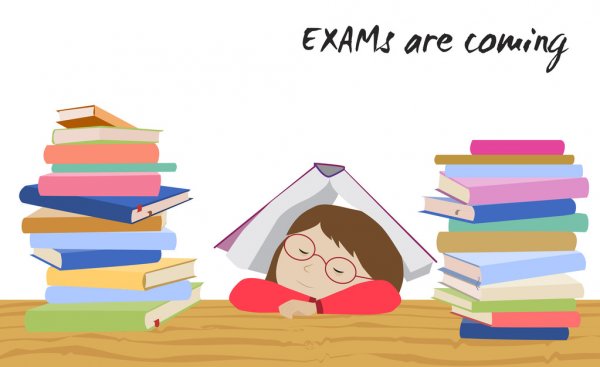
Exams coming up? Here’s how to battle examination anxiety

With the examination schedules being declared its hard not to get anxious about our exams. Examination anxiety is a fairly common among students of all age groups, you would think a grown-up would know how to prepare for exams without being stressed out given all their previous experiences but that’s not the case. It is the uneasiness that occurs before, during, or after an examination and is not age-restricted.

Many people experience feelings of anxiety around examinations and find it helpful in some ways, as it can be motivating and create the pressure that is needed to stay focused on one’s performance. Examination nerves or fear of failure are normal for even the most talented student.

However, stress of examination results in such high degrees of anxiety in some students that they are unable to perform at their full potential, like they have shown in less stressful situations.

Sometimes it can result from the pressure to perform well in examination so that they don’t get judged by others (relatives, classmates, teachers), which is often the root cause for their negative thoughts about themselves, feelings of inadequacy, helplessness, and loss of status and self-esteem.

High stress can interfere with the student’s preparation, concentration, and performance so it is very important to manage it effectively so that it doesn’t get in the way of you giving your best performance in the exams. Just like other stressful situations, it is very easy to cope with examination anxiety and here are some ways to do so-

  • Prepare well– Plan it out and give yourself enough time to familiarize yourself with the content and the pattern of the question papers.
  • Multiple rehearsals- Practice as many mock papers as possible, when you are with your friends’ test each other by asking each other questions on the examination topics.
  • Inoculation- When practicing for examinations try to do so in an environment that is similar to the examination hall to prepare yourselves physically and mentally.
  • Think positive- Have faith in your abilities and emphasize on your strengths and try to think positively to motivate yourself.
  • Seek help- When facing a problem, do not hesitate to ask for help from your friends, seniors, teachers or parents. It will help you to feel stress-free and also give you an insight into the problem.

While preparing for examinations, exercising regularly even if a little bit and resting properly before the exam will be really helpful. Overview and weigh one’s strengths and weaknesses, plan a revision timetable, space out revision periods, and most importantly on the examination day concentrate on staying calm.

Coronavirus's Impact on Mental Health

Coronavirus has put the world into a stage it has never seen before – where all activity has to be done without human contact, which is a staple of life. Even though the strict lockdowns have started to ease up and life is gradually coming back to normal, we must acknowledge the impact the pandemic has had not just on people’s physical health and daily routines but on their mental health.

Withdrawing from all social interaction and using electronic gadgets for performing the most basic tasks, as well as the inevitable immobility that accompanies a lockdown, has taken a toll on people’s mental health. Additionally, most people have experienced the effects of the global economic recession which has worsened their condition. A KFF Health Tracking Poll from July 2020 found that many adults are reporting specific negative impacts on their mental health and well-being, such as difficulty sleeping (36%) or eating (32%), increases in alcohol consumption or substance use (12%), and worsening chronic conditions (12%), due to worry and stress over the coronavirus.

There are certain groups that are disproportionately affected by this: the people with low incomes or unstable jobs, and people that have lost close ones to the coronavirus. It is incredibly difficult to be high-functioning in such a scenario which is why many are resorting to substance abuse, because even mental healthcare is inaccessible.

In a situation like this, we must realize that we cannot be as harsh with people as we could before the pandemic. Being productive in such a gloomy and confined atmosphere is difficult, and this is the time in which everyone should stand together in solidarity against the virus and understand each other’s misgivings.