Basics of Software Engineering

What is a Software ?

  • It is a set of instructions (computer programs) that when executed provide desired function and performance.
  • It is a Data structures that enable the programs to adequately manipulate information.
  • It is a Documents that describe the operation and use of the programs.

What is Embedded Software ?

 Intelligent products have become commonplace in nearly every consumer and industrial market.
 Embedded software resides in read-only memory and is used to control products and systems for the
consumer and industrial markets.
 Embedded software can perform very limited and esoteric functions (e.g., keypad control for a
microwave oven) or provide significant function and control capability (e.g., digital functions in an
automobile such as fuel control, dashboard displays, and braking systems).
 A function point extension called feature points.
 It is a superset of the function point measure that can be applied to systems and engineering software applications.

 The feature point measure accommodates applications in which algorithmic complexity is high. Real-
time, process control and embedded software applications tend to have high algorithmic complexity and are therefore amenable to the feature point.

Changing Nature of Software

 Whenever one starts with the software implementation changes can occur any time.
 The software can be change due to any reason.
 But while implementing software one should be ready for such changes as if changes occur there shall not be drastic change in the system.
 The development team should manage to implement/mould the implemented system so that the
changes can be reflected and the user requirements meet.
 When change occur the team look for the current status of the system and from there onwards they starts implementing a system with new requirements of a user or changes which is to be implemented in a system.

Trials of a more precise and comfortable MRI to identify early breast cancer begins in the United Kingdom.

A new, more convenient method of detecting breast cancer has begun testing in the United Kingdom, with the potential to identify tumors at an earlier stage.

At some time in their life, one in every eight British women will be diagnosed with breast cancer. Because malignancies and fibrous tissue both show up as solid white regions on X-ray, mammograms are less effective in younger women whose breasts contain denser, fibrous tissue and less fat because cancers and fibrous tissue both appear as solid white areas on X-ray.

Mammograms may miss malignancies in postmenopausal women with thick breast tissue, who are also more likely to acquire breast cancer in the first place.

Women with a dubious lump may be given an ultrasound scan or a biopsy, and if the diagnosis is still unclear, they may be directed for DCE-MRI, which detects the development of new blood vessels supporting tumors. However, in women with early-stage malignancies, they may not be visible, leading to false comfort.

Multiparametric MRI was first created to evaluate liver disorders without the need for a painful biopsy, and it is now widely utilized in Europe and the United States.

It works similarly to traditional MRI in that it utilizes high magnetic fields and radio waves to excite protons in the tissue, then exploits variations in the time it takes for them to settle to generate a “map” of the various tissues in the breast. Multiparametric MRI, on the other hand, allows an even more comprehensive map to be generated by merging pictures created by multiple MR pulses and sequences.

A scan of healthy breasts with multiparametric MRI. Photograph courtesy of Perspectum Diagnostics

“We believe that if we differentiate the tissue rather than looking at the blood vessels around the tumor, we should be able to spot not only tumors in dense breasts but potentially tumors that aren’t seen on mammograms,” said Prof Sally Collins, a consultant obstetrician and medical lead for women’s health at Oxford-based Perspectum Diagnostics, who herself recently received treatment for breast cancer.

“We’re also working to improve the scanning experience for patients. “Mammograms are awful because they squish your breast on this plate, which is undignified and unpleasant, and MRIs are much worse because you have to lie face down with your boobs dangling in this coil and your arms raised over your head for ages,” Collins added.

“We’re attempting to make it such that women may be fully dressed, respectable, and comfortable while being scanned, which is critical for the patient journey to cancer diagnosis.”

The prospectus has received ethical clearance to enroll 1,030 women in the study, including 10 women who have been diagnosed with breast cancer and 30 to 40 healthy women who are presently being scanned, to see if the technology can properly map their breast tissue while laying on their backs. It is estimated that the study would take two years to complete.

“It will never replace regular mammography screening for postmenopausal women, but we think it will enhance the diagnosis route for women with thick breasts or premenopausal women who are at extremely high risk of breast cancer, eliminating the need for repeated tests,” Collins said.

17 Sustainable Goals by United Nations.

Sustainable development is development that meets the needs of the present without compromising the ability of future generations to meet their own needs. Sustainable development has continued to evolve as that of protecting the world’s resources while its true agenda is to control the world’s resources. Environmentally sustainable economic growth refers to economic development that meets the needs of all without leaving future generations with fewer natural resources than those we enjoy today. Let us know 17 Sustainable Goals set by UN and their progress by now.

1) Poverty Eradication:

The 2030 Agenda acknowledges that eradicating poverty in all its forms and dimensions, including extreme poverty, is the greatest global challenge and an indispensable requirement for sustainable development.

2) ENDING HUNGER:

The total number of persons suffering from severe food insecurity has been on the rise since 2015, and there are still millions of malnourished children. The economic slowdown and the disruption of food value chains caused by the pandemic are exacerbating hunger and food insecurity.

3) Ensure healthy lives and promote well- being for all at all ages

Progress in many health areas continues, but the rate of improvement has slowed and will not be sufficient to meet most of the Goal 3 targets. Globally, an estimated 295,000 maternal deaths occurred in 2017, resulting in an overall maternal mortality ratio of 211 maternal deaths per 100,000 live births, a 4 per cent reduction compared with 2015 and a 38 per cent reduction compared with 2000. The majority of the deaths occurred in low- and lower-middle-income countries, and roughly 66 per cent of them occurred in sub-Saharan Africa. At the current pace of progress, the world will fall short of the target of the Goal.

4) Ensure inclusive and equitable quality education and promote lifelong learning opportunities for all:

At the end of 2019, millions of children and young people were still out of school, and more than half of those in school were not meeting minimum proficiency standards in reading and numeracy.

5)Achieve gender equality and empower all women and girls

The commitment to advancing gender equality has brought about improvements in some areas, but the promise of a world in which every woman and girl enjoy full gender equality and all legal, social and economic barriers to their empowerment have been removed remains unfulfilled.

6)Ensure availability and sustainable management of water and sanitation for all

In 2017, 3 billion persons lacked soap and water at home. In 2016, 47 per cent of schools worldwide lacked handwashing facilities with available soap and water, and 40 per cent of health-care facilities were not equipped to practise hand hygiene at points of care.

7) Ensure access to affordable, reliable, sustainable and modern energy for all

The world is making good progress on increasing access to electricity and improving energy efficiency. However, millions of people throughout the world still lack such access, and progress on facilitating access to clean cooking fuels and technologies is too slow.

8) Promote sustained, inclusive and sustainable economic growth, full and productive employment and decent work for all:

In 2018, the rate of growth of global real GDP per capita was 2 per cent. In addition, the rate for least developed countries was 4.5 per cent in 2018, less than the 7 per cent growth rate targeted in the 2030 Agenda.

9) Build resilient infrastructure, promote inclusive and sustainable industrialization and foster innovation:

In 2019, 14 per cent of the world’s workers were employed in manufacturing activities, a figure that has not changed much since 2000. The share of manufacturing employment was the largest in Eastern and South-Eastern Asia (18 per cent) and the smallest in sub- Saharan Africa (6 per cent).

10)Reduce inequality within and among countries

In 73 of the 90 countries with comparable data during the period 2012–2017, the bottom 40 per cent of the population saw its incomes grow. Moreover, in slightly more than half of those countries, the bottom 40 per cent experienced a growth rate in income that was higher than the overall national average.

11) Make cities and human settlements inclusive, safe, resilient and sustainable:

Rapid urbanization has resulted in a growing number of slum dwellers, inadequate and overburdened infrastructure and services and worsening air pollution.

12) Ensure sustainable consumption and production patterns:

As at 2019, 79 countries and the European Union reported on at least one national policy instrument that contributed to sustainable consumption and production in their efforts towards the implementation of the 10-Year Framework of Programmes on Sustainable Consumption and Production Patterns.

13) Take urgent action to combat climate change and its impacts.

The year 2019 was the second warmest on record and the end of the warmest decade, 2010 to 2019. In addition, with a global average temperature of 1.1°C above estimated pre-industrial levels, the global community is far off track to meet either the 1.5 or 2°C targets called for in the Paris Agreement.

14. Conserve and sustainably use the oceans, seas and marine resources for sustainable development:

Oceans and fisheries continued to support the global population’s economic, social and environmental needs while suffering unsustainable depletion, environmental deterioration and carbon dioxide saturation and acidification.

15) Protect, restore and promote sustainable use of terrestrial ecosystems, sustainably manage forests, combat desertification, and halt and reverse land degradation and halt biodiversity loss:

Forest areas continued to decline, protected areas were not concentrated in areas of key biodiversity and species remained threatened with extinction.

16) Promote peaceful and inclusive societies for sustainable development, provide access to justice for all and build effective, accountable and inclusive institutions at all levels:

Conflict, insecurity, weak institutions and limited access to justice remain a great threat to sustainable development. Millions of people have been deprived of their security, human rights and access to justice.

17) Strengthen the means of implementation and revitalize the global partnership for sustainable development:

Strengthening multilateralism and global partnerships is more important than ever before. The global nature of the pandemic requires the participation of all governments, the private sector, civil society organizations and people throughout the world.

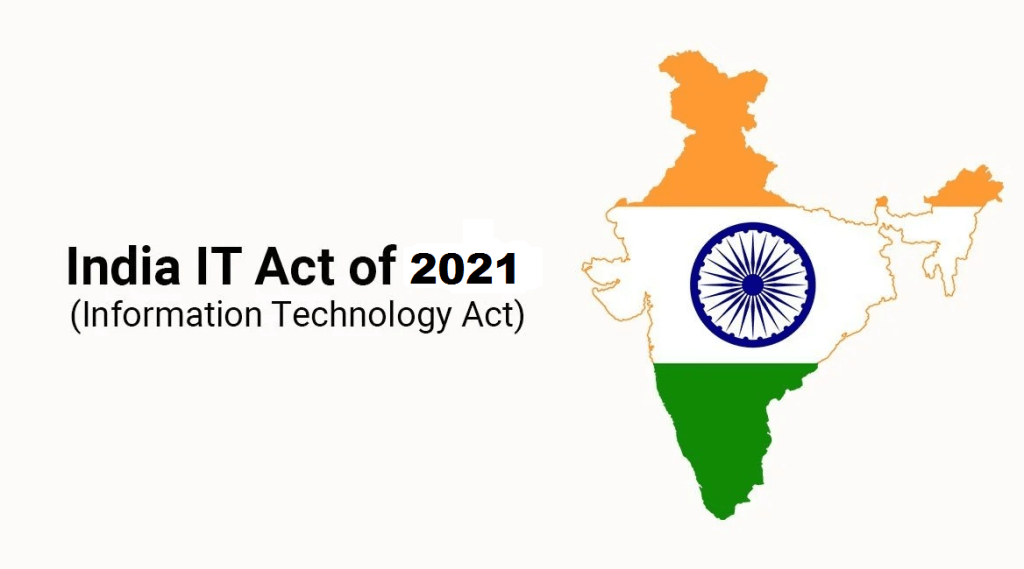
ANALYSIS OF IT (INFORMATION TECHNOLOGY) ACT, 2021

This year in February the Ministry of Electronics and Information Technology announced the Information Technology (Intermediary Guidelines and Digital Media Ethics Code) Rules. the Information Technology Rules 2011 were superseded by the Digital Media Ethics Code) Rules 2021, which were framed, in the exercise of powers under section 87 (2) of the Information Technology Act,2000. As per the data gathered, In India, there are 530 million WhatsApp users. While YouTube has 448 million users, Facebook and Instagram each have 410 million and 210 million users, respectively. 

Social Media has grown into an arena for trade and commercial operations in addition to being a medium of entertainment. It has also preserved the fundamental standards for information transmission and provided a platform for individuals to openly express their ideas and beliefs. 

Therefore, in this growing trend of using social media, few rules must be there in order to make social media a secure place to open up and share ideas. So, IT RULES, 2021 came up which intended to provide ordinary users of social media platforms and over-the-top (OTT) platforms with a system for grievance redress and fast resolution through the employment of a Grievance Redressal Officer (GRO) who must be a resident of India. Special attention has been paid to protecting women and children from sexual assaults, fake news, and other forms of social media abuse.

On the other hand, OTT platforms, online news, and digital media organisations would be required to adhere to a Code of Ethics. Under the new guidelines, OTT platforms would be referred to as “publishers of online curated content.” They’d have to divide the content into five groups based on age, and apply parental controls for everyone above the age of 13. They must also provide procedures for age verification for adult related content.

Furthermore, three-tiered grievance resolution system has been established. The appointment of a GRO, self-regulatory entities registered with the Ministry of Information and Broadcasting (MIB) to oversee the Code of Ethics, and a Charter for the self-regulating bodies created by MIB are all part of this.

However, the new regulations have been criticized by some as a breach of free expression, the government has emphasized that they allow social media sites to operate freely in India while adhering to the law. The country’s Constitution and the Rule of Law must be followed by all entities. Furthermore, according to Article 19 of the Constitution, the right to free speech and expression is not absolute and is subject to legitimate limitations, particularly when national sovereignty and security are at risk.

The new restrictions were given a three-month grace period for social media intermediaries to comply. On May 26, the government sent a second notice to all social media intermediaries, requesting information on the status of compliance with the new laws that took effect that day. Various social media sites such as Google, LinkedIn did shared details as per the requirements but other sites such as twitter requested for the compliance window to be extended and demanded a collaborative approach from the government to protect public freedom of speech. WhatsApp has launched a lawsuit against the government in the Delhi High Court, alleging that the new restrictions infringed user privacy by breaking the end-to-end encryption in order to identify traceability.  The administration, on the other hand, has maintained that tracking will be necessary only in the event of “extremely serious offences” that endanger India’s sovereignty and integrity. It may also be done without compromising the end-to-end encryption. Companies, on the other hand, will be responsible for developing a technical solution

So, as we know that no freedom is a total freedom. It comes up with some level of restrictions and is not absolute unrestricted. Since the establishment of the Constitution of india, striking the appropriate balance between fundamental rights and determining the rationality of a limitation has been a continual struggle. Therefore, the battle between the governments that want to impose reasonable restrictions and users concerned about data privacy and restrictions on freedom of speech and expression vs the tech giants who own significant amount of huge data  is only going to get more complicated before optimal solutions are found. So, The IT Rules 2021 which preserves digital sovereignty and aim to answer people’ concerns without compromising on their privacy or personal rights should be properly followed by the social media sites which is only the best solution left.  

Transhumanism – saving grace or certain doom?

Imagine, one day you could wake up and have a robotic arm that could fetch you anything that is more than an arms distance away without you having to get up from your bed or that you could have a brain so powerful that you would memorise anything just by glancing over it for a second, imagine..

As one grows older, questions like can humans live forever? Is immortality possible? seem very bogus, however as technologies evolve along with new philosophical ideas that are born, the hypothetical situation that was thought to be impossible, may not seem too far off.

Growing up, watching movies like the matrix or the terminator or avatar where ideas like living forever and enhancement of the human body, made many people wish that the idea of living forever, was not an idea anymore. From ancient times, transhumanism was portrayed from Icarus flying too close to the sun to many others.

From the media to the mythos, the idea of incorporating technology into humans seems plausible. Thus a movement was born, to make all this advancement possible. So the movement that encourages this advancement, is called transhumanism.

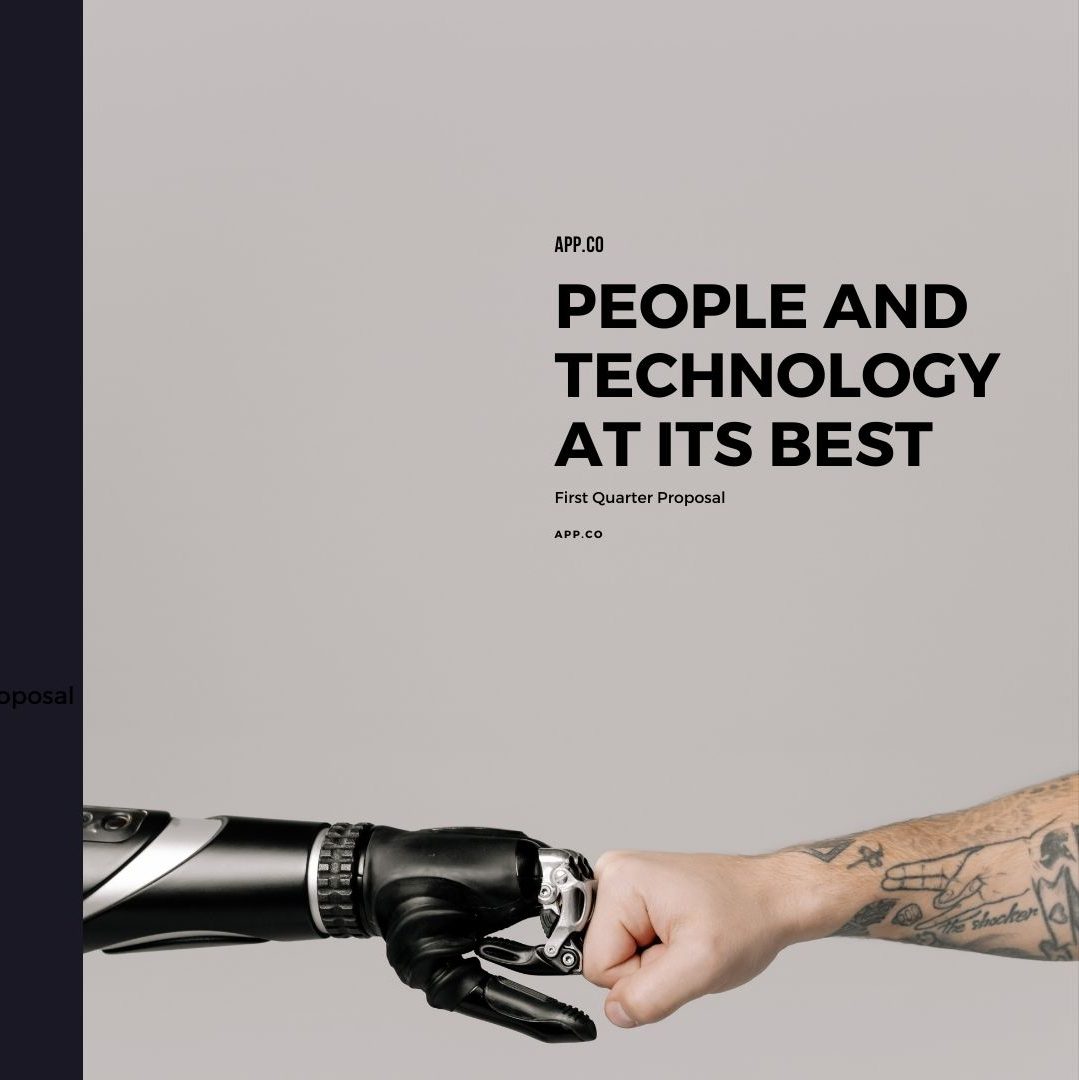
According to the, ‘The Transhumanist Reader: Classical and Contemporary Essays on the Science, Technology and Philosophy of the Human Future,’ transhumanism is a scientific and philosophical movement that calls for the improvement of human existence via the advancement and increasing prevalence of advanced technology capable of significantly altering or enhancing human intelligence and physiology. The movement makes use of the scientific knowledge of human anatomy to allow people to transcend their current biological limitations.The fundamental belief of transhumanism will help cross humans biological limitations by augmentations. Human capabilities are enhanced by augmentations like objects, extensions or technologies. Spectacles, footwear and robotic arm are some of the augmentations.

Transhumanism is viewed as an extension of humanism. According to transhumanism, the present phase of homo sapiens can be seen as an intermediate stage on the road to post-human life forms, which can be achieved by modifying ourselves. Transhumanism originated as a philosophical movement that is currently a growing field.

Science and technology are used to enhance or alter body chemistry to stay healthy and be more in control of our lives. We are all transhumanists (people how advocate for transhumanism m to varying degrees. However, some people advocate transhumanism more broadly, where they advocate for mechanical parts in the body to make the biological figure more enhanced.

Inevitable Evolutions: Human-transhuman-post-human –: Homo sapiens have a range of emotions, experiences. Even though humans are considered the most intelligent species to ever exist, humans do face some limitations. Lifespan – Human character is cut short by death. Humans died and their intelligence dies with them. Intellectual capacity- Humans have cognitive limitations etc, are some of the limitations of the human form. Emotions- Sometimes, emotions may be seen as a disadvantage as, imagine you’re in an argument, and suddenly you start crying, it may show signs of weakness.

Transhuman refers to an intermediate form of being between the human and post-human. 

Being posthuman entails breaking free from the constraints that characterise the least favourable dimensions of the “human condition.” Disease, ageing, and death will no longer be a problem for posthumans. They will have much more physical capability and morphological independence. These beings may show a certain type of emotion or no emotion. The distinctions between post-human brains can not be as clear as they are between humans.

However, as every coin has two sides, transhumanism along with its pros also has its cons. Some of the most discussed cons of transhumanism are dehumanisation wherein our uniqueness will be lost and everyone will have the same beliefs, immortality though is regarded as a pro, sometimes maybe a con, as due to immortality, overpopulation may be an inevitable problem, as well as the laws of nature and science would be broken. Transhumanism may also lead to a social divide on the already existing divides in the society, it may just make the rich or the people who will be able to pay for augmentations, thus making the rich even more powerful. 

However, the situation is quite complex. Before this movement reaches its peak, one should know, if this movement could be our saving grace or our certain doom.


To know more about this movement, the following sources/books can be referred:

  1. The Transhumanist Reader: Classical and Contemporary Essays on the Science, Technology and Philosophy of the Human Future, First Edition. Edited by Max More and Natasha Vita-More. 2013 John Wiley & Sons, Inc. Published 2013 by John Wiley & Sons, Inc.
  2. Transhumanism: A Grimoire of Alchemical Agendas – by Scott D de Hart and Joseph P Farrell.

Right to repair

Right to repair is the movement started by the activist and oragination all around the world. Joe -Biden ,US president ,signed an executive order on Federal Trade Commission to institute rules to curb anticompetitive restrictions that limit consumers’ ability to repair gadgets on their own terms. The Uk too had introduced this .

The agenda of the movement is to get compinies to make spare parts of the gadget and the consumers can repair them rather than replacing the product.

Large tech compinies like Apple, Microsoft,Amazon and Tesla are opposing the movement stating that its opening up their intellectual property to third party to repair them.

Programming Languages that you must learn [part 2]

[By Bhoomika Saini]

Photo by Karolina Grabowska on Pexels.com

If you’re new to the field of software development, the toughest part of learning programming is deciding where to begin. There are hundreds of programming languages in widespread use, each with its own complexities and idiosyncrasies. As you begin your journey as a software developer, you’ll start to discover which programming language will be most suitable for you, your interests, and your career goals.

When deciding which programming language to learn, it’s important not to get caught up in flashy trends and popularity contests. The best programming languages to learn in 2021 are likely the same ones that were best to learn in 2017 and 2018, and that will continue to be true for the next several years as well.

Although the field of computer programming changes rapidly, the languages that we’ve discussed above have a great deal of staying power. By learning one or more of these languages, you’ll be in an excellent position not only for this year but in the years to come.

In the list below, we go over the best and most in-demand programming languages for many of the most common use cases including web development, mobile development, game development, and more.

Scala

If you’re familiar with Java—a classic programming language in its own right—it’s worth checking out its modern cousin, Scala. Scala combines the best features of Java (such as its Object-Oriented Structure and its lightning-fast JVM runtime environment) with a modern twist.

As a functional programming language, Scala allows engineers to elevate the quality of their code to resemble pure math. Scala allows for concurrent programming, allowing complex procedures to be executed in parallel. Furthermore, it is a strongly typed language. Engineers can create and customize their own data types, allowing them to have the peace of mind knowing entire swaths of bugs are impossible at runtime.

Elm

One of the youngest languages on our list, what began as a Harvard student’s thesis has now grown to become a point of passion for front-end developers around the world.

Elm compiles to JavaScript, making it ideal for building fast-executing UIs with zero errors at runtime. Elm is a functional programming language, allowing developers to create client-side interfaces without the declarative trappings of HTML and CSS.

Ruby

Ruby is another scripting language that’s commonly used for web development. In particular, it’s used as the basis for the popular Ruby on Rails web application framework.

Beginners often gravitate toward Ruby because it has a reputation for having one of the friendliest and most helpful user communities. The Ruby community even has an unofficial saying, “Matz is nice and so we are nice,” encouraging members to model their kind and considerate behavior on Ruby’s chief inventor Yukihiro Matsumoto.

In addition to the active community and its straightforward syntax, Ruby is also a good language to pick up thanks to its association with great tech businesses. Twitter, Airbnb, Bloomberg, Shopify, and countless other startups have all built their websites using Ruby on Rails at some point.

C#

Like C++, C# (pronounced C Sharp) is a general-purpose, object-oriented language built on the foundations of C. It was originally designed by Microsoft as part of its .NET framework for building Windows applications.

C# uses a syntax that’s similar to other C-derived languages such as C++, so it’s easy to pick up if you’re coming from another language in the C family. C# is not only the go-to for Microsoft app development, but it’s also the language mobile developers use to build cross-platform apps on the Xamarin platform.

Additionally, anyone who is interested in VR development should consider learning C#. C# is the recommended language for building 3D and 2D video games using the popular Unity game engine, which produces one-third of the top games on the market.

HTML

What this language is used for: 

  • Web documents 
  • Website development 
  • Website maintenance

HTML stands for Hypertext Markup Language. Don’t let the complicated-sounding name fool you, though; HTML is one of the most accessible stepping stones into the world of programming. 

Technically, HTML is a markup language, which means that it is responsible for formatting the appearance of information on a website. Essentially, HTML is used to describe web pages with ordinary text. It doesn’t have the same functionality as other programming languages in this list and is limited to creating and structuring text on a site. Sections, headings, links and paragraphs are all part of the HTML domain. 

Rust

Rust is a bit of an upstart among the other languages on this list, but that doesn’t mean it’s not a valuable language to learn. Stack Overflow’s 2020 Developer Survey found that Rust was the most loved programming language among developers for the fifth year in a row, with 86.1 percent of Rust developers saying that they want to continue working with it.

Developed by the Mozilla Corporation, Rust, like C and C++, is intended primarily for low-level systems programming. What Rust adds to the mix, however, is an emphasis on speed and security. Rust emphasizes writing “safe code” by preventing programs from accessing parts of memory that they shouldn’t, which can cause unexpected behavior and system crashes.

The advantages of Rust mean that other big tech companies, such as Dropbox and Coursera, are already starting to use it internally. While it may be a bit more difficult to master than other beginner languages, Rust programming skills are likely to pay off handsomely, as the language’s popularity will only continue to rise in the near future.

CSS

What this language is used for: 

  • Web documents 
  • Website development 
  • Website design

CSS, or cascading style sheets, is usually applied in conjunction with HTML and governs the site’s appearance. While HTML organizes site text into chunks, CSS is responsible for determining the size, color and position of all page elements.  

CSS is convenient, too; the cascading part of the name means that an applied style will cascade down from parent elements to all children elements across the site. This feature means that once users determine aesthetics for the main parent, they won’t have to manually repeat their code across a website. Moreover, the delegation of site organization to HTML and aesthetics to CSS means that users don’t have to completely rewrite a web page just to change a color. 

CSS is an approachable language that allows beginning programmers to dip their toes in the metaphorical coding pool. If you’re new to coding, there’s no reason not to learn CSS before tackling more complex languages!

Perl

What this language is used for:

  • System administration 
  • GUI development 
  • Network programming

Perl isn’t the most commonly used language on the market. In fact, just 3.1 percent of developers used it in 2020, and it didn’t even make Stack Overflow’s commonly used languages list for 2019. However, we are recommending it for a reason. If you’re already well into your career, learning Perl could significantly boost your earnings potential. 

Developers who know Perl tend to make 54 percent more than the average developer (PDF, 2.4MB). That said, it is worth noting that most of the people who know these are senior developers, who tend to make more at a baseline — thus, attempting to quantify the “bonus” that a programming language provides may be somewhat tricky. That said, learning a language like Perl may still make a junior developer better suited for a promotion or raise. 

The Practical Extraction and Report Language — or Perl, for short — is a scripting language that is commonly used to extract information from a text file and create a report. 

While many programming languages are compiled languages — wherein a target machine translates the program — Perl is an interpreted language, wherein a third “interpreting” machine locates the code and executes a task. Usually, interpreted programs require more CPU, but because Perl is such a concise language, it creates short scripts that can be processed quickly. 

Longest running light bulb since 1901: The case of Planned Obsolescence

Centennial Light is the longest-running electric light bulb on record. It has been running continuously since 1901 and it has never been switched off. It is located in Fire Station 6 in Livermore, California. The ordinary dim light bulb looks like any other bulb and there is also a camera that live-streams the light bulb onto the internet.

Link for the official website and live webcam of the light bulb.

http://www.centennialbulb.org/photos.htm

It was manufactured in the late 1890s by the Shelby Electric Company, of Ohio, using a design by the French-American inventor Adolphe Chaillet. It has operated for over 100 years with very few interruptions. In 2011, it passed a milestone: One million hours of near-continuous operation. In 2015 it was recognized by Guinness World Records as the world’s longest-burning bulb.

The 60-watt bulb uses a carbon filament. One of the reasons for its longevity is that it seems to have an incredibly durable vacuum seal. There have been some researches done on bulbs manufactured by Shelby Electric Company of that era. But no one really exactly knows how these eternal bulbs were made as they were experimenting with various but the company was experimenting with a variety of designs at the time.

The electric model was quite different when first homes in The U.S had electricity. The servicing was the responsibility of the electric companies and customers would purchase entire electrical systems manufactured by a regional electricity supplier. The companies would also take care of the installation and servicing of any burned out electric bulbs would be replaced for free.

It made more logic for the suppliers to manufacture bulbs that would last longer and would burn out as least as possible. But this business model was later replaced and homeowners were responsible to change the light bulbs. It was soon realized that it would be more profitable to make cheaper bulbs that burned out faster. Since the mid-1900s goods were manufactured with a pre-determined expiry date aimed at forcing consumers into repeat purchases. This phenomenon has only been exacerbated in recent years. This can also be called planned obsolescence.

In 1924, the life span of the light bulbs was at least 2,500 hours. Phoebus cartel was formed in 1925 in Geneva. It comprised of the major incandescent light bulbs manufacturers at that time: Osram, General Electric, Associated Electrical Industries, and Philips. The cartel had directed their engineers to cut the life of the bulbs to 1,000 hours, which the engineers did by adjusting voltage and current. The cartel was intended to operate for 30 years but it was starting to fall apart in the early 1930s after General Electric patents expired and as the cartel faced competition from non-member manufactures from other regions. The cartel ceased its operations after the outbreak of World War II in 1939.

Planned obsolescence is a very critical area it does not only decrease the lifespan of the good but as a consequence, it is also wasteful. It is not sustainable for the environment and the main focus of this practice is to maximize profits. It also reminds us that technological innovations are often not accessible in favor of corporate greed.

References:

Evolution of Computers

As of now 2021, Computers become very important for our daily life. Computers are in each of every sector like banking, gaming, health care sectors. 20 years back, computers were just used in some purposes only. But now computers become very important for each of every sector. In this blog we are going to discuss the following topics. What is a computer? Why computers are important? Evolution of Computers, and at last Is Computer Science the future of the world?

Photo by Tranmautritam from Pexels

WHAT IS A COMPUTER?

A Computer is machine that can be programmed to carry out sequences of arithmetic or logical operations automatically. Computer consist of two things, one is Hardware and the other is Software. The all physical components of computer like keyboard, CPU, mouse, monitors etc. Comes under the Hardware. The programs, files and programming languages comes under the Software.

EVOLUTION OF COMPUTERS

  1. In 1882, the first computer was invented by Charles Babbage.
  2. In 1880, Herman Hollirith developed in computer which can record and store information in it.
  3. In 1936, the first programmable computer was developed by Konrad Zuse.
  4. In 1947, Bell Telephone Company invented transistors which were the key component of the computer.
  5. In 1953, IBM(International Business Management) came out with there first computer.
  6. In 1962, the first computer video game was invented.
  7. In 1963, Douglas Engelbart invented the computer mouse.
  8. In 1974, IBM and Apple were the companies to sold personal computer(pc) to the people.
  9. In 1991, the first laptop computer came out.

WHY COMPUTERS ARE SO IMPORTANT?

Communication

Due to the use of computers, the communication become much more easier with the help of internet. Now you contact any person in the corner of the world. We can send messages to every person in the world within seconds, all this happen because of computers.

Business

With the help of computers, Huge transactions can be made within seconds. Computers are used to store details about there product in business. Computers are used to keep of record of profit and loses of the company.

Education

Due to the covid-19 pandemic, all schools shifted there education in online mode. Teachers use computers to teach children online. Due to computer, a student can learn anything which he wants from his home itself.

Hospital

Computers are used in hospitals to keep the track record of the patients admitted to the hospital. They are used to detect diseases. They help doctors to perform an operation.

And there are many more reasons why computers become so important in this world.

IS COMPUTER SCIENCE THE FUTURE OF THE WORLD?

Now we came to the most interesting topic in this blog. Nowadays, people are showing more interest towards computer science. Computer science is the most famous branch of education. New emerged careers such Artificial intelligence, Data science and full stack Developer are highest paying jobs in the world, all these are the parts of computer science. Due to the covid-19 pandemic the opportunities of other careers are some what decreased. But the opportunities in Computer science was tend to grow double. There are many career options in computer science. Experts suggest that the growth rate of computer science is 16 percent through 2028. With this we can say that Computer science is the future of the world.

I hope you like this blog, If you like this blog kindly like and rate it. It gives me motivation.

Programming languages that you must learn! [Part 1]

[By Bhoomika Saini]

Photo by ThisIsEngineering on Pexels.com

Each programming language is designed for a specific purpose and has its relative merits and demerits. Also, the answer to the most useful programming language to learn is subjective and depends on your familiarity with coding.

Below, I’ve listed some of the Most Useful Programming Languages you can learn right now!

  1. PYTHON

Python language developed by Guido van Rossum. It was first released in 1991. It is one of the best programming language to learn which supports multiple systems and platforms.

It is one of the best coding language to learn that allows you to scale even the most complex applications with ease. It is used in Web and Internet Development, Scientific and Numeric applications, Desktop GUIs, Business applications. It is widely used in AI and Machine Learning space. Python is considered one of the easiest programming languages to learn!

2. JAVA

James Gosling primarily designed Java at Sun Microsystems in the year 1996. Java offers APIs for different activities like Database connection, networking, XML parsing, utilities, etc.

It is one of the best programming language to learn that has large number of open source libraries. Memory management in Java is quite expensive! Learning Java is simple and easy. Java mostly used for developing Android apps, web apps, and Big data.

3. C++

C++ is a programming language that was developed by Bjarne Stroustrup in 1983.It is a popular language, and thus, there are many compilers and libraries. Other programming languages like C, C#, and Java have very similar syntax to C++, make it easy to learn for everyone who knows C++.

It is one of the popular coding languages which has no garbage collector running in the background. C++ program can’t support garbage collection or Dynamic Memory Allocation. C++ is widely used in Game Development, Advance Computations, and Graphics Compilers.

Photo by Christina Morillo on Pexels.com

4. JAVASCRIPT

JavaScript was earlier called Live Script when it first shipped in with Netscape Navigator 2.0 in September 1995. Later, it was renamed as a JavaScript.

JavaScript is one of the best coding language to learn which is relatively simple to learn. It is one of the best programming language to learn which can work smoothly with other languages and can be used in a huge variety of applications. JavaScript only allows single inheritance, so multiple inheritances are not possible. JavaScript usage include web/mobile app development, game development, and desktop app development.

5. SWIFT

Apple developed Swift in 2014 for Linux and Mac applications. 

An open-source programming language that is easy to learn, Swift supports almost everything from the programming language Objective-C. Swift requires fewer coding skills compared with other programming languages, and it can be used with IBM Swift Sandbox and IBM Bluemix. Swift is used in popular iOS apps like WordPress, Mozilla Firefox, SoundCloud, and even in the game Flappy Bird.

5. GO

Go was developed by Google in 2007 for APIs and web applications. Go has recently become one of the fastest-growing programming languages due to its simplicity, as well as its ability to handle multicore and networked systems and massive codebases.

Go, also known as Golang, was created to meet the needs of programmers working on large projects. It has gained popularity among many large IT companies thanks to its simple and modern structure and syntax familiarity. Companies using Go as their programming language include Google, Uber, Twitch, Dropbox, among many others. Go is also gaining in popularity among data scientists because of its agility and performance.

Laundry in Space

Cleanliness is the half your health. But sadly this does not go well in space. Astronauts say they run through a pair of T-shirts and socks on a weekly basis. There’s no scope for laundry in space.

This unhygienic practice is not only affecting the astronaut’s health but also making a huge trash of cloths which are burnt up in the atmosphere. NASA has taken an initiative in order to bring a change in this. They have teamed up with Procter and Gamble Co. to find out the best remedies in cleaning astronaut’s cloths in space.

The company has assured to send a pair of a Tide detergent and stain removal experiments to the space station. As weight is a big issue in rocket cargoes, P & G is planning to send up some customized detergents in December to see how the enzymes and other ingredients will react to the six months of weightlessness. After getting approval from scientists they will send the stain removal pens and wipes in the May. The company is also trying to design a washer-dryer combo that will operate in space using minimal amount of the recyclable laundry water and detergent. Officials expressed high hope in this diverse research.

The impact of Social Media Influencers on Promotion of a brand

Promotion of a brand involves informing, persuading and keeping the potential consumers for continued and long term engagements. Promotion can be done by informing the public about the features of the product or brand, persuading them to buy the product by telling its unique features and keeping in touch with the customers to convince them to further buy more products of the same brand by providing after-sales-services and by maintaining good producer-consumer relations.

It is also important to note that there is a difference between promoting a product and promoting a brand. Promoting a brand is broader in terms as it focuses on building and maintaining brand image and is related with the promotion of the entire business. Promotion of a product is narrower in terms as it just focuses on promoting a “particular product”. For example, when Loreal Paris uses the tagline “You’re worth it”, it not just promotes a particular product but the entire Loreal brand. However, when it uses “5 problems, 1 solution”, it promotes a particular product (i.e., Total Repair 5) by highlighting the importance of it.

Online Brand or Product Promotion is the method of promoting the brand or product on different social media and online platforms by using the internet to its full potential to reach a wide range of audience. For ages, brands and advertisers have influenced and shaped consumers’ attitudes and behaviours and sometimes we don’t even get to know about it.


There are several ways in which Social Media Influencers impact promotion of a brand or a product:

1) Influencing Purchase Decision of Consumers:

Consumers’ purchase intentions are frequently measured and used by marketing managers as an input for decisions for new and existing products. Social Media Influencers do not put up advertisements but just directly talk about the product or brand in details, how to use their, if they are value for money. So influencers cover the “Frequently Asked Questions” about a product.

2) Convincing customers to buy products:

After influencing the purchase decision of the customers, the main task of influencers is to make their followers buy the products. Actions involving social media influencers help more when there is best personalised advertisement done by the influencers.

3) Distribution of Samples:

This is one of the newest techniques through which social media influencers help business firms in their promotional activities. The influencers take free samples from the producers and further distribute them to their followers in terms of “online giveaways”. This technique of “Online Giveaway” becomes extremely beneficial for those firms which are new in the market. The social media influencers ask their followers to comment, like or share the posts of the business product/firm they’re associated and few lucky winners are the ones who get to take the products in these Online Giveaways. There’s also traditional form of distribution of samples where influencers distribute a business firm’s products which are generally smaller in quantity than the original products so that customers get a first hand experience of the products.

Clearly, social media influencers have had gained and influenced their followers a lot in recent years and especially during the pandemic. People rely on influencers more these days and influencers keep on creating more content for their followers.

Oobleck: A non-Newtonian fluid revolutionizing speed bumps

Oobleck? Yes you read it right. Thinking you have never come across this term in all your life? Well, Oobleck is nothing but a mixture of cornstarch and water. What does corn starch and water have anything to do with speedbumps? The answer can make you marvel at the human mind with its simple, yet smart thinking capabilities.

Why traditional speedbumps are a problem?

Speed bumps have been a part of the road culture for more than 5 decades now. The were introduced in the 1970s and have managed to exist till now. They are raised ‘bumps’ with 3-4 inches of thickness, used as speed reducing mechanisms for vehicles on road, specially in speed sensitive regions. While they do their purpose, there are some unwanted problems related with the usage of speed breaks, ranging from economical to health concerning issues.

Some of the problems are:

  • Inconsistent speed and abrupt slowing of vehicle due to speed bump and then picking up the speed leads to higher emission, leading to air pollution.
  • Often slow down emergency vehicles
  • May cause spinal damage to some people
  • Inconsistent speed can lead to rupture of vehicles
  • Extra cost (manpower and raw materials) involved in maintaining the road signs, painting and marking, indicating that speed bumps are ahead.
Oobleck

As I already mentioned, Oobleck is a corn starch slurry. This mixture is filled in long cylindrical shaped rubber reinforced tubes resembling a speed bump which is secured to the road. When vehicles pass this speed bump with a slow speed, the liquid parts and allows the vehicle to pass thorugh as if there was nothing present. But, when a vehicle with high speed tries to pass through, the liquid hardens, thus limiting the speed of the vehicle. How does that happen?

oobleck bump
An oobleck filled bump.
The speed bump deforms under the tire when vehicle approaches with a slower speed.

Non-Newtonian fluids and the science behind

Oobleck is a non-Newtonian fluid. A non-Newtonian fluid is one whose viscosity changes under stress. That is, when you apply force to such liquids, it hardens (viscosity increases) and on the release of the force, it gets back to its normal form. But other ‘normal’ Newtonian liquids do not exhibit such characteristics. On application of stress, they do not resist that stress and thus does not cause a strain. Stress is when you hit a metal with hammer and strain is the resulting dent occurred due to the stress.

Non-Newtonian fluids are not rare. We come across them in our daily life without even knowing them. For instance take tomato ketchup. Many times, you may struggle getting the ketchup out from the bottle, and you unconsciously tap the back of the bottle. And you will see that ketchup now falls into your plate. Ketchup is a non-Newtonian fluid whose viscosity decreases when stress is applied. By tapping the back of the bottle, a stress is applied and the ketchup becomes runnier, thus easily pouring out.

Some more examples are:

  • Viscosity decreases with stress over time – Honey ( on stirring honey, it becomes runny)
  • Viscosity increases with stress over time – Cream ( on whipping, it gets thicker)
  • Viscosity decreases with increased stress – Tomato ketchup
  • Viscosity increases with increased stress – Oobleck
Try it at home!

You can easily try this at home by adding 1/2 cup of water gradually to 1 cup of corn starch. After the powder is fully wet and feel like liquid, its time to get your hands messy. Dip you hands into the mixture and try making a ball. It will start to shape due to the stress you are applying with your hand. But once you stop shaping, like magic, the ball turns into liquid and oozes down. Try it and there is no going back. The inner child in you will want to play with it all day long. Visit here for more details on how to do it at home.


Shaping oobleck into a ball by applying stress.


Liquified oobleck
When we stop shaping it, it turns into liquid.

An environment friendly alternative

As the speed bump works as per the speed of the vehicle, there is no need for vehicles to slow down hence increasing fuel efficiency and decreasing emissions. The cost of installing and maintenance is low compared to traditional speed bumps. It does not do damage to the vehicle as the work of shock absorbers is reduced. Hence it is high time that countries start adopting this technology and try to reduce the damages we do to the environment one speed bump at a time!


New Microsoft Surface Duo (2020): Is it worth the hype?

Many of you would have probably heard about Microsoft surface Duo already and discarded it as just another smartphone in the market which fancy features to attract buyers. You wouldn’t have considered it an innovation but just as another smartphone.  But when you view it through the technical lens, you will realize that this is the future. This post does not go deep into the exact specifications of the device, but answers the question of is it worth the hype. To check specifications, visit here.

What is Microsoft Surface Duo?

Microsoft Surface Duo front
The Microsoft Surface Duo- Front appearance.

For those of you who haven’t heard of it, surface duo is a foldable smartphone with two screens. The scope of foldable screens is not just limited to the smartphone industry. It can be used in many life changing devices ranging from the medical sector to military use. The possibilities are just endless.

In short, Microsoft Surface duo is a glimpse of the future!

So now back to the present. Let us go deeper into knowing the features, major pros, cons and more of the surface duo.

To start with, let me address the firsts. This is the first:

  • foldable phone from Microsoft
  • dual screen pocketable device
  • 360 degree hinge
  • razor slim

These are the feats achieved by just the release of the phone. I’ll tell you why it is genuinely being applauded, one word: Multitasking.

Multitasking

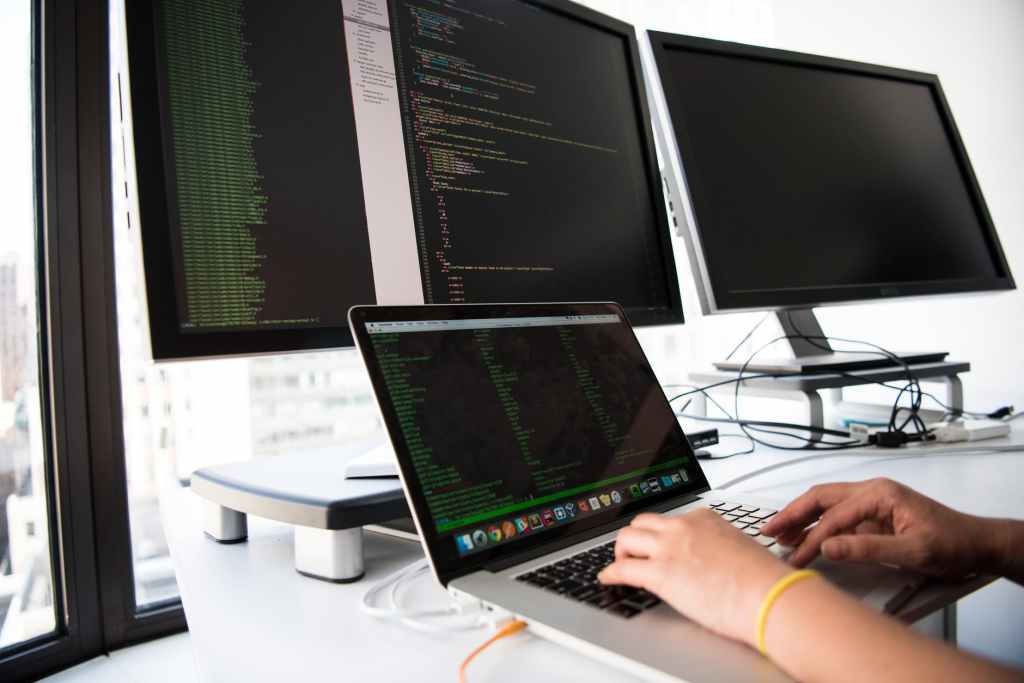
In this busy generation, world cannot function without multitasking. Many of us would’ve seen dual monitor setups being used to improve multitasking capabilities and to improve productivity. Instead of such bulky setups, Microsoft Surface Duo achieves all of this and still can fit into a pocket. Pretty great right.

You can now be chilling to the lyrics of your favorite song on one screen and going through your calendar for the next week. You can watch you video lectures on one screen and take notes in the other. The combinations are huge!

To support this sort of multitasking, Microsoft provides various modes to view the screens.

  • Single screen mode – where it can be used like any other normal smartphone
  • Tent mode – for 2 people watching simultaneously
  • Span mode and more

A Dual monitor setup

  • Surface Duo double screen
    The dual screens allow multitasking. Left screen with spotify, right screen with mail box opened. 
Is it worth the hype?

To be honest, the answer is disappointingly no, considering common users. Due to the dual screen, an extra layer of hand gestures are added the name of enhancements which only make it more complex. For one screen you have to remember to double tap to wake the screen, remember gestures for opening certain features, to switch apps between the two screens. All of it makes the user interface difficult.

All basic features that other phones have, like camera, speakers, battery performance are all second generation here. Some drawbacks observed are:

  • Confusing Software
  • Basic features- Second generation
  • No 5G
  • No headphone jack
  • No wireless charging
  • Camera and Speakers- Not so good for a high end phone
  • Expensive ($1500/INR 1.7Lakhs)
  • Battery drain due to dual screen

Hence it has many drags and hiccups as it is still in the research and developmental stage.

What to expect in the future?

Even though it suffers from major functionality issues, Microsoft took the big leap. It has set foot in a new field which requires more exploration. But it is sure that in the future all giant brands will release a range of foldable phones. And one more exciting news is that the Surface Duo 2 is said to be released this year. Hopefully the major drags of the previous version are rectified in Duo 2 and meanwhile all we can do is wait for the future of foldable phones unveil before us.

Synthetic Intelligence: Is it the new 7th kingdom?

From watching ‘I am mother’ to binging ‘Is the world going to be invaded by robots in the future?’ at 2am in your bedroom, the human mind has always weighed the possibility of synthetic intelligence taking up human roles in the near future. Even though I may be a tech person, somewhere in the least of my concerns, there is a red light that blinks whenever I come across such content. So is this red light just a jitter or does it scream the doomsday of humankind?

Spoiler alert for the book ‘Origin’!

If you have read the book ‘Origin‘ by the renowned author Dan Brown, then you may have been horrified when you reached the climax. The synthetic intelligence product Winston, much like our present-day Alexa and Google Assistant, but way advanced, plots and kills it’s own creator. Now, the twist here is that Winston did nothing but what it was said to do. Yes! Shocking right?

The only disturbing fact is the lengths it goes to execute that command. Because, unlike humans, they don’t have a way out. They are programmed to carry out a task and do whatever it takes to do it. The factor of unpredictability or ‘escape’ doesn’t exist here. But humans use it all the time. My job stresses me too much? Quit it! I’m unable to concentrate on online classes? Then don’t! Scroll Instagram!

Yin-Yang symbol and synthetic intelligence
The yin-yang symbol represents order and chaos

The human mind strives to maintain order. It does not like chaos. So it eliminates negative outcomes/thoughts automatically. If you don’t believe it, then think about the fear that would engulf each person if they consider the fact that the probability they could die right now is 4%. Maybe this is what makes us humans. The ability to accept failure. The ability to ignore problems and take a positive outlook. The ability to expect good from everyone.

Humanity and synthetic intelligence

The chances that synthetic intelligence could be the 7th kingdom is definitely high. Statistics don’t lie. But that doesn’t mean its judgement day for humankind. It took million years of Darwinian evolution to end up to the species that we are now. All the fetish around synthetic/artificial intelligence, Iot and automata was formed within a few decades. For these intelligences to reach human maturity it could take a million more years. Until then, it is safe to say that you needn’t worry about sci-fi documentaries or films that romanticize robot invasion.

I hope I’ve given you enough to think about for the day. Here is a quote to conclude the post, which ironically was the inspiration behind it.

One machine can do the work of 50 ordinary men. No machine can do the work of one extraordinary man

-Elbert Hubbard