Right to repair

Right to repair is the movement started by the activist and oragination all around the world. Joe -Biden ,US president ,signed an executive order on Federal Trade Commission to institute rules to curb anticompetitive restrictions that limit consumers’ ability to repair gadgets on their own terms. The Uk too had introduced this .

The agenda of the movement is to get compinies to make spare parts of the gadget and the consumers can repair them rather than replacing the product.

Large tech compinies like Apple, Microsoft,Amazon and Tesla are opposing the movement stating that its opening up their intellectual property to third party to repair them.

Why should we care about our privacy?

Privacy in general terms is the right to be left alone or freedom from interference or intrusion. In terms of the internet, privacy is the right to have some control over how your personal information is collected and used.

More technical innovation gives way to more efficient and advanced technologies. In recent years the information has become the most important component to cultivate this innovation. As many new people are coming on the internet and the amount of information being shared is increased manifold. Every organization or individual is entering the realm of the digital world and data is the entity of this world. Data is also very essential to understand a user or a customer or a client but sometimes there is no limit to the amount of data that an internet corporation is willing to extract. Somewhere there has to be a line that needs to be drawn. In recent years there have been many issues regarding the privacy policy of many tech corporations. Facebook has been in controversy much time. Recently Whatsapp’s privacy policy also raised many questions, then in an ironic move Whatsapp raised the question of privacy by suing the government regarding the new Information technology rules. But this is just the tip of the iceberg and numerous other aspects get overlooked. First, we will need to understand what this privacy means for us as individuals. Only then we can clearly determine the relevance of these rapidly changing developments in this subject.  

“Arguing that you don’t care about the right to privacy because you have nothing to hide is no different than saying you don’t care about free speech because you have nothing to say.”

-Edward Snowden

It’s not that privacy means that there is something to hide; rather privacy is having things you don’t want to show. For instance, people would not like to post their Bank account online or Bank statements. People would also not like to have a public camera inside their homes. Similarly, there are some things that an individual would not like to share online. Privacy can provide secrecy, but there is more to it. Privacy also provides autonomy and therefore freedom to an individual. Well, there is even more to privacy than the freedom that many people do not realize which is that when we think we’re being watched, we make behavior choices that we believe other people want us to make.  Humans intrinsically like to avoid societal condemnation and perception of whether or not we are in private changes the way we behave. This indicates the benefit that a state can have with surveillance and can lead to a conformist population.

As it is stated by many that data is the oil and for many tech organizations it truly is. We can witness this with the various technological corporations that rely upon user data including Facebook, Google, Amazon etc. But Even Smartphone manufacturers like Xiaomi have realized the lucrative benefits of collecting and selling user data. For these companies, our data is money and they earn billions of dollars with this data. Both the private tech giants have clauses in their privacy policy that allows government agencies and third parties to access the data. The data that gets uploaded on the internet never gets deleted and stays there forever. What we have to realize is that even if the information seems futile today, it may have an importance tomorrow. In conclusion, privacy is not a trivial issue and people will have to understand its importance until it’s too late.

References:

RICHARD BRANSON

Sir Richard Charles Nicholas Branson (born 18th July 1950), soon going to be 71, is an English business tycoon, investor, author and now a commercial astronaut. He founded the Virgin Group in the 1970s which today controls more than 400 companies in various fields. Branson desired to be an entrepreneur from a very young age. His first business venture, at the age of 16, was a magazine called Student. In 1970, he set up a mail-order record business. He opened a chain of record stores, Virgin Records—later known as Virgin Megastores—in 1972. Virgin Group Ltd. is a British multinational venture capital conglomerate founded in February 1970. Branson’s Virgin brand grew rapidly during the 1980s, as he started Virgin Atlantic airline and expanded the Virgin Records music label. In 1997, Branson founded the Virgin Rail Group to bid for passenger rail franchises during the privatisation of British Rail. The Virgin trains brand operated the Inter City West Coast franchise from 1997 to 2019. In 2004, he founded spaceflight corporation Virgin Galactic, based in California, noted for the SpaceShipTwo suborbital spaceplane designed for space tourism. In 2006, he founded Virgin Comics LLC, stating that Virgin Comics will give “a whole generation of young, creative thinkers a voice”. In 2014, Branson and Virgin StartUp launched the “Foodpreneur” food and drink focused start-up competition. Winners received mentorship from Branson, legal support, and brand counseling.

The name “Virgin” arose when Richard Branson and Nik Powell formed a record shop. It was suggested by one of the earliest employees as thy were all new to business. They considered themselves virgins in business. Virgin StartUp is the Virgin Group’s not-for-profit company, helping entrepreneurs across the UK to start, fund and scale their business.

World record attempts

1986: Fastest Ocean Crossing; he beat the record by two hours with sailing expert Daniel McCarthy.

1991 Branson crossed the Pacific from Japan to Arctic Canada, 6,700 miles, in a balloon of 2,600,000 cubic feet. This broke the record, with a speed of 145 miles per hour.

1998:  made a record-breaking flight from Morocco to Hawaii but were unable to complete a global flight

2004, Branson set a record by travelling from Dover to Calais in a Gibbs Aquada in 1 hour, 40 minutes and 6 seconds, the fastest crossing of the English Channel in an amphibious vehicle.

His latest feat includes him becoming the first billionaire founder of a space company to travel to the edge of space. a flight. On July 11, 2021 Branson along with Beth Moses, Sirisha Bandla (the third Indian American woman to fly into space) and Colin Bennett and reached edge of space (86 kilometers or 53 miles) on a Virgin Galatic spacecraft called VSS Unity.

Applications of Artificial Intelligence-II

In part-I, we have discussed the meaning, scope, stages of AI, few applications, and benefits/uses of AI in society. in this article, we are going to see about the transportation and medical applications of AI.

AI in Social Problems:

Litterati

It is a crowdsourced litter clean-up app and a global database for litter. Identifies litter type, distribution, and location and helps to find more sustainable solutions.  

In 2017, 1.1 billion cigarettes were found all over the world.

AI in Road Transportation:

Road transport is a major sector where AI can be applied more prominently. AI can make transportation modes much safer, cleaner, smarter, and more efficient. 

Self-driving cars

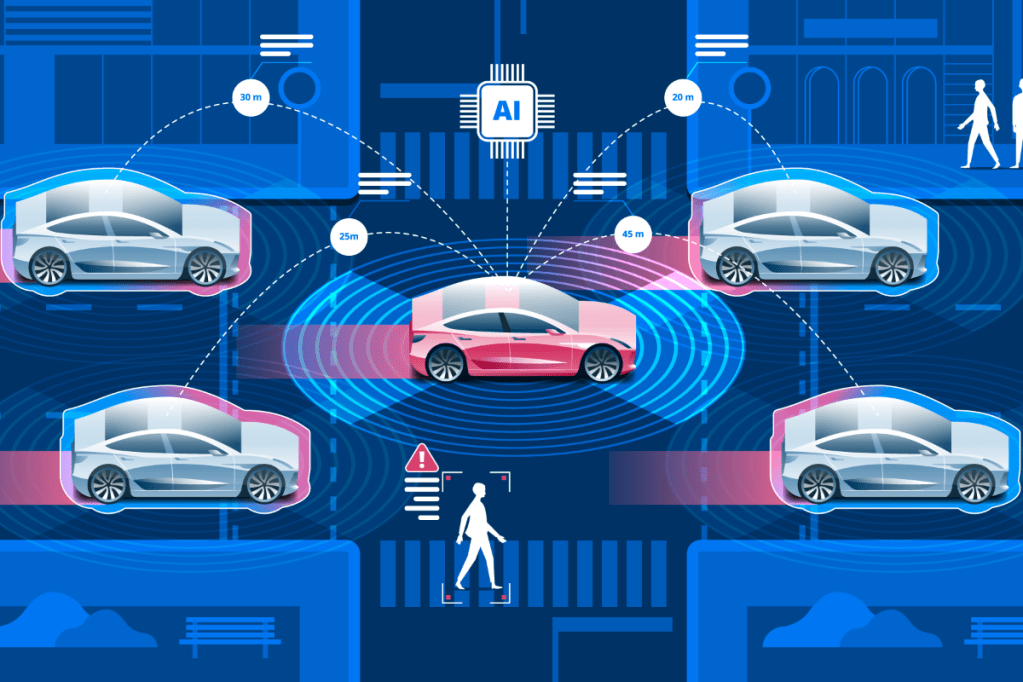
Self-driving cars are a combination of sensors, cameras, radar, and AI technologies like machine learning and neural networks. Developers use a large amount of data from image recognition systems. Neural networks identify the pattern in data i.e., images from the cameras and sensors. It identifies the traffic signs and signals, boundaries, trees, pedestrian walks..etc.

One such technology developed by Google is Google Waymo Vehicle

Google Waymo Vehicle

It is an example of self-driven cars. It is almost an autonomous vehicle but still needs a human to perform certain functionalities but can drive in ideal conditions. 

Levels of Autonomous Cars

LEVEL 0: No Advanced Driver Assistant System(ADAS) is used. The human driver should drive.

LEVEL 1: ADAS assists the driver by its alert systems by its rear-view cameras, but the driver should take care of the steering, brakes, and acceleration

LEVEL 2: Human presence is important even though ADAS will take care of the steering, brakes, or acceleration.

LEVEL 3: ADAS can take driving tasks and parking can be performed under certain conditions. But still, human is the main driver here and need to take care of the circumstances.

LEVEL 4: The driver need not pay much attention as ADAS can take over the driving.

LEVEL 5: No human help is required. ADAS can drive the vehicle under any circumstances.

Truck platooning

Truck platooning is also an example of Artificial intelligence. It is a heavy coupling of trucks. The first truck is occupied by the human driver and the rest are fully automated. They maintain a minimal distance between them and accelerates at the same rates. It might be a risk during traffic and unexpected accidents might occur. In the future, the risk factor is expected to be less.

AI in Medical Sector:

AI helps health professionals to diagnose the patient faster and more accurately. 

AI is developing innovative drugs and treatments by reducing medical and diagnosis errors by predicting adverse reactions. Lowers the cost of healthcare work providers and patients.
Problems at the healthcare centers

Due to more number of patients, general practitioners and primary care surgeons are over-burdened because of which there are extremely long waiting at the hospitals.

Solution  

Your.MD

Your.MD aka Healthily is the world’s first AI-based health assistant which provides personalized advice about their medical complaints. This app records the symptoms and, maps them with the clinical data compiled from public sources. Engages about thirty doctors to research illness.

Research

It creates a pre-primary care market and eases the burden of medical staff and helps improve their work through digital screening of non-accurate conditions.

Google Launchpad Studio

Creates an ecosystem of applied Machine Learning startups and focuses on healthcare.

BYTEFLIES is the first company to use this studio.

Supervises Learning for Telemedicine 

Technology can be used for good and bad so there is a need to be vigilant. The latest technologies are typically applied to the wealthy. 

But,

“AI has the potential to extend knowledge and understanding to a broader population. Image-based AI diagnoses of medical conditions could allow for a more comprehensive deployment of the telemedicine”. 

Google deep mind

Google deep mind can diagnose diabetic retinopathy like a highly trained ophthalmologist via telemedicine.

‘BETTER DIAGNOSE WITH LESS HUMAN EFFORT’

It uses a portable fundus camera which is deployed in the screening site and transmits images securely to the cloud software platform for analysis and automatically generates a report which facilitates compliance with follow-up examinations.

credits to the right owners of the images used.

Acid Rain

“The unthinkable is that we’re distorting this atmospheric balance. We’re shifting the chemical balance so that we have more poisons in the atmosphere – ozones and acid rain on ground level – while we’re also changing the thermal climate of the earth through the greenhouse effect and – get this – simultaneously causing destruction of our primary filter of ultraviolet light. It’s incredible. Talk about the national-debt crisis – we’re piling up debts in the atmosphere, and the piper will want to be paid.”

~ Michael Oppenheimer

Introduction

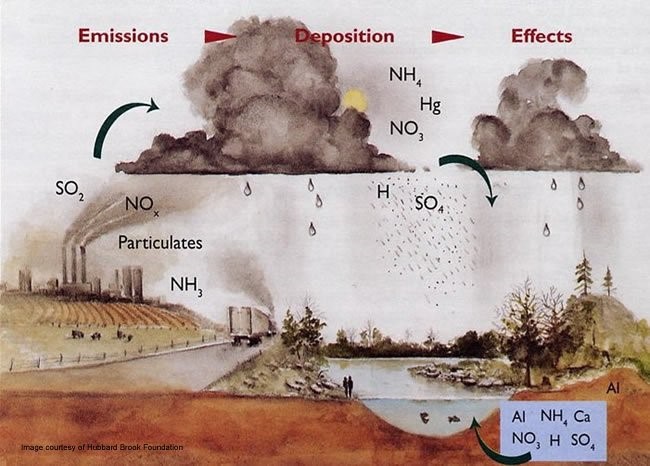
Acid rain, or acid deposition, is a broad term that includes any form of precipitation with acidic components, such as sulfuric or nitric acid that fall to the ground from the atmosphere in wet or dry forms. This can include rain, snow, fog, hail or even dust that is acidic.

Acid rain is caused by a chemical reaction that begins when compounds like sulfur dioxide and nitrogen oxides are released into the air. These substances can rise very high into the atmosphere, where they mix and react with water, oxygen, and other chemicals to form more acidic pollutants, known as acid rain.

It can have harmful effects on plants, aquatic animals, and infrastructure.

Effects of Acid Rain

The ecological effects of acid rain are most clearly seen in aquatic environments, such as streams, lakes, and marshes where it can be harmful to fish and other wildlife. As it flows through the soil, acidic rain water can leach aluminum from soil clay particles and then flow into streams and lakes.

Acid rain has been shown to have adverse impacts on forests, freshwaters, and soils, killing insect and aquatic life-forms, causing paint to peel, corrosion of steel structures such as bridges, and weathering of stone buildings and statues as well as having impacts on human health.

Acid rain also causes the corrosion of water pipes. Which further results in leaching of heavy metals such as iron, lead and copper into drinking water.

Prevention

1. The only precaution that we can take against acid rain is having a check at the emission of oxides of nitrogen and sulphur.
2. We have so far seen the details of acid rain and its harmful effect on animals, plants and the monuments.
3. Being responsible citizens, one should be aware of the harmful effects they cause and of the industries which give out nitrogen and sulphur compound wastes unethically. 4.A great way to reduce acid rain is to produce energy without using fossil fuels. Instead, people can use renewable energy sources, such as solar and wind power. Renewable energy sources help reduce acid rain because they produce much less pollution.

Acid Rain in India

Analysis of rainwater samples from Nagpur, Mohanbari (in Assam), Allahabad, Visakhapatnam and Kodaikanal in the decade 2001-2012 showed a pH level varying from 4.77 to 5.32, indicating that these places have actually been receiving ‘acid rain’. Rainwater with pH below 5.65 is considered acidic.

As energy requirements in India will grow rapidly in tune with the economy, coal dependence is expected to increase threefold over the current level of consumption, making the clouds of acid rain heavier over many highly sensitive areas in the country – the northeast, parts of Bihar, Orissa, West Bengal ,etc ,.

The rains in the Indian Ocean and the Arabian Sea and the Bay of Bengal have become acidic. Studies show the importance to regularly monitor more places for acid rains. But the mechanism to study acid rains is at present inadequate in India. imd stations are not located in the most polluted areas in the country.

Link

Applications of Artificial Intelligence-I

What is AI?

Artificial Intelligence is the intelligence exhibited by machines based on the premise that intelligence is not ‘real’ or human’. It mimics cognitive functions exhibited by humans such as learning and problem-solving.

Artificial intelligence based on Natural intelligence

What is the scope of AI?

Jobs related to AI will increase exponentially in the coming days. It helps to find smart solutions to the problems in various fields in medicine, agriculture, education, security, and so on.

Three stages of Artificial Intelligence. We are near to the second stage.

Applications of AI

  • Machine Learning includes Deep Learning- Neural network
  • Vision includes Image & pattern recognition- Facial recognition
  • Hearing includes Voice and speech recognition
  • Natural Language Processing(NLP) includes Natural Language Understanding(NLU)- Natural Language Generation(NLG)
  • Robotics
  • Expert Systems

We are currently using the following AI-based applications:

  1. Image recognition: Recognizes objects, places, people, and actions in an image.
  2. Speech recognition: Allows humans to use their voices to communicate with the software.
  3. Language translation: Translates a word or sentence from one language to another. Ensure that the translated word is culturally and linguistically correct.
  4. Product analysis: Enables companies to leverage data to reveal user engagement with products or services and tracks the activities, likes, and dislikes of the user.
  5. A/B testing: Determines the version of a webpage and compares two versions and delivers better performance.
  6. Sentiment analysis: Analyze a piece of text to determine the writer’s attitude. It can be categorized as positive, negative, or neutral.

Let’s see few examples of Artificial Intelligence

  1. SIRI: Siri is a popular personal assistant offered by Apple which uses Machine Learning and Voice recognition.
  2. COGITO: It improves the intelligence of customer services by analyzing the human voice emotion and provides real-time guidance.
  3. NETFLIX: Uses predictive technology and provides the user with movie recommendations based on the user’s likes.

Use of Artificial Intelligence in society

“AI is a huge benefit to the society as it enhances the efficiency and throughput while creating new opportunities for revenue generation, cost savings, and job creation.”

-Anand Sampat(Datmo)

‘Robots and AI will destroy jobs’ is nothing but fiction and not fact. But instead, AI creates job opportunities in the market.

“The unparallel combination of human and machine will become the new normal in the workforce of the future”

– Matthew Lieberman

The presence of Artificial intelligence enhances our lifestyles and creates efficient businesses.

“Machine allows humans to do the most interpersonal and creative aspects of work”

 -Chalmers Brown(Due company)

AI platforms will provide real-time insights combined with the explosion of computer power.

“Smart homes will reduce energy usage and provide better security for humans. Marketing will be more targeted and health care will become more effective with smart devices”.

 – Naresh Soni

Start-ups using Artificial Intelligence 

  1. NEST: Alphabet Nest uses AI to learn a home owner’s habit resulting in a reduction of energy consumption. It adjusts the house temperature according to the weather hence energy consumption can be controlled.
  2. COMFY: Comfy offers services for reducing energy consumption in office buildings.
  3. PG&E: Pacific gas and electric company(PG&E) connected 200,000 solar customers, accounting for one in every four houses with solar rooftops.

AI benefits multiple Industries and society will be benefitted from the use of facial recognition, digital content analysis, accuracy in identifying patterns.

“AI risks are real if we don’t understand the quality of the incoming data and set AI rules which are making granular trade-off decisions at increasing computing speeds”

-Mark Butler

Facial recognition: Facial recognition is a biometric technology used to identify human faces and can be used for security purposes. 

Example: Snapchat

Snapchat differentiates between images of objects, pets, sports, and food. It suggests relevant borders and stickers. Identifies your location and suggests location-based filters.

Snapchat filters use Machine Learning and image classification techniques called Convolution Neural Networks(CNN).

Gold in Tiny Amounts; Elixir?

All about gold nanoparticles

Precious metals like silver, gold, and platinum are all used in medicine to aid treatments as diverse as wound healing and cancer therapies. Gold nanoparticles (AuNPs) are small gold particles with a diameter of 1 to 100 nm which, once dispersed in water, are also known as colloidal gold.

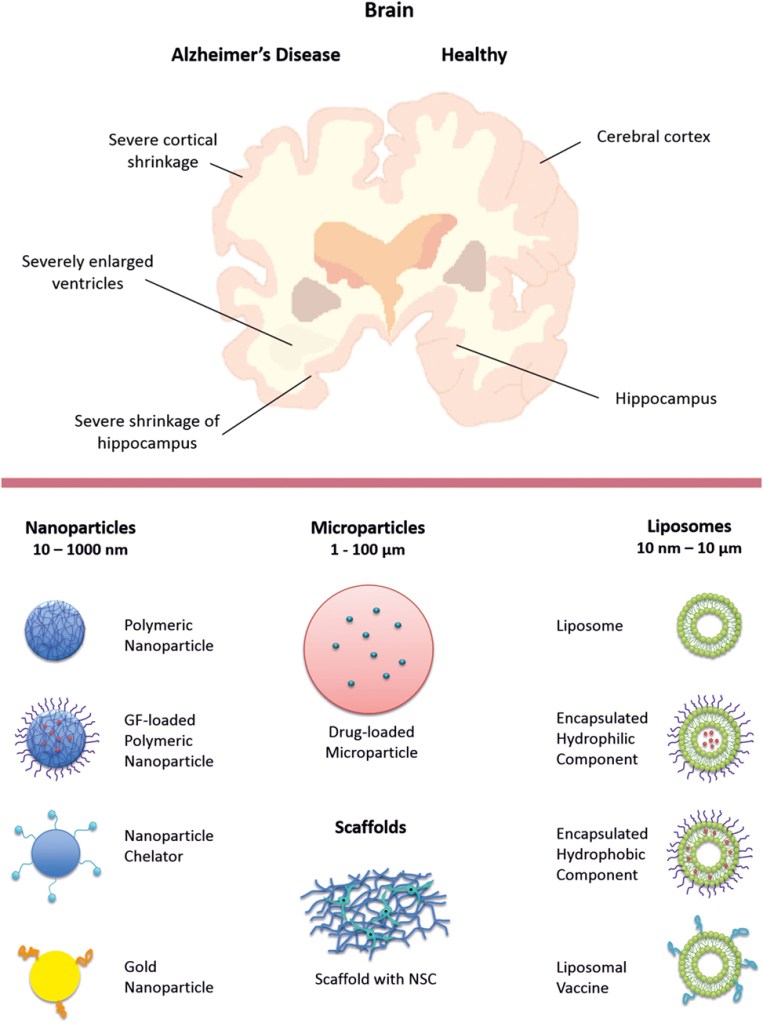
Nanoparticles at a glance.

How did gold get to earth?

Gold, the shiny yellow metal prized for its beauty, malleability and used in many different industries, is actually created inside massive stars when they explode into a supernova. Here lies the history-

  • Gold, like most heavy metals, are forged inside stars through a process called nuclear fusion. In the beginning, following the Big Bang, only two elements were formed: hydrogen and helium. A few hundred million years after the Big Bang, the first stars were blazing away with their nuclear fires. These nuclear fires forced lighter elements together to make slightly heavier elements, and these nuclear reactions released a huge amount of energy.
  • Gradually, these early stars began making elements such as carbon, nitrogen, oxygen — working their way up through the periodic table towards iron. But there was still no gold in the Universe. Once these earlier stars ran out of light elements to burn, they kicked in on the heavier ones.
  • Finally, as they burnt silicon to make iron, they exploded as a supernova, and for a few short moments, each star would release as much energy as all the regular stars in that galaxy put together. In that cataclysmic explosion, for the first time, atoms of gold were manufactured — and then hurled out into the Universe, along with the other debris from that explosion.
  • On Earth, gold finally reached us some 200 million years after the formation of the planet when meteorites packed with gold and other metals bombarded its surface. During the formation of Earth, molten iron sank to its centre to make the core. This took with it the vast majority of the planet’s precious metals — such as gold and platinum. In fact, there are enough precious metals in the core to cover the entire surface of Earth with a four-metre thick layer.

Cancer treatment

Colloidal gold, the suspension of gold nanoparticles in liquid, has been used for hundreds of years, from staining glass in the Middle Ages to early experiments with photography in the Victorian era. But it was only 160 years ago that gold nanoparticles were given any serious scientific examination, when scientist Michael Faraday created the first pure sample of colloidal gold in his basement laboratory at the Royal Institute in London. Faraday’s early experiments were forays into what would ultimately become the fields of nanoscience and nanotechnology.

“Scientists have pioneered a revolutionary approach in the use of gold nanoparticles that could lead to the development of a new generation of broad-spectrum antiviral drugs.”

  • Targeted drug delivery is better than conventional drug therapy because these drugs target the main effected area, so it minimizes the side effects caused..
  • Gold nanoparticles have the ability of bio-imaging of the effected cancerous cells for therapy. Cancer DNA has a special 3D structure that has an affinity for gold, according to one study, and nanoparticles change color when that DNA is present. Simple, fast tests could detect cancer in 10 minutes.
  • Gold nanoparticles have unique physical, chemical properties and strong binding attraction for thiols, proteins, carboxylic acid and disulfides, so they have been extensively used in drug delivery for cancer therapy.

Alzheimer’s-

  • Illnesses associated with ageing are under the microscope too. Scientists are using gold nanoparticles to see the knot-like structures in the brain that cause Alzheimer’s and other neurodegenerative diseases. By labelling these structures–called amyloid fibrils–with gold they can see the knots more clearly and identify their weak spots for treatment.
  • Another global health problem shows promise for gold use in medicine. Tropical disease malaria, transmitted by mosquitoes, infected 219 million people in 2017 and killed 435,000. Nanoparticles used in rapid diagnostic tests are cheap to use, can give results in 15 minutes, and help doctors target treatment for malaria where it is most needed.
image description

Immunity

  • Immunotherapists are also harnessing the special properties of spherical nanoparticles to deliver a boost to the body’s immune system. Polymer-coated spheres of gold interact with B lymphocyte immune cells and can deliver drugs or vaccine to where it is most needed. In this way they hope to treat hard-to-reach brain tumors.
  • Going forward there is exciting potential for nanoparticles to help combat HIV and blood diseases. Medics use the gene editing tool CRISPR to deliver new genetic information to cells, but current methods can damage or even kill cells. Gold nanoparticles mounted with CRISPR can quickly cross the cell membrane into the nucleus to edit genes.

Thankfully, even though gold is a rare commodity compared to other metals, in microscopic quantities it can improve our lives immeasurably. Nanoparticles measuring billionths of a meter are used as tiny detectors to develop the most sensitive chemical tests.

Thank you!

Go back

Your message has been sent

Warning
Warning
Please rate our website(required)

Warning
Warning
Warning.

Video Game crash of 1983

In 1983 the video games industry was hit with a recession that almost ended the existence of video games of that time period. This period lasted for almost two years from 1983 to 1985. Many people and journalists who were critical were calling video gaming a fad. Numerous companies went bankrupt or stopped making video games entirely. This recession is known as the Great North American Video Game Crash or Atari Shock (Primarily in Japan).

Video games in the 1970s were dominated by arcade machines and by the end of the decade home game consoles were also getting popular. With the start of the 1980s, the video gaming industry witnessed a boom with numerous companies like Mattel, Atari, and Coleco dominating the market. The early 80s was a time of innovation and growth in the video game industry but there was instability in the industry as well. This was a time period when video games were becoming more mainstream and popular. Many new players entered the market ranging from industries to small developers that had no association or prior experience in game development in general.

Pacman was a big hit in the early 80s and it was not of the most popular video games in the arcades. Its successor Miss. Pacman improved on the formula and was a success as well. After the success of Pacman in the arcades, Atari wanted to replicate the success in the home game consoles. But with the limited constraints with the memory and short development period, the game was not well received by the consumers and critics alike. In 1982 Atari also brought the license to release the video game of the movie for 21 million. The game was developed in a time period of only 5 weeks. The game was negatively received and only 1 million copies of the game were sold off the 5 million manufactured. Many of the sales were also returned to the retailers furthering the damage. During this period video games were being published by small developers with very poor quality and many big developers were producing games that were more of a marketing token than the game. There were many clones of the same games with little to no redeeming quality and replayability. There were also numerous consoles unlike today with too many options that were no different from one another. With the abundance of supply and low sales of games, retailers started to remove stocks of video games and this led to the shrinking of the industry. Atari had lost $500 Million in 1983 and had to cut its workforce from 10,000 employees to just 400 employees.

During the 1980s there was a boom in the Personal Computers market as well. The PCs were much more powerful than consoles and they could play games and do many tasks like word processing and spreadsheets. The PC industry was unaffected by this low point of video game consoles.

In 1985 Nintendo Corporation launched the Nintendo Entertainment systems in North America and Nintendo ensured that only a limited number of games to be released under their license agreement. This ensured a certain threshold of quality for the games that were released for the system and Nintendo emerged out of the survivor from the video game crash. The Nintendo Corporation started to dominate the video game industry with an assurance of quality that was unmatched by any other corporation at that time. Many other entrants like SEGA also emerged after the crash. Nintendo with its approach and license and quality assurance of video games has left a big impact on the industry to this date. Video games industry has only grown since then and also overtaken other source of entertainment. Nintendo can be credited to provide the industry a trajectory that was severely needed after the crash of 83.

References:

Bioterrorism

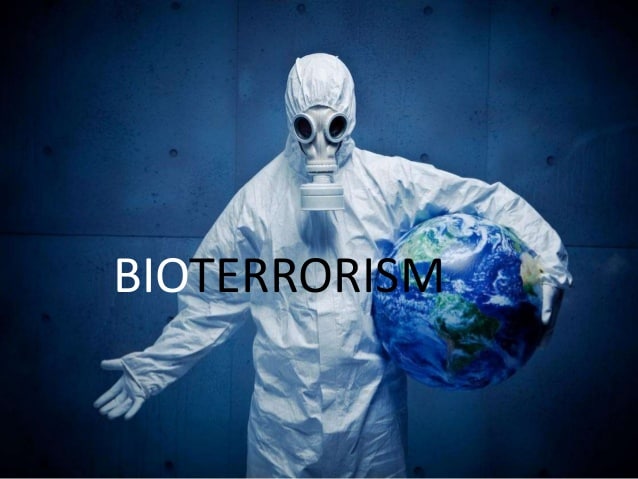
From the past two decades , it is stated that the threat of biological warfare is not a myth but a harsh reality of the world . Due to the outbreak , we can recognise the high risk and consequences of bioterrorism.

This editorial provides you the overview of bioterrorism , it’s symptoms , causes , measures and impact on humans in present scenario .

Introduction

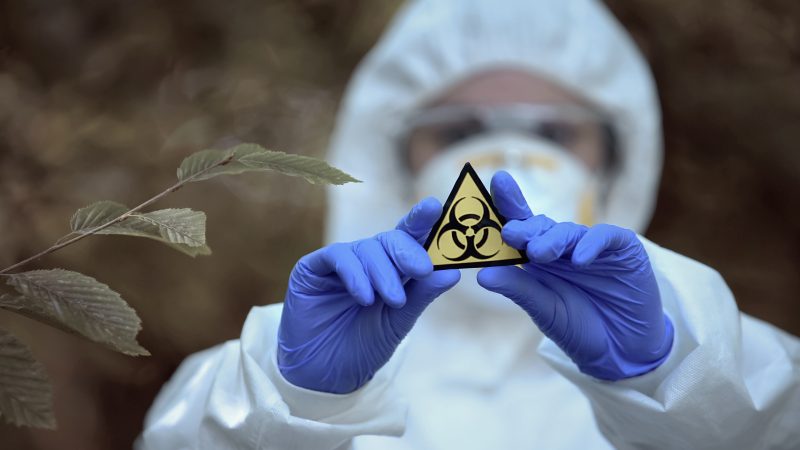
A bioterrorism attack is the deliberate release of viruses, bacteria, or other germs to cause illness or death. These germs are often found in nature. But they can sometimes be made more harmful by increasing their ability to cause disease, spread, or resist medical treatment.

Biological agents spread through the air, water, or in food. Some can also spread from person to person. They can be very hard to detect. They don’t cause illness for several hours or days. Scientists worry that anthrax, botulism, Ebola and other hemorrhagic fever viruses, plague, or smallpox could be used as biological agents.

Despite patchy intelligence, France started its own biological weapons programme in the early 1920s. It was headed by Auguste Trillat, an inventive German-educated chemist who envisioned and tested the sustained virulence of airborne pathogens.

The goal of bioterrorism is usually to create fear and/or intimidate governments or societies for the purpose of gaining political, religious, or ideological goals. Bioterrorism may have a different effect on societies than would weapons such as explosives.

Symptoms

The symptoms of exposure to a biological agent might include sore throat, fever, double or blurred vision, rash or skin blisters, exhaustion, difficulty talking, confusion, descending muscle weakness, nausea, abdominal pain, vomiting, diarrhea, and coughing.

History

Historically, biological weapons have been a threat to humans for many centuries. At those times, very crude methods such as fecal matter, animal carcasses, etc. were used to contaminate water sources, but now the concentrated forms of biological agents such as dried spores and genetically modified organisms are available, which are fatal even in minute quantity.

During the Indo-Pakistan war of 1965, a scrub typhus outbreak in north-eastern India came under suspicion. India’s defense and intelligence outfits were alert to the outbreak of pneumonic plague – well known in biological warfare – in Surat and Bubonic plague in Beed in 1994, which caused several deaths and sizeable economic loss.

Prevention

There are some points that you need to consider during the outbreak :

  • If you become aware of a suspicious substance, quickly get away.
  • Cover your mouth and nose with layers of fabric that can filter the air but still allow breathing. Examples include two to three layers of cotton such as a t-shirt, handkerchief or towel.
  • Depending on the situation, wear a face mask to reduce inhaling or spreading germs.
  • If you have been exposed to a biological agent, remove and bag your clothes and personal items.
  • Follow official instructions for disposal of contaminated items.
  • Wash yourself with soap and water and put on clean clothes.
  • Contact authorities and seek medical assistance. You may be advised to stay away from others or even to quarantine.
  • If your symptoms match those described and you are in the group considered at risk, immediately seek emergency medical attention.
  • Follow the instructions of doctors and other public health officials.
    Avoid crowds.
  • Wash your hands with soap and water frequently.
  • Do not share food or utensils.

Link

ONLINE EXAMS

A Critical Evaluation!

The Coronavirus pandemic has disrupted the working of all the sections of the society. Tourism sector, consumer sector, IT sector, Pharma sector, you name it and the reports will show you how adversely are they all affected. One of the most crucial sectors which is brutally affected is the education sector. The sector that is responsible for building future leaders have become merely a formality. Students give exams but not for value addition but just for the sake of giving them. If you ask what a student has learned in the last year and a half, more than half of them would be completely clueless.

Since the beginning of 2020, we have seen a new way of conducting exams but is this way better than the offline exams? Let us ponder upon that. There is no question that online exams are economical and does save a lot of time and the environment but the real question is “Is it worth it”? A lot of students have been welcoming to the concept of conducting exams online but a lot of them have also opposed it on various grounds.
To begin with, not all students have access to a computer or a laptop or a stable internet connection which makes it difficult for them to attempt their exams and buying a new devise puts a lot of financial pressure on the families. Students living in technologically backward areas are suffering the most.
In addition to this, students who reside in areas where there is unstable electricity or internet connection have difficulty connecting with their teachers in case there is a problem with their class or exam. This creates additional pressure on the child. Institutions must understand that problems like having unstable electricity and internet connection are out of their control and thus ensure all students are well prepared before the exams are conducted.
Furthermore, there is the biggest barrier while conducting online exams and that is Cheating. There is no way of knowing if the student has written the exam himself or did he take the assistance of external resources. If the exam has been completely cheated then what is the point! Children are the future of this nation and if they rely solely on cheating to pass their exams then what kind of future are we building here? Not only the university students but the students who are still in school are inclined towards cheating to pass their exam rather than studying before hand. The mentality that has been going around is “If everyone is cheating then why can’t I”. Students cheat using their cell phones, laptops and even books. Online exams have completely turned into open book exams with zero value addition. Everyone is so dependent on cheating that now they are worried as to how they will attempt the offline exams as and when the institutions open.
Lastly, students are not the only ones who have been suffering in one way or the other, the teachers are also facing difficulties while teaching as well as while grading the exams. Professors who have been teaching for a long period of time found it very difficult to shift to online mode of teaching. Not only this, the teachers are unable to complete the syllabus on time which ultimately affects the students.

While online exams have proved to be a blessing during these testing times, they should not be used to judge a candidate as a whole. People who are scoring good could be naturally intelligent or could just be relying on cheating. Thus colleges and universities need to work a little harder to design a question paper that is intellectualy challenging and that would judge the aptitude level of the student rather than asking questions on what is given directly in the book or on the internet. Teachers can shift their focus on putting case study based questions to examine the cognitive abilities as well as subject understanding of the student. Now that the students are well versed with how exams are to be downloaded and submitted, the time limit could be reduced so as to reduce the time for copying from here and there. Lastly, students must be asked to keep their cameras on during the examination and teachers could keep a close eye on how they progress with their exam. Also, the teacher must award marks to a student on the basis of his/her performance rather than awarding more marks just to maintain the reputation of the institutions.

Thus, there is a dire need to put this cheating culture to an end before the students lose their capabilities to remember their own syllabus. Conduct pop quizzes, give assignments from time to time, just keep the students up to date about the syllabus in an interesting way so that they don’t resolve to cheating during the final examination. The students must also make an effort to be better. Cheating only helps you to obtain marks but knowledge goes a long way and helps you in various competitive exams that your might appear for in the future. Online exams are the best option in these times of the pandemic. Students should prepare well for their own better future. Determination and Hard work are the keys to your success.

5 BEST ANDROID GAMES OF 2021

How do you like to chill out? Ya, I’m sure you wanna have that fun gaming life. Here are the names of the top 5 Android games of 2021 and everyone is excited to play:

Pokémon go:

Published by Niantic in collaboration with Nintendo and the Pokémon company, this augmented reality-based mobile app that lets you discover Pokémon in the real world. Who knows if a Pokémon is hiding behind you! You can grab the Pokémon by throwing a ball on it. It’s exactly how it happens in the Pokémon: the series. Just with access to your current location let’s GET UP AND GO!!

Among us:

 An online multiplayer developed by American game studio Inner sloth social deduction game where each player uncovers the hidden role of others.  Up to three players will be chosen as an imposter in a spaceship called “The Skeld” a headquarters building called “Mira HQ” a planet base called “The Airship”. If you are a crewmate you are supposed to find the imposter and complete the tasks. But if you are an imposter then you have to kill the crewmates.

Garena Free Fire:

Developed by 111 dots studio published by Garena is a quick free-to-play battle royale game consisting of 50 players falling from parachutes, landing on an island searching for weapons and utility items. Players must make sure that they fall away from the enemies.  All the player has to do is survive and conquer till the end. Apart from CoD and PUBG, Free Fire is the most optimized game to run on low-end smartphones.

Call of duty: 

A massive new combat experience of war and adventure, developed by TiMi studios. You can play Battle Royale or a Multiplayer game. Multiplayer mode is the basic first-person shooter, the game includes “Scorestreaks” which are special weapons that are available when the player reaches certain points. Battle royale mode features up to 100 players where you can choose to be in a squad or single. After you jump out of the plane the game begins, you will only have a knife with you, the zone begins to shrink so you have to kill other teams to survive. 

  • Clash of clans: An online multiplayer war game, developed by Supercell. The players are provided with a social network of live chat so it will be easy to connect with their team and form communities called clans, you can be the clan leader, train the troops to attack others to earn the resources. There are four resources called GOLD, ELIXIR, DARK ELIXIR, GEMS. All you have to do is to protect your castle and destroy others. These resources are also used to train and upgrade your troops and spells.

credits to the right owners of the images used

Addiction to Gadgets

Technology and gadgets are now indispensable in our daily lives. In the past few years carrying a miniature computer (a smart phone) in a pocket has become commonplace. Technology helps advance the human race forward and makes doing mundane things more efficient and repeatable. Technology has helped create the information revolution.
With technological advances, devices have evolved to be so powerful and smart that it feels like having a super-computer on one’s hands. Humans now have an insatiable appetite for information at their fingertips. When technology makes this happen, the natural tendency is for this to become an expectation. 
Life Without Gadgets:
■People born before the 1980’s would very well relate to life before the information age, when people had no access to internet or personal gadgets.  Let’s briefly walk down the memory lane to relive those moments — a life without gadgets.
■Children played together outdoor — they had a lot of physical activity.
■People talked to each other more often, and verbal communication face-face was at its peak.
■Chat jargon did not exist and people knew their spellings well, as they read more books.
■People enjoyed spending more time outdoors with family and friends.
■It was commonplace to get the news from newspaper or radio.
■Entertainment came from playing board games, playing sports, going to the movies, watching VHS tapes, etc.
■Writers often used either a type-writer or a word processor on their computer.
■Computers were expensive and bulky.
■Doing research was hard; frequent visits to the library or scouring through plethora of papers, books, etc. were necessary.
■Communication was slow.
Life With Gadgets:
Gadgets equipped with internet have transformed our lives in several ways and brought about a paradigm shift in our dependence on technology to perform key tasks in our everyday routine. To highlight a few:
■Enormous amount of information at our fingertips
■Use Google Maps to get directions, watch YouTube videos to learn to cook, sing, draw, learn science, etc.
■Health monitoring apps on the cell phone that would remind people to walk, run, bike, check BP periodically, etc.
■Capability to share daily life or special events instantly with thousands of people and see reaction in a matter of minutes, if not seconds
■Expedited research with access to information galore
■Ability to watch videos on demand from anywhere (Netflix, Amazon, etc.)
■Ability to read e-books online on demand — no more visits to library needed
■Use of mobile phones, tablets as pacifiers for kids
■Improved speed of communication by orders of magnitude leading to faster decision-making
■Existence of mobile apps for entertainment, social interaction through digital media, paying bills, accessing bank accounts, etc.
Effects of Gadget Addiction:
While the business model of the top few app companies hinges on people spending more time with their gadgets every day, we need to recognize that the most important fallout of this induced behavior would be the rising epidemic of gadget addiction. A sense of urge to use the phone or any other gadget when bored or idle equates to addiction. Gadget addiction doesn’t discriminate who is affected, it affects all age groups and people of all races. The effects range from mental, physical, emotional to even threatening our democracy.
Mental and Emotional Health:
Dopamine is a neurochemical that largely controls the pleasure and reward centers of the brain. High levels of dopamine are usually associated with motivation and excitement to fulfil goals that would lead to recognized rewards and thus reinforcement of a sense of pleasure while achieving those goals. Procrastination, lack of enthusiasm and self-confidence, and boredom are linked to low levels of dopamine.
Research has shown that the brain gets “rewired” as excessive amounts of dopamine get released in the body on frequent interaction with a rewarding stimulus, i.e., using a smartphone app like Facebook. Boredom triggers an interaction with the rewarding stimulus (Facebook app), which in turn results in wide variety of rewards in the form of likes, messages, photos, etc. causing high releases of dopamine in the body. Frequent cycles such as these cause the brain’s receptors to become more insensitive to dopamine, causing the body to experience less pleasure than before for the same natural reward. This leads the person down a spiral, where one has increased craving for the same reward to achieve normal levels of pleasure. If the increased craving cannot be satisfied, it would lead to anxiety, lack of motivation and depression. Gadget addiction is likened to addiction to alcohol or drugs since it results in similar negative consequences.
Studieshave shown that children’s cognitive and emotional development can be adversely impacted by internet/gadget addiction. More screen time means more virtual interactions and rewards through social media (shares, likes) and less face time. Less face-to-face interaction with other people results in lack of empathy for fellow human beings.
Physical Health:
Today’s children are immersed in technology right from a very young age. With more than half the schools in the US using smart devices as teaching tools in class, coupled with at-home smart device usage, the total screen exposure time of students in the age group 8-18 has exceeded ten hours a day. There are obvious benefits to being exposed to technology right from a very young age, i.e., development of skills needed to be successful in technology-related areas in a future career. However, on the downside, there could be lack of development of social behavioral skills and high risk of obesity due to limited physical activity.
As one would also expect, one of the biggest health risks of excessive smart device usage is vision-related. The National Eye Institute has found that the frequency of myopia (near-sightedness) has increased exponentially in Americans over the last few decades. The other effect on eyes was reduced blink rate leading to higher incidence of dry eye symptoms.  Based on these findings, the American Academy of Pediatricshas revised recommendations for limiting screen time for kids at different ages.
Listening to loud music through earbuds has detrimental effects on hearing ability  The National Institute of Deafness and Other Communication Disordersreports that about 15% of Americans between the ages of 20-69 have a reduced capability to hear high frequency sounds due to exposure to loud sounds. Other negative effects on physical health from excessive gadget usage include lack of sleep and increased weight on the spine as the head tilt increases to view the screen.
As we see the rise of ill effects of long term gadget use, rising health concerns amidst this drive to seek mindshare, finite attention of the same consumers there are groups of individuals who are now speaking up and taking a stand. These groups are investors, ex-employees of these companies and consumer groups. Starting 2018 these voices have amplified and there is a call for action and change is imminent.

Water

Water is the basic needs of the individual for the Survival. Some of the things like oxygen, water, food are very essential for the individual to live. After the oxygen, water is very much important for the individual survival and for the whole environment as well. Water is used in the daily basis for many of the activities like drinking, cleaning, watering, and also for some of the electric purposes etc.

There are plenty of water in the seas but there is no use of them. Because, all the seawater are salty and not food for drinking purpose. They can be made for drinking by some of the beautification methods which takes lots of processes and also the time. Scarcity of the water is not only the India’s problem but also the global problem.

If the wasteage of water is continued in the same way, there will be a day where no water can be found for drinking purposes and for some of the utility purposes. Most of the people waste water without any need. Using water for the purposes are all good but Wasting the water without any reason is a bad habit that an individual must not develop. It is very easy to waste water rather than saving the drop.

The main sources of water are surface water, ground water and rain water.

Importance of water :

Water is very important to the human body. Every one of your cells,organs and tissues use water to help with temperature regulation, keeping hydrated and maintaining bodily functions. In addition, water acts as a lubricant and cushions your joints. Driniking water is great for your overall health. Because your body loses water through breathing, sweating, and digestion, it’s important to rehydrate by drinking fluids and eating foods that contain water.



Water delivers important nutrients to all of our cells,especially muscle cells, postponing muscle fatigue. Water helps weight loss. Water helps you feel full longer,without adding any additional calories.

Benefits of Drinking water :

* Increases Energy & Relieves Fatigue. Since your brain is mostly water, drinking it helps you think, focus and concentrate better and be more alert.

* promotes weight loss.

* Flushes out Toxins.

* Improves skin complexion

* Maintains Regularity.

Best source of water :

1. Watermelon – water content : 92%

2. Strawberries – water content : 91%

3.cantaloupe – water content : 90%

4.peaches – water content : 89%

5.oranges – water content : 88%

6. Skim Milk – water content : 91%

7. Cucumber – water content : 95%

8. Lettuce – water content : 96%

9. Broths and soups – water content : 92%

10. Zucchini – water content : 94%

11. Celery – water content : 95%

12. Plain yogurt – water content: 88%

13. Tomatoes – water content : 94%

14. Bell peppers – water content : 92%

15.cauliflower – water content : 92%

16. Cabbage – water content : 92%

17. Grape fruit – water content : 88%

18. Coconut water- water content : 95%

19. Cottage cheese – water content: 80%

Disadvantages of water :

It is said that too much consumption of water can lead to fluid overload in the body and imbalance in the body. Excess water can lead it lower sodium levels in the body, which may further lead to nause, vomthing, cramps, fatigue. This condition is known as hyponatremia.

The best method to save water is to use in limited amounts. That is, to limit the water without wasting much water.

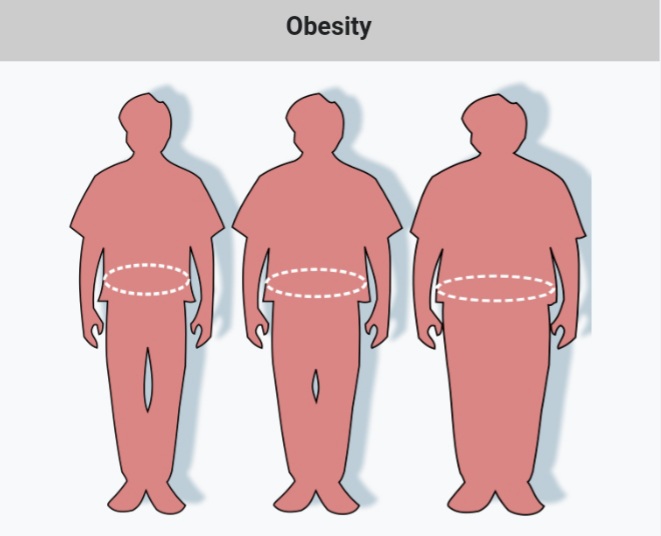
Obesity

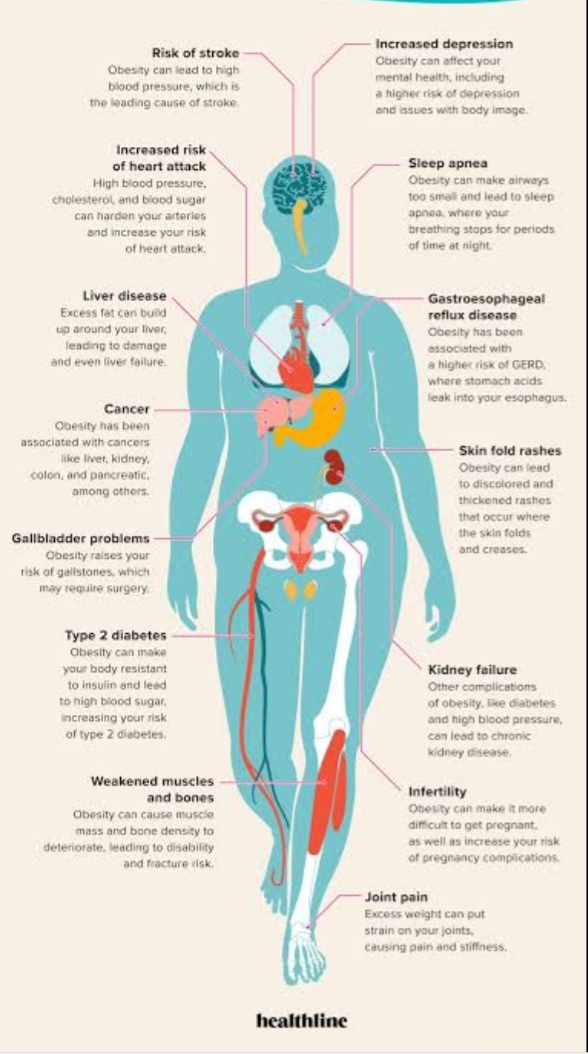
Obesity is described by the BMI (Body mass index). The obesity in the body is nothing but the high level of fat stored in the body. It is a very bad thing which in future leads to many health problems.

Many of the children are falling obese now a days. This is because of not having good food. Many of the children are highly addicted to the junk food. The junk food intake in the body increases the fat levels in the body.

A disorder involving excessive body fat that increases the risk of health problems. Obesity often results from takingin more calories than are burned by exercise and normal daily activities.

Symptoms:

Obesity occurs when a person’s body mass index is 25 or greater . The excessive body fat increses the risk of serious health problems.

What causes obesity?

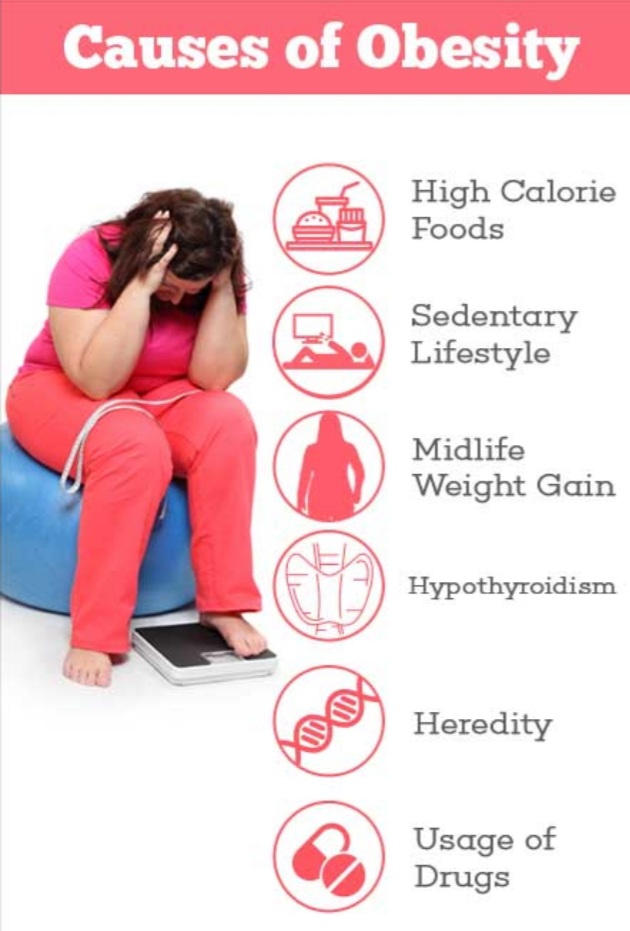
Obesity is generally caused by eating too much and moving too little. If you consume high amounts of energy , particularly fat and sugars, but do not burn off the energy through exercise and physical activity, much of the surpluse energy will be stored by the body as fat.

8 Most common causes of obesity :

* physical inactivity.

* overeating.

* Genetics.

* A diet high in simple carbohydrates.

* A frequency of eating .

* Medications.

* psychological factors.

* Diseases such as hypothyroidism, insulin resistance, polycystic ovary syndrome, and caushing’s syndrome are also contributors to obesity.

Let us now look at some methods to prevent obesity.

*Healthy and nutritious food :

It is very important to consume healthy and nutritious food every day. To gain a sufficient amount of nutrients and and to be healthy it is very important to consume nutritious food. Consuming nutritious food helps us to gain sufficient energy. Being healthy prevents us from Many deadly diseases.

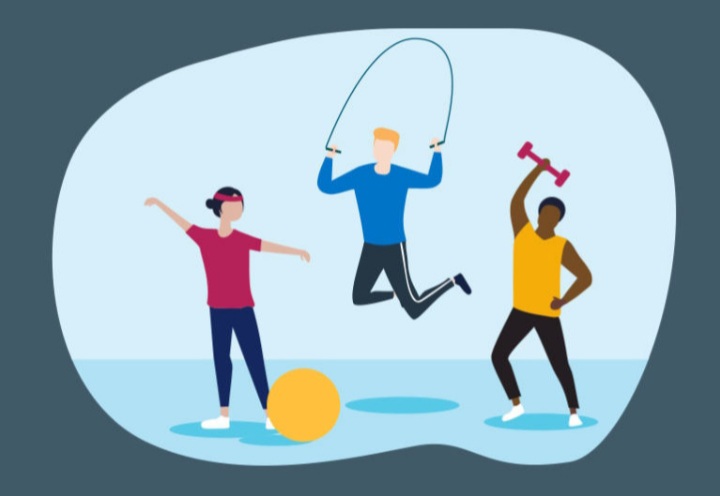
*Exercise :

Exercising at least for 10 to 15 minutes a day help the individual to be physically fit and also mentally strong. Exercising every day is a very good habit which everyone need to make it and perfect habit to do. Exercising 10 to 15 minutes also relieves us from the stress and the tension we have had. So, it is better to spend at least 10 to 15 minutes even in our hectic schedule an exercise.

* yoga :

Yoga relives from the stress and tension we have had. Sparing at least 10 to 15 minutes time on yoga benefit is a lot. It relaxes the muscle and comes to mind. It helps to be physically fit and mentally strong. All the asanas and pranayama helps to Gain strength and to be physically fit.

*Meditation :

Meditating for certain minutes helps to calm the brain and soul. It helps and relieving the stress and the tension we have had. It helps us to focus on the things which we are willing to do. It also equally helps us to be mentally strong. It is such a good and a mandatory practice an individual must obtain and must follow without any delays.

* Monitor your weight regularly.

* Be consistent.

Who obese people?

BMI is calculated by dividing a person’s weight in kilograms by the square of their height in metres. A BMI of 25.0 – 29.9 is classified as overweight but not obese, while a BMI of 30.0 or over is classified as obese. A BMI of graeter than 35.0 is classified as severely obese.

Adult BMI calculator

BMI WEIGHT STATUS

Below 18.5 underweight

18.5 – 24.9 Normal

25.0- 29.9 overweight

30.0 and above obese

The negative effect of obesity :

Obesity is serious beacause it is associated with poorer mental health outcomes and reduced quality of life. Obesity is also associated with the leading causes of death in the united states and worldwide, including ,diabetes, heart disease, stroke, and some types of cancer.

Everything We Know About 2021 iPhones!

Apple launches new series of smartphones every year and in a couple of months, Apple is going to launch a brand-new series of iPhones that by far known as the iPhone 13. But we can’t trust the naming process as after iPhone 8 we directly got the iPhone X series. Also, there are rumors that they will launch the new series as iPhone 12s but more chances are for the name iPhone 13. Well, this we’ll get to know at the time of the launch event.

Coming back to the point, like previous year this year also Apple will launch four iPhones; the budget ones namely iPhone 13mini and iPhone 13, and the pro models namely iPhone 13 Pro and iPhone 13 Pro Max. Although Apple didn’t get much profit from the iPhone 12mini the previous year, they are willing to launch the iPhone 13mini anyway. Talking about the launch date, if everything goes well Apple will launch the new series of iPhones by the 14th of September.

What changes Apple is going to make in its upcoming iPhone series?

Any major design changes are not expected as Apple has done a major design change the previous year. According to Analysts, rumors, and leaks, we can expect camera improvements, a smaller notch, a faster processor (A15), an improved 5G chip, and increased battery life. Apple is also expected to introduce 120Hz rates for the Pro models. This year also, Apple will not replace the lightning port with a USB-C port. 

According to the Japanese site Mac Otakara, iPhone 13 models will be the same size as the iPhone 12 models, but the thickness will increase by 0.26mm. The iPhone 13 models will be slightly heavy than the iPhone 12 models because of the battery improvement.  Also, we’ll see a diagonal camera set up in the 2021 iPhones.

Although there are rumors that Apple will introduce completely portless models, in-display fingerprint scanners, and an always-on display, these updates are likely to be introduced in future models.

Till now, this is all we know about the 2021 iPhones. Disclaimer; all the details mentioned above are according to the leaks, rumors, and analysts. Though I’m happy to say that the wait very soon is going to be over for Apple fans and technology geeks. And the launch of the new iPhones will be a great opportunity for those who have a slightly low budget and want to buy an iPhone and experience iOS because after the launch prices will decrease for the previous models.

Apple products are known for their quality, reliability, performance, and customer satisfaction. Let’s see if the 2021 iPhones will be up to the mark.