Anorexia Nervosa

Anorexia Nervosa or eating disorder is a topic which is not discussed often but is worth knowing about. It is a mental condition in which person fears of being overweight or underweight.However it can effect people differently.

A person with anorexia nervosa will intentionally restrict their food intake as way to help them to cope up emotional challenges.This mental condition is said to be the result of excessive mental trauma where person fears of being not accepted due to obesity. Dietary restrictions can lead to nutritional deficiencies which can severely affect overall mental health and result in potentially life threatening complication.

The emotional and psychological challenges of anorexia nervosa can be hard for a person to overcome. Therapy includes counseling , nutritional advice and medical care. Some people may even need treatment. There are many myths about eating disorder. This can lead to false assumptions and affect person’s chances of seeking and getting help

Neoclassical poetry

New classicism refers to the habit of imitating the great authors of antiquity as a matter of aesthetic principle and the acceptance of the critical precepts, which emerged to guide that imitation. Up to the last quarter of 17th-century neoclassicism had little influence in England except for Samuel Johnson. No important writer paid strict attention to the rules humanist critics had formulated Dryden also produced all for love (1677) which has been called the only correct neo-classical tragedy in English, but the fashion was outdated.

The usual excuse of rules was that they helped writers to be true to nature. Alexander Pope wrote, those rules of old discovered not devis’d, Are Nature still but Nature methodized, and implicit in his view was the assumption that ‘nature’ consisted in what was generally true. Following the list of ideas and characteristics as mentioned by M. H. Abrams was shared, between 1660 and late 1700 by authors such as John Dryden, Alexander Pope, Joseph Addison, Jonathan Swift, Samuel Johnson, Oliver Goldsmith, and Edmund Burke. These may serve as an introductory sketch of some prominent features of new classic literature.

These authors exhibit a strong traditionalism which was often joined to a distrust of radical innovation and was evidenced above all in their great respect for classical writers. Literature was convinced to be primarily an ‘art’ that is a set of skills, which though it requires innate talent, must be perfected by long study and practice, and consist mainly in the deliberate adaptation of known and tested means of the achievements of foreseen ends upon the audience of readers.

Human beings as an integral part of a social organization were regarded as the primary subject matter of literature. Poetry was held to be an imitation of human life- is a common phrase a mirror helps us to nurture. And by the human action it imitates, and the art form it gives to the imitation. Poetry is designed to yield both instruction and aesthetic pleasure to the people who read it. Not art for art’s sake but art for humanity sake was the central idea of neo-classic Humanism

Both in the subject matter and the appeal of art, emphasis was placed on what human beings possess in common. Neo-classic writers viewed human beings as the limited agent who ought to set themselves only accessible goals. Many of the great works of the period satiric and didactic, attack human pride.

360 Wander Writer

Welcome to World History

July 4 is the 185th day of the year (186th in leap years) in the Gregorian calendar; 180 days remain until the end of the year

4th of July in American history

Its the Independence day and the day of celebration for America. It is remarked on the year of 1776 during which the US got its independence from the great Britain. Its the day that represents the country’s liberations from Britain , giving them their rights ,liberty and their happiness. On this day all states in and around of USA celebrate the joy of independence with the fireworks, which is one of the largest display works. It is a day of federal holiday in united states. The Continental Congress declared that the thirteen American colonies were no longer subject to the monarch of Britain King George III and were now united ,free and independent states. Independence is not free of cost . As usual it has to pay for it. A revolt  broke out in April 1775, which sparkled the fire of independence.

And finally after the revolutionary Americans continued to commemorate Independence Day every year, in celebrations that allowed the new nation’s emerging political leaders to address citizens and create a feeling of unity.

4th of July in Indian history

Freedom is not given; it’s taken 

Netaji Bose

 In the year of 1947 the “Indian Independence Bill” is presented before the British House of Commons, proposing the independence of the Provinces of British India into two sovereign countries: India and Pakistan .

In the year 1789 an Agreement made between British East India Company, Peshwa of Pune and Nizam of Hyderabad to attack Tipu Sultan territory.

In the year of 1966 the Press Council of India was first constituted on 4th July, as an autonomous, statutory, quasi-judicial body, with Shri Justice J R Mudholkar, then a Judge of the Supreme Court, as Chairman under The Press Council Act, 1965.

In the year of 1999 India Army recaptured Tiger Hill.


Detail facts about Cafe and some kolkata’s famous theme based cafe

What is cafe?

A café is sometimes called a coffeehouse or a coffee shop or tea shop in English, a café in French and a bar in Italian. But a café is a type of restaurant which typically serves coffee and tea, in addition to light refreshments such as baked goods or snacks. The term “café” comes from the French word meaning “coffee”.

A café setting is known as a casual social environment where you can find people reading newspapers and magazines, playing board games, studying or chatting with others about current events. It is known also regarded as a place where information can be exchanged.In some countries, cafés are designed to more closely resemble restaurants whereby offering a range of hot meals and possibly licensed to serve alcohol.

What is ‘Internet Cafe’?

A new type of café, known as the Internet café, was introduced in the 1990s and went hand in hand with the rising prevalence of computers in society. Computers and Internet access in a contemporary atmosphere created a youthful, modern public space compared to existing locales including traditional bars and old-fashioned diners.More recently alongside the growing popularity of geek and gaming culture, gaming cafés have also begun to open in cities worldwide. Nowadays, many cafés offer public wireless Internet or even have computers, telephones, and newspapers for customer use.

Why Are Café Chains Performing So Well in India?

Rising middle class, growing brand awareness, and the availability of international experiences at home are fuelling the coffee culture in India. Luxury, comfort, and status symbol are significant factors driving the café chain boom in Indian cities. Clean washrooms, conducive sitting spaces, Wi-Fi, and electricity sockets are active ingredients contributing to the phenomenal growth saga of café chains in the country.While today’s cafés are popular with youngsters and college goers too, these people are decidedly more ‘hip’ and ‘cool’ compared to their older generations. They are looking for more variety in their coffee and an Instagram worthy ambience and décor. For instance, decades ago, Kolkata’s iconic Indian Coffee House was a hot-spot for students from nearby schools and colleges, academicians, and intellectuals. It was more about the ‘addas’ and debates one could have with their friends, peers, or seniors on topics ranging from cinema, football, literature, and art to politics and global issues.

Entry of the Game Changer

The entry of Café Coffee Day in 1996 transformed the beverage experienced in posh, 5-star setting into a people’s drink, observes Cafespaces —a blog run by the research team at Centre for Business in Society at Coventry University. One of their posts mentions Café Coffee Day or CCD (as it’s better known as) as the market leader with 46 percent of the market share in India, vending over 100 million cups every day through 1,538 outlets and 31,500 coffee machines across 219 Indian cities. CCD is without a doubt the game-changer, a pioneer of coffee culture in India.

What Has World’s Biggest Coffee Chain “Starbucks” in Store for India?

Coffee consumption in India has grown by 40 percent over the past decade, a golden opportunity that Seattle-based global coffeehouse chain Starbucks aims to leverage. The joint venture kick-started with the launch of India’s first Starbucks outlet in October 2012, at Mumbai’s Horniman Circle.Now, Starbucks serves seven Indian cities — Mumbai, Pune, Hyderabad, Chennai, Delhi, Bengaluru, and Kolkata — with over 100 coffee stores. Starbucks outlets in the city of joy, Kolkata, reflect the iconic coffee heritage of the multinational brand. Besides these popular metro cities, the global café chain intends to expand its presence in fresh markets to introduce more Indians to the world famous Starbucks experience.

3 famous theme based cafe in kolkata :-

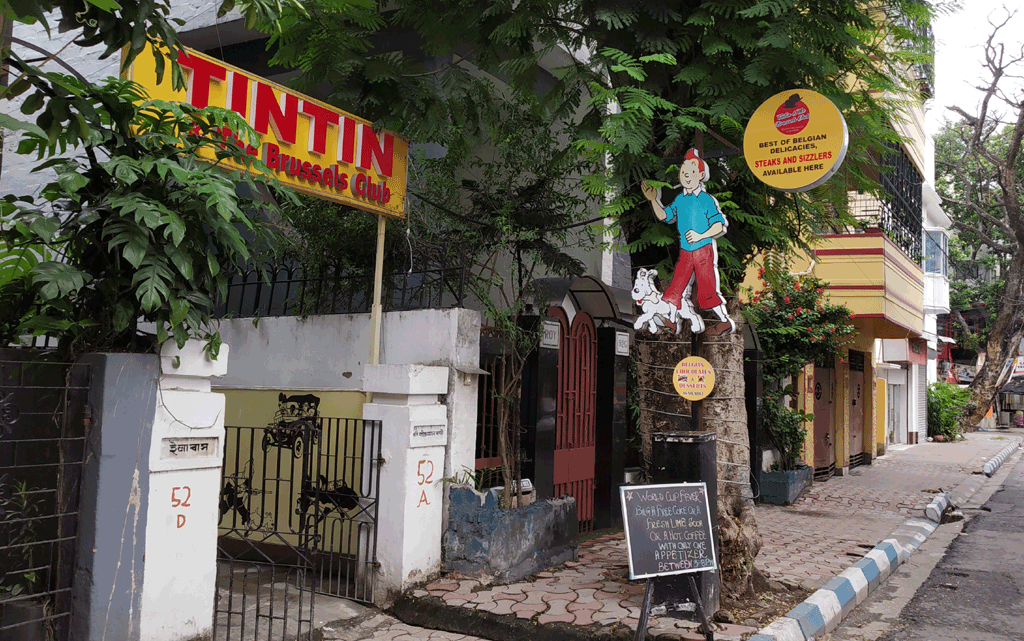
1.Tintin & The Brussels Club :- Hindustan Park, off the busy Gariahat junction, is such a typical old south Kolkata street, that you are bound to pull short as your eyes fall on a cut-out of Tintin and his dog Snowy standing against a tree. Almost immediately you notice the signboard, Tintin & The Brussels Club.Take the narrow lane that leads inside. On one side is a long poster with line drawings from the famous Adventures of Tintin comic series.

Timing: Open every day, noon to 11pm. Advance booking recommended. They also have piano recitals on Saturdays.

Contact: 9038766666

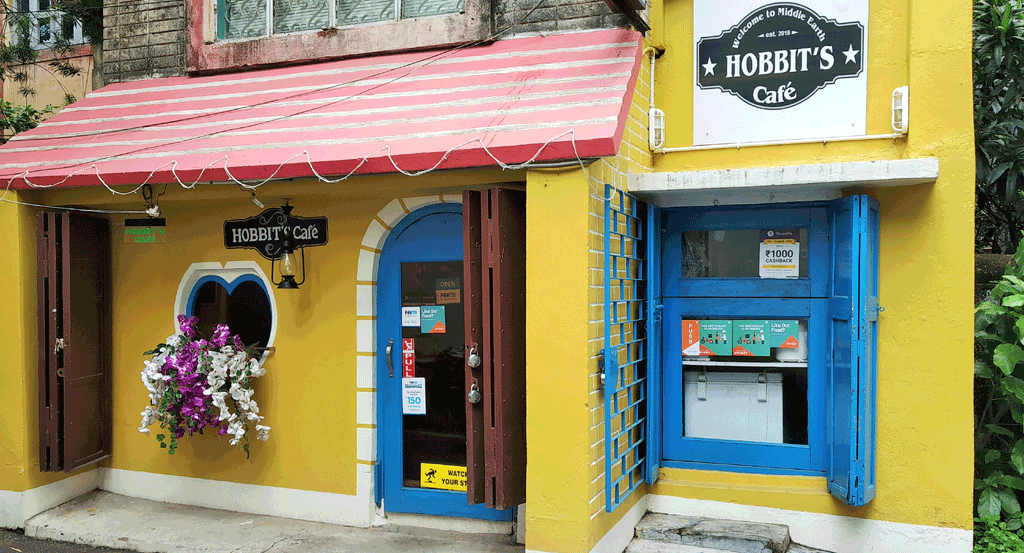
2. Hobbits Cafe :- Located in a narrow lane not far from the Golpark roundabout in south Kolkata, the place was easy to reach yet far from the noise of traffic. The brightly painted exterior of Hobbit’s Café is a sharp contrast to the mute shades of residential buildings around it. A bunch of orchids hang from the heart-shaped window. Inside, it is low-roofed and small but not stuffy. Décor is minimal but enough to make a hobbit feel at home – framed quotes from Tolkien, a map of the Middle Kingdom painted on the wee door that leads to the kitchen, a bunch of creepers in a corner, the hint of an exposed wall (paper) in an alcove. A long sofa with bright cushions.

Timing: Open daily, except Sunday; from 12.30pm to 9pm. Expect a queue during weekends and holidays.

Contact: 9073643939

3. Seven Kingdom Café and Grill :- The moment you walk into the Seven Kingdom Café and Grill, tucked inside a relatively quiet neighbourhood in Salt Lake, on the eastern fringe in Kolkata, you immediately know that it has been set up by a die-hard Game of Thrones fan.There are seven tables, each named after a house – Arryn, Baratheon, Greyjoy, Lannister, Stark, Targaryen and Tyrell. Dragons, maps and symbols adorning the walls. Flags. Portraits of the major characters. GoT theme music playing in the background. And there is the Throne, made of sharp swords with golden hilts and the bejewelled crown. A GoT fan is bound to feel at home here.

Where: BH- 40, Sector 2, Salt Lake (Bidhannagar), Kolkata 700091; not far from the Karunamoyee bus depot or ask for the Kathgola roundabout. Wi-fi available.

Timing: Open all days, 11am to 10pm.

Contact: 9831178085/9064734123

There is many more theme based cafe all around Kolkata. And those are the most excellence reflection of kolkata’s cafe culture. May you are from kolkata Or not but those cafes are must visit for you all.

Post-War Japanese Cinema

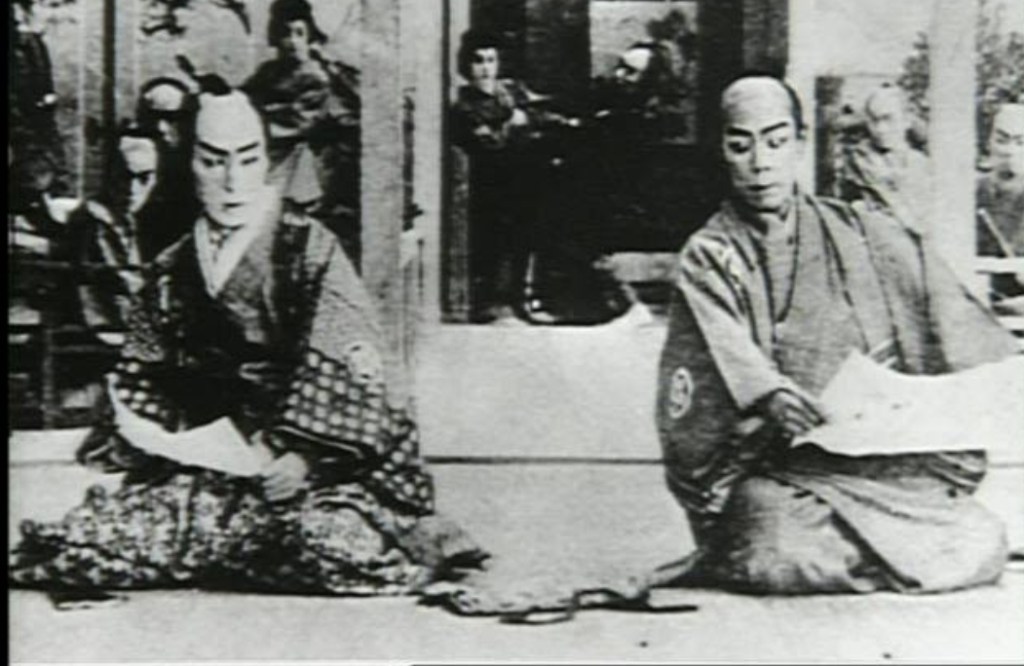
Because of the World War II and the weak economy, unemployment became widespread in Japan and the cinema industry suffered. During this period,when Japan was expanding its empire, the Japanese government saw cinema as a propaganda tool to show the glory and invincibility of the Empire of Japan. Thus,many films from this periods depict patriotic and militaristic themes.

In 1942, Kajiro Yamamoto’s film Hawai Mare Oki Kaisen portrayed the attack on Pearl Harbor. In 1945, Japan was defeated in World War II, the rule of Japan by the SCAP(Supreme Commander for the Allied Forces) began. Movies produced in Japan were managed by GHQ’s subordinate organisation CIE.

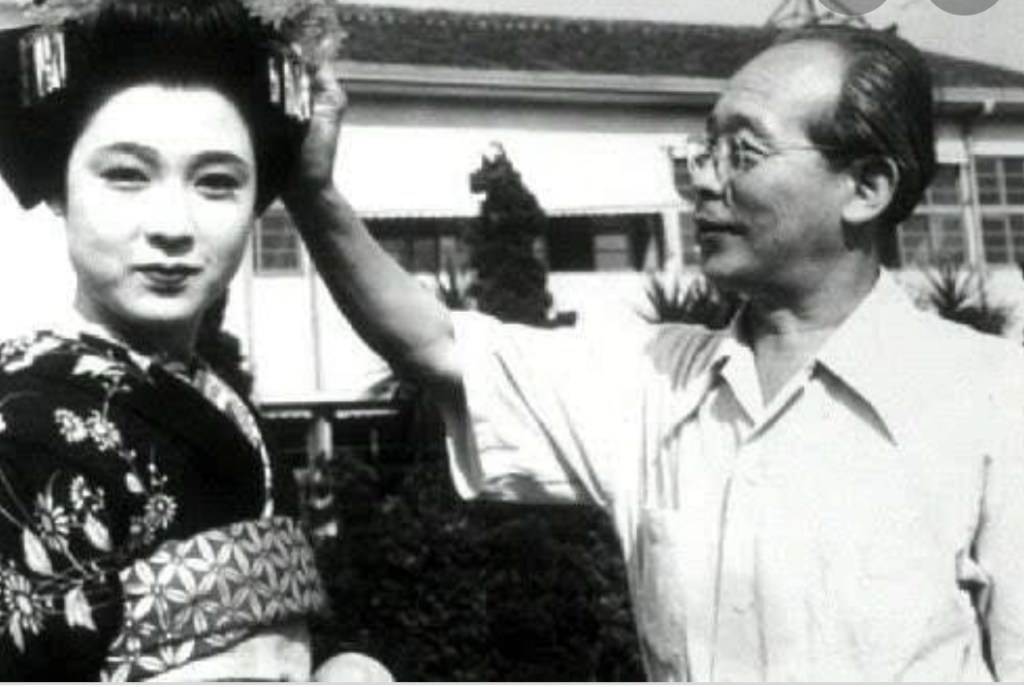
“Akira Kurosawa’s “Akatsuki no Dasso (1950)” was originally a work depicting a Korean military comfort woman starring Yoshiko Yamaguchi,but with dozens of CIE censorship, it became an original work.”

The 1950s are widely considered the Golden Age of Japanese Cinema. Three Japanese films from this decade appeared in the top of sight and sound’s critics and director’s polls for the. EST film of all time in 2002. War movies restricted by SCAP began to be produced, Hideo Sekigawa’s “Listen to the voices of the sea(1950)” and other works aimed at the tragic and sentimental retrospective of the war experience, one after another, it became a social influence.

The decade started with Akira Kurosawa’s “Rashomon(1950)” which won the Golden Lion at the Venice Film Festival in 1951 and the Academy Honorary Award for Best Foreign Language Film in 1952, and marked the entrance of Japanese Cinema onto the world stage. The first Japanese film in color was “Carmen comes Homes” directed by Keisuke Kinoshita and released in 1951.

” The 1980s saw the decline of the major Japanese film studios and their associated chains of cinemas, with major studios Togo and Toei barely staying in business.”

” Mini theaters, a type of independent movie theatres characterized by a smaller size and seating capacity in comparison to larger movie theatres, gained popularity during the 1980s”

https://www.latimes.com/archives/la-xpm-1990-08-26-ca-475-story.html

https://www.bfi.org.uk/lists/best-japanese-film-every-year-from-1925-now

Members of vitamin B-Complex: Chemistry, Functions And deficiency

vitamins are the substances that you need in your diet in small amounts to perform biological functions for maintaining normal health. During evolution the capacity to synthesis most of the vitamins was lost and hence humans need to obtain them from diet.

vitamins are widespread in occurrence including plants and animals. Normally all foodstuffs contain more than one vitamin in them. Plants can synthesis almost all vitamins but animals can synthesis only few. Human body can synthesis vitamin-A from its precursor carotene and vitamin-D from UV light irradiation of ergosterol and 7- dehydrocholesterol. All cells of the body store vitamins to some extent and they carryout functions in very low concentration hence daily requirement is low. They are most effective when taken orally. Now vitamins are also synthesized artificially.

members of vitamin b complex

Vitamin B complex are water soluble vitamins. There are 8 members in the vitamin B complex family. They play crucial role in red blood cells synthesis. Even though the members are chemically distinct, they exist together in the same food.

VITAMINE B1 ( THIAMINE ):

It is a sulfur containing compound and partially heat labile. Presence of pyrimidine ring and thiazole ring joined is the prominent feature.

Vitamin B1 is found in outer coat of rice and wheat. Yeast is also one of the good source. Whole cereals, pulses, oil seeds and nuts are also one of the source.

It is essential for carbohydrate metabolism and convert them into energy. Thiamine pyrophosphate is the prosthetic group of enzyme participated in oxidative decarboxylation of keto acids. It is used in functions of muscle contraction and relaxation and nerve signal conduction.

deficiency in adults results in beriberi. The main symptom of this is insomnia. In Wet beriberi cardiovascular system is affected and in Dry beriberi Central nervous system is affected. In infants it causes infantile beriberi.

VITAMIN B2 ( RIBOFLAVIN) : Riboflavin contains isoalloxazine ring and rabitol- a sugar alcohol in its structure. It is stable to heat and acidic pH.

It helps in releasing energy from proteins. It acts as prosthetic groups in many enzymes. It is important in electron transport chain, acts as antioxidant. It is also helpful in vision improvement. treatment of acne, muscle cramps involves vitamin B2.

green leafy vegetables are the main source of this. pulses, egg, milk also contain this vitamin. Fruits and some vegetables contain it in moderate amount.

Deficiency of vitamin B2 in humans causes oral facial and ocular lesions. It also caused hyperemia, hair loss and reproductive problems. In experimental animals deficiency resulted in growth retardation, cataract and corneal problems.

VITAMIN B3 (NIACIN): Niacin is the derivative of two pyridine derivatives called nicotinic acid and nicotinamide. It is stable to heat and alkaline pH.

This is found in legumes ,yeast, fish, whole grains and meat are also good sources.

This also plays a role in converting carbohydrates into glucose. It also functions in fat metabolism. And functioning of nervous system.

deficiency causes pellagra. In this disorder skin, gastrointestinal tract and nervous system are affected. Glossitis and stomatitis are also symptoms of niacin deficiency.

VITAMIN B5 ( PANTOTHENIC ACID): Chemically it is amide of beta-alanine and dihydroxy dimethyl butyric acid. It is unstable to acid or alkali but stable to heat.

cereals, legumes, meat, liver, milk and eggs are the good source f vitamin B5.

It has a role in breakdown of fats and carbohydrates. It is important in red blood cell formation. It is a component of coenzyme A. It is required for the synthesis of phosphopantotheine of fatty acid synthase complex.

its deficiency is rare in humans. But sometimes its deficiency symptoms may include insomnia, tiredness depression vomiting and pain in stomach area.

VITAMIN B6 (PYRIDOXINE): Certain compounds derived from pyridine like pyridoxine, pyridoxal and pyridoxamine show vitamin B6 activity. These are stable to heat but sensitive to light and alkali.

pulses, liver, whole grains and yeast contain adequate amount of this vitamin. Leafy vegetables, milk and eggs also contain moderate amount.

Deficiency in children causes epileptic form convolutions. Growth retardation problems also seen. Skin lesions are found. Microlytic hypochromic anemia is also a deficiency symptom.

VITAMIN B7 (BIOTIN): It is a sulfur containing vitamin and consists of imidazole ring. It is stable to heat but sensitive to alkaline medium.

Green leafy vegetables like cabbage, spinach, mint leaves, pulses, eggs and liver are good sources. Milk and cereals also contain adequate amount.

Biotin is the prosthetic group of enzymes like pyruvate carboxylase, acetyl coA carboxylase etc. It is involved in carrying of carbon dioxide in carboxylation reduction. It promotes perfect functioning of nervous system. It is important for liver metabolism. Helps in strengthening of hair and nails.

deficiency causes dermities , depression, muscular pain and anemia.

VITAMIN B9 (FOLIC ACID): It consists of pteridine nucleus, para aminobenzoic acid and glutamate. It is sensitive to light and acid. But it is stable to heat.

This is found in green leafy vegetables, Bengal gram, black gram and eggs, Coconut contains adequate amount of folic acid.

It works with vitamin C in production of new proteins. It also helps in synthesis of DNA. It also acts as carrier of carbon units.

In humans deficiency causes megaloblastic anemia, particularly in pregnant women. Bone marrow and intestinal cells are affected. Leucopenia, diarrhea and weakness are also some of the symptoms.

VITAMIN B12 ( CYANOCOBALAMINE) : Cyanocobalamine is made made of tetrapyrrole ring system known as corrin ring with a central cobalt atom.

Animal sources like kidney, liver, brain, fish and eggs are the good source.

It helps in making DNA and blood cells. helps in the maintenance of body’s nervous system.

weakness shortness of breath is of common symptoms of deficiency. It can also cause anemia and nerve problems.

BYJU’S: India’s most valuable Unicorn.

Photo Credits: BYJU’s

What’s the business about?,

BYJU’s is an Indian multinational educational company which was founded in 2011 by BYJU Raveendran and Divya Gokulnath. Today, it’s the most valuable unicorn in India and world’s most valuable technological educational company.

History of BYJU’S

In 2011, Mr. Raveendran and Ms. Divya Gokulnath founded an educational company with the help of their students which provided online video based learning programmes for students of kindergarten to Grade 12th.

In 2015, with the help of Think and Learn Ltd., the business firm launched its first ever app named BYJU’s: The learning app. After that, in 2017, BYJU launched its second app for mathematics for kids and subsequently they also launched another app for parents to help them track their child’s learning course.

Rose to fame: BYJU’s

By 2018, BYJU’s had more than 15 million users and 9 hundred thousand paid users. In 2019, BYJU’s won sponsorship rights for Indian Cricket Team jersey. Popular Indian actors Mohanlal and Shah Rukh Khan are the brand ambassadors for Byju.

Major Services provided by BYJU.

Initially, educational content was only made for students from classes kindergarten to 12. But now BYJU also trains students for Indian competitive examinations like IIT-JEE, NEET, CAT, UPSC and it also trains students for international exams like GMAT and GRE.

In 2019, the company announced that it would soon start providing classes to students in their respective regional languages in India. The same year it also announced the commencement of an international app for students living in countries outside of India.

Byju’s also launched its Future School which is a Kids Coding Platform where kids are taught to code online by experts.

The video tutorials in the app are about 12-20 minutes long and they’re digital animation videos for classes 4th to 12th and hence this makes it easy for students to grasp and learn.

Road to most valued start up!

BYJU’s has raised 350 million dollars from UBS, private equity Equity Giant Blackstone and also from Abu Dhabi state fund ADQ, Phoenix Rising and Zoom.

Byju’s has raised over 1.5 billion dollars in last eighteen months because of the increase in online learning and teaching due to the COVID-19 pandemic.

Byju’s has also acquired several other small business in the recent past like White Hat Jr, Scholr, Osmo and Toppr. In fact, it’s latest fundraising comes from popular educational chain, The Akash Educational Services, estimated at about 950 million dollars.

According to Mr. Raveendran, the 21st century illiterates are not those who can’t read and write, but those who can’t learn, unlearn and relearn.

How to W.R.A.P decisions in Life

Every living being in this universe is subjected to make decisions for their survival – be it an ant and or a humpback whale. Fortunately, humans are the only beings gifted with the power of discrimination of understanding what is right or wrong for us and making a decision accordingly. Decisions can either be positive or otherwise but the quality of your decisions will determine how deeply they would impact your life.

It's A WRAP - Better Decision Making

Chip and Dan Heath, in their book ‘ Decisive: How to Make Better Choices in Life and Work’, talk about a Framework called W.R.A.P for making better decisions
WRAP consists of four elements:
W- Widen your options
R- Reality test your assumptions
A- Attain distance before deciding
P- Prepare to be wrong

Widen your options

There is a misconception that having a lot of options can lead to confusion and is as same as seeing only the big picture. So, people narrow their frames of you and often lose possible options that could have worked better for them.
You can start finding more options by creating a mindset where none of the options you are considering is available. What else can you do? Think about it and be surprised about how many new options crop up!

Reality test your assumptions

While encountering a decision-making situation, we all tend to select the options that support our preconceived beliefs and actions. But that might not work all the time.
We can overcome this by seeking out relevant data that might redeem or discard the options at hand. Also, for example, if you have a piece of work or a product to be published you can sample your work ok for a response from a small group first instead of jumping right into the market. Reason out to yourself why you would want to make a particular choice.

Attain distance before deciding

We often let our short-term emotions cloud our rationality and take hasty decisions. It is imperative to have a well-settled mind before making an important life decision.
Try broadening your point of view. Ask yourself what a reliable third person would do in such circumstances- step into your friend’s shoes or think like someone who you look up to. This can give you a fresh perspective of the situation at hand and make you take a better decision.

Prepared to be wrong

Voice Blog: In Order To Be Original, Prepare to Be WRONG - Ben Francia

We predict a lot in our life. What if a decision that you made is based on such predictions and things actually don’t turn up the way you wanted? What then? You should be ready to acknowledge the decision’s flaw.
Think about working back from a possible future. For example, suppose your work has been published and was poorly received. Think about how the work could have been made better so that you really don’t have to face that situation. Come up with backup ideas that can act like your ‘insurance’ and protect you in case things go the other way.

The next time when you faced a situation, remember that the process is as important as the decision itself. You are the master of your life- so make sure that the decision you made don’t make your life different from what you wanted.
Trust the process!

Types of sleep

During each night a person goes through two stages of sleep that alternate with each other.They are

1)Slow wave sleep and

2)REM sleep

Slow wave sleep

In this type of sleep the brain waves are very slow.Though this sleep is frequently called “dreamless sleep”,dreams actually occur very often and even nightmares occur during this sleep.During this sleep the process of consolidation of the dreams in memory does not occur.This sleep is highly useful in decreasing blood pressure, respiratory rate and basal metabolic rate.

REM sleep or Rapid eye movement sleep

In a normal night sleep,REM sleep lasting 5-30 minutes usually appear on an average every 90 minutes.It is usually associated with active dreaming.The muscle tone throughout the body is exceedingly depressed during this sleep indicating strong inhibition of the spinal projections from the reticular formation of the brain stem.

The heart rate and respiration usually become irregular,which is characteristic of the dream state.During REM sleep,the brain is quite active.But,the brain activity is not channeled in the proper direction for persons to be aware of their sorroundings and therefore to be awake.

Physical effects of sleep

Sleep restores both normal sensitivities of nervous system and “balance” among the different parts of the central nervous system.Due to good sleep arterial blood pressure falls,pulse rate decreases,skin vessels dilate, muscles fall into relaxed state and overall metabolic rate of the body falls by 10-30 Percent.

UNDERSTANDING SOFTWARE DEVELOPMENT LIFE CYCLE

In todays cyber world we are driven with a technical life style which introduces software to be an integral part in our day to day life. It is hardly possible to imagine our every day life with out any computerized process. When we closely observe the applications that we use daily we all get a common doubt that, how were these applications are developed and what is the process behind them? Let me explain you about the process of developing a software keenly.

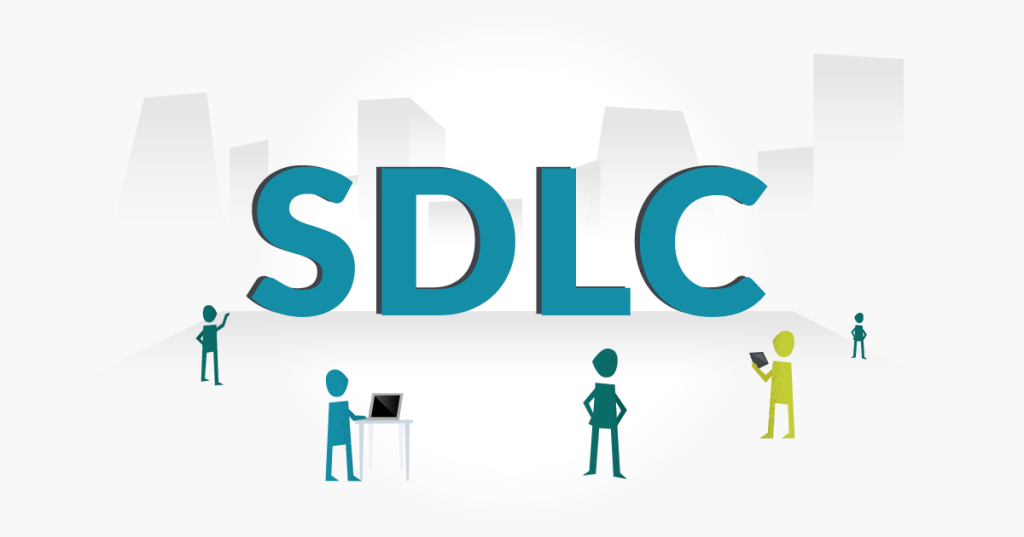
SOFTWARE DEVELOPMENT LIFE CYCLE:

Whenever there is a need for sophisticated system or an end user web or a mobile application we have to design a procedure which describes the whole process of development from starting stage to final stage. Similarly, Software development life cycle is also a methodology or a set of principles that should be followed in every software development team as preliminary steps to development a software.

This software development life cycle organizes the whole work process of the project into different stages which simplifies the work in order to complete it in the desired dead lines and it also focusses on the cost of project development. According to the project type we can apply different software development life cycles. The different SDLC processes applied by the companies are Agile model, RAD model, Waterfall model, Spiral model etc…. Though there are different models for the different kinds of projects, we use the following stages most frequently.

THE STAGES OF SOFTWARE DEVELOPMENT LIFE CYCLE:

1) BRAIN STORMING (OR) PLANNING: This is the first and fore most step in the software development life cycle process. This stage include brain storming session and then the development team finalizes an idea to proceed further into the project. After the completion of brain storming the team plans about the initial and core stages of the project and they also set the time frames and strategies to complete the project. When the prerequisite stage is perfectly completed then only the can move to the requirements stage.

2) DEFINING REQUIREMENTS: In this stage the team understands the project in deeper and classifies the requirements according to the stages of the project development and also in this stage only the team analyzes the future risks of the project and comes to a conclusion on the overall cost of the project.

3) DESIGN: Software design is the most complicated stage in the project development cycle. During this phase the team conceptualizes the created solution and verifies that whether the created solution meets the requirements or not. In this stage the team concentrates on the functionality of the solution and also analyze the structure capabilities, objectives of the proposed solution. After identifying a certain design for the development of software team forward in to development stage.

4) DEVELOPMENT: The development stage is all about converting the design into the actual software through coding. This stage of the development cycle is the longest path as it is the back bone of the whole project and the software development team should have to verify the code constantly to meet the requirements of the project. Once the development of complete architecture of the solution is completed. The team proceeds to the testing stage.

5) TESTING: In this stage the developed solution is tested under different methods in order to fix the bugs in the code and all the verified code at different stages are integrated in this stage. The testing stage is mainly useful for checking the quality of developed code prior to its release.

6) IMPLEMENTATION & MAINTENANCE: Once the software is certified with out having any errors or bugs then the team will release the developed software to production environment. This means the developed software product can be used by customers. Though the software is implemented also the development team must focus on the maintenance of the software in order to fix the bugs and update the new features.

These are the stages that are commonly used in every software development life cycle by a developer team. This SDLC process is use full to make perfect time frames for the completion of desired software product and also SDLC gives a perfect figure about total cost accomplished for the development of the project at every stage. Finally, SDLC is a process which sets the whole work in an organized and simplified manner.

Journalism and mass media

INTRODUCTION:-

Journalism and mass communication graduates work nationwide and worldwide at newspapers and magazines and in advertising, branding, broadcast news, social media, marketing, media research, photojournalism, publication design, public relations, radio, and other areas

Journalism:-

Journalism is the activity of gathering, assessing, creating, and presenting news and information. It is also the product of these activities.Journalism can be distinguished from other activities and products by certain identifiable characteristics and practices. These elements not only separate journalism from other forms of communication, they are what make it indispensable to democratic societies. History reveals that the more democratic a society, the more news and information it tends to have.

JOURNALISM ESSENTIALS

  1. What is journalism?
  2. What makes journalism different than other forms of communication?
  3. What is the purpose of journalism?
  4. The elements of journalism
  5. What does a journalist do?
  6. The journalist as a ‘committed observer’
  7. The theory of the interlocking public
  8. Bias and objectivity
  9. The lost meaning of ‘objectivity’
  10. Understanding bias

1.What is journalism?

Journalism is the activity of gathering, assessing, creating, and presenting news and information. … Journalism can be distinguished from other activities and products by certain identifiable characteristics and practices.

2. What makes journalism different than other forms of communication?

The vast majority of this communication, however, is not news and especially not journalism. Almost 70 percent of email traffic is spam, according to web security company Symantec. In 2012, there were an average of 175 million tweets each day. But almost all – 99% — consisted of “pointless babble,” according to researchers at Carnegie Mellon University.

3. What is the purpose of journalism?

“The purpose of journalism,” write Bill Kovach and Tom Rosenstiel in The Elements of Journalism, “is not defined by technology, nor by journalists or the techniques they employ.” Rather, “the principles and purpose of journalism are defined by something more basic: the function news plays in the lives of people.”

4. The elements of journalism?

In their book The Elements of Journalism, Bill Kovach and Tom Rosenstiel identify the essential principles and practices of journalism. Here are 10 elements common to good journalism, drawn from the book.

5. What does a journalist do?

Asking who is a journalist is the wrong question, because journalism can be produced by anyone.At the same time, merely engaging in journalistic-like activity – snapping a cell-phone picture at the scene of a fire or creating a blog site for news and comment – does not by itself produce a journalistic product. Though it can and sometimes does, there is a distinction between the act of journalism and the end result.

6. The journalist as a ‘committed observer’

Gil Thelen, the former publisher and president of The Tampa Tribune, believes the journalist has a very specific role in society. He calls it the “committed observer.” What he means by that, Thelen explains, is that the journalist is not removed from community, though at times may stand apart from others so as to view things from a different perspective.

7. The theory of the interlocking public

The splintering of mass media audiences and the migration of information consumers to tens of thousands of niche web sites is further evidence that everyone is interested, and expert, in something. The diversity and magnitude of the public, in fact, is its strength. A mix of publics is usually much wiser than a public comprised of just the elite or one segment of special interest.

8. Bias and objectivity

Journalism attempts to be fair and accurate. It does this through objective methods and managing bias. The guides in this section help you understand and navigate those processes.

9. The lost meaning of ‘objectivity’

One of the great confusions about journalism, write Bill Kovach and Tom Rosenstiel in The Elements of Journalism, is the concept of objectivity. When the concept originally evolved, it was not meant to imply that journalists were free of bias. Quite the contrary. The term began to appear as part of journalism after the turn of the 20th century, particularly in the 1920s, out of a growing recognition that journalists were full of bias, often unconsciously. Objectivity called for journalists to develop a consistent method of testing information – a transparent approach to evidence – precisely so that personal and cultural biases would not undermine the accuracy of their work.

10. Understanding bias

For a time, “bias” was the term of choice to describe anything people hated about journalism, whether the power and influence of corporate news organizations to the choices reporters made in writing individual stories. In 2001, in fact, a book about media unfairness entitled “Bias” was number one on the New York Times bestseller list. In recent years the public seems to have adopted a more nuanced view of bias.  Perhaps this is because many critics have found their voice online – where studies confirm that half the blogs contain just the author’s opinion – or that one-sidedness has become a successful business model, as Fox News Channel and MSNBC have demonstrated.

What Is Mass Media?

INTRODUCTION:-

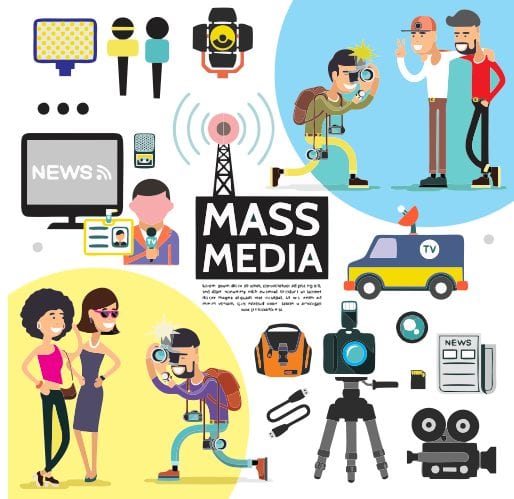
Mass media is communication that is to a large group, or groups, of people in a short time (Mass Media, 2013, p. … This can be written, spoken or broadcast communication. Some of the most popular forms of mass media are newspapers, magazines, radio, advertisements, social media, television, Internet, and films/movies.

Mass Media:-

Think about this for a second: whenever you want to hear your favorite song, watch your favorite show, or see the latest current events, where do you go? You more than likely turn on your television, radio, or computer. The source that the majority of the general public uses to get their news and information from is considered mass media.Mass media means technology that is intended to reach a mass audience. It is the primary means of communication used to reach the vast majority of the general public. The most common platforms for mass media are newspapers, magazines, radio, television, and the Internet. The general public typically relies on the mass media to provide information regarding political issues, social issues, entertainment, and news in pop culture.

There are 6 main types of Mass Media:

  1. Traditional Media
  2. Print Media
  3. Electronic/Broadcasting Media
  4. Outdoor Media or Out of Home Media (OOH)
  5. Transit Media
  6. Digital Media/New Media/Internet

1. Traditional Media:-

People have developed different ways of communication depending upon their local language and culture. Traditional media is one of the oldest types of mass media to transfer traditions and culture over generations. The tools of communication have been developed from beliefs, customs, rituals, and practices of society. Traditional media imparts indigenous ways of communication for ages. Further, this type of mass media varied as per each culture and society as every culture has their own mediums to communicate to their mass audience. Thus, the traditional media can be folk songs, dances, folktales and folklore as well as paintings, sculptures, stupas, statues and fairs, festivals, rural or community radio and announcement mediums like nagada, etc.

Forms of Traditional Media

  • Folk Dances
  • Folk Songs and Music
  • Theatre, Drama, and Folktales
  • Painting, Sculptures, Inscriptions, Statues, and Stupas
  • Motifs and Symbols
  • Announcements made by beating drums or ‘nagada’
  • Shadow Puppetry and String Puppetry
  • Storytelling
  • Nautanki
  • Fairs and Festivals
  • Rural Radio

2. Print Media

In simple words, Print Media is all about the printed form of information and news. Before the invention of the printing press, printed materials had to be hand-written that made mass distribution almost impossible. Print media is one of the basic types of mass media tools making it very popular and convenient to reach a wider audience. Newspapers are considered as the oldest forms of mass media after the traditional mass media as for a long period of time, the general public relied on newspapers to know the latest happenings in their local areas as well as from around the world. Thus, print media originally refers to newspapers and then expanded towards magazines, tabloids, promotional brochures, journals, books, novels and comics.

Forms of Print Media

  • Newspapers (broadsheet and tabloid)
  • Periodicals, Newsletters, and Magazines (general or specific interest)
  • Brochures, Leaflets and Pamphlets
  • Journals
  • Books, Novels and Comics

3. Electronic/Broadcasting Media

Broadcasting is simply a distribution of audio and video content to a dispersed audience using the electronic broadcasting medium. Originally the term ‘broadcasting’ referred to the sowing of seeds on farms by scattering them over the large field. Broadcast media allows ease of news dissemination to even an illiterate person because it appeals to both the auditory and visual senses making it one of the most lucrative types of mass media. Centuries later after the newspapers were used as the original mass media, the advent of radio and television happened. Radio was the primary medium of news for the general public during wars as well as for sports and entertainment. When television was invented, it became the most effective type of mass media as it was primarily used for news dissemination and then for TV shows, live events and other entertainment purposes.

Forms of Broadcasting Media

  • Television
  • Radio (AM, FM, Pirate Radio, Terrestrial Radio, and Satellite)
  • Traditional Telephone
  • Film/Movie/Motion Picture
  • Video Games
  • Audio Recording and Reproduction

4. Outdoor Media or Out of Home Media (OOH)

This is also known as OOH or Out-of-Home Media and is focussed on transmitting information and news when the public is outside their home. Outdoor media gives importance to display advertising and attracting individuals towards new products, some social cause or any development or change in the society. These are prominent in brand promotion seen on buildings, streets, electric polls, roadside, vehicles, screens, kiosks, etc. This is one of the most prominent types of mass media used for commercial as well as public welfare advertising and mainly includes billboards, banners, posters, brochure distribution, ComPark Advertising, Wallscape, amongst others!

Forms of Outdoor Media

  • Billboards or Bulletins
  • Inflatable Billboards
  • Mobile Billboards
  • Banner
  • Lamppost Banners
  • Posters
  • Signs and Placards
  • Blimps, Skywriting
  • Brochure distribution
  • ComPark Advertising
  • Wallscape

5. Transit Media

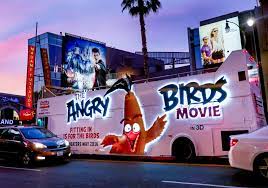
Transit Media revolves around the concept of advertising and information dissemination when consumers are “on the go” in public places or in transit. These include display advertising on vehicles and transportation. With the aim “driving home a message” transit media is significantly used for massive brand promotion to millions of people who travel the country’s streets and highways every day.Some people might think that this type of mass media is outdated or ineffective, yet it is widely visible on the sides of buses, in subway cars, at transit stations where passengers enter or disembark from public transportation.

Forms of Transit Media

  • Bus Advertising
  • Railway Advertising
  • Taxi Advertising
  • Transit Shelter Advertising

6. Digital Media/New Media/Internet

Since the invention of the World Wide Web by English scientist Tim Berners-Lee in 1989, the Internet has drastically taken over all the types of mass media because of faster dissemination speed and higher digital technology. New Media is an interactive two-way communication with users being the active producers of content and information. The Internet is considered as a highly interactive mass medium and can be simply defined as the “network of networks”. It has quickly transformed as the centre of the mass media as it has marvellously integrated all the prominent types of mass media. Now, you can see news websites, broadcasted TV shows as well as listen to online radio using the internet and this is also called as the convergence of mass media!New Media is normally a re-conceptualization of the existing media. This is a rapidly growing mass media with the ease of accessibility with a computer and an Internet connection (broadband or WiFi). From Story Writing and Graphic Designing to Multimedia and Animation, pursuing a career in this field can be highly advantageous.

Forms of Digital Media

  • Websites
  • Emails
  • Social Media and Social Networking Sites (SNS)
  • Webcast and Podcast
  • Blogging and Vlogging
  • IPTV (Internet Protocol Television)
  • E-forums and E-books
  • E-commerce and M-commerce
  • Digital Videos
  • Computer Animation
  • Digital Video Games
  • Human-Computer Interface
  • Virtual World & Virtual Reality

Reference Link:-

https://www.americanpressinstitute.org/journalism-essentials/what-is-journalism/

https://leverageedu.com/blog/types-of-mass-media/

GRATITUDE- A LIFE CHANGING HABIT

Gratitude is  the characteristic of being joyful and is the willingness to express gratitude for and reciprocate kindness. According to Harvard medical school “People express thanks for the wonderful things in their lives As a consequence of which gratitude allows people to connect to something bigger than themselves whether it’s other people, nature, or a greater force.” 

It serves as a reminder that you have enough and that you are sufficient. 

Gratitude is a life changing habit because it has plethora of scientifically validated advantages. People who consistently practice gratitude in their daily lives by setting aside time to notice and reflect on the things for which they are grateful about get endless advantages as follows:-

  • Enhances mental well-being

Gratitude has a significant positive effect on psychological well-being. It boosts our self-esteem, stimulates positive thoughts, and elevates our optimism. In an older research from 2003 it has been found out that gratitude was connected to enhanced mood. Recently, According to a study published in 2020, expressing thankfulness on a regular basis might help alleviate anxiety and depressive symptoms.

  • Immune system booster

Gratitude has been demonstrated to aid in the development of a positive attitude. Over the years various researches have been conducted which shows improved immune system and lower stress levels as a result of practicing gratitude. According to a 2004 assessment of data, stress reduces the immune response to possible physiological threats, but mental well-being can assist your body fight sickness which can be done by being thankful. 

  • It multiplies happiness and makes you a happier person 

Many researchers have found out that Gratefulness and happiness are inextricably linked. Practicing to be grateful might be a simple and effective strategy to increase your happiness. Gratitude, whether expressed or received, makes both people happier and allows them to see things in a more positive light which helps in lowering our focus on negative emotions and accepting everything about our situation if its bad and good.

  • It also helps in building better relations 

Gratitude is essential in the formation of new connections as well as the strengthening of old ones. According to a 2010 study, spouses who expressed appreciation to one another reported higher relationship satisfaction and pleasure the next day. Thus, it can be said that Gratitude might make couples feel more happy with one other in love relationships and help them in building a strong relationship with each other.

  • Boosts optimism

It also makes a person optimistic who thinks that good things will happen. It can be concluded by seeing the result of 2018 study which states that gratitude practice might help you create an optimistic perspective if you’re not typically optimistic. A study was also conducted in 2003 on participants in which Participants felt more hopeful and positive about their current lives and the future after just 10 weeks of frequent gratitude practice.

So, I want to conclude that Gratitude is essential for bringing about change in one’s life. It relieves tension, makes you humble, and improves the quality of your relationships. It takes away your bad energy and replaces it with positivity. I believe that everyone should master the art of thankfulness in order to witness a positive shift in their lives. It can be done by making a gratitude journal of your own, meditation and Paying attention to the small pleasures in life which will offer you a lot of delight andshall almost certainly have a beneficial long-term impact on your mental health and well-being, if practiced daily. 

VEGETABLE.

No matter where you look when you think of the effective tupe of diet which you can have and the importance of vegetable for our health is being proved in all researchers. A large study which was recently conducted in Spain found that have the lowest depression rate because of the rich in vegetables and their consumption. Comparatively vegetables arr rich and cheaper sources of vitamins. They play key role in neutralizing the acids produced during digestion and fatty . Their are a wide range of vegetables that gives us more choices and which have their own nutrients benefits.

looking on some nutritious vegetables the 1st highest rated vegetable is green leafy which as full of vitamins, minerals, phyto-chemicals to fight diseases, contains a lot of water level which helps to keep us hydrated this are rich in Ron, folic acid, and other vitamin like K,C. It also has rich in antioxidants that lowers blood pressure and benefits heart health.

Kale is very popular leafy green vegetable that provide around 7 calories and vitamin such as A,C,K.

cauliflower is an perfect source of vitamin C ,A,B-complex and E evry single cauliflower contain antioxidant called Indole-3 carbinel that help cancer recovery that have low in calories,very lie sodium and has not fat cholesterol,rich in protein,iron, calcium and magnesium. Green peas are the best source of fiber,iron, and vitamin A,C and B1 which is essential for energy production, nerve function and provides 9 gram of Biber per peas and contain 134 calories which are best source of plant based protein for people who are vegetarian or vegan diets.

Onion and garlic are the verb that protects against stomach cancer, blood clots and improves lung function in case of asthma and garlic contains amino acid which act as an antibiotic and bactericidal effects

Carrots are the 1st rated richest good in vitamin A for healthy eye sight and also have cancer fighting properties that contain 53 calories which help to keep our blood cholesterol level control and keep your skin healthy.

Sprouted have the 8 calories and amount of vitamin K that improves the digestibility and Increase the dietary fiber content. These sprouts also boast several compounds that contribute good health.

Beets and beet juice have the rich calories of 58.5 and 442mg of potassium that improves heart helath and lowered blood pressure in healthy people. These benfit people with diabetes that contain alpha-liopic acid.

Enjoy range of vegetables daily to boost your helath benefits as possible.

Introduction about different Schools, Colleges, Universities

Introduction about different Schools:-

INTRODUCTION:-

ust as teachers may teach a broad spectrum of subject matter from math, science, English, to foreign languages, technology and the arts, they also teach across a wide age range and in many different classroom settings around the country.

The specific type of school in which a teacher teaches can have a huge impact on many aspects of their teaching career. From public schools — including magnet schools, charter schools, urban schools, rural schools and high needs schools — to private schools including military schools and boarding schools, every classroom setting is different and each has it’s own unique benefits and challenges. Deciding where you are best able to make a difference can be difficult.

Learn more about each type of schools to help you decide where you can fit in best:

  • Public Schools
  • Charter Schools
  • Magnet Schools
  • Private Schools
  • High Needs Schools
  • Urban Schools
  • Rural Schools

1. Public Schools:-

 A public school is government funded and all students attend free of cost.Because of funding from several sources, private schools may teach above and beyond the standard curriculum, may cater to a specific kind of students (gifted, special needs, specific religion/language) or have an alternative curriculum like art, drama, technology etc. Public schools have to adhere to the curriculum charted out by the district, and cannot deny admission to any child within the residential school zone.Public schools are often thought of as shoddy, less disciplined and low-grade curriculum.

2. Charter Schools:-

A charter school is a public school that operates as a school of choice. Charter schools commit to obtaining specific educational objectives in return for a charter to operate a school. Charter schools are exempt from significant state or local regulations related to operation and management but otherwise adhere to regulations of public schools — for example, charter schools cannot charge tuition or be affiliated with a religious institution.In other words, charter schools are publicly accountable — they rely on families choosing to enroll their children, and they must have a written performance contract with the authorized public chartering agency. Charter schools are also autonomous — they have more flexibility in the operations and management of the school than traditional public schools.

3. What Is A Magnet School:-

Unlike charter schools or private schools, a magnet school is part of the local public school system. At regular public schools, students are generally zoned into their schools based on the location of their home – students go to the school that is nearest where they live. However, this may not always be true since boundaries can seem arbitrary and in some smaller towns schools are not zoned at all. But, magnet schools exist outside of zoned school boundaries. Whereas private schools are completely separate from local public school districts, and charter schools are public schools with private oversight, magnet schools remain part of the public school system and operate under the same administration and school board.

4. Private Schools:-

Many of the private primary and secondary schools in the United States were founded by religious institutions in order to incorporate religious beliefs and teachings into their students’ education, integrating it with a traditional academic curriculum. Some of the first religious schools were founded by the Catholic Church, and these parochial schools are still prevalent amongst private schools. Since then, however, many other religious denominations have started schools to provide religious education, and families often choose to enroll their children in schools whose policies reflect their own values. Nowadays, Protestant, Jewish, Muslim, Orthodox Christian and other religiously based schools are quite common. In addition, some private schools, boarding schools and military academies, offer their own unique approaches to education.

5. High Needs Schools:-

The No Child Left Behind Act of 2001 External link  defines a high-needs school as “within the top quartile of elementary and secondary schools statewide, as ranked by the number of unfilled, available teacher positions; or is located in an area where at least 30 percent of students come from families with incomes below the poverty line; or an area with a high percentage of out-of-field-teachers, high teacher turnover rate, or a high percentage of teachers who are not certified or licensed.” Essentially, high needs schools require teachers because they cannot fill job vacancies or retain teachers, or they have teachers who are not qualified or who teach in subjects outside their field. High-needs schools also serve communities of higher poverty rates, where classrooms are influenced by the difficulties of their students’ lives. Most high-needs schools are located in rural or urban areas.

6. Urban Schools:-

When thinking of high need schools, the first thing that comes to mind for many people is the image of an inner city school, crowded and poorly funded. The truth is, while this is a stereotype and many urban schools perform exceptionally well, there are still urban schools across the country that are in high need of teachers and resources.At the most technical level, urban schools are classified as city schools by the National Center for Education Statistics External link  (NCES). The NCES categorizes all schools into four locales by their size, population density and location in relation to a city. This is an “urban-centric” classification system. The four locale categories used by the NCES’ urban centric classification system External link  are city, suburb, town and rural. Urban schools are then broken down into three subcategories based on the Census Bureau External link ’s definitions of urbanicity:

7. Rural Schools:-

Ultimately, the technical definition of a rural school corresponds to our general understanding of rural areas; they are characterized by geographic isolation and small population size. All schools are categorized into four locales by their size, population density and location. The National Center for Education Statistics External link  (NCES) defines these locales by the school’s proximity to a city an “urban-centric” classification system. The four locale categories used by the NCES’ urban centric classification system External link  are city, suburb, town and rural. Rural schools are then broken down into three subcategories based on the Census Bureau External link ’s definitions of urbanicity. Rural schools are also all classified as high need schools.

Introduction about different Colleges:-

INTRODUCTION:-

college (Latin: collegium) is an educational institution or a constituent part of one. A college may be a degree-awarding tertiary educational institution, a part of a collegiate or federal university, an institution offering vocational education, or a secondary school.

In most of the world, a college may be a high school or secondary school, a college of further education, a training institution that awards trade qualifications, a higher-education provider that does not have university status (often without its own degree-awarding powers), or a constituent part of a university. In the United States, a college offers undergraduate programs; it may be independent or the undergraduate program of a university, it is generally also used as a synonym for a universitywhile in some instances a college may also be a residential college. A college in francophone countries [fr]—France (see secondary education in France), Belgium, and Switzerland—provides secondary education. However, the Collège de France is a prestigious advanced research institute in Paris.

Learn more about each type of colleges to help you decide where you can fit in best:

  • Community and Junior Colleges
  • Historically Black Colleges and Universities 
  • Liberal Arts Colleges
  • Women’s Colleges
  • Tribal Colleges
  • Technical Institutes and Professional Schools

1. Community and Junior Colleges:-

These colleges offer the first two years of a liberal arts education, as well as career or vocational training. Successful completion of a community or junior college curriculum earns graduates an associates degree. Many students continue on to a four-year institution after completing a community or junior college program.

2. Historically Black Colleges and Universities:-

These colleges originated when African-American students were legally denied access to most other institutions of higher education. Now, these colleges celebrate African-American culture and empowerment, and give black students the chance to experience an educational community in which they are finally part of the majority. A common abbreviation for this type of college is HBCU.

3. Liberal Arts Colleges:-

These colleges focus on the education of undergraduate students (students who are earning a bachelors degree). Classes are generally taught by professors who see teaching as their primary responsibility. Because most liberal arts colleges are smaller than universities, classes tend to be smaller and more personal attention  is available. Instead of preparing for a specific career path, students who attend liberal arts colleges are exposed to a broad sampling of classes. In addition, they select at least one area of in-depth study that is their college “major.” Many employers look for graduates of liberal arts programs.

4. Women’s Colleges:-

These colleges offer women the opportunity to enjoy a learning community where they are in the majority. Additionally, these colleges have a much larger population of female faculty and administrators. Women’s colleges graduate a high number of science majors, as well as students who continue on to graduate school or professional studies.

5. Tribal Colleges:-

Like HBCUs or Women’s colleges, these colleges focus on the needs and education of a group that has been traditionally underrepresented in higher education. In this case, these colleges focus on the education and empowerment of Native American students while celebrating a specific tribe’s unique culture and accomplishments.

6. Technical Institutes and Professional Schools:-

These colleges or institutes enroll students who have made a choice as to what career path they are taking. The curriculum at these colleges focuses solely on preparing students for these specific careers. Most of the career options offered at these colleges are in music, fine arts, engineering, or technical sciences.

Introduction about different Universities:-

INTRODUCTION:-

The original Latin word universitas refers in general to “a number of persons associated into one body, a society, company, community, guild, corporation, etc”. At the time of the emergence of urban town life and medieval guilds, specialized “associations of students and teachers with collective legal rights usually guaranteed by charters issued by princes, prelates, or the towns in which they were located” came to be denominated by this general term. Like other guilds, they were self-regulating and determined the qualifications of their members.

In modern usage the word has come to mean “An institution of higher education offering tuition in mainly non-vocational subjects and typically having the power to confer degrees,” with the earlier emphasis on its corporate organization considered as applying historically to Medieval universities.The original Latin word referred to degree-awarding institutions of learning in Western and Central Europe, where this form of legal organisation was prevalent and from where the institution spread around the world.

Learn more about each type of Universities to help you decide where you can fit in best:

  • Central universities, or Union universities
  • State Universities
  • Private Universities
  • Deemed university

1. Central universities, or Union universities:-

in India are established by an Act of Parliament and are under the purview of the Department of Higher Education in the Ministry of Education.In general, universities in India are recognised by the University Grants Commission (UGC), which draws its power from the University Grants Commission Act, 1956.In addition, 15 Professional Councils are established, controlling different aspects of accreditation and coordination.Central universities, in addition, are covered by the Central Universities Act, 2009, which regulates their purpose, powers, governance etc., and established 12 new universities.As of 1 June 2020, The list of central universities published by the UGC includes 54 central universities.

Other types of universities controlled by the UGC include:

  • State universities are run by the state government of each of the states and territories of India, and are usually established by a local legislative assembly act.
  • Deemed university, or “Deemed-to-be-University”, is a status of autonomy granted by the Department of Higher Education on the advice of the UGC, under Section 3 of UGC Act, 1956.
  • Private universities are approved by the UGC. They can grant degrees but they are not allowed to have off-campus affiliated colleges.

Apart from the above universities, other institutions are granted the permission to autonomously award degrees. These institutes do not affiliate colleges and are not officially called “universities” but “autonomous organisations” or “autonomous institutes”. They fall under the administrative control of the Department of Higher Education.These organisations include the Indian Institutes of Technology, the National Institutes of Technology, the Indian Institutes of Science Education and Research, the Indian Institutes of Engineering Science and Technology, the Indian Institutes of Management, the National Law Schools, the All India Institute of Medical Sciences, and other autonomous institutes.

2. State Universities:-

State universities are run by the state government of each of the states and territories of India, and are usually established by a local parliament act. As of 26 August 2011, the UGC lists 281 state universities, around 170 of which are receiving Central/UGC assistance. The oldest establishment date listed by the UGC is 1857, shared by the University of Mumbai, the University of Madras and the University of Calcutta.

In India, state universities are run and funded by the state government of each of the states of India.Following the adoption of the Constitution of India in 1950, education became a state responsibility. Following a constitutional change in 1976, it became a joint responsibility of the states and the central government.As of 17 March 2021, the UGC lists 426 state universities.

3. Private Universities:-

Private universities are approved by the UGC. They can grant degrees but they are not allowed to have off-campus affiliated colleges. The UGC list from 1 September 2011 lists 94 private universities.

Private universities and private colleges are usually not operated by governments, although many receive tax breaks, public student loans, and grants. Depending on their location, private universities may be subject to government regulation. This is in contrast to public universities and national universities. Many private universities are nonprofit organizations.

4. Deemed university:-

Deemed university, or deemed-to-be-university, is an accreditation granted to higher educational institutions in India, conferring the status of a university. It is granted by the Department of Higher Education.To quote the Ministry of Human Resource Development (MHRD), “An Institution of Higher Education, other than universities, working at a very high standard in specific area of study, can be declared by the Central Government on the advice of the University Grants Commission (UGC), as an Institution ‘Deemed-to-be-university’. Institutions that are ‘deemed-to-be-university’ enjoy the academic status and privileges of a university.”

Deemed university, or “Deemed-to-be-University”, is a status of autonomy granted by the Department of Higher Education on the advice of the UGC, under Section 3 of UGC Act, 1956. The UGC list from 23 June 2008 lists 130 deemed universities. According to this list, the first institute to be granted deemed university status was Indian Institute of Science which was granted this status on 12 May 1958. Note that in many cases, the same listing by the UGC covers several institutes. For example, the listing for Homi Bhabha National Institute covers the Institute of Mathematical Sciences, the Indira Gandhi Centre for Atomic Research and other institutes. The list below includes only the major institute granted the status, and such additional institutes are not listed separately.

Reference Link:-

https://teach.com/careers/become-a-teacher/where-can-i-teach/types-of-schools/rural/

https://www.cappex.com/articles/match-and-fit/the-different-types-of-colleges

https://sites.google.com/site/universitiesindiaonline/types-of-universities-in-india