

India’s Covid-19 fatality rate has declined to 2.72 per cent. This is lower than the fatality rates observed in many other countries in the world. Union Health Ministry said, the focus of Covid-19 management in the country has been to keep the fatalities low. It was 2.82 per cent a month ago. Health Ministry also noted that 30 states and Union Territories have a fatality rate lower than the national average. Manipur, Nagaland, Dadra and Nagar Haveli and Daman and Diu, Mizoram, Andaman and Nicobar Islands, Sikkim have zero fatality rate.
The recovery rate has improved to 62.42 per cent. In 18 states and UTs the recovery rates are higher than the national average.
The ministry said with the support and guidance of the Central government, the states and union territories have taken many steps like mapping of communities to focus on high-risk groups like the elderly/aged and population with comorbidities, and providing special care to them.
It said, there is a focus on the improvement of quality of medical care for coronavirus patients. The country-wide strong network of ASHAs and ANMs along with Ayushman Bharat Health and Wellness Centres have helped in effective surveillance and contact tracing of the cases, including the lakhs of migrants and returnees, it said.
Author: Eduindex News
Visit us for more news at https://eduindex.org
PM welcomes foreign investments in renewable energy sector; Describes India most attractive market for clean energy
Prime Minister Narendra Modi has welcomed foreign investment in the renewable energy sector and described India the most attractive market for clean energy. He said solar energy will play a big role in Atmanirbharta or self reliance, and remains a core focus of the government. Prime Minister was inaugurating Asia’s biggest solar project in Rewa, Madhya Pradesh through vodeo link yesterday.
The 750 MW plant in Rewa is the first renewable energy project to provide energy outside the state to Delhi Metro. Mr Modi said he expects Madhya Pradesh to become a hub of clean energy in India with the addition of this project. The state currently has solar energy projects in construction at Neemuch, Shajapur, Chattarpur and Omkareshwar.
Calling solar energy “sure, pure, and secure”, Mr Modi said India is one of the most attractive markets for clean energy. He said Solar energy is going to be a major medium of energy needs, not only today but in the 21st century. He said that Rewa’s “ultra mega” project will reduce carbon dioxide emissions every year by about 1.5 million tonnes, which would have otherwise been a by-product of conventional energy sources.
On reducing reliance on imports, Mr Modi said the government has realised the need for commissioning many such other projects which would manufacture PV cells, batteries and storage equipment.
The conflict of Kashmir…
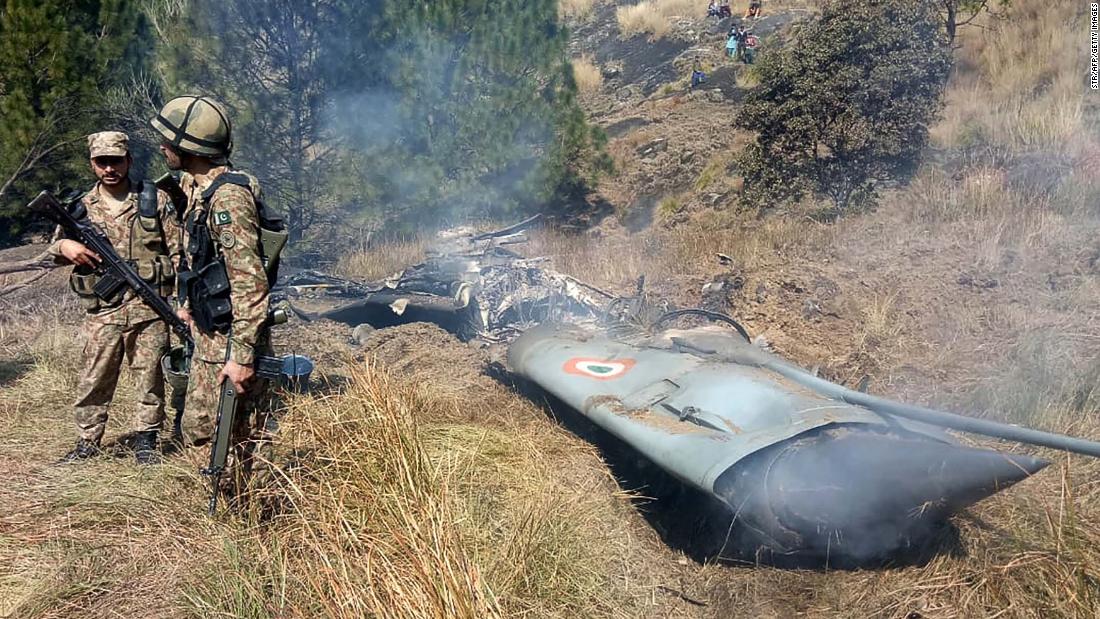
On February 14th 2019, a suicide bomber attacked a convoy of Indian security forces. “We’re getting reports of multiple casualties in a roadside…” He killed at least 40 Indian soldiers here in Kashmir. “The deadliest attack the region has seen this century.” The bomber was part of an Islamic militant group based in Pakistan. “Jaish-e-Mohammed claimed responsibility for that attack.” 12 days later, India carried out airstrikes in Northwestern Pakistan. Then Pakistan shot down at least one Indian aircraft around here. “The most serious escalation in years.” Kashmir is one of the most disputed places on Earth. Over the course of 70 years, it’s been at the center of three wars fought between two massive armies. It’s heavily occupied by more than half a million Indian troops and a deadly collection of militias and terrorist groups.
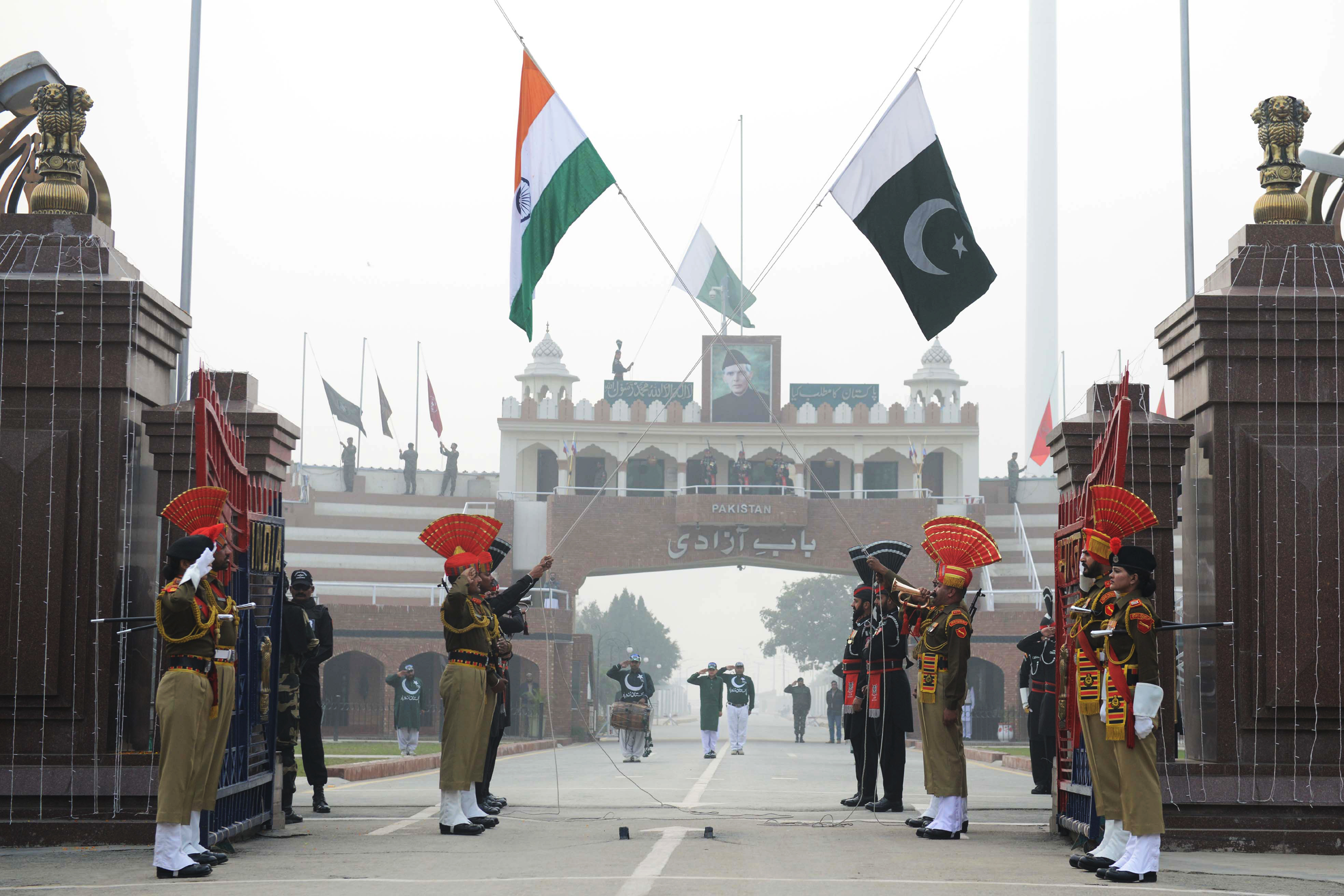
Kashmir is the stage for the relentless conflict between India and Pakistan. But focusing on the two countries can obscure what’s really at stake: The voice of Kashmiris who are caught in a vicious cycle of violence. Kashmir is one of the most strategic places in the world, where 3 powerful countries collide: India, Pakistan, and China. China invaded and took this slice of Kashmir from India. And was given this one by Pakistan. India and Pakistan control these parts, but lay claim to more. This region is at the center of a brutal conflict over these disputed borders. So it’s important to start when they were being drawn. In the mid-1800s, India was a patchwork of several hundred provinces and princely states under British rule. A century later, when British India won independence, the British left and hastily decided to split the region into two. These areas would be a new Muslim-majority country, Pakistan. And this would be the mostly Hindu, but secular, India. The partition was bloody. “Communal hatred flares up within the Punjab.” “1 million people become refugees overnight.” “They flee from savagery and butchery that has never been exceeded, even in India’s stormy history.” Amid the chaos, some princely states were given the choice to join either country. In most cases, the ruling monarchs followed the will of their people. But this state, called “Jammu & Kashmir” was different. It was right along this new border and had a Muslim-majority population, but was ruled by a Hindu monarch. When asked to pick a side, the ruler chose to stay neutral Fearing that the monarch would join India, the Kashmiri population rebelled here in 1947 Armed tribesmen from Pakistan soon joined the fight.
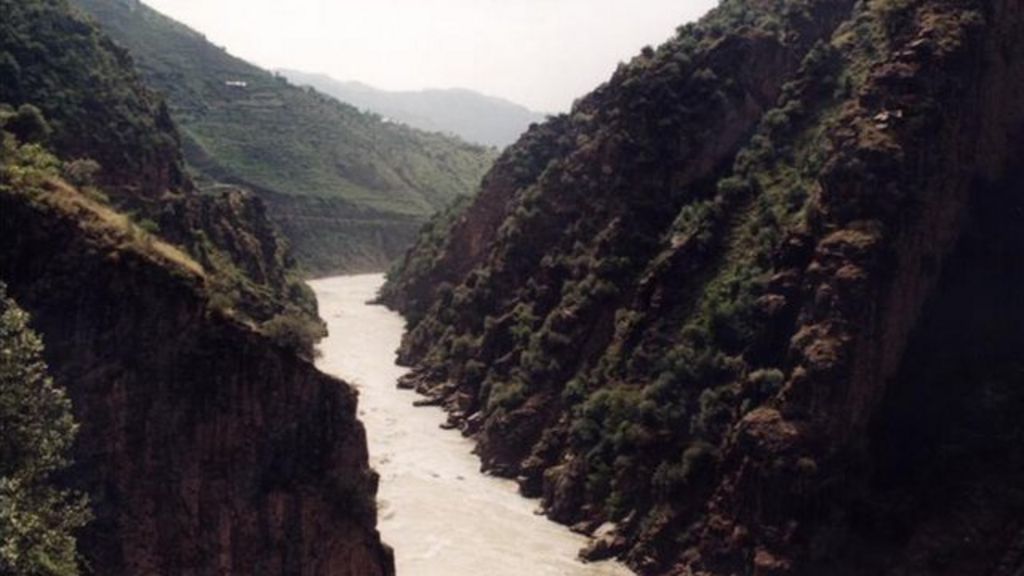
The monarch turned to India for military help and in exchange agreed to join them, which sparked the first Indo-Pakistan war in Kashmir. “Continuing thus increased the threat to world peace and brought the dispute to the eye of the United Nations . The UN Security Council brokered a ceasefire in 1949, which established this line with Pakistan controlling this side and India this one. It also asked Pakistani tribesmen to withdraw and Indian troops to follow, so that Kashmir could hold a direct vote to decide its own future. But neither held up their end of the deal. Pakistan argued that Kashmir’s Muslim-majority population rightfully belonged with them. While India insisted that Kashmir was handed over to them by the Hindu monarch. So they doubled down and added Kashmir to their constution. Both countries continued to tighten their grip around it for many years . “Kashmir. Fighting is going on and heavy casualties in men and equipment have been inflicted on the aggressor.”
In 1965, the second India-Pakistan war broke out in Kashmir. Thousands of people were killed between the huge armies on both sides. A ceasefire ended the war, but didn’t change this line. Kashmir was kept divided and occupied. And another war broke out in 1971. This time the focus wasn’t in Kashmir — it was in East Pakistan. Here, India helped rebels fight for independence and dealt Pakistan a devastating defeat. This region became a new country, Bangladesh, and Pakistan lost its eastern half. This made Kashmir more important than ever: It became one of the most militarized places on Earth, as India and Pakistan deployed planes, tanks, artillery, and soldiers along the Line of Control. On the political front, in ’87, India reportedly rigged an election, declaring a pro-India party as the winner. Now this was a big turning point for many Kashmiris, who felt they were again denied the chance to vote. Thousands took to the streets in Indian-controlled Kashmir to protest the occupation. But India met the movement for independence with harsh resistance. Which quickly escalated to more violence.
“In January security forces opened fire on demonstrating separatists, turning a two-year old struggling movement into a full-blown popular uprising.” “More than 600 people are killed in clashes between troops and separatists.” Kashmiri militias, just like the Jammu and Kashmir Liberation Front, started recruiting Muslim youth to fight for independence. And increasingly attacked the Indian military. Pakistan saw an opportunity in this insurgency. They helped introduce a new kind of militant group: Radical Islamic fighters who fought for a more pro-Pakistan Kashmir. By the mid ’90s, these groups dominated the insurgency. India responded with incredible military force, deploying 500,000 troops to Kashmir. And they cracked down on militants and protestors. Unarmed civilians were killed and many more were forced to flee the violence. And in ’98 the stakes were raised yet again. “Today India conducted three underground nuclear tests.” “Pakistan today successfully conducted five nuclear tests.” Kashmir became a battleground between two nuclear-armed nations and another war broke out in 1999. “More evidence of the attacks being launched on the Indian-controlled area of Kargil.” “The past two days have seen a number of the fiercest fighting thus far .” “Militant Muslim fighters have also crossed over into some parts of Indian-ruled Kashmir.” The 1999 war ended with another ceasefire, but that did not stop either country.
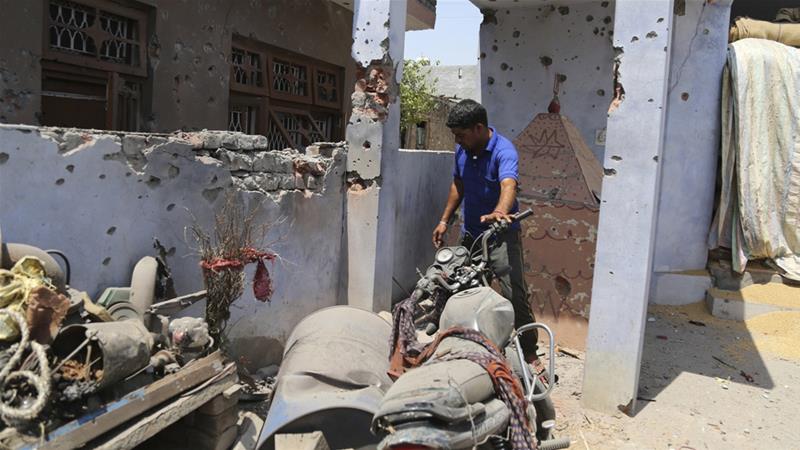
Over the years, Pakistan’s militant groups got bolder and launched terror attacks in Kashmir and outside of Kashmir. In 2001, members of Lashkar-e-Taiba bombed India’s parliament building in New Delhi killing 14 people. And in 2008, 10 militants from the same group killed 174 people and wounded 300 in Mumbai. Meanwhile, Indian military cracked down in Kashmir, firing bullets and pellets on unarmed protesters. Leaving hundreds wounded and blind. This is the vicious cycle of violence. The Indian Army’s crackdown drives some Kashmiris to join Pakistani-backed militant groups, who carry out violence against the Indian forces. It’s a cycle that Kashmiri civilians are stuck in the middle of. Which brings us back to 2019. The suicide bomber was 19-year old Adil Ahmed Dar from Pulwama, Kashmir. According to his parents, in 2016, Indian police officers stopped him and humiliated him by forcing his face into the ground. The same year he was shot in the leg at a protest. The next year, Dar left home with his brothers, to join Jaish-e-Mohammed, a Pakistani-supported militia that radicalized him and trained him to be a suicide bomber. A year later, he drove explosives into an Indian military convoy. For more than 70 years India and Pakistan have driven a cycle of violence, retaliation, and exploitation in Kashmir. But beneath it all is the Kashmiri’s wish to make a choice. A wish that continues to be suppressed, again and again, by violence.
Role of Youth in Eradicating Corruption.
Once, Dr. A.P.J Abdul Kalam has rightly said, ” If a country is to be corruption free and become a nation of beautiful minds, I strongly feel there are three key societal members who can make a difference. They are – Father , Mother and the teachers.”
The truth is, corruption is now a worldwide phenomenon. But according to me the fourth and the most important societal member who can eradicate corruption is the YOUTH of our country. The real war has to be fought against these social evils and as the leaders of tomorrow it is our prime responsibility and duty. Why should we create awareness in small children about such vicious crimes ? Because – Things sowed in the minds of young take deep roots.
In reality, it is very difficult to root out the infectious disease known as corruption which has become rampant in every field of life. However instead of bearing it we must challenge it. Some years ago when social activist Anna Hazare started the anti-corruption moment, the maximum crowd was of schhool and college students. Their support is what made the purpose of the protest a succesful one. But was that enough?
Mahatma Gandhi- the father of our nation has quoted ,” A small act of good deed can cause endless ripples.” Youth of our country should remain vigilant and never allow themselves to be exploited by this social evil. Many people say that nothing can be done, but I believe things can change. Of course individual efforts can bring excellence but only collective efforts can be delivered effectively.
In the modern era, our Government is slowly accepting the opinions of young minds and their needs have been put forth as priority.I truly believe that the modernisation and dinamic attitude in the Indian parliament will slowly yet steadily change the phase of our nation. According to me it is not only the duty of politicians and government officials to boycott curroption but also the duty of each and every individual to war against it.
Whenever the circumstances may come, public should not bribe school or college managements to accomodate seat and admissions. We should not bribe traffic police for violating the traffic rules. Corruption has made our country lawless. Muscle and money power has come the law. Our freedom fighters fought all their lives to give us freedom from physical slavery. However we as a educated generation are not free from financial slavery.
Gandhi led the non-violent fight against the british but the currency note which bears his photo is the medium of corruption. What an irony ! Corruption is a virus which can be eradicated if the youth of our country decides to do so. No matter how much the delay we must not pay the bribe at any cost.
Albert Einstein has rightfully said that, ” Evils in the world exist not only because of those who do them but also because of the one’s who just see them annd do nothing to prevent it.” Corruption is like cancer which starts at one part of the system and spreads to every part if not treated or cured at an early stage.
Many years ago we had tryst with destiny and now the time has come when we shall redeem our pledge as the responsible citzens of this nation. Let us wake the Anna Hazare in us and stand for ” India against Corruption”. Only when the last tree has died and the last river has been poisoned and the last fish has been caught will we realise we cannot eat money.
Even if the older generations saw corruption as an immortal enemy, we millenials think of it as a mortal one. So my dear youngsters, ask not what your country can do for you. Ask what you can do for your Country and World at large as one family.
Impact of Technology on Privacy – Aman sharma
Impact of Technology on Privacy
Technology has offered various options to help people maintain privacy depending on their situation. At the same time, technology has made it almost impossible for anyone to have privacy. There are devices and programs that can help you get privacy but they can also be used to invade it. Modern society has too many incidences and events that include invasion of privacy, including on national and international levels. Is it possible to ever maintain a level of privacy when you are on the computer, your cellphone, or even in your own home due to technology advancements?
Having privacy when you need it is a significant asset to most people. You want to be able to access important information such as documents, account statements, and other personal information without worries of it being stolen, hacked, or tapped into. Technology has helped keep your information safe and secure, but only to an extent. There are major corporations, along with small and large businesses and individuals who feel there is not enough being done to ensure user privacy when it comes to devices, programs, and websites to name a few. There are options you can take to help safeguard personal information such as changing passwords frequently and paying attention to websites you visit for peculiar behavior or links to avoid clicking. But, technology has a catch 22 concept that includes being at risk for your privacy to be invaded. Just when you think you have something to help protect you and your personal information, the same content can be hacked or tapped into by a knowledgeable person or group of individuals with negative intentions. There are people who feel they do not want to engage with online websites or digital programs to avoid the risk, but is it really possible to do so? Many say it is not.
Technology is constantly changing and so is the way personal information is obtained and stored. When you think you have a solution to a privacy related problem, there are people on the other end trying to figure out how to invade your personal space. In many cases it seems as if you need to be a step ahead of the perpetrator. You have to think like one in order to determine the best course of action in trying to increase personal privacy. This is another task on its own that can take further time to understand depending on the element of privacy you want to secure.
U.S. Defense Economy…

The police, obviously, they’re not in the business of of profiting from private acquisitions. We’ve seen extensive lobbying from defense industries who produce educational videos for police who were spending hundreds of millions of dollars to directly lobby Congress for defense spending, but also for these police programs. The police also have their own lobbying organizations that work toward security budgets and equipment for local law enforcement. The National Fraternal Order of Police is one of them and has lobbied in favor of federal grants that are responsible for the militarization of police. It’s really a variety of Homeland Security grants administered by the cops office, the home, the Department of Homeland Security, etc., that have allowed departments to directly purchase military grade equipment. And this has been essential to stimulating a domestic law enforcement market for military contractors. In some cases, the folks who provide the equipment actually directly assist police departments in making these grants. There’s even a Web site that is sponsored by these defense contractors and other providers of police equipment to aid departments in the production of these grant proposals. This whole industry grew significantly during the War on Drugs campaign in the 1970s.
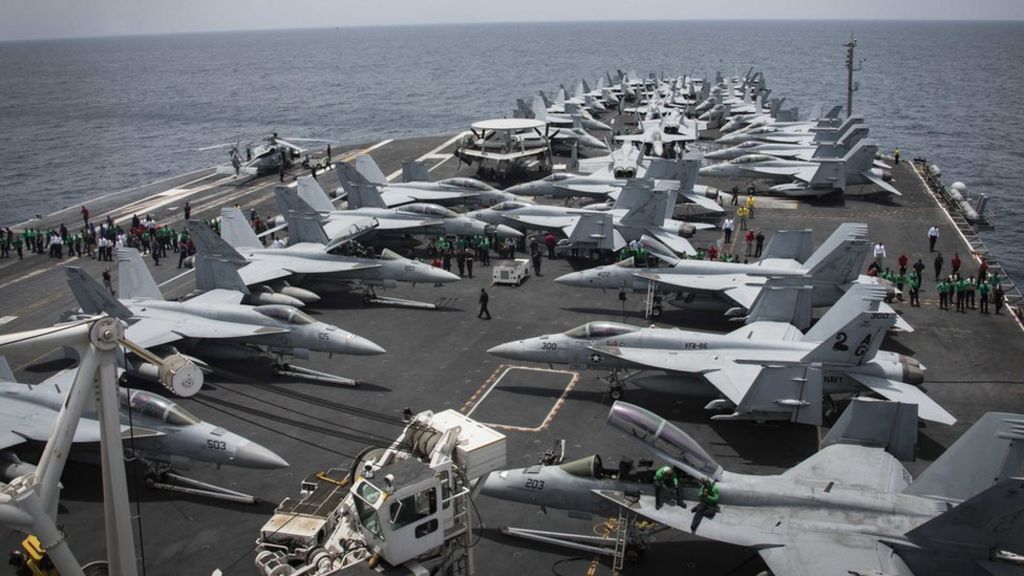
Congress passed a law that focused on incorporating cooperation between the military and the local law enforcement, particularly related to countering drug crimes and the war on drugs. Right. That was sort of the first connection between the military and domestic law enforcement. In 1989, Congress passed the National Defense Authorization Act, temporarily allowing the Department of Defense to transfer excess military equipment to federal and state agencies. The program continued until the 1997 National Defense Authorization Act expanded it to include local law enforcement and made it permanent under a new name. The 1033 program that began a massive transfer of military equipment to local police departments free of charge as long as they paid for shipping and maintenance. That 1033 program was the congressional authorization that allowed police departments to basically go online. There were catalogs of of weapons and vehicles and aircraft and watercraft and any kind of military surplus military equipment was available for the asking. And it was at no cost to law enforcement agencies.
Departments may purchase shotguns that are placed in police vehicles as a routine matter, and some departments are purchasing a variety of less lethal weaponry with their own resources. But when we see sniper equipment, armored vehicles, large amounts of body armor, this is often the result of federal spending. Since its inception, over 11,500 domestic law enforcement agencies have taken part in the ten thirty three program, receiving more than 7.4 billion dollars in military equipment. What you end up seeing is as a result of the 1033 program, local law enforcements continue to ramp up what we call special task force, like SWAT teams, gang task force, drug task force. Right. That all utilize this excess military material. In July 2014, Congressman Alan Grayson proposed that legislation to limit the transfer of certain weapons through the 1033 program. The amendment was met with immense opposition failing on a bipartisan vote of 62 to 355.
The people who voted not to change the 1033 program received 70 percent more money in campaign contributions from the defense sector than those who wanted restrictions. One of the really troubling developments about the involvement of the federal within the direct subsidy of purchases of militarized equipment is that this is often really about creating a new marketplace for defense contractors instead of really putting questions of public safety first. Besides providing free military equipment, the federal government also allows the police to purchase new equipment using their own funds. Under the 1122 program, it also gives local police departments the same discounts enjoyed by the federal government. We’ve seen instances across the country where local governing bodies, like boards of selectmen and mayors and city councilors are often unaware that tax dollars have been expended to acquire these kinds of military weapons and military vehicles. What makes both 1033 and 1122 programs so powerful is the lack of clear oversight and accountability.
The 1122 program, as an example , isn’t a grant or transfer program and thus isn’t required to be monitored by the federal . Meanwhile, the 1033 program has put lethal weapons within the hands of officers who haven’t any justifiable need for such equipment. We’ve seen instances reported of some small towns, even some college and university police departments that were acquiring military grade weapons with none demonstrable need for the utilization of these or the acquisition of these weapons. After the events in Ferguson, the Obama administration sought to tighten the 1033 program with additional requirements and restrictions after months of confrontations on America’s streets. President Obama today banned the federal government from giving some types of military equipment to local police. We’ve seen how militarized gear can sometimes give people a sense like there’s an occupying force as against a force that’s a part of the community that’s protecting them and serving them. And this led to calls in Congress to eliminate 1033 and eventually measure an executive order by the Obama administration to place some limits on the type of equipment that could be used, things like bayonets and turreted armored vehicles.
The Obama administration also required police agencies to justify purchases of equipment considered potentially lethal. President Trump, however, rescinded all of those measures within two years in office. Obama administration made some efforts to increase accountability in auditing of this. But even then, the restrictions and oversight were quite limited. Under the Trump administration, there’s even less evidence of any oversight. Any sense that we know how this equipment is being used or whether or not officers are being properly trained and how to use it. In some cases, equipment transfer through these programs has simply vanished due to a lack of oversight and poor bookkeeping.

There’ve been a number of situations where there have been audits of local police departments to try to figure out what they’ve done with this equipment. And these departments have been unable to provide adequate records. We don’t know if this is a local sheriff taking home camping supplies or if this is about, you know, stuff that’s really gone missing, has been resold or has just simply been lost. Oftentimes, the militarization of the police force might be what’s distracting them from their original purpose, protecting our communities.
Why economy of India is slowing down???
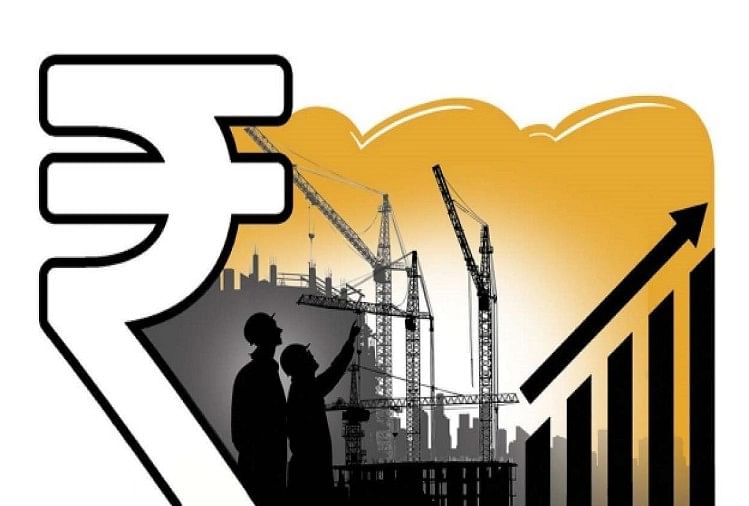
India is one among the world’s fasting growing economies. It had been touted as an economic and geopolitical counterweight to China. But recently its growth fell to its slowest pace in six years. Investment has weakened, and unemployment has risen. So what’s causing the slowdown, and how can it be reversed? Since the turn of the century, India’s economy has grown at a rapid rate, helping transform the country. Between 2006 and 2016, rising incomes lifted 271 million people out of poverty, meaning the proportion of Indians still living in poverty has fallen dramatically, from around 55% to twenty-eight . Access to electricity has also improved. In 2007 just 70% of the population had access to power. By 2017, that grew to nearly 93%.

More recently, the Indian government constructed around 110 million toilets — a huge step towards better sanitation designed to prevent the practice of open defecation. It’s a signature program of Prime Minister Narendra Modi, known as Swachh Bharat, or Clean India. All this development has been supported by a booming economy, but as lately , that expansion has begun to run out of steam. In the third quarter of 2019, India’s economic output grew by 4.5% – making it the primary time the country’s growth dipped below 5% since 2013. For context, 4.5% growth remains much above that of developed economies just like the U.S., But with 12 million Indians entering the workforce per annum , economists say the country needs annual growth rates to remain above nine percent to make sure there are enough jobs. So, what’s causing this recent slowdown? Well, officialdom argue turbulence in international financial markets is guilty.

Political uncertainty and U.S.-China trade tensions mean confidence levels among investors and consumers everywhere have sunk. The United Nations has even warned that a global recession in 2020 is now a “clear and present danger”. But back to India – many economists say the country’s growth problems are literally self-inflicted. One obvious culprit is the shadow banking sector. During the 2000s, India saw an investment boom. It was fuelled by state banks dispensing a load of loans for giant infrastructure projects. But some of the companies taking advantage of these loans couldn’t keep up with the repayments. That meant the state banks weren’t getting paid back and therefore struggled to give out new loans. To keep business moving, shadow banks stepped in. These financial institutions, which operate like ordinary commercial banks but don’t follow traditional banking rules, eventually made up an estimated third of all new loans nationwide. The loans played a pivotal role for the millions of small businesses and consumers who would otherwise have no access to credit. But in 2018, shadow banking giant Infrastructure Leasing & Financial Services, defaulted on its debt repayments. Its collapse sent shockwaves through the economy and shook up more traditional banks that had supported the world.
It became harder for people to shop for expensive items like cars. That hurt India’s automotive industry, which is one among the country’s biggest. It employs about 35 million people and makes up about 7% of India’s GDP. Last summer, the industry suffered its worst sales performance in nearly 19 years, and reports suggest tens of thousands of workers are laid off. The agriculture and construction sectors have also been hurting, with small and medium businesses being hit the hardest. The country’s percentage has been on an overall upward trend since July 2017, rising several percentage points to 7.7%. Higher unemployment means consumers are buying less, resulting in the unfortunate cycle of slower manufacturing, production, investment and job creation.
A survey from the Reserve Bank of India found consumer confidence has fallen to its lowest level in five years. But Indians still have a positive outlook for the longer term , with most consumers expecting to feel more optimistic during a year. However, if things don’t improve, debt could become another issue. Expecting better days ahead, many households have continued to spend, by taking out loans and dipping into savings. Household savings as a proportion of GDP has fallen from 23.6% to 17.2%. Meanwhile, household debt has surged to 10.9% during the same period. Critics say the govt in New Delhi has did not spot these risks and hasn’t done enough to urge the economy moving again. The Reserve Bank of India’s former governor Raghuram Rajan recently blamed the lack of significant reforms and a slowdown in investments since the global financial crisis. Even the country’s chief economic advisor recently admitted reforms are needed to form India more friendly to investors.
India has cut its corporate rate , but labor and land laws are still extremely strict. He also says the country must become pro-market, instead of just pro-business, to avoid costly government bailouts of failing sectors. But not all reforms have been good to the economy. In 2016, Prime Minister Modi tried to crack down on corruption, counterfeits and evasion by banning high value bank notes. In one night, the cash ban made 86% of all cash invalid. Three years later, many analysts say the policy disrupted the economy and did not achieve many of its original goals. In 2017, a replacement nuisance tax placed small businesses struggling and a few of them were forced to shut . In mid-2019, India’s government introduced a controversial new tax on foreign investors. Consequently, India’s stock exchange suffered its worst July performance in 17 years. Just one month later, the measure was scrapped.
The government has now refocused its efforts on international trade and investment, and thus the recent changes to the corporate rate could indeed help attract businesses and investors to India. But if the country wants to be a part of the world’s largest supply chains, it’ll need low and consistent tariff levels to encourage outsiders to take a position for the long term.

The country’s shifting export policy has harmed several of its largest industries, particularly clothing. India’s share of the worldwide apparel market has increased only slightly within the past 20 years. And though the Indian workforce is vast, both Bangladesh and Vietnam now export more. On top of that, the country’s import tariffs on the average are much above the world’s biggest economies. They’re also among the highest of the world’s emerging economies. Even U.S. President Donald Trump has called for the country to bring down its duties.
Has India’s growth actually slowed the maximum amount as we think? The government’s former chief economic advisor Arvind Subramanian caused a good little bit of controversy in June 2019, when he claimed the country’s official stats probably overstated GDP growth by 2.5% from 2011-2012 to 2016-2017. He says the bottom line is that India never recovered from the global financial crisis. The government denies this. But none of this has hurt Prime Minister Modi at the polls – he won by a landslide in the most recent election. So how will he keep his promise and double the dimensions of the economy by 2025? Many economists insist a well-explained economic vision would help. As would more long-term investment, better skilled workers and enhancements to infrastructure. It may not matter who or what’s responsible for India’s recent economic challenges, but bottom line – India’s economic process must recover , and fast.
Legality of Lockdown
After Unlock 2.0 we again hearing that some state govt going for lockdown, firstly on March 24 Prime Minister Narendra Modi announce 21 day lockdown than it’s extended many times. So, today let’s talk about legality of the lockdown is this legal or illegal ? Govt can put lockdown or not ?
Under Section 6 of the Disaster Management Act Ministry of Home Affairs announce the nationwide lockdown under his powers in Section 10 of the Disaster Management Act, as the Chairman of the National Executive Committee constituted U/S 8 of the Act.
The term Lockdown and curfew have not been defined under Indian law but are still being used to markdown the fundamental right of movement induct under article 19 [1] of the Indian constitution. This cannot be termed invalid as this right is subject to restrictions under Article 19 [2].
Section 2 and 2A of Epidemic Diseases act gives power to the Central or State Government to take necessary steps in the situation where people have danger to life or mankind. Section 2 [d] reads; “‘Disaster means a mishap, calamity or grave occurrence in any area, arising from natural or man-made causes, or by accident or negligence which results in substantial loss of life or human suffering or damage to, and destruction of property, or damage to, or degradation of, environment, and is of such a nature or magnitude as to be beyond the coping capacity of the community of the affected area.”
This section is not meant to deal with epidemics or diseases of any kind but causes such as, but not limited to, tsunamis and earthquakes. MHA declared the spread of COVID-19 as a “notified disaster”, thus bringing into play Section 2(d) of the Disaster Management Act. This enabled the State Governments to use a larger part of the State Disaster Response Fund to fight the spread of the virus.
In furtherance of the declaration of a nationwide lockdown, the Ministry of Home Affairs published guidelines using Section 10 [2][l] of the Disaster Management Act on the measures State and Central Governments must take during this twenty-one day period. The guidelines established that all types of transport services (Air, Train, & Road travel) will not be operational during this period. Commercial and private establishments shall remain closed, except for ration shops, banks, ATMs, media services, and telecommunication companies and other essentials.
The guidelines also said that any person who violates these containment measures will be liable under Sections 51 to 60 (Offenses and Penalties) of the Disaster Management Act, and under section 188 of the Indian Penal Code which creates the punishment for disobedience to order duly promulgated by a public servant.
Yes, we can say that In an ideal scenario, the government should have involved the states in a spirit of cooperative federalism rather than the top down approach that was adopted earlier.
However, at the end of the day, it came down to the Doctrine of Necessity, which proclaims loud and clear that “Necessity knows no law”.
Dramatic end of the Notorious Gangster
Often described as one of the most notorious criminals in Uttar Pradesh, Vikas Dubey had 62 cases filed against him with one case each at Saharanpur and in lucknow and the rest of them filed in Kanpur Dehat and Kanpur districts of U.P. Out of these 62 cases, 5 were of murder along with 8 of attempt to murder.
Vikas Dubey was born and raised in a village named Bikru. It is a small village which comes in Kanpur Dehat district of U.P . Although , he entered the crime world in his teenage, he gained attention and came into limelight after killing Minister of State, Independent charge of BJP , Santosh Shukla in 2001 during the governance of Rajnath Singh.
The gangster shot Santosh Shukla in Shivli police station who was ranked as a Minister of State.
He had Rs25000 prize on his head when he fired at a man named Rahul. In order to save himself, Rahul went to lodge an FIR against the gangster to which Dubey came and beat up the victim in the police station and when the inspector tried to stop him he even hit the inspector and even took away his cellphone. After this incident, Yogi Adityanath, Chief Minister of UP ordered the apprehension of the goon.
Late night when UP police came to his residence in Bikru village, his shooters who were very well aware of what’s going to happen were prepared with ammunitions and that too Ak47s. A JCB was parked atleast 50feet away from his house so as to block the road and make the policemen came on foot.
Much to their horror, the goon’s shooters started open firing at the police. They had even cut off the power connection so that the police could not backfire at them in the dark. 3officers along with 5constables were shot down. It is highly believed that the police department was betrayed by their own people. Some of the suspected traitors are being rounded up lately.
After this shootout, Vikas fled from the village. CM Yogi made an affirmative stating that the gangster would be held captive within 8 days. As 5 days passed ,5 of his men were shot down and the main accused was found loitering around the premises of the Ujjain Mahakal Mandir, 660kms from Kanpur. UP’s special unit, STF was assigned the duty of bringing the criminal back to his city where an adventourous cum dramatic turn took place.
The police car got disbalanced and fell sideways after which Dubey took a policeman’s gun and started to run but the STF personnals shot him down and was taken to hospital where he succumbed to his injuries.
DAGMAR APPROACH

Russell Colley in the year of 1961,while proposed this advertising model said that an effective advertising strategy seeks to communicate more rather than to sell. Advertisers always focuses on the fact that the exact message which they want to convey for making the people aware of the particular product, mission or company, must be comprehended by the similar way.
With the help of this model, the advertisers target their respective audiences to provide them with the real understandings and motive about the particular product launch by informing about the respective benefits .
DAGMAR in other words can be termed as an efficient marketing expression which also acts as a tool to compute the outcome of any advertising campaign.
It stands for –
D – Defining
A – Advertising
G – Goals for
M – Measured
A – Advertising
R – Results.
Further this model goes through the primary four stages which defines the actual understanding of this advertising expression.
- Awareness
- Comprehension
- Conviction
- Action
The first one i.e. Awareness about the newly launched product or any kind of services is the vital for the both the company/services and customers. Awareness has to be created, developed, refined and maintain according to the characteristics of the market and scenario of the organisation at any given point of time. Then comes the second stage of Comprehension because only awareness is not efficient for creating an urge among the consumers. So it\’s necessary to put an answer for the common consumer worries that why to purchase the specific products or how it\’s different from the other prevailing brands of the same product. So this stage aims to provide people all the required information about the product. Comprehension is followed by the stage of Conviction where the main task of advertising company is to mould the target consumers beliefs by persuade them to purchase the product even it does this by flaunting the rewards or incentives for using the product. Then comes the most important and final stage i.e. Action where the customers after being mould their opinion positive, make themselves ready for the final purchase by implementing the optimistic views for using the product.
Corruption
Corruption refers to a form of criminal activity or dishonesty. It refers to an evil act by an individual or a group. Most noteworthy, this act compromises the rights and privileges of others. Furthermore, Corruption primarily includes activities like bribery or embezzlement. However, corruption can take place in many ways. Most probably, people in positions of authority are susceptible to Corruption. Corruption certainly reflects greedy and selfish behavior.
Methods of Corruption
First of all, Bribery is the most common method of Corruption. Bribery involves the improper use of favours and gifts in exchange for personal gain. Furthermore, the types of favours are diverse. Above all, the favours include money, gifts, company shares, sexual favours, employment , entertainment, and political benefits. Also, personal gain can be – giving preferential treatment and overlooking crime. Embezzlement refers to the act of withholding assets for the purpose of theft. Furthermore, it takes place by one or more individuals who were entrusted with these assets. Above all, embezzlement is a type of financial fraud. The graft is a global form of Corruption. Most noteworthy, it refers to the illegal use of a politician’s authority for personal gain. Furthermore, a popular way for the graft is misdirecting public funds for the benefit of politicians. Extortion is another major method of Corruption. It means to obtain property, money or services illegally. Above all, this obtainment takes place by coercing individuals or organizations. Hence, Extortion is quite similar to blackmail. Favouritism and nepotism is quite an old form of Corruption still in usage. This refers to a person favouring one’s own relatives and friends to jobs. This is certainly a very unfair practice. This is because many deserving candidates fail to get jobs. Abuse of discretion is another method of Corruption. Here, a person misuses one’s power and authority. An example can be a judge unjustly dismissing a criminal’s case.Finally, influence peddling is the last method here. This refers to illegally using one’s influence with the government or other authorized individuals. Furthermore, it takes place in order to obtain preferential treatment or favour.
Ways of Stopping Corruption
One important way of preventing Corruption is to give a better salary in a government job. Many government employees receive pretty low salaries. Therefore, they resort to bribery to meet their expenses. So, government employees should receive higher salaries. Consequently, high salaries would reduce their motivation and resolve to engage in bribery. Increasing the number of workers can be another suitable way of curbing Corruption. In many government offices, the workload is very high. This provides an opportunity to slow down the work by government employees. Consequently, these employees then indulge in bribery in return for faster delivery of work. Hence, this opportunity to bribe can be removed by bringing in more employees in government offices. Tough laws are very important for stopping Corruption. Above all, strict punishments need to be meted out to guilty individuals. Furthermore, there should be an efficient and quick implementation of strict laws. Applying cameras in workplaces is an excellent way to prevent corruption. Above all, many individuals would refrain from indulging in Corruption due to fear of being caught. Furthermore, these individuals would have otherwise engaged in Corruption.
The government must make sure to keep inflation low. Due to the rise in prices, many people feel their incomes to be too low. Consequently, this increases Corruption among the masses. Businessmen raise prices to sell their stock of goods at higher prices. Furthermore, the politician supports them due to the benefits they receive.To sum it up, Corruption is a great evil of society. This evil should be quickly eliminated from society. Corruption is the poison that has penetrated the minds of many individuals these days. Hopefully, with consistent political and social efforts, we can get rid of Corruption.
Education System in Covid-19
These are some really different times, most of us in our lifetimes have never experienced a situation like this where our always prepared future plan seems bleak and our present seems stuck. We have been under Lockdown from the past 3 months due to an ongoing pandemic which seems to be in full flow in our country with cases skyrocketing to more than 7,50,000 making our country the third most affected nation due to coronavirus.
All of our daily activities including education were halted for a significant amount of time and although we always seem to find a solution to everything, a reliable solution to continue with our education seemed lost but as we all know, life seems to find a way and we also found answers to continue with our daily routine with education taking the online route. Softwares like Zoom, Cisco Webex and Microsoft Teams came to our rescue and the education system went online. In the start it seemed weird, looking at our friends and teachers through a screen sitting comfortably in our pyjamas but overtime it became a habit and this system amalgamated pretty well with our schedule. Online education has proved to be a boon in this lockdown as even though everything seems uncertain, we are able to continue to grow as individuals and receive our education.
Faculties are able to impart knowledge from the comfort of their houses and same is the case for students which makes it even more acceptable and a reliable means for the foreseeable future.
18th meeting of high-level Group of Ministers on COVID-19 held in New Delhi
The 18th meeting of the high-level Group of Ministers, GoM on COVID-19 was held in New Delhi through video conferencing under the chairpersonship of Health Minister Dr. Harsh Vardhan.
The GoM was briefed on the current status of COVID-19 in India. The global comparison between the five most affected countries clearly depicted that India has one of the lowest cases per million which is 538 and deaths per million which is 15 compared the global average of 1453 and 68.7.
Within the country, eight states Maharashtra, Tamil Nadu, Delhi, Karnataka, Telangana, Andhra Pradesh, Uttar Pradesh and Gujarat contribute to around 90 per cent of the active caseload and 49 districts account for 80 per cent of active caseload, as of today.
Moreover, six states Maharashtra, Delhi, Gujarat, Tamil Nadu, Uttar Pradesh and West Bengal account for 86 per cent of total deaths, and 32 districts account for 80 per cent deaths.
Dr Harsh Vardhan stated that as we move forward, the focus shall be on the management of COVID-19 through strict containment measures and surveillance; utilizing full testing capacity and focus on monitoring of co-morbid and elderly population.
He pointed out that the aim is to reduce the Case Fatality Rate low by early identification and effective clinical management.
Director of National Centre for Disease Control Dr Sujeet K Singh presented a detailed report on surveillance efforts undertaken in India during the pandemic.
In a detailed presentation, Chairman of Empowered Group-8 on Information, Communication and Public Awareness,Amit Khare briefed the GoM on the key steps taken in Communication of Information and in raising public awareness.
Dr Harsh Vardhan was joined by External Affairs Minister Dr. S. Jaishankar, Civil Aviation Minister Hardeep S. Puri, Minister of State for Health Ashwini Kumar Choubey, Minister of State for Shipping and Chemical and Fertilizers Mansukh Mandaviya, Member Health in NITI Aayog Dr. Vinod Paul joined the meeting through video conference link.
ICSE and ISC exam results for Class 10th, 12th to be announced at 3 PM today
ICSE and ISC exam results for students of Class 10th and 12th will be announced at 3 pm today. The results will be uploaded on the website of the Council for the Indian School Certificate Examination.
Students will be able to view their result by logging on to cisce.org and results.cisce.org
Results will also be available through SMS for which detail has been posted on the websites. A press release said, affiliated schools can access results by logging into the CAREERS portal using Principal’s login ID and password.
MHA permits NIA to investigate Thiruvananthapuram Airport Gold smuggling case
Union Home Ministry has permitted the National Investigation Agency to investigate the Thiruvananthapuram Airport Gold smuggling case. The Ministry said, the decision has been taken as the organised smuggling operation may have serious implications for national security.
It came a day after Kerala Chief Minister Pinarayi Vijayan wrote a letter to Prime Minister Narendra Modi seeking an effective investigation into the seizure of gold worth crores of rupees from a diplomatic baggage at the airport in the state capital.
The gold, weighing over 30 kg, was seized from the diplomatic baggage that had landed by air cargo at Kerala’s Thiruvananthapuram International airport recently from the Gulf.


You must be logged in to post a comment.