

Author: Admin
Track2Training for students. Learn more on https://track2training.com
The Lady With the Lamp
During the second half of the 19th century,almost all the general hospitals had borne the painful sounds of people due to its mal- maintenance and unhealthy atmosphere. These hospitals were not equipped with the staff like nurses to take care of these weak people. During this time,a lady came like an angel! Do you know her name? Yes…she is Auguste Florence Nightingale,was an English social reformer, statistician and the founder of modern nursing. She was the daughter of a very rich man and determined to sacrifice her home , wealth and life for the improvement of these hospitals; much against her parents’ will in getting her married to a wealthy groom for a happy and peaceful life. Florence’s parents felt light at heart When they witnessed their daughter’s determination to serve the suffering soldiers. Florence began her pioneer service along with 38 other nurses in 1854. It was in 1856 she returned to England and started a training School for nurses.Nightingale came to prominence while serving as a manager and trainer of nurses during the Crimean War, in which she organised care for wounded soldiers at Constantinople.She also made efforts for improving the health condition of all sections of British society, advocated for better hunger relief for India. so she should be there in our memories, so annual International Nurses Day is celebrated on her birthday.
The angels in our society,a powerful pillar in the area of health care, deserve a lot of respect from the side of our society. It is very notable that they always act as the one with the needy. Like Florence Nightingale who served for the soldiers , now many nightingales work hard in order to save the people from the distress during these Covid times all over the world. They know that they are risking their own life,but selflessly work for mankind. During these Covid days, the services of doctors and nurses are notable, because when the patient isolated themselves from the whole society,they played the role of god to give a new life…Nurses and doctors are the backbone of our healthcare system who have been risking their lives for months.It is not possible to wear PPE kit for more than seven hours. One cannot even use the toilet with this kit, but wearing it is a must for their safety. They are isolating themselves from their own family to fight against these threats. but the result was not that good from the society, because they questioned these people without knowing the truths like “Doctor accused of killing elderly patients to free up beds”. When they put their 100 percent in their service, we are obliged to pay back as respect to these humble ‘gods’ on earth. They deserve much to wage the war of corona. They are Powerful Soldiers of our healthcare!
Confliction of one's mind
We all are well aware of the different conflicts in our minds. They arrive like impatient thunderstorms, one right after the other. The times when there’s isn’t any hope to hold onto, we may thrive by words that might explain our mental states. Although, we often fail to do so and start drowning ourselves into the darkest depths of nothingness.
One thing that never gets old in such situations is writing down your rough thoughts somewhere away from the eyes of anyone, and reading it later at a better stage or when you start feeling yourself again.
WAYS TO CLEAR YOUR MIND
In a generation where social status depicts one’s nature and affects their state of mind, we often find ourselves getting lost in the world which we created for others to see us like. We should be capable of creating a difference between what’s imaginary and real, that not only helps us stay sane but provides a boundary to the inevitable confusions.

When we invariably replay a situation and can’t stop thinking about it, or think how we messed up; the more we delve into it the more that situation seems to tighten the blank spaces in our mind and start congesting it.
It’s normal to get stuck in the past and have a lot many things playing in your mind at the same time, our mind has a tendency to work funnily.
Instead of putting yourself in a self-inflicting pain, try performing the enlisted activities which will probably distract the course of your mind for the time being:
- reconnect with an old friend
- play and spend time with your pet
- don’t force yourself to be productive
- go easy on yourself and do some pampering
- cook yourself an elaborate meal
- watch youtube, movies and listen to an upbeat music
- take a long drive to nowhere
- take a walk in nature
- go out with a friend and hangout
SELF VALIDATION
We are forced to put ourselves in a position where it’s tough to concentrate on peace of mind, by comparing ourselves to the person who is superior to us. But we need to understand the concept of self-satisfaction and being content in what we already have.
We should stop comparing ourselves to others because we are unaware of the life that they have behind the scenes, or away from the eyes of the world. It’s natural to get inferiority complexes but that shouldn’t mess with one’s mind.
The positive motivation or the rush and drag to push ourselves to a better position is healthy, but if it makes one sulk and questions their existence then it won’t take long into turning toxic and harmful for the mental peace.
You have had enough of the taunts and opinions that society has for you, you don’t have to necessarily add yours to it too. If not others, make yourself so focused and proud in what you do that even your conflictions think twice to reoccur in your mind.
“Be who you are and say what you feel, because those who mind don’t matter, and those who matter don’t mind.”
―
―
PROUD TO BE AN INDIAN..AND ENJOY LIFE AS IT IS SHORT..( POEMS ) BY ME..
PROUD TO BE AN INDIAN
-ANGELIN DIANA.G

We are the people of power
And we rise up to a tower
We belong to one brand
Moving hand in hand
We are still standing
On our own understanding
We do follow different trends
But we are all good friends
We always share
Because we care
We are from different stations
But belong to one nation
For our failures, we don’t cry
But we always make a try
We have no fear
Because we are crystal clear
We are happy citizens
We are Indian citizens
ENJOY LIFE AS IT IS SHORT
– ANGELIN DIANA. G

A Cupful of Coffee
And Mindful of Thoughts..
Sweet dreams for the nights
And Cool creams for the teeth at mornings..
Frozen breeze for Shivering
And hot sun for Sweating..
We achieve in dreams
And we arrange in life..
Caring for others in life
And daring for our self..
Crying for the failures
But trying for the next..
Life full of up and downs
But thrill of lessons…..
KEEP SMILING ALWAYS ☺☺..
Dharavi: Asia's Largest Slum
Dharavi: Asia’s Largest Slum
Dharavi is a slum locality in Mumbai, Maharashtra, India and considered to be a one of the largest slum area in the Asia. Dharavi has a population of 10 lakhs and area of just over 2.1 square km. Dharavi has a population density of over 277,136/km.sq with this density, Dharavi is one of the most densly populated area in the world.
Demographics
The total current population of Dharavi slum is unknown, and estimates vary widely. Some sources suggest it is 300,000 to about a million. With Dharavi spread over 200 hectares (500 acres), it is also estimated to have a population density of 869,565 people per square mile. With a literacy rate of 69%, Dharavi is the most literate slum in India.
About 30% of the population of Dharavi is Muslim, compared to 14% average population of Muslims in India. The Christian population is estimated to be about 6%, while the rest are predominantly Hindus (63%), with some Buddhists and other minority religions. Among the Hindus, about 20% work on animal skin production, tanneries and leather goods. Other Hindus specialise in pottery work, textile goods manufacturing, retail and trade, distilleries and other caste professions – all of these as small-scale household operations. The slum residents are from all over India, people who migrated from rural regions of many different states. The slum has numerous mosques, temples and churches to serve people of Islam, Hindu and Christian faiths; with Badi Masjid, a mosque, as the oldest religious structure in Dharavi.
Location and characteristics

Dharavi is a large area situated between Mumbai’s two main suburban railway lines, the Western and Central Railways. It is also adjacent to Bombay Airport. To the west of Dharavi are Mahim and Bandra, and to the north lies the Mithi River. The Mithi River empties into the Arabian Sea through the Mahim Creek. The area of Antop Hill lies to the east while the locality called Matunga is located in the South. Due to its location and poor sewage and drainage systems, Dharavi particularly becomes vulnerable to floods during the wet season.

Dharavi is considered one of the largest slums in the world.The low-rise building style and narrow street structure of the area make Dharavi very cramped and confined. Like most slums, it is overpopulated.
Economy

In addition to the traditional pottery and textile industries in Dharavi, there is an increasingly large recycling industry, processing recyclable waste from other parts of Mumbai. Recycling in Dharavi is reported to employ approximately 250,000 people.While recycling is a major industry in the neighborhood, it is also reported to be a source of heavy pollution in the area. The district has an estimated 5,000 businessesand 15,000 single-room factories.Two major suburban railways feed into Dharavi, making it an important commuting station for people in the area going to and from work.
Dharavi exports goods around the world. Often these consist of various leather products, jewellery, various accessories, and textiles. Markets for Dharavi’s goods include stores in the United States, Europe, and the Middle East. The total (and largely informal economy) turnover is estimated to be between US$500 million, and US$650 million per year, to over US$1 billion per year. The per capita income of the residents, depending on estimated population range of 300,000 to about 1 million, ranges between US$500 and US$2,000 per year.
A few travel operators offer guided tours through Dharavi, showing the industrial and the residential part of Dharavi and explaining about the problems and challenges Dharavi is facing. These tours give a deeper insight into a slum in general and Dharavi in particular.
Utility services
Potable water is supplied by the MCGM to Dharavi and the whole of Mumbai. However, a large amount of water is lost due to water thefts, illegal connection and leakage. The community also has a number of water wells that are sources of non-potable water.
Cooking gas is supplied in the form of liquefied petroleum gas cylinders sold by state-owned oil companies,as well as through piped natural gas supplied by Mahanagar Gas Limited.
There are settlement houses that still do not have legal connections to the utility service and thus rely on illegal connection to the water and power supply which means a water and power shortage for the residents in Dharavi.
Sanitation issues


Dharavi has severe problems with public health. Water access derives from public standpipes stationed throughout the slum. Additionally, with the limited lavatories they have, they are extremely filthy and broken down to the point of being unsafe. Mahim Creek is a local river that is widely used by local residents for urination and defecation causing the spread of contagious diseases. The open sewers in the city drain to the creek causing a spike in water pollutants, septic conditions, and foul odors. Due to the air pollutants, diseases such as lung cancer, tuberculosis, and asthma are common among residents. There are government proposals in regards to improving Dharavi’s sanitation issues. The residents have a section where they wash their clothes in water that people defecate in. This spreads the amount of disease as doctors have to deal with over 4,000 cases of typhoid a day. In a 2006 Human Development Report by the UN, they estimated there was an average of 1 toilet for every 1,440 people.
Epidemics and other disasters
Dharavi has experienced a long history of epidemics and natural disasters, sometimes with significant loss of lives. The first plague to devastate Dharavi, along with other settlements of Mumbai, happened in 1896, when nearly half of the population died. A series of plagues and other epidemics continued to affect Dharavi, and Mumbai in general, for the next 25 years, with high rates of mortality. Dysentery epidemics have been common throughout the years and explained by the high population density of Dharavi. Other reported epidemics include typhoid, cholera, leprosy, amoebiasis and polio.For example, in 1986, a cholera epidemic was reported, where most patients were children of Dharavi. Typical patients to arrive in hospitals were in late and critical care condition, and the mortality rates were abnormally high. In recent years, cases of drug resistant tuberculosis have been reported in Dharavi.
Fires and other disasters are common. For example, in January 2013, a fire destroyed many slum properties and caused injuries. In 2005, massive floods caused deaths and extensive property damage.
The COVID-19 pandemic also affected the slum. The first case was reported in April 2020.
Brain Drain from the developing nations
With millions of people shifting from developing to developed nations in the past few decades in search of better opportunities, “Brain Drain” has become a serious issue. It is also known as “Human Capital Flight”. It is defined as a phenomenon when highly qualified and skilled individuals move to other countries for better jobs or educational opportunities.

As a result of this migration of the people, the developed countries gain human capital known as “Brain Gain”. Human capital plays a crucial role in the economic development of any country. This benefits the already developed nations while the developing nations end up losing their skilled workforce.
A huge number of Indians migrate to other nations every year. Research by the World Bank shows that more than 3% people worldwide reside in different countries rather than in the country of their birth.
Students especially from the field of science, technology and research move to countries like the UK, USA, Canada, Germany, Australia etc. Between 2003 and 2013, the US saw a drastic rise in the number of immigrant scientists and engineers from 21.6 million to 29 million according to the National Centre for Science and Engineering Statistics. (NCSES)
Causes of Brain Drain
Brain drain is caused due to a combination of the “pull factors” and the “push factors”. Developed nations have more pull factors and the developing nations having more push factors leads to brain drain.
Push factors are the reason why people move out of their country. It includes underemployment or under-paid jobs. People move to other countries when they don’t get paid enough for their skillset. Another major factor is standard of living. People prefer to move out from countries which lack basic facilities like proper education, healthcare and pleasant working conditions.
Lack of research opportunities in the developing nations are another reason that makes people move to another country for higher studies. Disaster prone areas and lack of safety can also be a push factor to move to another country. The push factors not only cause brain drain but also indicate the inadequacy of proper facilities in the native country.
Pull factors are the factors that attract an immigrant to the destination. These are the exact opposites to the push factors. This includes better employment or educational opportunities, political rights, pleasant working conditions etc. These factors make the immigrants stay back and they often turn into permanent residents of the country.
It is extremely important to ensure properly funded research laboratories for higher studies, better salary for skilled occupations and a good working environment.
The solution to brain drain is to develop the overall standard of living in order to utilise the human capital of the country efficiently.
Domestic violence

(Photo: Bar and Bench)

Domestic violence (also named domestic abuse or family violence) is violence or other abuse in a domestic setting, such as in marriage or cohabitation. Domestic violence may be used as a synonym for intimate partner violence, which is committed by a spouse or partner in an intimate relationship against the other spouse or partner, and can take place in heterosexual or same sex relationships, or between former spouses or partners. In the broadest sense, domestic violence can also involve violence against children, parents, or the elderly. It takes a number of forms, including physical, verbal, emotional, economic, religious, reproductive and sexual abuse, which can range from subtle, coercive forms to marital rape and to violent physical abuse such as choking, beating, female genital mutilation, and acid throwing that results in disfigurement or death. Domestic murders include stoning, bride burning, honor killing and dowry death(which sometimes involve non-cohabitating family members).
FORMS OF DOMESTIC VIOLENCE
Physical abuse is that involving contact intended to cause fear, pain, injury, other physical suffering or bodily harm. In the context of coercive control, physical abuse is to control the victim. Physical violence can be the culmination of other abusive behavior, such as threats, intimidation, and restriction of victim self-determination through isolation, manipulation and other limitations of personal freedom. Denying medical care, sleep deprivation, and forced drug or alcohol use, are also forms of physical abuse.
Sexual abuse, is defined by World Health Organization as any sexual act, attempt to obtain a sexual act, unwanted sexual comments or advances, or acts to traffic, or otherwise directed, against a person’s sexuality using coercion. Aside from initiation of the sexual act through physical force, sexual abuse occurs if a person is verbally pressured into consenting, unable to understand the nature or condition of the act, unable to decline participation, or unable to communicate unwillingness to engage in the sexual act. This could be because of underage immaturity, illness, disability, or the influence of alcohol or other drugs, or due to intimidation or pressure.
Emotional abuse includes minimizing threats, isolation, public humiliation, unrelenting criticism. Stalking is a common form of psychological intimidation. Victims tend to feel their partner has nearly total control over them, greatly affecting the power dynamic in a relationship, empowering the perpetrator, and disempowering the victim. Victims often suffer from depression, putting them at increased risk of eating disorders, suicide, and drug and alcohol abuse.
Economic abuse (or financial abuse) is a form of abuse when one intimate partner has control over the other partner’s access to economic resources. Marital assets are used as a means of control. Economic abuse diminishes the victim’s capacity to support themselves, increasing dependence on the perpetrator, including reduced access to education, employment, career advancement, and assets acquirement. Forcing or pressuring a family member to sign documents, to sell things, or to change a will are forms of economic abuse.
CAUSES
A partner’s domination may take the form of emotional, physical or sexual abuse. Studies suggest that violent behavior often is caused by an interaction of situational and individual factors. That means that abusers learn violent behavior from their family, people in their community and other cultural influences as they grow up. They may have seen violence often or they may have been victims themselves. Some abusers acknowledge growing up having been abused as a child.
Children who witness or are the victims of violence may learn to believe that violence is a reasonable way to resolve conflict between people. Boys who learn that women are not to be valued or respected and who see violence directed against women are more likely to abuse women when they grow up. Girls who witness domestic violence in their families of origin are more likely to be victimized by their own husbands. Although women are most often the victim of domestic violence, the gender roles can and are reversed sometimes.
Alcohol and drugs may contribute to violent behavior. A drunk or high person will be less likely to control his or her violent impulses toward their partner, so keeping such drinking or drug use episodes to a minimum may be valuable for a person living in a domestic violence situation.
No cause of domestic violence, however, justifies the actions of the abuser, nor should it be used as a rationale for their behavior. These possible causes are only to better understand why an abuser believes it is acceptable to abuse their partner physically, sexually, psychologically or emotionally. Ultimately an abuser needs to get help for their unhealthy and destructive behavior, or find themselves living a solitary and lonely life.
STATISTICS OF DOMESTIC VIOLENCE
• 1 in 4 women and 1 in 7 men will experience severe physical violence by an intimate partner in their lifetime. (CDC, 2017)
• 1 in 10 women in the United States will be raped by an intimate partner in her lifetime. (CDC, 2010)
• Approximately 16.9% of women and 8.0% of men will experience sexual violence other than rape by an intimate partner at some point in their lifetime. (CDC, 2010)
• Data on sexual violence against men may be underreported.
• An estimated 9.7% of women and 2.3% of men have been stalked by an intimate partner during their lifetime. (CDC, 2017)
• Nearly half of all women and men in the United States will experience psychological aggression by an intimate partner in their lifetime. (CDC, 2017)
GOVERNMENT SCHEMES TO CURB DOMESTIC VIOLENCE
- Beti Bachao, Beti Padhao, meant for uplifting women in the sphere of women’s education
- Sukanya Samriddhi Account, meant to help families’ save for their daughters
- One Stop Center scheme meant to offer easy access for women suffering from domestic abuse or violence, and needing support
- Pradhan Mantri Ujjwala Yojana meant to offer free LPG connections to women living below poverty line
- Mahila Haat meant to support women entrepreneurs and women self-help groups
- Rajiv Gandhi National Crèche Scheme for Children of Working Mothers meant to provide affordable daycare services to working women
- Maternity Benefit Scheme meant for pregnant women and lactating mothers
- Women’s Helpline 1091 meant to provide emergency assistance to women in trouble, especially those facing violence of any kind
WHAT CAN WE DO?
• Calling the police if you see or hear evidence of domestic violence.
• Speak out publicly against domestic violence.
• Consider reaching out to your neighbor, friends, family.
• Educating others on domestic violence.
• Organize campaigns special in rural areas.
- Donating to domestic violence counselling programs
Importance and benefits of reading books!

Growing up we all have learned basic skills and out of all the skills, our ability to read is the most significant. Whatever you read, it ends up enlightening you. And when it comes to books, each book that you read is an opportunity to learn something new. By reading you can broaden your vocabulary, improve your writing skills, train your mind, enhance your wellness, lower stress, and most important thing you can discover something new about yourself.
Why is reading important?
It has been said that a person who can read can educate themselves in any field of life they’d like to. In this modern era, everything is flooding with fresh information. And reading is the best way to clarify and relate to further information.
Although you can find it easier to watch a Youtube video or listen to a podcast, reading still tastes the cake when it comes to comprehension and enhancing your education.
What are the benefits of reading books?
If you are a bookworm, you already know many of the benefits of reading books. And if you are not then you are reading the right article. Mentioned below are some of the benefits of reading books:-
I) Improves Concentration
Reading requires concentration, time, and patience. In simple words, reading forces you to use your brain. According to One World Literacy Foundation, “when you read, you need to reason things out that are unfamiliar to you.”
II) Broaden Vocabulary
If you read, you uncover new words, that allow understanding on a greater level. If you read an hour per day, you’ll end up exposing yourself to approx 4 million words in a year. Isn’t it amazing?
III) Reduces Stress
According to a study by Sussex University, reading can reduce stress by 68%. When you read you involve your mind in reading, which takes away your focus from all the worries.
David Lewis (a cognitive neuropsychologist) said, “It doesn’t matter what book you read. By losing yourself in a thoroughly engrossing book you can escape from the worries and stresses of the everyday world and spend a while exploring the domain of the author’s imagination.”
IV) Makes You A Better Communicator
When you learn new vocabulary, you become a far better communicator. With all the new vocabulary, you’ll know which word is right for which context. For example, when you feel bad, it can be anything like you are feeling hungry, you have a fever, you have a headache, etc. But if you say that I am feeling bad then you are not specifying the feelings, which results in another person not understanding what are you going through. In that case, your vocabulary can help, that you learn by reading.
V) It Helps Your Writing
With all the creativity, vocabulary, and communication skills gained from reading, imagine what you can do with your writing skills. By reading other’s work you can experience their way of explaining a feeling or certain situation. Hence, you learn how to use other writers’ experiences to improve yours.
VI) Reading Improves Empathy
Empathy is being able to put yourself in someone’s else shoes. Reading fiction or non-fiction can bring you as close as you’ll ever be in someone”s shoes. Studies have shown that readers have a better sense of empathy.
There is a saying, “Books are man’s best friend.” I believe every one of us should follow this and start reading.
The "Dead Bird" Story

Smeared blood, shredded feathers. Clearly, the bird was dead. But wait the slight fluctuation of its chest, the slow blinking of its shiny black eyes. No, it was alive. I had been typing an English essay when I heard my dog’s loud barks and the flutter of wings. I had turned slightly at the noise and had found the barely breathing bird in front of me.
The shock came first. Mind racing, heart beating faster, blood draining from my face. I instinctively reached out my hand to hold it, like a long-lost keepsake from my youth. But then I remembered that birds had life, flesh, blood.
Death. Dare I say it out loud? Here, in my own home?
Within seconds, my reflexes kicked in. Get over the shock. Gloves, napkins, towels. Band-aid? How does one heal a bird? I rummaged through the house, keeping a wary eye on my dog. Donning yellow rubber gloves, I tentatively picked up the bird. Never mind the dog’s barks and protesting scratches, you need to save the bird. You need to ease its pain. But my mind was blank. I stroked the bird with a paper towel to clear away the blood, see the wound. The wings were crumpled, the feet mangled. A large gash extended close to its jugular rendering its breathing shallow, unsteady. The rising and falling of its small breast slowed. Was the bird dying? No, please, not yet.
Why was this feeling so familiar, so tangible?
Oh. Yes. The long drive, the green hills, the white church, the funeral. The Indo-Christian mass, the resounding amens, the flower arrangements. Me, crying silently, huddled in the corner. The Massey family huddled around the casket. Apologies. So many apologies. Finally, the body lowered to rest. The body. Sahil Elson Massey. Still familiar, still tangible.
Hugging Sahil, I was a ghost, a statue. My brain and my body competed. Emotion wrestled with fact. Sahil Elson Massey, aged 18, my friend of four years, had died in a car crash on Sep. 12, 2020. Sahil was dead, I thought. Dead.
But I could still save the bird. My frantic actions heightened my senses, mobilized my spirit. Cupping the bird, I ran outside, hoping the cool air outdoors would suture every wound, cause the bird to miraculously fly away. Yet there lay the bird in my hands, still gasping, still dying. Bird, human, human, bird. What was the difference? Both were the same. Mortal.
But couldn’t I do something? Hold the bird longer, de-claw the dog? I wanted to go to my bedroom, confine myself to tears, replay my memories, never come out. The bird’s warmth faded away. Its heartbeat slowed along with its breath. For a long time, I stared thoughtlessly at it, so still in my hands.
Slowly, I dug a small hole in the black earth. As it disappeared under handfuls of dirt, my own heart grew stronger, my own breath more steady. The wind, the sky, the dampness of the soil on my hands whispered to me, “The bird is dead. Sahil has passed. But you are alive.” My breath, my heartbeat, my sweat sighed back, “I am alive. I am alive. I am alive.”
Teen Depression and Mental Health
We have heard a lot of cases of teen depression and suicides due to the same, it’s a common problem of the modern and developing world. But have you ever been able to share something that’s bothering you frankly with your family? Or were you forced to keep that feeling inside you and decided to move on with it?
MYTH VERSUS FACTS
Growing up in an Indian family, most of us must have undergone the pressure of having strict parents who always behaved like the devil with two horns on its head. With that, we were well aware to not talk about our mental being with them because usually, the topic was avoided or changed by the intervention of your marks or the progress in the subject you were failing.
If ever kids try to explain how they feel, they are often shut or are scolded for the reason of their messed up schedule. The adults who are literate and know about mental well-being, ignore this aspect thinking that it’s taboo and shouldn’t be considered for discussion.
The pressure of acting neutral before parents and gulping their actual feelings make new teens undergo phases that are not only depressive but disturbing, which leads to self-harm and suicide.
Depression isn’t a disease but a mental state, and people should understand that it cannot be cured by fixing the monotonous schedule or by waking up earlier than the individual normally does.

CAUSES OF DEPRESSION
Mental health refers to psychological, emotional, and social well-being, and should be considered as an important factor at all stages of life.
Excessive stress about work, studies, and peer pressure of doing what one is forced to leads to depression. If a child spends most of the time alone, instead of indulging with kids of their own age results in loneliness in the long term, which is often harmful to their mental development.
The constant nagging from parents and people around about any activity that the teen performs, might lead to long term trauma and fear of coming out to people, which will force them to stay hidden from society because of the fear of being judged will let them down and they’ll probably start liking being alone for a time period until it becomes addictive and courses way to depression and mental instability.
Depression isn’t supposed to look like, a person who is always sitting in the dark and does nothing, it has nothing to do with one’s psychical appearances because that can be faked way too easily; it’s about their mental state which might not be stable even when they’re sitting with you, laughing and having a good time of their lives. We should never judge a person by how they look or what they do because we’re absolutely unaware of what they’re going through.
EARLY SIGNS OF DEPRESSION
Experiencing any such following thing might be seen as an indicating warning sign of depression:
- eating too much not eating at all
- having low or no energy
- pulling away from people and usual activities
- feeling numb or useless
- yelling or fighting, friends, and family
- sleeping too much or not at all
- having persistent thoughts and memories you can’t get out of your head
- thinking of harming yourself or others
- feeling unusually confused, forgetful, on edge, angry, upset, worried, or scared
- experiencing severe mood swings
- hearing voices or believing things that are not true
CONCLUSION
Depression should be normalized and talked freely, teens should be educated over this topic and should be provided an environment where they feel safe about sharing their feelings and mental state. The unnecessary pressure must be avoided from the side of parents and mentors, letting them have the space to think correctly and not by force.
Stock Market
Money plays a crucial role in our lives. Every person has a desire to be rich for which people search different paths. One such path is the stock market.
A stock market is a place where buying and selling of ownership of a company take place. These units of ownership are termed shares, which collectively are known as stocks.

Many regard it as a Gamble & state it’s an easy fortune for some, for others, it is a road to doom.
There is some element of risk in this investment but majorly success depends on the person and their analysis of the stocks.
Some key things to consider while buying a share:-
• Face value(FV) of the share– Dividend is paid on the face value of the share.
For example, if a share is traded for Rs 1000 with a face value of Rs 2. 100% dividend it would mean a sum of Rs 20 is paid.


•Past performance of the company- A company with a good performance record. Have a growth potential and the chances of price rise are more.
• Any major Change in government policy -Change may have an impact on the business environment. For instance, a policy that bars or regulates new competitors from entry will be a good indicator for the existing players.
• ROI– ROI or Return on Investment tries to measure the amount of return a particular investment, relative to the investment’s costs.
assam and mizoram dispute
ASSAM AND MIZORAM DISPUTE
BY : NEHA SHAHAB
Fresh violence broke out at the disputed Assam-Mizoram border today — two days after Union home minister Amit shah Chief Ministers of the northeast at Shillong. There were reports of firing from the border area – which lies over Assam’s Cachar district and Mizoram’s Colasib district and attacks on government vehicles.

The Chief Ministers of both states clashed on Twitter, and tagged Union Home Minister Amit Shah in their posts.
Tweeting a video of the violence where people armed with sticks can be seen, Chief Minster Zoramthanga sought Mr Shah’s intervention, saying it “needs to be stopped right now.

All senior officers are now camping along the border. The situation has now been brought under control. However, due to the presence of Mizoram police on their side, some people have fled their homes along the inter-state border in fear. But no one forced them to leave the area,” said Cachar district SP Nimbalkar Vaibhav Chandrakant.
Panchayat system in India
The Panchayat system is an integral part of India’s democratic structure. A local government is closest to the common citizens and promotes participatory democracy. Mahatma Gandhi believed that India lives in its villages. He cherished the idea of self-sustained villages with effective decentralization of economic and political power through village Panchayats.
Panchayat means an assembly of five people chosen and accepted by the local people. Traditionally, it was used to settle disputes in the village. The roots of the Panchayat system in India are extremely old. Even during the colonial times, many developments in the direction of local governments can be traced. In 1882, Lord Rippon had established local self-government in India.

Article 40 of our constitution states that “The state shall take steps to organize village Panchayats and endow them with such powers and authority as may be necessary to enable them to function as units of self-government.”
Several committees were set-up by the Government of India to study the implementation of self-government in rural areas; Balwant Rai Mehta Committee (1957), Ashok Mehta Committee (1977), GVK Rao Committee (1985), LM Singhvi Committee(1986).
73rd Amendment
After the recommendations by a number of committees, the 73rd amendment was passed in 1992. It constitutionally strengthened the power and responsibility of the Panchayat system. It established a three-tier system popularly known as Panchayati Raj. First was the Gram Panchayat at the village level, followed by the Block Panchayat at the intermediate level, and the district level body known as Zilla Parishad.
The amendment provided the Panchayat with the responsibility to develop plans for economic development and social justice. The 29 functional responsibilities in the 11th schedule were transferred to the local bodies which includes; rural electrification, poverty alleviation programme, education, agriculture, social welfare, drinking water, women and child development etc. Each state can decide how many of these twenty-nine subjects would be transferred to the local government.
Members of these bodies are elected directly by the people for a tenure of five years.The State Election Commission has the responsibility for conducting the Pachayat elections. Along with reservation for the Scheduled Caste and Scheduled Tribes, one-third of the Panchayat positions were reserved for women.
The Gram Panchayat is headed by the Sarpanch. Other than Gram Panchayat, a Gram Sabha was also established. It was an assembly which consisted of all the voters of the village.
The 74th amendment focussed on urban local government while the 73rd was for the rural local government. Both the amendments promoted democratic decentralization of power.
The main objective of the Panchayat system is to strengthen the base of democracy at grass-root level. It gives an opportunity to the citizens to participate in the implementation of rural development policies.
Yoga And Some Science-supported Benefits.

We all are familiar with Yoga and many of us even practice it on a day-to-day basis. But, do we know what does the word “Yoga” means? And what benefits of Yoga are supported by science? Well, some of us may know and some of us don’t. So, let’s dive into the questions mentioned above, and let’s learn.
The word “Yoga” is derived from the Sanskrit root “Yuj,” which means ‘to join’ or ‘to yoke or ‘to unite’. It assimilates mediation and poses composed to stimulate relaxation and reduce stress. In simple words, Yoga is an ancient practice that brings our body and mind together.
Practicing Yoga can provide a lot of benefits for both our mental and physical health. Although not all the benefits are supported by science. Mentioned below are some of the many benefits of Yoga that are supported by science:-
I) Improves Flexibility and Balance
In several studies, it has been found that practicing yoga can improve flexibility and balance.
According to a study in 2017, a group of 26 male athletes who undertook Yoga for 10 weeks, had shown greater improvement in their flexibility levels compared to the control group.
II) Could Promote Sleep Quality
Poor sleep quality can cause a lot of trouble for a person. Although it has been found in studies that yoga could improve sleep quality.
In a study, in 2005, 69 old patients were assigned to either practice Yoga, herbal preparation, or be a part of a control group. It has been found that the Yoga group fell asleep faster, slept longer, and felt more rested than the other groups.
III) Can Decrease Stress
As mentioned in the above line Yoga is known for stimulating relaxation and stress.
Many studies have also shown that it decreases the secretion of the primary stress hormone (cortisol).
In an observation, 24 women labeled themselves emotionally distress, when completed a three-month yoga program, showed significantly lower levels of cortisol. They also had a lower level of stress, anxiety, fatigue, and depression.
IV) Could Improve Heart Health
The health of your heart is a very essential component of your overall health. And studies have shown that yoga may help in improving heart health and in reducing factors leading to heart disease.
A study has found that participants over 40 years of age who practiced yoga for five years had lower blood pressure and pulse rate than those who didn’t.
V) Improves Life Quality
For many individuals, Yoga has now become an accompaniment to improve the quality of life.
In a study, 135 elders were assigned to either practice Yoga for 6 months, walking, or join a control group. The Yoga group showed improved quality of life as well as mood, and fatigue, compared to other groups.
Though these were only a few benefits of Yoga that are supported by science, you can always go and google more. Science has also accepted the beneficiary of practicing Yoga, then you should too. Just by giving 1hr from your day to Yoga, you can improve both mentally and physically. In the end, it always depends on you.
CHUNA : A Magical Medicine
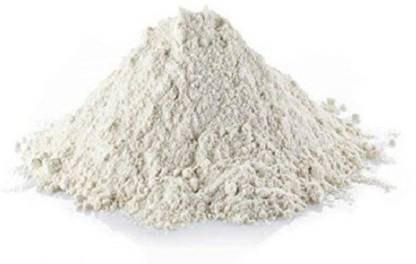
Chuna is a very familiar name also known as lime or calcium hydroxide.It is used for various purposes.But most importantly it is used to cure many health related issues.
Chuna that is used for eating is called edible chuna because it is the pure form of it. In ancient times people used to eat chuna by applying it on the beetle leaves because it has many benefits.
Benefits of Chuna
1.It is a good source of calcium
Calcium is very important for our body because it helps to strengthen our weak bones.Intake of calcium is necessary for each age group. But women above the age of 30 and old age group need more calcium for their body. So they have to take calcium supplements.Intake of chuna as calcium supplement can help to restore calcium in their body.
2.Helps to make teeth stronger
As chuna is a good source of calcium it helps to make our teeth stronger and prevents from early falling of teeth.
3. Increases height

One of the main problems of children is related with their height. Everyone want a good height.So if you want to increase your height take chuna regularly.
4. Periods
Women’s who do not have their periods regular or have very bad cramps during periods should take chuna regularly. Chuna helps to ease their problems.
5. Helps to boost memory
People who have problem in memorizing and tends to forget things easily,should intake chuna. It is also very helpful for people suffering with Alzheimer disease.
6. Helps to cure jaundice
If you are suffering from jaundice you should intake chuna by mixing it in water. It helps to cure jaundice.
7. Digestion
Intake of chuna increases the level of gastric juices which helps in proper digestion. Those who have the problem of constipation should intake chuna.
8. Eyesight

Regular intake of chuna mixed with water helps to improve eyesight. Those who wear spectacles should intake chuna.
9. Pregnancy

During pregnancy women body requires an lot of calcium to strengthen her and fetus bones.So intake of chuna helps to provide calcium during this period. Regular intake of chuna helps to reduce labor pain. Take grain size amount of chuna, mix it in the pomegranate juice and drink it daily. From this pregnant women gets both calcium and iron. It also helps to prevent miscarriage.
10. Inflammation of Joints
People have problem of inflammation of joints due to the deficiency of calcium and vitamin D. Inclusion of chuna in the diet helps to prevent such diseases due to regular supply of calcium.
11. Anemia
Anemia is a condition under which hemoglobin is less than the normal. Intake of chuna helps to increase hemoglobin.
12. Knee pain
Those who have the problem of knee pain should regular intake chuna to get relief from such pain.
13. Menopause
Women suffers with many problem when menopause starts. To have relief from such problem take chuna regularly.
Directions for use
Take grain size amount of chuna, mix it in the water and drink it daily. Do not take a large amount of chuna as it may result in bloating and gas.Those who have problem of kidney stones should not take chuna.
Availability of chuna
Edible chuna can be easily available at panwari shops and online stores.It has so many benefits but still its price is very low and anyone can afford it .


You must be logged in to post a comment.