Portrayal of Mental Health in Media

Photo by Masha Raymers on Pexels.com

“Depression (major depressive disorder) is a common and serious medical illness that negatively affects how you feel, the way you think and how you act.”

To many, the term depression is either a light-hearted substitute for sadness or simply a taboo. To most, admitting one has depression is asking to be put in a mental house. To the ones that are affected, depression creates perpetual sadness which might even become the cause of their death. Depression has taken over the lives of many, though most fail to reveal this. Signs of depression include extreme lack of social interaction, significant weight loss, extreme cases of Insomnia, self-harm, uncontrolled emotions, recurrent suicidal thoughts, etc. It is believed that the present social atmosphere is a huge factor as it often termed as ‘the plague of the 21st century’.

Scientifically, depression can be mapped with the change of various neurons and bio-chemical substances that are released in our system, namely: Serotonin, Dopamine and Norepinephrine. Any imbalance in their level can affect our emotions adversely. Stress and tension can also contribute a lot to this. At times, they can also be hereditary or genetic. Other factors for depression includes, Abuse, serious illness, conflicts, loss, substance abuse, etc.

It is often very hard to implement change in a society, to make people believe that their previous beliefs are not entirely right and are to be changed. To do so, a great power of influence is required. Such power can be obtained through media. To quote Malcolm X “Media is the most powerful entity on earth… Because they control the minds of the masses.” So how can this power be put to good use?

The current mainstream media has taken an initiative in bringing about awareness in the society. Various movies, book and television series have portrayed the intensity of growing depression among youth. For instance; ‘Thirteen Reasons Why’ is a book by Jay Asher that revolves around the reasons why Hannah Baker (A teenager) committed suicide. It emphasizes on how people turned a blind eye to her silent pleas and how that ultimately cost an innocent life. This book was later turned into a hit Netflix series that gained a lot of attention upon its release. Not only was it critically acclaimed, it also helped in giving courage to youngsters around the world to speak up.

Movies such as Anomalisa, World’s greatest dad, cake, Sylvia, Little Miss Sunshine, and various other movies have cast light upon depression and the different forms that it manifests in to different human beings. The Indian film industry also features movies that focus on these issues.

YouTube, being one of the most powerful social media platform has not failed short of showing its side of depression. Famous YouTubers like Kiera Rose, Daniel Howell, Jacksgap, Savannah Brown, John Green, Connor Franta and Lilly Singh etc have shared their personal struggle against depression and social anxiety. They have taken the liberty of portraying the raw side of depression that are often wrongly romanticized in the mainstream media. Lily Singh, a YouTuber turned Business Woman has written down her journey of starting out a video to make others laugh (despite fighting off depression herself) in her book ‘How to be a Bawse’. YouTube also carries various channels that are created just for the purpose of sharing experiences on various form of depression.

Internet also offers other platforms like blogs, websites and social media networking sites that allows healthy interactions and provides information centres. Online therapy sessions and websites have been created to support forums where the affected can reach out. Various celebrities have taken action in ensuring the lifeline supports through social media. For instance, ‘The Live Love Laugh Foundation’ is a mental health initiative taken up by the famous Bollywood actress, Deepika Padukone that illustrates the symptoms and form of depression to create awareness among the Indian youth.

Mental health is a very serious issue that must be tended to at the right time. The world cannot afford to lose another Chester Bennington or another Avicii. Depression is real and it is about time we removed the stigma against it. Spread the word, tame the taboo and lend a helping hand to anyone who is hurting.

‘ROAD ACCIDENT’

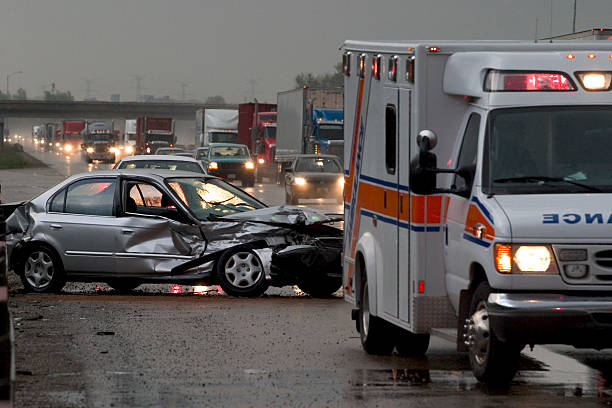
Road accidents are the order of the day in India. There is nothing unusual about innocent people losing their lives due to a combination of several factors. First and foremost is their own indifference and ignorance of traffic rules; combined with other factors like callous drivers or the absolute insensitivity shown by the transport authorities. There is no need to go for the statistical details about the exact number of deaths or serious injuries caused due to road accidents in a particular year. Such statistics do not reflect the truth under normal circumstances. The picture given below shows a man whose car has been turned over because of a collision with a truck and the man is presumably bleeding to death.

The policeman seems to have been able to nab the driver who looks more dazed than guilty, perhaps because of the impact of alcohol which is usually the driving force for drivers across India. An ambulance is in place and two men seem to be moving towards the victim with a stretcher. This is very assuring but the nature of the tragedy leaves us with considerable anxiety about the chances of the victim’s survival. Above all, the picture does not forget to show the common men who usually do not forget to play the role of either mute spectators or aggressive agitators under these circumstances. The spot is not as crowded as city areas are expected to be. Perhaps that also explains the presence of trees, clouds, and birds in the area rather than multistoried buildings and advertisement boards.

Car crash on major highway during rainfall at night. Ambulance in foreground and police car in background.

There are some serious questions that come to my mind when I look at this picture. If we contemplate the picture at a deeper level, we are bound to be confronted by certain very disturbing questions. Why are accidents so common in India? Can nothing be done to combat the menace of rash driving? Why can’t we have a more proactive approach from the police department so that a strict vigil on the roads discourages maniacs from indulging in the killing game of rash driving? The picture shows the policeman nabbing the driver and the medical team on the spot to help the wounded.

Both these incidents are utopian in the Indian context because most drivers in such cases flee the spot and reappear in the scene after a gap of about four or five months, when people have completely forgotten about this incident. Such people also take care to bribe certain dishonest policemen to stay out of legal hassles. The police are often unable to take these people to task. Moreover such is the state of medical care in our country that more often, accident victims die before they can reach the hospital and get proper medical care. Police investigation into these accident cases is such that the common man shies away from helping accident victims for fear of police harassment.

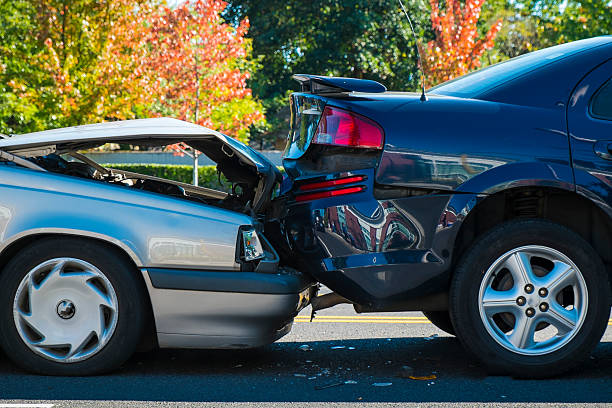
Auto accident involving two cars on a city street

There is no gainsaying the fact that this scenario needs to change. If we do not rush to the aid of an accident victim, it raises serious questions about our identity as civilised human beings. The concerned authorities and the common man should co-operate to improve the scenario with stricter traffic laws and efficient mobile health care units. But we need political will for such a thing to happen. Suppose this person is being taken to the hospital but his ambulance gets stuck in a traffic jam caused by a VIP’s transport facilities and the man dies, whom do you hold responsible? Can we depend on such individuals to make our roads and healthcare facilities better?

Scenario of Road accident in India:

India had most deaths in road accidents in 2019: Report
A total of 151,113 people were killed in 480,652 road accidents across India in 2019, an average of 414 a day or 17 an hour, according to a report by the transport A total of 151,113 people were killed in 480,652 road accidents across India in 2019, an average of 414 a day or 17 an hour, according to a report by the transport research wing of the ministry of road transport and highways.

India continued to have the most road fatalities in the world, followed by China, a distant second at 63,093 deaths in 2,12,846 road accidents in 2019, the report revealed. The United States of America (USA) reported the most road accidents at 2,211,439, and witnessed 37,461 deaths in 2019.

According to the report, speeding was the leading cause of deaths, while, in terms of vehicles, two-wheelers were involved in most road fatalities.

Across states, most road accidents were reported in Tamil Nadu (57,228), followed by Madhya Pradesh (50,669), Uttar Pradesh (42,572), Kerala (41,111) and Karnataka (40,658) accidents.

Maharashtra ranked sixth with 32,295 accidents, but saw the second-highest number of fatalities (12,788), after 22,655 in Uttar Pradesh.

Among cities, Delhi retained its first rank with 1,463 deaths, followed by Jaipur (1,283), Chennai (1,252) and Bengaluru (768).

Mumbai ranked ninth with 447 people being killed in road accidents in 2019.

ARE ONLINE CLASSES HERE TO STAY ?

ONLINE CLASSES ARE HERE TO STAY ?

Online classes are here to stay . Online learning has gain popularity , thanks to this pandemic . Not only colleges & universities but all schools have also introduced this system . In this pandemic , where the whole world is in lockdown it was very difficult to continue studies as all schools , universities , organizations were shut , & here these online class came into force .Online classes have whole different environment as compare to our traditional form of classroom , & students are enjoying this environment.

Some advantages of online classes which you also will relate to are :

  1. Taking classes usually means showing up on class at a particular time, sitting through a somewhat lengthy lecture and then going directly to your next class. Or, if you’ve spaced your classes out, you may be able to take a break in between, but you still have to stay on campus. It can make for really long, really intense, really exhausting days. Then you have to come home, do homework, sleep and do it all again the next day. It can easily become a grind. But with online classes you can sit comfortable & take the lecture by sitting in the position you want to .
  2. Online classes teaches you self discipline , because their is no teacher that will ask you to sit in discipline . You learn the most important thing of your line that is self discipline .
  3. Comfort of you very own home is what students like the most . You can take class from any where & every where .

4 Online classes will force you outside of your comfort zone (in a good way). You will have to learn to navigate the course lectures, download materials, interact with others online and communicate well digitally. Yes, this may be scary for some people! However, in the information age, these are essential skills and will allow you to keep pace with others.

At the same time online classes have disadvantages also which all of us know , they are :

  1. Online learning creates a sense of isolation , students starts feeling that they are in a cage & somebody is forcing you to sit in front of a device .
  2. It require self discipline , students don’t have this skill , as this skill require experience.
  3. Online classes are prone to technical issues, it require proper network connection & needs a proper device for taking classes on .
  4. Online classes need more time to be spend on screen & people don’t have this much time & patience to sit at one place .

Conclusion drawn from this is , we all know that this pandemic will stay for long & online classes are the only remedy for this , to avoid contact with one & other , & for students safety & security , online classes are here to stay

Classification of Micronutrients

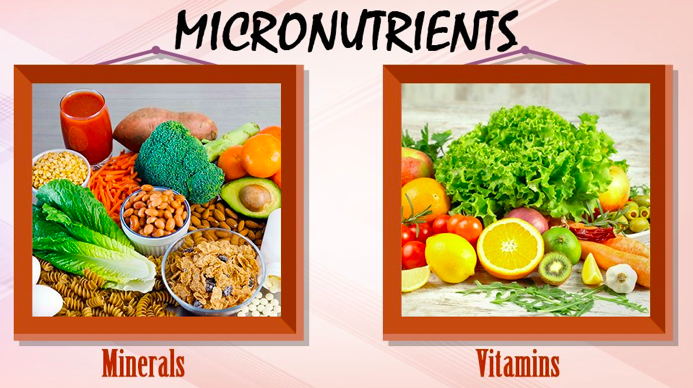
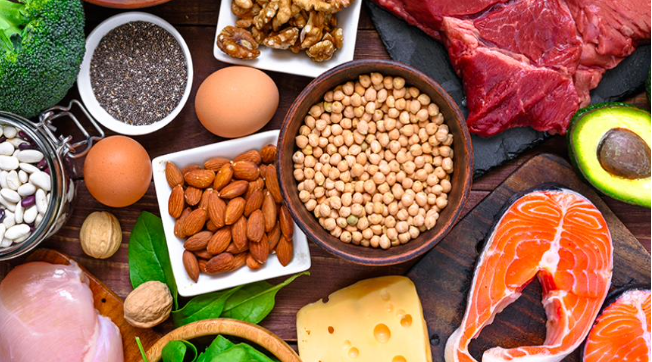
‘Micro’ means small, as their name specifies micronutrients are substances which individuals need in their eating routine in just limited quantities. These incorporate minerals and nutrients. Although most nourishments are combinations of nutrients, huge numbers of them contain a great deal of one nutrient and a little bit of different supplements. Nourishments are regularly gathered by the supplement that they contain in abundance.

Vitamins

Aside from Vitamin D, vitamins are fundamental nutrients, important in the eating regimen for good wellbeing. Vitamin D can be combined in the skin within the sight of UVB radiation. Many animal species can synthesize vitamin C, but humans cannot. Certain vitamin like mixes that are suggested in the eating routine, for example, carnitine, are thought helpful for endurance and wellbeing, yet these are not “basic” dietary supplements on the grounds that the human body has some ability to deliver them from different mixes. Also, a huge number of various phytochemicals have as of late been found in food (especially in new vegetables), which may have attractive properties including cell reinforcement movement. Test showing has been interesting yet uncertain. Other fundamental supplements not classed as nutrients incorporate basic amino acids, basic unsaturated fats, and the minerals talked about in the first area. Nutrient inadequacies may bring about illness conditions: goiter, scurvy, osteoporosis, impeded resistant framework, problems of cell digestion, certain types of disease, manifestations of untimely maturing, and poor mental wellbeing (counting dietary issues), among numerous others. Abundance levels of certain nutrients are likewise hazardous to wellbeing. The vitamins are conveniently divided into two major groups, those that are fat soluble and those that are water soluble. Fat-soluble vitamins are A, D, E, and K. Their absorption by the body depends on the normal absorption of fat from the diet. Water-soluble vitamins include vitamin C and the several members of the vitamin B complex.

Minerals

Dietary minerals are inorganic substance components needed by living animals, other than the four components carbon, hydrogen, nitrogen, and oxygen that are available in essentially all the natural atoms. Some have parts as cofactors, while others are electrolytes. The expression “mineral” is age-old, since the aim is to depict essentially the more uncommon components in the eating regimen. Some are heavier than the four just referenced – including a few metals, which regularly happen as particles in the body. A few dietitians suggest that these be provided from nourishments where they happen normally, or if nothing else as mind boggling mixes, or in some cases even from common inorganic sources, (for example, calcium carbonate from ground clam shells). Some are ingested significantly more promptly in the ionic structures found in such sources. Then again, minerals are frequently falsely added to the eating regimen as enhancements; the most notable is likely iodine in iodized salt which forestalls goiter.

Mother Earth – Our home planet

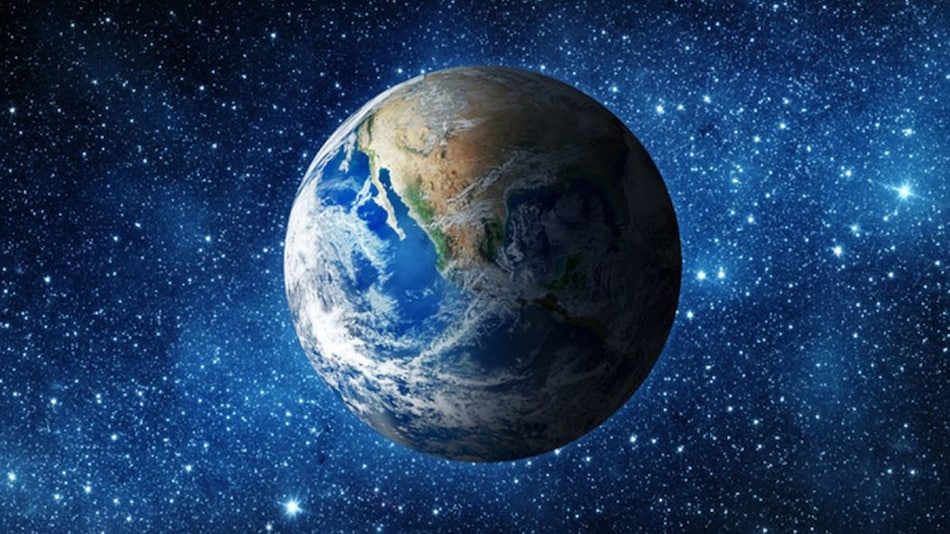
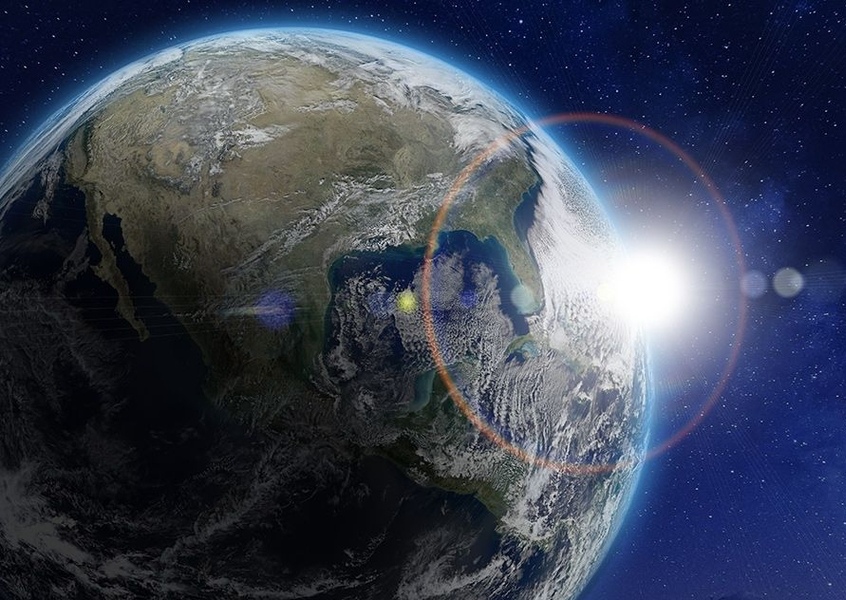
Earth is the only planet where life can exist.

Earth is also called Blue planet.

If we destroy the earth, we destroy the chance of life.

Earth is our mother as we born here,we grow here,we eat ,play and our whole life cycle take place on earth.
Earth  provide everything that we use today whether it is directly or indirectly.

Life existed on earth is as it is suitable for having an atmosphere, suitable temperature and water is present in its liquid form on Earth due to the position of Earth on solar system.

Earth is the third planet from the Sun at a distance of about 93 million miles (150 million km).

We called Mother earth because Earth provide everything to us like a mother. Our existence become possible only due to earth.
Everything that we needed to survive and thrive is only due to our mother earth it provide us  food, shelter, home , water, air, medicine , suitable temperature and everything that we need for our existence.
But we affect our mother Earth in various ways only for the sake of our greed.

Due to our greedy behaviour natural environment of Earth get changes.

Earth provides enough to satisfy Every man’s needs but not Every man’s greed

Mahatma Gandhi

Earth day is celebrated on 22 April.

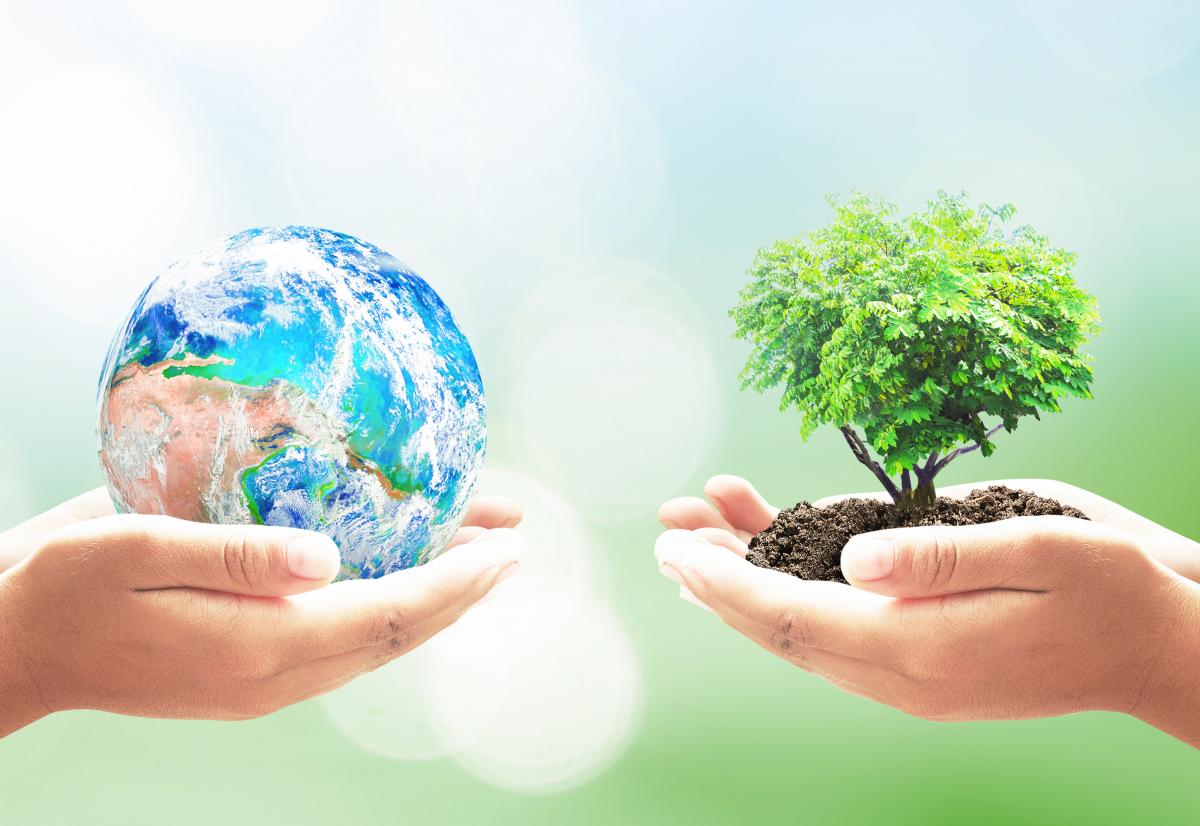
Thus ,there is a need to  save our mother Earth.

The optimal temperature of earth rises ,the glaciers are melting  and every type of pollution like air pollution water pollution ,soil pollution ,noise pollution every thing are going on its peak and that’s why why every living organism get affected by this.


Due to this anthropogenic action every single living organism get affected even when they don’t take part in this  destructive action.

Anthropogenic action is referred to as the action which is done by humans.

Impact of anthropogenic activities on  earth
First of all the major impact is  due to overpopulation –
● Due to overpopulation the overconsumption of resources are at its peak .
Even after the implementation of various sustainable act but it doesn’t make any major changes on environment.
● To fulfill the requirements of population we need more food supplies that’s why there is increase in uses of fertilizers and various chemicals to increase the food production.
■ And it will leads to lack of nutrients in grains ,soil infertility or or it may leads to desertification.
● To fulfill the requirements of people there is need to increase the land area so it has been observed that it leads to deforestation.
● Anthropogenic activities are responsible for an intensive emission of greenhouse gases to the atmosphere, leads to an increase of 35% of carbon dioxide (CO2, greenhouse gases) emissions between 1990 and 2010.
● Emission of large amount of carbon dioxide and other greenhouse gases leads to rise in temperature of Earth, increase pollution and it causes various type of disease also.
● For affordable price and easy to use the production of plastic also increases.


These all are the the main factors that affect the ecosystems too.

Measures taken to save mother earth:-

  • Reduce, reuse and recycle
  • Choose sustainable development
  • Volunteer for clean up our environment
  • Choose long lasting light bulbs
  • Try to use renewable resource more than non-renewable resources
  • Save water
  • Plant more trees
  • Use public transport system
  • Try to avoid plastic use
  • Try to minimise pollution at individual level
  • Use reusable shopping bags
  • Educate others about anthropogenic activities or the impact of anthropogenic actions on our environment and what can we do to prevent its bad effects

Save earth, save home

Classification of Macronutrients

‘Macro’ signifies enormous or large, as their name proposes these are nutrients which individuals need to eat routinely and in a genuinely huge sum. They incorporate starches, fats, proteins, fiber and water. These substances are required for the flexibly of energy and development, for digestion and other body functions. Metabolism implies the cycle associated with the age of energy and all the ‘building squares’ needed to keep up the body and its capacities. Macronutrients give a great deal of calories however the measure of calories gave fluctuates, contingent upon the food source.

Every gram of starch or protein gives four calories, while fat gives nine calories to every gram.

Carbohydrates

Carbohydrates might be delegated monosaccharides, disaccharides or polysaccharides relying upon the quantity of monomer (sugar) units they contain. They are an assorted gathering of substances, with a scope of synthetic, physical and physiological properties. They make up a huge piece of nourishments, for example, rice, noodles, bread, and other grain-based items, yet they are not a basic nutrient, which means a human doesn’t have to eat sugars. The brain is the biggest shopper of sugars in the human body, and uses especially a lot of glucose, representing 20% of all out body glucose utilization. The brain utilises generally glucose for energy; if glucose is inadequate not withstanding, it changes to utilising fats. Monosaccharides contain one sugar unit, disaccharides two, and polysaccharides at least three. Monosaccharides incorporate glucose, fructose and galactose. Disaccharides incorporate sucrose, lactose, and maltose; cleaned sucrose, for example, is utilised as table sugar. Polysaccharides, which incorporate starch and glycogen, are regularly alluded to as ‘intricate’ starches since they are ordinarily long different stretched chains of sugar units.

Proteins

Proteins are the basis of numerous creature body structures (for example muscles, skin, and hair) and structure the compounds that control synthetic responses all through the body. Every protein particle is made out of amino acids which contain nitrogen and once in a while sulfur (these segments are answerable for the particular smell of consuming protein, for example, the keratin in hair). The body requires amino acids to deliver new proteins (protein maintenance) and to supplant harmed proteins. Amino acids are dissolvable in the stomach related juices inside the small digestive tract, where they are consumed into the blood. When ingested, they can’t be put away in the body, so they are either utilized as required or discharged in the urine. Proteins comprise of amino acids in various extents. The main angle and characterising normal for protein from a healthful viewpoint is its amino acid synthesis. For all animals, some amino acids are basic (can’t deliver them inside so they should be eaten) and some are trivial (can create them from other nitrogen-containing mixes). Around twenty amino acids are found in the human body, and around ten of these are fundamental. The combination of some amino acids can be restricted under uncommon pathophysiological conditions, for example, rashness in the newborn child or people in serious catabolic pain, and those are called restrictively fundamental. An eating routine that contains satisfactory measures of amino acids (particularly those that are basic) is especially significant in certain circumstances: during early turn of events and development, pregnancy, lactation, or injury (a consume, for example). A total protein source contains all the basic amino acids; a fragmented protein source needs at least one of the fundamental amino acids. It is conceivable with protein mixes of two inadequate protein sources (e.g., rice and beans) to make a total protein source, and trademark blends are the premise of unmistakable social cooking conventions. In any case, integral wellsprings of protein don’t should be eaten at a similar supper to be utilized together by the body. Abundance amino acids from protein can be changed over into glucose and utilised for fuel through a cycle called gluconeogenesis.

Fats and Oils

A particle of dietary fat ordinarily comprises of a few unsaturated fats (containing long chains of carbon and hydrogen atoms), clung to a glycerol. They are commonly found as fatty oils (three unsaturated fats appended to one glycerol spine). Fats might be delegated immersed or unsaturated relying upon the substance structure of the unsaturated fats included. Immersed fats have the entirety of the carbon atoms in their unsaturated fat chains attached to hydrogen particles, though unsaturated fats have a portion of these carbon molecules twofold reinforced, so their atoms have moderately less hydrogen molecules than a soaked unsaturated fat of a similar length. Unsaturated fats might be additionally delegated monounsaturated (one twofold security) or polyunsaturated (some twofold securities). Besides, contingent upon the area of the twofold security in the unsaturated fat chain, unsaturated fats are named omega-3 or omega-6 unsaturated fats. Trans fats are a sort of unsaturated fat with trans-isomer securities; these are uncommon in nature and in nourishments from normal sources; they are regularly made in a modern cycle called (halfway) hydrogenation. There are nine kilocalories in every gram of fat. Unsaturated fats, for example, formed linoleic corrosive, catalpic corrosive, eleostearic corrosive and punicic corrosive, notwithstanding giving energy, speak to strong insusceptible modulatory particles. Immersed fats (ordinarily from creature sources) have been a staple in numerous world societies for centuries. Unsaturated fats (e. g., vegetable oil) are viewed as more advantageous, while trans fats are to be kept away from. Immersed and some trans fats are regularly strong at room temperature, (for example, spread or fat), while unsaturated fats are normally fluids, (for example, olive oil or flaxseed oil). Trans fats are extremely uncommon in nature, and have been demonstrated to be exceptionally unfavorable to human wellbeing, yet have properties helpful in the food handling industry, for example, rancidity opposition.

Water

Water is the significant constituent of the human body. The body can’t deliver enough water by digestion or acquire enough water by food ingestion to satisfy its requirements. As an outcome, we need to focus on what we drink for the duration of the day to guarantee that we are meeting our day by day water needs, as not doing so may have negative wellbeing impacts. Water is discharged from the body in numerous structures; including pee and defecation, perspiring, and by water fume in the breathed-out breath. In this manner, it is important to satisfactorily rehydrate to supplant lost liquids.
Early proposals for the amount of water needed for upkeep of good wellbeing recommended that 6–8 glasses of water day by day is the base to keep up legitimate hydration. The idea that an individual ought to burn-through eight glasses of water for each day can’t be followed to a trustworthy logical source. Water is the primary constituent of cells, tissues and organs and is essential forever. Regardless of its entrenched significance, water is frequently failed to remember in dietary suggestions, and the significance of sufficient hydration isn’t referenced. As a result, wellbeing experts and nutritionists are here and there confounded and question the need of drinking water consistently, what amount should we drink, and how to know if patients are very much hydrated.

FibRE

Dietary fiber is a carbohydrate, explicitly a polysaccharide, which is not completely assimilated in people and in certain animals. Like all sugars, when it is processed, it can create four Calories (kilocalories) of energy per
gram, however much of the time, it represents not as much as that on account of its restricted retention and absorbability. Entire grains, beans, and different vegetables, organic products (particularly plums, prunes, and figs), and vegetables are acceptable wellsprings of dietary fiber. Fibre is imperative to stomach related wellbeing and is thought to diminish the danger of colon malignant growth. Fiber can help in mitigating both blockage and loose bowels by expanding the weight and size of stool and mellowing it. Fiber gives mass to the intestinal substance, and insoluble fiber particularly invigorates peristalsis – the cadenced strong constrictions of the digestive organs which move digesta along the stomach related lot. Some dissolvable strands produce an answer of high thickness; this is basically a gel, which eases back the development of food through the digestive organs. By easing back the retention of sugar, fiber may assist lower with blooding glucose levels, diminishing insulin spikes and lessening the danger of type 2 diabetes.

Why are supplements bad ?

Anything that changes any natural process is considered to be bad. Supplements used to increase body metabolism by artificial processes are also not good for health, but not all.

What are supplements ?

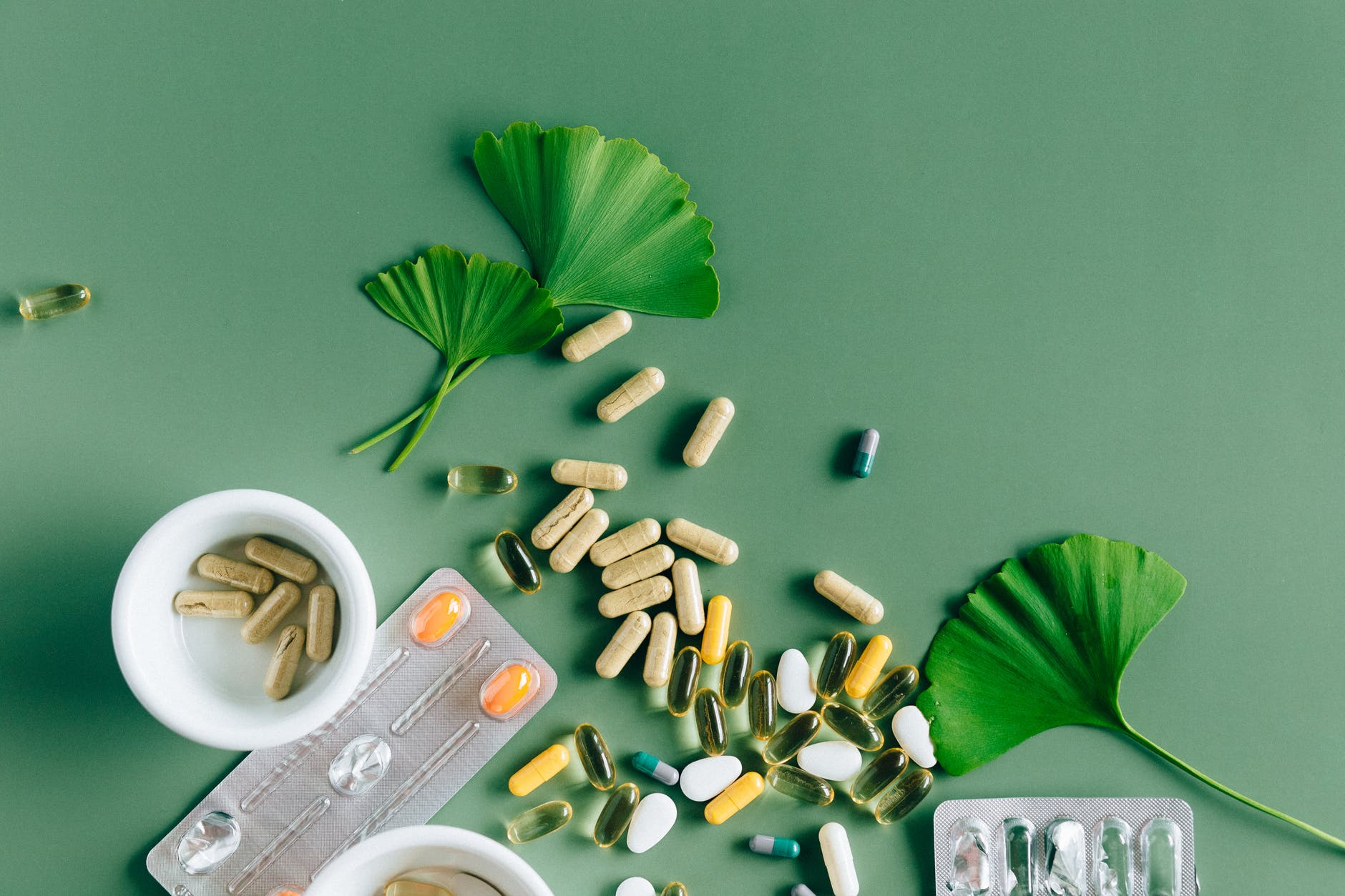
Supplements include vitamins, minerals, enzymes, amino acids and herbs. They are marketed in many different forms like in tablets, capsules, pills or other forms.

Some common supplements

  • Calcium
  • Green tea
  • Vitamin D
  • Garlic
  • Fish oil
  • Ginseng
  • Echinacea
  • Melatonin
Photo by Nataliya Vaitkevich on Pexels.com

Why supplements are bad ?

It is a less known fact that there is no safety testing of the supplements by FDA. There is no such rule that the potential adverse effects be mentioned on the supplements.

Many people using supplements since decades, don’t even know about the harmful effects of supplements. They just use in the hope of maybe curing some allergies or minor diseases. But supplements are not always safe and beneficial.

Some multivitamins are not known to cause health risks but it’s better to be cautious. Many supplements contain some ingredients that may cause severe biological effects. They may complicate your health any lead to harmful effects.

Things to know before using supplements

  1. Although some supplements come from natural sources, that doesn’t mean they are safe to use.
  • Some supplements may contain many contaminants like drugs or chemicals that make them of poor quality.
  • Do not at any cost combine any supplements.
  • It is also advised to not take supplements along with medicines.
  • Do not substitute supplements for the prescribed medicines.
  • Do not consume supplements in a large quantity.
  • Always speak with your healthcare provider before taking any supplements.

Nutrition and Nutrients

Nutrition is the science that deciphers the supplements and different substances in food corresponding to support, development, multiplication, wellbeing and infection of a living being. It incorporates ingestion, retention, absorption, biosynthesis, catabolism and discharge. The eating regimen of a living being is the thing that it eats, which is to a great extent controlled by the accessibility and acceptability of nourishments. For people, a solid eating routine incorporates readiness of food and capacity strategies that protect supplements from oxidation, warmth or draining, and that lessens danger of food-borne ailments.

In people, an undesirable eating regimen can cause deficiency related infections, for example, visual impairment, pallor, scurvy, preterm birth, stillbirth and cretinism, or supplement overabundance health compromising conditions, for example, weight and metabolic disorder; and such normal ongoing foundational illnesses as cardiovascular sickness, diabetes, and osteoporosis. Undernutrition can lead to wasting in acute cases, and the stunting of marasmus in chronic cases of malnutrition.

The seven significant classes of human supplements are sugars, fats, fiber, minerals, proteins, nutrients, and water. Supplements can be assembled as either macronutrients or micronutrients (required in little amounts).

Human nourishment manages the arrangement of basic supplements in food that are important to help human existence and great wellbeing. Helpless nourishment is a persistent issue regularly connected to neediness, food security or a less comprehension of sustenance and dietary practices and poor information about supplements needed by the body at different phases of life to forestall insufficiency of supplements in body which can effect-sly affect body. Lack of healthy nutrients and its results are huge supporters of passings, actual deaths and physical illness around the world. Great sustenance is really important for kids to develop physically and intellectually, and for typical human organic turn of events. The human body contains synthetic mixes, for example, water, starches, amino acids (found in proteins), unsaturated fats (found in lipids), and nucleic acids (DNA and RNA). These mixes are made out of components, for example, carbon, hydrogen, oxygen, nitrogen, and phosphorus. Any investigation done to decide healthful status must consider the condition of the body when tests, just as the compound piece of the entire eating regimen and of the multitude of materials discharged and eliminated from the body.

WHAT ARE NUTRIENTS?

A nutrient is a substance utilized by a creature to endure, develop, and recreate. The necessity for dietary supplement admission applies to creatures, plants, growths, fungi, and protists. Supplements can be joined into cells for metabolic purposes or discharged by cells to make non- cell structures, for example, hair, scales, plumes, or exoskeletons. A few supplements can be metabolically changed over to more modest atoms during the time spent delivering energy, for example, for starches, lipids, proteins, and aging items (ethanol or vinegar), prompting final results of water and carbon dioxide. All creatures require water. Fundamental supplements for creatures are the fuel sources, a portion of the amino acids that are joined to make proteins, a subset of unsaturated fats, nutrients and certain minerals. Plants require more assorted minerals retained through roots, in addition to carbon dioxide and oxygen assimilated through leaves. Parasites live on dead or living natural issue and address supplement issues from their host.
Nutrients might be natural or inorganic: natural mixes incorporate most mixes containing carbon, while all different synthetic substances are inorganic. Inorganic supplements incorporate supplements, for example, iron, selenium, and zinc, while natural supplements incorporate, among numerous others, energy-giving mixes and nutrients.

Breast Cancer

Breast cancer is the most frequent invasive cancer in women, and after lung cancer, it is the second largest cause of cancer death in women.

Breast cancer can start in a variety of places in the breast. Lobules, ducts, and connective tissue are the three primary components of a breast. The glands that generate milk are known as lobules.

The ducts are tubes that transport milk from the breast to the nipple. Everything is held together by connective tissue, which is made up of fibrous and fatty tissue. Breast cancer usually starts in the ducts or lobules.

Breast cancer can spread to other parts of the body via blood and lymph vessels. Breast cancer is said to have metastasized when it spreads to other regions of the body.

Photo by Xenia Shtreter on Pexels.com

Since 1989, advances in breast cancer detection and treatment have drastically improved survival rates. There are more than 3.1 million breast cancer survivors in the United States, according to the American Cancer Society (ACS). A woman’s likelihood of dying from breast cancer is about 1 in 38. (2.6 percent ).

According to the American Cancer Society, 268,600 women will be diagnosed with invasive breast disease in 2019 and 62,930 persons will be diagnosed with noninvasive cancer.

Breast cancer will kill 41,760 women in the United States this year, according to the American Cancer Society. Breast cancer fatality rates have been declining since 1989, thanks to breakthroughs in treatment.

The need of screening and being aware of the symptoms are both significant methods to reduce the risk. Breast cancer can afflict men in rare cases, but this article will focus on breast cancer in women. Here’s where you can learn more about breast cancer in men.

SYMTOMS OF BREAST CANCER

The initial signs of breast cancer are usually a thicker tissue area in the breast, a lump in the breast, or a lump in the armpit.

1)Other signs and symptoms include:

2)Armpit or breast soreness that doesn’t go away with the monthly cycle

3)Pitting or redness of the breast skin, resembling the surface of an orange

4)A rash on one of the nipples or around it

5)A nipple discharge, potentially including blood

6)A nipple that is sunken or inverted

7)A change in the breast’s size or shape

8)The skin on your face is peeling, flaking, or scaling.

The size of the tumour and whether it has spread to lymph nodes or other regions of the body are used to classify cancer.

Breast cancer can be staged in a variety of ways. From stage 0 through 4, with subdivided categories at each numbered level, is one way.

The four basic stages are described here, while the precise substage of a cancer may be determined by other tumor characteristics, such as the presence of the HER2 receptor.

CAUSES OF BREAST CANCER

Fat, connective tissue, and thousands of lobules make up a woman’s breast after puberty. Breastfeeding milk is produced by these small glands. Milk travels to the nipple through tiny tubes called ducts.

Cancer produces uncontrollable cell proliferation. They do not die at the expected time in their lives.

Because the tumour consumes nutrition and energy, it deprives the cells around it, resulting in cancer.

Breast cancer is most commonly found in the inner lining of milk ducts or the lobules that provide milk to them. It can then spread to other areas of the body.

Photo by SHVETS production on Pexels.com

THERE ARE TWO TYPES OF BREAST CANCER

Ductal carcinoma is the most prevalent type of cancer that starts in the milk duct.
Lobular carcinoma is a type of cancer that begins in the lobules.


When cancer cells burst out from inside the lobules or ducts and invade adjacent tissue, it is called invasive breast cancer. This makes it more likely for cancer to spread to other places of the body.

Noninvasive breast cancer occurs when the cancer has not migrated beyond its original location. However, these cells can proceed to aggressive breast cancer in some cases.

It is impossible to avoid breast cancer. Certain lifestyle choices, on the other hand, can greatly reduce the risk of breast cancer and other cancers.

These are some of them:

limiting your alcohol consumption

following a nutritious diet rich in fresh fruits and vegetables

obtaining enough physical activity

keeping a healthy BMI (body mass index) (BMI)

Breastfeeding and the use of hormone replacement therapy (HRT) after menopause should both be considered because they can increase the risk.

For women who are at a high risk of breast cancer, preventive surgery is also an option.

The Breast Cancer Healthline app connects users to an online breast cancer community where they may interact with others and receive advice and support through group discussions.

FACTS ABOUT NAILS

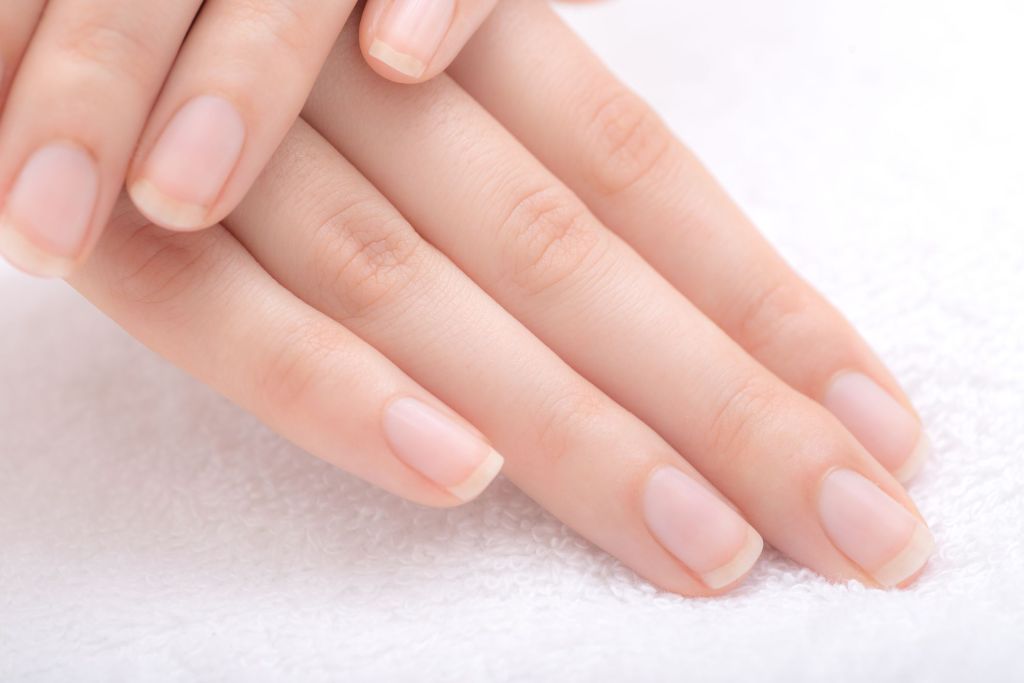
  1. Keratin is a type of protein that forms the cells that make up the tissue in nails and other parts of your body.
  2. The part you can see in nails is consists of dead cells. That’s why it doesn’t hurt to cut your nails.
  3. Tiny blood vessels called capillaries sits under the nail bed .
  4. Blood flowing through the capillaries helps nails grow and gives them their pinkish color.
  5. Layer of skin under the nails is called the dermis.
  6. Dermis has sensory nerve endings. These send a signal to your brain when pressure is applied to your nails.
  7. Although the myth about nails growing after death isn’t true.
  8. After someone dies their skin dehydrates and shrinks making it look like their nails grew.
  9. Nails grow faster in summer than in winter.
  10. Stress can cause your nails to grow more slowly or even temporarily stop growing. 

Stress due to repeated exams

Students often feel stress due to repeated exams, assignments, homework, class test etc. Many schools and colleges pressure students to study and get good marks. In this blog we are going to counter the following topics stress due to exams, stress management techniques, need of extracurricular.

Stress due to Exams

Nowadays stress is common among school and college students because of repeated exams, class tests and assignments. Every school and college wants its students to study well get good marks. That’s right I agree, but in order to increase students marks they keep extra classes after school, keep repeated tests. With this student feels stress. Student goes to school at 9:00 am and return back to home at 8:00 pm. After returning home also he has to do his homework. Thus he left with no time to play or do anything else he wants. Every school should increase the interest in studies to its students. If they were successful, then each and every students enjoys studying, like this student will not feel any kind of stress.

Stress management techniques for students

Stress is the feeling of physical and emotional stress. Stress adversely effect the physical and mental state of a person. According to a survey teen are most effected stress comparing to adults. These are some stress management techniques to reduce stress.

1. Sleep well

Student scheduled plan may even miss there sleep. You should have to sleep atleast 8 hours per day, inorder to have good health. Students who sleep less than 8 hours are often found less productive on comparing to student who sleep atleast 8 hours.

2. Exercise regularly

It was found in a study that doing yoga and exercise every day help to reduce stress levels. There are several benefits of doing exercise and yoga. It also help to improve your health condition. Physical activity may help bump up the production of your brain’s feel-good neurotransmitters, called endorphins.

3. Listen to music

Music is the best medecine to relieve stress. Listening music conveniently decrease the stress levels. Music help you to calm down your mind from your tension.

4. Eat a healthier diet

You may not believe the eating healthy food can low your stress levels. Eating a healthier diet boost brainpower, which help to focus on your work with great potential.

5. Spend time with friends and family

Friends and family are the one who supports us in our bad times. They will encourage us. They may help to relieve our stress. You can share your tensions and problems to them. They give the sense of and self-worth.

6. Go out and have fun

If you feel stressed, then just go out play with your friends. Playing games help to reduce your stress levels. This will give relaxation to mind as well as body. Gaming results in dopamine secretion, which makes you feel good.

Need of extracurricular in schools

Every student is unique, some are interested in music and some in art and some in computers etc. Every school should encourage students in the subject which they love. If they do so, then every student will become a champion. There should be some extracurricular activities such as sports, NCC, events etc in schools other than academics.

That’s all from my side. I hope you like it. This blog is not criticizing any school, but it is showing the need of change in schools. Thank you.

What Are Superfoods?

Superfoods are food items that are considered to be highly nutritious and hence beneficial to one’s health. They are primarily plant-based, however some include fish and dairy. Blueberries, salmon, kale, and acai are some of the few foods that have earned the “superfood” moniker. Nevertheless, there are no hard and fast rules for defining what is or isn’t a superfood.

Superfoods include a wide range of nutrients, including antioxidants, that are considered to protect against cancer. They also include good fats, that are considered to protect one against heart disease; fibre, that is believed to reduce diabetes and digestive issues; and phytochemicals, that are the compounds in plants that give plants their vivid colours and aromas and have various health advantages.

Consuming nutrient-dense foods (such as several so-called superfoods) is unquestionably beneficial. The best approach to a balanced diet, however, is to eat a variety of healthy foods in the appropriate proportions.

Some of the most common superfoods are:

BERRIES

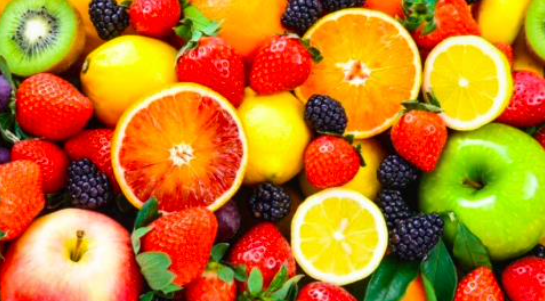
Berries’ greater flavonoid content have been found to reduce the chances of a heart attack.  Acai berries, blueberries, raspberries, tart cherries, cranberries, and goji berries are some of the most well-known superfood berries. 

Acai berries are tiny, dark purple berries native to South America. They include 19 amino acids as well as several antioxidants. Blueberries have a high fibre, manganese, and vitamin K content. Cranberries include a flavonoid which helps reduce the incidence of urinary tract infection. Goji berries are a tiny red fruit originating from Asia that is strong in vitamin C and E, as well as a variety of flavonoids. These are commonly used in Eastern medicine for treating diabetes and hypertension as well as to promote the health of the eyes, liver, and kidneys.

SOY

Soybeans contain a high amount of isoflavones, a kind of phytochemical. Phytochemicals are substances which are naturally found in plants. According to some studies, isoflavones in soy assist in lowering the quantity of bad cholesterol in the blood.

Soy has been demonstrated in a few trials to help reduce age-related dementia. Soy isoflavones may help decrease bone degeneration and enhance bone mineral density following menopause, in addition to alleviating menstrual pain.

TEA

Tea has minimal calories, aids in water absorption, and is high in antioxidants. Catechins, which are powerful antioxidants found predominantly in green tea, have anti-inflammatory and anti-carcinogenic effects. According to one study, both green and white tea decreased stress levels, with white tea having an even larger effect. Green tea could possibly possess anti-arthritic properties due to its ability to reduce general inflammation.

LEAFY GREENS

Superfood leafy greens include kale, spinach, Swiss chard, beet greens, and collard greens. These foods tend to be high in vitamin A, C, E, and K, as well as several B vitamins. Carotenoids, iron, magnesium, potassium, and calcium are also abundant in leafy greens.

Kale and other leafy greens are rich in fibre and water content, which aid in constipation prevention and encourage regularity as well as a healthier intestinal system.

SALMON

Salmon and other fatty fish, such as trout and herring, have high omega-3 fatty acid content, which can reduce the risk of irregular heartbeats, lower cholesterol, and prevent the formation of arterial plaque.

DARK CHOCOLATE

Dark chocolate contains a high concentration of flavonoids, according to research. Flavonoids have antioxidant properties, can actually reduce the risk of  coronary heart disease and some forms of cancer, and therefore can enhance the immune system. Cacao powder is the ingredient in chocolate that is mainly responsible for these properties.

WINE AND GRAPES

Resveratrol, a polyphenol contained in wines which has earned itself the moniker “heart healthy,” is found in the skins of red grapes. Several studies have suggested that resveratrol can help prevent diabetic neuropathy and retinopathy. Resveratrol has also been proven to be useful in the treatment of Alzheimer’s disease, the alleviation of menopausal symptoms, and the improvement of blood sugar regulation. Nevertheless, large-scale human-subject research is still needed to validate these conclusions.

Although wine contains antioxidants, remember that munching on grapes provides the very same benefits as well as added fibre.

CRIMINALS:ARE THEY BORN (OR) MADE

When we think about how we should prevent and punish criminals on the question of whether criminals are born or made. We first should understand the behaviour traits of criminals because personality is the major factor in many kinds of behaviour, one of which is criminal behaviour. To determine what makes a criminal to become as “a criminal,” we must understand his/her personality.

Are criminals born or made? This question has been crushed the brains of psychologists, sociologists, and criminologists for many years at several incidents and efforts have been made to establish the nature of criminality. The born or made argument, known as the “nature versus nurture” debate, arises the question, whether criminality is due to genetic factors, and therefore unavoidable, or whether it is the product of social, situational, environmental surroundings, and other external factors.

Criminal behaviour has been increasing virtually throughout the every part of the world because such behaviour may be passed on from father to son and the genetically deprived criminal under class is breeding faster than the rest of society, he argues. Majorly, the psychological factors which inhibit criminal behaviour are fear and conscience.

Psychologists after many experiments they came up with an opinion that criminal behaviour lie in genetics and as well as environmental situations but it doesn’t mean that every criminal will posses with same type of behavioural traits. According to the population census of India the children who were born to thug is used to be recorded as a thug, this was registered under the criminal tribe act(1870). This act resembles that there is a chance of getting criminal behaviour if the child was born to a thug.

In these days we are observing that even some of the common people are also becoming criminals with out having any past crime background. So, this is the point where we have to think about the impact of society or the environment on the criminal. Guys, a criminal is also a human who posses all the common things as we all have but the only difference is that the perspective and the surrounding where a criminal has risen.

Most of the teenagers and children has a high tendencies to learn from their surroundings. Petty crimes committed by children may appear to be a tale to friends who may also be involved the same for pleasurable. Over duration of time, this behaviour may prove to become a permanent thing. Peer pressure is mainly clear in the slums where houses close to one another. Among other factors, this explains why crime rate is on the higher on average in poor vicinity.

According to study, families in inner cities are facing many challenges. There is extremely huge number of single parent families where mostly the father is missing. This impacts the children in those families a lot especially boys need a father figure in the family to help them grow and learn how to control their manhood. Surroundings around a person influences a person a lot as like an old proverb says that wicked group damage decent principles. There are several reasons behind a person to become as a criminal that may be because of his financial standards or because of family issues or sometimes because of being as victim also.

Now a days we see many people who are at higher positions in their career are also becoming as a criminals. This type of scenarios clearly show us that having lots of degrees in hand can’t stop the people in turning them as a criminals. The main reason behind these scenarios are lack of essential values and ethics which are missing in todays education system and this effect is adversely creating a negative roots on society.

Why plastic bags should get banned?

Plastic bags are harming our environment. Plastics are non biodegradable product which means that they will not degrade in the soil for thousands and thousands of years. Plastic harms our environment in all the ways it can.

How plastic degrades our environment?

Land pollution from plastics…

Firstly, let’s talk about land pollution so if we throw plastic bags on for example, soil, it will not degrade easily and it will degrade may be after thousand years but the chemicals which are used to make the plastic bag degrade the fertility of the soil. Plastic bags are made from poisonous chemicals and if we will throw it in soil firstly it will degrade the fertility of the soil and secondly it will make the crop poisonous and if we will eat that food crops that will grow on such soil we can even die so it deplete the fertility of soil and at the same time makes our food poisonous. Please ,Please ,Please never throw plastic bags on soil or some land area where crops are grown. This way it causes land pollution.

How plastics causes animals death?

Sometimes animals eat plastic bags which causes them to choke. We should never throw plastic bags in garbages because in our country especially in India cows and many other animals like dogs eat from garbages and if by mistake they eat plastic it will let them to die so please never throw garbage inside plastic bags.

Water pollution from plastics…

Plastic bags also causes water pollution. Let’s see how. So when plastics are thrown inside water, the Marine animals which used to live inside the water bodies , by mistake eat that plastic or even a part of the plastic bag which made them to die. The plastic bags are made from poisonous chemicals so please remember never to throw plastic bags anywhere.

In these above-mentioned ways and many more ways plastics destroys our environment.

Measures taken against plastics by different countries…

Some Countries banned plastic totally while some other countries levied taxes on it. But a country is made by its countrymen and we are the country man of India and it is our national duty to stop using plastic bags and save our environment. In our country today also people are using plastic bags even after knowing that they are not good for our environment and causes so many problems.

Why still using plastic bags?

The question is why we are not stopping ourselves from using the plastic bags even if we know that it causes harmful effects on environment. So, there are a lot of reasons behind it. Let’s discuss them one by one.

The first reason is that we are used to it. We habitual of using plastic bags.

The second reason is that it is very convenient to use plastic bags. Plastic bags are lightweight and are very small in size so it becomes very easy for us to carry them . On the other hand cloth or jute bags are not lightweight and are big also, which makes them inconvenient or less convenient than plastic bags.

The third reason is that plastic bags are very cheap. So it’s easy to buy them.

So there are many more reasons but these are the main reasons which make plastic bags very common in use.

Conclusion

We should today take the oath that we have to never use plastic bags and this is not a rule that you have to follow against your will but this is your duty to never never never use plastic bags because it’s our Earth we can make it a better place to live for everybody else.We always want to change our society and the world. But let me tell you very clearly that you can’t.

You can just change yourself and you know what that will make the world change.

“If you can change yourself, you can change the world and if you can’t change yourself ,you will never be able to change the world.”

Thankyou so much for reading.

How to grow Aloevera and Uses of it

Most people know that you can use Aloevera to soothe sunburns. However, this versatile plant has several other medicinal properties, making it one of nature’s best herbal remedies. Its vitamins, minerals, and phytonutrients make it an anti-inflammatory powerhouse. We can find Aloevera plant in everything from skin and hair care products to ointments, drinks.

There are 500 species of aloe vera, but Aloe barbadensis Miller, native to the Arabian peninsula, is the most widely available and most popular one. You can buy a small plant from farmers markets or small local growers, and let it grow, or buy a large plant and divide it as it gets even bigger.

Aloe vera needs a minimum of six hours of daily sunlight, so it’ll grow best in bright spots indoors (especially in the winter) or in a sheltered, sunny part of the garden. It can handle full sun, but it doesn’t need it. You can move the plant outside during summer, just make sure it receives the proper amount of light. 

Aloe vera leaves are long and slightly curved with ragged edges. Inside, you’ll find a clear gel.

Use sharp, clean kitchen scissors or a knife, and cut a bottom leaf from the base of the plant. Place the cut aloe leaf into a small cup or glass, cut end down. You’ll notice a yellow sap seeping out—allow it to drain for 10 minutes before discarding it. 

While not toxic in small quantities, this sap is bitter, has laxative properties, and can cause intestinal discomfort.

Once you get rid of the sap, it’s time to extract the aloe vera gel. Using a clean, sharp knife, trim the fleshy leaf’s top, bottom, and sides, then slice it horizontally, like filleting a fish. With a clean large spoon or a dull knife, gently scrape the mucilaginous gel into a container.

Aloe vera gel is known for its anti-inflammatory, skin protection, antibacterial, antiviral, antiseptic, and wound healing properties.

Aloevera gel is used to treat

Acne

Dandruff

Mosquito bites

It can be also used as moisturiser and sanitizer.