Sleep-the need

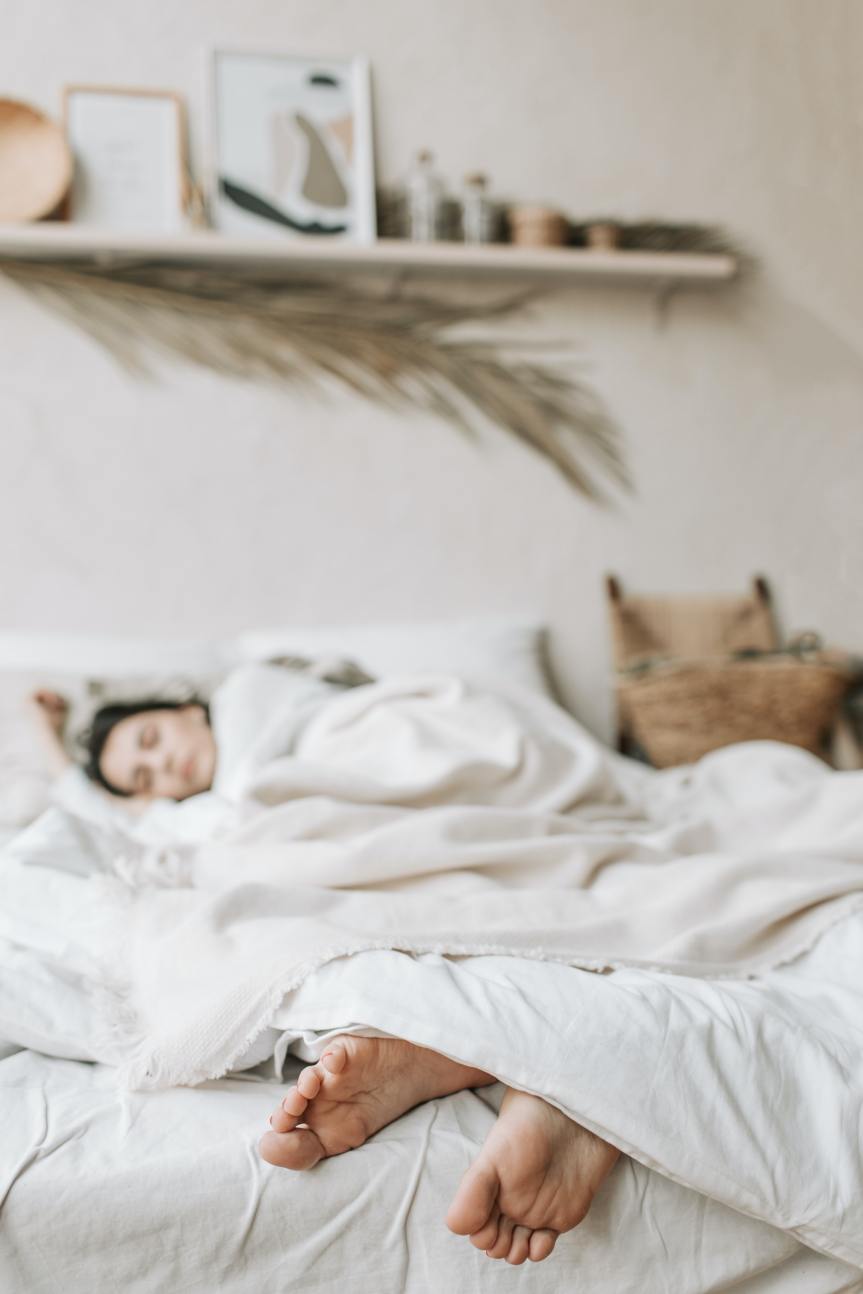
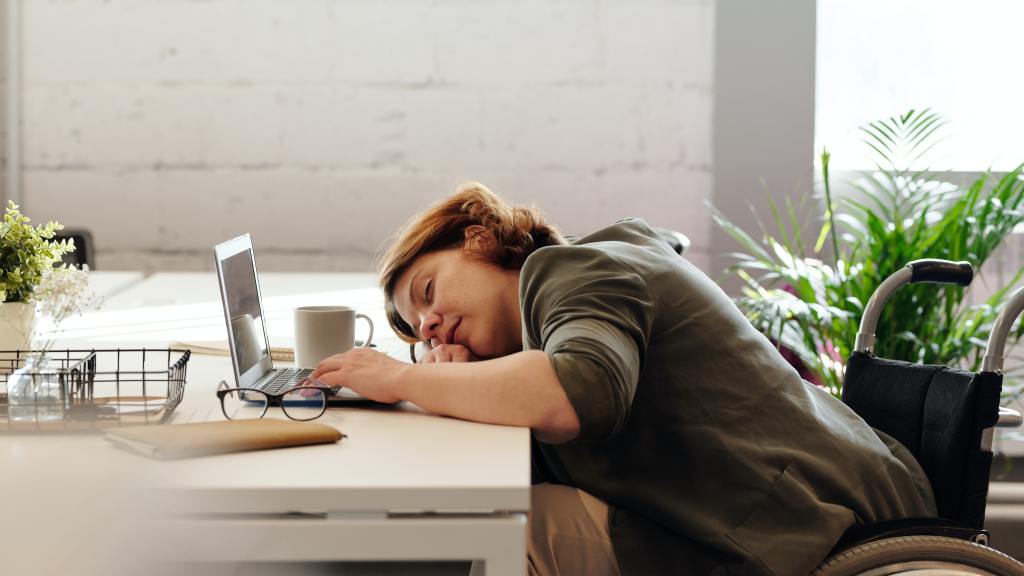
One of the important part of your daily routine, which helps to do all other tasks of the day perfectly is a good sleep. Or we can say quality sleep. Every animals without any discrimination need sleep. It is as essential as food and water. Without sleep it becomes harder to concentrate on the tasks. It is basically essential to keep human being sane. Sleep is also important to functioning of brain. It also influences the communication of nerve cells. Many unwanted things your brain built during the day are removed while you are sleeping. Lack of sleep increases the chances of getting affected by different disorders.

how much a person sleep?

Need for sleep and pattern of sleep differ with age. A newborn sleeps almost 16-18 hours, while a grownup may sleep only for 8 hours. Even sleep pattern differs between individuals of same age group. But an average time is decided by surveys and studies. This not a prescription, but a result of a study. Average school student may need 9 hours sleep. Adults sleep for 7-8 hours. Older people normally sleep less. Children sleep very deep and their sleep will not get disturbed easily. But older people tend to get disturbed and awakened easily.

mechanism of sleep

Two things maintain your sleep mechanism. You may have heard of circadian rhythm. This directs different functions of the body like metabolism, body temperature, alertness, hormone release etc. This rhythm also controls sleep. This rhythm decides when you should be awake and when you should sleep. This rhythm makes you sleepy at night and makes you alert during the day time. This circadian rhythm gets synchronized with your surrounding environment. This may include your habits or weather around you like temperature or intensity of light. But they will work in the absence of these little information.

The other thing is the homeostasis. This keeps a track of your need of sleep. This works as a reminder telling your body to sleep at a certain time. This is the thing that maintains hoe intense your sleep is going to be. If you are deprived of sleep, this makes you sleep longer when you get to sleep.

There are many factors that influence your sleep mechanism. The medications if you are on any, your medical condition, The place where you sleep and your food habits. Exposure to light makes it difficult to sleep because some special cells in the eyes process the light and instructs the brain whether it is daytime or night. The Jet lag people face after a long flight is because of the disturbances in the circadian rhythm. people face problems when there is imbalance between the body clock and the actual clock.

some tips to sleep well
  • Try maximum to be in sync with the natural clock.
  • Try to sleep and getup everyday at same time.
  • Take care about your food habit and eat healthy.
  • Try to make your room completely dark while sleeping but be in bright light in the day time when you are fully awake.
  • Stay away from mobile or television at least 1 hour prior to your sleep.
  • Include exercise in your daily routine.
  • Avoid caffeine or nicotine as the sleep time is approaching near to you.
  • Be as much stress-less as you can.
  • Keep your room quiet.

a good sleep is everyone’s need and don’t allow your busy life to take a toll on your sleep. Sleep well and be healthy and be productive.

Beauty Standards

Beauty is now being an issue for young girls. Growing up, we all remember Barbie. I love Barbie movies. They teach us about kindness, courage, friendship, values, etc. But, they also make young girls who play with Barbie dolls want to be like them. Barbie is the first beauty standard we were exposed to.

We then came to our early teens and were exposed to Victoria’s Secret models and the fashion industry. Early teen is also the place where we go through puberty. We all know puberty is not a pretty place. Trust me, nobody looks good when they are going through puberty.

Now, being exposed to the world of beauty and going through puberty puts us in a tough spot. We start hating ourselves. We know that most people do not look like models. We also know that models have a strict diet plan, they undergo surgeries, and there is constant use of Photoshop to make them look flawless. Our subconscious brain is aware of these facts. We still can’t help comparing ourselves to the pretty models.

We start looking down upon ourselves. We constantly try to become like models. A lot of girls become anorexic to be as thin as the models. A lot of girls also take supplements to reduce fat. A lot of them start saving up for cosmetic surgeries from a very young age. Most of the girls do these surgeries to feel more confident. I do not blame them. But I do blame our society for making them feel like they needed to change.

Our beauty standards are also being white-washed. We are now following western beauty standards. When we think of beauty, we imagine a tall, thin white girl. Even in African and Asian countries, this is what the beauty standard is. This makes people from those countries spend millions of dollars bleaching their skin even when it leads to skin cancer.

Our media makes millions of dollars selling products with the faces of white-washed beauty. These days when we see an advertisement, we look at the models more than the product. Are they selling the product or the beauty standard? 

Now our role in the world of beauty standards is to stop thinking it matters. Unless you want to become a model. People who have zero connection to the beauty industry have to stop worrying about their looks. It is not our work to look like that. So, we all need to end our obsession with beauty. If we are not being paid for being pretty, we do not have to obsess over it.

Next, we all need to stop thinking that every single woman has to be pretty. I know even men go through it. But, the American Society of Plastic surgeons reveals that women have accounted for 92% of cosmetic surgeries and men accounted for 8% of them. About 98% of the women feel immense pressure from external sources to look a certain way.

I really want to change that. So can we all start complimenting each other on qualities other than appearance? Instead of only telling a girl, you are pretty, beautiful, etc. Can we please tell them that they are talented, kind, intelligent, and caring?

I love getting compliments on my work rather than being complimented on my physical appearance. It is not in our control how we look like.    

Can we all start complimenting each other on who we are rather than what we look like?

FALSE MEMORIES: THE PAST YOU REMEMBER IS NOT ALWAYS THE TRUTH

We can’t reliability distinguish the true memories from false memories.

False memory is a psychological phenomenon whereby an individual recalls an event that never happened, or an actual occurrence substantially differently from the way it transpired.

In other words, a false memory could either be an entirely imaginary fabrication, or a distorted recollection of an actual event. Moreover, false memories are distinct from simple errors in recollection.

Firstly, an individual who holds a false memory maintains some certitude in the veracity of the memory.  Secondly, a false memory deals not with forgetting something that actually happened, but with remembering what had never taken place.

Instances of this phenomenon may range from the mundane—such as remembering that you ate breakfast when you actually did not, to the serious—such as falsely recalling that you were assaulted by your boss.

HOW ARE FALSE MEMORIES FORMED OR MADE?

The difference between false memory and ones is as same as for jewels: it is always the false ones that looks the most real, the most brilliant.

Memories are complex. While you might imagine a memory as a black or white element, the truth is memories are subject to change, malleable, and often unreliable.

Events are moved from your brain’s temporary memory to permanent storage while you sleep. The transition, however, isn’t absolute. Elements of the memory may be lost. This is where false memories can begin.

IS THERE A GROUP WHICH IS MORE LIKELY TO HAVE FALSE MEMORIES?

people change memory dosnt.

Memory isn’t permanent. Indeed, it’s pliable and often ever-changing. Certain people or events may make you more likely to develop false memories. These include:

Eye witnessing

If you witness a crime or an accident, your testimony is important — but not conclusive. That’s because experts and law enforcement officials know memories and recollections can and do change, whether through suggestion or the passage of time.

Any gaps in events may be filled in by your memory, turning a reliable recall into a faulty one.

Trauma

People who have a history of trauma, depression, or stress may be more likely to produce false memories. Negative events may produce more false memories than positive or neutral ones.

OCD

Individuals with Obsessive-compulsive disorder(OCD) may have a memory deficit or poor memory confidence.

They may be more likely to create false memories because they don’t have confidence in their own memories. This often leads to the repetitive or compulsive behaviors that are associated with this disorder.

Aging

As both you and a memory age, details about that memory may be lost. The gist of a memory becomes stronger, while the details fade away.

For example, you may remember you went to the beach on your honeymoon, but you don’t remember the name of the hotel, what the weather was like, or even the city you stayed in.

Trials of a more precise and comfortable MRI to identify early breast cancer begins in the United Kingdom.

A new, more convenient method of detecting breast cancer has begun testing in the United Kingdom, with the potential to identify tumors at an earlier stage.

At some time in their life, one in every eight British women will be diagnosed with breast cancer. Because malignancies and fibrous tissue both show up as solid white regions on X-ray, mammograms are less effective in younger women whose breasts contain denser, fibrous tissue and less fat because cancers and fibrous tissue both appear as solid white areas on X-ray.

Mammograms may miss malignancies in postmenopausal women with thick breast tissue, who are also more likely to acquire breast cancer in the first place.

Women with a dubious lump may be given an ultrasound scan or a biopsy, and if the diagnosis is still unclear, they may be directed for DCE-MRI, which detects the development of new blood vessels supporting tumors. However, in women with early-stage malignancies, they may not be visible, leading to false comfort.

Multiparametric MRI was first created to evaluate liver disorders without the need for a painful biopsy, and it is now widely utilized in Europe and the United States.

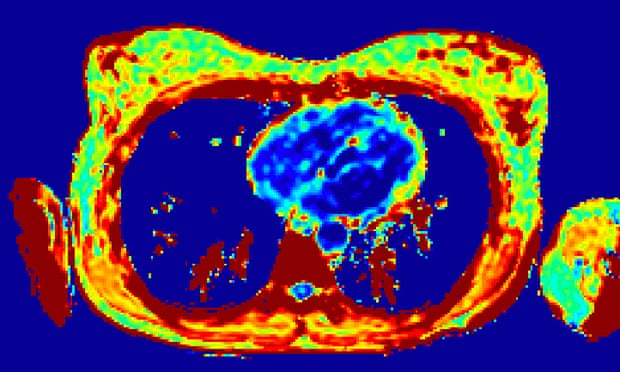
It works similarly to traditional MRI in that it utilizes high magnetic fields and radio waves to excite protons in the tissue, then exploits variations in the time it takes for them to settle to generate a “map” of the various tissues in the breast. Multiparametric MRI, on the other hand, allows an even more comprehensive map to be generated by merging pictures created by multiple MR pulses and sequences.

A scan of healthy breasts with multiparametric MRI. Photograph courtesy of Perspectum Diagnostics

“We believe that if we differentiate the tissue rather than looking at the blood vessels around the tumor, we should be able to spot not only tumors in dense breasts but potentially tumors that aren’t seen on mammograms,” said Prof Sally Collins, a consultant obstetrician and medical lead for women’s health at Oxford-based Perspectum Diagnostics, who herself recently received treatment for breast cancer.

“We’re also working to improve the scanning experience for patients. “Mammograms are awful because they squish your breast on this plate, which is undignified and unpleasant, and MRIs are much worse because you have to lie face down with your boobs dangling in this coil and your arms raised over your head for ages,” Collins added.

“We’re attempting to make it such that women may be fully dressed, respectable, and comfortable while being scanned, which is critical for the patient journey to cancer diagnosis.”

The prospectus has received ethical clearance to enroll 1,030 women in the study, including 10 women who have been diagnosed with breast cancer and 30 to 40 healthy women who are presently being scanned, to see if the technology can properly map their breast tissue while laying on their backs. It is estimated that the study would take two years to complete.

“It will never replace regular mammography screening for postmenopausal women, but we think it will enhance the diagnosis route for women with thick breasts or premenopausal women who are at extremely high risk of breast cancer, eliminating the need for repeated tests,” Collins said.

CHILDHOOD – BEST DAYS

I don’t know when I lost my childhood
I think I lost my childhood
When I started focusing on my studies,
Maybe I lost it
When I start overthinking about tomorrow
Maybe when I get jealous of my cousin
Maybe I lost it when my parents compare me with others
May be when I started doing something to please my parents
Maybe when I feel guilty for saying something
Maybe when I came to know that everything that I learnt in my childhood is just a bookish line
And no one takes that seriously in real life
Not even my parents
Maybe then I lost my childhood

We have to learn from our childhood
●To be happy for no reason
●To always be curious
●To fight tirelessly for something

I think Childhood was the best memories of everyone.


My childhood was also very memorable to me.
I used to play till 7pm without any thought of my homework or my parents.
At that time my father was in Indian army that’s why he couldn’t live with us.I was living with my mom and grandma
Thus whenever I come from school I have to go to market for food supplies or everything that is needed for home.And that’s why I am always onMy angry mood because my friends were playing when I had to go to market
And as a child I also wanted to play.
Thus whenever I return to the market I started playing with my friends till 7 pm.
My grandma is always waiting for me to come back after playing.
My grandma loves me so much.I usually sleep with my grandma and she always sang a song for me, tells bad time stories.She loves to irritate me..
She was my best friend at that time.I think I was closer to my grandma even more than my mom.
My grandma and I were just like friends.
Whenever grandma borrows some money from me then I always get it back with some intrest.


Whenever I went to my maternal grandmother’s home I enjoyed a lot there.My uncle always takes me to a resturant for my favorite foods.He took me to a fair.And in my grandfathers shop I played a lot.I used to irritate every customer but my grandfather never scolds me for that.
In the evening grandmother took me to the tour of village and I enjoyed it a lot.
Best thing is that I was known by my mothers name there.And I am proud of them.


My Childhood was definitely the best memory for me.
There was no tension for homework, assignment, exams career, future
We just enjoy our lives but now everything is the opposite.


We always complete some tasks.Always always always…..
In the morning we wake up and keep doing our work whether we enjoy it or not.As it is our duty and we have to do it because we get paid for it or to get a job we have to study hard.


Some have dreams to achieve it thus they also enjoy their everywork that brings them closer to their dreams
But some don’t have, they are just doing things because their parents want them to do or they want to earn money for their livelihood.

But what do you think about it?Are they enjoying their lives?
Of course not.


So according to my best things for happiness is stop questioning yourself and be proud of yourself for enjoying your life

●You have a roof over your head.

●You ate today.

●You have clean water.

●You have a good heart.

●You wish for others.

●You are breathing.

●Atleast one person care for you.

●You have clean clothes.

Be grateful for the little things…

Sometimes we stress over things that we don’t have and not thankful for the things we already do have.

17 Sustainable Goals by United Nations.

Sustainable development is development that meets the needs of the present without compromising the ability of future generations to meet their own needs. Sustainable development has continued to evolve as that of protecting the world’s resources while its true agenda is to control the world’s resources. Environmentally sustainable economic growth refers to economic development that meets the needs of all without leaving future generations with fewer natural resources than those we enjoy today. Let us know 17 Sustainable Goals set by UN and their progress by now.

1) Poverty Eradication:

The 2030 Agenda acknowledges that eradicating poverty in all its forms and dimensions, including extreme poverty, is the greatest global challenge and an indispensable requirement for sustainable development.

2) ENDING HUNGER:

The total number of persons suffering from severe food insecurity has been on the rise since 2015, and there are still millions of malnourished children. The economic slowdown and the disruption of food value chains caused by the pandemic are exacerbating hunger and food insecurity.

3) Ensure healthy lives and promote well- being for all at all ages

Progress in many health areas continues, but the rate of improvement has slowed and will not be sufficient to meet most of the Goal 3 targets. Globally, an estimated 295,000 maternal deaths occurred in 2017, resulting in an overall maternal mortality ratio of 211 maternal deaths per 100,000 live births, a 4 per cent reduction compared with 2015 and a 38 per cent reduction compared with 2000. The majority of the deaths occurred in low- and lower-middle-income countries, and roughly 66 per cent of them occurred in sub-Saharan Africa. At the current pace of progress, the world will fall short of the target of the Goal.

4) Ensure inclusive and equitable quality education and promote lifelong learning opportunities for all:

At the end of 2019, millions of children and young people were still out of school, and more than half of those in school were not meeting minimum proficiency standards in reading and numeracy.

5)Achieve gender equality and empower all women and girls

The commitment to advancing gender equality has brought about improvements in some areas, but the promise of a world in which every woman and girl enjoy full gender equality and all legal, social and economic barriers to their empowerment have been removed remains unfulfilled.

6)Ensure availability and sustainable management of water and sanitation for all

In 2017, 3 billion persons lacked soap and water at home. In 2016, 47 per cent of schools worldwide lacked handwashing facilities with available soap and water, and 40 per cent of health-care facilities were not equipped to practise hand hygiene at points of care.

7) Ensure access to affordable, reliable, sustainable and modern energy for all

The world is making good progress on increasing access to electricity and improving energy efficiency. However, millions of people throughout the world still lack such access, and progress on facilitating access to clean cooking fuels and technologies is too slow.

8) Promote sustained, inclusive and sustainable economic growth, full and productive employment and decent work for all:

In 2018, the rate of growth of global real GDP per capita was 2 per cent. In addition, the rate for least developed countries was 4.5 per cent in 2018, less than the 7 per cent growth rate targeted in the 2030 Agenda.

9) Build resilient infrastructure, promote inclusive and sustainable industrialization and foster innovation:

In 2019, 14 per cent of the world’s workers were employed in manufacturing activities, a figure that has not changed much since 2000. The share of manufacturing employment was the largest in Eastern and South-Eastern Asia (18 per cent) and the smallest in sub- Saharan Africa (6 per cent).

10)Reduce inequality within and among countries

In 73 of the 90 countries with comparable data during the period 2012–2017, the bottom 40 per cent of the population saw its incomes grow. Moreover, in slightly more than half of those countries, the bottom 40 per cent experienced a growth rate in income that was higher than the overall national average.

11) Make cities and human settlements inclusive, safe, resilient and sustainable:

Rapid urbanization has resulted in a growing number of slum dwellers, inadequate and overburdened infrastructure and services and worsening air pollution.

12) Ensure sustainable consumption and production patterns:

As at 2019, 79 countries and the European Union reported on at least one national policy instrument that contributed to sustainable consumption and production in their efforts towards the implementation of the 10-Year Framework of Programmes on Sustainable Consumption and Production Patterns.

13) Take urgent action to combat climate change and its impacts.

The year 2019 was the second warmest on record and the end of the warmest decade, 2010 to 2019. In addition, with a global average temperature of 1.1°C above estimated pre-industrial levels, the global community is far off track to meet either the 1.5 or 2°C targets called for in the Paris Agreement.

14. Conserve and sustainably use the oceans, seas and marine resources for sustainable development:

Oceans and fisheries continued to support the global population’s economic, social and environmental needs while suffering unsustainable depletion, environmental deterioration and carbon dioxide saturation and acidification.

15) Protect, restore and promote sustainable use of terrestrial ecosystems, sustainably manage forests, combat desertification, and halt and reverse land degradation and halt biodiversity loss:

Forest areas continued to decline, protected areas were not concentrated in areas of key biodiversity and species remained threatened with extinction.

16) Promote peaceful and inclusive societies for sustainable development, provide access to justice for all and build effective, accountable and inclusive institutions at all levels:

Conflict, insecurity, weak institutions and limited access to justice remain a great threat to sustainable development. Millions of people have been deprived of their security, human rights and access to justice.

17) Strengthen the means of implementation and revitalize the global partnership for sustainable development:

Strengthening multilateralism and global partnerships is more important than ever before. The global nature of the pandemic requires the participation of all governments, the private sector, civil society organizations and people throughout the world.

Art Therapy

“Art washes from the soul the dust of everyday life.” —Pablo Picasso

“Expressive art therapy integrates all of the arts in a safe, non-judgmental setting to facilitate personal growth and healing. To use the arts expressively means going into our inner realms to discover feelings and to express them through visual art, movement, sound, writing or drama. This process fosters release, self-understanding, insight, and awakens creativity and transpersonal states of consciousness.” -Natalie Rogers

Art therapy is a kind of therapy that uses art as a means of communication and le people explore and express their emotions and thoughts. This therapy is also known as expressive therapy.

In the process of the therapy arts, therapists use fine arts and performing arts to improve physical, mental, and emotional well-being. Fine arts and performing arts include drawing, painting and drama, dance, and movements respectively to improve physical, mental, and emotional well-being. In the process, the therapists work with individuals or groups using arts to create meaning rather than focusing on the end product. This process includes activities like creating stress painting, designing a postcard that one will never send, creating an emotional wheel, collage, doodling and scribbling, finger painting, photography, sculpting, working with clay, etc. Art therapy is more useful for people who cannot verbalize their feelings. This therapy is perfect for people of all ages because of its versatility.

Art therapy can help in treating a wide range of mental disorders and psychological distress.

Certain studies and institutions recommend art therapy for people suffering from schizophrenia (a long-term mental disorder of a type involving a breakdown in the relation between thought, emotion, and behavior, leading to faulty perception, inappropriate actions and feelings, withdrawal from reality and personal relationships into fantasy and delusion, and a sense of mental fragmentation.) and other related conditions. People who face difficulties in learning, art therapy are great for them.

People suffering from Dementia (a chronic or persistent disorder of the mental processes caused by brain disease or injury and marked by memory disorders, personality changes, and impaired reasoning). Due to art therapy, people use creative parts of their brain, which helps them to manage stress levels and restore a sense of personal identity.

People suffering from Autism spectrum disorder (ASD) (a complex developmental condition that involves persistent challenges in social interaction, speech, and nonverbal communication, and restricted/repetitive behaviors). Art therapy helps people to distract and calm themselves and also improve their communication skills.

It also helps prisoners to help in their feelings. It can also be used for people suffering from Post-traumatic stress disorder and depression.

Things to keep in your mind to participate in art therapy

•             People do not need to have artistic ability or special talent. According to some researchers sometimes only the presence of art can play a part in boosting mental health.

•             Art therapy is not the same as art classes. Art classes are focused on teaching techniques while art therapy is more about let people focus on their inner feelings. People do not need to create masterpieces in art therapy but they need to express their feelings with the help of color or anything they feel connected with.
•             People do not need to have experience in arts for participating in art therapy.

In this pandemic like situation people are facing issues like stress, depression and mental health more than ever. To get out of these situations people started to do yoga and many more things. So here is the suggestion you can start art therapy at your home. You just need to practice regularly to overcome the issues. Art therapies can help you open up emotions you have been pushing back. The therapy forces you to notice them and work on them. So start playing with colors or dance or sing in your own way and let yourself express what you feel.
Have you been struggling from social media anxiety?

Maybe you may have been a modest social media user prior to the lockdown, but do you find yourself hooked to your phone, browsing Instagram and Facebook constantly for updates and seeking out on Whatsapp for news or a connection because of the COVID-19 issue swept over our lives? You could be struggling from social media stress without realising it.

First and foremost, recognise that this is an unusual reaction to an unprecedented circumstance. The overwhelming bulk of us have rarely been subjected to a pandemic, let alone one which necessitates such restraint. Our brain wants to make any sense of the confusion — it’s a natural human need — and we do it by gathering more and more content; therefore, the constant browsing on social media platforms.
It’s a method of relieving stress. Many make use of social media to relieve the psychological stress that has built up. People are anxious because the future appears to be ambiguous right now. It is not anxiousness with a specific objective in mind. It is a dispersed anxiousness caused by uncertainty. This type of anxiety requires a continual diversion in order to be kept under control.

As a result, we resort to social media because of its addictive qualities of providing something which captures our interest every few moments, every time we browse.

How does it affect us?

What began as a diversion strategy has evolved into a vicious mood loop in which all information, fact and fiction, serves to increase our anxiety, resulting in mood swings and irritation. It has been thoroughly investigated in study, which discovered that excessive media use dramatically increased social media anxiety and tiredness, which subsequently resulted in heightened stress.

What can we do to avoid feeling anxious as a result of social media?

  1. To combat FOMO, do this test: turn off your phone for two hours. Sure, you will have the want to glance at it every few moments, but resist. We don’t actually lose out on much by avoiding social media for a few hours, but it seems like we do since we are constantly overwhelmed with incoming news at all times.Our minds are constructed by nature to filter material so that we may apply selective attention; nevertheless, we are currently eroding that filter, that may have long-term consequences for cognitive performance.
  1. Recognize and accept your addiction. There is no point in denying that you may be hooked to social media since that is how it is built. You’re not the only one. Accepting, on the other hand, is the very first step towards reclaiming control. Remind yourself that this is a ‘fix’ every time you go for the phone. 
  1. Encourage surfing. Our impulses, especially the ones that cause us to pick up our phones, occur in waves, with each wave ranging around 20-30 minutes, regardless of whether we indulge in it or not. When you sense the need to indulge in these kind of activity, you may feel powerless if you don’t, but remember that the impulse will fade away.

When we are deprived of exterior stimuli such as socialising, commuting to work and vacationing, it is normal to resort to social media for enjoyment. But keep an eye on whether you’re just using or allowing it to dominate you.

Acid Rain!

 In your school or college, we all have once come across the phrase ‘Acid Rain’. Many of us have forgotten about it and many of us do remember the topic in detail. So, in this article, I am going to put some light on the following topics:-

I) What is Acid rain?

II) How much acidic is Acid rain?

IIl) Effects of Acid rain.

V) What can be done?

What is Acid rain?

When gases like nitrogen oxides and sulfur dioxide (produced by the burning of fuels from factories, power stations, or vehicles) react with tiny droplets of water in clouds to form sulphuric and nitric acids. Which is the form of rain that falls from the clouds, which is why that rain is known as ‘Acid Rain’.

How much acidic is Acid Rain?

We all have learned in school about the pH scale, the scale which is used to determine acidity. This scale goes from 0 to 14, where 0 is the most acidic and 14 is the most alkaline and 7 is neutral. Acid rain is very weak in terms of acidity.

Rain is always acidic because of the presence of naturally occurring oxides in the air, for unpolluted rain the pH value is between 5-6. But when the air gets more polluted with the presence of sulfur dioxide and nitrogen oxides in it, the acidity can increase to a pH value of 4. The most acidic rain recorded till now has a pH value of 2. But, even the most acidic rain ever is as acidic as lemon juice or vinegar. 

Now that we know it can’t harm us then why do we worry about it? 

What are the effects of Acid rain?

Though Acid rain can cause skin irritation to some people, there are many effects of Acid rain on the forest, aquatic animals, and water resources. 

Effects on Forest:-

I) It can dissolve and wash away the nutrients and minerals in the soil which helps the trees to grow.

II) Acid rain causes the release of harmful substances such as aluminum into the soil.

III) Acid rain wash away the waxy protective coating of leaves, damaging them and preventing them from being able to photosynthesis properly.

Effects on Buildings:-

I) Acid rain can make the erosion process of materials faster. 

II) Statues and monuments made up of limestone are worst affected by Acid rain.

Effects on Lakes and Rivers:-

I) It can be very harmful to aquatic species.

II) It can also cause toxic substances like aluminum to be released into the water from the soil, resulting in water pollution.

III) It can destroy the ecosystems of lakes and rivers.

What can be done?

Mentioned below are some ways to reduce Acid rain:-

 By installing catalytic converters on our vehicles.

→ Sulfur can also be ‘washed’ out of smoke by spraying a mixture of water and powdered limestone into the smokestack.

 By using renewable energy sources rather than fossil fuels.

 By conserving energy. 

 By carpool or using public transport.

Foods to prevent hair loss

Hair fall can be caused due to a lot of things such as diet, stress, hormonal change. Eating a balanced diet with the right nutrients can help promote hair growth. Vitamins, zinc, protein, biotin, and essential fatty acids promote hair growth.

When the protein intake is reduced, it may shut down the production of non essential protein which could include hair growth. After about 2 or 3 month of drastic reduction of protein intake, one might be able to notice hairfall. 10% to 30% of your calorie intake should be from protein.

Eggs, fish, tofu, cottage cheese are a great source of protein which promote hair strength. Meat is extremely rich in iron. Biotin is essential for the production of a hair protein called keratin. Consuming biotin can help improve your hair growth.

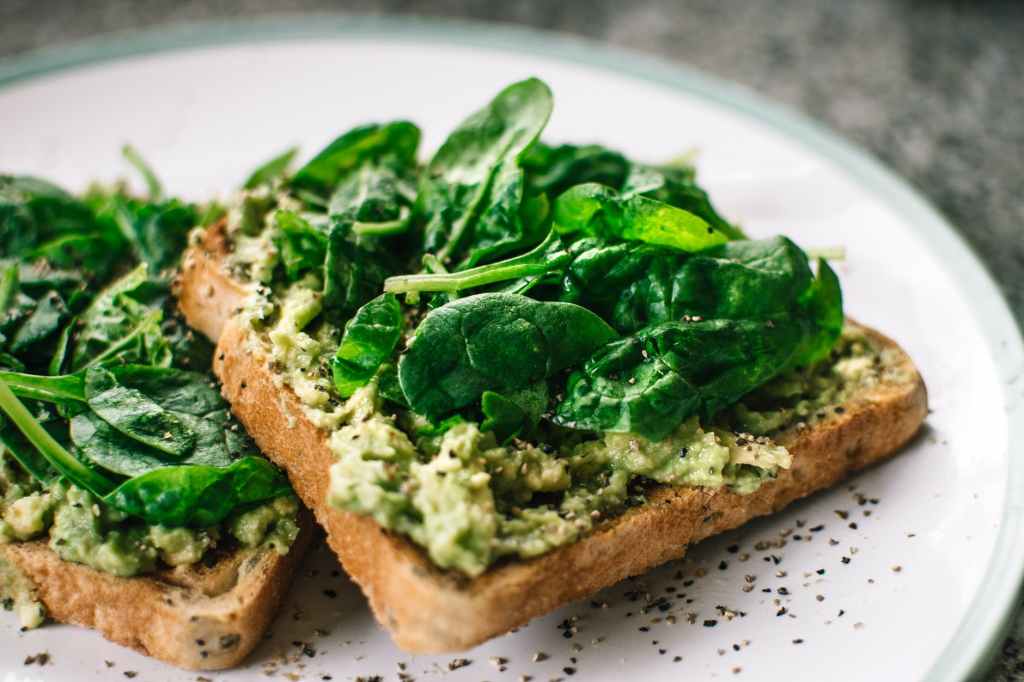
Spinach. Healthy green vegetable that’s loaded with beneficial nutrients. Rich in vitamins, and nutrients like folate, iron, vitamin A and vitamin C, all of which are essential for hair growth. If you are not too fond of the Indian-style spinach sabzi, you can also have it as a smoothie.

Carrot and Sweet potato. It’s perfect source of Vitamin A. Vitamin A is essential for hair thickness. They are extremely nutritious for the scalp.

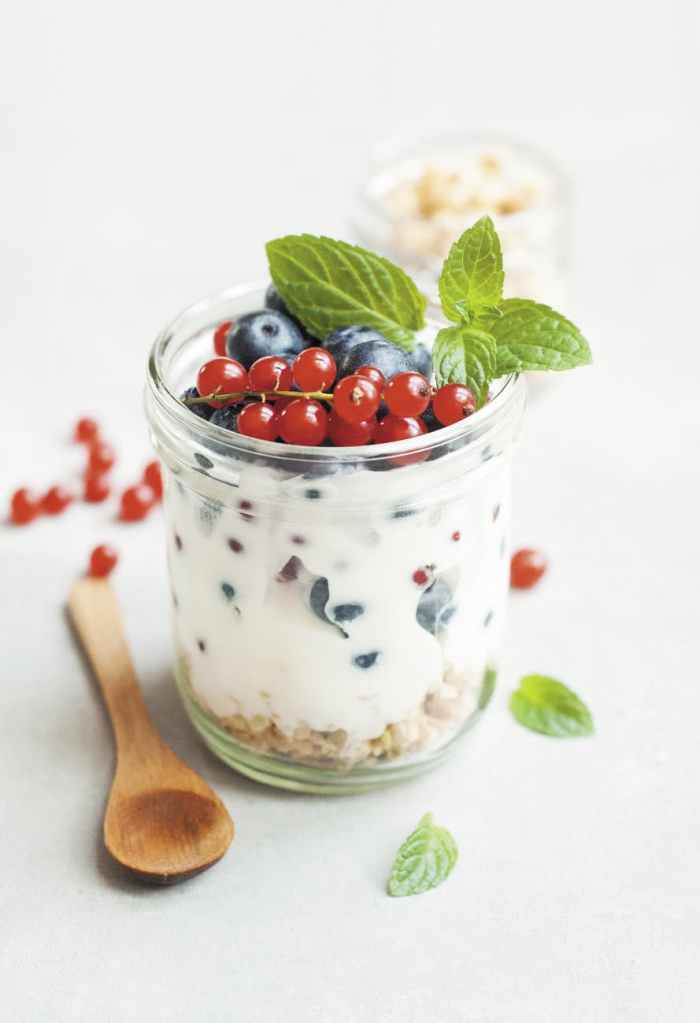
Dairy products. Calcium is an extremely essential mineral for hair growth. You can add berries to your yoghurt for natural sweetness. Berries are loaded with vitamins and antioxidants that may promote hair growth. Ex. Strawberries, berries. Fruits like oranges, guava, pomogranate contain a number of antioxidant and vitamin C to produce collagen, a protein that helps strengthen hair.

Lentils and green leafy vegetables. Pulses are loaded with protein, iron, zinc, and biotin which are all essential nutrients for your hair. It contains folic acid which makes your hair stronger and prevent breakage.

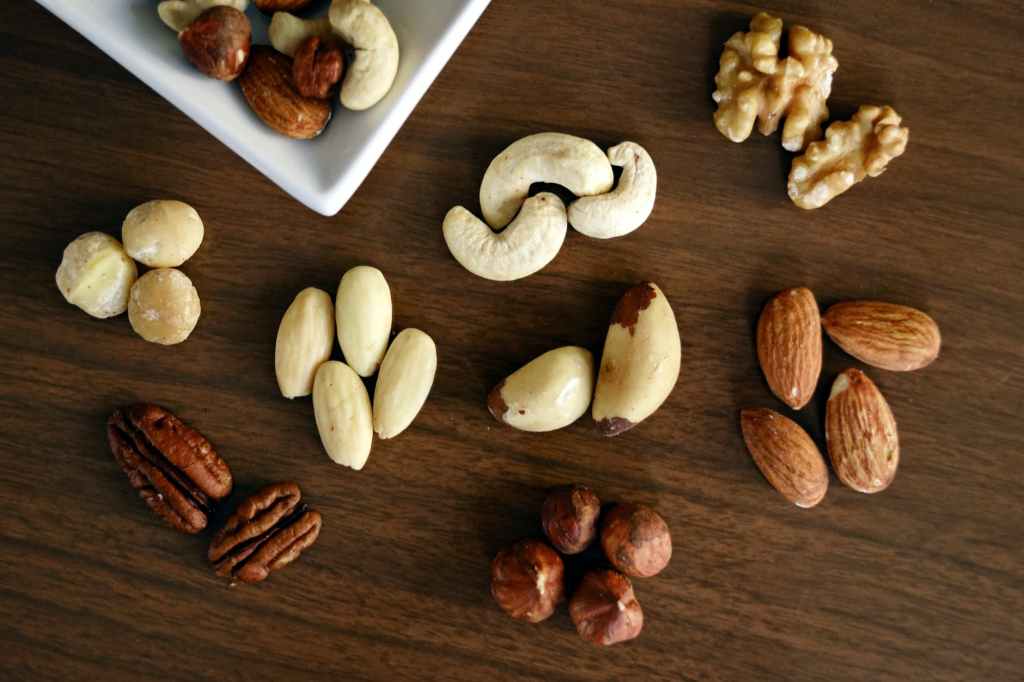
Nuts and Seeds. Replace your unhealthy snacks with the healthy one, like roasted almonds, walnuts, peanuts. Peanuts can be soaked overnight, can be added to salads, or just eaten as a snack. Nuts contain a variety of nutrients including vitamin E, zinc, magnesium and biotin content, selenium, and omega-3 fatty acids that may promote hair growth. Nuts help in strengthening hair cuticles and nourish the scalp. Seeds like flax seeds, chia seeds, methi seeds add elasticity to your hair.

If you think you’re lacking any of these nutrients, including vitamins A, C, D and E, zinc, B vitamins, iron, biotin, protein and essential fatty acids try adding some of the above foods to your diet. None of these foods have a side effect, it’s best to consume all of them in moderate quantities.

BENEFITS OF SANDALWOOD

BENEFITS OF SANDALWOOD FOR SKIN :

1. Helps in Removing Tan:

It is imperative to save yourself from the harmful rays of the sun. The natural oils present in sandalwood help to get rid of a sun tan.

It also helps to soothe a sun burn and has a cooling effect, reducing the redness caused due to a sun burn.

2. Has Anti-inflammatory Properties:

Its anti-inflammatory properties help to any kind of burning sensation caused due to acne or sun burn.

Sandalwood essential oil can be used to treat insect bites or any other skin wounds

3. Acts as an Astringent:

Sandalwood causes coagulation of skin proteins, further protecting your skin from any breakouts, allergies or abrasions.

It brings about minor contractions in your soft tissues of the skin and tightens your pores.

This is precisely why many facial packs and toners use sandalwood as one of their primary ingredients.

4. Used as an Antiseptic:

Sandalwood has antiseptic properties that prevent pimples, acne and sores from developing.

Exposure to dust and dirt can cause bacterial growth on your skin which can further lead to skin problems.

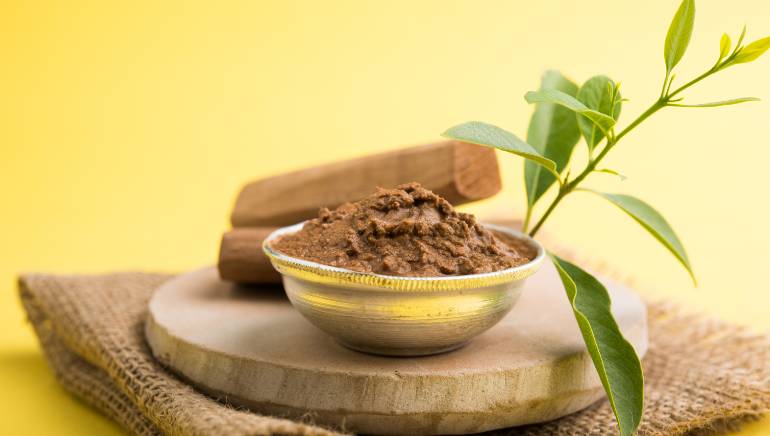
Applying sandalwood powder mixed with milk on your face or the affected area can really help.

5.It removes wrinkles:

Sandalwood oil contains antioxidants that help maintain the buoyancy and structure of the skin cells.

It also reduces dryness and replenishes the moisture in skin, increasing elasticity.

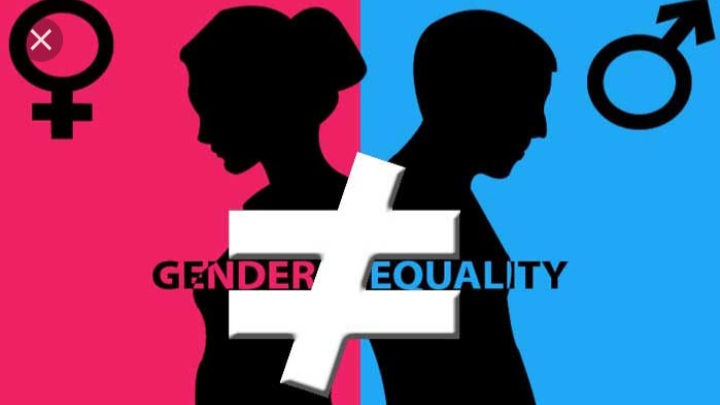
Gender inequality

Discrimination is the state when all individuals are not treated equally and not given equal rights. Every individual in the community yearns for equal status, opportunities, and equal rights. People generally say these days that everyone is treated equally but they are not. Discrimination usually exists because of cultural differences, geographical differences, and gender. Inequality on the basis of gender is something that is not appreciated, but it is seen many times in many companies. There are many areas where equal opportunities are not provided to women.

We are in the 21st century, and even now, women are not treated equally as men. It is generally believed that women are more talented than men, and it has been proved many times, but society is not yet ready to accept this fact. Gender equality is the term used when equal opportunities in the fields of politics, economics, education, and health are provided to both men and women.

As per the World Economic Forum’s gender gap ranking, India holds the rank 108 out of 149 countries. The rank should be a major concern in the country as it signifies the immense gap between the opportunities given to women when compared to men. The structure in India is such that women are neglected in many fields like education, health, finance, etc. They are just limited to household chores which should not be the scene here. There are many places in India where women are considered as a burden and they are not allowed to go to school and study as well. Also, a preference for sons prevails in many areas in India.

The seven important forms of gender inequality :

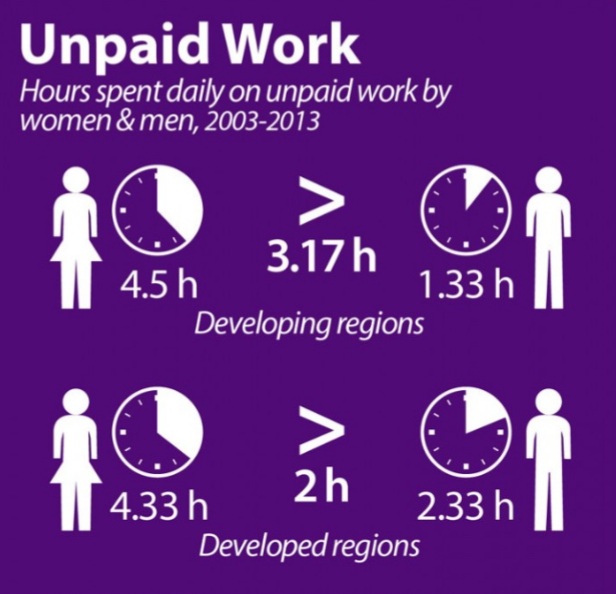
1 . Women works Longer than Men :

In most of the societies the male – stream is the main stream who argues that women have comparative advantage in household non- market production, like cooking and cleaning for the family that cant be called emotional and personal caring work. Based on this thinking, household jobs are then asymmetrically distributed. Women are more valued in home. Men are specialised in market- baesd production. Thus, being the bread- earners, males enjoy both power and status.

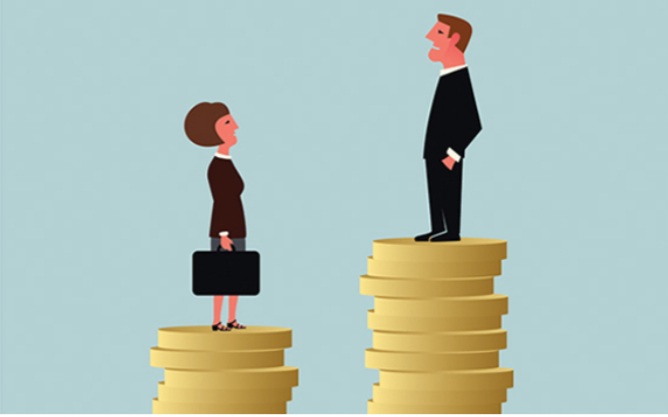
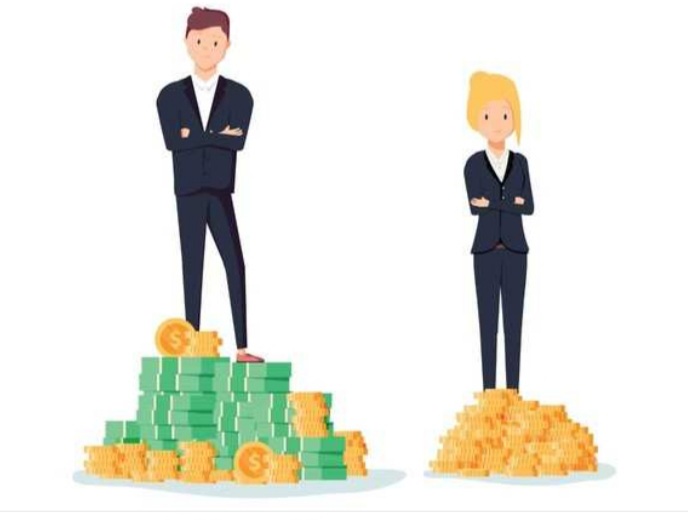
2. Inequality in Employment and Earnings :

Historically, men have greater participation in work outside home than women. But women ( particularly of poor households) share unequally household duties in addition to economic production. Thus they work longer than males. This kind of ‘ division of labour’ may be seen as the ‘ accumulation of labour’ on women, as described by Amartya sen. Household activites are often viewed as ‘ sedentary activites’ which require less ‘ calore’ to gain energy.

3. Ownership Inequality :

A case of social inequality. Let us turn to another kind of inequality, called ownership inequality a classic case of social inequality. In most of the societies, ownership over property and means of production rests mainly on male members . The law of inheritance provides such ownership rights on male child. Such denial coming out of hierarchical dualism within the family not only reduces the voice of women but also prevents them from participating in commerial, economic and social activites.

This kind of social deprivation means absence or lack of capability or because of ‘capability deprivation’, women are subject to various kinds of exploitation and unfreedoms. Social inequality distorts the process of development. Unfortunately, ownership inequality in any country is not of recent origin. In her earlier life, a woman comes under the influence of her father, then husband as she enters a married life and finally, under sons ownership right over property is skilfully avoided. A telugu proverbs corraborates this understanding: ” Bringing up a daughter is like watering a plant in anothers courtyard.”

4. Survival Inequality :

Another crudest from of gender disparity is the unusally high mortality rates of women , though biologically, women live longer than men! Thus more boys than girls are born evrywhere leading to a ‘ deficit’ of women and a ‘ surplus’ of men. In developed countries beacuse of absence of gender bias in health care and nutrition, women outnumber men. In Europe and in north America, 105 or more girls are born per 100 boys. Such high female- male genderd survival rate in different age groups.

5. Gender Bias in the Distribution of Education and Health :

Health and education are the major forms of human capital are realted to economic development . Human capital gets accumulated as a society advances in education . The contribution of human capital towards Japan’s remarkable economic progress attracts our attention . Improvement in health capital also improves the return to investments in education .

However, one finds a huge education and health gaps between developed and developing countries. In recent times, despite a large increase in econoc advancement on times, despite a large increase in economic advancement in asia and africa, these countries lag far behind the developed countries in terms of educational attainment particularly in respect of women’s education. Gender disparity not only hindrrs economic progress but also exacerbates social inequality.

6. Gender Inequality in Freedom Expression :

Let us talk about gender inequality beyond economic issues or factors. Women are not only subject to income or asset inequality but also in terms of freedom and power deprivation of women goes beyond one’s imagination. They lack not only economic freedom at home because of absence of autonomy in house hold decisions, limited or poor wages earned but also lack any freedom in airing opinions over education of children.

In some backward poor societies the right of women giving options is completely denied. Such un – freedoms, however, are not uncommon even among the educated elites who enjoy enormous power and authority in the male domined society. Historically , this sort of law socioeconomic status of women has been continuing nowasdays.

7. Gender Inequality in Respect of viloence and victimisation :

Finally, anti – female bias starts before the girl child is born and this attitide of the society a female member carries throughout her life. It is because of the unequal sharing of income, property, household benefits . Women are subject to both physical and sexual violence – the oppsite of freedom, and an extreme form of coercion. This is common for both poor and not too much uncommon in rich countries as well as among rich people. One in three women in the word is beaten or raped during her life times.

Dowry harassement is considered as an ‘ instrumental use’ of violence. Dowry death is the most serious form of domestic violenece. Wife beating is not uncommon. Sexual violence is an obnoxious form of human rights violation.

Specifically, public health can contribute to reducing health inequities by integrating health equity considerations into policy and programs, collebrating with other sectors to address inequities engaging with communities to support their efforts to adress inequities, identifying the reduction of health inequities.

Reducing inequality requires transformative change. Greater efforts are needed to eradicate ectreme poverty and hunger and invest more in health, education, social protection and decent jobs especially for young people, migrants and other vulnerable communities.

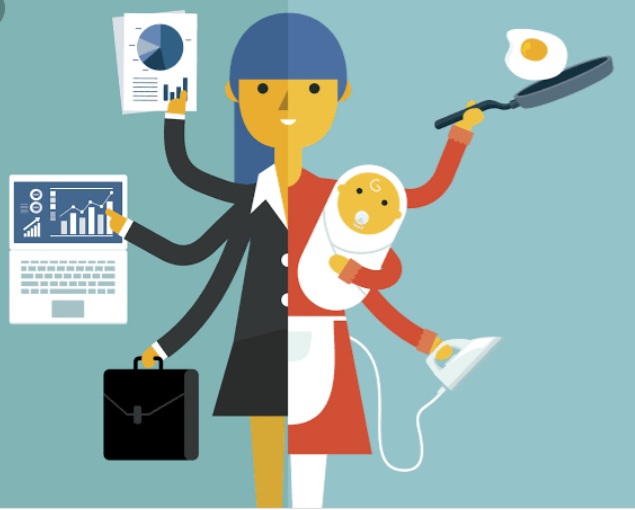
We should understand that women are the part and parcel of any family. When it comes to flexibility, they can manage their home and offices at the same time. If equal opportunities are not given to them, they will be led down and won’t be able to achieve big milestones which they are obviously capable of.

Memories – The unforgettable demons

Memories are reminders of what you have lost. They remind you of a good time in a bad way. They are out there challenging you to face them, to remember them and to be devastated by them. They hurt you sometimes and sometimes they don’t. You can’t control them. Nobody can. They break your heart, they hurt you in a way nobody does and probably nobody can and you don’t even know it. They remind you of what you can’t have anymore. They make you suffer. They remind you of what happened. Or they silently accuse you of what you did to lose it all. They cover you in so much guilt that you can never get out of it. They hurt you in more ways than you can imagine. They attract you with the hope of remembering everything in a beautiful way. Instead they set you up for hurt, for betrayal, for lies. Lies you didn’t know were not true. And you fall into their trap, thinking there is still hope for something good.

Photo by KoolShooters on Pexels.com

They make you addicted to them in such a way that you can’t stay away from them ever. They bind you with such a strong rope of expectations that maybe someday you can have it all back, even if it is all in your head. For a long time or maybe forever, they haunt you, they never leave your back, never let you go off them. You are forever bound to them whether you know it or not, whether you like it or not. You always come looking back for them, for more good times, for happy moments, even if you suffer even more. They make you believe that maybe you can live with the idea of what could have happened.

Memories are the unforgettable demons living in our minds. They don’t go away. They eat you alive and let your mind rot. They are like the uninvited guest in your house. They live rent free in your mind and create chaos to remind you of everything. They clog your mind with the thoughts of the past and that hinders your thinking for the future. They don’t let you live in the moment, in the present. Memories force you to regret your bad deeds when all you want is to let them go. When you try to move on from something, memories come back rushing and fill your mind. Don’t let them overpower you. Don’t let them control your thoughts. Control yourself from walking straight into their trap hole. They will suck you right into the past and will hold on to you for eternity. You don’t hold onto memories instead the memories hold onto you. You want to let go but they have such a strong hold on you that you can’t find the strength to run away from them.

They will always and forever be with you no matter what. But this is not in a good way. They will never let you out of that hole you fell in. Sometimes they will not let you live in the present or think about your future, without having to deal with your past. Just don’t let them ruin you. Try to take control of yourself as much as you can.

TEA CONNOISSEUR

Tea is not a word but an emotion for Indians. Be it masala chai, black tea, green tea or even kashmiri kahwa. A hot cup of tea suit’s every season and emotion. Happy? It will add up to your mood. Anxious? It will calm you down. Sleepy? It will keep you awake. Insomnia? It will help you relax and sleep.
So now you might be wondering, how does one tea provide so many services where most of them contradict one another?

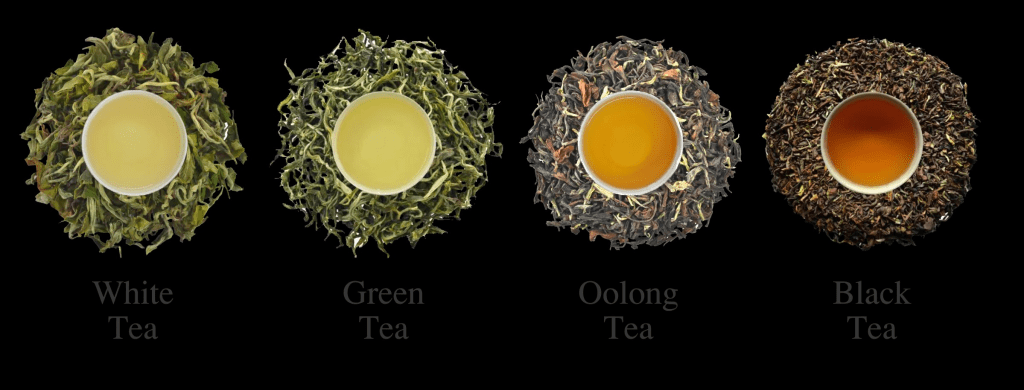
To answer that, the quality and benefits of the tea depends on its Level of Oxidation. The four major types of tea i.e. WHITE TEA, GREEN TEA, OOLONG TEA and BLACK TEA, comes from the same plant called Camellia sinensis. However, they are differentiated by the level of oxidation they undergo. This adds to its level of flavour, aroma and health properties.

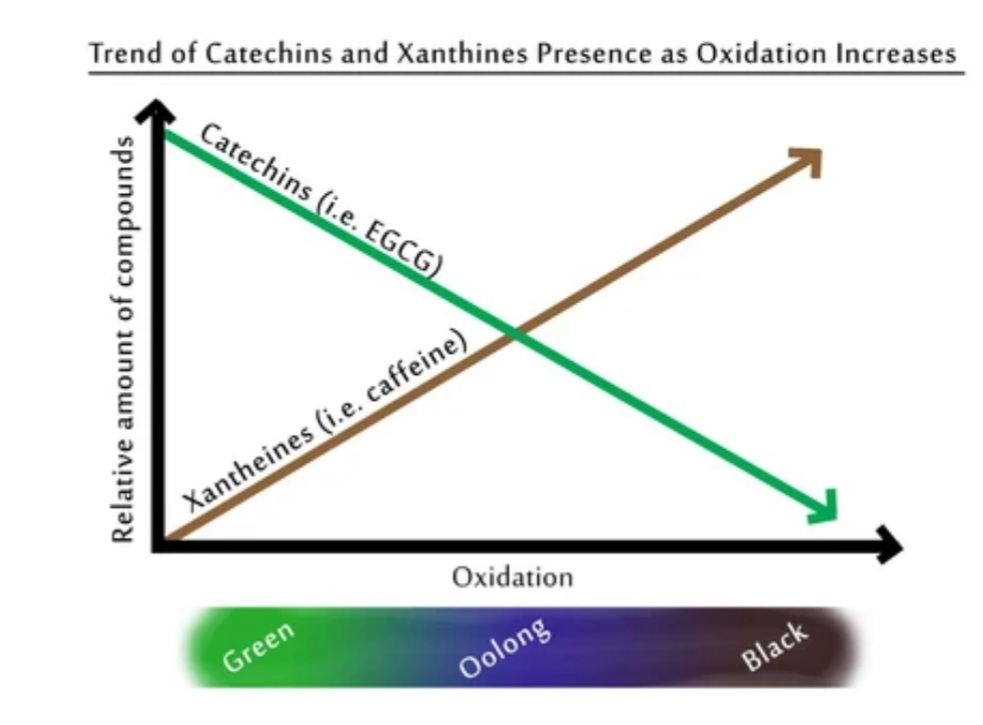
The two major compounds in tea are Catechins and Xantheines. Catechins is present in the form of ECGC which are naturally occurring antioxidants that reduces the oxidative cellular damage in the body and Xantheines in the form of caffeine that provides a gentle energy boost without the harmful side-effects of coffee. The presence of these compounds depends on the oxidisation of the tea leaves. Higher oxidisation leads to more of Xantheine and less of Catechins, where’s lower oxidized leaves contain higher Catechines and less Xantheine.

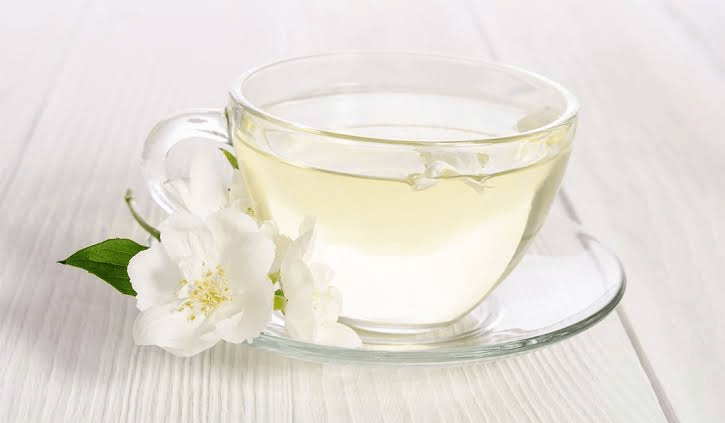
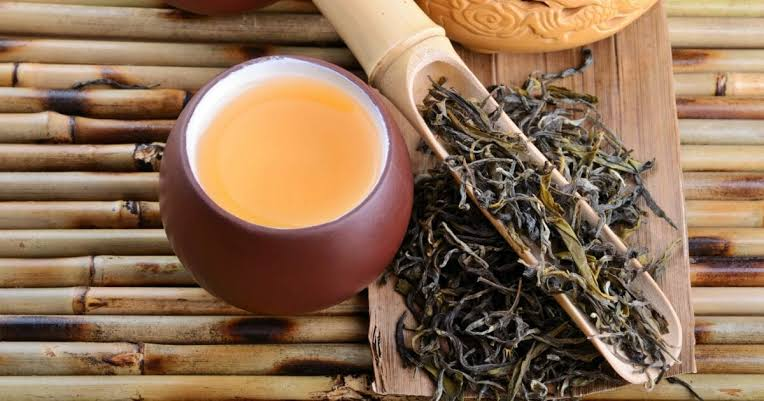
White Tea is most delicate of all the tea’s as it’s uncured and unfermented. Famous for it’s floral, fruity and naturally sweet flavour, it contains the highest amount of antioxidants as is least oxidized (So it has most of it’s natural Catechins). Hence, it possesses major health benefits because of the absence of caffeine. It’s known for its anti-aging and most potent anti-cancer properties.


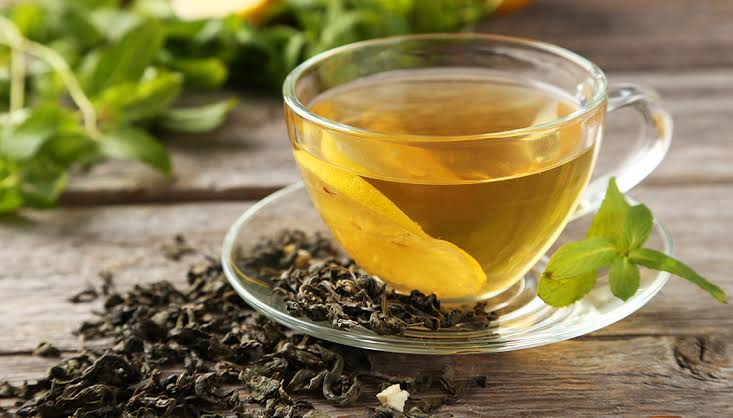
Green Tea is the most famous health tea for the past few decades. It is darker compared to White tea as it is slightly more oxidized, however it contains high number of antioxidants that is beneficial for promoting good metabolism and weight-loss. Some of the numerous health benefits of green tea include growth of bladder, stomach, pancreas, lungs; reduced risks of neurological disease like Alzheimer’s; lower blood pressure; prevent cancer; lowers cholesterol levels; prevents tooth decay and many more.


Oolong Tea comes after green tea in terms of its antioxidant content as it’s more oxidized compared to the latter. Its properties depend upon the level of oxidation which is mostly between 30% -70%. It is aromatic and highly fragrant. It is known to lower bad cholesterol levels (LDL) and increase the production of good cholesterol (HDL). It has higher amount of caffeine hence it is known to increase mental alertness and increases concentration


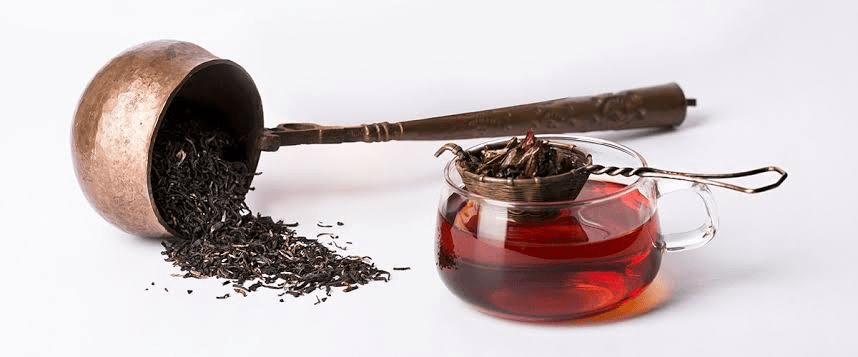
Black Tea is rich, hearty and bold. It’s over 80 % oxidized and hence contain highest levels of caffeine compared to all the others. Hence, this makes it best for an instant energy boost. It is known to protect the skin against excess UV radiation exposure, boost immunity, protect lungs, improve heart health and lower the risk of kidney stones.


Hence, who wouldn’t want to enjoy a hot cup of tea on a pleasant evening (Specially, if it’s good for your health as well as taste buds).

WATER BODIES AREN’T BINS.

Would you value something, you would die without?

Image source

Well looking at the picture above I think, Indians doesn’t seem to be having this thinking. Such disregard of Water, the thing which makes our life possible definitely has to be one of the most irresponsible thing done by humans. Especially, Indians who worship these seas and rivers themselves are the one’s polluting it the most. The holy river of GANGES, which is generally called the most pure river in the whole country itself is the most polluted one. Severly polluted Ganges river which provides water to 40% of India’s population in total of 11 states serving an estimated population of 500 million people, is the fifth most polluted river in the WORLD. Sewage discharge from cities, towns and some villages is the most prevalent cause of water pollution in India. Major cities of India produce 38,354 million litres per day (MLD) of sewage, but the urban sewage treatment capacity is only 11,786 MLD. The scientific analysis of water samples from 1995 to 2008 indicates that the organic and bacterial contamination is severe in water bodies of India. This severity is increased at an even more rapid rate until 2020. According to A reliable source, Around 80% of India’s water is severely polluted because people dump raw sewage, silt and garbage into the country’s rivers and lakes. This has lead to high scarcity of drinkable water. Experts predict that 40% of people may not have a connection to a clean water source by 2030. Then how come are we yet not sincere about not just saving water but Ourselves? As urban areas households get more and more facilities of 24*7 running water taps and availability of drinking water, lesser is the value of the latter. Around 70% of wastewater from household, industries, etc. goes untreated and each day, more than 40 million liters of wastewater flows directly into India’s lakes, rivers and ocean. This waste while travelling from small to big waterbodies, go on contaminating all of it along with the organisms living within. Lakhs of fishes and other underwater living organisms die as they eat or get caught in this waste. This waste even covers the inner and outer surface area of the water at times and thus disbalancing the oxygen levels in the water, due to which the organisms die in huge quantities. This water also enters the groundwater and makes it polluted and undrinkable as well.

Further, this water when reaches to households it immensely affects the health of individuals especially, children. Each year, more than 1.5 million Indian children die from diarrhea. It affects the irrigation systems in fields as this water doesn’t allows the crops to grow properly due to it’s I’ll properties, infectious and diseased bacteria into it. Because of the poor infrastructure and absence of sewage control, 38 million Indians suffer from waterborne diseases like typhoid, cholera and hepatitis every year. Worldwide, waterborne diseases cause more deaths than AIDS, tuberculosis and measles combined in children under 5-years-old. This severity of pollution affects humans and other organisms, plus our food security and the GDP growth of nation. As the diseases spread, the more people get ill and cease work which decreases productivity of companies, crops damage reduces the agricultural revenue too. Hence proved, that this problem is not as small as we think of it. Be it socially or economically it has a bad effect on the country as a whole. It is necessary for all the people to get educated regarding the same as soon as possible and start contributing their part in preventing water pollution and wastage.

Steps taken..

India is taking several steps to rebalance the quality of its water source, from flocculation and reuse of industrial water to the contributions that local Indian startups are making. In Chennai, a city in Eastern India, industrial water reuse rose from 36,000 to 80,000 cubic meters in 3 years, from 2016 to 2019. VA Tech Wabag, a water company quartered in Chennai, also built numerous water reuse plants all across India. As of 2020, VA Tech Wabag contributed immensely to the production of more than 18 million cubic meters of clean water every day, which has positively impacted almost 100 million people globally. In Gujarat, a state of more than 70 million citizens, the government launched its Reuse of Treated Waste Water Policy, which aims to drastically decrease the use of the Narmada River. It will install 161 sewage treatment plants all across Gujarat in order for industrial and construction sectors to use the treated water. Evaluations offer that in 2015, the Indian government installed almost 16,000 reverse osmosis systems in Karnataka and 281 solar electrolytic defluoridation plants in Madhya Pradesh.

But the most important part is we all have to remember that only Government officials and workers alone couldn’t sort this situation for the whole country. Ech and every individual has to do their part to ‘save water and save future’.