Coronoary Heart Disease is defined as “the impairment of heart function due to the inadequate blood flow to the heart.” It causes 25-30% death in industrialized countries. The epidemicity, that is the relative ability to spread from one host to another in a locality, of CHD began at different times in different countries. The countries where the epidemic started early are showing a decline in the number of cases detected but still CHD poses as one of the largest health problems across the globe. CHD was the leading cause of death globally resulting in over 7million deaths. It may affect individuals of any age but becomes more common at progressively at older ages. It is estimated that 60% of the world’s cardiovascular disease occurs in the South Asian subcontinent. Males are at a higher risk of getting affected by CHD than the females.
CHD in India
The pattern of CHD in India is reported as follows:
CHD occurs in the population who have attained the age between 51-60 years.
Males are affected more than females.
Hypertension and diabetes account for about 40% of all the cases.
Heavy smoking is also reslonsible for CHD in higher number.
The risk factors that can lead to CHD include smoking, high blood pressure, diabetes, obesity, sedentary lifestyle and stress.
Prevention of CHD:
WHO has recommended the following strategies for the prevention of CHD:
Population strategy:
CHD is primarily a mass disease. The strategy should have a mass approach focusing mainly on the control of underlying risk factors.
Small changes in the risk factor levels can achieve the biggest reduction in mortality.
The population strategy is centered around the areas such as Dietary changes, smoke free society, blood pressure measurement and physical activity.
High risk strategy: By means of simple tests such as blood pressure and serum cholesterol management, it is possible to identify individuals at a special risk.
Secondary prevention: Secondary prevention must be seen s he continuation of primary prevention. The aim of secondary prevention is to prevent the recurrence and progression of CHD.
In a world where health risk factors are present everywhere, we should do our best to avoid falling prey to any kind of health risk.
We hear the word journaling very often. Almost every other day this term falls on our ears but we simply pay no heed to it. The reason is we humans have a tendency to think that the most ordinary or simplest things cannot bring us extraordinary greatness. Which is not true ofcourse.
When it comes to journaling, we sometimes underestimate how important it is to include this beneficial habit into our daily routines. Our lives can thrive from journaling in many different ways. From increased productivity overall to self-improvement and improved mental wellness, this habit is proven to be effective.
Writing down your thoughts, feelings, or anything else you want to in order to try to understand them better is what journaling is fundamentally all about. Every time we write down our thoughts in a journal, our mind starts to get more organised, making it simpler for us to prioritise our goals and every aspect of our lives that we want to work on. As a result, journaling helps us stay productive by allowing us to acknowledge what needs to be done after letting us self-assess ourselves in a way.
The ability to learn new things quickly, as well as your capacity for analytical and innovative thought, are more important indicators of productivity in today ’s digital economy than how much work you can get done in an hour. Journaling is therefore valuable spending a few minutes on, just like any practise that enables you to learn more acutely and think more effectively.
Outlining your goals in a journal enables you to think thoroughly about all aspects of it. Journaling helps you keep motivated during the arduous process of actually achieving your goals by providing a track of the work you’ve made in that direction. We refer to it as effective journaling for this reason.
Anyone who really wishes to deal with their emotions, possibly to prevent it from driving themselves in the realms of depression or anxiety, might benefit much from this mindful practice.
You can thoroughly examine your feelings, let out chaos, and mentally assimilate your experiences through writing.
Furthermore, it can support you in attaining a significant purpose or work with you to reduce certain sources of stress. Creating and reflecting on the story of your life, including all of the decisions you have committed and the moments that have shaped who you are today, is something you may do by keeping a diary.
In a word, journaling’s healing effects are “enlightening.
You can’t change it all in your life instantly, and attempting to create healthy habits and break negative ones in a single day is probably not going to work. Legitimate, lasting change occurs when you only take on something that you can manage; frequently, altering one significant habit can have knock-on impacts that enhance your life and move you forward to your commitments in other aspects.
One such discipline is writing; it may help you stay focused, determine your capabilities and limitations, provide an outlet for awareness of self , but also much more. Merely keeping track of your ideas, emotions, and doings can change your life in unanticipated ways.
Population: A group of individuals of a given species that live in a specific geographic area at a given time is known as population. Population include individuals of same species but may have different genetic makeup such as hair, eyes or skin color and size between themselves and other population.
The term “population ecology” is often interchangeably used with the term such as population biology or population dynamics. Population ecology is important in conservation biology especially in the development of population viability analysis. The human population is growing at a logistic rate and has been affecting the population of other species in return. Population ecology is the study of how the population sizes of a species change over time and space.
Control Methods of Population:
Population control may involve culling, translocation and manipulation of the reproductive capability.
Culling: It is the process of segregating organism from a group according to desired or undesired characteristics.
Translocation: It is a type of chromosomal abnormality.
Manipulation: skillful handling, controlling or using something or someone.
The growth of a population maybe limited by environmental factors such as food supply or predation.
The main biotic factors that affect population growth include-
Food: Both the quantity and quality of food are important. For example; snails can’t reproduce successfully in an environment low in calcium, no matter how much food there is because they need calcium for their growth.
Predator: As the prey population becomes larger it becomes easier for the predators to find prey. If the number of predators suddenly, falls, the prey species might rise.
Competitor: The organisms may require the same resources from the environment and reduce the growth of population. Competition for territory and for mates can drastically reduce the growth of individual organisms.
Parasites: These may cause disease and slow down the growth and reproduction rate of organisms within a population.
Important a biotic factors affecting growth are:
Temperature: Higher temperature speed up enzyme catalyzed reactions and increase growth.
Oxygen availability: It affects the rate of energy production by respiration.
Light availability: For photosynthesis light may also control breeding cycles in animals and plants.
Toxins and pollutants: Tissues growth can be reduced by the presence of pollutant like sulphur dioxide (SO2) and toxins like oestrogen.
Methods of Population Planning:
Higher taxation of parents who have too many children.
Abstinence: The practice of restrainingoneself from indulging in something.
Reducing infant mortality so that parents do not need to have many children to ensure at least some would survive to adulthood.
Sterilization
Abortion
One child or two child policies
Family planning
Create small family role models
Migration from rural areas to urban areas
Emigration
Family planning: It is used to ensure that a women gets a child when she actually wants it. It reduces accidental pregnancies and ensures an controlled family size.
Raising level of education: Education, particularly that of woman, is very important in population control. It changes cultural beliefs and attitudes. It makes people liberal in approach.
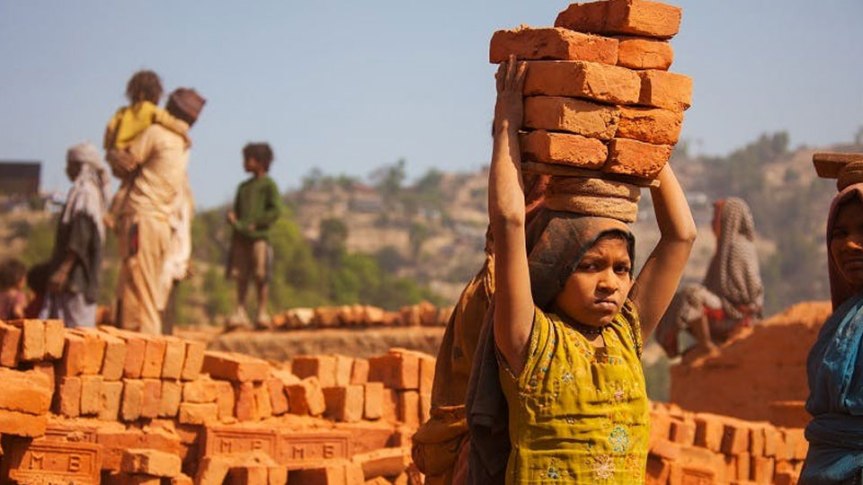
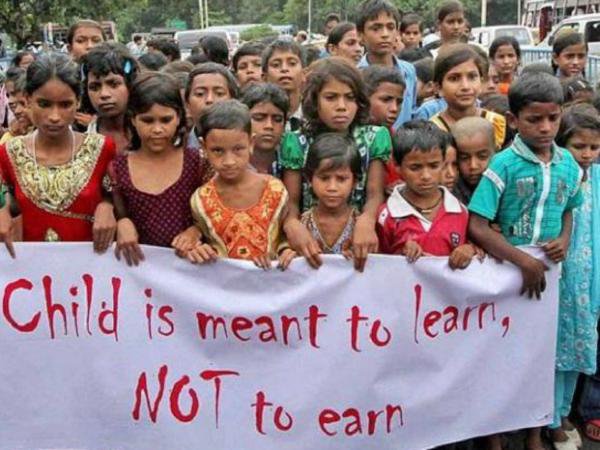
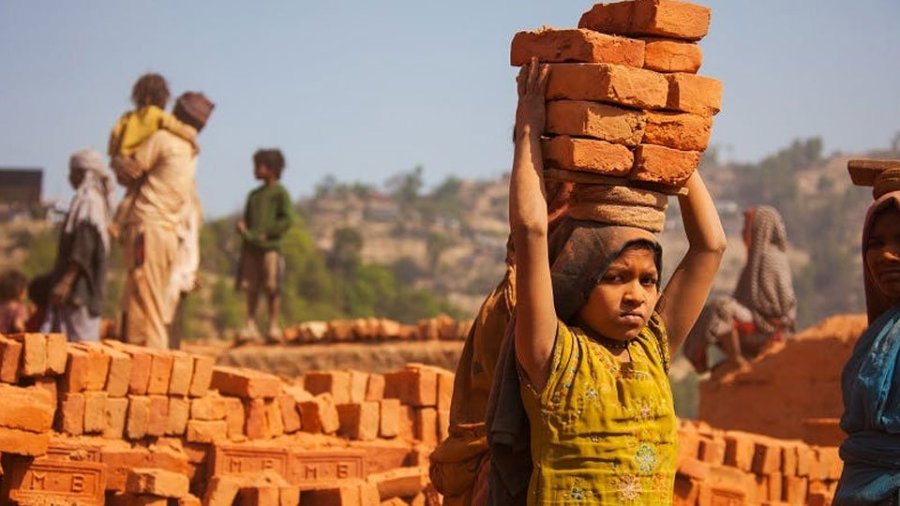
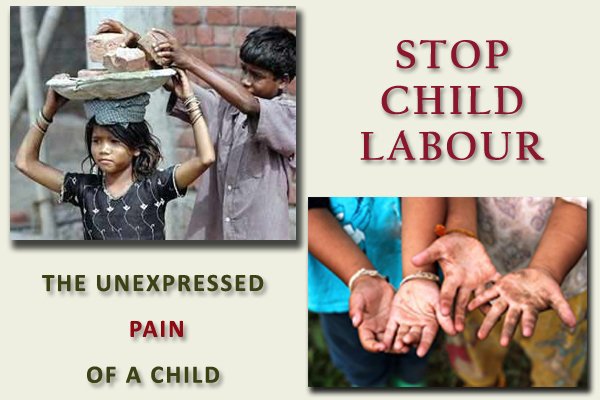
Child labor is the deprivation of children’s childhood, affecting their ability to attend regular school and exploiting them through all forms of work that are mentally, physically, socially and morally harmful.
After gaining independence from colonial rule, India enacted many constitutional protections and child labor laws. The Constitution of India in the principles of basic rights and public policy prohibits child labor under the age of 14 in factories, mines, castles or other dangerous occupations (Article 24). The Constitution also stipulated that by 1960 India would provide all children aged 6 to 14 with the infrastructure and resources for compulsory free of charge education . (Articles 21-A and 45). In 2011, the Indian Census found that of the 259.64 million children in this age group, the total number of child laborers [ages 5-14] was 10.1 million. The problem of child labor is not unique to India. Approximately 217 million children work worldwide, many of whom work full-time.
Credit-ipleaders
In India child labour is defined as the involvement of children under the age of 17 in economically productive activities, with or without compensation and wages . Such participation can be physical, mental, or both. This work includes part-time or unpaid work on farms, family businesses, or other economic activities such as cultivation or milk production for sale or personal consumption. The Government of India divides child labor into two groups. The main workers are those who work more than 6 months a year. And marginal child laborers are workers who work all year round, but less than six months a year. In 1979, the Government of India established the Gurupadswamy Commission to learn about child labor and how to fight it. The Child Labor Probation and Regulation Act was enacted in 1986 on the recommendation of the Commission. A national child labor policy was developed in 1987 focusing on the rehabilitation of children working in dangerous professions. Since 1988, the Ministry of Labor and Employment has established approximately 100 industry-specific national child labor projects to rehabilitate child laborers.
Credit- Track4Trainings
The Government of India has enacted numerous laws, organizations and institutions to combat the issue of child labor. Some initiatives include child labor bans and regulations, laws prohibiting the employment of children in certain occupation and regulating the working conditions of children. The National Child Labor Policy attempts to take a sequential approach with a primary focus on the rehabilitation of children working in dangerous professions and processes of works. The Ministry of Labor and Employment is responsible for providing and supervising a range of child labor policies in India. In addition, as Osment reported, NGOs such as Care India, Child Rights and You, and Global March Against Child Labor were implemented to tackle child labor through access to education and resources. However, these efforts were of little success.
Non-governmental organisations: Bachpan Bachao Andolan, Child Rights and You, ChildFund, CARE India, GoodWeave India,Talaash Association, Global March for Child Labor, and many other NGOs are campaigning to eliminate child labor in India. increase.
The youth are more affected by this culture & it’s making their life miserable and the most important thing is they just don’t know how to stop worrying enough about it.
The Orthodox or popular opinion of becoming successful and achieving it all very fast ; the ultimate respect status that comes with being the all achiever is Hustle culture, driven by the desire for more.
We are compelled to believe that time is running out and that we must do more, achieve more in less time. The most essential goal in your life should be to prioritise achievement over anything else. It shouldn’t be a big deal to sacrifice your mental and physical health for your life satisfaction. As a consequence, the youth begins to believe. We are constantly seeking more from ourselves, others, and our life. Hustle culture arose from this constant desire for more. It’s also on the upswing.
Now wanting more isn’t necessarily a bad thing, but when it becomes excessive, it’s time to act.
Signs that you are a hustler :
1. You never stop overthinking – Overanalyzing your life and ambitions lead you to constantly put self-limiting beliefs on yourself. Resulting in dread of the judgement, and assumption of the consequences which makes it worse.
2. You want to accomplish everything in one day – Being impatient with your goals and believing that completing more tasks more quickly than others will give you greater recognition and popularity.
3.You want to attain long-term goals in the short term- You focus on making the big leap instead of comprehending that it takes time, patience, and efforts to accomplish anything. Trying to skip the intermediate phases but fail and are left feeling unmotivated.
4. Trying to do all and more at once – You multitask all the time and put your work and aspirations before your needs for rest, sleep, and self-care.
5. Validation is what matters mostto you – when people appreciate your achievements and proficiencies, your desire is stoked, but when it doesn’t, you spiral into self-doubt.
6.You are a materialistic life seeker – Quality of life and ideas don’t interest you & latest trends do. You are leading a typical life because you don’t know how to live otherwise
7.You feel guilty for not being productive enough– Often you feel terrible for putting comfort before your goals. Exhausting yourself completely is part of the process towards success.
8. Being ignorant about you mental health– As you pursue a career-oriented lifestyle, believing that this is the only way to gain respect and prestige, you start comparing yourself to others who are ahead of you and the seeds of self-doubt begin to grown in you.
9.You don’t put your health first – Your health is your most valuable asset and should always be prioritised above all else. Unfortunately, people frequently disregard this and endanger it in pursuit of mediocre accomplishments.
If you think you’re hustler, it’s time to take a moment and reflect. Hope you found this helpful.
Animal Cruelty : Simply put, animal cruelty harms animals, whether intentional or negligent. While certain activities such as animal cruelty are generally perceived as cruel, the specific actions that make up animal cruelty vary from person to person and from places to places or different countries. Many argue that docking a piglet’s tail without anesthesia is cruel, while others say it is common in meat production to prevent injuries later in the pig’s life. Animal cruelty defination is different in different areas due to countries laws. Animal abuse is an pervasive problem which often is difficult to detect. No species or community is spared from experiencing animal cruelty and neglect. Understanding what animal cruelty means and what it doesn’t mean is one of the first steps to prevent it from happening again. Animals, whether it’s the food, cosmetics, entertainment, or pet industry, don’t deserve to suffer.
Is Animal Cruelty Illegal: The legality of animal cruelty depends largely on where the activity takes place . For example, cruelty to farms and laboratory animals that is illegal in some countries may not be considered banned animal cruelty in some countries, due to differences in national law. In the United States, the best-known legislation to prevent animal cruelty excludes both livestock and laboratory animals from registration.
Animal cruelty in India: Recently, cases of animal cruelty are increasing in India. The same began to discuss animal rights and the extent of legal protection that current law provides to animals. The problem is that most of these crimes are either unreported or face disappointing legal responses, as some of the 1960 Animal Cruelty Prevention Act and the Indian Criminal Code are obsolete. SS Rithika an social activist in context to animal writes about common scenarios of animal cruelty and current laws, procedures, and court decisions dealing with animal cruelty in India. Rithika is also pushing for amendments to these laws to curb the rise in atrocities against animals.
Law related to animal cruelty in India: The Animal Cruelty Prevention Act of 1960 was amended in 1982. Under India’s newly amended 2011 Animal Welfare Act, animal abuse is a criminal offense with a fine of at least 10,000 rupees, a fine of up to 25,000 rupees for the first violation, or upto two years of imprisonment. For the second and subsequent violations, a fine of 50,000 rupees or more and imprisonment of 1 year or more upto 3 years or less. This amendment is currently awaiting approval by the Government of India. The 1962 law is the law currently in force. The maximum fine under the 1962 Act is 50 rupees (less than $ 1). Many organizations, including local SPCA, PF, A, Fosterdopt, etc., are actively involved in reporting cases of atrocities to police and assisting the general public in bringing perpetrators to justice. For this reason, there are many changes in the subcontinent. Under IPC sections 428 and 429, causing mischief by killing or amputating an animal worth more than 10 rupees is a recognizable crime punishable by two years’ imprisonment, a fine, or both.
Some of the campaign toward animal cruelty:#NoMore50 , #RespectForAnimals , #FarmedAnimals etc.
Living in the 21st century, life has become much easier with the advent of much advanced technology. We all are connected to each other via multiple social media platforms and no longer rely on postcards and letters to convey our message to our dear ones. These new platforms have also made it easier to communicate with new people and widen our social circle. No doubt, these platforms provide us with thousands of opportunities for our own benefit. Many people have sought to their personal small businesses owing to the ease of access to higher number of people and minimum marketing cost and labour. Unfortunately, even if we live in the world that has made life much easier, the modern generation is much more isolated than ever and is at the higher risk of facing mental health issues such as depression and anxiety more often as compared to the previous generations. In the modern world, statistics show that depression has become a common illness worldwide affecting 3.8% of the total world population, approximately 280 million people worldwide.
Mental health is often considered as a byproduct of physical health and nobody actually sees that both are equally important and are equally responsible for a person to live a longer and happier life. There are many examples where we see a physically fit person committing suicide or doing any other unacceptable actions. Suicide is one of the leading causes of death in young people. Globally 800,000 people die from suicide every year. The number is quite overwhelming! But the reason behind this is something that may seem very trivial but is very deadly at times! This reason is nothing but “notfacing the reality” and “notaccepting the truth”. It is all about seeing the light even in the darkness.
Something that we all can agree is that the modern generation is very good at is running away from the consequences of their actions and they refuse to face the reality. Every single day we see people posting certain good moments of their lives, people being successful in their lives, people tirelessly working hard, some success gurus giving tips on how to become successful and so much more. All these posts do make us rethink our own decisions and choices. We start questioning what we are doing in our life and by what level are we able to be called successful. We start following those online success and motivational speakers who tell us to work tirelessly, forget our own needs and wishes and just jump into the marathon even if we don’t want to be a part of it. This is mostly because when we see others achieve their dream job or what they desired for, we subconsciously start getting compelled to do better than them. There is the thought of doing the exact same thing better and quicker (in some cases) than others. We too want to feel the sense of achievement. We too feel the obligation to prove ourselves to others. We want our life to hold some worth in the society by doing things that don’t even entertain us or don’t even tingle our excitement. We just jump into the race without being equipped with proper protective gears. And what comes next is the inevitable, failure. And this failure brings with it an immense mountain of disappointment, self-doubt and fear. The question here is, did we think before jumping into the race? Did we ask ourselves if we really want this? Did we care about failure or the consequences of our actions before going on the path? The simple answer is NO. We did not. We just saw someone do it and succeed and we decided to do the same without analyzing the intensity of the result.
The most saddening part of the picture is after failing the task, the blame game starts. Self- blame, blaming others for their own failure and this process continues. We cannot accept the fact that we failed and we get stuck at that only. We prohibit ourselves from moving on and kill our own determination. This further results on nothing but self deterioration and leads us to take extreme steps. But what changes occur in the society? Nothing, absolutely nothing. The world still goes on and people still jump into the race and on the other side of the picture there exists a person who once failed, stands up again and fights for what he desires. He accepts the failure and learns from it about what his actual destination is.
Fear of failure and lack of the ability to accept failure does no good instead of bringing ourselves down to the point where we can’t get up on our feet again. Fear of facing the reality and accepting it leads to nothing but self doubt and lower self esteem. All these unnecessary thoughts leads us to nowhere other than self deterioration. Thus, it is really important to learn and accept the fact that failure is an inevitable part of life. We all know “failure is the pillar of success”, as it is taught to us at the very early age. But what we do is just forget this important fact and stress over the term “failure” only. We forget the fact that even the person whom we saw getting successful online has undergone many hardships and even in many cases faced a number of failures but still they never gave up on themselves or neither their hard work. Thus, it is very important for us to face our fears, face the challenges and face our fears in order to move forward in life. It is ok to not feel ok. It is totally fine to say that you are not fine. It is absolutely ok to fail. But it is absolutely not ok to let that failure push you down. Enjoy the little things in life. Learn to accept the reality and move on with life. Get the happiness in little things and it is never an obligation for things to work out your way.
Children are being negatively impacted because of exposure to tv and internet. Today kids spend more time watching tv or on phone which tends to slow down thier metabolism rate. Infact browsing stuffs online to playing games all day can make them dull and unproductive. Spending insignificant amount of time on tv and internet can make children suffer from lack of sleep and cause serious health problems. Henceforth, a healthy balance and strict timetable needs to be devised by parents which should restrict the amount of time a child spends on tv and internet. For instance, a child can watch educational videos on youtube which can help them to understand their lessons better or can watch news on tv to get equipped with current affairs apart from just playing games or watching cartoons. Limiting the amount of time being spent on tv and internet, parents can involve their children in other healthy activities such as practising yoga or taking up a sport or say learning a new musical instrument. That way a child can do better not only in his academics but can also excel in other creative artforms
Haemoglobin is an iron-rich protein found in our red blood cells, responsible for carrying oxygen and transporting it to all parts of our body. A drop in level of haemoglobin can make it difficult for the body to get suffecient oxygen and one might exeperiemce dizziness, fatugue, pale skin, etc. Listed below are some foods that can help maintain the level of haemoglobin in blood –
1) Beetroot Beetroot is enriched with natural iron, magnesium, copper, phosphorus, and vitamins B1, B2, B6, B12 and C and can be consumed in either raw form or cooked. It helps in regeneration of red blood cells.
2) Green leafy vegetables Green vegetables like spinach, celery, and broccoli are rich vegetarian sources of iron and including them in your staole diet can help you increase your level of haemoglobin. They can also help you in weight loss and improve digestion.
3) Dates and raisins Dates and raisins are packed with iron and vitamin C. Consuming a handful of raisins and two or three dates in the morning can provide you with instant energy and improve your hemoglobin levels.
4) Sesame seeds Eating black sesame seeds is another great way of increasing your iron intake as they are loaded with iron, calcium, magnesium, copper, zinc, selenium and vitamin B6, E and folate
5) Take vitamin-C rich fruits Vitamin C absorb iron more efficiently. Including oranges, lemon, sweet lime, strawberries, bell peppers, tomatoes, grapefruits, berries in your dietary plan will help in boosting haemoglobin levels.
Haemoglobin is an iron-rich protein found in our red blood cells, responsible for carrying oxygen and transporting it to all parts of our body. A drop in level of haemoglobin can make it difficult for the body to get suffecient oxygen and one might exeperiemce dizziness, fatugue, pale skin, etc. Listed below are some foods that can help maintain the level of haemoglobin in blood –
1) Beetroot Beetroot is enriched with natural iron, magnesium, copper, phosphorus, and vitamins B1, B2, B6, B12 and C and can be consumed in either raw form or cooked. It helps in regeneration of red blood cells.
2) Green leafy vegetables Green vegetables like spinach, celery, and broccoli are rich vegetarian sources of iron and including them in your staole diet can help you increase your level of haemoglobin. They can also help you in weight loss and improve digestion.
3) Dates and raisins Dates and raisins are packed with iron and vitamin C. Consuming a handful of raisins and two or three dates in the morning can provide you with instant energy and improve your hemoglobin levels.
4) Sesame seeds Eating black sesame seeds is another great way of increasing your iron intake as they are loaded with iron, calcium, magnesium, copper, zinc, selenium and vitamin B6, E and folate
5) Take vitamin-C rich fruits Vitamin C absorb iron more efficiently. Including oranges, lemon, sweet lime, strawberries, bell peppers, tomatoes, grapefruits, berries in your dietary plan will help in boosting haemoglobin levels.
Recently, a petition was filed before Delhi High Court, challenging the exclusion of a single man and a woman having a child from surrogacy and demanding commercial surrogacy’s decriminalisation.
The Petitioner argued that the personal decision of a single person about the birth of a baby through surrogacy,a is a facet of the right to privacy guaranteed under Article 21 of the Constitution. Thus, the right of privacy of every citizen or person to be free from unwarranted governmental intrusion into matters fundamentally affecting a decision to bear or beget a child through surrogacy cannot be taken away.
What is Surrogacy?
About:
Surrogacy is an arrangement in which a woman (the surrogate) agrees to carry and give birth to a child on behalf of another person or couple (the intended parent/s).
A surrogate, sometimes also called a gestational carrier, is a woman who conceives, carries and gives birth to a child for another person or couple (intended parent/s).
Altruistic surrogacy:
It involves no monetary compensation to the surrogate mother other than the medical expenses and insurance coverage during the pregnancy.
Commercial surrogacy:
It includes surrogacy or related procedures undertaken for a monetary benefit or reward (in cash or kind) exceeding the basic medical expenses and insurance coverage.
Surrogacy (Regulation) Act, 2021
Provisions:
Under the Surrogacy (Regulation) Act, 2021, a woman who is a widow or a divorcee between the age of 35 to 45 years or a couple, defined as a legally married woman and man, can avail of surrogacy if they have a medical condition necessitating this option.
It also bans commercial surrogacy, which is punishable with a jail term of 10 years and a fine of up to Rs 10 lakhs.
The law allows only altruistic surrogacy where no money exchanges hands and where a surrogate mother is genetically related to those seeking a child.
Challenges:
The exploitation of the Surrogate and the Child:
One could argue that the state must stop the exploitation of poor women under surrogacy and protect the child’s right to be born. However, the current Act fails to balance these two interests.
Denies Legitimate income to Surrogates:
Banning commercial surrogacy also denies a legitimate source of income of the surrogates, further limiting the number of women willingly to surrogate.
Overall, this step indirectly denies children to the couples choosing to embrace parenthood.
Emotional Complications:
In altruistic surrogacy, a friend or relative as a surrogate mother may lead to emotional complications not only for the intending parents but also for the surrogate child as there is great deal of risking the relationship in the course of surrogacy period and post birth.
Altruistic surrogacy also limits the option of the intending couple in choosing a surrogate mother as very limited relatives will be ready to undergo the process.
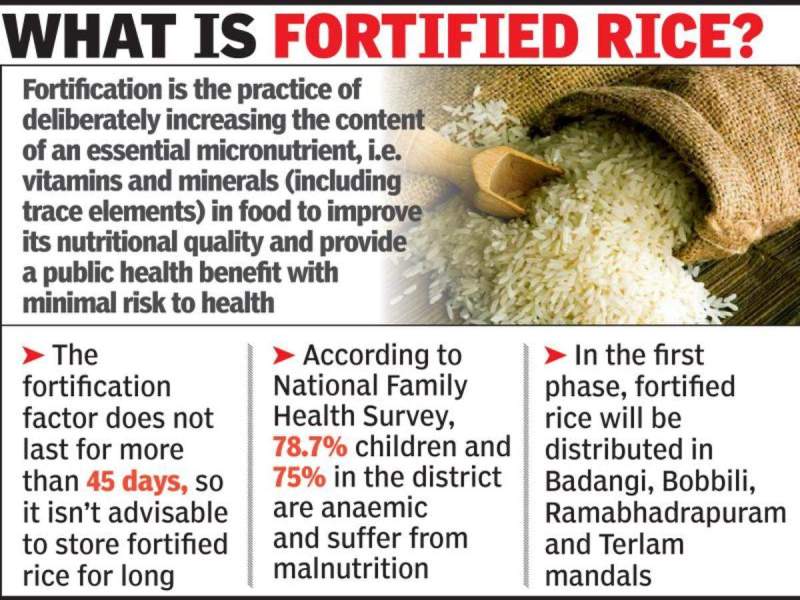
Fortification is the addition of key vitamins and minerals such as iron, iodine, zinc, Vitamin A & D to staple foods such as rice, milk and salt to improve their nutritional content.
Fortification of rice is a cost-effective and complementary strategy to increase vitamin and mineral content in diets.
According to FSSAI norms, 1 kg fortified rice will contain iron (28 mg-42.5 mg), folic acid (75-125 microgram) and Vitamin B-12 (0.75-1.25 microgram). In addition micronutrients can also be added, singly or in combination, with zinc, Vitamin A, Vitamin B1, Vitamin B2, Vitamin B3 and Vitamin B6.
Need of Food Fortification?
There is high level of malnutrition among children and women in India. A/c to Food Ministry, every second woman in the country is anemic and every third child is stunted.
India ranks 101 among 116 countries in the Global Hunger Index (GHI) 2021. In 2020 it was positioned 94th.
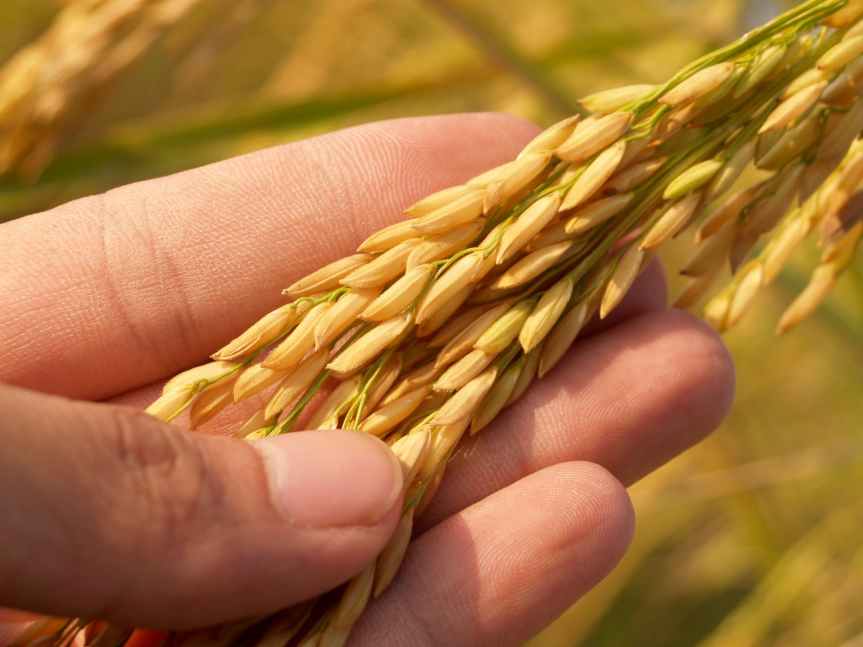
Rice is one of India’s staple foods, consumed by about two-thirds of the population. Therefore, fortifying rice with micronutrients is an option to supplement the diet of the poor.
Issues with the Fortification of Rice
Inconclusive Evidence:
Evidence supporting fortification is inconclusive and certainly not adequate before major national policies are rolled out.
Hypervitaminosis:
According to some studies published in the medical journal Lancet and in the American Journal of Clinical Nutrition which show that both anaemia and Vitamin A deficiencies are overdiagnosed, meaning that mandatory fortification could lead to hypervitaminosis ( a condition of abnormally high storage levels of vitamins, which can lead to various symptoms such as over excitement, irritability, or even toxicity ).
Toxicity:
Adding one or two synthetic chemical vitamins and minerals will not solve the larger problem, and in undernourished populations can lead to toxicity.
A2010 study that showed iron fortification causing gut inflammation and pathogenic gut microbiota profile in undernourished children.
Cartelisation:
Mandatory fortification would harm the vast informal economy of Indian farmers and food processors including local oil and rice mills, and instead benefit a small group of multinational corporations.
Decrease Value of Natural Food:
Once iron-fortified rice is sold as the remedy to anaemia, the value and the choice of naturally iron-rich foods like millets, varieties of green leafy vegetables, flesh foods, liver, to name a few, will have been suppressed.
There are different methods to make rice more nutritious post-harvest: Dusting, Coating, Hot or Warm extrusion.
To have a positive health impact, fortified rice needs to have good:
Stability during transport and storage
Retention during cooking & preparation
Consumer acceptability
Absorption by the body of the used micronutrients
Benefits of fortification –
Ease of use – this is one of the biggest benefits. As a widely used staple food, it is simple to replace standard rice with fortified rice to boost the nutritional profile of a simple diet.
Cost – the specific costs of fortified rice depend on several factors, such as the scale of the operation and the blending ratio of fortified to non-fortified kernels.
Consistency for consumers – it looks, cooks, and tastes the same as non-fortified rice.
Market differentiation for brands – fortified rice can also be customized for specific needs. It presents a solution for health-conscious consumers looking for new ways to reach specific health benefits.
Reducing micronutrient deficiencies for governments and schools
As a parent, it’s sometimes hard to be away from your kids. But it’s an indescribable, heartwarming feeling when you return – their smiles, the running to you with open arms, their tiny arms squeezing your neck. Whether you’ve been gone ten minutes or two days, that moment, this sweet reward, is everything.But what if reunions aren’t possible because the goodbyes are too much for your child to bear? If goodbyes are full of tears and fits, your little one might have separation anxiety.
Separation anxiety is a normal part of development that occurs when toddlers begin to grow more aware and develop stronger relationships with their caregivers. This awareness can make them more apprehensive and possibly feel unsafe without their parent or caregiver.Whether it’s dropping your child off at day-care or leaving your child at home as you head out to work, farewells can be difficult. Your child may understand that mommy and daddy didn’t vanish, but they might not know for how long. All they know is that they feel safest when you’re around.
When does it begin?
Separation anxiety typically develops before age 1 and peters out around age 3, but it can be experienced by older children and young adults as well—particularly during major life changes like transitioning to high school or leaving for college. Certain life stressors can trigger feelings of anxiety about being separated, such as divorce, loss of a pet, new caregiver, a new sibling, a new school or moving to a new place.
Separation anxiety can be normal and temporary. Although it can be difficult for your child, and for you as their parent, remember this indicates a strong attachment between you and your child.However, if you notice your child’s anxiety starts affecting their daily life and academics, talk to their doctor. Things like stomach aches, vomiting, headaches, constant worry about losing you or a loved one to a disease or illness or a reluctance to sleep away from you may be a sign of a more serious emotional problem called separation anxiety disorder (SAD. The main difference between the two is that with SAD their fears keep them from normal activities. Adult separation anxiety can have an onset in childhood or adulthood. Similar to other anxiety disorders, adult separation anxiety can affect your quality of life, but the condition can be managed with treatment. Talk to a medical professional if you suspect you or someone you love is living with this disorder.
Common causes of separation anxiety disorder
Separation anxiety disorder occurs because a child feels unsafe in some way. Take a look at anything that may have thrown your child’s world off balance, made them feel threatened, or upset their normal routine. If you can pinpoint the root cause—or causes—you’ll be one step closer to helping your child through their struggles.Common causes of separation anxiety disorder in children include:
Change in environment. Changes in surroundings, such as a new house, school, or day care situation, can trigger separation anxiety disorder.
Stress. Stressful situations like switching schools, divorce, or the loss of a loved one—including a pet—can trigger separation anxiety problems.
Insecure attachment. The attachment bond is the emotional connection formed between an infant and their primary caretaker. While a secure attachment bond ensures that your child will feel secure, understood and calm enough for optimal development, an insecure attachment bond can contribute to childhood problems such as separation anxiety.
Tips to reduce separation anxiety
Separation anxiety may come and go, but there’s plenty you can do to help ease your child’s symptoms. These tips can help them through this difficult period.
Talk to your child in a calm, positive tone. Let your child know what will happen while you are gone, who they will be with and all the fun things they get to do. Even if you feel your child is too young to understand, your positive tone and attitude will send a reassuring message. It may even be helpful to find and read picture books that talk about separation and that goodbyes aren’t forever.
Practice separating. Practice leaving your child at home with a caregiver for a short period of time. As time goes on, you can extend the time you are away before returning home.
Ease the separation. Leave your child with their favorite stuffed animal or toy.
Prepare an activity. Engage your child in a fun activity when the caregiver arrives or ask the daycare teacher to have an activity ready as soon as you drop your child off.
Make your goodbye short. Whenever you leave your child or drop them off, keep the goodbye brief. If you act anxious or keep returning for just one more hug or kiss, you may unnecessarily worry your child
Follow through on your promise. It’s important that you return when you promised to return as this helps your child build confidence and trust.
Aim for consistency. Kids like consistency, so try to schedule the same caregiver whenever possible, so your child feels more comfortable when you leave. Develop a brief, consistent routine for when you leave to create a familiar transition from being with you to being without you.
Attention: When separating, give your child full attention, be loving, and provide affection. Then say good-bye quickly despite their antics or cries for you to stay.
Additional tips for older children
Although separation anxiety tends to lower during adolescence, teens can experience it too. it is necessary to make sure an older child still feels safe and emotionally well to start being independent or it can resurface in untimely situations. . Here are some additional tips to help your adolescent child:
Acknowledge their fears. Let them know you’re there for them and that uneasy feelings are natural parts of adolescence.
Praise them for doing something they are anxious about.
Gently encourage, don’t force, them to do things that make them anxious.
Wait until your child is anxious before stepping in to help.
Remind your child of times when they were initially afraid but still managed to do something.
Many modern-day scientists see themselves as the first to create all the technological advancements we use today. Yet many of the so-called discoveries are nothing more than re-inventions created by examining the knowledge of the ancients. Many things related to science and invention have their origins in the thoughts and imagination of the sages of Ancient India. Indian culture has evolved over the ages by India’s ancient Rishis, who at the banks of its holy rivers had ‘discovered’ the Vedic literature – the very foundation of Indian civilization. The term ‘Rishi’ originally denoted the composers and singers of Vedic hymns. However, the Rishi is also a ‘sage’ to whom the Gods revealed the Vedas (knowledge of the eternal truths about the Creator, His creation and means to preserve it).Some lost works of science by Indian sages are-
Acharya Sushruta – Father of Surgery
Acharya Sushruta was a great Indian Physician and was known to be as the Father of Surgery or Father of Plastic Surgery. The Sushruta Samhita is one of the most important survived ancient texts on medicine and it is considered a foundational text of Ayurveda. He was the world’s first surgeon who performed complicated surgeries 2600 years ago.The Sushruta Samhita has 184 chapters containing descriptions of 1,120 illnesses, 700 medicinal plants, 64 preparations from mineral sources and 57 preparation based on animal sources. It describes thoroughly the surgical techniques of making incisions, extractions of foreign body or particles, how to probe, excisions, tooth extraction, how to remove prostate gland, dilation of Urethral stricture, vesicolithotomy, hernia surgery, how to do C-section (Caesarian for baby delivery), laparotomy, management of intestinal obstruction, perforated intestines and accidental perforation of the abdomen with protrusion of omentum and the principle of fracture management. He also classified the eye diseases including cataract surgery.It is interesting to note that when surgery was not even heard and performed by the other parts of the world, here Sushruta was performing Rhinoplasty and many other challenging operations.
Panini – Father of Linguistics
Panini was an ancient Sanskrit philologist, grammarian and a received scholar in ancient India. He is considered as First Descriptive Linguist and is known as the Father of Linguistics. He is well known for his text Astadhyayi, a Sutra on Sanskrit grammar. He analyzed the noun compounds which is still been followed in the theories of the Indian language. Panini’s comprehensive and scientific theory on grammar is conventionally taken to mark the start of Classical Sanskrit.The Astadhyayi is the oldest linguistic and grammar text of any language and of Sanskrit surviving in its entity. His rules have a reputation for perfection – he described the Sanskrit morphology completely. Panini made use of technical metalanguage consisting of syntax, morphology and Lexicon. This metalanguage is organized according to a series of Meta – rules, some of which are explicitly stated while others can be deduced.The Astadhyayi consists of 3,959 sutras in eight chapters. This text attracted many of the ancient authors to upgrade their text in terms of Language.
Acharya Nagarjuna – Master of Chemical Science
Nagarjuna was a great Indian metallurgist and alchemistHe did his research for around 12 years in the field of chemistry and metallurgy. Textual masterpieces like “Ras Ratnakar”, “Rashrudaya” and “Rasebdramangal” are his renowned contributions to the science of chemistry. He also discovered the alchemy of transmuting base metals into gold. He did his experiments especially on mercury. He distinguished between the metals and the sub metals and also between solvents and soluble. He stated that Mercury could dissolve all metals. He also invented the processes of “Distillation” and “Calcinations”. He was the first person in the planet to use a Mercury as medicine. He found five types of mercury: red and grey were good; yellow, white or multi colored had so much of bad qualities and this should use as a medicine after several treatments.Alchemist or today what we called as Chemist was the Gifts for Nagarjuna. He made several discoveries which was the path to the other discovers to lead in this field.
Baudhayana – Discovered Pythagoras Theorem
Baudhayana was a great Mathematician, who was also called a priest. He is the author of the Sulba Sutra which contained several important mathematical results. He discovered the several concepts in mathematics which was later rediscovered by the other scientist in the western world. The value of the pie was discovered by him. Today all know how to use the pie and where to use (calculating the area and the circumference of a circle). He also discovered Pythagoras Theorem in Sulba Sutra. He provided how to find a circle whose area is the same as that of a square. The other theorems includes the diagonals of rectangle bisect with each other, diagonals of rhombus bisect at right angles, area of square formed by joining the mid points of a square is half of original.The mathematics given in the Sulba Sutras is there to enable the accurate construction of altars needed for sacrifices. It is clear from the writing that Baudhayana must have been a skilled craftsman. He was a great Practitioner.
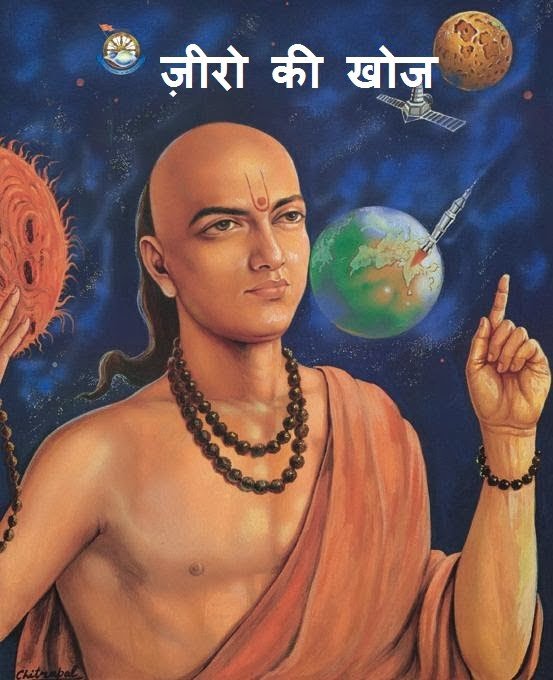
Acharya Aryabhata – Motions of the Solar System
Acharya Aryabhata was the first mathematician astronomer from the classical age of Indian mathematics and Indian astronomy and is not an unknown name. His major work on Aryabhatiya was very successful. It is extensively referred in the Indian mathematical literature and has been survived to modern times.
Acharya Aryabhata correctly stated that the earth rotates about its axis dailyr. He also stated that the motion of the stars are being observed just because the earth is rotating. He was also succeeded in explaining the geocentric model of the Solar System. The positions and periods of the planet was calculated relative to uniformly moving points. He stated that the Mercury and Venus move around the earth at the same speed as of the sun. He was also succeeded in explaining eclipses in terms of shadows cast by and falling on earth. He also mentioned Units of Time or the Sidereal rotation that earth takes 23 hours, 56 minutes and 4.1 second to complete one revolution and the sidereal year has 365 days, 6 hours, 12 minutes and 30 seconds which in turn adds an extra one day every after four years which is called a leap year.Calendric calculation which was devised by him is still being used in India for Practical purposes for fixing the Hindu calendar. India’s first satellite Aryabhata and the lunar crater Aryabhata are both named in his honor.
Maharishi Bharadwaj –Invention of the First Airplane of Earth
In 1875, the Vymaanika Shaastra, a 4th Century BC text written by Sage Bharadwaj was discovered in a temple in India. The book greatly deals with the operation of ancient vimanas and included information on steering, precautions for long flights, protection of the airships from storms and lightning and how to switch the drive of solar energy or some other form of energy.
One of the chapter will reveal the secrets of constructing aeroplanes that cannot be broken or cut, that is indestructible, that is fire resistant. It also deals with the secret of making planes motionless and invisible. It also describes how to defeat the enemy planes etc. as per the Sage Bharadwaj the vimanas were classifies as per the Yugas. During the period of Krita Yuga, Dharma was establishes firmly. The pushpak Vimana which was used by Ravan was an Aerial vehicle. He used this vehicle to kidnap Sita from jungle and took him to his Kingdom Srilanka. Ramayana was during the Treta Yug in which the Vimanas were highly discovered. During this period “Laghima” gave them the power to lighten their vehicle do they can travel freely in the air.In present Kaliyuga both Mantra and Tantra Shakti are almost vanished from the earth and so the ability to control vehicle has also been gone. Today the artificial vehicles are built which is called as Kritaka Vimanas.
Practicing yoga for even a few minutes a day can help you gain more awareness of your body. This will help you notice where you’re holding tension and where you have imbalances. You can use this awareness to bring yourself into balance and alignment. We hardly sit with a straight back or take any effort to improve our body posture. This imbalance in the alignment results in back pain. Sedentary lifestyle and lack of exercise are other reasons for a back ache but it’s not too late. You can get rid of back ache with yoga asanas.
Adho mukha svanasana (Downward facing dog)
Adho mukha svanasana or the downward dog position is one of the best known yoga poses. This asana is for your entire body. It boosts your metabolism, clears your mind, stretches your ankles and calves, strengthens your bones and is an excellent pose to get relief from back pain.
Marjaryasana (cat/cow pose)
Cat/cow pose massages your spine and relieve the stress. This pose keeps your back healthy and limber. It is also effective in improving your mental stability. It allows for a nice flexion and extension of the spine, promotes mobility, and it also helps to just relieve any tension in the lower back.Cat/cow also helps you get familiar with what your neutral spine is—not too arched and not too rounded—which can help improve posture.
Paschimottanasana (Seated forward bend)
The seated forward bend or paschimottanasana stretches your spine and eases lower back pain. It provides relief from neck pain and stiffness, eases PMS symptoms, stimulates liver, improves digestion and reduces fatigue
Salabhasana (Locust Pose)
Locust pose or salabhasana improves your core strength, stretches your spine and strengthens your legs. It will open your chest, improve your digestion and stimulates kidneys. Do not do this if you suffered an injury to your shoulders, arms or back recently
Trikonasana (Triangle Pose)
The triangle pose or trikonasana strengthens your spine, legs, shoulders and chest. It also improves your body alignment and stretches your hamstrings and calves.
Bhujangasana(Upward-Facing Dog)
If you experience back pain when bending forward, this is an especially helpful move since it stretches your low back. This also works to activate the muscles around the spine, which better supports painful areas
Shashankasana (Child’s Pose)
This gentle forward fold is the perfect way to relax and release tension in your neck and back. Your spine is lengthened and stretched. Child’s Pose also stretches your hips, thighs, and ankles. Practicing this pose can help relieve stress and fatigue.
Yoga is such an efficient way to help your body and mental health. It is also very easy, but make sure you follow instructions and try out increate asana to avoid pulling a muscle! You can start a home practice with as little as 10 minutes per day. You can use books, articles, and online classes to guide your practice. Once you learn the basics, you can intuitively create your own sessions.































 Eduindex
You must be logged in to post a comment.