PSYCHOLOGICAL ASPECTS OF WOMEN ATHLETE

Lesson 6 women and sports

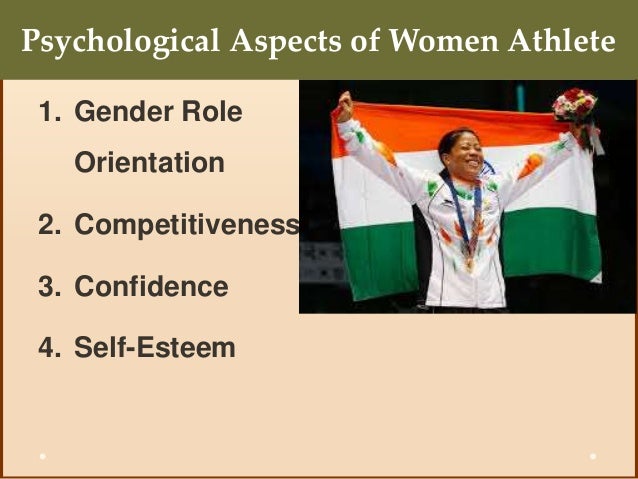
Over the past several decades , the role of women has changed drastically .However , gender beliefs and stereotypes still do exist across the world especially in sports . Most of the people in our society consider that sports are not meant for females but only for males .Social tradition , customs and cultures have great influence upon the psychology of women . In a male dominating society , males are expected to be aggressive , independent , dominating , robust and confident , whereas females are expected as well as considered to be emotional , sensitive , cooperative , sympathetic , loyal , etc. It is a well – known fact that participation of women in sports is increasing year after year .With this enhancement in female participation in sports , there is also renewed interest in the psychological characteristics of the female athletes and the effects of athletics on women . The various psychological traits of women athletes are stated below .

  1. Gender Role Orientation : It is an established fact that there has been an increase in the level of women’s participation in the types of sports that have been traditionally limited to only males , e.g., wrestling , weightlifting , kick boxing , body building , etc . However , many sports have been still considered inappropriate for women . For a long time it was considered that women should not take part in athletics because of the potentially harmful masculinising effects of sports .
  2. Competitiveness : It is evident that in the field of sports , both men and women are competitive in their own fields . In fact , women are more goal oriented and perform magnificently in artistic activities such as gymnastics . However , a number of research studies indicate that females who take part in sports are more competitive in comparison to the females who do not participate in sports .
  3. Confidence : As mentioned earlier , due to social pressures , women tend to have less confidence than men . Participation in sports , competitive environment , awards and recognitions increase confidence levels of sportspersons . However , a significant difference may exist between sportswomen and non- sportswomen .
  4. Self-esteem : Most of the research studies indicate that training plays a vital role in performance . Self -esteem improves with good performance . In the field of sports , intensive training helps in enhancing self-esteem . Research studies also show that those people who engage in sports have high self-esteem in comparison to non-participants .
  5. Aggression : Aggression is a forceful , goal- directed action that maybe verbal or physical . Participation in sports has many positive aspects which usually involve aggressive behavior . Various studies of aggression show that athletes who participate in contact sports , i.e., football players , judos or wrestlers are more aggressive than the athletes who participate in less contact sports . However , females who participate in contact sports show more aggression in comparison to females who do not participate in sports at all.

Taking Care of your Mental Health during a Global Pandemic

“A soft reminder: not everything that weighs you down is yours to carry.”

The term “Mental Health” focus on our emotional, psychological and social wellbeing. It affects the way we perceive things, the way we feel and the way we react. It plays an important role in every stage of our lives from our childhood to our adulthood. Your health is more than what you are eating. It is also what you are thinking, saying and believing. We often tend to underestimate the importance of our mental health but, taking care of it is important, more than it is rewarding.

We began to hear about the virus outbreak in China during the last month of 2019, little did we all know that it would be identified as a global pandemic. On 25th of March,2020 the first lockdown was imposed in the country. The seriousness of the pandemic had intensified and the world was paused. During the lockdown everyone was paranoid and careful. A large number of people were stuck, they were away from their homes and families, there was a huge wave of unemployment and everything was falling apart. The only news that was telecasted was about how rapidly the virus is growing and it started to make people anxious. Every body was perplexed and overwhelmed.

 At the beginning of the outbreak, we were told to be isolated and strengthen our immunity, exercise at home and focus on our physical wellbeing, but what we kept neglecting was our emotional wellbeing. The most common feeling that millions of people are experiencing is loneliness. Being confined to a particular place and following the same monotony made a lot of people feel empty and lifeless. we weren’t focusing on how to take care of our emotions during the time and that has left us being on an emotional roller coaster with each day. All of us are in the midst of a global pandemic currently and it is undeniable that fear and anxiousness has spread rapidly among ourselves as well.

 This pandemic has given our lives a different meaning and has been recreational for a lot of people. We continue to build new normalcy during these times. Social media platforms have progressively churn out productivity contests every now and then, it is essential to remind ourselves that this is no competition that we are a part of, it is important to replace the feeling of guilt and let it go.

 Before corona virus had hit us, working from seemed like a cake walk but it has certainly caused a huge disbalance between work and personal space, one should allow themselves to give them breaks and assure that you are giving your mind and body some rest. Indulge in activities like cooking, reading, watching a movie, pursuing your hobbies or doing something that you’ve always wanted to do but never found the time to during these times. Start finding happiness in the small wins like being without your phone, cleaning the dishes, cooking something which you thought you never could and so on. If you feel that there is a lot going and it is constantly making you feel hopeless, take a step back and try to calm yourself if that doesn’t help talk to someone, express what you’re feeling. Resist yourself from checking the news and find a distraction. While video calling has helped creating a bridge between the people who are far from you, it is completely normal to crave for human touch.

During these hard times, an individual who is dealing through stress should make it a point to turn to the people who are optimistic and good listeners. Try to understand that your feeling is valid, in order to keep your mental health stable, it is important to acknowledge your feelings for that you can write it down, let it out or do something that relieves your stress. It is scientifically proven that exercising helps in reducing anxiety, negative emotions and boosts self-esteem. One of the main advantages of exercising regularly during a pandemic is having a proper sleep schedule.

An individual should practice mindfulness and gratitude during such challenging times. Its very important to count your blessings and make time for things that make you happy. Lastly, we should give ourselves credit for the days we made it when we thought we couldn’t have.

Veggie Licious!

You may hate them or love them, but you certainly can’t dismiss the importance of vegetables and other vegetarian ingredients in your daily diet. Take a look at some exotic food that are slowly finding their way into Indian homes and restaurants…..


Couscous
Couscous is crushed durum wheat semolina formed into small granules or spheres. It’s commonly served in North African, Moroccan, Tunisian, and Algerian cuisine. It’s a protein rich food.


Brussels sprouts
The Brussels sprout is a member of the Gemmifera Group of cabbages, grown for its edible buds. The leaf vegetables are typically 1.5–4.0 cm in diameter and resemble miniature cabbages. The Brussels sprout has long been popular in Brussels, Belgium, from which it gained its name. These sprouts are rich in Vitamins K, C, B and B6, as well as other minerals. These also have anti cancer properties.


Arugula
Arugula or rocket is an edible annual plant in the family Brassicaceae used as a leaf vegetable for its fresh, tart, bitter, and peppery flavor. It is written Vitamin C and potassium, the flowers and seeds of this plant can also be eaten. Arugula can be eaten raw in salads or prepared in diverse ways of Mediterranean European and Turkish dishes. Peak season of this green leafy vegetable is early springs and fall.


Bok choy
It’s a type of Chinese cabbage. Chinese’s varieties do not form heads and have green leaf blades with lighter bulbous bottoms instead, forming a cluster reminiscent of mustard greens. Chinese’s varieties are popular in southern China, East Asia, and Southeast Asia. It tastes like, spinach with very mild bitterness. Bok choy is rich in Vitamin A, C and also has cancer prevention compounds.


Kale
Kale, or leaf cabbage, belongs to a group of cabbage cultivars grown for their edible leaves, although some are used as ornamentals. Kale plants have green or purple leaves, and the central leaves do not form a head. Kale is the powerhouse of nutrients as it is rich in Calcium, Vitamin K, Vitamin C and beta carotene. Kale has been known to block the growth of cancerous ces and can also lower cholesterol levels.


Zucchini
The zucchini, courgette or baby marrow is a summer squash, a vining herbaceous plant whose fruit are harvested when their immature seeds and epicarp are still soft and edible. It is high in Vitamin A and potassium. It is extremely low on calories so wait watchers, you can have a new friend. Zucchini is used in Turkish, Mexican, French and Italian cooking.


Quinoa
Quinoa, a grain, is native you to South American regions. It’s a good source of Vitamin B, B6 and E, along with zinc, iron, potassium and magnesium. Cooked quinoa consists of 71.6% water, 21.3% carbohydrates, 4.4% protein, and 1.92% fat. One cup (185 grams) of cooked quinoa contains 222 calories.

Dill
Dill is an annual herb in the celery family Apiaceae. It is the only species in the genus Anethum. Dill is grown widely in Eurasia, where its leaves and seeds are used as an herb or spice for flavouring food. Dill has antibacterial and antimicrobial qualities.


Oregano
Oregano is native to the hills of the Mediterranean countries and western Asia and has naturalized in parts of Mexico and the United States. The herb has long been an essential ingredient of Mediterranean cooking and is widely used to season many foods. With visas gaining acceptance in Indian culinary scene, Oregano has become synonyms with the little sachets of toppings one can use. It also has antifungal properties.

Living Life Intentionally

People, especially those in young adulthood or in their middle ages, often find themselves questioning their life and purpose. You might find yourself wondering, what am I doing? Or, what should I do? The answer to these questions differs from person to person, and what it means to live intentionally also varies depending on the person. In case an individual is not able to find an answer to these, there can be a certain discomfort or disappointment as they feel lost and without purpose. However, there is a basic framework that can be adhered to which helps everyone one of us live intentionally.

Some important qualities

Firstly, we must learn to nurture wisdom in ourselves. Wisdom means that we are able to recognise what is good for us, what is bad for us, and what we are indifferent to. It is easy to understand what is good for you, like honesty, kindness, empathy, and what is bad for you like, dishonesty, greed, jealousy. In the indifferent category come the things that are not completely good or bad, like money, success, possessions, etc. You should not be too worried about whether you have a lot of these things or not, as they do not define your life’s worth.

Next there is temperance, which includes things like self-restraint, self-discipline and self-control. It is about balancing the short-term gains with the things that are good for us in the long-term. It also means that there should be moderation in all things, whether that be eating, watching TV or even working. Learning to exhibit self-control in your life and work towards things that provide long-term rewards rather than instant gratification will work wonders in your life. The classic example of this is exercise, which does not have any immediate results unless we are disciplined and stick to it, and after a while the hard work will show.

Following this is courage, which is not the elimination of fear or anxiety, but rather feeling the fear and anxiety and still acting in the right way. Courage is perhaps one of the most important qualities in life in general. When we are afraid of something, we should try to deal with that fear directly by leaning into it rather than running away from it. This is a display of courage. For example, if someone is scared of jumping in the water, the best way to overcome this fear is to simply jump without thinking about it too much. It is the same in case we have to make a difficult decision in life, but we are afraid of making it. Being courageous means we make the decision despite the fear behind it.

Lastly there is the virtue of justice. This is not to mean justice like in our legal system or jurisprudence. Rather it means our duty to the society and to our fellow man. So, if we want to live intentionally, we also have to live in ways that are beneficial to other people. This implies being caring and considerate of people around us. Justice also means doing the right things whenever we can, which is called being righteous. Righteousness helps us in living fulfilling and happy lives, free from feelings of greed or anger. An example for this could be if you see someone drop money, would you act in service of yourself and be greedy (pick it up and take it) or be righteous and just (pick it up and return it). The latter should be the one to aim for.

Conclusion

Hence, it can be concluded that living life intentionally may mean different things to different people, but there are certain qualities we can follow to help in our search for meaning. It is important to highlight here that there is a difference between happiness and meaning. Happiness occurs at points in our life for short periods, while meaning enlightens our whole life and gives us direction. Every person’s meaning in life may be different, but it serves the same purpose, which is to give us purpose. So, finding meaning in our lives will help us to live intentionally, and will also help us to become overall better people.

Depression

Depression alludes to a restorative clutter that leads to sentiments of the misfortune of intrigued, as well as sentiments of pity. Depression has an effect on how an individual carries on, considers, and feels. There are numerous physical and enthusiastic issues, which may exude from misery. Most individuals enduring depression may have negative sentiments towards themselves. Depression has an effect on the day-to-day exercises of a person, particularly amid the days when one endures from discouragement. Discouragement could be a common ailment, and it can have genuine suggestions on a person’s life.

The causes of misery incorporate a combination of natural, organic, mental, as well as hereditary variables. When an individual is experiencing sadness, neurotransmitters tend to be out of adjusting. Discouragement is caused by lopsidedness within the different parts of the brain, which control rest, considering, behavior, temperament, as well as craving. Discouragement can too be a hereditary clutter that runs in families.

 A few qualities may incline individuals to sadness, particularly when hereditary components combine with natural variables that cause sadness. Other causes of misery incorporate injury, which may result from losing adored ones, unpleasant circumstances, or encountering trouble in connections.

There tend to be higher rates of sadness in ladies than in men. This radiates from variables such as mental variables, hormonal, lifecycle, as well as natural components, which ladies tend to encounter more than men. For occurrence, there’s a plausibility that ladies will create postpartum discouragement upon giving birth, particularly since there are a few hormonal changes that have taken place and there’s the obligation of taking care of the infant child.

Sadness may moreover radiate from budgetary inconveniences; for the case when an individual faces challenges in raising the cash that he or she has to settle a few of his bills. The day-by-day hassles at work can moreover cause discouragement. This comes about from work over-burden and need of satisfactory rest. Struggle with companions and family individuals can moreover cause discouragement. Determined debates have been distinguished as noteworthy causes of discouragement since they disturb a person’s hormonal adjustment, as well as how the individual considers. Misery can too be caused by certain solutions and drugs that an individual may be taking. For occasion, drugs utilized within the treatment of tall blood weight increment the chance of having misery.

Major life occasions have to been recognized as fundamental causes of misery. These occasions may incorporate been included in a mischance, losing a work, resigning, or going through the thorough handle of separate. Substance manhandle can moreover cause misery; people having substance manhandle issues have are helpless to either clinical or major misery. Sadness can moreover be caused by individual issues like social segregation, which comes about from mental ailments or being cleared out of social bunches or out of the family. Sentiments of confinement and depression can cause sadness since an individual may feel not a portion of the whole society.

People enduring sadness don’t encounter comparative side effects; the side effects of sadness tend to contrast from one individual to another. The term, recurrence, as well as seriousness of depressive symptoms, tend to differ with respect to how an individual reacts to depressive scenes. Be that as it may, there are a few side effects of misery that can be named as applicable to nearly all people. A few of the foremost common indications of misery incorporate negativity, as well as sadness. Discouragement may moreover be characterized by uneasiness, purge sentiments, as well as sentiments of diligent pity. People enduring sadness may too involve sentiments of weakness, uselessness, as well as blame sentiments. Fretfulness and fractiousness can moreover be named as common signs and indications of depression.

Misery too leads to the onset of a few side effects such as diminish in vitality, which may radiate from sentiments of weariness. People enduring misery may too create sentiments of the misfortune of intrigue in a few exercises that were once pleasurable. For occurrence, they may halt going to social occasions or wear occasions. Discouragement can moreover lead to challenges in making choices, recalling a few points of interest, as well as trouble concentrating. Other side effects of sadness incorporate intemperate resting, as well as a sleeping disorder. Discouragement causes misfortune of craving or gorging, endeavors to commit suicide, migraines, as well as torments, and spasms.

Misery is gone with by different shapes of the clutter, which people enduring from this ailment tend to involvement. One of the shapes of misery incorporates postpartum discouragement, which basically influences ladies after they donate birth. This frame of sadness radiates from the hormonal changes that take put after giving birth. Another frame of sadness incorporates maniacal sadness; this takes put when an individual endures from serious sadness. Insane sadness can too exude from a psychosis such as fancies, as well as aggravating convictions such as mental trips. Misery can too be within the shape of regular emotional clutter (Pitiful). This frame of discouragement happens amid a few periods such as winter when the common daylight isn’t satisfactory.

Discouragement may co-exist with a few sicknesses; a few of the ailments that misery may co-exist with incorporate uneasiness clutter, obsessive-compulsive clutter, post-traumatic stretch clutter, and social fear. Other ailments which will co-exist with discouragement incorporate freeze clutter and generalized uneasiness clutter. The posttraumatic stretch disorder can be respected as the most clutter, which goes with discouragement.

Misery, whether extreme or gentle, can be analyzed and treated in a number of ways. For successful treatment of this clutter, the treatment ought to begin when the ailments are recognized. In arrange to analyze discouragement viably, an understanding ought to visit a mental wellbeing specialist or pro. In most cases, the determination of misery takes the frame of mental assessment. Mental assessment plays a basic part in diagnosing sadness since it makes a difference in distinguishing the indications in arrange to maintain a strategic distance from misdiagnosis of the ailment. A few of the issues to examine whereas diagnosing this sickness incorporate assessing when the sickness began, as well as the length of the indications.

There are a few methodologies that can be utilized within the treatment of misery; one of the strategies that can be viable in treating misery incorporates the utilize of solutions such as antidepressants. Antidepressants can be respected as significant since they work on neurotransmitters (brain chemicals). Antidepressants offer assistance in changing the temperament of people enduring sadness since they work on neurotransmitters, which influence a person’s mood. Psychotherapy moreover plays a vital part within the treatment of sadness and side effects that go with sadness. Amid psychotherapy, the objective of treatment incorporates recognizing the root causes of misery and creating treatment plans based on the indications that the discouraged patient exhibits. The foremost compelling shape of psychotherapy within the treatment of discouragement incorporates cognitive behavior treatment (CBT). CBT makes a difference to alter the negative sentiments and thought designs, which may have caused discouragement.

Global research on coronavirus disease (COVID-19)

WHO is bringing the world’s scientists and global health professionals together to accelerate the research and development process, and develop new norms and standards to contain the spread of the coronavirus pandemic and help care for those affected.

The R&D Blueprint has been activated to accelerate diagnostics, vaccines and therapeutics for this novel coronavirus.

The solidarity of all countries will be essential to ensure equitable access to COVID-19 health products.

Global research database

WHO is gathering the latest international multilingual scientific findings and knowledge on COVID-19. The global literature cited in the WHO COVID-19 database is updated daily (Monday through Friday) from searches of bibliographic databases, hand searching, and the addition of other expert-referred scientific articles. This database represents a comprehensive multilingual source of current literature on the topic. While it may not be exhaustive, new research is added regularly.

The WHO evidence retrieval sub-group has begun collaboration with key partners to enrich the citations and build a more comprehensive database with inclusion of other content. The database is built by BIREME, the Specialized Center of PAHO/AMRO and part of the Regional Office’s Department of Evidence and Intelligence for Action in Health.

For further information or questions, please contact the WHO Library via email.

Disclaimer: the designations employed and the presentation of the material in publications listed in this database does not imply the expression of any opinion whatsoever on the part of WHO concerning the legal status of any country, territory, city or area or of its authorities, or concerning the delimitation of its frontiers or boundaries. Dotted and dashed lines on maps represent approximate border lines for which there may not yet be full agreement.

The mention of specific companies or of certain manufacturers’ products in publications listed in the database does not imply that they are endorsed or recommended by WHO in preference to others of a similar nature that are not mentioned. Errors and omissions excepted, the names of proprietary products are distinguished by initial capital letters.

By listing publications in this database and providing links to external sites does not mean that WHO endorses or recommends those publications or sites, or has verified the content contained within them. The database has been compiled without warranty of any kind, either expressed or implied. The responsibility for the interpretation and use of publications included in this database lies with the reader. In no event shall WHO be liable for damages arising from its use.

WATER FASTING

Fasting is considered as a part and parcel in the process of losing their weight and staying healthy. When it comes to fasting there is no one approach that is suitable for all. As the time progresses newer ways of fasting are coming to light. On the one hand we have diets that involve eating only during a certain time window (Intermittent Fasting) and on the other hand we have a diet that involves not eating at all for hours. This type of diet is known as Water Fasting.

Water fasting is a type of fasting that restricts the consumption of any kind of solid foods as well as drinks (even zero calorie drinks) except water. Someone who wishes to pursue this diet must only intake water during the entire timeline of their fasting. Even though the practice of restricting food intake has been around for a long period of time but people normally don’t do it for a period long enough for it to actually work. Water diet is as extreme as other forms for dieting and it a little bit tougher follow as compared to other forms of fasting too. However, before considering following this diet one must be familiar with both sides of the coin.

ADVANTAGES:

+ The main advantage of water diet is that it helps in loosing weight.
+ Water diet helps in improving blood pressure and keeps blood sugar levels in check too.
+ It helps in breaking down broken cells and further recycles them.
+ Consuming so much water for days will detoxify you body and ensure all toxins are excreted.
+ Some studies have shown that water fasting reduces the risk of certain types of cancer and diabetes too.
+ It has physical as well as psychological benefits. It helps in improving the cognitive functioning.

DISADVANTAGES:

– This fasting might help in weight loss but the results are short lived.
– Giving up food for long period of time can trigger an eating spree leading to development of disorders.
– It might sound odd but drinking that much water can lead to dehydration. You could feel dizzy, nauseated and might even develop headaches.
– It increases the risk of kidney stones.
– Consumption of only water can lead to nutrient deficiency in the body.
– And lastly, water fasting can worsen many other health conditions and impact you body negatively.

WHO SHOULD NOT DO IT?

As you would have been able to judge by now that water fasting not as easy as it sounds, there are certain categories of people who should avoid it at all costs. The categories include:
1. people having eating disorder
2. pregnant women
3. people with severe diseased
4. people who have heart problems, diabetes and migraines
5. people who are underweight

Except from the people mentioned above, everyone who wants to follow the diet must consult their doctors once to avoid complications in the future. These kinds of fasting are physically tiring so try to avoid exercising and undertake the fast on days when you can take ample rest and the effects don’t take a toll on you. Doctors recommend a person not to fast more than 3 days at a time. The fasting period can be anywhere between 24 hours to 3 days.

Fasting and different kinds of diet might look appealing but they work only if you are regular and if your body agrees with it. No one should push their body to its limits just to loose that stubborn belly fat. Start easy and then progress. Remember that you must not loose your healthy self in a race to loose weight. Consume whatever is healthy and best suited for your lifestyle.

Importance of cardio

Cardiovascular fitness is the ability to handle aerobically challenging situations of varying duration. The leading cause of death in the United States is heart disease. Improving cardiovascular fitness can reduce your risk of developing heart disease by increasing the efficiency of your heart, lungs, and blood vessels. The easier it is to pump blood through your body, the less taxing it is on your heart. Your heart’s contraction strength, the elasticity of your blood vessels, and the efficiency of your blood to carry oxygen all improve if cardiovascular training is effectively executed.
Cardiovascular exercise also aids in maintaining a healthy body composition. Aerobic and anaerobic exercise, especially at higher intensities, contributes to a healthy Caloric burn. The fat you store on your body is reserved for periods of prolonged or intense activity. Training the cardiovascular system through high intensity intervals increases the activity of certain hormones, such as testosterone and growth hormone, that stoke fat burning. While low-intensity, steady-state cardio burns a higher percentage of fat, high intensity exercise results in greater total Calories burned, and speeds up the enzymes associated with burning fat.
Finally, having greater cardiovascular fitness means you can confidently complete activities that have a cardiovascular demand, such as climbing stairs, hiking, biking, swimming, and even strength training. Being able to move through your day without feeling winded can make a huge difference in your confidence and quality of life. A good cardiovascular base allows you to train harder during strength sessions without feeling fatigued, as well!
It is very common to perform cardiovascular exercise as your ONLY form of exercise. For example, a typical marathon runner would have a very high level of cardiovascular fitness, but they may be muscularly weak due to a lack of strength training, and stiff due to repetitively working the same muscles on a single plane of motion.
Remember the four pillars of Fitness: Strength, Cardiovascular Fitness, Mobility, and Body Composition. In the example above, the marathon runner has developed their cardiovascular fitness, but neglected the other pillars. As a result, they are protected from diseases associated with the cardiovascular system, and can handle aerobically taxing situations, but are still susceptible to the consequences of having poor strength, mobility, and body composition. The lack of strength training, coupled with only moving the joints in one repetitive motion, can exacerbate joint degradation and lead to overuse injuries, poor posture, and immobility. If an individual could run a marathon, but was unable to confidently pick up 100 lbs off the floor, would you consider them physically fit? Could they complete a variety of physical demands, and come out uninjured? The runner may escape developing cardiovascular disease later in life, but their poor mobility and lack of strength may lead to needing a knee replacement, or they become more susceptible to falling due to a lack of muscle mass. It is crucial to understand that cardiovascular exercise is only one component of being a healthy, fit, and capable person!
Here are some tips for effectively training your cardiovascular fitness:
1. Vary your cardiovascular activity. Your body quickly adapts to the type of training you do, which makes it harder to achieve the same results. To continue reaping the benefits of cardiovascular training, change up the equipment and form of training. Biking, Swimming, Running, Sled Pushing, Circuit Training, Battle Ropes, and more can all be cycled on a weekly or even daily basis to keep your training challenging and effective.
2. Train at the appropriate intensities. A heart rate monitor is one of the best pieces of equipment you can buy for dialing in your cardiovascular training. Try to exercise within 60-80% of your maximum heart rate to achieve the optimal physiological results. If you don’t have a heart rate monitor, use the RPE method: On a scale of 6-20, with 6 being sitting on the couch, and 20 being running for your life from a wild animal, try to exercise around a 15-18.
3. Give yourself the appropriate rest intervals. Try to set your working intervals anywhere from 15-60 seconds, and have a work:rest ratio of 1:3 or 1:4. For example, do a sprint interval on a bike for 15 seconds, and rest for 60 seconds. Total workout duration can be anywhere from 10-30 minutes.
4. Progress! Whether you add seconds to your work intervals, take away seconds from your rest intervals, or increase the total number of intervals you perform in a given workout, always progress! Your body will adapt to your workouts quickly, so you must remember to strive for more challenging sessions over time.

Skincare

This is a topic that each one of us need to address, and over the years, there is definitely been a rise in discussions on but what has predominantly tampered these discussions are the issues of finance, because skincare isn’t just for the middle class or the elites, it’s is for everyone, even if the common consensus is not for the same. 

Undoubtedly, there are startups and other companies that cater to the lower side of budget scale, and even deliver a somewhat mediocre result, but it still isn’t cost effective for everyone. 

Next, the complicated process that is served to us, makes us blinded towards what our needs are or what our skin needs, we are normalised to ignore the nourishments our skin needs, the lil’ TLC we deserve, rather we are fished by companies, complicating the process and many celebrities add more to this complication, just because it suits their skin, it doesn’t necessarily suit yours, and these celebrities are more often than not are paid to promote a certain product, or are using products that are capable to leave a dent on your pockets.

So what’s the best line of action? Some R&D, dig through articles, figure what skin type you have, read what could suit your skin, what could benefit you, and is good for you — ingredient wise, and one that, start filtering what suits your budget, and what is easily available to you, read more about the products and the company, their ethical practices, and its cruel-free deliverance, and once you are satisfied with your choice, go for it, trust you gut, since its about self care, start loving yourself as well. 

And make sure, you always, ALWAYS, listen to your skin’s needs, they will speak to you and depending upon that go by your routine, nothing has to be rigid. 

Food Items that boost your Immunity

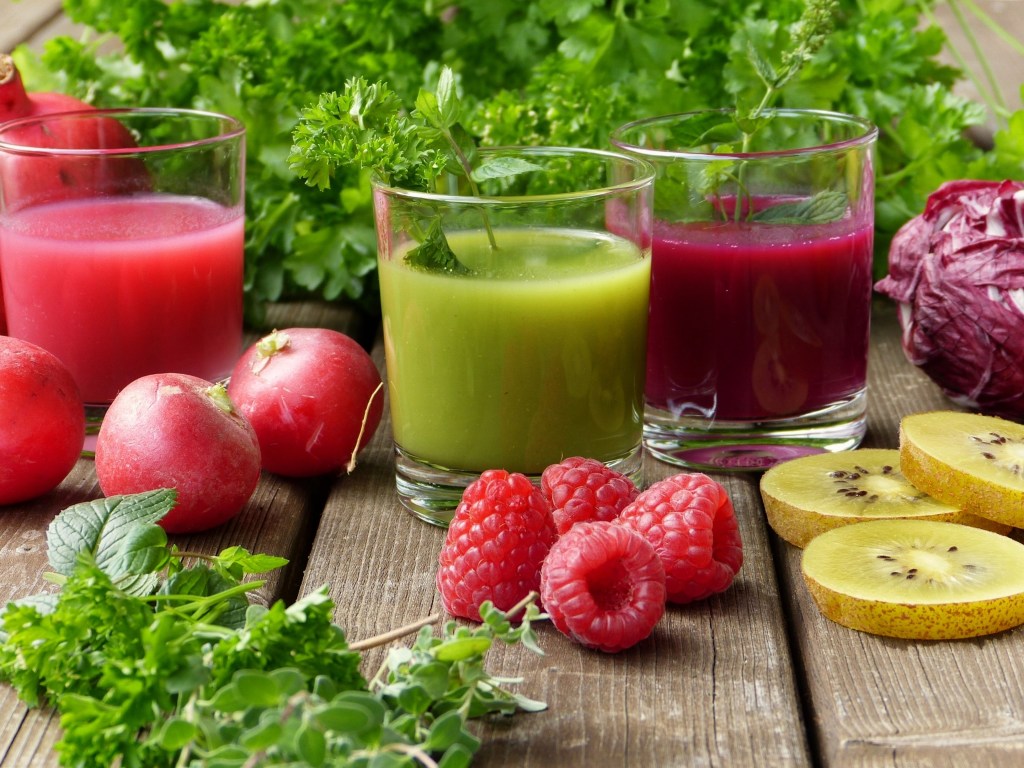
Immunity is important for everyone, including you and me. Immunity is the body’s ability to prevent the invasion of pathogen. Pathogens are bacteria and viruses. In this pandemic situation immunity is must to fight against the Covid-19 pandemic. In this blog, I am going to tell some food items that will boost your immunity.

Image Credit: The Image is Credited to https://www.favorece.net/ 

FOOD ITEMS THAT BOOST YOUR IMMUNITY

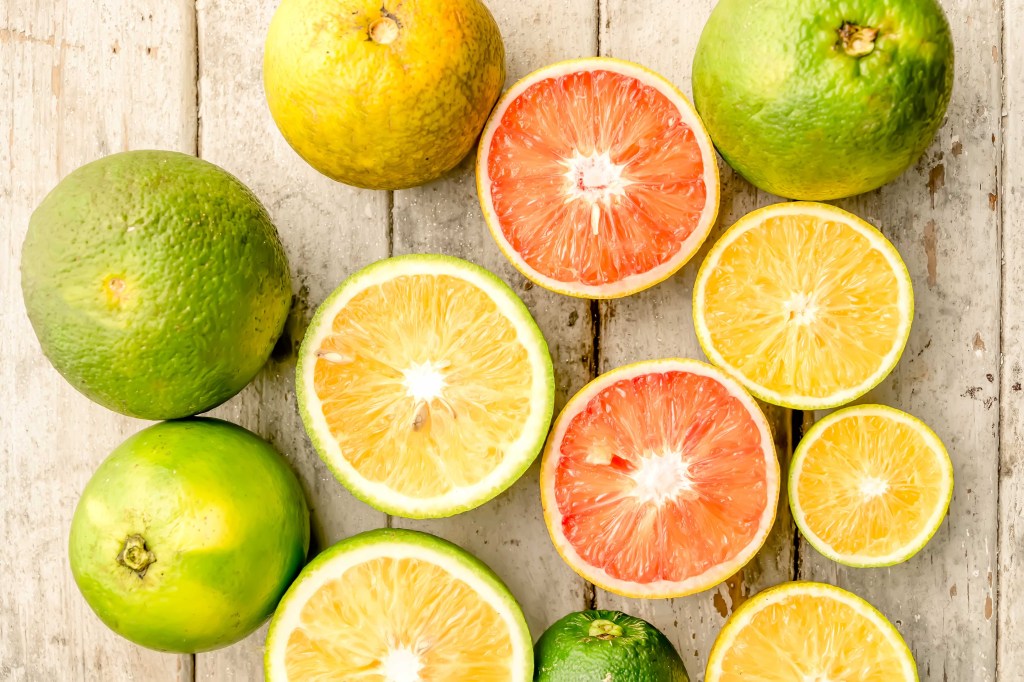
  1. Citrus Fruit

Citrus are not only delicious they are also rich in multiple nutrients such as Vitamin C, Fiber and Flavonoids. Almost all citrus fruits are high in Vitamin C. Vitamin C will increase the production of white blood cells which help to fight diseases. They help to prevent conditions like cancer and diabetes. These are some of the citrus fruits oranges, lemon, limes, tangerines, grapefruit.

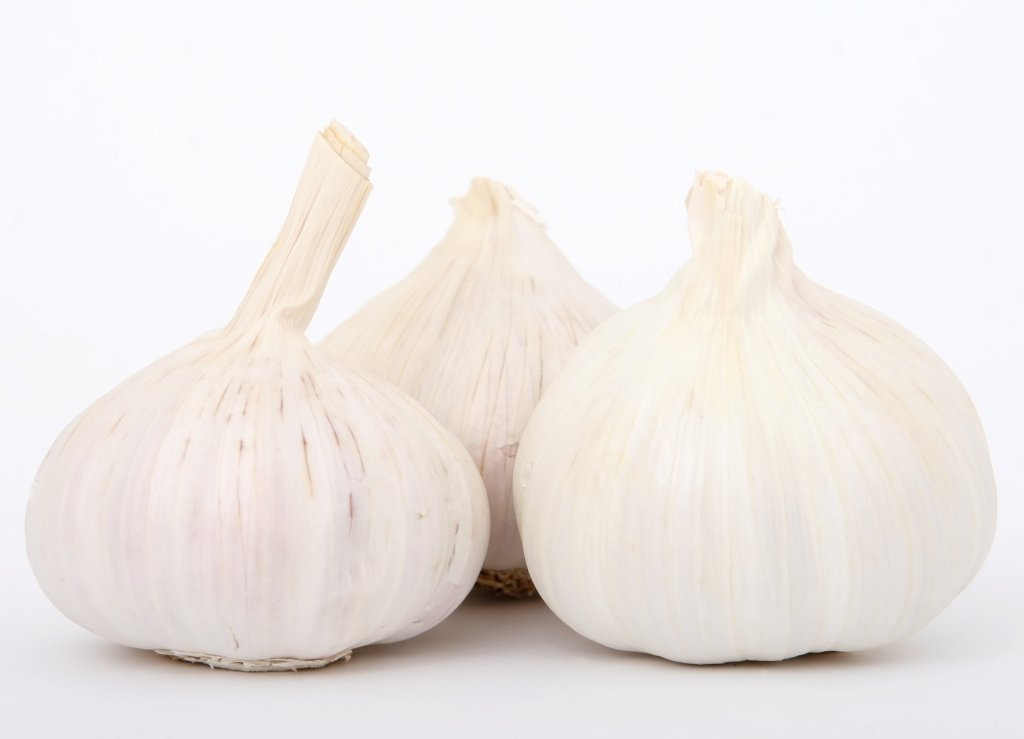
2. GARLIC

Garlic is the important cuisine found everywhere in the world. Garlic is another food item that boost our immunity. Garlic is highly nutritious with very low calories. Our ancestors used garlic to prevent from various diseases. Garlic help to reduce clotting of blood. Garlic has many immune boosting properties like allicin. Garlic an antiseptic and antifungal agent. It help our body to resist and destroy viruses.

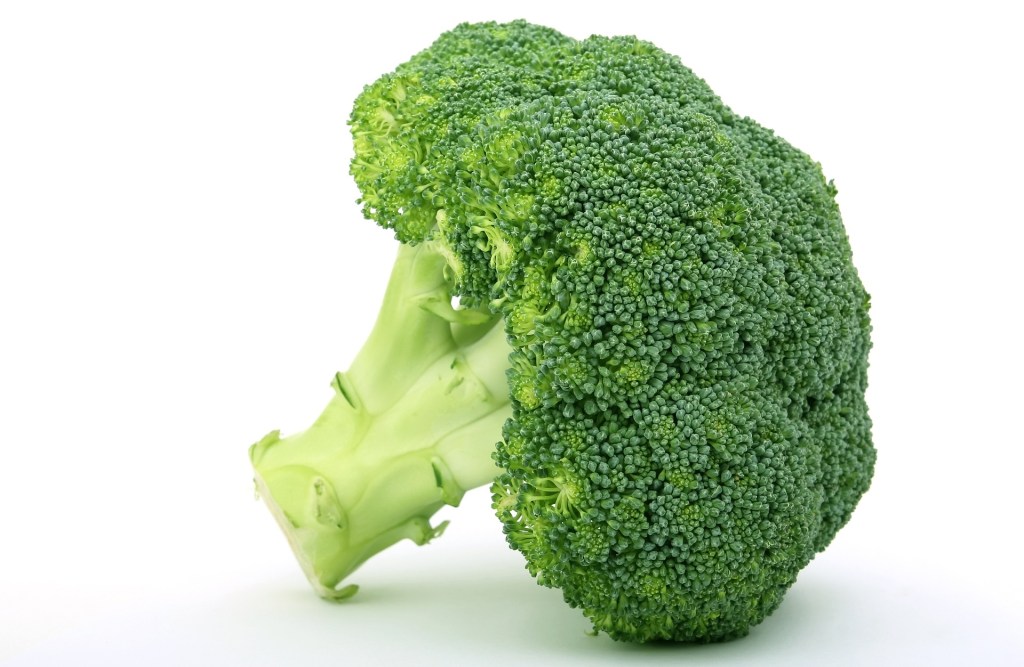
3. BROCCOLI

Broccoli is full of fibers and proteins, it contains iron, calcium, potassium and magnesium. It also contains Vitamin A, C, E, K. It is one of the healthiest vegetable in the world. A study shows that consuming broccoli reduces the risk of cardiovascular disease. Broccoli contains many antioxidants that protect you from viruses and other diseases. Consuming broccoli will help you to build strong bones.

4. SPINACH

Spinach contain vitamins A, C and K1. It has tons of nutrients in it with low calories. The benefits of eating spinach are it prevent from cancer, it provide good nutrients for eyes, reduce blood pressure levels. Like broccoli it is also one of the healthiest foods. It is very simple to cook spinach.

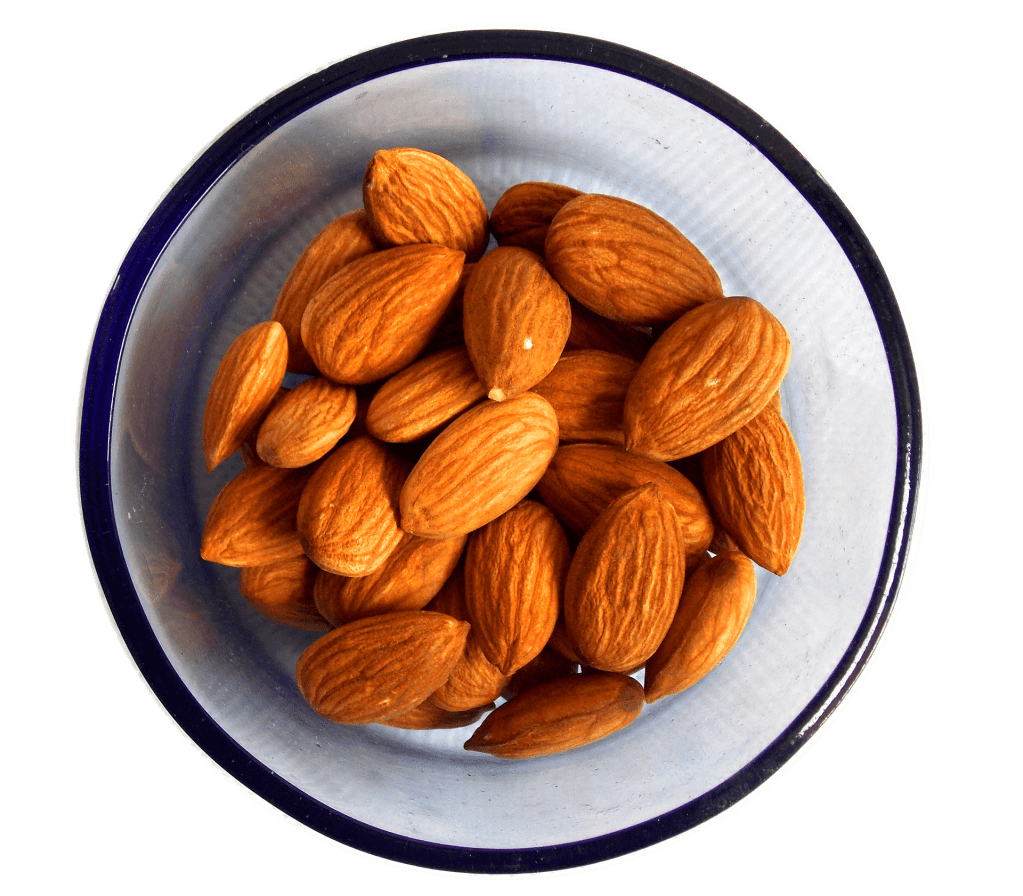
5. ALMONDS

Almonds have a massive amount of nutrients. They are high in antioxidants. They are high in Vitamin E, which fat soluble antioxidants these help to build membrane in our body which help our body protecting from oxidative damage. They increase the circulation of blood, strengthen our bones, and help in control of sugar levels. Almonds contain magnesium, which help to control our blood pressure levels. They will increase the immune system defense against viruses.

6. GINGER

Ginger is another food item that boost your immunity. Since early ages, ginger is used in Ayurvedic medicines and medical purposes. Ginger of anti-inflammable which reduce swelling. Ginger also decrease chronic pain. In 2016, a study found that ginger may help to reduce weight. Ginger contains gingerol which helps to prevent cancer. It also helps to cure nausea.

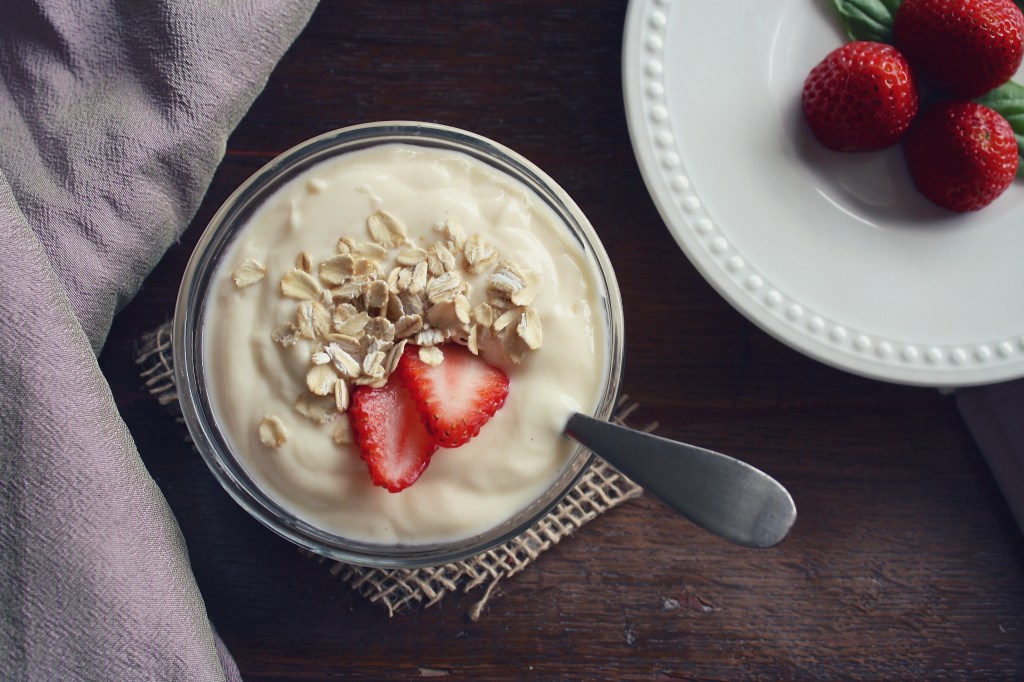
7. YOGURT

Yogurt contain Vitamin D, which helps to regulate our immune system and boost our body’s natural defense system against the infections and viruses. Yogurts are high in proteins, calcium, vitamins, and probiotics which can enhance the gut microbiota. It offers protection to bones and teeth. It also prevent digestive problems. Yogurt is best choice for you if you are in weight-loss diet. Probiotics will boost the immune system of our body.

All these will boost your immune system. If you like this article please like and rate it.

Pituitary gland and hormones secreted by it.

Pituitary gland is one of the most important endocrine glands. It secretes a number of hormones which control a wide range of body functions. Pituitary gland is situated just below the mid brain behind the optical chiasma and lies in the cavity of sphenoid bones called Sella turcica. It is about 10mm in diameter and average weight is 0.5-0.6g in males and 0.6-0.7g in females.

It has two lobes. The anterior lobe called adenohypophysis and the posterior lobe is called neurohypophysis.

Hormones secreted by the anterior lobe or adenohypophysis are:

  1. Somatotrophic hormone: It is also called as growth hormone. It stimulates the body growth by influencing protein synthesis. Mobilization of fat from the adipose tissue and the free acids in the blood is accelerated by this hormone.

It also increases the intestinal absorption of calcium as well as its excretion. As it stimulates the growth of long bones and also the soft tissues, maintains retention of other minerals such as potassium, phosphate, sodium, magnesium and chloride.

Deficiency of this hormone in childhood retards growth and leads to dwarfism and over secretion causes gigantism.

  • Thyroid stimulating hormone: It mainly controls the activity of the thyroid gland. These hormones speedup oxidative energy releasing process, thus controlling the rate of metabolic activities and growth.

It also influences the release of thyroxine from the thyroid gland.

Hypersecretion of TSH shows that person has hypothyroidism and thyroid gland is underactive. Less amount of TSH in blood shows thyroid gland is producing too much thyroid hormone, and the condition is called hyperthyroidism.

  • Adrenocorticotropic hormone: It regulates the normal functioning of adrenal cortex and release of glucocorticoids and mineralocorticoids. It helps in the increase of the total protein synthesis and also causes the synthesis of steroid hormone from cholesterol.

Increased secretion of this hormone results in Addison disease, Cushing syndrome etc.

  • Follicle stimulating hormone: In females this hormone stimulates the growth and maturation of graafian follicles and prepares them for ovulation and the action of Luteinizing hormone and enhances the release of estrogen. Hence, we can say that this hormone is very active during menstrual cycle.

In males, it stimulates growth of seminal tubule and testicular growth and early stages of spermatogenesis, the process of generation of sperms.

High FSH level shows low chances of getting pregnant. In males shows damaged testicles. It may also indication of Klinefelter syndrome.

  • Luteinizing hormone: This hormone continues the action of follicle stimulating hormone and helps in maturation of graafian follicle and ovulation. This also involves in the development of corpus luteum. This hormone also stimulates the secretion of estrogen and progesterone.

In males, this hormone stimulates the interstitial cells of the testes to secrete testosterone thereby maintains the spermatogenesis.

Increased LH secretion may cause irregularities in menstruation and troubles to get pregnant.

  • Prolactin or Lactogenic hormone: This hormone promotes the growth of mammary glands during pregnancy. This hormone also helps in milk secretion after delivery of the baby. Prolactin is secreted in high amount if a female is pregnant or a new mother.
  • Melanocyte stimulating hormone: It influences the melanin secretion and deposition on human skin by acting on melanocytes. Increased levels of the hormone mean increased melanin deposition.

 Hormones secreted by posterior lobe or neurohypophysis are,

  1. Oxytocin: This hormone controls the contraction of muscles of the uterus during labor. It also helps in stimulation of lactation after child-birth. This is also a chemical messenger to the brain and controls the reproductive system.
  2. Vasopressin: this hormone has a major role in controlling the water balance of the body. This increases the reabsorption of water from the distal tubules of nephron. If there is failure in secretion of enough amount of this hormone, large amount of dilute urine which causes excess amount of thirst. This condition is called diabetes insipidus.

JUNK FOOD

Junk food is it food which are negligible nutrient value and are of 10 high affecting components such as salt, fat, sugar. Junk food or processed food consisting of high calories that are prepared in a way that they look appealing and enjoyable. It is often hard to resist and once you start munding away at some it’s even order to stop. In in junk foods shapes colours are are adolescent that makes hue to impair their ability to think learn and remember. It also make order to control impulsive behaviour. Junk food is easiest way to gain the weight. This food only looks and taste good other than that it as no any positive points in consuming junk foods. The amount of calories your body requires to stay fit is not fulfilled by the junk foods.

Fast food and fast food restaurants are often equated with with junk food all the fast food cannot be category described as junk food. Junk food that is targeted at children’s is continuous issue as many advertisements promote food aur junk food a high rate. In fact sugar and salt consumption of which should be limited as part of health diet in case of junk food is increasing the livelihood of overweight and obesity health problems such as diabetes and cardiovascular diseases. Eating junk foods in regular basis leads to various diseases.

Ideally junk food in commercial products including salted snacks food gam candy sugar desserts fried fast food sweetened carbonated beverages have little nutrient value but high in calories and fat. For instance salad burger pizza and many alternated junk food create a imbalance between junk and healthy categories depending on the ingredients and process of manufacturing. An addiction to junk food it affects the brain in some ways as consuming addictive drugs even end up teens risk of depression and and anxiety. In fact age of 10 and 19 eating too much junk food can I am your body and your brain. The brain is the most fat rich Morgan we have at the same time teen brains get more buzz from rewards and like thief prefrontal constex the parts of the brain that make useful good when we do something pleasurable the fact of fast food are it as low in fiber high fat.

The side effects of junk foods are it offers a number of calories causes memory loss and learning problem cause fatigue hand weakness causes depression among teenagers fluctuation in blood sugar level increase the risk of heart diseases causes kidney diseases impacts your fertility increase your risk of Cancer increased obesity worsens appetite and digestion inadequate growth and development.

The popular diseases that are caused by consumption of junk food are are respiratory system damage central nervous system reproductive system skeletal system and also access the life cycle of human or or living creators and integumentary system all that are precious are sweet are not gold

UV Disinfection of waste water

Used alone, UV radiation does not improve the taste, odor, or clarity of water. UV light is a very effective disinfectant, although the disinfection can only occur inside the unit. There is no residual disinfection in the water to inactivate bacteria that may survive or may be introduced after the water passes by the light source. The percentage of microorganisms destroyed depends on the intensity of the UV light,  the contact time, raw water quality, and proper maintenance of the equipment.  If material builds up on the glass sleeve or the particle load is high, the light intensity and the effectiveness of treatment are reduced.  At sufficiently high doses, all waterborne enteric pathogens are inactivated by UV radiation. The general order of microbial resistance (from least to most) and corresponding UV doses for extensive (>99.9%) inactivation are: vegetative bacteria and the protozoan parasites Cryptosporidium parvum and Giardia lamblia at low doses (1-10 mJ/cm2) and enteric viruses and bacterial spores at high doses (30-150 mJ/cm2). Most low-pressure mercury lamp UV disinfection systems can readily achieve UV radiation doses of 50-150 mJ/cm2 in high quality water, and therefore efficiently disinfect essentially all waterborne pathogens. However, dissolved organic matter, such as natural organic matter, certain inorganic solutes, such as iron, sulfites and nitrites, and suspended matter (particulates or turbidity) will absorb UV radiation or shield microbes from UV radiation, resulting in lower delivered UV doses and reduced microbial disinfection. Another concern about disinfecting microbes with lower doses of UV radiation is the ability of bacteria and other cellular microbes to repair UV-induced damage and restore infectivity, a phenomenon known as reactivation. 

UV inactivates microbes primarily by chemically altering nucleic acids. However, the UV-induced chemical lesions can be repaired by cellular enzymatic mechanisms, some of which are independent of light (dark repair) and others of which require visible light (photorepair or photoreactivation). Therefore, achieving optimum UV disinfection of water requires delivering a sufficient UV dose to induce greater levels of nucleic acid damage and thereby overcome or overwhelm DNA repair mechanisms.

UV Irradiation Pretreatment

Either sediment filtration or activated carbon filtration should take place before water passes through the unit. Particulate matter, color, and turbidity affect the transmission of light to the microorganisms and must be removed for successful disinfection.

UV is often the last device in a treatment train (a series of treatment devices), following reverse osmosis, water softening, or filtration. The UV unit should be located as close as possible to the point-of-use since any part of the plumbing system could be contaminated with bacteria. It is recommended that the entire plumbing system be disinfected with chlorine prior to initial use of a UV system.

Types of UV Disinfection Devices:;

The typical UV treatment device consists, of a cylindrical chamber housing the UV bulb along its central axis. A quartz glass sleeve encases the bulb; water flow is parallel to the bulb, which requires electrical power. A flow control device prevents the water from passing too quickly past the bulb, assuring appropriate radiation contact time with the flowing water. It has been reported that turbulent (agitated) water flow provides more complete exposure of the organism to UV radiation.

A UV system housing should be of stainless steel to protect any electronic parts from corrosion. To assure they will be contaminant-free, all welds in the system should be plasma-fused and purged with argon gas. The major differences in UV treatment units are in capacity and optional features. Some are equipped with UV emission detectors that warn the user when the unit needs cleaning or when the light source is failing. This feature is extremely important to assurance of a safe water supply. A detector that emits a sound or shuts off the water flow is preferable to a warning light, especially if the system might be located where a warning light would not be noticed immediately.

Principles of UV Disinfection – Home Water Treatment

UV radiation has three wavelength zones: UV-A, UV-B, and UV-C, and it is this last region, the shortwave UV-C, that has germicidal properties for disinfection.  A low-pressure mercury arc lamp resembling a fluorescent lamp produces the UV light in the range of 254 manometers (nm).   A nm is one billionth of a meter (10^-9 meter). These lamps contain elemental mercury and an inert gas, such as argon, in a UV-transmitting tube, usually quartz. Traditionally, most mercury arc UV lamps have been the so-called “low pressure” type, because they operate at relatively low partial pressure of mercury, low overall vapor pressure (about 2 mbar), low external temperature (50-100oC) and low power. These lamps emit nearly monochromatic UV radiation at a wavelength of 254 nm, which is in the optimum range for UV energy absorption by nucleic acids (about 240-280 nm).

In recent years medium pressure UV lamps that operate at much higher pressures, temperatures and power levels and emit a broad spectrum of higher UV energy between 200 and 320 nm have become commercially available. However, for UV disinfection of home drinking water at the household level, the low-pressure lamps and systems are entirely adequate and even preferred to medium pressure lamps and systems. This is because they operate at lower power, lower temperature, and lower cost while being highly effective in disinfecting more than enough water for daily household use. An essential requirement for UV disinfection with lamp systems is an available and reliable source of electricity. While the power requirements of low-pressure mercury UV lamp disinfection systems are modest, they are essential for lamp operation to disinfect water. Since most microorganisms are affected by radiation around 260 nm, UV radiation is in the appropriate range for germicidal activity. There are UV lamps that produce radiation in the range of 185 nm that are effective on microorganisms and will also reduce the total organic carbon (TOC) content of the water.  For typical UV system, approximately 95 percent of the radiation passes through a quartz glass sleeve and into the untreated water.  The water is flowing as a thin film over the lamp.  The glass sleeve is designed to keep the lamp at an ideal temperature of approximately 104 °F.

UV Radiation (How it Works)

UV radiation affects microorganisms by altering the DNA in the cells and impeding reproduction. UV treatment does not remove organisms from the water, it merely inactivates them. The effectiveness of this process is related to exposure time and lamp intensity as well as general water quality parameters.  The exposure time is reported as “microwatt-seconds per square centimeter” (uwatt-sec/cm^2), and the U.S. Department of Health and Human Services has established a minimum exposure of 16,000 µwatt-sec/cm^2 for UV disinfection systems.  Most manufacturers provide a lamp intensity of 30,000-50,000µwatt-sec/cm^2.  In general, coliform bacteria, for example, are destroyed at 7,000 µwatt-sec/cm^2.  Since lamp intensity decreases over time with use, lamp replacement and proper pretreatment are key to the success of  UV disinfection. In addition, UV systems should be equipped with a warning device to alert the owner when lamp intensity falls below the germicidal range.

Drinking Water Treatment with UV Irradiation

Ultraviolet (UV) rays are part of the light that comes from the sun. The UV spectrum is higher in frequency than visible light and lower in frequency compared to x-rays. This also means that the UV spectrum has a larger wavelength than x-rays and a smaller wavelength than visible light and the order of energy, from low to high, is visible light, UV, than x-rays. As a water treatment technique, UV is known to be an effective disinfectant due to its strong germicidal (inactivating) ability. UV disinfects water containing bacteria and viruses and can be effective against protozoans like, Giardia lamblia cysts or Cryptosporidium oocysts. UV has been used commercially for many years in the pharmaceutical, cosmetic, beverage, and electronics industries, especially in Europe. In the US, it was used for drinking water disinfection and treatment in the early 1900s but was abandoned due to high operating costs, unreliable equipment, and the expanding popularity of disinfection by chlorination.

Because of safety issues associated with the reliance of chlorination and improvement in the UV technology, UV has experienced increased acceptance in both municipal and household drinking water treatment systems. There are few large-scale UV water treatment plants in the United States although there are more than 2,000 such plants in Europe. There are two classes of disinfection systems certified and classified by the NSF under Standard 55 – Class A and Class B Units.

Class A — These ultraviolet water treatment systems must have an ‘intensity & saturation’ rating of at least 40,000 uwsec/cm2 and possess designs that will allow them to disinfect and/or remove microorganisms from contaminated water. Affected contaminants should include bacteria and viruses
“Class A point-of-entry and point-of-use systems covered by this Standard are designed to inactivate and/or remove microorganisms, including bacteria, viruses, Cryptosporidium oocyst and Giardia cysts, from contaminated water. Systems covered by this standard are not intended for the treatment of water that has obvious contamination or intentional source such as raw sewage, nor are systems intended to convert wastewater to drinking water. The systems are intended to be installed on visually clear water.”

Class B — These ultraviolet water treatment systems must have an ‘intensity & saturation’ rating of at least 16,000 uw-sec/cm2 and possess designs that will allow them to provide supplemental bactericidal treatment of water already deemed ‘safe’. i.e., no elevated levels of E. coli. or a standard plate count of less than 500 colonies per 1 ml. NSF Standard 55 “Class B” UV systems are designed to operate at a minimum dosage and are intended to “reduce normally occurring non-pathogenic or nuisance microorganisms only.” The “Class B” or similar non-rated UV systems are not intended for the disinfection of “microbiologically unsafe water.”

Therefore, the type of unit depends on your situation, source of water, and your drinking water quality. Transmitted UV light dosage is affected by water clarity. Drinking water treatment devices are dependent on the quality of the raw water. When turbidity is 5 NTU or greater and/or total suspended solids are greater than 10 ppm, pre-filtration of the water is highly recommended. Normally, it is advisable to install a 5 to 20 micron filter prior to a UV disinfection system.