

Ultraviolet (UV) rays are part of the light that comes from the sun. The UV spectrum is higher in frequency than visible light and lower in frequency compared to x-rays. This also means that the UV spectrum has a larger wavelength than x-rays and a smaller wavelength than visible light and the order of energy, from low to high, is visible light, UV, than x-rays. As a water treatment technique, UV is known to be an effective disinfectant due to its strong germicidal (inactivating) ability. UV disinfects water containing bacteria and viruses and can be effective against protozoans like, Giardia lamblia cysts or Cryptosporidium oocysts. UV has been used commercially for many years in the pharmaceutical, cosmetic, beverage, and electronics industries, especially in Europe. In the US, it was used for drinking water disinfection and treatment in the early 1900s but was abandoned due to high operating costs, unreliable equipment, and the expanding popularity of disinfection by chlorination.
Because of safety issues associated with the reliance of chlorination and improvement in the UV technology, UV has experienced increased acceptance in both municipal and household drinking water treatment systems. There are few large-scale UV water treatment plants in the United States although there are more than 2,000 such plants in Europe. There are two classes of disinfection systems certified and classified by the NSF under Standard 55 – Class A and Class B Units.
Class A — These ultraviolet water treatment systems must have an ‘intensity & saturation’ rating of at least 40,000 uwsec/cm2 and possess designs that will allow them to disinfect and/or remove microorganisms from contaminated water. Affected contaminants should include bacteria and viruses
“Class A point-of-entry and point-of-use systems covered by this Standard are designed to inactivate and/or remove microorganisms, including bacteria, viruses, Cryptosporidium oocyst and Giardia cysts, from contaminated water. Systems covered by this standard are not intended for the treatment of water that has obvious contamination or intentional source such as raw sewage, nor are systems intended to convert wastewater to drinking water. The systems are intended to be installed on visually clear water.”
Class B — These ultraviolet water treatment systems must have an ‘intensity & saturation’ rating of at least 16,000 uw-sec/cm2 and possess designs that will allow them to provide supplemental bactericidal treatment of water already deemed ‘safe’. i.e., no elevated levels of E. coli. or a standard plate count of less than 500 colonies per 1 ml. NSF Standard 55 “Class B” UV systems are designed to operate at a minimum dosage and are intended to “reduce normally occurring non-pathogenic or nuisance microorganisms only.” The “Class B” or similar non-rated UV systems are not intended for the disinfection of “microbiologically unsafe water.”
Therefore, the type of unit depends on your situation, source of water, and your drinking water quality. Transmitted UV light dosage is affected by water clarity. Drinking water treatment devices are dependent on the quality of the raw water. When turbidity is 5 NTU or greater and/or total suspended solids are greater than 10 ppm, pre-filtration of the water is highly recommended. Normally, it is advisable to install a 5 to 20 micron filter prior to a UV disinfection system.
Category: Health
Elements of Yoga
Patanjali described eight element of Yoga in Yogasutras. The eight elements of yoga are Yama, Niyama, Asana, Pranayama, Dharna, Dhyan and Samadhi.
1. Yama
It is the first element of astanga yoga. Through the practice of yama one can abstain from things that keep one’s mind involved in the inevitable struggle for survival. According to Patanjali there are five Yama Ahimsa ( Non-violence), Satya (Truthfulness), Asteya (Non-stealing), Brahmacharya and Aparigraha.
2. Niyama
Niyamas are related to one’s body and senses. Niyamas are also ethical practices as yamas. There are five niyamas Saucha (Purity), Santosh (Contentment), Tapa (Endurance), Swadhyaya( To study great Vedas, Holy books) and Tshwara Pranidhana ( dedicated to God).
3. Asana
Asana means ‘position or posture of body’. Asana gain so popularity that people thinks that yoga is nothing but asana but they are not aware that asana is a step towards yoga. Asana are performed to keep the body flexible, agile and young. There are various types of asana such as relaxative asana, meditative asana, etc. Each asana have different effects on various organ of body. It can be performed at any age without any problem.
4. Pranayama
It is the control of the process of breathing means appropriate control over inhalation and exhalation. There are three constituents of pranayama Puraka ( Inhalation), Kumbhaka ( Retaining the breath), and Rechka ( Exhalation). Pranayama helps in regulating the metabolic activities and enhance the functions of heart and lungs.
5. Pratyahara
It is a process of self control in which an individual is able to exercise control over his/her senses. To control the mind and senses is called pratyahara. The practitioner of pratyahara starts feeling extreme pleasure in remembering God.
6. Dharna
Dharna is concentration of mind. Dharna is the first step towards samadhi. Dharna is mental exercise which enables a yogi to go ahead towards dhyana and samadhi.
7. Dhyana
It is the process of complete constancy of mind. Dhyana is a complete concentration of mind over a period of time without any distractions.
8. Samadhi
The union of individual’s soul with absolute soul is called samdhi. During the stage of dhyana, when the disappearance of self-awareness takes place, the yogi attains the stage of samadhi.
What do we know about Music?
“Music is the language of the spirit. It opens the secret of life bringing peace, abolishing strife.”
Kahlil Gibran
“Music is the moonlight in the gloomy night of life”
John Paul Friedrich Richter
“Music is the universal language of mankind”
Henry Wadsworth Longfellow
Introduction
These quotes on music give us a little idea about what music is to people and how it makes them feel. Music is defined as vocal or instrumental sounds or both combined in such a way as to produce beauty of form, harmony, and expression of emotion. Music is an art and so it is usually influenced by culture and it becomes an important part of all cultures. Music does not only have to be professional, even a mother singing a lullaby for her baby is music.

History of Music

The history of music is almost as old as humanity. Archaeologists have found a primitive flute made of bone and ivory which can be dated back to almost 43,000 years old. A lot of musical styles could have been oral and so there is not much evidence on that. The oldest song by man is known to be the “Hurrian Hymn No. 6” which was an ode to the goddess Nikkal composed in cuneiform by ancient Hurrians around 14th century B.C. But the earliest piece of music was found on a 4000-year-old Sumerian clay tablet which had instructions on how to play the hymn in honour of the ruler Lipit-Ishtar. The oldest musical composition to have survived is known to be from the first century A.D., a Greek tune called the “Seikilos Epitaph”. This song was found engraved on an ancient marble.
Types of Music

The world is filled with several music genres and music styles. Some of the common music genres with examples are:
- Classical – Moonlight by Ludwig Van Beethoven
- Country – You should be here by Cole Swindell
- Electronic Dance Music (EDM) – Fade by NCIS
- Hip Hop – Gangsters Paradise by Coolio
- Indie Rock – Heaven Knows I’m Miserable Now by The Smiths
- Jazz – A Kiss to Build a Dream on by Louis Armstrong
- K-pop – Butter by BTS
- Metal – Diary of Jane by Breaking Benjamin
- Pop – Shape of You by Ed Sheeran
- Rap – These Guys by Blay Vision
- Rhythm & Blues (R&B) – You Got it Bad by usher
- Rock – Stairway to Heaven by Led Zeppelin
- Blues – Sultans of Swing by Dire Straits
Benefits of Music
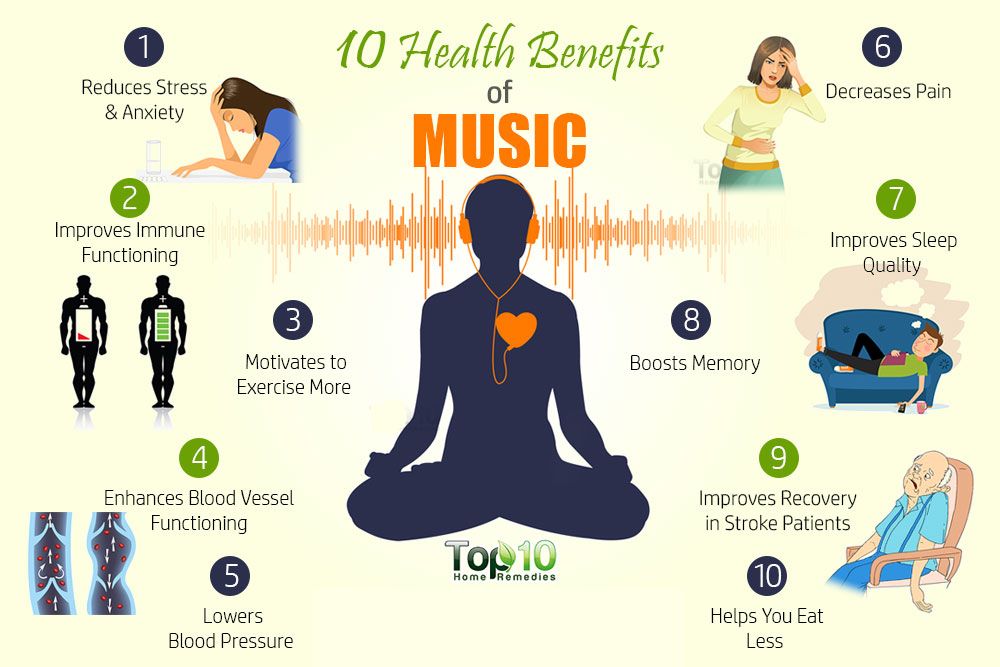
- Research shows that music helps in keeping your heart healthy. Blood flows more easily when music is played, heart rate gets reduced, blood pressure lowers, it also decreased cortisol levels which is the stress hormone and it increases serotonin and endorphin in blood.
- Music boosts the brain’s production of dopamine which helps in relieving anxiety and depression.
- Music triggers some biochemical stress reducers which then help in reducing stress.
- People going through depression are recommended to listen to music and it is supposed to help.
- Music therapy is used for people suffering from Alzheimer’s or dementia. This music therapy relaxes the patients.
- Music therapy also helps in managing the pain, it reduces the perceived intensity of pain.
- Music is supposed to increase the workout endurance one might have.
- For some people, music helps in concentration and minimizes the chances of getting distracted.
- Music helps in regulating and understanding your emotions.
Conclusion
Music has existed for a very long time and that too in many forms. Most of us listen to different kinds of music just because we feel like it, without realizing the benefits it has. So, music isn’t just some sound with some instrument, it indeed is the moonlight in the gloomy night of light.
References
Provide Poor Lunch Organization(PPLO)


PPLO is started by G.Sanjay on 2019 as an initiative to serve the lunch to the poor people who starve for food.
PPLO’s motive is to “Reduce Shortage by Donating the Wastage“.
FOOD WASTAGE- A SHORT GLIMPSE AND STATS:
Having food is something to celebrate but have you ever wondered consciously just much food you waste. Have you ever stopped to analyze just how much food is wasted in your household, society, country and the world? It is not something that people, who have food readily available whenever they feel hungry, worry about. However, for people who are not even able to eat one meal a day, often wonder if all the food that is being wasted around them on a daily basis could have filled their stomach.
Food waste is an issue of importance to global food security and the environment. But what a lot people may not realise is that is impacts a country’s economy as well. Every day, food suitable for human consumption is wasted in large quantities in medium and high-income countries at the retail and consumer level. In fact, a significant food loss and waste occur at the production to processing stages in the food supply chain in low-income countries.
Food Wastage in India:
Contrary to the belief of Indians that we don’t waste food, data showed that India wastes as much food as the whole of United Kingdom consumes. In fact, food wastage is an alarming issue in India and country’s streets, garbage bins and landfills have sufficient evidence to prove this. According to the United Nations Development Programme, up to 40 per cent of the food produced in India is wasted and about 21 million tonnes of wheat are wasted annually.
You don’t even have to scour through several resources to see how much food is wasted in the country. During the nationwide lockdown this year, India registered high wastage because of a poor supply chain. Food delivery website MilkBasket lost 15,000 litres of milk and 10,000 kg of vegetables in a single day after delivery agents were denied entry in societies due to lockdown. Farmers in Belagavi district of Karnataka spilt thousands of litres of milk in a river after they could not reach the people due to the lockdown. Several other reports surfaces which showed how much food was wasted.
Food Wastage stats:
- Around 67 million tonnes of food is wasted in India every year which has been valued at around Rs 92,000 crores. For context, this amount is enough to feed all of Bihar for a year
- Annually, nearly 21 million metric tonnes of wheat rots in India. This figure is equal to Australia’s total annual production
- According to old 2018 BMC data, Mumbai generates close to 9,400 metric tonnes of solid waste per day, from which 73% is food, vegetable, and fruit waste, while only 3% is plastic.
- National Delhi also generates around 9,000 metric tonnes of waste per day, with the country’s largest landfill located in East Delhi.
Economic Impact:
Food Wastage not only leads to negative environmental impact but also causes economic loss. According to an FAO report, approximately one-third of all food produced for human consumption is lost or wasted. The economic costs of this food wastage are substantial and amount to about $1 trillion each year. However, the hidden costs of food wastage extend much further. In addition to the $1 trillion of economic costs per year, environmental costs reach around $700 billion and social costs around $900 billion.
Global food wastage costs as per FAO report:
- 3.5 Gt CO2e of greenhouse gas emissions. Based on the social cost of carbon, these are estimated to cause $394 billion of damages per year.
- Increased water scarcity, particularly for dry regions and seasons. Globally, this is estimated to cost $164 billion per year.
- Soil erosion due to water is estimated to cost USD 35 billion per year through nutrient loss, lower yields biological losses and off-site damages. The cost of wind erosion may be of a similar magnitude.
- Risks to biodiversity including the impacts of pesticide use, nitrate and phosphorus eutrophication, pollinator losses and fisheries overexploitation are estimated to cost $32 billion per year.
- Increased risk of conflict due to soil erosion, estimated to cost $396 billion per year.
- Loss of livelihoods due to soil erosion estimated to cost $333 billion per year.
- Adverse health effects due to pesticide exposure, estimated to cost $153 billion per year.
Earlier this year, former Union Minister of Consumer Affairs, Food and Public Distribution Ram Vilas Paswan said that in financial year 2019-20, foodgrain wastage in the country stood at 1,930 tonnes, which was 0.002 per cent of the total procurement. The total procurement in FY 2019-20 was 751.72 LMT (Lakh Metric Tonnes). The minister shared the data on Twitter and asserted that the notion that foodgrain wastage is high in FCI (Food Corporation of India) godowns is not true. While he was right, the truth is that over a thousand tonnes of foodgrains was wasted which could have fed millions of people.
Now that it is clear that food wastage cripples a country’s economy to an extent that most are unaware, some measures that the government needs to take is to include containing wastage in transportation, improve storage facilities. Food processing also needs to be sped up so food is saved and wasted less to feed more.
PPLO’s WORK:
In PPLO Sanjay and his friends collects the food wasted by common people from their schools and houses and test the quality of the food ensuring that only healthier and good food will be served. We then serve the lunch for the poor people in need instead of throwing to the dusbin. If we find the food has been contaminated we convert the food into a manure by composting.
So in PPLO we ensure that the food is not wasted and it is either used to feed humans or to nurture plants.

Why eat lunch?
Lunch is an important meal for everyone. It provides energy and nutrients to keep the body and brain working efficiently through the afternoon. A packed lunch made at home can be a healthy and delicious choice and gives you control over the foods and ingredients included so the mothers or fathers or children who cook their food for loved ones can able to help the people in need by donating their wastage. So, we took a step to serve the lunch to the needs.
We were able to provide lunch for the slum consisting of 370 people from food collected from a single school. So, we can able to feed the whole world if the wastage is managed properly.
Food waste as fertilizer.
Foods which we find contaminated are transformed to manure to Grow plants. We could use all the food waste and prepare a compost out of them which can be used as organic fertilizer. This way we save the earth from the pollution caused by food waste and also do something productive.
Food waste is unique as a composting agent, it is the main source of organic matters. Fruits, vegetables grains, coffee filters, eggshells can be composted.
PPLO MISSION:
FOOD FOR ALL AND WASTE FOR NONE.
PPLO ACCOMPLISHMENT:
PPLO was successful in providing lunch for nearly 400 people from the food remains generated by a school of 527 students.
If you would like to support PPLO or if you need support from PPLO
Please Contact: s98208366@gmail.com
ANXIETY-DOMINATING BRILLIANT MINDS

Anxiety is our body’s natural response to stress. It’s a feeling of fear or apprehension about what is going to come our way. Reason for the same can be many, such as first day of school, going for an interview, overthinking, personal life problems, career etc. Anxiety is an emotion characterized by an unpleasant state of inner turmoil, often accompanied by nervous behavior such as pacing back and forth, somatic complaints and rumination. It includes the feeling of uneasiness and worry, usually generalized and unfocused as an overreaction to a situation that is only subjectively seen as menacing. It is often accompanied by muscular tension, restlessness, fatigue, inability to catch one’s breath, tightness in abdominal region and problems in concentration. If longer than six months and are interfering with normal life, then this may be an Anxiety disorder.
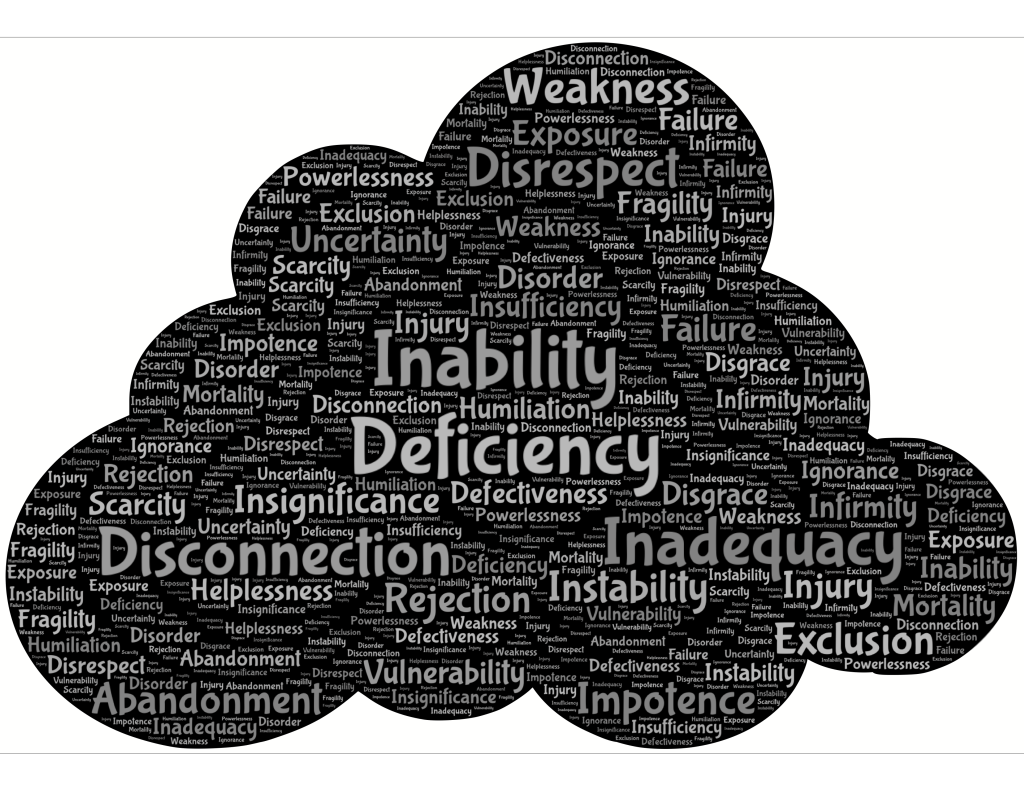
WHAT ARE ANXIETY DISORDERS?
Ordinary Anxiety is a feeling that comes and goes but does not interfere with our everyday life. But incase of an anxiety disorder, the feeling of fear prevails all the time. It is intense and sometimes debilitating. This type of anxiety may cause the person to stop doing things he/she enjoys. They start losing interest in everything around them. In many cases, it may even prevent the person from entering the elevator, crossing the street and leaving home. If left untreated, it keeps getting worse. Anxiety disorders are the most common form of emotional disorder and can affect anyone at any age.
TYPES OF ANXIETY DISORDER
- Panic disorder– experiencing recurring panic attacks at unexpected times. A person with the same may live in fear.
- Phobia– excessive fear of specific object, situation or activity.
- Social Anxiety disorder– extreme fear of being judged by others in social situations.
- Obsessive- Compulsive disorder– recurring irrational thoughts that leads to perform specific, repeated behaviors.
- Separation Anxiety disorder– fear of being away from home or loved ones.
- Illness Anxiety disorder(formerly called Hypochondria)- anxiety about health.
- Post-Traumatic Stress disorder(PTSD)– anxiety following a traumatic event.
SYMPTOMS OF ANXIETY
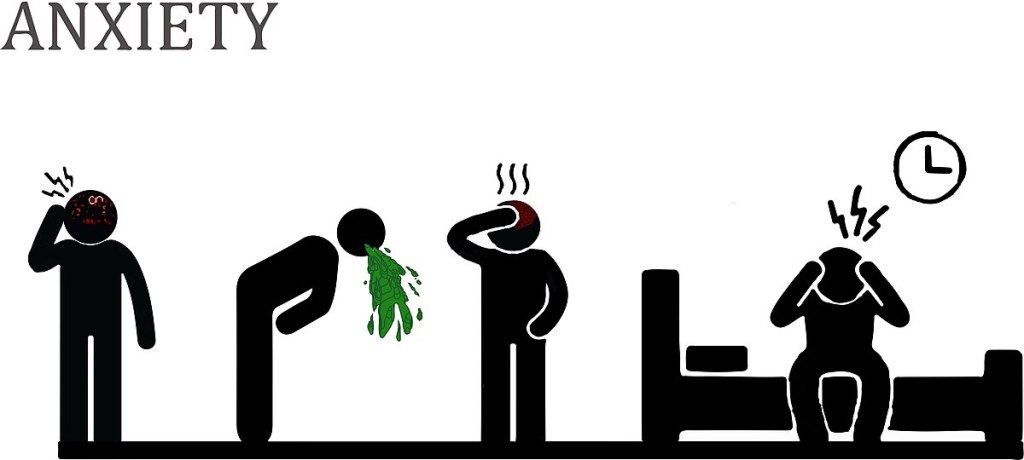
Anxiety feels different depending upon the person experiencing the same. The person might feel out of control, like there’s a disconnection between mind and body. Other ways people experience anxiety includes nightmares, panic attacks, painful thoughts or memories that can’t be controlled. General anxiety symptoms include:-
- increased heart rate
- rapid breathing
- restlessness
- trouble concentrating
- difficulty falling asleep
TREATMENT
Once the person has been diagnosed with anxiety, it is not necessary that they would need medical treatment. Lifestyle changes may be enough to cope with the symptoms. In moderate or severe cases, treatment can help us to overcome the symptoms and lead a more manageable life. Seeing a Psychiatrist helps with proper medication required and physical assistance as well.
Mental health and screening time in lockdown
Yes, lockdown was bad for mental health but, If national lockdowns hadn’t been implemented, many more people would have been infected with the virus – which would mean many more people living with the mental health consequences of the disease.
These can be difficult times for all of us as we hear about spread of COVID-19 from all
over the world, through television, social media, newspapers, family and friends and other
sources. The most common emotion faced by all is Fear. It makes us anxious, panicky and can
even possibly make us think, say or do things that we might not consider appropriate under
normal circumstances.
Owing to several days of isolation and confinement in houses due to the pandemic-induced lockdown, many are increasingly addicted to long screen time. Apart from spending time on mobile phone or laptops for office work or attending virtual classes, experts believe, people are becoming habituated to spending more time on screen either browsing random things, playing games or watching videos on OTT platforms.
Dr Balhara said that if the screen time is increased because of education or work-related issues, it does not impact the mental well-being but if there is increase in engagement with sedentary screen, which means watching videos, reading news, just looking at social media and responding to it, then the mental well-being goes down. “Excessive screen time weakens the brain’s ability to process information and control thoughts. According to a new research led by investigators at the Saint James School of Medicine, an increase in screen time among young adults during covid 19 pandemic can be correlated with a rise in pandemic-related distress.
Anxiety, depression, sleep disturbances and irritability can be attributed to increased screen time. In addition, isolation and lower threshold of patience are other behavioural changes noted among people,” stated Dr Sandeep Vohra
What is the ideal duration to spend on screen?
- For professional use, regular interval breaks of 15-20 mins
- Non-professional use should not be more than 2-3 hours per day
What complications can Arise with excessive use of mobile phones?
- Headaches, several eye problems, muscle aches, decreased attention, shortness of temper, sleep disorders and depression. Long-term effects of increased screen time can include neurological problems
How to deal with such complications?
- Planning a schedule for screen time as well as physical activities separately
- Ensuring that the overhead lighting is not very bright, to avoid any glare on the screen harming the eyes
- Ensure to take breaks every 15-20 minutes
- Keep the screen 20 to 24 inches from your eye level and adjust the display settings of your device to reduce eye strain and fatigue
The Importance of Good Hygiene!!!

Maintaining good personal hygiene is very important for your health and social reasons. Also, the presence of the COVID-19 virus makes it much necessary to maintain good personal hygiene. Well, it’s a poor choice if you don’t maintain good hygiene. And if you do maintain it, it’ll benefit your health and also it impacts the people around you. It necessitates keeping your hand, head, body, and the place around you clean, to stop the spread of germs and illness.
We also must see the social benefits as it is associated with cleaning your body on a day-to-day basis, it reduces the chances of body odor and thus preventing any chances of embarrassment at school or work.
Why does a good personal hygiene routine look like?
As of now, we know the necessity and importance of maintaining a good personal hygiene routine – but what does it contain?
Given below are steps one can follow to keep themselves and their families clean and free of germs that could cause future illness.
Hand washing
Our hands are the biggest carriers of germs. We use our hands to interact with different surfaces like shaking hands with people, eating our meals, while playing, using a keyboard, using a common telephone, etc.
Maintaining good hand hygiene can protect you from illness caused by germs and bacteria such as cold, cough, flu, etc. You can protect yourself from illnesses caused by germs and bacteria by washing your hands frequently with soap and water, sanitizer, or any liquid soap. You should wash your hands:-
★Before and after eating.
★Before cooking fold.
★After using the toilet.
★After being in contact with an animal.
★After coughing, sneezing, or being in contact with someone who is ill.
Dental Care
Maintaining oral hygiene is as important as maintaining hand hygiene. Maintaining it can prevent gum disease, bad breath, tooth decay, and many other infections. Always remember to:-
★Floss your teeth daily.
★Make sure you brush your teeth twice a day.
★Store your toothbrush in a clean, dry place and replace it regularly.
Bathing
Do take baths on a day-to-day basis to maintain good personal hygiene. Daily bathing is an essential part of good personal hygiene because:-
★Taking bath with soap and warm water can kill odor-causing bacteria.
★Skin infections can be reduced by washing and drying the infected area.
★ Shampooing and conditioning your hair at least once a week can keep the scalp clean and free from head lice.
Hygienic Clothes
Germs and bacteria also can stick to your clothes. It is very important to wash your clothes after each use, especially after being contacted by an ill person. You can add antiseptic liquids to your laundry load to remove germs.
Maintaining a personal hygiene routine is not that difficult. Once you get used to it, it becomes a habit. And also it is important to give a message to your family members, and especially children, to make their own hygiene routines.
How I lost 25 kilos.
Weight loss obviously varies from person to person, As someone who has lost 25 kilos in a year I feel like I am qualified to give you some tips. Just remember that every body is different what worked for someone else may not work for you but you should not be disheartened and also remember that weight loss is possible. I personally thought i would never lose weight but here i am. These tips I am going to give you are tips that you can adopt into your lifestyle even after you have lost the weight, even if you don’t want to lose weight and you want to maintain these tips, will help you. Also if you want to lose weight start now, you cannot give any excuses as it is your life. If you lose weight it will benefit you and if you continue your unhealthy lifestyle it will affect no one but you.
- Change your diet.

I cannot stress how important it is to change your diet. No matter how much you workout if your diet is bad you will never lose weight. First thing you need to do is go to a dietician. These people are professionals, they have learnt how to figure out what is the root cause of the weight gain. One thing you need to remember is that everyone gains weight for a reason. A dietician finds that reason and fixes it. Even if you change your diet and workout less you will see a change in your weight. Usually carbs are the main reason for the increase in weight, so your dietician may ask you to lay off of it for a while. When you suddenly change your diet your body is not able to cope and ends up shedding the fat. I understand how hard it is to not eat your favorite food because I have gone through it but trust me the results are totally worth it.
2. Get at least 30 mins of physical activity a day.
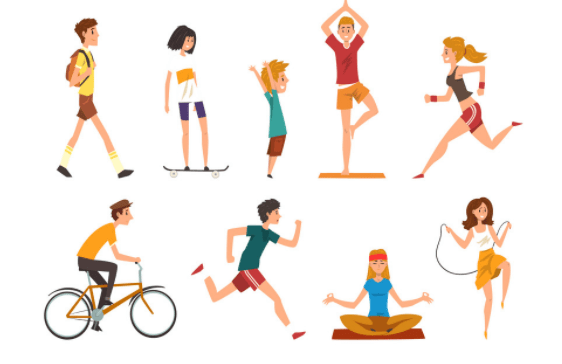
Everyday for at least 30 mins you must do some sort of physical activity. it can be walking, cycling, running, yoga, Pilates, dance or you can even go shopping. Your body needs to move. The human body has not been designed to stay in one position for a long time. By not moving your body you are actually doing harm to your body. The muscles built for movement are wasting away. 30 mins a day is all you need. Of course as you lose more weight the time you allocate for exercise needs to increase as it gets harder to lose weight. I personally hate working out in gyms, so I initially at the start of my weight loss used to dance and then now I do a mix of walking and other workouts for YouTube.
3. Control your snacking
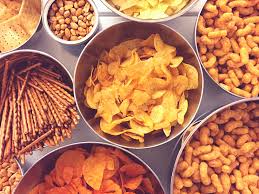
Personally I can talk about this all day. My main problem was snacking. I never ate huge meals, infact I always ate lesser than everyone. But i was a huge snacker. I loved fried food like chips, biscuits, puffs etc. I was a person who ate when I was bored. I could probably finish a huge packet of chips all on my own even now. I also want to say that snacking is not bad, it is essential to snack throughout the day but you must see how much and what you eat. Establishing a control on my mind to help stop snacking was hard but I was able to do it, and I realize that it is harder for some to stop snacking but you can start slow. Its the change that matters. Don’t skip meals because that is going to make you hungrier and in turn is going to make you snack more. Some changes that I brought into my lifestyle were, whenever I was hungry I ate something, never starve yourself. I ate healthier snacks like fruits, nuts, healthy whole wheat biscuits. Ensure that the nuts are unsalted. You need to keep in mind that even the healthy snacks need to be eaten in moderation.
4. Eat homecooked meals

Home cooked meals are the best. They are delicious, nutritious and cost efficient. I cannot deny that fast food or the food you get in restaurants is not good, they are really good but we don’t know what exactly goes into the food. Once in a while food from outside is ok but never make it a habit. You may have noticed that you may eat a lot of food and home and not feel full but if you eat even a little from outside you instantly feel full, this is because of Sodium. The combination of fat, sugar, and lots of sodium (salt) can make fast food tastier to some people. But diets high in sodium can lead to water retention, which is why you may feel puffy, bloated, or swollen after eating fast food.
5. Try to avoid sugar

Did you know that sugar is also known as the ‘White Poison’. Sugar is so tasty but not even its taste can make up for its disadvantages. Increased sugar consumption obviously can lead to diabetes and if you are obese your chances are increased by 75%. In my case I have a family history of diabetes and being obese caused my blood sugar to be really high. I was on the verge of being diabetic but luckily I reduced my blood sugar. Lesser known fact is that most of the fast foods have not only a huge amount of salt but sugar as well.
These are some basic tips that helped me change my life for the better. Nothing is impossible and you are never too late. But first and foremost you need to accept that you are unhealthy and that you need help. So make the first step towards a happier and healthier life.
A Brief Understanding of Schizophrenia
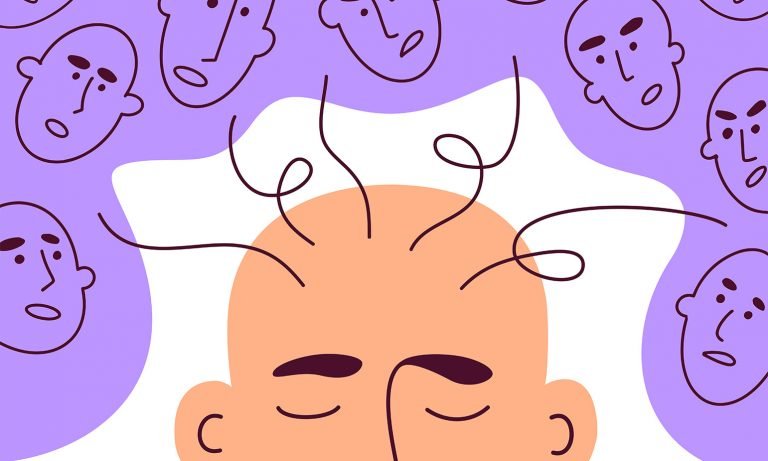
Schizophrenia is a chronic and severe mental disorder that affects the way a person thinks, behaves, expresses emotions and perceives reality. It affects around 20 million people worldwide, so it is not as common as other mental illnesses like depression or anxiety disorder. However, it is perhaps the most chronic and disabling one. It is quite evident when people are suffering from schizophrenia, as they act very abnormally and differently. This is why schizophrenics often have problems doing well in society, school, work or in their personal relationships, as they appear to have lost touch with reality and do not know how to behave like a normal, sociable people. Hence, schizophrenia is associated with considerable disability and greatly affects educational and occupational performance.
Causes
Till today, the exact causes of schizophrenia are still unknown. Research conducted on the topic suggests that it may be a combination of genetic, physical, psychological and environmental factors that cause it. So the causes may range from genetic inheritance, chemical imbalances in the brain, and the use of certain drugs and medication, to external environmental factors like trauma, excessive stress, etc.
Symptoms
As mentioned before, schizophrenia causes a wide range of symptoms on a mental, behavioural and emotional level. These symptoms may vary in number and degree from one schizophrenic to another, but there are some commonly seen symptoms among all of them;
- Hallucinations – Seeing or hearing things in their heads, which are not there in reality. A hallucinating schizophrenic may see or hear something that do not exist, but they fully believe that it is a real experience.
- Delusions – These are false or fictitious beliefs that schizophrenics have which are not real. Such delusions could be that someone is constantly following them when no one is, or delusions of grandeur where the schizophrenic feels as if he/she is some great, famous person.
- Disorganized Thinking (Speech) – This means that schizophrenics lack proper communication skills and do not have much interactive capability. They may only half answer questions or not respond at all, and their speech might be meaningless and incomprehensible.
- Disorganized Motor Behavior – Even their body movements and postures are often abnormal. The behavior may be childlike and unpredictable, and often is not focused on performing any task. They may even require help to perform daily life functions like brushing teeth, eating, etc.
- Negative Symptoms – This generally refers to their lack of ability to function like a normal human being. They may lack hygiene and care for themselves. They may also lack emotion, or express emotions at wrong times, like showing happiness at a funeral.
Treatment
Since schizophrenia is chronic, even treatment for it is lifelong. Unfortunately, schizophrenia cannot be cured, but it can be controlled. Treatment can help the afflicted person manage the symptoms of the illness and avoid hospitalization. There is no blanket treatment plan and doctors will often tailor it to suit the individual persons. The cornerstone of schizophrenia treatment is medication. Schizophrenics will most commonly be given antipsychotic drugs to keep control of the mental disabilities and allow the person to think and function somewhat normally. Along with this, even psychosocial support from family members and in the form of counselling can help a person develop coping skills in life. This is especially important because schizophrenics often have suicidal thoughts and tendencies, and having a social support system helps them in averting these thoughts and gives them hope.
It is important to highlight here that there is a stigma, and discrimination against people with schizophrenia is common nowadays. They are also often abandoned by their families or relatives thinking that they are beyond saving. We must learn as a society that such people are not as fortunate as us, and suffer from inflictions that we cannot even imagine. Society must be educated on the fact that they are not dangerous or scary people, and must be encouraged to seek help. Hence, we must do all we can to support schizophrenics and provide them with the best help we can.
Yoga- A guide to health
Yoga is the practice of communicating with and exploring your inner self. It includes various postures and meditation to connect and enrich your soul. International Yoga Day is celebrated every year on 21st June to advocate the importance of a healthy lifestyle. It is an excellent way to calm our muscles from the work stress and sharpen our mind. Usually it is performed early morning to start the day fresh and active. It is not just a series of exercise you may wonder, it requires to keep hold of a pose/asana in order to be effective.
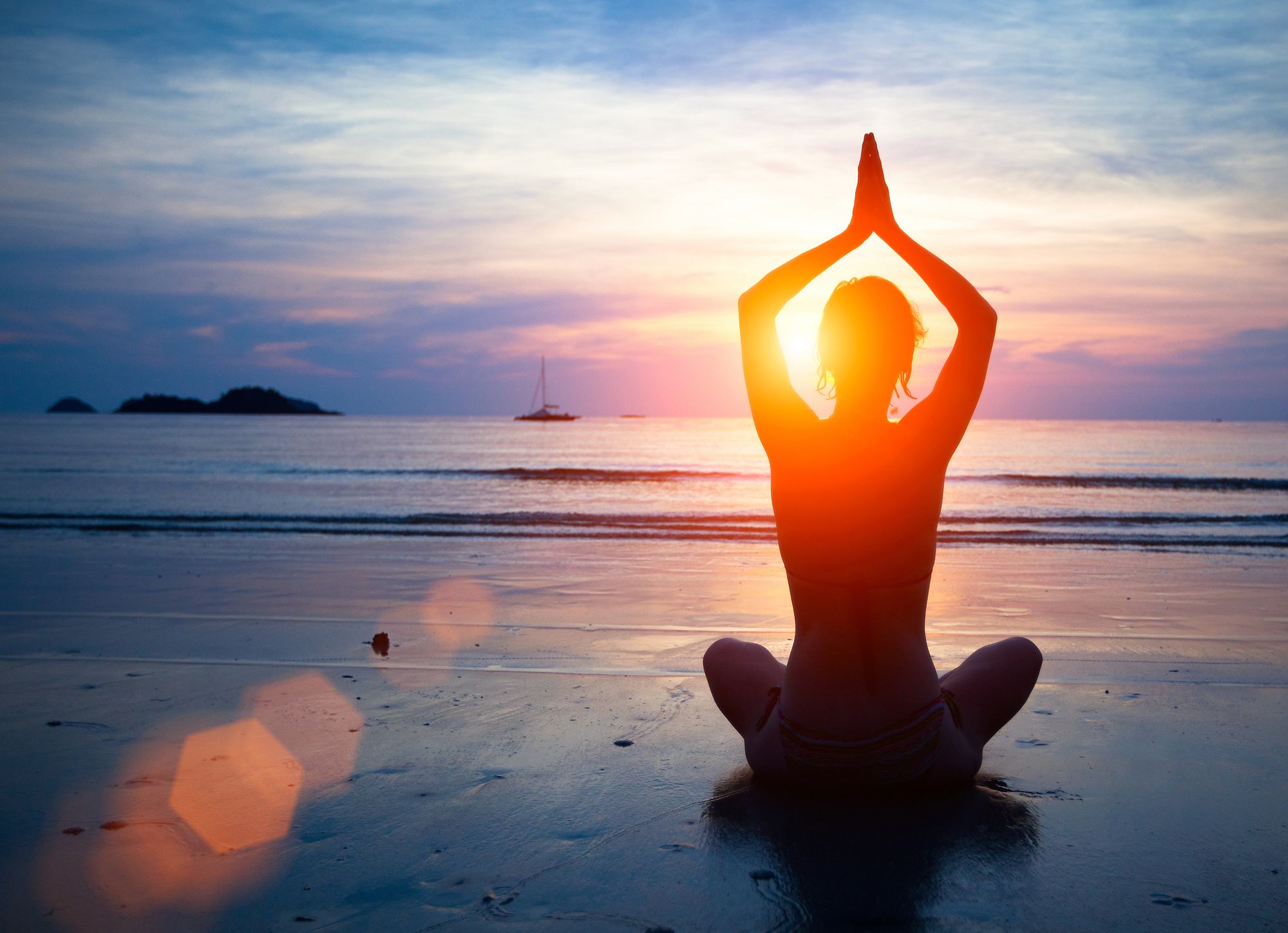
Nothing is easy in this world if you don’t have the correct guidance. The speciality of yoga lies in the holding of poses which is quite difficult but on the same hand, teaches patience.
Below are some of the postures to start yoga journey for a beginner:
- Vrikshasana (The Tree pose)
This is a very basic, easy and beneficial pose.
Procedure for Vrikshasana–
- Stand straight with arms at your sides.
- Now bend your right leg with your right foot pointing the left leg. Rest the foot above the left knee and balance it.
- Now slowly stretch your arms out and bring them above your head together. Try to join hands above your head and balance it.
- Focus yourself on a specific point to maintain balance and avoid distraction.
- Keep this pose for as long as 10 -15 seconds as a beginner extending to 30-40 seconds with daily practice.
- Repeat it by keeping your left foot above the right knee.
Advantages of Vrikshasana–
This pose helps balance your body by lifting your weight to one side and also improves focus. The blood circulates with more ease and the some tensions in the back are also resolved by practising this asana. It is a stretching exercise therefore contributing to growth and development of the body in terms of height as well as stamina.
People having leg injury should not perform it.
2. Padmasana
It is a sitting posture.
Procedure for Padmasana–
- Sit on a mat with back straight, legs folded and arms at your sides.
- Now move your right foot and rest it on the left thigh.
- Shift your left foot and keep it on the right thigh. Take help of your hands in doing so.
- Straighten your back and keep your hands on the folded knees. The hands should be free and not stiff.
- Now take one or two deep breaths and release the pose slowly by moving legs back to a comfortable position with the help of your hands.
- Relax and repeat the same steps once again.
Advantages of Padmasana–
This is a very relaxing pose once you get habitual to it. It aligns the back and strengthens the leg muscles. The deep breaths help in blood circulation and body functioning through lungs and heart. This pose calms the mind and helps release stress and anxiety.
It should not be performed in case of knee injury or back injury.
3. Tadasana
It is a wonderful pose to increase height.
Procedure for Tadasana–
- Stand straight.
- Now slowly lift your body weight to your toes.
- Stretch up your arms above your head simultaneously.
- When you have balanced to stand on your toes, lock your fingers of both hands together and start stretching yourself higher on your toes.
- Hold it for 10-15 seconds as a beginner extending to 30-40 seconds with practice, once you achieve the highest stretch.
- Release slowly once you are done and repeat it after relaxing for a few seconds.
Advantages of Tadasana–
It stretches the overall body muscles and increases stamina. This asana helps improve focus and maintain balance.
People having any injury in shoulder, legs or back should consult doctor before performing this.
4. Trikonasana (The triangle pose)
It is a standing pose of bending.
Procedure for the triangle pose–
- Stand with your back straight and legs apart (around 3 feet).
- Move your arms parallel to the ground besides your shoulder.
- The arms should be straight throughout and facing down.
- Now slowly bend yourself from the waist area to the right being in the same position of arms and legs.
- Try to touch your toes with your hands keeping your back straight.
- Knees should not be bent.
- Hold the pose for 5 breaths or as per convenience when you have reached maximum of your bend.
- Return to the starting position slowly and repeat it on the other side (left).
Advantages of the triangle pose–
It enhances strength and balance. This pose is good for increasing height and improving flexibility in the waist area.
You should consult a doctor first in case of injury in the waist, hips or a back injury.
5. Paschimottanasana
It is the seated forward bend pose.
Procedure for Paschimottanasana–
- Sit on a mat with back straight and legs open forward.
- Keep your legs straight and together with toes facing up and heels straight on the ground.
- Stretch your arms bringing them above your head. Grab up your hands.
- Now slowly bend your back to the front by stretching with your straight arms.
- Try to touch your toes with your hands.
- Hold for 2 or 3 breaths once you reach your maximum bend.
- Now slowly come back to the position by straightening your back and moving the arms down.
- Repeat after relaxing for a few seconds.
- Remember to not bend the knees while doing it.
Advantages of Paschimottanasana–
This pose helps improve flexibility, stamina and will power. It also builds confidence and strengthens our muscles.
You should consult a doctor first, in case of knee or back injury.
Importance of Yogasana:
Yoga is a wonderful solution to many health related problems not only physically but mentally as well. It cures many problems and protects from infections and injuries. There are many more yoga postures than stated above which affect our life in a healthy way. These are basic to start. Yoga is the key to happiness when it comes to a busy and tensed life and work stress. Everyone should include it in their daily routine to keep a check of their health and fitness. It is a field of development. The range of postures is limitless and one never gets bored of them when it becomes a part of life. It is suitable for every age group, any gender and is applicable worldwide. The moments of deep breaths make a part of meditation during yoga. The scope of yoga is not at all limited whether in terms of teaching or learning. What limits is the imagination and the lack of motivation in people to pursue it.
Each pose should be done with care and caution. It is very important to execute them properly to earn benefits and save from injury. Yoga is a great way to sharpen the mind, build confidence, stay fit and be healthy. Also, it offers many such health benefits. It all comes with practice and dedication. You need to be regular and determined to adopt it as a habit. The more time you give to it, the more fruitful the result would be.
Lambda variant of Corona virus (COVID) is deadlier than delta variant
The lambda variant has been detected in 30 countries so far. In the UK, there are six cases of lambda, which has been designated as ‘variant of interest’ by the World Health Organization.

Lambda variant and its history –
The Lambda variant is not a new emergence. It has been around at least since last year, possibly as early as August 2020. In Peru, where it is believed to have originated, it accounts for almost 80% of the infections. It is the dominant strain in neighboring Chile as well. But until recently, it was largely concentrated in a handful of South American countries, including Ecuador and Argentina.
Since the end of March, this variant has been detected in more than 25 countries, although the numbers are still very small. The UK, for example, said it had found this variant in six infected people, all international travelers. Recently, it has also been found in Australia.
Mutations of lambda variant –
According to the WHO, the Lambda variant has at least seven significant mutations in the spike protein (the Delta variant has three) which could have a range of implications, including the possibility of increased transmissibility or enhanced resistance to antibodies, created either through natural infection or vaccination.
A recent study by researchers at the Chile reported that the Lambda variant had greater infectivity than the Alpha and Gamma variants (known to have originated in the UK and Brazil respectively). The study also reported decreased effectiveness of the Chinese Sinovac vaccine (Coronavac) against the Lambda variant.
However, the behavior of the Lambda variant is not very well understood right now.
“There is currently limited evidence on the full extent of the impact associated with these genomic changes, and further robust studies into the phenotype impacts are needed to better understand the impact on countermeasures, and to control the spread,” the WHO said in a statement. “Further studies are also required to validate the continued effectiveness of vaccines.”
But, the designation as a “variant of interest” means that the genetic changes involved are predicted or known to affect transmissibility, disease severity, or immune escape. It is also an acknowledgement of the fact that the variant has caused significant community transmission in multiple countries and population groups.
There are currently seven variants, including the Lambda, that the WHO classifies as “variants of interest”. Another four – Alpha, Beta, Gamma and Delta – have been designated as “variants of concern”, and are considered a bigger threat. These were all recently named after letters of the Greek alphabet to avoid linkage with the country of their origin that had been happening until then.
Should India worry about the Lambda variant?
The Lambda variant has so far not been found in India or neighboring countries. In Asia, only Israel has reported this variant until now. But several countries in Europe from where travel to India is frequent, including France, Germany, UK, and Italy have reported this variant.
The potential of emerging variants to bypass the immunity gained through vaccination means that there could be fresh waves of infections even in populations that were being considered close to reaching community-level protection. That is what is happening in many countries in Europe right now, particularly in the UK. There has been a sharp rise in cases in several countries in the last few weeks.
That means that a country like India, which is still recovering from the debilitating second wave, would need to proactively watch out for, and prevent the spread of any new variant that could trigger a fresh wave.
Health consciousness.
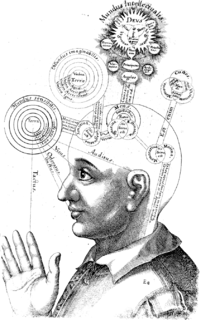
Consciousness, at its simplest, is sentience or awareness of internal and external existence. Despite millennia of analyses, definitions, explanations and debates by philosophers and scientists, consciousness remains puzzling and controversial, being “at once the most familiar and most mysterious aspect of our lives”. Perhaps the only widely agreed notion about the topic is the intuition that it exists. Opinions differ about what exactly needs to be studied and explained as consciousness. Sometimes, it is synonymous with the mind, and at other times, an aspect of it. In the past, it was one’s “inner life”, the world of introspection, of private thought, imagination and volition. Today, it often includes some kind of experience, cognition, feeling or perception. It may be awareness, awareness of awareness, or self-awareness. There might be different levels or orders of consciousness, or different kinds of consciousness, or just one kind with different features. Other questions include whether only humans are conscious, all animals, or even the whole universe. The disparate range of research, notions and speculations raises doubts about whether the right questions are being asked.
Examples of the range of descriptions, definitions or explanations are: simple wakefulness, one’s sense of selfhood or soul explored by “looking within”; being a metaphorical “stream” of contents, or being a mental state, mental event or mental process of the brain; having phanera or qualia and subjectivity; being the ‘something that it is like’ to ‘have’ or ‘be’ it; being the “inner theatre” or the executive control system of the mind.
And that’s why to be health conscious is better than being careless.
3D PRINTING

3D Printing is an new and emerging field of biotechnology, it’s a field of revolution in science, the earliest record of 3D printing through the additive process was the Japanese inventor Hideo Kodama in 1981. He created a product that used ultraviolet lights to harden polymers and create solid objects. This is a stepping stone to stereolithography (SLA).Overall 3D printing has changed and improved over the past thirty years. SLA, SLS, and FDM show the history of 3D printing, and thus how it became a vital tool for manufacturing. It allows you to make virtually anything simply by creating a computer file
HOW DOES IT WORKS ?
3D printing, also known as additive manufacturing, is a method of creating a three dimensional object layer-by-layer using a computer created design.3D printing is an additive process whereby layers of material are built up to create a 3D part. This is the opposite of subtractive manufacturing processes, where a final design is cut from a larger block of material. As a result, 3D printing creates less material wastage.
3D Printing Technologies :
There are three broad types of 3D printing technology; sintering, melting, and stereolithography.
- Sintering is a technology where the material is heated, but not to the point of melting, to create high resolution items. Metal powder is used for direct metal laser sintering while thermoplastic powders are used for selective laser sintering.
- Melting methods of 3D printing include powder bed fusion, electron beam melting and direct energy deposition, these use laser, electron beams to print objects by melting the materials together.
- Stereolithography utilizes photopolymerization to create parts. This technology uses the correct light source to interact with the material in a selective manner to cure and solidify a cross section of the object in thin layers.
3D Printing Processes :
3D printing has been categorised into seven groups by ISO/ASTM 52900 additive manufacturing – general principles – terminology. All forms of 3D printing fall into one of the following types:
- Binder Jetting
- Direct Energy Deposition
- Material Extrusion
- Material Jetting
- Powder Bed Fusion
- Sheet Lamination
- VAT Polymerization
Applications
- Most common application is organ transplantation, and are also used for producing metal orthopedic implants. Due to 3D printing’s capabilities for creating porous surfaces, these types of implants more easily integrate with the patient’s own natural bones, allowing them to grow into the implant.
- 3D printing applications that are used in construction include extrusion (concrete/cement, wax, foam, and polymers), powder bonding (polymer bond, reactive bond, sintering) and additive welding. 3D printing in construction has a wide array of applications in the private, commercial, industrial and public sectors. Advantages of these technologies include allowing more complexity and accuracy, faster construction, lower labor costs, greater functional integration, and less waste.
INTERMITTENT FASTING
What it is and How to do it?
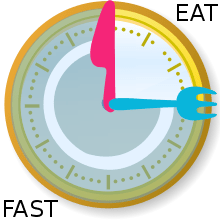
There are all kinds of workout regimes out there but workouts are not the only thing that can help you loose those extra inches. There have been all kinds of development in this field too. One of the things that don’t require you doing intense workouts is Intermittent Fasting. Intermittent Fasting is a dietary approach that involves eating only during certain hours of a day and fasting for the rest.
HOW TO DO IT AND WHAT ARE THE APPROACHES?
There are various approaches depending on whether you are a beginner or an expert. You must remember that that should start easy and not start with the hardest part first thinking it would fast track the weight loss process. Let’s begin:
1. The 16/8 approach: It involves fasting for 16 hours and eating only in the eight hour interval. Your diet must be controlled and full of proteins for energy. You can easily pencil in two to three meals a day. This diet requires you to have your dinner by 8 pm and then eat nothing till lunch i.e. skip breakfast. If this timeline is tough for you to follow, you can go in for 14/10 approach. Again, you will be fasting for 14 hours and can eat in the 10 hour interval. This way you won’t have to skip your breakfast if you have your last meal by 8 pm.
2. FAST DIET: Also known as 5:2 diet. It involves having your regular meals 5 days a week and doing intense fasting for 2 days. During intense fasting you limit your calorie intake to 500-600 instead of your regular 2000-2500 calories (depending on your age, weight, etc).
3. ALTERNATE DAY FASTING: As the name suggests, in this approach you fast every other day. During the fast period you can drink as many fluids as you want but they all should be free of calories.
4. EAT STOP EAT: This involves fasting 24 hours once or twice a week. However one must be careful while pursuing this diet because not enough nutrients go inside your body and it could lead to low blood sugar levels and low energy levels.
You can pursue these diets according to your body but remember not to push yourself too hard. If you are able to develop a resist food after a certain time, make sure that you re regular in your approach because fasting takes time to show the results. Another important point to keep in mind is to not consume high calorie meals during your eating window. You must only take in your normal diet. You will not loose any weight if your eating window is full of high calorie meals.

ADVANTAGES:
– helps in cell repair
– prevents obesity
– helps in weight loss
– improves brain function
– keeps the heart healthy
– reduces the risk of diabetes
– helps in gaining muscle mass giving better physical performance
DISADVANTAGES:
– consumption of high calorie meals can lead to weight gain
– skipping meals can cause dizziness and nausea
– restrictive eating can influence eating disorder
WHO SHOULD NOT DO IT?
Intermittent fasting is not healthy for everyone. It should not be done by teens under the age of 18, pregnant women, people with diabetes or blood sugar problems and lastly by people who have eating disorders.

Thus, before diving deep into this lifestyle you must know your body so you don’t face any side effects in the long run. Again, you must start by picking a easier method and evolve as you go on. If you don’t feel like giving up your meals, you can always take the road of exercising for weight loss. But if you are strong enough just make sure you have a nutrient rich diet and don’t go nuts during the eating period.
The Link Between Anxiety and Perfectionism
Everyone knows at least one perfectionist. They’re hyper-critical of their own work, almost to a fault. And according to a growing body of research, there’s a good chance they also suffer from an anxiety disorder. The very nature of a perfectionist makes them particularly susceptible to the illness.

Here’s what can be done about it: –
🔺on the surface, perfectionism doesn’t seem like such a bad thing. It keeps you focused and motivated. It also helps you consistently produce work of the highest quality.
🔺on the other hand, it also has the potential to wear significantly on one’s psyche. The impossibly-high standards perfectionists set for themselves can lead to a distorted sense of self-worth, in addition to high levels of stress. And that, in turn, can easily spiral into an anxiety disorder.
🔺It’s not just anxiety, either. Perfectionism has been linked to numerous other mental illnesses in medical research, including bipolar disorder, severe depression, and even suicidal ideation. In other words, if you’re a perfectionist and let your tendencies control you, they can literally kill you.

Worse still, there’s evidence that being a perfectionist doesn’t even afford you a significant advantage over non-perfectionists in the workplace. Per the Harvard Business Review:
“Our results showed that performance and perfectionism were not related to each other – perfectionists are not better or worse performers than non-perfectionists. Even employees high in excellence-seeking perfectionism were not better performers…taken as a whole, our results indicate that perfectionism is likely, not constructive at work.”
Scaling back on toxic perfectionism and setting healthy boundaries for yourself starts with understanding the source of your behaviour. As noted in health publication medical news today – which itself cited a landmark psychological work published several decades ago – there are three primary sources of perfectionism. These are:
1◾Self-oriented.
You hold unrealistic expectations for yourself and are extremely critical of your own work. This could be caused by a negative experience at some point in your life, or simply a series of habits developed over time and linked to mental illness.
2◾ Socially-prescribed.
You believe that your peers are extremely critical and that you must be perfect in order to gain their approval.
3◾Other-oriented.
You set impossibly high standards for the people around you. This form of perfectionism isn’t exactly relevant to our discussion here, though it can occasionally overlap with one of the other two.
🔹Positive self-talk is the second step in overcoming toxic perfectionism. Understanding how your own tendencies manifest will help you structure it in the right way. Whenever a toxic belief or thought manifests in your mind, counter it with a positive one.
In other words, be compassionate towards yourself. Understand that your self-worth is not tied to your performance in the workplace or your ability to turn out flawless work. You have value as a person beyond your output.
And if self-talk alone isn’t enough to help you, know that there’s no shame in seeking help from a trained professional. Everyone could use therapy now and then.
 Eduindex
You must be logged in to post a comment.