TAKE A STRESS REDUCTION BREAK ! DO THIS…

” Don’t stress the could haves , if it should have , it would have “

Above thought is the thing which we all understand & will praise & will say that it is right . BUT , what happens to us when we have to apply this above thought ? We as a human being are much concerned about the could haves , the could haves which are not even certain , their uncertainty gives us stress . Why we don’t understand that taking stress for things which are not even certain in our lives would affect out health . And because of this we can suffer from health issues that would result severe in their future lives .

Every one wants to get relief from stress , but very few work on reducing stress . Let me tell you the fast & quick way to relive from your stress

MEDITATION IS THAT WAY !

If stress has you anxious, tense and worried, consider trying meditation. Spending even a few minutes in meditation can restore your calm and inner peace. Anyone can practice meditation. It’s simple and inexpensive, and it doesn’t require any special equipment. And you can practice meditation wherever you are — whether you’re out for a walk, riding the bus, waiting at the doctor’s office or even in the middle of a difficult business meeting, or while studying .

During meditation you have to be n full attention , close your eyes & should try to concentrate , it will work out best when you will do it with Chinese flute . It will fill your eyes , ears & mind with relaxation , & hence you will forget all your stress . Doing such meditation for just 10 mins in a day will fill you with energy & enthusiasm & also you will feel relief from your stress . Meditation can give you a sense of calm, peace and balance that can benefit both your emotional well-being and your overall health. And these benefits don’t end when your meditation session ends. Meditation can help carry you more calmly through your day and may help you manage symptoms of certain medical conditions. Meditation might also be useful if you have a medical condition, especially one that may be worsened by stress.

While a growing body of scientific research supports the health benefits of meditation, some researchers believe it’s not yet possible to draw conclusions about the possible benefits of meditation. With that in mind, some research suggests that meditation may help people manage symptoms of conditions such as: anxiety, asthma , cancer ,chronic pain , depression, high blood pressure , sleep problems , tension headaches , etc. Don’t let the thought of meditating the “right” way add to your stress. If you choose to, you can attend special meditation centers or group classes led by trained instructors. But you can also practice meditation easily on your own. And you can make meditation as formal or informal as you like, however it suits your lifestyle and situation. Some people build meditation into their daily routine. For example, they may start and end each day with an hour of meditation. But all you really need is a few minutes of quality time for meditation.

As we always says , ” its not the quantity but the quality that matters . Hence you should spend the quality time doing mediation , & give you body a boost instead of stress .


International Youth Day- 12th August 2021

Theme 2021, why do we celebrate this day? Importance to speak up for the coming youth. Movies for youth, what else is celebrated today!

 Theme: “Transforming Food Systems: Youth Innovation for Human and Planetary Health

The main aim is to highlight that every action which needs to be taken for the better of life on Earth, cannot be achieved at a global level without the contribution of the youth. With, Increasing population the need for not only a larger volume of healthier food more sustainably will not ensure human and planetary wellbeing but also poverty reduction, social inclusion, health care, biodiversity conservation, and climate change mitigation.

 The United Nations in 1999 after a recommendation was made by the World Conference of Ministers Responsible for Youth. Then the first International Youth Day took place in the summer of 2000.

 It is mainly to empower young people to participate in public life so that they can have opportunities to contribute to society’s development across the world and be heard completely. It is not just to protect them, but to incorporate them in the development of communities regardless of their ethnicity, background, and status. It honors the traits of young people and acknowledges the challenges that today’s ferocious youth face.

Youth with the support and wisdom of old are the torch-bearers of this world.

Examples:

In partnership with UNDP, Bibliothèque sans frontières (Libraries Without Borders) young staff travel across Burundi, are disturbing knowledge through e-books, paperbacks, educational games, internet-ready mobile devices and so on.

Mercy and Shetuuka, sibling farmers working to reduce hunger. Also, create jobs in Namibia through eco-friendly farming.

In Egypt, a group of tiny activists has been traveling village to village, determined to end female genital mutilation in their country.

One of UNDP’s 600 transportation projects to promote economic development in rural Afghanistan, encouraging more boys and girls enrolling in primary school, while addressing safety concerns on the village’s main road.

The list is endless and we need support, we need to be heard, and taken seriously irrespective of our age. Youth brings many issues which violate basic human rights to surface and fight for them.

https://undp.medium.com/17-ways-youth-are-changing-the-world-505a489e91dc

 Movies putting forward importance of youth participation and their situation:

Into the Wild (2007,Must see)

The Perks of Being a Wallflower (2012).

The Edge of seventeen.(2016)

Moxie.(2021)

Love, Simon. (2018)

Quotes:

Older men declare war. But it is the youth that must fight and die. —Herbert Hoover

The duty of youth is to challenge corruption. —Kurt Cobain

“The surest way to corrupt a youth is to instruct him to hold in higher esteem those who think alike than those who think differently.”
—Friedrich Nietzsche

“In youth, it was a way I had,
To do my best to please.
And change, with every passing lad
To suit his theories.

But now I know the things I know
And do the things I do,
And if you do not like me so,
To hell, my love, with you.”


― Dorothy Parker, The Complete Poems of Dorothy Parker

Other Days Celebrated Today:

Black Womens Equal Pay – United States

World Elephant Day – Canada, United Kingdom, United States & South Africa

Music Of India

India is rich in various types of music played in different traditions, cultures, being played since ages. There are mainly 3 types of music: Classical music, Folk music and Modern music.

Classical Music

It includes Carnatic music and Hindustani music. The basic concepts of this music includes Shruti (microtones), Swaras (notes), Alankar (ornamentations), Raga (melodies improvised from basic grammars), and Tala (rhythmic patterns used in percussion). Thereare seven svaras are Sa, Re, Ga, Ma, Pa, Dha and Ni respectively.

Folk Music

It consists the music according to the state and regions. Some of them are:

Dandiya and Garba

Dandiya or Raas is a form of Gujarati cultural dance that is performed with sticks. The present musical style is derived from the traditional musical accompaniment to the folk dance. There is also another type of dance and music associated with Dandiya/Raas called Garba.

Haryanavi music

The folk Music of Haryana spread because of the Bhats, Saangis, and Jogis. It is sung and played in the state of Haryana, parts of western UP and neighboring districts of Rajasthan and Punjab.

Himachali

Himachal’s folk music varies according to the event or the festival. One of the most popular style of music is Nati Music, where nati being the traditional dance that is done on the song. Nati Music is usually celebratory, and done in fairs or other occasions such as marriages.

Qwallis

It is the traditional form of Islamic songs practiced Northern India. It is also linked to the Sufi tradition and performed with one or two lead singers with several musical instruments like harmonium, tabla, dholak, etc.

Rajasthani music

It is one of the most popular forms of music in India. The essence of Rajasthani music originates from the creative symphony of string instruments, percussion instruments, and wind instruments accompanied by melodious renditions of folk singers.

Gazals

t is a type of music with a short poem with a series of couplets. Each couplet is an independent poem.

Caring for the motherland

Independence day is celebrated as a festival in India and why not! It marks the day when our nation finally got freedom from the trap of the British empire and established its own identity by laying down its own constitution later on. Our great freedom fighters sacrificed their lives for the sake of the nation’s pride and freedom, leaving a message for all of us to take care and develop our newly independent nation. So it becomes our duty to protect the motherland and respect it. But, did we succeed in doing so? Did we bring justice to the sacrifice made by our leaders during the fight for freedom? Till now we have developed good infrastructure and made a global presence in various fields but still we lack many more things that require immediate attention.

The first and foremost is health and hygiene which is very important for us. Health of the citizens is being compromised against work. Be it the rich or the poor, all face health issues in one or the other way. During the British rule, the citizens were forced to act in accordance with their norms and health was barely taken care of. Similar is being observed now. The workers as well as non-workers(unemployed) suffer health problems either due to scarcity of resources or discrimination. This not only talks about food but other such factors that define good mental and physical health of people. The low-level workers don’t get enough pay and those who get, don’t find time for mental peace; their work load is big. There are a number of unemployed as well who suffer mentally for not getting ideal work/job. These cases are the most often and hence, call for support both physically and mentally.

The poor people who do not have any job, look for maximum they could get from the minimal they afford. They are on high risk when it comes to good health since they try to arrange food for themselves and their family without caring for their health, by working at places full of risks like factories, without using proper equipment. They can’t afford protection equipment for themselves and hence work manually, be it garbage picking or other such works. Their families are often seen living on the footpaths or near the garbage sites, risking their lives. Such children get affected by malnutrition due to shortage of resources with them thereby increasing chances of bad health and hygiene in their upcoming generations as well.

This needs to be sort out for the sake of growth of the whole country. Existence of poverty restricts the development of the nation. There is a need for creation of jobs for the unemployed population since we all are human resource which are very useful for a nation and should not be wasted off.

Having mentioned about garbage, it is a serious problem requiring immediate action. There are hardly any local streets which are completely garbage free. The garbage attracts many diseases which is not in favour of anyone.

People still use plastics knowing how hazardous it is as a waste. The pollution it creates has effects on our health. People call destruction for themselves by cutting down trees and generating more waste side by side. It affects all living creatures in one or the other way. Proper disposal is not followed and it takes years for such garbage to settle down and get converted to minerals in the soil. There are ways developed to cope with the problem but none seems ready to take them up. People should try to minimise the waste they create and use resources efficiently.

“Every drop counts”. Water is used extensively by those who can afford it without caring for the needs of the future generations. This behaviour has led to scarcity and unequal distribution among the population. Water is a necessity and hence everyone has the right to access. There has been a huge depletion in availability of water over the globe and we all know Life will not exist without it. Still people are not realising or following steps necessary to save water.

Our future depends on how we act today. Real growth and development is seen in how well managed are we. These problems show that we still lack much more than achieved. It is not the buildings and roads that define us but the humans residing there and cleanliness followed will show our development. Focus should be on the management of resources in an efficient way and being united for a good cause. This can only be done by supporting each other and caring for the nation.

Remedy from heat ! “put your straw in coconut water.”

Its time to put your straws in coconut water & hydrate you body at the most of its level . Mostly dubbed as ” Mother Nature’s sports drink” by marketers, the demand is skyrocketing, propelled by celebrity and athlete endorsements and promises to hydrate the body and help with a whole host of conditions, from hangovers to cancer and kidney stones. Low in calories , naturally free of fats & cholesterol , more of potassium than that of four bananas , it is a super hydrating drink which gives you body full energy to go on with the pace that you are required to go with .

WHAT IS COCONUT WATER ?

Naturally occurring , coconut water has a sweet & nutty taste . Many people ask this question , how coconut is filled with water . Let me give you an answer of this , As the fresh water assimilated by the roots is conveyed right up to the crowns of the coconut palms through osmosis process, any dissolved salts which exist in the subterranean water automatically get eliminated through this natural filtration. Fresh water that gets accumulated in coconut is actually ‘endosperm’ or the food or nourishment for the coconut’s growth. Coconut water contains easily digested carbohydrates in the form of sugar and electrolytes. Not to be confused with high-fat coconut milk or oil, coconut water is a clear liquid in the fruit’s center that is tapped from young, green coconuts.

Professional tennis player John Isner credits coconut water with keeping him on his feet for his epic 11-hour marathon Wimbledon tennis win. “It is super hydrating and has kept me going in long matches and prevented me from cramping even in the hottest and most humid conditions,” he says. He drinks the mixture of coconut water & water before the night of the match & this helps him to get hydrated all day long in that match .

Sports nutritionist Nancy Clark, author of Nancy Clark’s Sports Nutrition Guidebook, says coconut water won’t rehydrate the body unless you can drink plenty of it. If you enjoy the taste and can tolerate large amounts, it could help keep you hydrated.

A 2007 study shows coconut water enhanced with sodium was as good as drinking a commercial sports drink for post-exercise rehydration with better fluid tolerance. Another study reported that coconut water caused less nausea, fullness, and stomach upset and was easier to consume in large amounts during rehydration. It is naturally occurring drink which will keep you hydrated all day long . In a study conducted, coconut water prevented crystals from sticking to the kidneys and other parts of the urinary tract. It also reduces the number of crystals formed in the urine. Researchers believe that coconut water helped reduce the production of free radicals that occurred in response to high oxalate levels in the urine. From nausea to kidney stones , coconut water has worked as a remedy for most of the health issues , so what are you waiting for ? Go and buy a coconut & enjoy the mother nature’s Sports drink .

The Japanese Language and why learning it can be hard

With the sudden increase in the Japanese Economical might after the second world war and its steady cultural impact due to technology, manga and cartoons, people have been more interested in Japanese culture than ever. Japan is still a largely conservative society with modernity picking up steadily despite an ageing population. But assimilating into that society can be hard. The most important reason being the difficulty a non-native shall face in learning their language.

Modern Japanese is a fairly new language – just like modern Italian, French, Mandarin or Hindi. Before the Meiji restoration, every part of Japan had a local language that was similar to but nor exactly the way in which Japanese speak it today. Ancient and Medieval Chinese led to the formation of the script that the Japanese used. The Meiji restoration meant that Japanese as spoken in the court of Kyoto was exported to all provinces and the need for a new script was needed. This led to creation of three scripts in the modern times – the Kanji or the Old Japanese – the one influenced by ancient and medieval Chinese characters. The next are the two modern scripts – Hiragana script that is used to express vernacular terms and words in the vocabulary while the Katakana script is used to write words borrowed from other countries. For example AC and Fridge or refrigerator will be written in Katakana while Fuji, Tokyo etc will be written in Hiragana.

Now, the Japanese language unlike English, Hindi and Arabic is a phonetic language. That means that it does not have standard alphabets with vowels and consonants that then group together to form words but rather sounds that make the alphabets of the language. So, both the Hiragana and Katakana scripts have 72 characters each. And writing or using even these characters has to follow some non-standard rules of phonetics.

Finally, Japanese is a language with a very strict emphasis on seniority. While this exists in most other languages as well – except Roman languages like English, in languages like Hindi and North Indian Bhojpuri, Nepali Hindi, Tamil etc., it is only about the addition of suffixes to the root word or in languages like Urdu, there is no such seniority needed because all the people are addressed in a high degree of respect. Japanese however might have different words that have the same meaning but suit different situations – casual, formal or with elders.

Finally, please don’t say goodbye to a Japanese guy. That is considered rude. The better expressions are see you soon or take care.

Arigatou Gozaimasu! ありがとうございます

Happy Learning!

ESSENCE OF INDIAN TRADITION

HERITAGE

The word heritage is defined as “Anything transmitted from ancestors or past ages”. The Indian heritage is often best appreciated concerning different historical periods. We are the inheritors of a cultural and non-secular tradition stretching over 4000 years.

CULTURE AND CIVILIZATION

The word ‘culture’ and ‘civilization’ are often used as the same. However, they have their own clearly defined meanings which differentiate them.

CIVILIZATION

‘Civilization’ means making better ways of living and making use of nature to satisfy daily needs. Civilization includes developing societies into politically well-defined groups that work together for improved conditions of life in terms of food, dress, and communication.

CULTURE

The English word ‘Culture’ is coined from the Latin word ‘cult or cultus’ which means tilling, or cultivating or refining and worship. ‘Culture’ refers to the inner self, a refinement of mind, soul, and heart. Culture includes various art forms and sciences, music and dance, and several higher activities of human life which also are classified as cultural activities. On the whole, it is cultivating and refining a thing to an extent such that its outcome evokes our admiration and esteem. This is often practically an equivalent as ‘Sanskriti’ of the Sanskrit language.

CHARACTERISTICS OF CULTURE

 • Culture is learned and purchased

 • Culture is shared by a cluster of individuals

 • Culture is cumulative

 • Culture changes

 • Culture is dynamic

 • Culture gives us a variety of permissible behaviour patterns

 • Culture is diverse

 • Culture is ideational

CULTURAL HERITAGE

Cultural development may be a historical process. Cultural heritage includes all those aspects or values of culture transmitted to citizenry by their ancestors from generation to generation. They’re cherished, protected, and maintained by them with unbroken continuity, and that they feel pleased with it. Architectural works like monuments, material artifacts, the intellectually achieved properties, philosophy, treasures of data, scientific inventions, and discoveries also are a part of heritage.

TRADITIONAL KNOWLEDGE

Traditional knowledge or ‘local knowledge’ may be a record of human achievement in comprehending the complexities of life and survival in often unfriendly environments. Traditional knowledge, which can be technical, social, organizational, or cultural was obtained as a part of the good human experiment of survival and development. We have to analyse, evaluate conserve, and revive the normal Knowledge Systems for the economic betterment of the planet in a holistic manner. It is that the knowledge system possessed by various communities across the world. Such knowledge has been accumulated, used, and has been bequeathed through several generations. It’s usually regarding the natural surroundings of the community and includes agricultural knowledge like manner of cultivation, environmental knowledge, and knowledge of natural medicines.

TYPES OF TRADITIONAL KNOWLEDGE

 • Cultural knowledge

 • Artistic knowledge

 • Biodiversity or natural resources

 • Agricultural knowledge

 • Sacred knowledge

CHARACTERISTICS OF TRADITIONAL KNOWLEDGE

 • It has been handed on from generation to generation.

 • In many cases, it’s transmitted orally for generations from person to person.

 • It is being considered by the communities as a gift of God and not as personal property.

 • This knowledge generally distinguishes one community from another community.

 • It is typically impossible to spot the first creator of the knowledge.

 • It is learned by observing continuously, experiencing, and practicing it.

 • It is inseparable a part of the communal and cultural life of its holders.

 • It is typically related to biological resources.

NEED FOR SHIELDING TRADITIONAL KNOWLEDGE

 • Lack of proper legal policy framework for the protection of traditions.

 • Exploitation of traditional knowledge and indigenous resources.

 • Patenting the medicinal plants and their derivatives.

 • Commercial interests violate indigenous property rights.

Don’t Judge a Book By It’s Cover

Why we all always give more importance to our looks, is it really that important? is someone’s appearance is more important than his or her actual nature?

Why does people judge someone by their looks and come up with an conclusion based on someone’s external appearance without even knowing them. People forgot that the “appearance can be deceptive”.
If someone is comfortable with simple cloths and no make-up look, if he or she love to live that way then why others are so curious about that. It doesn’t matter that, what we wear or how we look it is not gonna affect our talent anyways.
Take of the mask and face yourself, looks or appearance can’t hide your true nature for longer. Remember we were born to be real not to be perfect, be yourself even if you live for a day.

Appearance valued to much in our society and on every point people will judge you based on your appearance but, don’t give many thoughts thinking what others will say, if I wore this or if I look like this, what will others say, peoples will gonna talk behind your back no matter what you do, how you look, they gonna criticize you all the time, just live on your own way it’s your anyways and remember only one thing that, “kuch toh log kahenge, logonka kam hai kehna, chodo bekar ki baton main kahin beet na jaye raina” and keep going.

No matter who you are, how you look, your skin colour, your appearance it doesn’t matter, being beautiful has nothing to do with your outer looks or appearance, it’s about your nature, your character and how you treat others. Everyone sees what you appear on outside, but they don’t know that a person becomes more attractive not by their looks but by their act of kindness, love, respect, honesty and loyalty they show. They will judge you but after knowing your kind nature they can’t stop themselves from loving you. Always remember that the appearance for small time but your nature is for lifetime.

Sometimes we come across some people who love to live simple, who don’t give more importance to their outer look but their inner beauty emerges only when we converse with them and get to know them better.

Judging a person does not define who they are, also your self confidence didn’t come from your appearance, certainly not your appearance!!

Let’s learn not to judge a book by it’s cover and let’s try to understand and know someone based on their inner beauty not on their appearance because APPERANCE CAN BE DECEPTIVE.

Knowing the Indian Ocean

After the Pacific and the Atlantic, let’s move onto the Indian ocean

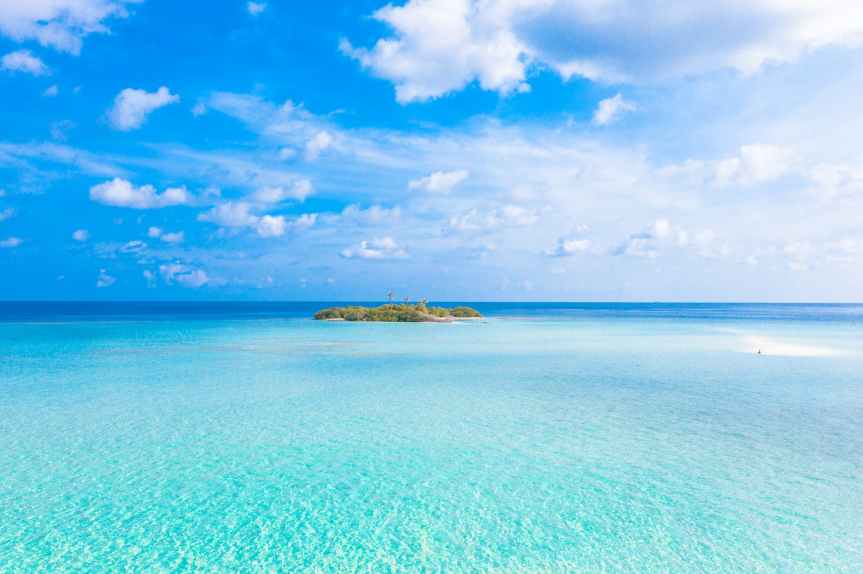
Photo by Asad Photo Maldives on Pexels.com

Hope you remember the acronym- PAISA

  1. Pacific
  2. Atlantic
  3. Indian
  4. Southern
  5. Antarctic

These oceans are arranged in the decreasing order of their sizes.

The third largest ocean based upon its size, it is the only ocean in the whole world to be named after a country. It covers 27,240,000 sq ml or 19.8 percent of the world’s water on the Earth’s surface. Bounded by Asia to the north, southern ocean to the south, Africa to the west and the Indonesian islands (the strait of Malacca) and Australia to the east, it also hass many marginal seas and islands.

Marginal Seas:

  1. Bay of Bengal
  2. Arabian sea
  3. Laccadive sea
  4. Java sea
  5. Andaman Sea
  6. Timor Sea
  7. Red sea
  8. Persian Gulf
  9. Gulf of Aden
  10. Gulf of Oman
  11. Gulf of Suez
  12. Molucca sea
  13. Gulf of Khambhat

Major islands

  1. Andaman and Nicobar
  2. Lakshadweep
  3. Maldives
  4. Madagascar
  5. Reunion
  6. Seychelles
  7. Mauritius
  8. Comoros
  9. Indonesia

Enclosed by land on three sides, it is centered along the Indian peninsula and doesn’t extend from pole to pole. It has roughly 800 drainage basin of which 50% are located in Asia, 30 % in Africa and 20% in Australia. It is considered to have subtropical climate. The northern half of the Indian ocean experience monsoon winds that lead to reversal in direction of winds (caused by the movement of ITCZ that in summers reaches above the Tibetan plateau, due to the apparent movement of sun) during summers and winters. This brings the monsoon winds to India during the rainy season(80% of the Monsoon rains dependent on them).

40 % of the total sediments found in this ocean are the results of deposition of the Ganga and Indus fans, the largest submarine fans of the world. The western Indian ocean has the largest phytoplankton blooms in summer due to the monsoon winds (they lead to the ocean water upwelling, building nutrient rich cold water to the surface of the ocean). These phytoplankton later support a complete ecosystem, acting as the primary food producers in the chain, in the ocean leading to high concentration of fish and other marine organisms. Thus, harm to the growth of these phytoplankton (continuously on the rise due to global warming, dumping of acidic and industrial waste water and algae bloom) can further destroy the fragile marine ecosystem.

There are 10 large marine ecosystems in the Indian Ocean-

  1. Agulhas current
  2. Somali coastal current
  3. Red sea current
  4. Persian gulf current
  5. Arabian sea
  6. Bay of Bengal
  7. Gulf of Thailand
  8. West central Australian shelf
  9. Northwest Australian shelf
  10. Southwest Australian shelf

Coastal reefs, sea grass bed and Mangrove forest: The most productive and important ecosystems. This ocean has 36 biodiversity hotspots and is an actively spreading and expanding ocean(having only two trenches- The Java and Sunda trench and the Makaran trench). It also has an active volcanic hotspot- The Reunion hotspot(currently below the reunion islands). Salinity follows the trends similar to the Atlantic ocean(though it doesn’t extend towards the poles.)

This is all about the Indian ocean. See you tomorrow with the Southern ocean.

DS0101EN: Introduction to Data Science course by edX

Hey peeps! Here is a course for all the engineering students out there who want to pave their way towards being a data scientist. So, gear up and tighten the seat belts. Let’s get into the world of data science.

Top 10 Careers in Data Science that are Shaping the Future

In this course you will:

  • Meet people who work in data science
  • Explore definitions of data science
  • Learn about data science in a business context
  • Discover some use cases and applications of data science

Syllabus

Module 1 – Defining Data Science

  • What is Data Science?
    • Fundamentals of Data Science
    • The Many Paths to Data Science
    • Advice for New Data Scientists

Module 2 – What Data Scientists Do

  • A Day in the Life of a Data Scientist
    • Old problems, new problems, Data Science solutions
    • Data Science Topics and Algorithms
    • Cloud for Data Science

Module 3 – Data Science in Business

  • Foundations of Big Data
    • How Big Data is Driving Digital Transformation
    • What is Hadoop?
    • Data Science Skills and Big Data
    • Data Scientists at New York University

Module 4 – Use Cases for Data Science

  • What is the Difference?
    • Neural Networks and Deep Learning
    • Applications of Machine Learning

Exercise – Computer Vision with IBM Watson

Module 5 – Data Science in Business

  • How Data Science is Saving Lives
    • How Companies Should Get Started in Data Science
    • Applications of Data Science

Module 6 – Careers and Recruiting in Data Science

  • How Can Someone Become a Data Scientist
    • Recruiting for Data Science
    • Careers in Data Science
    • High School Students and Data Science Careers

MODULE 1:

Learning Objectives

In this module you will:

  • Hear from data science professionals to learn what data science is.
  • Learn about the many paths to data science.
  • Hear from data science professionals as they give advice to anyone who is passionate about data science.
  • Learn some statistics about the field of data science, the demand for data scientists, and some of the qualities of excelling data scientists.
  • Learn why data science is the sexiest job of the 21st century.

SUMMARY:

In this module, you have learned:

  • Data science is the study of large quantities of data, which can reveal insights that help organizations make strategic choices.
  • There are many paths to a career in data science; most, but not all, involve a little math, a little science, and a lot of curiosity about data.
  • New data scientists need to be curious, judgemental and argumentative.
  • Why data science is considered the sexiest job in the 21st century, paying high salaries for skilled workers.

MODULE 2:

Learning Objectives

In this module you will:

  • Hear from data scientists as they share with you what a typical day in the life of a data scientist looks like.
  • Hear from data scientists as they share with you what tools, algorithms, and technologies they use on a daily basis.
  • Hear from data scientists as they try to explain the term “cloud”.
  • Learn about data science, data scientists, and how each is defined.

In this module, you have learned:

  • The typical workday for a Data Scientist varies depending on what type of project they are working on.
  • Many algorithms are used to bring out insights from data. 
  • Accessing algorithms, tools, and data through the Cloud enables Data Scientists to stay up-to-date and collaborate easily.

MODULE 3:

In this module, you have learned:

  • How Big Data is defined by the Vs: Velocity, Volume, Variety, Veracity, and Value.
  • How Hadoop and other tools, combined with distributed computing power,  are used to handle the demands of Big Data.
  • What skills are required to analyse Big Data. 
  • About the process of Data Mining, and how it produces results.

MODULE 4:

Learning Objectives

In this module you will:

  • Hear from Norman White, the Faculty Director of the Stern Centre for Research Computing, at New York University.
  • Hear from Norman White as he talks about data science and what skills are required for anyone interested in pursuing a career in this field.
  • Hear from Norman White as he explains some of the popular data science tools and algorithms.
  • Hear from Norman White as he gives advice to high schools students, in particular, and anyone, in general, who are looking to start a career in data science.
  • Learn about data mining, and the steps the comprise the process of mining a given dataset.
  • Learn about regression and what questions can be put to regression analysis.

SUMMARY:

In this module, you have learned:

  • The differences between some common Data Science terms, including Deep Learning and Machine Learning.
  • Deep Learning is a type of Machine Learning that simulates human decision-making using neural networks.
  • Machine Learning has many applications, from recommender systems that provide relevant choices for customers on commercial websites, to detailed analysis of financial markets.
  • How to use regression to analyze data.

MODULE 5:

Learning Objectives

In this module you will:

  • Learn about what companies need to do in order to start with data science.
  • Learn about some of the qualities that differentiate data scientists from other professionals.
  • Learn about some applications of data science.
  • Learn about analytics and what important role data scientists play in this process.
  • Learn about story-telling and the importance of an effective final deliverable.
  • Learn about the main components of an effective final deliverable.
  • Apply what you learned about data science to answer open-ended questions.
  • Demonstrate your understanding of the readings to define what data science and data scientist mean.
  • Demonstrate your understanding of the readings to answer a question about the final deliverable of data science project.

Summary:

In this module, you have learned:

  • Data Science helps physicians provide the best treatment for their patients, and helps meteorologists predict the extent of local weather events, and can even help predict natural disasters like earthquakes and tornadoes.
  • That companies can start on their data science journey by capturing data. Once they have data, they can begin analysing it.
  • Some ways that data is generated by consumers. 
  • How businesses like Netflix, Amazon, UPs, Google, and Apple use the data generated by their consumers and employees.
  • The purpose of the final deliverable of a Data Science project is to communicate new information and insights from the data analysis to key decision-makers.

MODULE 6:

Learning Objectives

In this module you will:

  • Learn about what companies need to do in order to start with data science.
  • Learn about some of the qualities that differentiate data scientists from other professionals.
  • Learn about some applications of data science.
  • Learn about analytics and what important role data scientists play in this process.
  • Learn about story-telling and the importance of an effective final deliverable.
  • Learn about the main components of an effective final deliverable.
  • Apply what you learned about data science to answer open-ended questions.
  • Demonstrate your understanding of the readings to define what data science and data scientist mean.
  • Demonstrate your understanding of the readings to answer a question about the final deliverable of data science project.

SUMMARY:

In this module, you have learned:

  • The length and content of the final report will vary depending on the needs of the project.
  • The structure of the final report for a Data Science project should include a cover page, table of contents, executive summary, detailed contents, acknowledgments, references, and appendices.
  • The report should present a thorough analysis of the data and communicate the project findings.

Water resources in India

Water is one of the most essential natural source for us to survive and we have heard it quite a lot time that we cannot survive without it. today I will discuss various resources of water in our country and need to conserve it for future.

In India , we have various resources of water . India receives water from precipitation is about 4000 cubic km. This rain occurs mostly in monsoon seasons with north and northeast getting maximum rain. India has about 4 % of total world’s water resources.

Beside these resources , India has a vast coastline with intended coast in some states. Odisha , Kerala and west Bengal have vast surface water resources in form of lakes. this water is also used for Irrigation of some crops. Irrigation is process of watering of agricultural plants through artificial ways. The availability from surface water ( from lakes , pond , rivers and tanks ) is about 1869 cubic kilometer. Though this level of water is more than enough but , most of the area in India is under tropical climate . About 92% of water is used in Agriculture , 6% for drinking and 2 % for industries. For agriculture , rain is most important resources in India but due to uncertainty of rainfall , uneven distribution of rainfall , crop requirements and nature of the soil, Irrigation is widely used in our country.( source : Jasmine Rachel ,135).

Irrigation are done in India by various ways . It totally depends upon availability of surface and ground water. Various means of irrigation are wells ,tanks , canals and others.

  1. well :- well is a very common source of irrigation we all have seen it in various places. it is a small hole dug in the surface of the earth to obtain water for irrigation. it is a very simple and cheap source of Irrigation.

2. Tube wells : – it is a deeper well at the depth of 20 – 30 m from which water is lifted up for various uses . it can irrigate large area for agriculture. it brings a large amount of underground water. but is little bit expensive.

3. Canals : – canal is the biggest source for irrigation . it is stretched for lakhs of kilometers. Basically ,there are different types of canals that is Inundation canals and Perennial canals . canal irrigation is practiced in Uttar Pradesh , Madhya Pradesh , Rajasthan , Andhra Pradesh and various regions.

Water conservation

Water is a natural resources in our planet . it is a basic need of humans . But due to overuse of it ( increase in population and irrigation) its demand has raised a lot since few years. and amount of water has significantly fallen. some experts also say that world war 3 could be fought due to shortage of water in various countries. we need to conserve water as much as possible . some reasons for it are :-

  1. The overuse of underground water.
  2. Irrigation
  3. The demand of water for industrial use is increasing day by day.
  4. The increase in country’s population.

Water conservation is a very serious mater . fresh water is also declining from earth’s surface. we need to take good steps to conserve water and use efficient measures to conserve water. some techniques to conserve water are rainwater harvesting , water recycling etc.

PROBLEMS FACED BY LGBT COMMUNITY

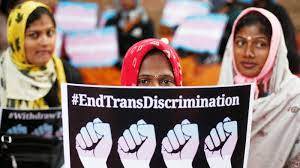
The expression “LGBT” represents lesbian, gay, bisexual and trans gender. A lesbian is lady drawn to another ladies. Gay is a man drawn to another man. Bisexual individuals are drawn to more than one gender. A transgender individual is somebody whose sex personality varies from the one they were appointed upon entering the world. Individuals in the LGBT people group are battling for equivalent rights and acknowledgment. Trans individuals, particularly, face a ton of trouble in discovering acknowledgment. Individuals in the LGBT people group are peered downward on constantly. While lesbians, gay and bisexual individuals are reluctant to inform their families about their sexuality.

They are not acknowledged in the public eye. Others ridicule them. “LGBT” terms are regularly used to affront somebody. “Gay” is frequently utilized as a revile/curse term which isn’t right. Somebody’s identity shouldn’t be utilized as reviling/cursing word.

Consistently, an enormous number of LGBT individuals face gigantic issues identified with brutality, joblessness, separation, destitution and absence of medical care. Biased individuals have issues with the manner in which individuals from the LGBT people group lead their lives. These individuals, I accept, are being juvenile. There are a few group who claims themselves as LGBT ally however the extremely next second they crack lame and sexiest jokes on them.

However, there are individuals who genuinely support LGBT people group. Be that as it may, of individuals have ill-conceived notion about them. They accept that LGBT individuals shouldn’t be permitted in home. I believe If school make their understudies mindful about the LGBT people group, we would not deal with such issues.

RESOURCES:

1.https://www.youthkiawaaz.com/2018/01/dont-ever-be-afraid-to-show-off-your-true-colours/

2.https://www.livemint.com/Sundayapp/sAYrieZdZKEybKzhP8FDbP/Being-LGBT-in-India-Some-home-truths.html

Terrorism

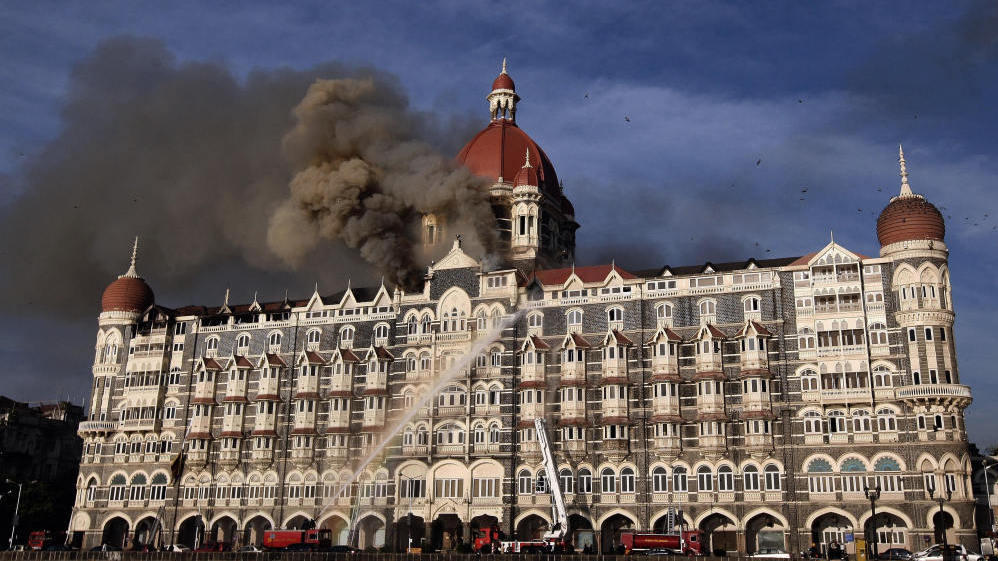
Terrorism is a criminal act that seeks to instil terror in ordinary people. It is a danger to mankind. It covers anybody or any organisation who spreads violence, such as riots, burglaries, rapes, kidnappings, fights, bombs, and so on. Terrorism is a cowardly act. Terrorism is also unrelated to religion. A terrorist is a terrorist, regardless of whether he or she is Hindu or Muslim.

Types of Terrorism

Terrorism is classified into two types: political terrorism, which causes widespread alarm, and criminal terrorism, which involves abduction for ransom money. Political terrorism is even more dangerous than criminal terrorism since it is carried out by well-trained individuals. As a result, it becomes difficult for law enforcement organisations to apprehend them in a timely manner.

Terrorism spreads at both the national and international levels. Regional terrorism is the most violent type of terrorism. Because terrorists believe that dying as a terrorist is precious and holy, they are prepared to go to any length. All of these terrorist organisations are formed for a variety of reasons.

Causes of Terrorism

There are several major causes of terrorism, including rapid population growth, politics, social and economic problems, dissatisfaction with the country’s system, a lack of education, corruption, racism, economic inequality, and linguistic differences. Terrorism is used as a weapon to show and justify one’s point of view. The most well-known riots are those between Hindus and Muslims, although there is a distinction between caste and terrorism.

The Effects Of Terrorism

Terrorism instils fear in individuals, and as a result, people in the country feel insecure. Terrorist attacks damage millions of products, take the lives of thousands of innocent people, and slaughter animals. After witnessing a terrorist attack, disbelief in mankind grows, giving rise to another terrorist. There are several forms of terrorism in various areas of the country and throughout the world.

Today, terrorism is not just a concern in India, but also in our neighbouring nation, and governments all over the world are working hard to combat it. The September 11, 2001, terrorist attack on the World Trade Center is widely regarded as the world’s biggest. Osama bin Laden attacked the world’s tallest skyscraper, resulting in millions of injuries and the deaths of thousands of people.

Terrorist Attacks in India

India has suffered several terrorist attacks which created fear among the public and caused huge destruction. Here are some of the major terrorist attacks that hit India in the last few years: 1991 – Punjab Killings, 1993 – Bombay Bomb Blasts, RSS Bombing in Chennai, 2000 – Church Bombing, Red Fort Terrorist Attack,2001- Indian Parliament Attack, 2002 – Mumbai Bus Bombing, Attack on Akshardham Temple, 2003 – Mumbai Bombing, 2004 – Dhemaji School Bombing in Assam,2005 – Delhi Bombings, Indian Institute of Science Shooting, 2006 – Varanasi Bombings, Mumbai Train Bombings, Malegaon Bombings, 2007 – Samjhauta Express Bombings, Mecca Masjid Bombing, Hyderabad Bombing, Ajmer Dargah Bombing, 2008 – Jaipur Bombings, Bangalore Serial Blasts, Ahmedabad Bombings, Delhi Bombings, Mumbai Attacks, 2010 – Pune Bombing, Varanasi Bombing.

The recent ones include 2011 – Mumbai Bombing, Delhi Bombing, 2012 – Pune Bombing, 2013 – Hyderabad Blasts, Srinagar Attack, Bodh Gaya Bombings, Patna Bombings, 2014 – Chhattisgarh Attack, Jharkhand Blast, Chennai Train Bombing, Assam Violence, Church Street Bomb Blast, Bangalore, 2015 –  Jammu Attack, Gurdaspur Attack, Pathankot Attack, 2016 – Uri Attack, Baramulla Attack, 2017 – Bhopal Ujjain Passenger Train Bombing, Amarnath Yatra Attack, 2018 Sukma Attack, 2019- Pulwama attack.

Agencies fighting Terrorism in India

To combat terrorism in India, many police, intelligence, and military institutions have created specific agencies. In India, major anti-terrorism agencies include the Anti-Terrorism Squad (ATS), the Research and Analysis Wing (RAW), and the National Investigation Agency (NIA).

Conclusion

Terrorism has evolved into a worldwide concern that must be addressed at the outset. Terrorism cannot be handled only by law enforcement forces. People all across the world will need to band together to combat the rising menace of terrorism.

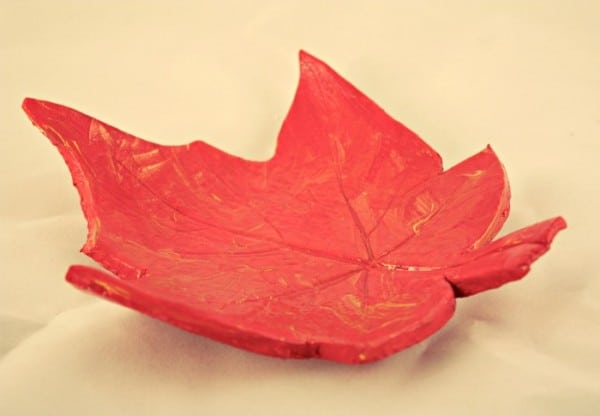
DIY

Equipments

°Air Dry Clay
°A large leaf
°Bowl
°Rolling pin
°Knife
°Paint

Instructions

1.Start with a fist sized lump of potters clay.  Review and complete wedging of the clay.
2.Simply roll the clay into 1/4″ slabs using rolling pins and two guide sticks which help you get an even result.
3.Place a large leaf over the clay- facing up so that the veins are down. Go over with the rolling pin to make an imprint.
4.Use the knife to trim around the leaf.
5.Smooth the rough edges with one finger and a bit of water.
6.Lay some plastic wrap, a paper towel or a thin cotton cloth inside of a disposable paper bowl. Lay your clay leaf inside of the bowl and gently press it down to take its new shape.
7.Dry for several days and then paint.

Book review for ‘the Boy in the stripped Pyjamas’: A heartbreak but not a very real story

The holocaust is for sure a topic that as discussed as infamous it can be. It is as much a tragic story as a fact that can make any person grip in fear of what a human is capable of becoming.

Bruno is a 9-years old boy in Berlin during the Second World War and his father a member of the Nazi party, soon promoted to office the Auschwitz camp at the personal orders of the Fuhrer.

Sad and missing his friends, Bruno spots a pale boy in pyjamas with a lot of people on the other side of the fence. Bruno meets this boy, Shmuel whom he quickly befriends. Shmuel informs Bruno that he lived on this side of the fence with his grandfather, brother and father. And to the merry of both boys, they share the same birthday and age.

Shmuel grows pale and lean everyday and Bruno starts to sneak him food. They talk and share their lives while Bruno does not really understand what is going on the other side of the fence.

One day, Shmuel informs Bruno that his father is missing and everyone in his family is desperate to find him. That evening, Bruno removes his clothes, pulls up the stripped pyjamas Shmuel offers him and crosses the fence to search for Shmuel’s father.

Both the kids are spotted by guards who ask them to participate in the march. The march ends in a closed room which Bruno assumes is the place to sleep and sit together. He holds Shmuel’s hands and whispers to him that they shall be friends for life.

Bruno is missing and only his clothes are found near the camp fence. His father, deducing what must have happened is broken and offers himself to the now invading Allied armies.

This fictional story that forms the plot of the book, “The boy in the stripped Pyjamas” by Irish author John Boyne. The book quite metaphorically illustrates the fact that the adults were really not concerned with what is happening under their noses while the kids were just been broken, separated by fences and lines drawn between races.

The Boy in the Striped Pajamas (Deluxe Illustrated Edition) by John Boyne:  9780399559310 | PenguinRandomHouse.com: Books

However, and quite correctly, the historians have argued that this book has several historical inconsistencies that might make a reader believe that concentrations camps were way more lax than they really were. No one, let alone a kid was left off work to let him have the time to meet, talk to and enjoy another human being’s company.

Auschwitz: Concentration Camp, Facts, Location - HISTORY
An actual picture from the Auschwitz Camp

At the end, the author expresses his belief in humanity by stating,

Of course, all of this happened a long time ago and nothing like that could ever happen again. Not in this day and age.

Happy reading!