Health Effectiveness of Mushroom

Mushrooms are one of the most used vegetables .It is very delicious & nutritious .Mushrooms are also called toadstools . A mushroom is a body of fungus which is able to bear spores . Here we are talking about some edible mushrooms .Mushrooms are usually born above the soil or rotten dead waste & Their growth rate is very rapid .

Mushrooms are from the kingdom of ‘Fungi’ & Under ‘Basidiomycota’ phylum . Mushrooms are divided into 3 body parts — 1) Stem or, Stipe ; 2) Cap or, Pileus ; 3) Gills or Lamellae (It generates microspore & stores them) .The most popular & edible mushroom is Agaricus bisporus .Mushrooms can be edible and non-edible. Non-edibles are poisonous & it harms our body . Some well known edible mushroom species are —  Portobello ,Button ,Shiitake(It is also called as “King of Mushrooms”) ,Oyster ,Maitake ,Enoki ,white mushroom & many others .Now, let’s talk about their nutritional value  .

Agaricus bisporus
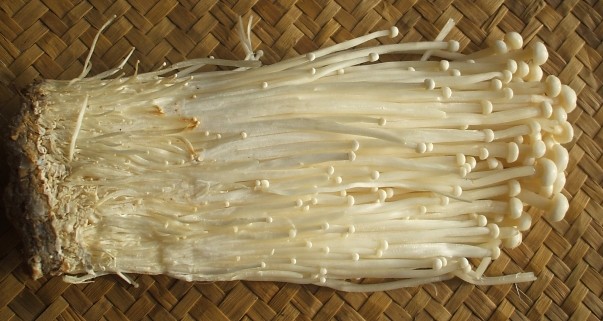
Enoki Mushroom
Shiitake Mushroom

Nutritional value : nutritional value per 100g raw and uncooked mushrooms are given below —– 

1) 4.3 gram carbohydrate 

2) 0.1 gram fat

3) 2.5 gram protein

4) Many types of Vitamin B are available ~~ a) 0.1 milligram of Vitamin B1 ;b) 0.5 mg of vitamin B2 ; c) 3.8 mg of vitamin B3 ; d) 1.5 mg of vitamin B5 ; e) 0.11 mg of Vitamin B6 ; f) 25 microgram of Vitamin B9 , g) no amount of Vitamin C .Vitamin  B2 ,vitamin B5 and vitamin B3 are in a lots of amount in a mushroom .

5)Various minerals are also presents ~~ a) 18 mg of calcium ;b) 0.4 mg of iron ;c) 9 mg of magnesium ;d) 0.14 mg of Manganese ;e) 120 mg of phosphorus ;f) 448 mg of potassium ; g) 6 mg of sodium ;h) 1.1 mg of zinc .

6) Mushroom body contains 92% water 

7) Mushrooms contain a very high amount of 2 important antioxidants — Ergothioneine & Glutathione .

8) It also has lots of folate .

9) Mushrooms give away 94 KJ or 22 Kcal energy .

Effect on Health : 

1) Mushrooms contain a lot of calcium which is a main component of our bones . That’s why mushrooms are beneficial for our bone health. It prevents osteoporosis and joint pain problems . 

2) It also fights against cancer as mushrooms have Vitamin D and antioxidants .Folate which is also present in mushrooms, helps in the synthesis process of DNA .

3) Mushrooms have a lot of fibre. fibre helps to control the Glucose level of blood. In that way the blood sugar level remains at a safe margin .

4) Potassium, Vitamin C and fibre are good for the cardiovascular system, especially for the heart .Mushrooms have all these elements so it also prevents the risk of heart diseases .

5) Selenium, which is available in mushrooms, increases the immune power of our body and helps to prevent flu and common cold .

6) Mushrooms are a very good diet vegetable .

7) Mushrooms give a lot of energy to our body as it has lots of protein .

8)  Folate is present in mushrooms and It helps in the fetal health for any pregnant women .

9) Mushrooms contain two important antioxidants (Ergothioneine & Glutathione) that work against aging of our skin and body .

10) Mushrooms prevent the aging of our brain .
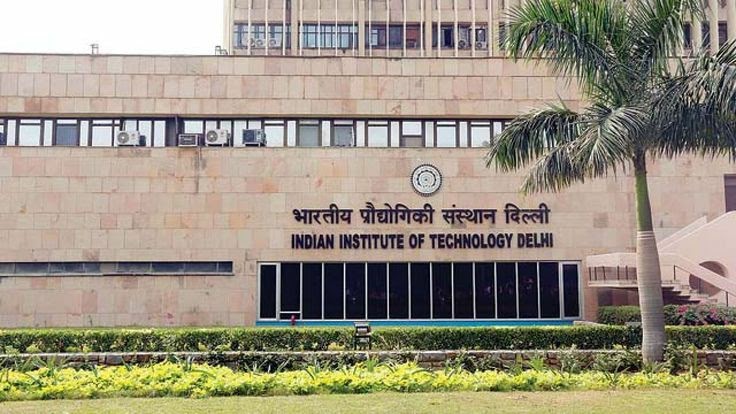
5 IITians who excelled in different field .

Indian institute of technology (iits) are the most prestigious institution in india. The IITs are autonomous public technical universities located across India students are mostly attached towards iits because of the High package offered in these institutions. It’s quite obvious that the enterance in theses institute need a lot of Hard work and perseverance. The Institutes of Technology Act, 1961 lists twenty-three institutes. Each IIT is autonomous, linked to the others through a common council, which oversees their administration. So here is the list of IITians who excelled in different field like arts, science & technology.

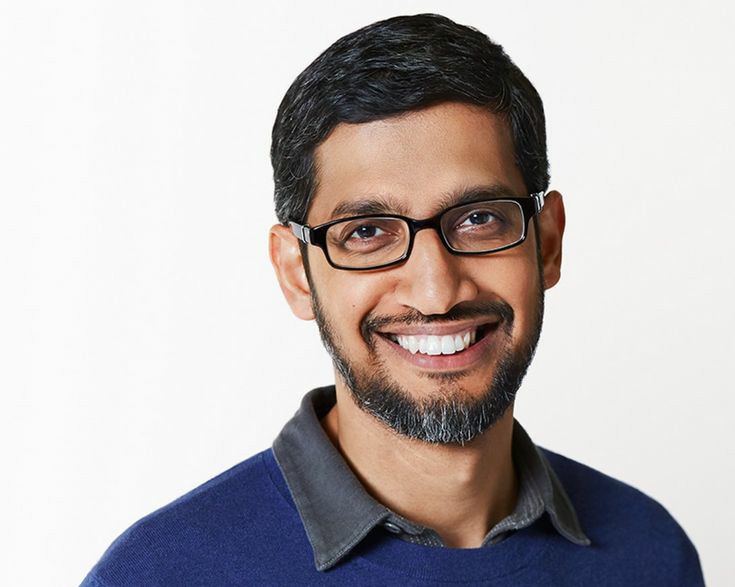
1.Sundar Pichai

Born in Madras, India, Pichai earned his degree from IIT Kharagpur in metallurgical engineering. Moving to the United States, he attained an M.S. from Stanford University in materials science and engineering and further attained an MBA from the Wharton School of the University of Pennsylvania, where he was named a Siebel Scholar and a Palmer Scholar, respectively. Pichai was selected to become the next CEO of Google on August 10, 2015, after previously being appointed Product Chief by CEO, Larry Page. On October 24, 2015, he stepped into the new position at the completion of the formation of Alphabet Inc., the new holding company for the Google company family. He was appointed to the Alphabet Board of Directors in 2017.

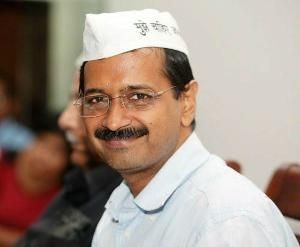
2.Arvind Kejriwal

Arvind Kejriwal is the founder of Aam Admi Party (AAP), and Convenor of the same. He is a politician and a former bureaucrat who is the current and 7th Chief Minister of Delhi since February 2015.In 2006, Kejriwal was awarded the Ramon Magsaysay Award for Emergent Leadership in recognition of his involvement in the grassroots level movement Parivartan using right to information legislation in a campaign against government corruption. The same year, after resigning from Government service, he donated his Magsaysay award money as a corpus fund to found the Public Cause Research Foundation, a non-governmental organization (NGO). He was educated at Campus School in Hisar and at Holy Child School at Sonipat.In 1985, he took the IIT-JEE exam and scored All India Rank of 563.He graduated from Indian Institute of Technology Kharagpur, majoring in mechanical engineering.

3.chetan Bhagat

Chetan Bhagat is an Indian author and columnist. He was included in Time magazine’s list of World’s 100 Most Influential People in 2010. grew up in Naraina Vihar, West Delhi in a traditional middle-class Punjabi Hindu family. Bhagat graduated with a BTech degree in Mechanical Engineering from the Indian Institute of Technology, Delhi in 1995. Bhagat then went on to do an master’s of business administration degree in marketing from the Indian Institute of Management, Ahmedabad (IIMA) and graduated in 1997.

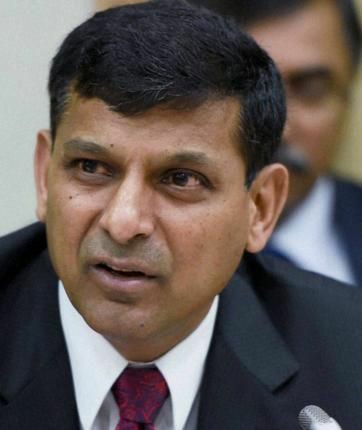
4.raghuram Rajan

Raghuram Govinda Rajan  is a indian economist & former governor of the Reserve Bank of India.Between 2003 and 2006 he was Chief Economist and Director of Research at the International Monetary Fund. From September 2013 through September 2016 he was the 23rd Governor of the Reserve Bank of India; in 2015, during his tenure at the RBI, he became the Vice-Chairman of the Bank for International Settlements. In 1981 he enrolled at Indian Institute of Technology Delhi for a bachelor’s degree in electrical engineering. In the final year of his four-year degree, he headed the Student Affairs Council. He graduated in 1985 and was awarded the Director’s Gold Medal as the best all-round student. In 1987, he earned a Master of Business Administration from the Indian Institute of Management Ahmedabad, graduating with a gold medal for academic performance.

5.Jitendra Kumar

Jitendra is one actor who makes it a point to play relatable characters that we just can’t forget. From Jeetu to Gittu, he has starred in series/movies like Kota Factory, Panchayat, Shubh Mangal Zyada Saavdhan. He has won a Filmfare OTT award in the category of “Best Actor Comedy Series (Male) for portraying Abhishek Tripathi in Amazon Prime’s Panchayat. He did his bachelor’s in civil engineering from IIT Kharagpur .While studying civil engineering at IIT Kharagpur Jitendra kumar started liking acting. Kumar has done many stage plays as the Governor of the Hindi Technology Dramatics Society at IIT KGP where he met Biswapati Sarkar who eventually invited him to join TVF in 2012.

Vaccine Development against COVID-19

A novel coronavirus (CoV) named ‘2019 novel coronavirus ’by the World Health Organization (WHO) is responsible of this outbreak of pneumonia that began at the mid of November 2019 near in Wuhan City, Hubei Province, China. The SARS-CoV-2 is a pathogenic virus. Coronaviruses are enveloped viruses with a large, single-stranded, positive-sense RNA genome, which are about 120 nanometers in diameter. They are vulnerable to mutation and recombination and are therefore highly diverse. There are about 40 different varieties which they mainly infect human and non-human mammals and birds. They reside in bats and wild birds, and will spread to other animals and hence to humans. The virus that causes COVID-19 is assumed to possess originated in bats then spread to snakes and pangolins and hence to humans, perhaps by contamination of meat from wild animals, as sold in China’s meat markets.
The corona-like appearance of coronaviruses is due to the presence of spike glycoproteins, or peplomers, which are necessary for the viruses to enter host cells. The spike has two subunits, one subunit is S1 which binds to a receptor on the surface of the host cell and the opposite subunit which is S2 fuses with the cell wall. The cell wall receptor for both SARS-CoV-1 and SARS-CoV-2 could even be a sort of angiotensin converting enzyme, ACE-2, different from the enzyme that’s inhibited by conventional ACE-1 inhibitors, like enalapril and ramipril.
Viral RNA can be detected by polymerase chain reaction which is sometimes referred to as RT-PCR or real time PCR. In this test, the virus’s single-stranded RNA is converted to its complementary DNA by reverse transcriptase; specific regions of the DNA are marked by primers, are then amplified. This is done by synthesizing new DNA strands from deoxy-nucleoside triphosphates using DNA polymerase.

COVID-19 DRUG DEVELOPMENT

COVID19 drug development is basically a research process to develop preventative therapeutic prescription drugs which may lower the severity of coronavirus disease 2019 (COVID19). Internationally, by November 2020, several hundred drug companies, biotechnology firms, university research groups, and health organizations are trying to develop over 500 potential therapies for COVID19 disease in various stages of preclinical or clinical research.
The World Health Organization (WHO), European Medicines Agency (EMA), US Food and Drug Administration (FDA), and therefore, the Chinese government and drug manufacturers were coordinating with academic and industry researchers to hurry development of vaccines, antiviral drugs, and post-infection therapies.
Drug development may be a multistep process, typically requiring five years to assure safety and assurance of the new compound. Several national regulatory agencies, like the EMA and the FDA, have approved procedures to expedite clinical testing. Chloroquine is an anti-malarial medication that is also used against some auto-immune diseases. Hydroxy-chloroquine is more commonly available than chloroquine in the United States. Although several countries initially used chloroquine or hydroxy-chloroquine for treatment of people hospitalised with COVID19, the drug has not been formally approved through clinical trials.

VACCINE DEVELOPMENT

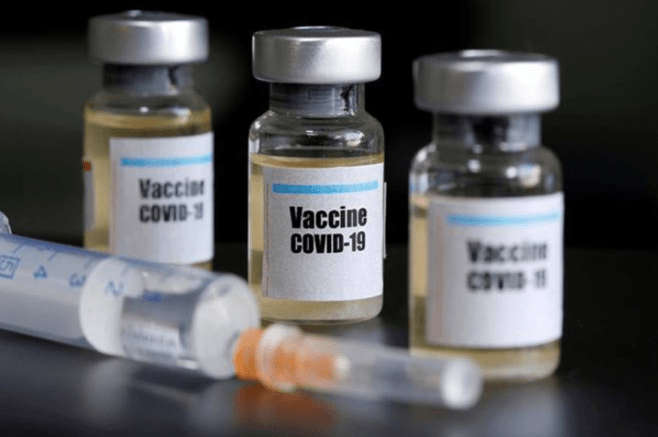
A vaccine for a communicable and pathogenous disease which has never before been produced in several years, and also no vaccine exists for preventing a coronavirus infection in humans. After the coronavirus was detected, the genetic sequence of COVID‐19 was published on 11 January 2020, triggering an urgent international response towards organize for an epidemic and hasten development of a preventive vaccine.

In February 2020, the World Health Organization (WHO) said it didn’t expect a vaccine against severe acute respiratory syndrome coronavirus or the SARS-CoV-2 which is the causative virus, to become available in 18 months.
Their development had previously been considered as low priority because the coronaviruses that were circulating in humans caused relatively mild disease. Most coronaviruses encode only one large surface protein, the spike protein, which is responsible for receptor binding and membrane fusion. In the case of SARS-CoV-2 (and SARS-CoV), the spike protein binds to angiotensin- converting enzyme 2 (ACE2) on host cells and is then endocytosed. This step is followed by fusion of viral and endosomal membranes and release of the viral genome into the cytoplasm. Antibodies that bind to the spike protein, especially to its receptor-binding domain (RBD), prevent its attachment to the host cell and neutralize the virus. On the basis of this knowledge, and information gained from preclinical studies with SARS-CoV and MERS-CoV, the spike protein was identified as an antigenic target for the development of a vaccine against SARS-CoV-2 at a very early stage. It has been demonstrated that the spike protein is a strong target of CD4+ T cells, whereas fewer CD8+ T cells are induced by natural infection with SARS-CoV-2 in general. It is important to note that natural infection induces both mucosal intramuscularly or intradermally induce mainly IgG, and no secretory IgA. It is therefore possible that most vaccines currently in development induce disease-preventing or disease-attenuating immunity, but not necessarily sterilizing immunity.

This pandemic which is due the coronavirus requires a rapid and fast action in the field of vaccines and biology and in a short amount of time as the original vaccine making process for any disease requires at least 15 years for the whole procedure and testing trials antibody responses (secretory immunoglobulin A (IgA)) and systemic antibody responses (IgG). The upper respiratory tract is thought to be mainly protected by secretory IgA, whereas the lower respiratory tract is thought to be mainly protected by IgG. Vaccines that are administered and therefore, is a very tedious and lengthy process and work. As this disease requires a very fast process so the first clinical trial of a vaccine candidate for SARS-CoV-2 began in March 2020. Trials were designed in such a manner that clinical phases are overlapping and trial starts are staggered, with initial phase I/II trials followed by rapid progression to phase III trials after interim analysis of the phase I/II data. Currently, several manufacturers have already started the commercial production of vaccines at risk without any results from phase III trials. Although the licensure pathways are not yet completely clear, it is possible that reviews could be expedited and that vaccines could even be approved through an emergency use authorization. The FDA has released a guidance document for the development and licensure of SARS-CoV-2 vaccines, which as well as providing additional details states that an efficacy of at least 50% will be required. It is very important to point out that moving forward at financial risk is the main factor that has enabled the accelerated development of SARS-CoV-2 vaccine candidates, and no corners have been or should be cut in terms of safety evaluation.

The First World War

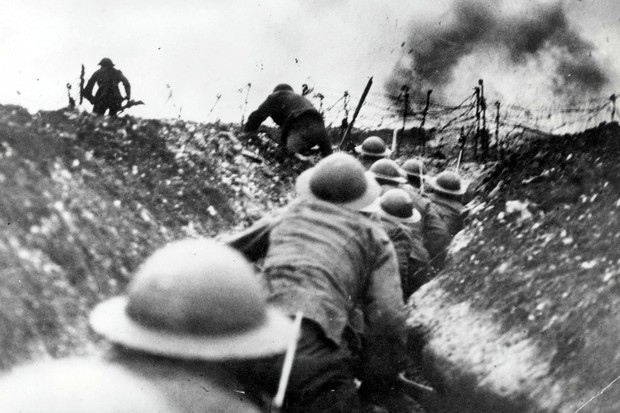
World war 1 was a global war that Started from Europe. World war 1 began in 1914 and lasted till 1918.it was the one of the deadliest and destructive war in history, with an estimated death of 8.5 million soldiers and 13 million civilian.

The major European states were divided into 2 blocks through treaties .Britain, France and Russia had formed one block that was called Triple Entene while Germany, Hungary-Austria and Italy had formed another block that was called Triple Alliance. a mutual hatred was created between these two alliances by secret alliances that ultimately led to the first world war.

During the 19th and early 20th centuries, European countries had come to dominate rest of the world either through conquest or unequal treaties. with backward countries. then the world war was started in 1914. it involved rest of the world also that is why it is called First world war.

Causes of World war 1

1. Rivalries of colonies: colonial power of Europe controlled vast overseas territories in south America, south Asia and many areas. Britain had the largest colonial empire. By the begining of 20th century, Germany had emerged as one of the most advanced Countries of Europe, however they lagged behind Britain and France. Germany was looking for a share in colonial markets. On the other hand Britain and France were following some policies to avoid Germany to achieve their goals. War was the only way for Germany to achieve their target.

2. Armament race:- All developed countries were busy making weapons for defence of their respective countries, but it led to fear and hatred among the various nations. they did not realize the outcome of growing their armaments.

3. Militant nationalism:-Nationalism became a very hot topic in Europe in 19th century. Each country wanted to become free from dominance of any other country. They wanted to be free. During this wave, Greece, Romania ,Bulgaria and Serbia became independent nations.

4. Territorial conflicts:-There were many conflicts between Turkey and some eastern European states due to territory issue. just before the start of first world war. the other European countries tried to solve the matter but Serbia was not happy and decided to start war. the France people wanted to get back Alsace-Lorraine which was taken away from them in 1870 by Germany.

5.Germany dream of becoming Superpower :-Germany always wanted to become a world leader but after 1890, the state of affairs was passed to a aggressive ang highly ambitious Emperor Kaiser Wilhelm. . he wanted to take a strong position in Europe. One by one each of the European countries became Germany’s enemy. slowly alliances were made to opposed Germany’s dominance and aggression.

Participation in war

The Russians declared support for Serbia that provoked Germany. On 4th of August ,Britain declared war against Germany. .Austria-Hungary declared war on Russia on 6th August. Turkey and Bulgaria joined war on Austria -Hungary side. Japan also joined war on the side of Britain. Later USA also joined war on the side of Britain.

result

it was the one of the deadliest and destructive war in history. Russia was badly defeated by Germany. The combined forces of USA, Britain and France were defeated Austria, Hungary and Germans .on the other hand, Turkey lost the territories to Palestine, Iraq, Syria and others. Germany lost many island in the east. The war came to an end in 11th of November 1918. and Treaty of Versailles was signed later.

Philosophy of the Indian Constitution

Every Constitution has a philosophy of its own. For the philosophy under our Constitution, we must look back into history.

The Objective Resolution:

• This Constitution Assembly declares, it’s firm and solemn resolve to proclaim India as the Independent Sovereign Republic and to compose for her future Constitution.

• WHEREIN the territories that now comprise British India, the territories that now form the Indian States, and such other parts of India as are outside British India and the States as well as such other territories as are willing to be constituted into Independent Sovereign India, shall be a Union of all; and

•WHEREIN the said territories, whether with their present boundaries or such with others as may be determined by the Constituent Assembly and subsequently by accordance with the law of the Constitution, shall possess and retains the status of autonomous units, together with residual powers and exercise all powers and functions of Government and administration, save and except such powers and functions as are vested in or assigned to the Union, or as are inherent or implied in the Union or resulting therefrom; and

•WHEREIN all powers and authority of Sovereign Independent india, its constituent parts, and organs of government are derived from the people; and

•WHEREIN shall be guaranteed and secured to all people of India justice, social, economic, and political; equality of status, of opportunity, and before the law; freedom of thoughts, expression, belief, faith, worship, vocation, association, and action, subject to the law and public morality; and

• WHEREIN adequate safeguards shall be provided for minorities, backward and tribal areas, and depressed and other backward classes; and

• WHEREIN shall be maintained the integrity of the territory of the Republic and its sovereign rights on the land, sea, and air according to justice and the law of civilized nations; and

• The ancient land attains its rightful and honored place in the world and make its full and willing contribution to the addition of world peace and the welfare of mankind.

The Preamble:

WE, THE PEOPLE OF INDIA, having solemnly resolved to constitute India into a SOVEREIGN SOCIALIST SECULAR DEMOCRATIC REPUBLIC and to secure to all its citizens;

JUSTICE, social, economic, and political;

LIBERTY of thoughts, expression, belief, faith, and worship;

EQUALITY of status and opportunity; and to promote among them all;

FRATERNITY assuring the dignity of the individual and the unity and the unity and integrity of the Nation;

IN OUR CONSTITUTION ASSEMBLY this twenty-sixth day of November 1949, do HEREBY ADOPT, ENACT AND GIVE TO OURSELVES THIS CONSTITUTION.

The Preamble to our Constitution serves, two purposes –

(a) it indicates the source from which the Constitution derives its authority;

(b) it also states the objects which the Constitution seeks to establish and promote.

Important Amendment: 42nd Amendment, 1976 that the goal of the Indian polity is socialism was ensured by inserting the word “socialist” in the Preamble, by the Constitution Act, 1976. The secular objective of the States has been specifically expressed by inserting the word “secular” in the Preamble by the Constitution Act, 1976.

Bullying in School

It makes no difference whether you are a student, instructor, parent of a child or adolescent, or a member of the community.

Everyone plays a part in preventing school bullying, and the majority of individuals have either directly or indirectly participated in, watched, or experienced some type of bullying in schools.

There are multiple sorts of bullying to be aware of, as well as several approaches for educators, schools, and parents to assist in the prevention of bullying at school.

Bullying must meet specific criteria in order to be classified as such.

These include malice, power imbalances, repetition, anguish, and provocation. Bullying can occur in schools, on campus, or outside of school, but it is always the result of relationships formed in those contexts.

Photo by RODNAE Productions on Pexels.com

Types of Bullying

  1. Bullying can take two forms: direct and indirect.
    Direct bullying differs from indirect bullying in that it involves direct interaction with the person who is being bullied. It’s possible that indirect will not work. Throwing something at someone or yelling cruel comments at them is a form of direct bullying. An example of indirect bullying might be spreading rumors about a classmate.
  2. Cyberbullying Cyberbullying is any form of bullying that occurs through the internet. Harmful comments on a personal website or dishonest private messaging are examples.
  3. Physical bullying Bullying that involves physical contact with the other person is always considered physical bullying. This can include hand-to-hand combat, as well as throwing objects, tripping, or inciting others to attack a person physically.
  4. Emotional bullying Emotional bullying is defined as the intentional infliction of emotional distress on another individual. Saying or writing harsh things, getting others to band together against an individual, purposeful ignoring, or spreading rumors’ are all examples of this.
  5. Sexual bullying Sexual bullying refers to any sort of bullying, done in any manner, that is related to a person’s gender or sexuality. Examples can include forcing someone to commit intimate acts, making sexual comments, or unwanted touching.
  6. Verbal bullying Verbal bullying is defined as the use of any form of language to cause distress to another person. Using profanities, abusive language, making unfavorable comments about someone’s appearance, using insulting phrases, or teasing are all examples.
  7. Bullying in Higher School Many individuals mistakenly believe that bullying ends in high school, yet it continues throughout higher education. This can take numerous forms, and it often comes with unique obstacles because students are often living away from home and on their own.

Anti-bullying laws exist in all fifty states of the United States, albeit they differ from state to state. The majority of states have legislation requiring schools to report, document, and investigate occurrences of bullying in the classroom. Bullying prevention is also mandated by law for schools.

Some state laws may stipulate that bullies face sanctions and that bullied pupils receive appropriate counselling.

There are, however, a number of rules in place to assist pupils with learning or other problems. These pupils are guaranteed the right to a “free, adequate public education” under the Individuals with Disabilities Education Act.

It is against federal law to deny a student with an IEP (Individualized Education Plan) access to an appropriate public education.

EFFECTS OF BULLYING

  1. The Resultant Consequences

Bullying victims may suffer from low self-esteem, which can lead to depression. As a result of school bullying, some bully victims experience physical and/or emotional pain. Bullied adolescents are more prone to experience depression later in life.

  1. Victimhood for a Lifetime

Unfortunately, some children are subjected to persistent bullying that occurs on a weekly basis. This is more common in primary school, and it might result in lost days of school.

In order to prevent long-term injury, schools must step in and intervene in cases of chronic bullying.

Photo by Keira Burton on Pexels.com

There are a variety of reasons that can contribute to bullying. Bullying is likely to occur if there are pupils who have bully inclinations and the school climate permits it. Bullying can occur as a result of a challenging family environment, low self-esteem, or poor social skills.

It’s difficult for a parent to learn that their child is being bullied, but know that you can help.

To begin, establish a thorough record of the bullying incident, including as many information as possible.

You should also keep track of your child’s reactions to help the school understand how bullying is harming his or her schoolwork. Check to see if the bullying has broken any laws, and then file a complaint with your child’s school by email.

Bullies usually target students in their own grade, but they can sometimes target students who are older. A youngster with a big network of friends is less likely to be bullied, but a child who is physically weaker, smaller, and less forceful is more likely to be bullied.

Schools must have policies and procedures in place that are followed. Anti-bullying education should be included into all aspects of the curriculum. Language arts teachers, for example, can locate required novels that teach pupils empathy for others.

When it comes to bullying prevention, communication is crucial. When children feel comfortable talking to adults in their community, they are more likely to report bullying and to avoid bullying by verbally expressing their feelings.

Essay explanation ” El Dorado “by Robert Louis Stevenson

It seems as if a great deal were attainable in a world where there are so many marriages and decisive battles ….” 

                                        – El Dorado by R.L Stevenson.

” El Dorado ” by Robert Louis Stevenson is one of the most famous and inspiring essays about the journey for the travellers .

El Dorado ”  means gilded one in Spanish .

It is a legendary city or historical region of the New World , often thought to be in South America that was fabled for its great wealth of gold and precious jewels and eagerly sought by 16th and 17th century explorers including Sir Walther Raleigh. 

This imaginary land of fabulous gold is a symbol of the unattainable

El Dorado essay by R.L Stevenson is about the journey of  travellers which is more pleasurable than arriving at the destination .

Stevenson, who was fond of traveling , expounds here his philosophy of traveling without ever resting . 

According to him

There is always a new horizon for onward looking men .”

He discovers the secrets of happiness in the fact that our hopes and aspirations striving goes on for life .

” Our hopes are inaccessible like stars and the term of hoping is prolonged until the end of life .”

Incessant striving and perpetual chase for something make life meaningful and fruitful rendering perennial pleasure to a man .

Stevenson says “An aspiration is a joy forever ” . 

Desire and curiosity are two eyes through which man sees the world in the most enchanted and captivating colours .

Desire and curiosity  needs to be satisfied and perpetually renewed to keep up the interest in one’s life .

Stevenson mentions a story of a young fellow who finished the works of Thomas Carlyle and weeped about no book of Carlyle left to read .

Alexander the Great wept because he has no countries to conquer .

He states that one who volume or measure his interest and desire has a fear to come to an end and be left with nothing to accompany his last stage of journey.

Desire and curiosity is what keeps man continuing to exist .

“Interests are only plucked up to sow themselves again ,like mustard “.

Stevenson further says ,

And when we discover a continent or cross a chain of mountains , it is only to find another ocean or another plain upon the further side . “

Life can be thrilling and exciting when we go forward led by desire and curiosity.

“Aspirations “ means desire to have more and more knowledge and experience in life .

Aspirations can keep us going, making our life worth living .

Stevenson points out that even a small corner of earth can offer us something new to start . Life and nature have infinite riches to be explored by curiosity and hence ,the journey of traveling continues life long .

He concludes by advising man to remain engaged in some noble pursuits.

He say, 

To travel hopefully is better than to arrive and the true success is to labour .”

About Robert Louis Stevenson 

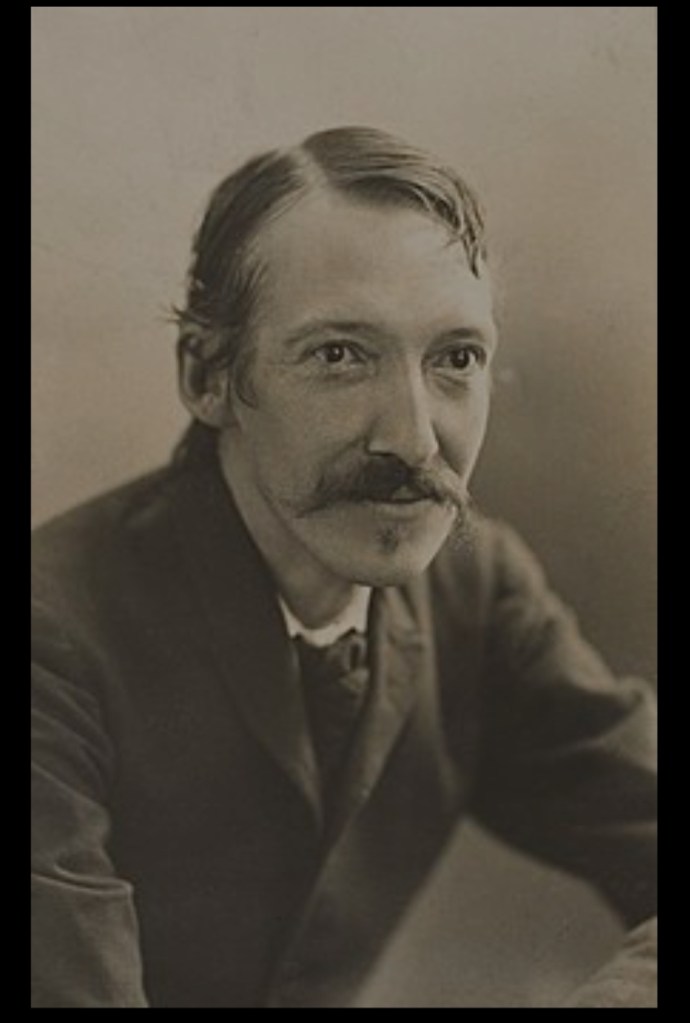
Robert Louis ( Balfour) Stevenson was a Scottish novelist ,poet , essayist and travel writer .

He was born in Edinburgh on 13 November 1850 .

His fourth four year life was a nearly constant journey in search of adventure and relief from the agonies of tuberculosis ,with which he was afflicted from early childhood .

Stevenson attempted every species of writing but it is chiefly as an essayist that he continues to live .He was essentially an artist in words .He was an amazing storyteller ,an acute and sensitive critic , a genial and whole hearted lover of life .He was a master of rich , resilient prose style .

There is a kind of primitivism in his writing which wins over the reader by its message of courage and virility – the traits which characterize Stevenson’s own life.

Stevenson As an Essayist 

Stevenson is considered one of the greatest essayists of the Victorian Age .He was influenced by Wiliam Hazlitt .

He was a personal essayist and he himself became the subject matter of his essays .His essays are like mirrors which reflect his personality and show real aspects of his life .

Stevenson’s essays are filled with whimsical paradoxes , keen and witty as those of Bernal Shaw . His work is invariably ethical.

He wrote essays on different topics such as nature , philosophy , morality , children science etc. 

Few of his essays deal with human miseries and problems of human life .

Some of his essays and other works are , 

. Travels with a Donkey, Virginibus Puerisque ,Familiar Studies of Men and Books , New Arabian Nights , Treasure Island ,  Prince Otto,  A Child’s Garden of Verses ,More New Arabian Nights., The Dynamiter. StrangEnglish Case of Dr. Jekyll and Mr. Hyde , Kidnapped , El Dorado , Memories and Portraits etc.

His essays are highly  personal and autobiographical. He was a craftsman and artist who cared passionately about his writings.

Hence , we can say Stevenson was a versatile genius of his age .

___________________________________________

Referral link :- More about R.L Stevenson Read El Dorado online

Friendship

One of the purest relationships is the relationship of friendship. A person without a friend lives a hard life. Everybody needs a companion to deal with our experience. It is dependent upon you that how you define friendship. It can be sharing your food, taking care of that person, supporting them in their thick and thin. You may not be loud about it, but if you care for a person silently, that is what friendship is. Friendship is about laughing together on small things, cherishing every moment you share, standing together for each other even when the world turns their backs towards them.

Photo by ELEVATE on Pexels.com

Friendships are sometimes more durable than the relationship of love. Even though the definition of friendship varies from person to person, the core meaning behind it is the same for everybody. Life is empty without a friend. So when you gain a true friend, make sure you cherish it with all your heart. The person with a real friend, with whom all the things can be shared, are the luckiest in the world. A friend will never judge you, and they will never stop scolding you if you are wrong. But whatever the situation be, they will always be there to support you.

Friendship is one of the greatest bonds anyone can ever wish for. Lucky are those who have friends they can trust. Friendship is a devoted relationship between two individuals. They both feel immense care and love for each other. Usually, a friendship is shared by two people who have similar interests and feelings.

You meet many along the way of life but only some stay with you forever. Those are your real friends who stay by your side through thick and thin. Friendship is the most beautiful gift you can present to anyone. It is one which stays with a person forever.True FriendshipA person is acquainted with many persons in their life. However, the closest ones become our friends. You may have a large friend circle in school or college, but you know you can only count on one or two people with whom you share true friendship.There are essentially two types of friends, one is good friends the other are true friends or best friends. They’re the ones with whom we have a special bond of love and affection. In other words, having a true friend makes our lives easier and full of happiness.

Most importantly, true friendship stands for a relationship free of any judgments. In a true friendship, a person can be themselves completely without the fear of being judged. It makes you feel loved and accepted. This kind of freedom is what every human strives to have in their lives.In short, true friendship is what gives us reason to stay strong in life. Having a loving family and all is okay but you also need true friendship to be completely happy. Some people don’t even have families but they have friends who’re like their family only. Thus, we see having true friends means a lot to everyone.

Importance of FriendshipFriendship is important in life because it teaches us a great deal about life. We learn so many lessons from friendship which we won’t find anywhere else. You learn to love someone other than your family. You know how to be yourself in front of friends.Friendship never leaves us in bad times. You learn how to understand people and trust others. Your real friends will always motivate you and cheer for you. They will take you on the right path and save you from any evil.Similarly, friendship also teaches you a lot about loyalty. It helps us to become loyal and get loyalty in return. There is no greater feeling in the world than having a friend who is loyal to you.Moreover, friendship makes us stronger. It tests us and helps us grow. For instance, we see how we fight with our friends yet come back together after setting aside our differences. This is what makes us strong and teaches us patience.Therefore, there is no doubt that best friends help us in our difficulties and bad times of life. They always try to save us in our dangers as well as offer timely advice. True friends are like the best assets of our life because they share our sorrow, sooth our pain and make us feel happy.

Global Warming

Global warming is the cumulative rise in average global temperatures on earth measured over a long period. It has been attributed to the large scale deforestation by man for different purposes. We consume a lot of fuel annually. With an increase in the human population, it has become impossible to meet people’s fuel requirements. Natural resources are limited, and we must use them judiciously. If we exploit natural resources like forests and water bodies, it will create an imbalance in the ecosystem. Global warming is not limited to the rise in temperature. It has other effects too.

Photo by Andrea Schettino on Pexels.com

Many parts of the world are witnessing natural disasters like hurricanes, floods, and avalanches. All these phenomena are a direct result of global warming. To prevent our environment from the harmful effects of global warming, we must restoring our ecosystem. Man has been exploiting natural resources without giving the environment anything in return. This needs to be stopped. We must all join forces to make this world a better place for our future generations who deserve this planet as much as we do. The basic step that we can follow to increase the overall health of our planet is planting trees. Afforestation should be our primary goal. The earth can become a better place if we pledge to plant as many trees as we can in our lifetime.

Global Warming is a term almost everyone is familiar with. But, its meaning is still not clear to most of us. So, Global warming refers to the gradual rise in the overall temperature of the atmosphere of the Earth. There are various activities taking place which have been increasing the temperature gradually. Global warming is melting our ice glaciers rapidly. This is extremely harmful to the earth as well as humans. It is quite challenging to control global warming; however, it is not unmanageable. The first step in solving any problem is identifying the cause of the problem. Therefore, we need to first understand the causes of global warming that will help us proceed further in solving it. In this essay on Global Warming, we will see the causes and solutions of Global Warming.

Causes of Global WarmingGlobal warming has become a grave problem which needs undivided attention. It is not happening because of a single cause but several causes. These causes are both natural as well as manmade. The natural causes include the release of greenhouses gases which are not able to escape from earth, causing the temperature to increase.Further, volcanic eruptions are also responsible for global warming. That is to say, these eruptions release tons of carbon dioxide which contributes to global warming. Similarly, methane is also one big issue responsible for global warming.

After that, the excessive use of automobiles and fossil fuels results in increased levels of carbon dioxide. In addition, activities like mining and cattle rearing are very harmful to the environment. One of the most common issues that are taking place rapidly is deforestation.

So, when one of the biggest sources of absorption of carbon dioxide will only disappear, there will be nothing left to regulate the gas. Thus, it will result in global warming. Steps must be taken immediately to stop global warming and make the earth better again.

LITERARY CRITICISM

Criticism is the branch of study concerned with defining, classifying, expounding and evaluating works of literature. Criticism deals with all branches of poetry, drama and novel and even criticism. The realm of literature consists mainly of three activities are the power to create, the power to appreciate and the power to criticise. Unlike the other two, the power to criticise may be an acquired power. The process of criticism is one of asking and answering rational questions about the literature and the study of the individual works of writers.

WHO IS A CRITIC?

A critic is who examines a work of literature and pronounces judgement upon it. It is the assessment of merit. According to Walter Pater criticism is a art of interpreting art. Carlyle also consider criticism as interpretation. This is a comprehensive view because criticism is more than interpretation or judgement. Arnold defines criticism as a disinterested endeavour to learn and propagate the best is known and thought in the world. According to Hudson the chief function of criticism is to enlighten and stimulate. Criticism helps the reader to partake in the great vision a work of literature presents. No analysis or criticism of a literary work alone can be substitute for our personal mastery of it. Criticism only help us to go forward. Bacon said, “some book may be read by deputy”. Good criticism helps the reader to penetrate into the heart of the work and to distinguish between what is permanent and what is temporary in it.

TWO MAIN FUNCTIONS OF CRITICISM:

JUDGEMENT AND INTERPRETATION – Every effort at judgement leads to appreciation. The purpose of a critic is to penetrate into the heart of the work he criticises. He should disengage its essential qualities of beauty and power. He should distinguish between different levels of values. He should elucidate the artistic principles which have controlled the work. As Pater said “To feel the virtue of the poet or the painter, to disengage it, to set it forth, these are the three stages of the critics’s duty”.

APPROACHES TO CRITICISM:

1. CLASSICAL- criticism held sway till the 18th century. Aristotle’s poetics was held as the master key to the treasure of literature by the classical critics. This type of criticism stands for judgement based on absolute standards and established conventions. It laid emphasis on the judicial function of criticism and advocated right judgement as the first step towards right appreciation. Classical criticism is severely restricted the free play of the critical faculty because it was bound by rules and standards laid down in ancient times.

2. ROMANTIC- criticism which began with wordsworth is subjective. It list down that every work of art carries with it its own rules of enjoyment and there is no need to search for rules outside the work. It also begin to prop into the view point of the writer. Romantic critic is not concerned with outside standards he expresses what he personally feels in studying a work of literature. Wordsworth who initiated romantic criticism with the preface to the Lyrical ballads, Coleridge and Shelly were the other significant Romantic critics. Romantic criticism came under attack by the modern critics like T.S. Eliot, T.E. Hulme and I.A. Richards. modern criticism is based upon sound knowledge of the past and it respects tradition as exemplified in the writings of TS Eliot.

KINDS OF CRITICISM:

1. Theoretical criticism- is in which the property is common to all literature can be set out in a system of principles and these principles can be applied to a literary work while interpreting and evaluating it.

2. Inductive criticism- is based on the assumption that there are laws of literature binding on the writers. Inductive criticism are purely scientific kind of literary criticism advocated by Professor Moulton.

3. Judicial criticism- is a contest to inductive criticism it is concerned with the question of the order of merit among literary works.

4. Impressionistic criticism- is part of romantic criticism which items to express the field qualities of a work and its impressions on The reader.

5. Practical criticism- is concerned with the study of particular works for writers on the basis of general principles.

6. Pragmatic criticism- view the literary work as something constructed in order to achieve certain effects on The reader.

7. Expressive criticism- judges the work by its sincerity or genuineness in expressing the writers vision or state of mind.

QUALIFICATIONS OF A CRITIC:

W.H. Hudson says the “True critic is one who is equipped for his task by a knowledge of a subject which in breadth and soundness, far exceeds our own and who moreover is endowed with special faculties of insight an penetration and comprehension”.

The critic must be entirely free from bias of all kinds of individual tastes, bias of education, bias of creed, sect, party, class and nation. The critic must be a person with scholarship. The critic must have proper training and technical skill to render scholarship serviceable. A critic should have thorough knowledge of one great literature besides his own. The critic must not go to the extremes. He should show a measure of celebrity and perspective in his pronouncements.

Land Pollution: Causes, Effects, and Prevention

Many of us associate pollution with smoggy cities and litter-infested seas. There isn’t a single surface or place on Earth that hasn’t been touched by it in some manner in the twenty-first century. While trash and gasoline-powered automobiles are major sources of pollution, there are many additional factors to consider. To begin, it is beneficial to grasp the fundamentals of pollution. Pollution happens when hazardous compounds are introduced into the ecosystem, causing harm to the quality of land, water, and air. This essay will mostly address land contamination.

What is Land Pollution?

Land pollution is the degradation of the earth’s land surfaces, both above and below ground level. The buildup of solid and liquid waste items that pollute groundwater and soil is the reason. These waste products are commonly known as municipal solid waste (MSW), which comprises both hazardous and non-hazardous trash.

When trash is dumped on land, the permeability of the soil formations beneath the waste can either raise or decrease the danger of land contamination. The greater the permeability of the soil, the greater the likelihood of land contamination. That is why the Texas Disposal Systems Landfill, located just outside of Austin, Texas, was constructed in an optimal location. The danger of soil contamination has been considerably reduced by using the natural shale and clay in the ground.

Solid garbage was not collected with the environment in mind until the mid-twentieth century. Previously, garbage was generally dumped on the ground in “open dumps,” which led in rodents, mosquitoes, and other disease infestations, as well as terrible odours and windblown debris. Nonetheless, while there are now much better garbage disposal techniques, there are numerous additional variables contributing to and exacerbating the problem.

The Main Causes of Land Pollution

Litter:-

Littering, or inappropriate trash disposal, is sadly all too frequent. Every cigarette butt thrown on the ground or food wrapper thrown out a car window is a little contribution to a massive problem. 76 percent of litter discovered on highways comes from pedestrians and automobiles, according to Keep America Beautiful. However, not all litter is deliberate. Unsecured objects that fall off the back of cars or out of garbage containers also contribute significantly to the volume of litter. Litter, whether deliberate or unintentional, pollutes the environment by releasing chemicals and microparticles as it degrades.

Urbanization and Construction:-

While urbanisation does not in and of itself cause littering, the presence of a high number of people living, generating garbage, and littering in a densely populated region ultimately leads to land contamination. Construction operations are being carried out to accommodate this growing population, resulting in enormous amounts of waste materials such as metal, plastic, wood, and bricks. When these items are not disposed of correctly, they contribute to land contamination in that region.

It is critical to collaborate with partners who provide complete builder solutions to develop cost-effective construction recycling and trash disposal strategies in order to assist decrease the environmental impact of building sites.

Mining:-

Mining is the extraction of minerals and other geological elements from the earth for a variety of reasons, including but not limited to the production of fuel for vehicles, the generation of electricity, and the sale of commodities such as gold and silver. However, this extraction and the methods utilized deplete the earth’s natural resources while also causing harm and pollution. That is why discovering energy options (such as solar and wind power) that are not mined from the earth’s surface is critical in helping to decrease land pollution in the future.

Agriculture:-

Agriculture is essential to both daily living and the economy as a whole. It can, however, have far-reaching consequences for the environment. Agricultural pollution occurs when contaminants releases into the environment as a byproduct of raising animals and cultivating food crops, and the contamination is extensive.

Effects of Land Pollution

  1. Water that should not be consumed.
  2. Polluted soil, resulting in a loss of agriculturally productive land.
  3. Climate change is causing a slew of severe consequences, such as flash floods and erratic rains.
  4. Wildlife species peril and extinction.
  5. Habitat shifting, in which certain species are compelled to depart their natural habitats in order to survive.
  6. An rise in wildfires as a result of polluted regions being extremely dry.
  7. Increased air pollution as a result of trash burning.

How to Prevent Land Pollution

  1. Using Fewer Pesticides and Chemicals in Agriculture:-

Given that pesticides and chemicals used in farming and agriculture contribute significantly to land pollution, identifying alternatives will aid in reducing the environmental effect. Farmers, for example, might employ natural components by shifting away from bio-fertilizers and toward manure.

Individually, supporting environmentally aware, local farmers at your local farmer’s market or grocery shop can assist farmers with more sustainable agricultural techniques grow their businesses. Another alternative is to contribute to or volunteer in your neighborhood’s urban garden.

2. Reforestation:-

Reforestation is the process of replacing trees in an area. This may be required in places where there have been wildfires, or where trees have been cut down and milled. This procedure serves to bond the soil, which protects it from land contamination and helps to avoid soil erosion and floods.

3. Reduce, Reuse and Recycle:-

There are several things we can do as individuals to decrease our contribution to land contamination. One of the simplest ways to accomplish this is to reuse or recycle goods so that you are not producing trash from a substance or item that still has a purpose. Recycling has never been easier, thanks to more recycling containers in many places and greater knowledge about what may be recycled.

If you want to make a difference in your town, check out our blog post on how to be an environmental steward in your community.

GENDER EQUALITY

Gender equality: what is it and why do we need it?

We need gender equality urgently. Find out what gender equality means and why it’s important.

Gender equality is when people of all genders have equal rights, responsibilities and opportunities. Everyone is affected by gender inequality – women, men, trans and gender diverse people, children and families. It impacts people of all ages and backgrounds.

We need gender equality urgently. Gender equality prevents violence against women and girls. It’s essential for economic prosperity. Societies that value women and men as equal are safer and healthier. Gender equality is a human right. Everyone benefits from gender equality.  Gender equality is a fundamental human right. Yet despite progress, women and girls around the world do not fully experience equal rights and their potential as economic, social and sustainable development change-agents remains untapped.

Gender equality is a fundamental human right. Yet despite progress, women and girls around the world do not fully experience equal rights and their potential as economic, social and sustainable development change-agents remains untapped. Empowering women and girls helps expand economic growth, promote social development and establish more stable and just societies. Women’s economic empowerment benefits both women and children. It is pivotal to the health and social development of families, communities and nations. Further, the UN’s Sustainable Development Goals (SDGs) underscore women’s empowerment as an important development objective, in and of itself, and highlight the relevance of gender equality to addressing a wide range of global challenges.

A growing number of business leaders recognize the importance of women as leaders, consumers, entrepreneurs, workers and caretakers. They are adapting their policies, programme and initiatives to create environments where women and girls thrive

Why Chandra Shekhar Azad is know as “AZAD”, remembering him on his Jayanti

KNOWN FOR HIS BREAVERY & HIS DEVOTION TOWADS THE COUNTRY , AZAD WAS THE MAN OF HIS WORDS.

Every one calls him Chandra Shekhar Azad , but his original name was Chandra Shekhar Tiwari.

Azad was born as on 23 July 1906 in Bhabhra village , in the princely-state of Alirajpur. His forefathers were from Badarka village of Unnao District. His mother, Jagrani Devi, was the third wife of Sitaram Tiwari, whose previous wives had died young. After the birth of their first son, Sukhdev, in Badarka, the family moved to Alirajpur State.

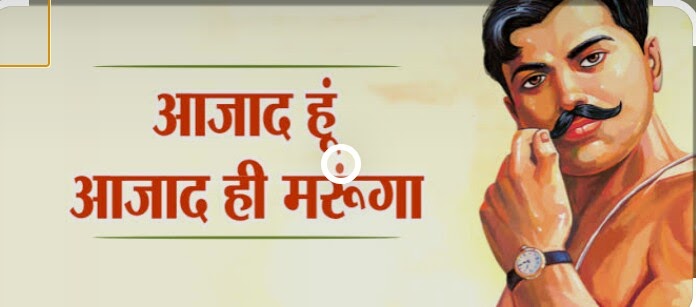
His mother wanted her son to be a great Sanskrit scholar and persuaded his father to send him to Kashi Vidyapeeth, Banaras, to study. In 1921, when the Non-Cooperation Movement was at its height, Chandra Shekhar, then at a tender age of 15 , joined that movement . As a result, he was arrested on 20 December. On being presented before the district magistrate Justice Reverend Tomson Kregat a week later, he introduced himself as “Azad” (The Free), his father’s name as “Swatantrata” (Independence) and his residence as “Jail”. The angry magistrate ordered him to detained to jail for 23 weeks and ordered be punished with 15 lashes a day . his level of devotion towards the country can be measured by his actions , when he was getting lashes , with each lash he said “VANDE MATARAM” & “GANDHI JI KI JAI HO ” . After watching a boy of just 15 , getting lashes as punishment but still shouting VANDE MATARAM , people started recognizing him as “AZAD”

He learnt shooting at a very tender age , he was known for his shooting skills . After the suspension of the non-cooperation movement in 1922 by Gandhi, Azad was disappointed. He met a young revolutionary, Manmath Nath Gupta, who introduced him to Ram Prasad Bismil who had formed the Hindustan Republican Association (HRA), a revolutionary organization. He then became an active member of the HRA and started to collect funds for HRA. Most of the fund collection was through robberies of government property , they property which British govt snatched from Indians. British government was stunned by this behavior of Azad . He didn’t stop here , he was involved in shooting J.P Saunders , who was involved in killing Lala Lajpat Rai , Azad didn’t stop here , he pasted pamphlets on the walls of Lahore’s streets , that revenge of Lala Lajpat rai is taken.

On 27 February 1931, the CID head of the police at Allahabad, Sir J. R. H. Nott-Bower was tipped off by someone that Azad was at Alfred Park and was having a talk with his companion Sukhdev Raj. On receiving it, Bower called on the Allahabad police to accompany him to the park to arrest him. Azad’s old comrades Veer Bhadra Tiwari and Yashpal were also held responsible for tipping off two of the police constables. The police arrived at the park and surrounded it from all four sides. Some constables along with DSP Thakur Vishweshwar Singh entered the park armed with rifles and the shootout began. Sukhdev Raj escaped uninjured. Azad hid behind a tree to save himself and began to fire from behind it. The police fired back. After a long shootout, holding true to his pledge to always remain Azad (Free) and never be captured alive, he shot himself with his last bullet. In the shootout, Bower and DSP Singh were injured in the right palm and jaws respectively. The police recovered Azad’s body after the other officers arrived at the site.

The body was sent to Rasulabad Ghat for cremation without informing the general public. As it came to light, people surrounded the park where the incident had taken place. They chanted slogans against British rule and praised Azad. The park was later on named as Chandra Shekhar Azad park .

This level of love towards the country is hard to find in this era , & on the occasion of Chandra Shekhar Azad ‘s Jayanti we all should remember this great freedom fighter & should take pledge that we will also stand on our country’s side in every situation like Azad .

WOMEN EMPOWERMENT

Women Empowerment is made up of two words women and empowerment. Empowerment means to give power or authority to someone. So, Women Empowerment means power in the hands of women. It signifies that women should be given equal opportunity in every field, irrespective of any discrimination. Our society comprises men and women. In earlier times, men were considered to be the leading members of a family. They were responsible for earning the livelihood and were the decision takers of the family. On the other hand, women were responsible for doing household work and upbringing of the children. So, the roles were mainly based on gender. There was no involvement of women in decision making. If we assess our entire sector, then research says that women’s issues are either focused on her reproductive role and her body or on her economic role as a worker. But none of them is focused on empowering the women.Women can be empowered in various ways. It can be done through government schemes as well as on an individual basis. At the individual level, we should start respecting women and start giving them opportunities equal to men. We should promote and encourage them to take up jobs, higher education, business activities, etc. The Government has come up with various schemes such as Beti Bachao Beti Padhao Yojana, Mahila-E-Haat, Mahila Shakti Kendra, Working Women Hostel, Sukanya Samriddhi Yojana, etc. to empower women. Apart from these schemes, we as individuals can also empower women by abolishing social evils like the dowry system, child marriage. These small steps will change the situation of women in society and make them feel empowered.

Women can be empowered in various ways. It can be done through government schemes as well as on an individual basis. At the individual level, we should start respecting women and start giving them opportunities equal to men. We should promote and encourage them to take up jobs, higher education, business activities, etc. The Government has come up with various schemes such as Beti Bachao Beti Padhao Yojana, Mahila-E-Haat, Mahila Shakti Kendra, Working Women Hostel, Sukanya Samriddhi Yojana, etc. to empower women. Apart from these schemes, we as individuals can also empower women by abolishing social evils like the dowry system, child marriage. These small steps will change the situation of women in society and make them feel empowered.

EACH TIME A WOMEN STAND UP FOR HERSELF, SHE IS STANDING FOR HERSELF.

Positive Psychology

Positive psychology is one of the newest branches of psychology to emerge. This particular area of psychology focuses on how to help human beings prosper and lead healthy, happy lives. While many other branches of psychology tend to focus on dysfunction and abnormal behaviour, positive psychology is centered on helping people become happier. Positive psychology is designed to “complement and extend the problem-focused psychology that has been dominant for decades,” explained the late Christopher Peterson, author of “A Primer in Positive Psychology” and professor at the University of Michigan, in a 2008 article published in Psychology Today. “Positive psychology is…a call for psychological science and practice to be as concerned with strength as with weakness; as interested in building the best things in life as in repairing the worst; and as concerned with making the lives of normal people fulfilling as with healing pathology,” Peterson wrote.

According to leading authorities in the field, Martin Seligman and Mihaly Csikszentmihalyi, positive psychology will help achieve “scientific understanding and effective interventions to build thriving in individuals, families, and communities.” In order to understand the field of positive psychology, it is essential to start by learning more about its major theories, applications, and history.

History of Positive Psychology

“Before World War II, psychology had three distinct missions: curing mental illness, making the lives of all people more productive and fulfilling, and identifying and nurturing high talent,” wrote Seligman and Mihaly Csikszenmihalyi in 2000. Shortly after WWII, the primary focus of psychology shifted to the first priority: treating abnormal behavior and mental illness. In the 1950s, humanist thinkers like Carl Rogers, Erich Formm and Abraham Maslow helped renew interest in the other two areas by developing theories that focused on happiness and the positive aspects of human nature.

General interest in positive psychology has grown tremendously since the concept was introduced. Today, more and more people are searching for information on how they can become more fulfilled and achieve their full potential.

Uses

Positive psychology can have a range of real-world applications in areas including eduction, therapy, self-help, stress management, and workplace issues. Some of the major topics of interest in positive psychology include: Character strengths and virtues, Flow, Gratifications, Gratitude, Happiness, Pleasure, Helplessness, Hope, Mindfulness, Optimism, Positive thinking, Resilience .

Impact of Positive Psychology

Some of the major findings of positive psychology include: Money doesn’t necessarily buy well-being, but spending money on other people can make individuals happier, People are generally happy, Some of the best ways to combat disappointments and setbacks include strong social relationships and character strengths, While happiness is influenced by genetics, people can learn to be happier by developing optimism, gratitude, and altruism, Work can be important to well-being, especially when people are able to engage in work that is purposeful and meaningful.

Potential Pitfalls

Positive psychology is often confused with positive thinking, and misconstrued as self-help tactics rather than research-backed theories. Positive thinking is a way of thinking ourselves into better behavior and greater resilience, rather than behaving our way into a different frame of mind. Positive psychology, on the other hand, is the scientific study of what makes people thrive. It focuses on behaviors that can lead to a more optimized frame of mind as well as on thought patterns that lead to more functional behaviors.