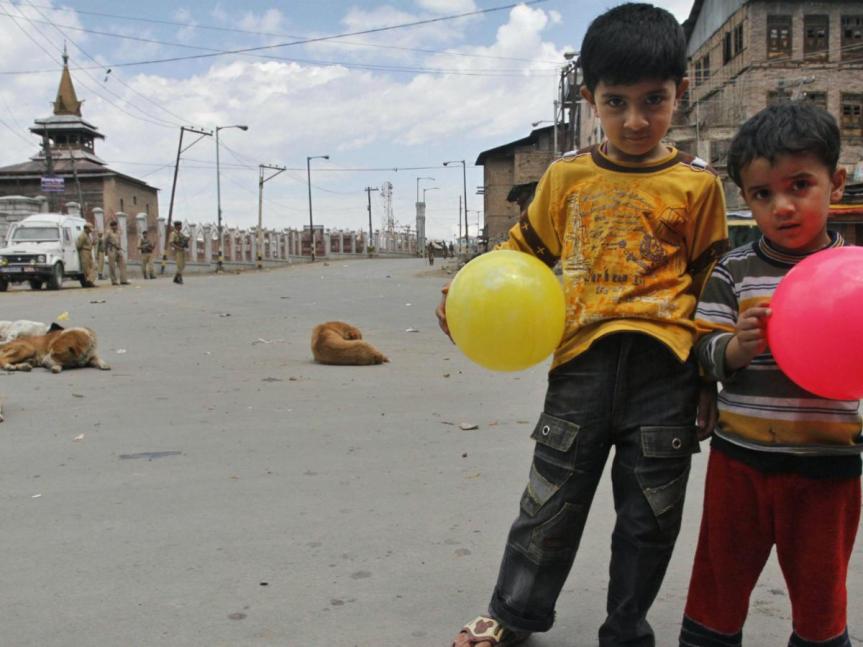
Why Indians are Shorter on Average

Indians are among the shortest people in the world on average. Despite impressive rates of economic growth in India over the past decade or two, India remains one of the worst performing countries worldwide in terms of height, among both children and adults. This is unusual because data and research has shown that over time people become progressively taller as living standards improve. There has, however, been an increase in average height in India itself as the standards of living have increased. Between 1914 and 2014, the average height of Indian men increased by about 3cm to become 165 cm, while women grew taller by about 5cm to become 153 cm. Also, it seems that children in India today are much taller than their parents were at their age, according to studies conducted into the matter. But why are Indians still shorter than the global average while Most countries have shown an increase in height over the past century or so?

Some Factors

Genes contribute to only a small portion of a person’s height, and so most scholars around the world have disregarded the hypothesis that genetic factors are of prime importance in explaining the small stature among Indians relative to international standards. Instead, it has been identified that environmental factors such as the mother’s health, infant and child nutrition, sanitation and environmental pollution are the major reasons for smaller heights in India. Nutrition here not only implies that there is malnutrition in the country, but also the fact that India has a very large vegetarian population. This means that many people are not gaining nutrition from a very good source: meat. Protein obtained through meat is great for growing height. Though vegetarians can get protein from dal or soybean, they are not nearly as good sources of protein, and the best quality of protein comes from animal sources. Apart from this, the low status of women in Indian society, high rates of gastro-intestinal infections spread by the widespread practice of open defecation (especially in rural areas), and certain eating habits are said to contribute to height.

Furthermore, research has shown that forward caste men are the tallest in India, and scheduled caste and scheduled tribe men are the shortest. This is proof of the fact that better living conditions and nutrition helps in height growth. Thus, there is decreased importance of genetic factors in explaining the disappointing growth performance of Indians, and it is more of the socioeconomic and environmental factors prevailing in India. This is evidenced by the fact that ethnic Indian adults in England are much taller than in India, because of their standard of living and environment.

Conclusion

Today in India, children are definitely much healthier and better-fed than they used to be, and adults are gradually getting taller than their previous generation. However, Indians are still much shorter than Americans or Europeans, and it is estimated that the height difference will take around 250 years to eliminate at the British growth rate. And the reason behind all this is not Indian genetics, but rather things like malnutrition and poverty in the country. Today, nearly 40 percent of Indian kids today are short enough to be classed as stunted by international standards. Furthermore, it is mostly Indian men that we see gradually growing in height to meet the international average, while women are growing taller at less than a third of the rate at which Indian men are growing taller. This matches the pattern of discrimination that we often see in India, which is a mostly patriarchal country. Hence, we will only be able to increase in average height if we are able to raise the standard of living for everyone in the country and aim for equitable treatment of all.
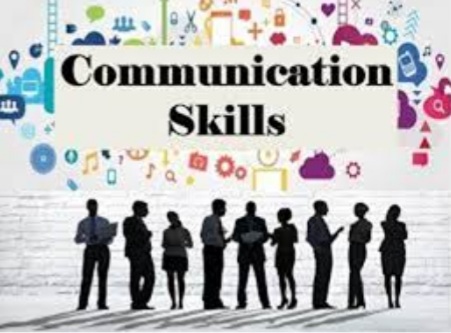
Communication skills

Good communication is very important to convey what is there in the mind. Whatever language, communicating in a understandable way is very important. communication today is very important both in the business world and in private life.

Even though the person is good at skills and is capable of doing things better, lack of communication degrades the skills and brings a negative mark on the person which is a bad thing for the individual.

Top 5 communication skills and How to improve them

Developing strong communication skills is essential when it comes to building a successful careee. Communication skills play a key role in your private life too. These 5 skills are absolutely necessary for sucessful commuincation in the workplace or private life.

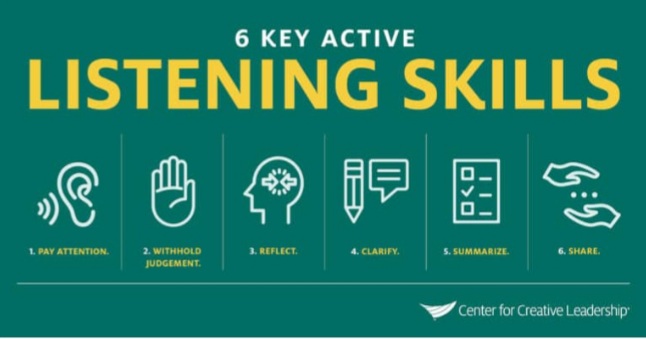
1. Listening :

Listening is one of the most important aspects of communication. Successful listening is not just and understanding of spoken or written information, but also an understanding of how the speaker feels during communication. If a speaker can see and feel that someone is listening and understanding that can help build a stronger, deeper realtionship between interlocutors.

Careful listening can also create an environment in which everyone feels safe to express ideas, opinions and feelings, or plan and solve problems in a creative way.

2. Straight talking :

Conversation is the basis of communication, and one must not neglect its importanc. Even a simple, friendly conversation with colleafues can build mutual trust and even detect problems before they become serious. A healthy does of chatting with and unknown person can lead to a business opportunity . Be accessible and friendly because then you will be able to talk to almost anymore.

3. Non- verbal communication :

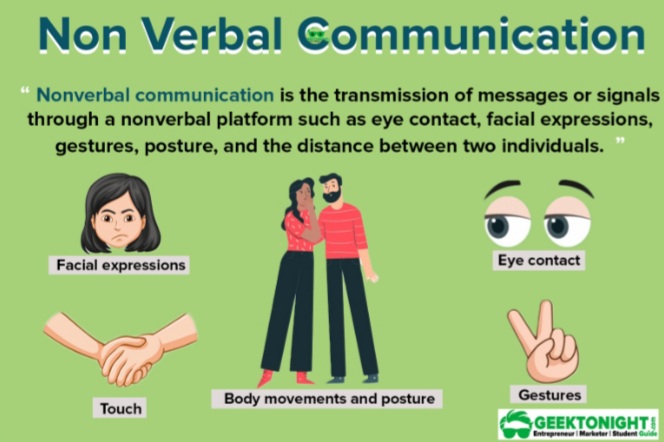
When we talk about things that matter to us then we send a lot of nonverbal messages. Non verbal signals are wordless communication, body position, facial experssion, hand movements, gestures, eye contact, attitude and tone of your voice, muscle tension and the way you breathe. The way you look, listen create, react, gesture , speaks far more about feelings than words will ever be able to.

4. Stress Management :

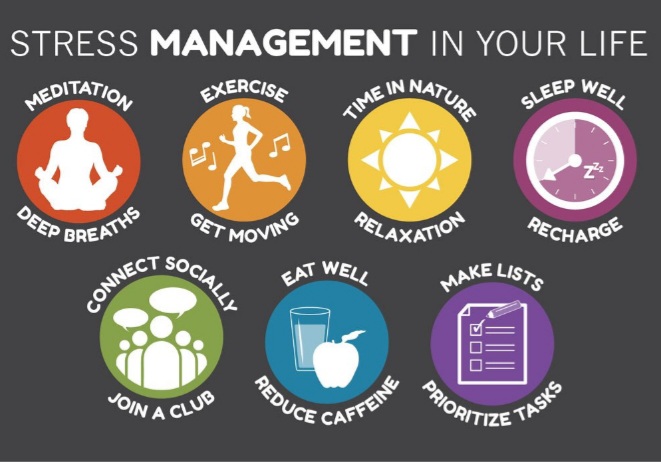
In small quantities, stress can be very useful and encouraging for work . However, when the stress becomes constant and completely begins to take effect, it can affect communication, clarity of opinion and appropriate behavior and action. When you are under stress you may misunderstand other people, send confusing nonverbal signals, and use funny patterns of behavior.

5. Emotion control :

In communication, feelings play an important role. Making decisions more often affects the way you feel than the way you think. Gudided by emotions, your nonverbal behavior affects the understanding of other people and how others understand and perceive you. Control of emotions provides you with tools to understand others, yourself and the messages you send. Though recognizing feelings makes it simple, many people have strong feeling like anger, sorrow, or fear being pushed under the carpet.

Importance of communication :

Communication thus helps understand people better removing misunderstanding and creating clarity of thoughts and expression. The communication brings people together, closer to each other. The communication is an important management function closely associated with all other managerial functions.

Everybody has their own way of communicating. It is influenced by cultural background, the way someone was raised, their gender, their temperament, and much more. At that point true communication may become utterly impossible. Sometimes we may have a difficult time understanding anothers feelings , needs and habits.

* communication serves four major functions with a group of organization :

* control

* Motivational

* Emotional expression

* Information

* communication serves five major purposes :

* to inform

* to express feelings

* to imagine

* to influence and

* to meet social expectations

For example:

For instance, if an individual is going to an interview with great confidence. An individual who is good at different kinds of skills, and also good at executing them and he is lack of communication skills. As the person is not a good communicator, the person faces difficulty in explaining the things to the other person which is known to him. Instantly, this brings a bad impression on the person and a negative mark will be marked on him. The negative mark has a lot to do with. The negative mark can also lead to the rejection of the person in the interview.

Being knowledgeable is very important to achieve certain goals in life, attaining good communication skills and being a good communicator is also equally important to achieve high in the life. Being a good communicator is not A big deal. It is so easy as the lifestyle. Any individual can be good communicator if he communicates all the time with other people in the possible way.

URBAN ECOSYSTEM AND URBAN SUSTAINABILITY

URBAN ECOSYSTEM

UNDERSTANDING URBAN ECOSYSTEM

Urban Ecosystem is the ecological system which is located within an urban area or a city or town or any densely populated area. Urban Ecosystem is the amalgamation of the urban population, its built infrastructure along with its surrounding environment and the interactions between them. It can be seen as a modern way by which adaption can be promoted and guidance can be provided for ecosystem approaches for planning and management of urban areas and their ecosystem. By this the effectiveness and efficiency of the amenities and services being provided for the people can be improved.

URBAN ECOSYSTEM

NEED TO UNDERSTAND URBAN ECOSYSTEM

  1. As of the current situation, more than 54% of world’s population is residing in urban areas (2017) and is projected to reach nearly 66% by 2050.
  2. Urban areas occupy only a small portion of land as compared to the total land available but the amount of global energy consumed by them is huge and is nearly 67 – 76%.
  3. Industrial activities are one of the most widely practiced activities in urban areas and they consume nearly 80% of residential water and 80% of woods.
  4. With the increasing percentage of population residing in urban areas the chances of deterioration of urban ecosystem also increases.
  5. The expanding urban areas convert the  biomes into residential, industrial, commercial, and transportation areas.

STRUCTURE OF URBAN ECOSYSTEMS

Urban Ecosystems consist of 2 elements:

  1. Biological Elements : In the biological components in includes plants, animals and other life forms of life and in addition to that, it also includes the human population, their demographic characteristics, their institutional structures and the socio economic tools that they employ.
  2. Physical Elements : The physical component mainly includes buildings, transportation networks, modified surfaces (e.g., parking lots, roofs, and landscaping) and the environmental alterations etc . 

CHARACTERISTICS OF URBAN ECOSYSTEMS

  1. In comparison to other ecosystems, urban ecosystems are more warm because of high built up areas which reduces the infiltration of rainwater and show high amount of surface run off.
  2. The amount of chemicals, pollutants and heavy metals and other man made organic compounds is also more concentrated in these areas.
  3. The biological community found in different urban areas and urban ecosystems is similar, which is mainly attributed to the structural similarities in urban areas like infrastructures, buildings etc. and due to introduction of different types of activities and characteristics in urban areas for satisfying the needs of the population.

URBAN SUSTAINABILITY

As the percentage of people residing in the cities is increasing, the need of understanding the human – nature interactions and the evolution of their interaction and relationship also increases. With increasing urbanization, the complexities, adversities and nature of this relationship increases and keeps on changing.

Urban Sustainability is the approach that aims to reduce the reliance of cities on other means and modes for satisfying its need and to power itself by making best use of the available renewable sources of energy. By this practice, the carbon footprint, ecological footprint and extent of pollution caused by the cities and urban areas can be reduced. This can be done by efficiently using the land, using the compost obtained from material, by switching to zero waste strategy and waste – to – energy concept. By this the cities impact on micro and global climate change will be reduced.

SOME STRATEGIES FOR ACHIEVING URBAN SUSTAINABILITY

  1. Urban Gardening
  2. Using Sustainable Approaches in construction of buildings
  3. Sustainable Landscaping
  4. Investments in Downtowns
  5. Food Forest

Learning at the school garden

India Requires All Schools to Have Kitchen Gardens
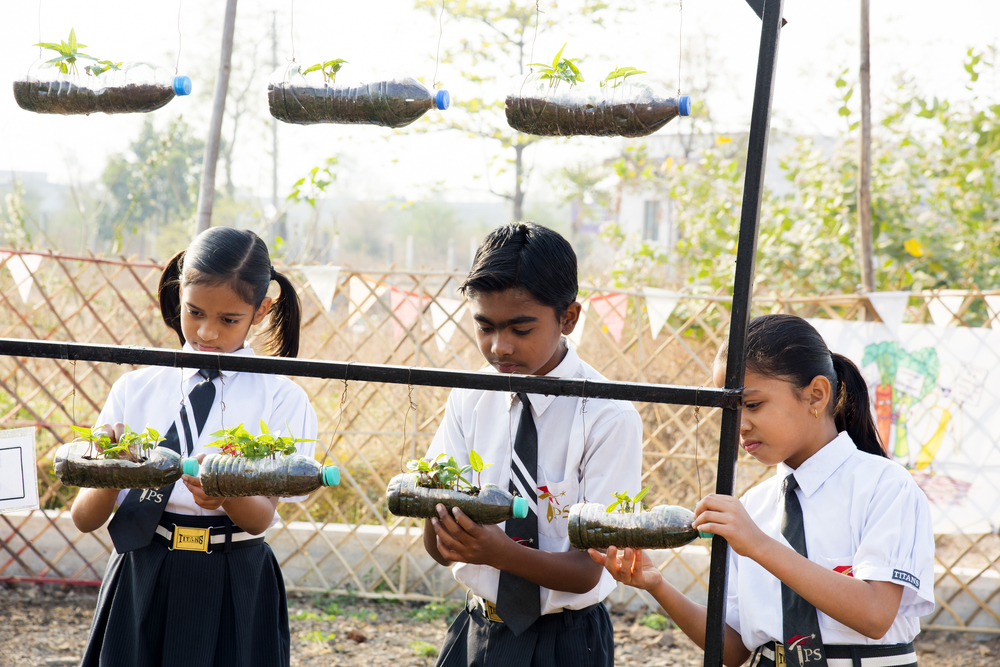
  • A one of its kind initiative, Edible Schools has been launched by MS Swaminathan Research Foundation (MSSRF) in Kalpetta, Kerala in association with Botanical Garden Conservation International (BGCI) to familiarize school children with food crops and family farming. 
  • The aim of this program is to engage the children in food production and farming activities under the guidance of trained and caring leaders, who lead the children into discovery and exploration of soil, water, biodiversity and the science of agriculture production and consumption.

Teaching gardening in schools

  • This project was launched in 2 schools of Waynad – Hill Blooms School, Mananthavady and Government High School, Thrikaipetta, in January, 2021 and it is a huge success till date. The programme was initiated by developing a nutrition garden and fruit garden at both schools following COVID 19 protocols. 
  • These gardens were designed on approximately 870Sq.ft land and fruit trees were planted as part of the campus greening. The nutrition garden has been cultivated with mostly leafy greens such as Amaranthus, Spinach, Curry leaves and Moringa and the commonly consumed vegetables such as Brinjal, Okra, Beans and Cow peas as well as medicinal plants , fruit trees, wild food plants and larval hosts have also been planted. 
  • The first harvesting from the nutrition gardens at the edible schools was done by the students and they were guided by their leaders. They were very excited to see their produce as well as fruit garden saplings of Guava, Custard Apple and Mango seeds growing into healthy trees. 

Although during pandemic the students couldn’t visit the school campuses much, the nutrition gardens have been extended to their homesteads. Training was given to the students for the collection and multiplication of the seeds of wild native trees like Venga, Njaval, Athi etc.  The seedlings planted by the students will be handed over to MSSRF and hence, the students will be a part of the reforestation programme

reference-https://content.ces.ncsu.edu/teaching-from-the-garden-creating-transformative-learning-landscapes-at-schools

https://rodaleinstitute.org/education/school-gardening-curriculum/

5 Indian Food Famous in the World

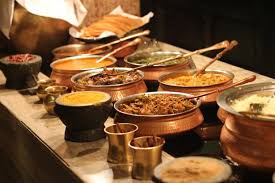
When it comes to food no-one can forget Indian food. Indian foods can be sour, sweet, spicy & tangy altogether. There is no particularity in Indian cuisine as every state of India has its own food cuisine . India is known for its spicy and sweet foods.  If you want to savour that taste of Indian quizzing then these 5 foods mentioned below must be in your bucket list .

  • BIRIYANI
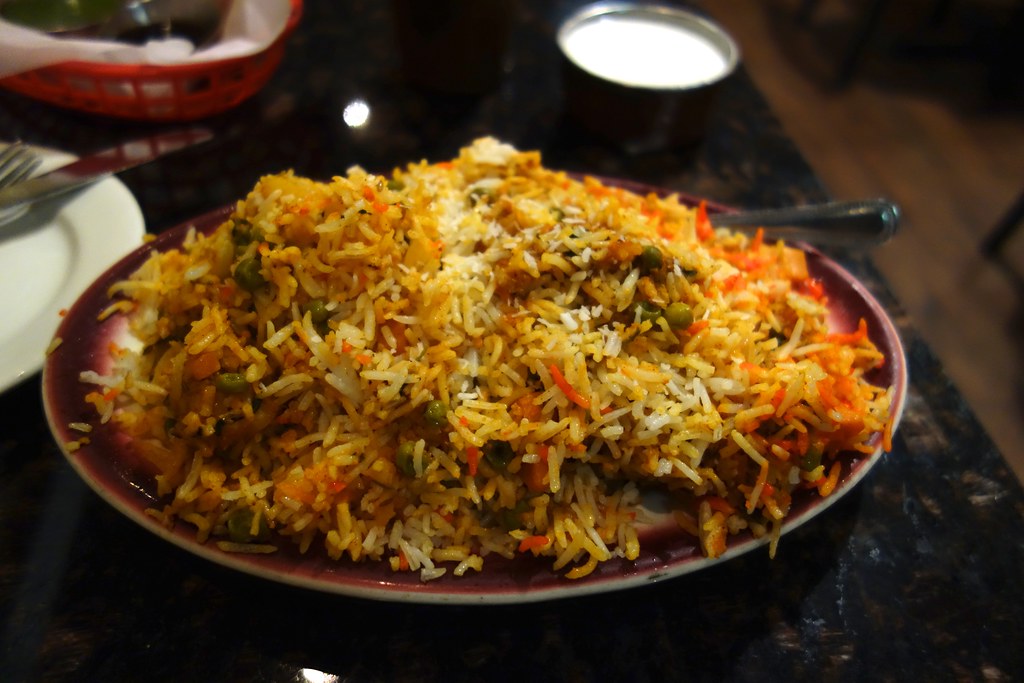
    1. BIRIYANI : It is the most famous food in India . Wherever you go you will be able to see its existence from restaurants to small food stalls on the roadside of India. This food first came to India by Mughals. It is a rice dish with meat and egg and potato pieces with flavour for spices and Saffron mix .There are also various type of biriyani like veg biriyani (With no meat and full of vegetables) , mutton biriyani ( as the meat pieces) ,Chicken biriyani (Chicken meat is added) , bamboo biriyani ( cooked in the piece of bamboo)  etc.  You can also see the variation in the Biryani in the different states of India like Hyderabadi Biriyani, Lucknowi Biriyani, Kolkata biriyani etc. Among all of them Hyderabadi Biriyani is the most famous for its flavour fullness and spiciness .Biriyani is also served with curd salad or Raita .
    GOLGAPPA /PANIPURI/FUUKA

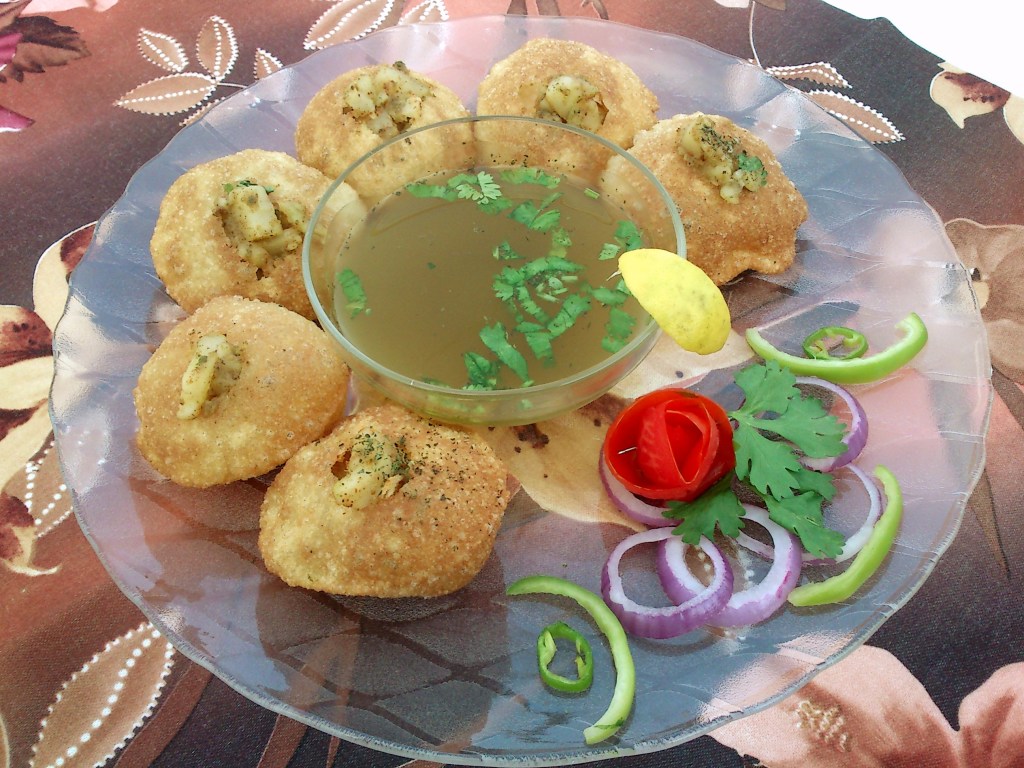
    2. GOLGAPPA /PANIPURI/FUUKA :It is a famous street food in India and you will be able to see it in every corner of India .Even nowadays it is served in restaurants .Golgappa is made of three ingredients —–

    1.  Crispy ball made of Suji
    2.  A spicy aloo/potato filling
    3.  a spicy , tangy and sour water 

                 The spicy potato filling is put inside the crispy balls and then it is filled with the sour flavoured water .This water was made of tamarind or pudina with spices. You can also see the dahi-golgappa which is filled with curd or dahi and some chutney .

    RASGULLA

             3.RASGULLA : It is a famous sweet dessert of India . Rasgulla is a sponge like ball with which is immersed in sweet sugar liquid or chashni .Its origin is West Bengal and Orissa .The Rasgulla is made from paneer are Indian cottage cheese (a milk product) which is mixed with some suji and flour and later this mixture is drained of its containing water by special Muslin cloths .Then it is given a shape of ball and dipped in the sugar liquid or chashni . This sweet is white coloured . Some other types of sweets are also made from rasgulla .

    MASALA DOSA

           4)MASALA DOSA : Dosa is a South Indian traditional dish . there are two parts in masala dosa —-

    1. A pancake / roti which is made from a thin batter of rice and black lentils flour . 
    2. A spicy potato and vegetable filling in the middle of the pancake  .  

     It is originally served with a coconut chutney and sambar which is one type of vegetable Dal or soup . There are also various types of dosa like paneer dosa (made of paneer filling), chicken 65 dosa ( ‘chicken 65’ Is a chicken dish which acts as a filling in dosa) and paper dosa etc.

    SAMOSA

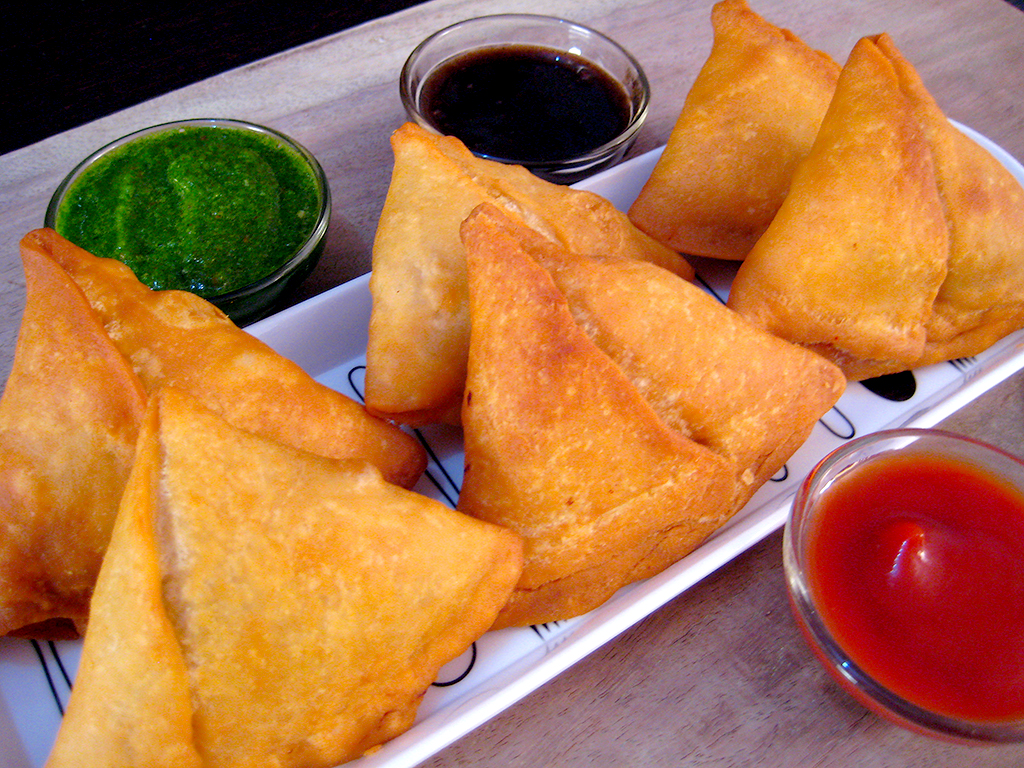
    5) SAMOSA :  it is one of the most famous street foods in India. It also have two parts —

    1. Outside a Crispy dough which is made of maida and deep fried in oil .
    2.  soft and spicy potato onion filling inside 

     It also has a unique conic shape . This food was also introduced to India by Mughal.  Paneer Samosa (filled with paneer), chicken Samosa (filled with chicken), noodle Samosa (filled with noodles) are various types of samosa with different stuffing . It is usually only served with sour sweet chutney or tomato sauce .

    Chakras

    Have you ever attended a yoga session before? Have you ever heard about these chakras? 

    If yes, that’s great. If not, that’s fine we are going to cover it in this article.

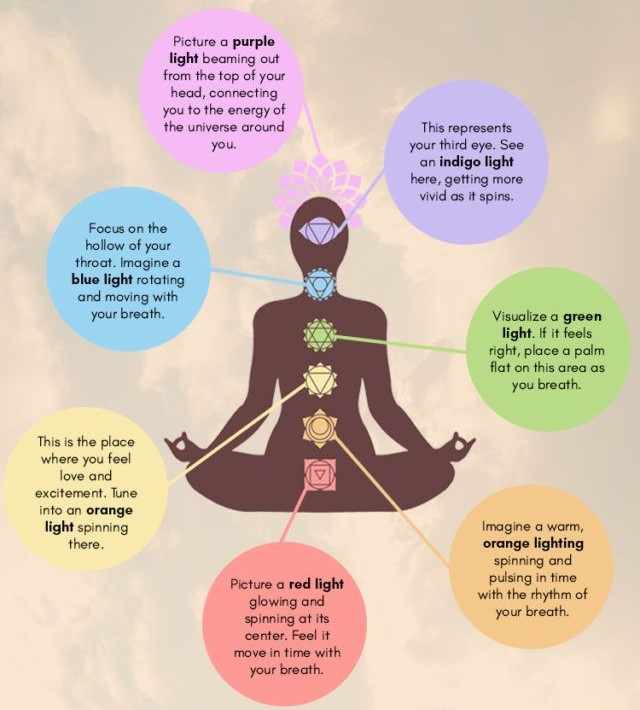
    Chakra is a word that comes from Sanskrit, meaning wheel. There are seven wheels or chakras in a human body. Each is located in sequential order along our spinal cord. 

    Activating these chakras are important to have a physical and emotional balance. If any of them is imbalanced it means that your chakras are blocked and there is a need to activate them.

    But how do we do that? Before answering that question let’s learn about the position and significance of each chakra.

    Okay, let’s start from the bottom.

    1. Root chakra- Muladhara: 

    Color– Red

    Represents– the Earth

    It is located at the bottom of the spine. It provides a foundation for your life. Gives a sense of commitment, energy, vitality, and independence in life. Helps you to stay grounded. 

    If this chakra is blocked. The consequences may be like this- anger, possessiveness, insecurity, fear, low self-esteem, etc.

    How to activate/balance this chakra?

    You can activate this chakra by performing yoga or meditation.

    Hand Mudra
    yoga poses

    2. Sacral Chakra- Swadhisthana:

    Color– Orange

    Represents– Water

    Located below the belly button.

    This chakra deals with one’s creativity, emotional identity, desires, and pleasure. Gives a feeling of compassion, a good sense of humor, intuition, sense of belonging. 

    If this chakra is blocked it gives a sense of shyness, guilt, irritation, lack of creativity, etc.

    How to activate this chakra?

    By following the mudras mentioned below you can balance the chakra.

    Hand Mudra
    yoga poses

    3. Solar plexus chakra- Manipura:

    Color– yellow

    Represents– Fire

    Located in the stomach area. This chakra deals with the sense of belonging and mental understanding of emotions. This makes you feel energetic, confident, intelligent, focused, good digestion, and productive.

    If this chakra is blocked you feel timid, depressed, judgmental, angry, and fear of rejection.

    By following the mudras mentioned below you can balance the chakra

    Hand Mudra
    yoga poses

    4. Heart Chakra- Anahata:

    Color– green

    Represents– Air

    Located at the center of the chest. It reflects a person’s social identity and affection like love, trust, forgiveness, and wisdom. Makes you motivated, compassionate, emphasized, sense of completeness, friendliness, etc.

    If this chakra is blocked you might feel difficulty in love, lack of hope and compassion, mood fluctuations, and feeling low.

    By following the mudras mentioned below you can balance the chakra

    Hand Mudra
    yoga poses

    5. Throat chakra- Vishuddha: 

    Color– Blue

    Represents– Sound

    It is located in your throat. Deals with creativity, effective communication skills, faith, expression, listening skills, and all.

    If this chakra is blocked it may cause indecisiveness, weakening of willpower, lack of expressiveness, low level of creativity, and proneness to addiction.  

    By following the mudras mentioned below you can balance the chakra

    Hand Mudra
    yoga poses

    6. Third eye chakra- Ajna:

    Color– Indigo

    Represents– light

    Located between the eyes. It is responsible for intuition, imagination, wisdom, self-awareness, insight, understanding, and reasoning. It gives clear thinking, a healthy imagination, strong intuition power, good concentration, and focus.

    If this chakra is blocked it results in poor judgment, confusion, fear of truth, poor concentration, and addictions.

    By following the mudras mentioned below you can balance the chakra

    Hand Mudra
    yoga poses

    7. Crown chakra- sahasrara:

    Color– Violet/white

    Represents– Conscience

    Located at the top of the body, the crown chakra is to maintain a spiritual connection and consciousness. Gives a feeling of oneness, open-mindedness, thoughtfulness, etc. 

    If this chakra is blocked you feel a sense of fear, lack of purpose, lack of inspiration, disbelief in spiritual and devotional practices.

    By following the mudras mentioned below you can balance the chakra

    Hand Mudra
    yoga poses

    credits to the right owners of the pictures used.

    sources: pinterest

    Education in the present

    Education is very important in every individual’s life as it is very important for the living. The person who is educated will be well treated by the society and will you have good potential wherever he or she goes. Education as the extra energy to the individual’s life and a moles the individuals character into a good one. It is very important to be educated as the competition in the world is comparatively very high.

    Online classes are the greatest and the biggest task to all the students. It is so difficult for all the students to understand the topics in a detailed manner. Even though the students try their level best to understand the topics during the online class, it is only the 50% of learning but the topics are not understood properly but the students and face lots of difficulties.

    It is also equal difficult to conduct exams to all mine because it’s exams are connected through online then there is a chance formal practices. Basically, students commit malpractices during exams in a view to get good marks but not about the knowledge. So,many of the students commit malpractices.

    Ways to improve the education system

    * skill – based learning :

    As of now , the education system is such that everyone is forced to study science and math. If this system can be revamped to identify the strengths of a student, then they can be given appropriate training in the chosen field. This will ensure that the child shines in that particular field.

    * Rural Education :

    As the sad thing about the Indian education system is the fact that its focus is only on urban clusters. There are hardly any decent centres of learning in the rural areas. This is especially true in terms of higher education. If a country has to actually develop, urban and rural development have to go hand in hand.

    * Gender Neutral Education :

    The education system has always favoured men over the fairer sex. The major change that must be brought about is to involve women in the same. Particularly subjects that are now considered to be the strength of men alone ( like carpentry, engineering, etc). Should be made more accessible to women. Pioneer women in these fileds should be given due encouragement and appreciation.

    * Teacher Training :

    India has a very good quality of dedicated teachers. However, the sad fact here is the fact that after they join this service, they receive little or no training. In such a situation, giving them periodic training will not just ensure that they are updated with the changing times, but will also improve the entire education scene of the country by leaps and bounds.

    * Infrastructure :

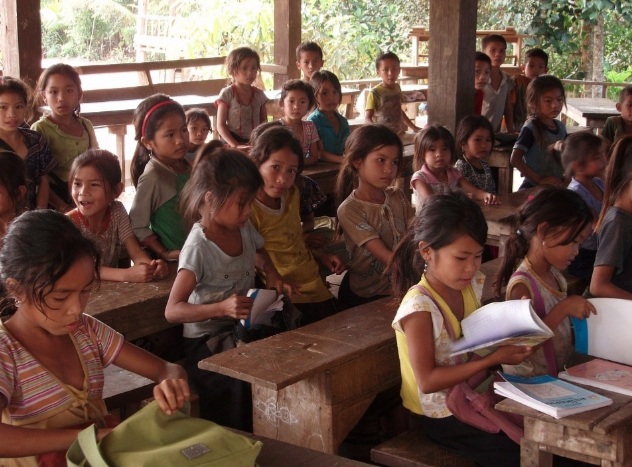
    As in every other sector, the indian education sector is one that suffers from the acute death of infrastructure. Most of the government schools do not even have proper chairs, tables, restrooms, let alone a playground, libraries and laboratories. Thus ,the first step in revamping the education scene in the country should begin with improving the infrastructure so that the students are given an evironment where they can learn to the best of their abilities.

    * subsidising professional courses :

    It is a sad reality that many meritorious students are not able to afford professional corses because of the sheer expense involved in the same. This is all the way truer in case of students from the general category who do not have access to many scholarships. In such a situation subsidising the cost professional education will ensure that the same is within the reach of deserving students from the lower and lower middle class strata of the Indian society.

    * Basic computing In Rural Areas :

    On one hand , India is a land of IT giants; on the other, rural India is completely digitally ill- equipped, in a sitiation like this, the first change that the education system must bring forward is to start free computing classes for skill development in rural areas. Only then will rural Indian move in the same pace as that of the urban Digital India and the country embark on the journey of development.

    * Make sports compulsory :

    One of the main reasons for the alarming rise in suicide amongst students in the country is the fact that they cannot handle stress. That in turn is because they are subjected to too much mental pressure. By making sports compusory it can be ensured that all the students indulge in some sort of some physical activity. This will lead to their mind performance better and enable them to grasp their theory lessons well.

    * Educate parents :

    Most of the times it is seen that the children’s woes centre atound that of their parents. In the Indian scenerio, parents are the ones who force their wards into a career they do not like. As a result students do not excel and upon failing to meet their parents expectations, they suffer from a number of mental health issues. To prevent such a thing from happening, the first step that must be taken is to educate the parents about the different carrer options that are available to the students and the possible scope of future in them.

    * Remove The Reservation system :

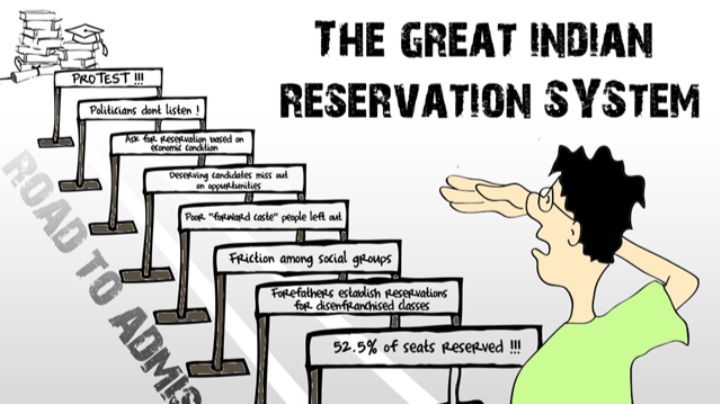
    The reservation system in India has been so obsessed with providing the best of opportunities to the reserved that it misses out on many opportunities for the ones who actually deserve the same. This results in not just personal loss for certain people but also brain drain for the entire country and fosters a massive loss to the nation’s economy.

    Today’s education system may be good to score marks, but fails to retain the knowledge once students have completed their examinations. This leads to young minds being stifled at an age when they should be asking questions, learning and gaining knowledge, and developing a thirst for more knowledge.

    THE WATER ACT 1974

    The water  act was enacted by parliament act, 1974 purpose to provide for the prevention of control of water & the maintaining or restoring of wholesomeness of water. As on day, it is applicable in all the states of India. It extends to the whole of India except the State of Jammu & Kashmir. This Act having 64 sections Divided into 8 chapters.

    OBJECTIVES

    • Prevention  &  control of water pollution
    • Maintaining or restoring the wholesomeness of water
    • Establishment of board for prevention & control of water pollution.
    • An act to provide for the levy & collection of access on water consumed by persons carrying on certain industries & by local authorities.

    Constitution of central Board

    • Chapter   3 deals with Constitution of central Board
    • The terms & conditions of the services of the members, disqualification, holding of board meetings & other committees.
    • Members- Chairperson- Environment expert
    • Officials not exceeding 5- nominated by Central Government
    • Representative not exceeding 3- Agricultural, fishery, industry etc.
    • persons not exceeding 2- companies or cooporatations owned.

    Constitution of State Board

    • Chapter  4 deals with Constitution of central Board
    • The terms & conditions of the services of the members, disqualification, holding of board meetings & other committees.
    • Members- Chairperson- Environment expert
    • Officials not exceeding 5- nominated by state Government
    • Representative not exceeding 5- local authorities functioning with state government.
    • persons not exceeding 3- Agricultural, fishery, industry etc.
    • persons not exceeding 2- companies or cooporatations owned.

    Constitution of Joint Board

    • Two or more states or Union Territory or Union Territories can constitute a Joint Board with agreement for a specific period.
    • Chairman
    • Two Officials- Appointed by state government.
    • One person- Local authority
    • One representative- Agriculture, fishery, trade etc
    • Two persons- companies or cooporatations owned.

    Functions of Central Board

    The central board may establish or recognize a laboratory or laboratories to enable the Central Board to perform its functions under this section efficiently. Central Board may- Delegate any of its functions under this act generally or specially to any of the committees appointed by it. Do such other things & perform such other  acts as it  may think necessary for the proper discharge of its functions & generally for the purpose of carrying into effect the purposes of this act.

    Powers & Functions of Central Board

    • Advice to central government for prevention & control of water pollution.
    • Co-ordinate the activities of the state board & resolve disputes
    • Provide technical assistance
    • Plan & organize the training.
    • Collect, compile & publish technical data
    • Lay down the standards for a stream or well
    • Establish laboratories.
    • Plan & organize nation wide program for prevention & control of water pollution
    • Plan comprehensive program for prevention & control of water pollution.
    • Advice to State government
    • Encourage, conduct & participate in investigations & research relating to problems of water pollution & prevention.
    • Inspect sewage or trade effluents, works & plants for treatment.
    • Lay down, modify or annual effluent standards for the sewage & effluents.
    • Evolve economical & reliable methods of treatment for local conditions.

    Prevention & Control of water pollution

    • Powers of entry and inspection
    • Power to take sample and procedure
    • Report preparation in triplicate.
    • Use of well or stream for disposal is prohibited.
    • Accidents in area, information should be carry to state board.
    • Have powers to close, prohibit, regulate any industrial operation.

    Penalties

    Person held guilty he is punishable with imprisonment which may extend to three months or fine up to 10000 rs. Or both. Any person disposes any polluting matter into any stream or well he is punishable for 6 years with fine.

    UNESCO WORLD HERITAGE SITES IN INDIA

    Over the years, Unesco has declared a number of world historic sites in India due to their exceptional cultural or physical significance. From natural wonders to architectural marvels, there is something for everyone on this list. The United Nations Educational, Scientific, and Cultural Organization (UNESCO) aims to promote the identification, protection, and preservation of cultural and natural heritage that is of exceptional importance to mankind across the world and the UNESCO world heritable committee maintains the list of World Heritage Sites.

    India now possesses 38 World Heritage Sites, making it the world’s sixth largest country in terms of World Heritage Sites.

    According to UNESCO, India has 30 cultural sites, 7 natural sites, and 1 mixed sit. In this article we will know about the permanent and tentative world heritage sites in india state and union territory wise.

    PERMANENT LIST OF WORLD HERITAGE SITES IN INDIA 

    State/UTCultural(30)Natural(7)Mixed(1)
    Uttar Pradesh Agra Fort (1983)Fatehpur Sikri (1986)Taj Mahal (1983)  
    MaharashtraAjanta Caves (1983)Chhatrapati Shivaji Terminus (formerly Victoria Terminus) (2004)Elephanta Caves (1987)Ellora Caves (1983)Victorian Gothic and Art Deco Ensembles of Mumbai (2018)Western Ghats (2012)  
    BiharArchaeological Site of Nalanda Mahavihara at Nalanda, Bihar (2016)Mahabodhi Temple Complex at Bodh Gaya (2002)  
    Madhya PradeshBuddhist Monuments at Sanchi (1989)Khajuraho Group of Monuments (1986)Rock Shelters of Bhimbetka (2003)  
    GujaratChampaner-Pavagadh Archaeological Park (2004)Historic City of Ahmadabad (2017)Rani-ki-Vav (the Queen’s Stepwell) at Patan, Gujarat (2014)Western Ghats (2012) 
    GoaChurches and Convents of Goa (1986)Western Ghats (2012) 
    Tamil NaduGreat Living Chola Temples (1987,2004)Group of Monuments at Mahabalipuram (1984)Mountain Railways of India (1999,2005,2008)Western Ghats (2012) 
    KarnatakaGroup of Monuments at Hampi (1986)Group of Monuments at Pattadakal (1987)Western Ghats (2012) 
    RajasthanHill Forts of Rajasthan (2013)Jaipur City, Rajasthan (2019)The Jantar Mantar, Jaipur (2010)Keoladeo National Park (1985)  
    DelhiHumayun’s Tomb, Delhi (1993)Qutb Minar and its Monuments, Delhi (1993)Red Fort Complex (2007)  
    ChandigarhThe Architectural Work of Le Corbusier, an Outstanding Contribution to the Modern Movement (2016)  
    West BengalMountain Railways of India (1999,2005,2008)Sundarbans National Park (1987) 
    Himachal PradeshMountain Railways of India (1999,2005,2008)Great Himalayan National Park Conservation Area (2014) 
    OrissaSun Temple, Konârak (1984)  
    AssamNoneKaziranga National Park (1985)Manas Wildlife Sanctuary (1985) 
    UttarakhandNoneNanda Devi and Valley of Flowers National Parks (1988,2005) 
    KeralaNoneWestern Ghats (2012) 
    SikkimNone Khangchendzonga National Park (2016)

    TEMPERORY WORLD HERITAGE SITES IN INDIA 

    STATE/ UNION TERRITORY HERITAGE SITES 
    West BengalTemples at Bishnupur, West Bengal (1998)Neora Valley National Park (2009)Santiniketan (2010)
    KeralaMattanchery Palace, Ernakulam, Kerala (1998)Padmanabhapuram Palace (2014)
    Uttar PradeshAncient Buddhist Site, Sarnath, Varanasi, Uttar Pradesh (1998)
    PunjabSri Harimandir Sahib, Amritsar, Punjab (2004)
    AssamRiver Island of Majuli in midstream of Brahmaputra River in Assam (2004)Moidams – the Mound-Burial system of the Ahom Dynasty (2014)
    Arunachal PradeshNamdapha National Park (2006)Thembang Fortified Village (2014)
    GujaratWild Ass Sanctuary, Little Rann of Kutch (2006)Wild Ass Sanctuary, Little Rann of Kutch (2006)Dholavira: A Harappan City (2014)Archaeological remains of a Harappa Port-Town, Lothal (2014)
    RajasthanDesert National Park (2009)
    TelanganaThe Qutb Shahi Monuments of Hyderabad Golconda Fort, Qutb Shahi Tombs, Charminar (2010)Monuments and Forts of the Deccan Sultanate (2014) Qutb Shahi Monuments at HyderabadThe Glorious Kakatiya Temples and Gateways (2014)Remnants of Swayambhu temple and Keerthi Thoranas, Warangal fortRudreswara Temple, HanumakondaRudreswara (Ramappa) Temple, Palampet
    Jammu & KashmirMughal Gardens in Kashmir (2010)Cold Desert Cultural Landscape of India (2015)the Leh-Kargil areas of Ladakh 
    DelhiDelhi – A Heritage City (2012)Bahá’í House of Worship, New Delhi (2014)
    KarnatakaMonuments and Forts of the Deccan Sultanate (2014)Bahmani Monuments at GulbargaBahmani and Barid Shahi Monuments at BidarAdil Shahi Monuments at BijapurMonuments of Srirangapatna Island Town (2014)Sacred Ensembles of the Hoysala (2014)
    Andaman & Nicobar IslandsCellular Jail, Andaman Islands (2014)Narcondam Island (2014)
    Madhya PradeshGroup of Monuments at Mandu, Madhya Pradesh (1998)The historic ensemble of Orchha (2019)
    Tamil NaduSri Ranganathaswamy Temple, Srirangam (2014)
    OdishaChilika Lake (2014)Ekamra Kshetra – The Temple City, Bhubaneswar (2014)
    Himachal PradeshCold Desert Cultural Landscape of India (2015)Spiti Valley
    MeghalayaGaro Hills Conservation Area (GHCA) (2018)
    ManipurKeibul Lamjao Conservation Area (2016)

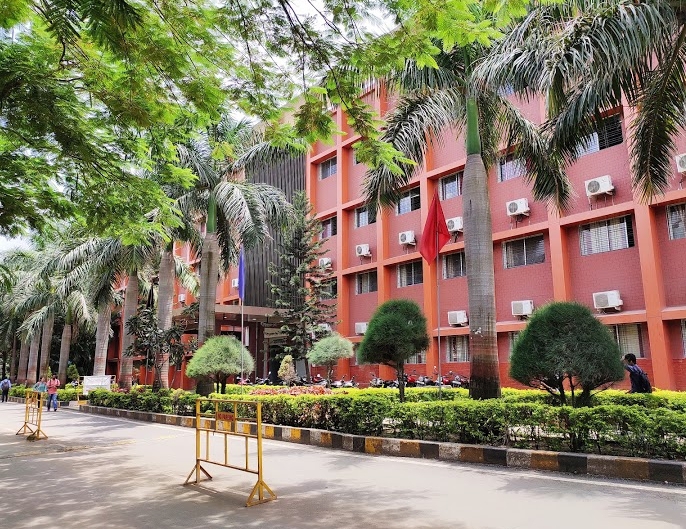
    JSPM’S RAJARSHI SHAHU COLLEGE OF ENGINEERING TATHAWADE

    An Institute which will help you to achieve your “DREAM”.

    Jayawant Shikshan Prasarak Mandal’s Rajarshi Shahu College of Engineering is an autonomous private institute under Savitribai Phule Pune University. (since 2001)

    NAAC Accreditation Grade “A”/ 54th in Top 175 Engineering Institute Ranking Survey 2021 /

    10th in Top 30 Institutes in Research Capability.

    There are a total of nine departments offering UG and PG level programmes in Computer, Electrical, Civil, Mechanical, Electronic and Telecommunications and Information Technology, Engineering Science, Management and IT.

    Infrastructure : The infrastructure of JSPM’S RSCOE is really good. The classrooms are well euipped and also the labs provided to the students are one the best high tech labs in the entire pune with the best instruments and measurements tools.

    Also the hostel rooms here are quite spacious and comfortable. The quality of food at mess is never a topic of concern. They serve the best and variety of menus.

    Electrical Department : Electrical engineering has always been the evergreen branch of engineering. The best thing about this course is it can never get outdated, there is always something new to learn and explore.

    Cultural Activities : JSPM’S RSCOE is not just focuses academics but also on individual’s professional development. Every year technical as well as cultural fests are organised by the students and for the students themselves. The campus surrounds with positive energies and positive minds inspiring lives of students studying here.

    Internship : Every department offers not just national but international internships as well. Students get an opportunity to interact with foreign faculties and assimilate knowledge about various fields of engineering under the Mou with KMITL, Thailand.
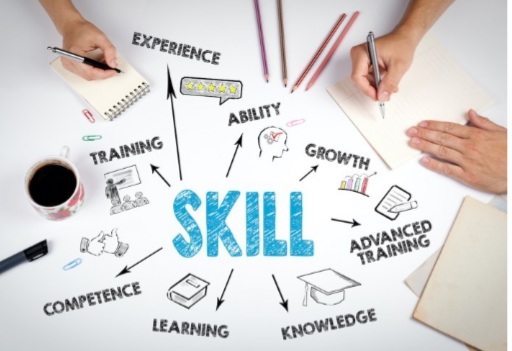
    Placement : Placement department trains  students to be job-ready in every way. The number of companies visiting is also increasing rapidly. Training and placement cell also conducts a mock interview and mock tests. Students are eligible for placements from the third-year second semester. The highest salary package offered this year is 36 LPA. From second year college gives free aptitude classes to all the students.

    Faculty : Most of the teachers have completed their PhDs in respective fields of engineering and are really supportive. Faculties try to maintain a healthy faculty-student bond for complete understanding of concepts and ideas. The course curriculum is industry oriented and application based, making the students ready to face the challenges of corporate world.

    Other : Many extracurricular activities like coding competitions, hackathons, and visits to an orphanage are held by the college which helps students to grow in different ways. In the previous year, students visited an orphanage and taught them about computer fundamentals.

    There are many technical and cultural groups created by students for the students themselves, like team Rangbhumi, team curiosity, robotics team and many more.

    So hurry up and apply now…

    Why should we care about our privacy?

    Privacy in general terms is the right to be left alone or freedom from interference or intrusion. In terms of the internet, privacy is the right to have some control over how your personal information is collected and used.

    More technical innovation gives way to more efficient and advanced technologies. In recent years the information has become the most important component to cultivate this innovation. As many new people are coming on the internet and the amount of information being shared is increased manifold. Every organization or individual is entering the realm of the digital world and data is the entity of this world. Data is also very essential to understand a user or a customer or a client but sometimes there is no limit to the amount of data that an internet corporation is willing to extract. Somewhere there has to be a line that needs to be drawn. In recent years there have been many issues regarding the privacy policy of many tech corporations. Facebook has been in controversy much time. Recently Whatsapp’s privacy policy also raised many questions, then in an ironic move Whatsapp raised the question of privacy by suing the government regarding the new Information technology rules. But this is just the tip of the iceberg and numerous other aspects get overlooked. First, we will need to understand what this privacy means for us as individuals. Only then we can clearly determine the relevance of these rapidly changing developments in this subject.  

    “Arguing that you don’t care about the right to privacy because you have nothing to hide is no different than saying you don’t care about free speech because you have nothing to say.”

    -Edward Snowden

    It’s not that privacy means that there is something to hide; rather privacy is having things you don’t want to show. For instance, people would not like to post their Bank account online or Bank statements. People would also not like to have a public camera inside their homes. Similarly, there are some things that an individual would not like to share online. Privacy can provide secrecy, but there is more to it. Privacy also provides autonomy and therefore freedom to an individual. Well, there is even more to privacy than the freedom that many people do not realize which is that when we think we’re being watched, we make behavior choices that we believe other people want us to make.  Humans intrinsically like to avoid societal condemnation and perception of whether or not we are in private changes the way we behave. This indicates the benefit that a state can have with surveillance and can lead to a conformist population.

    As it is stated by many that data is the oil and for many tech organizations it truly is. We can witness this with the various technological corporations that rely upon user data including Facebook, Google, Amazon etc. But Even Smartphone manufacturers like Xiaomi have realized the lucrative benefits of collecting and selling user data. For these companies, our data is money and they earn billions of dollars with this data. Both the private tech giants have clauses in their privacy policy that allows government agencies and third parties to access the data. The data that gets uploaded on the internet never gets deleted and stays there forever. What we have to realize is that even if the information seems futile today, it may have an importance tomorrow. In conclusion, privacy is not a trivial issue and people will have to understand its importance until it’s too late.

    References:

    DOPING

    To continue the fight against doping - Fondazione Gianni Benzi Onlus

    Doping is not new to the people . In ancient Greece, there were specialists who used to offer athletes nutritional ingredients in order to enhance their physical performance. Those specialists may be compared to the current sports medicine specialists . During the Olympic Games in the third century BC, the athletes tried to increase their sports performance by taking mushrooms and opium . In the Ist centaury AD, the Greek runners used to drink a herbal beverage to increase their strength and become capable to run long distance races. Gladiators are also reported to use various substances for enhancing strength . In the modern era , the use of performance enhancing substances and techniques by the top sportspersons across the world has been a presistent issue in the world of sports for nearly four decades. Since the beginning of the 21st century, many athletes have been engaged in taking such substances. Some of them have been tested positive such as Tim Montgomery, Marion Jones, swimmer Phelps, etc.

    Concept of Doping

    ‘Doping’ is the word, which is used in the field of sports, to refer to the situation when athletes use prohibited substances or methods to unfairly improve their sporting performance. In general terms, doping is the use of performance enhancing substances or methods by athletes to gain an advantage over their competitors . In fact , some athletes take illegal substances to enhance their performance . This activity is known as ‘doping’ . Doping in sports is the deliberate or inadvertent use by an athlete of a substance or method banned by the International Olympic Committee. In fact, the ban or prohibition on such substances is necessary to protect the athletes from the unfair advantage which may be gained by those athletes who use prohibited substances or methods to enhance their performance and also from the possible harmful side effects which these substances or methods can produce. The following definitions of doping may help in understanding its exact meaning:

    According to International Olympic Committee, ‘‘Doping is the use of any method or substance that might harm the athlete, in a quest to gain an unfair advantage, over his/her fellow competitors”. In fact, doping is the use of prohibited substances or methods designed to enhance an athlete’s physical or mental abilities or to mask the use of such substances or methods during preparation for or participation in a sports competition .

    According to World Anti-Doping Agency (WADA) ,” Doping is defined as the occurrence of one or more of the anti-doping rule violations set forth in Article 2.1 through Article 2.8 of the code.”

    The reason behind the rising number of old age homes in India

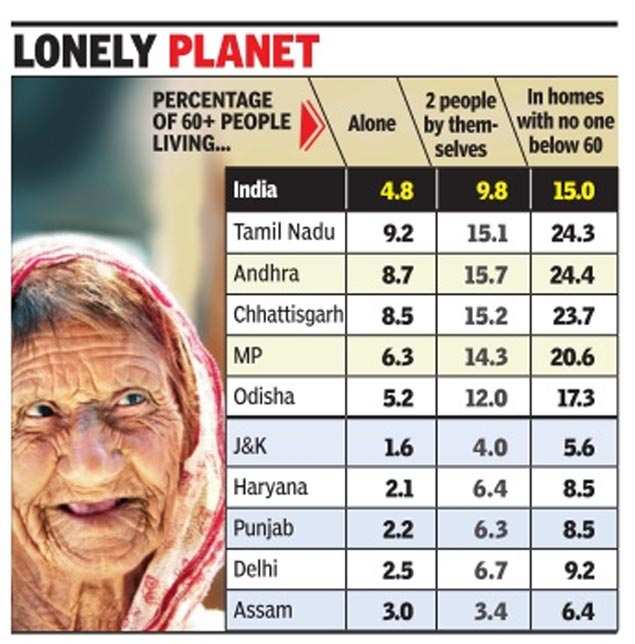
    According to Population Census 2011, there are nearly 104 million elderly persons (aged 60 years or above) in India; 53 million females and 51 million males. A report released by the United Nations Population Fund and HelpAge India suggests that the number of elderly persons is expected to grow to 173 million by 2026. Currently 71% of the elderly population resides in urban areas while 29% are in rural areas. With the changing times, children moves out to different cities or even different countries with the aim of gaining better living aspects leaving behind their parents for whom it is not possible to adjust with the lifestyle changes which migration brings . In some cases while the parents agree to move in with their children , in other cases it is observed that when parents age children starts to see them as a burden and a responsibility that they want to get rid off which lead them in abandoning their own parents.

    Currently there are 728 old age homes in India, with the information available for 547 homes out of which 325 homes accommodates elderly people free of cost, while 95 others charges for the accommodations while nearly 110 other homes have both free as well as pay staying facility available . Kerala , the state which has the highest literary rate in India is also reported to have the highest number of old age homes i.e. 278.

    India has always been a nation of traditions where a child since birth is taught to touch the feet of elders as a mark of respect. It is considered an insult to leave the parents at old age home, to not provide for them in their vulnerable age as many children consider taking care of their aging parents as a forced liability as their growing age weakens their physical ability. This blog will highlight some of the reasons why the number of elderly people in old age homes continuously rising.

    The reasons for the rising numbers

    The families in India few decades back were joint families with parents, grandparents, siblings their wives and children living together under a single roof in a small town or villages. Those were the times when urbanisation had not really hit the sub continent and the aging elders have does not have to worry about someone taking care of them.

    • The migration which the children go through sometimes from a state to another or to another country, makes it difficult for the elders to adjust with their children’s new surroundings as it is very natural to adjust in an experience to which you are foreign almost your entire life. Even if they do adjust they tend to feel very lonely while the children go to work. As the urban system which consists of living in flats or even houses in the cities had made people isolated in their own world owing to their hectic schedules . In these cases , children feel that if their parents will get the company of their own age then they will feel better and will be able to lead a happy retirement.
    • As the times progressed, opportunities increased children started moving away from their parents as the trend of nuclear families came in fashion. Also, the generation gap between the elderly and the young does not allow elders to accept some of their children’s choices like many still have objections to an independent working daughter in law. These issues creates rift in the family dynamics leaving no option other than to move the parents out of their houses. Since in India children never shy away from taking their parent’s savings which they had saved for their old age for their personal benefits and the middle class families can’t afford another place for the parents to live close by, parents ends up in the old age homes . Also, there are some horrific cases reported where children tend to abandon their parents by the excuse of sending them off to pilgrimage or to any other city leaving them stranded. The reason this occurs is because the younger generation refuse to adjust with the older ones by being cruel and mean to them for their limited physical capability. In such cases, the passer by then drop them to the old age homes.
    • While many children move out of their parent’s house for job or education purposes leaving their parents alone, their security always remain their prime issue. Though many youngsters have surveillance cameras and advanced security systems installed in the house , still the rising number of crimes against the elderly where the houses with just elder people becomes a target for robbery even murder is worth worrying. In such cases children feel the environment of old age to be safe.

    The conditions in old age homes

    While many old age homes provide good accommodation and facilities many are reported to provide stale and inadequate amount of food, no medical attention even after taking money for the proper services by the children. Their are instances of cases of violence in the old age homes . Such one instance is a time, when an elderly was reported to be beaten by the management for complaining about the quantity and quality of food served.

    The people in old age homes are not always happy as somewhere or the other they still miss their children who either comes on weekends and important occasions. While there is this other set of children for whom parents are a forced responsibility , who never show up after giving false hopes of coming every weekend. In the latter cases, it is the management of the homes which take care of the medical needs of the elders through donations. There are also cases when children do not even come after the death of their parents.

    Conclusion

    Everything in this world is a part of the vicious cycle of Karma with the proverb “As you sow so shall you reap” being true. When a child is born it is completely dependent on its parents for its needs. Similarly there reaches a time when the human body gives up to age making it difficult for the older people even to do their necessary works. In such cases they become dependent on their children who will have to learn to adjust to the maximum to cater their parent’s needs. Else, when their time would come they would also die in old age homes with their own blood having no care about it.

    Also, government should work on increasing the number of old age homes in states and also upgrade the security making sure that the elders are safe in the homes.

    FLUTE-MUSIC

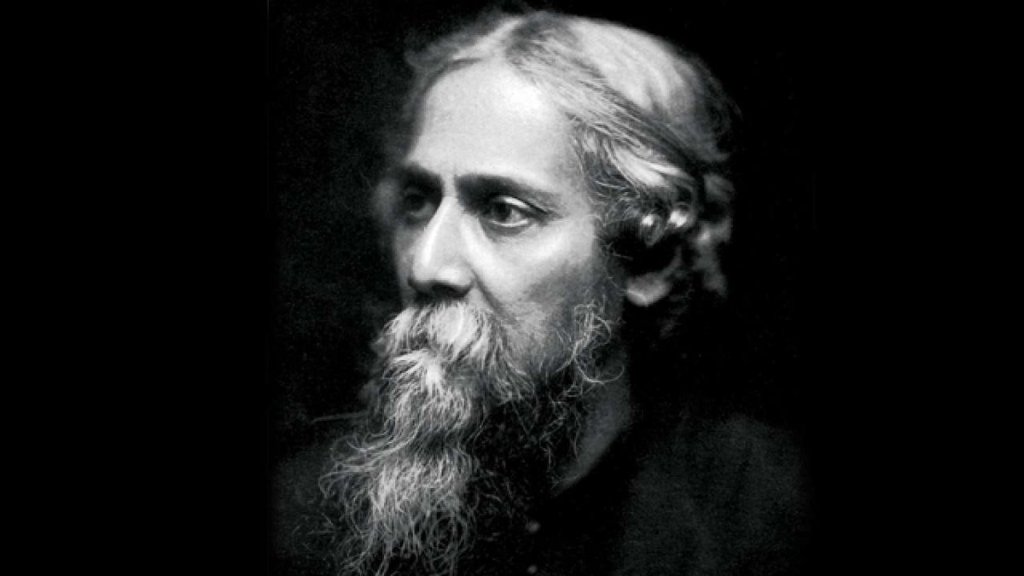
    By Rabindranath Tagore

    “O master poet, I have sat down at thy feet. Only let me make my life simple and straight, like a flute of reed for thee to fill with music.”— Rabindranath Tagore

    ABOUT THE POET

    Rabindranath Tagore was born in Calcutta on May 6, 1861. Tagore came from a wealthy Bengali family. He was educated privately and went to England in 1877 to study law but soon returned to India or a time he managed his father’s estates and became involved with the Indian nationalist movement writing propaganda. His characteristic later style combines natural descriptions with religious and philosophical descriptions. He is our greatest poet after Kalidas. His Gitanjali published in 1912, won the Nobel Prize.

    Tagore wrote a large number of lyrics in Bengali and translated some of them himself into English. He also wrote novels, short Stories and plays. His best-known novels and poetry include The Gardener, The Crescent Man, Songs of Kabir. ‘Chitra’ etc.

    Tagore was a messenger of India who showed Europe some of the beauty and greatness of our ancient land. He brought great glory to his motherland.

    THE POEM

    ‘Flute-music’ is the story of a lower middle-class clerk who lives an abject poverty. He lives in a dingy room on the ground floor of two Storeyed houses. He barely manages to exist on his meagre salary and feels suffocated and nauseated by the darkness and foul smell of the alley. But one evening the music from the flute of one of the Residents makes him dream and he feels uplifted like a king. He dreams of marrying the girl of his dreams and forgets his destitute life.

    The poem gives an account of the poverty-stricken existence of a middle-class clerk.

    In Kinu, the milkman’s street, on the ground floor room of a double storeyed house lives a poor clerk. The windows of the room have bars, the walls are old and peeling, falling to dust in most places or damp with moisture. On the door of the room is pasted Picture of Lord Ganesh, the god who brings success and prosperity, taken from a roll of cloth. Apart from the clerk there is another inhabitant of the room who lives without paying any rent, it is a lizard. But there is a difference between the lizard and the clerk, unlike him the lizard never goes hungry. The clerk gets a salary of twenty-five rupees a month as a junior clerk in a trading office. The Datta’s give him food for giving tuition to their son. In the evening he goes to Sealdah station to save the cost of electricity in his room and to while away time. Engine’s puff, whistles shriek, coolies shout, passengers hurry past. He stays there till past ten ‘o clock and then goes to sleep in his dark, silent and lonely room.

    In a village, situated on the banks of the Dhalesvari river, his aunt’s family resides. He was to marry her brother-in-law’s daughter. The moment was lucky for her, no doubt about that, as he ran away. The girl was saved from marrying him, a poor man and he was saved from her. She did not come as his wife to the room but he was always thinking of her: dressed in a Dacca sari, with the red vermilion on her forehead showing her marital status.

    It was raining heavily. His cost of travelling by tram mounts. But still his pay is deducted for reaching office late. In the street are strewn mango peels and stones, pulp of jack-fruit, rotting fish-gills, dead kittens and all kinds of other rubbish. Like his fast-diminishing salary his umbrella is also full of holes. His office clothes are wet and water oozes out like a religious man who has bathed for his prayers. The damp dinginess of monsoon prevails in his room, like an animal that has been trapped, still and shocked. Day and night the clerk feels helpless and bound on to a world which is only partly alive.

    At the street corner lives Kanta babu-a man with long hair which has been carefully parted, large eyes and tastes which have been carefully pampered. He regards himself as a good musician who is skilled at playing the cornet: its sound can be heard at intervals, wafting on the vile-smell of the street it is heard sometimes in the middle of the night and sometimes at dawn, sometimes it can be heard in the afternoon when the sun shines brightly and the shadows are also not dark. However, on that particular evening Kanta babu starts playing the notes of Sindhu-Baroya raag on his instrument. The whole sky resounds with the soulful music playing the notes of the pain of separation. At that very moment the filthy street is no longer a reality, as false and dirty as the senseless talk of a drunk man, and the clerk also forgets his reality and feels at par with the Emperor Akbar. His torn umbrella takes the form of an emperor’s royal parasol and his soul rises along with royalty towards the same heaven. He no longer feels humble, the music uplifts him as if he were a king.

    The music is what is true, a reality where, in the eternal evening he visualises his wedding, the waters of the Dhalesvari river flow its banks shaded by the leafy tamal trees and the girl waits for him in the courtyard of her house, wearing a Dacca sari, with the red mark of vermillion on her forehead.

    A single touch amounts to sexual harrassmet ? POSH 2013 ( in brief )

    What did this POSH Act refer to ? So it commonly referred to, an Indian law enactment with the objective of making workplaces safer for women by preventing, prohibiting and redressing acts of sexual harassment against them in the workplace.

    Why this act was needed ?The need for such legislation was observed first time by the Supreme Court, in Vishaka v State of Rajasthan. Sexual harassment at a workplace is considered violation of women’s right to equality( article 14 and 15) , life ( article 21) and liberty ( article 19(1)g) . It creates an insecure and hostile work environment, which discourage women’s participation in work, thereby adversely affecting their social and economic empowerment and the goal of inclusive growth. So there was much need for legislation against this sexual harassment at working place.

    What is the objective behind POSH 2013 ? The Sexual Harassment of Women at Workplace (Prevention, Prohibition and Redressal) Act 2013 (“the Act”) was enacted with the objective to provide protection against sexual harassment of women at workplace and for the prevention and redressal of complaints of sexual harassment and for matter connected therewith or incidental thereto , that was mentioned under section 2(o) of the act .

    What is sexual harrassment? Section 2(n) discribe a sexual harassment as unwelcome acts or behavior (whether directly or by implication) namely, physical contact and advances, a demand or request for sexual favors, making sexually colored remarks, showing pornography, any other unwelcome physical, verbal or non-verbal conduct of sexual nature .

    Can a touch to women amount to sexual harrament ?

    a women can commit sexual harrassment on another women ?

    So both the question were answered in Shanta Kumar vs CSIR , where Delhi high court held that “undoubtedly, physical contact or advances would constitute sexual harassment provided such physical contact is a part of the sexually determined behaviour. a physical contact which has no undertone of a sexual nature and is not occasioned by the gender of the complainant may not necessarily amount to sexual harassment.

    What are the offensive circumstances in which sexual harassment is done ?

    The Act also provides the circumstances under which an act may amount to sexual harassment under section 6(2) . These are:

    (i) implied or explicit promise of preferential treatment in her employment; or

    (ii) implied or explicit threat of detrimental treatment in her employment ; or

    (iii) implied or explicit threat about her present or future employment status; or environment for her; or

    (iv) interference with her work or creating an intimidating or offensive or hostile work

    (v) humiliating treatment likely to affect her health or safety.

    Where the problem would be redressed under POSH : so section 4 provides for setting up of Internal Complaints Committee at every office of the organisation or institution, having more than 10 employees, to hear and redress complaints pertaining to sexual harassment. Section 11 reads that , The committee has to complete the inquiry within a period of 90 days. As per section 12, The committee can give certain interim reliefs to the aggrieved woman during the pendency of the inquiry.

    What if the complaint by said victim is Mala fide ? case of filing of false or malicious complaint or false evidence the committee may recommend to the employer or District Officer to take action in accordance with the provisions of service rules or where no such service rules exist, in such manner as prescribed in Rule 10 of the Rules

    Is identity of a women victim disclose ? No according to section 16 of posh 2013 , There is a prohibition on publication of identity of the aggrieved woman, respondent, witnesses, contents of the complaint, inquiry proceedings or recommendations of the committee, except information regarding the justice secured to any victim of sexual harassment.

    In last what would be the punishment for accused ? When the employer fails to constitute an Internal Committee or breaches provisions of this Act or any rules made thereunder, they shall be punishable with fine of fifty thousand rupees (INR 50,000).