International Day of Yoga to commence with a message from Prime Minister Narendra Modi

The celebrations of International Day of Yoga on 21st of this month will commence with a message from Prime Minister Narendra Modi. Doordarshan will telecast this at 6:30 in the morning along with its streaming on other digital platforms.

After the Prime Minister’s address, the team of Morarji Desai National Institute of Yoga will perform a live demonstration of Common Yoga Protocol from 7 AM to 7:45 AM. Discussion with the Yoga expert will be telecast from 7:45 AM to 8 AM.

The Ministry of AYUSH is promoting the theme “Yoga at Home, Yoga with Family” through its Internal Day of Yoga’s activities. Every year, 21st of June is being celebrated worldwide as the International Day of Yoga. Due to Covid-19 pandemic this year, the main focus is on the people performing Yoga at their respective homes with their families.

Prasar Bharati has initiated the daily telecast of the Common Yoga Protocol on DD Bharati from 8 AM to 8:30 AM from 11th of June 2020. This programme is also available on the AYUSH Ministry’s social media platforms.

A video contest-My Life, My Yoga-video blogging contest with attractive prizes is also being organized in which the people are being encouraged to post their short video clips performing different Yoga Asanas.

Speaking exclusively to AIR News, Director of Morarji Desai National Institute of Yoga, Dr. Ishwar Basavaraddi stressed on the importance of Yoga to maintain a stress-free life amidst the testing times due to the global pandemic.

Sports Ministry all set to establish Khelo India State Centres of Excellence

The Sports Ministry is all set to establish Khelo India State Centres of Excellence under the Khelo India Scheme. One such centre will be identified in each State and Union Territory with an aim to create a robust sporting ecosystem in the entire country. In the first leg, the Ministry has identified state-owned sports facilities in eight states including Karnataka, Odisha, Kerala, Telengana, Arunachal Pradesh, Manipur, Mizoram and Nagaland which will be upgraded into Khelo India State Centre of Excellence.
 
Youth Affairs and Sports Minister Kiren Rijiju said, these centres are being established to strengthen India’s pursuit for excellence in Olympics. He said, the effort is to scale up the best sporting facilities available in each state into academies of world-class standard. Mr. Rijiju said, the sporting facilities have been identified after in-depth analysis by a government committee. He expressed confidence that this step will tap the talents from across the country and will prove beneficial in training of athletes.
 
The State and Union Territory will run the centre and build capacity to turn it into the world-class sporting facility. They will be responsible for all aspects of management of the centre including, boarding, lodging and maintenance, while funds for expert coaches, supporting staff, equipments, infrastructure will be extended through the Khelo India Scheme.

US extends warm welcome to India on its election to UNSC as a non-permanent member

The US has extended a warm welcome to India on its election to the UN Security Council as a non-permanent member and said that it looks forward to working with New Delhi in the powerful organ of the United Nations on the issues of international peace and security.

The remarks of America, which is one of the five permanent members of the UNSC, came hours after India’s  overwhelming election as a non-permanent member for a two-year term, beginning January 1, 2021.

We extend a warm welcome to India and congratulations on India’s successful election to the UN Security Council, said the South and Central Asia Bureau of the State Department.

We look forward to working together on issues of international peace and security — a natural extension of the US-India Comprehensive Global Strategic Partnership, it said in a tweet.

In an unprecedented election where envoys from the 192 member states voted wearing masks and in adherence to the strict social distancing norms due to the COVID-19 pandemic, India, the endorsed candidate from the Asia-Pacific States, won 184 votes out of the 192 ballots cast in the elections for the five non-permanent seats of the Security Council, the world organisation’s most powerful organ.

In 2021, India, Norway, Ireland and Mexico will sit in the most powerful UN organ along with five permanent members — China, France, Russia, the UK and the US.  This is the eighth time that India will sit at the UN high-table.

PM Modi says India has taken big decision to fully open coal and mining sector for competition, capital, participation and technology

Prime Minister Narendra Modi today said India has taken the big decision to fully open the coal and mining sector for competition, capital, participation, and technology.

Addressing the launching of auction of 41 coal mines for commercial mining, via video conference, Mr Modi said a major step is being taken today to make India self reliant in the Energy sector. He said the government is not only launching an auction for commercial coal mining, but also taking the coal sector out of decades of lockdown.

The Prime Minister pointed out the irony that India has the fourth largest coal reserve in the world, is the second largest producer in the world, but is also the second largest coal importer.

He said the situation has lasted for decades now and the coal sector was kept entangled in the web of Captive and Non Captive. He added that the sector was excluded from competition and transparency was a big problem.

Mr Modi said India will overcome the Covid19 pandemic and the country will turn this crisis into opportunity. He said the pandemic has taught India the lesson of being self reliant.

The Prime Minister said an Atmanirbhar Bharat means reducing dependency on imports, and saving crores of foreign currency. He said an Atmanirbhar Bharat entails that India will develop resources so that the country does not have to rely on imports.

India elected as non-permanent member of UN Security Council for a two-year term

India was elected as a non-permanent member of the UN Security Council for a two-year term after winning 184 votes in the 193-member General Assembly. Along with India, Ireland, Mexico and Norway also won the Security Council elections held last night. India was a candidate for a non-permanent seat from the Asia-Pacific category for the 2021-22 term. Its victory was certain as it was the sole candidate vying for the lone seat from the grouping. New Delhi’s candidature was unanimously endorsed by the 55-member Asia-Pacific grouping in June last year.

India’s two year term will begin on January 1, 2021. This is the eighth time that India will sit at the UN high-table, which comprises five permanent members and 10 non-permanent members.

India’s Permanent Representative to the UN, T S Tirumurti said, India received overwhelming support in its election to the UN Security Council and it will continue to provide leadership and a new orientation for a reformed multilateral system. He said, India’s election to the Security Council is a testament to Prime Minister Narendra Modi’s vision and his inspiring global leadership, particularly in the time of COVID-19. Mr Tirumurti said, India will become a member of the Security Council at a critical juncture and we are confident that in the COVID, and the post COVID world, India will continue to provide leadership and a new orientation for a reformed multilateral system.

Earlier this month, External Affairs Minister Dr. S Jaishankar had said that India’s approach at the UN Security Council will be guided by the tenets of Samman, Samvad, Sahyog, Shanti and Samriddhi. He had said that India’s overall objective during the fresh tenure in the UN Security Council will be the achievement of N.O.R.M.S. which stands for New Orientation for a Reformed Multilateral System.

Prime Minister Narendra Modi has thanked the global community and member countries of the United Nations for their overwhelming support for India’s membership in the UN Security Council. In a tweet , he affirmed that India will work with all member countries to promote global peace, security, resilience and equity.     

Home Minister Amit Shah has expressed his gratitude to the member nations for unanimously supporting India’s membership to United Nation Security Council. In a tweet today, Mr. Shah said, under the strong and visionary leadership of Prime Minister Narendra Modi, India will uphold its mantra of ‘Vasudhaiva Kutumbakam’ and will work towards peace and prosperity of the world.

United States Ambassador to India, Ken Juster has congratulated India’s successful election to the United Nation Security Council. In a tweet today, Mr. Juster said, the United States looks forward to working with India for a more stable, secure, and prosperous world. 

Fastfoods : An Unhealthy diet

Nothing is bad in this world if it is upto a limit and everything has a different range of limit. It is similar in case of fastfood too. Fastfood is the food which we buy from the shops which they makes very fast within very less time using precooked or pre prepared things.
Fastfood contains sodium, carbohydrate, saturated fat and many other things whose excessive amount in body is very harmful.

Eating fastfood once in a week doesn’t affect body but eating it more than that causes so many diseases. Fastfood contains extra calories. Fastfood causes diseses like diabetes, headache, heart disease, weight gain, high cholesterol, high blood pressure, dental distress and depression. It also affects the person’s fertility. It also causes many skin problems. It decreases our immune system strength.

Immune system helps in fighting against the diseases and helps in recovering from illness. In today’s world we are facing pandemic corona virus whose vaccine is still not developed and only way to recover form this disease is via our immune system. Those with strong immune system are fighting efficiently against this disease and making it lose. Not only during pandemic but everytime we should eat healthy to increase our immunity. Eating natural products such as fruits like kiwi, papaya and citrus fruits, vegetables like spinach, broccoli, ginger, garlic, and dryfruits, yogurt, turmeric, red bell pepper etc. helps to increase immunity a lot.

For a good living, being healthy is most important thing that can be maintained only by eating healthy.

Locusts- The Hungry Beasts

The farmers are already distressed because of Covid-19 and to add to their misery, the locusts have invaded their farms. After creating havoc in East Africa, Middle East and Pakistan, these swarms of locusts have arrived in India. 

What are locusts?

Locusts are nothing but grasshoppers in a group. They are grasshoppers when they are in solitary and locusts when they are in groups. They have been around but their sudden rise is associated with rise in cyclones and rainfalls. These environmental changes have been a favorable condition for them to breed. The increase in population density leads to changes in their appearance  and brain chemistry, which causes them to move in large groups or swarms. The current species are desert locusts. 

Why are they a problem?

Locusts basically eat everything that is green. A swarm of locusts consists of 40-80 million adults and that too in a range of one square km. They can cover an area of 100-150 kms in a day.They can eat as much as 10 elephants in one day. One locust has the capacity to consume 2.3kg of food per day. When there is a swarm attack for more than two continuous years it is called plague. 


As per the April data, they have destroyed 3,50,000 metric tons of cereal, nearly 2,00,000 hectares of cropland and over 1.3 million hectares of grazing land in Ethiopia. There were $2.5 billion dollars in crop damages after a 2003-2005 locust plague in West Africa. If not controlled they can do a lot of damage to the crops. The damage is not just related to crops but also the psychology of humans. Farmers put their heart and sole to raise crops and when they see it destroyed in minutes they are devastated. 


India is facing a problem after a span of 26 years. However, this time the locusts are immature and immature ones are more dangerous as they have a longer life span. The locusts that entered India are about 10-12 days old and are moving in search of food. Since, the Rabi harvesting is over and the Kharif sowing is yet to begin, they were unable to find any vegetation.

Is this a new problem?

Locusts have been a trouble for many decades. In the 19th century, Western America was troubled by a species of locusts called Rocky Mountain. They not only used to eat crops but also wool from the sheep, back of horses and even people’s clothes. These species are now believed to be extinct.   

How are they prevented?

They can be prevented to some extent with the use of some chemicals. There are experts who study weather patterns and past records of swarm to see where they might move next. That area is then sprayed with chemicals to prevent them. 


With the cyclone Amphan and early rains, these locusts will enjoy good breeding conditions in India and that will be a huge problem for Indian farmers.


India will give befitting reply to anyone who tries to impunge upon its sovereignty and integrity, asserts PM

The martyrdom of Indian Soldiers who died fighting in the violent clash in the Galwan Valley in Eastern Ladakh will not go in vain. Prime Minister Narendra Modi said this in his remarks before the second day of virtual meeting with the State and Union Territories Chief Ministers to chalk out further roadmap to embolden nation’s fight against the global pandemic. He said, India will give a befitting reply to anyone who tries to impunge upon its sovereignty and integrity.
 
Mr. Modi paid homage to the martyred soldiers and remembered their valour. He said, India is a peace loving nation which thrives on the principle of sacrifice. Mr. Modi asserted that India always strives to reach out to its neighbouring countries in order to arrive at a common consensus.

Highlighting the valour and courage of Indian soldiers, the Prime Minister said, the Nation has always prayed for peace in the region but in case of any incitement, it is ready to give a befitting reply. Mr. Modi and the participating Chief Ministers stood up and observed two minute silence remembering the martyrs of Galwan Valley.

One more attack = Indo-China WAR!!!

The relation between Indian and Chinese army are now being worse. India holds a record of never attacking any of the army first till date. Many near by countries think that India is weak and cannot attack first, but this is our spirituality and religion to avoid any fight, but when the things get worse there need to be done something. India never approach any army for fight it always keep the things calm and to solve the problem with words and not the wars. India always gave a extraordinary action in case of any mischief done by the opponents, India carried out many operations like:

  • Operation Vijay
  • Operation Meghdut
  • Operation Surya Hope
  • Operation Brasstackes
  • Operation Cactus and many more to list…

India also gave a very strong answer of the Pulwama attack. India has the strongest army and technology support from Russia and US.

police army commando special task force
Photo by Somchai Kongkamsri on Pexels.com

Recantly, India was betrayed by dragons during a normal peace talk Chinese army betrayed Indian army by sudden attack on our prestigious soldiers. In this betrayal our 20 soldiers lost theirs lives for India:


  1.  Col B Santosh Babu
  2.  Nb Sub Nuduram Soren
  3.  Nb Sub Mandeep Singjh
  4.  Nb Sub Satnam Singh
  5.  Hav K Palani
  6.  Hav Sunil Kuma
  7.  Hav Bipul Roy
  8.  Nk Deepak Kumar
  9.  Sep Rajesh Orang
  10.  Sep Kundan Kumar Ojha
  11.  Sep Ganesh Ram
  12.  Sep Chandrakanta Pradhan
  13.  Sep Ankush
  14.  Sep Gurbinder
  15.  Sep Gurtej Singh
  16.  Sep Chandan Kumar
  17.  Sep Kundan Kumar
  18.  Sep Aman Kumar
  19.  Sep Jai Kishore Singh
  20.  Sep Ganesh Hansda

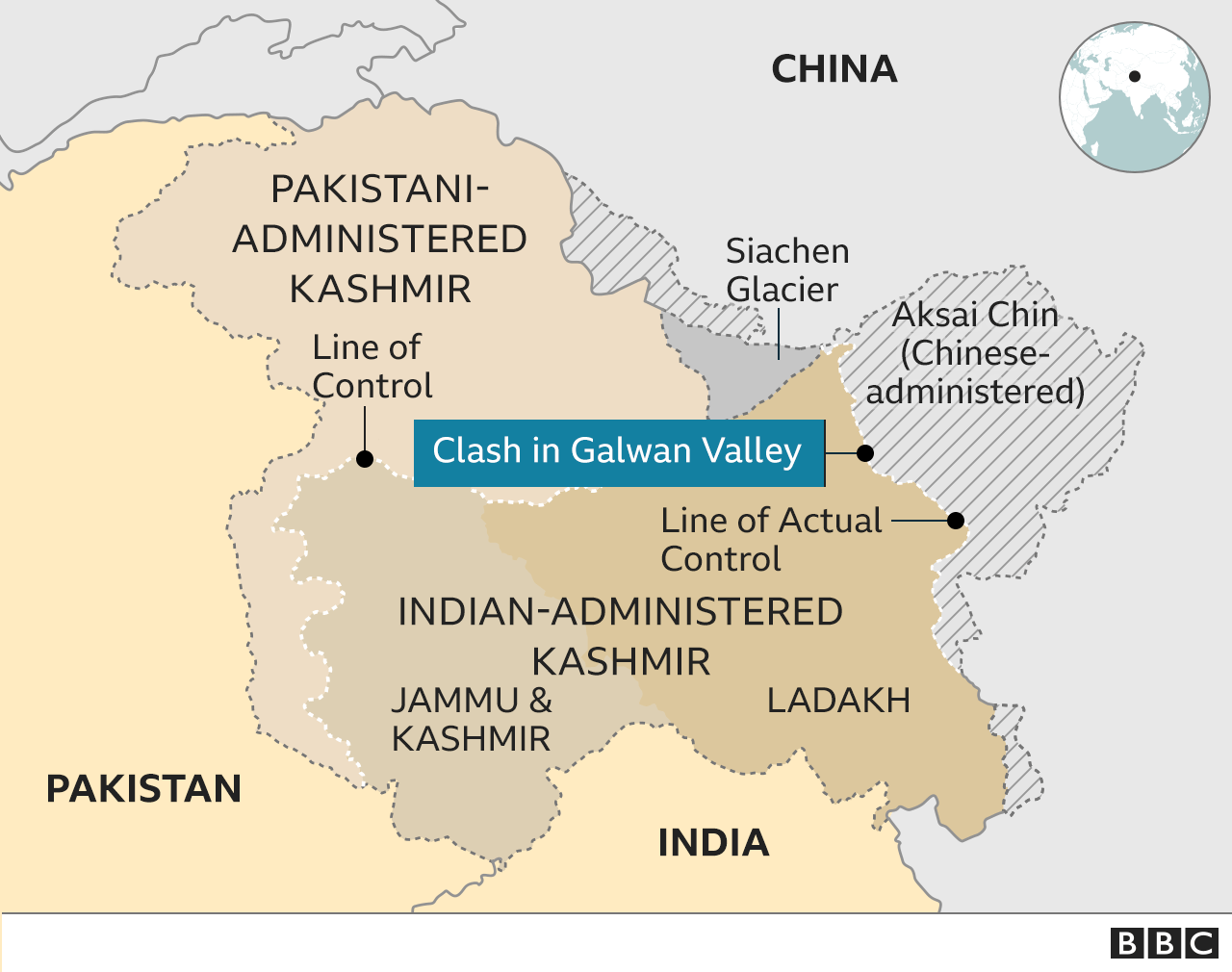
_112919157_kashmir_military_clash_x2_640-nc

Image source: BBCnews

In return Indian army gave an dangerous answer with their 35 troops by killing. PM Modi gave freedom, if in near future again this type of activities are done by Dragons than Indian army can do anything without any upper orders. Indian army are ready with thier backpacks and loaded arms and waiting for activities by dragons and it will be close to WAR.

download (1)

Image source: Navbharatimes.com

Brahmanical Patriarchy in Early India…..

Caste hierarchy and gender hierarchy are the organising principles of the brahmanical social order and are closely interconnected. This article explores the relationship between caste and gender, focusing on what is possibly the central factor for the subordination of the upper caste woman: the need for effective sexual control over such women to maintain not only patrilineal succession but also caste purity the institution unique to Hindu society.

Studies of women in early Indian history have tended to focus on what is broadly termed as the ‘status of women’, which in turn has led to a concentration of attention on a limited set of questions such as marriage law, property rights, and rights relating to religious practices, normally viewed as indices of status.

The general subordination of women assumed a particularly severe form in India through the powerful instrument of religious traditions which have shaped social practices. A marked feature of Hindu society is its legal sanction for an extreme expression of social stratification in which women and the lower castes have been subjected to
humiliating conditions of existence. Caste hierarchy and gender hierarchy are the organising principles of the brahmanical social order and despite their close interconnections neither scholars of the caste system nor feminist scholars have attempted to analyse the relationship between the two.

First, will explore here the relationship between caste and gender, focusing on what is possibly the central factor for the subordination of the upper caste women: The purity of women has a centrality in brahmanical patriarchy, as we shall see, because the purity of caste is contingent upon it.

The task of exploring the connections between patriarchy and other structures within a historical context was pioneered by Gerda Lerner (1986) and her work is both theoretically and methodologically useful for historians. In outlining the historical process of the creation of patriarchy in the Mesopotamian region Lerner describes her growing awareness of the fact that crucial to the organisation of early Mesopotamian society was the total control of women’s sexuality by men of the dominant class.

A possible starting point for an exploration of the historical evidence on the crucial place of control over women’s sexuality within the larger structure in which brahmanical patriarchy was located thus
could be the practices and beliefs prevalent among the upper castes as studied by anthropologists. An insightful essay by Nur Yalman (1962) on the castes of Ceylon and Malabar shows that the sexuality of women, more than that of men, is the subject of social concern. Yalman argues that a fundamental principle of Hindu social organisation is to construct a closed structure to preserve land,
women, and ritual quality within it.

The case of a maiden violating the caste rules for sanctioned unions between men and women is considered less reprehensible. In Manu’s view the king may overlook the offence of a ‘maiden’ who makes advances to a man of a high caste (this was obviously a permitted lapse) but in the case of a
maiden who courts a man of a lower caste the king should force her to remain confined in the house. The maiden’s crime is of less gravity than the wife’s, since there is no pativratadharma that she has violated, but Manu reserves the highest punishment for the wife who though aware of the ‘greatness of her relatives’ (i e, of their high status) violates the duty that she owes to her lord, i e, her stridharma or her pativratadharma. In such a situation Manu like Gautama rules that the king should cause her to be devoured by dogs in a place
frequented by many . In punishing such ‘deviant’ women the king was upholding the existing structure of relations itself pertaining to land and the caste order. The purity ot women ensured the purity of caste and thus of the social order itself.

To sum up, a preliminary analysis of Brahmanical patriarchy in early India reveals that the structure of social relations which shaped gender was reproduced by achieving the compliance of women. The compliance itself was produced through a combination of consent and coercion as we have tried to outline above. While the elaborate rules of normative literature and descriptions in the
narrative literature indicates the failure of brahmanic ideology to produce the real consent of women to brahmanical patriarchy the values of the caste system were apparently accepted by both men and women of the upper castes.

Refrences:-

1. Conseptualising patriarchy in India by Uma Chakravarti

2. Greda Lerner on Patriarchy

Yoga for seniors

When you come to old age, all the fancy aspirations are over, and you experience yourself as childlike again. But at a biological level, aging also results in the accumulation of cellular damage over time which leads to a progressive decrease in physical and mental capacity of the body. Familiar conditions in older age include back and neck pain, osteoarthritis, osteoporosis, depression, heart disease, etc. so, if you are a senior and looking for some therapeutic practices to avoid these conditions, then you are at the right place! Yoga carries some low impact incredible poses that you can practice even in your nineties. In this article, I’m discussing yoga poses categorizing them on the basis of


•Standing yoga poses
•Laying yoga postures
•Sitting yoga postures


You can choose from the poses in terms of your present level of flexibility and medical conditions associated with your body. It is highly recommended to practice any yoga pose under the supervision of a verified yoga teacher. They can help you with the modification in the poses and customized it for your body.

Great years for fitness


Fitness is not only about looking good. If you wake up happy that’s enough to determine your health in many ways. Yoga cultivates a mind-body-emotion link, combines stretching with a deep breath, and develops relaxation. Practicing yoga in old age makes you touch some spiritual aspects along with its physical benefits. Yoga is one of the safest forms of exercise available for seniors with immense benefits.

Benefits of yoga for seniors


Although yoga has tremendous health benefits on the mind and body irrespective of the age of the practitioner, for seniors, the values of the benefits are more. Here I’m listing some benefits of yoga that seniors or old age people will easily relate to

Fitness and ability levels


Practicing yoga enhances one’s fitness level that results in an improved ability to do day to day work. There are numerous yoga postures available to strengthen the core and develop a strong foundation of the body. Yoga reduces the risk of falls in the case of seniors as it provides stability in the system.

Maintains equilibrium


Elderly people are often noticed with some unconscious movement of the body part, especially hand, yoga can help in improving this state of the body. Practicing yoga regularly creates equilibrium in the body and generates a certain level of awareness of the movements.

Improves flexibility


Yoga movements are so fantastic to generate an extra stretch in the body without causing any damage to the body. Flexibility in the muscles encourages the tissues to loosen and relax, which eventually helps to amplify their range of motion.

Encourage deep breathing


As yoga involves the coordination of breath and movements in the body, it results in expanding lung capacity to hold breaths for an extended period. Holding the breath for a longer period enhances the overall pulmonary health and respiratory function of the practitioner.

Bone strength


In elderly age, most people tend to have problems with brittle bones. Consistent practice of yoga can improve the weight-bearing power of the bones and reduces the risk of osteoporosis. Some promising researches claim to improve bone density in the body by Yoga practices.

Alleviate anxiety and stress


Anxiety at an elderly age is not new to this generation. Yoga encourages mindfulness and calmness in the system and prevents the day to day stress through conscious breathing and meditation. Researchers claim that meditation stimulates memory centers inside the brain and reduces the risk of depression among seniors. Yoga activates the “feel-good” prefrontal cortex and boosts the emotional health of the practitioner.

Improved sleep quality


Sleep disturbance is a common problem among people of old age. Sleep deficiency at this age is linked to the increased risks of high blood pressure, heart strokes, diabetes, etc. Potential sleep ensures the removal of toxins from the body and allows the brain to function properly. Performing yoga daily can help to treat sleep disorders like insomnia, relaxing the tissues in the body, and encourages a better quality of sleep.

Yoga poses for seniors


No yoga pose is specially designed for a person belonging to a particular age. You can practice yoga at any age depending on your body limitations. Old age can be a miraculous part of life if you establish yourself in yoga. Yoga is one of those exercises which you can continue throughout all stages of life, as yoga itself is said to be the study of life.
As I mentioned that there is no pose specially designed for seniors, but if you are a beginner then it is recommended to start with some slow and light poses and then take it to the moderate level. Here are some beginners yoga poses for seniors to start with;

STANDING YOGA POSES FOR SENIORS

•Trikonasana (triangle pose)
✓ Helps to create a stretch in the hip and lower back region of the body
✓ Improve the balance of the body
✓ Regulates blood pressure

•Katichakrasana (standing spinal twist)
✓ Helps to produce movements in lower spine and neck
✓ Provides stretch in the arms, knees and neck muscles
✓ Ensures firm movements of the feet

•Vrksasana (tree pose)
✓ Strongest pose in maintaining balance
✓ Enhance hip and leg strength
✓ Provide stretch in the arms, legs, and centers of the body

•Tadasana (mountain pose)
✓ Sets the foundation for alignment of the body
✓ Improves sensibility of the body
✓ Corrects unconscious postural patterns

SITTING YOGA POSTURE FOR SENIORS

•Badhakonasana (butterfly pose)
✓ Regulates digestion by clearing the bowel movements
✓ Gives a stretch to the thighs, knees, and lower back region
✓ Removes stiffness and pain in the legs

CHAIR YOGA FOR SENIORS


Chair yoga or desktop yoga is in trend as it allows anyone to conveniently perform these asanas while sitting on the chair. Seniors can be benefited from chair yoga postures such as neck roll, spinal twist, temple rub, bending of arms and legs, and seated forward and backward bend. Benefits of chair yoga poses are:


•Relaxes the neck and removes stiffness in the back and neck region
•Alleviate fatigue and tension in the muscles
•Increase flexibility
•Coordinate body and breath movement and generates a sense of balance within the system
•Increase focus


Try doing these yoga poses under the supervision of a yoga teacher or your family members to prevent any damage to the body. The yoga routine can help you in spending your old age time perfectly without facing any health issue.


Why You Should Think About Getting Your Business Management Degree

A bachelor’s degree in Business Management is designed to provide graduates with the skills necessary to compete in the diverse and ever-changing field of business. As a business student, you’ll deepen your critical-thinking and decision-making skills so you can immediately apply your new knowledge from the classroom to your work life.  
Business students are introduced to a variety of business topics including accounting, finance, management, organizational behavior, communication, research, business law, business ethics and project management. Once students understand these basic business principles, they can choose from one of several concentration areas to develop more specialized knowledge that aligns with their career goals.
These concentrations include:
  • Entrepreneurship
  • Human Resources
  • Marketing
  • Technology Management
Business students will also develop several key abilities that are in high demand by employers. Business programs are designed to not only prepare students for their initial positions, but also to lay the groundwork for their continued career growth and development.  As a business student, you will:

Understand the structure and interdependencies of business

Students will cultivate a basic understanding of how businesses operate. This allows graduates to appreciate the roles and responsibilities of their colleagues. Additionally, graduates must understand how global and technical trends affect a business and how to capitalize on them. This appreciation for how different aspects of a business interact with each other allows students to see the big picture.

Develop specialized knowledge

 In addition to understanding basic business principles, new hires should also be able to complete the specific tasks that are required in their role. Students will also become familiar with various computer programs and systems and learn how businesses can leverage technology to gain a competitive edge. At Herzing, students have the opportunity to pursue a variety of degree concentrations to develop specific skills that are central to their career goals.

Demonstrate professionalism and teamwork 

While it is important for employees to understand the fundamental objectives of their company, it is also critical that they work effectively and positively with other team members and customers. The degree program at Herzing incorporates these skills, which are in high demand by employers.
Herzing’s business program allows students to explore many different facets of business and develop an understanding of several key business principles. Graduates are not only prepared to embark on their business careers, but they will also have an understanding of how to contribute to the greater goals of the company.

Two Days Interdisciplinary International e-Conference on Impact of COVID-19 on Various Areas of Global Economy, Science & Humanities

Name of Conference: Two Days Interdisciplinary International e-Conference on Impact of COVID-19 on Various Areas of Global Economy, Science & Humanities
Date of Conference: 24 & 25 June 2020
Venue: Virtual Conference
Organized by: Collaboratively organised by Gondwana University Gadchiroli, Chintamani College of Commerce, Pombhurna; Chintamani Mahavidyalaya, Pombhurna; Chintamani Mahavidyalaya Ghugus; Chintamani College of Arts and Science, Gondpipri; Chintamani College of Science, Pombhurna
URL of the Conference: www.chintamani.edu.in
Brief of Conference: e-Conference organised for academic development
Theme and Sub-Themes: Economics • Future of work system after COVID-19 Economic opportunities for India after locked down Effect of locked-down on employment & wages • Central & State Govt. Packages- need, role, advantages & challenges. • Challenges in safely reopening the economy Impact of the Covid-19 crisis on the economic development of country. • Thinking locally Acting Globally! (Based central government vision for reopening the economy) • Role of the employees in globe development after the scenario of the Covid-19 crisis. • Pricing policies of firm or industry after locked down. • Effect of COVID-19 and locked down on production cost. • Migration of labour during locked down & its effect on MSME’s • Effect of locked down on factors of production. • Challenges in balancing income & expenditure for individual, firm & government • Impact of COVID-19 on long and short term policies and strategies • Global socioeconomic impact of covid-19 • Impact of COVID-19 on FDI, investments and share markets • Impact of COVID-19 on Agriculture Sector. Commerce & Management • Impact of COVID-19 on Banking/Insurance/Transport/Etc. • Challenges in front of MSME’s during and after locked down • Challenges in front of traders during and after locked down. • Challenges to fulfil the trained workforce after labour migration. • The prevention and management of staff in institutes during post era of pandemic Covid-19. • Challenges of managers during and after locked down • Marketing challenges & remedial strategies during and after locked down. • New theories of management after locked down. • Role of local products during locked down. Languages & Literature • Expecting life style of people in forthcoming period after pandemic Covid-19. • Fundamental Accountability of an educated citizen during pandemic presentiality. • Odd and even psychological effects among country people of disastrous presentiality of Covid-19. • Exploring new ability of writing during COVID-19 • Effect of COVID-19 on writers, poets, & thinkers. • Impact of locked-down & quarantine on reading habits. • Role of e-books & e-literature during COVID-19 Social Sciences: • Role of political and social organisations during and after locked down. • Impact of COVID-19 on International relations • Impact of locked down on assembly work system. • Political challenges during and after locked down. • Relationship between Centre & State Govt. • Changing structure of federation after COVID-19 • International Diplomacy in India and other countries after COVID-19 • Role of administration and citizens in health emergency. • Social distancing V/s physical distancing. • Religion, culture V/s treatment with COVID-19 deceased. • Religious places and locked down. • Social challenges during and after locked down. • Histories of epidemic diseases and teachings • COVID-19 and its historic impressions. • Humanity and moral responsibilities of human being during crises. Education & Sports • Role of digital education system during and post • Future of Education after locked down. • Advantages and Disadvantages of online teaching learning program in Covid-19 situation. • Collegiate student’s role during and post era of pandemic Covid-19. • Creating new technical resources for virtual meeting and online practical lab. • Impact of Covid-19 on Sport economy. • Scope of Physical Science and Technology in various fields after COVID-19 • Stress management other roles of yoga, pranayam & meditation during Covid-19 pandemic. • Stress management and mental health wellness tips for quarantine during pandemic covid-19 • Psychological effect of Covid-19 on Elite sport players. • Covid-19 and sport tourism. • Covid-19 impact on Sport and leisure industries. • Essential goals of health management during quarantine period. • Role of standard precautions and use of personal protective equipment during pandemic Covid-19. • Impact of social distancing and personal hygiene during Covid-19. Science & Technology • Covid-19 outbreak: psycho social support to youth • Covid-19 pandemic and need of vaccine. • Effectiveness of Plasma Therapy for Corona virus infection. • Ayurveda and Covid-19. • Role of vitamin D as an immunomodulator in Covid-19. • Strategic changes required to tackle health emergency. • Biodiversity at local, national and global levels. • India as a mega biodiversity nation. • Conservation of biodiversity at global level. • Impact of the Covid-19 Crisis on healthcare crisis across the globe. • Impact of the Covid-19 crisis on the environmental issues. • Impact on Climate and various mitigation strategies. • Creating new possibilities in environmental pollution after the Covid-19 crisis. • Basic infrastructure changes required to tackle with pandemics.
Email: conference@chintamani.edu.in

Defence forces stand strong towards protecting sovereignty and integrity of the country: Army Chief

Army Chief General MM Naravane today said all ranks of the Indian Army salute the supreme sacrifice of valiant soldiers at Galwan. General Naravane said , their sacrifices will not go in vain.

Offering deepest condolences to the families, Army Chief said, the Defence forces stand strong towards protecting the sovereignty and integrity of the country.

EAM S Jaishankar lodges strong protest to his Chinese counterpart Wang Yi on violent face off in Galwan Valley

External Affairs Minister Dr. S. Jaishankar has conveyed to his Chinese counterpart Wang Yi, India’s protest in strongest terms on violent face-off in Galwan on 15th of this month. External Affairs Ministry said in a release that Dr Jaishankar and the Chinese Foreign Minister had a phone conversation on Wednesday afternoon on recent developments in Ladakh. Dr Jaishankar recalled that at the meeting of senior Military Commanders held on 6th June, an agreement was reached on de-escalation and disengagement along the Line of Actual Control. 

Ground commanders were meeting regularly to implement this consensus throughout the last week. While there was some progress, the Chinese side sought to erect a structure in Galwan valley on Indian side of the LAC. While this became a source of dispute, the Chinese side took pre-meditated and planned action that was directly responsible for the resulting violence and casualties. It reflected an intent to change the facts on ground in violation of all agreements to not change the status quo.

Dr Jaishankar stressed that this unprecedented development will have a serious impact on the bilateral relationship. He said the need of the hour was for the Chinese side to reassess its actions and take corrective steps. The two sides should scrupulously and sincerely implement the understanding that was reached by the Senior Commanders on 6th June. The Minister said, troops of both sides should also abide by the bilateral agreements and protocols. They should strictly respect and observe the line of actual control and should not take any unilateral action to alter it.

The Chinese Foreign Minister on his part, conveyed the Chinese position on recent developments.  They agreed that the overall situation would be handled in a responsible manner, and both sides would implement the disengagement understanding of 6 June sincerely. Neither side would take any action to escalate matters and instead, ensure peace and tranquility as per bilateral agreements and protocols.