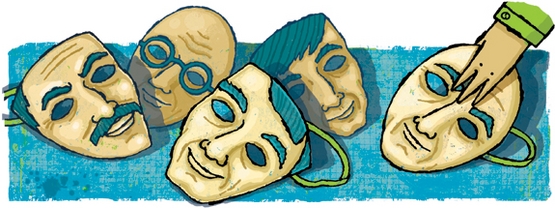
Don’t Judge a Book By It’s Cover

Why we all always give more importance to our looks, is it really that important? is someone’s appearance is more important than his or her actual nature?

Why does people judge someone by their looks and come up with an conclusion based on someone’s external appearance without even knowing them. People forgot that the “appearance can be deceptive”.
If someone is comfortable with simple cloths and no make-up look, if he or she love to live that way then why others are so curious about that. It doesn’t matter that, what we wear or how we look it is not gonna affect our talent anyways.
Take of the mask and face yourself, looks or appearance can’t hide your true nature for longer. Remember we were born to be real not to be perfect, be yourself even if you live for a day.

Appearance valued to much in our society and on every point people will judge you based on your appearance but, don’t give many thoughts thinking what others will say, if I wore this or if I look like this, what will others say, peoples will gonna talk behind your back no matter what you do, how you look, they gonna criticize you all the time, just live on your own way it’s your anyways and remember only one thing that, “kuch toh log kahenge, logonka kam hai kehna, chodo bekar ki baton main kahin beet na jaye raina” and keep going.

No matter who you are, how you look, your skin colour, your appearance it doesn’t matter, being beautiful has nothing to do with your outer looks or appearance, it’s about your nature, your character and how you treat others. Everyone sees what you appear on outside, but they don’t know that a person becomes more attractive not by their looks but by their act of kindness, love, respect, honesty and loyalty they show. They will judge you but after knowing your kind nature they can’t stop themselves from loving you. Always remember that the appearance for small time but your nature is for lifetime.

Sometimes we come across some people who love to live simple, who don’t give more importance to their outer look but their inner beauty emerges only when we converse with them and get to know them better.

Judging a person does not define who they are, also your self confidence didn’t come from your appearance, certainly not your appearance!!

Let’s learn not to judge a book by it’s cover and let’s try to understand and know someone based on their inner beauty not on their appearance because APPERANCE CAN BE DECEPTIVE.
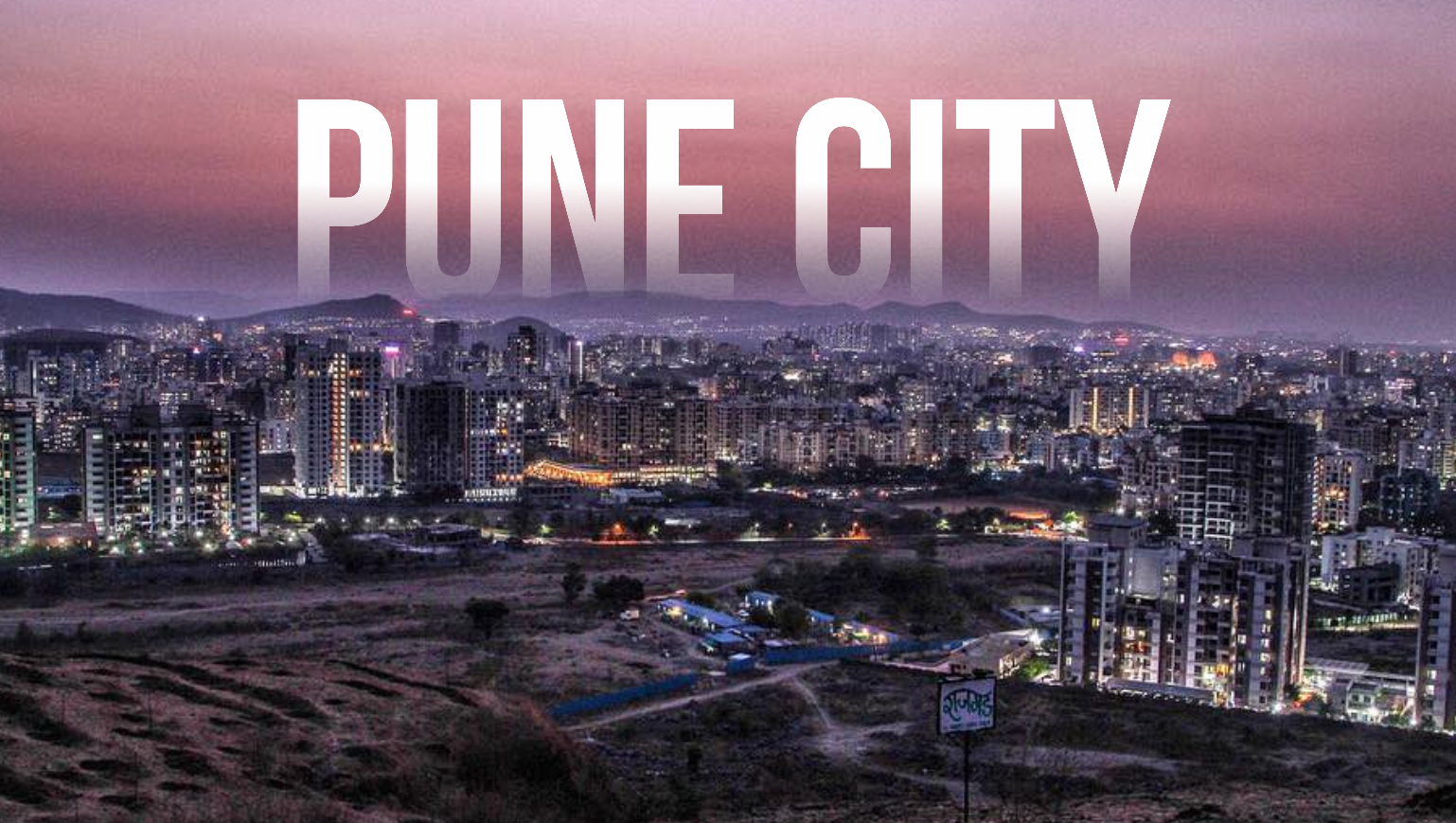
The most interesting things about Pune

For new-comers Pune may appear to be arrogant, rude and not-so-friendly, but after spending some time in Pune you will realize that they are actually sweet, a bit arrogant but kind. When you login in Pune you can’t logout.
For them who wants to live in Pune, here are some most interesting things about Pune you should know.

Pune, formerly known as Poona is the second-largest city of Maharashtra, after Mumbai and eighth-most populous city in India.

India’s first indigenously-run girl’s school was started in Pune by Savitribai Phule along with her associate Fatima Sheikh.

Pune is widely regarded as the second major “IT hub of India” and the top “automobile and manufacturing hub of India”
Pune is where Badminton originated in India.

Pune has 21 engineering colleges, which is highest in the world in a given city. There are many popular and old institutes in Pune and because of this in our Marathi language we called Pune as “ Shikshanache Maherghar ” it means Hometown of Education.

Pune has the highest number of software companies in India.

Beside this Pune has some unique things that you will only see in Pune.

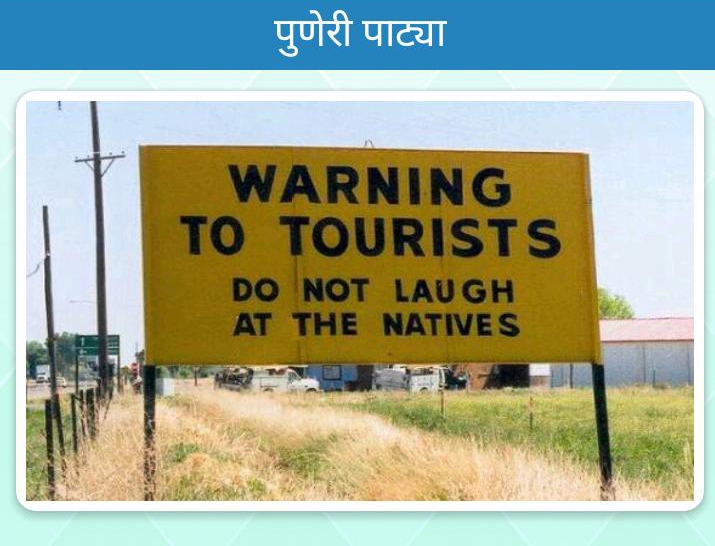
1. Puneri Patya

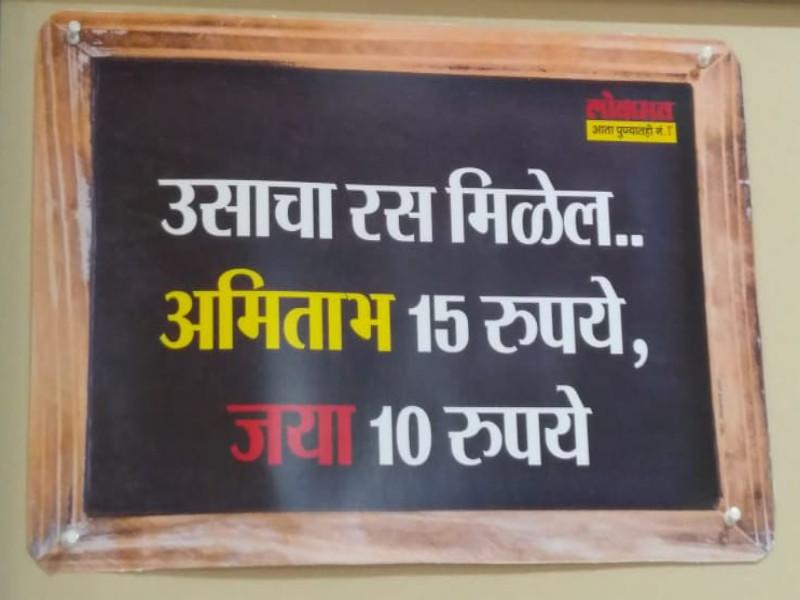
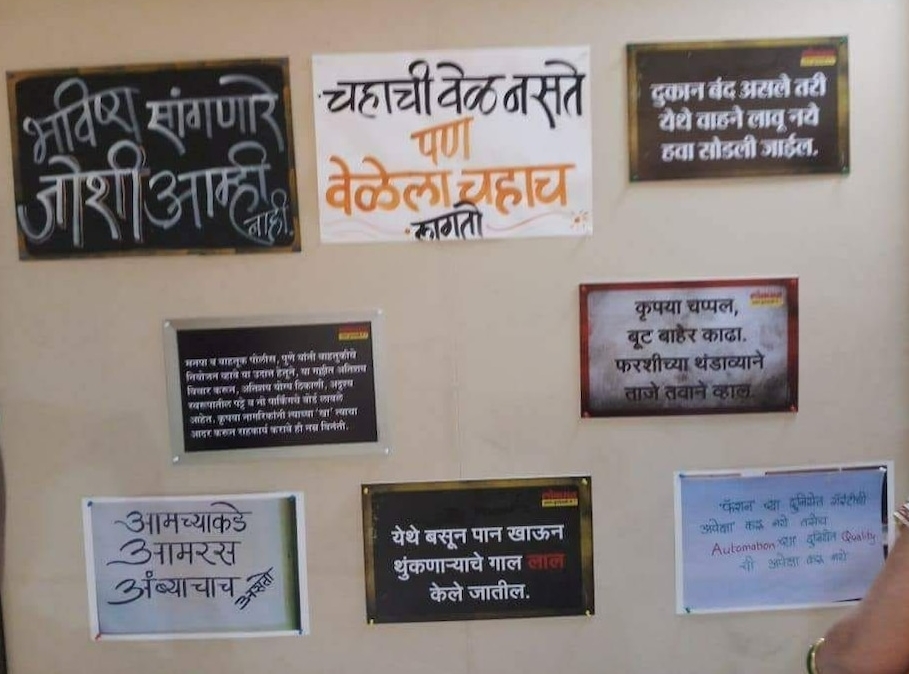
People who mostly come from outside the city come across those ubiquitous Puneri Patya, which are known for their bluntness and arrogance, while they appear funny to the uninitiated. A typical Punekar thinks and acts as though they have the sole right to educate people in their own ways. A Punekar believes in calling a spade a spade. They want order and discipline around them, which is absent when it comes to traffic though. They don’t want to repeat the same thing to visitors or passers-by. Hence, the Patya culture has been thriving in Pune dishing out advice, warnings and at times, threats to those who have not adopted the city’s culture.
From this unique way of expressing their thought we can say that Punekars love to educate others and finding the mistakes of other peoples.
Being a Punekar myself, I never found these Patya strange. However, some people from other cities always made fun of these signages. It seems pun is part of Pune’s life as these signages indicate.

2. Puneri Misal

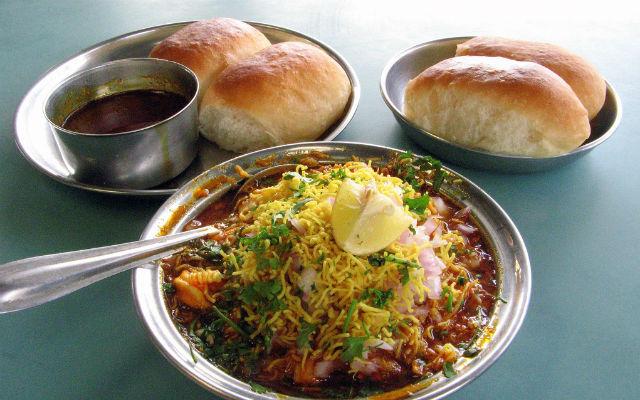
Famous Puneri Misal you should definitely try if you are traveling to Pune. Misal is like full time meal for Punekars, they can eat Misal all day without getting bored. Misal the local spicy snack of Punekars. It is the all time favourite dish of Punekars and you would find every restaurant and even the smallest hotel at the corner serving them.

3. No work between 1pm to 4pm

In Pune during some time in afternoon like about 2 hours from 1pm to 4pm you will notice that every shop even the smallest one at nook is closed.
Outsiders an those who are new at Pune think this habit of Punekar a bit weird, outsiders find it strange that almost all shops are closed for some hours in the afternoon since their owners take a nap during that time.

4. Puneri Chaha

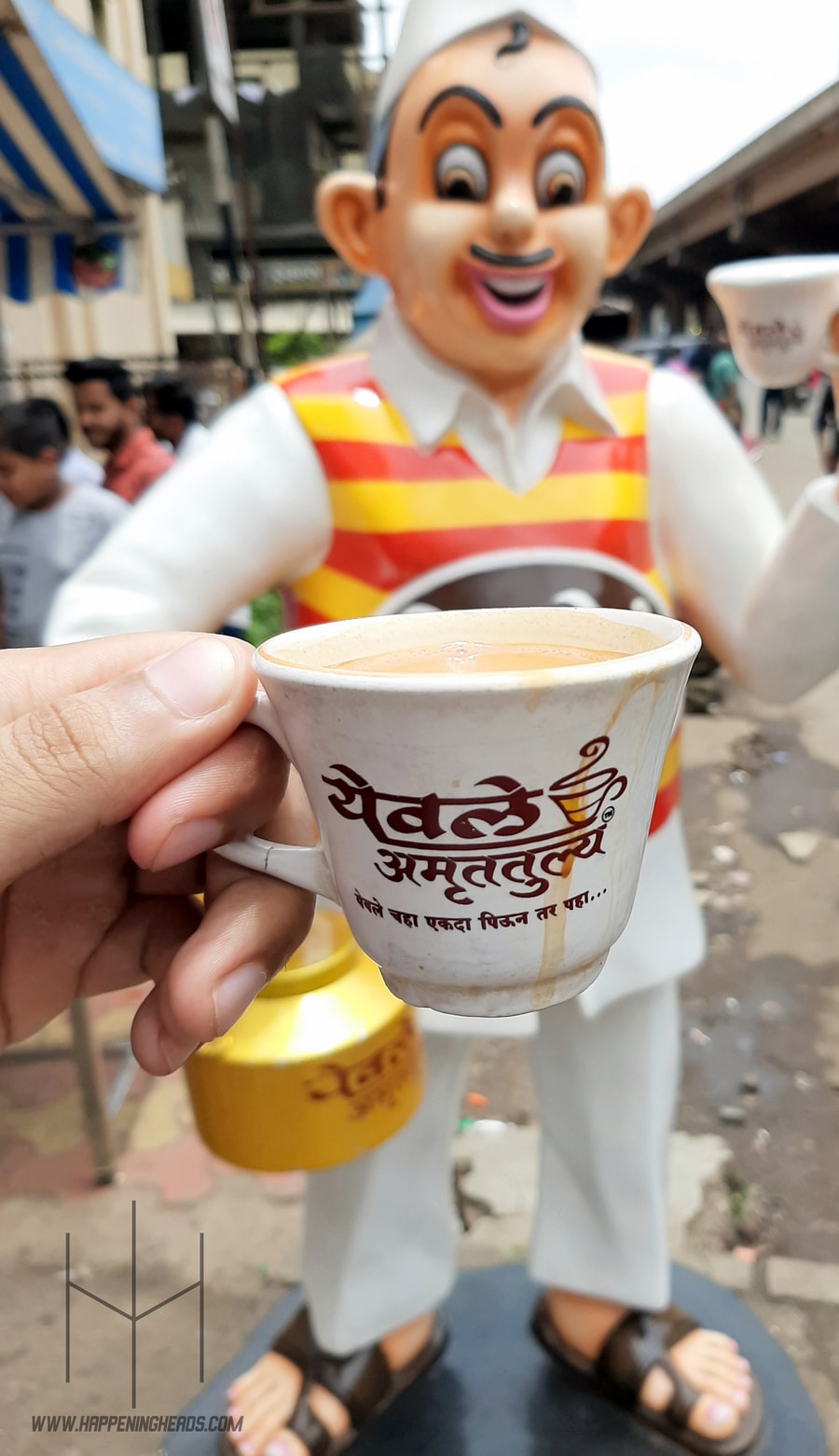
Pune’s most favourite and famous tea destination “Yewale Amruttulya”. You will find it strange that, a tea shop is as famous as Starbucks. Many people travel far away just to taste “Yewale Amruttulya”, you have to stand in long lines just to taste a tea.

Traffic Rules and Regulations

What are traffic rules?

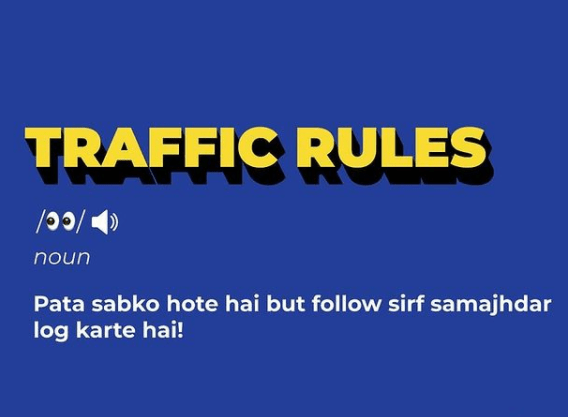
I feel like both pedestrians and the drivers should be disciplined and obey all the rules and regulations. So, I request every citizen of this country to follow these do’s and don’t listed down below for pedestrians and drivers, respectively.

DO’s for pedestrians:

  • DO walk in a straight line down the sidewalk.
  • DO stop at crosswalks and pay attention to the signals.
  • DO pay attention to your surroundings when walking, especially at night and alone.
  • DO take the time to enjoy your walk even if you are in a hurry… look around and see.
  • DO smile if you happen to make eye contact with another human being.

DON’Ts for pedestrians

  • DON’T stop randomly on the sidewalk without checking that people are right behind you.
  • DON’T jaywalk without looking.
  • DON’T wear headphones and have your music turned up so loud you can’t hear what’s happening on the street.
  • DON’T cut across the sidewalk to get to a shop or something without looking behind you.
  • DON’T walk into things while your head is down looking at your phone… trust me, it happens!

DO’s while driving

  • Do always wear a helmet while riding a 2 wheeler.
  • Do always wear a seat belt. ±Do follow the speed limit.
  • Do be courteous towards other drivers and riders.
  • Do give pedestrians the right-of-way in crosswalks.
  • Do make room for bicycles. ±Do pay attention while driving, even if you are familiar with the area. A surprising number of accidents take place only blocks away from home!
  • Do use indicators.
  • Always keep to the left.
  • Do keep a safe distance.
  • Do always carry the important papers and your driving license.
  • Do drive cautiously in severe weather.
  • Do plan your long route journeys in advance. Take proper gaps in between.

DON’Ts while driving

  • Don’t drive alcohol and drive, and don’t get in a car with a driver who has been drinking or using drugs.
  • Don’t talk on your cell phone and drive at the same time. If you need to make or answer a call, pull over at a safe place and then resume your journey.
  • Don’t let your emotions and frustrations get the best of you. Don’t engage in road rage, no matter how irritating another driver might be to you.
  • Don’t tailgate other cars, pass on shoulders, run stoplights or stop signs, or break any other rules on purpose.
  • Don’t drive if you are underage.
  • Don’t overtake suddenly.
  • Don’t use brakes suddenly.
  • Don’t overspeed over potholes.

Knowing the Indian Ocean

After the Pacific and the Atlantic, let’s move onto the Indian ocean

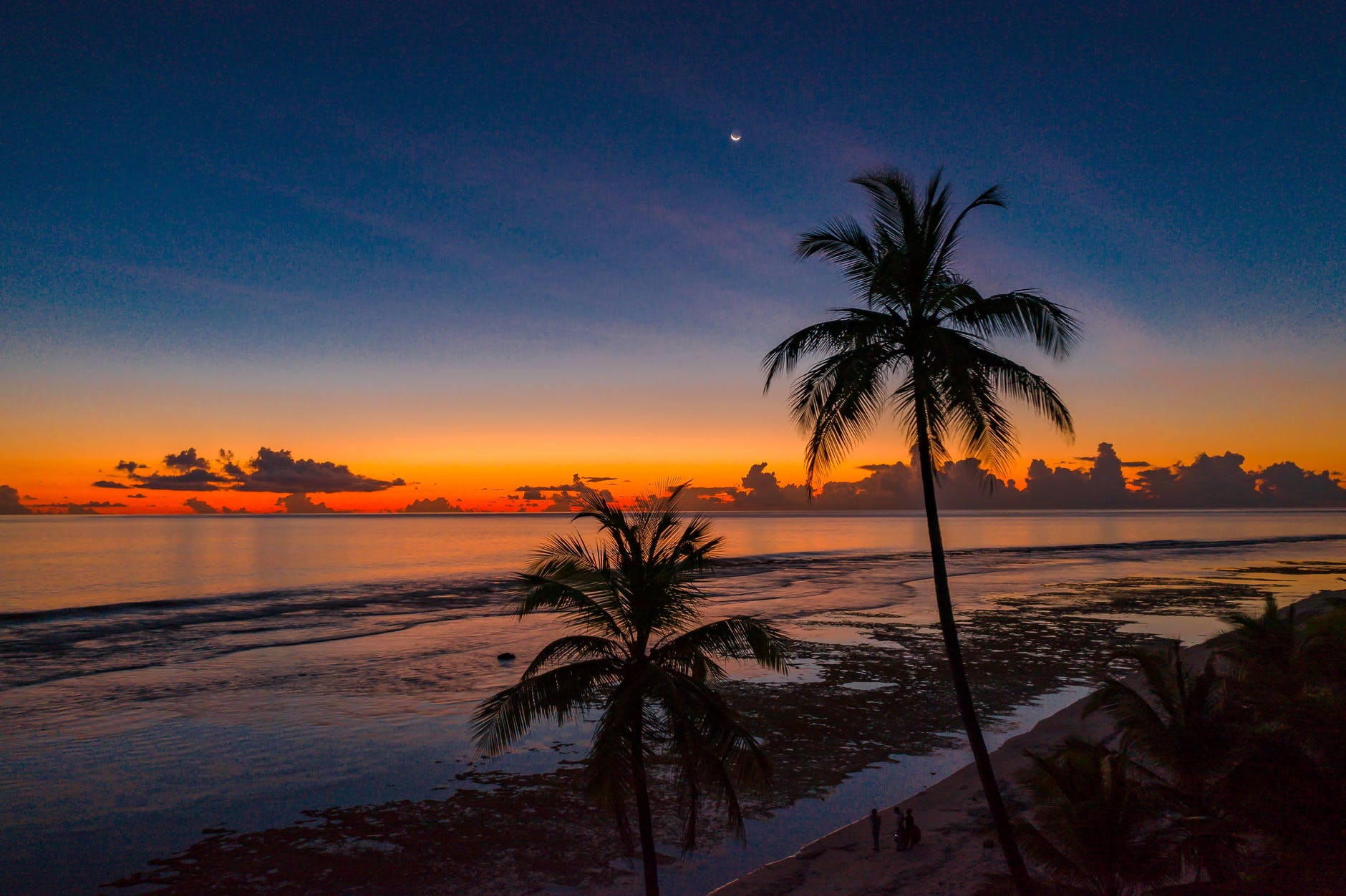
Photo by Asad Photo Maldives on Pexels.com

Hope you remember the acronym- PAISA

  1. Pacific
  2. Atlantic
  3. Indian
  4. Southern
  5. Antarctic

These oceans are arranged in the decreasing order of their sizes.

The third largest ocean based upon its size, it is the only ocean in the whole world to be named after a country. It covers 27,240,000 sq ml or 19.8 percent of the world’s water on the Earth’s surface. Bounded by Asia to the north, southern ocean to the south, Africa to the west and the Indonesian islands (the strait of Malacca) and Australia to the east, it also hass many marginal seas and islands.

Marginal Seas:

  1. Bay of Bengal
  2. Arabian sea
  3. Laccadive sea
  4. Java sea
  5. Andaman Sea
  6. Timor Sea
  7. Red sea
  8. Persian Gulf
  9. Gulf of Aden
  10. Gulf of Oman
  11. Gulf of Suez
  12. Molucca sea
  13. Gulf of Khambhat

Major islands

  1. Andaman and Nicobar
  2. Lakshadweep
  3. Maldives
  4. Madagascar
  5. Reunion
  6. Seychelles
  7. Mauritius
  8. Comoros
  9. Indonesia

Enclosed by land on three sides, it is centered along the Indian peninsula and doesn’t extend from pole to pole. It has roughly 800 drainage basin of which 50% are located in Asia, 30 % in Africa and 20% in Australia. It is considered to have subtropical climate. The northern half of the Indian ocean experience monsoon winds that lead to reversal in direction of winds (caused by the movement of ITCZ that in summers reaches above the Tibetan plateau, due to the apparent movement of sun) during summers and winters. This brings the monsoon winds to India during the rainy season(80% of the Monsoon rains dependent on them).

40 % of the total sediments found in this ocean are the results of deposition of the Ganga and Indus fans, the largest submarine fans of the world. The western Indian ocean has the largest phytoplankton blooms in summer due to the monsoon winds (they lead to the ocean water upwelling, building nutrient rich cold water to the surface of the ocean). These phytoplankton later support a complete ecosystem, acting as the primary food producers in the chain, in the ocean leading to high concentration of fish and other marine organisms. Thus, harm to the growth of these phytoplankton (continuously on the rise due to global warming, dumping of acidic and industrial waste water and algae bloom) can further destroy the fragile marine ecosystem.

There are 10 large marine ecosystems in the Indian Ocean-

  1. Agulhas current
  2. Somali coastal current
  3. Red sea current
  4. Persian gulf current
  5. Arabian sea
  6. Bay of Bengal
  7. Gulf of Thailand
  8. West central Australian shelf
  9. Northwest Australian shelf
  10. Southwest Australian shelf

Coastal reefs, sea grass bed and Mangrove forest: The most productive and important ecosystems. This ocean has 36 biodiversity hotspots and is an actively spreading and expanding ocean(having only two trenches- The Java and Sunda trench and the Makaran trench). It also has an active volcanic hotspot- The Reunion hotspot(currently below the reunion islands). Salinity follows the trends similar to the Atlantic ocean(though it doesn’t extend towards the poles.)

This is all about the Indian ocean. See you tomorrow with the Southern ocean.

DS0101EN: Introduction to Data Science course by edX

Hey peeps! Here is a course for all the engineering students out there who want to pave their way towards being a data scientist. So, gear up and tighten the seat belts. Let’s get into the world of data science.

Top 10 Careers in Data Science that are Shaping the Future

In this course you will:

  • Meet people who work in data science
  • Explore definitions of data science
  • Learn about data science in a business context
  • Discover some use cases and applications of data science

Syllabus

Module 1 – Defining Data Science

  • What is Data Science?
    • Fundamentals of Data Science
    • The Many Paths to Data Science
    • Advice for New Data Scientists

Module 2 – What Data Scientists Do

  • A Day in the Life of a Data Scientist
    • Old problems, new problems, Data Science solutions
    • Data Science Topics and Algorithms
    • Cloud for Data Science

Module 3 – Data Science in Business

  • Foundations of Big Data
    • How Big Data is Driving Digital Transformation
    • What is Hadoop?
    • Data Science Skills and Big Data
    • Data Scientists at New York University

Module 4 – Use Cases for Data Science

  • What is the Difference?
    • Neural Networks and Deep Learning
    • Applications of Machine Learning

Exercise – Computer Vision with IBM Watson

Module 5 – Data Science in Business

  • How Data Science is Saving Lives
    • How Companies Should Get Started in Data Science
    • Applications of Data Science

Module 6 – Careers and Recruiting in Data Science

  • How Can Someone Become a Data Scientist
    • Recruiting for Data Science
    • Careers in Data Science
    • High School Students and Data Science Careers

MODULE 1:

Learning Objectives

In this module you will:

  • Hear from data science professionals to learn what data science is.
  • Learn about the many paths to data science.
  • Hear from data science professionals as they give advice to anyone who is passionate about data science.
  • Learn some statistics about the field of data science, the demand for data scientists, and some of the qualities of excelling data scientists.
  • Learn why data science is the sexiest job of the 21st century.

SUMMARY:

In this module, you have learned:

  • Data science is the study of large quantities of data, which can reveal insights that help organizations make strategic choices.
  • There are many paths to a career in data science; most, but not all, involve a little math, a little science, and a lot of curiosity about data.
  • New data scientists need to be curious, judgemental and argumentative.
  • Why data science is considered the sexiest job in the 21st century, paying high salaries for skilled workers.

MODULE 2:

Learning Objectives

In this module you will:

  • Hear from data scientists as they share with you what a typical day in the life of a data scientist looks like.
  • Hear from data scientists as they share with you what tools, algorithms, and technologies they use on a daily basis.
  • Hear from data scientists as they try to explain the term “cloud”.
  • Learn about data science, data scientists, and how each is defined.

In this module, you have learned:

  • The typical workday for a Data Scientist varies depending on what type of project they are working on.
  • Many algorithms are used to bring out insights from data. 
  • Accessing algorithms, tools, and data through the Cloud enables Data Scientists to stay up-to-date and collaborate easily.

MODULE 3:

In this module, you have learned:

  • How Big Data is defined by the Vs: Velocity, Volume, Variety, Veracity, and Value.
  • How Hadoop and other tools, combined with distributed computing power,  are used to handle the demands of Big Data.
  • What skills are required to analyse Big Data. 
  • About the process of Data Mining, and how it produces results.

MODULE 4:

Learning Objectives

In this module you will:

  • Hear from Norman White, the Faculty Director of the Stern Centre for Research Computing, at New York University.
  • Hear from Norman White as he talks about data science and what skills are required for anyone interested in pursuing a career in this field.
  • Hear from Norman White as he explains some of the popular data science tools and algorithms.
  • Hear from Norman White as he gives advice to high schools students, in particular, and anyone, in general, who are looking to start a career in data science.
  • Learn about data mining, and the steps the comprise the process of mining a given dataset.
  • Learn about regression and what questions can be put to regression analysis.

SUMMARY:

In this module, you have learned:

  • The differences between some common Data Science terms, including Deep Learning and Machine Learning.
  • Deep Learning is a type of Machine Learning that simulates human decision-making using neural networks.
  • Machine Learning has many applications, from recommender systems that provide relevant choices for customers on commercial websites, to detailed analysis of financial markets.
  • How to use regression to analyze data.

MODULE 5:

Learning Objectives

In this module you will:

  • Learn about what companies need to do in order to start with data science.
  • Learn about some of the qualities that differentiate data scientists from other professionals.
  • Learn about some applications of data science.
  • Learn about analytics and what important role data scientists play in this process.
  • Learn about story-telling and the importance of an effective final deliverable.
  • Learn about the main components of an effective final deliverable.
  • Apply what you learned about data science to answer open-ended questions.
  • Demonstrate your understanding of the readings to define what data science and data scientist mean.
  • Demonstrate your understanding of the readings to answer a question about the final deliverable of data science project.

Summary:

In this module, you have learned:

  • Data Science helps physicians provide the best treatment for their patients, and helps meteorologists predict the extent of local weather events, and can even help predict natural disasters like earthquakes and tornadoes.
  • That companies can start on their data science journey by capturing data. Once they have data, they can begin analysing it.
  • Some ways that data is generated by consumers. 
  • How businesses like Netflix, Amazon, UPs, Google, and Apple use the data generated by their consumers and employees.
  • The purpose of the final deliverable of a Data Science project is to communicate new information and insights from the data analysis to key decision-makers.

MODULE 6:

Learning Objectives

In this module you will:

  • Learn about what companies need to do in order to start with data science.
  • Learn about some of the qualities that differentiate data scientists from other professionals.
  • Learn about some applications of data science.
  • Learn about analytics and what important role data scientists play in this process.
  • Learn about story-telling and the importance of an effective final deliverable.
  • Learn about the main components of an effective final deliverable.
  • Apply what you learned about data science to answer open-ended questions.
  • Demonstrate your understanding of the readings to define what data science and data scientist mean.
  • Demonstrate your understanding of the readings to answer a question about the final deliverable of data science project.

SUMMARY:

In this module, you have learned:

  • The length and content of the final report will vary depending on the needs of the project.
  • The structure of the final report for a Data Science project should include a cover page, table of contents, executive summary, detailed contents, acknowledgments, references, and appendices.
  • The report should present a thorough analysis of the data and communicate the project findings.

Noise Pollution- Causes, Effects & more

Noise is usually defined as unwanted sound or a sound without value that causes discomfort to the listener. Noise is usually measured in units of decibels and is denoted by dB.

1. On human beings:-

Mental health

Exposure to intense levels of noise can cause personality changes and violent reactions. Noise has also been shown to be a factor that attributed to violent reactions. 
Psychological health effects from noise include depression and anxiety stress. Individuals who have hearing loss, including noise induced hearing loss, may have their symptoms eased with the use of hearing aids. Individuals who do not seek treatment for their loss are 50% more likely to have depression than their aided peers. These psychological effects can lead to detriments in physical care as reduced self-care, work-tolerance, and increased isolation.

Physical health

Exposure to loud sound or longer exposure causes threshold shift. Noise-induced threshold shifts are seen as a notch on an audiogram from 3000 to 6000 Hz, but most often at 4000 Hz.
Exposure to loud noises, either in a single traumatic experience or over time, can damage the auditory system and result in hearing loss and sometimes tinntius as well. Noise induced hearing loss is sometimes unilateral and typically causes patients to lose hearing around the frequency of the triggering sound trauma.

2. On animals:-

Marine animals

Two main reasons that make an environmental impact of noise in marine life a grave are – 1. Noise travels much more in water, covering greater distances than it would do on land while travelling though air, and secondly because the marine life is extremely sensitive to noise pollution and an absence of any mechanism to safeguard them against it, underwater noise pollution disrupts marine life in more serious ways.

The deaths can occur because of haemorrhages, changed diving pattern, migration to newer places, and damage to internal organs and an overall panic response to the foreign sounds. There is also a disruption in normal communication between marine animals because of underwater noise pollution. This means animals prone to noise pollution cannot call their mates, look for food or even make a cry for help under such circumstances.

Birds

Anthropogenic noise, emitted from the oil and gas compressors, is becoming a global issue. The idea of the study was to measure the stress levels of the birds compared to the distance they were nesting with the oil and gas compressors.

So much so that they were showing Post Traumatic Stress Disorder-like (PTSD) symptoms. In the birds, their corticosterone levels were relatively low. And that isn’t exactly what you would expect to see in a high-stress situation. This is likely to be what was happening with the birds. It triggered health defects such as stunted growth, issues with their reproduction, and fewer feathers on the birds. Their ability to hear predators also seemed to be jeopardised because of the noisy surroundings.

Preventive measures to reduce noise pollution

  • Factories should be established away from the settlements.
  • Settlements should be located 20 kms away from the mining areas and coal areas.
  • Explosives should be not used in mountainous, forest and mining areas.
  • Use of horn in public places should be banned.
  • The sound of musical instruments should be controlled to desirable limits.
  • The use of sound amplifiers of high power should be banned in religious events.
  • The use of sound absorber tiles should be encouraged in the construction of multi-storeyed buildings.
  • In industrial, commercial and hospital buildings, adequate soundproof systems should be installed.
  • Intensive plantation should be made in the entire building complex.
  • Planting green trees along the roadside reduces the intensity of noise pollution.
  • Protective tools should be provided for workers.
  • Legal provisions should set limits on noise and control over noise pollution.

How to seek happiness in life.

Staying happy is way more difficult than we think it is. Life is full of ups and downs, highs and lows and a never-ending cycle of work and the pressure of society. In between all these things we need to find happiness as well that gives meaning to our life. Without staying happy we can not live our life to the fullest.

Try out something new or something different from your daily life and incorporate certain habits in your life that will help you to stay satisfactory and earn happiness in life.


Avoid comparing yourself to others
This is easier said than done, but try to avoid comparing your social life to anyone else’s. It’s not the number of friends you have or the frequency of your social outings that matters. It’s what works for you.

Remember, you really have no way of knowing if someone with a bunch of friends and a stuffed social calendar is actually happy.

Take a phone break
Noticing a theme here? Cellphones and social media have undoubtedly changed the concept of being alone.

Is anybody really alone when they can pick up their phone and text or call just about anyone? Or check in on what that high school acquaintance is up to without even having to talk to them?

Take a step back from social media
Social media isn’t inherently bad or problematic, but if scrolling through your feeds makes you feel left out and stressed, take a few steps back. That feed doesn’t tell the whole story. Not by a long shot.

You have no idea if those people are truly happy or just giving the impression that they are. Either way, it’s no reflection on you. So, take a deep breath and put it in perspective.

Perform a test run and ban yourself from social media for 48 hours. If that makes a difference, try giving yourself a daily limit of 10 to 15 minutes and stick to it.

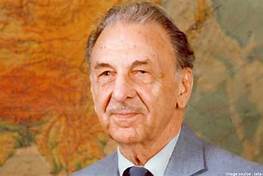
J.R.D. Tata-the great entrepreneur and philanthropist.

Jehangir Ratanji Dadabhai Tata, known throughout the world as J.R.D Tata, was born on the 29th of July, 1904 in Paris. His father, Ratanji Tata. His mother Sujaine was French. The Tatas belong to the Parsi community. They settled in Navsari, a small town near Bombay in 1942 A.D.

  The Tatas, an industrial family, have provided employment to lakhs of Indians all over the country. Tata Corporate is an industrial giant in our country. The Tatas have products that cover almost every industry right from railway engines to watches, cloth to soaps to common salt and also electrical goods. The Tata industry was started by Jamshedji Tata the Grand Old Man of the Tata family. He started a steel factory in Jamshedpur and a cotton factory in Nagpur, laying a foundation for industrial technology in India. This tradition was continued by J.R.D. Tata was known as the father figure of Indian industry.

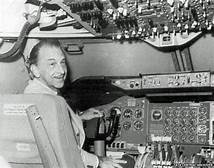
  J.R.D. Tata received his primary education both in Paris and Bombay. He wanted to pursue his studies at Cambridge but his father involved him in the running of the company and hence he could not pursue his further studies at Cambridge. From childhood, J.R.D. wanted to be a pilot. His inspiration was Louis Blerio, an adventurous pilot who had crossed the English Channel in an airplane. After Tata returned to India he became a member of the Bombay Flying Club in 1929, obtained a pilot’s license. He flew his plane and in 1953 the Tata airlines were born which later became Air Indian, India’s international airline. Tata had undertaken his maiden solo flight from Bombay to Karachi and back, he re-enacted his maiden flight fifty years later from Karachi to Bombay in memory of the inaugural flight at the age of 88, such was his spirit!

  J.R.D. Tata participated in the struggle for freedom too. He was influenced by Pandit Jawaharlal Nehru and attended Congress meetings but later he felt he would be of better service if could help in eradicating poverty and employment than being behind bars. Under his chairmanship, the assets of the Tata Group grew from US$100 million to over US$5 billion. He started with 14 enterprises under his leadership and half a century later on 26 July 1988, when he left, Tata Sons was a conglomerate of 95 enterprises which they either started or in which they had a controlling interest.

He was the trustee of the Sir Dorabji Tata Trust from its inception in 1932 for over half a century. Under his guidance, this Trust established Asia’s first cancer hospital, the Tata Memorial Centre for Cancer, Research and Treatment, in Bombay in 1941. He also founded the Tata Institute of Social Sciences (TISS, 1936), the Tata Institute of Fundamental Research (TIFR, 1945), and the National Center for Performing Arts. The growth of Tata industries under him was phenomenal. As mentioned earlier from salt to steel, soap to atomic power, hotels, transport system, Tata industries lead by J.R.D. Tata was everywhere. 

  To recognition of his achievements and services in various fields, he received numerous awards. The Padma Vibhushan, in 1955 was one such award of civilian honor. He was awarded the Bharat Ratna in 1992 the highest civilian honor in India. J.R.D. Tata breathed his last on November 29, 1993, in Geneva, Switzerland. He is no more but his industries spread out all over India give a lifeline to lakhs of people.

History Of India And National Movement

Revolt of 1857
Before 1857 in 100years of a journey of Mughal emperor is ruled 1757 to set up own dynasty which was long time India and in 1857 British came that was partly they have owned and fight to rule in India and establish east India company which was named by the British. That was the “Revolt” after 1857 started and the modern history began the Mughal emperor became a pensioner of EIC.


In the background, 1757 war Plassey between Mughals and Nawab of Bengal for policies because of British was intervened for east India company by sending the governor leadership of Robert Clive control to seize indirect and French allies which broken by Captain John Munro after that they confirmed that British will go ruled in India.


1765- Treaty of Allahabad
When the British have proved that they are going to rule in India they changed the policies of East India Company and the Rights to collect the Revenue of Bengal, Bihar and Orissa which was called Deewani by the states for a collection that they won in fights and the Nizamat in Bangal which given states that maintain their Law and orders and then it became Dual system of Government this reason made the biggest Revolt of 1857. And the Mughal emperor was shah Alam became a pensioner if east India company that fixed amount given by the British which was 260000 the impact of symbolic importance he has power but the time changed that he got a yearly pensioners system of Diwani is taken charge by East India company they made different policies in revenue changes.

  • New land revenue settlements.
  • Growth of intermediary.
  • Eviction of peasants from their lands.
  • Intervention in Tribal regions.
  • Destruction of domestic handcraft and promotion of British goods.

That became the experiment that some has to succeed some are not successful but ultimately the situation has come in front of East India company has to appoint new post for their money collection(Tax) because they are not sufficient to handle the work and other became middle class came in the area to give money called money lenders. Imposed different taxes that are become reason farmers faced many problems inland.
The new market also establishes by the British command east India company India became the manufacturer for raw material in the market because they have given rights to take charge and command EIC whatever the market in India like cotton manufacture mills handicraft that tribal made by them all are produced in Britain. This is the only marketing and manufacture India and the production is over the business of profit is now British in hand only one thing comes in mind of drainage of wealth they pay tax to the British government.

These are all the reasons that British pay money for tax and money for their government to east India company this become main benefits of permission given but they also send money to Britain so especially pay tax.
Military Revolt on 29 march 1857 behind reason become revolt because of British they invented the Enfield rifle and they use kind of grease they made of pig or cow that military refuse to use that greased cartridges. 10th may all regiment was also denied and they killed British army officers because they are large in number so they were more powerful on them and run away to Delhi on 11 May came from Meerut they induce in these all problem and movement were started they went to bahadur shah Zafar lead them. That they have their army and army chief bakht khan who was more than 84 years old he told bahadur shah that this is the biggest opportunity for us to make a change they are ready to lead them and they become symbolic. There were many revolts began by different states Lucknow on 4th June begum Hazrat mahal (w/o Nawab Wajid Ali Shah) Brijis Qadir.

SUPPRESSION OF “REVOLT”
On 21th September Delhi Hudson B.S Zafar was arrested and sent to Rangoon and his son were killed in 1852. In Lucknow send Halov Outram to control them but they cannot control but after that Collin Campbell send to kill them and then Begum Hazrat Mahal went to Nepal and Lucknow get occupied by the British and the Kanpur revolt is over won by Campbell tatyatope hanged by them and nana sahib went to Nepal in 1857 revolt has over by east India company. The reason behind the revolt

  • Politocal- Doctrine of laps.
  • socio-Religious – Christianzation of India, Religious disabilities Act 1856.
  • Economic- Drain of wealth

And India in 18th century 1757 – 1764 British kingdom established by the struggle for succession. In 1803 Aurangzeb son MD muazzam shah Alam(65yr old) fight the British won get emperor and he adopted tolerance policies with Hindu kings but those who found them struggle they try to induce the end the make friendly relationship. There are many Mughal emperors and Hindu samaras who ruled between this time. But the British kingdom was the last that occupied India.
The democracy of India is the big challenge that faced the third freedom of the nation. The Indian national movement was an organised mass movement and affected both internal and external. It led to the formation of the Indian national congress in 1885. Struggles of the country have broken the people of India by socio-Cultural, and Economic factors that led to the rise of Nationalism.
Tilak was the first leader who leads this movement. The British colonial authorities called it “The father of the Indian unrest”. He was also given a title name “Lokmanaya” as a leader and an independence activist Mahatma Gandhi called him “The Maker of Modern India”.
Indian National Congress
Tilak encouraged the swadeshi movement and the Boycott movement. The movement consisted of any Indian produce goods. there was a gap which had to be filled by the production of those goods in India itself.
Dadabhai Naroji formed the East India Association in 1867 and Surendranath Banerjee founded Indian National Association in 1876. Seventy- two Indian delegates met in Bombay in 1885 and founded the Indian National Congress.
The demands of education, awareness about the rights, freedom of speech reform and expansion of the legislative council’s development of modern capitalist industries in India.
The national movement in (1858- 1905)
Procrastination by Qween Victoria announced that now east India company will not intertwine in India British has only the power by parliament it changed the whole democracy. growth of nationalism in this index administration. It was British rule and its direct and indirect consequences that provided the material, moral and intellectual conditions for developing a national movement in India. British is the only reason for policies for their backwardness.
The first session will be held in Pune, but it’s changed for a reason and held in Bombay in Gokul das Sanskrit school and the second session Kolkatta by Dadabhai Naroji has been three-time 1886, 1893 and 1906. Total 434 delegates are standing Community and the third session in madras (1887) formed by Badruddin Tyabin. He is the third president of the Indian national congress. He declared that he had denounced all communal Muslims and bring them into the party and introduced resolution no XII at the Allahabad congress.

Essence of Old school love

Can we please switch to old school love, where physical proposals were a thing. Where proposals were not done over texts or phone calls. Where instead of staying busy on phones, people would look into each other’s eyes and converse. This Gen Z will never understand what it was like, what it felt like.

Lovely Couple Holding Hands and Stock Footage Video (100% Royalty-free)  1036502249 | Shutterstock

When I hear my parents or grandparents describe how they met and fell in love, I see a certain purity dictated by first meetings, holding hands, exchanging letters through common acquaintances, and fighting the world to be with each other. And when I consider how long they’ve been together and how they’ve stood by each other through good times and bad, it almost always puts a smile on my face. But, I also feel envious at times. The internet has ruined many of the elements that used to make love magical. I miss the way people used to talk and write about love. It’s now only seen in vintage black-and-white films, only in dusty, faded images of my grandparents. I no longer see old school love. In fact, I’ve experienced nothing like it yet.

The respect and dignity people had for each other was unmatched. Old school love was slow and patient, it was never rushed. They didn’t expect a kiss on their first date or even third date. They made every small brief moments count, like holding hands, writing handwritten letters, talking about life over long walks. Imagine, standing out of their corridor or street just for their one glance. That’s love. Imagine, waiting for the replies to your letters for a month. That’s love. Imagine watching sunsets at beaches over Netflix and chill at home. That’s love. I believe that love comes with all the embellishments like the conveying of things through the eyes, long walks which are taken while holding hands and always feeling like something is missing when your special someone is not around. Cute gestures like buying your partner chocolates when they have a bad day or taking them to your favourite spot in the city as a way to let them into your life go a long way in making special memories. Talking through a fight or a misunderstanding instead of breaking up and moving on to the next person gives love real strength.

However, it’s slightly difficult to survive in a world where the basic idea of love is now swiping right or left on a mobile app. The kind of love we see nowadays doesn’t seem like it’s a relationship between two peoples. It seems like it’s between them and their Instagram followers. These days, people date someone for like a week and brag about them on their Instagram, change their profile pictures. That isn’t love. Going out on dates, staying busy on your phones and clicking pictures just to post on these social medias, not to create memories. That isn’t love. I’m not saying that don’t go out on dates, but can’t you keep your phone aside and just listen to your partner, look at their glowing face when the moonlight falls on them. Enjoy the small moments and don’t miss out on this happiness.

Water resources in India

Water is one of the most essential natural source for us to survive and we have heard it quite a lot time that we cannot survive without it. today I will discuss various resources of water in our country and need to conserve it for future.

In India , we have various resources of water . India receives water from precipitation is about 4000 cubic km. This rain occurs mostly in monsoon seasons with north and northeast getting maximum rain. India has about 4 % of total world’s water resources.

Beside these resources , India has a vast coastline with intended coast in some states. Odisha , Kerala and west Bengal have vast surface water resources in form of lakes. this water is also used for Irrigation of some crops. Irrigation is process of watering of agricultural plants through artificial ways. The availability from surface water ( from lakes , pond , rivers and tanks ) is about 1869 cubic kilometer. Though this level of water is more than enough but , most of the area in India is under tropical climate . About 92% of water is used in Agriculture , 6% for drinking and 2 % for industries. For agriculture , rain is most important resources in India but due to uncertainty of rainfall , uneven distribution of rainfall , crop requirements and nature of the soil, Irrigation is widely used in our country.( source : Jasmine Rachel ,135).

Irrigation are done in India by various ways . It totally depends upon availability of surface and ground water. Various means of irrigation are wells ,tanks , canals and others.

  1. well :- well is a very common source of irrigation we all have seen it in various places. it is a small hole dug in the surface of the earth to obtain water for irrigation. it is a very simple and cheap source of Irrigation.

2. Tube wells : – it is a deeper well at the depth of 20 – 30 m from which water is lifted up for various uses . it can irrigate large area for agriculture. it brings a large amount of underground water. but is little bit expensive.

3. Canals : – canal is the biggest source for irrigation . it is stretched for lakhs of kilometers. Basically ,there are different types of canals that is Inundation canals and Perennial canals . canal irrigation is practiced in Uttar Pradesh , Madhya Pradesh , Rajasthan , Andhra Pradesh and various regions.

Water conservation

Water is a natural resources in our planet . it is a basic need of humans . But due to overuse of it ( increase in population and irrigation) its demand has raised a lot since few years. and amount of water has significantly fallen. some experts also say that world war 3 could be fought due to shortage of water in various countries. we need to conserve water as much as possible . some reasons for it are :-

  1. The overuse of underground water.
  2. Irrigation
  3. The demand of water for industrial use is increasing day by day.
  4. The increase in country’s population.

Water conservation is a very serious mater . fresh water is also declining from earth’s surface. we need to take good steps to conserve water and use efficient measures to conserve water. some techniques to conserve water are rainwater harvesting , water recycling etc.

PROBLEMS FACED BY LGBT COMMUNITY

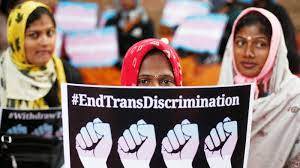
The expression “LGBT” represents lesbian, gay, bisexual and trans gender. A lesbian is lady drawn to another ladies. Gay is a man drawn to another man. Bisexual individuals are drawn to more than one gender. A transgender individual is somebody whose sex personality varies from the one they were appointed upon entering the world. Individuals in the LGBT people group are battling for equivalent rights and acknowledgment. Trans individuals, particularly, face a ton of trouble in discovering acknowledgment. Individuals in the LGBT people group are peered downward on constantly. While lesbians, gay and bisexual individuals are reluctant to inform their families about their sexuality.

They are not acknowledged in the public eye. Others ridicule them. “LGBT” terms are regularly used to affront somebody. “Gay” is frequently utilized as a revile/curse term which isn’t right. Somebody’s identity shouldn’t be utilized as reviling/cursing word.

Consistently, an enormous number of LGBT individuals face gigantic issues identified with brutality, joblessness, separation, destitution and absence of medical care. Biased individuals have issues with the manner in which individuals from the LGBT people group lead their lives. These individuals, I accept, are being juvenile. There are a few group who claims themselves as LGBT ally however the extremely next second they crack lame and sexiest jokes on them.

However, there are individuals who genuinely support LGBT people group. Be that as it may, of individuals have ill-conceived notion about them. They accept that LGBT individuals shouldn’t be permitted in home. I believe If school make their understudies mindful about the LGBT people group, we would not deal with such issues.

RESOURCES:

1.https://www.youthkiawaaz.com/2018/01/dont-ever-be-afraid-to-show-off-your-true-colours/

2.https://www.livemint.com/Sundayapp/sAYrieZdZKEybKzhP8FDbP/Being-LGBT-in-India-Some-home-truths.html

Dreaming big enough

As soon as the name of dreams comes in the mind, then we feel that dreams are those which we see in the night. But dreams are in reality what we see while sleeping, but we see the real dreams of life with open eyes. Those dreams that give us the courage to take us towards tomorrow give us happiness. Dreams come automatically in our mind which molds our thoughts accordingly. Dreams are not a slideshow but examples of our thoughts that we think of all the time.

What do we think famous people So become famous because they decide. No we think wrong rather they dream and start fulfilling them because they have dreams and they have followed their dreams due to which they have gone on right path in their life .all you need is a passion. Passion helps us to complete the dreams .When we dream big, we think accordingly and start moving forward. To contemplate a big dream is to consider your potential as a powerful creator, and that’s actually a good thing.

Dreaming is a multi-step process. Although coming up with an idea of ​​how you are going to spend the rest of your life is important, acting on that idea is half the battle. Your dreams have nothing to do with what others think of you. Others may want to see you as a doctor, but you may be dreaming of becoming a painter. This is not entirely wrong as you have the right to dream about everything that your heart desires.

We have found many people who limit their dreams. They dream according to the situation they are standing at the right moment. Then that is not dreaming big enough. For example: perhaps you would most really choose the job that is most suitable to you rather than the career you actually want but that is beyond your grasp at the current moment. However, big dreamers dream light-years from where they stand.

A truely big dream is an ultimate manifestation. A big dream is your soul’s way of reaching the highest vibration from this place in universe. If you know you are truely dreaming big enough, then your soul will let you dream manifest and your heart sing. 

So what do you think? Are you dreaming enough? Are your dream holds so much power that they can withstand any situation and will not be break by you? That’s how your dreams should be. If so, well done!

It will take higher level of path of trust in oneself to consider possibilities like these. Many people even don’t dare to dram.

If you think that you are not dreaming enough, then you have to move your training wheels bit speedily and stretch a little higher. Let you imagination runs into wild and see where it takes you!

Dreaming is not a bad thing, not fulfilling it is a bad thing.

TRENDING TECHNOLOGY

Can a robot ever be conscious and how would we know if it were?🕘

Some people think we could easily build and identify a conscious robot, while others insist that it’s impossible – it all depends on what you think consciousness.

Technology’ is one of the keywords of our world, yet it is also one of the most confused. As an analytical category it seems necessary for our understanding of all of humanity’s history, and indeed beyond. We are probably comfortable with asserting that humans have had technologies since the Palaeolithic, and a menagerie of animals, from crows to chimps, have even been identified as tool users. As an actors’ category ‘technology’ is of surprisingly recent vintage, although cognate terms – techne, arts, and so on – have a much longer history. Yet even for a recent English word ‘technology’ has come to embrace often conflicting meanings. In this essay review I have three aims. First, I will offer a summary of Eric Schatzberg’s important new opus Technology, which untangles and clarifies the history of ‘technology’ and its cognates as actors’ categories. Second, I will conduct a critical analysis, arguing that Schatzberg, while helpfully placing past ways of thinking about technology into two camps, ones he calls the ‘cultural’ and ‘instrumental’ approaches, makes a misstep when he favours the former over the latter.

Third, I offer an extension of my preferred instrumentalist definition, one which highlights an essential property of technologies – their power to intervene over scales – in a way that, I suggest, offers a new, invigorating direction of study for historians of science and technology.

There is disagreement over whether machines can ever be conscious, let alone how we would know if one were. Your view may depend on how you see consciousness.

If the subjective feeling of consciousness is an illusion created by brain processes, then machines that replicate such processes would be conscious in the way that we are. How would we know this? Daniel Dennett at Tufts University in Massachusetts thinks a Turing test, in which a machine has to convince a human interrogator that it is conscious, should, if conducted “with suitable vigour and aggression and cleverness”, be enough.

Face Packs

Face pack is easiest way to take care of your skin. Our skin faces a lot of damage due to inadequate care, pollution, climate change and health issues. There are variety face packs depending on need and skin type.

Here are some reason why to use face packs :-

  1. Deep Clean :- Using a face pack on daily basis can keep your skin healthy by getting rid of oil and dirt.
  2. Unclog pores :- The ingredients of face packs are such that they pull out all impurities on the surface of the skin or they penetrate deep inside the pores pushing out dirt to the surface along with dead skin cells.
  3. Hydrates the skin :- To maintain a radiant looking youthful skin you need to drink a lot of water. Apply face packs that will add moisture to skin such as cucumber, potato, banana etc.
  4. Reduces acne and dark spots :- Face packs helps in maintaining skin tones, prevents the formation of age spots reduces pigmentation and sun damage.