The Christian is not to become a Hindu or a Buddhist, nor a Hindu or a Buddhist to become a Christian. But each must assimilate the spirit of the others and yet preserve his individuality and grow according to his own law of growth.…SWAMI VIVEKANANDA
HOW DIABOLICAL!
The most glorious tradition of the Indian civilization is the basic unity among the people in spite of the various diversities that exist in our life. There are different religions in India and in matters of food, dress, language and manners and custom, we are distinctly different. But in spite of all these, we are Indians from the very beginning, birth to death and we are proud of this unity.
OUR COUNTRY HAS TRACKED ITS PASSAGE
But such divisive forces as communalism, linguism and religious feeling often plague our country. Communalism is the greatest evil. It is responsible for the division of India. The British fanned the communal feelings of the Muslims and the latter wanted a separate State for themselves. Thus, Pakistan was created. Now we suffer the consequences of the partition of India. Had we lived together, many problems such as population, food and shelter could not have been so acute. Moreover, our long- standing disputes over the borders would not have poisoned our relationship.
SOCIETY AND ITS PEACE ARE ON TARGET
Communal feelings are often whipped up in India by interested people and parties. There are often quarrels between two communities in States like Bihar and Uttar Pradesh and they often culminate in murders. Different religious sects or linguistic minorities raise their voice for separate States. Such fanaticism will lead to the division of India into many parts. India will be weakened and foreign powers will take advantage of the weakness of India. India to-day has to deal with the Punjab problem, Gorkha problem in Darjeeling, Jharkhand problem, the problem of tribals in Tripura, Boro problem in Assam and many other communal problems. Some politicians are responsible for whipping up casteism for their self-interest. This is very unfortunate. There are people of different regions and languages, casts and creeds but there is basic unity in India’s culture and religion.
MAKE PEACE…..NO WAR
So, it is necessary to combat the evils of communalism. India is one and indivisible. United India can hold its own and play a significant part in the international world. Communal harmony is the need of the time. Fanaticism must be checked so that India’s unity is not damaged.
Studio Ghibli is a Japanese animation studio that has been creating wonderful animated movies since 1985. Founded by Hayao Miyazaki and co., Ghibli’s movies have always stood apart for their thought-provoking themes and immensely settings. Ghibli animations have the power to transport us to an ethereal land that transcends beyond the mundanities of human life. They are usually set in a mythical of fictional landscapes which are hidden from and within the everyday realities of humans. Through these fictional characters and magical settings, Ghibli movies have a way of moving us to tears with etched emotions. Their plotlines are heart-wrenchingly beautiful and are often presented with a touching message to humanity. Another element that adds to the beauty of each movie is that they are accompanied by an assortment of soulful music. Ghibli movie magic lies in the fact that it can instantly takes us lands that reminds us of the beauty of mossy meadows, gentle rivers, sweet smell of earth after the first rain, dewdrops on a tender leaf and vast grasslands meeting a clear blue sky in its horizon.
Here’s a list of top 3 must-watch Ghibli movies:
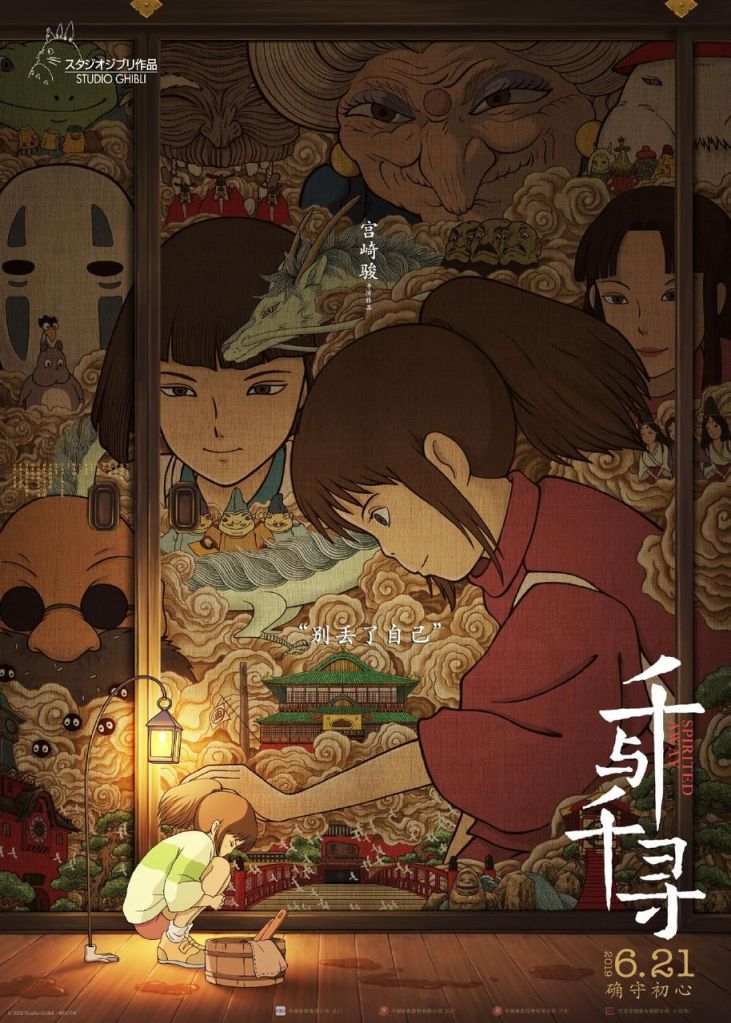
1. Spirited Away
Spirited Away was released in 2001 and was directed by Hayao Miyazaki. Spirited Away follows the story of Chiro, a 10-year-old girl who, while moving into a new neighbourhood with her family, accidentally enters the world of Kami or Japanese folk spirits. The family crosses into the threshold before sunset, not knowing that it transforms into the magical land of spirits after sun down. After her parents are turned into pigs, Chiro embarks on a journey to recover their true selves by working for the land’s wealthiest witch Yubaba. Set with beautiful animations of glittering nightscape and elegant river spirits, Spirited Away is easily a true cinematic masterpiece. It won the Academy award for ‘Best Animated Feature Film’ in 2002 and is critically acclaimed worldwide.
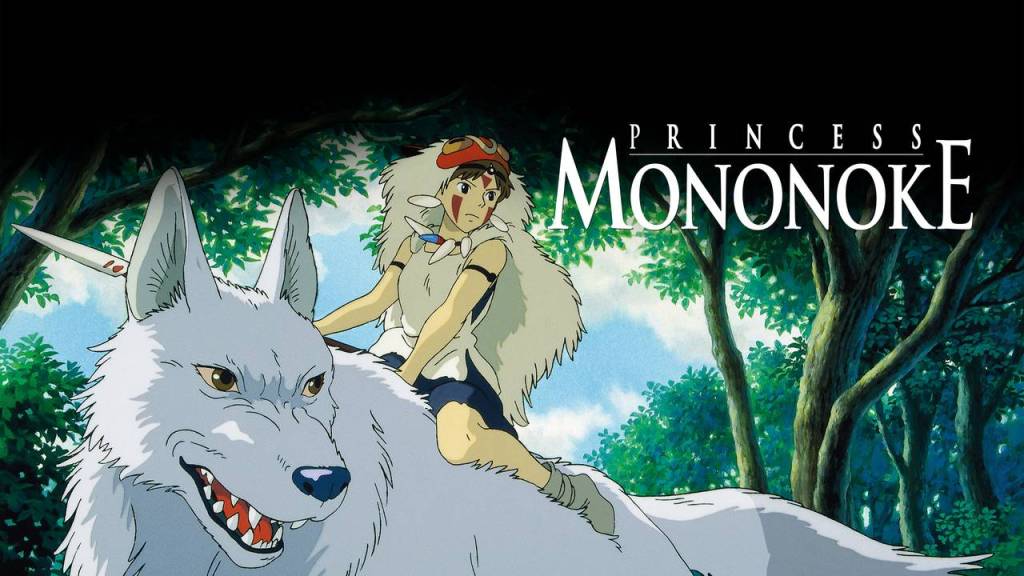
2. Princess Mononoke
Princess Mononoke was released in the year 1997 and was directed by Hayao Miyazaki. It is a thought-provoking story that questions and laments the destruction of nature sue to mankind’s greed for more. Set in the late Muromachi perios, it follows the story of a young Prince Ashitaka who encounters wild forest gods and its protectors who are caught fighting against humans who seek to destroy the forest for their purposes. With surreal mythical creatures and an abundance of emotions, Princess Mononoke moves us with its powerful message.
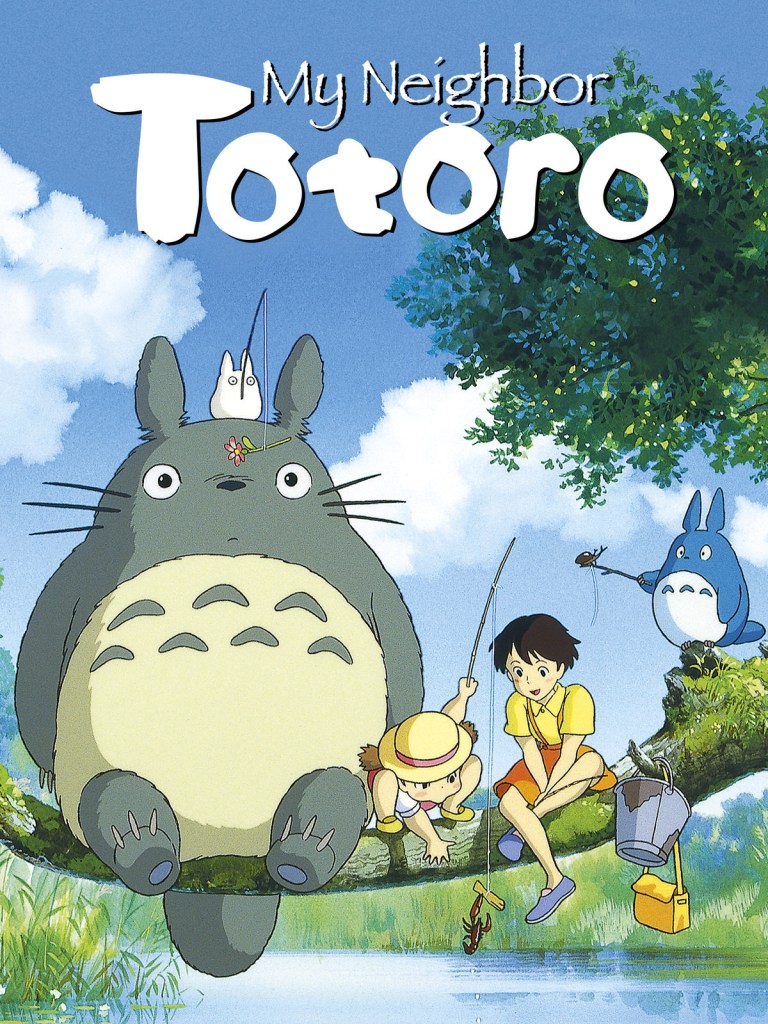
3. My Neighbor Totoro
My Neighbour Totoro was released in the year 1988 and was directed by Hayao Miyazaki. It follows the story of two little girls named Satsuki and Mei who, while moving into their new house, discover a hoard of fantasy creatures in their backyard. The two children, especially the younger one is innocently curious. As she stumbles into a mossy hole, she discovers a couple of friendly wood spirits including the huge Totoro who keep her company until her sister arrives back from school. Set in a post-war Japan, the movie shines with the innocence of the children and explore their humorous interactions with the mysterious and cute creatures. Totoro was widely popular and has been the face of Studio Ghibli since.
There are several other notable Ghibli movies including Howl’s Moving Castle, Castle in the Sky, Grave of the Fireflies and Kiki’s delivery service, etc.
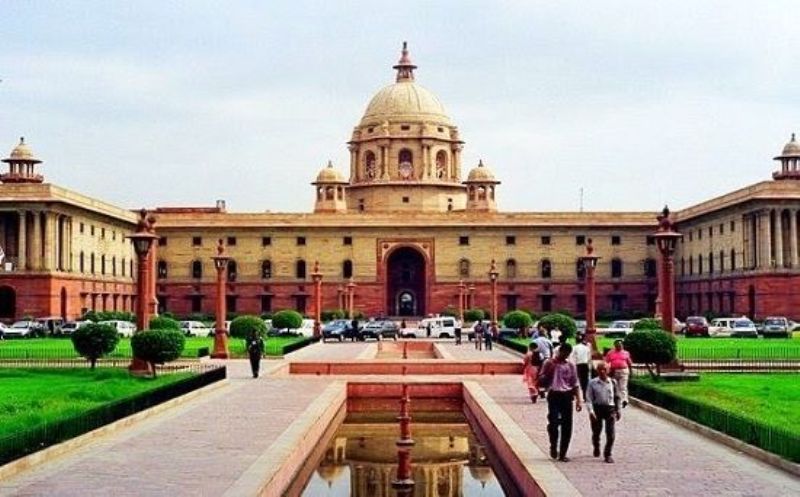
The central Government is the supreme government in our country.The head quarter of the Central Government is at New Delhi.
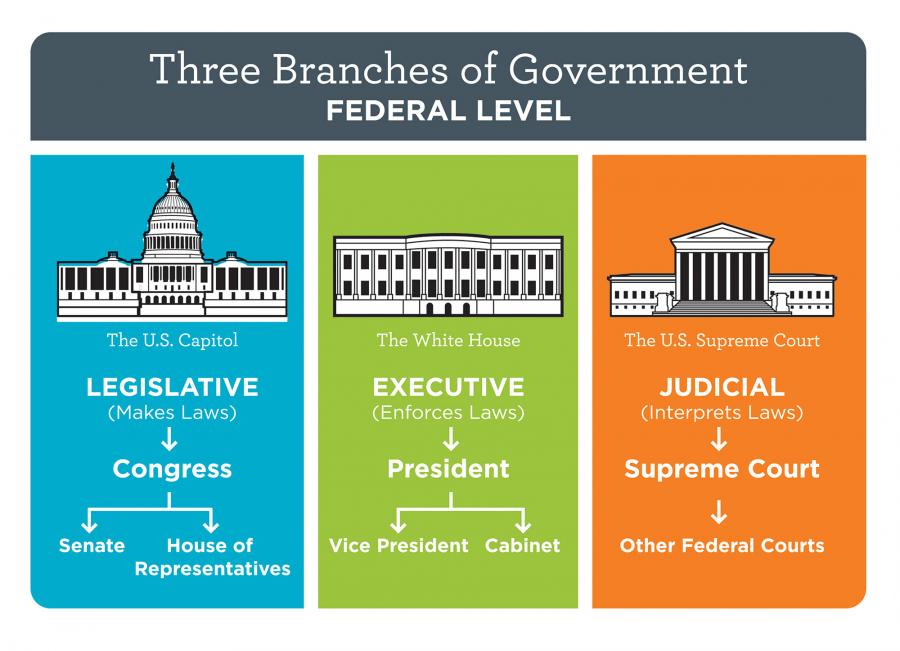
Articles 52 to 78 in part V of Indian Constitution deals with the Union Executive.Our Constitution provides for a democratic form of government.The markers of the Indian constitution, by giving due recognition to the vastness and plural character of our nation,have provided a federal arrangement for her governance. The Central Government consists of three organs, namely, Union Executive, Legislative and Judiciary.The Union Executive consists of the president of India,the Vice – president,and the Council of Ministers headed by the Prime Minister,and the Attorney General of India.The legislative is known as the Parliament.It consists of two houses,namely the Rajya sabha and the look Sabha.The union Judiciary consists of the Supreme Court of India.
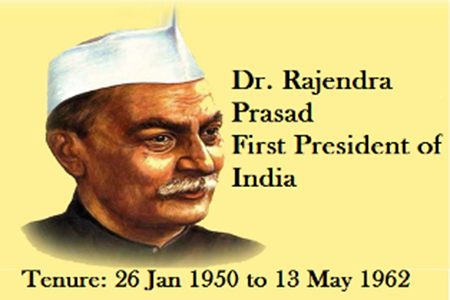
The president of India
In the Scheme of parliament system of government provided by the constitution,the president is the nominal executive authority.The chief executive of the Indian union is the President.He is designed as the first citizen of India.He is the supreme commander of the armed forces.The president is also the constitutional head of the Union Executive.He is also responsible for constrituting the judiciary.According to Article 53 of the constitution,the executive power of the Union shall be vested in the President which shall be exercised by him directly or through offers subordinate to him in accordance with construction.
Qualification for the election as president
The constitution lays down qualification for a presidential candidate.
• He should be a citizen of India. • He must have completed the age of thirty five years • He must not hold any office of profit under the Union,state or local Government. • He should have the other qualifications required to become a member of the Lok Sabha • His or her name should be proposed by at least ten electors and seconded by another ten electors of the Electoral college which elects the President. The president cannot be a Member of parliament or of a state Legislature;if he is a member of any Legislature,his seat will be deemed to have been vacated on the date he/ she assumes the office of President.
Election of President
The president is elected by an electoral college in accordance with the system of proportional representation by means of single transferable vote. The Electrol college consists of the elected members of both houses of parliament and the elected members of the states and elected members of National capital Territory of Delhi and Puducherry.Once elected as te the President has to take an oath of office before the Chief Justice of India.The president is elected for a term of five years and can be re-elected.
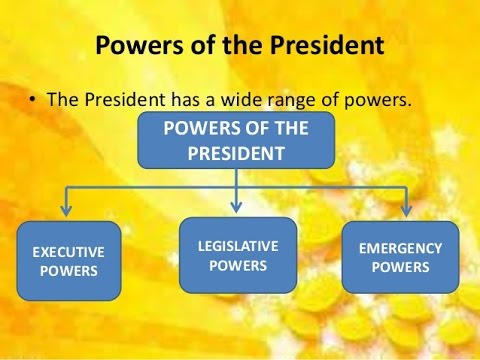
Powers of the President
The powers and functions of the president of India can be broadly classified under the following categories.
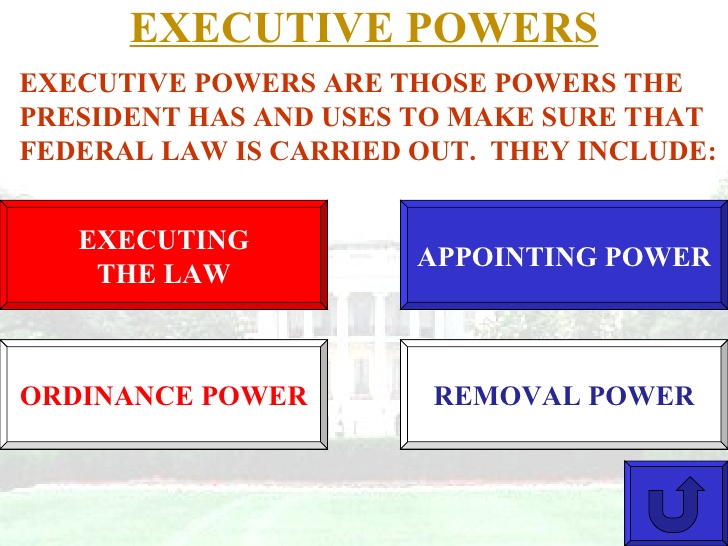
Executive Powers
The constitution vests in the president of India all the executive Powers of the Central Government.Article 77 requires that every executive action of the Union shall be taken in the name of the President.So he has to make many appointments to key – officers to run the administration. He appoints the Prime Minister and the other members of the Council of Ministers, distributing portfolios to them on the advice of the Prime Minister.He is responsible for making a wide variety of appointments.These include the appointment of Governors of states,the Chief Justice and other Judges of the Supreme Court and high courts, the Attorney General, the Chief Election Commissioners the Chairman and other Members of the Union public service commission Ambassadors and High Commissioners to the countries. He appoints a commission to investigate into the conditions of SCs,STs and other backward classes.He is the supreme commander of the defense forces of India,in this capacity the president can appoint Army,Navy,and Air Chiefs.
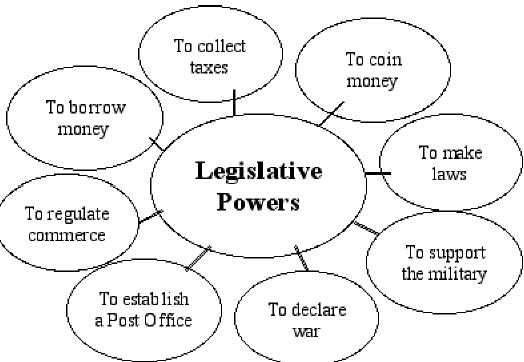
Legislative Powers
The president is an integral part of the Union Parliament.He inaugurates the session of the parliament by addressing it after the general election and also at the beginning of the first session each year.This address is essentially identical in nature to a speech from the Throne.The president summons parliament at least twice in a year.He may send messages to either House of the parliament with respect to a bill pending in the House.All bills passed by the parliament become “Laws of Acts” only after getting assent of the President.Money bills cannot be introduced in the Parliament without his approval.President terminates the sessions of both or any of the Houses of Parliament.He can even dissolve the Lok Sabha before the expiry of the term of the House.He nominates 12 persons who are eminent in literature, Science,Sports,art and Social service to the Rajya Sabha.He can also nominate two persons belonging to Anglo-Indian Community to the Lok Sabha,if in his opinion ,that Community is inadequately represented in the House.
Financial Powers
Money bill can be introduced in the parliament only with his prior recommendation.Annual Budget of the Central Government is presented before the Lok Sabha by the Union Finance Minister only with the permission of the President.He causes to be laid before the parliament the annual financial statement (the Union Budget).The Constitution of India places the Contingency Fund of India is at the disposal of the President.No demand for a grant can be made except on his recommendation.He can make advances out of the contingency fund of India to meet any unexpected expenditure.He constitutes a finance commission after every five years or on the demand of the revenues between the centre and the states.
Judical Powers
Article 72 confers on the President power to grant pardons, reprieves, respites or remissions of punishment,or to commute the sentence of any person convinced of an offence.In all cases where the punishment or sentence is by a court martial; in all cases where the punishment or sentence is for and offence against a Union law; and in all cases where the sentence is a sentence of death.The president is not answerable to any court of law for exercise of his/she power (however He can be subjected to impeachment by the parliament).
Military Powers
Article 53(2) lays down that “the supreme command of the Defence force of te Union shall be vested in the President and the exercise thereof shall be regulated by law”.The president is thus declared to be the supreme commander of the defence Force of the country.In the exercise of this power,it is the President,who can declare war against a country and make peace.
Diplomatic Powers
The president appoints Indian diplomats to other countries and receives foreign diplomats posted to India.The ambassador designate becomes ambassador after calling on the president and presenting his credentials.All treaties and agreements with foreign states are entered into,in the name of the President.
Emergency Powers
• The president has been empowered by the constitution to proclaim Emergency.They are follows: Article 352 confers power on the President to make a proclamation of Emergency on the grounds of war, external aggression,or armed rebellion.This is known as National Emergency.
• Article 356 confers power on the President to make a proclamation of state Emergency by declaring that the Government in a state cannot be run on in accordance of the provisions of the constitution.
•Under Article 360, the President is vested with the power to proclaim Financial Emergency,if he is satisfied that the financial stability or,the credit of India or any part of India is threatened,by any reason.
Removal of the President
The president shall hold office for a term of five years from the date in which He enters the office.The President any by writing under his hand addressed to the Vice – President,resign his office.The president may,for violation of the Constitution,be removed from office by impeachment in the manner provided in Article 61; The Impeachment action can be brought about in the form of resolution in either House of the Parliament.It must be supported by not less than one – Fourth of the total strength of the House for its introduction.The President shall, in spite its introduction.The President shall, continue to hold office until his successor enters upon his office.
Privileges of the President
According to Article 361(1) the president,or the Governor of a state,shall not be answerable to any court for the exercise and performance of the powers and duties of his office or for any act done or purporting to be done by him in the exercise and performance of those powers and duties.
Legendary Bollywood actor Dilip Kumar passed away today. He was one of India’s earliest and most famous film actor. His age was 98 years and died in Mumbai. Dilip Kumar acted in more than 65 films over nearly five decades and is known for his iconic roles in movies like ‘Ganga Jamuna’ (1961), ‘Kranti’ (1981), ‘Karma'(1986), ‘Naya Daur'(1957), Mughal-e-Azam'(1960). He was last seen in ‘Quila’ in 1998.The actor had been recuperating from age-related health issues for the last few days and had been admitted to the hospital multiple times. He was admitted to the intensive care unit (ICU) of Mumbai’s Hinduja Hospital on June 30 after he complained of breathlessness. He had been frequently ill for months. Kumar’s wife Saira Banu had been with throughout. His family friend Faisal Farooqui tweeted through the actor’s handle “With a heavy heart and profound grief, I announce the passing away of our beloved actor Dilip Saab, few minutes ago. We are from God and to Him we return”
Many Bollywood celebrities including filmmaker Vidya Balan, Sidharth Roy Kapoor, Shabana Azmi arrived at Dilip Kumar’s house to pay their last respects to the legendary actor Dilip Kumar.
Tributes have been pouring in on social media for the actor- politicians, Bollywood stars and even historians have tweeted.
His mother had him when she was a 17-year high school girl and his father was 19. Soon after Bezos’s biological parents got divorced, his mother got married to Mike Bezos. Mike adopted Jeff when he was 4. Jeff did schooling from different places and schools. He graduated from Princeton University in 1986 with an engineering degree in electrical and computer science.
Success story
There are no limits to what you can accomplish except for the limits you place on your thinking.
From starting an online bookstore to being the owner of one of the most successful E-businesses, Bezos’s journey was a heck of a roller coaster. No success comes without a price.
Founding of Amazon
Amazon was first named Cadabra. Later Bezos changed it to Amazon after the Amazon river in South America. Initially, it was a startup selling books online, later it started putting a variety of products and services. Amazon never focused on overcoming its competitors rather it focused on building a valuable firm and helping customers which led Jeff Bezos to become the world’s richest man with a net worth of 179.6 billion dollars.
Blue Origin
In 2000 Bezos found Blue Origin, a private spaceflight company. Bezos has mentioned his interest in space travel and building life in outer space. Blue Origin hit the success point with a successful launch of the New Shepherd rocket on April 14, 2021. New Shepherd expects and plans to take paying customers to space to experience weightlessness.
Bezos’s success’s vision
“From very early on in Amazon’s life, we knew we wanted to create a culture of builders – people who are curious, explorers. They like to invent. Even when they’re experts, they are “fresh” with a beginner’s mind. They see the way we do things as just the way we do things now.”
Bezos’s plan
At the onset of February 2021, Bezos resigned from the post of CEO of Amazon. Bezos admitted that he wanted to focus on Blue Origin and Washington post with all his time.
Gain confidence in your style with fashion advice for styling every look in your closet.
1.Work your capsule wardrobe:
Make sure you have reliable wardrobe staples: an iconic little black dress, a pair of jeans that fit perfectly, a classic blazer, simple T-shirts and button-downs in neutral colors, and an effortless leather jacket (or denim jacket). Investing in a capsule collection of mix-and-match basics (and learning how to style them) is the key to looking put together.
2. Make sure your clothes fit perfectly:
One trick to making any item of clothing look amazing is to hire a good tailor. Tailored clothing not only looks polished, but it also feels more comfortable. Pants that drag on the ground and dresses that bunch up awkwardly won’t make you feel stylish. If your capsule wardrobe fits you well, you can start to play with over- and under-sized items in a way that feels fashionable, not sloppy.
3. Learn how to balance proportions:
Balancing proportions is about styling your outfits to create an overall aesthetic harmony. The way you achieve this is by wearing clothes that are fitted to your body shape. When you want to play with oversized clothes or unusual shapes, make it a fashion moment by keeping the rest of the look fitted. For example, try pairing a tight crop top with wide-leg jeans, or a puff-shoulder top with straight-leg pants.
4. Find your personal style:
Developing a signature style can take years, but you can get started by creating a moodboard. Remember that personal style is an experiment; you never know what amazing looks await you until you’re in the dressing room. The categories “menswear” and “womenswear” shouldn’t dictate how you shop. Take time to play with colors and shapes to find what looks great on your unique body.
5. Become a better shopper:
Learning how to shop for exactly what you want will help you avoid filling your closet full of items you never wear. When your wardrobe consists of pieces that you love, styling an outfit will become second nature.
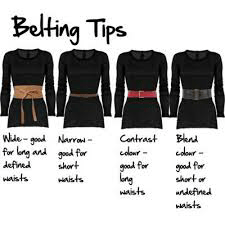
6. Add a belt:
Adding a belt to your look is one of the easiest ways to make any outfit look more put-together. It’s also a great trick for bringing balance to a look that otherwise might not work—like a long cashmere sweater and billowy midi skirt.
7. Play with colour:
If you’re nervous about adding color to your look, start with just one colorful piece, and keep the rest of your look neutral. As you get more comfortable with colors, you’ll learn which color combinations work best for your style. Take a look at a color wheel for inspiration.
8. Mix patterns and textures:
The days of matching your handbag to your shoes are over. Clashing textures and prints make a bold fashion statement. Start small with neutral patterns like stripes and low-key textures like leather and knits, adding in the sequins and paisleys in small amounts (like a scarf, tie, or clutch) until you learn what works for you.
9. Always Accessorize:
Try to wear at least one accessory, whether it’s a statement necklace, a pop-color bag or a great pair of earrings (or all of the above). A solid statement piece can take an ensemble from ho-hum to a stand-out in seconds.
10. Get To Know Your Body Shape:
Fit first. With that, getting to know your body shape is key. Consider yourself a petite pear shape and prefer to highlight your shoulders? Build your closet with clothes that put the spotlight on your shape and favorite features.
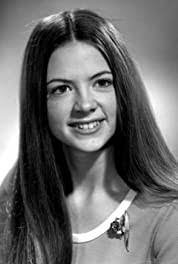
On June 11, 1974 a 21 year old Georgann Hawkins was going back home after meeting some old friends. It was almost midnight when she saw a car stop by her. Inside the car she sees an old friend whom she talks about the anxiety she is developing due to the upcoming Spanish exam. They talk for a while and leave. Just across the street she sees a well suited charming man with crunches trying to lift the briefcase and put it into the truck of the car. Being the polite and caring woman she was, she offered to help the man. The man gladly accepted the help and thanked her. When she leaned into the truck to put the briefcase she feels a sudden rush of pain in the back of her head as if someone had hit her with a blunt object so strong. Within a matter of seconds she passes out. Hours later she wakes up with an acute concussion, at the back seat of the car of the man she helped ago. Still confused Georgann asked ” are you going to help me with my Spanish? ” After which she is strangled to death and thrown in the woods. The same man visited her several times and does unspeakable things. This man is none other than Ted Bundy!
Georgann Hawkins
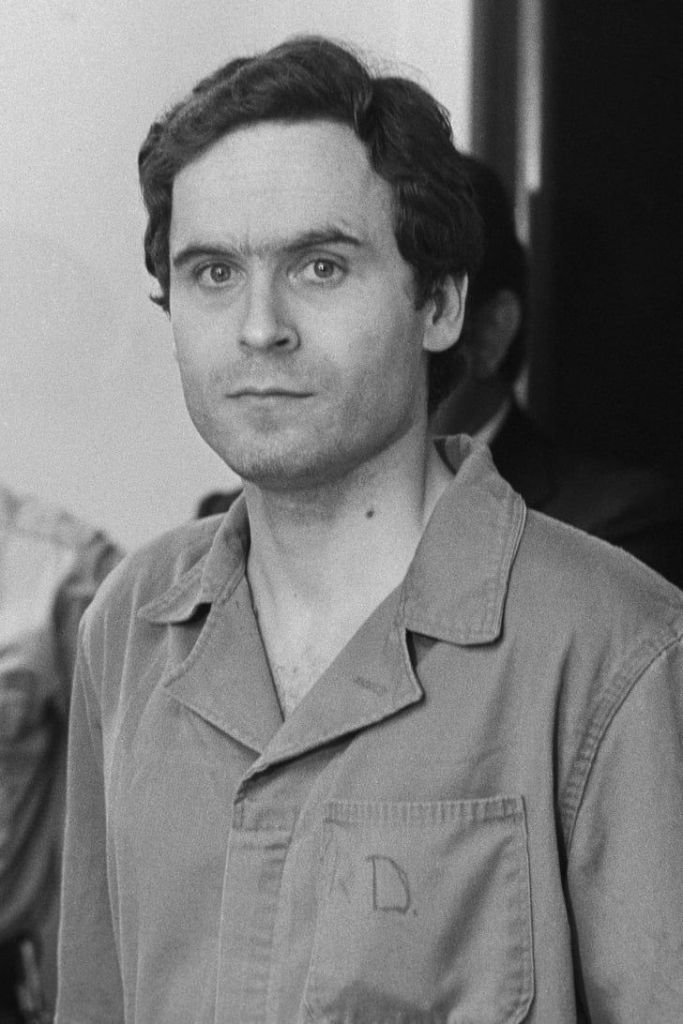
TED BUNDY
BRIEFING
If you are interested in crime and mystery series then you must know who this man is! Ted Bundy, the well known serial killer and a twisted psychopath.
Psychopathy is traditionally a personality disorder characterized by persistent antisocial behavior impaired empathy and remorse and bold dis-inhibited egotistical traits. Here is a catch, Ted was a psychopath but not every psychopath is Ted Bundy. In our society there have bee people who are psychopaths who are excellent leaders, CEO s, lawyers etc, who never harmed anyone. The real deal is, they wouldn’t mind harming someone is they wanted to. Nobody but a psychopath himself can determine that he is a psychopath.
They are extremely smart people. Easily hide themselves and their motives and blend themselves like jelly. Usually people like these are aware of their lack of emotions at a really early age and use a phenomenon called Masking, where they constantly pick personalities that will help them to blend with the crowd. When Ted’s wife got to know about his personality she was blown away and quoted “that man used to make me feel like a new bride every day.”
MASKING
CHARACTERISTICS OF PSYCHOPATHS
Zero empathy – For a psychopath nothings maters more than themselves. no emotions and fails to understand emotions.
Narcissistic overload – This comes hand in hand with psychopathy. With every sense of emotion the sense of humility is non existence to them.
Intelligence – They are very goal oriented people. They put a 100% in their plans that are indeed, always successful.
OCD – Their goals wouldn’t be very huge but they all suffered with OCD as they obsess over something. For Ted it was rendering women helplessly and raping them.
Charm – If charm and a good behavior is what will take them to their goal then they will obtain the quality. They lie effortlessly and so well that they are never caught. They can fake laughing and crying just to blend with the crowd.
THE FAMOUS SERIAL KILLER
Ted Bundy was born on November 24, 1946. He had a strange childhood where he believed that he was adopted by his grandparents and his mother was his sister. His mother didn’t tell him the truth as she was ashamed of the fact that Ted was born out of wedlock. He was handsome and easy to talk to. He later admitted that he never really card about making friends. Ted used to do normal things like others as going to church and dating women but when he got rejected he had this un-suppressible urge to take revenge.
Ted was a psychology student who graduated in the same from university of Washington in 1972. He even worked on the phones at the suicidal prevention hotline center later in life and became the assistant director of Seatle’s crime prevention advisory commission. As unsettling that is, he even published pamphlets telling women ways to prevent rape. By this time he had raped many women.
Ted used charms and approachable behavior to catch his victims. He often wore a sling or crutches to appear helpless and gained empathy from his victims whom he often attacked. Many suffocated in sleep and many rendered unconscious by the hit on their head with crowbars and man were simply stabbed. He chose young women who were students and attacked them with an object while they were sleeping or render them helpless before sexually assault them.
after being caught in 1977 he chose to fight his own case and gained access to library. There he jumped out of the window and ran away. He outsmarted the authority again and escaped for a real long time. With stolen vehicles and stolen food he escaped to Florida, where one night he snuck in one of Florida’s university hostels and had assaulted 4 women within 15 minutes, out of which 2 died. He even killed a 12 year old girl shortly after.
He was caught by a cop for driving a vehicle that was reported stolen. That cop who arrested Bundy had no idea whom he had captured. On the way Bundy said ” I wish you could have killed me”. The story of Ted Bundy still haunts the mankind to the day. The man was diagnosed with psychopathy, sociopathy, anti-social personality disorder, bipolar disorder, and multiple personalty disorder. He was ultimately executed in 1989 by electrocution.
RELATED PICTURES
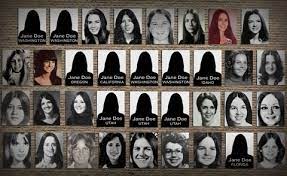
VICTIMS
THE OBJECTS HE USED TO ABUSE WOMEN, FOUND IN TED’S CAR
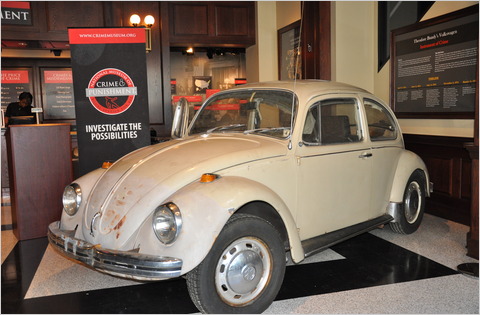
TED BUNDY’S CAR IN ‘MUSEUM OF CRIME AND PUNISHMENT’
TED’S EX WIFE AND DAUGHTER
There are a lot of films and documentaries written and made on Ted Bundy. Where some of them have his own taped films.
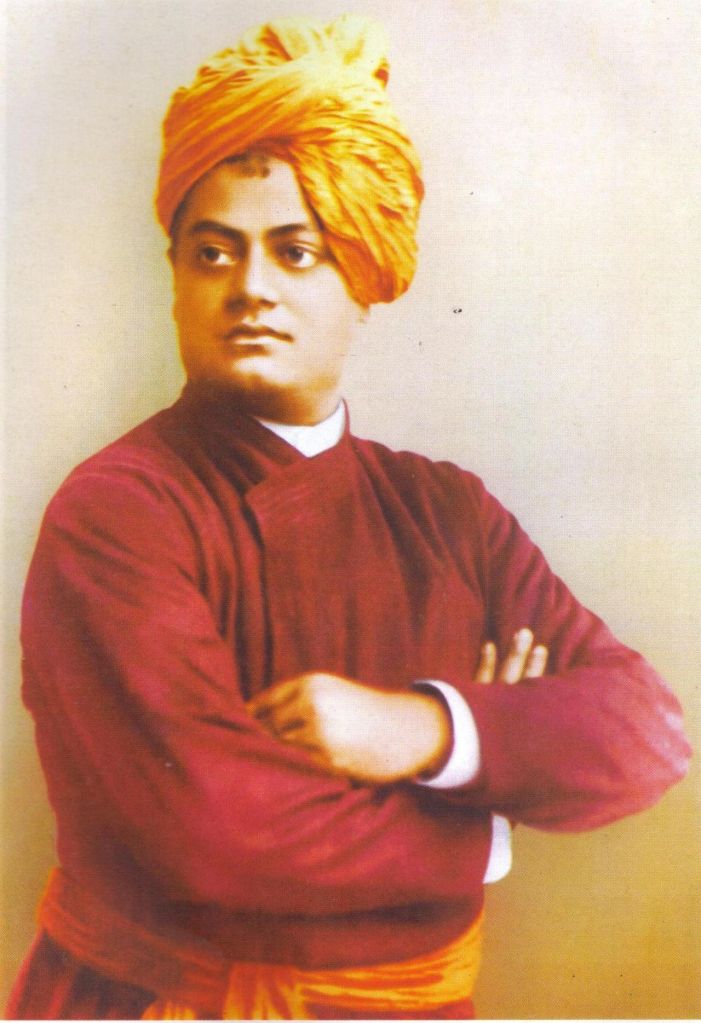
Vivekananda was born Narendranath Datta (shortened to Narendra or Naren) in a bengali family at his ancestral home at 3 Gourmohan Mukherjeestreet in Calcutta, the capital of British india, on 12 January 1863 during the Makarsanskrati festival. He belonged to a traditional family and was one of nine siblings. His father, Vishwanath Datta , was an attorney at the Calcutta high Court. Durgacharan Datta, Narendra’s grandfather was a sanskrti and Persian scholar who left his family and became a monk at age twenty-five. His mother, Bhubaneswari Devi, was a devout housewife. The progressive, rational attitude of Narendra’s father and the religious temperament of his mother helped shape his thinking and personality.
Narendranath was interested in spirituality from a young age and used to meditate before the images of deities such as Shiva, rama, sita, and mahavirhanuman. He was fascinated by wandering ascetics and monks. Narendra was naughty and restless as a child, and his parents often had difficulty controlling him. His mother said, “I prayed to Shiva for a son and he has sent me one of his demons”.
Education
1871, at the age of eight, Narendranath enrolled at Ishwar ChandraVidhyasagar’s Metropolitan institutions, where he went to school until his family moved to Raipur in 1877. In 1879, after his family’s return to Calcutta, he was the only student to receive first-division mark entrance examination. He was an avid reader in a wide range of subjects, including philosophy, religion, history, social science, art and literature was also interested in Hindu scriptures, including the vedas, the upanishads, the Bhagvad gita, the Ramayana, Mahabharata and the puranas. Narendra was trained in Indian classical music and regularly participated in physical exercise, sports and organised activities.
Narendra studied Western logic, Western philosophy and European history General assemblyinstitutions (now known as the Scottish Church College). In 1881, he passed the fine arts examination, and completed a Bachelor of Arts degree in 1884. Narendra studied the works He became fascinated with the evolution of herbert Spencer and corresponded with him, translating Herbert’s Spencer book Education (1861) into Bengali. While studying Western philosophers, he also learned Sanskrit scriptures and Bengali literature.
William hestie (principal of Christian College, Calcutta, from where Narendra graduated) wrote, “Narendra is really a genius. I have travelled far and wide but I have never come across a lad of his talents and possibilities, even in German universities, among philosophical students. He is bound to make his mark in life”.
Narendra was known for his prodigious memory and the ability at speed reading. Several incidents have been given as examples. In a talk, he once quoted verbatim, two or three pages from Pickwick papers. Another incident that is given is his argument with a Swedish national where he gave reference to some details on Swedish history that the Swede originally disagreed with but later conceded.
In another incident with Dr. Paul Deussen’s at kiel in Germany, Vivekananda was going over some poetical work and did not reply when the professor spoke to him. Later, he apologised to Dr. Deussen explaining that he was too absorbed in reading and hence did not hear him. The professor was not satisfied with this explanation, but Vivekananda quoted and interpreted verses from the text, leaving the professor dumbfounded about his feat of memory. Once, he requested some books written by Sir John Lubbock from a library and returned them the very next day, claiming that he had read them. The librarian refused to believe him until cross-examination about the contents convinced him that Vivekananda was being truthful.
The movement began in the middle 19th century in Europe. Play write Henrik Ibsen is credited for introducing realism in drama it is known as the father of realism. The main aim of realism is to bring greater fidelity of real-life to the stage. It also deals with social value and unconventional subjects of society.
Realism pertains to any artistic or literary narrative of life in a faithful, accurate manner unclouded by false ideas, literary conventions, and beautification of the world. It is a theory or a tendency in writing to depict events in human life in a matter-of-fact straightforward manner. It is an attempt to reflect life as it is.
The beliefs of Darwin and mark lead to an overall change in social and autonomous thoughts. Society began to question religious-political and economic beliefs, science, and deep observation paramount in European societies. the scientific methodology can apply to human problem-solving.
In a realistic work in En, English drama there important techniques that make a play or a novel realistic. The realistic story, the characters believable and engaging. The character lives a relatable life in the story. There is an accurate reflection of the human condition and contemporary life with no stereotype in the story. As a reality, there is a reflection made by the culture and social class in the play. There is always a detail of individual problems and challenges taking place in life.
WHO is bringing the world’s scientists and global health professionals together to accelerate the research and development process, and develop new norms and standards to contain the spread of the coronavirus pandemic and help care for those affected.
The R&D Blueprint has been activated to accelerate diagnostics, vaccines and therapeutics for this novel coronavirus.
The solidarity of all countries will be essential to ensure equitable access to COVID-19 health products.
Global research database
WHO is gathering the latest international multilingual scientific findings and knowledge on COVID-19. The global literature cited in the WHO COVID-19 database is updated daily (Monday through Friday) from searches of bibliographic databases, hand searching, and the addition of other expert-referred scientific articles. This database represents a comprehensive multilingual source of current literature on the topic. While it may not be exhaustive, new research is added regularly.
The WHO evidence retrieval sub-group has begun collaboration with key partners to enrich the citations and build a more comprehensive database with inclusion of other content. The database is built by BIREME, the Specialized Center of PAHO/AMRO and part of the Regional Office’s Department of Evidence and Intelligence for Action in Health.
For further information or questions, please contact the WHO Library via email.
Disclaimer: the designations employed and the presentation of the material in publications listed in this database does not imply the expression of any opinion whatsoever on the part of WHO concerning the legal status of any country, territory, city or area or of its authorities, or concerning the delimitation of its frontiers or boundaries. Dotted and dashed lines on maps represent approximate border lines for which there may not yet be full agreement.
The mention of specific companies or of certain manufacturers’ products in publications listed in the database does not imply that they are endorsed or recommended by WHO in preference to others of a similar nature that are not mentioned. Errors and omissions excepted, the names of proprietary products are distinguished by initial capital letters.
By listing publications in this database and providing links to external sites does not mean that WHO endorses or recommends those publications or sites, or has verified the content contained within them. The database has been compiled without warranty of any kind, either expressed or implied. The responsibility for the interpretation and use of publications included in this database lies with the reader. In no event shall WHO be liable for damages arising from its use.
For a majority of Indians their first love is “doodh waali chai” with a large amount of sugar. It is also a well known fact about the love that exists between the Indians and the sweets. The basic ingredients of all these eatables which are a source of happiness for us is SUGAR. When the different forms of sugar goes in our system they not only boost our immune system , maintains over all health but also boost up our energy levels.
Ever wondered how this crystalline dose of happiness was first created? Sugar comes from the crop of Sugarcane of which India is the second largest producer. Today India has 732 sugar mills both private and government runned with Uttar Pradesh leading in the sugar production in India. The crop of sugarcane provides employment to nearly 50 million farmers and over 5 lakh workers directly employed in the sugar mills in the country. Further, sugar is not the only product extracted from sugarcane, sugarcane juice is a very popular summer drink in India and jaggery a sweet brown mass is like a national sweet for winters which is also said to maintain the immune system in the chilly winters of the North.
A product of such vast food value has a great industrial value as well as provides 7.5 % of employment in the Indian economy and has over 1% contribution in the GDP value. Read the blog further to know about the history of the production of this big stick of juice which has a great cultural and monetary significance .
Although sugar was being used in India from time immemorial , there was no sugar industry in India before 1904 which was set up in Saran, Bihar. Prior to that the juice from sugar cane was extracted and the crystals formed on boiling the juice were used as sugar . Though the crystals were not as refines as the sugar we get today , it served the purpose. These crystals were called SARKARA in the ancient times which mean sgravel in Sanskrit. The word sugar is a derivative from Sarkara.
BY-Products of Sugarcane and its industrial value
Bagasse and Molasses are the two major by products of sugarcane which holds a great industrial value.
Bagasse is the heterogeneous fibrous residue that remains after sugarcane stalks are crushed for sugar extraction. Typically, from processing 100 tons of sugarcane in a factory, 30–34 tons of bagasse is obtained . Bagasse is mainly used in cellulose based industries such as pulp, paper, particle boards and as a cattle fodder. In order to conserve the forests, initiatives are being taken to replace the wooden products by equally sustainable material. Bagasse based particle board and fibre based board plants are set up to produce wooden boards which are used as a wood replacement in making table tops, office racks, partition ceilings etc.
Molasses is the final mother liquor leftover after the crystallization of sugar which is sent out of the factory. However, the total sugar content of molasses is 45–55 per cent. It is by virtue of this total content that molasses is a valuable raw material for the production of many value-added products. The main products that can be produced from it on commercial scale are ethyl alcohol, citric acid, lactic acid, cattle feed, oxalic acid, bakers yeast, mono sodium glutamate, torula yeast, lysine etc which are some of great industrial value being used in one or the other industries. In addition to this, many alcohol-based chemicals like acetic acid, acetic anhydride, acetone, ethyl acetate, ethyl benzene, styrene, poly-styrene, poly-ethylene and synthetic rubber are also produced using cane molasses.
The historical and cultural value of sugarcane
There are references of sugarcane cultivation, its crushing and preparation of Gur ( jaggery) in Atharva Veda as well as Kautaliya’s Arthasastra. Also, the scribes of Alexander the Great, who happens to visit India in 327 BC recorded that the inhabitants chewed a marvelous reed which produced a kind of honey without the help of bees,which was a reference to none other than the famous jaggery. Also, the Indian religious offerings contain five ‘Amrits’ (elixirs) like milk, curd, ghee (clarified butter), honey and sugar — which indicates how important sugar is not only as an item of consumption but as an item which influences the Indian way of life.
It is fascinating to know how a crop which is hardly 3 to 4 m in height is of such value and importance in the Indian sub continent.
Sports, in India has highly been underrated since ages. It has always been considered as a leisure and just a means of recreation but not at all a career option. People do love seeing sports on the television but never did they motivate someone to go into that field. They had their own reasons for it. First of all, sports was never a promising career in the ancient India. They thought it as out of reach and therefore it became underrated. Cricket was the only sport which successfully gathered a huge number of fans India. This happened highly after the Indian premier league was introduced. It became the talk of the town and was something which almost everyone would emotionally connect to.
Football which has always been one of the most interesting sports but was meandering around with no defined path to follow, so it never came into light. But now it has risen above the threshold of a mere game and has become a way of life. India, which was once a sleeping football giant, has woken up with a bang.
ATK Mohun Bagan’s Sumit Rathi Keen to Use ISL as ‘Launchpad’ to Play Abroad
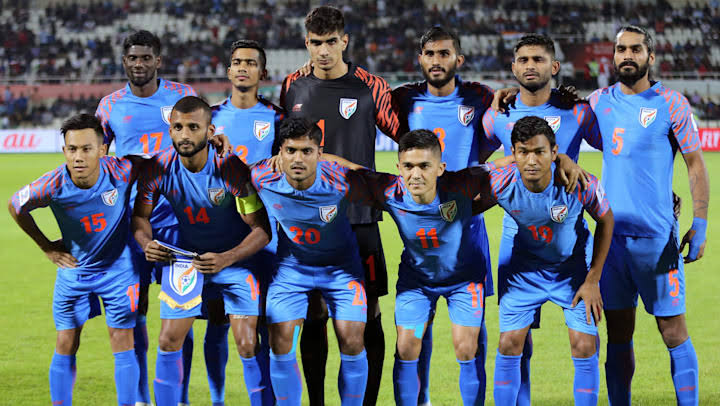
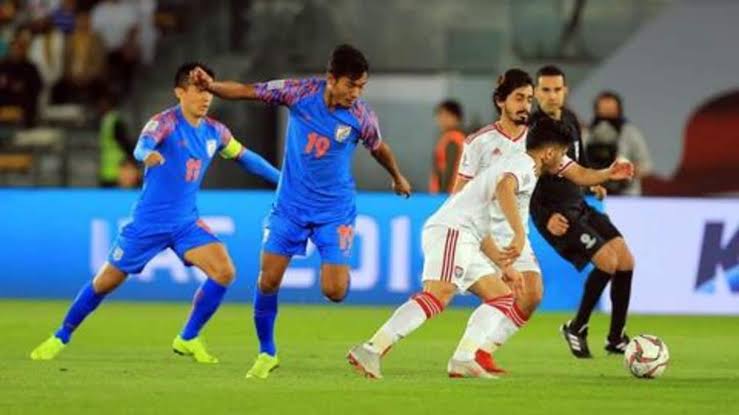
The rise of football in India had began long ago when a club named Mohul Bagan estd around 1890s became the first team to win IFA shield before independence. Later in the year 2013, with the establishment of Indian Super league, football gained a drastic craze among the youngsters in the similar manner as IPL did. People started to connect emotionally. They sprawled near the ticket counters to get the tickets to the atches of their favourites. This growing trend since then hasn’t slowed down yet. ISL became a sudden hit and our players got high recognition through this. Youngsters now have started considering football too as a promising career in India. Every year there are many youngsters getting selected to prove their calibre and are reaching heights of fame all around the world. ISL has led people to watch and love football to a level that nobody could have ever thought. It is through this, that Indian football team has started getting support from their own people. ISL in partnership with Reliance Industries has come a long way and has achieved many milestones. The growing popularity of football in India has prompted foreign leagues to engage Indian enthusiasts through customised training and outreach.
For the first time 2017 Fifa U-17 World Cup, broke previous attendance records with over 1.3 million spectators. As a reult India won the hosting rights of FIFA U-17 Women’s World Cup in 2020. India who had never earlier got to play FIFA qualifiers is now capable enough for it and it is not too far when we the people of India will see our country play FIFA.
“Education is the most powerful weapon which you can use to change the world” Meetali soni
WHAT IS EDUCATION ? Education plays the most important part in our life. It is a tool to change ones life. Education is a weapon to improve one’s life. Education for a child begins at home.The first thing that strikes in our minds when we think about education is gaining knowledge. It is a lifelong process that ends with death. Education improves one’s knowledge, skills and develops the personality, confidence and attitude. A highly educated person likely to get a great job. Reading and writing is the first step in Education. It plays a great role in our career growth as well as in the personal growth. It has no limitation; people of any age group can get education anytime. An educated person having good education becomes the good citizen in the society. Education makes the life so easier .Education makes people literate .Education is extremely important for employment. It certainly is a great opportunity to make a decent living. If you are not educated you have to face many problems in job and if you are educated your job is much easier.Education makes an individual a better user of technology. Without Education, it would probably be difficult to handle modern machines. People become more mature with the help of Education. Educated people also realize the value of time much more. To educated people, time is equal to money. Education helps in the development and innovation of technology.It expands our vision and outlook to see the world. Education gives us knowledge of the world around us. It develops in us a perspective of looking at life. It is the most important element in the evolution of the nation. Without education, one will not explore new ideas. It means one will not able to develop the world because without ideas there is no creativity and without creativity, there is no development of the nation.
BENEFITS OF EDUCATION ;-
Creating More Employment Opportunities
Securing a Higher Income
Developing Problem-solving Skills
Improving the Economy
Providing a Prosperous and Happy Life
Giving Back to the Community
Creating Modern Society
Bridging the Borders
Creating equal opportunities
FRETURES OF EDUCATION
1. Removing Poverty Education helps in removing poverty as if a person is educated, he can get a good job and fulfill all the basic needs & requirement of his family.
2. Safety and Security against Crime If a person is well-educated, he will not be fooled by anyone easily. An educated person is less prone to involve in domestic violence & other social evils.
3. Prevention of Wars and Terrorism To lead a safe & secure life, one needs to understand the value of education in our daily life. One needs to take an active part in various educational activities. These types of productive activities provide knowledge to live a better life.
4. Commerce and Trade A good education doesn’t simply mean going to school or college & getting a degree.Education helps to become self-dependent and build great confidence among them to accomplish difficult tasks. On getting an education, their standard of life gets improved.
5. Law and Order Education enables the process of the Nation’s Fast Development. If you have a good education, you can serve your country well. It develops a good political ideology.
6. Women Empowerment Education also helps in empowering women. Certain old customs like Not Remarrying Widows, Sati Pratha, Child Marriage, Dowry System etc. can be demolished with the power of education.
Conclusion
Education is a ray of light in the darkness. It certainly is a hope for a good life. Education is a basic right of every Human on this Planet. To deny this right is evil. Uneducated youth is the worst thing for Humanity. Above all, the governments of all countries must ensure to spread Education.
Literary awards – National book award nominee for translation(2015)
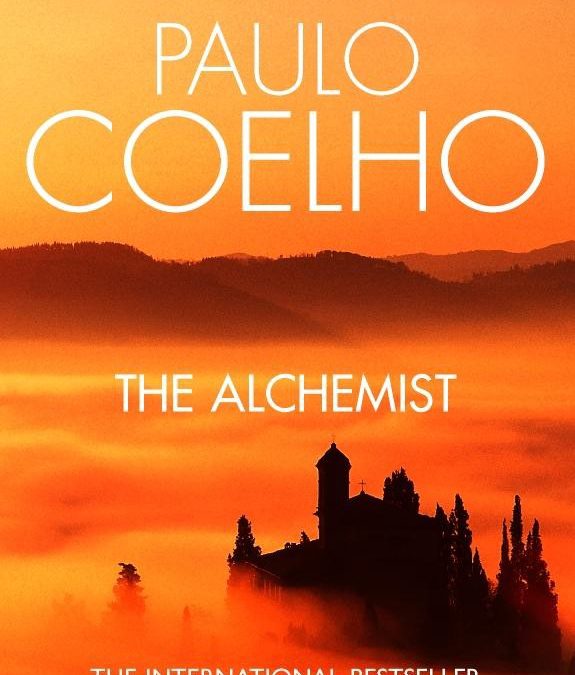
Paulo Coelho’s enchanting novel has inspired a devoted following around the world. This story, dazzling in its powerful simplicity a inspiring wisdom, is about an Andalusian shepherded boy named Santiago who travels from his home land in Spain to the Egyptian desert in search of a treasure buriek in the pyramids.
Along the way he meets a gypsy women, a man who calls himself king, and an alchemist, all of whom point Santiago in the direction of his quest. Noone knows what the treasure is, or if Santiago will be able to surmount the obstacles along the way. But what starts out as a journey to find worldly goods turns into a discovery of the treasure found within.
Lush, evocating, and deeply humane, the story of Santiago is an eternal testament to the transforming power of our dreams and the importance of listening to our hearts.
The Japanese gaming company Nintendo has launched its trendy version of the Switch gaming console, called the switch (OLED model). As for the key highlights, the tool comes with a bigger 7.0-inch OLED display in conjunction with an upgraded NVIDIA chipset and superior audio system. It carries a charge tag of $349.99 (around Rs. 26,000) and is to be had in two color options.
Nintendo Switch OLED 2021.
The Nintendo Switch OLED model — which was released on July 6, 2021 — is similar to the normal Nintendo switch that was released in March 2017. It is a hybrid console that swaps without problems from hand-held mode to television mode. There are pleasure-Con on both aspects of the console, which might be similar to those at the normal Switch. It plays all the same old switch video games, has the equal processor, battery, RAM, and most different specifications.
However, Nintendo upgraded and more advantageous a selection of capabilities of the console to make it higher (greater on that in the subsequent section). This makes the console advanced to the normal Switch and the hand-held-only switch Lite. It does now not make it a switch pro or switch 2, though, because it’s no longer modified that a lot.
New Nintendo Switch OLED specifications-
Switch OLED
Original Switch
Display
7-inch OLED touchscreen
6.2-inch LED touchscreen
Resolution
720p handheld/1080p docked
720p handheld/1080p docked
Storage
64GB (expandable)
32GB (expandable)
Chipset
Custom Nvidia Tegra X1
Custom Nvidia Tegra X1
Battery Life
Approx. 4.5 – 9 hours
Approx. 4.5 – 9 hours
Connectivity
USB-C, 3.5mm audio, microSD, wired LAN
USB-C, 3.5mm audio, microSD
Size
9.5 x 4 x 0.55 inches
9.4 x 4 x 0.55 inches
Weight
Approx. 0.93 pounds
Approx. 0.88 pounds
lamentably, the Nintendo Switch OLED remains lacking some things we would hope a brand new Switch console could have. For a start, the joy-Cons are the same as the present-day Nintendo switch, which means they may (and we strain could) fall victim to Joy-Con drift that has blighted the controllers of the authentic Switch.
There may be also no aid for Bluetooth headphones, which with stellar headsets like the Sony WH-100XM4 available, appears to be a rather disappointing omission with the Switch OLED. simply bear in thoughts, the identical workarounds for wireless headphones used in the unique switch ought to paintings with the Switch OLED.
However, arguably the maximum disappointing thing is the Switch OLED does not provide a lift in overall performance over the authentic switch. It makes use of the same custom Nvidia Tegra X1 gadget-on-a-chip with reputedly no specs modifications, which means a shape of 4K output while docked or 1080p when treated isn’t always to be had.
All it is no longer to mention the Nintendo switch OLED is flawed, however, it cannot be a must-have for those who are already playing the present-day Switch.
The new adjustable stand and LAN-
The bigger and adjustable stand is arguably the most compelling upgrade for the brand new Switch after the OLED show. The single-role stand on the original Switch changed into instead skimpy and flimsy and often toppled over on the merest wobble.
(Image Credit- Nintendo)
The broader stance at the switch OLED seems lots more stable and the larger display method it can make for a wi-fi new portable console that can be legitimately installation everywhere for a bit of Mario Kart or damage Bros local multiplayer.
(Image Credit- Nintendo)
And speaking of multiplayer, the Nintendo switch OLED also has a LAN port to guide a stressed-out internet connection for extra stable online gaming. that would be available for people in homes with patchy Wi-Fi.
Nintendo Switch OLED Pricing and availablity-
The Nintendo Switch (OLED model) is priced at $349.ninety-nine (around Rs. 26,000). it’ll be to be had for buy within the US from October 8 onwards. information concerning its availability in different markets is doubtful as of now.





























 Eduindex
You must be logged in to post a comment.