The lambda variant has been detected in 30 countries so far. In the UK, there are six cases of lambda, which has been designated as ‘variant of interest’ by the World Health Organization.
Lambda variant and its history –
The Lambda variant is not a new emergence. It has been around at least since last year, possibly as early as August 2020. In Peru, where it is believed to have originated, it accounts for almost 80% of the infections. It is the dominant strain in neighboring Chile as well. But until recently, it was largely concentrated in a handful of South American countries, including Ecuador and Argentina.
Since the end of March, this variant has been detected in more than 25 countries, although the numbers are still very small. The UK, for example, said it had found this variant in six infected people, all international travelers. Recently, it has also been found in Australia.
Mutations of lambda variant –
According to the WHO, the Lambda variant has at least seven significant mutations in the spike protein (the Delta variant has three) which could have a range of implications, including the possibility of increased transmissibility or enhanced resistance to antibodies, created either through natural infection or vaccination.
A recent study by researchers at the Chile reported that the Lambda variant had greater infectivity than the Alpha and Gamma variants (known to have originated in the UK and Brazil respectively). The study also reported decreased effectiveness of the Chinese Sinovac vaccine (Coronavac) against the Lambda variant.
However, the behavior of the Lambda variant is not very well understood right now.
“There is currently limited evidence on the full extent of the impact associated with these genomic changes, and further robust studies into the phenotype impacts are needed to better understand the impact on countermeasures, and to control the spread,” the WHO said in a statement. “Further studies are also required to validate the continued effectiveness of vaccines.”
But, the designation as a “variant of interest” means that the genetic changes involved are predicted or known to affect transmissibility, disease severity, or immune escape. It is also an acknowledgement of the fact that the variant has caused significant community transmission in multiple countries and population groups.
There are currently seven variants, including the Lambda, that the WHO classifies as “variants of interest”. Another four – Alpha, Beta, Gamma and Delta – have been designated as “variants of concern”, and are considered a bigger threat. These were all recently named after letters of the Greek alphabet to avoid linkage with the country of their origin that had been happening until then.
Should India worry about the Lambda variant?
The Lambda variant has so far not been found in India or neighboring countries. In Asia, only Israel has reported this variant until now. But several countries in Europe from where travel to India is frequent, including France, Germany, UK, and Italy have reported this variant.
The potential of emerging variants to bypass the immunity gained through vaccination means that there could be fresh waves of infections even in populations that were being considered close to reaching community-level protection. That is what is happening in many countries in Europe right now, particularly in the UK. There has been a sharp rise in cases in several countries in the last few weeks.
That means that a country like India, which is still recovering from the debilitating second wave, would need to proactively watch out for, and prevent the spread of any new variant that could trigger a fresh wave.
Three cases of avascular necrosis in COVID- recovered patients were found in a Mumbai hospital
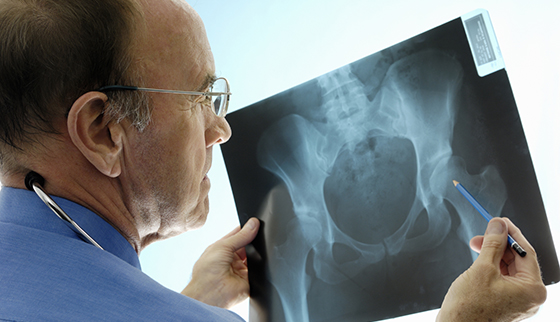
After the outbreak of black fungus or mucormycosis among patients who recovered from coronavirus (Covid-19), avascular necrosis (AVN) – also known as death of bone tissues – has reportedly been detected in three patients in Mumbai. These patients – all aged under 40 – were treated at Mumbai’s PD Hinduja Hospital in Mahim, after they developed avascular necrosis(AVN) two months since their Covid-19 treatment. It is been reported that both avascular necrosis and mucormycosis have been associated with the usage of steroids. Recently, Dr Sanjay R Agarwala of Hinduja Hospital published a paper named ‘Avascular necrosis as part of Covid-19’ in the medical journal ‘BMJ Case Studies’ wherein along with doctors Mayank Vijayvargiya, and Prashant Pandey, he detailed the course of AVN diagnosis in the three patients. He stated that one patient – aged 36 was found with AVN 67 days since the diagnosis of Covid-19, while the other two – aged 39 and 37, were diagnosed with the condition 57 and 55 days later. All the patients were administered intravenous steroids as part of their Covid-19 treatment. Besides, the patients aged 36 and 37 didn’t have any history of hip pain. “At present, avascular necrosis (AVN) as a sequalae of ’long COVID-19’ has yet not been documented. By large-scale use of life-saving corticosteroids in COVID-19 cases, we anticipate that there will be a resurgence of AVN cases,” the paper by Dr Agarwala stated. This development comes after it was recently reported that Delhi hospitals are still treating more than 800 cases of black fungus which rose after the fourth wave of coronavirus in the national capital from April to May, data by Delhi government revealed. Notably, cases of black fungus increased significantly during the surge of infections between April to May in India, with as many as 18 states reporting over 5,000 cases.
What is Avascular necrosis ? Avascular necrosis is a disease that results from the temporary or permanent loss of blood supply to the bone. When blood supply is cut off, the bone tissue dies and the bone collapses. If avascular necrosis happens near a joint, the joint surface may collapse. This condition may happen in any bone. It most commonly happens in the ends of a long bone. It may affect one bone, several bones at one time, or different bones at different times.
What are the symptoms of Bone Death or Avascular Necrosis?
In the early stages, people feel no pain of AVN but as it progresses, it can affect your joint if and when you put weight on it. After a while, you will feel the pain even if you are lying down. AVN affects hips, groin, neck, shoulder, and knee.
Why More COVID Patients Are Succumbing to Bone Death?
AVN or bone death is associated with the usage of steroids. People who were hospitalized due to COVID and were put on steroid treatment are contracting AVN. Doctors are suggesting that COVID-19 recovered should get an MRI done if they feel any pain near the hip or thigh area.
What is the treatment for Avascular Necrosis (AVN)?
As per Times of India, a typical treatment plan for Avascular Necrosis or bone death is physiotherapy, blood thinners, non-steroidal anti-inflammatory drugs to relieve the pain, exercises, and therapies.
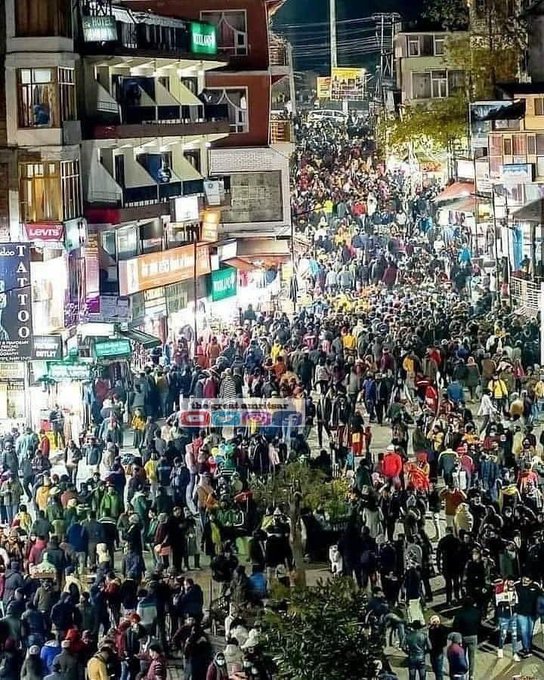
Amidst the heat waves in various places across the country people are setting off to the hill stations . Manali, Shimla, Mussoorie and many more hill stations are now packed up by people. Hotels are running out of beds .
The pandemic has tested the patience and strength of all of us since it has been over a year now Covid has infiltrated our lives. With lockdown imposed regularly the number of tourists declined in the previous year. It was now when the lockdown has just been lifted and the second wave has started to ease out that people decided to visit the hill stations . Moreover most of the people have summer vacations at this point of time.
Nainital administration has announced that once the parking reaches the limit ,tourists will be allowed to enter according to the availability of the space. Although the hoteliers are enthralled since the occupancies of the rooms has peaked, but it is adding a lot of problems to the tourists especially when the rainy season has set off. As a result a lot tourists are returning midway.
Last year Shimla faced utter water crisis and the tourists were urged not to visit. Therefore with this overcrowding water pollution , air pollution aggravates and the whole purpose of setting off to hill stations in the lap of nature demolishes. There are even some cities where even RT PCR is not compulsory .
Although the second wave is at its departure , the third wave is at large which is speculated to arrive in end August and is supposed to peak in September. Therefore it is advised to be careful and not to assume that Covid is over and avoid visiting to the hill stations especially when it is overcrowded . Although vaccinations shields from the virus but since its efficacy is not 100% the protocol of wearing mask, using sanitizer and keeping distance should be followed.
Work From Home is the new normal. After a decade or so when someone will be talking about the year 2020- 2021, he is surely counting in the work from home that emerged as a part of daily routine of the working class.
The definition of Work from home totally changed in these years. It is not new but, it used to be optional. As pandemic restricted things to a certain extend both the personal and professional life of people changed extremely. Now, the scenario is that most of the people are bound to their laptops and phones maximum time of a day, just like students of every age group are trying to adapt to this new change so are the professionals as it was totally unexpected.
People have mixed views about the work from home culture as some of the company heads and CEO claims that the employees have done well in work from home and the productivity has increased whereas, on the other hand the people who are actually working from home says that productivity is hampered also, they feel more stressed and frustrated than usual. Moreover, it can be seen that work from home, which is the only option for working professionals has- • Jumbled work life Adapting to new changes is what we learn, a person who can easily adapt is considered valuable professionally but, it has taken far beyond adaptability, work from home has actually jumbled the personal life and professional life of almost every person.
• Nothing new Working in office cabin, meeting your colleagues daily, work break and the whole vibe of what we call work is dead. Sitting at one place, attending seminars, phone calls, video calls, virtual presentation has turned things upside down and work does not seem exciting and worth exploring to many instead, the increased work pressure and total dependence on technology has made things boring.
• Future concern The way work from home is implemented, there is a high possibility that in future companies tend to follow the same as this not only saves their office space but, it is a simple method of cost cutting the expenses related to employee in different aspects. Bill Gates has already announced that he is looking forward to continue work from home policy for Microsoft employees post pandemic. So did Facebook, there are clear chances of permanent work from home even after the situation gets normal.
Work from home culture can prove beneficial in some cases like- • The employees who have to travel a lot to reach offices find it convenient. • Since employees are working from home, they can devote time with family side by side. And the employees who are living away from family due to job can now stay home and work. • Some people find the home environment more suitable for working purpose as they can focus more. • It provides a little flexibility and ease at the same time
Conclusion Depending on the requirement of the company and employee work from home can serve in both bad and good way but, it is also important to note that things beyond limits can create more harm thus, a balance must be maintained.
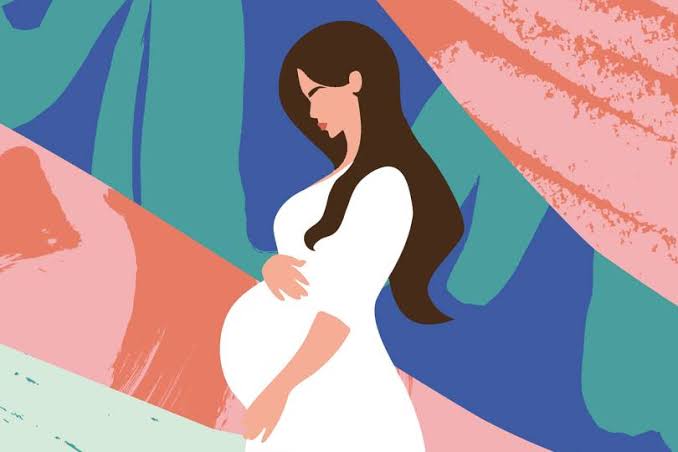
The pregnant womens are now eligible for COVID 19 vaccination after the recommendation of NITAG (National Immunisation Technical Advisory Group) which is an advisory committee responsible for providing information related to vaccine to the national government of different country, as they follow evidence based work approach and play significant role in the whole pandemic situation. The decision got approved by the Union Health Ministry.
The centre has issued operational guidelines for the vaccination of pregnant women and the healthcare professionals who are responsible for the process. There is high risk of COVID 19 infection in case of pregnant women, which can impact the health of both the mother and the baby. The priority is to inform all such women about the risk, benefit, side effect and then get vaccinated. After most of the people getting vaccinated the centre’s decision on vaccination of pregnant women will surely strengthen the vaccination drive. Now they can register themselves on COVIN or directly visit the vaccination centre.
India and vaccination drive India started with its vaccination drive in January 2021. It started when two indigenous vaccine Covisheild by Serum institute of India and Covaxin by Bharat biotech passed the trials and got approval. It is India’s first ever adult vaccination drive. In the first phase of Vaccination drive, all the Frontline workers and healthcare staff got vaccinated and gradually, dividing the population into the category of 45+ and 18+ the vaccination drive begin for the public as well. Apart from this vaccination trials were performed on children as it is forecasted that the third wave is likely to affect children more than adults.
The challenges and progress India is one of the largest and most populated country in the world. The government of India is running the biggest vaccination drive while they face many challenges which include-
Lack of participation
Wastage of vaccine
Lack of awareness While these are some of the most common yet the most difficult obstacles that made it difficult to run the vaccination process and to reach a greater number of people specially the illiterate and rural population of the country. The government planned the strategy from local to national level and made tremendous offers towards making the drive successful by –
Eliminating vaccine hesitation
Ensuring COVID protocols are followed including mandatory vaccination.
Encouraging participation in the vaccine drive
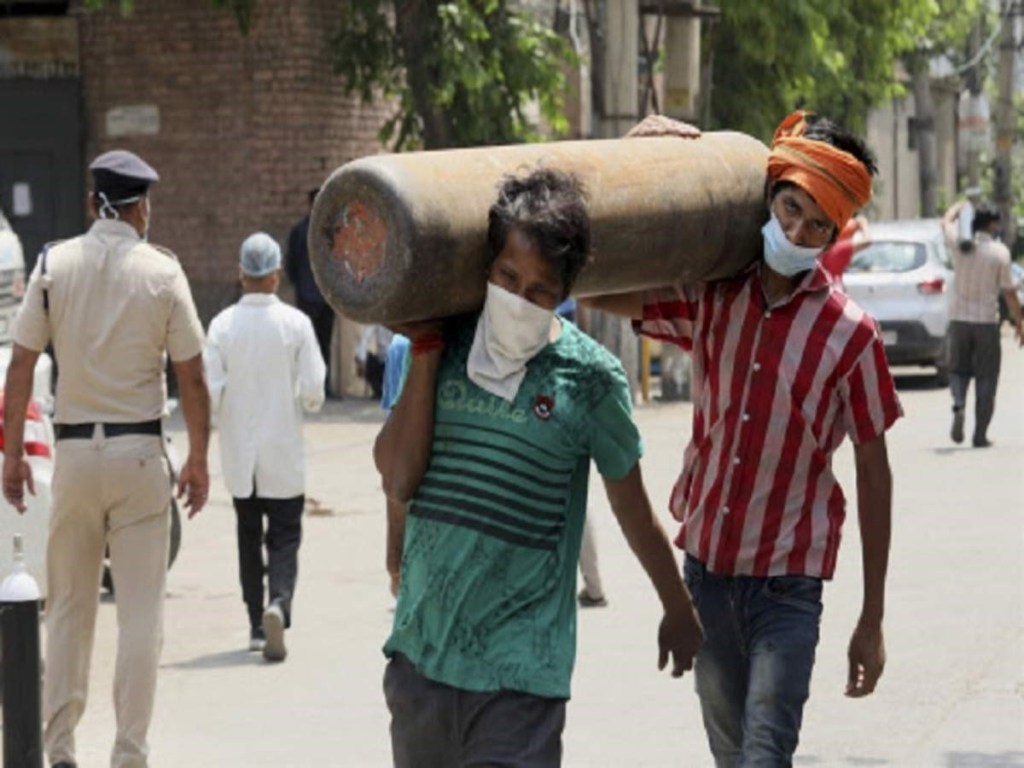
Conclusion A smooth functioning of the vaccination drive is necessary in order to make sure that maximum number of people get benefited. India has already gone through the worst condition in the second wave where the nation witnessed oxygen shortage, no beds in hospital and medicines running out of stock. Not only this the but, the financial loss and shortage of resources, loss of livelihood in the time of pandemic left the common man shattered. The pandemic also showed us the reality of our healthcare system and faulty administration. The medical infrastructure is still not well equipped with some of the most basic facility which is a matter of concern.
It is very difficult for all of us to pass our time in weekends and especially if weekends fall in between big pandemic lockdowns. For many of us, each day has become like a weekend due to long imposed lockdowns in our respective areas.
We must utilise our time in something productive and productive doesn’t have to necessarily mean learning a new skill or cleaning our house. Being productive is so much more than that! Productive is also when we give times to things that would bring us instant joy.
Let’s get back in time and relive some of the moments that were daily habits for us at some point in time and practise them in these weekends.
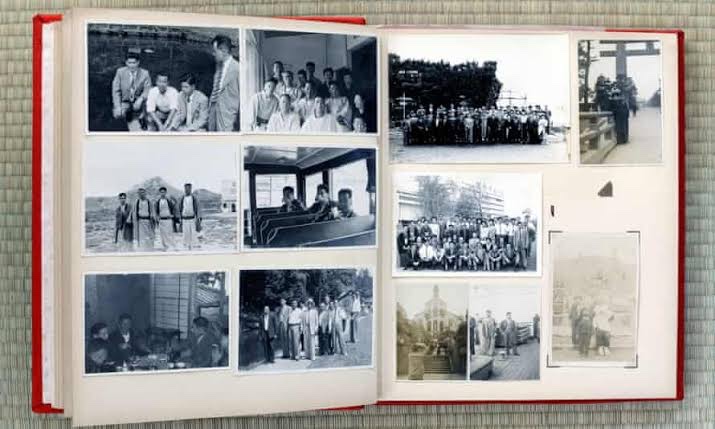
1) Take out Old Photo Albums.
Photo Credits: The Guardian
Remember the time when there used to be only one camera at our homes? A photo album carries so much in itself. From our grandparents’ youth to our parents’ wedding to our own childhood, photo albums are always refreshing even after being so old. It’s always good to visit our family’s old family photo albums and live those old memories yet again.!
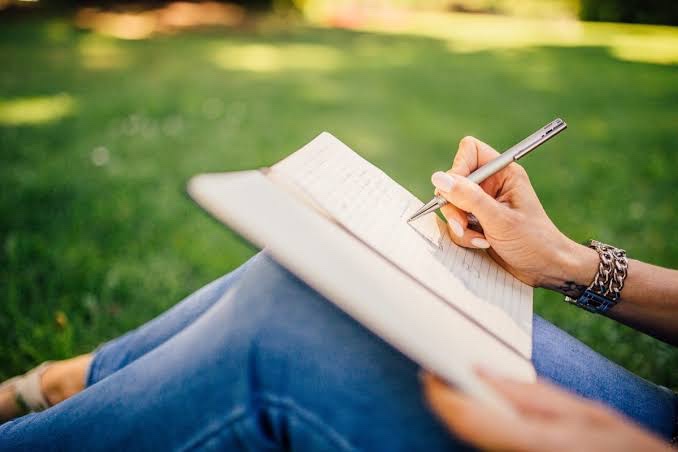
2) Write Journal or Diary.
Photo Credits : She The People Tv.
Writing has always been fun, isn’t it? Well, now writing means just WhatsApp or Email or for other professional purposes. It’s time for us to give one day to write happenings around us on a piece of paper in a diary or in a journal like we used to do in our childhood. The time when we used to collect those New Year gift diaries all for diary writing!
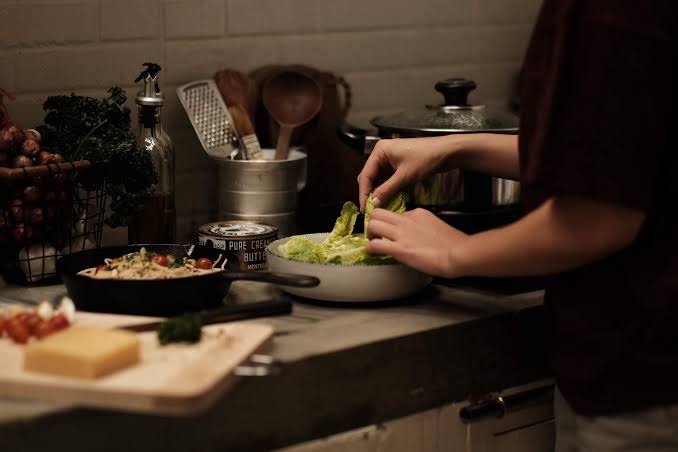
3) Solo Indoor Picnic.
Photo Credits: Medium.
It’s always good to eat and it’s even better when we can eat all the food alone. Although some people might be thinking that this never used to happen in the past. So yes, you’re correct. Solo Picnics never used to happen in the past. Picnic itself means social gathering with friends or families. However, here I’m urging everyone to have a solo picnic indoor because of the ongoing pandemic. Though if you’re living in a nuclear or joint family, go for a picnic indoor with them. Cook great food, eat and chill.
4) Read Old Books and Magazines:
Photo Credits: Etsy
We always have a shelf in our house with full of books and magazines from the past era. We just keep them aside and forget about them after reading them once. There are also our favourite magazines that we used to collect during our childhood, may be because of their content or because they used to have our favourite celebrity on their covers. We can just relive those memories by simply taking out and reading them.
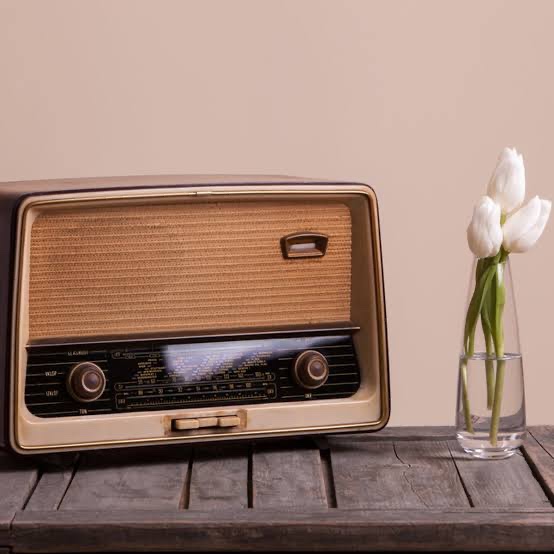
5) Put on the radio!
Photo Credits: The Conversation.
Don’t have a radio? Don’t worry about it at all. There are plenty of mediums in this new era that would give you the feeling of a typical radio. There are also radio stations available on new smartphones, some are even available on normal typing phones! You can always look for radio in these platforms in absolutely no cost. Just listen to the Radio Jockeys narration and listen to news stories and music in that old style.
6) Take out Old CDs
Photo Credits: Britannica
This is somewhat similar to photo albums. Do you also have old compact discs in your home cupboards. Well, then just take them out and watch your old family happenings recorded in them and enjoy!
Yes, lockdown and weekends have always been stressful for each one of us. But we can always find a way to engage ourselves in something that would make us happy and lively! Try these six ways and get nostalgic!
Typically, in an Indian household when a child grows up, Indian parents expect them to be doctors or engineers. But do we respect and love the same children when they actually become our life savers?
July 1, every year, is celebrated as National Doctors Day in India as this date marks both birth and death anniversary of prominent Doctor Bidhan Chandra Roy who was also the Chief Minister of West Bengal in early years of post independent India.
In 1991, Government of India established National Doctor’s Day to recognise the contributions of Dr. Bidhan Chandra Roy and also honour the Doctors nationwide.
Currently, the doctor-patient ratio in India is 1:1445 which is lower than WHO’s prescribed ratio of 1:1000. Doctors work day and night for their patients’ well being and this even increased since March 2020 due to COVID-19. But how much we as citizens give them in return?
India has suffered because of acute shortage of Doctors since the beginning as they never got the remuneration they deserve. This has always led to brain-drain in India as Doctors shift to other developed countries for better career prospects as they receive better salary and opportunities there.
Since the beginning of COVID-19, the only hope to get out of this deadly pandemic were Doctors and health care workers. Whenever our loved ones contract the virus, we immediately look towards our doctors with a helpless eyes, and Doctors without caring about themselves tirelessly give their life and time for us.
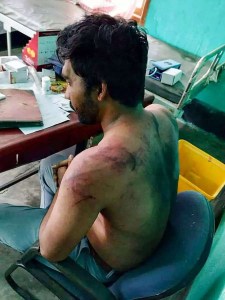
Some incidents in the recent past haven’t been so fruitful though. Doctors and other healthcare workers were brutally assaulted during the entire first and second wave and this is another downfall our country has witnessed.
Even on eve of Doctors day, two doctors were assaulted in Delhi yesterday after having a heated argument with two fellows. From an assault in June 2020 in Hyderabad to several such incidents in all parts of the country like Madhya Pradesh, Maharashtra, Assam and many more shows that we as citizens have failed our doctors.
Citizens have to understand by doing such acts of violence, their loves ones whom they lost won’t return. Yes, if any citizen feels their loved ones faced hospital casualties, they’ve a right to protest and they can take the legal procedures but they must not come into emotions and act violently.
Indian Medical Association has held several protests to voice for the rights of doctors. Nearly, 3000 Doctors resigned last month in Madhya Pradesh after High Court declared their strike as “illegal”. Several more prominent as well as junior Doctors in the country have vowed to not serve India as they feel citizens do not treat them with dignity.
If this goes on, India would have a vast decline in doctors per thousand people ratio and all the lives of Indian citizens will be at stake because private hospitals charge a lot and most Indians won’t be able to afford them due to mediocre and low income.
India would face a dangerous phase just like it faced in the second wave of pandemic if things continue like this till the upcoming third wave which will probably hit India by the end of 2021 as predicted by health experts. Stricter parliamentary laws against anyone who assaults doctors and moral policing of citizens can improve the doctor-citizen relationships however.
Throughout the world, the public is being informed about the physical effects of SARS‐CoV‐2 infection and steps to take to prevent exposure to the coronavirus and manage symptoms of COVID‐19 if they appear. However, the effects of this pandemic on one’s mental health have not been studied at length and are still not known. As all efforts are focused on understanding the epidemiology, clinical features, transmission patterns, and management of the COVID‐19 outbreak, there has been very little concern expressed over the effects on one’s mental health and on strategies to prevent stigmatization. People’s behavior may greatly affect the pandemic’s dynamic by altering the severity, transmission, disease flow, and repercussions. The present situation requires raising awareness in public, which can be helpful to deal with this calamity. This perspective article provides a detailed overview of the effects of the COVID‐19 outbreak on the mental health of people.
KIDS AND TEENS AT RISK
Kids, away from their school, companions, and partners, remaining at home can have numerous inquiries concerning the flare-up and they look toward their folks or guardians to find the solution. Not all kids and guardians react to pressure similarly. Children can encounter nervousness, trouble, social detachment, and an oppressive climate that can have short‐ or long‐term consequences for their psychological wellness. Some normal changes in youngsters’ conduct
To assist with balancing negative practices, expects guardians to try to avoid panicking, manage the circumstance carefully, and answer the entirety of the kid’s inquiries as well as could be expected. Guardians can set aside some effort to converse with their youngsters about the COVID‐19 flare-up and share some sure realities, figures, and data. Guardians can assist with consoling them that they are protected at home and urge them to participate in some solid exercises including indoor games and some physical and mental activities. Guardians can likewise foster a home timetable that can assist their youngsters with staying aware of their investigations. Guardians should show less pressure or nervousness at their home as kids see and feel negative energy from their folks. The contribution of guardians in solid exercises with their youngsters can assist with lessening pressure and nervousness and carry help to the general circumstance.
ELDERS AND PEOPLE WITH DISABILITIES AT RISK
Older individuals are more inclined to the COVID‐19 flare-up because of both clinical and social reasons, for example, having a more vulnerable safe framework or other basic medical issue and removing from their families and companions because of their bustling timetables. As indicated by clinical specialists, individuals matured 60 or above are bound to get the SARS‐CoV‐2 and can create a genuine and life‐threatening condition regardless of whether they are healthy.
Physical separating because of the COVID‐19 episode can have exceptional adverse consequences on the emotional wellness of the old and handicapped people. Actual disengagement at home among relatives can put the old and incapacitated individual at genuine emotional wellness hazard. It can cause tension, trouble, and prompt a horrible circumstance for them. Old individuals rely upon youthful ones for their day by day needs, and self‐isolation can fundamentally harm a family framework. The old and crippled individuals living in nursing homes can confront outrageous psychological wellness issues. Be that as it may, something as straightforward as a call during the pandemic episode can assist with supporting old individuals. COVID‐19 can likewise bring about expanded pressure, uneasiness, and gloom among older individuals previously managing psychological well-being issues.
Specialists, medical caretakers, and paramedics functioning as a front‐line power to battle the COVID‐19 flare-up might be more defenseless to foster emotional well-being indications. Dread of contracting an illness, long working hours, inaccessibility of defensive stuff and supplies, patient burden, inaccessibility of powerful COVID‐19 prescription, passing of their associates after openness to COVID‐19, social separating and disconnection from their loved ones, and the critical circumstance of their patients may cause significant damage of the psychological wellness of wellbeing laborers. The functioning proficiency of wellbeing experts may diminish progressively as the pandemic wins. Wellbeing laborers should take brief breaks between their functioning hours and manage the circumstance tranquilly and in a casual way.
National Doctors Day is celebrated nationwide, every year, on the 1st of July. But why? This is to express our gratitude towards doctors and physicians for their service towards our well-being. Legendary physician and the second Chief Minister of West Bengal, Dr Bidhan Chandra Roy was born on the 1st of July in Patna, Bihar in 1882 and coincidentally died on the very same date in the year 1962. In 1961, Dr Roy was conferred with the nation’s highest civilian award, Bharat Ratna. Doctors day in India was established in 1991 in honour of his birth and death anniversary.
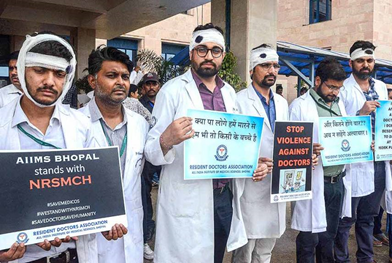
Well, Doctors day is celebrated every year on the 1st of July but this year another day was observed, by the doctors of IMA (Indian Medical Association) on 18th of June, NATIONAL PROTEST DAY. Doctors came together against the assaults on doctors in COVID wards. IMA observed nationwide protests demanding central law to protect doctors against violence.
Doctors and healthcare workers held placards and raised slogans like doctors bachao desh bachao (save doctors, save nation) and save the saviour. Doctors and medical staff at the IMA office in Hyderabad protested wearing black badges. Doctors from AIIMS Delhi and IMA unit, Ludhiana also took part in the agitations. Various state-level protests were taking place for a long time.
Why are these protests taking place?
Let me brief you here
Bhopal: A local politician was seen screaming at a Bhopal doctor who couldn’t save the life of a patient who was bought to the hospital at an oxygen level of 30. This left the doctor in tears and he was demoralised to the extent that he wanted to resign.
Guwahati: A doctor at a coronavirus facility in Assam was punched, kicked, and pounded with metal trash cans and bricks, by the relatives of a Covid patient who had died, allegedly due to oxygen shortage. Locals also assaulted the doctor who was then hospitalised.
Kerala: A police official allegedly attacked a doctor in the Alappuzha district. The official is accused of slapping Dr Rahul Mathew, who was working the night shift at the Mavelikkara district hospital, after the former’s mother, a COVID-19 patient, was brought dead to the hospitals. Doctors protest for the non-arrest.
And many more such cases went viral on social media. Assaults on doctors might not make it to the news daily, but take place every day.
What exactly did they do to get such treatment?
Grinded in high school, cracked NEET, spent 7-8 years working hard and studying in college, paid a hefty amount of fees to medical colleges or even took loans for their studies.
Who does that? Their fault, right?
Image source: Google | Image by: BusinessToday.In
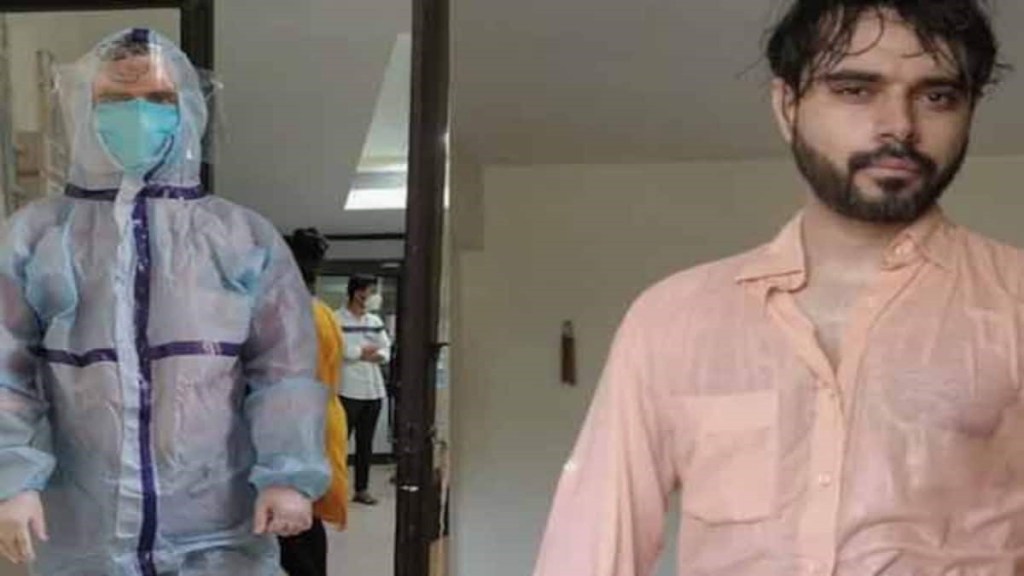
During COVID lockdown when most of us were busy making dalgona coffee and baking cakes, they were out there in scorching heat, wearing PPE kits dealing with patients. Burning the candle at both ends, forgetting they have a life of their own, forgetting they have a family waiting for them, isolating themselves from their own family members, in their own houses to protect their families from contracting the virus, more than 500 doctors died during COVID, trying to save our lives. But why, just to save us. Imagine how demoralising it is for them to get beaten up by the ones they’re working for.
What is the probable reason?
Lack of infrastructure
Manpower
Laws in place
Security arrangements
Lack of infrastructure
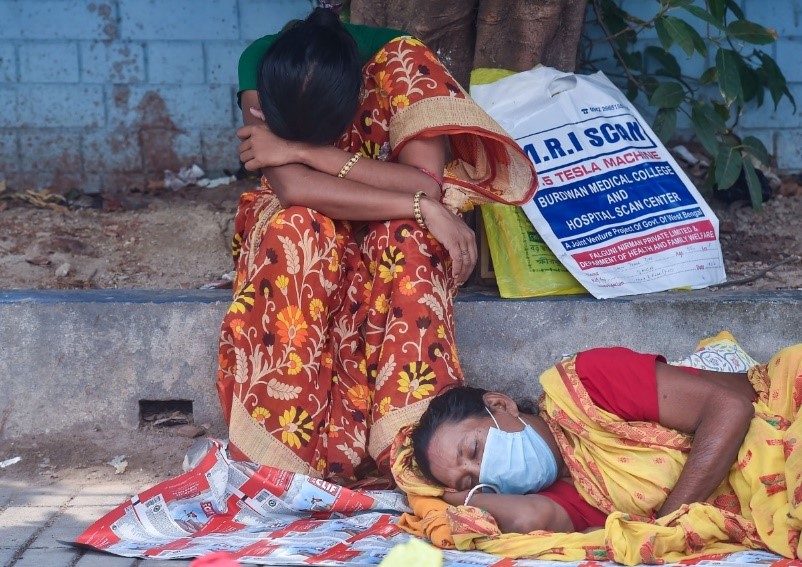
The shortfall of ICUs, no beds for patients, dearth of oxygen support, the inadequacy of medicines, caretakers bound to wait in long queues for medicines at dispensaries, patients gasping outside hospitals, black marketing of almost everything required for a person to recover, our health infrastructure was crippling.
Image source: Google | Image by: The Times Of India
Manpower
Along with the tools used to help fight COVID, there is a paucity of our warriors too. There should be at least one doctor per 1000 patients according to WHO, whereas in India there is one doctor who attends more than 1445 patients. Not just doctors, the suggested number of nurses per 1000 patients is at least 3, there are just 1.7 in India (43% less than WHO standards). This leads to overworking of doctors and medical staff ignoring their basic requirements like sleep and a proper diet.
Laws in place
Medicare Service Persons and Medicare Service Institutions (Prevention of Violence and Damage to Property) Act, also known as the Medical protection act is there in at least 19 states, which when breached can lead to an imprisonment of up to 3 years and a fine of INR 50,000. Damage to any medical devices and equipment is a punishable offence and offenders are liable to pay twice the amount of the damaged equipment’s cost.
The Act, however, fails to really protect doctors because it features neither in the Indian Penal Code (IPC) nor in the Code of Criminal Procedure (CrPC). This makes it difficult for victims to approach the police for help or the latter to file a complaint against suspects.
Security arrangements
Doctors are not politicians with scores of gunmen and bouncers around them, who will assure their safety? Due to lack of security at hospitals and clinics, doctors and other staff are the soft targets for unhappy relatives and agitated patients.
Stepping into doctor’s shoes
Imagine yourself as a teacher who fears being beaten up to death by parents for their child’s poor performance at a test, will you even be willing to teach anymore with the same zest. I don’t think so. Hospitals are understaffed, doctors are overworked, patients are overwhelmed.
But this isn’t the fault of our doctors. They are going an extra mile in order to save as many patients as they can, making 3 patients share a bed or switching oxygen support among patients, they have our best interest at heart.
Doctors are not supposed to be accountable for the paralyzed infrastructure, that is where the leaders we vote for come into play. They’re made to work for 15+ hours at a stretch that too in a harsh environment, in a place they no longer feel safe or comfortable in.
What do doctors want?
All they want is for the government to sit with them and consider their problems.
For a law to protect their lives so that they can continue with their duties towards the nation. The implementation of existing laws.
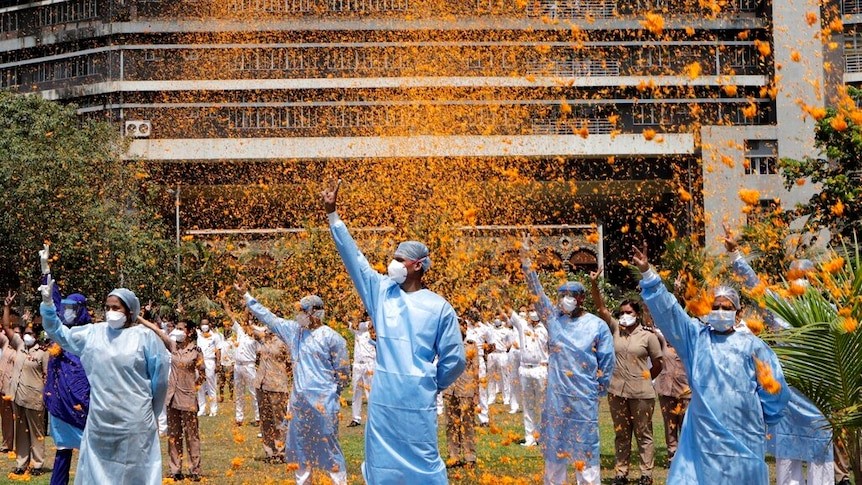
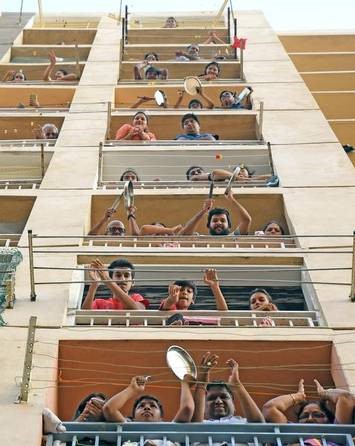
They don’t demand banging of thalis from our balconies or something like that in order to pay our respect, they didn’t ask for showering of flowers upon them for their service, all they’re asking for is to be able to practice in a safe environment where they’re worried for patients’ life, not scared of getting beaten up by sticks.
Image source: Google | Image by: Anjana Pasricha ( VoA)
We were always raised to believe doctors are God on land. Saving our life, giving us a new one at times, while risking their own. What they now want is not godly, but at least a humanly manner.
How can we help?
First and foremost, don’t be someone they need protection from. i.e. don’t be an assaulter.
Secondly, don’t ignore if you see someone being unfair toward them. Raise your voice, report if you see something like this.
A simple realisation that we can trust our doctors can do wonders.
Lastly, don’t forget they’re humans too. Thank them, pay your respect, or at least, just don’t be a jerk.
This Doctors day, I bet Dr Bidhan Chandra wouldn’t be proud of our country treating its doctors and medical staff like this.
Let’s all come together and promise that we’ll make the world a better place to live for our selfless human beings. We owe them.
Ending here with a salute to any doctor or an aspiring doctor reading this, and a sincere tribute to the warriors that lost their lives.
It has almost been a year since the country was forced to its knees by accepting the lockdown terms. On the evening of March 24th, 2020, Prime Minister Narendra Modi declared a nationwide lockdown. The lockdown caused immense times of difficulties and also claimed several lives. The lockdown period also thought us the need and urge of helping. We were united in this fight against the pandemic. Although, the virus claimed several lives; it also thought us about how to face a crisis and made us adapt to the online routine.
Several countries and research units immediately began working towards a cure against the virus. After several attempts and tries, many research centers came up with vaccines to help release the citizens of this devastating pandemic. The government too implemented policies to help ease the citizens of the nation. Currently in India, we are offered one particular type of vaccine to help us in developing antibodies to help fight the virus. The vaccine doses were administered to main people above the age group of 18, to mainly eradicate this virus from our nation. Doses are been given now to the youth in efforts to boost the country’s economy.
Recently, a Lancet medical journal reported that a mixed schedule of the Pfizer shot followed by the AstraZeneca dose has caused high amounts of antibodies in a patient’s body.
The doctors and medical health care unit are constantly working hard in improving the efficacy rates and efficiency of these vaccines. One way, of improving the vaccine’s efficiency is by giving the doses at a delayed time to have maximum impact on one’s body. In countries where several choices of doses are available, the other vaccines can be used as assistance to boost the immunity of a person.
Well according to the research, the order in which the people were administered the different vaccines affected the results. In cases where the AstraZeneca jab was given before the Pfizer vaccine displayed higher levels of antibodies than Pfizer tailed by AstraZeneca. Several methods and orders of mixing up these vaccines were carefully studied and finally, the most effective dosage was found to be Astra followed by Pfizer.
This trial was carried out by involving 830 people over the age of 50. It was tested solely against the primitive virus found in Wuhan in the year 2019. Further testing against the several strains and variants present now can help in widening this research and could help develop further such combinations of vaccines. This study will also attempt at implementing several other doses like Moderna and Novavx.
Initially, the shots of AstraZeneca were placed between 6-8 weeks, which has now been increased to a duration of 12 weeks to increase the efficiency of the vaccine. Furthermore, a study under Oxford also claimed that spacing the time between the two doses to 10 months further boosts the vaccine’s effectiveness.
The vaccines are our only hope in this fight against the virus, so we must believe in them and take up the doses diligently. Medical institutes will always come up with better ways of vaccinating the population. So, we must co-operate with the medical representatives and cause any trouble to them.
“We are in this together and we will get through this together” is a quote we often hear in today’s time. The COVID 19 pandemic was definitely a situation that most of us didn’t expect and it resulted in a loss of thousands of lives and heart breaking situations. Coronavirus disease (COVID–19) is an infectious disease caused by a newly discovered coronavirus. The first COVID case was reported from Wuhan, China, on 31 December 2019. From there began the endless struggle to free the world of this hazardous disease and methods on how to do so are still being conducted as of today. The virus spread so quick that no one had time to prepare resulting in loss of economy and loved ones. The numbers kept increasing and it became hard to provide facilities for everyone in need of them.
However ways on how to prevent the virus have definitely been helpful to a lot of us. One huge step taken was the world wide lockdown where people were asked to remain in quarantine and airplanes had shut down preventing travel of citizens to avoid spreading the virus. Prevention methods such as wearing of masks, maintaining social distance, avoiding social gatherings and even a nationwide lockdown were all put into place. Various testing methods had been developed to diagnose the disease. The standard diagnostic method is by detection of the virus’ nucleic acid by real-time reverse transcription polymerase chain reaction (rRT-PCR), transcription-mediated amplification (TMA), or by reverse transcription loop-mediated isothermal amplification (RT-LAMP) from a nasopharyngeal swab. Some common symptoms of the virus could be dry cough, fatigue or headaches while non common symptoms could be loss of taste and smell, breathing difficulties etc. Although the virus affected everyone in a negative manner, there were several companies who benefited from it and used it to their advantage. Companies such as Amazon, Zoom, Tesla, Apple had a rise in their economic prices. Vaccinations were soon introduced from different countries where some worked while some didnt and there was shortage in the number of vaccinations due to high demand for them. People also found new ways of communication through the technological platforms further helping in development of countries. Another positive aspect of this is that we as an individual have found time to spend with our family thus strengthening relationships and bonds with family. On the other hand communication has become more hander and children growing in this pandemic have tended to develop a introvert personality which could be a negative feature for them in the future.
In the present people have began to adapt to this form of lifestyle where technology plays a important role in survival and are slowly learning to be more comfortable with this method of communication. Inspite of that studies are still being made on how to put a stop to the virus or how to develop better methods of prevention which hopefully is something that’ll happen soon because We are in this together and we will get through this together.
According to United Nations, about 1 billion people all over the world come under the category of “disabled” and that is 15% of the global population. Now, the question is, shall we as a society neglect 15% people in the world just because they happen to be in minority?
Media being one of the crucial facets of society has a major role to play when it comes to disseminating information and making people aware about significant and ignored issues. Now, let us go through what media has done to represent people with disabilities and their issue since the beginning of the pandemic.
1) Disability and Broadcast Media
A Look: Public Broadcasters of various countries
In 2020, the World Federation of the Deaf noted that 80 governments in the world have been providing sign language interpretations while Covid-19 press briefings.
For example, in order to curb Covid-19 pandemic, South Korean government aimed to strengthen the ways disabled people could be informed during the pandemic and other related disasters. The country’s public broadcaster KBS during the pandemic announced that it would work to expand the reach of information in its disaster countries. During the pandemic, the public radio in the country had continued to provide programmes dedicated to disabled community with daily news and health updates and general life advice.
When it comes to India’s public television broadcaster Doordarshan and public radio-All India Radio, very minimal representation of disabled community took place during the pandemic. Even though the objective of the these broadcasters is social welfare, disabled community was one of the most ignored ones as “no special programmes” were held for this community, nor was their issue highlighted specifically anywhere. News Bulletins with sign language were held for the disabled community though. More has to be done to ensure social inclusion of all communities including the disabled ones.
Private Broadcasters: nothing matters, but profits!
Media all over the world, including the Indian ones either portray disabled people as “nothing” or “everything” and both of them are dangerous. In 2019, Ministry of Information and Broadcasting in India directed the private channels to include special schemes for disabled community. Although some channels have started news bulletins for disable people but there was almost equal to zero representation of the disabled community during the pandemic.
There should be open space for the disabled community such as they should be invited for panel discussions and debates relating to different happenings in the world from politics to entertainment and like.
Digital Media: A hope in every way!
This is probably the best when it comes to serving and representing the disabled community during the pandemic. Digital and online media were the perfect mediums through which disabled people got proper spaces to talk about the issues they were facing during the pandemic.
One of the online apps called “News Hook” became increasingly popular among the disabled audience which used sign language specifically for the audience with hearing impairment. It covered headlines relating to technology, politics, entertainment, business and sports during the pandemic. It should also be noted that 65% of the staff here were from the disabled community.
Moreover, web portals of Indian Newspapers like The Indian Express and The Business Standards and many more gave enough of space to the disabled people so that they can talk freely about the issues they faced during the lockdowns.
The same above mentioned media channels also used platforms like YouTube to sensitise the audiences regarding the hindrances faced by the disabled community. Some reporters and even famous YouTube personalities covered the terrible times disabled people in India went through during the pandemic.
It should also be noted that online media was comfortable for disabled people as well as the medium is now more easily accessible with good quality content and also because of its low price rates.
Media, especially the mainstream media should be more responsible and sensitive in dealing with issues relating to the disabled community. More representation about the disabled community should take place in the mainstream media. Disabled people “aren’t incapable” and therefore they should be given proper employment in the media. They should be engaged and involved in live discussions and debates. Together, as society which includes the media we should create an environment which is inclusive, anti- discriminatory and diverse.
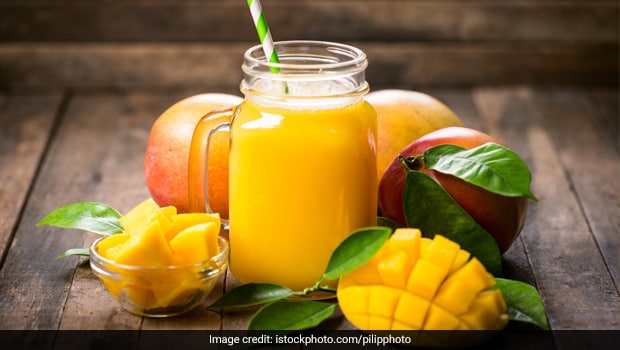
Mango is not only a tasty fruit eaten in the summer season but also reaped with various health benefits. Mango is now making people crazy not only in India, but also across the world. Mango varieties like Dussehri, Langra, Chausa, Kesar, Badami, Totapuri and Alphonso are very much liked in India.
Health benefits of mango –
1. It is rich in vitamins and minerals – Mango contains vitamins, minerals and anti-oxidants. Vitamin K present in it is beneficial in blood clots. The iron present in it also prevents anemia. Mango also makes our bones strong.
2. Rich in vitamin A Mango is also rich in Vitamin A. There are so many benefits of eating a mango that it can meet almost 25 percent of the daily requirement of vitamin A. Vitamin A is also very important for reproduction and immune system in the body.
3. Helps in quick recovery In the current era of COVID, the demand for fruits containing vitamin C for immunity has increased. Mangoes are also rich in vitamin C, which is important for forming blood vessels and healthy collagen. Apart from this, mango helps in fast healing of any kind of wounds of the body.
4. Helps in digestive process Mango is such a fruit that maintains our digestive system. Amylase compound and dietary fiber in Mango also provides relief from constipation. Amylase compounds help in the digestion of foods and dissolve hard starches.
5. Boosts immunity Mango is a good source of immune-boosting nutrients. One cup (165 grams) of mango provides 10% of your daily vitamin A needs. Mango also contains folate, vitamin K, vitamin E and several B vitamins, which aid immunity as well.
6. It helps in fighting cancer – Mangoes contain antioxidants such as quercetin, fisetin, isoquercitrin, astragalin, gallic acid and methyl gallate. All these properties protect our body against breast cancer, colon cancer, prostate cancer and leukaemia.
7. Helps in alkalizing the body – As mangoes are enriched with tartaric and malic acid and contain traces of citric acid, it helps in maintaining the alkali reserve of our body.
8. Prevents heat stroke – This summer fruit also helps in preventing heat stroke. Eating it cools you down instantly and hence refreshes you. Add this ‘super fruit’ in summer and stay cool during the got weather.
9. Contains high iron content The high iron content in mango is a natural remedy for anaemic people. Also, women should eat mangoes to increase iron level and calcium content in their bodies.
10. Improves concentration If you find it difficult to concentrate and have low memory, then gorge on mangoes. They not only help in improving your concentration but also boost your memory.
Mango is delicious, versatile and easy to add to your diet. However, it can be difficult to cut due to its tough skin and large pit. There are various ways where one can add mango to their daily diet. Like adding to your smoothies, or making mango ice creams, thick shakes or fruit custard. However we need to keep in mind that mango contains high amount of sweet so its recommended to add 1-2 mangoes per day.
Many people are experiencing hair fall after recovering from Covid- 19. Hair loss can be a result of many things, including a deficiency of nutrients during the period of infection can also result in hair fall
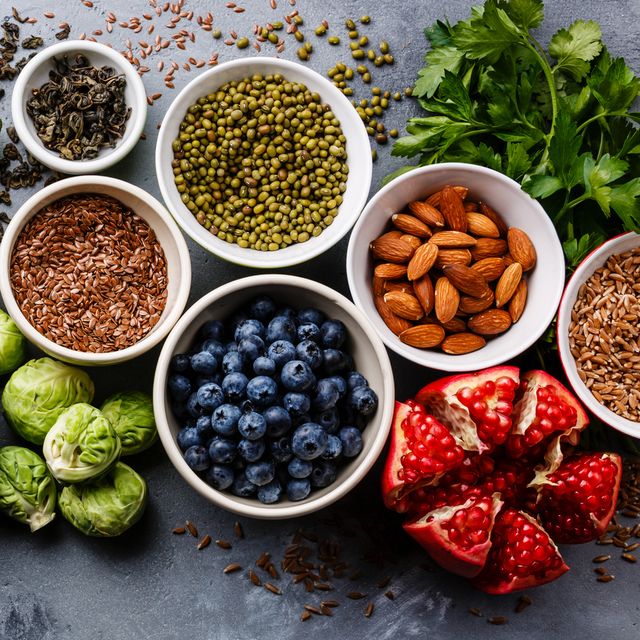
“A healthy diet is the most important aspect of recovery. Consuming a diet lacking the right nutrients can lead to hair loss. For healthy hair, one should consume enough water along with a diet rich in protein, biotin, iron, omega-3 fatty acids, B vitamins, vitamin C, E, and zinc.
Eggs: Egg yolks are rich in healthy fats and protein. They are full of biotin, a B vitamin that promotes strong hair growth and also good for scalp health. On the other hand, biotin deficiency can cause brittle hair. Other good sources of protein are dairy products, tofu, dal, chicken, and fish. Spinach: Green leafy vegetables go a long way in not only maintaining the health of your hair but also provide it with essential vitamins and nutrients that help treat damaged hair back to health. Spinach is a rich source of vitamin A, K, E, C, B vitamins along with manganese, zinc, iron, and omega 3 fatty acids that keep your scalp healthy. These vitamins improve collagen and keratin levels and speed up the hair growth process. Avocado: Avocados are packed with monosaturated fats, fatty acids, and vitamin E which nourish the hair and make them shiny and strong. This healthy fruit is high in protein and rich in B vitamins, too. Oilseeds – Foods rich in Omega-3 fatty acids are a must for strong hair; these include chia seeds, flaxseeds, pumpkin seeds, and sunflower seeds. They are also an excellent source of minerals like phosphorus, calcium, and protein, all of which encourage hair growth and strong hair. Pumpkin seeds naturally contain biotin which encourages strong and faster hair growth. These seeds can be easily added to your everyday diet. Just sprinkle a spoonful into your morning glass of milk or smoothie. Legumes: Legumes are rich in protein which is needed for improving hair growth and make it shiny. They also contain zinc and biotin. Beans contain complex carbohydrates, which help convert protein into cells that form hair. Vitamin A, B6, zinc, and manganese present in black channa plays an important role in building up the hair protein. Almonds and cashew nuts – These nuts are extremely rich in fatty acids, which is the key to maintaining smooth, supple, and strong hair. Cashewnuts are also loaded with copper which enhances hair growth. Almonds are full of Vitamin E which gives silky and strong hair. Lemon: They have a very high concentration of vitamin C which helps to build collagen. Collagen helps your hair to grow as well as helps your body to absorb iron which strengthens the hair scalp. Other sources of vitamin C which prevent hair fall are bell peppers, strawberries, amla, papaya, and kiwi. Whole grains – Whole grains like oats, quinoa whole wheat, and barley, and B vitamin that helps prevent hair breakage and increases, hair strength and growth. They also contain a high amount of zinc that helps to hair loss at bay.
The world is currently facing a public health emergency in coronavirus (COVID-19), but little has been said about the people in our prisons and juvenile detention centers.
The impact is felt strongly by prisoners in the majority of countries around the world. Even relatively well-resourced criminal justice systems have significant problems in reducing the pandemic’s impact in prisons. The repercussions are particularly severe in prison systems that were already overburdened, whether as a result of systemic neglect, a lack of manpower, or other factors. As a result, insufficient sanitation, hygiene, and health services have resulted in bad prison conditions.
Today’s record-high prison populations are the result of the criminal justice system’s failure to make the necessary changes in response to the pandemic. There is a fear of an unregulated spread of infection and escalating death toll loom with little to no data from jail authorities on current prevalence of testing and total disinterest from judges on prison conditions. Even more concerning is the complete lack of priority given to prisoners nowadays.
In public places to limit the spread of COVID-19 and avoid overburdening our health system, governments and health experts have proposed that we use the most effective technique to help flatten the curve: social distance. In prisons, though, it is nearly impossible. Because of the nature of prisons, individuals are always in close proximity to one another, separating sick people from healthy people to avoid disease transmission is impossible. This makes prisons the ideal breeding environment for COVID-19, which would spread like wildfire across the prison system once one person became infected on the inside. Almost one-third of those who enter prison have a chronic medical condition, such as asthma, cancer, cardiovascular disease, or diabetes, or are disabled. It is quite risky for the inmates.
To avoid a mass outbreak, the government must take immediate steps to limit the number of inmates in prisons, particularly those who are most vulnerable to COVID-19.
Granting leave to those most vulnerable to COVID-19, such as the elderly, individuals with chronic illnesses, people with disabilities, and people with mental illnesses.
Granting early release to persons in prison who are nearing the conclusion of their sentence, as has been done in several places around the United States;
Granting parole or leave to those in prison who have been convicted of low-level offenses and who, if released, would pose a low risk to the community;
Granting children and young people parole or leave so that they can remain with and be supported by their families during this public health crisis; and
Making it easier for children, young people, and adults on remand to obtain bail if they have not been proven guilty of any criminal offense and pose a low risk to the community if freed.
Prisoners, like everyone else, are entitled to basic human rights. And despite requests from human rights organizations and others, nothing has been done to address these challenges effectively. State governments should endeavor to preserve the physical and mental well-being of people who stay in custody, particularly those who are most at danger, rather than relying solely on simple lock downs. If not, the coronavirus in prisons might be disastrous in more ways than one.








 Eduindex
You must be logged in to post a comment.