You see the problem is that fat, isn’t just the inch you can pinch known as subcutaneous fat the real danger is the fat that’s in your abdomen and surrounding your internal organs known as visceral fat. Studies have shown visceral fat puts us at higher risk of heart disease, type 2 diabetes and in women it’s even shown to increase the risk of breast cancer.
THE SCIENCE BEHIND THESE EXERCISES AND WEIGHT LOSS:
If done correctly after 6 weeks the study showed a loss of just over 2cm around the waist of the participants which is great and you can do this without any diet change and see a difference. Now these results are good but they’re definitely not as good as the diet change group which I spoke about in the first part of this video who lost 1kg a week and 5cm around the waist after 6 weeks.
And this because the participants who only did the abdominal exercises so no diet change only really improved their muscle tone. Well we know by increasing your muscle tone your essentially holding fat in with muscle so they haven’t reduced the fat around the waist but it does give a thinner appearance hence the 2cm reduction.
Which is why it’s important not be fixated on just doing abdominal crunches to try and lose weight or belly fat. Yes these exercises have been shown to give a 2cm reduction in waste size after 6 weeks. But you also really need to make those dietary changes as explained in part one of this video for maximum impact. If you do the diet correctly you should expect to lose 0.5 to 1kg every week which is great but here’s the best part after 6 weeks the study showed that each individual also reduced their dangerous visceral fat by 14% and they reduced their cholesterol, blood pressure and had a 5cm reduction in their waistline and that’s without any exercise so just imagine the results if you merge these abdominal exercise and diet change.
BMI CALCULATOR:
Before beginning any diet it’s definitely worth checking if you actually need to lose weight as you may already be at a healthy weight and the easiest way to do this is to check your BMI. BMI stands for body mass index. BMI is a person’s weight in kilograms divided by the square of height in meters. It is an inexpensive and easy-to-perform method of screening for weight categories that may lead to health problems.
For children and teens, BMI is age- and sex-specific and is often referred to as BMI-for-age. In children, a high amount of body fat can lead to weight-related diseases and other health issues. Being underweight can also put one at risk for health issues.
A high BMI can indicate high body fatness. BMI does not measure body fat directly, but BMI is correlated with more direct measures of body fat.
BMI Weight Status: Below 18.5 – Underweight 18.5 to 24.9 – Normal or Healthy Weight 25.0 to 29.9 – Overweight 30.0 and above -Obese
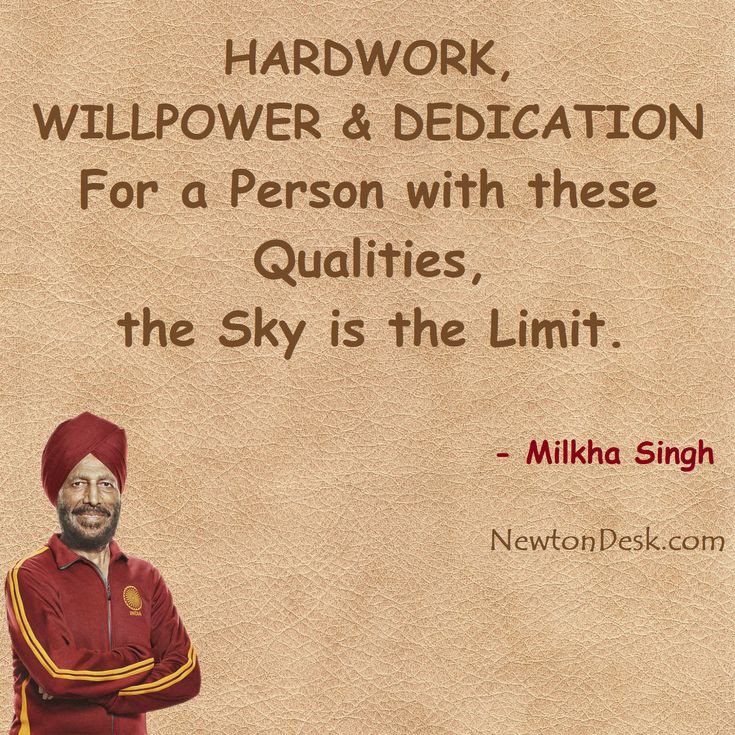
I was moved to tears by the thought that from being nobody the night before, I had become somebody.
– Milkha Singh
The beginning
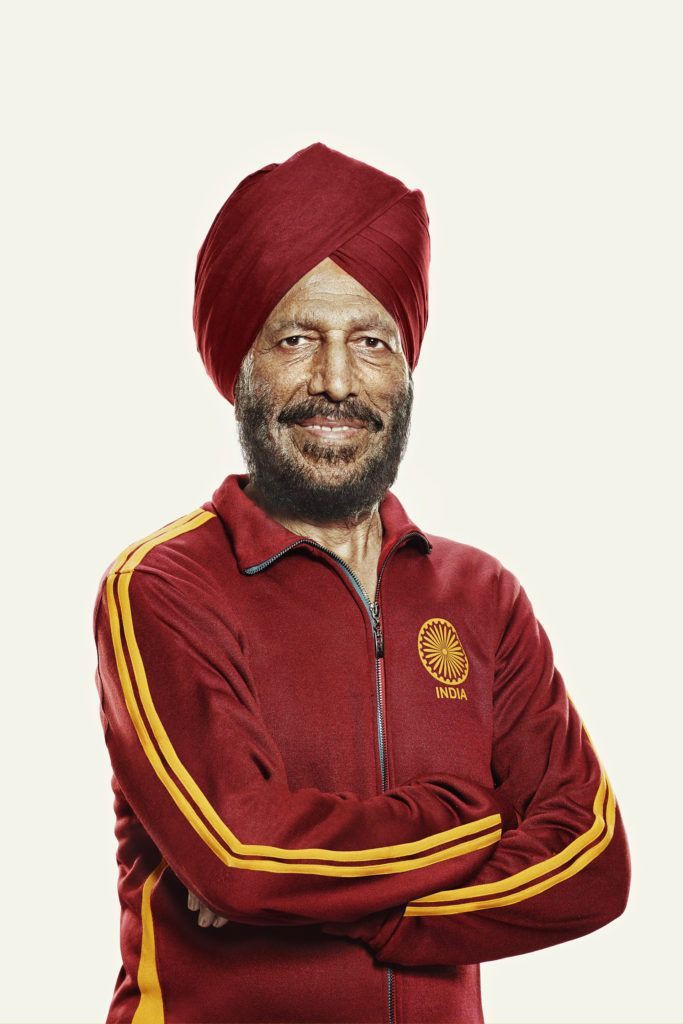
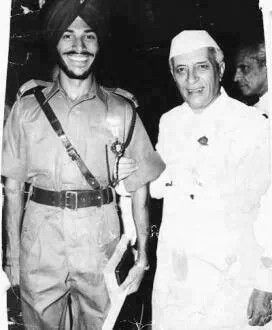
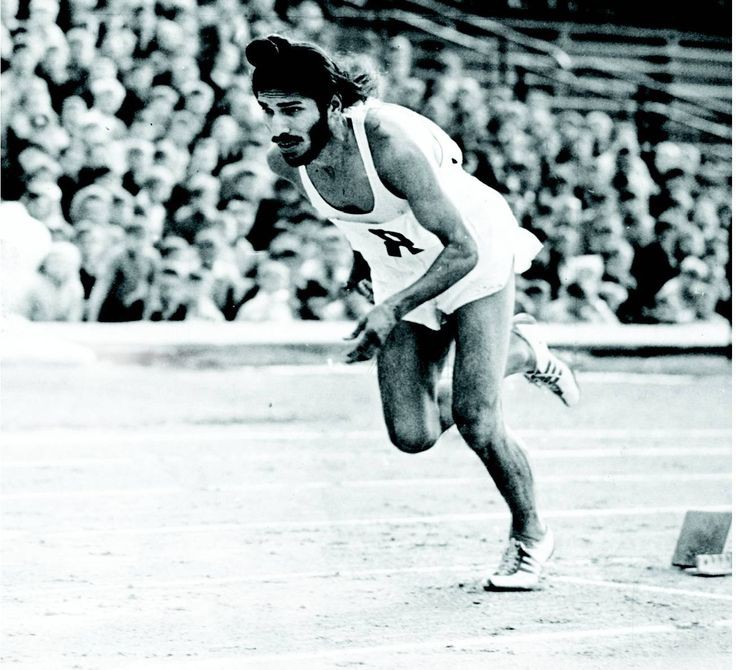
He was an athlete , an army officer and a proud citizen . He won for his motherland and inspired many . Yes , he was an inspiration and served for his nation .
He was born in November 20,1929 in Govindpura , Punjab ( present – Punjab , Pakistan ) . He was one of his 15 siblings from whom 8 died during the partition . In early age , he moved to Delhi , India in 1947 .
He wasn’t interested in army or becoming one but wanted to prove himself and others that he can be the one . It was his forth attempt when he gained access and introduced to the athletic later .
He once said that “I came from a remote village, I didn’t know what running was, or the Olympics”. And that’s where he started his journey as an athlete .
Medal awards and Popularity
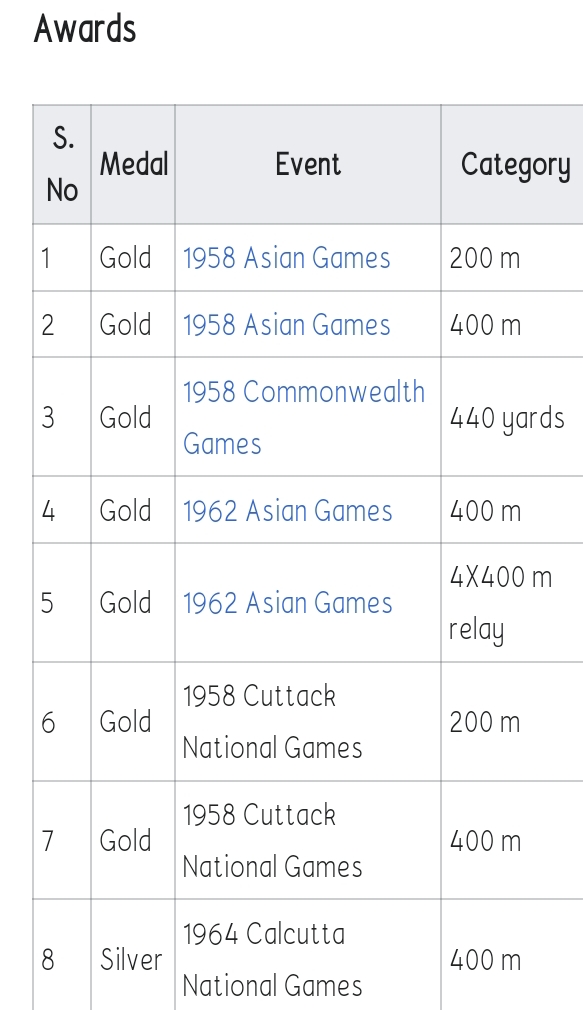
With many Olympic , National and International awards . Rather than his award Milkha Singh was quite popular in media . His powerful aura worked from sports men to the Ministry .
Later in his life he married Nirmal saini , a former captain of Indian women volleyball team and had three daughters and a son .
He became Director of sports in Punjab Ministry of Education and was awarded with Padmashri in 1959. He also turned down Arjuna award in 2001 by saying that it was to be awarded to younger atheletes rather than him.
An inspiration
As an athlete , he inspired young aspirants who want to become from Nothing to Something . He shared his ideas that before his first game he was just a runner but after he earn first postion he became Something from Nothing .
” I was moved to tears by the thought that from being nobody the night before, I had become somebody. “
-Milkha singh
He also co- wrote his biography with his daughter “THE RACE OF MY LIFE ” in 2013 . Which inspired “Bhaag Milkha Bhaag ” an autobiography film in 2013 . A trust had been founded for the poor and needy sports people in 2013 due to the recognition of film .
A day of loss
On June 18th ,2021 , we lost one of the legendary Indian icon , an ace of athlete due to the post covid – complication . “We are deeply indebted to the doctors at PGI for their valiant efforts and the love and prayers we received from across the world and from yourselves,” – statment given by his family .
PM Narendra Modi pay a tribute to MILKHA SINGH in his monthly radio program ‘Maan ki baat’ . He urged India to cheer and motivate for forthcoming Tokyo Olympics .
He said “When talking about the Olympics, how can we not remember Milkha Singh Ji. When he get hospitalized, I got a chance to speak to him, I had requested him to motivate the athletes going for Tokyo Olympics”
We lost one gem of our India but we didn’t lost his contribution to his motherland . He has given a lot and it’s our time to remember what gave to us .
“Everything that has a beginning has an ending. Make your peace with that and all will be well.” ~
Jack Kornfield
Life is not always meant to fill with bliss and happiness . It also has its demon and darkness . And we are unable to understand the consequences that can be happen in future .
This is what we are facing now and it’s popularity is all over the world . Well well .. we all met the celebrity i.e., known as “ CORONA VIRUSE ”
Yes yes I know how much amazed we all were when we get to know about it . The excitement leads to the death of 1/4 of a population . Let’s move on from the gossip girls .
“But you are involved in the world, and your actions have consequences for other people, and if you don’t recognize that, then that’s the supreme kind of cruelty. Everyone shares someone else’s fate to some extent.” ~
Malcolm Bradbury
Like a gentle men he is . Malcolm has distracted us from the main theory that is “ Every action has equal and opposite reaction ”
From the past decades , census has been directly pointing out the deterioration in Nature . It leads to the extinction of wild life . More than one million of species had been reportedly facing problem and extinct .
So what do you think . Is it a revenge that nature is taking in the form of corona virus ?
Or
Is it a lesson to the human kind for playing with the nature ?
Well in both questions we get one thing clearly that is human kind has to pay .
Based on the report by WHO more than 3.3 million people died due to COVID19 in January . Their are “excess death” of people which caused mass havoc in the mind of the people all over the world .
So where were we virus , death , human kind , extinction . Ohh yeah now I remember we were talking about the hate of nature for human beings . Ops , sorry . Don’t mind sometimes I just flow with sentiments .
Well , yeah we were talking about the devastation in the human world by nature .
I am not a socialist or a misanthrope . I loved nature as much as you do . But what we didn’t understand is that how much we hurt our environment . And when we come to the realisation .
It’s being like OJO run his lovely Siren on MOJO . What , who is Siren . Siren is OJO’s favourite truck . Yeah I know I am very funny .
Reality hits us with the truck in the form of COVID .
I really do talk about COVID in this editorial rather than I used in my daily life .
We need to recreate our life in the form that It will not harm the nature . I know it’s a tough time to speak about this but until we will not stop ourselves for our wrong doing . It will come back to us and hit it with the force that no human kind can protect themselves from the destruction.
Embrace a new perspective.
Let move together to the new world where we can live with nature
This given editorial is written under one’s perspective. I am not judging anyone’s decision . You have youern own perspective and i am standing with that .
“There is hope, even when your brain tells you there isn’t.”
John Green
A great quote by a great person , yeah I also believe it but do you ? .
Who am I ? Am I gaining weight , what if people doesn’t like me ?
What will happen when I tell her I am depressed ?
How do I know I’m unwell ?
How do I react if my relatives finds out ? .
These are some questions that we asked ourselves in our daily life . 5Ws and 1H (Why , who , how , what , when, where ) . Aristotle used them as an element in order to distinguish vocabulary. And what we are doing. is we are using them to explain one’s personality ,distinguish them and then despise them .
That’s how it starts , THE MIND GAMEPLAY . We differentiate , we compare , we make fun of others , we got jealous , we take harsh decisions, we judge others and we ask ourselves that where I was wrong .
Then , we start to get depressed , cry , nervous – breakdown , anxiety and so on……. This cycle is more complicated than Ojo – mojo friendship . Just kidding …
MIND PLAY
Let’s get in the topic .
Yes , we are talking about mental health . Which most of us ignore more than advertisements on TV’s . Like I said doesn’t matter . But what matters the most is the ignorance of your own health .
In present scenario , mental health takes a major role world wide and our mother land India is not far behind .
As , the pandemic takes a harsh troll on people of all over the world . Others died due to the confined places , loneliness , family members death and anxiety attacks caused by lack of oxygen and also one of the important aspect of mental illness.
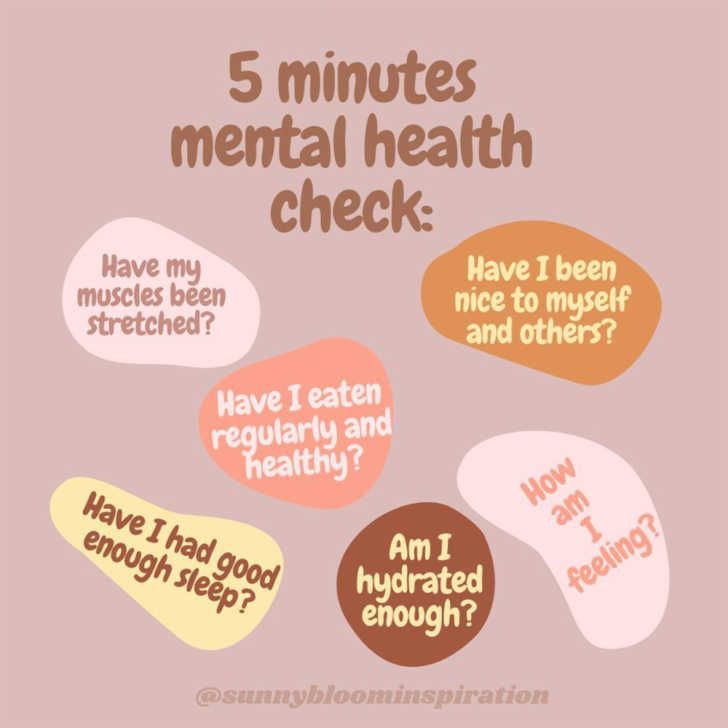
How we can check our metal health ? Are we mentally fit or not . Now , if you ask me I do have solution . And u want to know about one secret . It will only take 5 min. so now you don’t have to waste more time on search .
5 min. Mental Health Check :-
1. Have my muscles been streched ? 2. Have I been nice to myself and others? 3. Have I eaten regularly and healthy ? 4. Have I had good enough sleep ? 5. Am I hydrated enough ? 6. How am I feeling ? And yes last but not the least be truthful to yourself . And like this you get to know that you are mentally healthy or not .
Conclusion
Like physical health , mental health is equally important . Small things can cause a lot of problems . So before things get out of your hands , grip it with a tight leash .
“You don’t have to control your thoughts. You just have to stop letting them control you.”
Yeah! Its a season of joy, enjoyment, happiness, and we should enjoy it at the best.
A monsoon is traditionally a seasonal reversing wind accompanied by corresponding changes in precipitation, but is now used to describe seasonal changes in atmospheric circulation and precipitation associated with annual latitudinal oscillation of the Intertropical Convergence Zone between its limits to the north and south of the equator. Usually, the term monsoon is used to refer to the rainy phase of a seasonally changing pattern, although technically there is also a dry phase. The term is sometimes incorrectly[according to whom?] used for locally heavy but short-term rains.
The major monsoon systems of the world consist of the West African and Asia–Australian monsoons. The inclusion of the North American Monsoon and South American monsoon with incomplete wind reversal has been debated.
The term was first used in English in British India and neighbouring countries to refer to the big seasonal winds blowing from the Bay of Bengal and Arabian Sea in the southwest bringing heavy rainfall to the area.
The Indian men’s national cricket team, also known as Team India and Men in Blue, is governed by the Board of Control for Cricket in India (BCCI), and is a Full Member of the International Cricket Council (ICC) with Test, One-Day International (ODI) and Twenty20 International (T20I) status.
Cricket was introduced to India by British sailors in the 18th century, and the first cricket club was established in 1792. India’s national cricket team did not play its first Test match until 25 June 1932 at Lord’s, becoming the sixth team to be granted test cricket status. From 1932 India had to wait until 1952, almost 20 years for its first Test victory. In its first fifty years of international cricket, India was one of the weaker teams, winning only 35 of the first 196 Test matches it played. The team, however, gained strength in the 1970s with the emergence of players such as batsmen Gavaskar, Viswanath, Kapil Dev, and the Indian spin quartet.
Traditionally much stronger at home than abroad, the Indian team has improved its overseas form, especially in limited-overs cricket, since the start of the 21st century, winning Test matches in Australia, England and South Africa. It is second cricket team to win World Cup after West Indies. It has won the Cricket World Cup twice – in 1983 under the captaincy of Kapil Dev and in 2011 under the captaincy of Mahendra Singh Dhoni. After winning the 2011 World Cup, India became only the third team after West Indies and Australia to have won the World Cup more than once, and the first cricket team to win the World Cup at home. It also won the 2007 ICC World Twenty20 and 2013 ICC Champions Trophy, under the captaincy of MS Dhoni. It was also the joint champions of 2002 ICC Champions Trophy, along with Sri Lanka. The team has also won the Asian Cup seven times, making them one of the most successful cricket team in both Asia and the world. They are also one of the only four teams to win all major ICC tournaments. India have also won the ICC Test Championship, ICC ODI Championship, ICC T20I Championship and the World Championship of Cricket in 1985.
The Indian cricket team has rivalries with other Test-playing nations, most notably with Pakistan, the political arch-rival of India. However, in recent times, rivalries with nations like Australia, South Africa and England have also gained prominence.
As we do have our favourite cricketer, we all have different tastes but mine is MS Dhoni (Mahendra Singh Dhoni) he’s the beat no one can’t beat him but as we see our current Indian team so these are the players:
1. Virat Kohli.
2. Rishabh pant.
3. Kl Rahul.
4. Subhman gill.
5. Rohit Sharma.
6. Ravichandran Ashwin.
7. Jasprit B.
8. Yuzvindra chahal.
9. Umesh Yadav.
10. Ravendra Jadeja.
11. Kedar Jadhav.
And so on there’s alot of players in our Indian cricket team. And our Indian cricket team is doing so well. And is considered as one of the best teams.
WHAT IS POPULATION The number of organisms of the same species that live in a particular geographic area at the same time, with the capability of interbreeding is called population.
HUMAN POPULATION: Human population refers to a collection of humans living in a particular geographic area. The social science that entails the statistical study of human populations is called Demography. Thus, human population is the number of people in a city or town, region, country or world; population is usually determined by a process called census (a process of collecting, analyzing, compiling and publishing data).
HUMAN POPULATION GROWTH The increase in the number of individuals in a population is population growth. Annual global human population growth amounts to around 83 million or 1.1% per year. In 1800 the global population was 1 billion which has rises to 7.9 billion in 2020. The UN projected population to keep growing, and estimated that by the middle of 2030, 2050 and 2100 the total population will rise to 8.6 billion ,9.8 billion and 11.2 billion respectively. But some academics outside the UN have developed human population models that shows the additional downward pressures on population growth. They also suggested that if this happens then the population would peak before 2100.
POPULATION EXPLOSION AND ITS CAUSE:
The sudden increase in population growth in an unmannered way is called population explosion.
Causes of population explosion: The causes of population explosion are as follows:- High Birth Rate The major cause responsible for the rapid growth of population is high birth rate. In India, the birth rate was found to be 45.8 per thousand during 1891-1900 and 25.8 per thousand in 2001, but still it is considered to be substantially high. This shows in spite of the increase in the widespread propaganda of family planning, family welfare programmes and population education campaigns, instead of a decrease in the birth rate it is increasing. 2. Low Death Rate The death rate in recent years has phenomenally fallen which is another important factor that leads to the rapid increase in population. The death rate in India was about 8.5 per thousand in 2001. But because of the advancement in medical science, dreadful and chronic diseases such as smallpox, cholera, plague, typhoid are no longer dreaded. Better facilities for sanitation and cleanliness, provision of pre-natal and post-natal care has also reduced infant mortality rate. 3. Early Marriage The practice of early marriage is another important reason for the rapid increase in population in India. The marriage of girls at an early age results in a longer span for reproductive activity and thus leads to an increase in the number of children. 4. Social and Religious reasons In India,marriage is a compulsory institution as per social norms.so people have to marry.Therefore, people do not hesitate to increase the size of the family as in a joint family everyone takes equal responsibility . Apart from this most people think that it is necessary to give birth to at least one male child so in expectatin of getting a male child, they go on increasing the family size. 5. Poverty Poverty is another cause of population growth. Children are source for income of the family. So instead of going to school they go to work and thus prove to be an asset for the family. This makes the parents believe that every child born will become an earning member of the family. 6. Standard of living People whose standard of living is low tend to have more children because an additional child is considered as an asset rather than a liability. Since majority is uneducated and think that every child born will become the earning member of the family they keep on increasing the family size. 7. Illiteracy Most of the people in India are either illiterate or has the minimum education. This leads them to accept low paying work but fails to support the family resulting poverty. Due to the prevalence of higher rate of illiteracy, there is widespread ignorance in the form of social customs and beliefs like early marriage and preference for a male child. As a result, there is high rate of population growth in the country.
IMPACTS OF POPULATION GROWTH ON ENVIRONMENT: Population growth leads to overconsumption that causes environmental concerns, such as biodiversity loss and climate change, due to resource-intensive human development that exceed planetary boundaries.The impacts of overpopulation and the environment are often interrelated and complex. Farming impacts If the population increases the need for food also increases. To meet the need of food intensive farming is done.This includes harmful mechanisation, chemical fertilizers and pesticides that degrades the soil quality causing soil erosion. This also leads to eutrophication that depletes water from oxygen having negative effects. To create new farmland deforestation is done resulting in a negative outcome. Agriculture is responsible for about 80 percent of deforestation. Deforestation Deforestation leads to a reduced ability to capture CO2, resulting in the increase of greenhouse gas problems. Deforestation is also strongly associated with loss of habitat and extinctions. Human population increase is related to all of these deforestation pressures. The more people we need, the more food, more wood products, and more firewood. Eutrophication The main cause of eutrophication is agricultural runoff caused by the presence of excessive nutrients in bodies of water. Eutrophication causes the dense growth of plant life that consumes oxygen, resulting in the death of aquatic animals. Other major sources of eutrophication are industry and sewage disposal–both related to population growth. Loss of Freshwater Although there are plenty of water resources,only 2.5 percent of water resources are fresh water, and only a small fraction of it is available as unpolluted for drinking purposes. This is because with the increase of Human population, human waste also increases which pollutes the water making it unsuitable for drinking. Also with the increase in population the need for drinking water increases thus water scarcity also increases. Global Warming Human population growth and climate change have grown hand in hand as the use of fossil fuels has exploded to support industrialized societies. More the number of people, the more is the demand for oil, coal, gas, and other energy sources extracted from below the Earth’s surface that spew carbon dioxide (CO2) into the atmosphere when burned, trapping warm air inside like a greenhouse. Most fossil fuel consumption comes from developed countries.It is a sobering thought that most developing nations aspire to similar industrial economies as they experience economic growth, which further escalates CO2 emissions into the atmosphere.
PREVENTION:The population can be controlled by following measures. A. Social Measure: Population explosion is a social problem and it is deeply rooted in society.
1. Minimum age of Marriage: The minimum age of marriage should be raised because fertility depends on age of marriage. Fixed by the law the minimum age of men is 21years found 18 years for women. 2. Raising the Status of Women: Women should be given opportunities to develop socially and economically. 3. Spread of Education: The spread of education changes the outlook of people. The educated men will prefer to delay marriage and adopt small family norms. Educated women are health conscious and avoid frequent pregnancies and thus help in lowering birth rate.
4. Adoption: Some parents who do not have any children are advised to adopt the orphan children. It will be beneficial to orphan children as well as lower the population.
5. Change in Social Outlook: Social outlook of the people must be changed. Marriage should not be considered as social binding anymore.
6. Social Security: People should be covered under-social security schemes. So that they do not depend upon others in the event of old age, sickness, unemployment etc. with these facilities they will have no desire for more children.
B. Economic Measures: 1. More employment opportunities: The first and foremost measure is to raise the employment avenues in rural as well as urban areas.This step can check the population growth.
2. Development of Agriculture and Industry: If agriculture and industry are properly developed then a large number of people will be employed and when their income increases they would improve their standard of living and adopt small family norms.
3. Standard of Living: Improved standard of living acts as a deterrent to large family norms. In order to maintain their higher standard of living people prefer to have a small family.
4. Urbanisation: People in urban areas have a lower birth rate than those living in rural areas. Urbanisation should therefore be encouraged.
C. Other Measures: 1. Late Marriage: At the age of 30years,marriage should be solemnized. This will reduce the period of reproduction among the females bringing down the birth rate. 2. Self Control: Self control is a powerful method to control the population. It helps in reducing the birth rate.
3. Family Planning: This method implies family by choice and not by chance. People can regulate the birth rate by using preventive measures like cheap contraceptive devices for birth control etc.
4. Recreational Facilities: For many people sex is the only recreation of life which is responsible for a high birt rate. But the birth rate will fall if other recreational activities like cinema, theatre, sports and dance etc are available to the people. As a result of which people will not have sex for recreation reducing in lower birth rate.
5. Publicity:
The communication media like T.V., radio and newspaper will propagate the benefits of the planned family to the uneducated and illiterate persons especially in the rural and backward areas of the country.
6. Incentives: The govt. can give various types of incentives to the people to adopt birth control measures. This will result in small family norms reducing the birth rate.
7. Employment to Woman: If women are given employment they will get incentives for their work. This will keep them busy and is a good measure of population control. @track2traininginstitute @track2trainingseminar @edunewsnetwork
Yoga’s roots began in India thousands of years ago. Yoga is one of the greatest achievements of Indian civilization, which has spread its influence far and wide. The ancient seers used yoga as a means to explore the exterior and interior world and ultimately achieve the knowledge and wisdom of Vedas, shastras and Upanishads which have been passed down to the world. Yoga was evolved by the ancient Indian Rishis as a practical method for complete physical, mental and spiritual transformation of an individual. Different periods of Indian history can tell the origin of Yoga. (i) Pre-Vedic period : The excavation of Mohenjodaro and Harappa in Indus Valley reveals that yoga was practiced in some forms during that period. The idols as well as statues which were found in excavation, are in various yogic postures. The language which was used in Indus Valley Civilization, is still unknown to us, but it is sure on the basis of idols that yoga was performed during that period. (ii)Vedic period : Vedas refer to the oldest “portion of the sacred canon of Hinduism, they are four RIG, ATHARVA, SAMA and YAJUR. The word ‘Yunjate’ used in Rigveda gives the idea of the yoga for sense control. Some concepts of yoga are partially developed from Vedas. (iii) Upnishads period : It is the upnishads, from which the later parts of Vedas provide the main foundation of Yoga teaching and philosophy known as Vedanta i.e., ‘Absolute reality’ or consciousness. The real basis of yoga can be found in upnishads. Pran and Nadis are discussed in upnishads along with the physiological effects. (iv) Epic period : Around 6th century B.C. appeared two massive epics; the Ramayana written by Valmiki and the Mahabharata written by Vedavyasa. Various types of yogic practices were used during that period. Bhagavad Gita is perhaps the best known of all yogic scriptures. (v) Sutra’s period : The backbone is furnished by Patanjali Yoga Sutra. He was rightly called the father of Yoga, who around 200 B.C, compiled, sythesized, modified, systematised and refined yoga in a metaphysical whole. (vi) Smriti Period : Smrities were written till about 1000 A.D. During this period, of Smriti literature, we find various change in ideas, beliefs, worship and customs. Pranayam and other purification techniques used to occupy a significant place in every ritual of people. (vii) Medieval Period : In this period, the two cults i.e., Natha cult and Bhakti cult were very famous. The literature of these cult shows that yoga was very popular in these cults. Hathayoga was evolved and became very famous in the Natha cult. The saints of these periods used to do various yogic practices. (viii) Modem period: Swami Vivekananda made Yoga very popular and continued to spread its knowledge outside India also. Modern men have adopted this oldest science of life as a tool for keeping the systems of the body and mind in good health. Interest in Yoga is again at high pace with good reason. Yoga is the oldest form of personal development in the world, encompassing body, mind and spirit. Yoga has its roots in the Indus Valley Civilization. The Vedas, Upanishads, the famous epics Ramayana and Mahabharata specially the Gita, Smrities, Yogasutra are authentic evidences of development of Yoga in ancient times. The seeds of yoga were sowed and developed in India and now it is spreading all over the world by Swami Ramdev ji.
Menstruation is still now a social taboo in Indian Society.The major reasons behind menstruation still being a taboo in the Indian society are illiteracy, poverty and lack of awareness.
WHAT IS MENSTRUATIONS? The blood coming out from vagina normally occurs as part of a woman’s monthly cycle called menstruation or periods. Every month, our body prepares for pregnancy. The uterus, or womb, sheds its lining in case of no pregnancy . The menstrual blood is partly blood and partly tissue from inside the uterus. We can say that periods are the onset of puberty in girls. During this time a girl goes through several physical and psychological changes in her body. It is associated with bleeding along with stomach ache , nausea as well as mood swings. After the onset of puberty , it brings various rules, restrictions, isolation and changed expectations in the girls life by the society. These changes in attitude towards girls such as restrictions on their self expressions, schooling, mobility and freedom has far reaching consequences on the mindset of women.
MENSTRUATION- A TABOO In the Indian society menstruation is still considered as a taboo. Till now, adolescent girls are not given proper information about menstruation. People create major hurdles in educating girls about menstrual hygiene.
Mothers also don’t talk with their daughters about this topic because they feel shy while expressing the terms. Another reason they don’t discuss this topic is because most of them lack scientific knowledge on puberty and menstruation. Most of the people in India, especially the girls are illiterate. This is one of the reasons for which menstruation is still a relevant taboo in our Indian society. The other important reasons are poverty and lack of awareness about menstrual health and hygiene. Very less number (less than 18 percent) of Indian women use sanitary pads.
TROUBLES SUFFERED BY THE WOMEN: In many families women’s freedom is still in the hands of patriarchal discourse. With the evolution of these cultures, there has not been any significant change in people’s attitudes and mentality towards menstruation.
In some families menstruation is still denoted as an unclean or embarrassing thing. For them even mentioning menstruation in public or private places is embarrassing. Most girls feel embarrassed to go to a medical store to buy sanitary pads for them. There are also many girls who cannot afford to buy the Sanitary Napkins.
Most of the girls in financially unprivileged families drop out of school when they begin to menstruate. More than 77 percent of girls and women in India use an old cloth, which is often reused, ashes, newspapers, dried leaves and husk sand during periods.
During these periods women are not allowed to participate in day-to-day activities. They are not allowed to enter the house or carry in with their household chores. They are even restricted from entering the kitchens. They are restricted from entering the temple. They are not even allowed to any sacred places and also not allowed to perform any rituals. They are restricted from doing all these works because they think that a menstruating woman is impure and everything she touches turns impure or bad. They think after menstruation a woman must be purified before entering the house or other places. While menstruating, a woman goes through several psychological trauma and mood swings . During this time they should be given proper care but instead they are treated poorly by the society.
SURVEYS: According to the latest National Family and Health Survey 58 per cent of young Indian women (15-24 years) use a hygienic method of protection (mostly sanitary pads) which is a significant increase from the 12 percent using pads in 2010. This is a consequence of greater attention to menstrual hygiene management over the past few years in India. This not only prevails in the Indian society but is a global issue. On a global level, at least 500 million women and girls lack adequate facilities for menstrual hygiene management. The lack in appropriate information on sanitation and hygiene facilities, especially in public places like schools, workplaces or health centres can pose a major obstacle to women and girls.
CONCLUSION: To prevent this troubles faced by the menstruating women in our society, we must give them proper education about menstrual health and hygiene, provide financial support or distribute sanitary napkins to the unprivileged women so that they don’t have to suffer the ill fate. @track2traininginstitute@edunewsnetwork
As I’m going to start this blog I would love to say everyone is perfect in their own personality, in their own perspective, in their own decisions. So it’s been a long time I had passed my school and now persuing my passion (not a course) ‘my passion’ so let me tell what is the main topic I’m talking about but firstly I’ll tell you a story which is real, so I was studying in 10th and one of my closest friend I can’t revel his name but his intrest was in painting and then he was confused that ‘bro what should I take as a stream in 11th’ so I told him what you love or in which you have your interest, but he said my father is telling me to take PCM (science, math) and he wants to take humanity but he was confused because his dad said if you’ll took humanity then there’s no future! And his dad told him take science-maths and then you cout prepare for IIT and he took science-math and just because he want to become a engineer and want to earn money! And he wasn’t happy as he wasn’t able to paint because of his studies and he wasn’t that good in studies so he was trying very hard but I said why I mean if you love to paint and you wanted to take humanity as your stream then did you took science and math just for the sake of money and even you don’t have intrest in science maths then why and he said because of my father. And this is my experience ladies and gentlemen he took science and maths he studied very hard and gave the exam for jee and he failed because he wasn’t having that intrest in PCM. And on the other hand he haven’t painted for more than a year and when he gave his exam and came back home he took his brush and painted and I’ll that art was one of the best of my friend as he hasn’t painted for a while which is more than a year but,
As i said ‘IF YOU HAVE INTREST IN A PARTICULAR FIELD, YOU’LL DEFINITELY WIN’ but if you don’t have intrest in that particular field you’ll definitely lose doesn’t matter who much you work upon it ‘HAVING INTREST IS THE TOP FACTOR’
For example, if you don’t love to cook and your mom said son just cook tonight’s dinner and you know how to cook but you hate it than Tonight’s dinner would be for the dustbin. I’m damn sure! I don’t love to paint and if you’ll say please make my sketch. Then I don’t know what I’ll make but after making that Sketch you’ll disown me I know.
But why you guys just want yurselves to put yur souls, your hard-work, your precious time and obviously money, in those things where you don’t have any Intrest in. My today’s generation just want to become a engineer, doctor, or a IAS.
Okay so, let’s take an assumption, if my friend was passed in that jee exam and he was selected in a college and becomes an engineer and was doing his job properly but what do you think he used to be happy and prosperous okay if you was at his place were you used to feel good and happy. Guys invest yourselves in those materials where you’re good at and where you’ll love your thing. Its not about that we should not listen to our parents but sometimes we should listen to ourselves too.
Tuberculosis, MTB, or TB (short for tubercle bacillus) is a common, and in many cases lethal, infectious disease caused by various strains of mycobacteria, usually Mycobacterium tuberculosis. Tuberculosis usually attacks the lungs but can also affect other parts of the body. It is spread through the air when people who have an active MTB infection cough, sneeze, or otherwise transmit their saliva through the air. Most infections in humans result in an asymptomatic, latent infection, and about one in ten latent infections eventually progress to active disease, which, if left untreated, kills more than 50% of those infected. The classic symptoms are a chronic cough with blood-tinged sputum, fever, night sweats, and weight loss (the last giving rise to the formerly prevalent colloquial term “consumption”). Infection of other organs causes a wide range of symptoms. Diagnosis relies on radiology (commonly chest X-rays), a tuberculin skin test, blood tests, as well as microscopic examination and microbiological culture of bodily fluids. Treatment is difficult and requires long courses of multiple antibiotics. Social contacts are also screened and treated if necessary. Antibiotic resistance is a growing problem in (extensively) multi-drug-resistant tuberculosis. Prevention relies on screening programs and vaccination, usually with Bacillus Calmette-Guérin vaccine. One third of the world’s population is thought to have been infected with M. tuberculosis, and new infections occur at a rate of about one per second.In 2007 there were an estimated 13.7 million chronic active cases, and in 2010 8.8 million new cases, and 1.45 million deaths, mostly in developing countries. The absolute number of tuberculosis cases has been decreasing since 2006 and new cases since 2002. In addition, more people in the developing world contract tuberculosis because their immune systems are more likely to be compromised due to higher rates of AIDS.
The distribution of tuberculosis is not uniform across the globe; about 80% of the population in many Asian and African countries test positive in tuberculin tests, while only 5–10% of the U.S. population test positive.
Risk factors There are a number factors that make people more susceptible to TB infections. Worldwide the most important of these is HIV with co-infection present in about 13% of cases. This is a particular problem in Sub-Saharan Africa where rates of HIV are high. Tuberculosis is closely linked to both overcrowding and malnutrition making it one of the principal diseases of poverty. Chronic lung disease is a risk factor with smoking more than 20 cigarettes a day increasing the risk by two to four times and silicosis increasing the risk about 30 fold. Other disease states that increase the risk of developing tuberculosis include alcoholism and diabetes mellitus (threefold increase). Certain medications such as corticosteroids and Infliximab (an anti-αTNF monoclonal antibody) are becoming increasingly important risk factors, especially in the developed world.There is also a genetic susceptibility for which overall importance is still undefined.
Transmission When people with active pulmonary TB cough, sneeze, speak, sing, or spit, they expel infectious aerosol droplets 0.5 to 5 µm in diameter. A single sneeze can release up to 40,000 droplets.[44] Each one of these droplets may transmit the disease, since the infectious dose of tuberculosis is very low and inhaling fewer than ten bacteria may cause an infection.
Prevention Tuberculosis prevention and control efforts primarily rely on the vaccination of infants and the detection and appropriate treatment of active cases.The World Health Organization has achieved some success with improved treatment success and a small decrease in case numbers. Vaccines The only currently available vaccine as of 2021 is Bacillus Calmette-Guérin (BCG) which while effective against disseminated disease in childhood, confers inconsistent protection against pulmonary disease. It is the most widely used vaccine worldwide with more than 90% of children vaccinated. However the immunity that it induces, decreases after about ten years. As tuberculosis is uncommon in most of Canada, the United Kingdom and the United States, BCG is only administered to people at high risk. Part of the reason against the use of vaccine is that it makes the tuberculin skin test falsely positive and thus of no use in screening. A number of new vaccines are in development. Public health The World Health Organization (WHO) declared TB a global health emergency in 1993 and in 2006 the Stop TB Partnership developed a Global Plan to Stop Tuberculosis that aims to save 14 million lives between its launch and 2015. A number of targets that they have set are not likely to be achieved by 2015 due to the increase in HIV associated tuberculosis and multi-drug resistant tuberculosis. Treatment Treatment for TB uses antibiotics to kill the bacteria. Effective TB treatment is difficult, due to the unusual structure and chemical composition of the mycobacterial cell wall, which makes many antibiotics ineffective and hinders the entry of drugs. The two antibiotics most commonly used are isoniazid and rifampicin and treatments can be prolonged. Latent TB treatment usually uses a single antibiotic, while active TB disease is best treated with combinations of several antibiotics, to reduce the risk of the bacteria developing antibiotic resistance. People with latent infections are treated to prevent them from progressing to active TB disease later in life.
In today’s world, there are many interesting career options to choose from and Indian institutes are now offering many unique courses, that helps you earn while learning something that you are passionate about. These are some new-age professions which can fulfil your mind as well as enable you to gain financial security.
Calisthenics Course
Calisthenics is a form of physical training which is majorly focused on mastering your own bodyweight using minimal equipment. The word comes from the Greek words Kalos and Sthenos meaning ‘Beauty’ and ‘Strength’. It is a art and science of body which shows beautiful movement. The benefits of calisthenics workouts, as prescribed by experts, include better long-term health, improved mobility and ease of movement, reduced injury risk, and more calories burned. It is a form of strength training consisting of a variety of movements that helps in exercising large muscle groups, such as standing, grasping, pushing, etc. It also helps in improvement of the psychomotor skills such as balance, agility, and coordination. Studying a course in calisthenics will help you understand body composition in detail and how one can use their own bodyweight to challenge their boundaries of fitness.
Sports Nutrition Course
Nutrition as you all know is an important aspect in the life of an individual but for an athlete it is essential as it impacts their overall strength, endurance, performance as well as recovery. The Sports Nutrition Course is specifically designed while keeping mind the athlete’s goals, training protocols, and according to different sports as well as their current condition. Studying a sports nutrition course provides you with a vast amount of knowledge on different aspects nutrition and body like energy metabolism, macro and micronutrients, supplementation, and energy systems.
Diploma Course in Nutrition and Fitness aligned with University Grants Commission (UGC)
INFS has already launched India’s first ever diploma in Nutrition and Fitness (DNF), with pre-bookings which started from 24th March 2021. The Diploma covers the twin discipline of Nutrition and Fitness which covers all the skills a Fitness Coach needs to be successful. INFS has also followed all the guidelines laid down by the UGC and implemented the required topics mentioned by the NSDC for Fitness Professionals.
Badminton Course
Sports is as old as humanity itself. It has kept societies fit and healthy while building strong communities and boosting morale. In this age of Phone and several other electronic devices, the importance of sports is nowadays more than ever. Being competitive in physical exercise and sports can not only motivate children and adults to get outside and keep fit.
Studying a course of badminton can also provide a comprehensive understanding of the sport beyond just being a player. It gives you the knowledge of basics, techniques and injury prevention while also helping you coach students professionally. This can give your career a boost as the ultimate sports educator.
These are only some of the courses out of many courses which are available to be studied. You can check many suitable courses according to your preferences and your field.
Being healthy or chubby is a particular individual’s personal choice. But is it good for your health? Not really because obesity causes a lot of problems for your body. Obesity is a complex syndrome involving an excessive volume of body fat. It is a medical problem that doubles your danger of other ailments and health problems, such as heart condition, diabetes, high blood pressure, etc. Although there are hereditary, behavioral, metabolic, and hormonal impacts on body mass, obesity occurs while you take in added calories than you burn throughout the exercise and usual daily activities. The body accumulates these extra calories as fat. People with obesity might consume more calories even after they are full, feel starved sooner, or eat more due to tension or worry.
Diseases such as Respiratory Disorders: People with obesity have decreased lung function. They have a larger chance of having respiratory infections. Liver Disease: Obesity is the cause of fatty liver and non-alcoholic fatty liver disease. Fatty liver disease can create scarring of the liver, occurring in worsened liver capacity, and this can lead to liver cirrhosis and liver failure. Stroke: Obesity puts pressure on your entire circulatory system. This pressure raises your risk of stroke. Obesity can lead to other stroke risk circumstances such as heart disease, hypertension, etc. Sleep apnea: People with obesity are more likely to have sleep apnea, a possibly serious ailment in which breathing frequently stops and starts during sleep. Liquid calorie: People can drink many calories without feeling full, especially calories from alcohol. Other high-calorie beverages, such as soda drinks, can contribute to significant weight increase. Unhealthy diet: A diet that’s huge in calories, lacking in fruits and vegetables, fast food loaded with high-calorie drinks, large servings contribute to weight gain, etc. Inactivity: If an individual has a stationary lifestyle, undoubtedly take in more calories every day than they burn through exercise and usual activities. Working on computers, tablets, and phone screens or involved in sitting activity for too long. The estimate of hours an individual spends sitting with electronics is associated with weight gain. Obesity can diminish the overall condition of living. The person may shun away from people and public places. People with obesity may even face prejudice and other problems such as Depression Disabilities, Lower work achievement, etc.
Obesity can be prevented by losing or maintaining a healthy weight by following certain measures.The intake of fruit and vegetable is 5 to 9 portions every day for adults. Loading your meal with protein and fiber-containing food can help keep calories moderate and decrease the chance of overeating. Avoid oily food and restrict sweets and alcohol. Eat three proper meals a day with restricted snacking.At least get 150 minutes of moderate-intensity exercise a week to prevent weight gain. Slightly intense physical activities include fast walking and swimming.WHO recommends weight training that involves all your major muscles at least two times per week.Adhering to a healthy-weight plan as much as possible increases your chances of long-term success.
Like Mr.Joseph Pilates quoted “Physical fitness is the first requisite of happiness.”
Growing up you might have heard the term ‘Health is Wealth’, but its essential meaning is still not clear to most people. Generally, people confuse good health with being free of any kind of illnesses. While it may be part of the case, it is not entirely what good health is all about. In other words, to lead a healthy life, a person must be fit and fine both physically and mentally. For instance, if you are constantly eating junk food yet you do not have any disease, it does not make you healthy. You are not consuming healthy food which naturally means you are not healthy, just surviving. Therefore, to actually live and not merely survive, you need to have the basic essentials that make up for a healthy lifestyle.
Key Elements Of A Healthy Lifestyle
If you wish to acquire a healthy lifestyle, you will certainly have to make some changes in your life. Maintaining a healthy lifestyle demands consistent habits and disciplined life. There are various good habits that you can adopt like exercising regularly which will maintain your physical fitness. It also affects your mental health as when your appearance enhances, your confidence will automatically get boosted.
Further, it will prevent obesity and help you burn out extra fat from your body. After that, a balanced diet is of great importance. When you intake appropriate amounts of nutrition, vitamins, proteins, calories and more, your immune system will strengthen. This will, in turn, help you fight off diseases powerfully resultant in a disease-free life.
Above all, cleanliness plays a significant role in maintaining a healthy lifestyle. Your balanced diet and regular exercise will be completely useless if you live in an unhealthy environment. One must always maintain cleanliness in their surroundings so as to avoid the risk of catching communicable diseases
Benefits Of A Healthy Lifestyle
As it is clear by now, good health is a luxury which everyone wants but some of them cannot afford. This point itself states the importance of a healthy lifestyle. When a person leads a healthy lifestyle, he/she will be free from the tension of seeking medical attention every now and then.
On the contrary, if you have poor health, you will usually spend your time in a hospital and the bills will take away your mental peace. Therefore, a healthy lifestyle means you will be able to enjoy your life freely. Similarly, when you have a relaxed mind at all times, you will be able to keep your loved ones happy.
Moreover, a healthy lifestyle will push you to do better in life and motivate you to achieve higher targets. It usually happens that people who are extremely wealthy in terms of money often lack good health. This just proves that all the riches in the world will do you no good if there is an absence of a healthy lifestyle.
In short, a healthy life is the highest blessing which must not be taken for granted. It is truly the source of all happiness. Money may buy you all the luxuries in the world but it cannot buy you good health. You are solely responsible for that, so for your well-being and happiness, it is better to switch to a healthy lifestyle
Starvation is a very deadly condition which results in malnutrition and even loss of life. India and starvation have been going hand in hand for a very long time. It is so because the people living below the poverty line in India are very high. Moreover, starvation is a cause of so many deaths every year that it needs to be stopped. We must recognize the causes of starvation in India so we can work better to eradicate them. Furthermore, when we eradicate starvation we will also be ending a lot many problems.
Causes of Starvation in India
There are a number of causes due to which starvation happens in our country. First, we will look at the regions hit most by this condition. The areas of North Bengal, Jharkhand and Madhya Pradesh suffer the most in this aspect. The most important reason is that of poor implementation of government schemes. The government of India has released numerous schemes which aim to eradicate this problem; however, there is a very poor implementation of these. Corruption makes it difficult to let these schemes become a success. Moreover, the officials who are appointed with distributing grains or monitoring this procedure have the least interest in the welfare of the people. Thus, it makes it impossible to make an adequate supply of food available to people.
Furthermore, the state does not exactly specify which people come under the ‘poor’ sector. While the National Food Security Bill promises to offer people facilities like mid-day meals and health care schemes for pregnant women, it does not specify who is eligible for this. Therefore, this vague description often contributes to the failure of such well-intended schemes.
It’s Not Just About Food
When we talk about the issue of starvation, the conversation does not merely limit to food. There are bigger problems at bay which we must be talking about. The deaths due to starvation go beyond the matter of food. It indicates how the government fails to help the underprivileged when they need it most. Furthermore, there is also the issue of illiteracy. When people won’t know what their rights are and what they are being promised, they will fail to ensure its execution. In other words, the people do not raise a voice against the corruption of the officials who are handled the task of distributing food. This is because they are not aware of their power. Similarly, they also do not go for medical treatments in these cases due to a lack of awareness. Therefore, we all need to come together to eradicate this issue completely. While there are people wasting food, there are many who die due to not getting some. This inequality must be stopped. The government must ensure their schemes are being implemented properly by honest officials.
Moreover, the NGO’s must work to feed people so there are no deaths due to starvation. Similarly, we all must volunteer for this cause and donate food whenever we can. In addition, we must also help out these NGO’s through funds and donations.











 Eduindex
You must be logged in to post a comment.