Why do Indians eat with hands?

Eating with bare hand is a traditional Indian culture, which people still follow. Eating is a mindful process since the sensory organs like touch and taste are involved. Fingertips are used to feel the temperature and texture of our food. Nerves at our fingertips send a signal to our brain, and the brain activates the human body’s digestive system and further improves the digestion process. In practice, Indians sit down on the floor in comfortable clothes and eat in a big banana leaf or Saili leaf. This process activates your senses and makes you enjoy your meal.
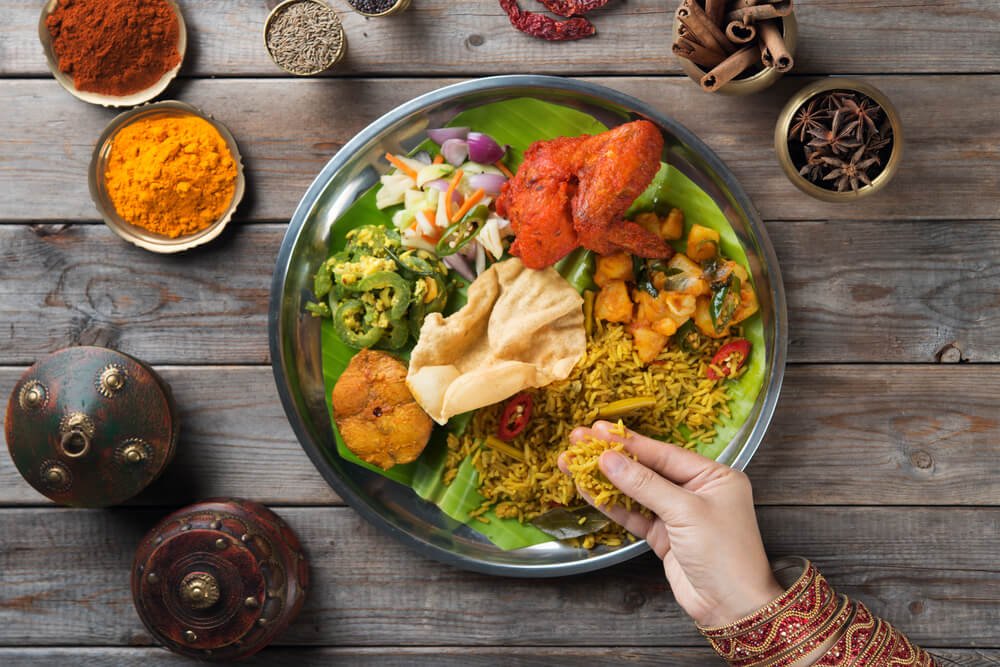
Eating with hand is a mindful eating…

But, is it good or bad to use hands?

Stay till the end…

Imagine eating roti with a spoon and dosa with a fork. Sounds weird right? Oh well, it is!

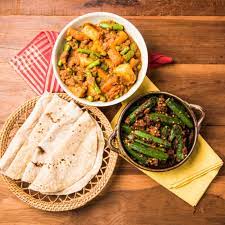
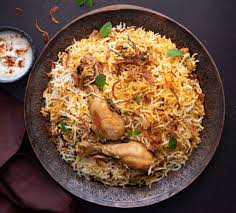
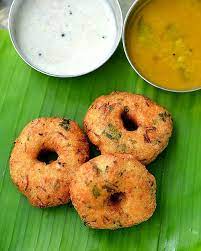
Traditional Indian foods are made to eat with hand. We use hands to eat foods like rice, chappati, vada, dosa, chicken, fish, papad, Pongal, and many more. While eating, curry is mixed with rice or stuffed in a roti that gives a flavor of multiple spices added while preparing the dish.

Here raises a question…

Is eating with your hand “unhygienic”?

Washing hands before eating is a habit of everybody. Indian tradition follows hygiene and cleanliness during dining. The hand once used by a person to consume their food is not used to serve or to share because that is treated as ‘jootha’ meaning contamination and treated as an unhygienic way of eating. People are supposed to wash their own dishes after eating which reduces the intermixing of saliva of two individuals as a concern of one’s health.

Significance of eating with hands:

According to the ancient theory, all five fingers of our hand has its own spiritual significance and it symbolizes the 5 elements of nature. 

  1. Thumb finger- Fire
  2. Index finger- Air
  3. Middle finger- Space
  4. Ring finger- Earth
  5. Little finger- Water

Apart from those theories, it was proved that using hand while eating improves the healthy digestion of food. Our palms and fingers are protected by a bacteria called Normal Flora. Normal Flora protects our skin from harmful microbes. Hence your hand is safe to use.

Is India the only country where people eat with their hands? 

Obviously Not!! 

India is not the only country where people follow the tradition of eating with hands. People from large swaths like the Middle East, Africa, South Asia, South America follow the norm of using their hands to eat. Tribes in Nigeria, Amazighs (Berbers) in North Africa, Black Africa, the Arabs of the Middle East also follow this tradition.

‘Kamayan‘ meaning “with hands.” Kamayan is an ancient tradition traditional Filipino practice of eating with the hands. They believe that eating with hands has its own significance than eating with fork and knife. It is also referred to specific type of Filipino feast known as the “boodle fight”.
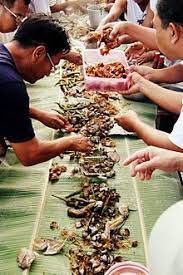
Ethopian eating culture

Conclusion

Remember, it’s your culture and there is nothing to be ashamed of using your hand. Every culture in this world deserves respect. This article is all about bringing out the importance of Indian culture and not to dishonor western dining etiquette. Nowadays, restaurants and cafes are all westernized. As the customs and lifestyle changes it is our responsibility to hold and accept our own culture first. 

Creating an awareness among the people about the science behind our culture is the main motive of this article!!

References:

https://en.wikipedia.org/wiki/Customs_and_etiquette_in_Indian_dining

https://www.indiatoday.in/fyi/story/eat-hands-indians-357398-2016-12-14

http://www.timotis.com/news-1/eat-with-your-hands

credits to the right owner of the images used.

Traditional food

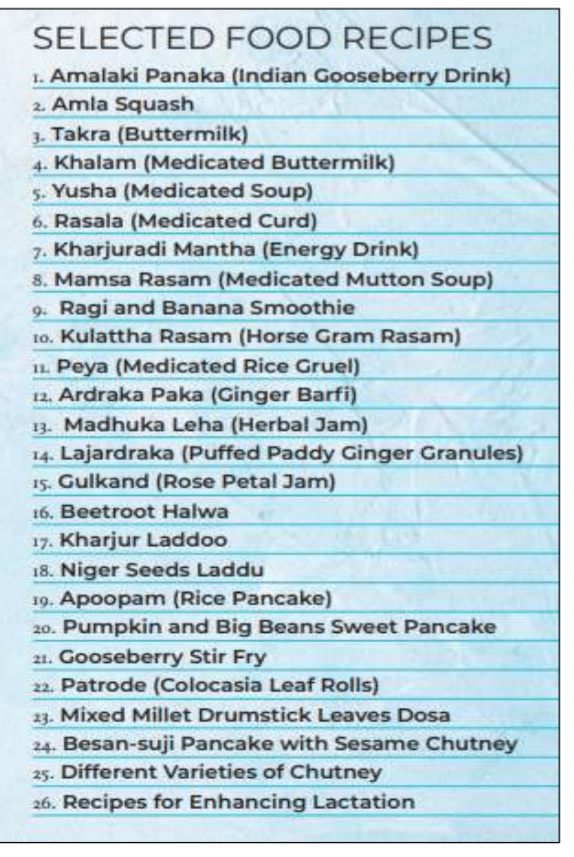
Traditional food recipes from the AYUSH system of
medicine

Source: https://ayushportal.nic.in/

• India has a very rich tradition of diverse food
practices in different parts.

• AYUSH compilation of recipes- exploration of
traditional systems of eating for health and
nourishment.

• Encompasses cooking methods of some selected
traditional food items.

Patrode (Colocasia Leaf Rolls)

• A delicacy made with colocasia leaves.

• Popular in Malnad and coastal Karnataka;
prepared in Maharashtra, Goa, Himachal Pradesh,
Gujarat, and NE region.

Malnad region

• A region of Karnataka.

• covers the western and eastern slopes of the Western Ghats – 100 km in width.

• A hilly terrain under the heavy rain fall belt – annual rainfall of 1000 to 3800 mm.

• Agumbe, Shivamogga: receives highest rainfall in Karnataka (10000 mm).

• Known as Karnataka’s
Cherrapunji.

Health benefits of Patrode

• Easily digestible; rich in dietary fibres- help in easy bowel movement.

• Iron rich colocasia leaves- improving the hemoglobin.

• Colocasia leaves contain phenols, tannins, flavonoids, glycosides and sterols.
 Help in reducing chronic inflammation- rheumatoid arthritis.

• Colocasia leaves have significant amounts of vitamin C and beta carotene.

Contraindications:
 Using too much of oil- unsuitable for cardiac patients, diabetics, obese etc.
 Too much spice is not recommended in acid peptic diseases.

Permaculture

Permaculture is a fusion of the words ‘Permanent’ and ‘culture’. The term was devised by Bill Mollison and David Holmgren in 1978. In Mollison’s words, permaculture can be defined as the “conscious design and maintenance of agriculturally productive ecosystems which have the diversity, stability, and resilience of natural ecosystems. All this is achieved with a harmonious integration of landscape and people sustainably. The farms are designed in such a way that it promotes the coexistence of competing plants species. Currently, more than 3 million people practice permaculture across 140 countries.

Permaculture benefits claims

The practitioners of permaculture claim that as the population is increasing, there is increasing pressure to produce more food. The modern method of monoculture is not a sustainable method of growing food where a large area of land is used for only one crop and lots of chemical fertilizers are required to sustain the crop production. This also puts immense pressure on the topsoil and the soil loses its fertility and more fertilizers are required to maintain the productivity and output. Monoculture is discouraged by permaculturists because it promotes farming with a commercial-driven mindset and only selected varieties of crops and plants are grown that are commercially viable. Sometimes wild and uncultivated foods like tubers and millets are sidelined from the people’s diet even though when they are just if not more nutritious than any other food. Practicing permaculture can help small farmers to be more self-sufficient in producing their food and not rely on external input. Farmers also get the opportunity to grow large varieties of fruits, grain, and vegetables under a single roof. But it’s more than just self-sufficiency and the farm itself generates manure and this helps in saving the fertilizer costs. There is even more, as perennial plants are a structural part of the permaculture, this means that plants don’t require regular tending. This reduces the labor expenses as well. It also allows the plants to endure harsh weather conditions like the heavy downpour in monsoons or winters.

Challenges and future

Modern conventional agriculture science has been a boon in terms of production quantity as a whole but still, there are lots of problems that we are facing right now due to the use this form of farming. The focus should also be on the quality first and then quantity. What modern agriculture science has done is that it has separated the farmer from the soil. The focus and research are on the yields and nutritive properties of plants. Food has to come from the soil and most of the solutions are available in nature itself. Permaculture provides a pragmatic and efficient way for our subsistence farmers to produce food. In India where small farmers are the majority and they will also face immense pressure from the dangers of climate change and the increasing constraints on resources, epically water. Then there is the monetary issue as well. Permaculture helps in this case as the food is closer to the producer and there is less wastage of food. This makes food production economical and sustainable in a long run. Still replacing permaculture with traditional agriculture will not be easy and practical, but with small steps, it can emerge as a viable way to produce food and maintaining the ecology of the planet.

Delhi’s Paranthe Wali Gali

Half the fun of eating at Old Delhi’s Paranthe Wali Gali, is getting there.

The other half, is of course, the food.

Slotted in the ancient narrow alleys of Delhi, India is the legendary series of restaurants serving North Indian parathas; The lane is famously known as Paranthe Wali Gali.

There are quite a few different restaurants to choose from, all claiming to be the best and the original, and all equally busy with customers (I assume they are all actually quite similar, but if you know otherwise please let me know!).

I chose Babu Ram Paranthe Wale.

Though it appeared to be packed with customers waiting in line outside, somehow they managed to cram us in at a corner table without having to wait more than a few minutes.

THE PARATHA KITCHEN

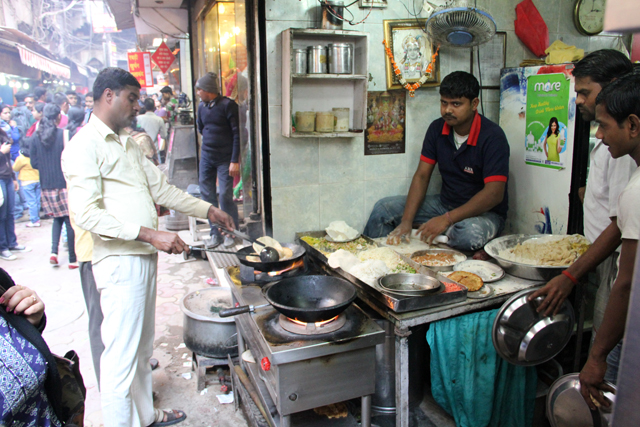
Outside, where armies of people pass by, is the kitchen, where all the action and food preparation takes place.

One man rolls out dough and fills them with topping at a mind blowing speed, while another guy fries the parathas in oil that’s so hot it looks like lava. Within just a few moments the raw dough is transformed into a crispy golden flatbread.

ARE YOU SCARED OF THE MENU?

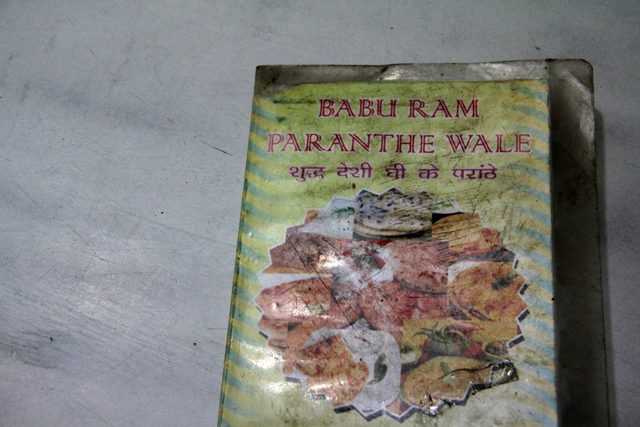
Now that, my friends, is a menu!

I’m guessing decades of greasy hands have touched that artifact, and I’m sure that if a scientist got his hands on that, he could probably find some pretty interesting things.

In my opinion, that’s always a sign of a not so healthy, yet a quality eatery!

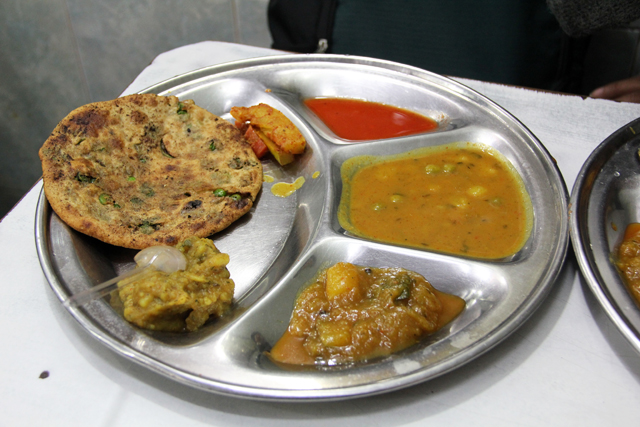
At Babu Ram Paranthe Wale there are probably about 30 different kinds to order, They came on a metal saucer with pumpkin curry, a peas curry, and a red sauce that tasted just about like the American version of Chinese sweet and sour sauce (sour tomato sauce)

While I did think the parathas were tasty and delicious, they were a little too greasy for me. I definitely couldn’t eat my fill of parathas, I’d just be too greased out. 2-3 were perfect.

Paranthe Wali Gali is the type of place people are willing to wait to eat, a food locals consider special and maybe comforting.

Sitting at the table next to us (which was actually only inches away from us) was a group of ladies who were originally from Delhi, but had been living in the United States for over 10 years – they too came to get a taste of that all familiar paratha and to savor the tasty pieces of fried dough they had remembered.
And like I mentioned at the beginning of this article, the parathas are good, but in this case the atmosphere of the chaotic maze of Chandi Chowk is part of the fun!

references-https://www.herzindagi.com/hindi/reviews/delhi-chandni-chowk-gali-paranthe-wali-food-article-7880

Influence of Western Cuisine on Indians

Burgers, fries, pizza, turkey, hot dogs, wraps, sandwiches, pasta and shakes. Yum, right? While dreaming of delicious food, our mind often wanders to the foods offered by Western cuisine. We cannot deny the irresistible appeal of Western food even though we have pretty good choices of hot and spicy veggies and curry on our Indian menu.

The fast-food chains such as McDonald’s, Burger King, KFC, etc., influenced by western food, are rampant across every part of the world. Western cuisine is gaining rapid popularity everywhere to provide for guests from different nationalities because of tourism.

Do you even remember the last time you ate with your hands? Spoons, forks and chopsticks have invaded our traditional way of consuming food. When we eat with our hands, we become more conscious of the taste, flavours and aroma, leading us to relish and enjoy our food more. Right from the way of eating to what we eat, everything has changed due to westernization.

The staple diet of western people revolves around meat. They have bread as a supplement or an appetizer. They tend to eat fried foods over others and include artificially developed products and processed ingredients. They prefer minimal spices in their food too. But we Indians, on the other hand, love the mix of spices such as cloves, cinnamon, cardamom, saffron and many more. Our staple diet is rice and vegetables. We have unlimited and wide varieties of options to choose from for breakfast, lunch and dinner. We are more inclined towards fresh and homemade food.

We have established that Indian cuisine has aromas, spices and all the tasty whatnots. But still, we prefer Western cuisine. There are many reasons behind it. One chief deduction is that we have always had an inferiority complex that made us hold the Western culture in high regard. In doing so, we began to imitate their lifestyle to become equals to them. The other equally significant reason is that globalization has caused Western foods to crawl into Indian kitchens.

There are two sides to a coin. Sure they look appetizing, taste phenomenal and takes little to cook, making it a convenient choice. What more can we ask for, right? Anyhow, did we ever stop to wonder whether these types of food are suitable for us? They may tickle our taste buds at the moment, but they leave a profound mark on our long-term health.

Western food increases the risks of high blood pressure, diabetes and heart attack. Due to the lack of variety, it focuses higher on sugar and fats. It causes a threat to our biological system, leading to a rise in diabetes patients in our country.

The abundance of fat in fried foods is the main culprit provoking unhealthy weight gain and digestive troubles. Forget about maintaining your thin waistline and toned abs if you are not ready to give up chicken nuggets and salty dips. But, sacrificing them and switching to roasted and baked foods would prevent the adverse effects later in your life.

Despite the ease of preparation, Western dietary habits are disastrous to our health. If we do not establish a stop system to shut down the onset of the growing fast food industry, obesity and lifestyle risk factors will become more prevalent in India.

Snacking healthy

 We often consider snacks “bad” because a lot of the time people only snack on unhealthy food. But, did you know snacks are as important as any other meals? Snacks if consumed correctly are a great source of energy and nutrients

So, here are a few tips on how to snack healthy:

Avoid eating straight out of a bag: We tend to lose track of how much we eat when we eat directly from the bag. So it is advisable to pour it in a plate or a bowl so you don’t end up overeating.

We eat what we see: When we are hungry we tend to eat the first thing we see. If you go in your kitchen and the first thing you see on the kitchen counter is a bag of chips, chances are you might eat it. Remove all the unhealthy snacks from your sight and instead keep fruits or nuts on the counter. So every time you are hungry you reach out for healthier alternatives.

Planning ahead of time: Plan all the snacks you will be making a week ahead. So, the next time you go grocery shopping you will remember to get the ingredients needed. This will allow your brain to be prepared for making the snacks knowing you purchased all ingredients for it.

Meal prep:  Preparing healthy snacks might seem like a lot of work. We might give up and open a bag of chips instead.

 That’s when meal prep comes to the rescue. We can meal prep by already cutting the fruits or veggies in the morning and place them in small glass containers. This would also make fruits look more appetising and chances are we might eat them. We can also use the fruits and veggies in making smoothies or eating them with our favourite dips. We can also prepare dips like hummus in advance to eat with our veggies.

Spice things up: We normally don’t prefer eating healthy snacks because we don’t think it tastes as good as junk food. So, we need to spice things up a little. Here are some healthy snacks ideas that you can enjoy:

  • Making smoothies of your choice. Smoothies are filled with nutrients and they taste amazing. Add in your favourite fruits in your smoothies and you can always try mixing new things in it to spice things up.
  • Adding pumpkin, sunflower, hemp seeds to your oatmeal or your peanut butter can add extra nutrition to your snacks. You can also add them to your smoothies.
  • Add dips in it. If you are someone who doesn’t like eating fruits alone, you can always dip them in something you like. You can dip your fruits in nut butter or eat your carrots, celery, cucumber, and cherry tomatoes with tzatziki. You can also dip your raw veggies in hummus.
  • Fresh juices. Another thing you can do is prepare fresh juices in the morning. You can have them with your snacks later during the day.
  • Eating raw nuts. Nuts have a lot of health benefits. If you don’t like eating raw nuts you can always add them to your smoothie or you can eat them roasted.
  • Greek yogurt and berries. Greek yogurt is high in protein and berries are a great source of anti-oxidants.

There are a bunch of other healthy snack recipes which are fun and tasty to eat. Eating healthy snacks will fill your craving and give your body the nutrients it needs.

YOUR FOOD GUIDE TO FIGHT COVID-19

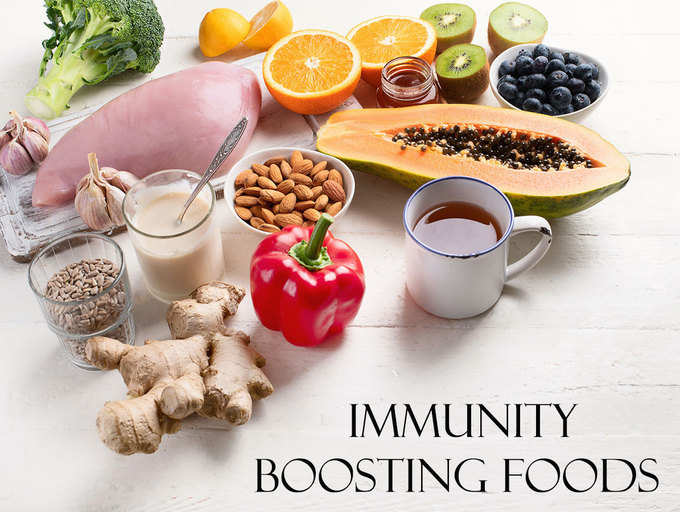
The second wave of COVID-19 pandemic has made us susceptible to the life-threatening effects of the corona virus and such is its effect that people are focusing more on building immunity and strengthen body’s immune system to fight the deadly virus. Well it’s not that easy however, if one takes the right steps at the right time it can be instrumental for faster recovery from COVID-19.   According to experts the key to faster recovery is by modifying the diet and adding healthy and nutritious foods which can help in improving the slackening immunity.

“Good nutrition helps your battered body build up its energy levels as fast as possible “says Dr Kavitha Fenn Arunkumar who is a Madurai based psychiatrist. Moreover, she recommends the intake of easy to digest food frequently rather than taking three big elaborate meals.

So what are the things which are essential for the recovery from COVID-19?

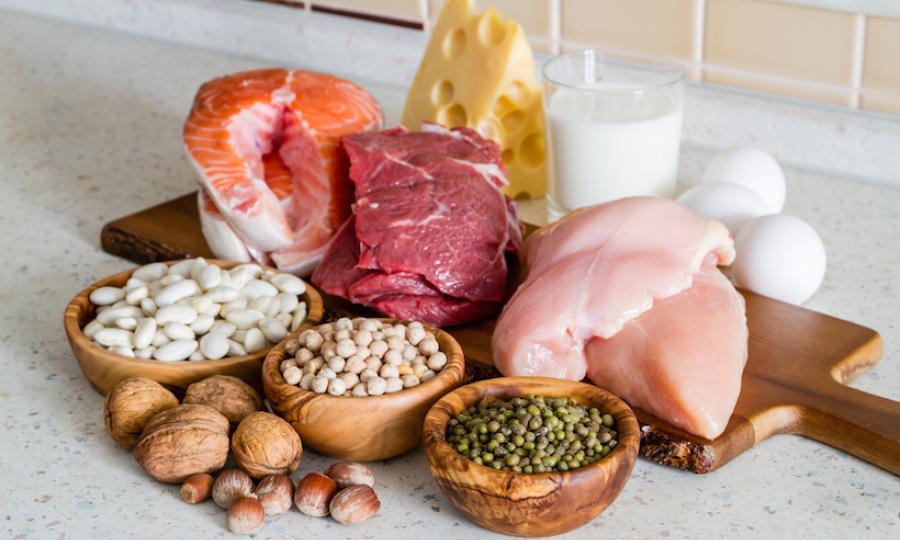
1.Say yes to protein rich foods

Protein helps in building muscles and repairs cell damage, which further helps in boosting your immunity. The reason why experts suggest increasing the intake of protein rich foods is because it helps in healing the cell damage caused due to COVID-19.

Adding protein rich foods like fish, lean meat, nuts and seeds, legumes and pulses to your diet during or post COVID-19 helps in replenishing the lost nutrition. These protein rich foods are also a great source of omega 3 fatty acids that help in boosting metabolism thereby improving gut health.

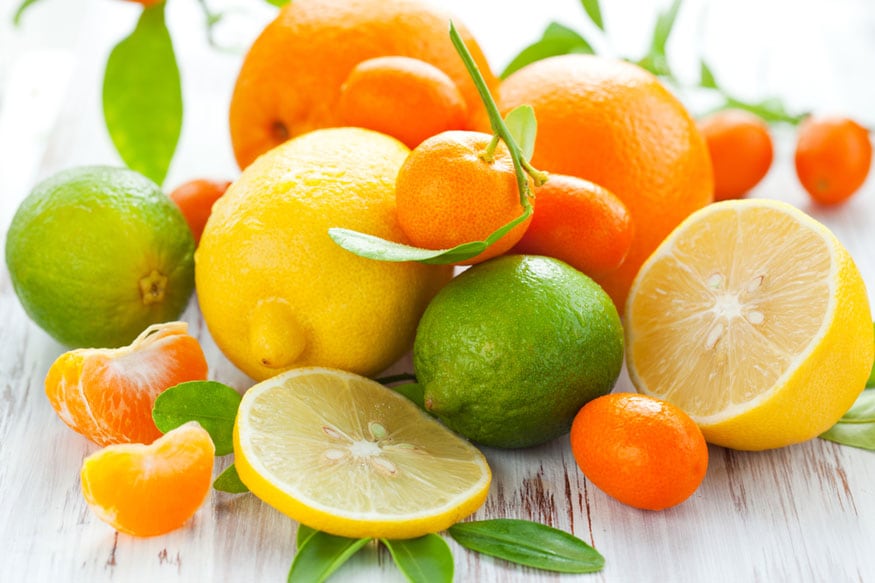
2. Vitamins should be your best friend

 Adding fresh  fruits and veggies help in faster recovery, this is the reason why experts suggest to include them in the diet during any recovery. Adding fresh fruits and veggies rich in vitamins and antioxidants help in strengthening the body’s resistance to combat deadly virus attacks like COVID-19. The addition of Vitamin C and multivitamin rich fruits like oranges, mango, pineapple, lemons help in reviving lost nutrients, hydrates the body and helps in boosting respiratory system.

3. Add soya to your diet

The addition of protein rich soy in your daily diet can help in healing and faster recovery post COVID-19. As per the Food Safety and Standards Authority of India, it has been suggested that adding high protein soy based foods can help in boosting immunity naturally. Also going for a nutrient dense vegetarian diet can improve overall health and immunity, post COVID-19.

4. Keep check on sugar intake

 Apart from adding these healthy foods to your daily diet, you must keep a check on the intake of sugar and salt as they may lead to a spike in sugar levels or blood pressure levels, which eventually slows down the recovery process

5. Hydrate yourself

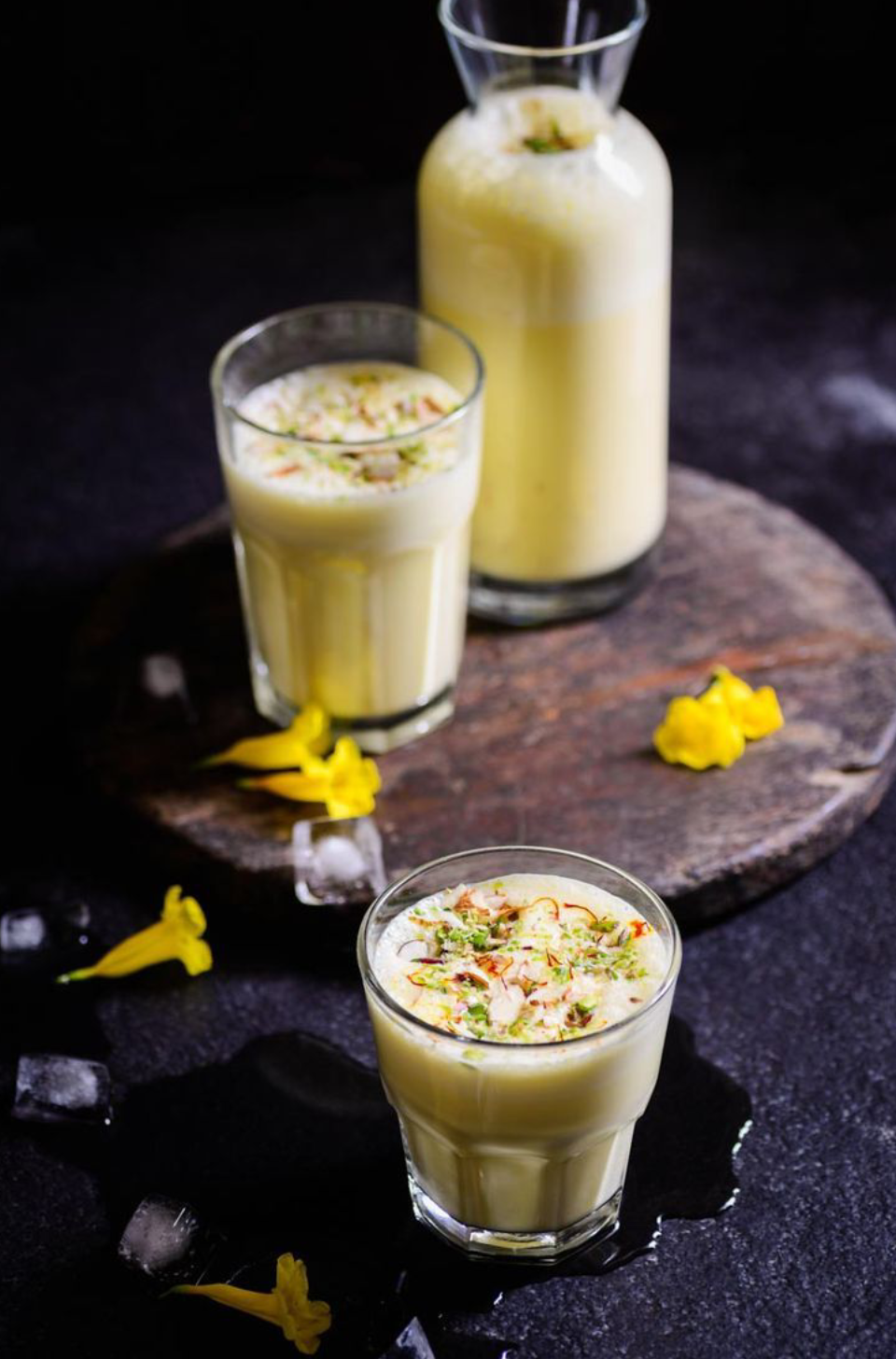
During any sort of illness, dehydration and its associated challenges remain a major risk to our body. During such times, it becomes imperative to prioritize basic self-care, including drinking adequate fluids. One can also add lassi, coconut water or ORS during their COVID-19 recovery phase.

Food from scratch…

Noodles

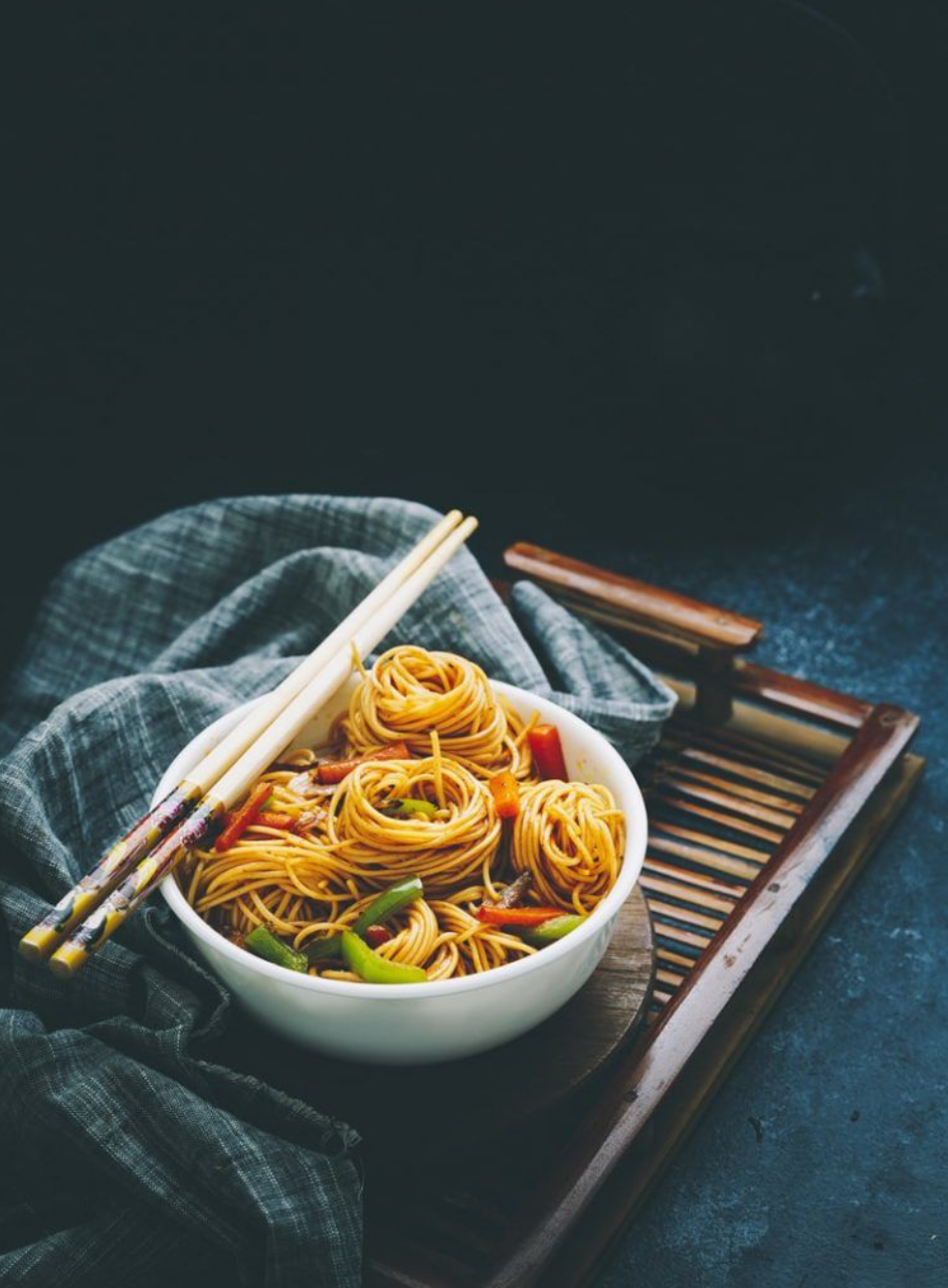
A 4000 year old bowl of noodles unearthed in China is the earliest example ever found of one of the world’s most popular foods. Noodles have been a staple food in many parts of the world for at least 2000 years. But who inverted the noodle? This is a hotly contested topic – with the Chinese , Italian and Arabs all staking a claim.

Ice cream

The first ice cream was probably made by chance when someone left some milk outside on a cold night and it froze!

Alexander the great enjoyed ice cream made with milk, fruit juice, honey and snow in the 4th century B.C. and the Roman emperor Nero ordered ice to ne brought from the mountains and combined it with fruit toppings. The Chinese also had a method of making ice creams and some believe that ice cream came to Europe from China.

It was Quintus Maximus, a roman general, who first wrote down a recipe for ice cream. Marco Polo brought the Chinese recipe to Venice after his visit to Peking. The king of England, Charles I is supposed to have offered his chef a handsome reward to keep his ice cream recipe a secret!

You favourite ice cream cone was invented by a pastry maker Ernest Hamwi in 1904, at the World Fair in St. Louis. He put a scoop of ice cream on his pastry when an ice cream seller in a neighbouring stall ran out of dishes- and it became an instant hit!

Chocolate

Cocoa, from which chocolate is made is said to have originated in the Amazon atleast 4000 years ago. The origins of chocolate can be traced back to the ancient Mayan and Aztec civilization in central America, who first enjoyed ‘chocolatel’, a much prized spicy drink made from roasted cocoa beans, the Aztecs believed that the cocoa tree was a gift from their God, Quetzalcoatl. According to legend, He had been banished by the other gods for giving the tree to mankind, but he promised to return to them one day.

The Spanish, led by Hernando Cortez, invaded Mexico in the 16th century. When the Aztecs saw Cortez, they believed their god had returned and welcomed him with a golden cup of chocolate! When Cortez returned to Spain in 1528, he loaded his galleons with cocoa beans and equipment for making the chocolate drink. Soon ‘chocolate’ became a fashionable drink enjoyed by the rich in Spain.

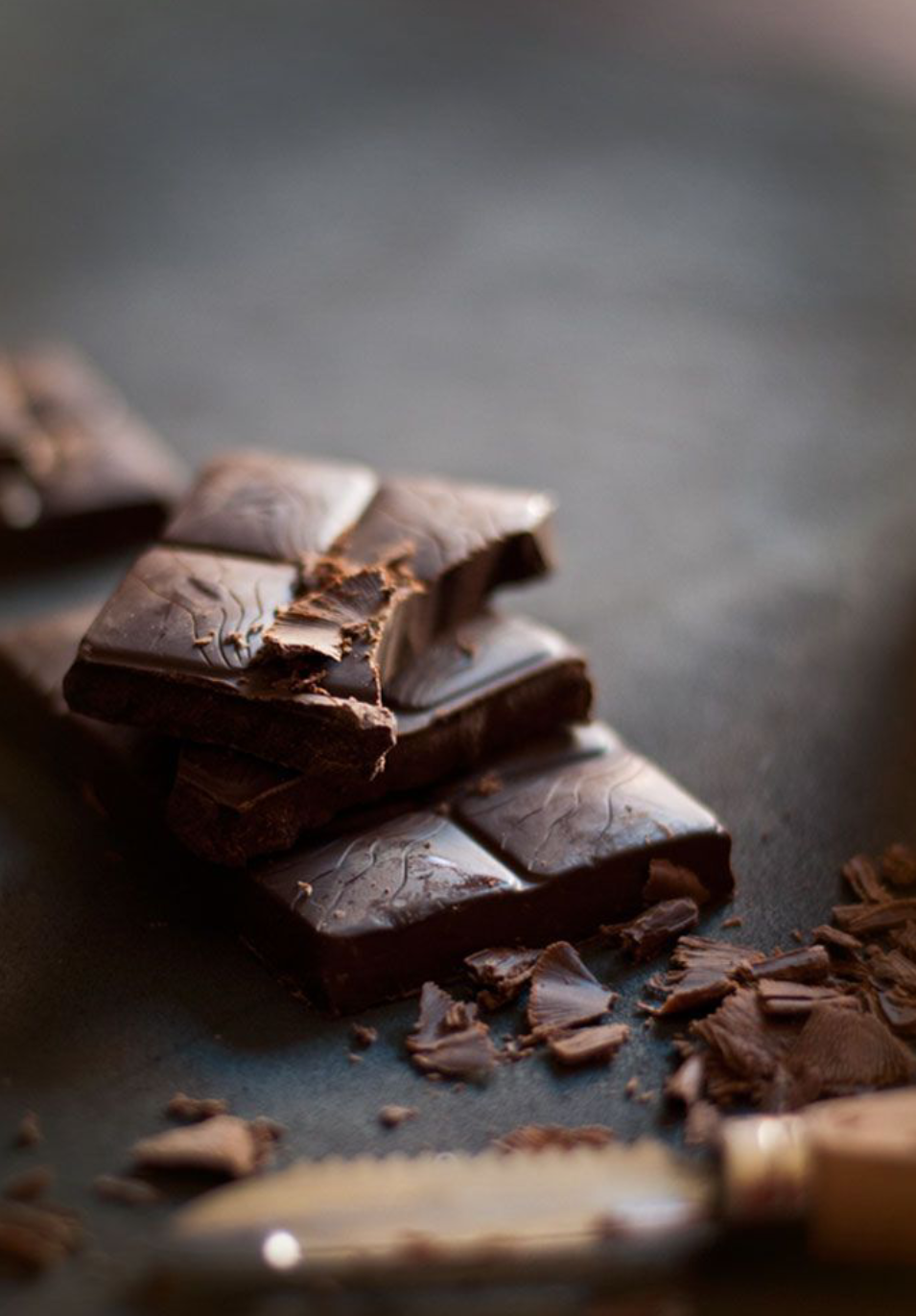
It was in 1847 that solid chocolate, as we know of today, was made by Fry and sons of Bristol by mixing sugar with cocoa powder and cocoa butter and your favourite treat was born.

Chewing gum

Thousands of years ago people chewed gum in it’s natural form. The most common ancient chewing gum was tree resin lumps, but people chewed various sweet grasses, leaves, grains and waxes also. The first commercial Chewing gum was made and sold in 1848 by John Bacon Curtis. He made a sticky, rubbery material from the spruce tree which could be chewed. In the 1860’s, Thomas Adams began selling chicle, a gum from the sapodilla tree of Mexico’s Yucatan desert.

Thank you for reading. Have a nice day!🌼

Story of the two most expensive spices

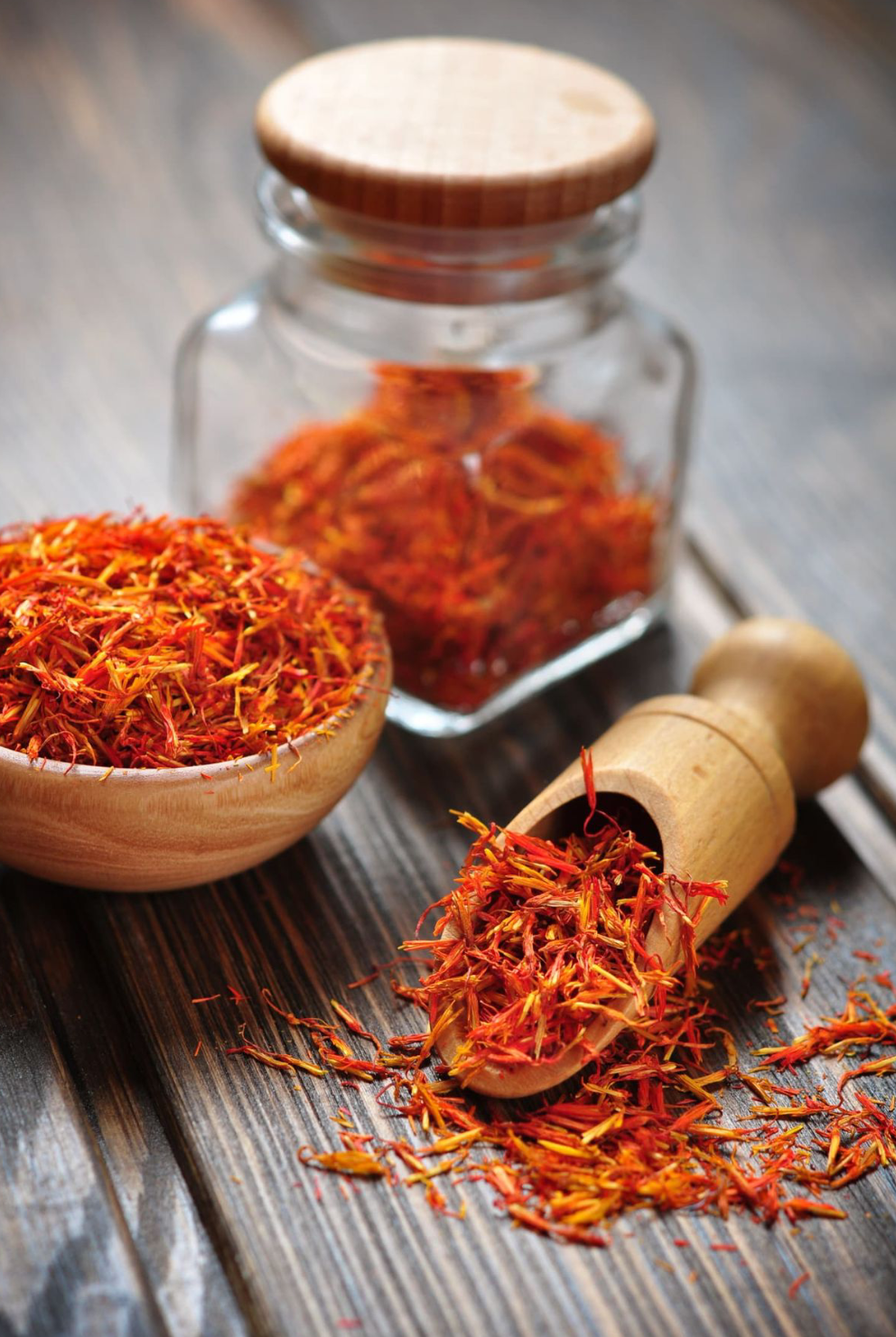
Saffron

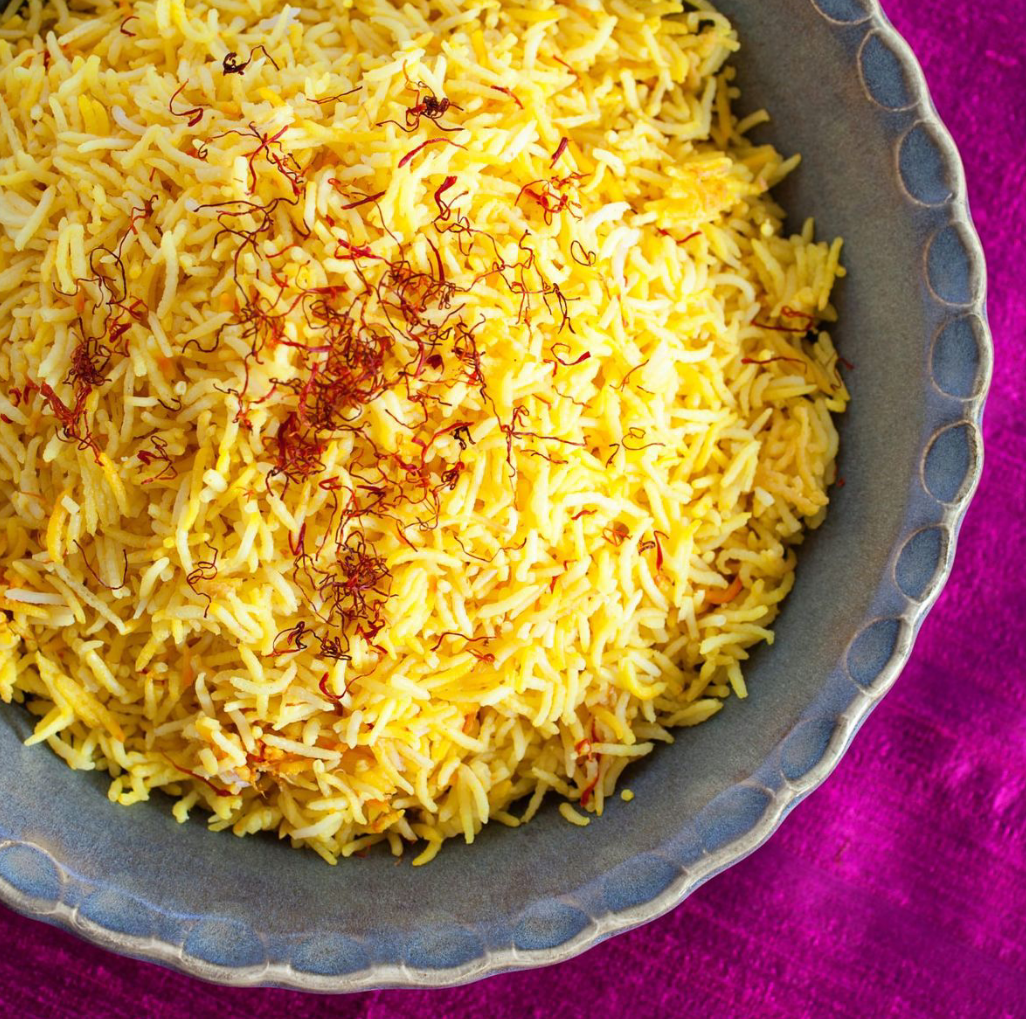
One pound of saffron costs you $5000. It is the most expensive spice next comes vanilla. Saffron is a complicated spice to harvest. Harvesting saffron needs a lot of hand work to pick up the flowers, separate the saffron that is the dried stigma or the female part of the flower. Saffron comes from the saffron crocus flower and each flower has 3 stigmas. The yield of saffron is very low. One pound of saffron requires 170000 flowers. These flowers bloom over a six week period from late September to early December. There is a specific time to day to harvest them. High relative humidity and sunlight can break the chemical structure in the saffron. Early morning is preferably the best time to harvest them.

90% of the world’s saffron is grown in arid fields in Iran. It is so because workers are available and for cheap. But it’s mostly like slavery. Most workers are women getting five dollars a day. Not only Iran, it’s grown in Morocco, Spain, Italy, the Netherlands, Afghanistan, India and even in United States. Though many Americans have never eaten saffron, the US imports large amount of saffron. Saffron has a resistance to cold weather.

Over centuries saffron has proven useful in many situations. Most commonly used in cooking. Middle east Asian countries have a lot of food containing saffron. When saffron is broken down it creates a golden dye. Which is how when used in cooking it gives a different kind of colour and taste and smell to it.

Saffron contains some chemical components which are really expensive like picrocrocin, crocin and safranal. These are the main components responsible for the taste, smell and colour.

People have tried passing turmeric, red marigold petals, and lily flower stigma as saffron. But the flavour and dye is totally different. In large quantities, saffron can be a potent happiness inducing narcotic. Research suggests it may help reduce the symptoms for Alzheimer’s, depression and PMS.

Vanilla

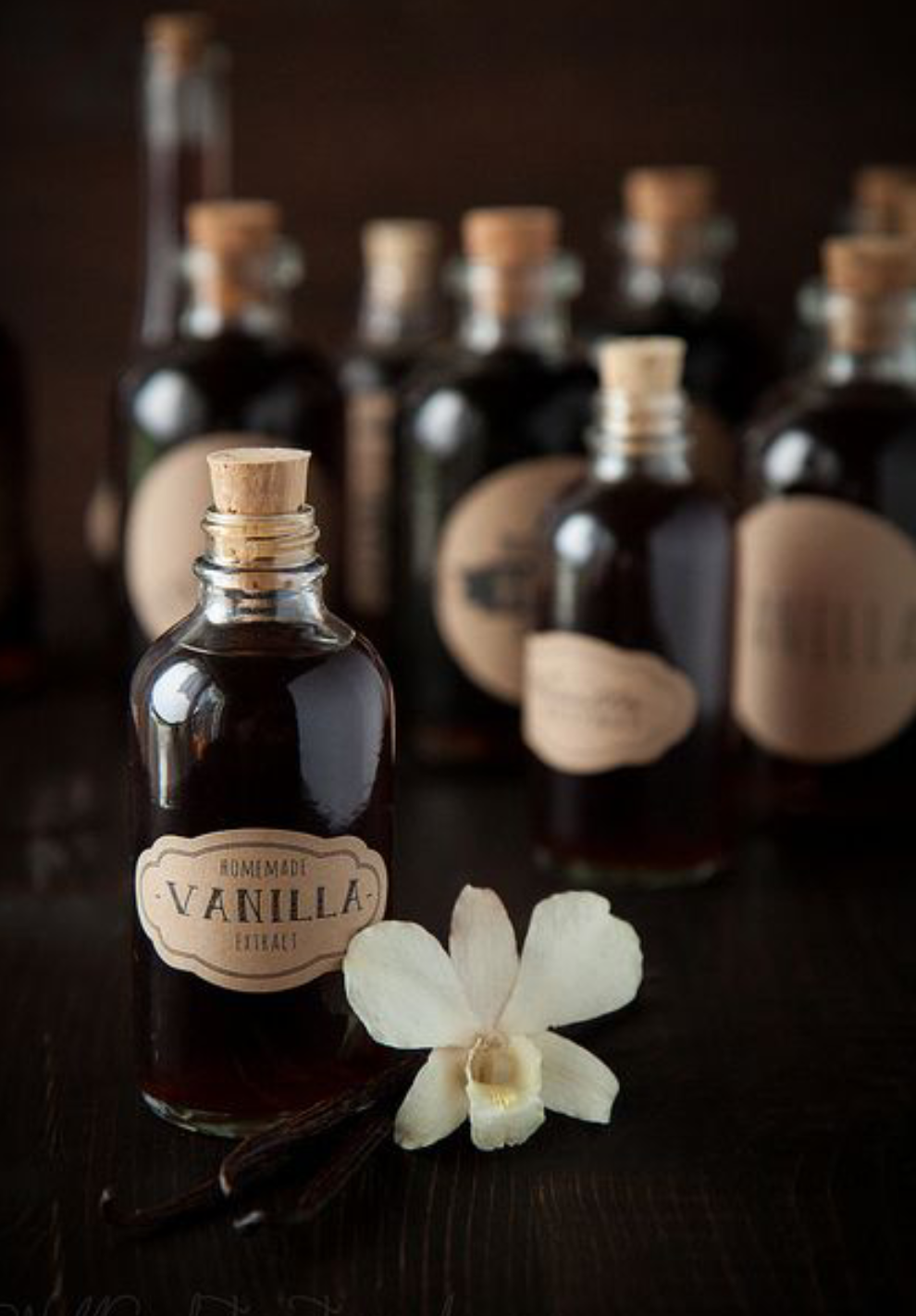
From ice cream to cakes and even perfume, vanilla is the go-to flavour of the world. In recent years, the price of natural vanilla has shot up. At one point it was more expensive than silver by weight. 80% of the world’s vanilla is grown in the perfectly suited climate of the north east region of Madagascar. It’s the country’s primary export crop. In 2014, vanilla was $80 a kilo. Three years later it was $600. Today its around $500. The price rise is due in part to global demand. The trend of eating naturally means that food companies have shunned synthetic flavouring in favour of the real deal.

Price fluctuations affect producers of agricultural commodities everywhere but vanilla is particularly volatile. In just a few weeks the price can jump or plummet by over 20%. Liberalisation is one reason for such movements. The Malagasy government once regulated the vanilla industry and it’s price. But now the price is negotiated at the point of sale which makes for a freer market but a more volatile one. It’s also a tiny industry. A single cyclone can knock up the entire crop within Madagascar. It’s also a difficult and delicate crop to grow.

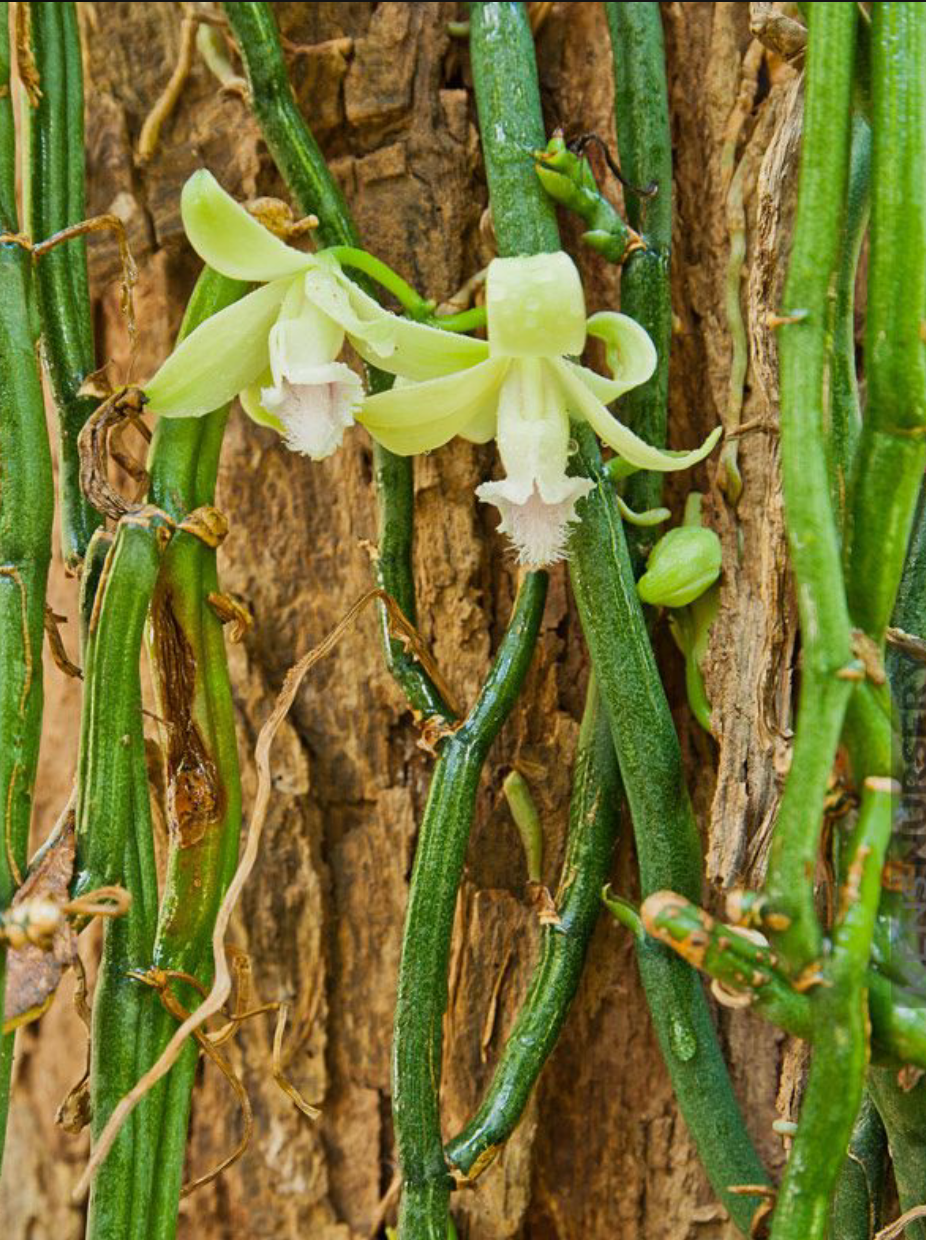
Vanilla is an orchid that needs to be hand pollinated. This is a really labour intensive practice. It takes roughly six months to grow it on the vine and then six months of manual post harvesting. The interesting thing about vanilla is that it needs to be taken off the vine when it is almost rotted!

The growers have to contend with another problem. Thieves are targeting vanilla crops. So Malagasy now have to sleep out in their vanilla fields. They can’t rely on those who are changed from the state to protect them or their crops. Some farmers have resorted to harvesting the beans before they’re ripe but this produces a poorer quality vanilla and ultimately pushes down the price. The combination of deteriorating quality and high prices is having an effect. The vanilla price bubble may burst. If the price continues to stay high there’s a number of scenarios that will play out. Continuation of current situation will cause an unstable market. Otherwise the corporate sectors step in, try to regulate the market in some way that may stabilise prices and also quality. Or the market may crash out.

Big buyers that provide vanilla are now working directly with farmers in a bid to gain greater control over quality. Other companies have started to look elsewhere for their natural vanilla. Indonesia, Uganda and even the Netherlands are growing the crop. For a century Madagascar has enjoyed a near monopoly on vanilla. But this industry maybe in line for radical overhaul.

Thank you for reading. Have a nice day!🌼

Veganism

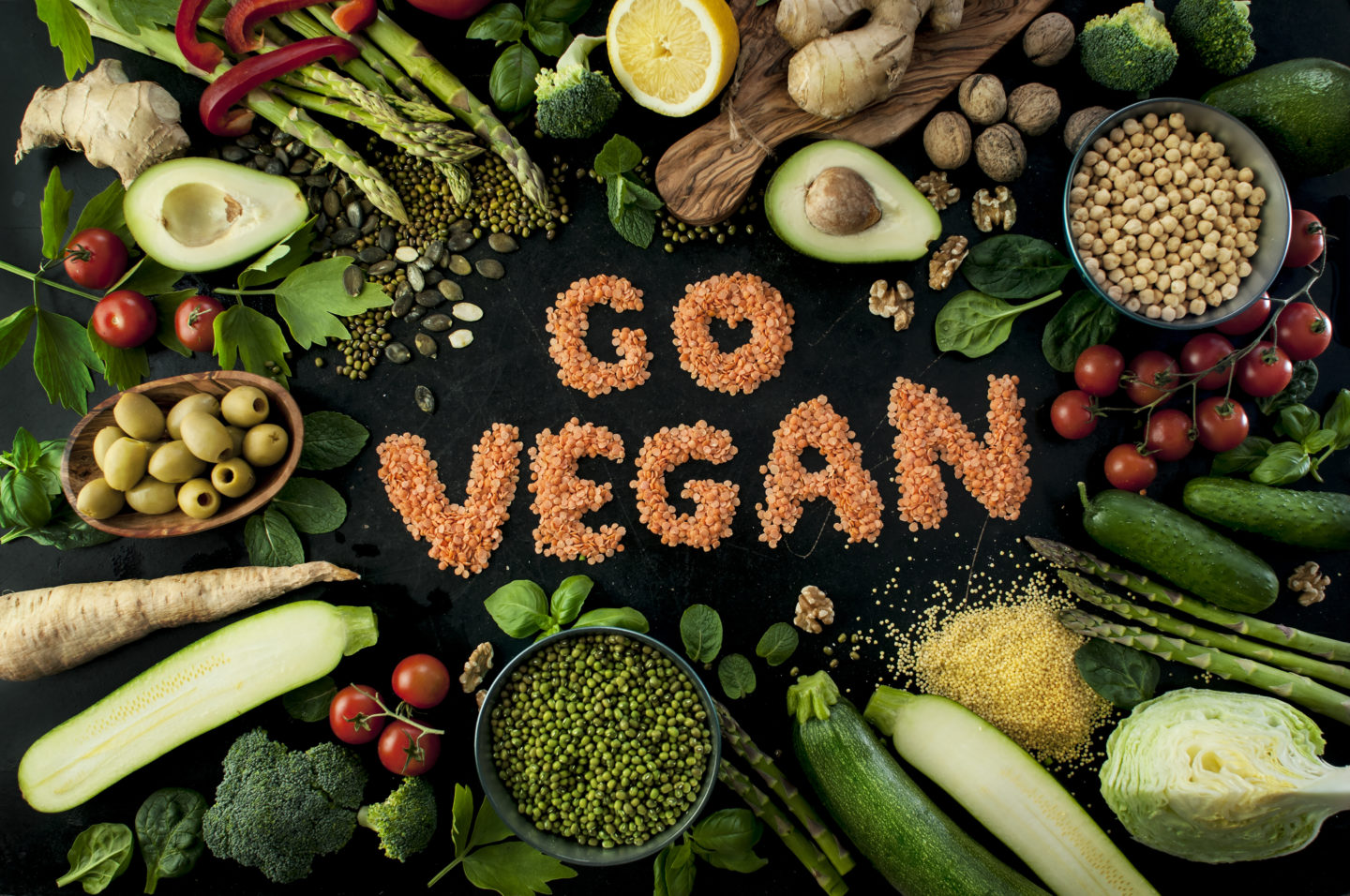
Over the past few years, the concept of veganism has become largely popular. Many famous personalities have also started switching into veganism. According to Wikipedia, “Veganism is the practice of abstaining from the use of animal products, particularly in diet, and an associated philosophy that rejects the commodity status of animals.” There is a specific pattern of eating involved in it which includes only plant-based food items. Vegan people replace dairy products with plant based milks like soy, scrambled eggs with scrambled tofu, honey with maple syrup and similar other options. They also refrain from using other animal products like clothing from animal products and leather. It is a lifestyle which attempts to decrease animal exploitation as much as possible.

The term “vegan” was first coined by Donald Watson in 1944 when he founded the Vegan Society with a small group of vegetarians, who broke away from the Leicester Vegetarian Society in England. It is said that the term “vegan” was constructed by combining the first and last letters of “vegetarian.” At first it was used to mean “non-dairy vegetarian” and by May 1945 vegans started abstaining from “eggs, honey; and animals’ milk, butter and cheese”. They chose to not consume dairy or any other product of animal origin along with abstaining from meat like vegetarians. In 1951, the Society changed its definition to “the doctrine that man should live without exploiting animals”. It is currently defined as “a way of living that attempts to exclude all forms of animal exploitation and cruelty, be it from food, clothing, or any other purpose.” Interest in Veganism started from the latter part of 2010s as more and more vegan stores opened increasing vegan options. These have started to be increasingly available in supermarkets and restaurants across the world.

Reason behind going Vegan

Vegans generally choose to avoid animal products for reasons like Ethics, Health and Environment.

Photo by Bulbfish on Pexels.com

People who support the ethics of the practice are called Ethical Vegans who strongly agree to the belief that all creatures have the right to life and freedom. So, they oppose killing a conscious being to simply consume its flesh, drink its milk, or wear its skin — especially when alternatives are available. They also oppose the psychological and physical stress that animals may endure as a result of modern farming practices. For instance, the small pens and cages in which many livestock animals are forced to live between birth and slaughter, the farming industry’s practices of the grinding of live male chicks by the egg industry or the force-feeding of ducks and geese for the foie gras market. Ethical vegans also protest against animal cruelty and raise awareness about ending all forms of cruelty towards animals.

Some also choose veganism due to its health benefits. Plant-based diets may reduce the risk of heart disease, type 2 diabetes, cancer, and premature death. Lowering the intake of animal products may likewise reduce the risk of Alzheimer’s disease or dying from cancer or heart disease. One can also avoid the side effects linked to the antibiotics and hormones which are used in modern animal agriculture. Studies show that there is a relation between vegan diets and lower body weight and body mass index (BMI).

Photo by Daria Shevtsova on Pexels.com

Vegan diets are high in dietary fiber, magnesium, folic acid, vitamin C, vitamin E, iron, and phytochemicals; and low in dietary energy, saturated fat, cholesterol, long-chain omega-3 fatty acids, vitamin D, calcium, zinc, and vitamin B12. There is also the possibility of nutrition deficiency because elimination of all animal products may lead to nutritional deficiencies. Some of these can only be prevented through the choice of fortified foods or the regular intake of dietary supplements. Vitamin B12 supplementation is considered to be very important in some cases.

Some people avoid animal products and shift to veganism for the environmental impacts. It is widely known that animal agriculture is a very water intensive process. The UN report of 2010 suggests that animal products need more resources and produce a higher percentage of greenhouse gas emissions than plant-based options.

Street Food Around the World

One of the best ways to know about the history and culture of a place is to try out its cuisine. Not only does it provide one with a delicious treat, it also speaks a lot about the place and its people. Local cuisines range from elaborate meals to roadside snacks. But I feel, to get the real taste of a place you need to try out its street food. While trying out various dishes from the streets you get to explore a place in the best way possible. Here are some amazing food items from all around the world!

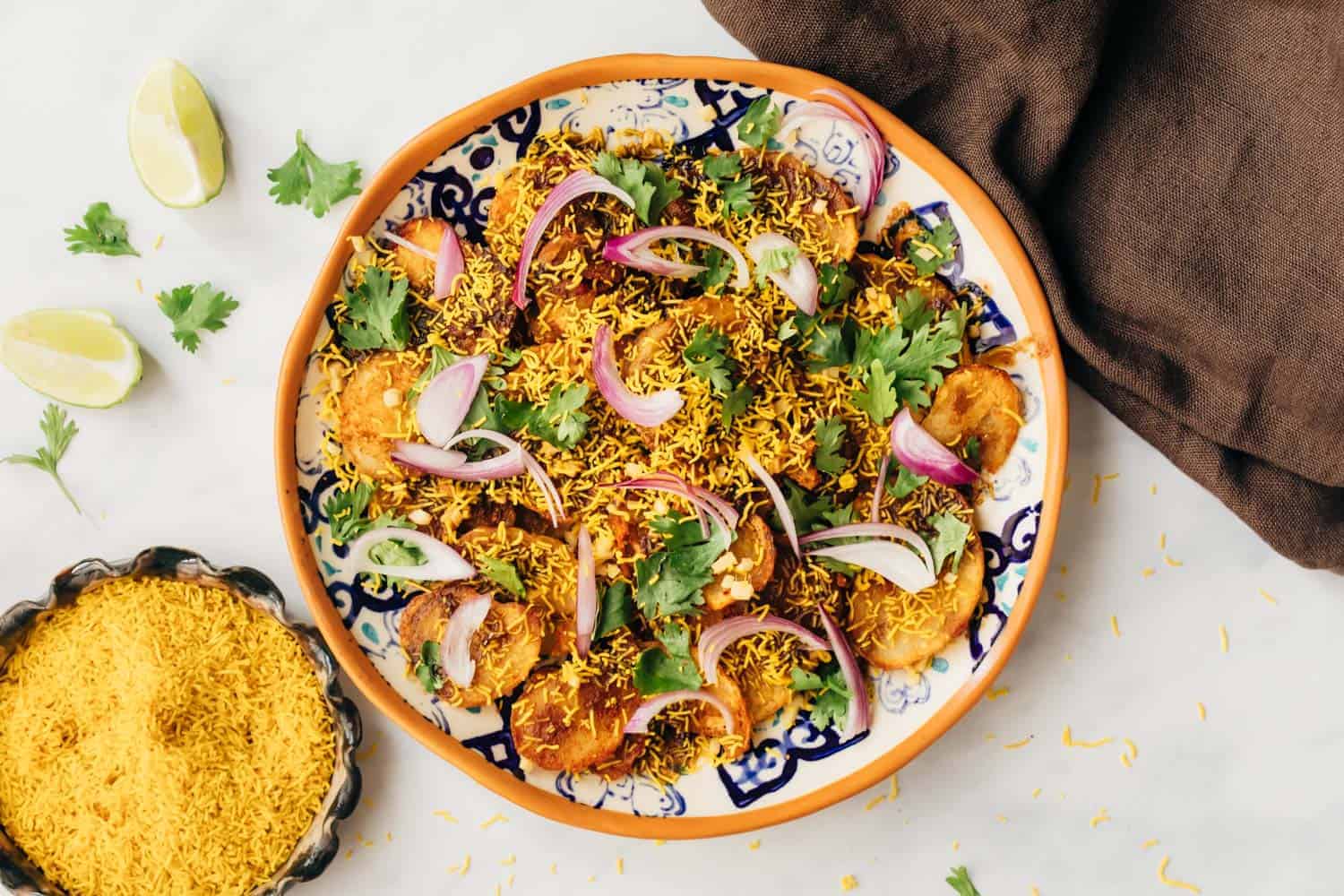
Aloo Chat – South Asia

It is a dish which is made with boiled potatoes, cut into cubes and mixed with different spices and chutney. It is popular in Pakistan, parts of Northern and Eastern India and Bangladesh. Aloo chat is a snack or side dish and it varies from region to region in terms of spices and taste.

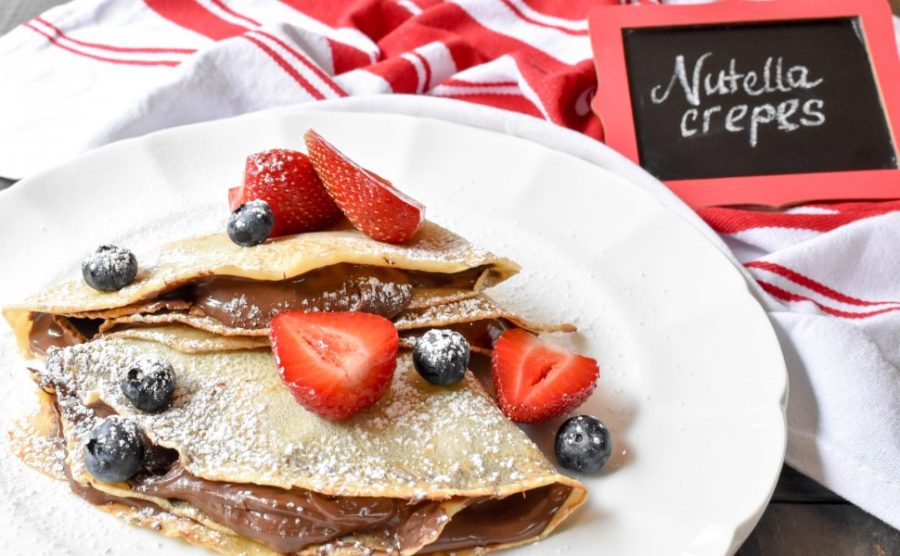
Crepe – France

Crepe is a popular pancake like pastry which is popular in France and Belgium. They are made with all kinds of fillings and flavours. There are two types of Crepe – ones that are sweet that are made with wheat flour and ones that are savory which are made with buckwheat flour. Sweet crepes are eaten with fruits, custards, whipped cream or chocolate and savory crepes are served with eggs, mushrooms, cheese and ratatouille.

Chuan – China

Chuans are a type of meat kabab served with spices like black pepper, cumin seeds, sesame and red pepper flakes. These kababs are roasted over charcoal or deep fried in oil. It originates from the Uighur and other Muslim communities of China.

Gelato – Italy

Often confused with ice cream, Gelato is an Italian dessert made with milk, sugar, cream, nuts, fruits and toppings. It is much low in fat than traditional American ice cream and has more flavors which makes it a rich and delicious dessert. There are a lot of flavors including vanilla, chocolate, hazelnut, pistachio.

Hot Dog – United States of America

It is a classic American street food and you can find it in food trucks and restaurants across cities like New York and Chicago. A grilled sausage is served in between a steamed hot dog bun along with mustard, ketchup, onion, cheese and chilli. There are a lot of varieties which differ in shapes, taste and sizes.

Mango Sticky Rice – Thailand

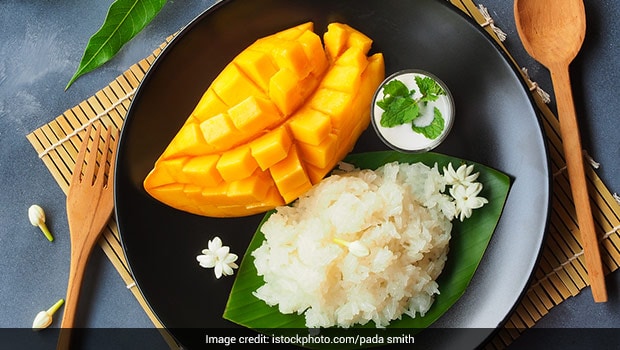
Mango Sticky Rice, also called Khaoniao Mamuang is a popular Thai dessert. It is also eaten in Cambodia, Vietnam and other Southeast Asian countries. A specific form of sticky rice is mixed with coconut milk and is served with Mango slices. The coconut milk is added so that the rice absorbs all the flavour and tastes sweet. It is popular during the peak mango season in Thailand during the summer months of April and May.

Naan – Central Asia & Middle East

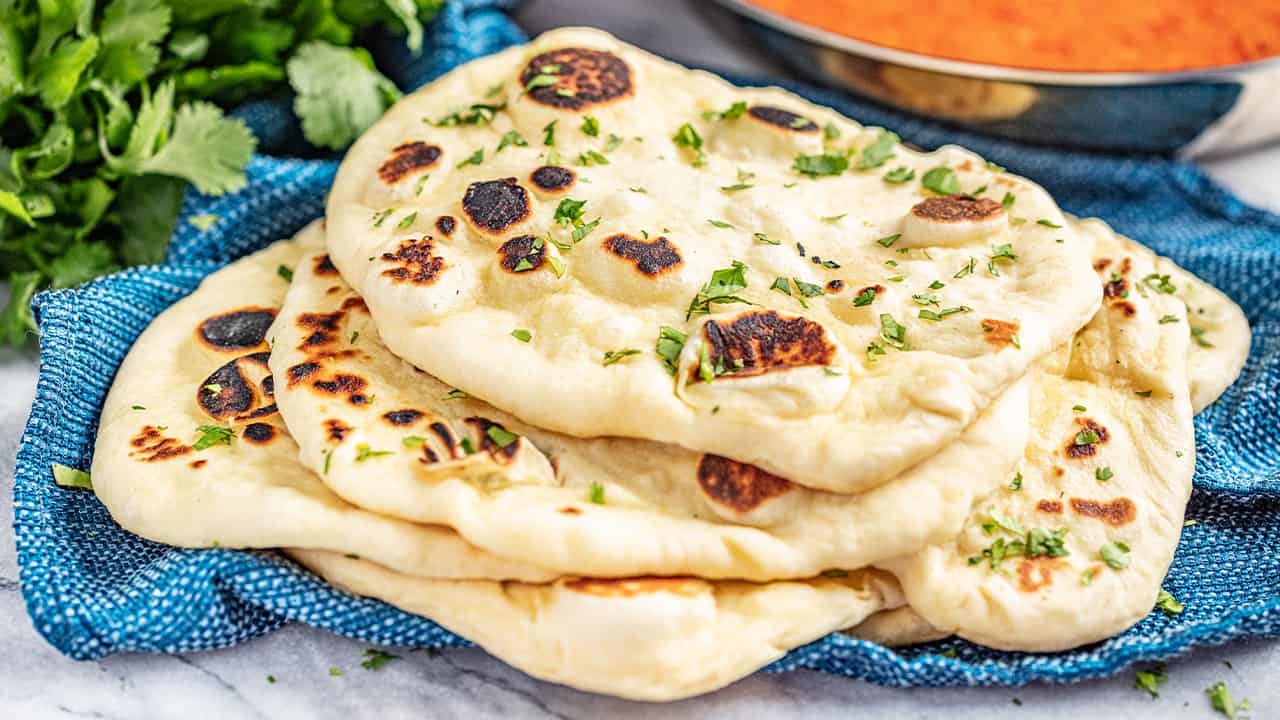
Naan is a traditional bread which originated in Central Asia and the Indian subcontinent. It is made with flour, water and ghee. Additional ingredients like milk and yoghurt are also added in different varieties. Made in a tandoor oven, it is a flat bread which is served with other items like curries and fillings. It is served hot brushed with butter and ghee.

History of Chocolate

The first thing which comes to our mind when we hear the word chocolate is a candy or a dessert which tastes sweet. At present, Chocolate is one of the most famous food items in the world. It is consumed worldwide in different forms and is loved by foodies. At first thought we think of it as something to eat and not drink. Chocolate has a very different history and the story behind its popularity is quite an interesting one. The history of Chocolate dates back to about 450 B.C. when it was originally consumed as a bitter drink mixed with spices or corn puree. It originated in Mesoamerica where the Aztecs believed that the cocoa or cacao seeds were the gifts of the God of wisdom. It was used as an aphrodisiac which gave the drinker strength. The sweet pulp of the cacao fruit surrounding the beans, was also fermented into an alcoholic beverage at that time. Today local folks of South Mexico are still known to make such drinks.

Photo by Pixabay on Pexels.com


The word chocolate came from the Aztec word “xocoatl” meaning a bitter drink brewed from cacao beans. The cacao tree has a Latin name “Theobroma cacao” meaning Food of the Gods. In pre-modern Latin America, the cacao seeds were considered so valuable that it was used as a currency. It was one of the essential items in rations of the United States soldiers during war. According to a 16th century Aztec document 100 cacao beans could be exchanged for a good turkey hen.  

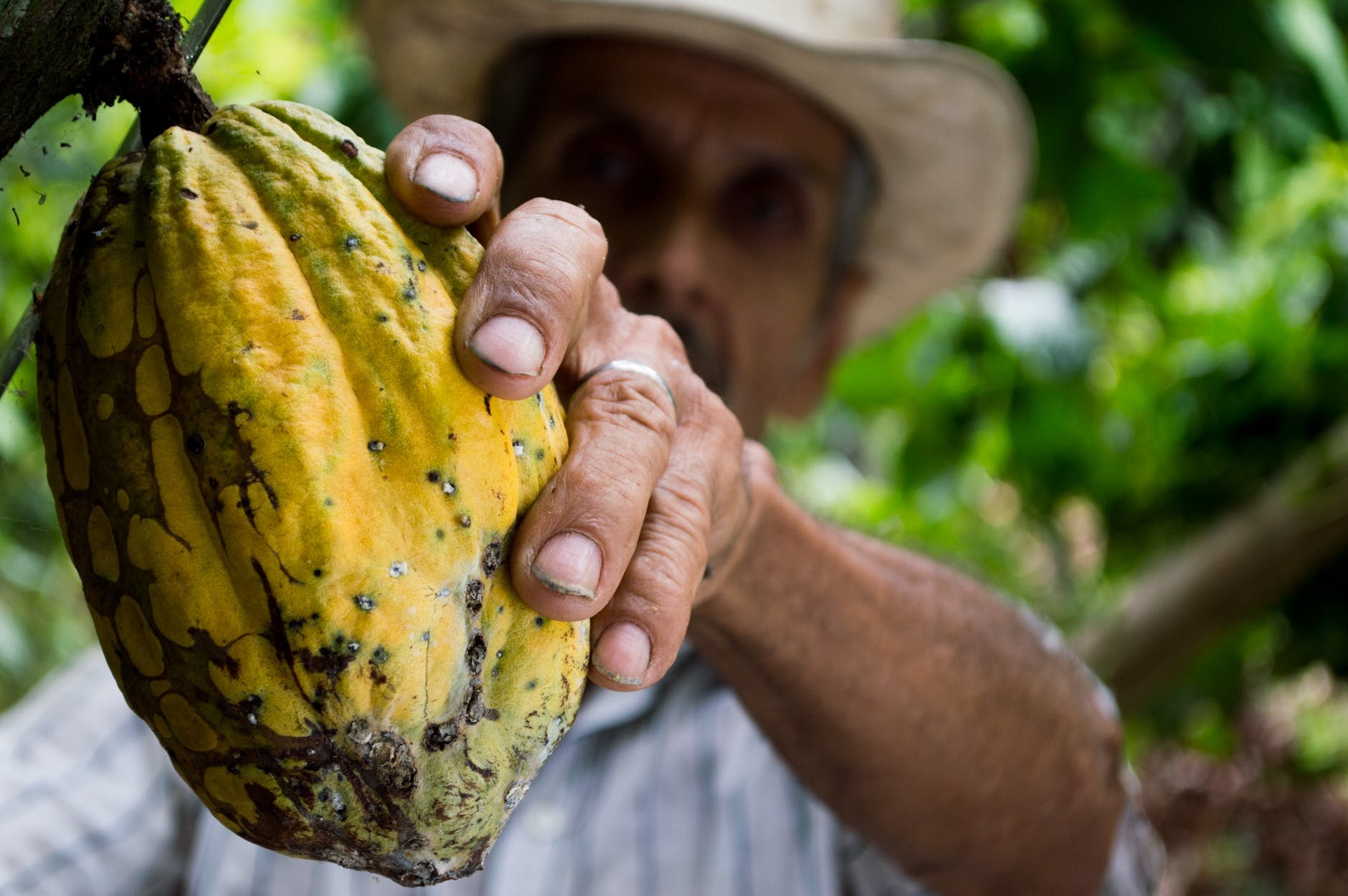
The cacao tree is native to Mesoamerica where its cultivation, consumption and cultural use began. When pollinated, the seeds of the cacao tree form a sheath, within which 30 to 40 brownish-red almond shaped beans are embedded in a sweet viscous pulp. The beans are bitter but the pulp is sweet which may have been consumed by humans at first. The cacao pods grow in a wide range of colors, like pale yellow, bright green, purple and crimson. The texture may vary from sculpted to completely smooth. The plantation of the cocoa trees is a tough process. When in natural environment, the trees can grow up to 60 feet tall but in plantations they grow only up to 20 feet.  

Photo by Sheena Wood on Pexels.com

Chocolate was prepared as a sweet by the European people when it arrived there. It got popularized among the rich people and eventually among the common. Christopher Columbus first came across cacao on his fourth mission to America, when he and his crew seized a canoe full of native goods for trade. He took the beans back to Spain. After it got imported to Europe, it was used as a medicine for treating abdominal diseases because of its bitter taste. After getting sweetened with the addition of sugar or honey, it became a court favorite and chocolate established a foothold in Europe within hundred years.  

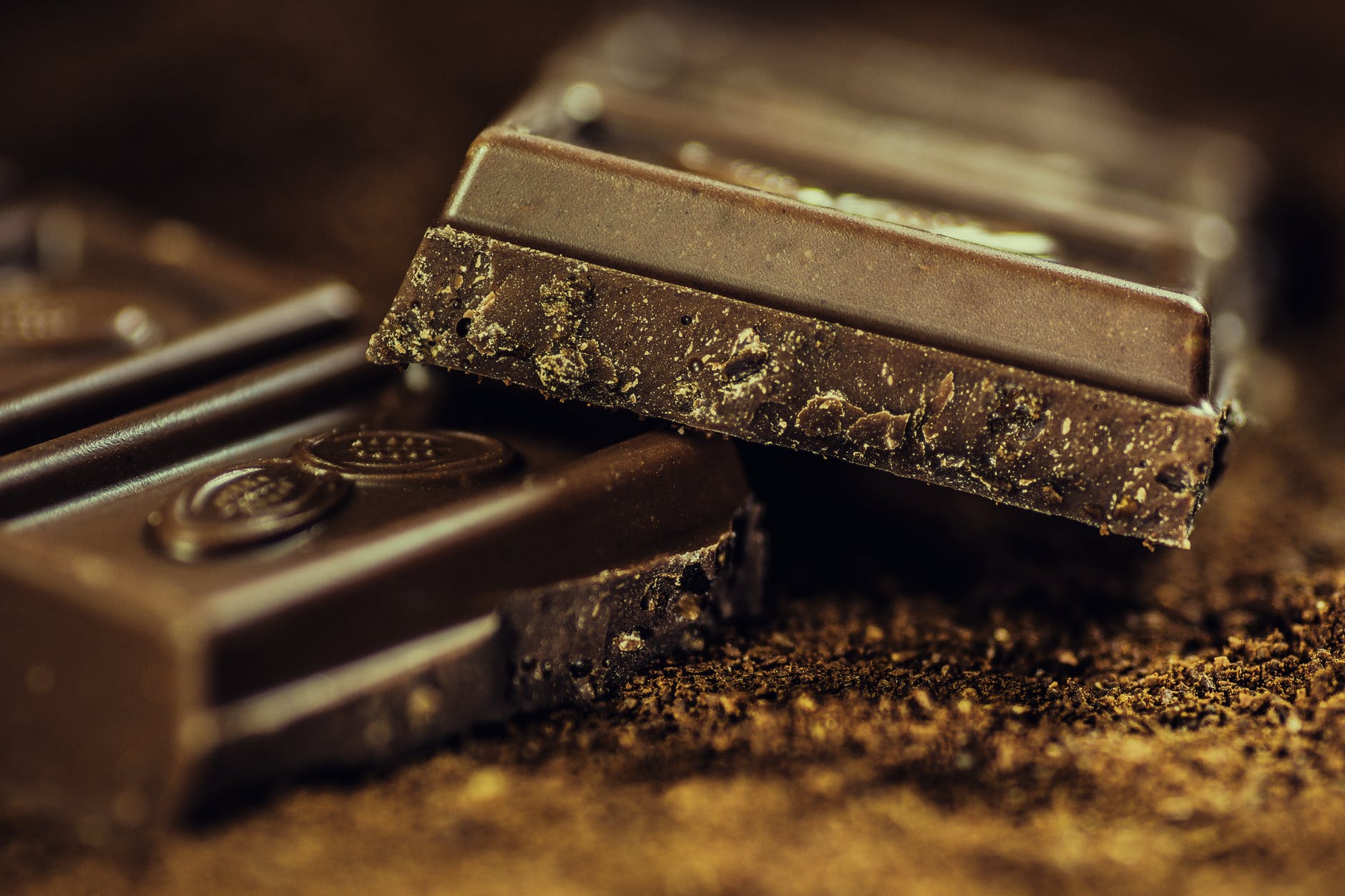
In 1828, a Dutch chemist found a way to make powdered chocolate and this product became known as the Dutch cocoa. This led to the creation of solid chocolate. The first modern chocolate bar was made by Joseph Fry in 1847 by making a moldable chocolate paste. By 1868, a small company called Cadbury was making chocolate candies in England. A few years later milk chocolate was made by Nestle. In the 20th century the word chocolate includes a variety of sweet treats. Modern day chocolate is made from the hardiest but least flavorful cocoa beans and it is often said that it has more sugar and additives than actual cocoa.  

Problem of Food Wastage in India

Food is the most fundamental among the essential necessities of life . Food squander is the serious issue in our nation which brings down country head with disgrace because numerous individuals passes on every day because of craving.

FOOD WASTAGE

Food wastage primary rotates around any type of food , crude or cooked utilized or unused disposed of or proposed .At wide level it is additionally enhanced into different classes and suggestions, for example, the sort of food squander, the structure it is delivered/created by and materials and wellspring of waste.

ABOUT THE MAGNITUDE OF FOOD WASTAGE IN INDIA

As per reports by the UN’s Food and Agriculture Organization (FAO), about 40 percent of India’s new products of the soil – worth a yearly $8.3bn or thereabouts – perishes before arriving at buyers. Every year, some 21m metric huge amounts of wheat, particularly grain – a sum practically equivalent to Australia’s all out yearly creation – spoils in India in light of ill-advised capacity in the guardianship of the legislature controlled Food Corporation of India.As indicated by an ongoing report by the Indian Institute of Management in Kolkata, cold storerooms are accessible for only 10 percent of India’s transitory produce – and are for the most part utilized for potatoes – to meet India’s hearty interest for chips. The investigation gauges that India needs stockpiling offices for another 370m metric huge amounts of short-lived produce.

CAUSES

1.Weddings blamed for colossal food squander

The monetary development of India won’t tally if the nation individuals bite the dust for hunger.

For imagining families are simply squandering the nation food by surpassing the food things to show there freshly discovered affluence. 1/5 of food served at weddings and get-together s is disposed of, “It’s a criminal waste,” The huge amounts of food squandered at get-together s the nation over every day stands out pointedly from the food deficiencies, frequently verging on constant starvation, looked by a huge number of poor Indians.

2.Inadequate capacity framework

In spite of a great many Indians heading to sleep on an eager stomach, the nation is letting food worth an incredible Rs 44,000 crore go squander every year because of absence of sufficient stockpiling infrastructure.The Saumitra Chaudhuri Committee, comprised by the Planning Commission in 2012, has assessed the nation’s cool stockpiling prerequisite as 61.3 million ton as against the current limit of around 29 million ton.

  1. Awareness

What to state illetrate individual , educated are doing same thing.People are uninformed of the issue the nation is confronting bcz they have cash and they usuallu would prefer not to mind at all until and except if they face a similar circumstance. Indeed, even adminstration resembles a visually impaired framework simply disregarding the fundamental development of the country.

4.Food Waste-to-Energy Conversion

The problem of waste administration stumbles into geologies and its gravest causal specialist, i.e., urban ism, is a worldwide wonder. In any case, its implications are moderately progressively articulated in creating countries by virtue of improved ways of life and changing utilization designs. The developing populace and expanding customer request are prompting unnecessary utilization of accessible assets and age of gigantic measure of various sort of squanders, which is rising as a chronic issue in urban social orders.

5.Lack of transport offices

We in India need appropriate transportation offices to connect with the market just as chilly stockpiling’s for new produce and food crates.The new produce carried on these long excursions is once in a while cooled or concealed, but instead oppressed – particularly in summers – to the rankling sun, making high paces of waste.

Remedies

  • As an individual,” Food that we BUY, EAT and WASTE is legitimately identified with the Global emergency we are confronting. It may be know to all of you that once in a while we eat everything that we purchase. So how about we make it a highlight BUY WHAT WE NEED and EAT WHAT WE BUY”.
  • At the shopper level, we can diminish our commitment to food and vitality
  • squander by taking basic, fundamental strides at home, in the supermarket and at cafe’s.
  • first of all, plan a food menu before each outing to the supermarket so it’s simpler to monitor when vegetables, products of the soil perishables should be eaten consistently.
  • Careful consideration ought to likewise be given to how food is put away and enclosed by the fridge so it doesn’t ruin as fast, and shoppers ought to make sure to purchase just what they will eat.
  • We ought not squander food in our plate , any place we are bcz the food which is going to squander or squandered is the guardian angel of others life.
  • Modernization in the food flexibly chain and increment foriegn speculation , better gathering machines , advancements , food bundling and so forth steps should received by the organization. Japanhas different laws relating to the various reasons for food wastage, for example, Container and Packaging Recycling Law’, ‘Food Wastes Recycling.

“ARRANGE YOUR BAD HABITS AS WASTE NOT FOOD”

Its an opportunity to wake up and this isn’t the obligation of just organization however every single individual .So before squandering a solitary bit of food consistently recall that we are just answerable for Food emergency.

Starvation

Starvation is a very deadly condition which results in malnutrition and even loss of life. India and starvation have been going hand in hand for a very long time. It is so because the people living below the poverty line in India are very high. Moreover, starvation is a cause of so many deaths every year that it needs to be stopped. We must recognize the causes of starvation in India so we can work better to eradicate them. Furthermore, when we eradicate starvation we will also be ending a lot many problems.

Causes of Starvation in India

There are a number of causes due to which starvation happens in our country. First, we will look at the regions hit most by this condition. The areas of North Bengal, Jharkhand and Madhya Pradesh suffer the most in this aspect. The most important reason is that of poor implementation of government schemes. The government of India has released numerous schemes which aim to eradicate this problem; however, there is a very poor implementation of these. Corruption makes it difficult to let these schemes become a success. Moreover, the officials who are appointed with distributing grains or monitoring this procedure have the least interest in the welfare of the people. Thus, it makes it impossible to make an adequate supply of food available to people.

Furthermore, the state does not exactly specify which people come under the ‘poor’ sector. While the National Food Security Bill promises to offer people facilities like mid-day meals and health care schemes for pregnant women, it does not specify who is eligible for this. Therefore, this vague description often contributes to the failure of such well-intended schemes.

It’s Not Just About Food

When we talk about the issue of starvation, the conversation does not merely limit to food. There are bigger problems at bay which we must be talking about. The deaths due to starvation go beyond the matter of food. It indicates how the government fails to help the underprivileged when they need it most. Furthermore, there is also the issue of illiteracy. When people won’t know what their rights are and what they are being promised, they will fail to ensure its execution. In other words, the people do not raise a voice against the corruption of the officials who are handled the task of distributing food. This is because they are not aware of their power. Similarly, they also do not go for medical treatments in these cases due to a lack of awareness. Therefore, we all need to come together to eradicate this issue completely. While there are people wasting food, there are many who die due to not getting some. This inequality must be stopped. The government must ensure their schemes are being implemented properly by honest officials.

Moreover, the NGO’s must work to feed people so there are no deaths due to starvation. Similarly, we all must volunteer for this cause and donate food whenever we can. In addition, we must also help out these NGO’s through funds and donations.

Maggi story as brand

The MAGGI brand originated in Switzerland. It was founded in 1884, when Swiss entrepreneur Julius Maggi had a vision: to make good-tasting and nutritious food accessible to busy, working families. He invented a powdered pea and bean soup, to provide nutritious, easy to prepare food for busy women who worked in factories and didn’t have time to prepare healthy meals.

This first MAGGI product was followed two years later with the invention of ready-to-use soups and liquid seasoning. Nestlé acquired the MAGGI brand in 1947 and today, more than 120 years later, we strive to build on Julius Maggi’s ambition of making delicious, quality and nutritious food accessible to all.

Today the tradition continues around the world. Whether it’s MAGGI bouillons, soups, or seasonings, consumers have come to know and trust the MAGGI brand for its high quality, convenience and nutrition.

History

The company originated in Switzerland in 1884, when Julius Maggi took over his father’s mill. He quickly became a pioneer of industrial food production, aiming to improve the nutritional intake of worker families. Maggi was the first to bring protein-rich legume meals to the market, and followed up with a ready-made soup based on legume meals in 1886. After that Julius Maggi introduced bouillon concentrates, first in capsules, then in cubes. In 1897, Julius Maggi founded the company Maggi GmbH in Singen, Germany.

Maggi has become a household name and it is synonymous with noodles. However, Maggi offers other products apart from noodles, and these are soups, ketchups, sauces, and stock cubes. Maggi as a brand was established in 1863 in Switzerland, when Julius Michael Johannes Maggi developed a formula to bring greater taste to meals. In 1882, the Swiss Public Welfare Society authorised Maggi to come up with a vegetable food product that is easy and quick to prepare, to help with the problem of women having less time in the kitchen.

This led to the creation of two instant pea soups and an instant bean soup that reached the height of success. In 1947, Maggi merged with Nestle and since then it has been providing high quality and innovative products to the world.   Maggi has captured the hearts of millions around the world because it understands the needs of people and manages to meet these demands. For example, in the 1980s, when there was a huge increase in the number of women joining the workforce, Nestle India introduced Maggi 2 Minute Noodles to the Indian crowd. This is how Maggi revolutionised the instant food industry, particularly the instant noodles segment. When eating habits of people changed, Maggi tweaked its products to include low-fat bouillons.   

When Maggi was launched in India in the 1980s, there was no direct competition from instant noodle brands. However, there was competition from other snacks that Indians had been fond of for decades, and these included samosas, pakoras, and sandwiches. However, most of these snacks are purchased from roadside stalls, and are relatively unhygienic and unhealthy. So, Maggi positioned itself as the only hygienic homemade brand. It decided to target working women who did not have much time to prepare elaborate meals in the kitchen. However, Maggi realised later, through surveys, that children were the largest consumers of Maggi noodles. And then Maggi repositioned its brand towards the kids segment and included various promotional tools such as sketch pens, colour pencils, and fun books to entice children. And this worked wonders for the brand. Due to its promotional activities, Maggi’s annual growth grew by 15% during its initial years, and today, Maggi is the leading brand in the instant noodles segment in India, with a market share of 79.3%.   

Maggi is worth Rs 200 crores and contributes to approximately 10% of Nestle India’s top line. Being a pioneer in the noodles market in India has definitely given Maggi a boost and first mover’s advantage over other brands. Maggi is slowly but surely widening its market to reach out to more and more people. Today, Maggi has introduced Vegetable and Dal Atta noodles to cater to those who are health conscious. Maggi’s products come in travel packs as well as bulk packs, to cater to those who look for convenience while travelling and those who are price sensitive and prefer to purchase food in bulk. Maggi is one of the few brands to have taken the time to understand its consumers and their requirements, which is why it is one of the most successful brands, not only in India but in the world.