After two long years of Covid 19 and its difficulties world is getting back to normalcy. Covid vaccines are the most important weapon which helped the human kind to defeat this virus which bought the entire world to a halt. Similarly, there are several instances when vaccines came to the rescue of mankind.
Recognising the significance of immunization, world health organization observes the last week of April as world immunization week every year. It aims to highlight the need for collective action to promote the use of vaccine. The theme for this year is “Life for all”. On this instance, let us learn more about vaccines:
What are vaccines?
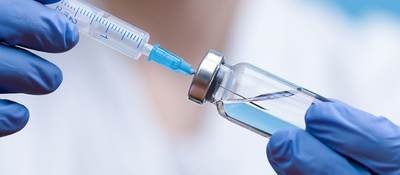
A vaccine is a biological preparation that provides active acquired immunity to a particular infectious disease. A vaccine typically contains an agent that resembles a disease-causing microorganism and is often made from weakened or killed forms of the microbe, its toxins, or one of its surface proteins. The agent stimulates the body’s immune system to recognize the agent as a threat, destroy it, and to further recognize and destroy any of the microorganisms associated with that agent that it may encounter in the future.
The administration of vaccines is called vaccination. Vaccination is the most effective method of preventing infectious diseases widespread immunity due to vaccination is largely responsible for the worldwide eradication of smallpox and the restriction of diseases such as polio, measles, and tetanus from much of the world.
Even though vaccines have got all these positives many are still hesitant to get vaccinated. This is termed as vaccine hesitancy. The major reasons are:
Lack of confidence
Most of the times people will show hesitancy towards vaccine if they are not confident about the manufacturers. In order to solve this issue, the government has to ensure the general public about the reliability of vaccines.
Lack of sufficient testing
In some cases, vaccines may not be pre tested sufficiently before administering to the general public. In such instances government has to clarify regarding the surety of vaccines.
Illiteracy
Lack of knowledge among people also act as a barrier to vaccination drives. Due to ignorance people will not give importance to vaccine.
Religious and cultural beliefs
Some religions lay down restrictions to their followers in case of immunization. As a part of cultural or religious beliefs there exists some inherent resistance towards vaccination
Lack of access
Inaccessibility to vaccines also restricts vaccination process. Lack of health care services and facilities in remote areas prevents vaccination.
Inconvenience
Sometimes the long process and follow ups are difficult for people and many people find it inconvenient. In this case people should be made aware of the importance of vaccination. Also, efforts should be made to make the process less tiring.
Economic barriers
In many cases the vaccines are costly and downtrodden masses are unable to pay the price for vaccines. The government subsidies must be provided properly to solve this issue.
Future health implications
Some people don’t take vaccines fearing the health impacts in future. Believing the rumours many people fear to take loans.
Personal beliefs
The inherent beliefs and thoughts May also restrict people from getting vaccinated. Their political inclination and other such factors will affect this process.
Ultimately, it is the duty of general public to educate the hesitant population about the benefits of vaccination. The government should also play significant role in educating people and encouraging research.
So, let us work together and ensure a healthy life for all.
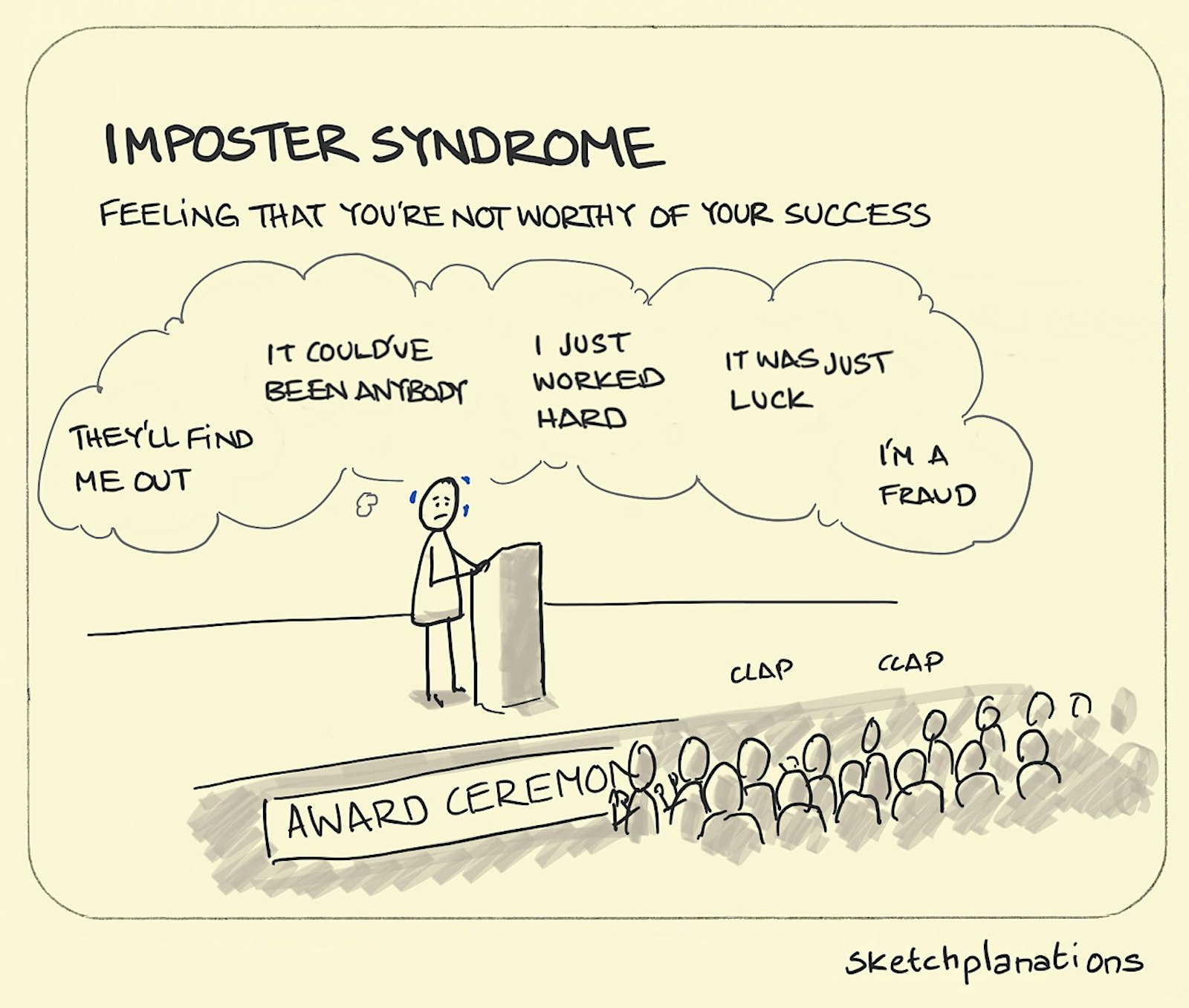
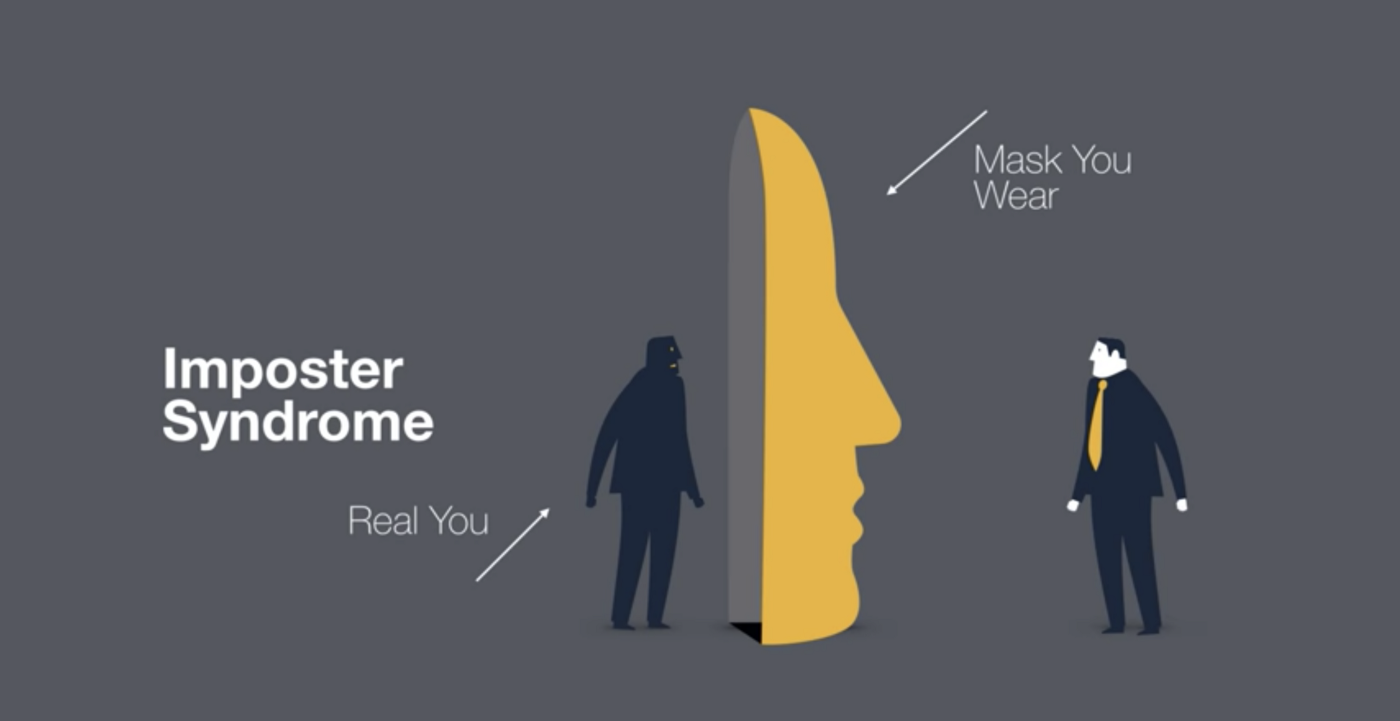
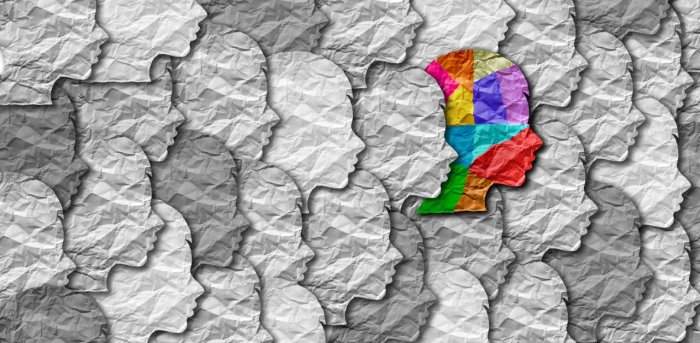
Great minds like Maya Angelo and Albert Einstein accomplished and excelled at their field which is rare to come across , yet the shared something with the common people , the feeling of fraudulence . Impostor syndrome refers to an internal experience of believing that you are not as competent as others perceive you to be. While this definition is usually narrowly applied to intelligence and achievement, it has links to perfectionism and the social context. To put it simply, imposter syndrome is the experience of feeling like a phony—you feel as though at any moment you are going to be found out as a fraud—like you don’t belong where you are, and you only got there through dumb luck. It can affect anyone no matter their social status, work background, skill level, or degree of expertise.
When Clance and Imes first described the impostor phenomenon (sometimes called impostor syndrome), they thought it was unique to women. Since then, a variety of research on the topic has revealed that men, too, can have the unenviable experience of feeling like frauds, according to a recent research review .Many people who feel like impostors grew up in families that placed a big emphasis on achievement, says Imes. In particular, parents who send mixed messages — alternating between over-praise and criticism — can increase the risk of future fraudulent feelings. Societal pressures only add to the problem.”In our society there’s a huge pressure to achieve,” Imes says. “There can be a lot of confusion between approval and love and worthiness. Self-worth becomes contingent on achieving.”
Characteristics of Imposter Syndrome
Some of the common signs of imposter syndrome include:
An inability to realistically assess your competence and skills
Attributing your success to external factors
Berating your performance
Fear that you won’t live up to expectations
Overachieving
Sabotaging your own success
Self-doubt
Setting very challenging goals and feeling disappointed when you fall short
While for some people, impostor syndrome can fuel feelings of motivation to achieve, this usually comes at a cost in the form of constant anxiety. You might over-prepare or work much harder than necessary to “make sure” that nobody finds out you are a fraud.This sets up a vicious cycle, in which you think that the only reason you survived that class presentation was that you stayed up all night rehearsing. Or, you think the only reason you got through that party or family gathering was that you memorized details about all the guests so that you would always have ideas for small talk
There are many factors that may play a part in imposter syndrome including new roles, family upbringing, personality traits, and social anxiety.
Types of Imposter Syndrome
Imposter syndrome can appear in a number of different ways. A few different types of imposter syndrome may include:The perfectionist: Perfectionists are never satisfied and always feel that their work could be better. Rather than focus on their strengths, they tend to fixate on any flaws or mistakes. This often leads to a great deal of self-pressure and high amounts of anxiety.
The superhero: Because these individuals feel inadequate, they feel compelled to push themselves to work as hard as possible.
The expert: These individuals are always trying to learn more and are never satisfied with their level of understanding. Even though they are often highly skilled, they underrate their own expertise.
The natural genius: These individuals set excessively lofty goals for themselves, and then feel crushed when they don’t succeed on their first try.
The soloist: These people tend to be very individualistic and prefer to work alone. Self-worth often stems from their productivity, so they often reject offers of assistance. They tend to see asking for help as a sign of weakness or incompetence.
Strategies to cope with imposter feelings include talking about what you are experiencing, questioning your negative thoughts, and avoiding comparing yourself to others.For many people with impostor feelings, individual therapy can be extremely helpful. A psychologist or other therapist can give you tools to help you break the cycle of impostor thinking, says Imes.
The impostor phenomenon is still an experience that tends to fly under the radar. Somerville learned the phenomenon existed only after he’d successfully dealt with the feelings on his own. Often the people affected by impostor feelings don’t realize they could be living some other way. “They don’t have any idea it’s possible not to feel so anxious and fearful all the time,” Imes says.
We all need sleep, get most of us take it for granted by staying up for long hours at night watching a screen or blocking the brain with caffeine and other harmful drugs . Many people do not get enough quality sleep, and this can affect their health, well-being, and ability to do everyday activities.
You may think nothing is happening when you sleep. But parts of your brain are quite active during sleep. And enough sleep (or lack of it) affects your physical and mental health. When you sleep, your body has a chance to rest and restore energy. A good night’s sleep can help you cope with stress, solve problems or recover from illness. Not getting enough sleep can lead to many health concerns, affecting how you think and feel.
How much sleep do I need?
Many factors affect how much sleep you need. Age is a big factor:
Infants need about 16 hours a day.
Toddlers and preschoolers need about 12 hours.
Teenagers need about nine hours.
Adults need seven to eight (though some are fine with five and others need closer to 10).
Pregnant people often need more sleep during the first trimester.
If you haven’t slept well or long enough for a few days, you might create a sleep debt. Once your debt builds up, you may feel physically and mentally exhausted. Try to make sure you get enough sleep every night to avoid creating this debt. You can’t necessarily make up your debt by sleeping a lot on the weekends. It’s best to get enough sleep all week long. A person who is getting too little quality sleep may experience a range of symptoms including: fatigue, irritability, mood changes, difficulty focusing and remembering, reduced sex drive
In1965 , an experiment was conducted where a high school boy stayed up for 264 hours or 11 days. He slowly lost focus of the eye, became moody and irritable, he stopped sensing stimuli and could not concentrate or retain memories. We grow sleep due to signals from our body hormones like melatonin and adenosine that send us into a deep doze.
During the night, you cycle through two types of sleep: non-rapid eye movement (non-REM) sleep and rapid eye movement (REM) sleep. Your brain and body act differently during these different phases. During non-REM stages, your body-Builds bone and muscle, Repairs and regenerates tissues, Strengthens the immune system. When you enter REM sleep, brain activity increases again, meaning sleep is not as deep. The activity levels are like when you’re awake. That’s why REM sleep is the stage where you’ll have intense dreams. Usually, REM sleep arrives about an hour and a half after you go to sleep. The first REM period lasts about 10 minutes. Each REM stage that follows gets longer and longer.
Sleeplessness may result in inflammations, hallucinations, high blood pressure and is also related to obesity and diabetes and obesity along with impairment in memory mood, reaction time etc.
How does sleep deprivation cause such immense effects?
Our brain collects a lot of unwanted information during the day that can be proceed as useful and waste while we sleep. Our brain uses a lot of energy source that leads to build up of adenosine, which increases the urge to sleep and caffeine blocks the pathway of this that causes us to be awake. Waste products if not cleared away overload the brain leading to the negative symptoms of sleep deprivation. A glymphatic system is present in all which acts as a clean-up machine that removes this build up and is active mostly when we are asleep. hence if the brain doesn’t get its sufficient recharge it could lead to dire consequences like insomnia and other fatal disorders that a person can develop. For now, we can be sure that slipping into slumber is a necessity to maintain our health and sanity.
Takeaway
Sleep deprivation can harm a person’s mental and physical health, their performance at school or work, and their overall quality of life. Also, a persistent lack of sleep can lead to complications or indicate an underlying health problem, such as sleep apnea or anxiety. Anyone who is concerned about a lack of sleep should contact a medical professional.
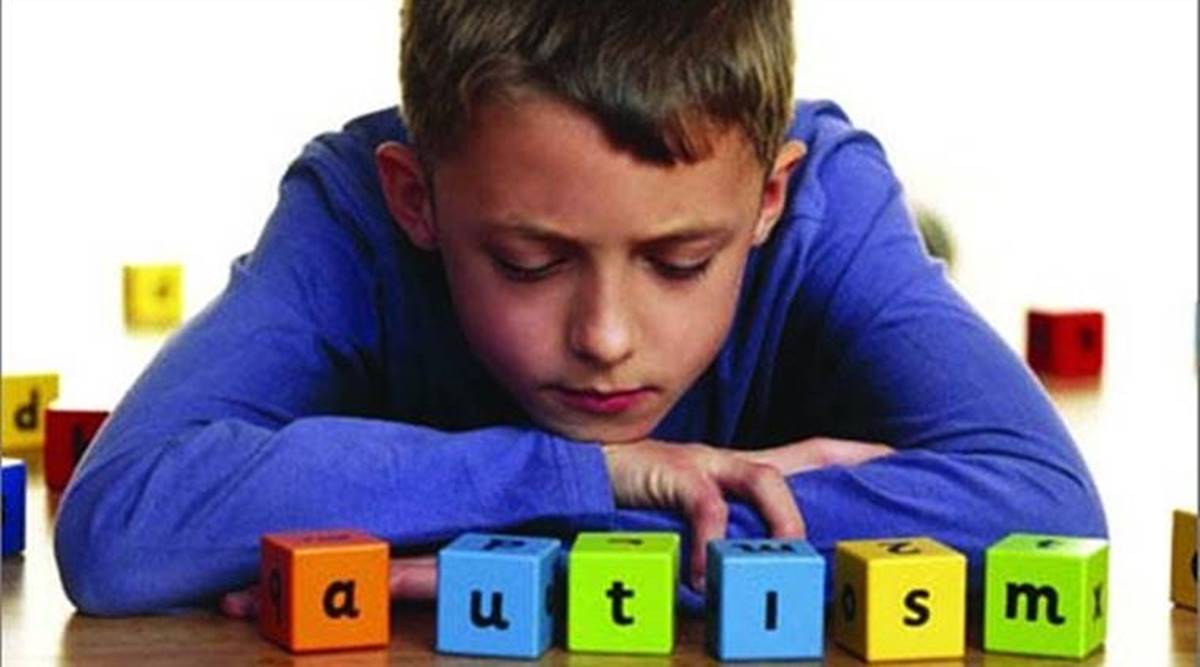
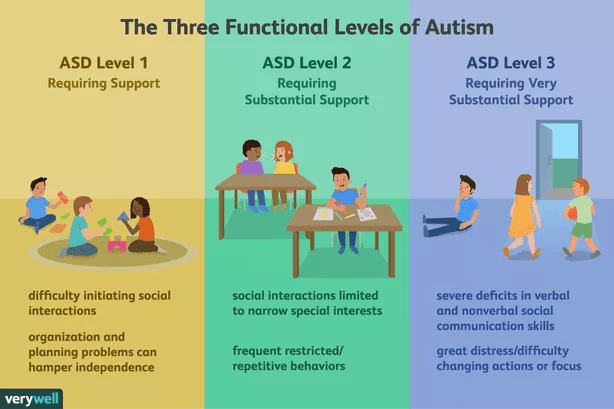
There are many people around us of different age groups that are either diagnosed or have underlying symptoms of autism. Autism is a neurodevelopmental disorder characterized by challenges with social communication, and by restricted and repetitive behaviours. is now considered part of the wider autism spectrum. People with autism have trouble with communication. They have trouble understanding what other people think and feel. This makes it hard for them to express themselves, either with words or through gestures, facial expressions, and touch. People with autism might have problems with learning. Their skills might develop unevenly. For example, they could have trouble communicating but be unusually good at art, music, math, or memory. Because of this, they might do especially well on tests of analysis or problem-solving. More children are diagnosed with autism now than ever before. But the latest numbers could be higher because of changes in how it’s diagnosed, not because more children have a disorder.
Autism is known to affect every one in every 60 individuals and boys are said to have more risk of developing it than girls. It can be hard to get a definite diagnosis of autism. Your doctor will focus on behaviour and development.
A developmental screening will tell the doctor whether a child is on track with basic skills like learning, speaking, behavior, and moving. If a child shows signs of a problem on these screenings, they’ll need a more complete evaluation. This might include hearing and vision tests or genetic tests. Your doctor might want to bring in someone who specializes in autism disorders, like a developmental paediatrician or a child psychologist. Some psychologists can also give a test called the Autism Diagnostic Observation Schedule (ADOS).parents can also find some symptoms and unusual behaviour
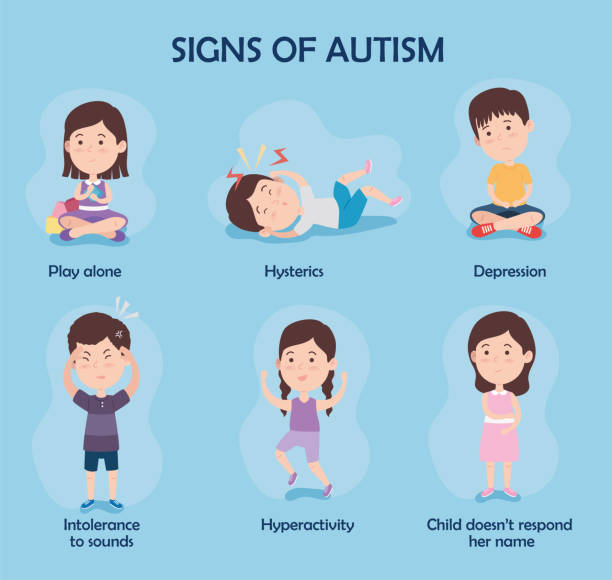
Common symptoms of autism include:
A lack of eye contact
A narrow range of interests or intense interest in certain topics
Doing something over and over, like repeating words or phrases, rocking back and forth, or flipping a lever
High sensitivity to sounds, touches, smells, or sights that seem ordinary to other people
Not looking at or listening to other people
Not looking at things when another person points at them
Not wanting to be held or cuddled
Problems understanding or using speech, gestures, facial expressions, or tone of voice
Talking in a sing-song, flat, or robotic voice
Trouble adapting to changes in routine
What Are the Types of Autism Spectrum Disorders?
These types were once thought to be separate conditions. Now, they fall under the range of autism spectrum disorders including:
Asperger’s syndrome. These children don’t have a problem with language; in fact, they tend to score in the average or above-average range on intelligence tests. But they have social problems and a narrow scope of interests.
Autistic disorder. This is what most people think of when they hear the word “autism.” It refers to problems with social interactions, communication, and play in children younger than 3 years.
Childhood disintegrative disorder. These children have typical development for at least 2 years and then lose some or most of their communication and social skills.
Pervasive developmental disorder (PDD or atypical autism). Your doctor might use this term if your child has some autistic behavior, like delays in social and communications skills, but doesn’t fit into another category.
What Causes Autism?
Exactly why autism happens isn’t clear. It could stem from problems in parts of your brain that interpret sensory input and process language.. It can happen in people of any race, ethnicity, or social background. Family income, lifestyle, or educational level doesn’t affect a child’s risk of autism. Autism runs in families, so certain combinations of genes may increase a child’s risk. A child with an older parent has a higher risk of autism. Pregnant women who are exposed to certain drugs or chemicals, like alcohol or anti-seizure medications, are more likely to have autistic children. Other risk factors include maternal metabolic conditions such as diabetes and obesity. Research has also linked autism to untreated phenylketonuria (also called PKU, a metabolic disorder caused by the absence of an enzyme) and rubella (German measles).There is no evidence that vaccinations cause autism.
How Is Autism Treated?
There’s no cure for autism. But early treatment can make a big difference in development for a child with autism. If you think your child shows symptoms of ASD, tell your doctor as soon as possible.What works for one person might not work for another. Your doctor should tailor treatment for you or your child. The two main types of treatments are:
Behavioral and communication therapy to help with structure and organization. Applied behavior analysis (ABA) is one of these treatments; it promotes positive behavior and discourages negative behavior. Occupational therapy can help with life skills like dressing, eating, and relating to people. Sensory integration therapy might help someone who has problems with being touched or with sights or sounds. Speech therapy improves communication skills.
Medications to help with symptoms of ASD, like attention problems, hyperactivity, or anxiety.
Complementary treatments may help boost learning and communication skills in some people with autism. Complementary therapies include music, art, or animal therapy, like horseback riding and even swimming with dolphins.
It is high time that people start to embrace autism and not ostracize such individuals but give more support and kindness. Young children must be taught about it and it’s not a topic to shy away from but accept and cherish that its ok to be different because that way you are special.
There are many people around us of different age groups that are either diagnosed or have underlying symptoms of autism. Autism is a neurodevelopmental disorder characterized by challenges with social communication, and by restricted and repetitive behaviours. is now considered part of the wider autism spectrum. People with autism have trouble with communication. They have trouble understanding what other people think and feel. This makes it hard for them to express themselves, either with words or through gestures, facial expressions, and touch. People with autism might have problems with learning. Their skills might develop unevenly. For example, they could have trouble communicating but be unusually good at art, music, math, or memory. Because of this, they might do especially well on tests of analysis or problem-solving. More children are diagnosed with autism now than ever before. But the latest numbers could be higher because of changes in how it’s diagnosed, not because more children have a disorder.
Autism is known to affect every one in every 60 individuals and boys are said to have more risk of developing it than girls. It can be hard to get a definite diagnosis of autism. Your doctor will focus on behaviour and development.
A developmental screening will tell the doctor whether a child is on track with basic skills like learning, speaking, behavior, and moving. If a child shows signs of a problem on these screenings, they’ll need a more complete evaluation. This might include hearing and vision tests or genetic tests. Your doctor might want to bring in someone who specializes in autism disorders, like a developmental paediatrician or a child psychologist. Some psychologists can also give a test called the Autism Diagnostic Observation Schedule (ADOS).parents can also find some symptoms and unusual behaviour
Common symptoms of autism include:
A lack of eye contact
A narrow range of interests or intense interest in certain topics
Doing something over and over, like repeating words or phrases, rocking back and forth, or flipping a lever
High sensitivity to sounds, touches, smells, or sights that seem ordinary to other people
Not looking at or listening to other people
Not looking at things when another person points at them
Not wanting to be held or cuddled
Problems understanding or using speech, gestures, facial expressions, or tone of voice
Talking in a sing-song, flat, or robotic voice
Trouble adapting to changes in routine
What Are the Types of Autism Spectrum Disorders?
These types were once thought to be separate conditions. Now, they fall under the range of autism spectrum disorders including:
Asperger’s syndrome. These children don’t have a problem with language; in fact, they tend to score in the average or above-average range on intelligence tests. But they have social problems and a narrow scope of interests.
Autistic disorder. This is what most people think of when they hear the word “autism.” It refers to problems with social interactions, communication, and play in children younger than 3 years.
Childhood disintegrative disorder. These children have typical development for at least 2 years and then lose some or most of their communication and social skills.
Pervasive developmental disorder (PDD or atypical autism). Your doctor might use this term if your child has some autistic behavior, like delays in social and communications skills, but doesn’t fit into another category.
What Causes Autism?
Exactly why autism happens isn’t clear. It could stem from problems in parts of your brain that interpret sensory input and process language.. It can happen in people of any race, ethnicity, or social background. Family income, lifestyle, or educational level doesn’t affect a child’s risk of autism. Autism runs in families, so certain combinations of genes may increase a child’s risk. A child with an older parent has a higher risk of autism. Pregnant women who are exposed to certain drugs or chemicals, like alcohol or anti-seizure medications, are more likely to have autistic children. Other risk factors include maternal metabolic conditions such as diabetes and obesity. Research has also linked autism to untreated phenylketonuria (also called PKU, a metabolic disorder caused by the absence of an enzyme) and rubella (German measles).There is no evidence that vaccinations cause autism.
How Is Autism Treated?
There’s no cure for autism. But early treatment can make a big difference in development for a child with autism. If you think your child shows symptoms of ASD, tell your doctor as soon as possible.What works for one person might not work for another. Your doctor should tailor treatment for you or your child. The two main types of treatments are:
Behavioral and communication therapy to help with structure and organization. Applied behavior analysis (ABA) is one of these treatments; it promotes positive behavior and discourages negative behavior. Occupational therapy can help with life skills like dressing, eating, and relating to people. Sensory integration therapy might help someone who has problems with being touched or with sights or sounds. Speech therapy improves communication skills.
Medications to help with symptoms of ASD, like attention problems, hyperactivity, or anxiety.
Complementary treatments may help boost learning and communication skills in some people with autism. Complementary therapies include music, art, or animal therapy, like horseback riding and even swimming with dolphins.
It is high time that people start to embrace autism and not ostracize such individuals but give more support and kindness. Young children must be taught about it and it’s not a topic to shy away from but accept and cherish that its ok to be different because that way you are special.
Most of us go through a frightening episode that we come out of without any damage or long term effects. But a large number of people exist who suffer the aftermath of a traumatic experience in unhealthy that puts pressure on one’s mental health. This condition, where negative thoughts interfere with daily life is called post-traumatic stress disorder or PTSD.
Posttraumatic stress disorder (PTSD), once called shell shock or battle fatigue syndrome, is a serious condition that can develop after a person has experienced or witnessed a traumatic or terrifying event in which there was serious physical harm or threat. PTSD is a lasting consequence of traumatic ordeals that cause intense fear, helplessness, or horror. Examples of things that can bring on PTSD include sexual or physical assault, the unexpected death of a loved one, an accident, war, or natural disaster. Families of victims can develop PTSD, as can emergency personnel and rescue workers.
It is natural to feel afraid during and after a traumatic situation. Fear triggers many split-second changes in the body to help defend against danger or to avoid it. This “fight-flight or freeze” response is a typical reaction meant to protect a person from harm. Nearly everyone will experience a range of reactions after trauma, yet most people recover from initial symptoms naturally. Those who continue to experience problems may be diagnosed with PTSD. People who have PTSD may feel stressed or frightened, even when they are not in danger. Ptsd isn’t failing of a person or doesn’t make one weak willed, it is a treatable malfunction of the memory of certain dangerous experiences that allows us to cope better with it
PTSD Symptoms
Symptoms of PTSD most often begin within 3 months of the event. In some cases, however, they don’t begin until years later. The severity and duration of the illness can vary. Some people recover within 6 months, while others have it much longer. A major challenge of coping is sensitivity to triggers, physical and emotional stimuli that the brain associates with the original trauma .Symptoms of PTSD often are grouped into four main categories, including:
Reliving: People with PTSD repeatedly relive the ordeal through thoughts and memories of the trauma. These may include flashbacks, hallucinations, and nightmares. They also may feel great distress when certain things remind them of the trauma, such as the anniversary date of the event.
Avoiding: The person may avoid people, places, thoughts, or situations that may remind them of the trauma. This can lead to feelings of detachment and isolation from family and friends, as well as a loss of interest in activities that the person once enjoyed.
Increased arousal: These include excessive emotions; problems relating to others, including feeling or showing affection; difficulty falling or staying asleep; irritability; outbursts of anger; difficulty concentrating; and being “jumpy” or easily startled. The person may also suffer physical symptoms, such as increased blood pressure and heart rate, rapid breathing, muscle tension, nausea, and diarrhoea.
Negative cognitions and mood: This refers to thoughts and feelings related to blame, estrangement, and memories of the traumatic event.
Anyone can develop PTSD at any age. According to the National Centre for PTSD, about 7 or 8 out of every 100 people will experience PTSD at some point in their lives. Women are more likely to develop PTSD than men, and genes may make some people more likely to develop PTSD than others.
It is important to remember that not everyone who lives through a dangerous event develops PTSD. In fact, most people will not develop the disorder. Many factors play a part in whether a person will develop PTSD. Some examples are listed below. Risk factors make a person more likely to develop PTSD. Other factors, called resilience factors, can help reduce the risk of the disorder.
Some factors that increase risk for PTSD include:
Living through dangerous events and traumas
Getting hurt
Seeing another person hurt, or seeing a dead body
Childhood trauma
Feeling horror, helplessness, or extreme fear
Having little or no social support after the event
Dealing with extra stress after the event, such as loss of a loved one, pain and injury, or loss of a job or home
Having a history of mental illness or substance abuse
Treatment
The goal of PTSD treatment is to reduce the emotional and physical symptoms, to improve daily functioning, and to help the person better manage with the event that triggered the disorder. The main treatments for people with PTSD are medications, psychotherapy (“talk” therapy), or both. Everyone is different, and PTSD affects people differently, so a treatment that works for one person may not work for another. It is important for anyone with PTSD to be treated by a mental health provider who is experienced with PTSD. Some people with PTSD may need to try different treatments to find what works for their symptoms. Medication for treating PTSD is antidepressants, which may help control PTSD symptoms such as sadness, worry, anger, and feeling numb inside. Other medications may be helpful for treating specific PTSD symptoms, such as sleep problems and nightmares.
Recovery from PTSD is a gradual and on-going process. Symptoms of PTSD seldom disappear completely, but treatment can help people learn to manage it more effectively. Treatment can lead to fewer and less intense symptoms, as well as a greater ability to manage feelings related to the trauma. Research is on-going into the factors that lead to PTSD and into finding new treatments.
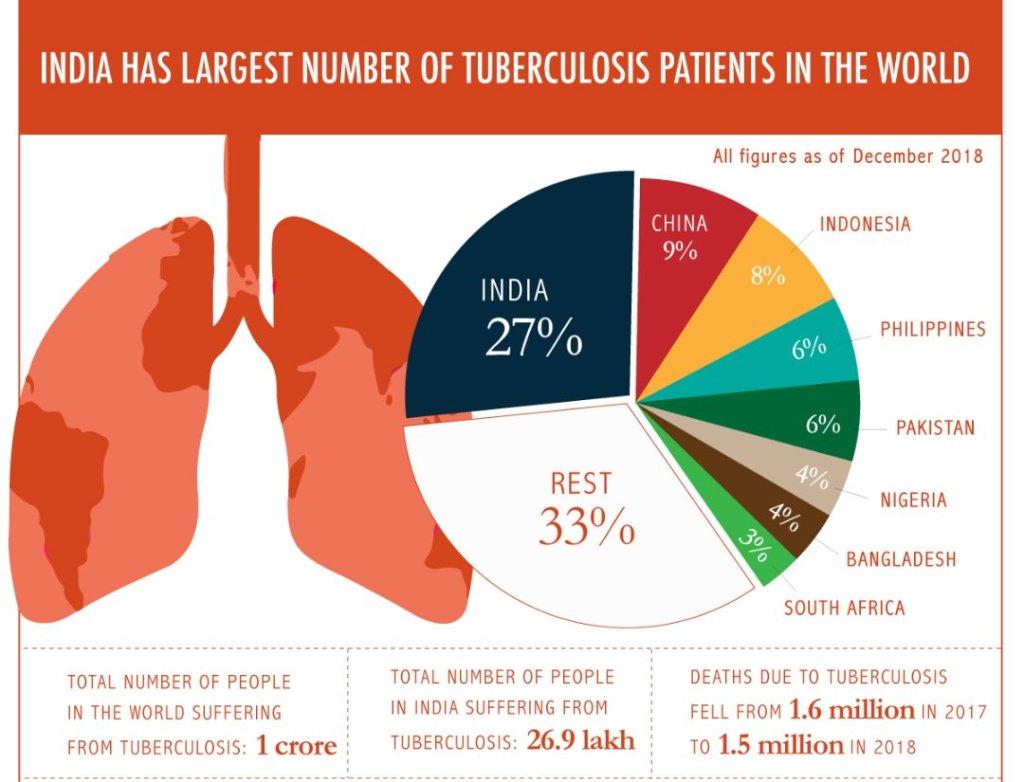
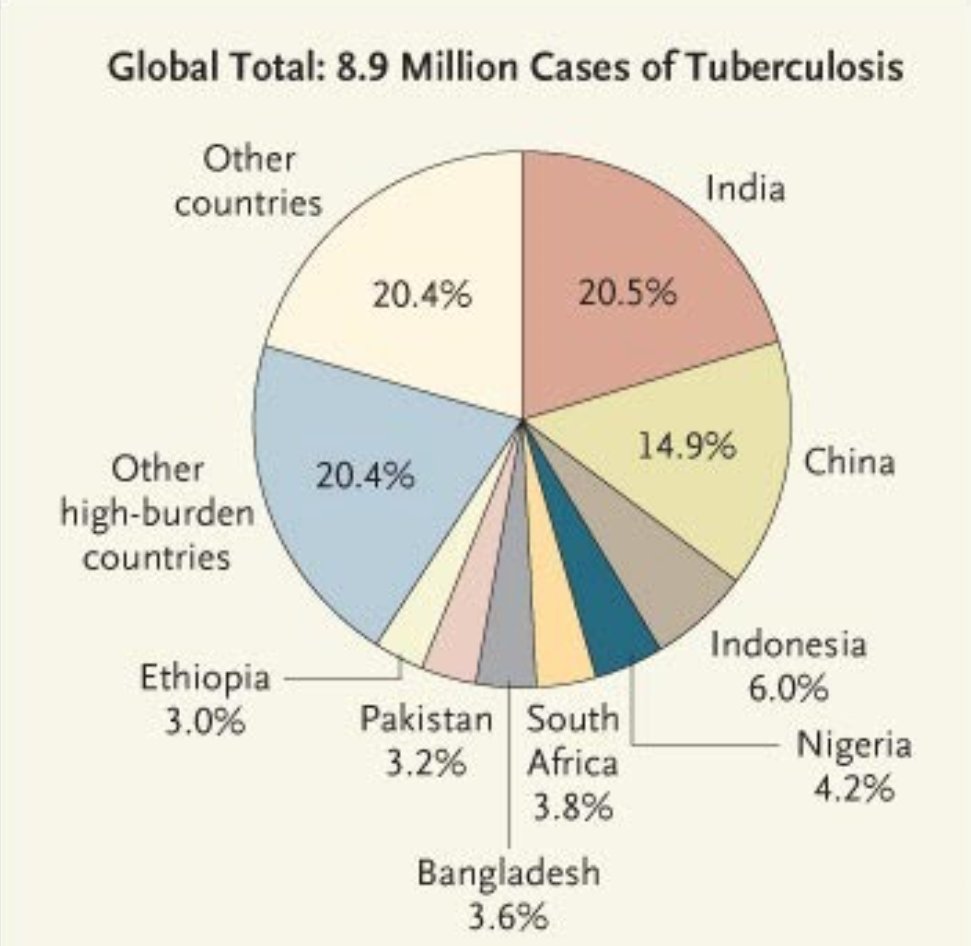
Tuberculosis is a pandemic globally become significant health threat in many countries. India top the list of having most tuberculosis patients. TB is airborne disease. Every year, India estimated TB patient is 28 lakhs, which is 27 per cent of the global total, almost 1200 TB patient die everyday, 10 every 3 minutes. In 2017, 204 TB cases per 1,00,000 encountered. India has the highest number of multi drug resistant TB (MDR-TB) cases in the world. Largest number of people living with multi resistance TB which normal dosage of Isoniziad and INH will not work on patient or first line drug of TB will not work on you.
Source: The New England Journal of Medicine NEJM
According to Health Ministry & Welfare data explain, only 63 per cent of the patients infected with airborne disease and currently under treatment. Further, 1,47,000 patients are resistant to first and second line TB medicines. World Health Organization (WHO) reported India had 2.7 million new cases and 440,000 deaths due to TB in 2018 – the highest in the world. Despite such conditions India has not implemented goal measures effectively to control the spread of TB. Imagine if we are not capable to control TB then can we measure Coronavirus? when we have paucity of hospital, less number of health workers and doctors.
HISTORY OF TUBERCULOSIS IN INDIA
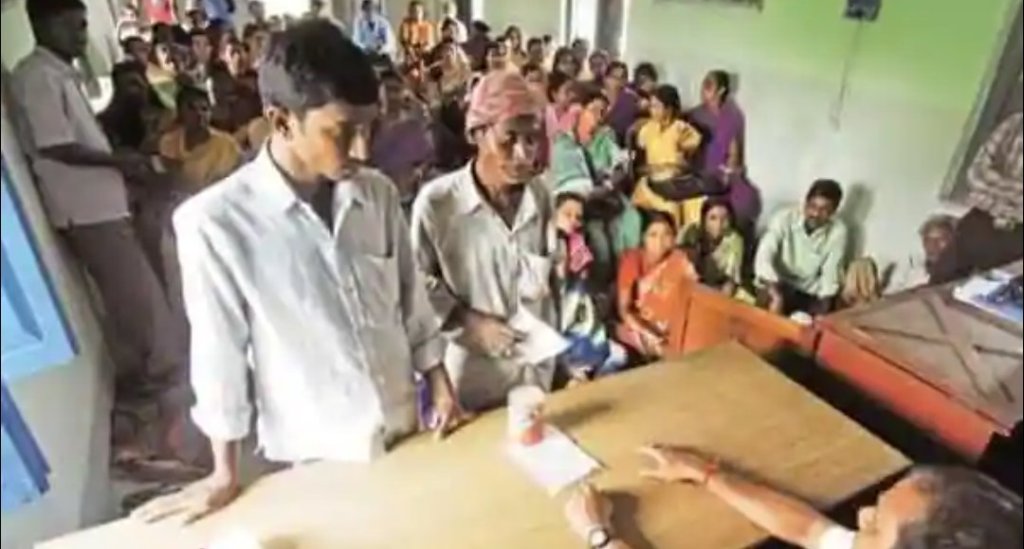
Credit: Mint (Tuberculosis Patients at a Govt hospital)
For TB patients first open air isolation institution and treatment of TB patients was started in Ajmer & almore 1906. The anti TB movement in the country gained momentum with TB association of India which was established in 1939.
The Bhore committee report issued in 1946 estimated that about 2.5 million patients required treatment in the country with 6,000 beds available. National Tuberculosis Control programme (NTP) was formulated in 1962. NTP was not implemented properly then revised into National TB Control Programme (RNTCP) was developed. Sir Joseph Bhore recommended re – modelling the health services integrate curative & preventive medicine at all levels. Bhore committee was not able to reach the plan , recognizing the lack of access to basic healthcare in rural areas, National Health Policy 1993 emphasized on primary care, commitment to provide “Health to all” by the year 2000. By 2000 India still not achieved most of the goals of the national health policy.
National Health Policy by 2010 & to increase public investment from 0.9% to between 20% which is 3% of GDP. National Rural Health Mission 2005 – 2012 was launched to provide Healthcare to rural population. Special focus on 18 states who has weak Healthcare system.
MEASURES TAKEN BY GOVERNMENT Indian government launched the TB free India campaign, Target of elimination of TB in the country by 2025. DOTS – Directory observed Treatment ,it is a strategy to diagnose the TB through sputum testing. CBNAAT – Catridge based Nuclei acid amplification test, this test help two ways to detect TB that whether person diagnose with TB, if it is TB is it MDR or the other one first line drug. First time central TB Division (CTD) introduced a quarterly ranking of TB elimination efforts by all the states and UTs. TB preventive Therepy (TPT) give financial expenditure which include in the assessment. Saksham project provide psycho – social counseling to TB patients.
Nikshay poshan yojana (NPY) scheme made to give financial support to TB patients for their nutritional diet. The Nikshay Ecosystem is the National TB information System which is one – stop solution to collected information of patients and manage program activity & evaluate through out the country.TB Harega Desh Jeetega – This strategy launched in September 2019 for fight against TB.
ARE GOVERNMENT MEASURES GOING WELL ON GROUND LEVEL
After implementing most of the best policies are not capable to eliminate TB. India known for the fact that “poor quality of Healthcare”. There is shortage of testing centres, DOT centres, and other facilities to identify and treatment of new TB patients. GOI has set a target of zero – tuberculosis deaths by the 2025 rather should focus on zero – tuberculosis patients till 2030.
Despite all the notable measures taken by the government still needs to robust efforts to improve the early diagnose for the appropriate treatment which is significant for ending of TB. We need to expand both laboratory network as well as diagnostic facilities to cover the whole nation under the umbrella of one program National TB Elimination Programme. Private sector plays crucial role in terms of providing mandatory tuberculosis treatment quality care.
The UN sustainable development Goals (SDGs) include ending the TB epidemic by 2030 under the Goal 3. India set target to eliminate TB by 2025 ( which is five years ahead of SDGs) appears ‘unrealistic’ , ‘unattainable’ as seeing today’s condition of India which requires high quality of care to each person. We need to increase TB services for those who are not able to reach the TB centres , increase the engagement of private sector facilities and support system of universal access to drug susceptibility testing and second line TB drugs.
GOI said that new tools resulting from greater tuberculosis research & development (R&D) which is important to prevent Economic losses. 30 per cent of Indian population infected with tuberculosis. Consequently, we need accurate level of care which helps for detecting tuberculosis infection. India need close coordination between Ministry of Science & Technology , Ministry of Health and Research oriented pharmaceutical companies together to reach target to fight against the Tuberculosis. India strictly implement the strategy of finding the TB cases rather waiting for patient with TB to reach to the hospital.Under the make in India program, development of a first line anti – TB drug was proposed in public sector.
Awareness about TB and its prevention among masses is important. Media campaigns must planned under the program to promote TB preventive measures swasth E – gurukul is one such initiative of WHO.
Union Health Minister , Harsh Vardhan said:
“we as a nation, need to come together to fight against tuberculosis and the stigma surrounding it so that every TB patient seek care with dignity and without discrimination. The community must act as a well spring of support and comfort for a patient”.
Union Health Minister Harshvardhan in press conference talking about social stigma around TB;
We must talk about the social stigma attach with Tuberculosis. Association of HIV with TB estimated 9 per cent of all HIV – TB deaths in the world, the second highest number globally 92,000 HIV – TB patients were accounted on annual basis.
If GOI implement all policies wisely and evaluate them in every 6 months we can reach to attain our goal to eliminate Tuberculosis from India. In rural areas, officers must help to detect TB before it become MDR by making reports of how many people each month diagnose with TB. If we do not take serious measures now it will be difficult to achieve the set target of “elimination of TB in 2025”.
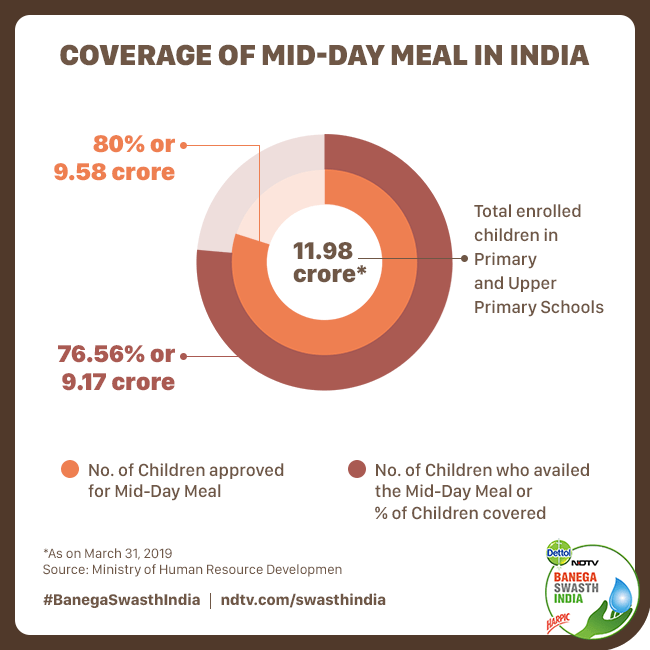
Food is a basic need of life. And Education is important to make the life affluent. A hungry stomach cannot grasp the teachings of Education at school, there to provide better Education, schools all around the world, offer lunch to the students. In India, the system of school lunch is referred to as Mid-day Meal. In today’s editorial, we’re going to share insights about the system of Mid-day Meal in India.
Coverage of Mid-day Meal Scheme in India
Brief Idea of What Mid-day Meal Is
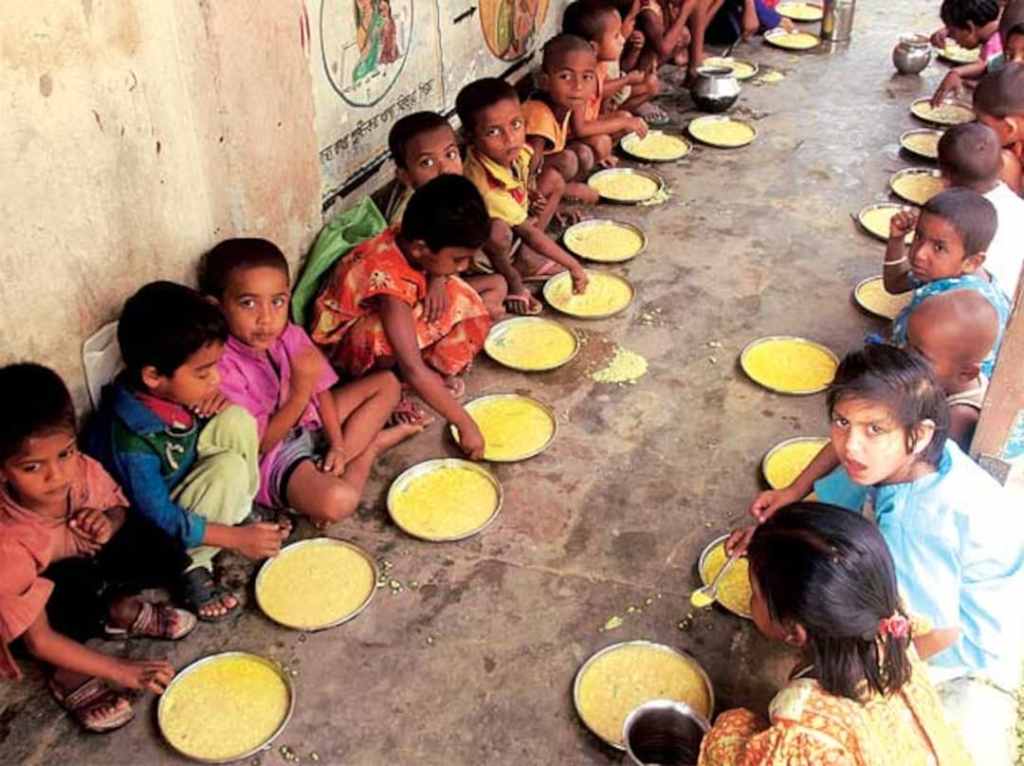
The Midday Meal Scheme, launched in 1995 by former Prime Minister of India, P.V. Narsimha Rao, under the Ministry of Education, is a school meal programme in India designed to better the nutritional standing of school-age children nationwide. The programme supplies free lunches on working days for children in primary and upper primary classes in government, government aided, local body, Education Guarantee Scheme, and alternate innovative education centres, Madarsa and Maqtabs supported under Sarva Shiksha Abhiyan , and National Child Labour Project schools run by the Ministry of Labour. Serving 120 million children in over 1.27 million schools and Education Guarantee Scheme centres, the Midday Meal Scheme is the largest of its kind in the world.
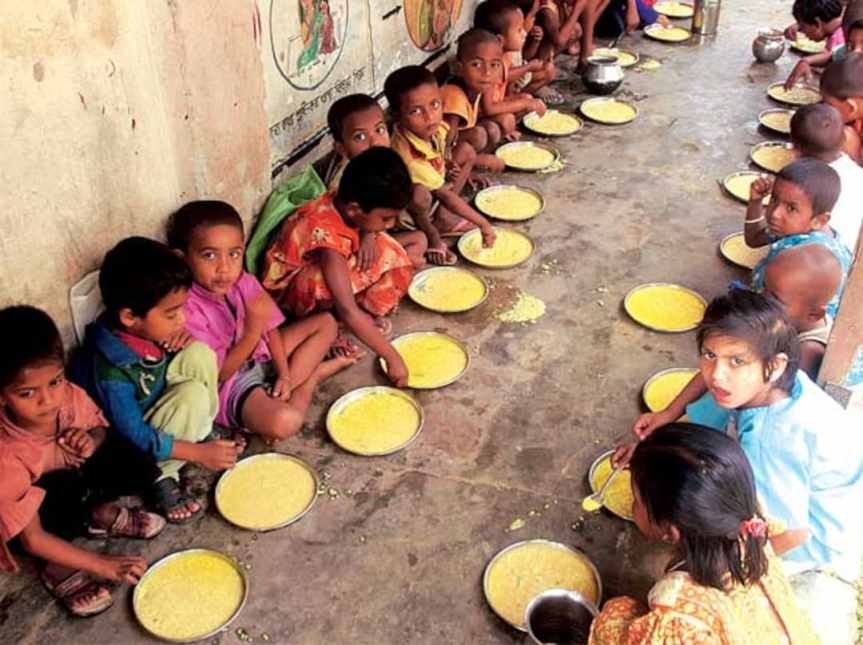
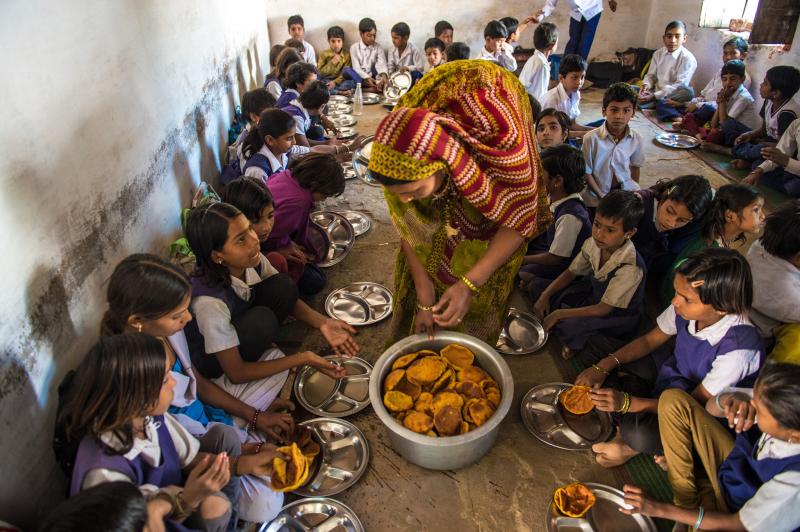
Students having Mid-day Meal at a School in India
Objectives of Mid-day Meal Scheme
To increase the enrolment in the schools of children who belong to disadvantaged sections of the society .
To increase attendance of students in Government and Government aided schools.
To retain the children studying in class I to VIII.
To give nutritional support to the children studying in the elementary level, specially in drought-prone areas.
To address hunger and malnutrition and increase socialization among the castes.
Mid-day Meal Scheme Timeline in India
Features of Mid-day Meal Scheme
It is one of the world’s largest school meal programs intended to achieve the goal of universalization of primary education.
For the implementation of the scheme, the Ministry of Human Resources and Development is the authorized body to implement the scheme.
It is a centre-sponsored scheme, so, the cost is shared between the states and the centre. Where the share of the centre is 60 percent.
The first state to implement the midday meal scheme was Kerala in 1984.
Till 2002, the scheme is designed especially for the government, government-aided and local body schools. But later on, the benefit of the mid-day meal scheme is extended to those children who were studying in educational guaranteed scheme centres or Alternative & Educational Centres.
In 2004, the scheme is again revised, and central assistance is offered for the cooking cost. Apart from that, the transport subsidy included for all states, maximum of Rs 100 per quintal is provided to the special category states and Rs 75 per quintal for other states.
The provision of serving mid-day meals during summer vacation to the children in drought-affected areas was also added.
In 2006, the cooking cost was enhanced to Rs 1.80 per child/ school day for states in North Eastern Region and Rs 1.50 per child/ school day for other states and UTs.
In 2007, the scheme benefit is also extended to the children studying in the educationally Backwards Blocks.
Apart from the calories and food intake, for micronutrients (tablets and deworming medicines), each child is entitled to receive the amount provided for in the school health program of the National Rural Health Mission.
Meals provided under the Mid-day Meal Scheme
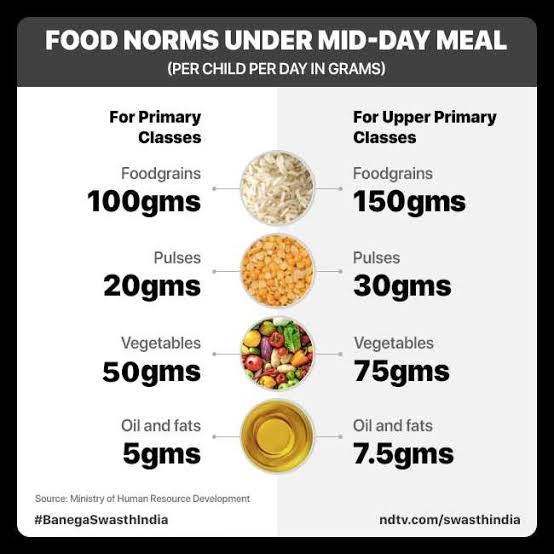
Food Norms under Mid-day Meal Scheme
The quantity of food items provided under this scheme per child per school day is as follows:
Food items
Primary level (Class I-V)
Upper level (Class VI-VIII)
Food Grains
100 gms
150 gms
Pulses
20 gms
30 gms
Vegetables (leafy also)
50 gms
75 gms
Oil & fat
5 gms
7.5 gms
Salt & condiments
As per need
As per need
Calories Intake
Primary
Upper Primary
Energy
450 calories
700 calories
Protein
12 grams
20 grams
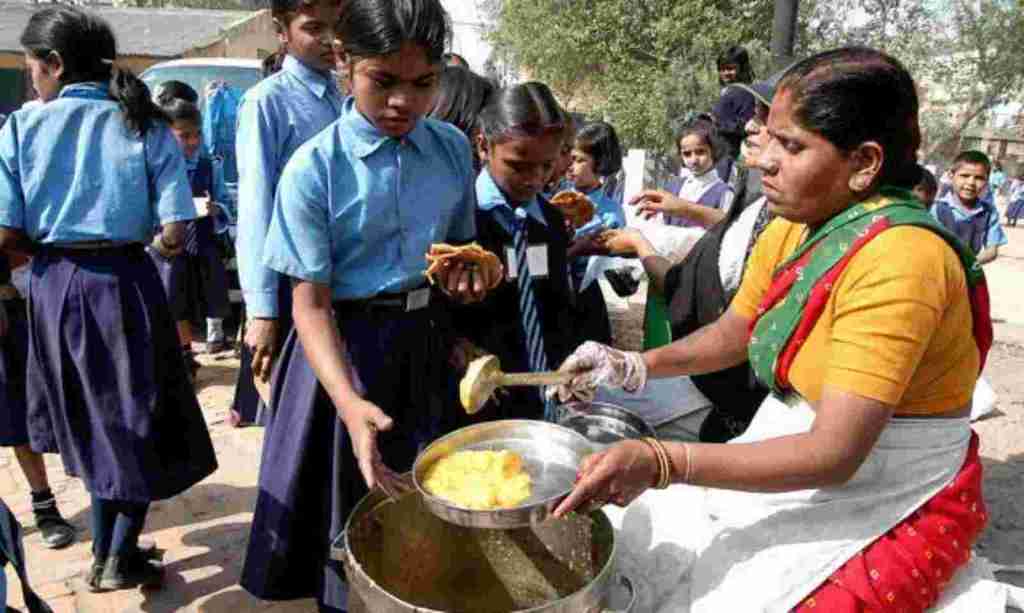
Serving of Mid-day Meal
Advantages of Mid-day Meal
It satisfies the hunger of many children.
Supplying nutrition to children of the poor section helps them in concentrating on their studies better.
Students come to government schools daily and won’t be asked to do labour work.
Addresses the issue of malnutrition.
PM POSHAN SHAKTI NIRMAN
Recent Improvisation of Mid-day Meal Scheme
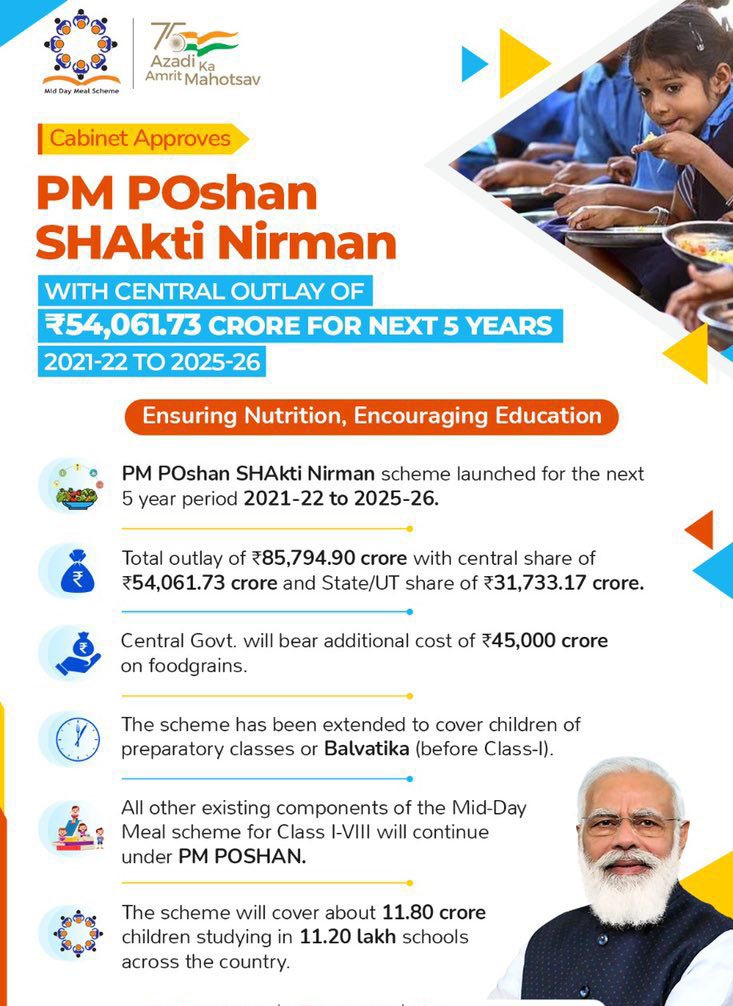
During the celebration of India’s75th Independence Day as Azadi Ka Amrit Mahotsav, the Cabinet approved for the implementation of PM POSHAN SHAKTI NIRMAN for next 5 years i.e. 2021-22 to 2025-26.
Conclusion
There is no doubt that school is the only place that contributes to the socio-economic development of society. Here children from various backgrounds come together for promoting the culture of unity and brotherhood. The education they receive at school prepares them to achieve their goals and lead a successful life. When we talk about government schools, here children mostly come from economically challenged backgrounds. So, even though education schemes like Sarva Shiksha Abhiyaan are being implemented, the difficult financial conditions force these children to skip school and go on work. In such kind of circumstances, the real potential of mid-day meal surfaces. Mid-day meal acts as an attractive incentive for parents to send their children to school with the sole hope that the young ones will receive at least one plate full of the meal for the day.
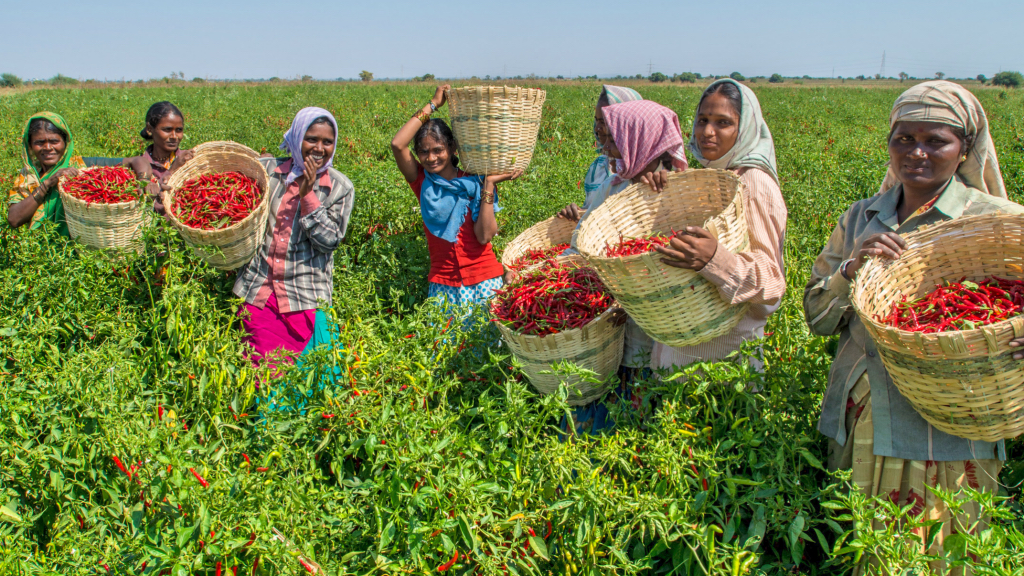
The term ‘organic’ was first coined by Northbourne, in 1940, in his book entitled ‘Look to the Land’. In recent years, organic farming as a cultivation process is gaining increasing popularity . Organically grown foods have become one of the best choices for both consumers and farmers. Organically grown foods are part of go green lifestyle.
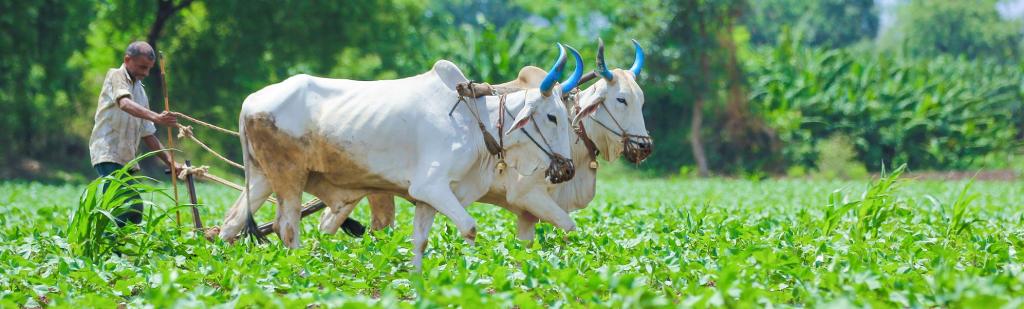
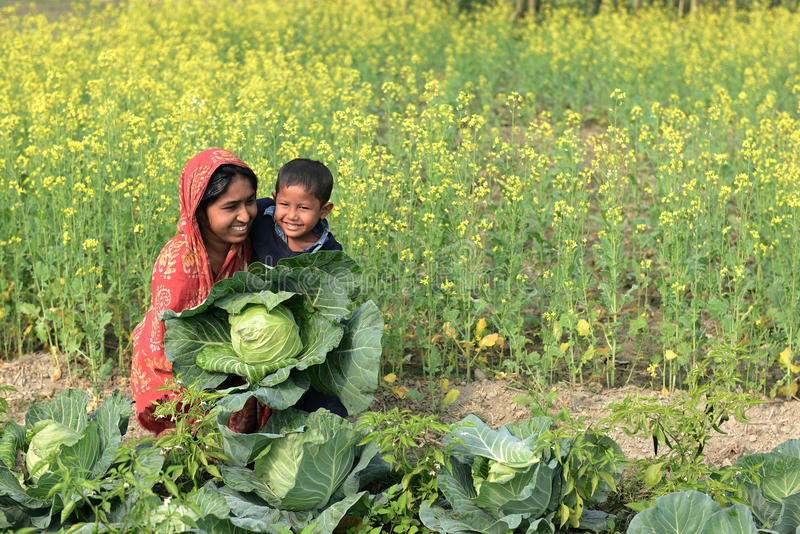
Farmers showing their Organic Harvest
Why Being Preferred These Days: The Importance of Organic Farming
Food quality and safety are two vital factors that have attained constant attention in common people. Growing environmental awareness and several food hazards (e.g. dioxins, bovine spongiform encephalopathy, and bacterial contamination) have substantially decreased the consumer’s trust towards food quality in the last decades. Intensive conventional farming can add contamination to the food chain. For these reasons, consumers are quested for safer and better foods that are produced through more ecologically and authentically by local systems. Organically grown food and food products are believed to meet these demands.
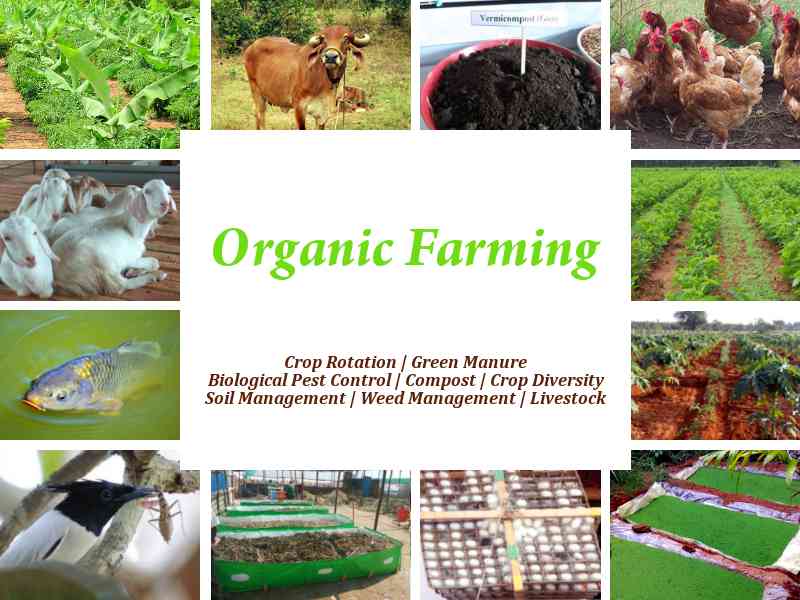
Organic Farming Processes
Organic Farming Process
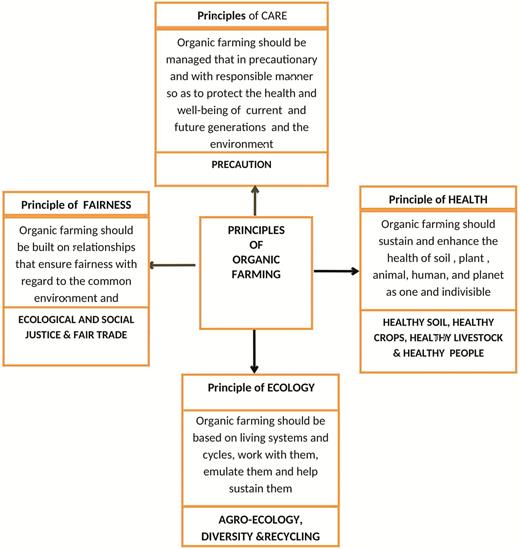
Organic farming and food processing practices are wide-ranging and necessitate the development of socially, ecologically, and economically sustainable food production system. The International Federation of Organic Agriculture Movements (IFOAM) has suggested the basic four principles of organic farming, i.e. the principle of health, ecology, fairness, and care . The main principles and practices of organic food production are to inspire and enhance biological cycles in the farming system, keep and enhance deep-rooted soil fertility, reduce all types of pollution, evade the application of pesticides and synthetic fertilizers, conserve genetic diversity in food, consider the vast socio-ecological impact of food production, and produce high-quality food in sufficient quantity.
Principles of Organic Farming
According to the National Organic Programme implemented by USDA Organic Food Production Act (OFPA, 1990), agriculture needs specific prerequisites for both crop cultivation and animal husbandry. To be acceptable as organic, crops should be cultivated in lands without any synthetic pesticides, chemical fertilizers, and herbicides for 3 years before harvesting with enough buffer zone to lower contamination from the adjacent farms. Genetically engineered products, sewage sludge, and ionizing radiation are strictly prohibited. Fertility and nutrient content of soil are managed primarily by farming practices, with crop rotation, and using cover crops that are boosted with animal and plant waste manures. Pests, diseases, and weeds are mainly controlled with the adaptation of physical and biological control systems without using herbicides and synthetic pesticides. Organic livestock should be reared devoid of scheduled application of growth hormones or antibiotics and they should be provided with enough access to the outdoor. Preventive health practices such as routine vaccination, vitamins and minerals supplementation are also needed.
Principles of Organic Farming
Types of Organic Farming
Organic Farming are of two types. Here are the two types of Organic Farming being performed in India.
(a)Pure Organic Farming – pure organic farming, there is avoiding every unnatural chemical. In the process of pure farming, fertilizer and pesticides obtain from natural sources. It is called a pure form of organic farming. Pure organic farming is the best for high productivity.
(b) Integrated Organic Farming – Integrated organic farming consists of integrated nutrients management and integrated pest management.
Organic Farming in India
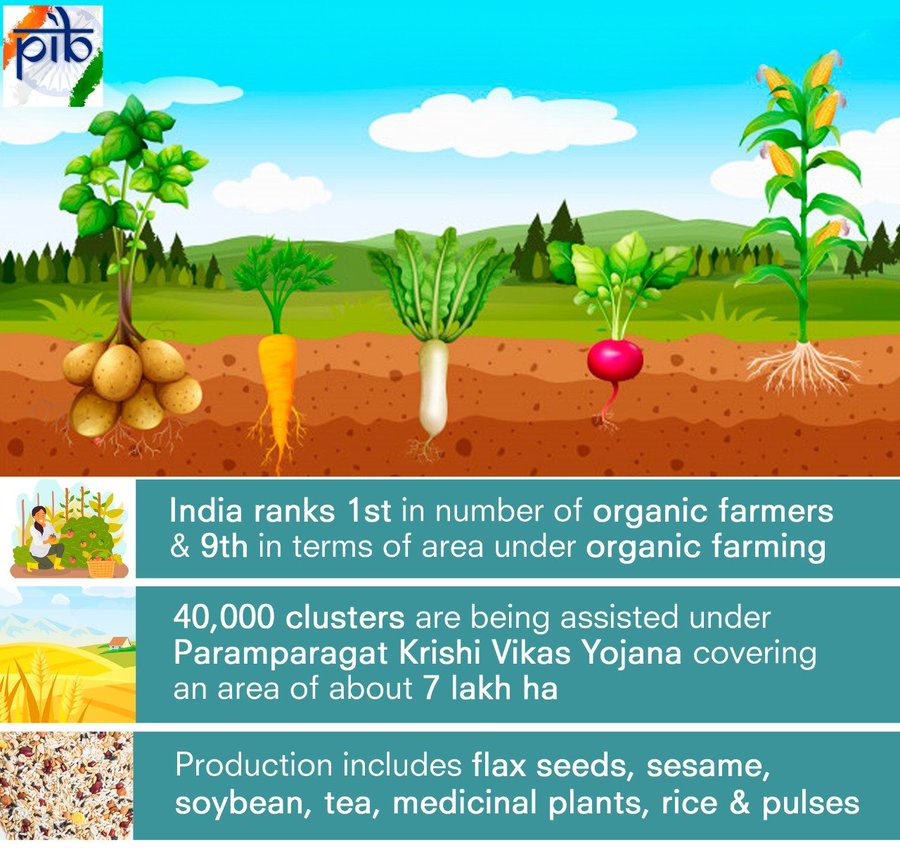
Organic farming is in a nascent stage in India. About 2.78 million hectare of farmland was under organic cultivation as of March 2020, according to the Union Ministry of Agriculture and Farmers’ Welfare. This is two per cent of the 140.1 million net sown area in the country. A few states have taken the lead in improving organic farming coverage, as a major part of this area is concentrated only in a handful of states. Madhya Pradesh tops the list with 0.76 million of area under organic cultivation — that is over 27 per cent of India’s total organic cultivation area. The top three states — Madhya Pradesh, Rajasthan and Maharashtra — account for about half the area under organic cultivation. The top 10 states account for about 80 per cent of the total area under organic cultivation. Sikkim is the only Indian state to have become fully organic so far. Even though India has very small organic area under cultivation, in terms of number of organic farmers it is being ranked first. India has over 1.9 million farmers as of March 2020, which is 1.3 per cent of 146 million agricultural landholders.
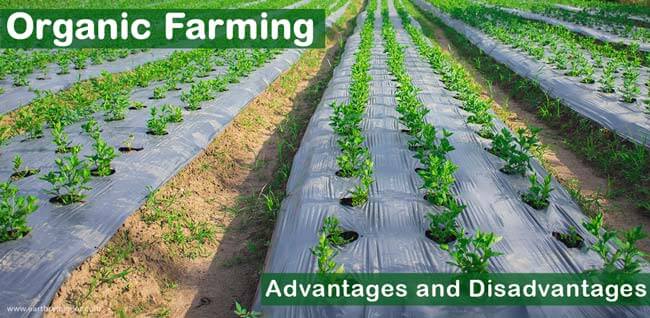
Advantages and Disadvantages of Organic Farming
Advantages of Organic Farming
Organic farming in India is very economical, it uses no expensive fertilizers, pesticides, HYV seeds for the plantation of crops. It has no expenses.
With the use of cheaper and local inputs, a farmer can earn a good return on investment. This is one of the most important benefits of organic farming in India.
There is a huge demand for organic products in India and worldwide and can earn more income through export.
Organic products are more nutritional, tasty, and good for health to chemical and fertilizer utilized products.
Organic farming in India is very environment friendly, it does not use fertilizers and chemicals.
Disadvantages of Organic Farming
Organic farming in India has fewer choices, and off-season crops are limited.
Organic agricultural products are low in the early years. Farmers find it difficult to accommodate mass production.
The main disadvantage of organic farming is the lack of marketing of the products and Inadequate infrastructure.
Organic Farming in India
Future of Organic Farming in India
India is an agriculture-based country with 67% of its population and 55% of manpower depending on farming and related activities. Agriculture fulfils the basic needs of India’s fastest-growing population accounted for 30% of total income. Organic farming has been found to be an indigenous practice of India that practised in countless rural and farming communities over the millennium. The arrival of modern techniques and increased burden of population led to a propensity towards conventional farming that involves the use of synthetic fertilizer, chemical pesticides, application of genetic modification techniques, etc.
Organic Farming leads to Sustainability and Holistic Growth
Even in developing countries like India, the demand for organically grown produce is more as people are more aware now about the safety and quality of food, and the organic process has a massive influence on soil health, which devoid of chemical pesticides. Organic cultivation has an immense prospect of income generation too. The soil in India is bestowed with various types of naturally available organic nutrient resources that aid in organic farming.
As per data collected from Government of India
Conclusion
India is a country with a concrete traditional farming system, ingenious farmers, extensive drylands, and nominal use of chemical fertilizers and pesticides. Moreover, adequate rainfall in north-east hilly regions of the country where few negligible chemicals are employed for a long period of time, come to fruition as naturally organic lands. Organic farming yields more nutritious and safe food. The popularity of organic food is growing dramatically as consumer seeks the organic foods that are thought to be healthier and safer. Thus, organic food perhaps ensures food safety from farm to plate. The organic farming process is more eco-friendly than conventional farming. Organic farming keeps soil healthy and maintains environment integrity thereby, promoting the health of consumers. Moreover, the organic produce market is now the fastest growing market all over the world including India. Organic agriculture promotes the health of consumers of a nation, the ecological health of a nation, and the economic growth of a nation by income generation holistically. India, at present, is the world’s largest organic producers and with this vision, we can conclude that encouraging organic farming in India can build a nutritionally, ecologically, and economically healthy nation in near future.
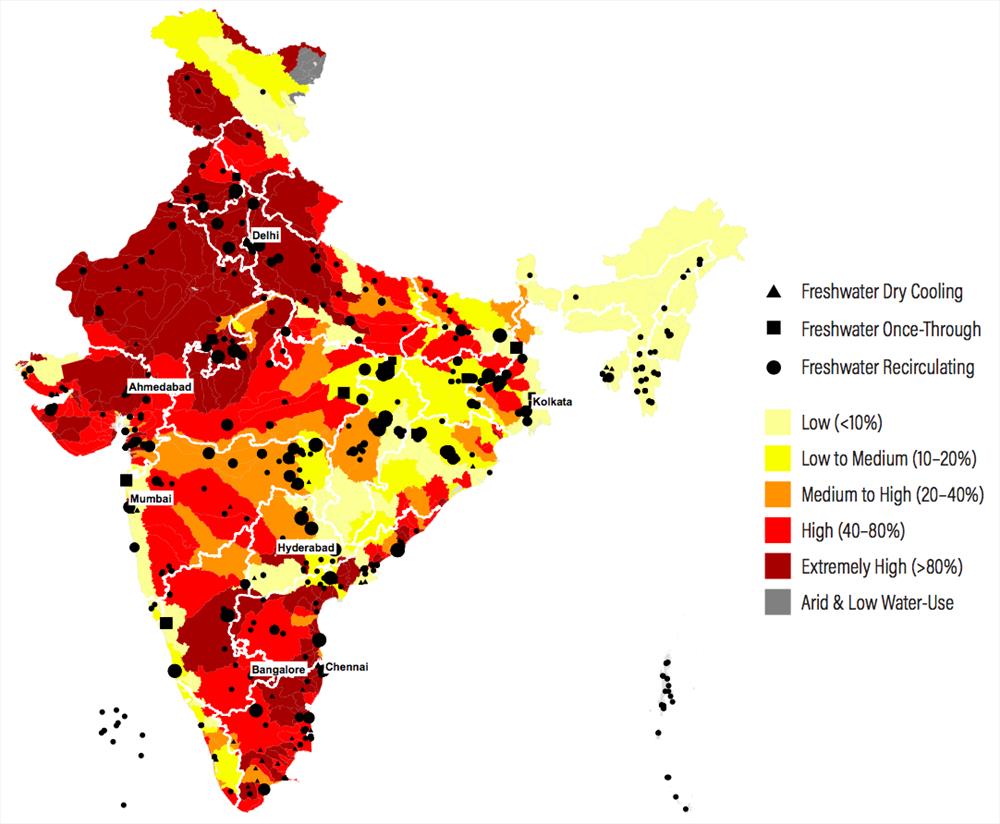
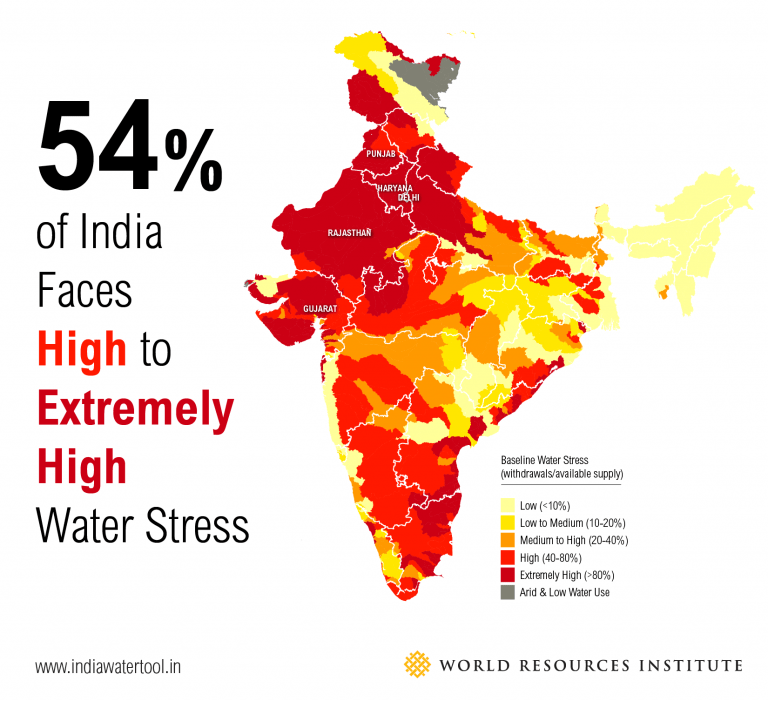
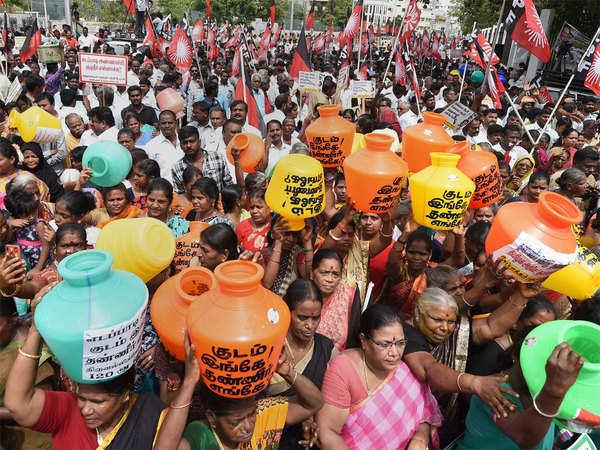
Water is the most essential element of life and livelihood. And India is having a hard time, coping up with the severe crisis of water. India constitutes 16 per cent of the world’s population, but the country has only four per cent of the world’s freshwater resources. With the changing weather patterns and recurring droughts, India is now declared as “water stressed”.
Statistical representation of India‘s Water Crisis
Background
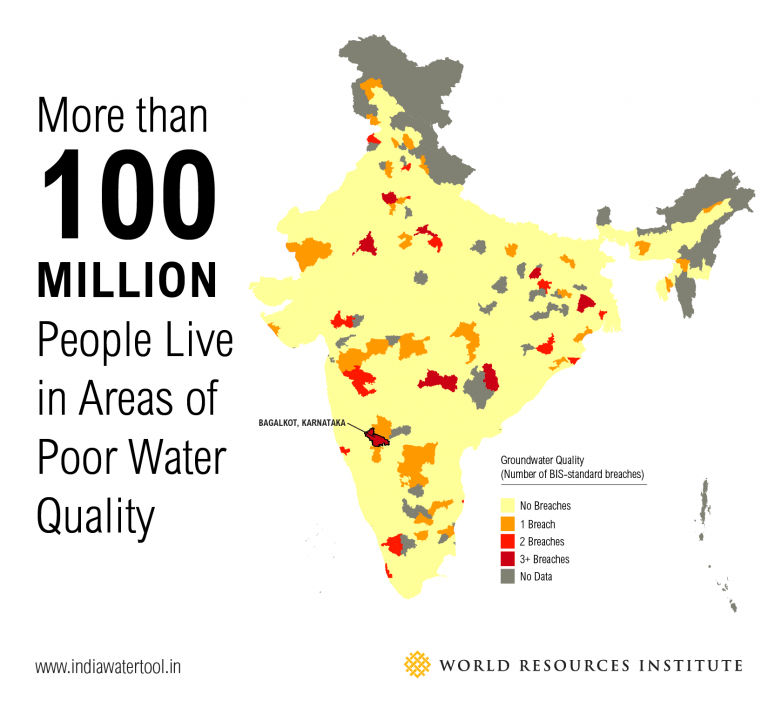
Archaeological researchers had assumed the fall of Great Indus Civilisation was due to a catastrophic water scarcity caused either by shifting rivers or by drastic climate change that forced people to abandon city settlements. And history seems to repeat for present day India again. According to a NITI Aayog report in 2018, about 600 million people, or nearly half of India’s population, are facing extreme scarcity of water. The three-fourths of India’s rural households do not have stable running water supply and rely on sources that can cause serious health risks. The report also stated that India has become the world’s largest extractor of groundwater, accounting for 25% of the total. Moreover, 70% of the water sources were labelled as contaminated .And the conclusion of the report was ‘India is suffering from its worst water crisis in its history.’ It also pointed out 21 Indian cities to be run out of groundwater by 2020.
Reasons behind Water Crisis in India
1. Climate Change : The North-East monsoon is responsible for 10%-20% rainfall of the total rainfall in India, while the South-West monsoon provides approximately 80% of rainfall. In 2018, the North-East monsoon decreased by 44% and the South-West monsoon was deficient by 10%, causing the total rainfall in the area to decrease by 36 percent in comparison to the 50-year average. Because of the lower rainfall, water levels in reservoirs across the country decreased and led to extreme shortages of water in many major cities of India
. 2. Ground Water Extraction: Groundwater meets more than half of the country’s need of water supply and nearly 89% of the groundwater extracted in India is used for irrigation purposes. The traditional techniques of irrigation are also to blame for the water crisis as they result in a majority of water loss and evaporation during the irrigation process.
3. Pollutions in Our Rivers: Due to the lack of long term water management plans, most of the country’s rivers either run dry or have remained polluted over decades. The national river of Ganges is also the one that is most severely polluted, which is mainly resulted from untreated sewage of densely populated cities, industrial waste as well as due to religious ceremonies in and around the river.
4. Wastage of Unmanaged Water : According to the Central Water Commission, even though climate change has resulted in a reduction in rainfall and lack in underground water reservoirs, the country still receives enough rainfall to meet the needs of over 1 billion people. However, India only catches only 8 percent of its annual rainfall due to poor rainwater harvesting. Also for lacking the treatment of wastewater reuse, approximately 80% of domestic wastewater is drained out as waste and ends up flowing into salt water bodies.
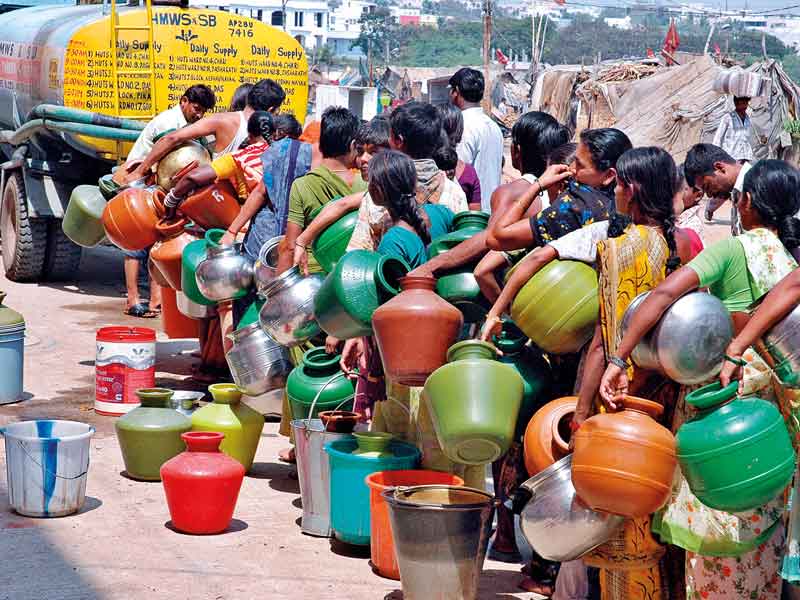
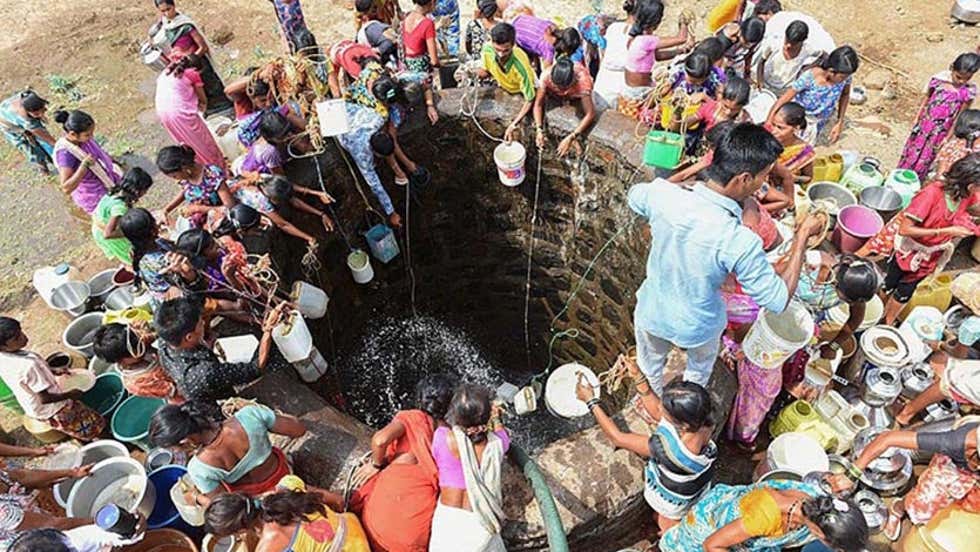
Struggle for daily water collection in water-stressed areas of India
Effects of Water Crisis in India: Where We Stand Today
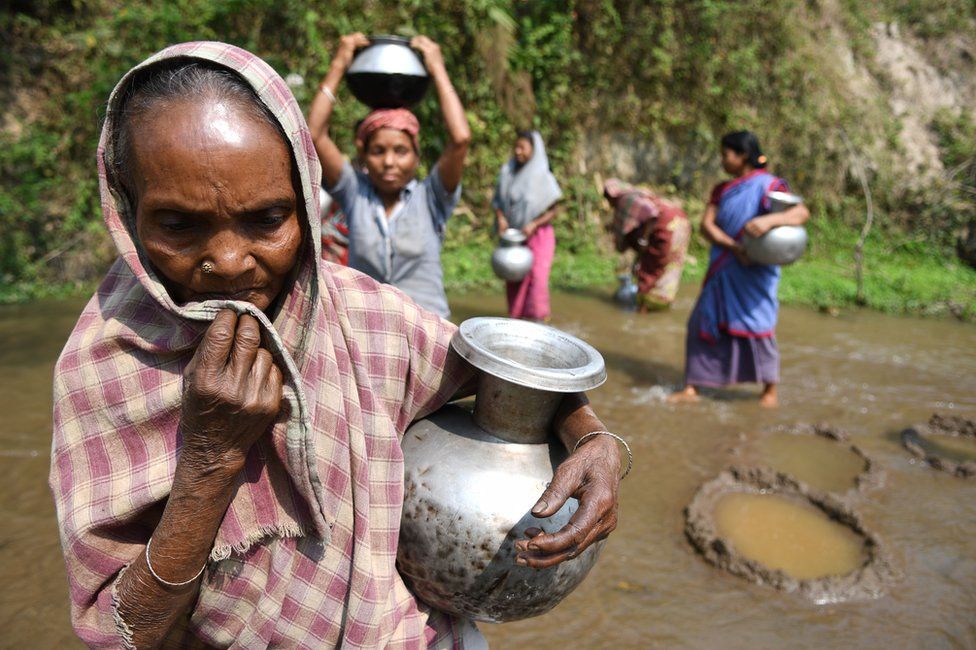
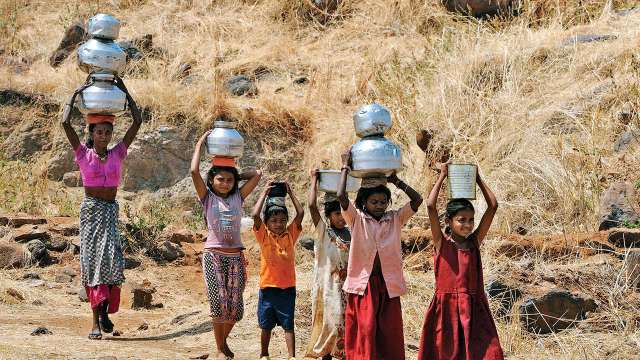
As many as 256 of 700 districts have reported ‘critical’ or ‘over exploited’ groundwater levels, according to a data from the Central Ground Water Board (2017). Fetching water in India has been perceived as a women’s job for centuries, especially in the rural areas. As groundwater resources come under increasing pressure due to over-reliance and unsustainable consumption, wells, ponds drying out fast, escalating the water crisis and placing even greater burden of accessing water on women. A rural woman in Rajasthan walks over 2.5 kilometres to reach a water source, according to a report by the National Commission for Women. Moreover, according to a non-profit named Water, women around the world spend a collective 200 million hours fetching water for their family. In addition to the time spent collecting water, millions may also spend significant amounts of time finding a place to go to relieve themselves. This makes up an additional 266 million hours lost each day. The acute crisis has even led to polygamy in one drought-prone village of Maharashtra. This involves having more than one spouse to collect water. The arrangement is termed as ‘water wives’.
The struggle for women
The Solution to the Crisis: Future Stands
Children also becoming victims of Water Crisis
The Government has taken up the most important role to eradicate the crisis by forming the Ministry of Jal Shakti and launching “Jal Jeevan mission”- Rural in 2019 to promote “Har Ghar Jal” by 2024. Goa and Telengana have achieved the first two Indian states to reach “Har Ghar Jal“, while Andaman & Nicobar Islands and Puducherry became first Indian Union Territories to reach the milestone. In 2021, “Jal Jeevan mission”-Urban was launched to complement the project. “Jal ShaktiAbhiyan-Catch the rain” is also introduced to capture and reuse of rain water at the grassroot level as a Jan Andolan. Along with this, for the cleaning and filtration of Ganges river “Namami Gange” had been rolled out as a national flagship mission. Coastal Reservoirs, Desalination of sea water and improved irrigation techniques are now been adopted to address the crisis.
Conclusion
Along with time, active participation from every layer of society in solving the water crisis of India is being witnessed. The youth has come forward with an appealing message to properly addresses the crisis and solve the drawbacks together. Now, the emerging awareness spreading among masses India can hope for a better future to handle the crisis more effectively.
All day all night we hear people talk how important it is to have a healthy body and heart. How companies market their products on the prospect of delivering a healthy and fit body, mind and heart. But all these advertisement, marketing etc, are they really about the healthy body? Or are they only about the perfect body? The body which is popularly accepted and appreciated view of a healthy body is taken as the perfect body. Ever since the beginning of the human life, individuals have been involved in various physical activities not just to feed them self but also to stay healthy and fit and in this light the GYM culture was born. But as time progressed and humans got an understanding of beauty and gorgeous body they started with the obsession of having and making other people know about their perfect body. This obsession could be more dangerous than any other addiction.
Bollywood Influence=
As beings grow up and realise that the bollywood culture is all about the body that could serve as the apt body for a dancer, a model, an actor, they start struggling for this body. The bollywood influences not only the perspective a person has about overall aspect of perfect body but also they serve as the base for the self complex that people face after they find out that getting the perfect body isn’t a true reality but sometimes rather a myth. The actors toil hard in getting their shape right for all the right reasons of portraying their best selves but as they devote their entire time for it, it might look effortless to achieve. But when individuals fail in getting near to that perfect body they start hating themselves and end up with their worst self, not physically but mentally.
Societal Pressures=
However blaming bollywood for every other thing isn’t the goal. But rather is to highlight the fact that bollywood gets its movies from the society around and hence, it is actually the society that manifests a type of body as the perfect body. We see older men and women commenting mercilessly on the younger generations’ body and eating habits. Though correcting them for their wrongs might be okay sometimes but completely rejecting their bodies for they do not serve rightly on their perception of perfect body is erroneous. They body shame not the ones who are overweight or underweight but even the one who discard their standard of beauty and perfectness. The uncles and aunties in the mask of wanting the welfare of the children of their ‘family’ stoop low to another level.
Self love=
Today with people coming out with their stories of distress and anxiety because of the kind of body they have, many organisations and individuals have been promoting the values of body positivity and self love. Body positivity is about accepting who you are and loving thee body as god made it. Though exercising might help in increasing stamina and keeping you happy and healthy but body positivity is about exercising with the love for the body and not the hate, it is about working out for own happiness and not because our body is flawed. Self love is actually the key to the perfect body- a body that is healthy, free of diseases, with a happy heart and liberated mind.
2021 Theme: Yoga for well-being The Day will be marked at a time when COVID-19 pandemic continues to upend lives and livelihoods of people globally.
Beyond its immediate impact on physical health, the COVID-19 pandemic has also exacerbated psychological suffering and mental health problems, including depression and anxiety, as pandemic-related restrictions continue in various forms in many countries. This has highlighted the urgent need to address the mental health dimension of the pandemic, in addition to the physical health aspects.
The message of Yoga in promoting both the physical and mental well-being of humanity has never been more relevant. A growing trend of people around the world embracing Yoga to stay healthy and rejuvenated and to fight social isolation and depression has been witnessed during the pandemic. Yoga is also playing a significant role in the psycho-social care and rehabilitation of COVID-19 patients in quarantine and isolation. It is particularly helpful in allaying their fears and anxiety.
Recognizing this important role of Yoga, this year’s commemoration of the International Day of Yoga focuses on “Yoga for well-being” – how the practice of Yoga can promote the holistic health of every individual.
The United Nations offers yoga resources to its personnel and others on the COVID-19 portal’s section on Wellness.
The World Health Organization mentions yoga as a means to improve health in its Global action plan on physical activity 2018–2030: more active people for a healthier world.
UNICEF says kids can practice many yoga poses without any risk and get the same benefits that adults do. These benefits include increased flexibility and fitness, mindfulness and relaxation.
2021 virtual event The Permanent Mission of India to the United Nations invites you to an online celebration of the 7th annual International Yoga Day on 21 June 2021, from 8:30 to 10:00 am EST, broadcast live on UN WebTV.
The event opened with messages from the President of the United Nations General Assembly and the Deputy Secretary-General of the United Nations, which was followed by demonstrations of Yoga exercises (asanas) to improve physical, mental, emotional and spiritual health and an interactive panel discussion on “Yoga for well-being.”
What is Yoga and why do we celebrate it? Yoga is an ancient physical, mental and spiritual practice that originated in India. The word ‘yoga’ derives from Sanskrit and means to join or to unite, symbolizing the union of body and consciousness.
Today it is practiced in various forms around the world and continues to grow in popularity.
Recognizing its universal appeal, on 11 December 2014, the United Nations proclaimed 21 June as the International Day of Yoga by resolution 69/131.
The International Day of Yoga aims to raise awareness worldwide of the many benefits of practicing yoga.
The draft resolution establishing the International Day of Yoga was proposed by India and endorsed by a record 175 member states. The proposal was first introduced by Prime Minister Narendra Modi in his address during the opening of the 69th session of the General Assembly, in which he said: “Yoga is an invaluable gift from our ancient tradition. Yoga embodies unity of mind and body, thought and action … a holistic approach [that] is valuable to our health and our well-being. Yoga is not just about exercise; it is a way to discover the sense of oneness with yourself, the world and the nature.”
The resolution notes “the importance of individuals and populations making healthier choices and following lifestyle patterns that foster good health.” In this regard, the World Health Organization has also urged its member states to help their citizens reduce physical inactivity, which is among the top ten leading causes of death worldwide, and a key risk factor for non-communicable diseases, such as cardiovascular diseases, cancer and diabetes.
But yoga is more than a physical activity. In the words of one of its most famous practitioners, the late B. K. S. Iyengar, “Yoga cultivates the ways of maintaining a balanced attitude in day-to-day life and endows skill in the performance of one’s actions.”
Plastic waste management is a collective term for various approaches and strategies used to recycle plastic materials that would otherwise be dumped into landfills, or bodies of water, or otherwise contaminate the environment. The idea behind this type of waste management is to utilize those discarded materials to manufacture new plastic products without the need to actually generate additional plastic materials. Doing so can help lower production costs as well as protect the environment.
Many different types of industries participate in some type of plastic waste management process. Some are specifically geared toward collecting plastic items for recycling. For example, many supermarkets encourage customers to contribute unwanted plastic bags into a recycling container located near the front of the store. The collected bags are then forwarded to recycling centres where the material is processed for use in the production of new products made from the recycled plastic.
Businesses that produce plastic products also engage in the task of plastic waste management. This often focuses on finding ways to recycle or reuse excess plastic that is discarded as units of different goods are produced. These plastic remnants can often be collected and ran through an internal recycling process to create additional products for sale. Not only does this approach prevent the disposal of the used materials into a landfill, it also allows the company to lower the actual cost associated with manufacturing each unit of its product line.
In some cases, businesses outsource the process of plastic waste management. Contracting with a waste management company makes it possible for unwanted plastic items to be collected and removed from the premises without expending additional company resources. Municipalities sometimes work with a waste management disposal company in creating plastic recycling programs that allow households to conveniently dispose of plastic milk jugs, broken plastic toys, and other plastic items without placing them into the trash. Depending on the nature of the arrangement with the plastic waste management company, the municipality may actually earn a small amount from the arrangement, creating another stream of revenue for the city or town that can be used to fund services offered to residents.
Any type of plastic waste management must be conducted in compliance with regulations set by local, state, and federal governments. This includes using recycling methods that are considered to be environmentally friendly, and that are not likely to create health risks for individuals living and working in the community. Since regulations regarding recycling vary somewhat from one jurisdiction to another, it is important to determine what is and is not allowed before establishing any type of ongoing program to deal with plastic waste.
Getting ahead or wealthy in life can be challenging. There are certain daily habits one must follow to achieve success. These habits enable people to use their potential and get things done on time. Many successful and wealthy people are said to have followed or maintained these habits to get to where they are today. So let us do ourselves a favor today by learning about some of these habits.
Everyday isn’t going to be a bliss in our lives. Instead, each day brings with it a challenge and problem of its own. But we don’t have to be upset or defeated by them. A positive attitude is one of the key habits of successful people that you can adopt. It is the habit of finding positive attributes in every challenge you face.
You might be overwhelmed and swamped with problems in your lives, but the idea that one day you will emerge as a resilient and a strong person after going through them can be relatively less draining.
After all, we can only control our reactions and not our circumstances.
The path to success is not always about solitude. It requires you to share your ideas with others and even help others. One doesn’t have to be super rich to help or share with people around them. You can share your ideas with people that can benefit you as well as them. Volunteering for a cause is also a great idea of helping and sharing with your community.
J.K. Rowling says that she used to read anything that comes her way as a child. She states that one must read as much as possible as nothing is as rewarding as reading. Today there are books, e-books and blogs being written on every possible field. You can read from a wide range of reading materials based on your fields of interest.
Reading also helps you develop your vocabulary. You can post or publish your own writings based on the knowledge and vocabulary you have gained by your readings.
Frugality is the habit of being cautious with expenditures. Successful people are very thrifty with their money and resources. They draw comparisons while making deals or purchases and find ways to save money. It is also known as being economical. Economically spending can result in reduction of wastage on resources and money. Thus leading to efficiency.
Success and wealth has often been associated with the habit of rising early. Early risers can devote more time to their work and get more things done. It is again one of the key habits of successful people that you can adapt. There are several benefits of rising early in the morning such as:
Enhancement of organisation skills as you plan your day ahead under a peaceful and calm environment in the mornings.
Rising early gives you enough time to prepare a healthy breakfast which is important to carry on the following tasks of the day.
Rising early puts you at the advantage of being on time. You get the following tasks of the day done without any delay.
Finally, early rising also helps you sleep early without leaving you watching your phone during midnight.
These are some of the habits of successful people you can adopt to be successful yourself.



/imposter-syndrome-and-social-anxiety-disorder-4156469-1500x1000-Text-Final-0dff055111964814bd698ac1ee8b2576.png)




 Eduindex
You must be logged in to post a comment.