In order provide the gap between JEE mains 3 and JEE mains 4 , NTA has announced to postponed the JEE mains 4 ( may session) .Now Jee mains 4 will be conducted on August 26,27 ,31 , September 1 and 2 ,2021.
The Hon’ble education minister Pradhan says “In view of the persistent demand from the student community and to enable the candidates to maximize their performance, the NTA has been advised to provide a gap of four weeks between session 3 and session 4 of the JEE(Main) 2021 Exam.”
Now the application will be accepted till 20th july 2021.Students whose who have not applied at can do so before 20th july 2021.
The NTA releases official notice stating “With a view to remove hardships caused to candidates and to ensure larger participation of candidates, it has been decided to extend the last date further for: submission of online application form by new candidates and withdrawal/ correction by the existing/ interested candidates for the exam,”
“Science has learned recently that contempt and indignation are addictive mental states. I mean physically and chemically addictive. Literally! People who are self-righteous a lot are apparently doping themselves rhythmically with auto-secreted surges of dopamine, endorphins and enkephalins. Didn’t you ever ask yourself why indignation feels so good?”
~ David Brin
Introduction
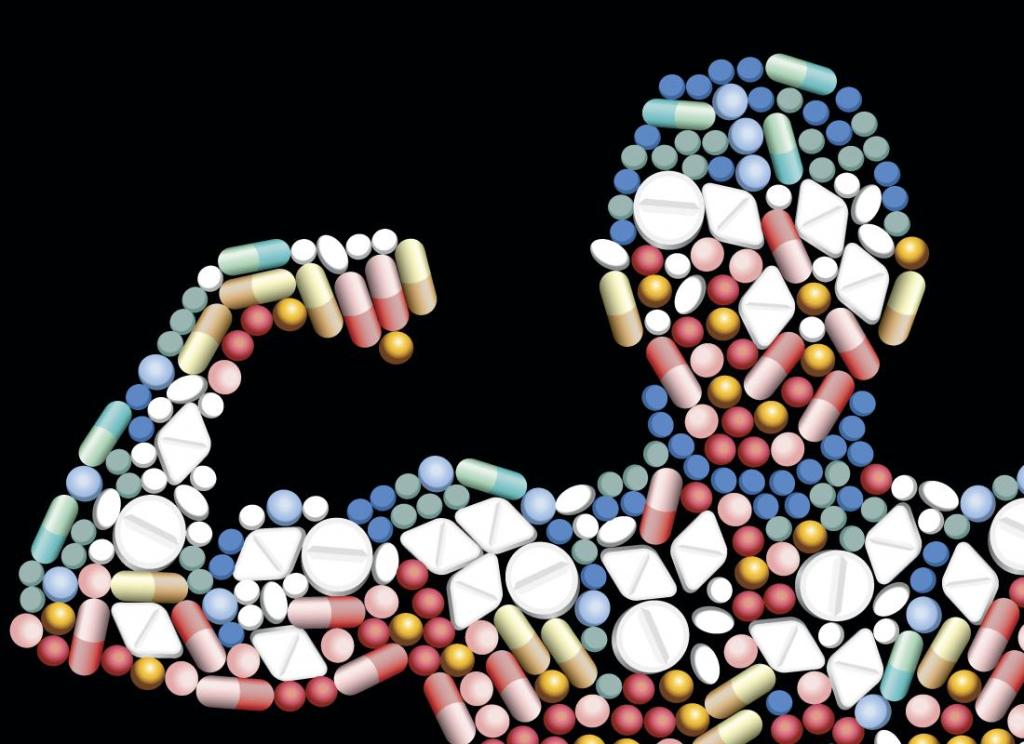
Doping in sport is a widespread problem not just among elite athletes, but even more so in recreational sports. In scientific literature, major emphasis is placed on doping detection, whereas detrimental effects of doping agents on athletes’ health are seldom discussed. Human growth hormone also increases muscle mass, although the majority of that is an increase in extracellular fluid and not the functional muscle mass.
The term doping is widely used by organizations that regulate sporting competitions. The use of drugs to enhance performance is considered unethical, and therefore prohibited, by most international sports organizations, including the International Olympic Committee.
History
According to the World Anti-Doping Agency (WADA), the term “doping” probably comes from the Dutch word “dop,” an alcoholic beverage made of grape skins that was used by Zulu warriors to make them stronger in battle.
Ancient Greek athletes used special diets and stimulating potions to improve performance, and 19th century endurance athletes indulged in strychnine, caffeine, cocaine and alcohol.
The American specialist in doping, Max M. Novich, wrote: “Trainers of the old school who supplied treatments which had cocaine as their base declared with assurance that a rider tired by a six-day race would get his second breath after absorbing these mixtures.”[8] John Hoberman, a professor at the University of Texas in Austin, Texas, said six-day races were “de facto experiments investigating the physiology of stress as well as the substances that might alleviate exhaustion.”
Effects of doping in sports
It builds muscle but causes abnormal growth, heart disease, diabetes, thyroid problems, hypertension, blood cancers and arthritis. Other adverse effects include joint pain, muscle weakness, visual disturbances, enlarged heart and diabetes.
Other side effects include:
Heart palpitations.Heart rhythm abnormalities.
Weight loss.
Tremors.
Mild high blood pressure (hypertension)
Hallucinations.
Stroke.
Heart attack and other circulatory problems.
Constipation.Skin rash or dermatitis.
Diarrhea.
Dizziness.
Drowsiness.
Dry mouth.
Headache.
Insomnia.
UFC ( Ultimate Fighting Championship ).
In December 2013, the UFC began a campaign to drug test their entire roster randomly all year-round. Random testing, however, became problematic for the promotion as it began to affect revenue, as fighters who had tested positive would need to be taken out of fights, which adversely affected fight cards, and therefore pay-per-view sales.
According to Steven Marrocco of MMAjunkie.com, about 31% of UFC fighters subjected to random testing since the program first started have failed due to using performance-enhancing drugs. That is approximately five failed tests for every sixteen random screenings.
From July 2015, the UFC has advocated to all commissions that every fighter be tested in competition for every card. Lorenzo Feritta, who at the time was one of the presidents of the UFC, said, “We want 100 percent of the fighters tested the night they compete”. Also, in addition to the drug testing protocols in place for competitors on fight night, the UFC conducts additional testing for main event fighters or any fighters that are due to compete in championship matches.
Indians are among the shortest people in the world on average. Despite impressive rates of economic growth in India over the past decade or two, India remains one of the worst performing countries worldwide in terms of height, among both children and adults. This is unusual because data and research has shown that over time people become progressively taller as living standards improve. There has, however, been an increase in average height in India itself as the standards of living have increased. Between 1914 and 2014, the average height of Indian men increased by about 3cm to become 165 cm, while women grew taller by about 5cm to become 153 cm. Also, it seems that children in India today are much taller than their parents were at their age, according to studies conducted into the matter. But why are Indians still shorter than the global average while Most countries have shown an increase in height over the past century or so?
Some Factors
Genes contribute to only a small portion of a person’s height, and so most scholars around the world have disregarded the hypothesis that genetic factors are of prime importance in explaining the small stature among Indians relative to international standards. Instead, it has been identified that environmental factors such as the mother’s health, infant and child nutrition, sanitation and environmental pollution are the major reasons for smaller heights in India. Nutrition here not only implies that there is malnutrition in the country, but also the fact that India has a very large vegetarian population. This means that many people are not gaining nutrition from a very good source: meat. Protein obtained through meat is great for growing height. Though vegetarians can get protein from dal or soybean, they are not nearly as good sources of protein, and the best quality of protein comes from animal sources. Apart from this, the low status of women in Indian society, high rates of gastro-intestinal infections spread by the widespread practice of open defecation (especially in rural areas), and certain eating habits are said to contribute to height.
Furthermore, research has shown that forward caste men are the tallest in India, and scheduled caste and scheduled tribe men are the shortest. This is proof of the fact that better living conditions and nutrition helps in height growth. Thus, there is decreased importance of genetic factors in explaining the disappointing growth performance of Indians, and it is more of the socioeconomic and environmental factors prevailing in India. This is evidenced by the fact that ethnic Indian adults in England are much taller than in India, because of their standard of living and environment.
Conclusion
Today in India, children are definitely much healthier and better-fed than they used to be, and adults are gradually getting taller than their previous generation. However, Indians are still much shorter than Americans or Europeans, and it is estimated that the height difference will take around 250 years to eliminate at the British growth rate. And the reason behind all this is not Indian genetics, but rather things like malnutrition and poverty in the country. Today, nearly 40 percent of Indian kids today are short enough to be classed as stunted by international standards. Furthermore, it is mostly Indian men that we see gradually growing in height to meet the international average, while women are growing taller at less than a third of the rate at which Indian men are growing taller. This matches the pattern of discrimination that we often see in India, which is a mostly patriarchal country. Hence, we will only be able to increase in average height if we are able to raise the standard of living for everyone in the country and aim for equitable treatment of all.
Over the years, Unesco has declared a number of world historic sites in India due to their exceptional cultural or physical significance. From natural wonders to architectural marvels, there is something for everyone on this list. The United Nations Educational, Scientific, and Cultural Organization (UNESCO) aims to promote the identification, protection, and preservation of cultural and natural heritage that is of exceptional importance to mankind across the world and the UNESCO world heritable committee maintains the list of World Heritage Sites.
India now possesses 38 World Heritage Sites, making it the world’s sixth largest country in terms of World Heritage Sites.
According to UNESCO, India has 30 cultural sites, 7 natural sites, and 1 mixed sit. In this article we will know about the permanent and tentative world heritage sites in india state and union territory wise.
PERMANENT LIST OF WORLD HERITAGE SITES IN INDIA
State/UT
Cultural(30)
Natural(7)
Mixed(1)
Uttar Pradesh
Agra Fort (1983)Fatehpur Sikri (1986)Taj Mahal (1983)
Maharashtra
Ajanta Caves (1983)Chhatrapati Shivaji Terminus (formerly Victoria Terminus) (2004)Elephanta Caves (1987)Ellora Caves (1983)Victorian Gothic and Art Deco Ensembles of Mumbai (2018)
Western Ghats (2012)
Bihar
Archaeological Site of Nalanda Mahavihara at Nalanda, Bihar (2016)Mahabodhi Temple Complex at Bodh Gaya (2002)
Madhya Pradesh
Buddhist Monuments at Sanchi (1989)Khajuraho Group of Monuments (1986)Rock Shelters of Bhimbetka (2003)
Gujarat
Champaner-Pavagadh Archaeological Park (2004)Historic City of Ahmadabad (2017)Rani-ki-Vav (the Queen’s Stepwell) at Patan, Gujarat (2014)
Western Ghats (2012)
Goa
Churches and Convents of Goa (1986)
Western Ghats (2012)
Tamil Nadu
Great Living Chola Temples (1987,2004)Group of Monuments at Mahabalipuram (1984)Mountain Railways of India (1999,2005,2008)
Western Ghats (2012)
Karnataka
Group of Monuments at Hampi (1986)Group of Monuments at Pattadakal (1987)
Western Ghats (2012)
Rajasthan
Hill Forts of Rajasthan (2013)Jaipur City, Rajasthan (2019)The Jantar Mantar, Jaipur (2010)
Keoladeo National Park (1985)
Delhi
Humayun’s Tomb, Delhi (1993)Qutb Minar and its Monuments, Delhi (1993)Red Fort Complex (2007)
Chandigarh
The Architectural Work of Le Corbusier, an Outstanding Contribution to the Modern Movement (2016)
West Bengal
Mountain Railways of India (1999,2005,2008)
Sundarbans National Park (1987)
Himachal Pradesh
Mountain Railways of India (1999,2005,2008)
Great Himalayan National Park Conservation Area (2014)
Orissa
Sun Temple, Konârak (1984)
Assam
None
Kaziranga National Park (1985)Manas Wildlife Sanctuary (1985)
Uttarakhand
None
Nanda Devi and Valley of Flowers National Parks (1988,2005)
Kerala
None
Western Ghats (2012)
Sikkim
None
Khangchendzonga National Park (2016)
TEMPERORY WORLD HERITAGE SITES IN INDIA
STATE/ UNION TERRITORY
HERITAGE SITES
West Bengal
Temples at Bishnupur, West Bengal (1998)Neora Valley National Park (2009)Santiniketan (2010)
Kerala
Mattanchery Palace, Ernakulam, Kerala (1998)Padmanabhapuram Palace (2014)
Uttar Pradesh
Ancient Buddhist Site, Sarnath, Varanasi, Uttar Pradesh (1998)
Punjab
Sri Harimandir Sahib, Amritsar, Punjab (2004)
Assam
River Island of Majuli in midstream of Brahmaputra River in Assam (2004)Moidams – the Mound-Burial system of the Ahom Dynasty (2014)
Arunachal Pradesh
Namdapha National Park (2006)Thembang Fortified Village (2014)
Gujarat
Wild Ass Sanctuary, Little Rann of Kutch (2006)Wild Ass Sanctuary, Little Rann of Kutch (2006)Dholavira: A Harappan City (2014)Archaeological remains of a Harappa Port-Town, Lothal (2014)
Rajasthan
Desert National Park (2009)
Telangana
The Qutb Shahi Monuments of Hyderabad Golconda Fort, Qutb Shahi Tombs, Charminar (2010)Monuments and Forts of the Deccan Sultanate (2014) Qutb Shahi Monuments at HyderabadThe Glorious Kakatiya Temples and Gateways (2014)Remnants of Swayambhu temple and Keerthi Thoranas, Warangal fortRudreswara Temple, HanumakondaRudreswara (Ramappa) Temple, Palampet
Jammu & Kashmir
Mughal Gardens in Kashmir (2010)Cold Desert Cultural Landscape of India (2015)the Leh-Kargil areas of Ladakh
Delhi
Delhi – A Heritage City (2012)Bahá’í House of Worship, New Delhi (2014)
Karnataka
Monuments and Forts of the Deccan Sultanate (2014)Bahmani Monuments at GulbargaBahmani and Barid Shahi Monuments at BidarAdil Shahi Monuments at BijapurMonuments of Srirangapatna Island Town (2014)Sacred Ensembles of the Hoysala (2014)
Andaman & Nicobar Islands
Cellular Jail, Andaman Islands (2014)Narcondam Island (2014)
Madhya Pradesh
Group of Monuments at Mandu, Madhya Pradesh (1998)The historic ensemble of Orchha (2019)
Tamil Nadu
Sri Ranganathaswamy Temple, Srirangam (2014)
Odisha
Chilika Lake (2014)Ekamra Kshetra – The Temple City, Bhubaneswar (2014)
Himachal Pradesh
Cold Desert Cultural Landscape of India (2015)Spiti Valley
Delhi, UP, Uttarakhand and Himachal to Receive Heavy Rainfall Next Five Days.
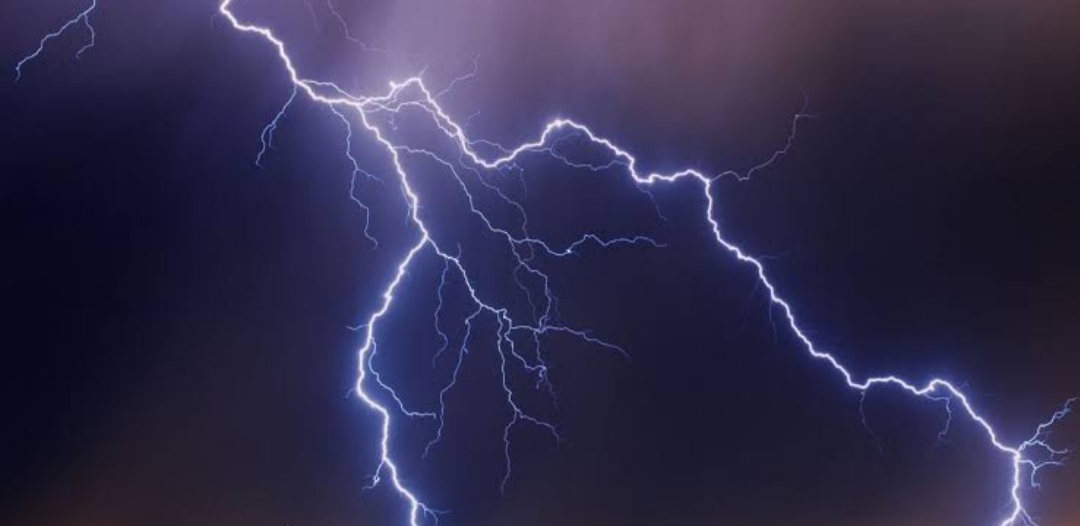
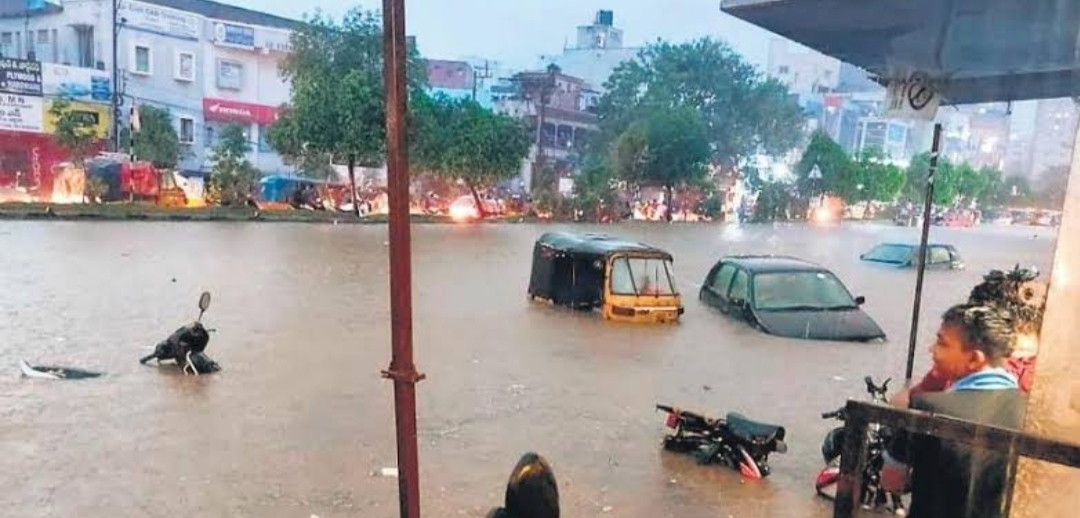
The India Meteorological Department (IMD) has predicted heavy to very heavy rainfall at some places of North India, including Delhi, Uttar Pradesh, Himachal Pradesh, Uttarakhand, during the next 5 days.
The department has also issued an orange alert in Rajasthan and Jammu and Kashmir. It also issued a yellow alert in Himachal Pradesh and Uttarakhand, which are facing heavy losses due to cloudburst. The Metrological department issued a red alert for Madhya Maharashtra and Goa.
The prediction are taken at a time when monsoon has entered in most of the states of the country.
Following are the meaning of the color of the alert issued by authorities::
Green Alert: It means there is no danger as there is no chance of rain.
Yellow Alert: This alert means that there will be rainfall and weather will remain unclear
Orange Alert: This means that there is a full possibility of rainfall and thunderstorms. So one should not go out unless it is absolutely necessary.
Red Alert: Red Alert means warning of dangerous weather. Through this alert, people are warned against going out of their homes.
The moisture-laden winds are advancing from the Bay of Bengal towards all parts of the country due to changes in conditions that promote the advancement of these winds.
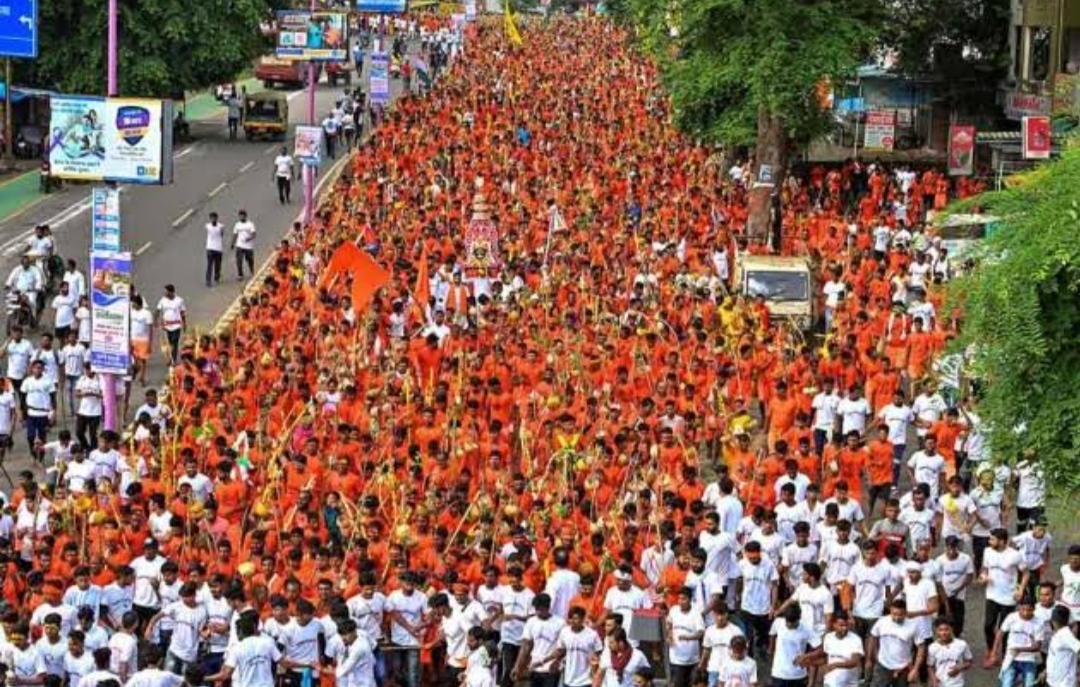
The Kanwar Yatra is the annual pilgrimage of the devotees of Shiva known as Kanvaria; to Hindu pilgrimage places like Haridwar, Gaumukh and Gangotri in Uttarakhand and Sultanganj in Bihar to fetch the holy waters of the Ganges River to pour it on various Shiva temples in India.
Kanwar Yatra: UP CM requests Uttarakhand govt to allow entry into Haridwar for some devotees.
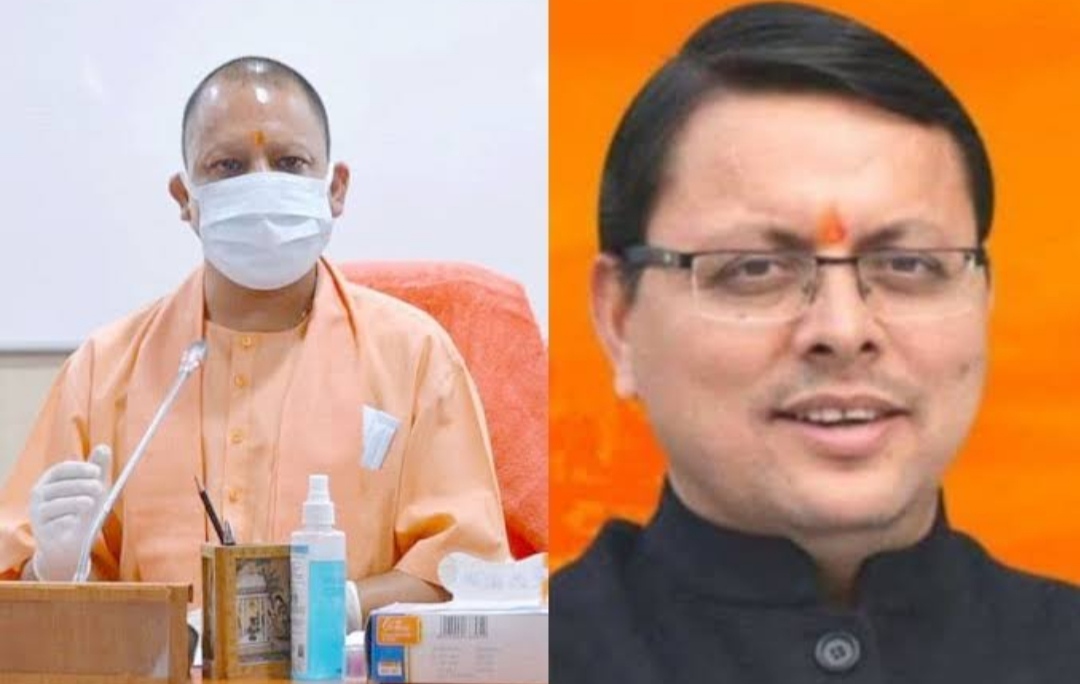
UP CM Adityanath has requested his counterpart in Uttarakhand, Pushkar Singh Dhami, to allow some devotees from UP to travel to Haridwar for the Kanwar Yatra.
The Uttarakhand government has decided to call off the annual Kanwar Yatra for the second year in a row in view of the Covid-19 pandemic. This decision was taken by CM Pushkar Singh Dhami on Tuesday.
At the same time, the Uttar Pradesh government decided to go ahead with the pilgrimage with strict curbs. CM Yogi Adityanath directed officials to ensure that devotees are allowed to take part in the Kanwar Yatra only after they attain a negative RT-PCR test report.
UP CM Adityanath was requested by Uttarakhand CM to allow a limited number of devotees from the state to visit Haridwar for the Kanwar Yatra.
Since the beginning of India’s foundation, Panchayats have been the pillar of Indian rural set up. According to Mahatma Gandhi, development and governance in India should not be in big cities and towns but in rural areas and small villages because majority of Indian population resides in villages.
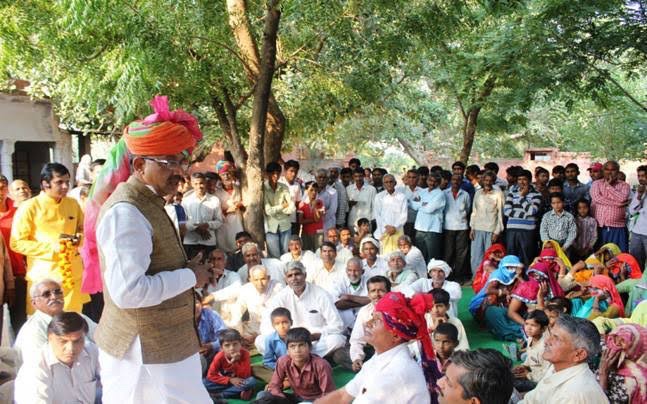
A Panchayati Raj meeting in India. Picture Credits: India Today.
The Panchayati Raj system in India derives its existence from Indian Constitution under Part IX under the head The Panchayats. When power is taken away from Central and State Governments and given to local government, it is called decentralisation.
Most of our Indian states like Uttar Pradesh, Maharashtra are internally very diverse. There is thus a need for power sharing within these states. Federal power sharing in India needs another tier of government, below that of the State governments. This is the rationale for decentralisation of power. Thus, this resulted in a third-tier of government, called local government. People have better knowledge of problems in their localities.
The need for decentralisation was recognised in our constitution. Since then there have been several attempts to decentralise power to the level of villages and towns. Panchayats in villages were set up in all states. An independent institution called the State Election Commission has been created in each state to conduct Panchayat elections.
A major step towards decentralisation was taken in 1992. The Constitution was amended to make the third-tier of democracy more powerful and effective. Now it is constitutionally mandatory to hold regular elections to local government bodies.
Now it is constitutionally mandatory to hold regular elections to local government bodies. Seats are reserved in the elected bodies and the executive heads of these institutions for the Scheduled Castes, Scheduled Tribes and Other Backward Classes. At least one-third of all positions are reserved for women. The State governments are required to share some powers and revenue with local government bodies. The nature of sharing varies from State to State.
Rural Local Governments is popularly known by the name panchayati raj. Each village or a group of villages in some states have a gram panchayat. This is a council consisting of several ward members often called panch, and a president or sarpanch. They are directly elected by all the adult population living in that ward or village. It is the decision making body of the entire village. The Panchayat works under the overall supervision of the gram sabha. All the voters in the village are its members. It has to meet at least twice or thrice in a year to approve the annual budget of the gram panchayat and to review the performance of the gram panchayat.
The local government structure goes right up to the district level. A few gram panchayats are grouped together to form what we call as a panchayat samiti or block or mandal. The members of this representative body are elected by all the panchayat members in that area. All the panchayat samitis in a district together constitute the zilla parishad.
Despite of the many flaws, Panchayats have contributed a lot maintaining the rule of law inside villages and educating the rural population about various different matters pertaining to their interests.
“The unthinkable is that we’re distorting this atmospheric balance. We’re shifting the chemical balance so that we have more poisons in the atmosphere – ozones and acid rain on ground level – while we’re also changing the thermal climate of the earth through the greenhouse effect and – get this – simultaneously causing destruction of our primary filter of ultraviolet light. It’s incredible. Talk about the national-debt crisis – we’re piling up debts in the atmosphere, and the piper will want to be paid.”
~ Michael Oppenheimer
Introduction
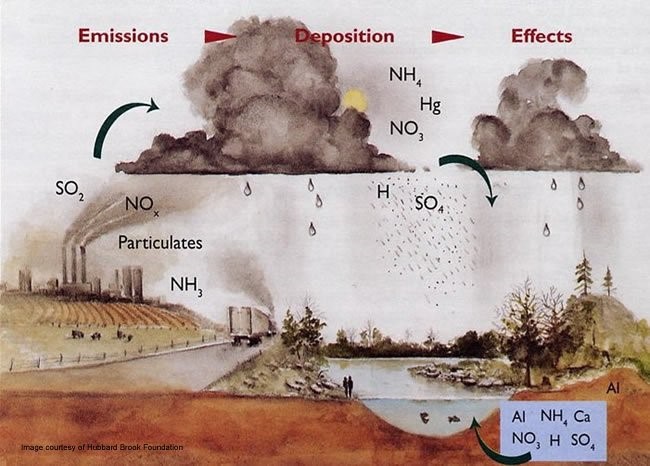
Acid rain, or acid deposition, is a broad term that includes any form of precipitation with acidic components, such as sulfuric or nitric acid that fall to the ground from the atmosphere in wet or dry forms. This can include rain, snow, fog, hail or even dust that is acidic.
Acid rain is caused by a chemical reaction that begins when compounds like sulfur dioxide and nitrogen oxides are released into the air. These substances can rise very high into the atmosphere, where they mix and react with water, oxygen, and other chemicals to form more acidic pollutants, known as acid rain.
It can have harmful effects on plants, aquatic animals, and infrastructure.
Effects of Acid Rain
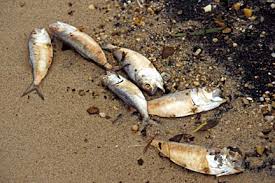
The ecological effects of acid rain are most clearly seen in aquatic environments, such as streams, lakes, and marshes where it can be harmful to fish and other wildlife. As it flows through the soil, acidic rain water can leach aluminum from soil clay particles and then flow into streams and lakes.
Acid rain has been shown to have adverse impacts on forests, freshwaters, and soils, killing insect and aquatic life-forms, causing paint to peel, corrosion of steel structures such as bridges, and weathering of stone buildings and statues as well as having impacts on human health.
Acid rain also causes the corrosion of water pipes. Which further results in leaching of heavy metals such as iron, lead and copper into drinking water.
Prevention
1. The only precaution that we can take against acid rain is having a check at the emission of oxides of nitrogen and sulphur. 2. We have so far seen the details of acid rain and its harmful effect on animals, plants and the monuments. 3. Being responsible citizens, one should be aware of the harmful effects they cause and of the industries which give out nitrogen and sulphur compound wastes unethically. 4.A great way to reduce acid rain is to produce energy without using fossil fuels. Instead, people can use renewable energy sources, such as solar and wind power. Renewable energy sources help reduce acid rain because they produce much less pollution.
Acid Rain in India
Analysis of rainwater samples from Nagpur, Mohanbari (in Assam), Allahabad, Visakhapatnam and Kodaikanal in the decade 2001-2012 showed a pH level varying from 4.77 to 5.32, indicating that these places have actually been receiving ‘acid rain’. Rainwater with pH below 5.65 is considered acidic.
As energy requirements in India will grow rapidly in tune with the economy, coal dependence is expected to increase threefold over the current level of consumption, making the clouds of acid rain heavier over many highly sensitive areas in the country – the northeast, parts of Bihar, Orissa, West Bengal ,etc ,.
The rains in the Indian Ocean and the Arabian Sea and the Bay of Bengal have become acidic. Studies show the importance to regularly monitor more places for acid rains. But the mechanism to study acid rains is at present inadequate in India. imd stations are not located in the most polluted areas in the country.
Hinduism is now the third largest religious community with more than 1 Billion followers around the world. After the British rule, the Hindu Religion came to known as Hinduism, but before that Hindu was termed as Sanatana Dharma, Which means the eternal Duty of life, No matter any caste, gender or race. Every Hindu People used to practice the Sanatana Dharam through their whole life. In texts, Sanatana Dharma Was written as a way of living a healthy Life with honesty, Purity, Goodwill, Mercy, & Patience. According to some Scholars, along with Hindu devotees and priests, beliefs that the Hinduism is the oldest religion and has always existed in this world. Around 90% of the total Hindu population lives in India (also Hindustan or Bharat) with different beliefs and culture. India is well known for their mix culture, traditions and the believe in their deities. In Fact, Buddhism and Jainism were also originated in India.
Hinduism Beliefs
As this religion has no specific founder, nobody knows that when and how it was originated, but as per the Hindu priests and many scholars had specified it as an oldest religion. Hindu believes in karma (law of cause and effect). They Worships a single god with a believe in the existence of the other gods or goddess. They believe in soul (Atman) and a pure & gentler way to live. Hindu believes that people should live together without harming any other religion or People in the name of God or as any part of their worshiping. They believe in Moksha (also called as Mukti) which is an Indian Philosophy & Religion, that means release from the cycle of Rebirth. Their Goal of Life is to live with their Dharma in the very proper way the Dharma asks their devotees to live. There many other Interesting beliefs of Hinudusim, one would know if they explore more about it.
Hindu Deities
Devas and Devis are called as the God and Goddess of Hinduism. Hinduism itself is very wide and have different traditions to worship their Deities and that’s the Beauty of this religion. People with different Traditions are united by Hinduism and they live together. Some of the Deities are:-
Lord Brahma
Lord Vishnu
Goddess Saraswati
Lord Shiva
Lord Krishna
Goddess Lakshmi
Many other religions have also adopted the Hindu Deities and the traditions outside the India. In the medieval era the texts of Hinduism describe the Human Body as Temple and the soul as the deities residing it.
The Yugs (Era)
There are 4 different Yugs (Era) Every Yuga is Shorter than the preceding one and in each Yuga the humanity will be found less than the Old Yugas. The 4 Yugs are:
Satya Yug
Treta Yug
Dvapara Yug
Kali Yug
Kali Yug Lasts for 4,320,000 years (12,000 divine years). The Kali Yug (Present Era) is Believed that started around 3102 BCE. In the ancient texts of Purans it was also written that the Kali Yug will be dominated by Hatred, intolerance, lust, and corruption.
Hinduism Origin
The Vedic Period where Vedas Were written was lasted around 1500 BC to 500 BC. At that period rituals Used to make sacrifices, chants, and many other mystical practices of that periodic time. It was really hard to be found the exact time period that when did the Hindu religion was actually originated. As per scholars the birth of Hinduism was found in the Indus River Valley, which runs through Northwest India to Pakistan. It was originated around 4500-5000 BCE. The Indus River Valley was diminished around 1800 BC cause of climatic conditions. It was also named as Sindhu as, a Sanskrit Word. It’s location created a lot of problems because of the Iranian plateau. Around 712 AD, Muslims invaded the The Indus Valley.
Around the 7th century, Muslim Arabs began Invading Areas in India. In 1200 to 1757, Islamic ruler prevented Hindus worshipping their Deities. Some of the Hindu Temples were also destroyed around 1757 to 1947, under British Control. Some Christaniers were also found to convert & westernize the Hindu people, which is still happening around the Country.
Hinduism Holy Books
The Vedas were written around 1500 BC. That Book was filled with prayers and verses written by the Hindu Saints in Sanskrit letters and it includes:
The Rig Veda
The Samaveda
Yajurveda
Atharvaveda
Hindu Festivals
Hindu festivals are well known for the way of believing & celebrating it, with full of Joy and worshipping Hindu deities, Devotees enjoy their festival days. Some Of the Hindu festivals Are:
Hindu Culture is filled with joy, teaches a better way of living, Unites the people, Gives freedom to worship the god that their devotees believe, and always wanted people to live in a better place with their family and to enjoy the worshipping.
The theory of narco-terrorism stems from the realization that the two phenomena of drugs trafficking, and terrorism are inextricably linked, and that, as a result, a coordinated anti-drug and anti-terror policy can and must be employed to effectively combat both threats. Because of its nefarious partnership with terrorist groups, narcotic trafficking, which began as an organized cross-border crime, has now evolved into a menace to nation states.
Although it has been known for decades that there is a relationship between the drugs trade and terrorist organizations, as suggested by the name narco-terrorism, the international focus on terrorism after September 11, 2001, has intensified the attention given to the issue of narco-terrorism.
The Golden Crescent is the world’s greatest illegal opium production. In 1999, Afghanistan and Pakistan alone accounted for over 6000 metric tonnes of total illegal output. Because of this high-level production, narco-terrorism is increasingly linked to the reigns of central and southeast Asia. India being the southern part of Asia is concerned because these narcotics are a key source of money for Pakistani-sponsored terrorism in our nation. Also, India is the sole licit provider of opium to the international pharmaceutical sector, with an annual export income of roughly Rupees 209 crores in 1999. The economy of the Pak-Afghan border is based on poppy and cannabis cultivation. The drug money is being smuggled into the Indian money market in an unorganized but methodical way because of which financial institutions suffer.
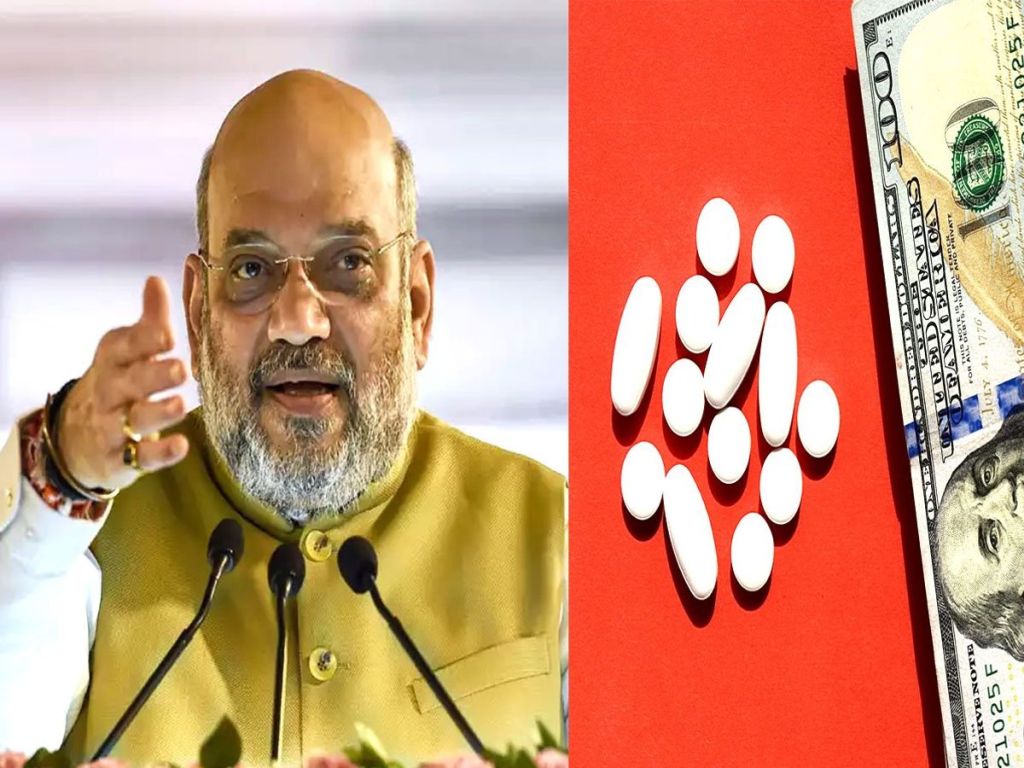
Because of illicit drug trafficking from Afghanistan and Pakistan poses a threat to India’s polity and economy. This issue requires serious attention from policymakers and law enforcement organizations before it is too late to intervene. Similar contention was also made by India’s home minister, Amit shah. He recently visited the National Forensic Sciences University (NFSU) in Gandhinagar to unveil the Centre of Excellence for Research and Analysis of Narcotic Drugs and Psychotropic Substances, which was established during Prime Minister Narendra Modi’s term as Chief Minister of the State of Gujrat. There he announced that India now faces the threat of narco-terror because of the rise of narcotics where drug traffickers and peddlers use drug money to promote their unlawful and disruptive operations. So to tackle this ongoing issue the Government has determined that narcotics would not be let into the nation, and that India will not be used as a transit point. He also mentioned that It is critical to put an end to this threat.
Talking about the inauguration he said that this Centre was chosen to be connected to Gujarat’s Forensic Science University when the government was constituted for the second time under Prime Minister Narendra Modi because to appreciate the university’s outstanding services, the union government had designated it as a national center of excellence. He further added that the administration emphasized the need of using scientific techniques to conduct faster and more effective criminal investigations. Therefore, Forensic science will play a significant part in this. He also commended the forensic science institution for its contributions to criminal investigations into cyber and drug-related crimes.
The theory of narco-terrorism stems from the realization that the two phenomena of drugs trafficking, and terrorism are inextricably linked, and that, as a result, a coordinated anti-drug and anti-terror policy can and must be employed to effectively combat both threats. Because of its nefarious partnership with terrorist groups, narcotic trafficking, which began as an organized cross-border crime, has now evolved into a menace to nation states.
Although it has been known for decades that there is a relationship between the drugs trade and terrorist organizations, as suggested by the name narco-terrorism, the international focus on terrorism after September 11, 2001, has intensified the attention given to the issue of narco-terrorism.
The Golden Crescent is the world’s greatest illegal opium production. In 1999, Afghanistan and Pakistan alone accounted for over 6000 metric tonnes of total illegal output. Because of this high-level production, narco-terrorism is increasingly linked to the reigns of central and southeast Asia. India being the southern part of Asia is concerned because these narcotics are a key source of money for Pakistani-sponsored terrorism in our nation. Also, India is the sole licit provider of opium to the international pharmaceutical sector, with an annual export income of roughly Rupees 209 crores in 1999. The economy of the Pak-Afghan border is based on poppy and cannabis cultivation. The drug money is being smuggled into the Indian money market in an unorganized but methodical way because of which financial institutions suffer.
Because of illicit drug trafficking from Afghanistan and Pakistan poses a threat to India’s polity and economy. This issue requires serious attention from policymakers and law enforcement organizations before it is too late to intervene. Similar contention was also made by India’s home minister, Amit shah. He recently visited the National Forensic Sciences University (NFSU) in Gandhinagar to unveil the Centre of Excellence for Research and Analysis of Narcotic Drugs and Psychotropic Substances, which was established during Prime Minister Narendra Modi’s term as Chief Minister of the State of Gujrat. There he announced that India now faces the threat of narco-terror because of the rise of narcotics where drug traffickers and peddlers use drug money to promote their unlawful and disruptive operations. So to tackle this ongoing issue the Government has determined that narcotics would not be let into the nation, and that India will not be used as a transit point. He also mentioned that It is critical to put an end to this threat.
Talking about the inauguration he said that this Centre was chosen to be connected to Gujarat’s Forensic Science University when the government was constituted for the second time under Prime Minister Narendra Modi because to appreciate the university’s outstanding services, the union government had designated it as a national center of excellence. He further added that the administration emphasized the need of using scientific techniques to conduct faster and more effective criminal investigations. Therefore, Forensic science will play a significant part in this. He also commended the forensic science institution for its contributions to criminal investigations into cyber and drug-related crimes.
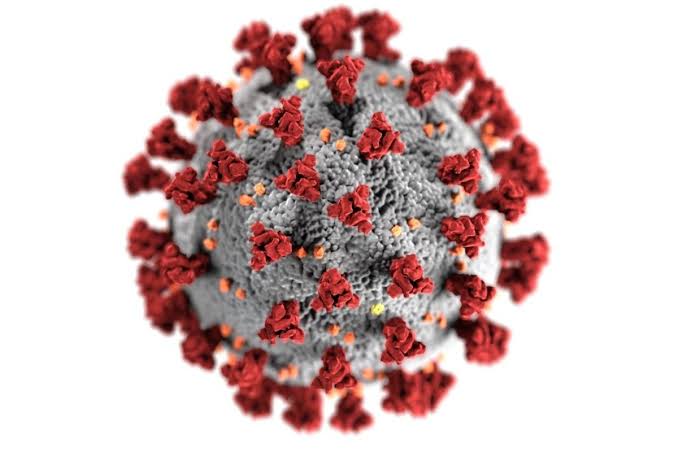
While mass vaccination drive is going on around the whole globe,news of emergence of Third wave of coronavirus have started to surface. WHO (world Health organisation) have also warned about the third wave in Europe. Cases recorded in this wave are of ‘Delta-variant’ of coronavirus.
Second wave of coronavirus caught us all off-guard and hit us hard and many lives were lost and there was a State of panic amongst us all for few months, due to this wave of coronavirus. After, passing of this second wave, people flocked the hill stations and flouted covid norms. Even, in markets people are walking without masks and not taking necessary precautions.
Tourists in Manali
Alarmed by this situation government of India have warned the citizens about this 3rd wave. Lav Agarwal, Joint Secretary, Health Ministry, on Tuesday said that the third wave of Covid-19 may be caused due to the gross violation of covid appropriate behavior. He told that :
We would like to request to everyone- when we talk about the third wave (of COVID-19), we are taking it as a weather update and not understanding its seriousness and our responsibilities associated with it
Lav Agarwal (joint secretary, Health ministry, GOI)
According to union health ministry data on Tuesday there were 32,906 new cases of Covid-19 and 2020 related fatalities, which pushed the overall tally to 30,905,819 and the death toll to 410,784.
Markets are open and govt offices and school’s are running with 50% capacity, but the way in which common people are violating the covid-19 precaution guidelines, day is not far when we’ll have to pay for this type of behaviour. If situation remains like this, then the government in order to control the spread may impose lockdowns and come up with strict measures.
Hill Stations will be there,if we’ll be safe,then we can visit there later on. We need to learn from our mistakes commited during the second wave of pandemic and try not to repeat them this time.
Government is preparing on its behalf to face up with the inevitable third wave of pandemic. We all as a responsible citizen should adhere with the government guidelines and take precautions,then we can defeat this pandemic.
The Afghanistan is Significant chapter in USA foreign police since 1979.it contribute almost Half of US deplomatic Subject.After the withdrawl of USSR in May 15 1988 and Return of NATO collision,Taliban militia emerges as main contender in Kabul and almost capture the afghan 90% in 1999.But its only after 9/11 Blast US return in afghan lead to vanish Taliban dream of Monopoly over Kabul.
Finally After long standing haul Peace held between US-Taliban on 20th Feb 2020.
US ready to depart from kabul in return Taliban militia prevent afghan soil from ISIS, AL-Queda etc. to attack on US & its allies.US administration under President Biden confirm it will quite whole afghan in september 2021.Due to which many Expert think this time Taliban militia Emerge as more strong than ever have, and the small step for democracy and peace will Disapear in no time if taliban again capture afghan soils. The Human Rights Violation, the women safety and their developement seems to be illusionary under Islamic Sharia Law if implemented. Mean while the Net security of Whole Region will undermine, the ISIS will again ready to onslaught and create chaos in country like India and China’s peace and security, Specially in India at J&K .
Section 66A of the Information Technology Act (“IT Act”), 2000, came into existence through an amendment in 2008. This section penalised sending “offensive messages” via online communication. provision was often misused by enforcement authorities and caused problems over freedom of speech on internet.
Case of shreya singhal vs Union of India
Two girls were arrested in Mumbai over criticising the bandh in maharashtra over demise of shiv sena chief Bala sahib Thackeray in November 2012. One of them posted illegal content while another one simply liked it, both of them were booked under section 66A of IT ACT and section 295A of IPC.
Although,both of girls were released and charges were dropped but this act invited criticism from all over the country. Shocked by misuse of law by the authorities, Shreya singhal filed an PIL in 2012 to declare section 66A of IT ACT 2000 as unconstitutional.
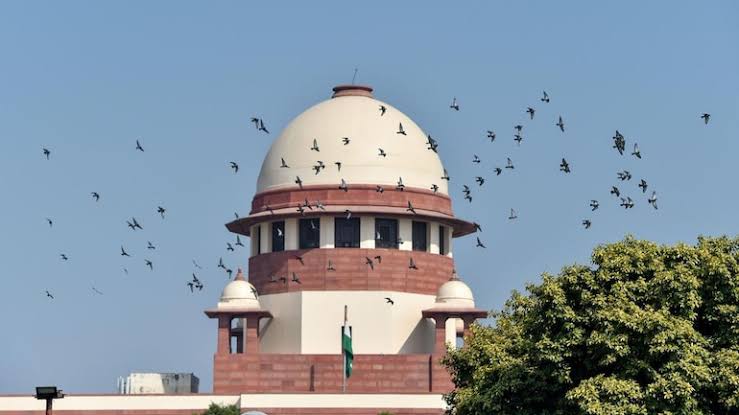
On March 24, 2015 the Hon’ble Supreme Court of India passed a landmark judgement in this matter. The Hon’ble Supreme Court came out with judgement that Section 66A of the IT Act is arbitrarily and disproportionately affects the right to freedom of speech. Also, all the pending cases were directed to be dismissed and no fresh cases were to be registered under this scrapped section 66A of IT ACT.
Why is section 66A of IT Act in news in 2021 ?
Even,after this section was scrapped,many fresh cases were registered under this section of IT act. A plea was filed by PUCL ,it came into light that even after 7 years of the law being scrapped. total of 745 cases are still pending and active before the district courts in 11 states, under Section 66A of the IT Act. Supreme court have sent a notice to centre, demanding why this scrapped section is still in use and why not proper measures are taken till now.
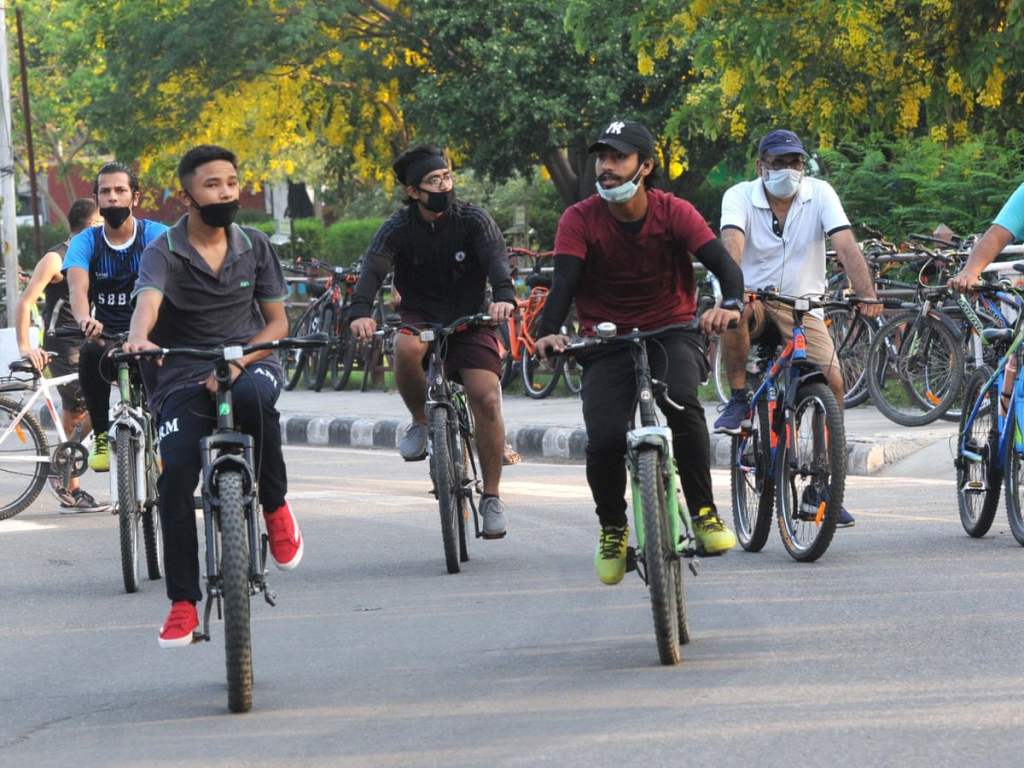
The pandemic situation has brought substantial changes in our day-to-day life. The changes include both sides of a coin – the raise and the fall. Let us have a look at the optimistic changes. One noteworthy change is the switch from bikes to bicycles. It is indeed a much-needed change for both the users and the environment. The usage of bicycles has significantly increased in the past year. The primary reasons for the growth in numbers are as follows:
The shutdown of gyms, recreational centers, indoor sports clubs over a prolonged period of time.
Stress due to the work-from-home scenario.
Increased fuel prices.
Aggravated air pollution.
Cycle rental services in metro and urban cities.
Increase in brands producing good quality cycles.
Cycling Pals in India
Constructive Competition:
People find cycling as a gateway to their emotions and thus rejuvenate their souls after a tiresome day.
Apps like Strava, Fitbit help users track their daily rides and share them on social media. This develops constructive competition. Whenever like-minded people compete the outcome is remarkable. Hence cycling became a regular habit among groups of friends, neighbors across various parts of the country. Cycling events are getting more attraction in recent times. Recently in Telangana, a national event was organized after 10 years where 600 cyclists from various parts of the country participated in cycling. Constructive Competition has not only buzzed up the consumers but also the producers of bicycles.
Market Analysis:
According to a report by Hindu, the cycling market had negative growth of about 8% in the year 2018. It was expected to turn out worse in the following years. On contrary, the market had an aggressive growth. Omkar Singh, Chairman of Cycle Federation of India is overwhelmed by the rise in sales of cycles in India. He said that the cycle market has gained a raise of about 300-400% in the lockdown period. India is one of the leading producers and consumers of cycles in the world while China holds the leading position.
Startups like E- Motorads , Nahak Motors, Go Zero Mobility have an unbelievable outreach in the Indian Market. They are reported to have sales of more than 1000 cycles within two months of their launches. This is quite huge for a startup emerging in India. The primary reasons for the success is the quality and exquisite features offered by them.
Hero and Ti cycles hold the largest share of the pie in the Indian cycle market. KK Paul, president of TI cycles shares an interesting fact that the demand for premium cycles with a price of about 30,000 INR has increased eventually. The only question which remains a mystery is with the numbers in the future. Companies are perplexed by the sudden rise in the sales of cycles and are unable to predict the mindsets of consumers in the upcoming years,
A change that was brought without anyone’s expectations has given considerable changes to both the consumers and producers. Let us hope for the best to happen in the forthcoming years.
Modern world has opened the doors for newer technologies. Every day, people bring new ideas to transform the way of thinking and doing things. Stories from all over the world from different fields influence many to pursue with their field of interest. There are several successful women in many fields in India also; they become true inspiration to all the young dreamers. Moreover, this pandemic have also taught us to be more skillful to achieve success and continuous growth in our lives.
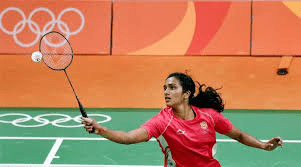
One of the inspiring stories that have made young girls believe in their dreams is that of P.V. Sindhu. She started playing Badminton at the age of 8 and made her international debut when she was 17 yrs old. After tremendous hard work and with constant learning she became the World’s 6th Ranking Women in Single Badminton. This dedication and her constant efforts are real inspiration for the women out there who believe on themselves.
Image: Sports24
Likewise, Sharanya a 24 yr old young junior doctor who treated the victims of the Kozhikode Plan Crash. After working for 1 year at Kozhikode General Hospital,she quits to start preparing for her NEET exams. On one of the fateful night, when the hospital needed all hands on deck, she jumped into help without a second thought.
12 year old Haaziq from Pune came up with ingenious innovation- Ervis – which is a prototype ocean cleaner ship that can suck out plastic from the surface of the ocean. The picture of a young whale that died of intestinal blockage after consuming huge amount of plastic is what made this 12 year old to wage war against plastic. His novel idea received global attention and he got a chance to present this idea before audience through TED-X club.
India is one of the countries having most number of youths; the need is to give them a proper direction to think and to bring a change. Engagement of young people at local, national and global levels is impacting lives. The more they explore the more idea they collect. At this stage of confusion and uncertainty youths from different part of India are setting examples for others. No talent should be wasted, because they are capable of much more. But due to societal pressure and constant discouragements they often confused to choose their field of interests.
Image: Rightful Owner
The 22 year old a Haimanti founder of the NGO Junoon, is the inspiration for people who want to bring a change in the field of education especially for underprivileged children. Since May 2018, she has been on a mission to equip them with necessary skills along with education that will enable her to enroll them in a regular school under the Right to Education Act.
There are several more tales of young minds whose acts inspire us to work towards innovative methodologies. A young regular college student from Palakkad district, Shahinsa belongs to an agrarian family from the Panamanna village have deep passion for farming and finds the time to grow crops using modern technology in the fields.
Sriya Donepudi (15), a school going girl from Khajaguda started an initiative to recycle used flowers after social functions. She collected discarded flowers from various events and with the help of women from economically weaker sections they made soaps, paper-weights and other items from floral waste. According to The New Indian Express, this initiative made her bag The Diana Awards of 2020.
In the year 2017, Malhar and his friends collected the garbage thrown by visitors at Dadar Beach. Earlier, they started it as a weekend activity that gradually turned into a fully fledged cleanup movement engaging over 20,000 Mumbaikers. Collectively they have gathered 1000 tonnes of waste including plastics, stale food and religious offerings that had been cleared from the beach side. His efforts for this cleaning drive recognized globally when United Nations felicitated him on the International Volunteer Day.
Most of Indian startup and innovation landscape provide opportunity to young inventors to bloom. Their keen observations combined with deep sense of strategic ideas helps them in dealing with various problematic situations in the field of technology. These tales not only made us proud but also inspire us to build a new India with innovative thoughts.
Image : Shutterstock
Each of us is great in our own fashion. Even a tiny story of inspiration can influence thousands of youngsters to pursue their dream; each act can impact the world. Every one of us has that hidden power, the requirement is to have faith and continue our work with relentless efforts. These tiny tales of youths inspires many to pursue their dream . This pandemic is really tough and a challenging time for all the innovators but if you’re passionate enough to achieve your goal, you should continue with perseverance and patience.












 Eduindex
You must be logged in to post a comment.