The Impact of Solitary Confinement

Many years ago, the approach toward detention institutions, convicts, and punishment was severe and obnoxious. After a prolonged battle with the government, the principle of recognizing the human being in the convicted perpetrator has been approved. The socio-legal approach is based on peace, mutual respect, and individual human respect. If a person commits a crime, it does not follow that he stops to be a human being and can be denied those components of existence that constitute basic humanity.

Solitary confinement is a type of imprisonment in which an inmate is segregated from other inmates and subjected to strict observation. It has been proved that such confinement is traumatic and has a negative impact on the prisoner’s overall well-being both physically and mentally. Prisoners are kept in solitary confinement for a variety of reasons. When prisoners are kept in solitary confinement as a form of punishment for what is deemed excessive behavior, such as aggression against fellow prisoners, they are usually forced to stay there for a specified period of time as a measure.

Solitary confinement, according to research findings, fundamentally affects a person’s brain, resulting in major and long-term mental health concerns as well as the expansion of deviant and violent behavior. There is a distinction between loneliness (a highly unpleasant experience to perceived isolation and the imposition of social isolation, also known as social pain) and aloneness (a tendency toward being alone/the decision to be alone), and the brain responds in very different ways. Solitary confinement as a form of punishment is akin to torture, having devastating effects for brain health. Prisoners who are isolated endure a range of psychological impacts, including emotional, cognitive, and psychotic disorders.

Prisons are already destructive, and putting people in solitary confinement adds an added layer of pressure that has been proved to create lifelong abnormalities in people’s minds and characters. In fact, long periods without human interaction have been found to physically decrease the part of the brain that plays a crucial role in memory. And, because humans are social animals by nature, denying people of their capacity to socialize can result in “social pain”, which experts define as “the feelings of sadness and suffering that result from negative social situations such as social deprivation, isolation, rejection, or loss.” Social pain impacts the brain in the same manner that physical pain does, and it can trigger much more suffering due to humans’ tendency to remember social pain months or even years afterwards. Even if a person does not enter solitary confinement with a mental disorder, the consequences of isolation may cause them to acquire a distinct psychiatric syndrome.

Life is more than just animal existence. The people incarcerated cannot be denied the same. A prisoner, whether convicted, under trial, or detained, continues to be a human being. They have all of the rights that a free person enjoys, but with some limitations. Being imprisoned does not strip people of their fundamental rights. Even while imprisoned, he has all of his basic fundamental rights. And especially in this pandemic, when many people are left alone or with a cellmate in confined spaces for 24 hours a day, knowing the negative impacts of solitary confinement and reforming these practices is more necessary than ever.

The Link Between Anxiety and Perfectionism

Everyone knows at least one perfectionist. They’re hyper-critical of their own work, almost to a fault. And according to a growing body of research, there’s a good chance they also suffer from an anxiety disorder. The very nature of a perfectionist makes them particularly susceptible to the illness.

Here’s what can be done about it: –

🔺on the surface, perfectionism doesn’t seem like such a bad thing. It keeps you focused and motivated. It also helps you consistently produce work of the highest quality.

🔺on the other hand, it also has the potential to wear significantly on one’s psyche. The impossibly-high standards perfectionists set for themselves can lead to a distorted sense of self-worth, in addition to high levels of stress. And that, in turn, can easily spiral into an anxiety disorder.

🔺It’s not just anxiety, either. Perfectionism has been linked to numerous other mental illnesses in medical research, including bipolar disorder, severe depression, and even suicidal ideation. In other words, if you’re a perfectionist and let your tendencies control you, they can literally kill you.


Worse still, there’s evidence that being a perfectionist doesn’t even afford you a significant advantage over non-perfectionists in the workplace. Per the Harvard Business Review:

“Our results showed that performance and perfectionism were not related to each other – perfectionists are not better or worse performers than non-perfectionists. Even employees high in excellence-seeking perfectionism were not better performers…taken as a whole, our results indicate that perfectionism is likely, not constructive at work.”

Scaling back on toxic perfectionism and setting healthy boundaries for yourself starts with understanding the source of your behaviour. As noted in health publication medical news today – which itself cited a landmark psychological work published several decades ago – there are three primary sources of perfectionism. These are:

 1◾Self-oriented.
You hold unrealistic expectations for yourself and are extremely critical of your own work. This could be caused by a negative experience at some point in your life, or simply a series of habits developed over time and linked to mental illness.
2◾ Socially-prescribed.
You believe that your peers are extremely critical and that you must be perfect in order to gain their approval.
3◾Other-oriented.
You set impossibly high standards for the people around you. This form of perfectionism isn’t exactly relevant to our discussion here, though it can occasionally overlap with one of the other two.
🔹Positive self-talk is the second step in overcoming toxic perfectionism. Understanding how your own tendencies manifest will help you structure it in the right way. Whenever a toxic belief or thought manifests in your mind, counter it with a positive one.
In other words, be compassionate towards yourself. Understand that your self-worth is not tied to your performance in the workplace or your ability to turn out flawless work. You have value as a person beyond your output.
And if self-talk alone isn’t enough to help you, know that there’s no shame in seeking help from a trained professional. Everyone could use therapy now and then.

Overthinking

This article is for people who overthink the fact that they overthink. Overthinking is thinking the same thought on repeat till it mentally drains us. We may fall into an endless trap of overthinking and overanalysing every single situation in our lives. 

Overthinking makes even the smallest of things in our lives get complicated. for example: instead of going out with a friend and enjoying the moment we could end up overthinking every aspect of that day.

We tend to spend a lot of time thinking about our emotions. They may be the emotions of jealousy, hurt, anger, sadness, grief, etc. It is good to acknowledge our emotions but not get trapped in them.

Different people overthink different things. Some are stuck in their past, some worry about their future, some overthink about the people in their lives. Overthinking puts us in a dark place where we only keep thinking for hours and days without doing anything. We keep replaying questions like:

 “what if people don’t like me”

“Do I even have friends”

“I should have done this in the past”

“will I ever be able to be successful”

“What if I fail in life”

“why can’t I do this”

What we don’t understand is how irrelevant these thoughts are and how they consume our time and energy. Our past is gone, even if we want to change it we cannot. What we can change is our present and that will happen by not entertaining these thoughts.

The future is yet to come and is determined by our actions in the present. For a small example: if I do an internship in my present, it will help me in the future.

So things are still in our control and we don’t have to overthink so much.

Did you know it is our thoughts that control our actions?

If before going to a job interview you think about things like

“what if they don’t like me”

 “what if I mess it up”

 “what if I say the wrong things”

 Chances are they actually might not like you. The people conducting your interview would sense that you are not confident in yourself and would want to hire a person who believes in themselves.

Did you know many companies also give jobs based on confidence? Because every organization needs confident employees who believe in themselves.

Another thing a lot of people do is overthink even when they know the solution to it. Instead of thinking about why you keep getting bad marks in a subject may be giving the extra time, you spend thinking to study that subject could actually help you.

I used to overthink a lot of things in my life. It used to be about things that I wasn’t able to control. But, thinking about them did nothing but exhaust me mentally. Now I don’t entertain any negative thoughts which would cause me to overthink. I now try to work towards the things I want in my life instead of debating whether I will be able to do it or not. We need to stop saying things like “I can’t do it” and replace them with “I can”.

Human beings have the power to think. It is the brains of humans that made us reach the moon. Now, what I want you to understand is that every human being is as powerful as the person who came up with the smartest invention. But, it is on us what types of thoughts we entertain.

The more productive things a person thinks about the more successful and mentally strong they will be in their lives.

Mental Health among students

What is Mental Health?

Mental health refers to the behavioural and emotional well being. It is all about how people think, feel and behave. Mental health may effect daily life, relationships and physical health. This may also happen the other way. Our daily living, interpersonal relationships and physical health might also cause our mental health to degrade, if not taken proper care. People use the term mental health in order to mean the absence of a mental disorder.

“Mental health is a state of well-being in which an individual realizes his or her own abilities, can cope with the normal stresses of life, can work productively, and is able to make a contribution to his or her community.”

According to the World Health Organisation(WHO)

The WHO stress that mental health is “more than just the absence of mental disorders or disabilities.” Peak mental health is about not only avoiding active conditions but also looking after ongoing wellness and happiness. Taking good care of mental health can restore and preserve a person’s joy and happiness and bring their life back to track. Stress, anxiety, pressure etc. can lead to mental disorders. Doctors say that most of the psychological disorders have physical roots.

Risk factors of mental illness:-

Mental illness can effect people of all age groups, no matter their sex, religion, caste or income. Few factors that may cause mental illness among students are mentioned below:

Ragging – Far from being harmless, induction and fun, ragging can have serious impact on student’s mental health. Nearly 4 out of 100 students pursuing higher education experience ragging.

Financial problems – Many students belong to a not so financially stable background, therefore has to stop studying or take loans to continue. Our society promotes the idea of immediately entering colleges right after schooling and start a career. Unfortunately that creates pressure and causes mental illness.

Pressure to succeed Constant worry over career choices, chooseing wrong major, ending up in an unsatisfied college, not knowing what to do with the degree and struggle to fit in can pile up on them.

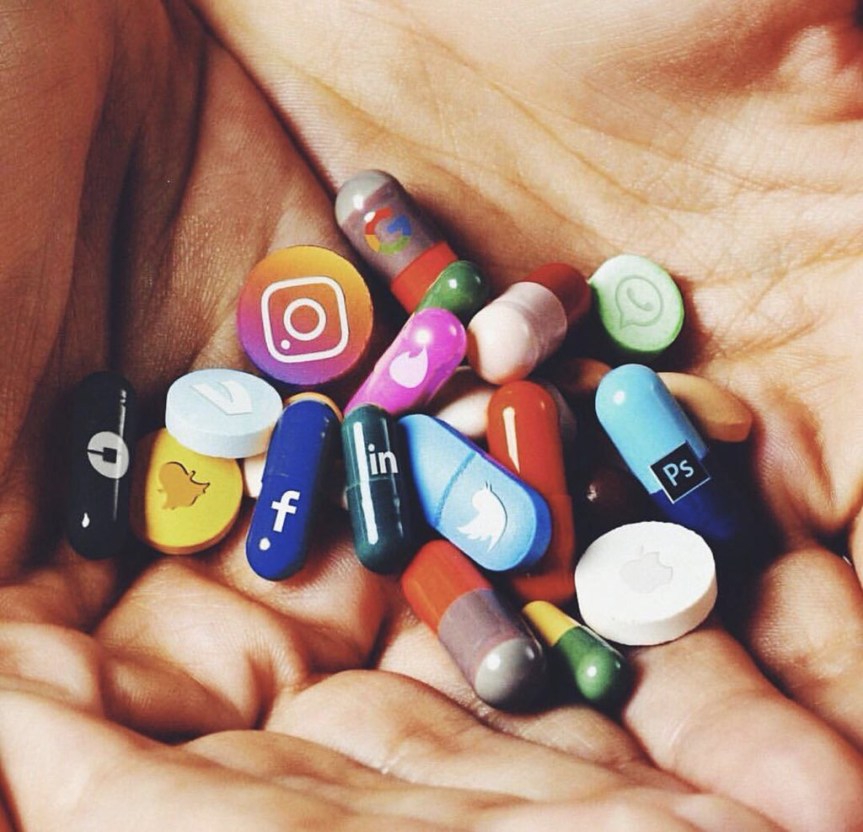
Excessive use of social media – Even social media posts can harm a person’s self esteem nowadays by causing them to compare themselves to others’ seemingly perfect lives.

There are many other reasons for mental health disruption. Above mentioned were a few which causes uneasiness in students mental health.

Common Mental Disorders:-

Anxiety disorders – People with these conditions have severe fear or anxiety, which relates to certain objects or situations. Most people with an anxiety disorder will try to avoid exposure to whatever triggers their anxiety.

Mood disorders – People with these conditions have significant changes in mood, generally involving either mania, which is a period of high energy and elation, or depression.

Schizophrenia disorder Signs of schizophrenia typically develop between the ages of 16 and 30 years, according to the NIMH. The individual will have thoughts that appear fragmented, and they may also find it hard to process information.

Consequences of neglecting mental illness:-

Physical Health – The mind copes with stress in different ways. Living with a mental illness isn’t easy. It increases the risk of strokes, heart attack and obesity. While mental illness might be in your brain, it affects your entire body.

Quality of Life – Student life is the best to be enjoyed. Mental illness can make it difficult to cope with every day life. Severe depression makes it difficult to get out of bed, let alone get dressed and out of the house to school.

Academic Achievement – Mental health problems can affect a student’s energy level, concentration, dependability, mental ability, and optimism, hindering performance. Depression has also been linked to students dropping out of schools and colleges.

Use of drugs and Social isolation – Poor mental health creates a negative impact on relationships with family and friends. Smoking and consumption of drugs and alcohols helps them isolate further away from the society.

Suicide – Untreated mental illness clouds your judgment, making you believe that there is no way out. This results in self harm or suicide.

Treatment

There are various methods for managing mental health problems. Treatment is highly individual, and what works for one person may not work for another. The society we live in is too narrow minded to accept these issues as a disorder which needs a treatment. One should keep away this mentality and seek treatment at the stage itself. The treatments include:-

Psychotherapy / Talking therapy his type of treatment takes a psychological approach. The therapist talks to the person suffering and tries to get to the roots and solves the issue.

Medication – Some people take prescribed medications, such as antidepressants, antipsychotics, and anxiolytic drugs.

Self help Self help should always be along, no matter whatever treatment you seek. The one facing difficulty should try and improve their lifestyle. Such changes might include reducing alcohol intake, sleeping more and eating a balanced diet.

We all know mental health is just as important as one’s physical health. The word mental health is considered a taboo in our society in the eyes of elderly. Many of us never seek help which leads to more serious health issues. The worst thing is that most of the students are suicide baited and bullied so relentlessly they are convinced that e only way to end their misery is to end their lives. At last, I would like to conclude by pointing out that counselling, therapy or seeking out professional help for yourself isn’t bad. It doesn’t signify that you re weak. Schools and colleges should have resident therapist in their campus. A broken bone may heal in 8-10 weeks but if a person is emotionally broken, it can take years to heal.

Never ignore your mental health

Breaking The Cycle Of Generational Trauma

We do not simply just inherit our parents’ skin complexion, eye colour, or height. We can also acquire our parents’ stories, narratives, and perspectives on life. There is a piece of them that lives on in us, whether we are conscious of it or not. While carrying on our family’s tradition is a good thing to do, there may be unaddressed tension and trauma to sift through and tidy up.

WHAT IS GENERATIONAL TRAUMA?

Generational trauma is exactly what the name implies: trauma that is passed down from one generation to the next. It can be subtle, hidden, and ambiguous, emerging via nuances and unwittingly taught or suggested throughout someone’s life from infancy onward. 

Families with a record of unresolved trauma, depression, anxiety, and addiction can pass on ineffective coping techniques and suspicious views of life to subsequent generations. In this way, one might perpetuate the same behaviours and attitudes of previous generations, even if they’re healthy.

While generational trauma can impact anybody, individuals who have suffered major kinds of abuse, abandonment, torture, discrimination, and racial inequalities are at the greatest risk. Generational trauma has been studied in relation to Holocaust survivors, the Khmer Rouge atrocities in Cambodia, the Rwandan genocide, the relocation of American Indians, and the slavery of African Americans, among other things. While the evidence on how trauma manifests itself is varied, several studies have found increased rates of anxiety, sadness, and PTSD among trauma survivors and their offspring.

Trauma can cause poverty, poor parenting, decreased bonding, psychological distress, and insecure living conditions, all of which have a significant influence on children ’s development.

WAYS IN WHICH GENERATIONAL TRAUMA CAN AFFECT FAMILIES

  1. Emotions could become a point of conflict across generations – Regardless of how the trauma is coped with, elder generations within a family set the tone for how traumatic events must be (and frequently are) dealt with. Unfortunately, the trauma is passed down through generations since those who needed assistance never received it. In some situations, the traumatised family member may even pass on bad feelings to others in the family.
  1. Trauma can have an impact on the parent-child relationship – Individuals who have not gotten assistance and support for their trauma may establish unhealthy connections with their kid or grandchild. Emotional, psychological, or verbal abuse can all be signs of an unhealthy relationship. Abuse can be sexual or physical in severe situations.
  1. Unaddressed mental issues could cause relationship conflict – It is well known that older people do not believe in seeking the assistance of mental health specialists. Members of the family suffering from mental health issues (depression, anxiety, psychotic symptoms, etc.) genuinely require assistance because untreated psychiatric symptoms can lead to more trauma and emotional instability within one’s family.
  1. Younger generations may become “satisfied” with the way things are – If avoiding and denying ,and even embracing, the trauma becomes “normal” for the family, future generations will adopt this manner of “survival” and imitate the behaviours. People who avoid, downplay, or suppress family trauma exacerbate the situation for younger family members. We learn a lot about how to cope with stressful experiences.

HOW TO HEAL FROM GENERATIONAL TRAUMA

Many people do not realize their dysfunctional behavior because they are simply applying what they have learnt in the best way they know how to.  The key to change is awareness. There can be no change unless you acknowledge that something is wrong in your family unit.

  1. The first step is to recognise the patterns. Some are much more visible than others, such as domestic violence, abuse, anxiety, and gender norms. 
  1. The second stage is to become more conscious of what causes you to fall into these established patterns. Is it shouting, contempt, feeling undervalued, physical violence, or witnessing others bully? The list could go on and on. 
  1. The third stage is to become conscious of how you respond to triggers once you are aware of them. Do you shut down, get furious, get aggressive, or yell?
  1. The fourth stage is to understand how to create constraints in such behaviors. Creating a trigger word or phrase that will assist you detect when you are following a pattern. Creating a support network in order to be held accountable. 
  1. Giving yourself love and time to heal is the fifth stage. These are behaviors which have been ingrained in us for a long time. Generational trauma doesn’t really heal in a day or a week. It takes some time.

In order to enhance these processes, enlisting the assistance of a professional is a wonderful choice. Sometimes when the trauma you experienced is so deeply ingrained in you that you need additional assistance. 

Gaslighting : The doom of Mental Health

What’s the fuss about Gaslighting?

Talking about ‘GASLIGHTING’, I got acquainted to this term in 2020 when I was reading a book called ‘Milkman’ by Anna Burns, the storyline revolves around the people of an unnamed town invalidating the protagonist’s feelings through hearsay and gossips. The prose of Milkman suffocated me because of excruciating gaslighting and strangling circumstances.

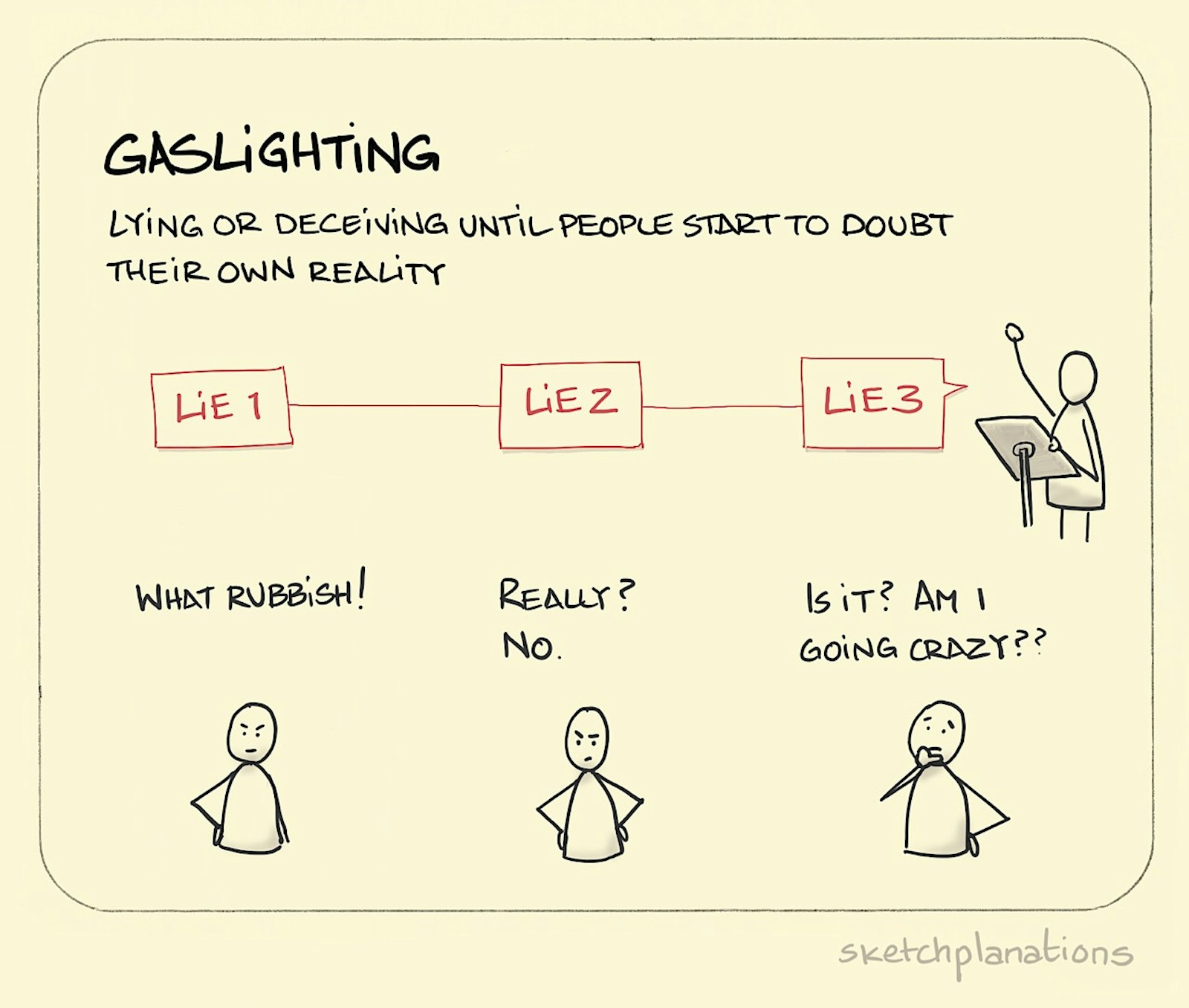
Gaslighting is an emotional abuse, where the abuser make a victim feel like ‘Everything is happening inside their head’, Gaslighting invalidates your emotions, manipulate your feelings. Sometimes, you might gaslight yourself in the journals. Journaling might feel therapeutic to some, few might not feel comfortable with journaling their thoughts, and that’s completely okay! However, There come times when you try journaling to feel calm but instead of feeling calm, journaling just made you anxious! that happens because you are constantly gaslighting yourself in your journals.

Self- gaslighting in journals

You are invalidating your thoughts, your feelings and emotions, you write as if your emotions are insignificant, but every emotion of yours is valid. You relentlessly repeat what others feel about you in your journals. ‘May be that is who I am’, ‘She/he is right’, I’m not supposed to feel this way’, ‘I’m overthinking a lot like how my friends are accusing, ‘I should not feel overwhelmed’

If you are journaling like this, you are definitely doing it wrong. Remember, journals won’t judge, you don’t have to please your journals. Don’t ever invalidate your emotions. Write whatever you feel in your journal, not what others feel about you! Whatever pain it is that you experience, remember, the poison leaves bit by bit. Be patient, you’re healing. The more we fight our pain, the longer it remains within us. If ignored, you’ll find yourself feeling irritated often, having angry outbursts or crying at small things.

How do I overcome it?

Even when sometimes it feels like there is nothing but emptiness, nothing to continue for, or the fire you once had within you has gone out, don’t give into the thought that you will feel this way forever. Thoughts pass, feelings change, hearts mend & perspectives gain clarity – it just takes a little trust, hope and meeting yourself halfway.⁣⁣
⁣⁣
Especially now while we have the gift of time, reflect on how you were living before lockdown, analyze the people you spend time with, the environments you spend your time in, the food and drinks you consume, the job that you do, the conversations you have, the TV/music/reading materials that you invest your time in – observe them – are they helping you or are they harming you? ⁣⁣Read more about how spending time on good things plays a massive role here.


⁣⁣Everything you engage in today will have an impact on your tomorrow. ⁣⁣We’re so busy telling the world to be kind, yet we have such little compassion for ourselves. If you do one thing for yourself today – give yourself a break.

Comment down below if you have any suggestions or just feel the need to be heard. We’re here for you.
⁣⁣

Good Food, Good Mood

What we eat doesn’t simply influence our physical health: it could also influence our mental health and wellbeing.

The relation between food and mood originates from the direct connection between your brain and your gastrointestinal tract, which is sometimes referred to as the “second brain.” Billions of bacteria live in your GI tract, influencing the creation of neurotransmitters, which are chemical compounds that continually transport messages from the stomach to the brain. (Two common examples are dopamine and serotonin.)

Eating nutritious foods encourages the growth of “good” bacteria, which has a favourable effect on neurotransmitter synthesis. A consistent diet of junk food, on the other hand, might promote inflammation, which can stifle output. When your brain’s neurotransmitter production is in excellent health, it gets these positive messages loud and clear, and your emotions reflect it.

A Mediterranean-style diet (rich in vegetables, seafood, fresh herbs, garlic, olive oil, cereal, and grains) combined with fish oil helps alleviate depressive symptoms. On the other hand, there are two types of foods that are harmful to the brain: those that trick the brain into releasing chemicals that we may be missing, temporarily influencing our mood (for example, caffeine and chocolate), and those that discourage the conversion of other foods into nutrients which the brain requires (for example, saturated fat such as butter, lard and palm oil).

THREE WAYS YOUR DIET AFFECTS YOUR MENTAL HEALTH

  1. It is essential for brain development – When we eat healthy food, it transforms into protein-building blocks, enzymes, brain tissue, and neurotransmitters, which transport information and impulses across different regions of the brain and body.
  1. It shifts the brain into growth mode – Some nutrients and dietary habits are associated with alterations in a brain protein that aids in the formation of new synapses between brain cells. A diet high in omega-3 fatty acids and zinc raises levels of this chemical. A diet heavy in saturated fats and refined carbohydrates, on the other hand, has a significant detrimental influence on brain proteins.
  1. It fills up the gut with beneficial bacteria – The gut contains trillions of beneficial microorganisms. They keep harmful bacteria at bay and your immune system in check, which means they assist to control inflammation in the body. Some gut bacteria even aid in the production of brain-boosting B vitamins.

FOODS THAT PROMOTE GOOD HEALTH

  1. Whole foods – Preservatives, food colouring, and other chemicals have been linked to hyperactivity and depression in certain studies. So, if you only remember one thing, remember to consume real food, which is food which has been minimally processed and has a few nutritious components. Consider eating fresh fruits and veggies.
  1. Fiber – Plant-based meals are high in fibre, which helps your body digest glucose – or food sugars – more slowly, avoiding sugar highs and lows. Fruits and vegetables, as well as nutrient-dense carbohydrates like whole grains and legumes, are high in fibre.
  1. Antioxidants – These anti-inflammatory compounds are abundant in berries, leafy green vegetables, turmeric, and foods high in Omega-3 fatty acids, such as salmon and black chia seeds. Dark chocolate contains antioxidants as well.
  1. Vitamin D – Vitamin D aids in the synthesis of serotonin and is often obtained by exposure to sunshine. However, mushrooms, particularly reishi, cordycep, and maitake, are an excellent source. If you are vitamin D deficient, your doctor may also advise you to take a supplement.
  1. Magnesium – This important mineral aids in everything from nerve and muscle function to maintaining a regular pulse. However, it is also critical to the food-mood relation: A mineral shortage can harm your gut microbes and produce anxiety-like symptoms. Natural sources include dark chocolate, cacao nibs, almonds, and cashews, spinach and other dark leafy greens, bananas, and beans.
  1. Fermented foods – Fermented foods are high in probiotics, which are living microorganisms that are beneficial to the digestive tract. Sauerkraut, kimchi, miso, tempeh, and the fermented drink kombucha are a few examples. These items are also rich in sodium, so eat them in limit or avoid them entirely if you have hypertension.

Begin to pay attention to how different meals make you feel – not only in the moment, but also the day after. For two to three weeks, try eating a “healthy” diet, which includes avoiding all refined carbohydrates and sweets. Take note of how you feel. Then, one by one, gradually reintroduce items into your diet to observe how you feel. When some individuals “go clean,” they can’t believe how much healthier they feel, both mentally and physically, and how much worse they feel when they reintroduce items known to increase inflammation.

JOURNEY TO SANITY – ACCEPTANCE

We thrive to learn skills in order to make ourselves useful. But the most useful skill of all is the art of learning to do nothing. In this fast-moving world where everyone is doing something and proving themselves, a large group of people who are probably doing their best might start doubting their abilities and start to compare their success from that of others. This might form a vicious circle of never-ending doubt and low self-confidence. Over time, it might get serious and even effect a person’s ability to work or look at things with a clear perspective.
However, self-acceptance and self-awareness is a tool that might help rebuilding the confidence and boosting positivity. Self-acceptance means accepting oneself completely irrespective of the flaws.

The question that arises here is that how will accepting a flaw change the situation and make us feel better?

To answer that, Acceptance is the first step to change. Acceptance does not mean that we have to live with it whether we like or not. Acceptance is the fact that we are aware of the flaw. We know the flaw and how it effects us. Acceptance means knowing and understanding the flaw. One cannot change anything without knowing the cause of the problem. Now, that we have accepted the problem and are at peace with it’s presence, we start to take small steps to change it into the way we like.

Let’s understand it in a simple way
You hurt your finger while chopping vegetables. So, the first thing you do is notice the wound and clean it and then, apply appropriate antiseptic medicine. You do not deny to look at the cut and let it be to heal itself on it’s own. Moreover, if we leave a wound open it might even get infected or worse. Similarly, a flaw or a problem in our life is like a open wound. We might choose to ignore it but that will never solve the problem, rather it would make it worse. Just like the wounded finger our own wounds need to be seen and heard. It requires acceptance and then only we can choose the correct medicine or the correct way to heal it.
It might be difficult to begin with as we have been conditioned to constantly find our flaws and compare ourselves with others who are better than us. But only self-awareness and acceptance can change that. One of the most promising way to do that is listening to positive affirmation before going to bed and after waking up. Repeated affirmations might help the subconscious brain to reprogram itself into believing new things and changing itself.

Do not forget to read more from the series 🙂

JOURNEY TO SANITY – MINDFULNESS

JOURNEY TO SANITY -JOURNALING

JOURNEY TO SANITY – SELF CARE

JOURNEY TO SANITY – DOUBLE STANDARDS

JOURNEY TO SANITY – SUNSHINE 🌤️

Understanding your Mental state during the Pandemic

Introduction

The second wave of COVID-19 started from the middle of March 2021 and peaked in April with a shortage of oxygen cylinders and hospital beds. Now when the numbers have gone down again, people will start venturing outside and the reason for this eagerness is understandable because of the impact this pandemic has had on all of us, we just need ways to cope with it. Although mental health has been discussed a lot since the beginning of the pandemic and the lockdown, it is important to understand what changes we have been experiencing and how we can cope with them.

Impact on Mental Health

As we know, this pandemic created an economic crisis but along with that it also negatively impacted the mental health of people all across the world. People have been facing trouble with sleeping, eating, and alcohol consumption also went up. But the major mental health issues that are identified are stress, anxiety, depressive symptoms, insomnia, denial, anger, and fear. And the people with existing mental disorders became more sensitive to their symptoms. The rate of suicide also increased, a suspected Covid-19 patient committed suicide in fear of the result of his test, and later it was found that he tested negative. Adding to that the level of concentration has drastically gone down.

On a normal day if you search for symptoms, you might be experiencing during the pandemic, it would lead to the diagnosis of depression but don’t get confused between depression and the COVID-19 blues. The symptoms of COVID-19 blues include:

  • Feeling of sadness, emptiness, and hopelessness
  • Restlessness
  • Guilt
  • More than normal anger and irritability
  • Withdrawal from things you normally enjoy
  • Avoiding talking to friends and family
  • Change in sleep pattern
  • Change in appetite.

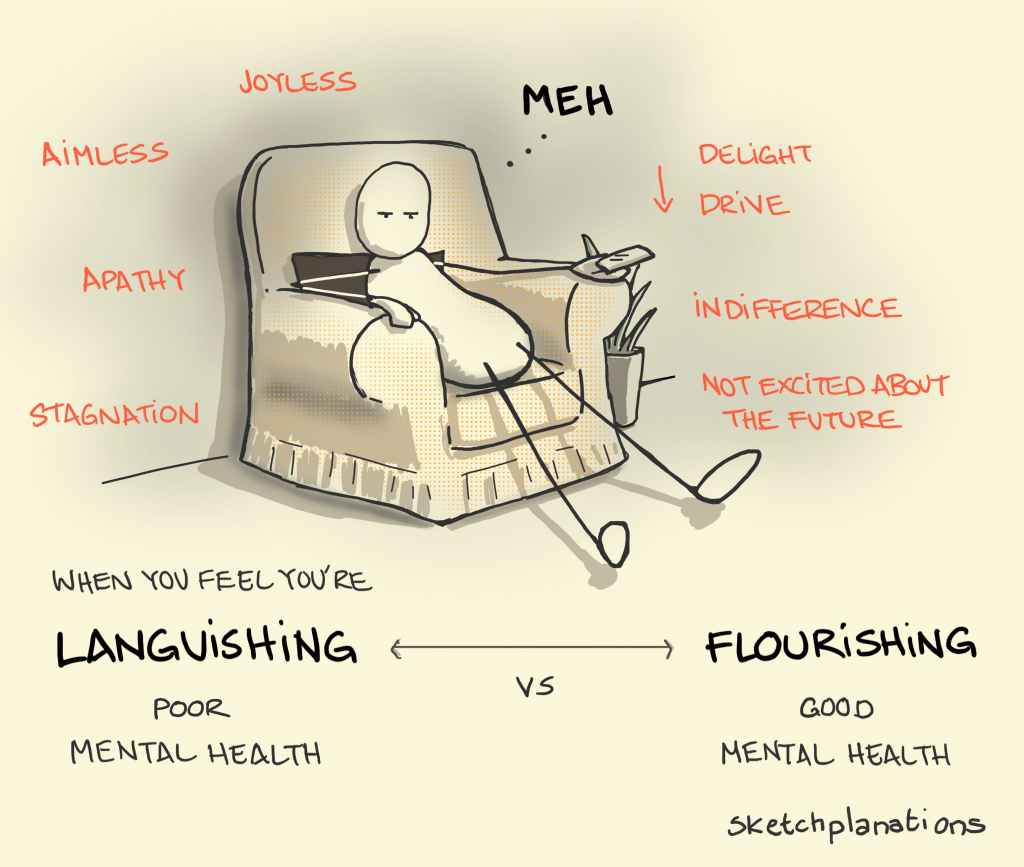
This is not the only thing, the feeling of eternal aimlessness that has started ever since the pandemic is known as languishing, and remember that you are not alone in this, even the practiced psychologists feel the same way. Languishing can be defined as a state of stagnation when you feel like the days are just passing by but you are not doing anything, you are just living through it. Not being able to focus on things is also a symptom of this.

Issues with Online

While most of the things have been shifted to the online forum and the work is being done in this new way, there are still side-effects of this change. The college students who started the online semesters with motivation have lost all of it as they can no longer focus or pay attention to the lectures, it all feels like background noise to them at this point. They cannot connect with their peers in the same way anymore. The distinction between personal and work time has disappeared, this isn’t just for college students but also adults working from home, everyone is working at any time and the expectation to get work done has increased using the reason “you are at home, you have time”. No one feels any kind of connection with their colleagues which brings troubles in the workflow. Moreover, people have lost any sense of time.

Solution

Here are some solutions to deal with this feeling:

  • Create a routine, divide your time for housework and job-related work. A routine will help you maintain a sense of normalcy. It will also help you from feeling lost because of too many things to do at the same time.
  • Try an at-home exercise routine to keep up with your physical health.
  • Declutter your home, it will help you in feeling productive and in control.
  • Set small daily goals, even small achievements count.

There is a concept of flow which means the state of absorption. The people who are immersed in some project avoid languishing, solutions for this are:

  • Even a Netflix binge helps as you connect with the characters of the show and your focus shifts to that.
  • Keep a goal of setting uninterrupted time for yourself, remove all kinds of distractions and focus on the one work you need to finish. There are applications that make sure you don’t use your phone for how much ever time you fill in.

Conclusion

This has been a very hard time for people all across the world, being scared for physical health was one thing but on the path to that our mental health is in danger and we need to take care of it. Remember to not blame yourself for feeling this way, take things slowly, do things that bring you peace. There is no need to hesitate from consulting a psychologist, if you think you are facing symptoms of depression, consult a psychologist to stay on top of your mental health.

References

National Doctor’s Day 2021

“People pay the doctors for his trouble; for his kindness, they still remain in his debt.”

– Seneca

Introduction

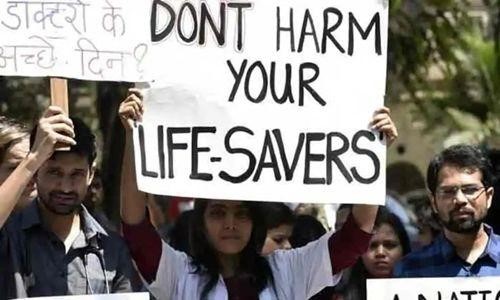
1st July is known as National Doctor’s Day in India and it is organized by the Indian Medical Association. The theme for this year is “Save the Saviours”. The profession of a doctor is full of responsibility to serve the public, and they play a huge role in everyone’s life. We enter the world because of the successful delivery by a doctor, we are safe from the viruses because we get vaccinated by doctors, we recover from our sickness by the consultation of a doctor, doctors perform surgeries on us to keep us alive, and the most important, it is because of the research of these doctors that we now have a vaccine for SARS-CoV-2.

History of the Day

This day was declared as Doctor’s Day in 1991 by the Government of India in honor of Dr. Bidhan Chandra Roy’s birth and death anniversary. Dr. B.C. Roy is famously known for making good health services available to common people. He played a huge role in the creation of two very important medical institutions of the country; the Indian Medical Association in 1928 and the Medical Council of India in 1933. He is also known for helping in the creation of the Indian Institute of Mental Health. He was awarded the Bharat Ratna on February 4, 1961, a year before his demise.

A few facts about his life; he had to take 30 meetings with the dean of St Bartholomew’s Hospital in London to gain admission because the dean was not too inclined to admit him. He graduated in 1911, after which he became a member of the Royal College of Physicians and a fellow of the Royal College of Surgeons. He entered politics after returning from London and took part in the Civil Disobedience Movement. He was a friend of Mahatma Gandhi and took care of him during the 21-day fast. After Independence, he became the Governor of Uttar Pradesh and a year later, he was the second Chief Minister of West Bengal and he served till his death on 1st July 1962. And the B.C. Roy National Award was instituted in 1976, it is the highest Indian award in the medical category.

Mental Health of Doctors

The theme of “Save the Saviours” should not just be to save the doctors from violence but also from the mental health issues they face. An IMA survey claims that 80% of doctors in India are stressed because of their profession. This is not a new problem that arose because of the pandemic, it has been an issue from a long time without getting much attention. A survey conducted by IMA in 2017 shows that 56% of doctors do not get comfortable 7-hour sleep most days. Other studies from 2019 show that 30% of Indian doctors go through depression and 80% face the risk of burnout. It was studied that India’s doctor-patient ratio is very high which brings stress to the doctors related to extended working hours, verbal/emotional abuse by the patients and frequent negative patient outcomes. This stress can then result in prescription errors, loss of temper, being unable to give sufficient time to patients and poor communication skills. But the doctors tend to refuse to seek professional help as it might affect their prospects as a doctor. The doctors are also trained to mask their pain and deal with it themselves which is not healthy. The overtime and overexertion are just normalized and expected that people forget how it affects our doctors. As we focus on saving our saviours, we should also normalize mental health issues and accept and promote doctors seeking professional health, these saviours deserve to save themselves too.

Violence Against Doctors

Violence against Doctors has been in existence from a long time but the pandemic has just brought more attention because of the role the doctors have been playing. The World Health Organization (WHO) guidelines of 2002 define workplace violence as incidents where the employees are abused, threatened, assaulted or subjected to offensive behaviour in circumstances related to their work. An IMA survey shows that 75% of doctors have faced some form of violence in their profession, which includes verbal, emotional, sexual, and cyber abuse. About 62.8% of doctors are unable to see patients without having a fear of violence, 13.7% of doctors fear criminal prosecution and 57.7% of the doctors have thought of hiring society. When the national lockdown was announced in March 2020, the common people were filled with panic and anxiety and they started acting out on the health care workers, they started discriminating against the doctors, not touching them, not letting them buy fruits from the stall, treating them as polluted, not just this but also physical abuse. Two female doctors were beaten by a fruit seller when he found out their profession. All this forced the Indian government to make an ordinance to protect the frontline workers, but even this could not protect them, in June 2020, a doctor at Hyderabad’s facility was assaulted by the relatives of the patient. Not just that, in June 2021, a doctor in Assam was punched, kicked and hit with metal trash cans by the relatives of a patient. This has become a common thing in India and a part of the reason is because of the lack of responsibility taken by the government in the health sector, so everything falls upon the doctors to deal with it. Till when do doctors have to suffer for protecting us? When will we realize that they are working for the public, they are trying to help us, they put themselves in danger every day to protect us and they get this treatment for it? This isn’t just an issue for existing doctors but also for the future doctors who keep worrying about being in situations where they are abused and the fear, in turn, changes the focus from saving the patient to saving themselves. Adding to that they start wondering if it is a country-based issue which then makes them consider further education abroad.

Conclusion

It is high time we start appreciating doctors for their service to the public and this Doctor’s Day is a good time to start if you haven’t already. Our saviours need to be saved.

References

The coronavirus (COVID‐19) pandemic’s impact on mental health

Throughout the world, the public is being informed about the physical effects of SARS‐CoV‐2 infection and steps to take to prevent exposure to the coronavirus and manage symptoms of COVID‐19 if they appear. However, the effects of this pandemic on one’s mental health have not been studied at length and are still not known. As all efforts are focused on understanding the epidemiology, clinical features, transmission patterns, and management of the COVID‐19 outbreak, there has been very little concern expressed over the effects on one’s mental health and on strategies to prevent stigmatization. People’s behavior may greatly affect the pandemic’s dynamic by altering the severity, transmission, disease flow, and repercussions. The present situation requires raising awareness in public, which can be helpful to deal with this calamity. This perspective article provides a detailed overview of the effects of the COVID‐19 outbreak on the mental health of people.

KIDS AND TEENS AT RISK

Kids, away from their school, companions, and partners, remaining at home can have numerous inquiries concerning the flare-up and they look toward their folks or guardians to find the solution. Not all kids and guardians react to pressure similarly. Children can encounter nervousness, trouble, social detachment, and an oppressive climate that can have short‐ or long‐term consequences for their psychological wellness. Some normal changes in youngsters’ conduct

To assist with balancing negative practices, expects guardians to try to avoid panicking, manage the circumstance carefully, and answer the entirety of the kid’s inquiries as well as could be expected. Guardians can set aside some effort to converse with their youngsters about the COVID‐19 flare-up and share some sure realities, figures, and data. Guardians can assist with consoling them that they are protected at home and urge them to participate in some solid exercises including indoor games and some physical and mental activities. Guardians can likewise foster a home timetable that can assist their youngsters with staying aware of their investigations. Guardians should show less pressure or nervousness at their home as kids see and feel negative energy from their folks. The contribution of guardians in solid exercises with their youngsters can assist with lessening pressure and nervousness and carry help to the general circumstance.

 ELDERS AND PEOPLE WITH DISABILITIES AT RISK

Older individuals are more inclined to the COVID‐19 flare-up because of both clinical and social reasons, for example, having a more vulnerable safe framework or other basic medical issue and removing from their families and companions because of their bustling timetables. As indicated by clinical specialists, individuals matured 60 or above are bound to get the SARS‐CoV‐2 and can create a genuine and life‐threatening condition regardless of whether they are healthy.

Physical separating because of the COVID‐19 episode can have exceptional adverse consequences on the emotional wellness of the old and handicapped people. Actual disengagement at home among relatives can put the old and incapacitated individual at genuine emotional wellness hazard. It can cause tension, trouble, and prompt a horrible circumstance for them. Old individuals rely upon youthful ones for their day by day needs, and self‐isolation can fundamentally harm a family framework. The old and crippled individuals living in nursing homes can confront outrageous psychological wellness issues. Be that as it may, something as straightforward as a call during the pandemic episode can assist with supporting old individuals. COVID‐19 can likewise bring about expanded pressure, uneasiness, and gloom among older individuals previously managing psychological well-being issues.

Specialists, medical caretakers, and paramedics functioning as a front‐line power to battle the COVID‐19 flare-up might be more defenseless to foster emotional well-being indications. Dread of contracting an illness, long working hours, inaccessibility of defensive stuff and supplies, patient burden, inaccessibility of powerful COVID‐19 prescription, passing of their associates after openness to COVID‐19, social separating and disconnection from their loved ones, and the critical circumstance of their patients may cause significant damage of the psychological wellness of wellbeing laborers. The functioning proficiency of wellbeing experts may diminish progressively as the pandemic wins. Wellbeing laborers should take brief breaks between their functioning hours and manage the circumstance tranquilly and in a casual way.

Are heart breaks a catalyst for success?

Do heartbreaks really lead to success? Read further to know more..

Heartbreaks are more of a blessing than a curse! Are every sort of heartbreaks the same? ‘Every sort’? Yes! Not just break ups causes heartbreak.. when your loved one dies or moves apart, when you lose your job, when you lose your property, these are all reasons for a heartbreak. Does it really lead to success? Or to depression?

Heartbreak builds a bridge between failure and success. It is completely your choice either to fall into the pit or to walk over the bridge and attain success.

Walk towards success!

Heartbreaks are not an end, sometimes it is just a beginning to something beautiful. It is rightly said that success comes from pain. When you go through a heartbreak, you wish certain things. You want to move on, you want yourself to stand on your own feet which acts as a fuel to become successful.

“Failure is so important. We speak about success all the time. It is the ability to resist failure or use failure that often leads to greater success. I’ve met people who don’t want to try for fear of failing.”

– J K Rowling

Rowling’s words have inspired us to overcome failure, to use failure to become successful. Heartbreaks can surely be a motivation to fulfil our dreams and aims. Therefore, recognising failure is a stepping stone towards success.

The world of art would never have been interesting if it didn’t come from a broken heart. If you notice, most of the playwrights, actors, authors, philosopher, singers etc. that are a successful bore from the heart. Everyone had that struggle in life. Life completely takes a turn after it. Either downwards or to heights you could have ever imagined.

“Success is the best revenge.”
“You need pain to succeed in life.”

– Bo Sanchez

The pain revives certain inner qualities you posses. It somehow automatically creates a mood to follow your passion. Heartbreak comes with wisdom and knowledge. So let heartbreak be a burning fuel within, which motivates you to success.

Heartbreaks not only motivates you to be a better version of yourself, it allows your mind to be an effective judge. You gain emotional intelligence as well. You can no longer be easily fooled or trapped. You learn to control and handle emotions well. Emotional intelligence is no doubt a crucial skill to success.

Heartbreak is a failure which your heart faces. If you are experiencing any such issues. Face it and learn from it. It makes us stronger, better and successful.

The social media addiction

From the past few days, I did not get the time to use social media as often as I would. Today when I went back on social media I realised that I am falling back into the cycle of comparing my life with people. It then hit me that from a past few days where I was busy, the world around me changed, the birds were chirping, the flowers were blooming. This was a joke obviously.

But I did notice that I wasn’t comparing my life and was focussing on myself.

Social media is a place where everyone shows how perfect their lives are, even if taking that one picture took them three hours of hard work. Scrolling through social media makes us have questions like

How are they going out daily?

How are they having so many friends?

How do they get such good pictures?

Well, I am not hating on the people who have friends or spend time taking their pictures. They are doing what they want which is good. The problem arises when we start thinking of their lives as “perfect” and start looking down on our lives.

Let’s take an example of how social media makes us feel bad about our lives:

Imagine you have a day planned for working or doing an assignment. Let me tell you which is completely normal. But then you go on social media and see people have fun and it makes you feel bad about your life.

 I know we do like posting a picture and getting likes and comments. So, I am not telling you to stop using social media. I am just asking you to remember where to stop. So today when I realised that I was going to fall back in that cycle I stopped and took a break from social media. I went and did something else because I am in a good place right now and I don’t want other people’s life to affect my life.

So the next time you are using social media always remember a few things:

No one has a perfect life: There is no such thing as a perfect life, every person has their share of problems. So, don’t make yourself feel bad about why your life isn’t perfect.

Everything we see is not real: we see stories of people going out every day. Well, they may not always have as much fun as it is shown on social media. I have ordered a few fancy-looking food and, to tell you the truth it did not taste as good as it looked. Even in stories that people post with their friends, they show how much fun they are having but in reality, people are just sitting and are using their devices and scrolling through social media.

Quality not quantity: having a big friend group is fun but they have a lot of drama too. So if you are someone with even 2-4 good friends, appreciate that because you would rather spend time with real friends than be surrounded by fake friends.

Gratitude: we need to be grateful for all that we have. We know that some people don’t even have what we currently have. If you are reading this article that means you do have a device to read it in so be thankful for that and don’t compare your life with people.

Live in the moment: There is a difference between living the moment and, only capturing it. I remember going to a concert and only recording the concert and not really enjoying it or living the moment. I wished that I lived in the moment. But, I was 13 at that time and lacked brain cells. So, don’t repeat my mistake.

Social media is a great platform and can be used to promote small businesses, raise funds, help people out, make money, become an influencer, etc. But if your mental health is getting affected by it and you are subconsciously feeling bad about your life you need to stop and take a break from it.

IMPORTANCE OF MENTAL HEALTH

BY: VAIBHAVI MENON

“The only journey is the journey within.” Being raised in an Indian household, mental health was something that was frowned upon or considered unimportant while academic scores decided how happy you were or would be in life. Mental health includes our emotional, psychological, and social well-being. It affects how we think, feel, and act as we cope with life. Mental health, defined by the World Health Organization, is “a state of well-being in which the individual realizes his or her own abilities, can cope with the normal stresses of life, can work productively and fruitfully, and is able to make a contribution to his or her community”

Mental illnesses affect 19% of the adult population, 46% of teenagers and 13% of children each year. People struggling with their mental health may be in your family, live next door, teach your children, work in the next cubicle or sit in the same church pew. However, only half of those affected receive treatment, often because of the stigma attached to mental health. Untreated, mental illness can contribute to higher medical expenses, poorer performance at school and work, fewer employment opportunities and increased risk of suicide. Stress can be the cause mental health problems and make existing problems worse. For example, if you often struggle to manage feelings of stress, you might develop a mental health problem like anxiety or depression. Mental health problems can cause stress. You might find coping with the day-to-day symptoms of your mental health problem, as well as potentially needing to manage medication, heath care appointments or treatments, can become extra sources of stress. Stress can impact on how you feel physically. May is Mental Health Awareness Month, also known as Mental Health Month. It has been observed each May in the United States since 1949. It has never been more important than now to recognize that mental health is an essential component to one’s overall health and wellbeing, and that mental illnesses are common and treatable. While it may be that some of us are more vulnerable than others, everyone faces challenges in life that can impact their mental health. After all, just a few months ago, none of us had any idea that all our worlds would be upended by the coronavirus, and that worry, isolation, loneliness, depression and anxiety would become collective experiences shared by literally everyone. By virtue of our birthright, as human beings none of us are immune.  Perhaps this collective experience of living with the emotional and psychological impacts brought on by COVID will help cultivate not only more awareness of mental health issues, but more compassion too. One can hope. According to a 2017 Centers for Disease Control report, suicide was the tenth leading cause of death overall in the United States, claiming the lives of nearly 47,000 people. Suicide was the second leading cause of death among individuals between the ages of 10 and 34, and the fourth leading cause of death among individuals between the ages of 35 and 54. There were more than twice as many suicides in the United States as there were homicides.

Therefore mental health is very important and we should do our part by talking to others and listening to the ones in need of it.

|Complexities in life |

Complexities and complications in life makes us who we are today. If it isn’t for the experience’s and complex situations that we had undergone we wouldn’t have become who we are today. This essay focuses on how these complexities make our life beautiful. I would like guide you down to a very different lane of thoughts about life. These complex thoughts can only be learned and understood with examples and real-life situation in order for us to comprehend it. Referring to the idea of addressing the twisted and complicated side of globalization, Manfred B Steger made us understand some of these complexities. 

Sometimes we find ourselves at crosswords with different situations which are hard to simplify. An example of this is how Cameron Russell talks about how she if living a life most of us would want to grab at the first chance we get yet how unhappy she is with it. These are the complex situations where we stop to think of how happy we are and content with our lives even when we have no wealth or fame. Happiness instead of becoming a choice then become an unattainable option. 

‘Is google making us stupid’ is an article by Nicholas Carrwhich focuses on how complex the system of google working is, there are two sides to the story. One, where we completely rely on google to learn while the other google making us stupid. It is pretty paradoxical if I put it that way but it is quite true too. I would like to unravel such complex thoughts in my essay. 


The Paradox in Life 

Our lives aren’t compromised of simplicities nor they want to be easily defined. From the flip side of romanticizing sadness to people actually being able to relate to it, we have come across some complex dimensions a human brain can adapt too. We are social beings kept locked away in our homes for the past 8 months, imagine the irony. People learn new thoughts and possibilities and eventually life only through socialization but what happens when they are cut off from the world completely. They forget to live life as it was before. They forget about how beautiful life was before this pandemic struck. How we all loved the little complex moments and shared the joy in it.

The word ‘Love’ has different pronunciations and spellings in different places yet it shares the same feelings wherever it is expressed. Love cannot be limited to just your partners affection, love is also when your mother buys you, your favorite dress or when your father cooks your favorite dish. Love cannot be reduced to a specific section of people because love is omnipresent. And if shared brings a lot of joy. But this cannot be said about the way humans treat each other. 

People aren’t always filled with love and happiness but also emotions like anger, sadness, regret, guilt and jealousy. They are sometimes driven by these complex emotions which sometimes can result in unpredicted circumstances and we learn from them. We learn from our mistakes every time we commit one, everyday we are learning, evolving, changing into a better version of ourselves because of these complexities. 

In Steger’s text on globalization we had come across a very twisted side of how the interconnectedness of the world has resulted in many tragedies rather than the advantages. The world has become so progressed yet it has not let go of its secular roots and stereotypes. One of the after product of this globalization is the internet. People make use of the most popular search engine ‘Google’. Yes, google makes us look smart and earns us good grades but at the same time it makes us lose the ability to concentrate and read, it reduces our concentration span and it makes us reduce the amount of knowledge we could have acquired through reading a book. So, think about it? Are we really becoming smart? 

These thoughts I have put forward were for you to realize how complexities that stay out of our normal thinking could easily make us know the world in another perspective. Looking at things from one point of view is quite biased and subjective. Learning to view through the objectivize path requires wide reading as said by Ann Morgan. She had set on a voyage for reading a book from all the countries across the world. It is a beautiful yet complex mission which if attained can make her quite a knowledgeable person. Someone with wide reading capabilities know how important it is to acknowledge the little things in life and live in the moment. 

Writing conclusions for an essay with such a variety perspective is quite a challenge, because it isn’t about a specific topic nor about an unchanging entity. It is about the situations and experiences where we learn to be a better person and it is no easy challenge. My examples of how I see the world can be very different from yours but it does not make it any smaller. We all are part of something as huge as the milky way. We have yet to find out so many things in the world, but we should always learn to embrace the complex moments and the beauty in our lives.