Organic Farming in India: The Future of Sustainable Agriculture

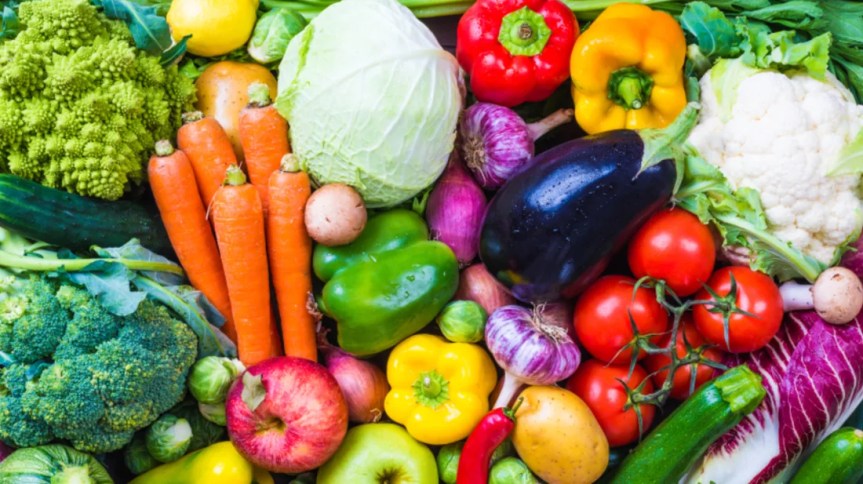
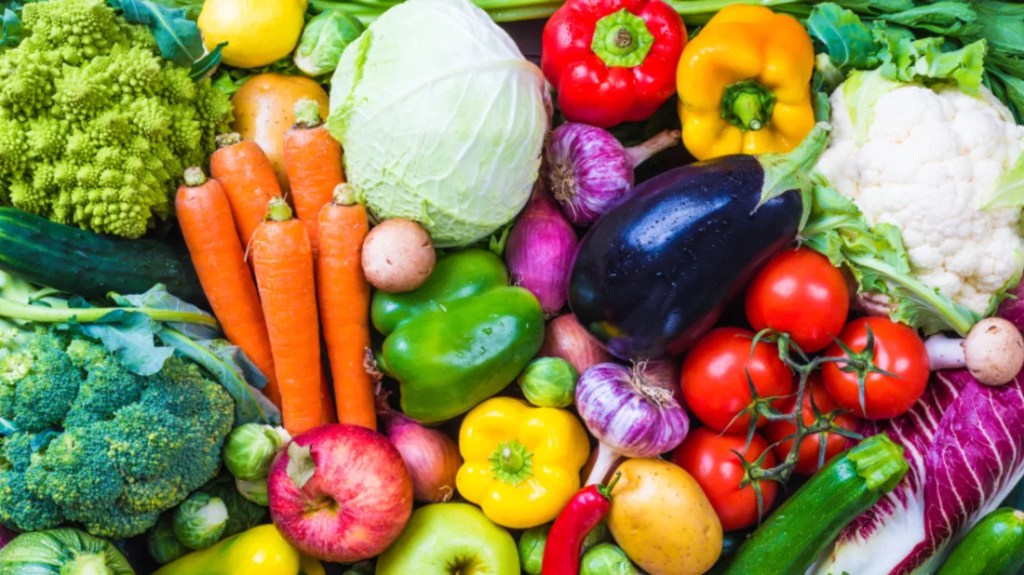
Organic Farming Produce

Introduction

The term ‘organic’ was first coined by Northbourne, in 1940, in his book entitled ‘Look to the Land’. In recent years, organic farming as a cultivation process is gaining increasing popularity . Organically grown foods have become one of the best choices for both consumers and farmers. Organically grown foods are part of go green lifestyle.
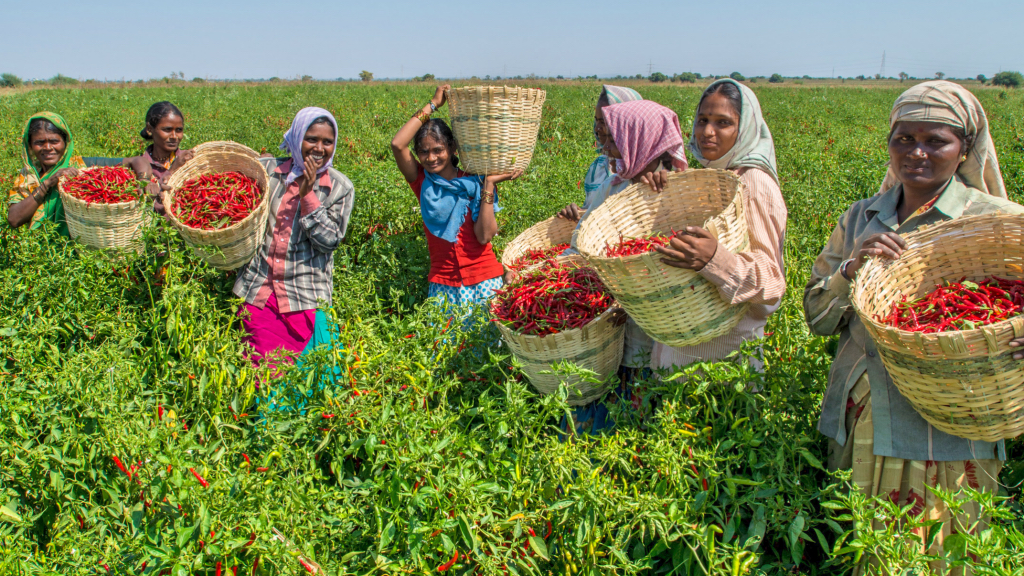
Farmers showing their Organic Harvest

Why Being Preferred These Days: The Importance of Organic Farming

Food quality and safety are two vital factors that have attained constant attention in common people. Growing environmental awareness and several food hazards (e.g. dioxins, bovine spongiform encephalopathy, and bacterial contamination) have substantially decreased the consumer’s trust towards food quality in the last decades. Intensive conventional farming can add contamination to the food chain. For these reasons, consumers are quested for safer and better foods that are produced through more ecologically and authentically by local systems. Organically grown food and food products are believed to meet these demands.
Organic Farming Processes

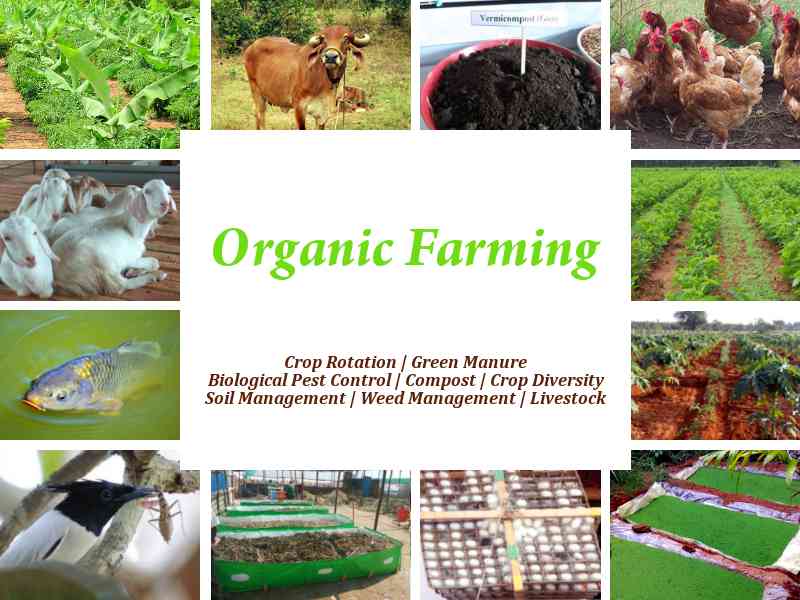
Organic Farming Process

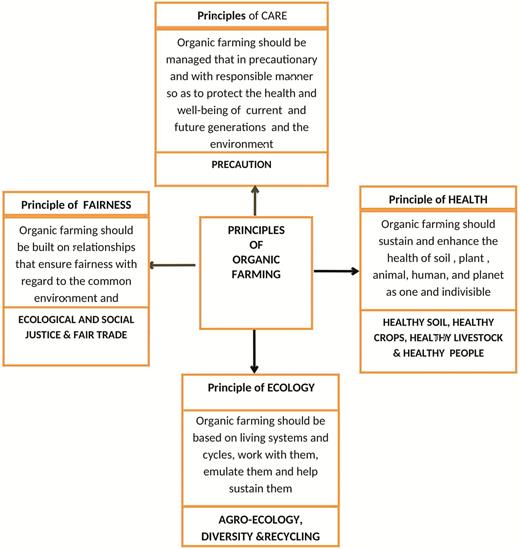
Organic farming and food processing practices are wide-ranging and necessitate the development of socially, ecologically, and economically sustainable food production system. The International Federation of Organic Agriculture Movements (IFOAM) has suggested the basic four principles of organic farming, i.e. the principle of health, ecology, fairness, and care . The main principles and practices of organic food production are to inspire and enhance biological cycles in the farming system, keep and enhance deep-rooted soil fertility, reduce all types of pollution, evade the application of pesticides and synthetic fertilizers, conserve genetic diversity in food, consider the vast socio-ecological impact of food production, and produce high-quality food in sufficient quantity.

Principles of Organic Farming  

According to the National Organic Programme implemented by USDA Organic Food Production Act (OFPA, 1990), agriculture needs specific prerequisites for both crop cultivation and animal husbandry. To be acceptable as organic, crops should be cultivated in lands without any synthetic pesticides, chemical fertilizers, and herbicides for 3 years before harvesting with enough buffer zone to lower contamination from the adjacent farms. Genetically engineered products, sewage sludge, and ionizing radiation are strictly prohibited. Fertility and nutrient content of soil are managed primarily by farming practices, with crop rotation, and using cover crops that are boosted with animal and plant waste manures. Pests, diseases, and weeds are mainly controlled with the adaptation of physical and biological control systems without using herbicides and synthetic pesticides. Organic livestock should be reared devoid of scheduled application of growth hormones or antibiotics and they should be provided with enough access to the outdoor. Preventive health practices such as routine vaccination, vitamins and minerals supplementation are also needed.
Principles of Organic Farming

Types of Organic Farming

Organic Farming are of two types. Here are the two types of Organic Farming being performed in India.

(a) Pure Organic Farming – pure organic farming, there is avoiding every unnatural chemical. In the process of pure farming, fertilizer and pesticides obtain from natural sources. It is called a pure form of organic farming. Pure organic farming is the best for high productivity. 

(b) Integrated Organic Farming – Integrated organic farming consists of integrated nutrients management and integrated pest management.

Organic Farming in India

Organic farming is in a nascent stage in India. About 2.78 million hectare of farmland was under organic cultivation as of March 2020, according to the Union Ministry of Agriculture and Farmers’ Welfare. This is two per cent of the 140.1 million net sown area in the country. A few states have taken the lead in improving organic farming coverage, as a major part of this area is concentrated only in a handful of states. Madhya Pradesh tops the list with 0.76 million of area under organic cultivation — that is over 27 per cent of India’s total organic cultivation area. The top three states — Madhya Pradesh, Rajasthan and Maharashtra — account for about half the area under organic cultivation. The top 10 states account for about 80 per cent of the total area under organic cultivation. Sikkim is the only Indian state to have become fully organic so far. Even though India has very small organic area under cultivation, in terms of number of organic farmers it is being ranked first. India has over 1.9 million farmers as of March 2020, which is 1.3 per cent of 146 million agricultural landholders.
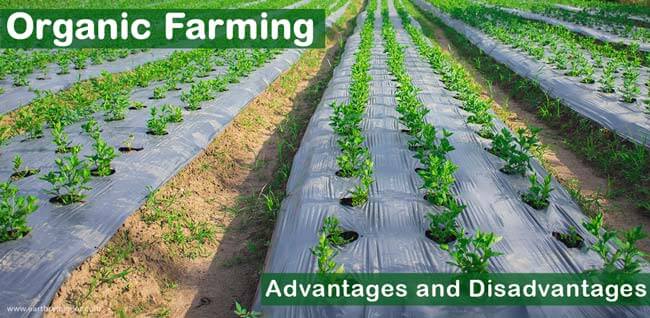
Advantages and Disadvantages of Organic Farming

Advantages of Organic Farming

Organic farming in India is very economical, it uses no expensive fertilizers, pesticides, HYV seeds for the plantation of crops. It has no expenses. 

With the use of cheaper and local inputs, a farmer can earn a good return on investment. This is one of the most important benefits of organic farming in India. 

There is a huge demand for organic products in India and worldwide and can earn more income through export.

Organic products are more nutritional, tasty, and good for health to chemical and fertilizer utilized products. 

Organic farming in India is very environment friendly, it does not use fertilizers and chemicals. 

Disadvantages of Organic Farming

Organic farming in India has fewer choices, and off-season crops are limited.

Organic agricultural products are low in the early years. Farmers find it difficult to accommodate mass production.

The main disadvantage of organic farming is the lack of marketing of the products and Inadequate infrastructure.
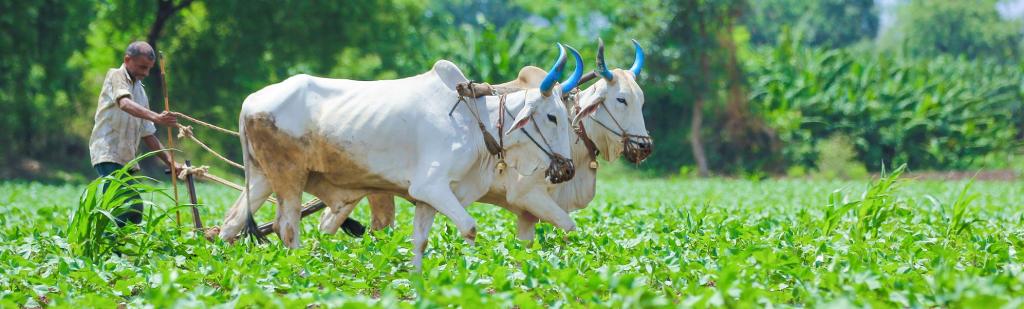
Organic Farming in India

Future of Organic Farming in India

India is an agriculture-based country with 67% of its population and 55% of manpower depending on farming and related activities. Agriculture fulfils the basic needs of India’s fastest-growing population accounted for 30% of total income. Organic farming has been found to be an indigenous practice of India that practised in countless rural and farming communities over the millennium. The arrival of modern techniques and increased burden of population led to a propensity towards conventional farming that involves the use of synthetic fertilizer, chemical pesticides, application of genetic modification techniques, etc.
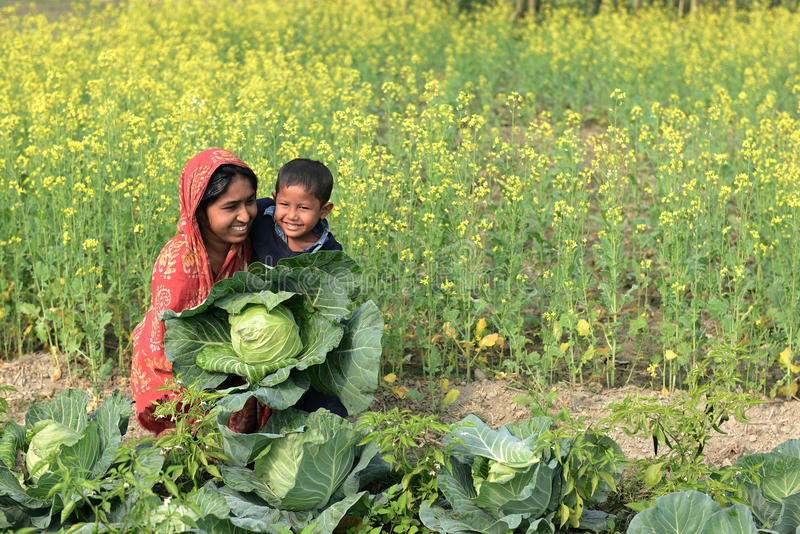
Organic Farming leads to Sustainability and Holistic Growth

Even in developing countries like India, the demand for organically grown produce is more as people are more aware now about the safety and quality of food, and the organic process has a massive influence on soil health, which devoid of chemical pesticides. Organic cultivation has an immense prospect of income generation too. The soil in India is bestowed with various types of naturally available organic nutrient resources that aid in organic farming.
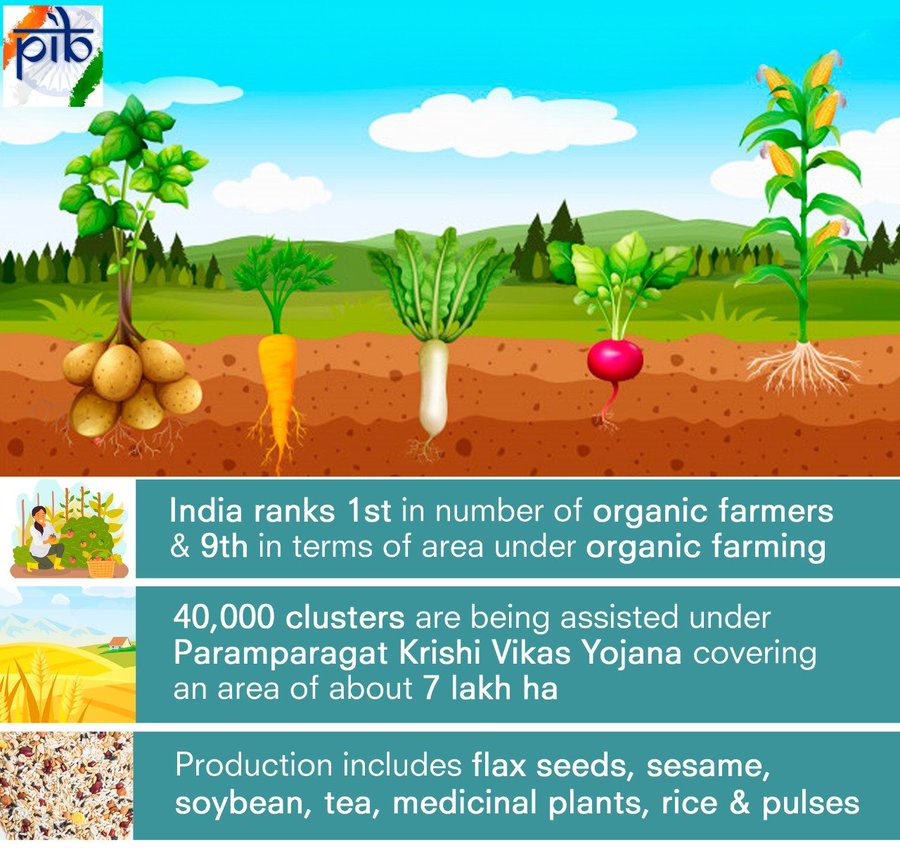
As per data collected from Government of India

Conclusion

India is a country with a concrete traditional farming system, ingenious farmers, extensive drylands, and nominal use of chemical fertilizers and pesticides. Moreover, adequate rainfall in north-east hilly regions of the country where few negligible chemicals are employed for a long period of time, come to fruition as naturally organic lands. Organic farming yields more nutritious and safe food. The popularity of organic food is growing dramatically as consumer seeks the organic foods that are thought to be healthier and safer. Thus, organic food perhaps ensures food safety from farm to plate. The organic farming process is more eco-friendly than conventional farming. Organic farming keeps soil healthy and maintains environment integrity thereby, promoting the health of consumers. Moreover, the organic produce market is now the fastest growing market all over the world including India. Organic agriculture promotes the health of consumers of a nation, the ecological health of a nation, and the economic growth of a nation by income generation holistically. India, at present, is the world’s largest organic producers and with this vision, we can conclude that encouraging organic farming in India can build a nutritionally, ecologically, and economically healthy nation in near future.
ORGANIC FARMING

An agricultural system that uses fertilizers of organic origin such as compost manure, green manure, and bone meal and involves farming methods such crop rotation and companion planting is Organic Farming. The term ‘Organic’ was popularized by Howard and Rodale. This type of farming is inclusive of usage of biodiversity, while preserving natural resources and ensuring animal welfare. Organic Farming is highly beneficial in all terms.

BENEFITS OF ORGANIC FARMING

MAINTAINS PURITY OF WATER

An extensive use of chemical pesticides and insecticides, contributes in polluting water bodies and underground water. Organic farming replaces such toxic substances with natural fertilizers such as manure, compost, animal waste, which help in soil retention and quality. In places where, the incidences of water pollution are more, organic farming must be brought into practice.

PRODUCTION OF HEALTHY FOOD

Organic Farming enhances the nutrients in the soil because use of toxic elements is prohibited. The quality of food is determined with the amount of vitamins and minerals that are embedded in it. Organic food is much richer in nutrients than food grown through conventional methods.

POCKET FRIENDLY

Organic food products are not grown with the use of inputs like expensive pesticides, chemicals, insecticide sprays, etc. Instead, it makes use of everything that is available naturally with no or minimal capital cost. There is yet a buzz that Organic products are costly, which is not true.

SAFE TO PRACTICE

Organic Farming is safe to practice than conventional methods. Annually 44% of the world’s farming population dies, due to poisoning while using harmful pesticides. Farmers are routinely exposed to high levels of pesticides, usually much greater than those of consumers. Farmers’ exposure mainly occurs during the preparation and application of the pesticide spray solutions and during the cleaning-up of spraying equipment. But, Organic farming is very safe to practice because of it’s natural methods.

BETTER TASTE

Farmers producing organic farm products are extremely careful about the quality of their soil and do practice soil care methods. Soil with high nutritional value tends to produce better farm products. Chefs and food experts actually do believe that organic farm products taste much better than the conventional ones.

METHODS OF ORGANIC FARMING

  • Vermicomposting
  • Green Manures
  • Animal Manures
  • Crop Rotation
  • Livestock Management
  • Soil Supervision
  • Weed Control
  • Genetic Modification

Hence, in conclusion, we can state that, Organic Farming is the best alternative for traditional farming. There are so many positives to Organic Farming. Today, Organic Agriculture is practiced in 187 countries by about 1.3 million farmers globally. Environmental consciousness has further given rise to the practice of Organic Farming.

8 Foods For Our Moods

Everything has a vibration. Whatever you do,say,eat and drink has an effect on you. It either builds you up or breaks you down without your knowledge. An unhealthy diet comprising of less vegetables and organic food can effect your mood drastically. Other than obesity, It also attracts sadness, frustration and negativity as a whole.

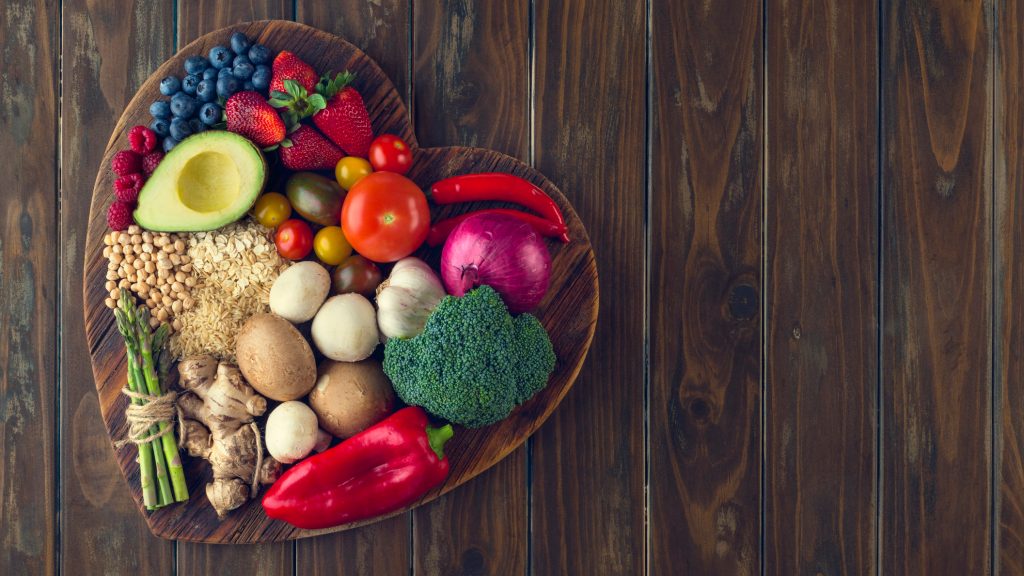
Having organic food and a balanced diet has a contrary effect.  It makes us feel energetic, refreshed, alive and happy. In simple words, it boosts our mood and lifts our vibes. It assists us in attracting what we desire . Good health and good mind are very closely related to each other. Let us look into some of these uplifting foods:


Green Leafy Vegetables: Leafy Vegetables are organic and the fresher they are, the better. Spinach, chard and other dark leafy vegetables contain magnesium which positively effects serotonin and boosts our mood. Lack of magnesium can cause a risk of anxiety and depression.

Beans: As protein packed foods, beans contribute to our mental health through the fibre present in them. Fibre helps regulate blood sugar which  in turn makes our mood better. Beans are also an excellent source of magnesium, iron, potassium and phosphorus.

Bananas: Bananas appear in every list of food concerning mood boosts. They are high in Vitamin B6 which synthesize feel good neurotransmitters like serotonin and dopamine. Bananas consist both sugar and fibre. Sugar, when paired with fibre, releases slowly into our bloodstream allowing for stable blood sugar levels which stabilizes our mood. Low blood sugar levels may lead to mood swings.

Bananas with a green coloured peel are a great source of probiotics which is a kind of fibre which helps feed healthy bacteria to our gut.

Berries: Berries are packed with a variety of antioxidants. Blueberries are rich in the antioxidant flavonoids which assist in activating brain pathways associated with reduced inflammation and risk of depression. Blueberries and strawberries contain a compound called polyphenolics which improves concentration, memory and attention span.


Salmon: Salmons are rich in omega-3, fatty acids. Especially DHA and EPA. Omega acids are anti inflammatory and are necessary for brain and nervous system development. EPA and DHA have shown to eliminate depression and they can effect our personality and impulse control. Salmons are also high in proteins, Vitamin B12 and D. Vitamin D is linked to better and stable mood. Vitamin B12 on the other hand works in cooperation with folate to help convert amino acids into neurotransmitters which are found in low levels among depression patients.

Almonds: Almonds are rich in protein  including tyrosine for neurotransmitter production It also contains Vitamin E, magnesium and fibre. As an antioxidant, Vitamin E can help fight radical damage in the brain and has shown to improve memory and cognition.Almonds and walnuts have calcium which can help offset hormonal imbalance in women and decrease the symptoms of depression, anxiety, irritability and impaired memory.

Cashews on the other hand, are rich in tryptophan, a neuro chemical which our body turns into serotonin. Vitamin B6 and magnesium present in cashews help to control mood swings. A handful of unsalted cashews are just enough to get the necessary nutrients.

However, not everytime one may feel like indulging in organic foods. In such cases, one may try chocolates! Dark chocolates, to be specific.  Rich in many mood boosting compounds, its sugar is a quick source of fuel to the brain which in return may improve our mood. It helps reducing anxiety and improves the conditions of clinical depression. Dark chocolates with large amounts of cacao can have positive effects on stress levels and even the immunity. It releases feel good compounds such as caffeine and N-acylethanolamine which is chemically similar to cannabinoids that is linked to an improved mood.

Coffee: For some of us, Coffee is a mood saver. Indeed it is. Its high level of caffeine and chlorogenic acid boosts our mood. The caffeine increases our attention by preventing adesnosine from attaching to the brain receptors that promote tiredness.The list of such food goes on. Some examples are oats,lentils,eggs,herbs,spices, fermented foods and tea.

The list of such food goes on. Some examples are oats,lentils,eggs,herbs,spices, fermented foods and tea.


There are  lists of healthy foods,habits,lifestyle,behaviour and practices . What makes them healthy is the vibes and energy which they carry. It is known amongst many that how a vegetarian diet can help to calm down a person. How exercises boosts our mood and how meditation helps us understand ourselves better.

All of these practices are healthy because they help to promote good vibes in us. When we come in contact with something which vibrates at a higher frequency, it improves our vibrations . When we inculcate activities with such  high frequency vibrations, we improve our own vibes. Thereby, attracting positivity.

TOP 5 HOME MADE ORGANIC FERTILIZERS FOR YOUR GARDEN

TOP 5 HOMEMADE ORGANIC FERTILIZERS FOR YOUR KITCHEN GARDEN

INTRODUCTION:

Now a days many of the urban people has turned towards organic kitchen farming

Continuous usage of chemical fertilizers has made a havoc among people specially parents those who always look forward for better health.  

Excessive fertilizers are reason behind memory loss, weak appetite, dull-dark skin etc. 

Turning towards organic kitchen farming is a better way of avoiding such issues, but again people from urban cities faces problem of time management and of course organic fertilizers are actually expensive  

Here in this article, I have shared my best 5 organic solutions which you can use for your many of the fruits and flower bearing plants. 

COW DUNG FERTILIZER:

COW DUNG FERTILIZER.

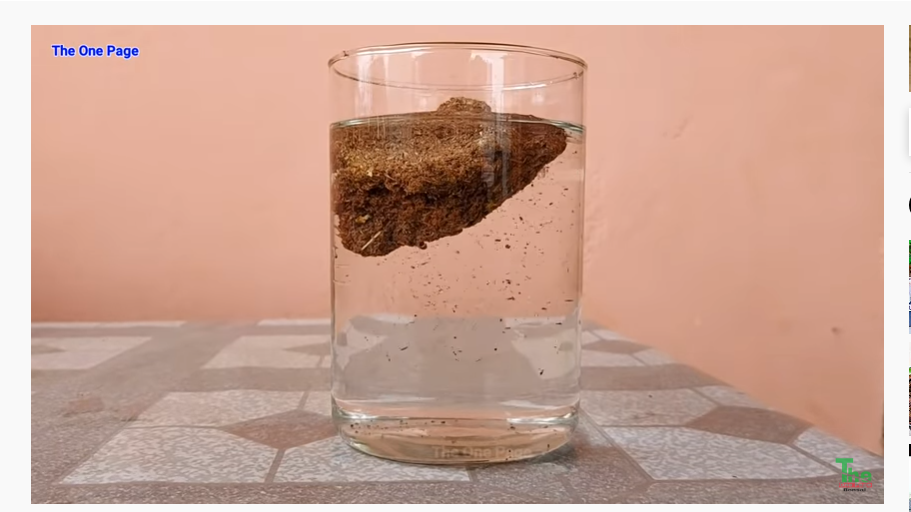
1.COW DUNG FERTILIZER: Most known organic fertilizer, from ancient times cow dung was treated as gold, Now, we have lesser knowledge about it, Farmers used to preserve it by making their dry cakes. 

PREPERATION: 

  • Take two glasses of water in a vessel. 
  • Add a piece of dried piece or fully decomposed cow dung  
  • Keep the mixture for overnight. 

Water will change the color to reddish yellow. 

USAGE- you can use this solution to all leafy, fruit and flower bearing plants  

This solution is used in every season except harsh summer season. 

TEA LEAVES FERTILIZER:

TEA LEAVES FERTILIZER

2.TEA LEAVES FERTILIZER

Another very easy and accessible liquid fertilizer is tea leaves fertilizer. Some of our garden plants need a bit acidic soil such as rose plant, money plant etc. To fulfill their needs this fertilizer is used. 

PREPERATION: 

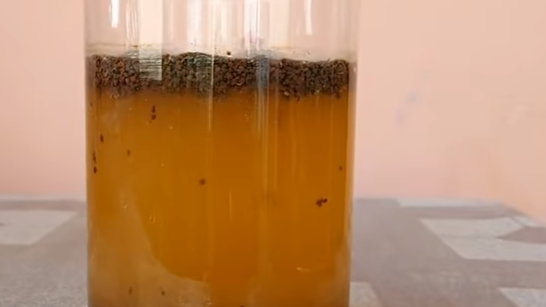
  • First you need to prepare tea leaves, which you can do easily storing used tea leaves of 5-6 days. 
  • At least you need 2 proper washes to remove milk particles. 
  • Dry them for 3 days. Now your tea leaves are ready for becoming fertilizers. 
  • Take a bowl full of water mix the above granules of tea leaves and keep them for 24 hours, you will observe yellowish solution. 
  • Stain the fertilizer and use in flower bearing plants  

Usage- You can use this fertilizer in winters only. 

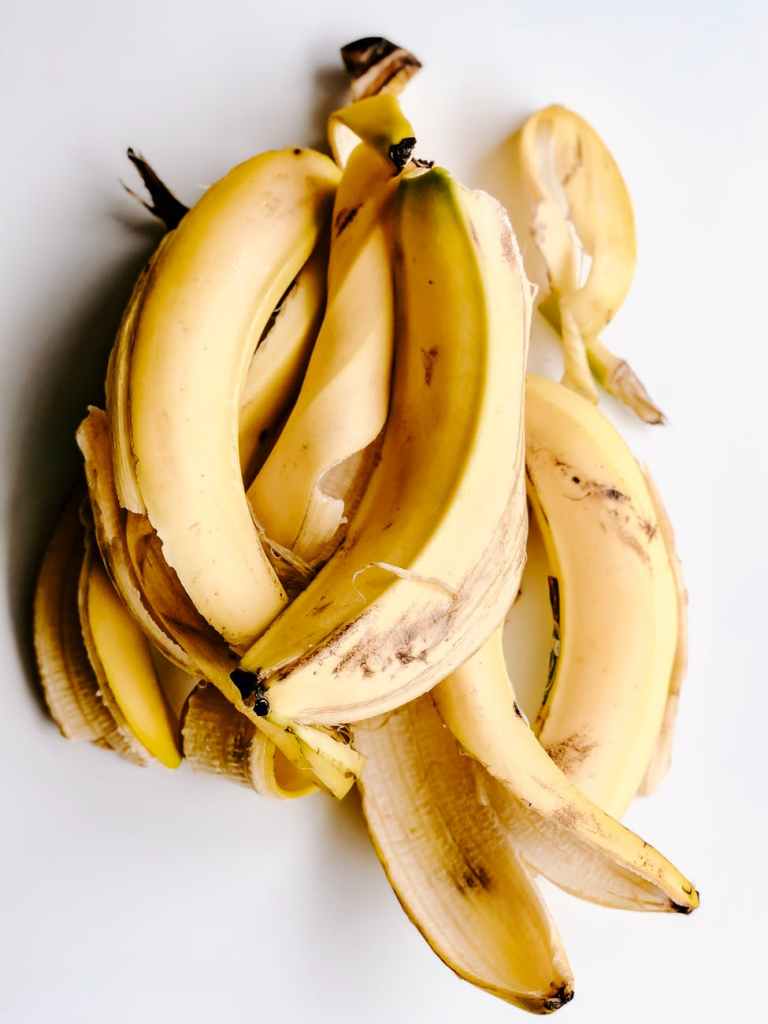
BANANA PEEL FERTILIZER:

3.BANANA PEEL FERTILIZER: 

If you know many of the agriculture consultant prescribe NPK fertilizers for complete growth of plants, where ‘P’ stands for potassium which is basically required for proper and healthy flowers in plant. So here is the organic substitute for potash-based fertilizer, BANANA PEEL FERTILIZER

PREPERATION: 

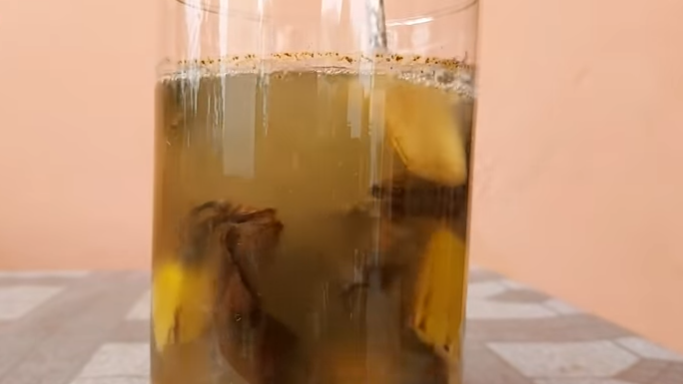
  • You will need at 6 dried or semi dried peels of banana. 
  • Take a tumbler full of water. 
  • Keep this mixture for 24 hours. 

You can use this solution specially for Hibiscus plant and many other flowering plants, which bear flower in all seasons. 

Now last two solutions are for fulfilling the requirement of micro-nutrients. 

ONION PEEL FERTILIZER:

4. ONION PEEL FERTILIZER: 

The most used vegetable in our kitchen is onion, So, why not to make its waste a benefit. 

Onion peels are very rich in micro nutrients which can be used as a supplement for our green leafy vegetables such as spinach, pepper mint, bitter guard etc. 

PREPERATION: 

  • Collect dried peel of almost 6-7 medium sized onion. 
  • Take two jugs of water.  
  • Soak the peels for 48 hours  

Observe the brown color of the solution and your fertilizer is ready for use. 

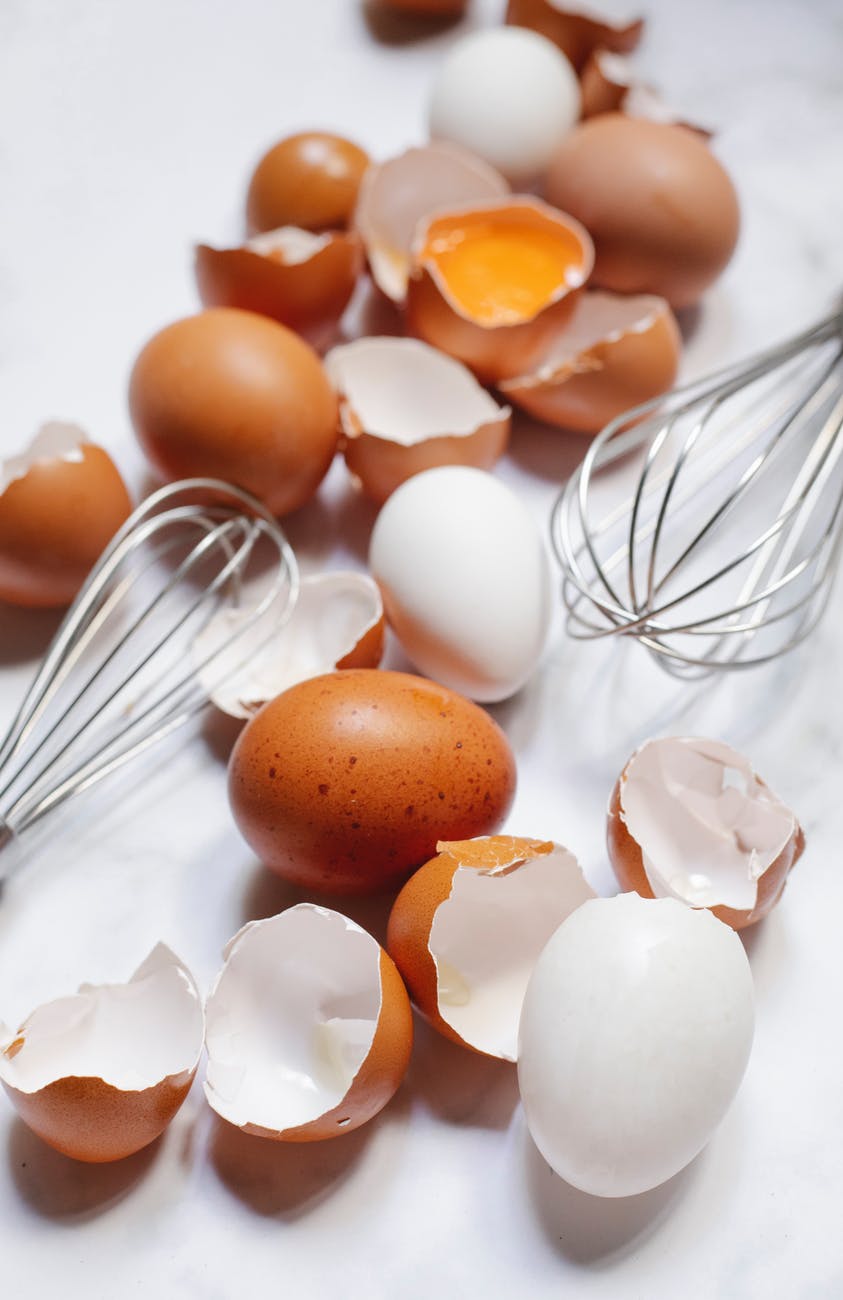
EGG SHELL FERTILIZER:

EGG SHELL

5. EGG SHELL FERTILIZER: 

The last and magical solution for the organic lovers is egg shell fertilizer, 

You would have heard about different animal-based fertilizers such bone meal, blood meal etc. 

egg shell fertilizer is also among those fertilizers. Common constituents of egg shells are calcium carbonate and magnesium this is what our plants ask for. 

PREPERATION: 

  • Basic need of this is obviously egg shells, you can take 7-8 shells of egg. 
  • Crush them properly and make a coarse powder. 
  • Mix it with water. 
  • Let it settle for 3 days. 
  • Stain the mixture. Solution is ready for use. 

I hope you all find it helpful. If you all want more gardening tips, please don’t forget to mention them in comments below. 

ORGANIC FOOD

HEALTY FOOD

This article of mine will fill you with the knowledge of how mare the method of growing a vegetable, grains, fruits, leads you to good health, & how those grains will fill you with energy. Every one have heard of the slogan, “ EAT ORGANIC , STAY FIT” , but do you know how these organic foods or grains are grown ? Organic food is grown without the use of synthetic chemicals, such as human-made pesticides and fertilizers, and does not contain genetically modified organisms (GMOs). They are free from man made pesticides & fertilizers & hence leads to good heath.

Organic refers to the way farmers grow and process agricultural products. Practices vary worldwide; however, organic foods are generally grown without synthetic pesticides, fertilizers or routine use of antibiotics or growth hormones. Organic farming supports biodiversity by choosing appropriate species of plant & animal. Farmers use crop rotation technique , this is a technique in which different types of crops are grown over different seasons on the very same land , it helps in controlling soil erosion & maintaining soil fertility.

I think you all will love to know the benefits of organic food , after all all of us are interested in living a healthy life . some of the core benefits of organic food are :

Organic food have no pesticides , hence its free from harmful chemicals.

organic food is often fresher because no preservatives are used & that is what makes it last longer than usual grains.

When it comes to meat and milk, organic products can have about 50% more omega-3 fatty acids, a type of unsaturated healthy fat, than conventionally produced products , which is good for health .

Last I would like to conclude , Organic products are more expensive than conventional ones, and whether they’re really worth the extra cost is certainly a matter of choice. “If you can afford all organic, that’s fantastic, but it’s not feasible for most people,” , but just to inform you all , those extra money which you will spend on organic food will be worth for , specially to you health.

Organic Manure

Organic manure usage in agriculture is becoming more and more famous day by day. Organic manure, as the name suggests are the natural nutrients from sources like Human and animal excreta, decomposing vegetable wastes and leftovers of agricultural practices. Plants extract the nutrients from the soil for their growth and organic manure helps in restoring that nutrients by undergoing decomposition easily and getting mixed with the soil perfectly. By restoring the nutrients, manure increases the fertility of the soil. Regular usage of organic manure maintains the level of soil organic matter.

sources of organic manure
  • Cattle wastes like cow dung and urine, slurry from biogas plant, Human wastes like sewage, sludge can be used in organic manure preparation.
  • Dry leaves, stubble, sugarcane trash, crop residue and some other agricultural wastes can be used.
  • oil cakes, vegetable processing wastes wheat straw and bran are agriculture industry byproducts and these are also sources of organic manure.
  • Slaughterhouse wastes like blood and bone meal are also can be the sources.
methods of preparing manure at your home

POT COMPOSTING CAN BE DONE: Pot composting can be done using wastes from kitchen. Take a container and add some pebbles and soil at the bottom. Take dry wastes like paper and dry leaves and add them. Collect all the wet wastes from kitchen. They may include food leftovers, fruit peels etc. Put them in the container after the dry waste. You can make 3-4 layers like this. Sprinkle water to keep them moist. Keep this arrangement away from rain. Keep on mixing the layer everyday. And keep it moist. After 30-45 days compost will be ready.

THE VERMICOMPOSTIING: Verm compost is the droppings of the earthworm after they consume the organic waste. Take container or you can make a separate large concrete tubs if you want to produce in large quantity. Put first layer of soil and pebble. On that add the organic wastes that are collected. Put handful of worms in the tub. Water is sprayed to them on daily basis to keep everything moist. Earthworms will produce the droppings which can be used as the manure.

USING BOKASHI METHOD: In this method, collect some kitchen waste in an airtight drum and add some Bokashi powder. Bokashi powder is inoculated with microbes which help in decomposition, made of bran based material. After 15 days fungus growth will be seen indicating fermentation has happened. Put this fermented waste in a trench and wait for 3 weeks. Black compost which can be used as manure will be ready.

benifits of using organic manure

Organic manure provides all the nutrients to the soil and maintains its fertility. They also improve soils physical properties like texture and structure and also improve aeration. organic manure increases the water holding capacity of the soil and helps in retaining rain water. Soil pH is also maintained. Organic manure usage increases the microbe population in the soil resulting in increased biological activity. Carbon nitrogen ratio will be well maintained.

Usage of organic manure is economically beneficial also. The production can be extended as a small scale business and it requires less investment. Hence it will be a very profitable business.