A Brief History of Pandemics

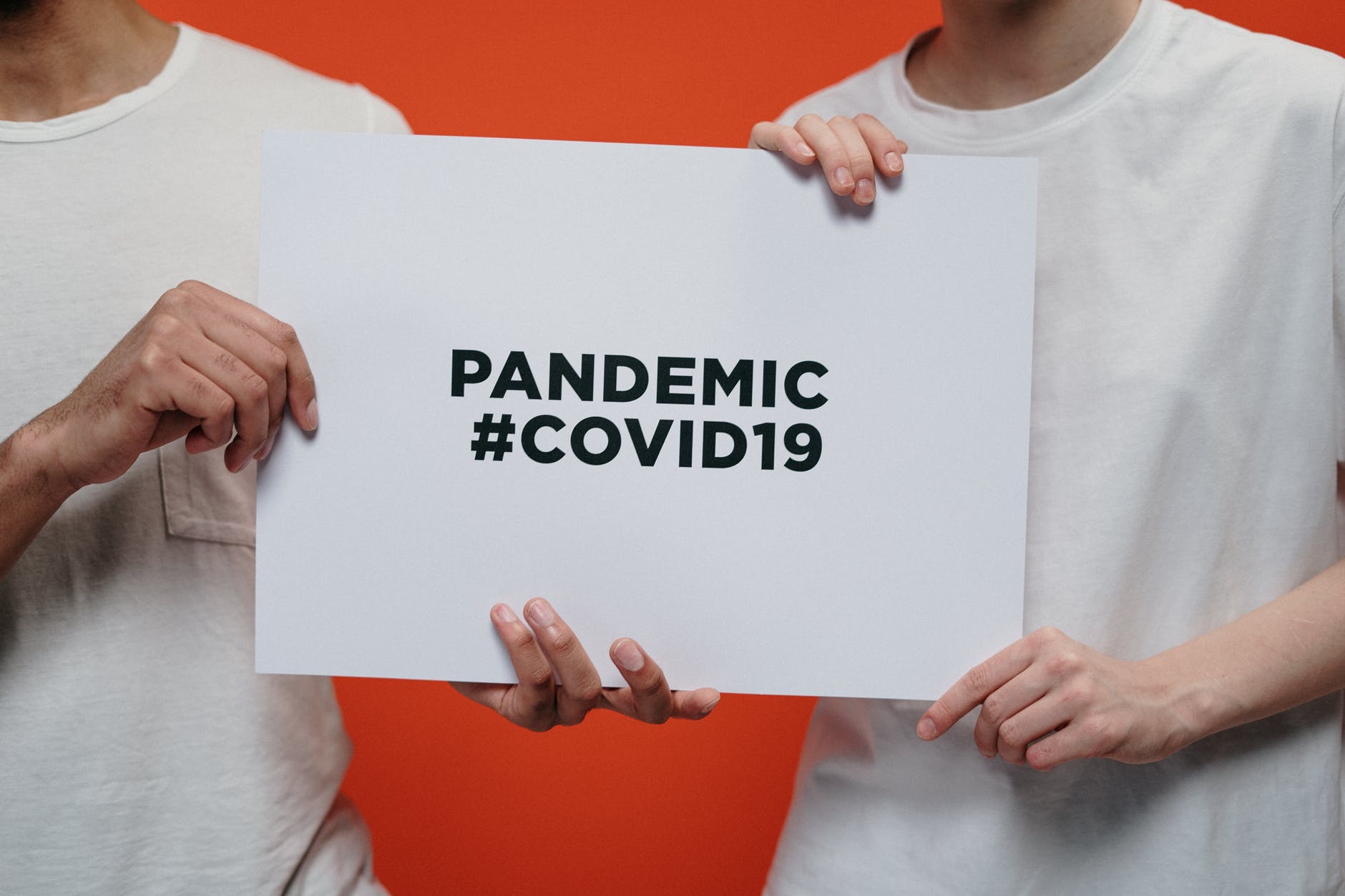
 The world is still fighting with the coronavirus, after more than a year of it being officially declared as a pandemic by the World Health Organization (WHO). A pandemic is an epidemic that crosses the borders of one country. Pandemics can have a severe and long term impact on humankind. 

Pandemics in History

There have been several instances of pandemics since the ancient times, when modern medicine and science was not much developed. Earlier, people believed that a disease was caused by gods or spirits to inflict destruction upon those who deserve it. But this unscientific perception prevented them from treating the patient properly and led to the death of millions of people. 

There were a number of plague epidemics and pandemics in history, especially in the times of war. The Anthenian plague was spread between 430 to 26 B.C. It originated in Ethiopia during the Peloponnesian War. It spread to different parts of Egypt and Greece. The overcrowded city of Athens became severely affected and many lives were lost due to the rapid spread of the disease. Similarly, the Antonine Plague between 165-180 A.D, infected the Roman Empire. 

The Justinian plague was known as the “real plague” epidemic. It originated in Ethiopia and spread to different parts through trade. It was one of the most severe plagues which led to lonely and deserted streets as trade activities were abandoned. The Black Death of 1334, originated in China and spread to several parts of central Asia, North India, Russia and Europe.

Spanish Flu was caused between 1918 to 1920 by the H1N1 strain of the Influenza virus. Its spread happened in the middle of World War-1. This avian borne flu was one of the most spread pandemic, it infected almost all the parts of the globe. It had a higher mortality than the previous virus and had a deeper impact on humankind. It caused nearly 50 million deaths worldwide. Even after its deadly impact, the virus faded away easily from everyone’s attention because of the ongoing World War at that time. Some writers have written about it as the “forgotten pandemic”. 

The Ebola outbreak was one of the most recent outbreaks, between 2014 and 2016. It mostly affected Central and Western Africa. But it was efficiently contained and did not spread rapidly all over the world.  


Covid-19 Pandemic

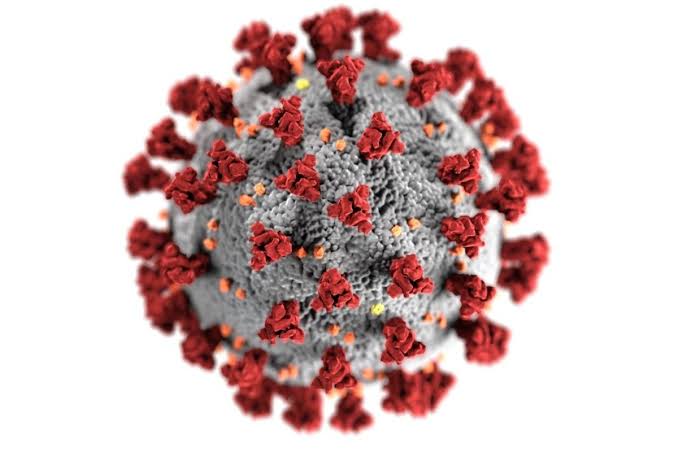
The pandemic caused by coronavirus originated in China in November, 2019. It was officially declared as a pandemic by WHO, on March 11, 2020. By that time it had spread to 114 countries. Methods such as quarantine, isolation and lockdown were implemented to curb its spread. New developments related to medicines, treatment, and vaccination have been developed over time. 

The vaccines stand as a ray of hope to overcome the Covid pandemic in near future.

Is work from home approach the best for the environment?

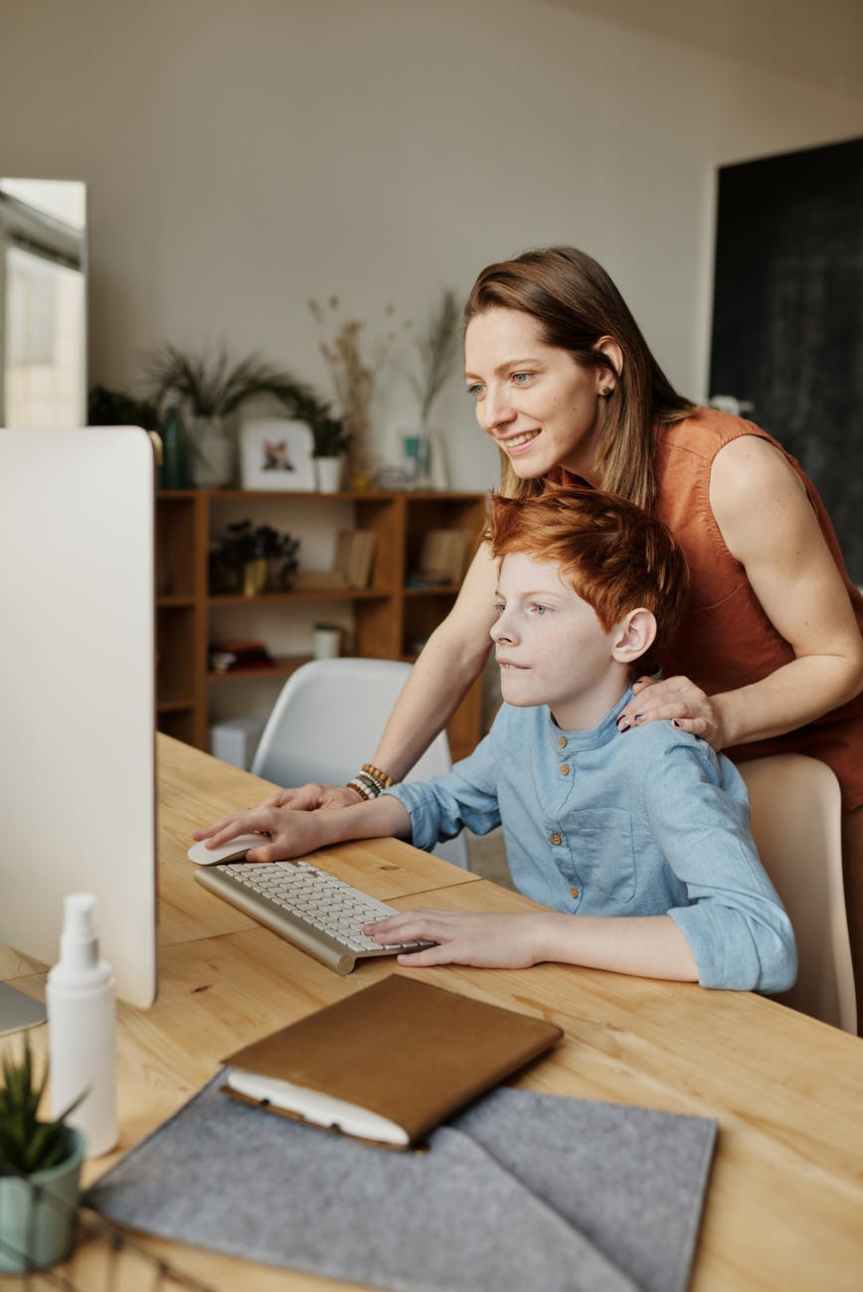
This pandemic has forced us to switch onto the online mode of work, since going to office is a near impossible task during these difficult times. Most of the corporate offices have adapted to the WFH trend. But the major question arises is the environment benefited from this choice.

For the roughly 20% to 40% of employees who can work from home, many companies are announcing that post-pandemic work won’t necessarily take place at work – at least not five days a week. Microsoft, Spotify, Salesforce, Google, Facebook, Nationwide insurance, Capital One and Citigroup, among others, have embraced hybrid configurations combining remote work and time in the office. There soon could be four times as many people working from home as did pre-Covid.

Shopify’s CEO declared in May of last year that remote work would become a permanent fixture. Accounting for the energy consumption of its nearly 6,000 employees working from home in 2020, Shopify’s emissions dropped 29%, according to Kauk. But “last year isn’t typical remote work,” she said. “It’s remote work during Covid.” What happens when the world opens back up?

Kauk posed the dilemma to Watershed, a software outfit that helps companies track and reduce their carbon footprints.

When workers’ homes become their offices, commutes may fall out of the carbon equation, but what’s happening inside those homes must be added in. How much energy is being used to run the air conditioner or heater? Is that energy coming from clean sources? In some parts of the country during lockdown, average home electricity consumption rose more than 20% on weekdays, according to the International Energy Agency. IEA’s analysis suggests workers who use public transport or drive less than four miles each way could actually increase their total emissions by working from home.

The new ‘kid’ in the block; COVID-19

The world was gripped by the outbreak of a disease called Novel Coronavirus Disease which made normal life impos sible for the people. The year 2020 will be remembered by most people as ‘an nus horribilis.”

On 11 March 2020, WHO declared Novel Coronavirus Disease (COVID-19) outbreak as a pandemic and reiterated the call for countries to take immediate actions and scale up response to treat, detect and reduce transmission to save people’s lives.

The COVID-19 pandemic is consid ered as the most serious global health crisis of the century and the greatest challenge that the humankind faced since the 2nd World War, In Decem ber 2019, a new infectious respira tory disease emerged in Wuhan, Hu bei province, China and was named by the World Health Organization as COVID-19 (coronavirus disease 2019). A new class of corona virus, known as SARS-CoV-2 has been found to be responsible for occurrence of this disease. As far as the history of human civilization is concerned there are instances of severe outbreaks of diseases caused by a number of virus es. According to the report of the World Health Organization, the current outbreak of COVID-19, has affected over 2164111 people and killed more than 146,198 people in more than 200 countries throughout the world. Till now there is no report of any clinically approved antiviral drugs or vaccines that are ef fective against COVID-19. It has rapidly spread around the world, posing enor mous health, economic, environmental and social challenges to the entire hu man population. The coronavirus out is severely disrupting the global economy, Almost all the nations are struggling to slow down the transmis sion of the disease by testing & treating

patients, quarantining suspected persons through contact tracing, re stricting large gatherings, maintaining complete or partial lock down etc.

Before the onset of COVID-19, there were at least five pandemics in the cur rent century, H1N1 in 2009, polio in 2014, Ebola (West Africa in 2014), Zika (2016) and Ebola (Democratic Republic of Congo in 2019). COVID-19 outbreak was declared as the sixth public health emergency of international concern on 30 Jan 2020 by the WHO. Compared to the other diseases, COVID-19 was much more widespread.

The COVID-19 outbreak was first re ported in the Chinese city of Wuhan in December 2019, and within a couple of months it turned out to be a global health emergency. Live animals like bat, frog, snake, bird, marmot and rabbit are frequently sold at the Hunan seafood market. Genomic analysis revealed that SARS-CoV-2 is phylogenetically related to severe acute respiratory syndrome like (SARS-like) bat viruses, bats could therefore be the possible primary source. Although the intermediate source of origin and transfer to humans is not clearly known, the rapid human to hu man spreading capability of this virus has been established. As per the latest update of WHO on 30 October 2020, the outbreak of COVID-19 had spread in more than 200 countries. Approximately 11,87,582 people had died after con tracting the respiratory virus out of nearly 4,54,29,027 confirmed cases, whereas more than 3,30,35,620 people have re covered from the disease. These numbers are changing rapidly.

Bringing a glimmer of hope, Russia on August 11, 2020 declared itself the first country to approve a coronavirus vaccine with President Vladimir Putin saying one of his daughters had been inoculated. Dubbing the vaccine “Sputnik V” after the Soviet-era satellite that was the first launched into space, Russian officials said it provided safe, stable immunity and denounced Western attempts to un dermine Moscow’s research. Scientists in the West have raised concerns about the speed of development of Russian vaccines, suggesting that researchers might be cutting corners and coming un der pressure from authorities to deliver. The World Health Organization said any WHO stamp of approval on a COVID-19 vaccine candidate would require a rigorous safety data review.

The Pandemic Times and Mental Health

We all have survived the phase of lockdown and seen a lot during that time. Many life lessons came on the way as the situation became severe. It has been more than a year to the onset of the pandemic in our lives and it is still affecting us. Two waves of the virus had already made life difficult and now we receive alerts for a third one. This is affecting all but more harmful for those who are mentally stuck since the onset of Covid19.

It has been a difficult time for small-scale workers who earned living by working long hours on construction sites, factories, etc. pre-pandemic and then suddenly lost their jobs during that time with no other source of income in hand. Ultimately they left the cities and rushed to their hometowns. Similar was the case of other low income groups of society. All work was shut down and their only source of livelihood was locked up. This made up for the reason of mental breakdown and poor health of the major part of population. There were no means left for interaction and enjoyment with friends and relatives. There was a feeling of loneliness, sitting idle all-day-round in the house and people were continuously praying for the betterment of the situation as soon as possible.

Due to the lockdown, many people were stuck at tourist places with no sufficient amount in hand to spend long time there. This led them to a worse off situation, living apart from family and friends. Even the middle class population was losing jobs due to scarcity of resources with the company and the legal restrictions imposed thereupon. Already there was the emerging issue of unemployment in the country and then the pandemic time brought a hike in its rate. Many had to give up a part of their salary to continue with their jobs . The factories had been shut and the production was stopped for many items of use to prevent the spread of the virus. This led to decreased supply for an increasing demand. People were eager to collect stuff for their household quickly to prevent future restrictions of availability. This was all leading to an imbalanced economy. The source of income for the government also declined. There was a significant reduction in tax collection. Public transport were also kept on hold closing almost all doors of revenue for the government due to which they could not invest much in purchases and free treatments for the public. Overall the whole country suffered loss in one or the other way.

Photo by Ryanniel Masucol on Pexels.com

The media was flourished with depressing news and each hour brought updates of how severe the situation was becoming. Souls were leaving the world on a greater rate than ever due to a widespread reach of the virus. There was presence of some destroying elements(people) as well, in the society, who openly wandered on the streets carrying the threats of the virus and risking lives of many. The spread was so strong that it could affect a person from even a short distance without being in physical contact. The solution was to keep distance in your house as well. No close contacts were advised by the doctors even within a family; which parted people from their loved ones. Those who were employed in necessary fields had to go out for work and hence many of those preferred staying away in separate places to protect their family.

It is much clear how everyone suffered from inside(mentally). Physical health was already deteriorating due to closing of gyms and fitness centres in the cities but mental health also worsened during these times. Pre-pandemic there was the stress of work with atleast holidays to relax but since pandemic the stress is more related to health and hygiene. Everytime they contacted someone or something socially, people feared. There existed a constant worry in the mind of whether they are safe or not. People started migrating to destinations they assumed to be safer but ended up increasing their as well as nation’s problems. Mental distress prevailed across the world. People pleaded for help but unfortunately there was no immediate solution/action in the hands of government. The pain and sufferings are hard to express. All prayers were directed to the end of those difficult times soon. A bad dream would have been better than this harsh reality. Surviving such times is the biggest challenge of anyone’s life. No one could digest even the thought of seeing their family in pain then how could they experience it so nearly. And what about those who were living apart from their family..

With no or minimal source of income and other personal problems, the mental illness started increasing in the world population as a whole. There was no hope left for better future and isolation triggered the effects of the pandemic on health. There was no escape to the problems. Depression and stress took over the thoughts and power of mind. Situations couldn’t be handled and there was need of psychiatrists but people didn’t react. It needs to be made normal to visit a psychiatrist in case of mental issues related to life.

How to find a job during the pandemic?

Not only has the coronavirus pandemic had a big influence on the world economy, but it has also had a significant impact on your employment search. It has wreaked havoc on the stock market and harmed a variety of businesses. If you have a present employment, you are most likely working from home.

Small businesses have been forced to close temporarily, while large corporations have been impacted by the stress of losing customers and a disrupted supply chain. According to NBC News, there are estimates that the jobless rate in the United States will hit 20%.

Layoffs, furloughs, reduced hours and overtime pay, and hiring freezes have all been used by certain companies in response to the health crisis. Other businesses are actively hiring and publishing new job openings on a daily basis.

There’s a lot of uncertainty right now about what the national and global impact on hiring will be, but there are ways to stay positive and proactive about your job search at this turbulent time.

Photo by Andrea Piacquadio on Pexels.com

Engage your network

People recognise that this is a terrible time and want to assist in any way they can. Let your friends and relatives know you’re looking for work and tell them what kinds of employment you’re looking for and which companies you’re targeting so they can keep an eye out for openings. If they hear anything, they’ll let you know. 

Even if human resources isn’t through sorting through the applications that come in through the ATS, those email intros, or having individuals in your network send your resume and cover letter on your behalf, can boost your application to the top of the pile.

If you find openings at a company where you previously worked, don’t be afraid to contact former coworkers and superiors. Because they know your skills and work ethic, they are more inclined to hire you than the competition. Even if they aren’t hiring, they can serve as references for other applications you are submitting.

Because they work in the sector, they may be aware of other opportunities through their own network and can refer you.

Practice phone and video job interviews

Because so many people now work remotely, job interviews are now conducted over the phone or by video rather than in person. A phone interview can be more difficult because it is more difficult to understand someone’s reaction and establish a dialogue that flows organically.

It can be more difficult to do a video interview because being on camera can be uncomfortable.

Take on a temp or freelance gig

If you don’t have a job right now, look for temp and freelance employment to help pay the bills. When you impress your coworkers, it could lead to a full-time employment. Working for a temp agency is also a good way to pick up some in-demand skills.

Employers are searching for employees who are self-disciplined enough to work from home and have outstanding writing skills, so if you’re currently working from home, keep that in mind.

Photo by Pixabay on Pexels.com

Show off your transferrable skills

Because there is so much competition for jobs right now, it’s critical to step up your game. First, look for positions that have been posted recently, as this indicates that the organisation is looking to fill a current position. If a job posting has been up for several weeks, it may no longer be a top priority for the organisation.

When perusing job listings, remain confident in yourself and realise that you can still acquire a job.

Customize your application for each job

Spend more work on each cover letter and resume so that your resume and cover letter are noticed. Modifying them for each job application takes extra effort, but it is important. When you apply for a job online, your resume is typically entered into an Applicant Tracking System (ATS), which analyses your resume to see if you meet the job posting’s requirements. 

Don’t replicate everything word for word, but make sure your resume and cover letter include the bulk of the most significant parts of the job. According to Monster data, nearly 75% of applications that go through an ATS are rejected because they don’t fulfil the hiring manager’s standards, such as the correct abilities, education level, or job titles, so it’s critical to get your resume in the door.

Stay up to date

Read about the companies and the world of market. Make this a habit to stay up to date without any obstacle. This will help you to be spontaneous and aware.

References

http://www.monster.com

Biomedical Wastes

Our environment is degrading day by day. India with its growing population is also keeping up with the waste generation.

Nowadays pollution is everywhere whether its air pollution, water pollution, land pollution, noise pollution, radioactive pollution and the pollution from E waste what not?

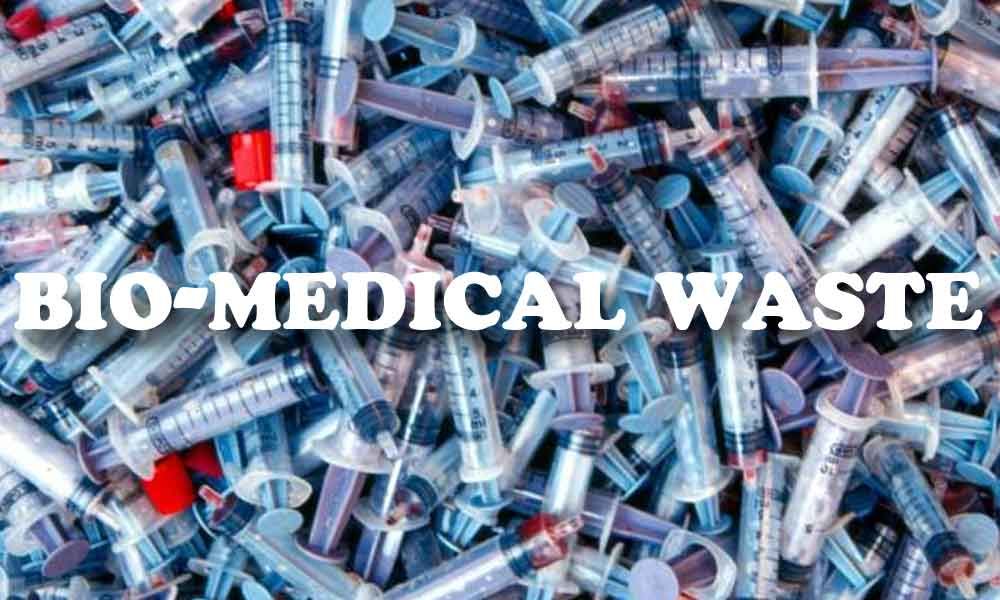
Biomedical Waste( BMW) is any waste produced during the diagnosis treatment or immunization of human or Animal Research activities retaining threat or in the production the testing of biological or in health camps.

Let the waste of the ‘sicks’, not ruin the life of the ‘healthy’

Common generator of Biomedical wastes are :-

  • Hospital
  • Emergency Medical Services
  • Medicinal Research Laboratories
  • offices of physician , dentist, veterinarians
  • home Health Care
  • funeral homes

From WHO stats 2000,the improper treatment of medical waste( primary use of infected needles and syringes) caused 21 million hepatitis B infection and 2, 60, 000 HIV infections worldwide.

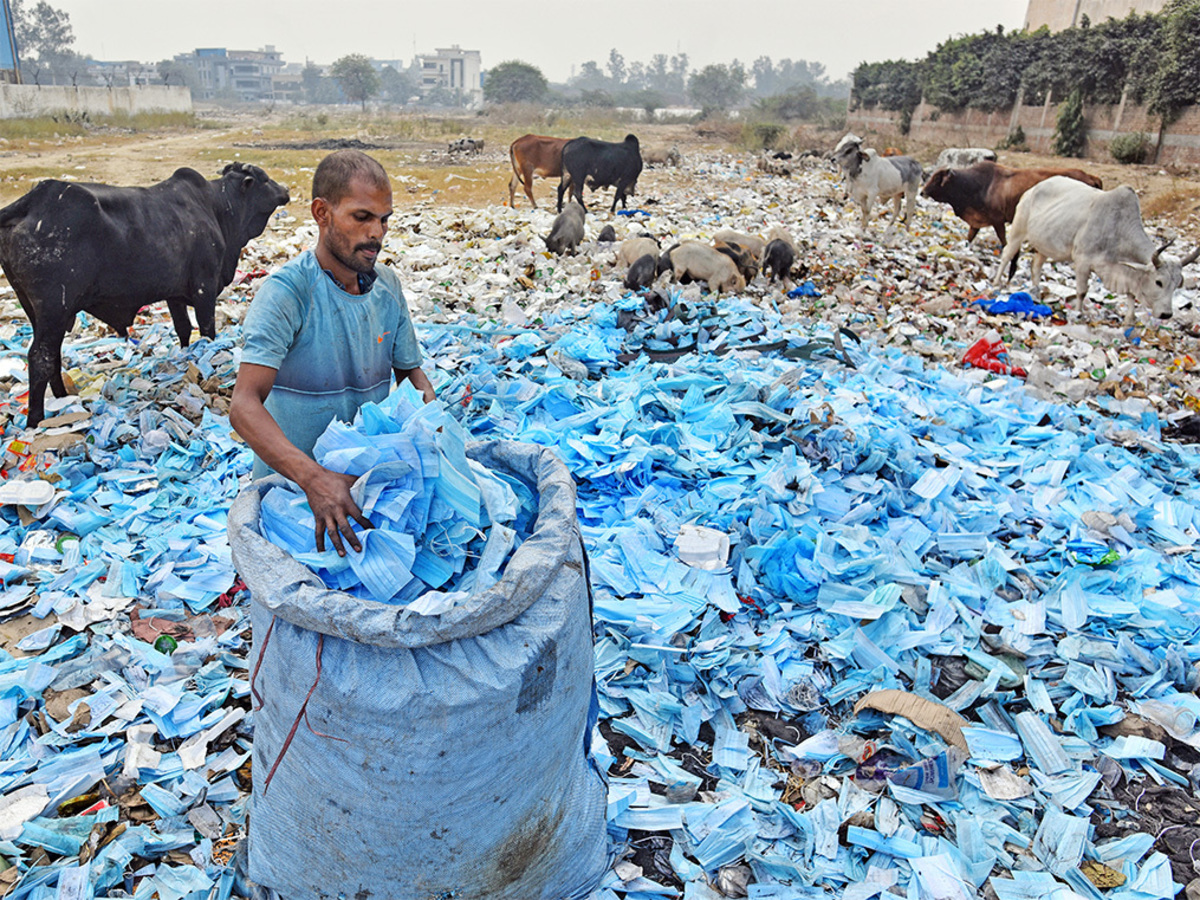
During this pandemic situation, we have witnesses another huge list of Biomedical Waste generation in India. India generated over 18000 tons of covid-19 related biomedical waste in starting 4 months of this pandemic. This includes personal protective equipment (PPE), gloves, face mask, head cover, plastic coverall, hezmet suit and syringes among others.

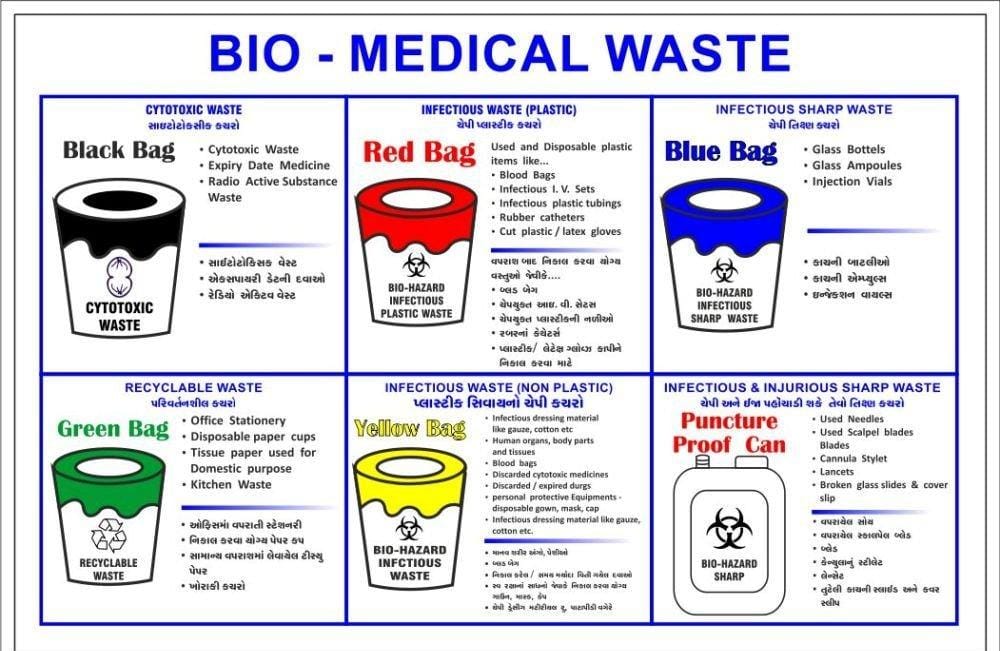
Types of Biomedical Waste

Infectious waste

  • Suspected of containing pathogen in a sufficiently large quantity or concentration to result in disease in susceptible host.
  • Cultures and stock of infectious Agent from laboratory.
  • Waste from operation and autopsies on patient with infectious disease.
  • Waste having come into contact with infected hemodialysis patient.

Pathological waste

  • Infectious material containing dead tissue may conceal specially dangerous and communicable infectious Agent.
  • Include – blood, body fluid, tissues, organs, body parts, human foetus etc.
  • Subcategory of pathological waste is Anatomical waste.
    • Consist of identifiable human or animal body parts healthy or otherwise.

Radioactive waste

  • Waste generated during the different application of radioisotopes in biological research on medicine.
  • May contain infectious biological components from Anatomical, research or clinical sources.
  • By product of various nuclear Technology process.
  • Include-
    • Nuclear medicine
    • nuclear research
    • Nuclear power
    • Manufacturing
    • construction
    • Caol
    • Rare Earth mining
    • Nuclear weapon reprocessing

Pharmaceutical waste

  • Contaminated or expired drugs and vaccine as well as antibiotics and pills.
  • Result from many activities and location in health care facilities.
  • Small quantities at households can often be thrown away in the municipal waste stream.
  • But large quantities kept at pharmacies distribution Centre, Hospital etc. be managed to minimise the risk of release or to exposure to the public.

Genotoxic waste

  • Waste from drugs that are used in radiotherapy and units.
  • One of the type of hospital waste that are extremely dangerous and may cause cell mutation or cancer.
  • Cytotoxic drugs are main components.
  • Include –
    • Urine
    • Faeces
    • Vomit treated with Chemicals or cytotoxic drug.

Sharps

  • Object that are Sharp enough to cut or puncture the skin.
  • Transmit infections directly into the bloodstream.
  • Generally treated as highly hazardous medical waste regardless of whether they are contaminated or not.
  • Includes –
    • knife
    • Blades
    • Infusion set
    • Needles
    • Broken Glass
    • Nails
    • Scalpel

Chemical waste

  • Contain radioactive element poses particularly difficult problem of disposal.
  • Includes –
    • Heavy metal from Medical appliance
    • Disinfectant
    • Solvent
  • Difficulty in disposal are partly technical and partly political
    • The radioactive constituent that find their way into groundwater and surface water must be kept to exceedingly small amount for very long time.
    • Fear of mysterious effect of radiation, politician reluctant to consider disposal of radioactive waste in the area of their constituent.

Covid-19 Pandemic and Child Labor

There is no reason. There is no excuse. Child labor is Child abuse.-The FreshQuotes

Child labor and poverty are inevitably bound together and if you continue to use the labor of children as the treatment for the social disease of poverty, you will have both poverty and child labor to the end of time.-Grace Abbott

We have observed many times that at tea shops there are some children are serving tea to the customer or at different shops attending the customers. Some of you may have been served by these “workers”. This is how child labor looks like. The concern is not that children should not work at dangerous places like mines or factories but the concern is that children should not work at any places.
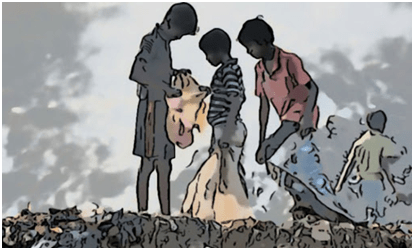
The Covid-19 pandemic led the world to economic and social crises. The most affected by these crises in society are vulnerable. As in the situation of the economic crisis in poor communities, children are at particular risk. The pandemic is forcing the children out of school and into the farms and factories to work.
Child labor has always been a matter of concern globally and the Covid-19 pandemic has worsened the situation. According to a report released by UNICEF and ILO, the progress to end the child labor has stalled for the first time in 20 years, reversing the previous downward trend that saw child labor fall by 94 million between 2000 and 2016. According to a new report by ILO and UNICEF, the number of children in child labor has risen to 160 million worldwide- an increase of 8.4 million children in the last four years- with millions more at risk due to the impacts of Covid-19.
Consequently, two waves of Covid-19 are affecting each stratum of society. The pandemic led to lockdown because of the risk to the life of people, they had to restrict their movement. Due to this many people lost their jobs especially daily wagers and laborers and this led to the economic crisis in their families. They fell into deep poverty. In a situation like this question arises to their survival and as a solution for themselves some family unwillingly sent their children to work which helps them to survive.
The risk of child labor also increased during Covid-19 because schools are closed for an indefinite period of time and it is not sure that when the schools will run offline. Due to the closing of schools children from poor communities are not able to continue their education. Lack of access to the internet and technology many children are unable to participate in self-guided learning during school closures. In India over three-fourths of children did not have access to online learning and over one-third of children did not have access to any learning material. Due to loss of learning some students may have decided to drop out of school permanently. It is always seen that children and youth not enrolled in schools are at a much bigger risk of child labor. After the reopening of schools, parents without jobs may not be able to pay for school fees, supplies, and uniforms.
According to UNICEF, more than 1.5 billion children missed their schooling due to Covid-19 restrictions, which has compelled the children to work to support their families.
In countries like India, it is very crucial to deal with child labor because “children belong to classes not workplaces”. The government needs to come with more effective programs to eradicate child labor. Coming from families with no financial resources, in this pandemic the children and their families are not left with choices. It is to be ensured that at least the affected families are provided with basic needs which will prevent their children from working. NGOs like CRY is providing children with learning material. According to the CEO of CRY in 2020, close to 4000 cases of child labor were prevented or referred to rescue and support. Organizations like these are coming forward but how many can they help? There is a need for large action to protect children from child labor. One most important thing is that mindset of people should be changed as there is a saying that “Garib ka baccha kamaega nahin to khaayega kya”. These kinds of things demotivate children and their families to stand against wrongs and accept things as their fate.
Also, the UN is planning to eradicate child labor by 2025, but the pandemic is impacting every positive step towards change.

College Life and pandemic.

College life is the most incredible phase of life where we gain innumerable experiences and make memories that last for a lifetime. It is the time we are exposed to the whole new world, the world out of the boundaries that schools build up to provide a safe environment. College life has different meanings for everyone. While some spend their time hanging out with friends having fun and party, others devote their focus towards study to pave the way to a brighter future. Be it a college rockstar or nerd, every individual wants to relive the memory lane of this beautiful arena.

Generally, college life is the time when an individual moves to another city to settle as a newbie as well as a freshman in college. Hence, is the time to learn from real-life experiences and learn to fit in the society as an individual. It is experiences that shapes the narrative of one’s mind and that’s how an individual’s growth is linked to directly to the environment we live in, which is why it is absolutely necessary to live these important years of life.

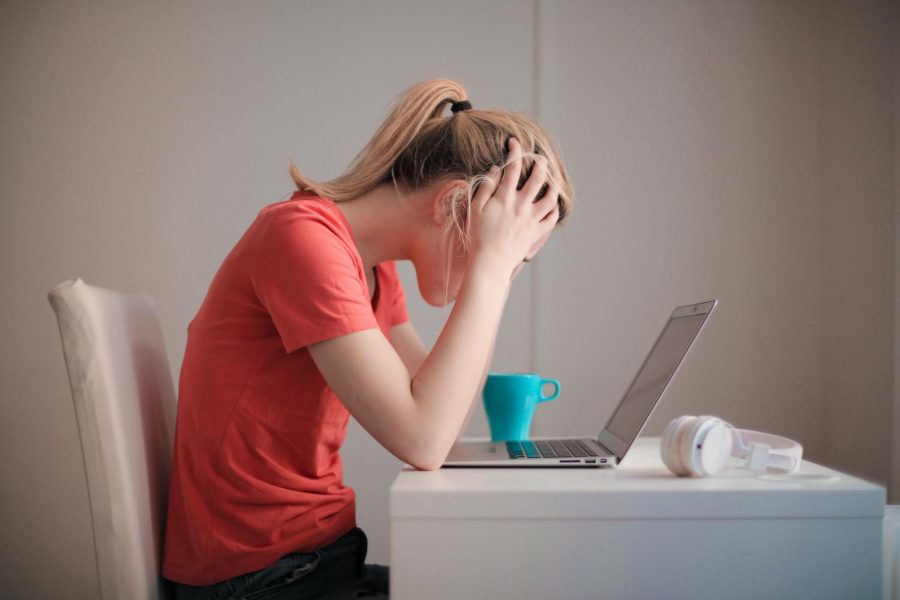
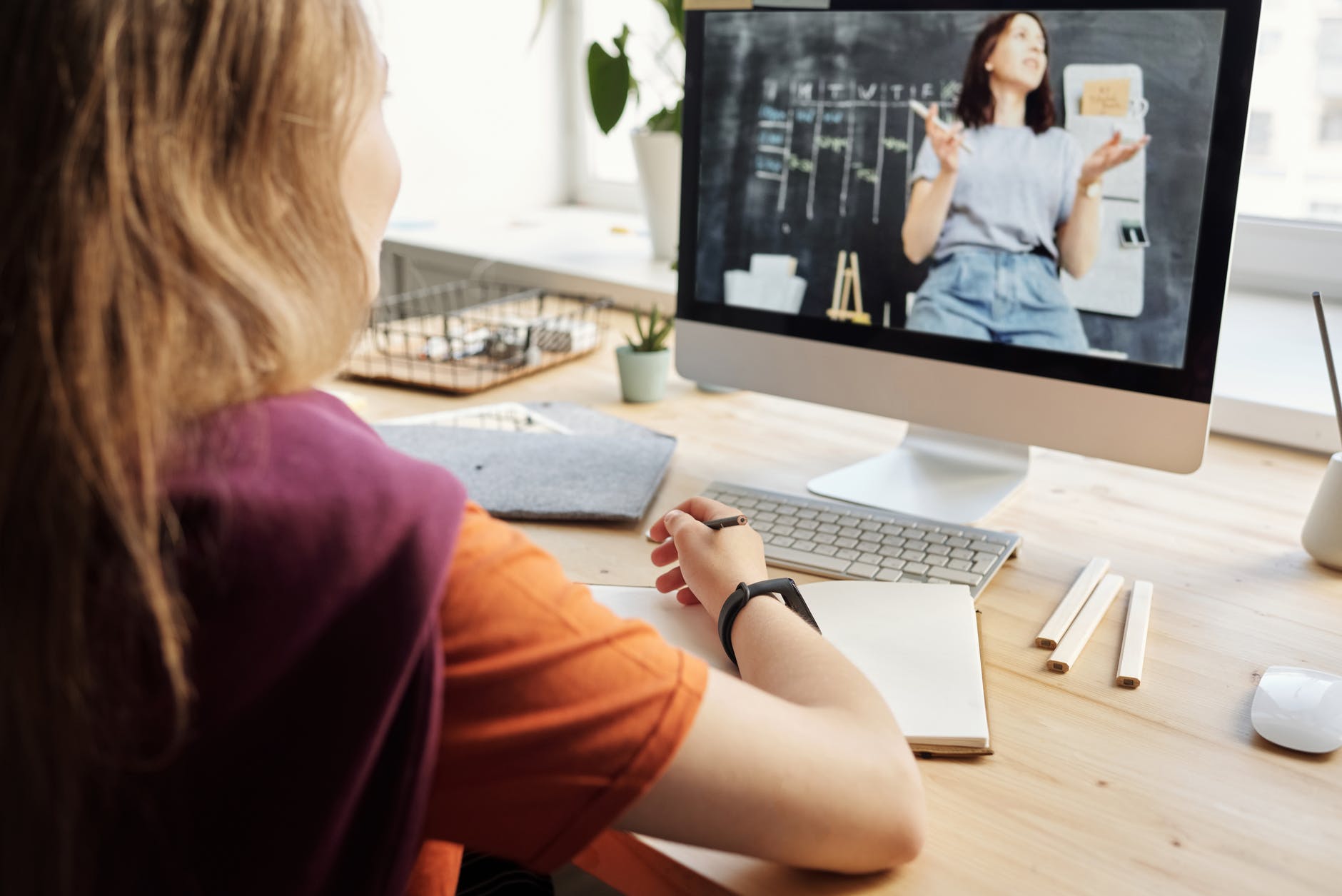
But unfortunately, batch of 2020 has no such experience and college students are stuck with an online system since March 2020, which is saddening and equally depressing. It is not only about classes that students are missing in this pandemic rather it’s the crucial period of life full of twists, turn and fun in being missed. While college life is shrunk and bottled up on the screen of the laptop and mobile phones, that is the worst possible scenario, life has become equally dull and bland. Attending everything from classes to workshops to fest virtually is a daunting task because it’s tiring to sit on the computer all day and is equally detrimental to health.

This online system is not online only affecting physical health but also provoking mental health issue particularly. In the provided system, fear of being missed out due to social isolation is overpowering young minds gradually, as a consequence of which anxiety and depression are entrapping the youths at a much faster rate in comparison to that of the adults. Like I said it’s the environment that shapes the narrative, and everyone is well aware of this chaotic and challenging online environment.

However, it is rightly said that something is at least better than nothing, so is this whole virtual life system that is allowing us to access education and work from our home.

So, in these trying times, it is necessary for everyone and for students as well to take care of themselves a little more than in the pre-pandemic world by connecting more with your family and developing habits of waking up early to have a moment of silence with yourself in the morning to introspect and meditate to generate the relaxing effect, and to remind the things to yourself that you’re still grateful for even in this pandemic.

The impact of Covid-19 on Small Businesses

The Covid-19 pandemic has had an impact on almost every industry in the world. The IMF’s World Pandemic Uncertainty Index for Q1 2020, which stands at 13.46, is comfortably higher than any prior pandemics in the last two decades. During the SARS pandemic in Q2, 2003, the previous high was 4.40. The Uncertainty Index has always been linked to economic consequences, and the pandemic is no exception.

While small firms are projected to be the hardest hit, many of them are seeking to reinvent themselves by embracing technology and focusing on customers. However, not everyone will be able to use the online mode. During the shutdown, many companies were unable to duplicate their previous working model; it is critical to find a new approach.

These organizations are now developing new channels that do not require physical engagement to keep their clients motivated, having previously depended heavily on social interaction and group involvement to keep motivation levels high. For instance, forming WhatsApp groups, presenting role models, hosting online introductory sessions for new members, and holding contests such as plank challenges, surya-namaskar challenges, and skipping challenges, and publicizing victors on social media are all examples.

The ongoing battle to suppress the world’s second-largest coronavirus outbreak in India has stifled demand, disrupted supply networks, and changed consumer behaviors. Many small firms are developing or changing their business models to cope with the new terrain and uncertainties brought on by virus protocols.

After a boom in WhatsApp orders for carrom boards (an Indian game akin to pool with little discs that are flicked into corner pockets) and home exercise equipment, the company, which regularly employs ten people but is suddenly down to four, decided to offer free delivery.

Photo by cottonbro on Pexels.com

In this moment of crisis, you might also look for goods that are readily available and can be used as needed. Even the tiniest of details can make a significant difference in the global economy’s recovery during these difficult times. To combat this pandemic, stay cheerful, don’t lose hope, be vigilant, and have a lot of patience.

COVID19 is being fought by everyone, and the entire globe is fighting together to remove it. Treat lockdown as an era of creativity, learning, and wisdom that will help humanity grow into a brighter future.

Because to the enormous economic recession induced by COVID 19, businesses have incurred significant losses and many have lost their jobs. We cannot continue to wait without doing action. As a result, we must become more aware, decisive, and proactive, as well as consider enterprises that can be started from home during lockdown for students, working class, or post-retirement.

Following are some of the best small business ideas that can be started after lockdown:

Healthcare Product Sales
With the implementation of lockdown, the manufacturing of homemade or small-scale masks and hand sanitizers has risen dramatically to fulfil the rising demand for a variety of face masks and hand sanitizers. Several entrepreneurs, small company owners, self-employed professionals, and MSMEs have decided to start making face masks and hand sanitizers instead of closing their present enterprises during the lockdown. Business owners or manufacturers can contact local shops, merchants, and wholesalers directly to sell their products to local customers.

Door-to-door delivery service In the coming years, the internet delivery sector will flourish, and customers will prefer to buy things online rather than visiting grocery stores, malls, and shopping complexes, where there is a higher risk of infection. Doorstep delivery is the best alternative business during the lockdown period, in which various types of delivery services can be initiated, such as essential items delivery, grocery delivery, pharmaceuticals delivery and alcohol delivery. Respective licenses shall be required to be obtained from concerned authority to start a specific delivery business.

Food Delivery or Tiffin Service The Indian Central Government recently gave restaurants and food outlets access to sell meals via online platforms and have it delivered by delivery companies. You can also start a new business by opening a kitchen that serves a popular or desired cuisine in your neighborhood. The initial expenditure is minimal, as it only necessitates the acquisition of raw materials from a trained and professional source.

Paintings or Art work Artists have plenty of time to show off their skills through paintings or other forms of art. Artists have all of the necessary materials and only need to create a virtual display online to sell their work and deliver it to the customer’s address. Artists can host an event and showcase their talent if they have enough space to display their paintings.

While nearly all consumers surveyed (95 percent) are ready to wait out the continued limitations, only 61 percent agree with the continued lockdown measures, indicating a desire to return to normalcy, according to the survey.

How Indian Education System is getting infected due to Appraisal of Online Classes

Photo by Julia M Cameron on Pexels.com

All our lives have been paused and shattered due to the arrival of the Covid 19 Virus which has devasted humans Globally and created tough times for every Human being who is striving to survive from this fatal disease.

It is no surprise how this deadly virus has become horrible nightwear for everyone and it provided a gift of Loss in every section of society. Globally it had provided huge losses in all types of professional fields. In these challenging times, one of the major sectors had been at a sea since a massive breakdown in the education sector due to the online classes and pandemic life.

Indian Students and unfavorable effects of Covid 19 on Education System :

 It is majorly remarked that 1.2 billion children in 186 countries have been affected by school closures due to the epidemic of the Covid Virus. There is no doubt that E-Learning platforms have gained wide recognition in such time and the importance of technology in the world of humans has portrayed that human needs Technology to survive in such tough times.

As per in the field of Education sector it is noticed that India has around 320 Million learners who had shifted to E-Learning since the nation closure. Living in the era where E-Learning has become a prominent part of every student’s life, has also shown how difficult it has become for both students and teachers in India.

Since India is still a developing country, there are several drawbacks that Indians are facing in this Contemporary Epidemic. The situation of the education system is worse than the deadly disease which is slaughtering human communities.

India being the world’s 2nd largest school system, after China, has certain factors which are weakening the academic life of students, among these factors, there are several factors:  

  1. Lack of  Sufficient Network Ability: As looking into the current situation, Internet consumption has been a major necessary element in a pandemic life. Everyone coming from all sorts of backgrounds and fields needs network connectivity for their respective purpose to fulfil.

The youngsters significantly need network broadband for their daily online classes and as a student network has become a mandatory part to get educated in the present condition. But sadly the scenario of Rural Indian households is much worsening as we get to observe that fewer than 15%, have Internet access ( as opposed to 42% of Urban Indian households).

  • Gender Barrier is still a Hindrance: This might be an unreal fact to process for many people, but rural Indian household is still not developed in gender equality and educating there children especially when it comes to the girl child. 8.5% of Females use the Internet in Rural India and suffer from the obstacle of getting education because either due to unavailability of network or due to prioritizing male child teachings. Hence, there has been more number of dropouts of children from the online education system.
  • Online System – A major obstacle for the older generations :

In our education system, not only students are suffering from the inconvenience set by the online classes, but it is also the teacher community that is in a state of perplexing when it comes to the usage of technology.

There are times when technology made our elder generations uncomfortable because it is something new for them to learn. In this instance, many teachers leave their jobs due to the uncomfortable environment set by the online classes.

So we can say that online classes are somewhere a curse for everyone in the education system.

Future Generation striving with the adversity:   

Though the times are tough for everyone, as a human we should have the enduring capacity to work on our weakness.

Prominently, the youngsters, who would be the future minds must keep this as a note that, as millennial generations, we have many opportunities to turn the curse into a blessing and provide inspiration for many people globally.

As students, we can create an environment a comfortable zone for the teachers and our elders by making them aware of technology, and that we will be some minute steps which can make our country a developed country and not developing.

Kanwar Yatra

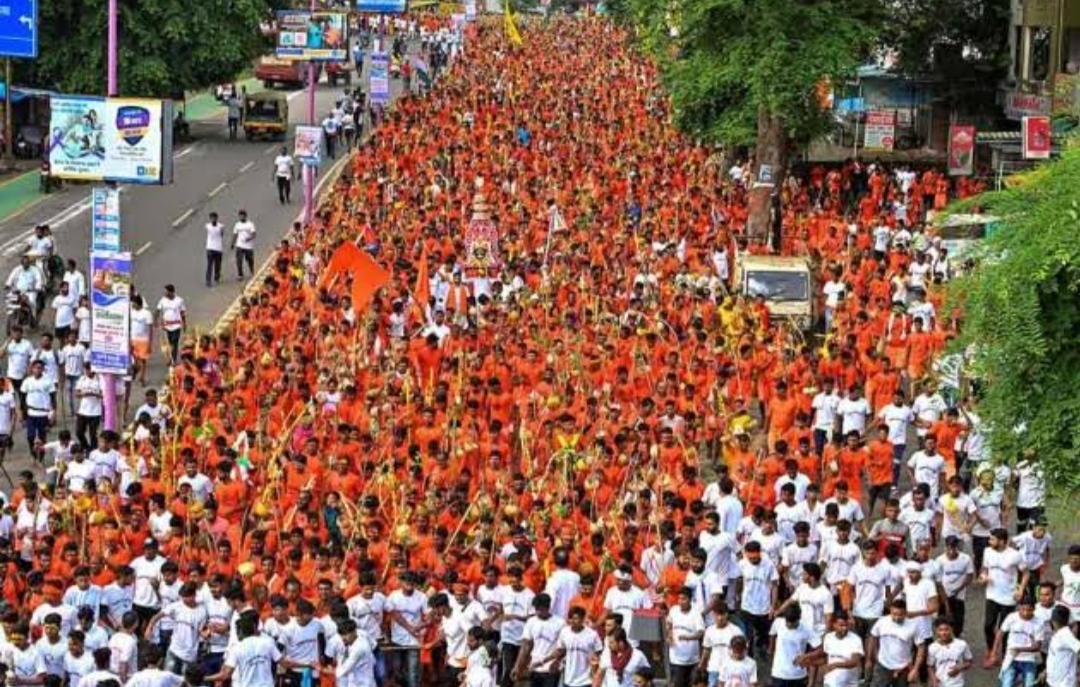
The Kanwar Yatra is the annual pilgrimage of the devotees of Shiva known as Kanvaria; to Hindu pilgrimage places like Haridwar, Gaumukh and Gangotri in Uttarakhand and Sultanganj in Bihar to fetch the holy waters of the Ganges River to pour it on various Shiva temples in India.

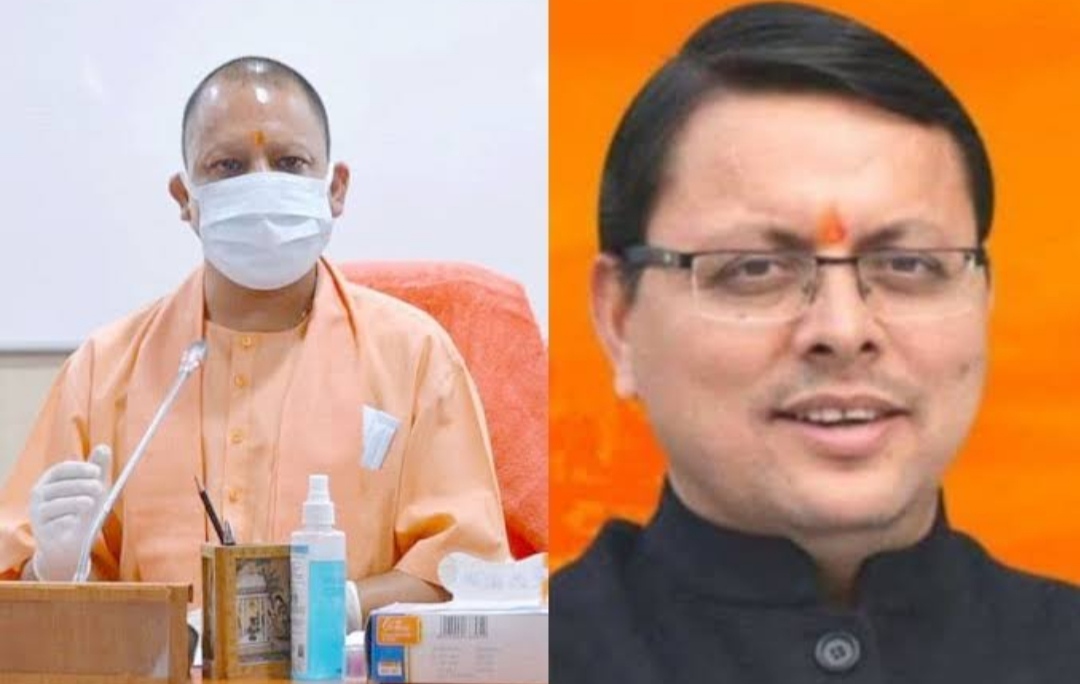
Kanwar Yatra: UP CM requests Uttarakhand govt to allow entry into Haridwar for some devotees.

UP CM Adityanath has requested his counterpart in Uttarakhand, Pushkar Singh Dhami, to allow some devotees from UP to travel to Haridwar for the Kanwar Yatra.

The Uttarakhand government has decided to call off the annual Kanwar Yatra for the second year in a row in view of the Covid-19 pandemic. This decision was taken by CM Pushkar Singh Dhami on Tuesday.

At the same time, the Uttar Pradesh government decided to go ahead with the pilgrimage with strict curbs. CM Yogi Adityanath directed officials to ensure that devotees are allowed to take part in the Kanwar Yatra only after they attain a negative RT-PCR test report.

UP CM Adityanath was requested by Uttarakhand CM to allow a limited number of devotees from the state to visit Haridwar for the Kanwar Yatra.

The Pandemic social workers:

The social services and those workers included in performing the social services during the time of pandemic are really essential and appreciatable! They build on their own existing strong ties towards the children, families and communities to rapidly respond in ways that are effective! But we know their safety also more important! The social workers are just like an angle to our society, including governmental and non-governmental workers, since they carry out the essential range of needs to common people at the toughest times!

How to Restore Our Sleep Cycle

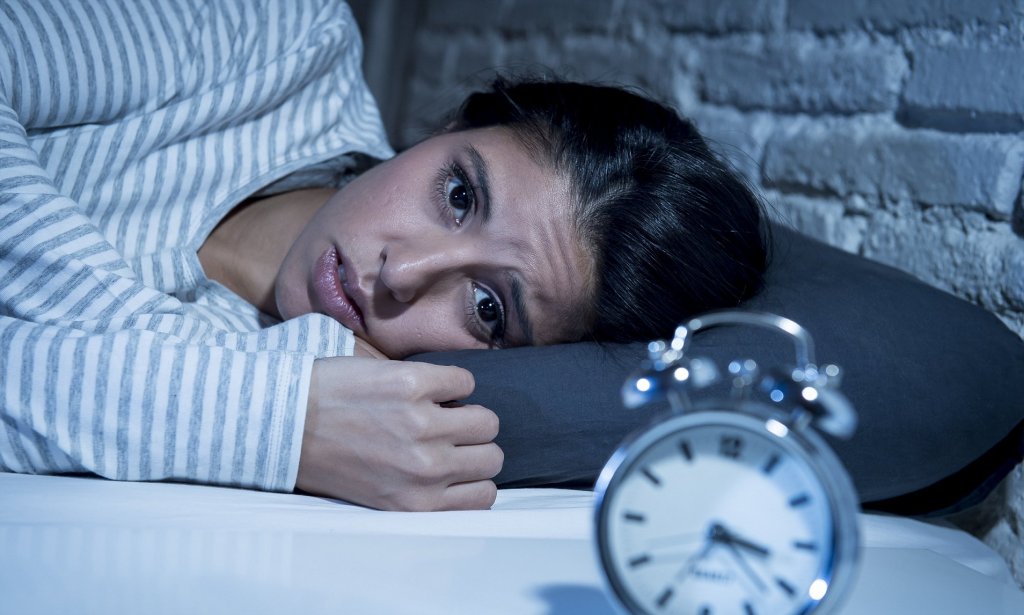
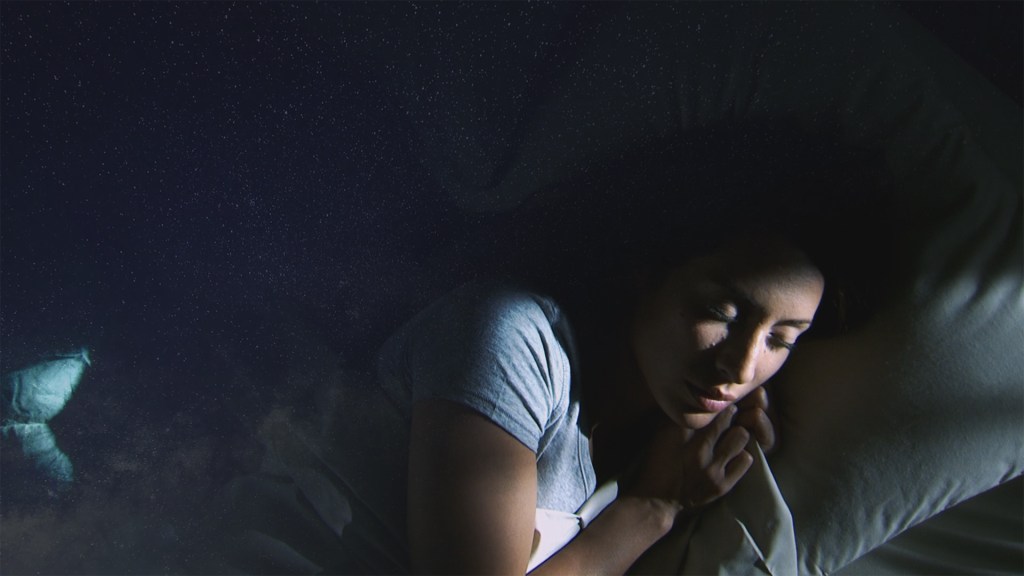
Pandemic has a huge impact on the sleep pattern of the people around the world. Some of them are tossing side to side to get a proper sleep during night time, other stay long awake but unable to regulate their usual pattern. Many experts also suggested that these days people often faces troubled sleep, with many going to bed far later and sleeping longer than usual.

Image: Shutterstock

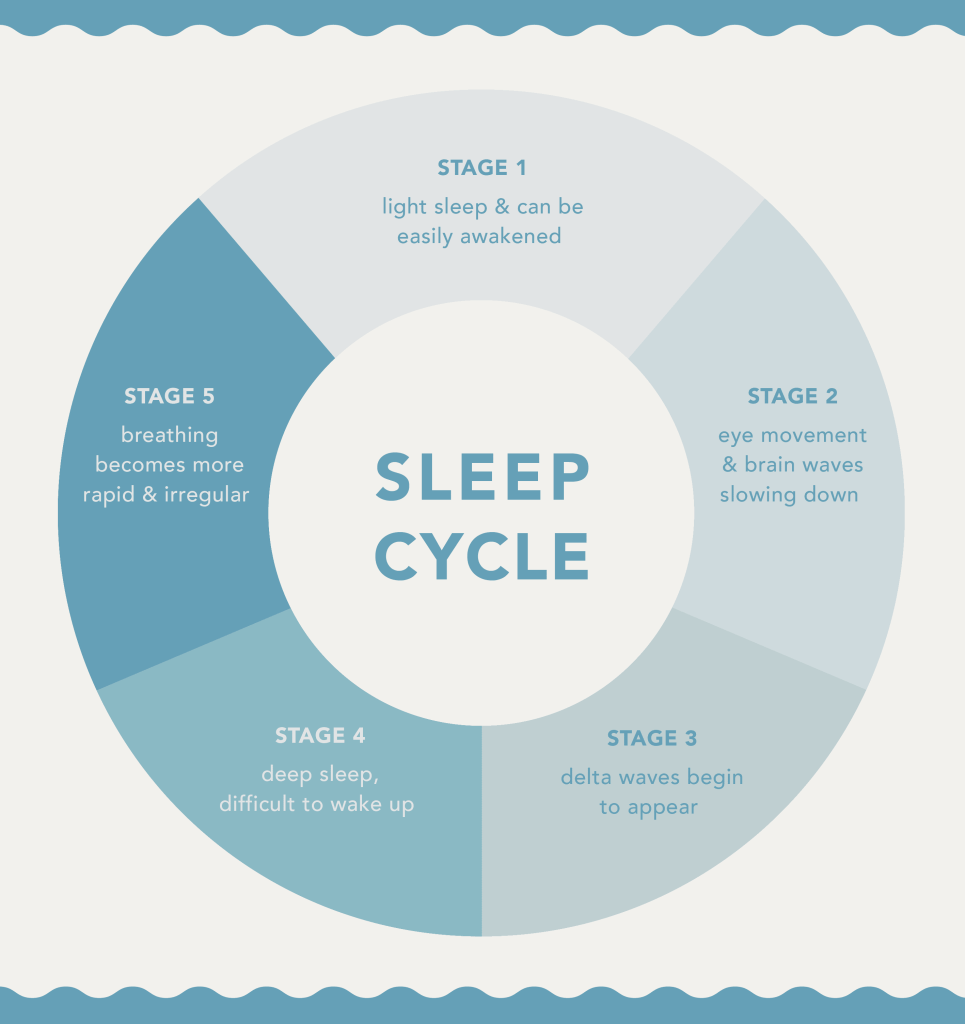
Our sleep schedules do vary from person to person, depending in large part on the environmental causes. Because according to our circadian clock , that control our sleep schedules are sensitive to light like things like how much sunlight we’re exposed to throughout the day and what types of light we’re exposed to at night affect our sleep schedules. It’s really a huge problem, having a disrupted sleep schedule can result in deteriorating sleep pattern. But this will led to severe health ailments linked to several chronic health problems, such as sleep disorders, obesity, diabetes, depression, bipolar disorder, and seasonal affective disorders etc.

Image: Banala lite

But there are some suggested ways to get our disrupted sleep back on track:

  • A proper bed time routine: Try to stick to a schedule of sleep, like keeping your sleep-wake cycle the same. Our bodies have a circadian rhythm and walking up at different times disrupts it. The less you deviate from your normal bed and wake up times, the better you sleep. To get to sleep earlier, even doctors recommends going slowly and in small increments, adjusting no more than 15 minutes earlier every two to three days.
  • A touch of nature: Get a good amount of sunlight every morning. It serves an important purpose: it shuts down the release of melatonin, this hormone promotes sleep. Aim to get at least 15 minutes of sunlight every morning.

      Image: NPR

  • Cut off caffeine before sleep: Caffeine has a half-life of six to eight hours and a quarter-life of 12 hours. That means if you drink coffee at 4 pm, you’ll still have a quarter of the caffeine floating around in your brain at 4 am.
  • Limit your drinking habit: Alcohol suppresses REM sleep cause sleep disruptions. If you drink alcohol, limit that to two drinks or stop the intake at least three hours before bed.
  • Limit the screen timings: Avoid screen timings just before going to bed. As blue light of mobile screen interfere with sleep habits by sending wrong signals to stay awake. But many of us do it anyway. Avoid screen time before 2 hours of going to bed.
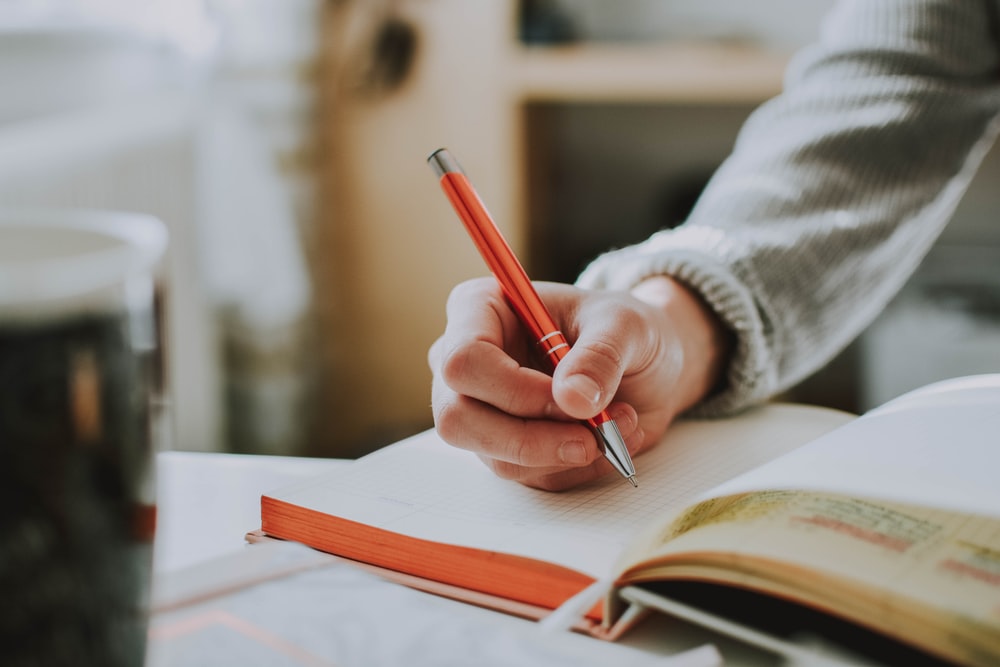
  • Journaling: You can’t get a proper sleep if something is bothering you, it’s always better to pen down your worries in a diary. Making this a habit can lessen your worries. Sit down with a blank piece of paper one to two hours before bed each night. Writing down your thoughts, especially anything that is bothering you. It will help you to schedule your activities and calm your mind.
Image: Unsplash

Meditation and Music: Meditation eases your woes by giving a direction to your thoughts. To get a proper sleep one should practice this 10 minutes daily routine. On the other hand, music calms mind and listening to a relaxing one will help to achieve sleep.

  • Avoid sleeping at day time: To promote better sleep one should avoid day time nap, so as to get a better sleep at night.
  • Environment: Make a good sleeping environment like switching off unnecessary lights and put on the curtains to prevent the entry of noise and lights. Take a warm bath and play some relaxing music, for instance. Make sure your bed is comfortable, the room is dark, and the temperature is not too warm.

These are the ways which enable us regain our disturbed sleep pattern. Sleep, itself promotes body healing. So, this is advised to get a proper 7-8 hours of sleep during night time.

Image: PBS

Third wave of covid-19 knocking at our doorstep

While mass vaccination drive is going on around the whole globe,news of emergence of Third wave of coronavirus have started to surface. WHO (world Health organisation) have also warned about the third wave in Europe. Cases recorded in this wave are of ‘Delta-variant’ of coronavirus.

Second wave of coronavirus caught us all off-guard and hit us hard and many lives were lost and there was a State of panic amongst us all for few months, due to this wave of coronavirus. After, passing of this second wave, people flocked the hill stations and flouted covid norms.
Even, in markets people are walking without masks and not taking necessary precautions.

Alarmed by this situation government of India have warned the citizens about this 3rd wave. Lav Agarwal, Joint Secretary, Health Ministry, on Tuesday said that the third wave of Covid-19 may be caused due to the gross violation of covid appropriate behavior. He told that :

We would like to request to everyone- when we talk about the third wave (of COVID-19), we are taking it as a weather update and not understanding its seriousness and our responsibilities associated with it

Lav Agarwal (joint secretary, Health ministry, GOI)

According to union health ministry data on Tuesday there were 32,906 new cases of Covid-19 and 2020 related fatalities, which pushed the overall tally to 30,905,819 and the death toll to 410,784.

Markets are open and govt offices and school’s are running with 50% capacity, but the way in which common people are violating the covid-19 precaution guidelines, day is not far when we’ll have to pay for this type of behaviour. If situation remains like this, then the government in order to control the spread may impose lockdowns and come up with strict measures.

Hill Stations will be there,if we’ll be safe,then we can visit there later on. We need to learn from our mistakes commited during the second wave of pandemic and try not to repeat them this time.


Government is preparing on its behalf to face up with the inevitable third wave of pandemic. We all as a responsible citizen should adhere with the government guidelines and take precautions,then we can defeat this pandemic.

Mental Health amidst Covid

Mental health is health too.

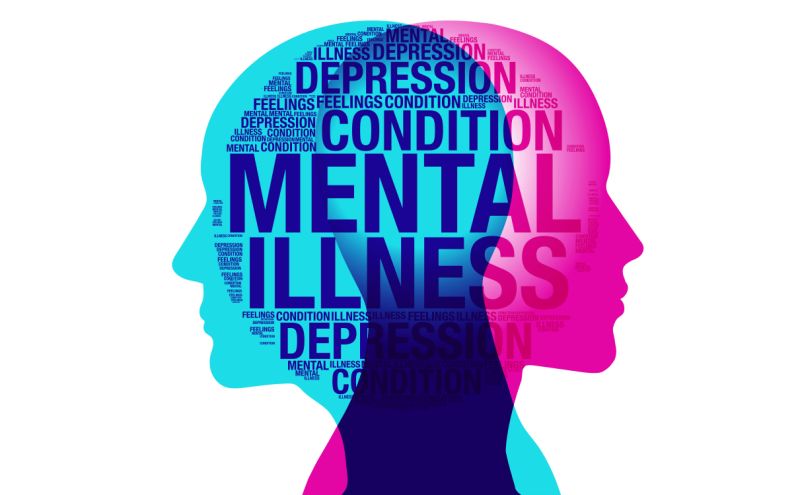
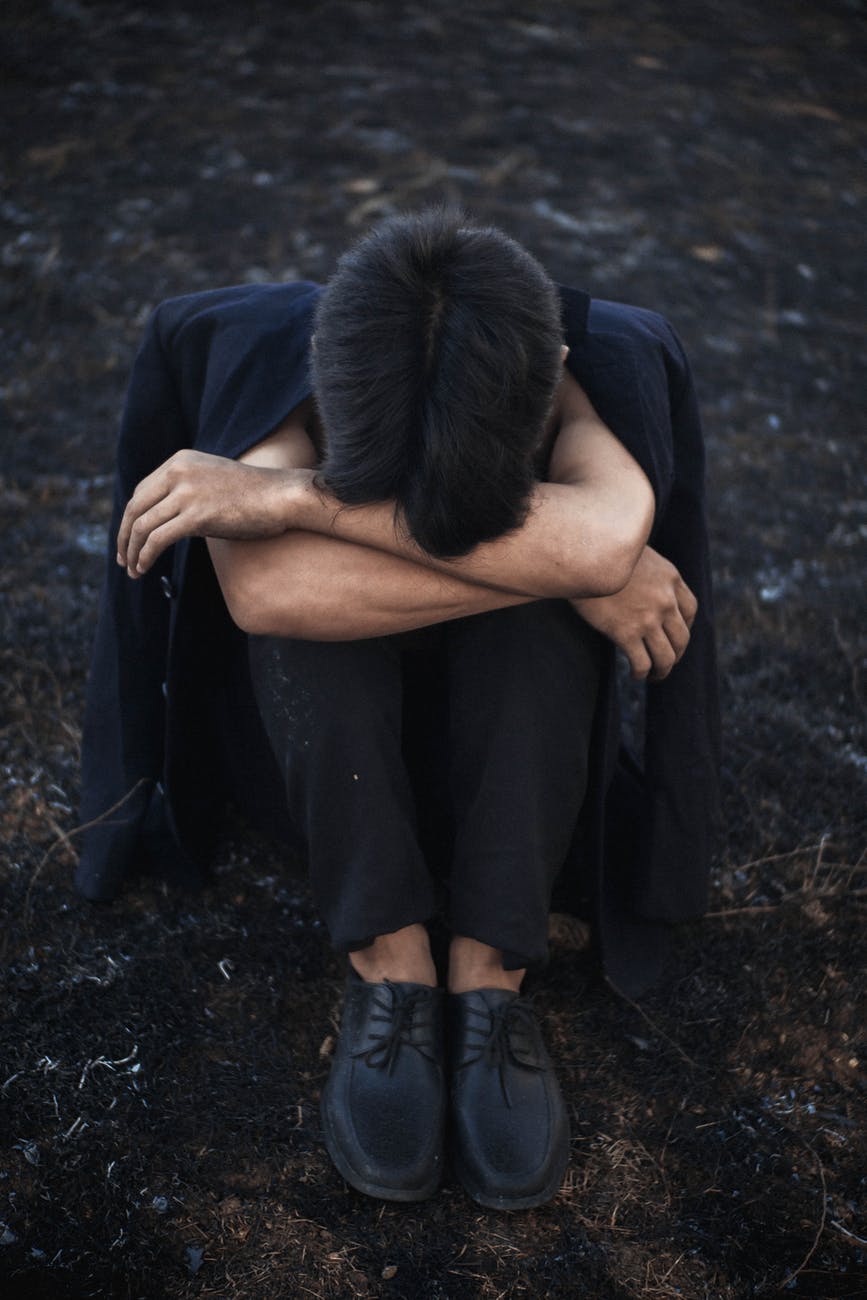
The pandemic has taken a toll on mental health across the globe. Cases of depression and suicide have increased manifold ever since this coronavirus abruptly interfered with our daily life, and left us on house arrest with never-ending thoughts and endless fear. This speck of RNA has changed the entire outlook of the dynamic world we live in. Be it trade, finance, education or tourism everything seems to stand still for a while, as a consequence of which unemployment skyrocketed, which leads to utter despair and curtailed hope even further. History has never witnessed such a destructive catastrophe till date.

It was just the first wave summarised so far because the damage done by the second wave in India is nothing less than a nightmare in which hundreds and thousands of people lost their lives and scarcity of oxygen came into the picture. With deaths comes grief, anxiety, pain etc that is detrimental to mental health beyond the scope of one’s imagination.

Here are some ways to look after your mental health in these trying times:

Priorities Yourself:

Give yourself priority and listen to your instincts. Do not let others set a line for you because you’re the one who knows yourself the best. But it doesn’t mean to turn a blind eye towards others. It okay to be in your little bubble for a while. Take your time and relax.

Express your Feelings:

It’s not necessary to be expressive all the time, but try to communicate if there is something inside your head that is eating you alive. Communication is the key. Express your feelings in whatever way you want to. Be a loner but don’t be lonely.

Rebuild your routine:

Since we are still stuck with the online education situation, it’s necessary to have a profound morning routine. It will help you to align for the rest of the day and less likely to have a chance to sit ideally and overthink.

Control Overthinking:

Thinking before making any decision is appreciable but continuously thinking about something in endless circles is exhausting.
While everyone thinks over a certain point of time, but “What if and should” dominates the thinking of chronic overthinkers which is mentally draining and can put your health and total well-being at risk.
Rather than getting lost in the thoughts of what you could have, would have and should have done differently, try to become self-aware and connect to your immediate world.

Ask for help:

Be strong enough to ask for help. There are lots of counsellors and therapists available online. They will hear you out and validate your emotions. All you need to do is to summon your courage and accept yourself.