REVENGE TRAVEL and an INEVITABLE THIRD WAVE

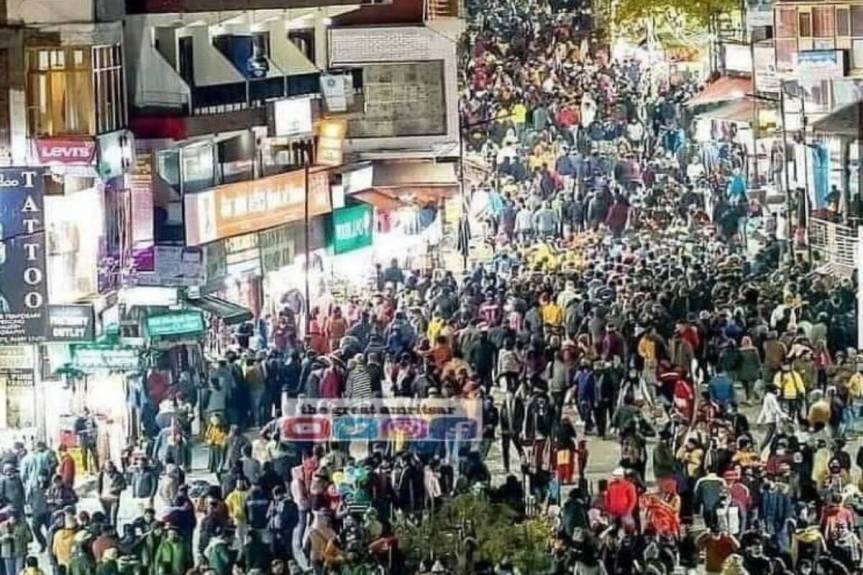
It wasn’t a few weeks back that there was a massive outcry among general public, demanding hospital beds, oxygen cylinders, remdesivir and what not; and now the hot topic has turned into lack of hotel rooms. Indian government was ultimately the scapegoat at the hands of citizens who needed to channelise their vulnerability, fair enough. As the second wave was terminating, owing to the endurance and earnest work of the government, an abominable mass of citizens rush to “celebrate” this conquest by vacationing in Manali, paving way for the third wave of Covid.

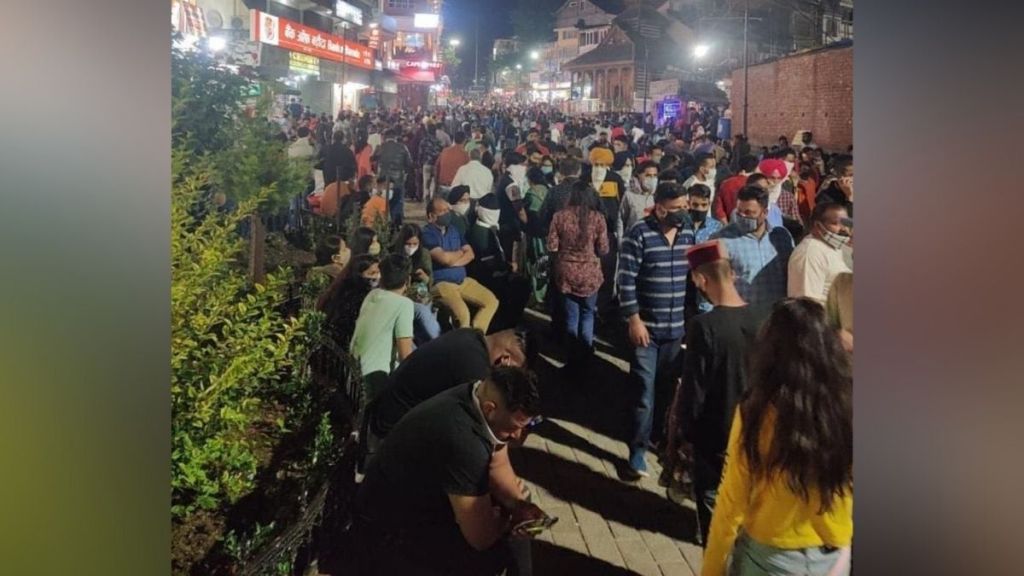
Crowded Manali

Not only Manali, crowds can be seen flooding the streets of other hill stations as well; Shimla, Mussourie, Nanital etc. There is a term for this phenomenon, which accurately captures the true sentiments- ‘REVENGE TRAVEL’. This term signifies the anguish of people who had to follow the lockdown rules and stay at home during the pandemic and that too for their own safety, but now are rushing to travel like animals let loose.

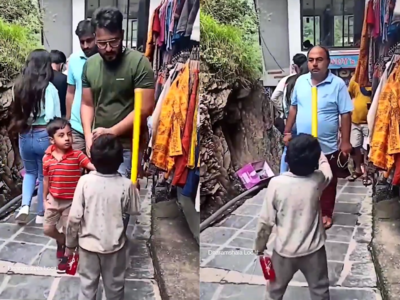
Someone said it right, education is no substitute for intelligence as is proven by the abhorrent crowd risking thousands of innocent lives along with theirs. A 5 year old boy who didn’t even has shoes for his feet was seen roaming on the streets of Dharmshala, schooling adults to wear masks, while the tourists shamelessly ignored his plea. This is a clear dichotomy of how wealth and education never ensure a sound and reasonable mind.

When the third wave strikes, the same mass would shamelessly play blame game and accuse government for the current situation. Based on the statistics, health ministry has warned the citizens to be prepared not only for the third wave, but the fourth one as well. If people are ignorant enough to forget the consequences and death toll from second wave, another pandemic is just inevitable.

The Impact of Solitary Confinement

Many years ago, the approach toward detention institutions, convicts, and punishment was severe and obnoxious. After a prolonged battle with the government, the principle of recognizing the human being in the convicted perpetrator has been approved. The socio-legal approach is based on peace, mutual respect, and individual human respect. If a person commits a crime, it does not follow that he stops to be a human being and can be denied those components of existence that constitute basic humanity.

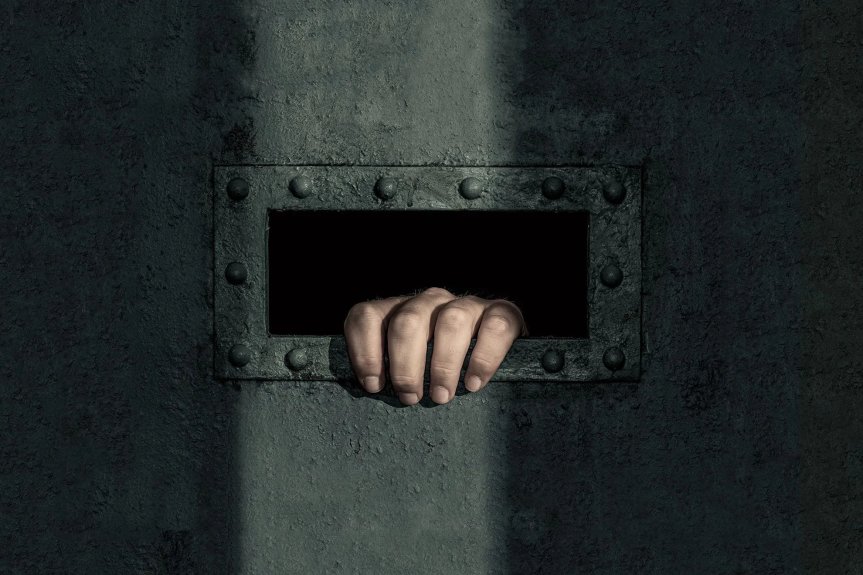
Solitary confinement is a type of imprisonment in which an inmate is segregated from other inmates and subjected to strict observation. It has been proved that such confinement is traumatic and has a negative impact on the prisoner’s overall well-being both physically and mentally. Prisoners are kept in solitary confinement for a variety of reasons. When prisoners are kept in solitary confinement as a form of punishment for what is deemed excessive behavior, such as aggression against fellow prisoners, they are usually forced to stay there for a specified period of time as a measure.

Solitary confinement, according to research findings, fundamentally affects a person’s brain, resulting in major and long-term mental health concerns as well as the expansion of deviant and violent behavior. There is a distinction between loneliness (a highly unpleasant experience to perceived isolation and the imposition of social isolation, also known as social pain) and aloneness (a tendency toward being alone/the decision to be alone), and the brain responds in very different ways. Solitary confinement as a form of punishment is akin to torture, having devastating effects for brain health. Prisoners who are isolated endure a range of psychological impacts, including emotional, cognitive, and psychotic disorders.

Prisons are already destructive, and putting people in solitary confinement adds an added layer of pressure that has been proved to create lifelong abnormalities in people’s minds and characters. In fact, long periods without human interaction have been found to physically decrease the part of the brain that plays a crucial role in memory. And, because humans are social animals by nature, denying people of their capacity to socialize can result in “social pain”, which experts define as “the feelings of sadness and suffering that result from negative social situations such as social deprivation, isolation, rejection, or loss.” Social pain impacts the brain in the same manner that physical pain does, and it can trigger much more suffering due to humans’ tendency to remember social pain months or even years afterwards. Even if a person does not enter solitary confinement with a mental disorder, the consequences of isolation may cause them to acquire a distinct psychiatric syndrome.

Life is more than just animal existence. The people incarcerated cannot be denied the same. A prisoner, whether convicted, under trial, or detained, continues to be a human being. They have all of the rights that a free person enjoys, but with some limitations. Being imprisoned does not strip people of their fundamental rights. Even while imprisoned, he has all of his basic fundamental rights. And especially in this pandemic, when many people are left alone or with a cellmate in confined spaces for 24 hours a day, knowing the negative impacts of solitary confinement and reforming these practices is more necessary than ever.

Supply Chain Challenges for Covid-19 Vaccine Delivery in India

1. Logistics and Management

As of today, there are 154 candidate vaccines in pre-clinical trials, 21 in Phase-1 trials (Small-scalesafety trials), 12 in Phase-2 trials (Expanded safety-trials) and 11 in the path of approval across the globe. Not to forget, Russia’s first registered vaccine against the virus – Sputnik V. Even India has over a dozen of companies working on the vaccines out of which Covaxin developed by Bharat Biotech in collaboration with ICMR, is in its final stages and is highly anticipated. With so many possibilities, pharmaceutical manufacturers and distributors need to ensure continuity in vaccine development and delivery to meet the market demand. The following table talks about the potential vaccines being manufactured in India.

2. Availability and Affordability

Once the vaccine is launched, availability and affordability will be a key challenge. We must consider
the possibility of a private-public partnership to move this further, like in the case of polio vaccines.
There could be possible problems of irregular access to the vaccines, shortage in the supply, theft and
robbery, spike in pricing etc. which must be thought of beforehand. The vaccines must be suitably and
fairly priced for the lower income groups to be able to afford.

3. Manufacture and Production outreach

India has an upper hand in this criterion, since it has been manufacturing and exporting a significant
amount of vaccines and medicines of different kinds, globally. However, on the arrival of a potential
vaccine, manufacture and production has to be given a clear priority and must be upscaled, in order to
be prepared for the challenges of shortages like in the case of N95 masks.

4. Education and Outreach

Although vaccines are primarily important, it is not vital that everyone must be vaccinated at one
time. People with good immunity, free of ailments and high resilience are not particularly required to
be vaccinated. Healthcare workers, Senior citizens, people with health problems like diabetes, asthma,
coronary diseases etc. must be given first priority over the healthy population of the country, which
can be vaccinated at a later stage, if necessary.

The Pandemic Panic

The year 2020, has been an exceptionally unusual year for India, particularly from the economic point
of view. From the extended lockdowns due to the global pandemic, the departure and disturbing plight
of the migrant laborers, the agitated protests by the healthcare workers over the non-payment of
salaries, laying off employed workers in the workplace and to the recent protests over agricultural
bills passed by the government; all these upheavals have led to a high economic distress and a spike in
the rates of unemployment within the country. I dare say that, the pandemic will be remembered more
for its financial distress, rather than the morbidity rate. COVID -19 has left over 1 lakh dead in India,
and several others with elaborate hospital bills. With the possibility of a prospective vaccine, expected
at the end of this year or the early beginning of next year, another imperative challenge that India is
yet to face is, the manufacture and supply of affordable vaccines to its 1.3 billion citizens.

To meet the global demand of urgency in the production of vaccines, countries including India must
encourage self-reliance in order to decrease the production costs. Governments must ensure proper
planning and implementation to meet the suitable needs of their citizens. With the decrease in the
surfacing of the daily cases and an increase in the recovery rate, we still have a long way to go, but we
are in the right direction of approach.

Understanding your Mental state during the Pandemic

Introduction

The second wave of COVID-19 started from the middle of March 2021 and peaked in April with a shortage of oxygen cylinders and hospital beds. Now when the numbers have gone down again, people will start venturing outside and the reason for this eagerness is understandable because of the impact this pandemic has had on all of us, we just need ways to cope with it. Although mental health has been discussed a lot since the beginning of the pandemic and the lockdown, it is important to understand what changes we have been experiencing and how we can cope with them.

Impact on Mental Health

As we know, this pandemic created an economic crisis but along with that it also negatively impacted the mental health of people all across the world. People have been facing trouble with sleeping, eating, and alcohol consumption also went up. But the major mental health issues that are identified are stress, anxiety, depressive symptoms, insomnia, denial, anger, and fear. And the people with existing mental disorders became more sensitive to their symptoms. The rate of suicide also increased, a suspected Covid-19 patient committed suicide in fear of the result of his test, and later it was found that he tested negative. Adding to that the level of concentration has drastically gone down.

On a normal day if you search for symptoms, you might be experiencing during the pandemic, it would lead to the diagnosis of depression but don’t get confused between depression and the COVID-19 blues. The symptoms of COVID-19 blues include:

  • Feeling of sadness, emptiness, and hopelessness
  • Restlessness
  • Guilt
  • More than normal anger and irritability
  • Withdrawal from things you normally enjoy
  • Avoiding talking to friends and family
  • Change in sleep pattern
  • Change in appetite.

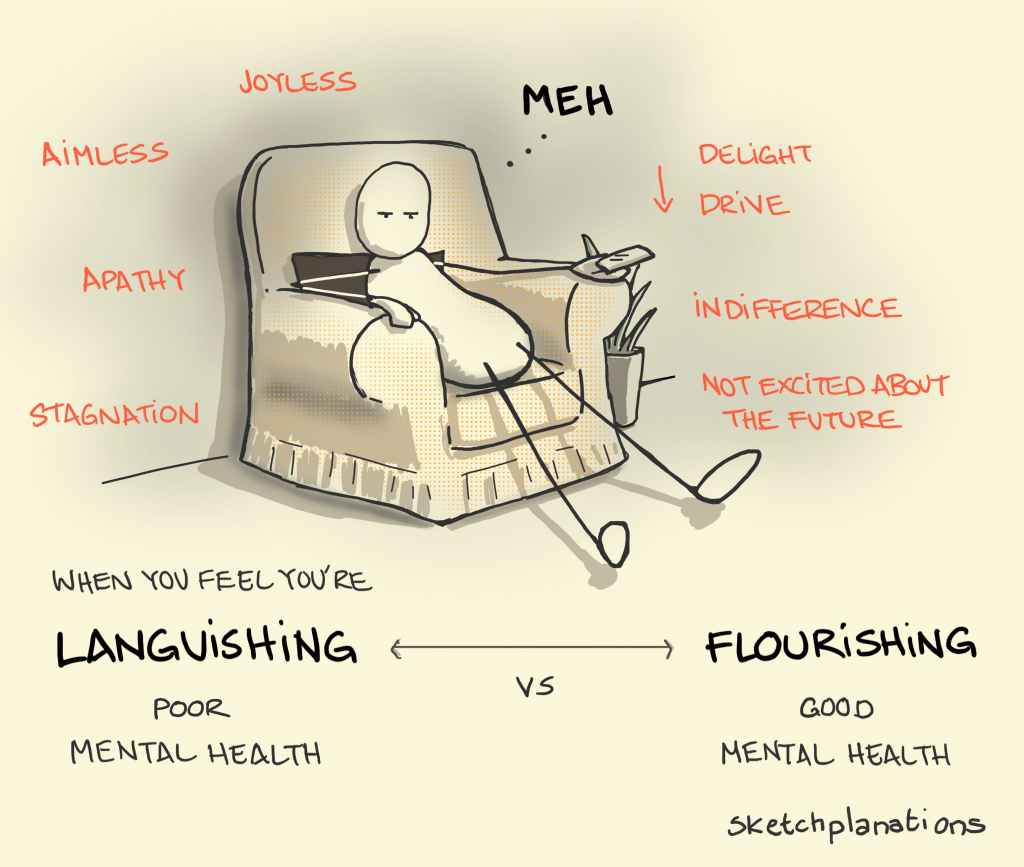
This is not the only thing, the feeling of eternal aimlessness that has started ever since the pandemic is known as languishing, and remember that you are not alone in this, even the practiced psychologists feel the same way. Languishing can be defined as a state of stagnation when you feel like the days are just passing by but you are not doing anything, you are just living through it. Not being able to focus on things is also a symptom of this.

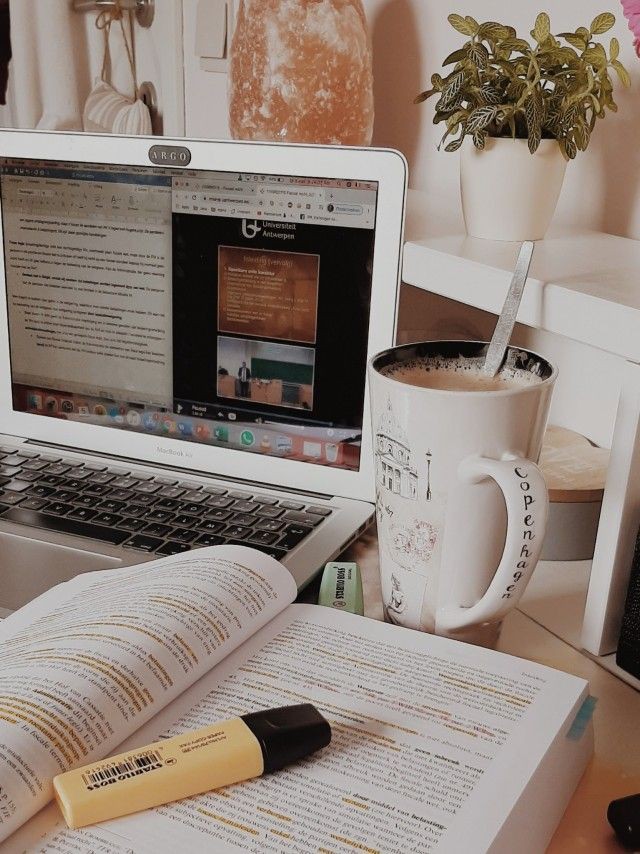
Issues with Online

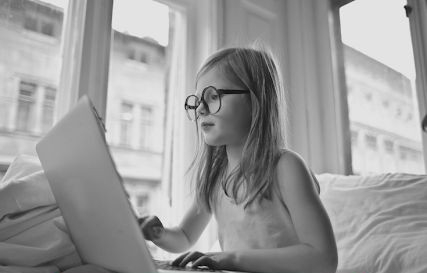
While most of the things have been shifted to the online forum and the work is being done in this new way, there are still side-effects of this change. The college students who started the online semesters with motivation have lost all of it as they can no longer focus or pay attention to the lectures, it all feels like background noise to them at this point. They cannot connect with their peers in the same way anymore. The distinction between personal and work time has disappeared, this isn’t just for college students but also adults working from home, everyone is working at any time and the expectation to get work done has increased using the reason “you are at home, you have time”. No one feels any kind of connection with their colleagues which brings troubles in the workflow. Moreover, people have lost any sense of time.

Solution

Here are some solutions to deal with this feeling:

  • Create a routine, divide your time for housework and job-related work. A routine will help you maintain a sense of normalcy. It will also help you from feeling lost because of too many things to do at the same time.
  • Try an at-home exercise routine to keep up with your physical health.
  • Declutter your home, it will help you in feeling productive and in control.
  • Set small daily goals, even small achievements count.

There is a concept of flow which means the state of absorption. The people who are immersed in some project avoid languishing, solutions for this are:

  • Even a Netflix binge helps as you connect with the characters of the show and your focus shifts to that.
  • Keep a goal of setting uninterrupted time for yourself, remove all kinds of distractions and focus on the one work you need to finish. There are applications that make sure you don’t use your phone for how much ever time you fill in.

Conclusion

This has been a very hard time for people all across the world, being scared for physical health was one thing but on the path to that our mental health is in danger and we need to take care of it. Remember to not blame yourself for feeling this way, take things slowly, do things that bring you peace. There is no need to hesitate from consulting a psychologist, if you think you are facing symptoms of depression, consult a psychologist to stay on top of your mental health.

References

National Doctors Day: Are we doing enough to protect our life savers?

Typically, in an Indian household when a child grows up, Indian parents expect them to be doctors or engineers. But do we respect and love the same children when they actually become our life savers?

July 1, every year, is celebrated as National Doctors Day in India as this date marks both birth and death anniversary of prominent Doctor Bidhan Chandra Roy who was also the Chief Minister of West Bengal in early years of post independent India.

In 1991, Government of India established National Doctor’s Day to recognise the contributions of Dr. Bidhan Chandra Roy and also honour the Doctors nationwide.

Currently, the doctor-patient ratio in India is 1:1445 which is lower than WHO’s prescribed ratio of 1:1000. Doctors work day and night for their patients’ well being and this even increased since March 2020 due to COVID-19. But how much we as citizens give them in return?

India has suffered because of acute shortage of Doctors since the beginning as they never got the remuneration they deserve. This has always led to brain-drain in India as Doctors shift to other developed countries for better career prospects as they receive better salary and opportunities there.

Since the beginning of COVID-19, the only hope to get out of this deadly pandemic were Doctors and health care workers. Whenever our loved ones contract the virus, we immediately look towards our doctors with a helpless eyes, and Doctors without caring about themselves tirelessly give their life and time for us.

Some incidents in the recent past haven’t been so fruitful though. Doctors and other healthcare workers were brutally assaulted during the entire first and second wave and this is another downfall our country has witnessed.

Even on eve of Doctors day, two doctors were assaulted in Delhi yesterday after having a heated argument with two fellows. From an assault in June 2020 in Hyderabad to several such incidents in all parts of the country like Madhya Pradesh, Maharashtra, Assam and many more shows that we as citizens have failed our doctors.

Citizens have to understand by doing such acts of violence, their loves ones whom they lost won’t return. Yes, if any citizen feels their loved ones faced hospital casualties, they’ve a right to protest and they can take the legal procedures but they must not come into emotions and act violently.

Indian Medical Association has held several protests to voice for the rights of doctors. Nearly, 3000 Doctors resigned last month in Madhya Pradesh after High Court declared their strike as “illegal”. Several more prominent as well as junior Doctors in the country have vowed to not serve India as they feel citizens do not treat them with dignity.

If this goes on, India would have a vast decline in doctors per thousand people ratio and all the lives of Indian citizens will be at stake because private hospitals charge a lot and most Indians won’t be able to afford them due to mediocre and low income.

India would face a dangerous phase just like it faced in the second wave of pandemic if things continue like this till the upcoming third wave which will probably hit India by the end of 2021 as predicted by health experts. Stricter parliamentary laws against anyone who assaults doctors and moral policing of citizens can improve the doctor-citizen relationships however.

The Pros and Cons of Covid19

This covid19 has burdened us with many challenges and obstacles. The word corona by itself poses as a very pessimistic thing that we have ever faced which has completely toppled our lives and brought the world to a grinding halt. Contemplating on the cons, meaning it is more than a drawback or a snag, because on a personal standard many of the families have lost their loved ones and there were many lonely departures without the final adieu. The world has dissipated many doctors, healthcare & welfare workers, police officers who toiled dawn and dusk for the well being of all and many innocent people. Despite the unemployment factor already being a serious issue in the country, especially in this pandemic some had to lose their jobs and many with no or a less source of income.

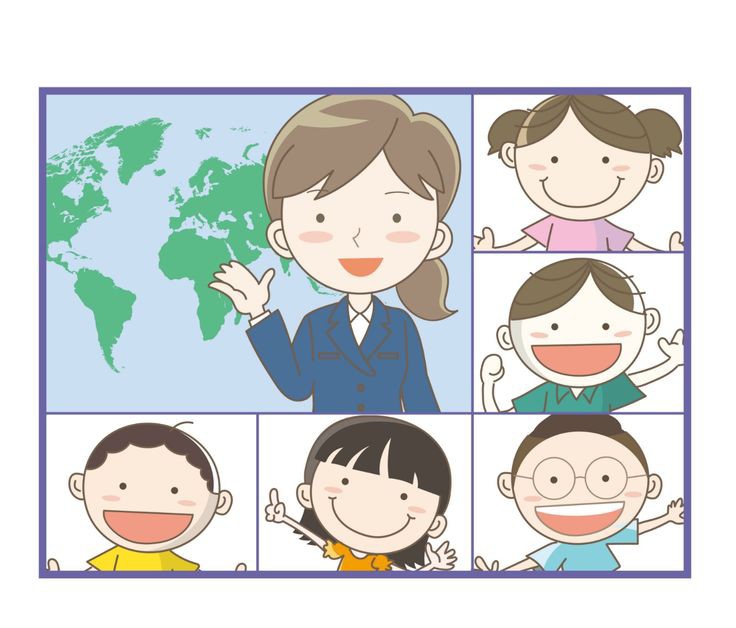
The education system has also taken a back seat in the pandemic refraining students from gaining practical knowledge. The digital medium cant make a replica of the interpersonal interactions that the school facilitates by having the young generation together from diverse backgrounds and culture. The peer group interaction between the class hours, promotes communication skills to their holistic development. Moreover the students in the rural are more prone to the drawback of online classes because they might not have an elasticity to E-learning. Even the developed countries faced many obstacles to deliver quality education to students during the pandemic.

It made many people idle and we were left stranded with a big question that when are we going to get out this woeful situation. The house confinement and the lack of exposure to school, work place, sports and leisure activities had increased the occurrence of mental illness and distress. The constant subjection to cell phone, computer and other electronic devices makes people at the high risk of obesity, eyesight problems and other related issues. Besides covid19 being a public health crisis, it has also severely affected the global economy leading to significant reductions in the income, mitigated productivity, business closures, disruptions in the transportation, service and other manufacturing industries. Amidst some people saying that the lockdown renders more mental depression imagine the plight of the families who have lost their own people. So in this crisis we were burdened with many things happening around us. All these things were making life unfeasible and intricate. This has left us with a stream of dejections, tears and unreliability. It made us uncertain of many factors in the near future.

On the other hand with schools, workplaces and universities shut down, a feeling that the clocks don’t work anymore and a unified distress within us, we were able to connect to the other part of life, the world opened us a new window. Before we would be awaiting for holidays to stay home and spend some quality time with our loved ones, even though we didn’t have a really great time in the lockdown it made us to think out of the box, to think of something other than the regular consistent work, made children to think out of the school curriculum. We became open to many things that we weren’t exposed to before because of some hectic scheduled stuffs. The current delay gave us more time to formulate a better roadmap for the future. People made their venture into online businesses which later became a good source of income for them. Kids started relishing non-curriculum books, creating art and exploring many things. With the flexibility of time in my peer group we started trying out new courses and internships which will help us in the long run rather than merely sticking to the subjects. For some people, the restrictions laid for covid19 gave some relaxations to develop their physical and mental health, to focus over fitness, home workout and activities like yoga with the feasibility of time. Which place could be more enjoyable than burning calories from the comfort of your home. Mothers had a pause form the tiring household chores with the children and other family members sharing the burden of house works. It has granted us ample of time to focus on our health, a sound sleep, to promote discipline and hygiene etc.

We have to be strong, resilient, stick to the necessary protocols laid by the government, be mentally and physically fit to get the rid of the crisis and for the betterment of the situation. We have fought against plenty of factors during many hardships like flood times and cyclones so we are going to do the same, fight against covid19 together but with social distancing and the masks up. Get vaccinated. Stay indoors and stay safe!!

What happens if mix-up several doses of the Covid-19 vaccine?

It has almost been a year since the country was forced to its knees by accepting the lockdown terms. On the evening of March 24th, 2020, Prime Minister Narendra Modi declared a nationwide lockdown. The lockdown caused immense times of difficulties and also claimed several lives. The lockdown period also thought us the need and urge of helping. We were united in this fight against the pandemic. Although, the virus claimed several lives; it also thought us about how to face a crisis and made us adapt to the online routine.

Several countries and research units immediately began working towards a cure against the virus. After several attempts and tries, many research centers came up with vaccines to help release the citizens of this devastating pandemic. The government too implemented policies to help ease the citizens of the nation. Currently in India, we are offered one particular type of vaccine to help us in developing antibodies to help fight the virus. The vaccine doses were administered to main people above the age group of 18, to mainly eradicate this virus from our nation. Doses are been given now to the youth in efforts to boost the country’s economy.

Recently, a Lancet medical journal reported that a mixed schedule of the Pfizer shot followed by the AstraZeneca dose has caused high amounts of antibodies in a patient’s body.

The doctors and medical health care unit are constantly working hard in improving the efficacy rates and efficiency of these vaccines. One way, of improving the vaccine’s efficiency is by giving the doses at a delayed time to have maximum impact on one’s body. In countries where several choices of doses are available, the other vaccines can be used as assistance to boost the immunity of a person.

Well according to the research, the order in which the people were administered the different vaccines affected the results. In cases where the AstraZeneca jab was given before the Pfizer vaccine displayed higher levels of antibodies than Pfizer tailed by AstraZeneca. Several methods and orders of mixing up these vaccines were carefully studied and finally, the most effective dosage was found to be Astra followed by Pfizer.

This trial was carried out by involving 830 people over the age of 50. It was tested solely against the primitive virus found in Wuhan in the year 2019. Further testing against the several strains and variants present now can help in widening this research and could help develop further such combinations of vaccines. This study will also attempt at implementing several other doses like Moderna and Novavx.

Initially, the shots of AstraZeneca were placed between 6-8 weeks, which has now been increased to a duration of 12 weeks to increase the efficiency of the vaccine. Furthermore, a study under Oxford also claimed that spacing the time between the two doses to 10 months further boosts the vaccine’s effectiveness.

The vaccines are our only hope in this fight against the virus, so we must believe in them and take up the doses diligently. Medical institutes will always come up with better ways of vaccinating the population. So, we must co-operate with the medical representatives and cause any trouble to them.

How to feel better in a pandemic?

We often feel low, especially during the pandemic. We cannot go out and have fun nor can we physically go to school or work. Yes, the situation is slowly getting better with the distribution of vaccines but it is still a lot to take on our mental health.

So, here are some things you can do in your own house and instantly feel better:

Taking a long hot bath: Our skin releases endorphins in response to warm water. This is why you must have noticed that before taking a shower we tend to be lazy and don’t feel like taking it but once we are in the shower we don’t plan on coming out.

 Make your shower more fun by listening to songs and lighting candles. If you are someone who has a bathtub you can add bath bombs, bath salts, flowers, etc. If you don’t have a bathtub you can use a shower melt which is like a bath bomb but for showers.

Treat for the skin: Now that we are done with our bath. It is time for treating our skin. Doing a small activity like applying a face mask or exfoliating your skin would make you feel good. This will also hydrate your skin and remove the excess oils from it. We often feel great after doing skincare because our skin feels great and we feel relaxed.

Getting ready: just because we don’t have anywhere to go doesn’t mean you can’t look good at home. An issue I faced in the lockdown was not being able to get ready as often. Getting ready is more than just looking good, it also makes us feel more confident. So, wear a good outfit, even if you plan on staying home.

Make the environment cozy: we have to stay in our house most of the time during the pandemic. So, find any place in your house and turn it into your spot. You can decorate it by putting on fairy lights and wallpapers. You can then read your books there, paint or watch movies.

You can also switch things up in your house, move in some furniture or decorate the house. You can do this by adding pictures, posters, or paintings to your walls. You can also add in some indoor plants. Making the house look more lively will automatically brighten the mood. It will also give you a nice change because we are bored seeing the same four walls of our house.

Meditate: we often hear how effective meditating is but we never really try it on our own. Listen to calm music while you meditate. Even doing this for 3-5 minutes will make you feel good.

Cook: I am aware that not everyone is good at it. So, you can try making simple things like a mug cake. It is fun and eating it would brighten your mood.

Watch something light: when you are feeling low I would not recommend watching anything serious. Watch something which will instantly give you light laughter, and improve your mood.

Talk to your friends: during the pandemic, we cannot meet our friends, so video call them instead. Trust me there is nothing better than talking to friends. Whenever I talk to my friends over a video call, it not only brightens my mood up but I keep laughing the entire time. So, call the people who instantly lift your mood.

ONLINE VS OFFLINE CLASS – WHICH MAKES BETTER SENSE?

We all live in a society where education is taught in schools and colleges in the classroom environment. We have been following this method of teaching from a very old time. Suddenly we were forced to face a situation like a pandemic and were told to make ourselves ready for whatever is going to happen next. As a result of the lockdown schools, colleges and all other educational institutions were shut. The government advised the institutions to take up classes through online mode. When all the students and teachers heard this, it created a mere shock. But we had no other option to choose. So, we started to adapt ourselves to the situation. It has been almost more than a year by now since schools and colleges started to function online. Having a year of experience taking up classes online, I would like to describe the pros and cons of both online and offline classes that I have understood.

ONLINE CLASS 

Starting with the advantages we gained through online classes, all of us would have felt that we got more time for relaxing and engaging ourselves in doing our hobbies. When we had offline classes, we would spend time dressing up and traveling to school or college. But online, we don’t have to spend our time on all that and we could use it effectively. Also, the training or lectures can be conducted from anywhere in the world. Participants are just needed to log on to their internet from anywhere. Online learning is more flexible as it is offered through many platforms. Another advantage that I felt personally is that people who were reluctant to open up and speak in the classroom gained some confidence and interacted in the online mode. This would help introverts to come out of their cages. It would also help them to build their interpersonal skills and come out of their comfort zone. In online teaching, the lectures are taken through videos, presentations, or activities which is more interactive than the conservative classroom environment and encourages students to engage with interest. 

OFFLINE CLASS

Although we have considerable advantages in online learning, we always prefer offline classes as we are conditioned to listen to lectures in that way from our childhood. Maybe online classes would be comfortable for kids even after when they grow since they are practiced to that way of learning. If we ask ourselves a question, whether we are comfortable with online class, we would say no but yes, we got used to it by now. Not only this we have many advantages in offline learning. The concepts related to mathematics and algorithms were clearer when it was taught in the board-chalk method and it would be easier for us as students to clarify our doubts. The student-teacher relationship is developed better in offline classes than on virtual platforms. The subjects that needed laboratory training would be possible only through offline mode. In offline classes, we would be made to sit in one place to listen to the lessons and we are not allowed to move from there. This would make something go into our heads as we have to look at the teacher’s face and make eye contact frequently. So even if we are not in the mood to listen, we would end up listening in one way or the other. But in the online way of teaching, there is no one to monitor us and our activities. We can do whatever we wanted to whenever it’s a boring session. This would affect only us as the students during their exams and skill test. Another one is that we couldn’t spend time with our friends virtually as we do in our schools and colleges. Those moments that we share in between the classes and breaks are heavenly and nothing can replace the joy that we get through chitchatting and roaming around with our gang.

So, both offline and virtual learning have their advantages but the online mode cannot provide as much pleasure and enjoyment as the real meetings. Let us hope and pray to get things better and come back to our normal lives with a bang.

LIFE LESSONS FROM COVID-19

Everybody was stuck in shock when we all heard about CORONAVIRUS. But we didn’t think that it would have such a worst impact on our lives. In fact, we didn’t realize its seriousness at first. When the coronavirus slowly started to spread all over our country, we started to realize the seriousness. As we all know, due to the pandemic, the whole of India was kept shut for many days. Every company went through its worst phase. Gradually, we accepted the scenario and started doing the unthinkable. Schools started taking classes online, IT and other companies functioned through work from home and many others remained pathetic not knowing what to do. Many families couldn’t get enough money for daily necessities. Moreover, they had to spend more than normal for the pandemic made us spend more on medicines and sanitation. With all these, on one hand, we got to learn a lot of new things.

First, we learned to spend time with our family. Before the pandemic, we would live in our own way. We don’t spend time without family. We had our own reasons like returning home after tight schedules either from school, college, or work, and even after that, we had certain tasks to be accomplished. We would spend most of our time in the outside world and only had time to freshen up and relax ourselves to start off the next day. Due to this lockdown, we were not allowed to step out of our houses which made us spend quality time with our family. Also, by this, we realized the value of family and relationships. Not only this, we learned to value life. We realized that life is the biggest gift one has been bestowed with. After losing our loved ones, and seeing our near and dear losing their loved ones, we started being grateful for being alive at least. These were the biggest lessons life taught us through this pandemic.

Lockdown restricted us from using vehicles and this paved the way to reduce air pollution. Now, we see and hear that our EARTH is healing. Holes in the Ozone layer are disappearing. As a result, the environment changed in a good way. We are now released from breathing the poisoned air and the quality of the air has increased. 

Another one, we started believing in our natural Indian medicine. Although we have many allopathy medicines for boosting immunity, we all made decoctions using Tulsi leaves, turmeric, pepper, ginger, lemon, honey, and so on. These were the traditional medicines prescribed by our ancestors to prevent our bodies from a virus attack. Literally, every good thing which was ignored before was given place and priorities. As time went by, we started to know how to maintain a healthy lifestyle and good hygiene. We started eating healthy food to sustain this pandemic. We all realized the importance of regular exercises and yoga. They create such a beautiful impact on our bodies. We learned one main lifesaving thing which is very much essential no matter whatever the situation may be, positivity. Positivity plays a crucial role in our life behind the scenes. Researches show that positivity helps in increasing the chances of recovery from any disease. It makes us feel good, boosts our energy and confidence. It is said to enhance mental productivity and inner strength.

We explored the new side of ours. We got to know more about ourselves and self-love and care. Last but not the least, we all understood the pain and struggles of spending our whole life inside the house as faced by all the housewives and mothers only when we were forced to confine ourselves inside the four walls of the house. We started sharing household chores and other work equally with our family. This definitely gave our mothers some relaxation for which they earned for many days. 

Going by the quote, “Every evil has its good and every ill an antidote”, we also had many good things that happened in this pandemic. All I would say is be happy with all the goodness around us and stop complaining about the problems.

All that has been lost in the pandemic

We are almost over with the second wave, but we humans as a community have lost so much to the pandemic. It almost feels like the silence after the storm, when all the buildings, trees have collapsed but you are standing there helpless, staring at the damage and destruction that has been caused by this storm named pandemic. We still haven’t recovered from the scars of the 2 waves of covid and there is another wave lurking around the corner, and who knows the devastation it may bring about, although I hope it does not cause any more loss.

The second wave saw deaths at a larger rate than the previous wave, there was not a single night where there was no sound of an ambulance wheezing to save a single life.

The sad part is that many of the people who their lives might have been healthy if not for covid, they might not have had any health complications but still lost their life. Young people, too, have lost their lives in this pandemic.

We will eventually come out of this pandemic but at what cost? For many of us, it won’t even matter if the pandemic ends, after losing loved ones. But this where we should try to understand that now, after losing a life which was so dear to you might feel like “does it matter now that the cases are coming down, that deaths are occurring less and less day by day?” But still, we must realize that there are many more lives that need to be kept safe. The pain of losing a dear one will not pass away easily and when your kids will be reading about the pandemic, in the future, in their books, that memory will come alive again.

Many other things have also been lost, many people have lost their jobs, they have not been able to feed their family and themselves. Many students who were looking for employment lost their chances due to this pandemic. We have lost our normal routines, it feels like a lifetime when we went out for dinners and movies, we now miss even a regular day at schools and colleges.

But the bottom line is, life will go on no matter what, people will eventually forget that you had lost someone during the pandemic, they will move on. You will have to deal with this yourself, and we cannot blame them because everybody has to get on with their lives, so take time your time, sit back and reflect. Let the grief enter your mind and heart, feel it completely, cry, and when you let it sink in completely, then maybe you will be able to detach yourself from that feeling, although you can never forget it, it may help you. This detachment theory was something I read in the book “Tuesdays with Morrie”. We all must hope that the third wave does not bring with it any more destruction or better it does not come at all.

How has the Pandemic affected the Education Sector?

The pandemic has brought with it nothing else but devastation and destruction. This destruction is not temporary, it will have an effect on the growth of our country in the upcoming years. One of the reasons would be the hardest hit education sector in our country.

The virtual mode of classes has gained the limelight but it has been very difficult for many children in rural areas to continue their studies without hurdles.

These virtual classes require an uninterrupted data connection and a gadget to attend classes on. They do not have access to these things, they might have sufficient data to access information from the web but to attend classes without network disturbance is not possible for them

Some of the government schools are not even holding virtual classes because they don’t have the resources and the teachers and students aren’t well equipped. The loss of these two academic years could have an adverse effect on the country’s future.

Teachers had to be trained to teach virtually and they tried their best to learn so that the studies do not get hampered but these teachers and students who have been teaching and learning in the physical mode for years can not suddenly transition to the digital mode. Children are better at adapting to new technologies but the teachers have had a hard time getting used to the digital mode and even then, the techniques and methods with which these experienced teachers used to teach couldn’t be implemented effectively through the screens.

The other problem faced by many school children is the lack of midday meal which was provided to them at their schools.Those children who benefitted from the Midday Meal Scheme are now deprived of nutrition although the government has now promised to give Rs.100 to each student of classes 1st to 8th who used to get the Midday meal but this is surely not enough to compensate the malnutrition faced by the students in the last year.

The unemployment rates have shot up and they have never been this bad. During the pandemic, many students are facing difficulties in getting placed into companies because many of them have initiated a hiring freeze for some time.

The fee has been a major issue during the lockdown period. Many schools and colleges are demanding the same amount of fees as during the regular classes but parents/guardians are not able to pay the fee of these educational institutions because many of them have lost their jobs. But it’s a loop because these educational institutions have also suffered due to the unpaid fees and hence considered lay off of teachers as an option.

All these issues have further increased the digital divide in our country. While many students are able to attend classes and continue the preparations for their exams, some of them are still struggling to get the uninterrupted data connection and many are devoid of online classes since the last year.

Cholera the infection and related pandemics.

Cholera is considered as a gastro-intestinal disease. An acute, secretory diarrhea caused by infection with Vibrio cholerae of the O1 and O139 serogroups. This bacterium is transmitted via contaminated food or water that has come in contact with fecal matter of the infected person. In some severe form, cholera can be a very terrifying illness in which profuse painless watery diarrhea and copious effortless vomiting may lead to hypovolemic shock and death in less than 24 hours, if untreated. Management of patient with cholera include aggressive fluid replacement, antibiotics. Prevention include safe water and good sanitary conditions. Two oral vaccines are available. Researchers have estimated that each year there are approximately 1.3 million to 4.0 million cases of cholera, and 21 000 to 143 000 deaths occurring in world due to cholera. Total of seven cholera pandemics have occurred in the past 200 years. The first pandemic originated in India.

Morphology and Identification

A. Typical Organisms V.cholerae is a gram negative, comma-shaped, curved rod 2–4 μm long. It is actively motile shows presence of polar flagellum.

(Vibrio cholerae, the bacterium that causes cholera)

B. Cultural characteristics and Plating media.

V.cholera are strongly aerobic. They grow well at 37°C on many kinds of media, including defined media containing mineral salts and asparagine as sources of carbon and nitrogen. On Mac Conkeys agar the colonies are colorless at first then become pink on prolonged incubation due to slow fermentation of lactose. V.cholerae grows on thiosulfate-citrate-bile-sucrose (TCBS) agar, a media selective for vibrio’s, on which it gives yellow-colored colonies that are readily visible against the dark-green background of the agar. Monsur’s gelatin taurocholate trypticase tellurite agar (GTTA) medium is also used. They produce small, translucent colonies with a greyish black Centre and a turbid halo. Most Vibrio species are halotolerant, and NaCl often enhances their growth. Some vibrios are halophilic, requiring the presence of high concentration of NaCl to grow. Vibrio species are susceptible to the compound O/129 (2,4-diamino-6,7di-isopropylpteridine phosphate)

C. Holding or Transport Media. Cary-Blair medium is used as a transport medium, it is a buffered solution of sodium chloride, calcium chloride, sodium thioglycolate, disodium phosphate at pH 8.4. Venkatraman-Ramakrishnan (VR) medium, in this the organisms do not multiply but remain viable for few weeks. It is dispended in screw capped bottles in 10-15 ml amounts. About 1-3 ml of stool is added to each bottle. Autoclaved sea water can also be used as a holding medium.

D. Biochemical Reactions. V.cholerae shows following features: It is catalase positive and oxidase positive. V.cholerae ferments sugars with production of acid only no gas formation. It ferments glucose, sucrose, maltose, mannitol, and mannose. It is a late lactose fermenter ferments lactose on incubation for several days. It does not ferment arabinose, inositol, and dulcitol. It forms indole and reduces nitrates to nitrites. It gives methyl red positive and urease test negative. It liquefies gelatin and decarboxylates lysine and ornithine, but not arginine. A positive oxidase test is a basic step in the identification of V.cholerae and other vibrios.

E. Antigenic Structure and Biologic Classification. Many vibrio’s possess a single heat-labile flagellar H antigen. They are classified as Group A vibrio’s, and the rest as Group B. Based on major somatic O antigen, Group A vibrio were further classified into subgroups or serovars also called as serogroups. Antibodies to the H antigen are not involved in the protection of susceptible hosts. V.cholerae contain an O lipopolysaccharide that confer serologic specificity. There is a minimum of 206 O antigen groups. V.cholerae strains of O group 1 and O group 139 that cause classic cholera; non-O1/non-O139 V.cholerae causes cholera-like disease. The V.cholerae serogroup O1 antigen has determinants that make further typing possible; the serotypes are Ogawa, Inaba, and Hikojima. V. cholerae O139 is similar to V.cholerae O1 El Tor biotype. V.cholerae O139 does not produce the O1 lipopolysaccharide and is incapable of making this antigen. V.cholerae O139 produce a polysaccharide capsule, but V.cholerae O1 does not produce a capsule.

Virulence factor and Resistance. Virulence factor of V.cholerae include cholera toxin, adhesin factor, toxin regulated pilus, siderophores, hemagglutination-protease, neurotransmidase and some others also. They produce a heat labile enterotoxin. Which consists of subunits A and B. Ganglioside GM1 act as the mucosal receptor for subunit B, which promotes entry of subunit A inside the cell. Activation of subunit A1 yields increased levels of intracellular cyclic adenosine monophosphate (cAMP) and results in hypersecretion of water and electrolytes. Electrolyte-rich diarrhea occurs—as much as 20–30 L/day—which results in dehydration, shock, acidosis, and death. The genes for V.cholerae enterotoxin are present on the bacterial chromosome. Cholera enterotoxin can stimulate the production of neutralizing antibodies. Toxin regulated pilus, helps in adherence to mucosal cells of intestine. Hemagglutination- protease, splits mucus and fibronectin and cholera toxin. Thereby inducing intestinal inflammation and helps in releasing free vibrios from bound mucosa to the intestinal lumen. Neuraminidase, destroys muramic acid and increases toxin receptors for V. cholerae. Siderophores is responsible for sequestration of iron. These organisms are susceptible to heat, drying and acids, but resist high alkalinity. Survival in water is influenced by pH, temperature, salinity and organic pollutants.

Immunity and Pathogenesis. After ingestion of V.cholerae, the majority are killed by gastric acid. Specific IgA antibodies are found in the lumen of the intestine. Similar antibodies in serum develop after infection but last only for few months. Vibriocidal antibodies in serum are associated with protection against colonization.

The pathogenesis of cholera and of diarrhea caused by enterotoxigenic bacteria other than V.cholerae 01 comprises three main stages: (1) bacterial colonization; (2) production and delivery of enterotoxins; and (3) toxin action and intestinal fluid secretion. (Ananthanarayan and Paniker, 1948;)

The structure and function of cholera toxin (CT) and its effects on fluid transport processes have been particularly well elucidated. It is believed that colonization may involve, sequentially: (1) chemotactic attraction of the bacteria to the surface of the mucus gel; (2) penetration of the mucus gel;'(3) adhesion to the epithelial cell surface; and (4) multiplication of mucus gel- and mucosa-associated bacteria. The bacterial cell surface receptor for CTXφ is the toxin-co-regulated pilus, which is itself encoded within a genomic island, vibrio pathogenicity island (VPI-1). Evolution of virulence in V.cholerae involves sequential acquisition of VPI-1 followed by CTXφ. Under normal conditions, V.cholerae is pathogenic only for humans. A person with normal gastric acid secretion may have to ingest as many as 1010 or more V.cholerae to become infected. When the medium is food, as few as 102–104 organisms are necessary because of the buffering capacity of food. Any medication that decreases stomach acidity makes a person more susceptible to infection with V cholerae. The organisms do not invade the bloodstream but remain within the intestinal tract. Pathogenic V cholerae organisms attach to the microvilli of epithelial cells. They multiply and secrete cholera toxin and also mucinases and endotoxin.

Laboratory Diagnosis.

  1. Specimens

Fresh stool specimen collected before administration of antibiotics is the specimen of choice. 

  1. Microscopy 

Dark field microscopy and phase contrast microscopy is preferred to check out motility and inhibition by antisera. Direct immunofluorescence is another rapid method used for detection of vibrios in the stool sample. 

  1. Culture 

The specimen collected in holding media is inoculated in enrichment media for 6-8 hrs., before inoculating on selective and general-purpose media. The specimen collected in transport media are incubated for 6-8 hrs. The inoculated plates are incubated at 37oC for a period of 24 hrs.

4. Specific Tests

V.cholerae organisms are also identified by slide agglutination tests using anti-O group 1 or group 139 antisera and also by biochemical reaction patterns. The diagnosis of cholera under field conditions has been reported to be facilitated by a sensitive and specific immunochromatographic dipstick test.

(Antisera to the O1 serogroup of V. cholerae will agglutinate homologous organisms (left). A normal serum or saline control (right) does not show agglutination)

Transmission.

Both contaminated water and contaminated food can serve as medium for the transmission of cholera. In Bangladesh and India, water appears to play a major role. In other areas, such as the South Pacific islands, foodborne outbreaks have occurred. In situations where water is the medium, it need not only be drinking-water that is responsible, since contaminated water may be consumed in other forms. In addition, contaminated water may inoculate food, leading to foodborne cholera. The role of fomites, fingers, bed linen, or other soiled objects in the transmission of cholera remains unclear. Type of transmission more often when there is overcrowding and hygiene is very poor. Children who acquire nosocomial cholera may be more susceptible than normal children because of their underlying illness.

Diagnosis and Treatment.

Physicians in endemic areas diagnose cholera based on its manifestations, particularly so-called “rice-water stool,” which is watery, colorless, odorless, and flecked with mucus, which looks like bits of rice. The necessary and immediate part of therapy consists of water and electrolyte replacement to correct the severe dehydration and salt depletion. Oral tetracycline and doxycycline tend to decrease stool output in cholera and shorten the period of excretion of vibrios. In some areas, tetracycline resistance of V.cholerae has emerged; the genes are carried by plasmids. In children and pregnant women, alternatives to the tetracyclines are erythromycin and furazolidone.

Epidemiology, Prevention and control. 

In endemic regions, the major cases occur among children below 5 years of age and in reproductive-age women. In some countries like Bangladesh and India, cholera infections occur every year. It is found that environmental factors such as climate, temperature, and salinity play a major role in cholera transmission. Reoccurrence of epidemic cholera has also been related to population density, urbanization, and overcrowding. For the prevention and control of cholera, it is necessary to understand the factors that are responsible for initiation and transmission of cholera in a community. Measures for the preventing cholera include provision of clean water, hygienic food and proper sanitary conditions to the cholera-endemic communities. Health education regarding personal hygiene and food safety should be provided. Media, community leaders, and religious leaders should participate in health education and social mobilization campaigns. Today, there are two oral cholera vaccines, namely Dukoral and Shanchol. Dukoral is made up of killed whole cell vaccine including V. cholerae O1 serogroup and recombinant B subunit of cholera toxin. This vaccine can be given to children above 2 years and to adults. Shanchol is a killed bivalent whole‐cell vaccine suspension. It can be dosed to 1 year of age and above. he primary methodologies for cholera control are suitable administration of cholera cases; fortifying research centers; preparing and limit working of medical care laborers; and accessibility of sufficient clinical supplies for the executives. Likewise, admittance to safe water, legitimate disinfection, suitable waste administration; individual cleanliness and food cleanliness rehearses; improved correspondence and public data are required for the control of cholera episodes.

Pandemics. 

Despite the fact that cholera has been around for a long time, the illness came to conspicuousness in the nineteenth century, when a deadly flare-up happened in India. There have since been various flare-ups and seven worldwide pandemics of cholera. Every year, cholera taints 1.3 to 4 million individuals around the globe, slaughtering 21,000 to 143,000 individuals. The primary cholera pandemic rose out of the Ganges Delta with a flare-up in Jessore, India, in 1817, coming from polluted rice. The infection immediately spread all through the majority of India. The pandemic ceased to exist 6 years after it started. The second cholera pandemic started around 1829. The pandemic would vanish and reappear all through various nations for almost twenty years until it died down around 1851. Six resulting pandemics executed huge number of individuals over all mainland. The seventh pandemic began in South Asia in 1961, and arrived at Africa in 1971 and the Americas in 1991. Cholera is presently endemic in numerous nations.