
POSITIVE THINKING

Positive thinking is a mental attitude in which thoughts, words, and images that promote growth, expansion, and success are admitted into the mind. It’s a mindset that anticipates positive outcomes. Happiness, joy, health, and a favourable outcome of every event and deed are all predicted by a positive thinking. The mind discovers whatever it is looking for. Positive thinking isn’t universally accepted or believed. Some dismiss the topic as gibberish, while others mock those who believe it. Few people accept it, and even fewer know how to put it to good use. Nonetheless, as indicated by the numerous books, talks, and courses available on the subject, it appears that many people are getting interested in it.

When someone is feeling depressed and anxious, it is typical to hear someone advice, “Think optimistic.” The majority of people don’t take these terms seriously because they don’t understand what they mean or don’t think they’re beneficial or effective. How many people do you know who pause to consider the significance of positive thinking? As a result, the first step is to adopt a positive mindset. The first and most important step we must take is to think positively. We will be useless and worthless if we do not engage in positive thinking. When we begin something, we must believe that we will achieve success and be worthy of our efforts. And, even in the face of adversity, we should remain optimistic (think about our goal, that we must reach it). Then examine the outcome to see if it is superior to the norm. Consider what happens if we work on something without thinking positively. We will experience the “pain” of the process, and the end result will be worse than we anticipated.

Positive emotions like joy, satisfaction, and love clear the way for us to see greater possibilities in our lives. Positive emotions provide the greatest advantage in that they allow a person to recognize and develop his or her genuine abilities for later use. We feel pleasurable and joyful when we maintain a good attitude. It has a direct impact on our health and supplies us with an abundance of nutrients. It improves the way we talk, feel, and react in everyday situations. A negative person is prone to be narrow-minded and fixated on negative thoughts, causing problems in their lives. Positive thinking is not difficult to achieve if one makes a consistent and conscientious effort. Someone’s words, thoughts, or feelings may also affect us automatically and subconsciously. Positive thinking is a 99 percent effective way of living. Positive people are more trustworthy and helpful, therefore people like to associate with them. To employ this weapon in life, a person must know more than just that it exists. In whatever he does, he needs to maintain a positive attitude.

How to Apply Positive Thinking?

1. Use positive words while talking

2.Make use of terms that conjure up images of strength and achievement.

3.Shift your focus.

4.Remove all negative emotions and thoughts, and concentrate on happy ones.

5.Use affirmations that are positive.

6.Begin to believe that you will achieve your goals.

7.Allow yourself to forgive yourself and go forward.

8.Examine what went wrong to prevent making the same mistakes in the future, and look forward to a brighter future.

9.To increase positivity and motivation, work on your visualization or imagination.

10.Consider failure to be a chance to learn something new.

11.Practicing thankfulness can help you relax, boost your self-esteem, and stay resilient when things get tough.

12.Practice positive self-talk and be aware of your inner voice.

How to Maintain a Positive Attitude?

It’s important to keep a good attitude amid a deeply upsetting event or grievance, and it’s also important to relieve yourself of the burden of finding the silver lining. Instead, focus your efforts on obtaining adequate support from others. Positive thinking does not imply concealing unpleasant thoughts to avoid conflicting emotions, but rather motivating oneself to move forward and accomplish positive changes. When you’re going through a difficult period, comfort yourself by giving yourself excellent counsel, acknowledging your feelings, and reminding yourself how strong you are to fight and overcome.
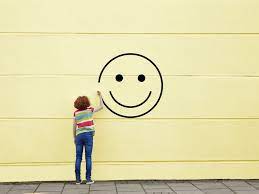
Positive Psychology

Positive psychology is one of the newest branches of psychology to emerge. This particular area of psychology focuses on how to help human beings prosper and lead healthy, happy lives. While many other branches of psychology tend to focus on dysfunction and abnormal behaviour, positive psychology is centered on helping people become happier. Positive psychology is designed to “complement and extend the problem-focused psychology that has been dominant for decades,” explained the late Christopher Peterson, author of “A Primer in Positive Psychology” and professor at the University of Michigan, in a 2008 article published in Psychology Today. “Positive psychology is…a call for psychological science and practice to be as concerned with strength as with weakness; as interested in building the best things in life as in repairing the worst; and as concerned with making the lives of normal people fulfilling as with healing pathology,” Peterson wrote.

According to leading authorities in the field, Martin Seligman and Mihaly Csikszentmihalyi, positive psychology will help achieve “scientific understanding and effective interventions to build thriving in individuals, families, and communities.” In order to understand the field of positive psychology, it is essential to start by learning more about its major theories, applications, and history.

History of Positive Psychology

“Before World War II, psychology had three distinct missions: curing mental illness, making the lives of all people more productive and fulfilling, and identifying and nurturing high talent,” wrote Seligman and Mihaly Csikszenmihalyi in 2000. Shortly after WWII, the primary focus of psychology shifted to the first priority: treating abnormal behavior and mental illness. In the 1950s, humanist thinkers like Carl Rogers, Erich Formm and Abraham Maslow helped renew interest in the other two areas by developing theories that focused on happiness and the positive aspects of human nature.

General interest in positive psychology has grown tremendously since the concept was introduced. Today, more and more people are searching for information on how they can become more fulfilled and achieve their full potential.

Uses

Positive psychology can have a range of real-world applications in areas including eduction, therapy, self-help, stress management, and workplace issues. Some of the major topics of interest in positive psychology include: Character strengths and virtues, Flow, Gratifications, Gratitude, Happiness, Pleasure, Helplessness, Hope, Mindfulness, Optimism, Positive thinking, Resilience .

Impact of Positive Psychology

Some of the major findings of positive psychology include: Money doesn’t necessarily buy well-being, but spending money on other people can make individuals happier, People are generally happy, Some of the best ways to combat disappointments and setbacks include strong social relationships and character strengths, While happiness is influenced by genetics, people can learn to be happier by developing optimism, gratitude, and altruism, Work can be important to well-being, especially when people are able to engage in work that is purposeful and meaningful.

Potential Pitfalls

Positive psychology is often confused with positive thinking, and misconstrued as self-help tactics rather than research-backed theories. Positive thinking is a way of thinking ourselves into better behavior and greater resilience, rather than behaving our way into a different frame of mind. Positive psychology, on the other hand, is the scientific study of what makes people thrive. It focuses on behaviors that can lead to a more optimized frame of mind as well as on thought patterns that lead to more functional behaviors.

Meditation: Positive Psychology

Meditation is the practice of thinking deeply in silence, in order to make the mind calm. Through regular mediation, levels of stress can be reduced as well as managed. Meditation is a relaxation technique like yoga and deep breathing that activates the body’s relaxation response. When meditation is practiced regularly, it leads to decrease in our stress levels in everyday life. Meditation gives a boost in our feelings of happiness and calmness. It increases our ability to stay cool, calm and composed under pressure.

Meditation begins by heating the activities of the brain for some time and going into a state of stillness or silence. In today’s time, when one’s life is affected be immense stress due to pressure emanating from excessive materialism, professional success, social acceptance, etc, meditation comes as a heavenly refuge. A major benefit of effective meditation is a reduction of anxiety and effects of depression.

Thousands of years ago, a wandering Nepalese prince sat under a tree, vowing not to rise until he attained enlightenment. After a long night of deep meditation, Siddhartha Gautama, better known as the Buddha, saw the light and declared that suffering is subjective and can be reduced through self-awareness. This was laid the foundation of meditation as as successful technique for reducing suffering.

Many studies have shown that meditation not only has mental but profound physiological effects on the body. Thus, to achieve peace of mind, meditation is an exercise not to be missed. It should ideally be followed daily and be supported by a healthy lifestyle and a healthy diet. Only 15-30 minutes of his daily can have a magical effect on one’s life

Effective meditation is free from any kind of other distraction. Research has shown that meditation has benefits on mental health, including decrease in depression, increase in positive emotional state and increases in the ability to deal with unavoidable stressful conditions in life. Meditation not only involves relaxation but also the active growth of positive mental states such as affection, kindness, sympathy, tolerance and energy.

The benefits of meditation are many. Meditation also helps in increasing creative levels of mind. While practicing meditation, our heart rate and breathing slows down, blood pressure becomes normal, sweating becomes less and oxygen can be used more efficiently. Moreover, our immune system functions well. In short, meditation is magnificent and effective in temporary stress reduction and long-term health. A clear and peaceful state of mind can be achieved through this practice. Meditation increases positive thinking, attention levels and awareness to reduce stress. Thus, meditation should be suggested as a treatment for the prevention of many stress-related conditions.

Meditation alters the chemistry of the brain and increases positive emotions. Statistics have shown that meditation has improved lifestyles of people suffering from stress-related conditions. People living in a big city suffering from continuous pain, hypertension, anxiety and depression can be trained to do meditation. Positive effects can be seen soon among them.

To conclude, meditation should be recommended to patients suffering from conditions caused by stress. Doctors and scientists are working to observe the effects of meditation practiced by people who are undergoing stressful situations. It should be noted that many prestigious Universities such as Harvard have made their best efforts in carrying out their researches on meditation and without a doubt, the results are positive. Meditation is an important tool to cope up with stress-related situations. Moreover, through meditation, one can turn to the internal peace to calm down the discomforts caused by stressful experiences of life.