MENTAL HEALTH: THAT DRIVES YOUR WELL-BEING

“Health is a state of complete physical, mental and social well-being and not merely the absence of disease or infirmity.”

World Health Organization (WHO)

DEFINING MENTAL HEALTH
The World Health Organization (WHO) defines Mental Health as ” A state of well-being which an individual realizes his or her own abilities, can cope with the normal stresses of life, can work productively, and is able to make a contribution to his or her community.” Mental Health includes many aspects, like psychological, social, emotional well-being etc. and plays a vital role in determining how a person thinks, feels and acts. Mental health helps in determining the stress level of a person and thus can help in reducing it. It helps to relate people with others and make choices. It is important at every stage of life and affects the life in numerous ways.

If a person had mental health problems, then its thinking, mood, behavior, actions etc. will be affected to a great extent and can cause problem in society. Some of the factors that contribute to mental health are :

  1. Biological Factors: Genes or brain chemistry
  2. Life Experiences: Trauma or abuse
  3. Family history of mental health problems

UNDERSTANDING THE RELEVANCE OF MENTAL HEALTH

Mental health is an essential and vital component of health and mental health is similar to the condition, where there is no mental disorder or disabilities. A person with sound mental health is able to realize his or her duty and responsibilities and is capable to cope with the stresses of life which are normal and can work productively, With this the person can efficiently contribute to his or her community.

Mental Health is fundamental ability of an person to think, respond, interact with each other, earn a living and enjoy life. On this basis, we can say that, it is very necessary to preserve, conserve and protect a persona mental health because it can affect other individuals around them, the society, their community and the world itself.

FACTORS DETERMINING MENTAL HEALTH

Numerous factors affect a persons mental health and they can be social, biological and psychological. For example, violence and social pressures can mentally disturb a person.

Poor mental health can affect the way a person responds to others and to the society. It can lead to social change, stressed work conditions, gender discrimination, social exclusion, prejudice, unhealthy lifestyle etc. There are specific factors which can affect a persons mental health and can make people vulnerable to mental health problems and disorders.

PROMOTING MENTAL HEALTH

Different ways to promote mental health:

  1. Socio economic empowerment of women for increasing their access to education, schemes etc.
  2. Early Childhood interventions for providing proper infrastructures which will be child sensitive.
  3. Programs targeting vulnerable people of the society; like migrants, minorities etc.
  4. Mental health promotional educational centers and mental health interventions at work.
  5. Social support for elderly people.
  6. Poverty reduction and social protection to the vulnerable group.
  7. Promotion of rights, opportunities and care to everyone having mental disorders.
  8. Violence prevention and community development programs.
Why Diet Pills, Fat Burners, And Herbal Tea Harm Are Harmful To Our Health?

Excessive weight gain is known for causing a great deal of stress in so many individuals. It restricts your capacity to appreciate life’s joys in the same manner which others do. Excess weight restricts breathing and movement, increases tiredness, and is very harmful to the heart.

There’s also the difficulty of getting clothing that fits you properly. To maintain the body in shape, health specialists recommend a healthy weight control regimen. They advise you to consume less portions of specific foods and to exercise to burn calories and extra body fat. And when this isn’t possible through diet and exercise, many people turn to diet pills, fat burners and herbal tea to help them lose weight. 

Weight loss pills are frequently labelled as ‘organic’ or ‘herbal.’ It doesn’t mean they’re safe to consume in large quantities. Furthermore, nutritional supplements and weight reduction medications are not required to go through stringent quality and safety review processes by appropriate regulatory bodies.

These products can be easily sold despite the fact that they lack solid scientific data from well-designed clinical control studies to demonstrate its efficacy and safety. Herbal slimming tea, detox juices, morning smoothies, and meal replacements are all common weight loss aids.

According to Allied Market Research, the weight loss and weight management diet market was valued at $192.2 billion in 2019 and is expected to touch $295 billion by 2027.

What exactly do these supplements consist of?

Meal replacement smoothies, fat burners, diet pills, processed soups, weight loss tea, and other weight reduction products are made by mixing several ‘natural’ substances. These are especially popular with young people who are health enthusiasts, busy corporate professionals, and many others who might not have the time to prepare meals, eat healthily, or exercise.

Meal replacement shakes, among the most common weight reduction products, contain heavily processed ingredients like protein isolates, sweeteners, and artificial flavours. Artificial sweeteners account for around 40% of the calories for each portion of these smoothies. 

Major health issues you should look out for

These fat burners and weight reduction pills have been linked to a variety of side effects, including liver damage, hypertension, and anxiousness. There have been numerous instances of persons taking weight reduction pills suffering from immediate, clinically obvious liver damage.

A 2007 Israeli research identified 12 incidences of liver damage in individuals who used a ‘herbal’ dietary supplement, including one case each of stage I primary biliary cirrhosis and hepatitis B. Another 2010 research looked into three instances from Canada and the United States who used two popular weight loss pills. According to the investigators, all three patients’ liver biopsies revealed results consistent with drug-induced acute liver damage. All of these are red flags. Often, a temporary fix might result in long-term harm.

Many of the chemicals in fat burner tablets or powders have been linked to increased hypertension. Substances that stimulate the central nervous system (CNS) to regulate hunger, such as phenylpropanolamine, fenfluramine, and ephedrine, can raise blood pressure. Bitter orange extract, caffeine, and yohimbe supplements can cause a headache as well as anxiety.

Caffeine is a prevalent component in many  fat burners and is frequently present in high concentrations. Caffeine in excess might have a negative impact on your heart. If you have a history of cardiac problems, it is best to avoid highly caffeinated fat burners.

Many weight-loss medications/pills suppress hunger by generating an anorectic effect on the human body, which can lead to distress and diarrhoea. Nausea and vomiting may occur while using fat burners including guar gum, carnitine, green tea extract, chromium, or chitosan.

It is important to consult a healthcare expert before beginning any dietary supplement to reduce weight. Individuals who have high blood pressure, diabetes, heart disease, liver disease, or other medical problems should be especially cautious. It is always better to attempt to lose weight healthily and gradually by including a calorie-restricted diet, regular exercise, yoga, meditation, 7 to 8 hours of good rest, and good mental health into your life.

Mindfulness and its benefits.

Mindfulness is the basic human ability to be fully present, aware of where we are and what we’re doing, and not overly reactive or overwhelmed by what’s going on around us. (Definition given by Mindful.org)

According to me, it is a practice of maintaining a complete non-judgmental state of awareness of one’s thought and emotions.

Also, many of us confuse mindfulness and meditation. In simple words, meditation is one of the ways to achieve mindfulness, or we can say; mindfulness is a quality whereas meditation is a practice.

So here the question comes, what are the benefits of practicing mindfulness?

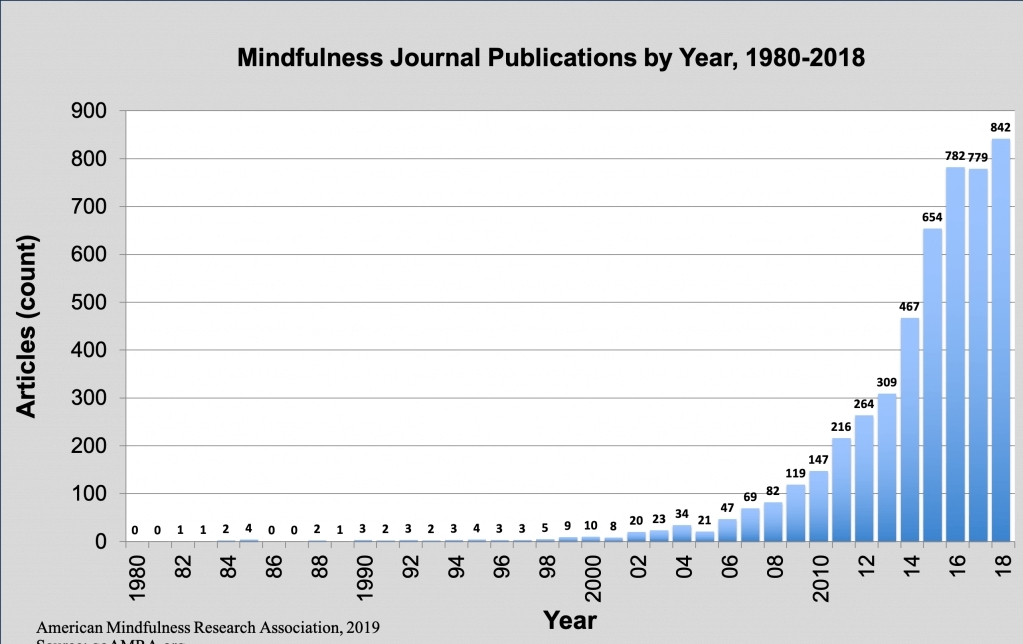
Well, to be honest, there are numerous. And seeing the popularity of the topic in positive psychology, we’ll probably be seeing a lot more to come. Have look at the graph below for example.

Mentioned below are just a few examples of what researchers have found.

1) Reduced emotional ‘reactivity’

In an emotional interference task conducted by Ortner and colleagues in 2007, participants with wide-ranging experience in mindfulness meditation were asked to categorize tones that were given either 1 or 4 seconds after a neutral or emotionally upsetting picture was presented.

The ones with more experience of practicing mindfulness-based mediation showed greater focus on the task even when emotionally upsetting pictures were shown.

2)  Enhanced visual attention processing

A study by Hodgins and Adair in 2010 has confirmed that those who practiced mindfulness-based mediation have shown better performance on tests of concentration, selective attention, and more.
      
3) Managing physical pain

Some research has also shown that mindfulness may have a role in helping with the management of physical pain.

4) Improved working memory

According to a study by Jha and colleagues in 2010, mindfulness is practically linked to enhanced working memory capacity.
    
According to the study, participants who practiced mindfulness-based meditation for 8 weeks have shown improvement in their working memory capacity.

5) Reduced stress

Bränström et al.(2010), found cancer patients who took part in mindfulness-based training have shown remarkably reduced self-reported stress than those who didn’t.

So these were a few of the many examples. Individuals who want to practice mindfulness can find many mindfulness-based training online and practice it on their own. Practicing mindfulness on a day-to-day basis is a great way to improve one’s well-being.
   

Treatment of OCD

Obsessive compulsive disorder (OCD) is a debilitating neuropsychiatric disorder with a lifetime prevalence of 2 to 3 percent and is established to be 10th leading cause of disability in the world. Patients with OCD experience recurrent, intrusive thoughts (obsessions) and/or repetitive, stereotyped behaviors (compulsions) that last for at least one hour per day and significantly interfere with the individual’s normal level of functioning. 

OCD was once thought to be extremely rare, but recent epidemiological studies have shown it to be the fourth most common psychiatric disorder.

OCD is often a chronic disorder that produces significant morbidity when not properly diagnosed and treated.

OCD can be treated. The treatment recommended will depend on how much it’s affecting your life.

These treatments can be very effective, but it’s important to be aware that it can take several months before you notice the benefit. A short course of therapy is usually recommended for relatively mild OCD. If you have severe OCD, you may need a longer course of therapy and/or medicine. 

The most effective treatments for OCD are called Exposure and Response Prevention (ERP), which has the strongest evidence supporting its use in the treatment of OCD, and/or a class of medications called serotonin reuptake inhibitors, or SRIs.  During ERP, anxiety and obsession-inducing stimuli are systematically presented in a controlled environment and patients are prevented from engaging in their usual compulsions. Exposure and Response Prevention is typically done by a licensed mental health professional (such as a psychologist, social worker, or mental health counselor) in an outpatient setting. Taken together, ERP and medication are considered the “first-line” treatments for OCD. About 70% of people will benefit from ERP and/or medication for their OCD. 

What if Outpatient ERP Hasn’t Worked? Are There More Intensive Options?

  • Traditional Outpatient – Patients see a therapist for individual sessions as often as recommended by their therapist generally one or two times a week for 45-50 minutes. 
  • Intensive Outpatient – Patients may attend groups and one individual session per day several days per week. 
  • Day Program – Patients attend treatment during the day (typically group and individual therapy) at a mental health treatment center usually from 9am – 5pm up to five days a week. 
  • Partial Hospitalization – Same as the Day Program but patients attend the treatment at a mental health hospital. 
  • Residential – Patients are treated while living voluntarily in an unlocked mental health treatment center or hospital. 
  • Inpatient – This is the highest level of care for a mental health condition. Treatment is provided on a locked unit in a mental health hospital on a voluntary or sometimes involuntary basis. Patients are admitted into this level of care if they are unable to care for themselves or are a danger to themselves or others. The goals of inpatient treatment are to stabilize the patient, which generally takes several days to a week, and then transition the patient to a lower level of care.

Other recommendations from the APA Practice Guideline, cite research showing that ERP delivered in a group format, as well as ERP therapy delivered via videoconferencing (teletherapy), might be effective. Also, there is some promising new research showing that Acceptance and Commitment Therapy may be helpful for OCD. 

OCD is a chronic and severe psychiatric disorder that is often incapacitating when left untreated. Patients suffering from OCD often attempt to hide their symptoms due to the embarrassing or disturbing content of their thoughts. Many individuals isolate themselves as a consequence of their symptoms and avoid their exposure to potentially anxiety-provoking situations. Unfortunately, there is often a long delay between the time when an individual develops OCD symptoms and when they first obtain treatment. Early diagnosis and treatment minimizes symptom severity and level of disability.

The Concept of Well-Being: Simplified

The concepts of general health and wellbeing of human beings have been used interchangeably in recent times. Though some variances exist, they deserve attention altogether.
Health, as defined by the World Health Organization (WHO) is a state of complete physical, mental and social well-being and not merely the absence of disease or infirmity. Health itself has some key determinants which include social, economic, and physical environments coupled with race, belief, economic or social condition.
Wellbeing or wellness on the other hand, refers to an optimal state of health expressed as a positive approach to living. It places emphasis on the constant search for good health as an utmost goal.
Health and wellbeing are a constant and dynamic process of change and growth in an effort to meet one’s pinnacle of potential and overall wellness.

Paying attention to health translates into wellbeing, and wellbeing itself comprises eight key dimensions, these are;

Emotional Wellbeing; proper understanding of your feelings and coping effectively with stress is addressed here. Importance should be paid to self-care, stress maintenance, relaxation and growth from experiences.

Environmental Wellbeing; having a lifestyle that is beneficial and respectful to the surroundings. Earth protection is key as being environmentally conscious by raising awareness should be prioritized.

Financial Wellbeing; this refers to learning how to successfully manage financial expenses. Money plays a cardinal role in our lives and the absence of it impacts health alongside overall performance.

Intellectual Wellbeing; new ideas and continuous lifelong learning find a resting place in an open mind. Expansion of knowledge is encouraged through scholastic or community activities.

Occupational Wellbeing; enjoying what you do for a living and appreciating your contributions. This angle of wellbeing encourages personal satisfaction and improves one’s life worth through work.

Physical Wellbeing; this deals with being responsible for your heart and seeking care when the need arises. Exercising, eating and sleeping well, and paying attention to signs of illness are crucial to physical wellbeing.

Social Wellbeing; Creation of a support network and actively engaging in social roles effectively. Development of valuable relationships with peers and intimate relationships with partners is encouraged here.

Spiritual Well Being; meaning and purpose are the main focus, and spiritual fulfilment can be achieved through relaxation or religion. Someone who is spiritually well knows which resources to use to cope with life’s everyday issues.

Mental Health: Best ways to take care of it

Mental Health problems have persisted for a long time. However, in the context of India, mental health problems were only being highlighted, and precautions to take care of them were only started to be given in the contemporary context.

Mental health is defined as the well-being of the state of mind of a person. The sanity of a person is measured in terms of mental health. The more sane and cheerful the person is, the better their mental health is doing. If the person is depressed and has feelings of sorrow, fear, or so on in the presence or absence of such emotion-causing factors, the person is said to be having mental issues.

The prevalent notion is that mental issues lead to insanity. However, this is not always the case. The word “mental” has been vilified by society. Its original meaning was lost and was replaced with the meaning of “insanity.” This notion is being slowly changed by society by the rising number of counselors and therapists.

How does one take care of their mental health?

Mental health is just as important as a person’s physical health. It is directly connected with physical health as well. Any imbalance with one will affect the other. Keeping one’s physical and mental health is the key to a good lifestyle. Here are a few points on how to take care of your mental health.

  • Know what stresses you out: Knowing what stresses you out is winning half the battle. It may be exams, confrontation, or anything. Knowing what stresses you out will help you recognize those fears or anxiety and handle them better. For example, if you have a fear of examination, the best way to overcome it is to continuously take a lot of mock tests to familiarise yourself with the examination conditions. Similarly, know that each problem has a solution. If you are stressing out, figure out what is causing your stress and strike the problem at its root.
  • Talk to your friends or family: The best way to overcome and keep your mental health in top condition is to socialize. This may include talking to friends, hanging out with them, or talking to your family members. You can only indulge your secrets to those who are close to you. Hence, talk to your friends if you are facing any mental health issues. If you have depression or anxiety, tell your friends, they will be able to help you out and cheer you up. Know that there will be people out there to help you overcome the challenges.
  • Exercise: Exercising will release endorphins which make your body feel ecstatic and happy. This not only keeps your physical health in the top condition but will also keep your mental health good as well. It has been found out that exercising has helped a lot of people suffering from depression. People who worry about their physical appearance are more likely to fall into depression. Hence, it is advisable to hit the gym and lift weights to keep both your physical and mental health good.
  • Seek out things that you like: If you are a person who loves to dive into the fantasy worlds of books, please do so. It will help you out a lot. It will give your mind a much-needed break from reality, and you will feel more refreshed once you are done. You could also watch your favorite movie or TV series, whichever you like more. Doing things that make you happy will increase your mental health. It will be much better if you can seek out things that make you excited and happy. In most of our lives, we seek out things that never make sense in the end. That is why it is important to learn new things that you like and do things you love.
  • Meet a therapist: If things are really bad and you feel like you are in a constant pit of despair every single moment of your life. It would be best to approach a therapist, who will then guide you and help you out tremendously. Do not fear that you had to resort to this. This is the only best solution to taking care of your mental health.

Mental problems plague most of us. The only thing that defines a person is how they can overcome those problems effectively and bring out a better person from within themselves.

Outside perils

It’s been a long time since I have stepped outside my home. With all such dreadful news flying in the air, stepping out is becoming more and more difficult. And to think about all the precautions that one needs to take, makes going out unbearable. If I think about not going out for a week, maybe a few months back, I would have definitely felt insane. There were days when even though there was no necessity to hop out, I would still go, maybe just for a stroll. In fact, truth to be told, I loved going out for any reason whatsoever.

But something seems to be changing with time. I am losing all my urge to go out. I feel terrified of the fact that I have go out. There can be numerous reasons for my lacklustre life. One, before going out, I have to make sure that I wear clothes which I am planning to give for washing, have to put on my mask, carry a sanitizer, carry a carry-bag, keep my mobile at home and the worst of it all, wear a headgear. To go out, maybe for 5 minutes, even for small reasons, such amount of preparation seems to be very tiresome. Two, on coming back to home, there seems to be series of drum-roll activities which is mandatory, otherwise I will be banned from my home. Upon returning, I have to directly run to the washroom, have a bath, wash my clothes and sanitize myself and everything I have bought. And then i am allowed to enter my room. Such huge amount of patience is needed. But what I now think is that I am not going out, not because of the two reasons. These two reasons are like fillers, trying to rationalize the situation and give a plausible explanation to my brain as to why I am not going out. The real reason, which i realized a few days back is completely shocking for me, even after self-realization.

The sole reason is completely psychological. My brain seems to have completely adapted to the new normal and somehow, with time, I ended up liking the isolation. Whenever chances of going out crops out, I do not get the urge to dress up to go out. My brain have completely accepted the fact that if I stay inside, I will be able to keep away the danger of contracting the infection. The truth is I am trying to delay the inevitable and somehow I got too much comfortable at home. Most of the times, I watch series or I study. Either of the two. I have also stopped ordering food from outside, via delivery boys, underlying reason is the fear of contracting infection. It seems like I have reached the peak where I do not feel the urgency nor the necessity to go out.

But, there is a problem with this kind of psychological fear. As our government is trying to bring about Unlock in phases, I still feel that there is no need to go outside, for the slightest of reasons. There is a very high chance that it might not be just me, many people across the globe might be feeling this. But they might not be comfortable opening up about this. So according to what I believe, that it might be very impressive as to what the government is doing to combat the entire issue, but at the same time, mental health and welfare institutions must also come in fore-front to break this silo and to take steps to rebuild this psychological breakdown.

Source: Self