People face an extreme, irrational and persistent threat of water known as ‘aquaphobia’. It’s a fairly common fear which differs in severity from person to person. Traveling through waterways, going near swimming pools, water bodies or even entering a bathtub might seem life threatening to some people.
Aquaphobia is a specific phobia. This is an irrational fear of something that doesn’t cause much danger. You may have aquaphobia if you find that any source of water causes you an excessive amount of anxiety. This can include a swimming pool, a lake, an ocean, or even a bathtub.
The most common cause of aquaphobia is a previous negative experience. If you have been through a near-drowning experience, shipwreck, or even a bad swimming lesson, you are more likely to develop a phobia of water. Learning to swim is a rite of passage for many children, and frightening experiences are common.
The word “thalassophobia” refers to a fear of the ocean or other large, deep bodies of water. Thalassophobia is different from aquaphobia, which is a fear of water itself. Aquaphobia can include a fear of being in any body of water, including small ones.
Some of the more common symptoms of aquaphobia include: an immediate feeling of intense fear, anxiety, and panic when thinking about water. a persistent, excessive, or unreasonable fear when exposed to water. recognizing that the fear of water is excessive or out of proportion to the actual threat.
Aquaphobia is highly treatable. Exposure therapy and CBT are effective treatments that help reduce feelings of fear, anxiety, and panic in people with specific phobias.
When social media sites had flourished with millions of users, it was confined to connecting with friends and family only. With increased popularity of social media, businesses received an opportunity to expand their products and services on online platforms as a newfound marketing source. Earlier, the technology being unknown, fear of investing in social media had taken over most businesses, even large operating hotels. Soon, realizing how cheaper and effective it is, marketing strategies were beyond newspapers and mouth publicity. Hotels and restaurants are able to set up websites and create profiles of their business. It is proven to be the best and effective source of marketing, especially for new and upcoming businesses.
Travel agencies were popularly hired to plan trips or book hotels. Since, they had connections with the hotels and other tourist visiting places, they were tremendously hired. There was no other way to contact them without these agents. Now, profiles can be created that allows customers to book rooms according to their likings and avail discounts, if applicable. When visiting a new state or a country, many times you are unaware of the good restaurants or restaurants that serve your preferred cuisine, in that case finding restaurants around your location is one search away.
Travelers before the beginning of social media era were naïve. They were not aware about the deals or ratings. Research could not be done before visiting due to lack of resources to find out about the popularity or prices of the hotels and restaurants. Consumers can know the quality of the food served or services provided through the ratings under each business. Ratings can also be posted by you if you like or dislike the services. Ratings have a range of factors on which you can rate, such as food quality, ambience, prices. Concept of ratings encourage businesses to improve their quality and services. It is a huge platform to promote businesses through ratings and comments by the actual visitors.
Consumers expect great services with cheaper prices, delivering such requirements creates a difference in overall marketing. Media has immense power to either uplift your business or downgrade it to ‘Should not be visited’ status. Offering expected services on time and encouraging a feedback from the customers leaves a lasting impression without evidently provoking a bad review.
Online travel sites are being chosen over physically operating travel agencies. Such travel agencies have minimum expenses and huge profits due to affordable deals provided to attract customers. Seeing low-cost deals persuades customers to choose them as agents. Such agencies with little operating maintenance have substituted other travel agencies.
Promotion of travel and tourism on social media sites like Instagram, Facebook has supported nations from around the world to draw tourist and elevate growth of tourism and hospitality. In India, every state has its own tourism campaign run on social media platforms through films and pictures. During recent times, tourism had faced a fatal downfall because of Coronavirus. Many businesses were shut down by the massive hit of Covid-19. With improved conditions, tourism sector is gradually recovering. With the help of social media, tourism sector will recover faster and better.
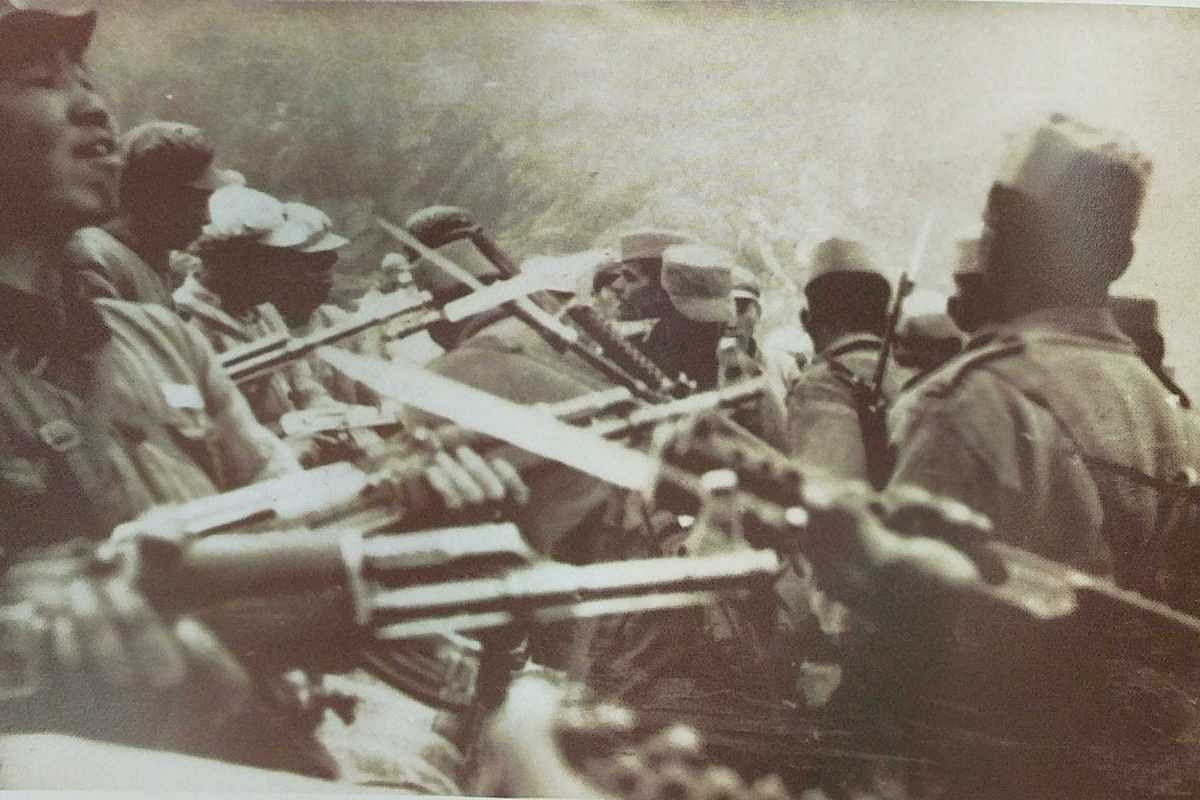
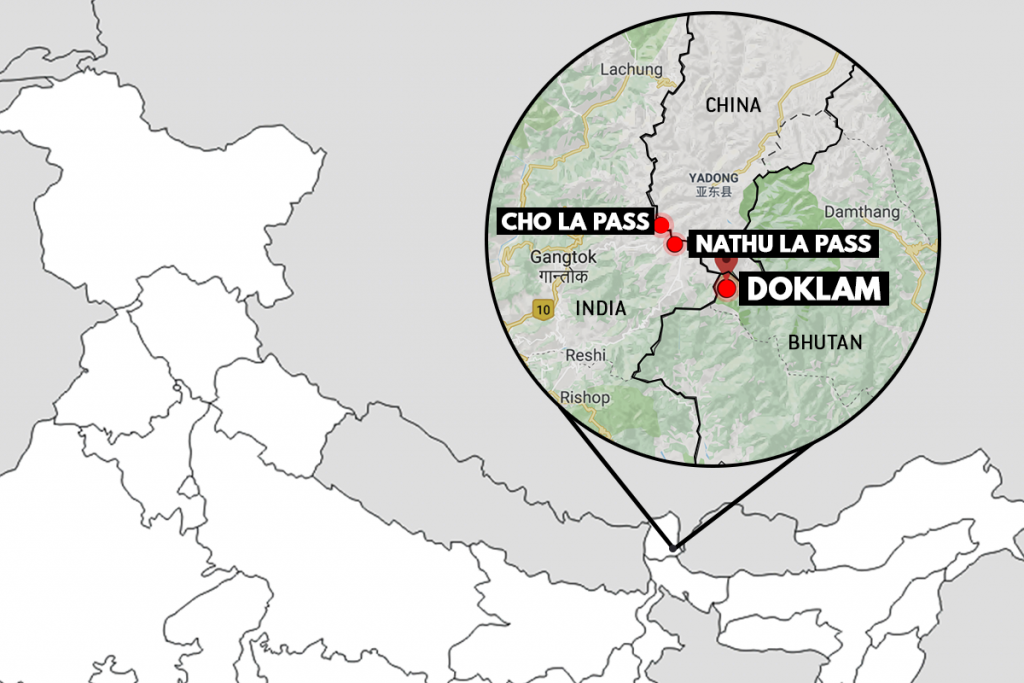
During the two-and-a-half-month standoff between India and China in Doklam, the Chinese media repeatedly reminded India of the 1962 war defeat. But only about five years after that war, there was a border fight between India and China, which China does not like to talk about. This battle between the two armies took place at Nathu La. This area is not far from Doklam valley. In this four-day battle, 300 Chinese soldiers were killed and 65 Indian soldiers were martyred. Let us tell you that 722 soldiers of China were killed in the 1962 war that lasted about a month. The 1967 Nathula battle between China and India was the last violent clash between the two countries.
Nathula, located 14,200 feet above sea level, is an important pass on the Tibet-Sikkim border, which is an important part of the Gangtok-Yatung-Lhasa trade route. Chinese and Indian soldiers are stationed here at a distance of about 30 meters. The soldiers of both the countries are closest in Nathu La on the 3,488 km long border of India and China. The northern side of this pass is controlled by China and on the southern side by India. At that time Sikkim was not officially a part of India. India had taken the responsibility of his security. Indian soldiers were stationed on the China and Sikkim border. On 13 June 1967, China expelled two Indian diplomats from Peking (the old name of Beijing) on charges of espionage. The rest of the embassy staff were held hostage. In response, India fired Chinese embassy officials. On July 3, the Chinese encirclement was removed from the Indian embassy, but the relations between the two countries had become very strained.
Major General (Retd) Sheru Thapliyal, who was commanding the Nathu La Brigade at that time, says that China had warned India to clear Nathu La and Jelep La Pass after the Indo-Pak war of 1965. When this news reached the Indian Army, it vacated the Jelep La Pass and it is still occupied by China. But Major General Sagat Singh (who later became a lieutenant general and a hero of the 1971 Indo-Pak war) refused to clear the Nathu La pass. The Chinese warned from loudspeakers in Nathu La to be prepared for a 1962-like fate. The Chinese army moved towards the border in large numbers, but after reaching the border, the Chinese withdrew. Sagat Singh did not give value to this swirl of his, due to which Sugar became more furious.
In the years 1966 and early 1967, China had used propaganda, threats and infiltration all to occupy Indian territory. In August 1967, China installed 29 loudspeakers at the south end of Nathu La. Sagat Singh decided to put up a three-layer barbed fence on the border. On 20 August the Indian Army started erecting barbed fencing. On 23 August, about 75 Chinese soldiers in war dress with weapons reached the additional area of the border and came and stopped there. The leader of his detachment came to the border and read some things from Mao Zedong’s Red Book and the rest of the detachment kept repeating his words behind him. His troop hero was the only person in the Chinese contingent who could speak a little bit of English. The Indian Army kept watching this action of the Chinese with full vigilance. After about an hour the Chinese returned. Even after that many times the Chinese did similar acts.
On 5 September 1967, the Indian Army started replacing the barbed fence with concertina coils. The chief of the Chinese contingent discussed this with the Indian commanding officer, Lt Col Rai Singh, after which the work was halted but the work resumed on 7 September. After this, about 100 Chinese soldiers rushed to the spot. A clash broke out between the two sides. The soldiers of the Jat regiment beat up the Chinese. The Chinese started pelting stones. The Indians responded in any way.
On 10 September, China sent a stern warning to the Indian embassy that India would be responsible for dire consequences if Indian troops indulge in provocative incursions. According to Sagat Singh’s biographer, Major General VK Singh (retired), Sagat Singh was to go on leave from September 12. He had asked to complete the fencing work by September 11. When the fencing work started that day, the Chinese commander stopped it. Rai Singh started going to talk to Sagat Singh. Then the Chinese opened fire which hit Rai Singh. Seeing its commanding officer injured, the Indian Infantry Battalion attacked the Chinese post. Indian soldiers were defeated in front of the open machine guns of the Chinese. Several soldiers including two Indian officers were killed. Both the officers later received gallantry awards. After that the Indian troops retaliated and all the nearby Chinese posts were buried in the ground. A large number of Chinese soldiers were killed in India’s retaliation.
The Chinese were stunned by this befitting reply of India. They started threatening to deploy fighter aircraft. When the Indian army refused to back down, the Chinese news agency Xinhua denied the news of bringing the fighter plane. There are many anecdotes about this fight with China, but the most reliable detail is the personal diary of Second Lieutenant (Signal) NC Gupta at that time. He was present on the spot. He later received the Sena Medal (while recommended for the Maha Vir Chakra). Along with the stories of bravery associated with that battle, there is also the fact that about three dozen Indian soldiers fled the scene for which they were court-martialed.
On September 12, India offered China an unconditional ceasefire on the morning of September 13 (from 5.30 am). China turned it down but from 14 September the situation was almost peaceful. On 15 September, China returned the bodies of Indian soldiers. China said that it is doing this to save “India-China friendship”. Gupta writes that many Indian soldiers lay under the sky for about six days. Gupta has written that the survival of these soldiers was nothing short of a miracle. After this, on October 1, there was a situation of conflict on the Chola Pass, but Indian soldiers drove the Chinese. Since then the spirit of the 1962 war has remained almost silent.
We all are familiar with the term Pollution and have heard and observed it lot of times. But here , I want to discuss different types of pollution’s effect on our Environment and health. whether it be air pollution, water pollution , noise pollution ,soil pollution or any other pollution. it has some serious effect on our environment.
As we all know that pollution is an undesirable change in the physical or chemical change in our environment due to accumulation of harmful substances and these substances who causes this pollution are called pollutants.
Now let us discuss some adverse effect of different types of pollution in our environment :-
Effects due to air pollution: it is the one of the most common pollution it is caused due to unwanted particles in air. Major pollutants are carbon monoxide, oxide of Sulphur, hydrocarbons ,carbon dioxide etc.
Carbon monoxide : carbon monoxide has a damaging effect on us. it has affinity with haemoglobin and forms stable compound , due to which oxygen capacity of haemoglobin reduces.it can cause headaches, exhaustion and other effects . it can even cause death.
Oxides of Sulphur : it causes breathing difficulties and diseases like asthma and bronchitis. It is also harmful to plants and animals. Sulphur dioxide with Sulphur trioxide and water forms Sulphorous acid and Sulphuric acid. which causes acid rain. acid rain can damages various buildings plants and aquatic life.
Hydrocarbons: They are very dangerous and many hydrocarbons like methane when oxidizes with Carbon dioxide can increase amount of carbon dioxide in nature. Alkyl nitrates when reacting with molecules in atmosphere can affect blood kidneys and nervous system.
Carbon dioxide : high concentration of carbon dioxide can cause global warming and due to global warming it affects our climate and other things.
2. Effects due to water pollution : it is due to the unwanted substances in water bodies. which make it unfit and harmful for use.
Effects of nitrates : Excessive presence of nitrates in water is unfit to drink , especially for infants. This excessive nitrates is due to the use of hydrogen fertilizers.
Effect of pesticides: pesticides can easily penetrate our skin. it can also cause lung related problems.
effect of domestic wastes : it contains a lot of organic matter in forms of soap , detergents and food. such pollutants causes water pollution and can lead to diseases like typhoid cholera Diarrhoea. organic waste from various industries enter in water bodies and cause excessive growth of aquatic vegetation and decreases oxygen content of water.
3. Effects due to soilpollution : it causes loss of natural nutrients , soil organic matter and imbalances the nutrients present in the soil. crops that are grown in contaminated soil can absorbs those toxic material. it weakens the strength of trees. soil erosion is a very common problem.
4. Effects due to Noise pollution : Noise pollution occurs due to unwanted disturbing sound that causes problems to us. Excessive exposure to noise pollution can weaken our ears , can cause headaches , stress and anxiety. Noise pollution can damage ecosystem and also wildlife.
5. Effects due to radiation pollution : it is caused due to contamination of air , water with radioactive materials.
Effects of radioactive pollution: Radioactive pollution is a very dangerous and harmful pollution. it can cause diseases like cancer , haemorrhage etc. it can cause infertility of soil . radioactive pollution can damage plants it can affect their life.
nuclear disaster : a devastating fire in the reactor of chernobyl nuclear power plant took place on 26 April 198+6. this resulted in clouds of radioactive smoke affecting nearly 20000 people. Even today many people are suffering due to that.(veer Bala Rastogi , 237).
These all pollutions stated are very harmful for us . we should follow certain steps to decrease their effect in our environment .
There are times when we struggle with remembering information. This can be general information such as the name of a person you met a week back or information related to academics. Many times this can be shameful if you are unable to remember correct information at the required time.
While the fact that there can be serious memory issues due to which people tend to forget things cannot be ignored, but most of the time it is our own issue or rather our own conception that makes us forget things. The capacity of our brain to sort out, store and recall information can beat the best computer in the world. The brain is extraordinarily faster and much better than any computer. But still, some people find it difficult to remember even the slightest of information.
Now the next question is that can this issue be solved? Is there a way that one can almost everything that he/she hears, sees, listens, or reads? Well, every problem has a solution and so does this.
Mentioned below are some factors of low memory and given along with them are ways to overcome this and develop a sharp memory.
Meaningfulness is important- Meaningless information is difficult to remember. So if you want to remember and retain something for long, you must somehow make it meaningful. This is can be achieved by making diagrams or charts, organizing the information, and applying mnemonic systems. This way the concerned information will get interesting and easier to remember.
Aural and Visual Memory- Some people have better visual memory (sharp memory of what they see), while some possess better aural memory (memory of what they hear). Take time and decide which of these two you are better at and try remembering information using that medium. This will aid you in remembering information better and for a longer period of time.
Making the learning process interesting- We do not pay heed and remember information that we do not like or find interesting. Making information interesting is important for better connectivity and relativity and remembrance of information.
Learn from whom you like- At times the subject or information in question might be uninteresting but the person imparting that knowledge might do so in an interesting and simple way. This is also a way to keep information to be stored in the memory bank for a long.
Attention is important- Many a time it is not our memory but we who are at fault. This is because due attention is not given when some information is tried to be consumed. Hence, giving proper attention while hearing, reading, or listening to information is necessary for a better memory span.
Adequate sleep – Proper sleep schedule not being followed can be another vital reason for a degraded memory.
Our brain is really powerful and can do wonders if used properly. The harnessing of the magical powers of the brain requires practice and determination. You may fail in the beginning but you will eventually learn and remember things better.
Introduction: Adult lifestyle symbolises the way an adult prefers to the lead the rest of their life. Adults have the choice to do whatever they want. It’s up to them to make the right choice and to choose the right person they want to spend their time with. Society has come a long way in terms of adult relationships and ways of expressing them. In earlier times, the only relationship between people were marriages but these days, things have changed or been revised. Every adult would pick a choice that is healthy and comfortable for them such as being single, hooking up, being friends with benefits, co habilitation or marriage.
• Single hood: Single hood was popularized in the early 20’s as many people had many reasons to not want to be with someone else or wanting to be a part of somebody else’s life. They could have made the choice due to numerous reasons. Some could be the fact that they haven’t found anybody they liked or anybody compatible with them or somebody who understands them better than others. This is very common nowadays in young adults as this give some more space and time to learn about themselves and focus on their career and learn to grow.
• Hooking up: Hooking up also popularised in the late 20s. This was not a thing back in the day as many people believed in pure relations and marriages being the ultimate goal. People probably hook up because they do not want to commit to a relationship or they are just looking for a way to destress.
• Friends with benefits: Friends with benefits is when both the parties exchange mutual pleasure. This is where none of them have committed to relationship but still spend time with each other having sexual relations. But that is where it stops. At times, it could also grow into something else or it could end, as one person might catch feelings for the other and it might make things uncomfortable and awkward.
• Co habilitation: Cohabitation is 2 people lived together under the same roof. This is very common in American societies but not outside America as the parents don’t approve of this as it is not conventional and appropriate. The penis my be worried about what other people might have to say. Sometimes it is not ideal for couples as they might grow to dislike each other and some of their habits while living together which might cause a breakup.
• Marriage: Marriages have always been the trend since ancient times. According to parents and the society this is the most appropriate relation for a man and a woman to be in. Some people might even like marriages, getting married and having a family of their on, etc. But some people might have different ideas about this. Adults have their own choices and they might not want to get married. The types of marriages are arranged marriages, love marriages and marriages where the couple elopes.
Conclusion: Every person has their own thoughts and abilities to make decisions for themselves and therefore nobody should be judged for what ever they choose. It should be their choice and their choice only as they are the ones living the life and not anybody else so it’s important to respect the others opinion.
Road rage refers to acts of violence, behavior or aggression shown by drivers in road vehicles. These actions may include misconduct, verbal abuse, body language, physical threats and dangerous driving practices that could cause injury to other drivers or people on the road, including pedestrians. Sometimes it leads to serious damage to property and property, serious cases leading to death.
The main reasons for displaying such a type of work are intimidation or release of frustration, stress and anger. Similar tactics can be whistled, deviated, trying to fight etc. It may sound dangerous, but it is deadly. It is a widespread danger of narrow, busy and fast roads.
Causes of Road Anger
Often, the leading causes of road rage are stress and frustration. Angry drivers lose patience and calmness, leading to such dangerous activities. Drunk driving sometimes leads to that kind of work as one is completely unaware of the real situation and the dangers involved in these actions. And sometimes they drag themselves along to fight on the road leading to violent activities. Lack of time or late arrival also provides such evidence. For example, a person who is in a hurry is speeding a car without having to worry about the safety of others on the road.
These hasty actions that do not take the time to think about what is wrong, lead to huge losses. Sometimes drivers are in a hurry to get money or some other personal problem, a situation where they stop thinking about anything else. Because of the pressures and distractions of time, they lost sight of the people around them. This leads to a competitive environment that goes beyond safety. These days there are a lot of young people behind the wheels, who are trying to do a different kind of street entertainment. They like to drive fast and are not very patient. They often try to pass safety saves time & fun and sometimes, which is one of the causes of road rage.
Results for Drivers
Road rage affects all drivers; whether you are involved, directly or indirectly involved. The behavior of oppressive drivers depends on the ability to deal with the individual. Instead of getting angry, which is beyond the reach of others, drivers should develop patience. Controlling our emotions in the wheels is important. Developing better driving habits helps us to cope. Drivers who encounter road rage are also more prone to committing many road violations.
There is a direct relationship between stress or frustration and road rage. There are few other things that need to be taken into account to reduce the number of traffic accidents and the strict ban on drunk driving. A group of very young people are likely to take part in street rage. Most drivers’ actions that drag on the rage of the road can be learned about their behavior on the road and should be avoided as much as possible. Many cases of road violence occur as a result of traffic, parking conflicts, gestures, acceleration, red light, follow-up and follow-up changes.
Scope of Road Anger
There are about eighty-four thousand incidents of road violence that occur every year. Countless road accidents happen every year. However, traffic offenses do not lead to accidents, but this includes aggressive actions. Anyone can do this kind of work without restrictions on gender, race, age or culture.
Cases of street rage are the result of misunderstanding, negligence or ignorance in small things on the road. Everyone does not always do everything knowingly. However, most people take these things for granted, which eventually leads to road rage. Almost all drivers have experienced road rage at some point. It is dangerous for a driver to lose his temper and be patient.
Serious crimes include the use of weapons such as knives, guns and sharp objects. Although it is considered a fact that street rage started in America, it is now not limited to that country. Other countries have also reported many cases of road rage in today’s world.
Even after living or residing in a city, a person can start his or her business in agriculture industry and it is sustainable also. The business will provide food into the busy and populated areas and cities. Urban Farming.
WHAT IS URBAN FARMING?
In simple terms Urban farming is the process of producing or cultivating food inside the city limits. This business has both pros and cons. This business faces challenges but it also offers many benefits to the city, like increased food security, decreased waste, community involvement and many more. Urban Farming is also known as Urban Gardening or Urban Agriculture and it means the practice of cultivating, processing and distributing food in and around cities or towns or urban areas. It involves animal husbandry. bee keeping, horticulture, aquaculture etc.
NEED OF URBAN FARMING:
Provide Food to the growing population
Reduce pressure on the traditional methods of cultivation
Help improve Quality of Life
Reduce Food Security
Reduce Environmental Impact
Help improve the landscape of the city
TYPES OF URBAN FARMING
Urban Farming is of many types, like: Street Landscaping, Tactical Gardening, Backyard Gardens etc.
VERTICAL FARMING
Backyard Gardens: It generally means growing food in the property of a home and sharing it with family, friends or neighbors.
Street Landscaping: Improving the landscape of the streets with the help of living street design or community gardens etc.
Tactical Gardens: Utilizing small spaces available in a practical way (that doesn’t involve much expenses). Ex: Keyhole Garden which replace parking spot in streets.
Forest Gardening: Gardens in urban forests including crops, fruits or herbs or nuts and even vegetables.
ROOFTOP GARDENS: Using spaces of roof for growing food. This method helps in reducing Urban Heat Island effect and help in improving the quality of air.
Green Walls : Using the space on internal and external walls to grow food.
Vertical Farms: Planting or cultivating vertically for reducing the usage of land and land footprint of agriculture.
Animal Husbandry: Raising animals for food and cities also allow residents to raise a limited number of such animals.
Urban Beekeeping: It is a very common hobby and has many benefits for the local environment.
Aquaponics: Raising aquatic animals such as fish etc. and in urban areas this can be done by capturing storm water and creating self sustaining system.
ROOFTOP FARMING
IMPORTANCE OF URBAN FARMING:
Urban Farming is an essential part of urban ecological and urban ecosystem and helps in improving the sustainability of the area. It plays an important role in Urban management system . A growing city will produce large number and amount of waste and urban agriculture acts like a solution for solving this issues by turning urban wastes into productive resource system. It helps in bringing original and nurtitious food to the local communities which has many direct health benefits. It reduces the risk of harmful conditions and vulnerability to get exposed to different chemicals used for increasing the longevity of the food and fruits.
Spices plays a vital role in every Indian kitchen since a long time. The spices is used to increase the palatability and as a flavoring, coloring and preservative agents. Indians spices are immunity boosters as well as anti-proliferative, anti-hypercholesterolemia, anti-diabetics and anti-inflammatory.
Here are some Indian spices, which you should start adding to your meals :-
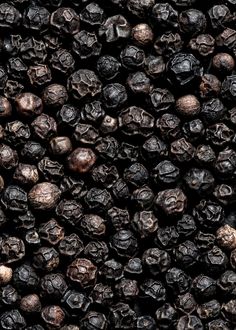
Black pepper :- Adding pinch of black pepper promotes weight loss, helps relieve cough and cold, improves digestion, boost metabolism and treats many skin problems.
2.Cloves :- Cloves are antibacterial, anti-fungal and antiseptic. Cloves are antioxidants, rich sources of omega-3 fatty acids, fiber, vitamins and minerals. Clove oil is used as a pain reliever in toothache and stomach pain.
3.Fenugreek :- Fenugreek improves digestion promotes milk flow in mothers, helps those who are suffering from eating disorder and also reduces inflammation.
4.Turmeric :- Turmeric is full of antioxidants, anti-bacterial, anti-fungal and anti-inflammatory properties. It prevents cancer and has healing properties.
5. Mustard :- Mustard protect kidneys. Mustard is a rich sources of MUFA, it lowers bad cholesterol in the body and helps in circulation.
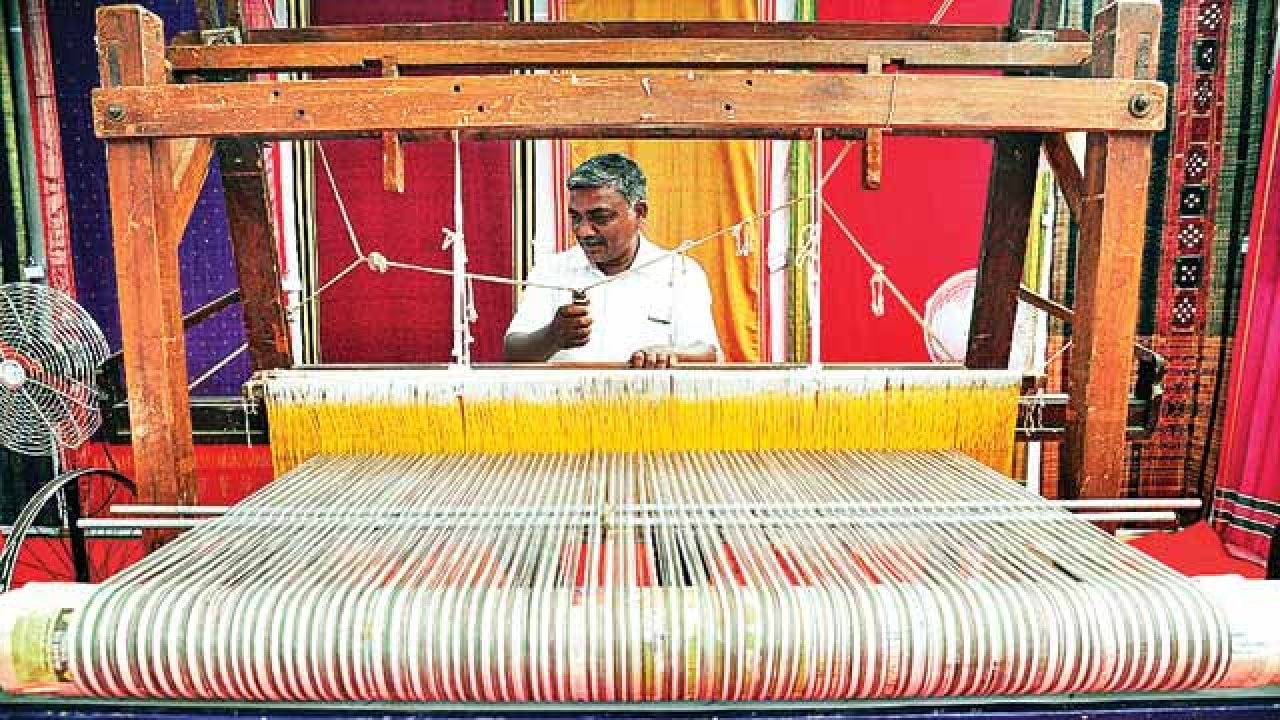
7th August is celebrated as the National Handloom Day to mark the significance of the Handlooms in Indian history. This day, in 1905, the Swadeshi movement was launched. The foreign clothes were discarded as a mark of protest against the colonial rule and revival of Swadeshi goods, especially the Indian textiles were promoted.
History of Indian Handloom
The origin of Indian Handloom can be traced back to ancient times. One of the earliest hand woven fabrics had a design of a swan (hansa). Some finely woven clothes were also found in Mohenjodaro which was from the era of Indus Valley civilization. The beautiful Indian Floral prints date back to the 18th century.
Many renowned personalities such as Bernier, Voltaire, and Daniel Defoe had expressed their love for the fine beauty of Indian Handlooms. The colonial era played a major role in the decline of Indian handloom industry. The machine made British clothes were promoted and Indian textiles were suppressed using heavy duty tax levied on it. This period saw a boom in the machine made clothes which were made available at a very affordable price.
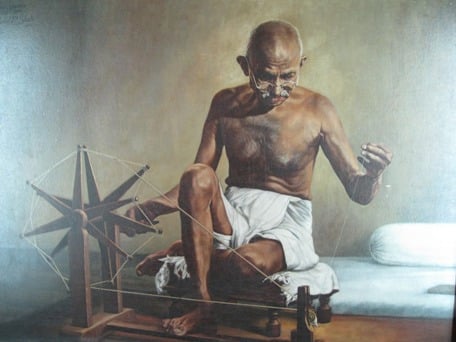
The Indian Handloom has played a significant role in our fight for independence. Mahatma Gandhi reintroduced Khadi and popularized hand spinning and weaving. The spinning wheel, famously known as the “Charkha” became a symbol of self-reliance(Swadeshi) and boycott of British goods.
Because of the tough competition with the British clothes, many artisans in India lost their livelihood. Several families of weavers struggled to revive their livelihood in the post-independence period. A number of institutions were established to promote the handlooms. The All India Handloom Board was established in 1945. To popularize the Handloom industry, the All India Handloom Fabrics Marketing Co-operative Society was formed in 1953. Later, in 1982, two institutions were merged to form the All India Handlooms and Handicrafts Board.
There are different types of textiles made in different parts of India. Some popular works include, Chanderi work from Madhya Pradesh, Muga silk from Assam, Kanjeevaram silk from Tamil Nadu, Pashmina from Kashmir, Phulkari from Punjab, Daccai from West Bengal, Brocades from Banaras, Tie and Dye print from Gujarat and Rajasthan and many more.
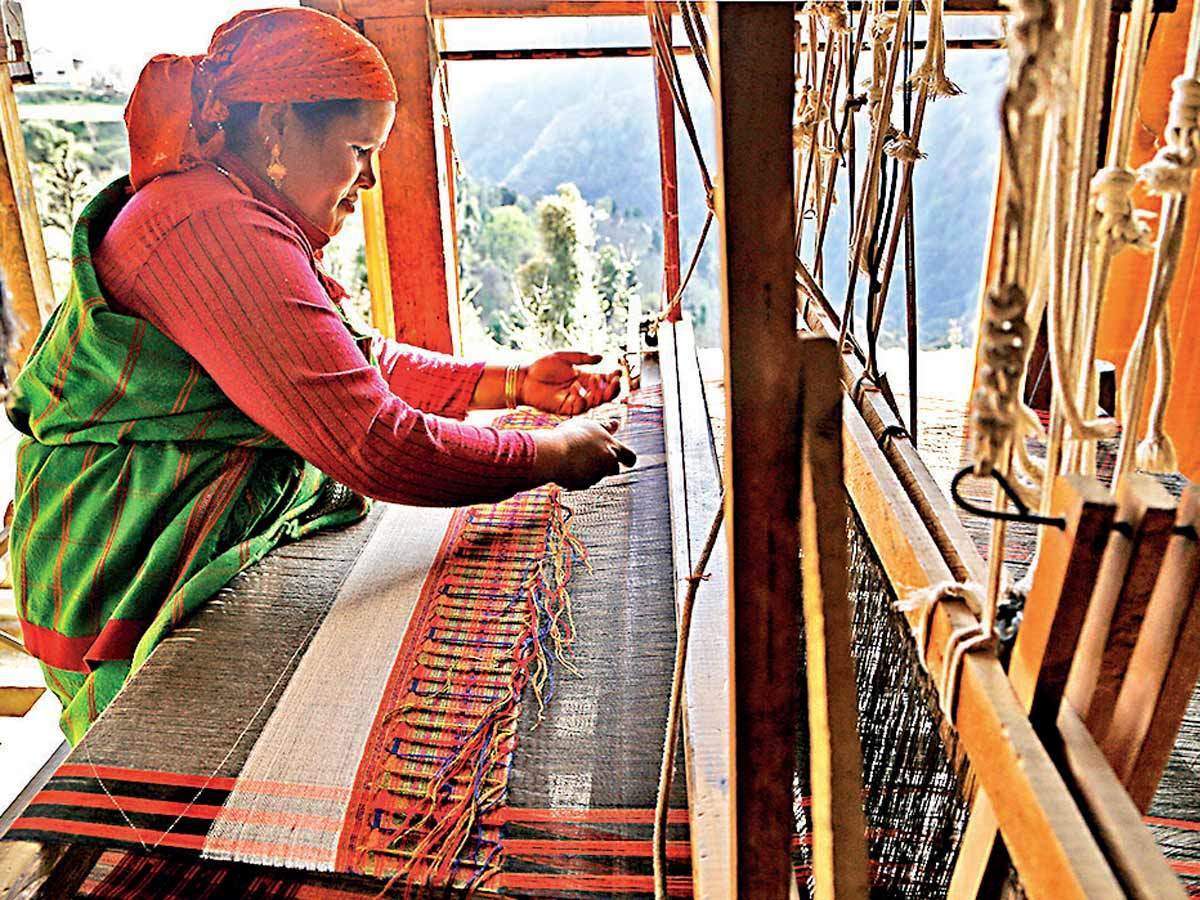
The tourism sector has helped in increasing the foreign demand of Indian Handloom. Today, with the growth of international clothing brands, the Indian Handloom industry faces a tough competition. A large number of artisans from the rural and semi-urban areas are involved in the Handloom industry. It is a source of livelihood for many women in the rural areas.
These beautiful textiles are made manually, using skilled and detailed work by the artisans. Indian Handloom should be encouraged because it is an integral part of our history and the pride of our culture.
Domestic violence is defined as violence and abuse that occurs in a domestic environment, such as cohabitation or marriage. Domestic violence is defined as any type of behaviour that attempts to acquire authority and control over the victim, not simply physical abuse. It may afflict people from many areas of life and is usually directed at a partner, spouse, or close family member. We will discuss the causes and repercussions of domestic violence in an essay.
Causes of Domestic Violence
Domestic violence frequently targets women and children. Domestic abuse is a heinous crime that kills many people. Illiteracy and economic reliance on males are two of the most prevalent causes of domestic violence. This dilemma is exacerbated by a male-dominated culture. Furthermore, dowry is one of the major causes of violence against newlywed wives. Physically abusing women and making obscene statements is widespread in many areas of the world.
Furthermore, children are frequently victims of this cruel behaviour. It is critical to identify society’s double standards and hypocrisy. Frequently, the abuser is either insane or in need of psychiatric counselling. Domestic violence, on the other hand, is the result of a series of reckless behaviours displayed by a segment of society. It is also crucial to highlight that the abuser is not the only one who is accountable; those who allow this to happen and behave as quiet bystanders are equally to blame.
Types of Domestic Violence
Domestic abuse has a variety of negative consequences that vary depending on the type of domestic violence that occurs. It might be physical, emotional, sexual, or pecuniary in nature. A physical abuser employs physical force that injures or endangers the victim’s life. Hitting, punching, choking, slapping, and other forms of violence are included. Furthermore, the abuser refuses the victim medical attention. There is also emotional abuse, in which the perpetrator threatens and intimidates the victim. It also entails damaging their self-esteem.
It involves threatening someone with danger or disgrace in public. Emotional abuse can also include continuous name-calling and criticism. Then there’s sexual abuse, in which the perpetrator uses force to get undesired sexual intercourse. If your spouse does not consent, it is considered sexual abuse since it is coerced. Finally, there is economic abuse, in which the abuser has power over the victim’s money and economic resources.
They use this to impose control over them and make them completely reliant on them. Economic abuse occurs when your partner needs to beg you for money. The victim’s self-esteem suffers as a result.
Why is domestic violence an issue?
Domestic violence has a significant influence on people’s overall health and well-being. It is due to the fact that it causes bodily harm, anxiety, and despair. Furthermore, it affects social skills and increases the probability that they may engage in health-harming behaviours such as self-harm or drug addiction.
How does domestic violence affect a woman?
Domestic abuse has a negative impact on women’s health. It has severe ramifications for their mental and physical health, including reproductive and sexual health. It also covers injuries, gynaecological issues, despair, suicide, and other issues.
Conclusion
To summarise, domestic violence can take various forms, including physical aggressiveness such as kicking and biting, as well as sexual or emotional abuse. It is critical to recognise the indicators of domestic violence and report the abuser if it occurs around or to you.
Give whatever you are doing & whomever you are with the gift of your attention – JIM ROHN .
Rightly said by him as with concentration you can achieve anything & everything . Concentration means focused attention, and it has many uses and benefits. It assists in studying, enables faster comprehension, improves the memory, helps in focusing on a task, job or goal, and enables you to ignore meaningless and irrelevant thoughts. When this ability is strong, the mind obeys you more readily and does not engage in meaningless thoughts. This ability plays an important role in meditation, gaining mental mastery, and attaining peace of mind. Without it, the mind just jumps restlessly from one thought to another, not allowing you to meditate properly. everybody wants to increase their concentration power , but this power needs some hacks to grow , so let me share few facts with which you can grow you concentration .
GET SOME ‘GREEN TIME’ !
Each one of us knows that when we are surrounded with green , we feel refreshed & energetic . A dose of nature can work like a doctor for increasing concentration . suggests that exposure to natural surroundings, including green spaces, may prove beneficial for children’s brain development. In a study, children aged 4–5 to 7 years of age with more green space around their homes scored better in attention tests. These results underline the importance of expanding green areas in cities to support children’s health and brain development. exposure to greenery & increasing in concentration won’t stop at childhood , research has shown that colleges & institutes which are surrounded with greenery supports better mental health of children .
You may not have the luxury of a rooftop garden or an office laden with plants, but spending time outside someplace green, or eating your lunch in the park each day, could make a significant difference to your concentration.
2. TAKE a KITKAT BREAK !
People forget to take breaks , & this is what makes them stressful . A study found that people who read emails throughout the day switched screen twice as often and were in an ongoing state of high alert with a constant heart rate. When email was removed from these people for 5 days, their heart rate returned to a natural, variable one. The authors concluded that taking an email vacation significantly decreases stress and improves concentration and focus.
Few examples of break are here :
Take a notification break : Everyone have observed that when ever you get notification from your phone you pic it up & check that notification . This is a thing which breaks your concentration . The team explained that task performance takes a hit because humans have a limited capacity for attention that needs to be split between tasks. The researchers also emphasized that just being aware of a missed text or call can have the same effect. If you need to stay on track and focused, it might be worth either turning off your cell phone, setting it to silent, or putting it away somewhere that you cannot see it.
Social Media break : One should take social media break , because every time one wants to check their account , which break you concentration & make you walk on a less focused path .
Work break : Excess work gives you tension , which lets you less concentration & more confusion .
Researchers recommend taking:
a mid-morning break to replenish concentration
better breaks by doing something you enjoy, which should make your break more restful, provide better recovery, and help you to come back to worked focused
frequent short breaks to facilitate recovery
Taking breaks earlier in the day and doing preferred activities lead to better health, job satisfaction, and revival of energy, motivation, and concentration.
3 . IMPROVE YOU WELL BEING : You know what , you food , sleep habits , working habits tells how concentrative you are . your habits of living you life decides you concentration level . Let me give you some tips to improve your concentration :
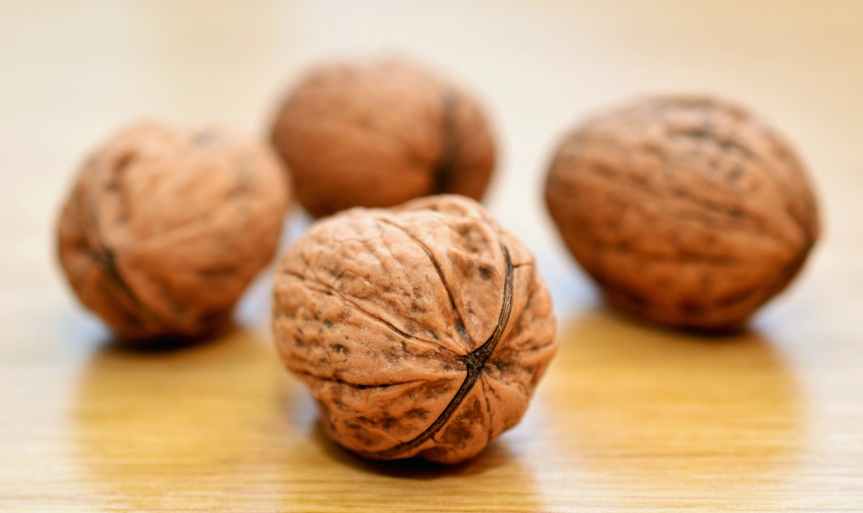
Walnuts may improve performance on tests for cognitive function, including those assessing information processing speed, memory, and concentration.
Avocados. Consuming one avocado every day may help improve cognitive function due to an upsurge in lutein levels in the eye and brain. Researchers uncovered that eating an avocado daily enhanced measures of cognitive skills, including processing speed, memory, and attention.
Chocolate — or specifically the cocoa bean — is rich in flavanols, which are compounds that have neuroprotective effects. Cocoa flavanols may help to improve cognitive processing speed, working memory, and attention when ingested for between 5 days and 3 months.
Ever wondered why 70% alcohol is used in sanitizer and not 99% alcohol. It seems better to use pure alcohol than 70% diluted, well if you too think so then you are wrong.Suppose we pour pure alcohol over a single celled organism the alcohol will enter the Cell Wall and coagulate the protein just inside the cell wall very quickly creating a coagulated ring between the cell wall and other parts of the cell. Thus this already coagulated protein prevents further penetration of alcohol in the cell and the cell enters a dormant state.Whereas 70% diluted alcohol coagulates proteins but at slower rate, so slow that it reaches all the way through cell before it could be blocked. Thus the entire cell is coagulated and the organism dies
In science experiments the use of humans are also included. Many experiments are directly performed on humans without thinking about the results.
In January 1944, a 17-year-old Navy seaman named Nathan Schnurman volunteered to test protective clothing for the Navy. Following orders, he donned a gas mask and special clothes and was escorted into a 10-foot by 10-foot chamber, which was then locked from the outside. Sulfur mustard and Lewisite, poisonous gasses used in chemical weapons, were released into the chamber and, for one hour each day for five days, the seaman sat in this noxious vapor. On the final day, he became nauseous, his eyes and throat began to burn, and he asked twice to leave the chamber. Both times he was told he needed to remain until the experiment was complete. Ultimately Schnurman collapsed into unconsciousness and went into cardiac arrest. When he awoke, he had painful blisters on most of his body. He was not given any medical treatment and was ordered to never speak about what he experienced under the threat of being tried for treason. For 49 years these experiments were unknown to the public.
This is one of the examples which show how an experiment ruined a young life.While he was feeling sick still the scientist asked him to stay unless the experiment completed. The poisonous gas made him die slowly for five consecutive days. And when he got blisters on his body, they didn’t provide him medical facility. This show how the some scientist only think about their benefits. Not all the experiment are beneficial for society they perform that experiment to earn money and power. The science should works on ethnics and morals not for power and wealth.
A widespread ethical problem, although one that has not yet received much attention, is raised by the development of new pharmaceuticals. All new drugs are tested on human volunteers. There is, of course, no way subjects can be fully apprised of the risks in advance, as that is what the tests purport to determine. This situation is generally considered acceptable, provided volunteers give “informed” consent. Many of the drugs under development today, however, offer little clinical benefit beyond those available from existing treatments. Many are developed simply to create a patentable variation on an existing drug. It is easy to justify asking informed, consenting individuals to risk limited harm in order to develop new drug therapies for a condition from which they are suffering or for which existing treatments are inadequate. The same may not apply when the drug being tested offers no new benefits to the subjects because they are healthy volunteers, or when the drug offers no significant benefits to anyone because it is essentially a copy of an existing drugs.
Necessity is the mother of invention but sometimes some practical company works unnecessary over the drugs for increasing their demands and profit in market. Sometimes the drugs work with animals but not fitted for humans… but the scientist doesn’t care about the person they want their result. Beyond this there are many other examples of using humans as the subject in experiments. During COVID 19, many countries used their vaccines directly on humans which caused the death of them. Science should work according to the needs of society, not for power and wealth.
Unnecessary and questionable human experimentation is not limited to pharmaceutical development. In experiments at the National Institutes of Health (NIH), a genetically engineered human growth hormone (hGH) is injected into healthy short children. Consent is obtained from parents and affirmed by the children themselves. The children receive 156 injections each year in the hope of becoming taller.
Growth hormone is clearly indicated for hormone-deficient children who would otherwise remain extremely short. This experiment also brings a bad impact on children Physical as well psychological condition.
This experiment is also the reason for human trafficking and other crimes against the human.
But we need to protect the people to use as the subject in the scientific experiments against theirs wills or if they participated in such kind of experiment there should be some rule or law must followed by the scientist or that company who performed that test on human.
To protect people participating in medical research, the government decades ago put in place strict rules on the conduct of human experiments.
Now the Department of Health and Human Services is proposing a major revision of these regulations, known collectively as the Common Rule. It’s the first change proposed in nearly a quarter-century.
In India, the drug controller general of India regulated the human as the subject of an experiment. If any department finds the need to perform any experiment over then they need to take permission from the department. If the department found flaws in the experiment only then they provide their approval.
References
Frank C. Conahan of the National Security and International Affairs Division of the General Accounting Office, reporting to the Subcommittee of the House Committee on Government Operations.
Flieger K. Testing drugs in people. U.S. Food and Drug Administration. September 10, 1997.
U.S. General Accounting Office. FDA Drug Review: Postapproval Risks 1976-85. U.S. General Accounting Office, Washington, D.C., 1990.
MedWatch, U.S. Food and Drug Administration. Labeling changes related to drug safety. U.S. Food and Drug Administration Home Page; http://www.fda.gov/medwatch/safety.htm. September 10, 1997.
Indian handloom industry saw a reduction in 30% of its trade in the year 2020. This means that the already struggling industry will see further cut in costs. There is an urgent need to innovate new ways to market the goods it produces. The modern state of India still has one of the largest employed workforce in the textile sector, and a large part of it is the handloom industry – which is mostly worked in by the artisans who are either poor or are working hard to preserve their traditional way of manufacturing clothes and designs. For India presents a rainbow in manufacturing methods – right from the famous Benarasi Saree to the now almost extinct methods of making silk and woolen garments in the remote hills of Ladakh and Kashmir.
Cotton has been cultivated in the Indian subcontinent for over 3000 years. And that is probably also the age of a rich tradition of fabric making. With the advent of the bronze age through the influx of Greco-Roman, Mongol, Iranian, Vedic and Afghan cultures into the modern age of Mughals, Marathas, British and later the republic of India and her neighbours – the Indian textile industry has seen a plethora of changes and demand.
From dhotis and sarees to kurtas and Salwars – India has seen a plethora of changes in its clothing culture.
Handloom has a great symbolic importance to India. For it was the first Industry that stood as a symbol of self-reliance during the British Raj resistance period, a rhetoric the current Indian Prime Minister used in his Atmanirbhar Bharat campaign. After all, if it were not for Indian fabric – the famed Muslins and Pashminas and Indian spices – the British would have had to search for other reasons to come and settle in a land so very far away from their motherland.
Gandhi used handloom as a symbol of self reliance
7th August marks the National Handloom day – a day dedicated to an industry that is rapidly finding itself in a stage where only the ones who are super-nationalist and the rich opting for it. Handloom products are often costly than the cheap produce of the machines that invaded the textile industry 200 years ago, effectively ushering in the Industrial Revolution in the 17th century England.
Back to India, here is a list of some famous Indian handloom industries and the cities in which they are concentrated.
Varanasi – The famed Banaras Silk sari is the prized possession of many north Indian women as that is the standard sari of the bride in marriages in households that can afford them. And yet, the Benarasi artists are increasingly been replaced by machines that are producing cheaper saris though with reduced finesse. To add to it is the Zamdani works on cotton fabric, quite endemic to the city.
Jaipur – Jaipur and its handloom industry have the royal family of Jaipur as its patrons. There are establishments and shops that were opened by the last Rajmata of the city, Gayatri Deviji to promote local industries. To add to that is the already existing tradition of Bandhni, Zari and Patti works.
Surat – One of the oldest textile industries that were spotted and used by the local rulers and the British alike. The silk industry in Surat is one of the largest of its kind in the country.
Kota – The tuition capital of the country is also home to the Kota Doria, Gotta Patti and the Kota weave artisans.
Lucknow – The city has an industry that keeps alive the times when nawabs ruled over the city of Lucknow, the then capital of the Awadh state. Most famous of its local weaves is the Chikankari work.
Bhadohi – The small town is only 40km from Varanasi and has been the centre of Indo-Persian carpet work since the era of the Mughal Emperor Akbar and has the largest carpet making industry in the country.
Well, there are many more of such cities and villages when one researches about them. Many of the ingenious art forms that are involved in making clothes are dying with less than 50 families left that carry forward the tradition. The sad part – machines cannot replicate that finesse. Such is the case of the wool and silk industry in the Gharwal and Kashmir valleys.
After the pandemic or even during it, let us and our government support this remnant of our history, our art, our tradition and a symbol of first instance of our modern industrial self reliance.

























 Eduindex
You must be logged in to post a comment.