TAKE A STRESS REDUCTION BREAK ! DO THIS…

” Don’t stress the could haves , if it should have , it would have “

Above thought is the thing which we all understand & will praise & will say that it is right . BUT , what happens to us when we have to apply this above thought ? We as a human being are much concerned about the could haves , the could haves which are not even certain , their uncertainty gives us stress . Why we don’t understand that taking stress for things which are not even certain in our lives would affect out health . And because of this we can suffer from health issues that would result severe in their future lives .

Every one wants to get relief from stress , but very few work on reducing stress . Let me tell you the fast & quick way to relive from your stress

MEDITATION IS THAT WAY !
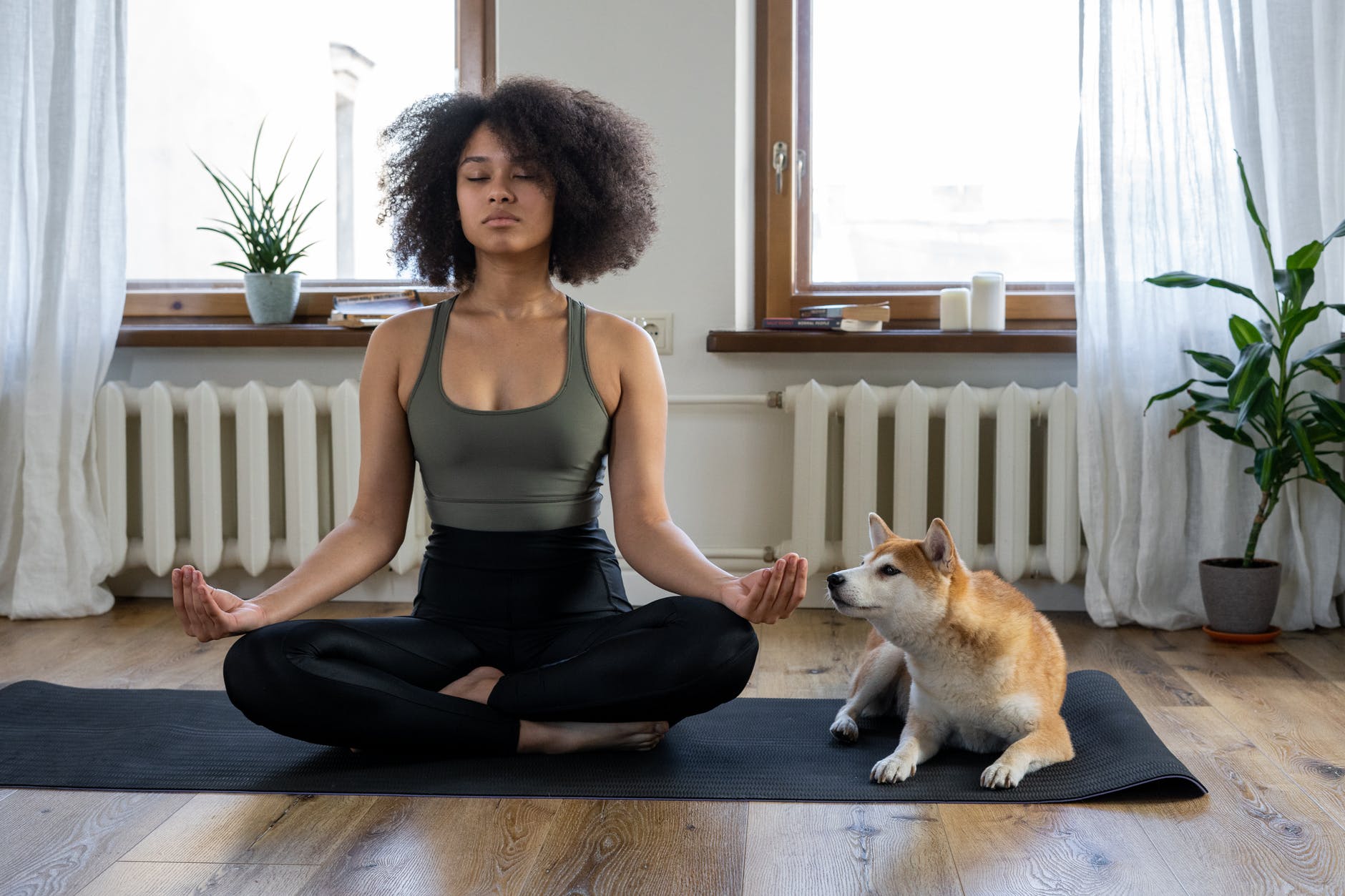
If stress has you anxious, tense and worried, consider trying meditation. Spending even a few minutes in meditation can restore your calm and inner peace. Anyone can practice meditation. It’s simple and inexpensive, and it doesn’t require any special equipment. And you can practice meditation wherever you are — whether you’re out for a walk, riding the bus, waiting at the doctor’s office or even in the middle of a difficult business meeting, or while studying .

During meditation you have to be n full attention , close your eyes & should try to concentrate , it will work out best when you will do it with Chinese flute . It will fill your eyes , ears & mind with relaxation , & hence you will forget all your stress . Doing such meditation for just 10 mins in a day will fill you with energy & enthusiasm & also you will feel relief from your stress . Meditation can give you a sense of calm, peace and balance that can benefit both your emotional well-being and your overall health. And these benefits don’t end when your meditation session ends. Meditation can help carry you more calmly through your day and may help you manage symptoms of certain medical conditions. Meditation might also be useful if you have a medical condition, especially one that may be worsened by stress.

While a growing body of scientific research supports the health benefits of meditation, some researchers believe it’s not yet possible to draw conclusions about the possible benefits of meditation. With that in mind, some research suggests that meditation may help people manage symptoms of conditions such as: anxiety, asthma , cancer ,chronic pain , depression, high blood pressure , sleep problems , tension headaches , etc. Don’t let the thought of meditating the “right” way add to your stress. If you choose to, you can attend special meditation centers or group classes led by trained instructors. But you can also practice meditation easily on your own. And you can make meditation as formal or informal as you like, however it suits your lifestyle and situation. Some people build meditation into their daily routine. For example, they may start and end each day with an hour of meditation. But all you really need is a few minutes of quality time for meditation.

As we always says , ” its not the quantity but the quality that matters . Hence you should spend the quality time doing mediation , & give you body a boost instead of stress .

International Youth Day- 12th August 2021

Theme 2021, why do we celebrate this day? Importance to speak up for the coming youth. Movies for youth, what else is celebrated today!

 Theme: “Transforming Food Systems: Youth Innovation for Human and Planetary Health

The main aim is to highlight that every action which needs to be taken for the better of life on Earth, cannot be achieved at a global level without the contribution of the youth. With, Increasing population the need for not only a larger volume of healthier food more sustainably will not ensure human and planetary wellbeing but also poverty reduction, social inclusion, health care, biodiversity conservation, and climate change mitigation.

 The United Nations in 1999 after a recommendation was made by the World Conference of Ministers Responsible for Youth. Then the first International Youth Day took place in the summer of 2000.

 It is mainly to empower young people to participate in public life so that they can have opportunities to contribute to society’s development across the world and be heard completely. It is not just to protect them, but to incorporate them in the development of communities regardless of their ethnicity, background, and status. It honors the traits of young people and acknowledges the challenges that today’s ferocious youth face.

Youth with the support and wisdom of old are the torch-bearers of this world.

Examples:

In partnership with UNDP, Bibliothèque sans frontières (Libraries Without Borders) young staff travel across Burundi, are disturbing knowledge through e-books, paperbacks, educational games, internet-ready mobile devices and so on.

Mercy and Shetuuka, sibling farmers working to reduce hunger. Also, create jobs in Namibia through eco-friendly farming.

In Egypt, a group of tiny activists has been traveling village to village, determined to end female genital mutilation in their country.

One of UNDP’s 600 transportation projects to promote economic development in rural Afghanistan, encouraging more boys and girls enrolling in primary school, while addressing safety concerns on the village’s main road.

The list is endless and we need support, we need to be heard, and taken seriously irrespective of our age. Youth brings many issues which violate basic human rights to surface and fight for them.

https://undp.medium.com/17-ways-youth-are-changing-the-world-505a489e91dc

 Movies putting forward importance of youth participation and their situation:

Into the Wild (2007,Must see)

The Perks of Being a Wallflower (2012).

The Edge of seventeen.(2016)

Moxie.(2021)

Love, Simon. (2018)

Quotes:

Older men declare war. But it is the youth that must fight and die. —Herbert Hoover

The duty of youth is to challenge corruption. —Kurt Cobain

“The surest way to corrupt a youth is to instruct him to hold in higher esteem those who think alike than those who think differently.”
—Friedrich Nietzsche

“In youth, it was a way I had,
To do my best to please.
And change, with every passing lad
To suit his theories.

But now I know the things I know
And do the things I do,
And if you do not like me so,
To hell, my love, with you.”


― Dorothy Parker, The Complete Poems of Dorothy Parker

Other Days Celebrated Today:

Black Womens Equal Pay – United States

World Elephant Day – Canada, United Kingdom, United States & South Africa

Caring for the motherland

Independence day is celebrated as a festival in India and why not! It marks the day when our nation finally got freedom from the trap of the British empire and established its own identity by laying down its own constitution later on. Our great freedom fighters sacrificed their lives for the sake of the nation’s pride and freedom, leaving a message for all of us to take care and develop our newly independent nation. So it becomes our duty to protect the motherland and respect it. But, did we succeed in doing so? Did we bring justice to the sacrifice made by our leaders during the fight for freedom? Till now we have developed good infrastructure and made a global presence in various fields but still we lack many more things that require immediate attention.

The first and foremost is health and hygiene which is very important for us. Health of the citizens is being compromised against work. Be it the rich or the poor, all face health issues in one or the other way. During the British rule, the citizens were forced to act in accordance with their norms and health was barely taken care of. Similar is being observed now. The workers as well as non-workers(unemployed) suffer health problems either due to scarcity of resources or discrimination. This not only talks about food but other such factors that define good mental and physical health of people. The low-level workers don’t get enough pay and those who get, don’t find time for mental peace; their work load is big. There are a number of unemployed as well who suffer mentally for not getting ideal work/job. These cases are the most often and hence, call for support both physically and mentally.

The poor people who do not have any job, look for maximum they could get from the minimal they afford. They are on high risk when it comes to good health since they try to arrange food for themselves and their family without caring for their health, by working at places full of risks like factories, without using proper equipment. They can’t afford protection equipment for themselves and hence work manually, be it garbage picking or other such works. Their families are often seen living on the footpaths or near the garbage sites, risking their lives. Such children get affected by malnutrition due to shortage of resources with them thereby increasing chances of bad health and hygiene in their upcoming generations as well.

This needs to be sort out for the sake of growth of the whole country. Existence of poverty restricts the development of the nation. There is a need for creation of jobs for the unemployed population since we all are human resource which are very useful for a nation and should not be wasted off.

Having mentioned about garbage, it is a serious problem requiring immediate action. There are hardly any local streets which are completely garbage free. The garbage attracts many diseases which is not in favour of anyone.

People still use plastics knowing how hazardous it is as a waste. The pollution it creates has effects on our health. People call destruction for themselves by cutting down trees and generating more waste side by side. It affects all living creatures in one or the other way. Proper disposal is not followed and it takes years for such garbage to settle down and get converted to minerals in the soil. There are ways developed to cope with the problem but none seems ready to take them up. People should try to minimise the waste they create and use resources efficiently.

“Every drop counts”. Water is used extensively by those who can afford it without caring for the needs of the future generations. This behaviour has led to scarcity and unequal distribution among the population. Water is a necessity and hence everyone has the right to access. There has been a huge depletion in availability of water over the globe and we all know Life will not exist without it. Still people are not realising or following steps necessary to save water.

Our future depends on how we act today. Real growth and development is seen in how well managed are we. These problems show that we still lack much more than achieved. It is not the buildings and roads that define us but the humans residing there and cleanliness followed will show our development. Focus should be on the management of resources in an efficient way and being united for a good cause. This can only be done by supporting each other and caring for the nation.

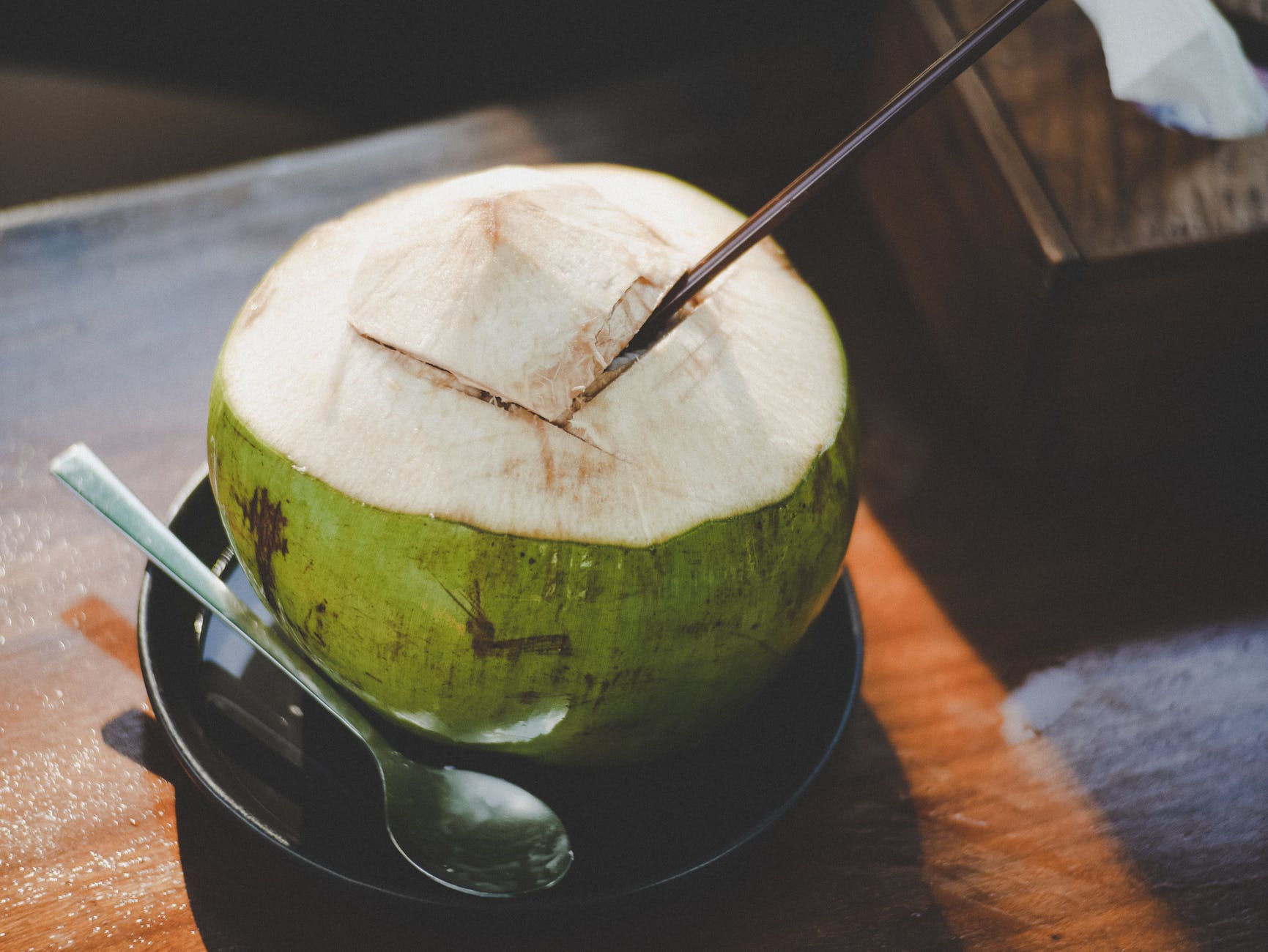
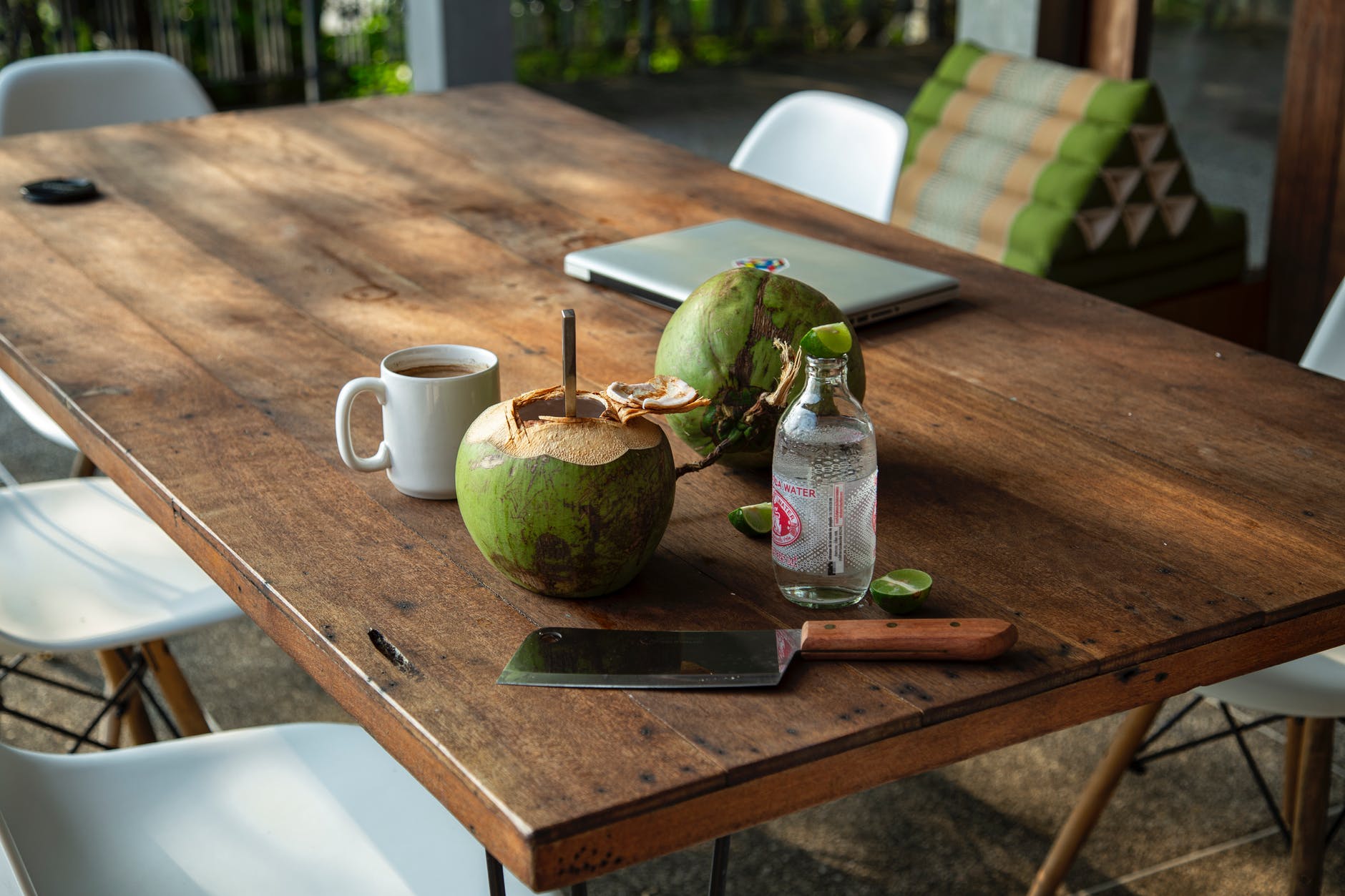
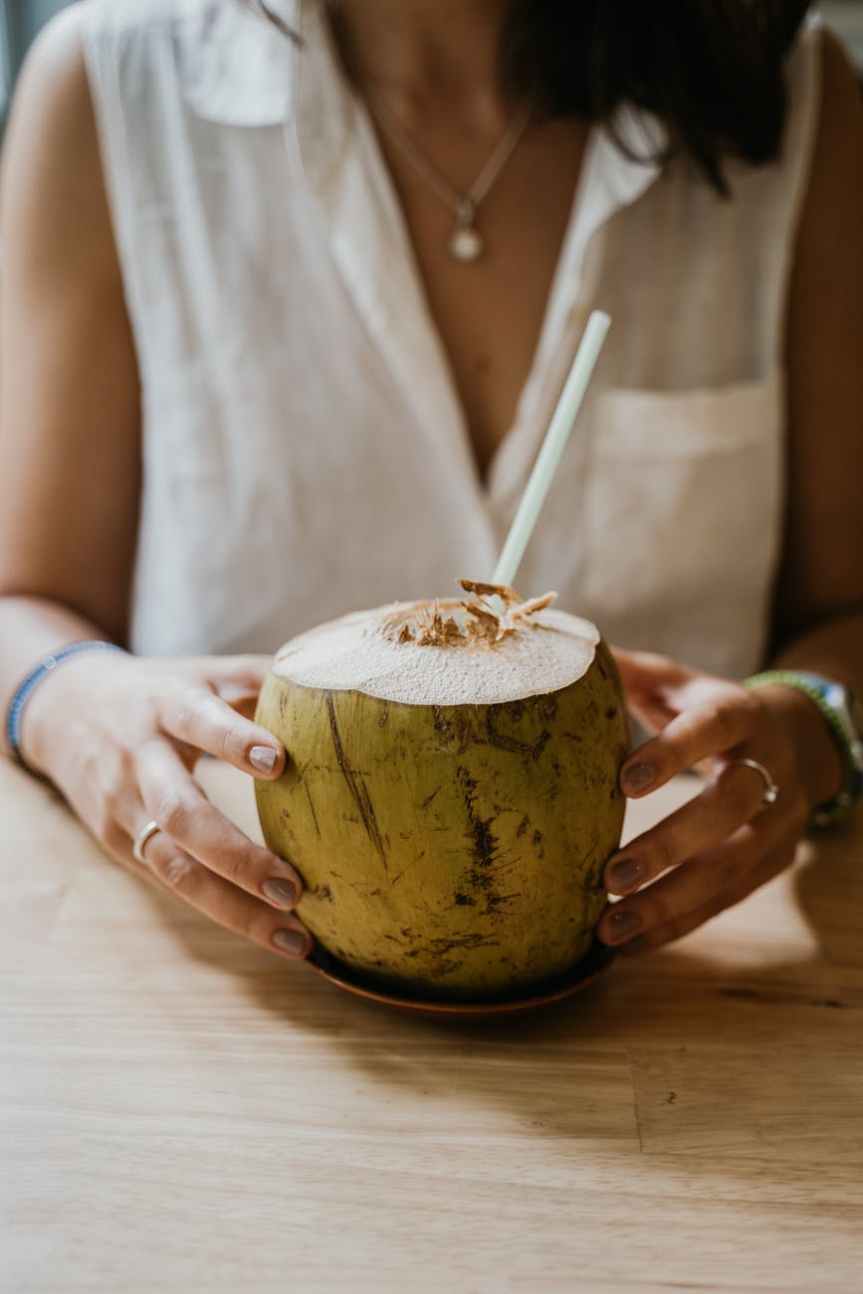
Remedy from heat ! “put your straw in coconut water.”

Its time to put your straws in coconut water & hydrate you body at the most of its level . Mostly dubbed as ” Mother Nature’s sports drink” by marketers, the demand is skyrocketing, propelled by celebrity and athlete endorsements and promises to hydrate the body and help with a whole host of conditions, from hangovers to cancer and kidney stones. Low in calories , naturally free of fats & cholesterol , more of potassium than that of four bananas , it is a super hydrating drink which gives you body full energy to go on with the pace that you are required to go with .

WHAT IS COCONUT WATER ?

Naturally occurring , coconut water has a sweet & nutty taste . Many people ask this question , how coconut is filled with water . Let me give you an answer of this , As the fresh water assimilated by the roots is conveyed right up to the crowns of the coconut palms through osmosis process, any dissolved salts which exist in the subterranean water automatically get eliminated through this natural filtration. Fresh water that gets accumulated in coconut is actually ‘endosperm’ or the food or nourishment for the coconut’s growth. Coconut water contains easily digested carbohydrates in the form of sugar and electrolytes. Not to be confused with high-fat coconut milk or oil, coconut water is a clear liquid in the fruit’s center that is tapped from young, green coconuts.

Professional tennis player John Isner credits coconut water with keeping him on his feet for his epic 11-hour marathon Wimbledon tennis win. “It is super hydrating and has kept me going in long matches and prevented me from cramping even in the hottest and most humid conditions,” he says. He drinks the mixture of coconut water & water before the night of the match & this helps him to get hydrated all day long in that match .

Sports nutritionist Nancy Clark, author of Nancy Clark’s Sports Nutrition Guidebook, says coconut water won’t rehydrate the body unless you can drink plenty of it. If you enjoy the taste and can tolerate large amounts, it could help keep you hydrated.

A 2007 study shows coconut water enhanced with sodium was as good as drinking a commercial sports drink for post-exercise rehydration with better fluid tolerance. Another study reported that coconut water caused less nausea, fullness, and stomach upset and was easier to consume in large amounts during rehydration. It is naturally occurring drink which will keep you hydrated all day long . In a study conducted, coconut water prevented crystals from sticking to the kidneys and other parts of the urinary tract. It also reduces the number of crystals formed in the urine. Researchers believe that coconut water helped reduce the production of free radicals that occurred in response to high oxalate levels in the urine. From nausea to kidney stones , coconut water has worked as a remedy for most of the health issues , so what are you waiting for ? Go and buy a coconut & enjoy the mother nature’s Sports drink .

Letting Go

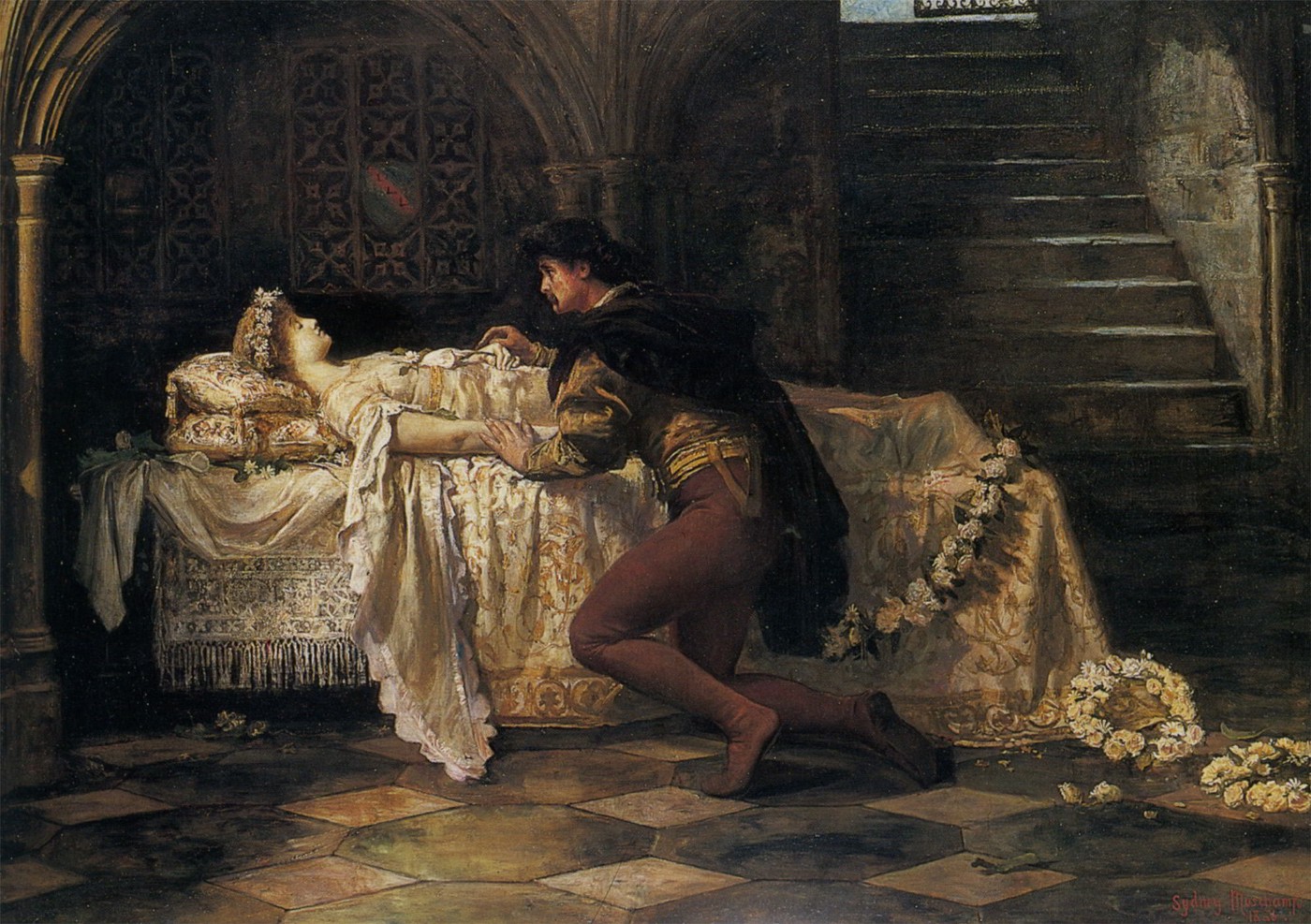
Romeo and Juliet is probably one of the best known pieces of fiction in the world. Two lovers separated by family differences find each other only after death makes them meet in the world beyond.

What Are the Real Origins of Shakespeare's “Romeo and Juliet?” | by Julia  Rose Harmon | The Smartie Newsletter | Medium

Now, it is a very philosophical way of saying, but in life, sometimes, one must know how to give up. Giving up is not the part where one never tries but the part where one realizes that he or she or they are done trying – to their best. And it is not a sign of cowardice but a very healthy exercise when giving up is accompanied by letting go.

The American star Olympian Simone Biles announced her early return from the Tokyo Olympics citing mental health reasons, the most decorated Gymnast of all time was clearly being braver and more conscious of herself than the way in which many conservatives in her country tried to portray her. She knew that she could not perform if she could not keep calm and that would only make it worse for her – deep in her head. Let us not forget that she holds 32 medals combining World championships and Olympics. In the 2016 Olympics, she singlehandedly won 3 gold and 1 bronze medals and another gold medal in teams event. She, by no means lacks the resources to be the champion. But she understood her mind.

Biles smiling and waving

The process is difficult. One might argue that giving up is like admitting defeat. Admitting defeat in the face of a certain defeat is honesty! And although your mind requires some straining, it is up to you to decide to what extent can you strain the same.

Next time, when you are giving your best and after several attempts, it seems futile to continue, give it a thought. Should you or should you not continue.

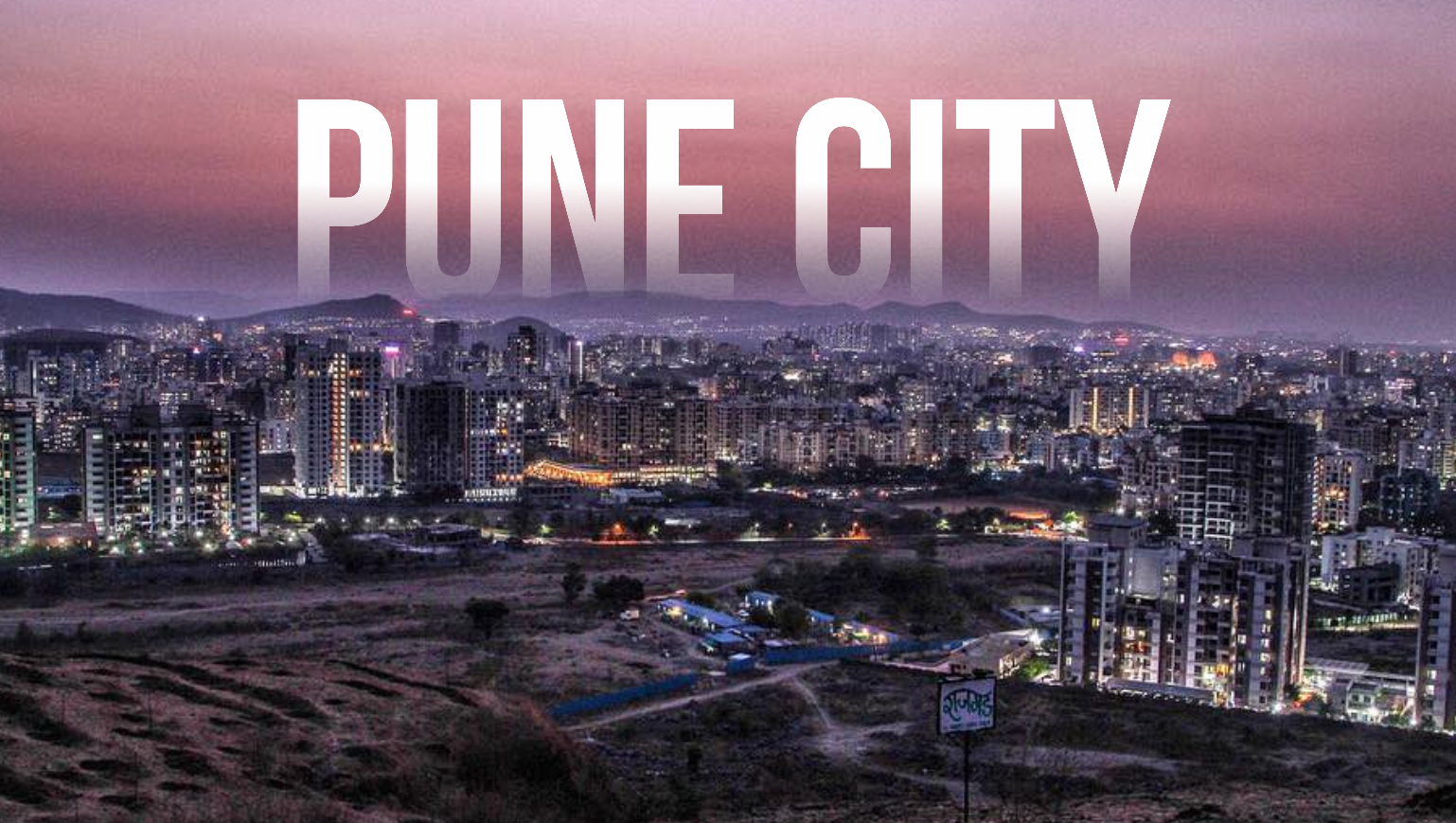
The most interesting things about Pune

For new-comers Pune may appear to be arrogant, rude and not-so-friendly, but after spending some time in Pune you will realize that they are actually sweet, a bit arrogant but kind. When you login in Pune you can’t logout.
For them who wants to live in Pune, here are some most interesting things about Pune you should know.

Pune, formerly known as Poona is the second-largest city of Maharashtra, after Mumbai and eighth-most populous city in India.

India’s first indigenously-run girl’s school was started in Pune by Savitribai Phule along with her associate Fatima Sheikh.

Pune is widely regarded as the second major “IT hub of India” and the top “automobile and manufacturing hub of India”
Pune is where Badminton originated in India.

Pune has 21 engineering colleges, which is highest in the world in a given city. There are many popular and old institutes in Pune and because of this in our Marathi language we called Pune as “ Shikshanache Maherghar ” it means Hometown of Education.

Pune has the highest number of software companies in India.

Beside this Pune has some unique things that you will only see in Pune.

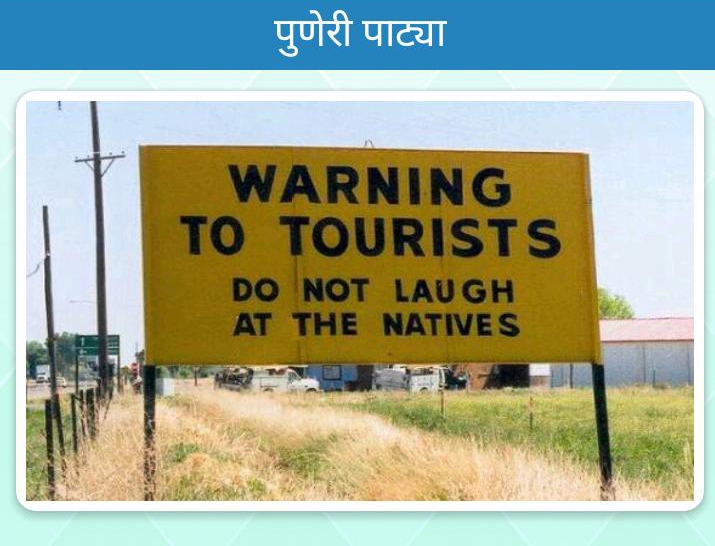
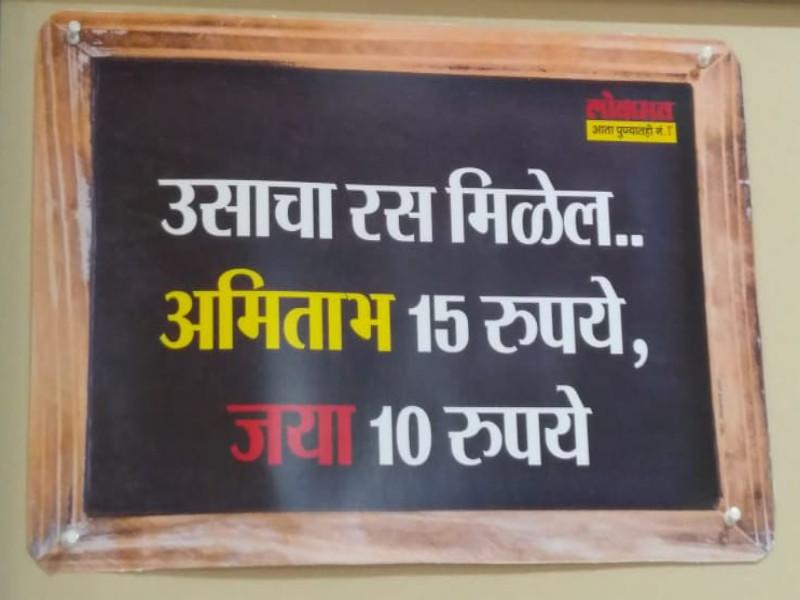
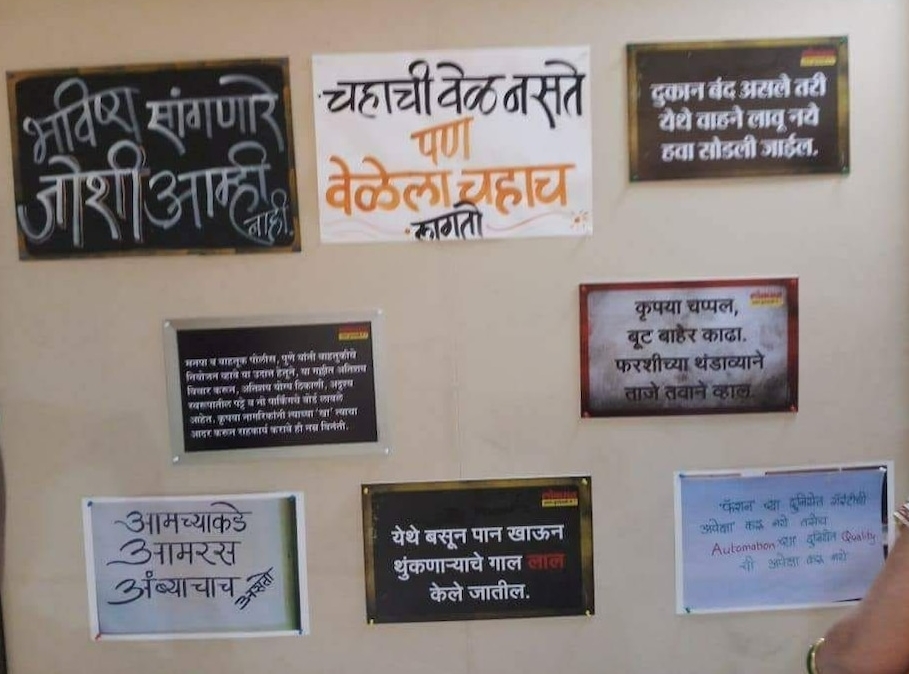
1. Puneri Patya

People who mostly come from outside the city come across those ubiquitous Puneri Patya, which are known for their bluntness and arrogance, while they appear funny to the uninitiated. A typical Punekar thinks and acts as though they have the sole right to educate people in their own ways. A Punekar believes in calling a spade a spade. They want order and discipline around them, which is absent when it comes to traffic though. They don’t want to repeat the same thing to visitors or passers-by. Hence, the Patya culture has been thriving in Pune dishing out advice, warnings and at times, threats to those who have not adopted the city’s culture.
From this unique way of expressing their thought we can say that Punekars love to educate others and finding the mistakes of other peoples.
Being a Punekar myself, I never found these Patya strange. However, some people from other cities always made fun of these signages. It seems pun is part of Pune’s life as these signages indicate.

2. Puneri Misal

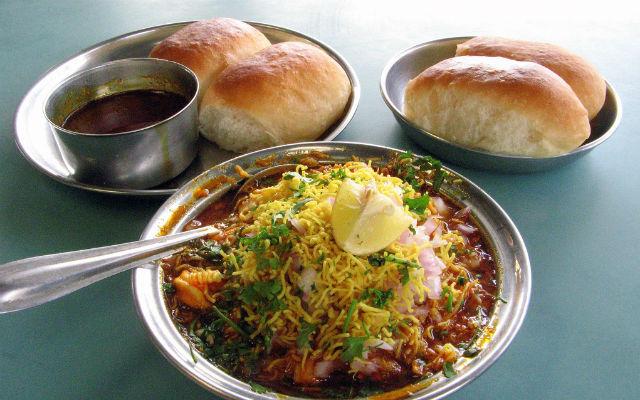
Famous Puneri Misal you should definitely try if you are traveling to Pune. Misal is like full time meal for Punekars, they can eat Misal all day without getting bored. Misal the local spicy snack of Punekars. It is the all time favourite dish of Punekars and you would find every restaurant and even the smallest hotel at the corner serving them.

3. No work between 1pm to 4pm

In Pune during some time in afternoon like about 2 hours from 1pm to 4pm you will notice that every shop even the smallest one at nook is closed.
Outsiders an those who are new at Pune think this habit of Punekar a bit weird, outsiders find it strange that almost all shops are closed for some hours in the afternoon since their owners take a nap during that time.

4. Puneri Chaha

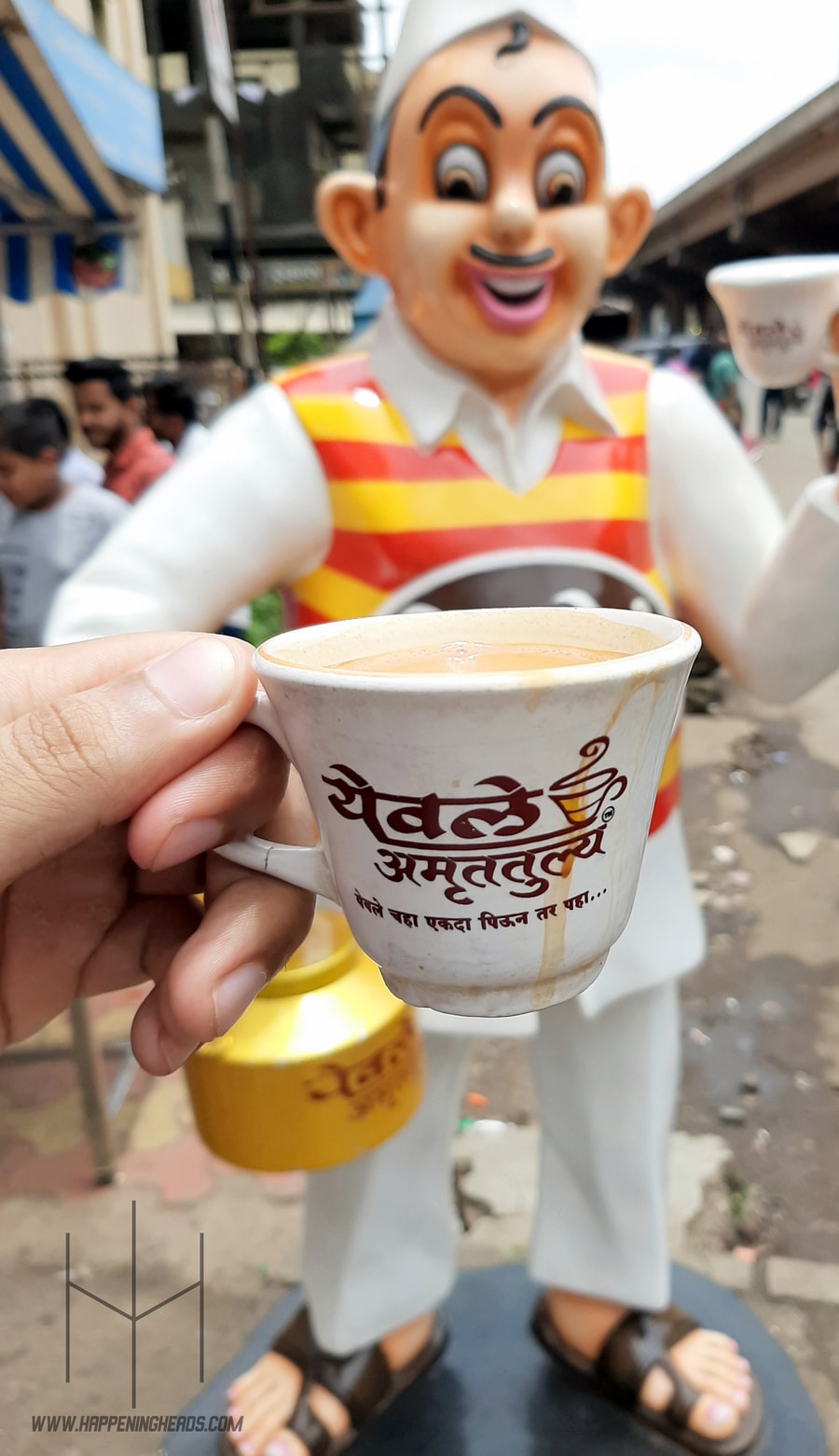
Pune’s most favourite and famous tea destination “Yewale Amruttulya”. You will find it strange that, a tea shop is as famous as Starbucks. Many people travel far away just to taste “Yewale Amruttulya”, you have to stand in long lines just to taste a tea.

Knowing the Indian Ocean

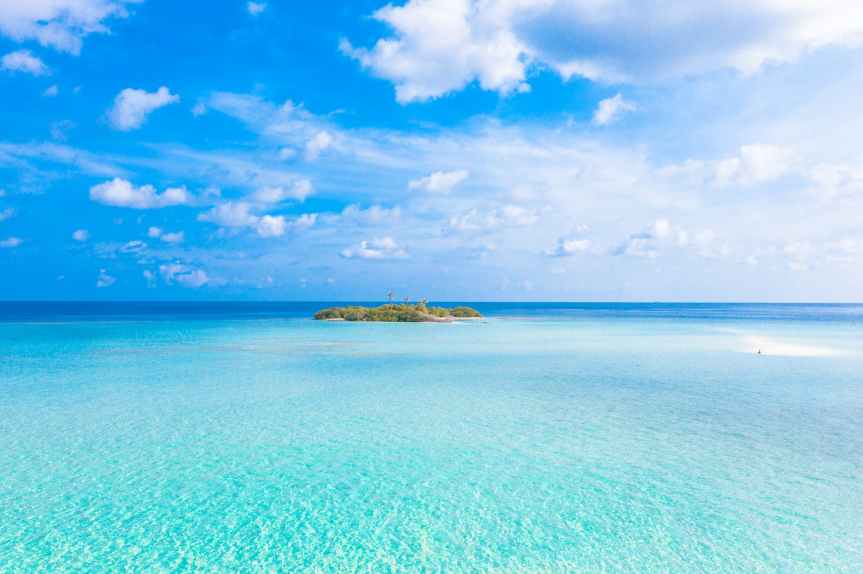
After the Pacific and the Atlantic, let’s move onto the Indian ocean

Photo by Asad Photo Maldives on Pexels.com

Hope you remember the acronym- PAISA

  1. Pacific
  2. Atlantic
  3. Indian
  4. Southern
  5. Antarctic

These oceans are arranged in the decreasing order of their sizes.

The third largest ocean based upon its size, it is the only ocean in the whole world to be named after a country. It covers 27,240,000 sq ml or 19.8 percent of the world’s water on the Earth’s surface. Bounded by Asia to the north, southern ocean to the south, Africa to the west and the Indonesian islands (the strait of Malacca) and Australia to the east, it also hass many marginal seas and islands.

Marginal Seas:

  1. Bay of Bengal
  2. Arabian sea
  3. Laccadive sea
  4. Java sea
  5. Andaman Sea
  6. Timor Sea
  7. Red sea
  8. Persian Gulf
  9. Gulf of Aden
  10. Gulf of Oman
  11. Gulf of Suez
  12. Molucca sea
  13. Gulf of Khambhat

Major islands

  1. Andaman and Nicobar
  2. Lakshadweep
  3. Maldives
  4. Madagascar
  5. Reunion
  6. Seychelles
  7. Mauritius
  8. Comoros
  9. Indonesia

Enclosed by land on three sides, it is centered along the Indian peninsula and doesn’t extend from pole to pole. It has roughly 800 drainage basin of which 50% are located in Asia, 30 % in Africa and 20% in Australia. It is considered to have subtropical climate. The northern half of the Indian ocean experience monsoon winds that lead to reversal in direction of winds (caused by the movement of ITCZ that in summers reaches above the Tibetan plateau, due to the apparent movement of sun) during summers and winters. This brings the monsoon winds to India during the rainy season(80% of the Monsoon rains dependent on them).

40 % of the total sediments found in this ocean are the results of deposition of the Ganga and Indus fans, the largest submarine fans of the world. The western Indian ocean has the largest phytoplankton blooms in summer due to the monsoon winds (they lead to the ocean water upwelling, building nutrient rich cold water to the surface of the ocean). These phytoplankton later support a complete ecosystem, acting as the primary food producers in the chain, in the ocean leading to high concentration of fish and other marine organisms. Thus, harm to the growth of these phytoplankton (continuously on the rise due to global warming, dumping of acidic and industrial waste water and algae bloom) can further destroy the fragile marine ecosystem.

There are 10 large marine ecosystems in the Indian Ocean-

  1. Agulhas current
  2. Somali coastal current
  3. Red sea current
  4. Persian gulf current
  5. Arabian sea
  6. Bay of Bengal
  7. Gulf of Thailand
  8. West central Australian shelf
  9. Northwest Australian shelf
  10. Southwest Australian shelf

Coastal reefs, sea grass bed and Mangrove forest: The most productive and important ecosystems. This ocean has 36 biodiversity hotspots and is an actively spreading and expanding ocean(having only two trenches- The Java and Sunda trench and the Makaran trench). It also has an active volcanic hotspot- The Reunion hotspot(currently below the reunion islands). Salinity follows the trends similar to the Atlantic ocean(though it doesn’t extend towards the poles.)

This is all about the Indian ocean. See you tomorrow with the Southern ocean.

DS0101EN: Introduction to Data Science course by edX

Hey peeps! Here is a course for all the engineering students out there who want to pave their way towards being a data scientist. So, gear up and tighten the seat belts. Let’s get into the world of data science.

Top 10 Careers in Data Science that are Shaping the Future

In this course you will:

  • Meet people who work in data science
  • Explore definitions of data science
  • Learn about data science in a business context
  • Discover some use cases and applications of data science

Syllabus

Module 1 – Defining Data Science

  • What is Data Science?
    • Fundamentals of Data Science
    • The Many Paths to Data Science
    • Advice for New Data Scientists

Module 2 – What Data Scientists Do

  • A Day in the Life of a Data Scientist
    • Old problems, new problems, Data Science solutions
    • Data Science Topics and Algorithms
    • Cloud for Data Science

Module 3 – Data Science in Business

  • Foundations of Big Data
    • How Big Data is Driving Digital Transformation
    • What is Hadoop?
    • Data Science Skills and Big Data
    • Data Scientists at New York University

Module 4 – Use Cases for Data Science

  • What is the Difference?
    • Neural Networks and Deep Learning
    • Applications of Machine Learning

Exercise – Computer Vision with IBM Watson

Module 5 – Data Science in Business

  • How Data Science is Saving Lives
    • How Companies Should Get Started in Data Science
    • Applications of Data Science

Module 6 – Careers and Recruiting in Data Science

  • How Can Someone Become a Data Scientist
    • Recruiting for Data Science
    • Careers in Data Science
    • High School Students and Data Science Careers

MODULE 1:

Learning Objectives

In this module you will:

  • Hear from data science professionals to learn what data science is.
  • Learn about the many paths to data science.
  • Hear from data science professionals as they give advice to anyone who is passionate about data science.
  • Learn some statistics about the field of data science, the demand for data scientists, and some of the qualities of excelling data scientists.
  • Learn why data science is the sexiest job of the 21st century.

SUMMARY:

In this module, you have learned:

  • Data science is the study of large quantities of data, which can reveal insights that help organizations make strategic choices.
  • There are many paths to a career in data science; most, but not all, involve a little math, a little science, and a lot of curiosity about data.
  • New data scientists need to be curious, judgemental and argumentative.
  • Why data science is considered the sexiest job in the 21st century, paying high salaries for skilled workers.

MODULE 2:

Learning Objectives

In this module you will:

  • Hear from data scientists as they share with you what a typical day in the life of a data scientist looks like.
  • Hear from data scientists as they share with you what tools, algorithms, and technologies they use on a daily basis.
  • Hear from data scientists as they try to explain the term “cloud”.
  • Learn about data science, data scientists, and how each is defined.

In this module, you have learned:

  • The typical workday for a Data Scientist varies depending on what type of project they are working on.
  • Many algorithms are used to bring out insights from data. 
  • Accessing algorithms, tools, and data through the Cloud enables Data Scientists to stay up-to-date and collaborate easily.

MODULE 3:

In this module, you have learned:

  • How Big Data is defined by the Vs: Velocity, Volume, Variety, Veracity, and Value.
  • How Hadoop and other tools, combined with distributed computing power,  are used to handle the demands of Big Data.
  • What skills are required to analyse Big Data. 
  • About the process of Data Mining, and how it produces results.

MODULE 4:

Learning Objectives

In this module you will:

  • Hear from Norman White, the Faculty Director of the Stern Centre for Research Computing, at New York University.
  • Hear from Norman White as he talks about data science and what skills are required for anyone interested in pursuing a career in this field.
  • Hear from Norman White as he explains some of the popular data science tools and algorithms.
  • Hear from Norman White as he gives advice to high schools students, in particular, and anyone, in general, who are looking to start a career in data science.
  • Learn about data mining, and the steps the comprise the process of mining a given dataset.
  • Learn about regression and what questions can be put to regression analysis.

SUMMARY:

In this module, you have learned:

  • The differences between some common Data Science terms, including Deep Learning and Machine Learning.
  • Deep Learning is a type of Machine Learning that simulates human decision-making using neural networks.
  • Machine Learning has many applications, from recommender systems that provide relevant choices for customers on commercial websites, to detailed analysis of financial markets.
  • How to use regression to analyze data.

MODULE 5:

Learning Objectives

In this module you will:

  • Learn about what companies need to do in order to start with data science.
  • Learn about some of the qualities that differentiate data scientists from other professionals.
  • Learn about some applications of data science.
  • Learn about analytics and what important role data scientists play in this process.
  • Learn about story-telling and the importance of an effective final deliverable.
  • Learn about the main components of an effective final deliverable.
  • Apply what you learned about data science to answer open-ended questions.
  • Demonstrate your understanding of the readings to define what data science and data scientist mean.
  • Demonstrate your understanding of the readings to answer a question about the final deliverable of data science project.

Summary:

In this module, you have learned:

  • Data Science helps physicians provide the best treatment for their patients, and helps meteorologists predict the extent of local weather events, and can even help predict natural disasters like earthquakes and tornadoes.
  • That companies can start on their data science journey by capturing data. Once they have data, they can begin analysing it.
  • Some ways that data is generated by consumers. 
  • How businesses like Netflix, Amazon, UPs, Google, and Apple use the data generated by their consumers and employees.
  • The purpose of the final deliverable of a Data Science project is to communicate new information and insights from the data analysis to key decision-makers.

MODULE 6:

Learning Objectives

In this module you will:

  • Learn about what companies need to do in order to start with data science.
  • Learn about some of the qualities that differentiate data scientists from other professionals.
  • Learn about some applications of data science.
  • Learn about analytics and what important role data scientists play in this process.
  • Learn about story-telling and the importance of an effective final deliverable.
  • Learn about the main components of an effective final deliverable.
  • Apply what you learned about data science to answer open-ended questions.
  • Demonstrate your understanding of the readings to define what data science and data scientist mean.
  • Demonstrate your understanding of the readings to answer a question about the final deliverable of data science project.

SUMMARY:

In this module, you have learned:

  • The length and content of the final report will vary depending on the needs of the project.
  • The structure of the final report for a Data Science project should include a cover page, table of contents, executive summary, detailed contents, acknowledgments, references, and appendices.
  • The report should present a thorough analysis of the data and communicate the project findings.

History Of India And National Movement

Revolt of 1857
Before 1857 in 100years of a journey of Mughal emperor is ruled 1757 to set up own dynasty which was long time India and in 1857 British came that was partly they have owned and fight to rule in India and establish east India company which was named by the British. That was the “Revolt” after 1857 started and the modern history began the Mughal emperor became a pensioner of EIC.


In the background, 1757 war Plassey between Mughals and Nawab of Bengal for policies because of British was intervened for east India company by sending the governor leadership of Robert Clive control to seize indirect and French allies which broken by Captain John Munro after that they confirmed that British will go ruled in India.


1765- Treaty of Allahabad
When the British have proved that they are going to rule in India they changed the policies of East India Company and the Rights to collect the Revenue of Bengal, Bihar and Orissa which was called Deewani by the states for a collection that they won in fights and the Nizamat in Bangal which given states that maintain their Law and orders and then it became Dual system of Government this reason made the biggest Revolt of 1857. And the Mughal emperor was shah Alam became a pensioner if east India company that fixed amount given by the British which was 260000 the impact of symbolic importance he has power but the time changed that he got a yearly pensioners system of Diwani is taken charge by East India company they made different policies in revenue changes.

  • New land revenue settlements.
  • Growth of intermediary.
  • Eviction of peasants from their lands.
  • Intervention in Tribal regions.
  • Destruction of domestic handcraft and promotion of British goods.

That became the experiment that some has to succeed some are not successful but ultimately the situation has come in front of East India company has to appoint new post for their money collection(Tax) because they are not sufficient to handle the work and other became middle class came in the area to give money called money lenders. Imposed different taxes that are become reason farmers faced many problems inland.
The new market also establishes by the British command east India company India became the manufacturer for raw material in the market because they have given rights to take charge and command EIC whatever the market in India like cotton manufacture mills handicraft that tribal made by them all are produced in Britain. This is the only marketing and manufacture India and the production is over the business of profit is now British in hand only one thing comes in mind of drainage of wealth they pay tax to the British government.

These are all the reasons that British pay money for tax and money for their government to east India company this become main benefits of permission given but they also send money to Britain so especially pay tax.
Military Revolt on 29 march 1857 behind reason become revolt because of British they invented the Enfield rifle and they use kind of grease they made of pig or cow that military refuse to use that greased cartridges. 10th may all regiment was also denied and they killed British army officers because they are large in number so they were more powerful on them and run away to Delhi on 11 May came from Meerut they induce in these all problem and movement were started they went to bahadur shah Zafar lead them. That they have their army and army chief bakht khan who was more than 84 years old he told bahadur shah that this is the biggest opportunity for us to make a change they are ready to lead them and they become symbolic. There were many revolts began by different states Lucknow on 4th June begum Hazrat mahal (w/o Nawab Wajid Ali Shah) Brijis Qadir.

SUPPRESSION OF “REVOLT”
On 21th September Delhi Hudson B.S Zafar was arrested and sent to Rangoon and his son were killed in 1852. In Lucknow send Halov Outram to control them but they cannot control but after that Collin Campbell send to kill them and then Begum Hazrat Mahal went to Nepal and Lucknow get occupied by the British and the Kanpur revolt is over won by Campbell tatyatope hanged by them and nana sahib went to Nepal in 1857 revolt has over by east India company. The reason behind the revolt

  • Politocal- Doctrine of laps.
  • socio-Religious – Christianzation of India, Religious disabilities Act 1856.
  • Economic- Drain of wealth

And India in 18th century 1757 – 1764 British kingdom established by the struggle for succession. In 1803 Aurangzeb son MD muazzam shah Alam(65yr old) fight the British won get emperor and he adopted tolerance policies with Hindu kings but those who found them struggle they try to induce the end the make friendly relationship. There are many Mughal emperors and Hindu samaras who ruled between this time. But the British kingdom was the last that occupied India.
The democracy of India is the big challenge that faced the third freedom of the nation. The Indian national movement was an organised mass movement and affected both internal and external. It led to the formation of the Indian national congress in 1885. Struggles of the country have broken the people of India by socio-Cultural, and Economic factors that led to the rise of Nationalism.
Tilak was the first leader who leads this movement. The British colonial authorities called it “The father of the Indian unrest”. He was also given a title name “Lokmanaya” as a leader and an independence activist Mahatma Gandhi called him “The Maker of Modern India”.
Indian National Congress
Tilak encouraged the swadeshi movement and the Boycott movement. The movement consisted of any Indian produce goods. there was a gap which had to be filled by the production of those goods in India itself.
Dadabhai Naroji formed the East India Association in 1867 and Surendranath Banerjee founded Indian National Association in 1876. Seventy- two Indian delegates met in Bombay in 1885 and founded the Indian National Congress.
The demands of education, awareness about the rights, freedom of speech reform and expansion of the legislative council’s development of modern capitalist industries in India.
The national movement in (1858- 1905)
Procrastination by Qween Victoria announced that now east India company will not intertwine in India British has only the power by parliament it changed the whole democracy. growth of nationalism in this index administration. It was British rule and its direct and indirect consequences that provided the material, moral and intellectual conditions for developing a national movement in India. British is the only reason for policies for their backwardness.
The first session will be held in Pune, but it’s changed for a reason and held in Bombay in Gokul das Sanskrit school and the second session Kolkatta by Dadabhai Naroji has been three-time 1886, 1893 and 1906. Total 434 delegates are standing Community and the third session in madras (1887) formed by Badruddin Tyabin. He is the third president of the Indian national congress. He declared that he had denounced all communal Muslims and bring them into the party and introduced resolution no XII at the Allahabad congress.

Water resources in India

Water is one of the most essential natural source for us to survive and we have heard it quite a lot time that we cannot survive without it. today I will discuss various resources of water in our country and need to conserve it for future.

In India , we have various resources of water . India receives water from precipitation is about 4000 cubic km. This rain occurs mostly in monsoon seasons with north and northeast getting maximum rain. India has about 4 % of total world’s water resources.

Beside these resources , India has a vast coastline with intended coast in some states. Odisha , Kerala and west Bengal have vast surface water resources in form of lakes. this water is also used for Irrigation of some crops. Irrigation is process of watering of agricultural plants through artificial ways. The availability from surface water ( from lakes , pond , rivers and tanks ) is about 1869 cubic kilometer. Though this level of water is more than enough but , most of the area in India is under tropical climate . About 92% of water is used in Agriculture , 6% for drinking and 2 % for industries. For agriculture , rain is most important resources in India but due to uncertainty of rainfall , uneven distribution of rainfall , crop requirements and nature of the soil, Irrigation is widely used in our country.( source : Jasmine Rachel ,135).

Irrigation are done in India by various ways . It totally depends upon availability of surface and ground water. Various means of irrigation are wells ,tanks , canals and others.

  1. well :- well is a very common source of irrigation we all have seen it in various places. it is a small hole dug in the surface of the earth to obtain water for irrigation. it is a very simple and cheap source of Irrigation.

2. Tube wells : – it is a deeper well at the depth of 20 – 30 m from which water is lifted up for various uses . it can irrigate large area for agriculture. it brings a large amount of underground water. but is little bit expensive.

3. Canals : – canal is the biggest source for irrigation . it is stretched for lakhs of kilometers. Basically ,there are different types of canals that is Inundation canals and Perennial canals . canal irrigation is practiced in Uttar Pradesh , Madhya Pradesh , Rajasthan , Andhra Pradesh and various regions.

Water conservation

Water is a natural resources in our planet . it is a basic need of humans . But due to overuse of it ( increase in population and irrigation) its demand has raised a lot since few years. and amount of water has significantly fallen. some experts also say that world war 3 could be fought due to shortage of water in various countries. we need to conserve water as much as possible . some reasons for it are :-

  1. The overuse of underground water.
  2. Irrigation
  3. The demand of water for industrial use is increasing day by day.
  4. The increase in country’s population.

Water conservation is a very serious mater . fresh water is also declining from earth’s surface. we need to take good steps to conserve water and use efficient measures to conserve water. some techniques to conserve water are rainwater harvesting , water recycling etc.

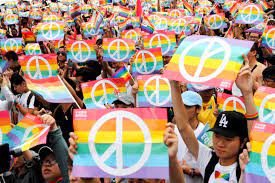
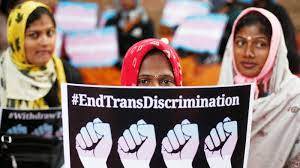
PROBLEMS FACED BY LGBT COMMUNITY

The expression “LGBT” represents lesbian, gay, bisexual and trans gender. A lesbian is lady drawn to another ladies. Gay is a man drawn to another man. Bisexual individuals are drawn to more than one gender. A transgender individual is somebody whose sex personality varies from the one they were appointed upon entering the world. Individuals in the LGBT people group are battling for equivalent rights and acknowledgment. Trans individuals, particularly, face a ton of trouble in discovering acknowledgment. Individuals in the LGBT people group are peered downward on constantly. While lesbians, gay and bisexual individuals are reluctant to inform their families about their sexuality.

They are not acknowledged in the public eye. Others ridicule them. “LGBT” terms are regularly used to affront somebody. “Gay” is frequently utilized as a revile/curse term which isn’t right. Somebody’s identity shouldn’t be utilized as reviling/cursing word.

Consistently, an enormous number of LGBT individuals face gigantic issues identified with brutality, joblessness, separation, destitution and absence of medical care. Biased individuals have issues with the manner in which individuals from the LGBT people group lead their lives. These individuals, I accept, are being juvenile. There are a few group who claims themselves as LGBT ally however the extremely next second they crack lame and sexiest jokes on them.

However, there are individuals who genuinely support LGBT people group. Be that as it may, of individuals have ill-conceived notion about them. They accept that LGBT individuals shouldn’t be permitted in home. I believe If school make their understudies mindful about the LGBT people group, we would not deal with such issues.

RESOURCES:

1.https://www.youthkiawaaz.com/2018/01/dont-ever-be-afraid-to-show-off-your-true-colours/

2.https://www.livemint.com/Sundayapp/sAYrieZdZKEybKzhP8FDbP/Being-LGBT-in-India-Some-home-truths.html

Terrorism

Terrorism is a criminal act that seeks to instil terror in ordinary people. It is a danger to mankind. It covers anybody or any organisation who spreads violence, such as riots, burglaries, rapes, kidnappings, fights, bombs, and so on. Terrorism is a cowardly act. Terrorism is also unrelated to religion. A terrorist is a terrorist, regardless of whether he or she is Hindu or Muslim.

Types of Terrorism

Terrorism is classified into two types: political terrorism, which causes widespread alarm, and criminal terrorism, which involves abduction for ransom money. Political terrorism is even more dangerous than criminal terrorism since it is carried out by well-trained individuals. As a result, it becomes difficult for law enforcement organisations to apprehend them in a timely manner.

Terrorism spreads at both the national and international levels. Regional terrorism is the most violent type of terrorism. Because terrorists believe that dying as a terrorist is precious and holy, they are prepared to go to any length. All of these terrorist organisations are formed for a variety of reasons.

Causes of Terrorism

There are several major causes of terrorism, including rapid population growth, politics, social and economic problems, dissatisfaction with the country’s system, a lack of education, corruption, racism, economic inequality, and linguistic differences. Terrorism is used as a weapon to show and justify one’s point of view. The most well-known riots are those between Hindus and Muslims, although there is a distinction between caste and terrorism.

The Effects Of Terrorism

Terrorism instils fear in individuals, and as a result, people in the country feel insecure. Terrorist attacks damage millions of products, take the lives of thousands of innocent people, and slaughter animals. After witnessing a terrorist attack, disbelief in mankind grows, giving rise to another terrorist. There are several forms of terrorism in various areas of the country and throughout the world.

Today, terrorism is not just a concern in India, but also in our neighbouring nation, and governments all over the world are working hard to combat it. The September 11, 2001, terrorist attack on the World Trade Center is widely regarded as the world’s biggest. Osama bin Laden attacked the world’s tallest skyscraper, resulting in millions of injuries and the deaths of thousands of people.

Terrorist Attacks in India

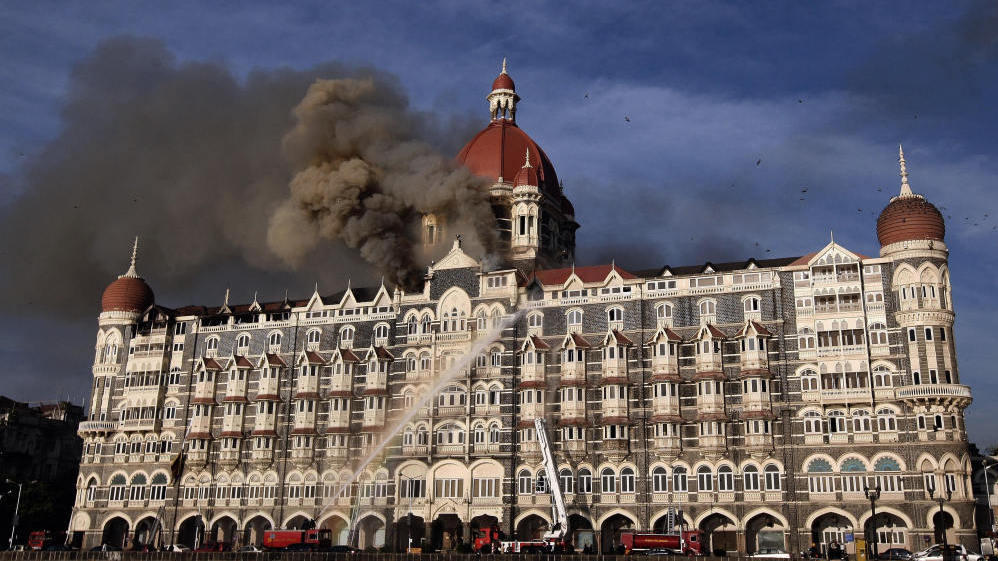
India has suffered several terrorist attacks which created fear among the public and caused huge destruction. Here are some of the major terrorist attacks that hit India in the last few years: 1991 – Punjab Killings, 1993 – Bombay Bomb Blasts, RSS Bombing in Chennai, 2000 – Church Bombing, Red Fort Terrorist Attack,2001- Indian Parliament Attack, 2002 – Mumbai Bus Bombing, Attack on Akshardham Temple, 2003 – Mumbai Bombing, 2004 – Dhemaji School Bombing in Assam,2005 – Delhi Bombings, Indian Institute of Science Shooting, 2006 – Varanasi Bombings, Mumbai Train Bombings, Malegaon Bombings, 2007 – Samjhauta Express Bombings, Mecca Masjid Bombing, Hyderabad Bombing, Ajmer Dargah Bombing, 2008 – Jaipur Bombings, Bangalore Serial Blasts, Ahmedabad Bombings, Delhi Bombings, Mumbai Attacks, 2010 – Pune Bombing, Varanasi Bombing.

The recent ones include 2011 – Mumbai Bombing, Delhi Bombing, 2012 – Pune Bombing, 2013 – Hyderabad Blasts, Srinagar Attack, Bodh Gaya Bombings, Patna Bombings, 2014 – Chhattisgarh Attack, Jharkhand Blast, Chennai Train Bombing, Assam Violence, Church Street Bomb Blast, Bangalore, 2015 –  Jammu Attack, Gurdaspur Attack, Pathankot Attack, 2016 – Uri Attack, Baramulla Attack, 2017 – Bhopal Ujjain Passenger Train Bombing, Amarnath Yatra Attack, 2018 Sukma Attack, 2019- Pulwama attack.

Agencies fighting Terrorism in India

To combat terrorism in India, many police, intelligence, and military institutions have created specific agencies. In India, major anti-terrorism agencies include the Anti-Terrorism Squad (ATS), the Research and Analysis Wing (RAW), and the National Investigation Agency (NIA).

Conclusion

Terrorism has evolved into a worldwide concern that must be addressed at the outset. Terrorism cannot be handled only by law enforcement forces. People all across the world will need to band together to combat the rising menace of terrorism.

List of PSUs in India

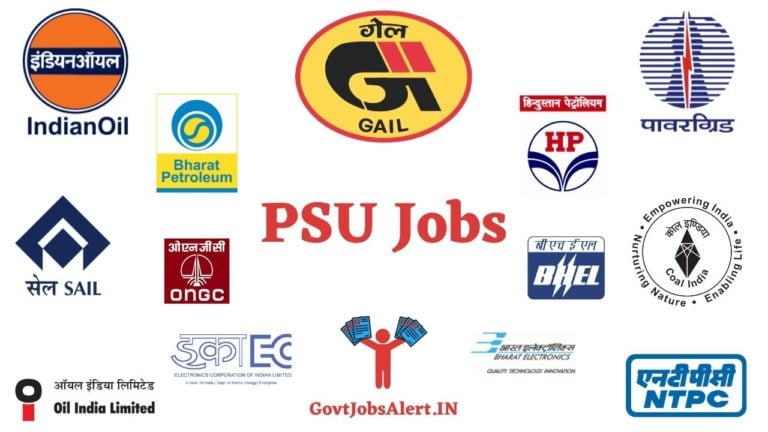
A state-owned enterprise in India is called a public sector undertaking—PSU or a public sector enterprise. In a PSU company, most shares, 51% or more, are owned by the central or state government. The ministry of heavy industries and public enterprises administers central public sector enterprises. PSUs are mainly categorized into 3 major ratnas.

  • Maharatna Companies
  • Navratna Companies
  • Miniratna Companies
PSU Jobs - Check The Latest Job Openings In Top Govt PSU

Maharatna Companies

For a company to be eligible for the Maharatna category has to fulfil these criteria; Three years with an average annual net profit of over Rs. 2500 crore, OR Average annual Net worth of Rs. 10,000 crore for 3 years, OR Average annual Turnover of Rs. 20,000 crore for 3 years (against Rs 25,000 crore prescribed earlier)

Benefits for investment: Rs. 1,000 crore–Rs. 5,000 crore, or free to decide on investments up to 15% of their net worth in a project.

Navaratna Companies

Eligibility: A score of 60 (out of 100), based on six parameters which include net profit, net worth, total workforce cost, the total cost of production, cost of services, PBDIT (Profit Before Depreciation, Interest, and Taxes), capital employed, etc., AND A company must first be a Miniratna and have 4 independent directors on its board before it can be made a Navratna.

Benefits for investment: up to Rs. 1,000 crore or 15% of their net worth on a single project or 30% of their net worth in the entire year (not exceeding Rs. 1,000 crores).

Miniratna Companies

Miniratna Companies are further divided into two minor categories:

  • Miniratna Category-I
  • Miniratna Category-II

List of Maharatna Companies

1. National Thermal Power Corporation (NTPC)

2. Oil and Natural Gas Corporation (ONGC)

3. Steel Authority of India Limited (SAIL)

4. Bharat Heavy Electricals Limited (BHEL)

5. Indian Oil Corporation Limited (IOCL)

6. Coal India Limited (CIL)

7. Gas Authority of India Limited (GAIL)

8. Bharat Petroleum Corporation Limited (BPCL)

9. Power Grid Corporation of India (POWERGRID)

List of Navratna Companies

1. Bharat Electronics Limited (BEL)

2. Container Corporation of India (CONCOR)

3. Engineers India Limited (EIL)

4. Hindustan Aeronautics Limited (HAL)

5. Mahanagar Telephone Nigam Limited (MTNL)

6. National Aluminium Company (NALCO)

7. National Buildings Construction Corporation (NBCC)

8. National Mineral Development Corporation (NMDC)

9. Neyveli Lignite Corporation Limited (NLCIL)

10. Oil India Limited (OIL)

11. Power Finance Corporation (PFC)

12. Rashtriya Ispat Nigam Limited (RINL)

13. Rural Electrification Corporation (REC)

14. Shipping Corporation of India (SCI)

ONE STATE MANY WORLDS


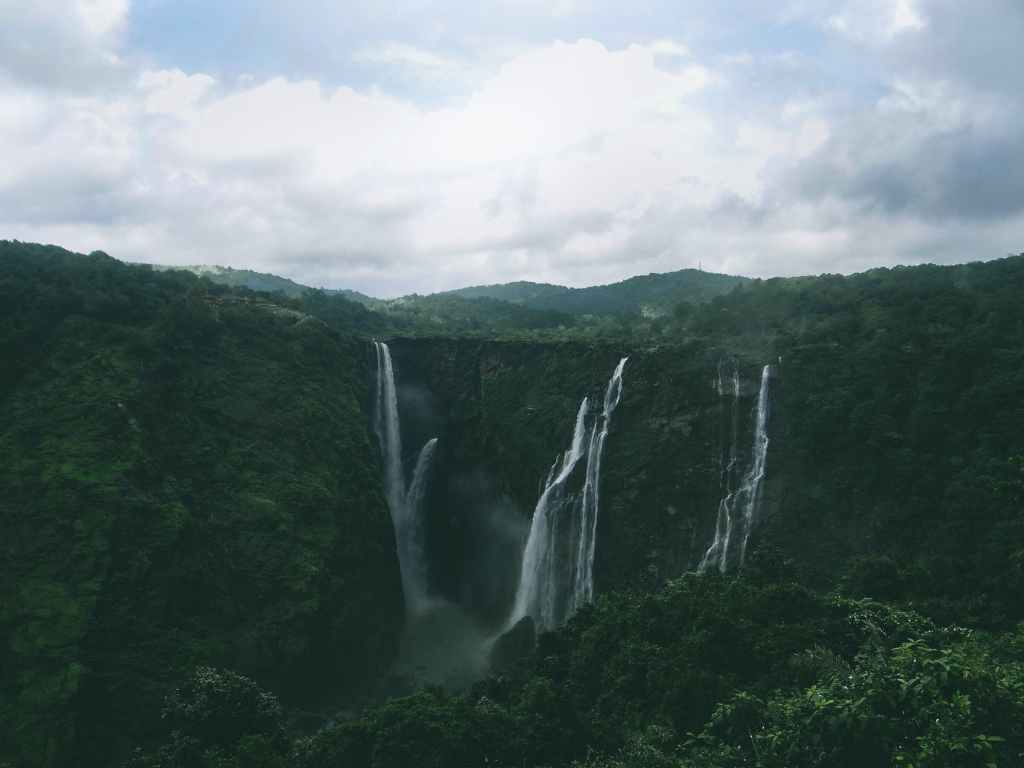
Karnataka is a state in southwest India with Arabian Sea coastlines. The capital, Bengaluru (formerly Bangalore), is a high-tech hub known for its shopping and nightlife. To the southwest, Mysore is home to lavish temples including Mysore Palace, former seat of the region’s maharajas. Hampi, once the medieval Vijayanagara empire’s capital, contains ruins of Hindu temples, elephant stables and a stone chariot.

Originally known as the princely State of Mysore, Karnataka was formed on 1st November 1956 and is located in the South-Western region of India. Close to the Arabian Sea and the Laccadive Sea, Karnataka is known for its beautiful yet unpopulated beaches and rich culture.

Karnataka is the largest state in South India and sixth largest in India. The state is in the south western region of India. It was formed on 1 November 1956, with the passage of the States Reorganisation Act. Originally known as the State of Mysore , it was renamed Karnataka in 1973. The state corresponds to the Carnatic region. Its capital and largest city is Bangalore.

Karnataka is bordered by the Arabian Sea to the west, Goa to the northwest, Maharashtra to the north, Telangana to the northeast, Andhra Pradesh to the east, Tamil Nadu to the southeast, and Kerala to the south. It is the only southern state to have land borders with all of the other 4 southern Indian sister states. The state covers an area of 191,976 square kilometres , or 5.83 percent of the total geographical area of India. It is the sixth largest Indian state by area. With 61,130,704 inhabitants at the 2011 census, Karnataka is the eighth largest state by population, comprising 31 districts. Kannada, one of the classical languages of India, is the most widely spoken and official language of the state. Other minority languages spoken include Urdu, Konkani, Marathi, Tulu, Tamil, Telugu, Malayalam, Kodava and Beary. Karnataka also contains some of the only villages in India where Sanskrit is primarily spoken

The economy of Karnataka is the fourth-largest of any Indian state with ₹16.99 trillion in gross domestic product and a per capita GDP of ₹231,000 . Karnataka has the nineteenth highest ranking among Indian states in Human Development Index.

The diverse linguistic and religious ethnicities that are native to Karnataka, combined with their long histories, have contributed immensely to the varied cultural heritage of the state. Apart from Kannadigas, Karnataka is home to Tuluvas, Kodavas and Konkanis. Minor populations of Tibetan Buddhists and tribes like the Soligas, Yeravas, Todas and Siddhis also live in Karnataka. The traditional folk arts cover the entire gamut of music, dance, drama, storytelling by itinerant troupes, etc. Yakshagana of Malnad and coastal Karnataka, a classical dance drama, is one of the major theatrical forms of Karnataka. Contemporary theatre culture in Karnataka remains vibrant with organisations like Ninasam, Ranga Shankara, Rangayana and Prabhat Kalavidaru continuing to build on the foundations laid by Gubbi Veeranna, T. P. Kailasam, B. V. Karanth, K V Subbanna, Prasanna and others. Veeragase, Kamsale, Kolata and Dollu Kunitha are popular dance forms. The Mysore style of Bharatanatya, nurtured and popularised by the likes of the legendary Jatti Tayamma, continues to hold sway in Karnataka, and Bangalore also enjoys an eminent place as one of the foremost centres of Bharatanatya.

Karnataka also has a special place in the world of Indian classical music, with both Karnataka (Carnatic) and Hindustani styles finding place in the state, and Karnataka has produced a number of stalwarts in both styles. The Haridasa movement of the sixteenth century contributed significantly to the development of Karnataka (Carnatic) music as a performing art form. Purandara Dasa, one of the most revered Haridasas, is known as the Karnataka Sangeeta Pitamaha (‘Father of Karnataka a.k.a. Carnatic music’). Celebrated Hindustani musicians like Gangubai Hangal, Mallikarjun Mansur, Bhimsen Joshi, Basavaraja Rajaguru, Sawai Gandharva and several others hail from Karnataka, and some of them have been recipients of the Kalidas Samman, Padma Bhushan and Padma Vibhushan awards. Noted Carnatic musicians include Violin T. Chowdiah, Veena Sheshanna, Mysore Vasudevachar, Doreswamy Iyengar and Thitte Krishna Iyengar.

Gamaka is another classical music genre based on Carnatic music that is practised in Karnataka. Kannada Bhavageete is a genre of popular music that draws inspiration from the expressionist poetry of modern poets. The Mysore school of painting has produced painters like Sundarayya, Tanjavur Kondayya, B. Venkatappa and Keshavayya. Chitrakala Parishat is an organisation in Karnataka dedicated to promoting painting, mainly in the Mysore painting style.

Saree is the traditional dress of women in Karnataka. Women in Kodagu have a distinct style of wearing the saree, different from the rest of Karnataka. Dhoti, known as Panche in Karnataka, is the traditional attire of men. Shirt, Trousers and Salwar kameez are widely worn in Urban areas. Mysore Peta is the traditional headgear of southern Karnataka, while the pagadi or pataga (similar to the Rajasthani turban) is preferred in the northern areas of the state.

Rice and Ragi form the staple food in South Karnataka, whereas Jolada rotti, Sorghum is staple to North Karnataka. Bisi bele bath, Jolada rotti, Ragi mudde, Uppittu, Benne Dose, Masala Dose and Maddur Vade are some of the popular food items in Karnataka. Among sweets, Mysore Pak, Karadantu of Gokak and Amingad, Belgaavi Kunda and Dharwad pedha are popular. Apart from this, coastal Karnataka and Kodagu have distinctive cuisines of their own. Udupi cuisine of coastal Karnataka is popular all over India.

Kannada is the official language of the state of Karnataka, as the native language of 66.5% of its population as of 2011 and is one of the classical languages of India. Other linguistic minorities in the state were Urdu , Telugu , Tamil , Marathi , Hindi , Tulu , Konkani , Malayalam and Kodava Takk .

Kannada played a crucial role in the creation of Karnataka: linguistic demographics played a major role in defining the new state in 1956. Tulu, Konkani and Kodava are other minor native languages that share a long history in the state. Urdu is spoken widely by the Muslim population. Less widely spoken languages include Beary bashe and certain languages such as Sankethi. Some of the regional languages in Karnataka are Tulu, Kodava, Konkani and Beary.

Kannada features a rich and ancient body of literature including religious and secular genre, covering topics as diverse as Jainism (such as Puranas), Lingayatism (such as Vachanas), Vaishnavism (such as Haridasa Sahitya) and modern literature.

VIBRANT GUJARAT

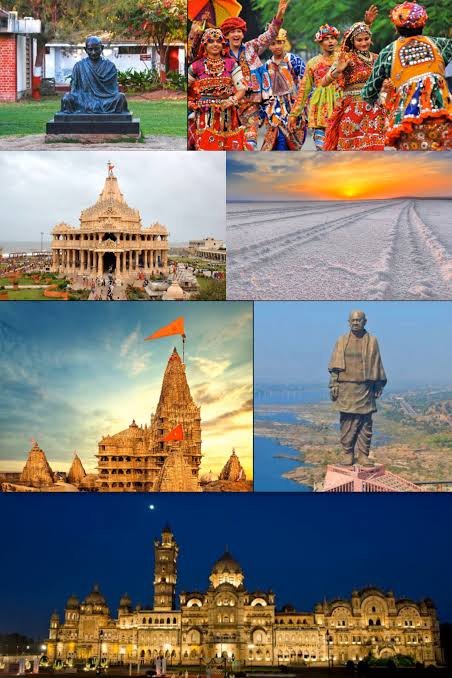
Gujarat is a state on the western coast of India with a coastline of 1,600 km – most of which lies on the Kathiawar peninsula – and a population of 60.4 million. It is the fifth-largest Indian state by area and the ninth-largest state by population. Gujarat is bordered by Rajasthan to the northeast, Dadra and Nagar Haveli and Daman and Diu to the south, Maharashtra to the southeast, Madhya Pradesh to the east, and the Arabian Sea and the Pakistani province of Sindh to the west. Its capital city is Gandhinagar, while its largest city is Ahmedabad. The Gujarati people of India are indigenous to the state, and their language Gujarati, is the state’s official language. The economy of Gujarat is the fifth-largest in India, with a gross state domestic product GSDP of ₹18.5 trillion and has the country’s 11th-highest GSDP per capita of ₹216,000 . Gujarat ranks 21st among Indian states in human development index. The state traditionally has low unemployment and is widely considered one of the most industrially developed states of India and a manufacturing hub.

The state encompasses some sites of the ancient Indus Valley Civilisation, such as Lothal, Dholavira and Gola Dhoro. Lothal is believed to be one of the world’s first seaports. Gujarat’s coastal cities, chiefly Bharuch and Khambhat, served as ports and trading centres in the Maurya and Gupta empires, and during the succession of royal Saka dynasties from the Western Satraps era.[citation needed] Along with Bihar, Mizoram and Nagaland, Gujarat is one of four Indian states to prohibit the sale of alcohol. The Gir Forest National Park in Gujarat is home to the only wild population of the Asiatic lion in the world

Gujarati food is primarily vegetarian. The typical Gujarati thali consists of rotli or bhakhari or thepala or rotlo, dal or kadhi, khichdi, Bhat and shak. Athanu (Indian pickle) and chhundo are used as condiments. The four major regions of Gujarat all bring their own styles to Gujarati food. Many Gujarati dishes are distinctively sweet, salty, and spicy at the same time. In the Saurashtra region, chhash (buttermilk) is believed to be a must-have in their daily food.

Gujarati folk music, known as Sugam Sangeet, is a hereditary profession of the Barot, Gadhvi and Charan communities. The omnipresent instruments in Gujarati folk music include wind instruments, such as turi, bungal, and pava, string instruments, such as the ravan hattho, ektaro, and jantar and percussion instruments, such as the manjira and zanz pot drum.

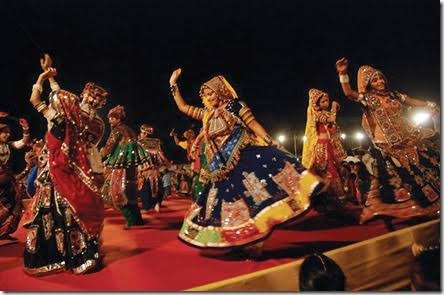
The folk traditions of Gujarat include bhavai and raas-garba. Bhavai is a folk theatre; it is partly entertainment and partly ritual, and is dedicated to Amba. The raas-garba is a folk dance done as a celebration of Navratri by Gujarati people. The folk costume of this dance is chaniya choli for women and kedia for men. Different styles and steps of garba include dodhiyu, simple five, simple seven, popatiyu, trikoniya (hand movement which forms an imagery triangle), lehree, tran taali, butterfly, hudo, two claps and many more. Sheri garba is one of the oldest form of garba where all the women wear red patola sari and sing along while dancing. It is a very graceful form of garba. Makar Sankranti is a festival where people of Gujarat fly kites. In Gujarat, from December through to Makar Sankranti, people start enjoying kite flying. Undhiyu, a special dish made of various vegetables, is a must-have of Gujarati people on Makar Sankranti. Surat is especially well known for the strong string which is made by applying glass powder on the row thread to provide it a cutting edge.

Gujarat’s natural environment includes the Great Rann of Kutch and the hills of Saputara, and it is the sole home of pure Asiatic lions in the world. During the historic reigns of the sultans, Hindu craftsmanship blended with Islamic architecture, giving rise to the Indo-Saracenic style. Many structures in the state are built in this fashion. It is also the birthplace of Mahatma Gandhi and Sardar Vallabhbhai Patel, great iconic figures of India’s Independence movement. Amitabh Bachchan is currently the brand ambassador of Gujarat Tourism.

Gujarat has a variety of museums on different genres that are run by the state’s Department of Museums located at the principal state museum, Baroda Museum & Picture Gallery in Vadodara, which is also the location of the Maharaja Fateh Singh Museum. The Kirti Mandir, Porbandar, Sabarmati Ashram, and Kaba Gandhi No Delo are museums related to Mahatma Gandhi, the former being the place of his birth and the latter two where he lived in his lifetime. Kaba Gandhi No Delo in Rajkot exhibits part of a rare collection of photographs relating to the life of Mahatma Gandhi. Sabarmati Ashram is the place where Gandhi initiated the Dandi March. On 12 March 1930 he vowed that he would not return to the Ashram until India won independence.